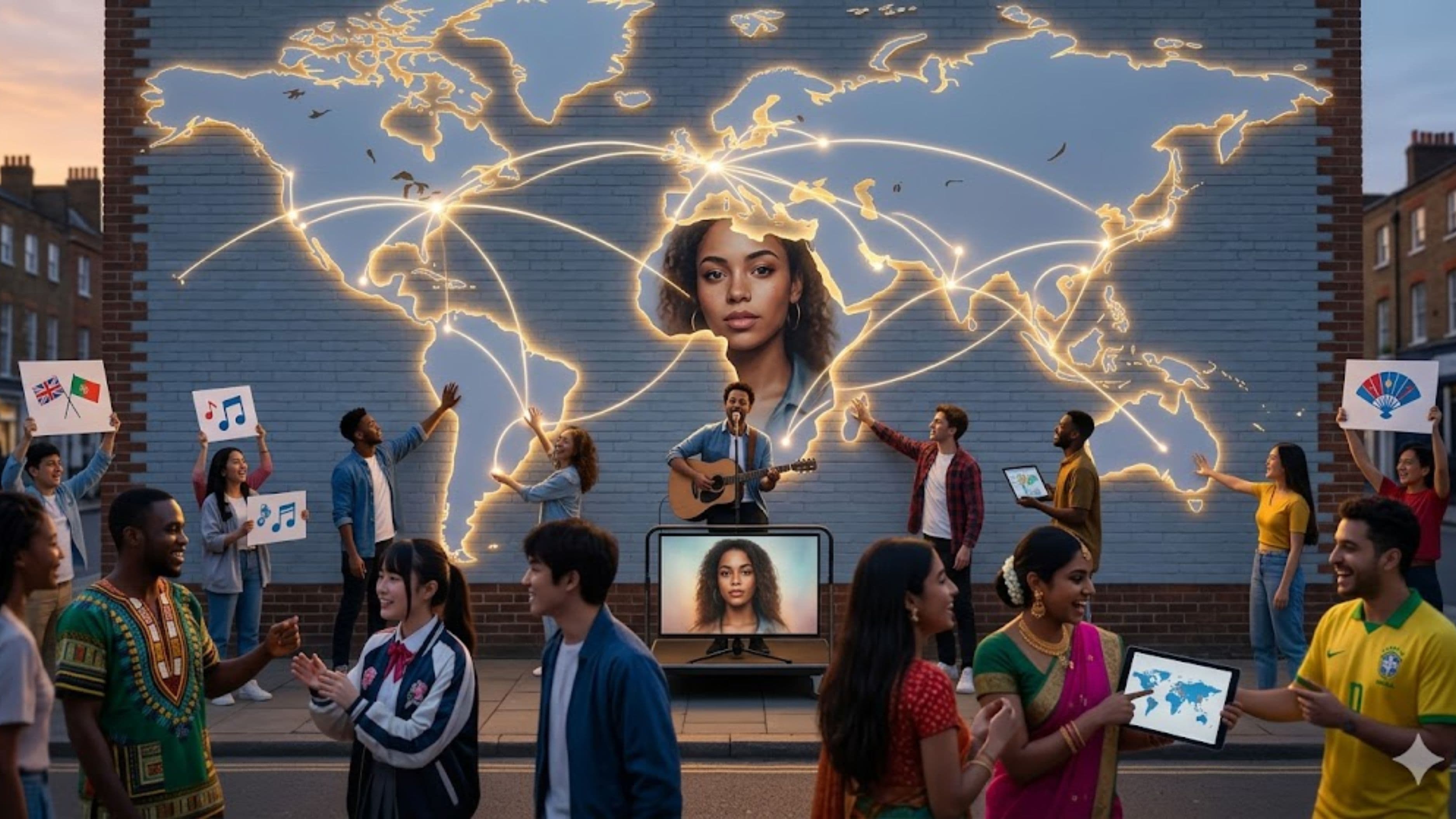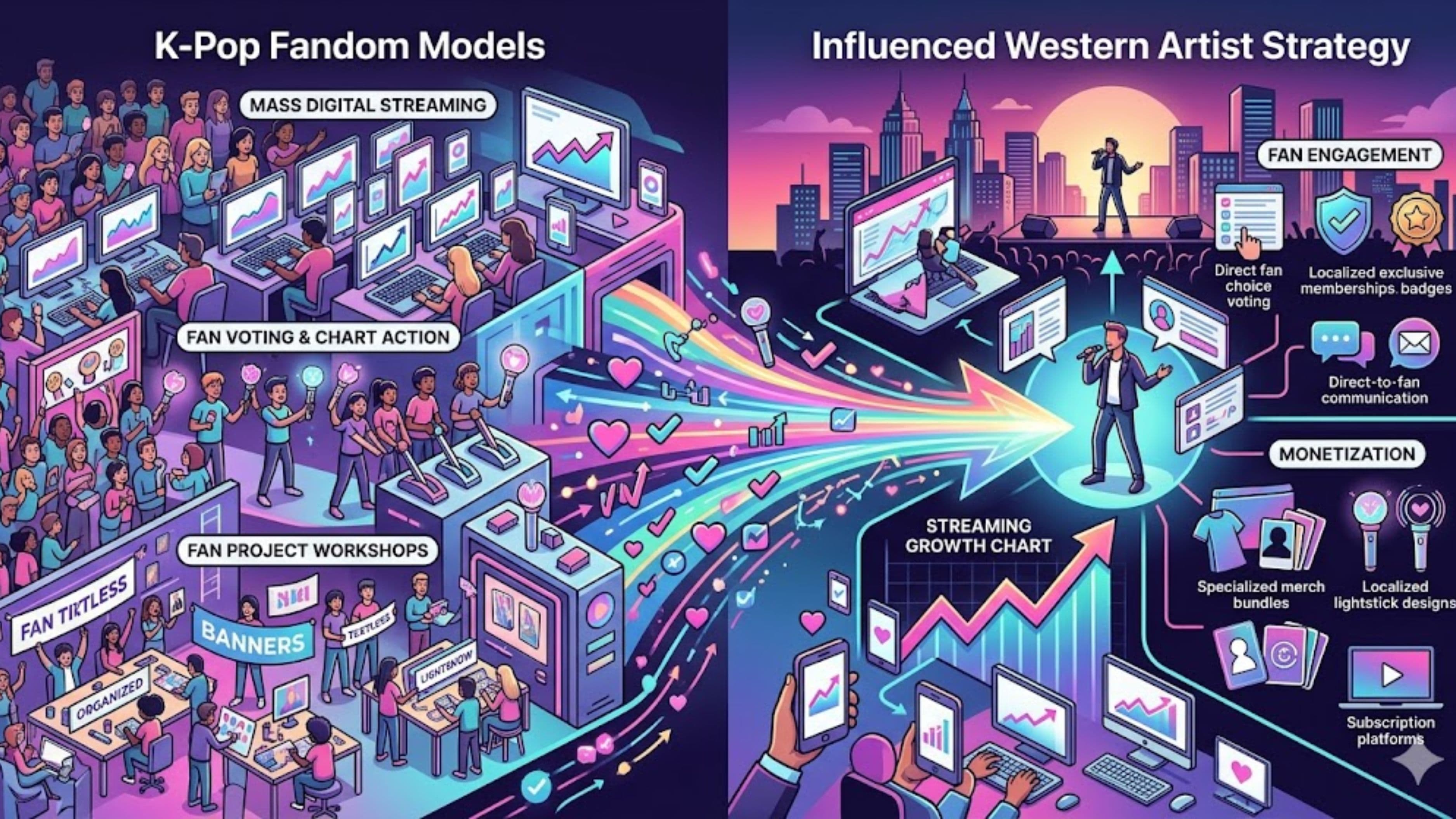
Fan-made content has moved from tolerated to encouraged to actively cultivated. The reasons are structural, not sentimental, and they reveal something important about how music gets discovered and shared in the current landscape.
What Changed and When
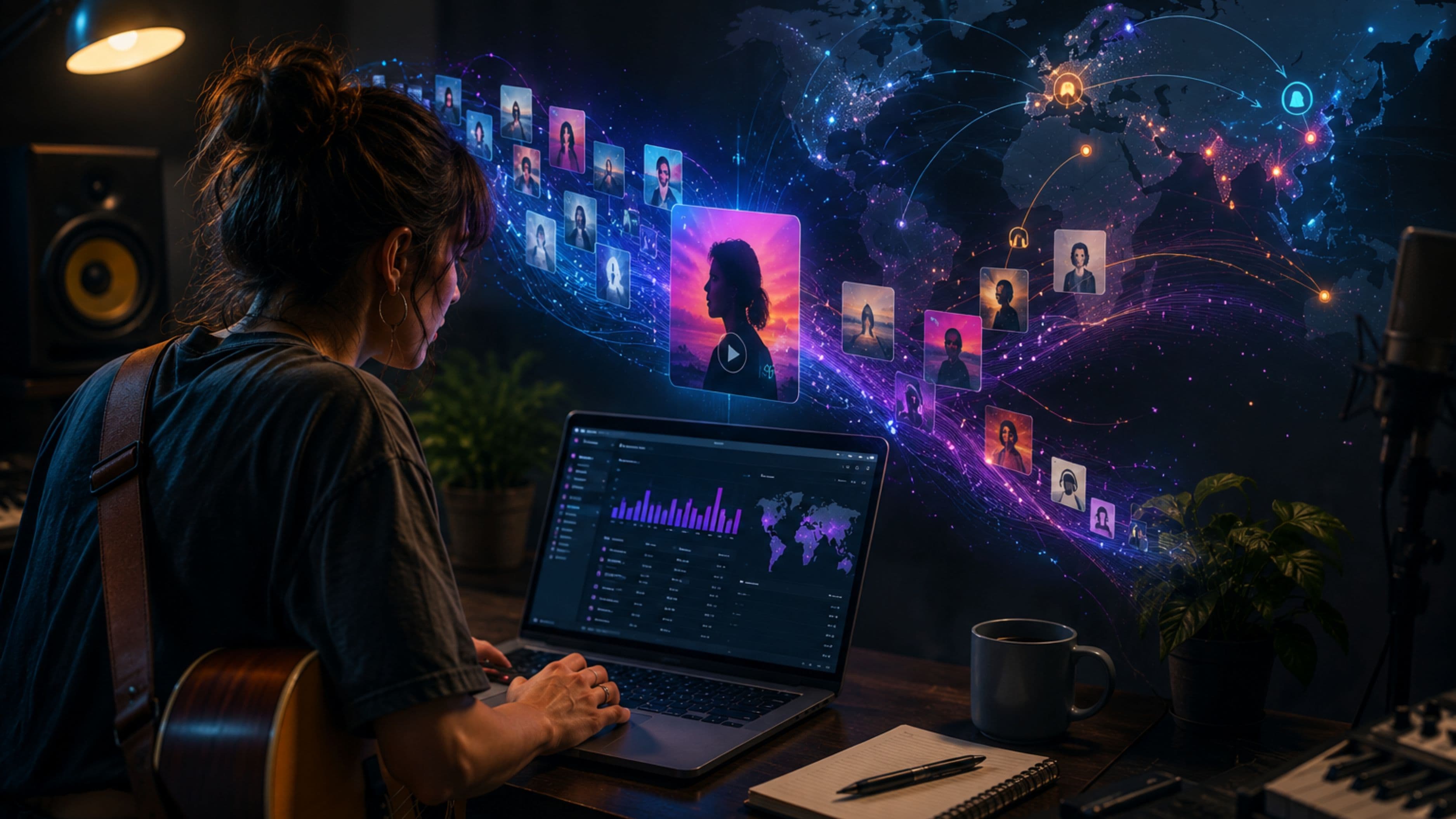
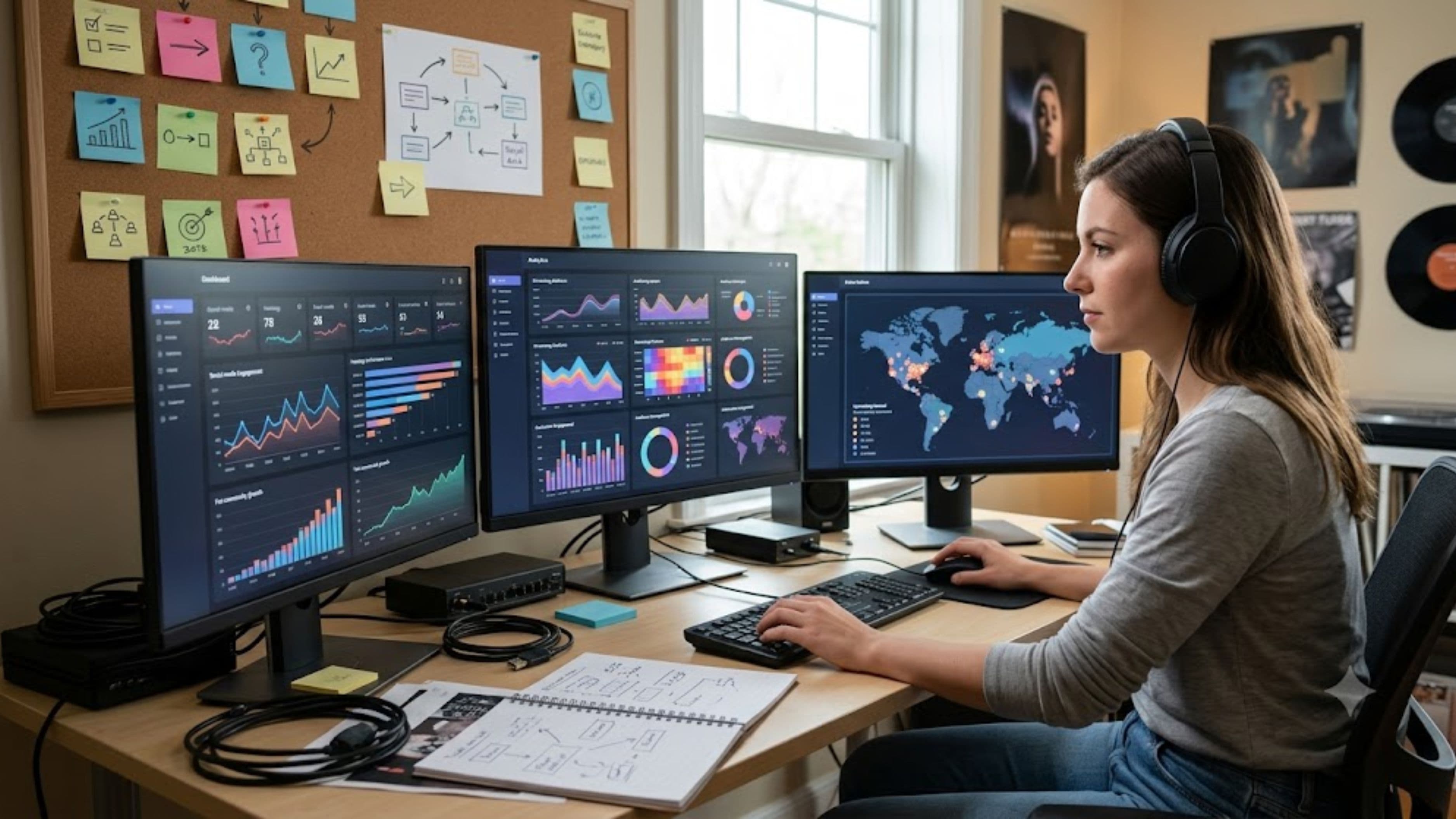
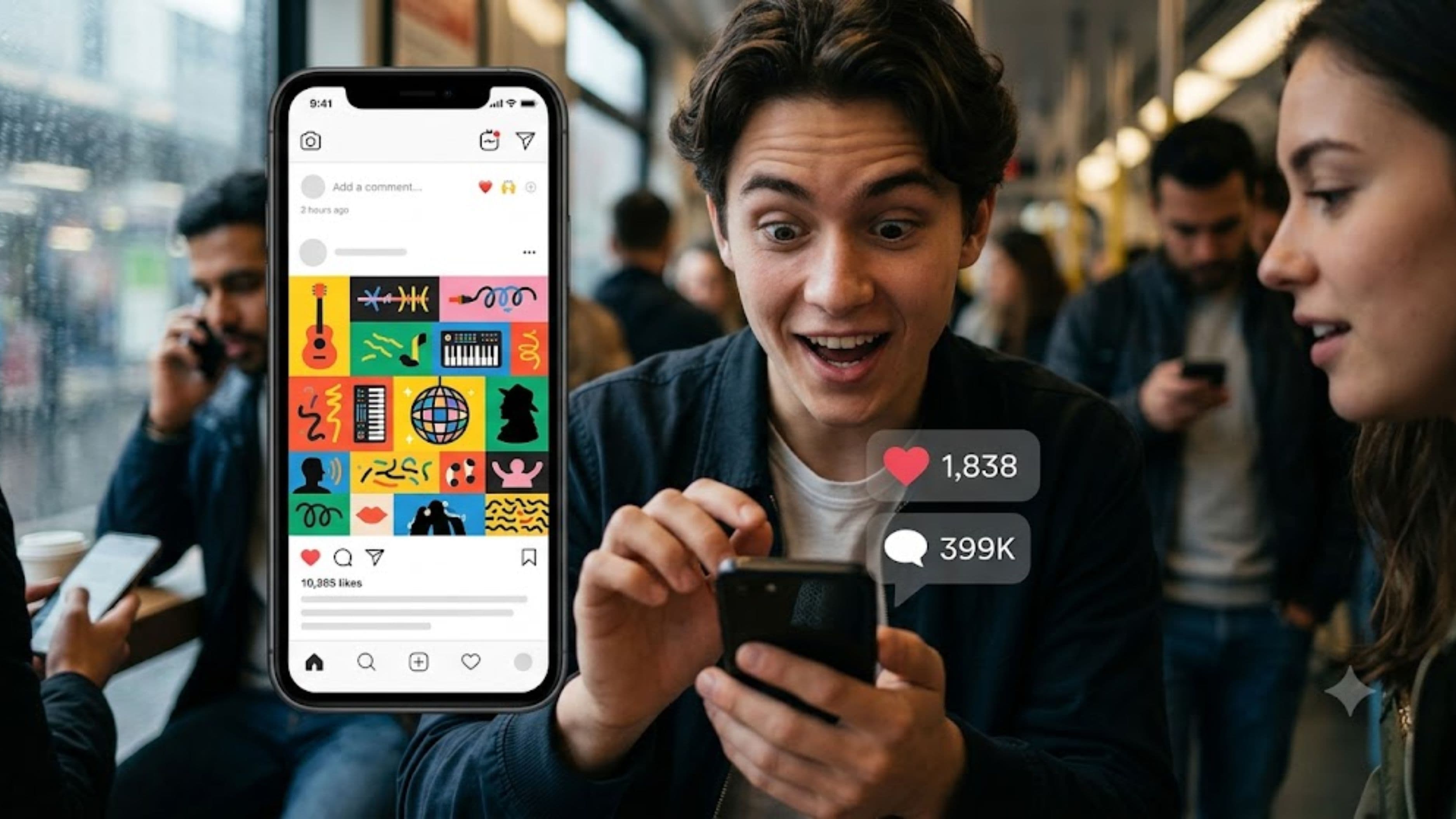
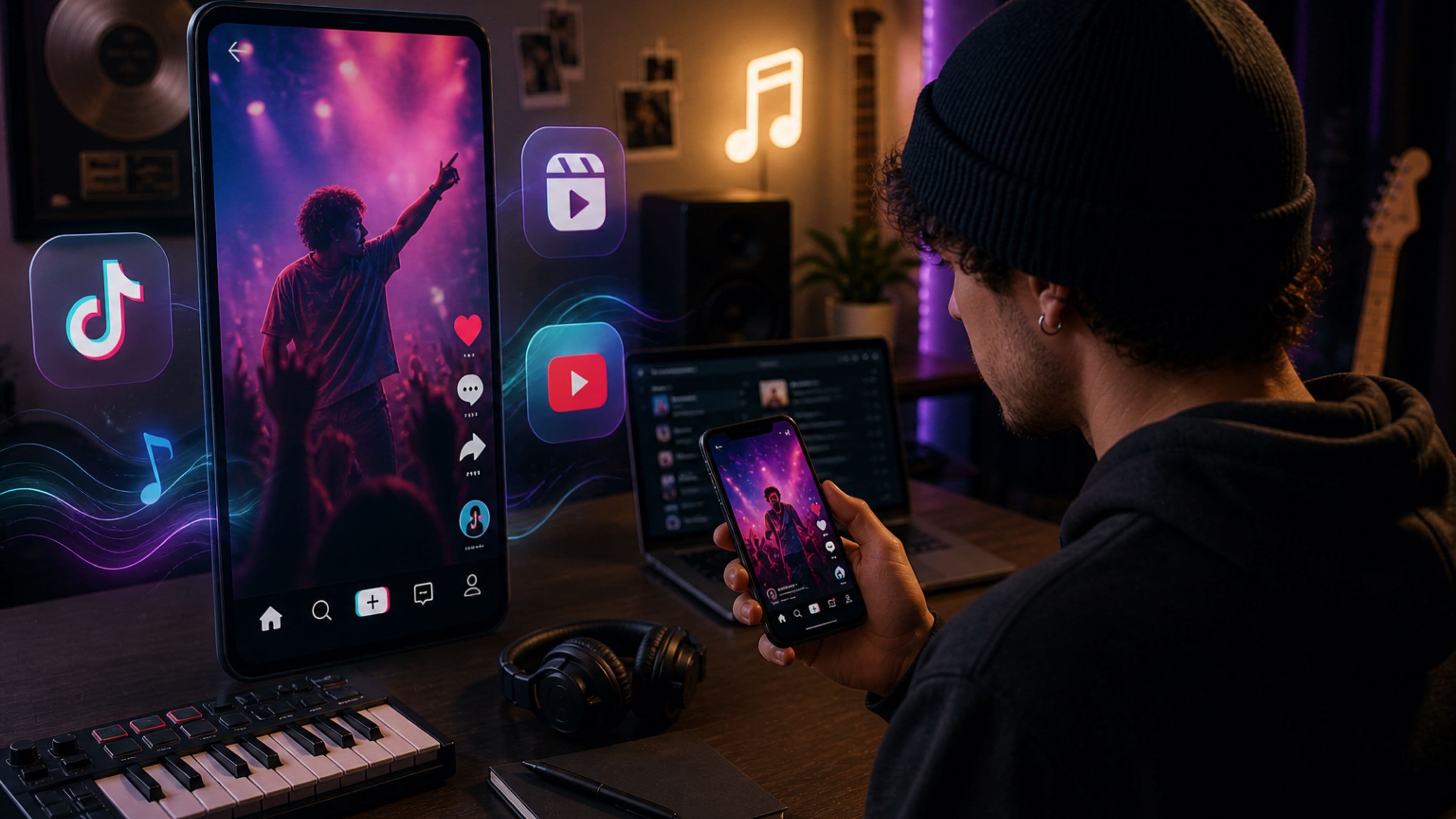
The pivot point was TikTok's rise between 2019 and 2021, though the groundwork was laid earlier by YouTube covers, remixes on SoundCloud, and fan-edited music videos on Tumblr. What TikTok did was create a direct, measurable pipeline from fan-created short video content to streaming numbers. Songs that soundtracked viral trends – whether dance challenges, cooking videos, or emotional "tell me about yourself" compilations – saw streaming spikes that outperformed anything a standard promotional campaign could deliver.
The music industry noticed quickly. Universal Music Group, Sony, and Warner all shifted resources toward social listening and trend monitoring, hiring teams specifically to track organic content creation around their catalog. But the more interesting development was what happened to independent artists without label backing. For them, fan content became one of the few affordable promotional pathways with meaningful reach – because when someone uses your song to soundtrack a video that gets a million views, you didn't have to pay for a single one of those impressions.
The result is that fan-made content has gone from being something that happens to artists toward something that savvy artists actively try to catalyze. The distinction between those two approaches is significant.
Why Fan Content Works Better Than Most Paid Promotion
The core reason fan-made content is so effective is trust and context. When a listener discovers a song through a paid ad, they know they're being marketed to. When they discover it through a video someone they follow made because they genuinely liked the track, the social proof is implicit and powerful. The music is embedded in a real human moment – a mood, a joke, a life event – rather than a promotional format.
Platform algorithms amplify this dynamic. TikTok, Instagram Reels, and YouTube Shorts prioritize content based on engagement rather than spend, which means a fan video that genuinely resonates has the same distribution potential as a promoted one – sometimes more. Algorithms don't care whether a video was made by a marketing department or a 19-year-old who just discovered your song at 2am. If people are watching, sharing, and interacting with it, it gets pushed further.
There's also a compounding effect that paid campaigns can't replicate. A single fan who creates content using your track isn't just one piece of promotion – they're an access point to their entire audience and community. If ten fans each create content to your song that reaches their respective 5,000 followers, that's 50,000 people receiving an organic, contextualized introduction to your music through someone they already trust. Buying 50,000 impressions through advertising delivers a fraction of the conversion rate.
The Different Forms Fan Content Takes
Fan-made content isn't a single thing, and understanding the different forms helps artists think more clearly about where and how to engage with it.
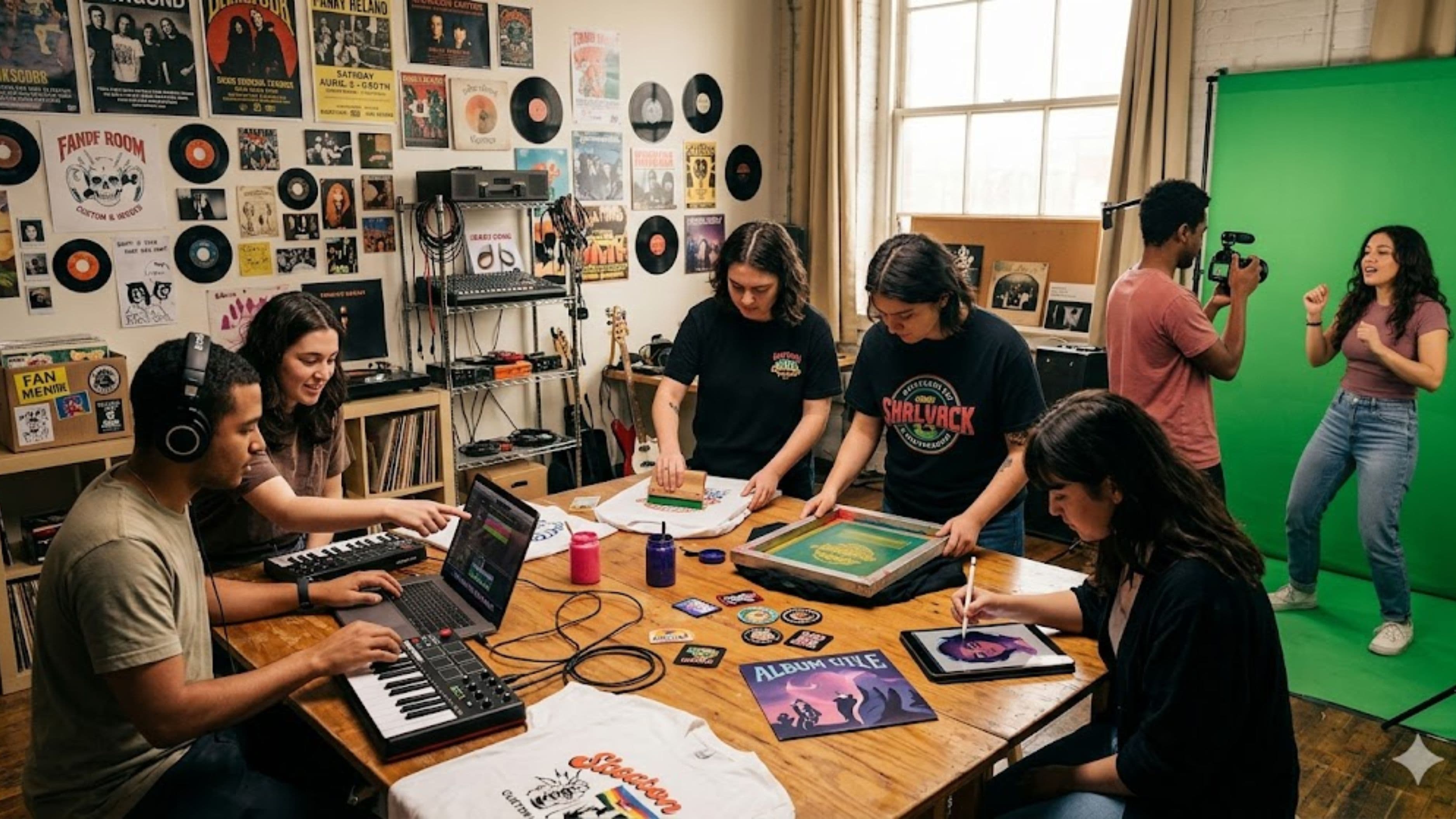
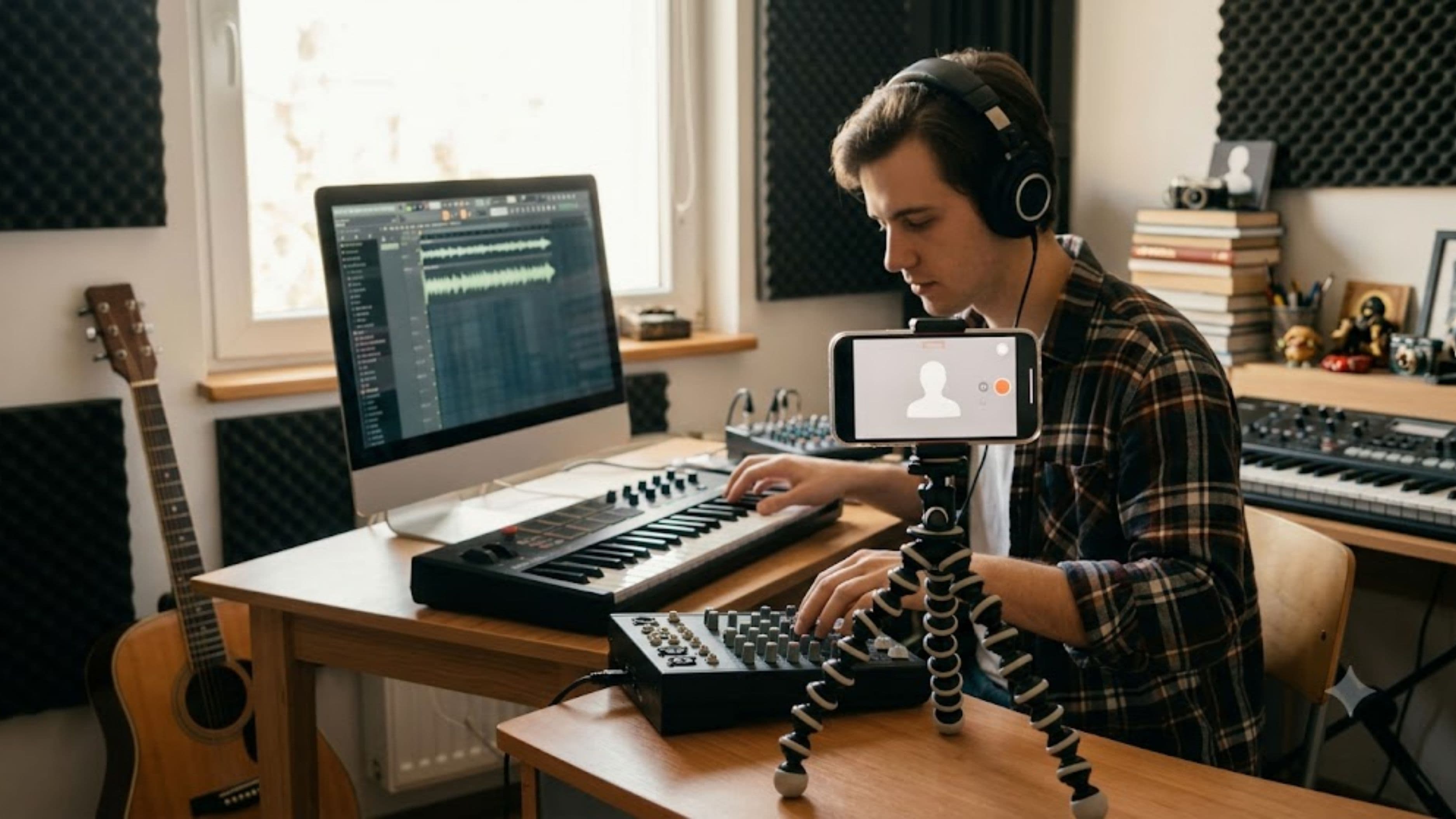
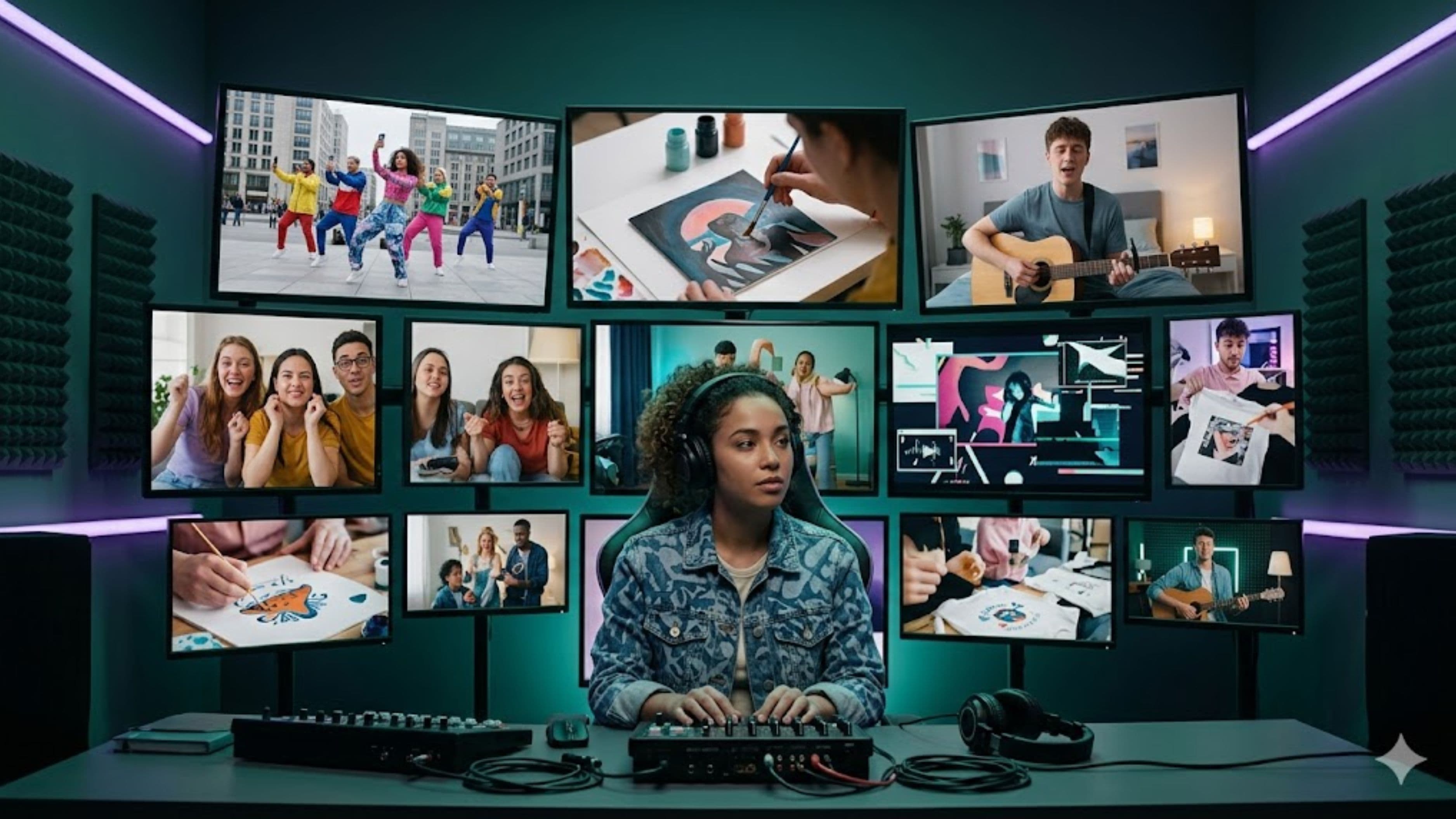
Soundtracked social content is the most common format – short videos where a fan uses an artist's music as the audio layer for something else entirely: a workout, a skateboarding clip, a cooking video, a mood board, a video essay introduction. The song isn't the subject of the video; it's the emotional backdrop. This is where most accidental viral moments happen, and it's also the easiest form of fan content to encourage because the barrier to creating it is extremely low.
Covers and reinterpretations have been a fan tradition since the internet began, but their promotional function has become more sophisticated. A well-done acoustic cover on YouTube can redirect significant search traffic back to the original. A vocal cover on TikTok that stitches into the original often surfaces the original to an entirely new audience. Artists who engage positively with covers – sharing them, commenting on them – build the kind of relationship with fan creators that generates continued content.
Fan edit videos and lyric videos sit in a space that was historically legally murky but has been largely embraced. Labels and independent distributors now mostly operate under a soft-permission framework for non-monetized fan content that doesn't commercially exploit the original, particularly when it drives streaming. Fan-made lyric videos for songs that don't have official ones often become de facto official versions and rank highly in search.
Dance challenges and format trends are the specific mechanism behind several of the biggest viral music moments of the past five years. The challenge format – a repeatable, imitable behavior tied to a specific song – creates a replication loop where each new participant generates another piece of content. The challenge doesn't need to be complicated or choreographed; even a simple gesture or format tied to a recognizable audio hook is enough to establish a trend. Artists who understand this format well sometimes design music specifically with challenge-ability in mind.
How Artists Are Actively Encouraging Fan Content
The passive approach is releasing music and hoping someone uses it in something that goes viral. The active approach treats fan content creation as a promotional strategy that can be influenced, if not fully controlled.
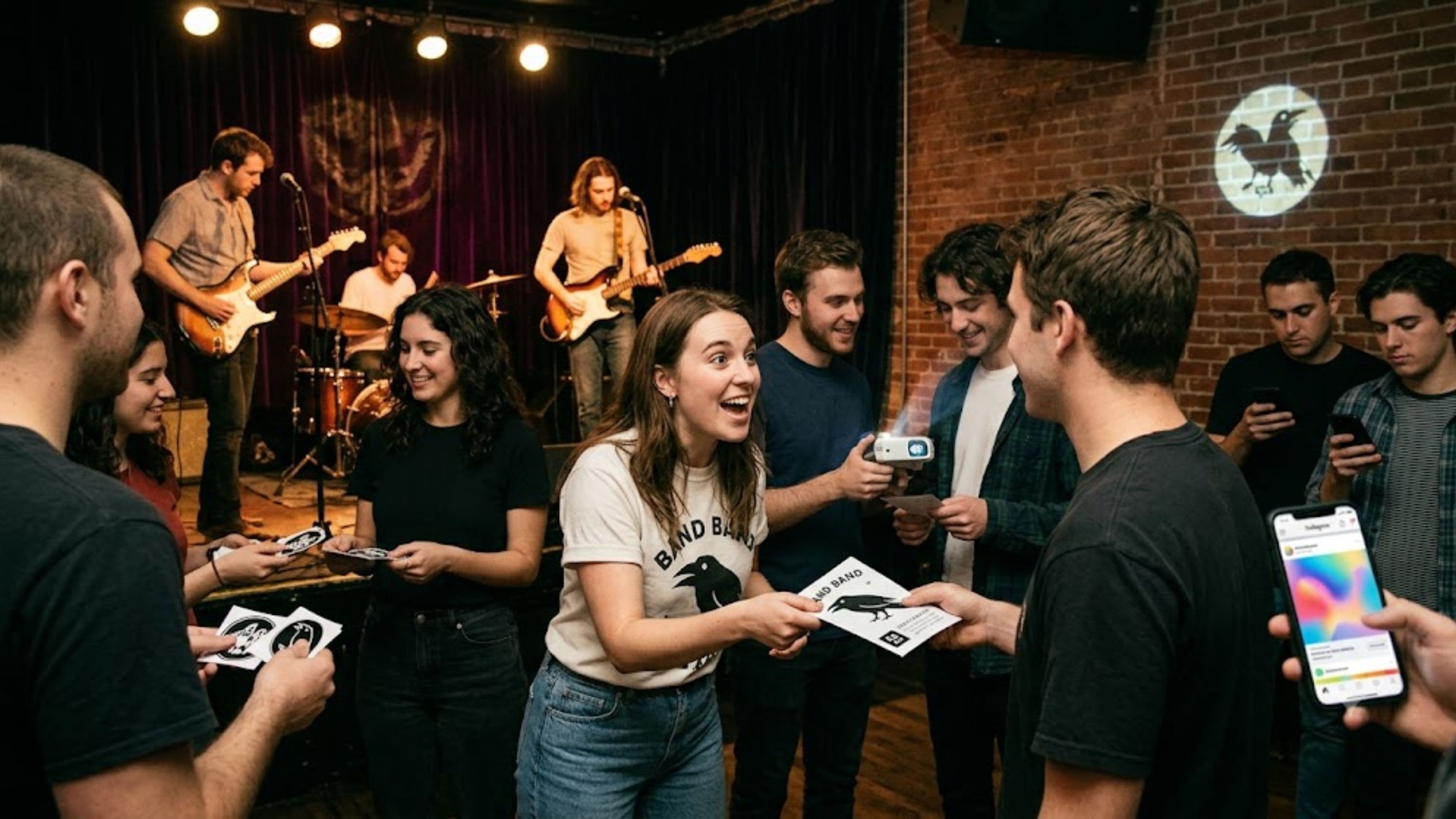
Seeding is the most common tactic. Artists or their teams send the track to micro-creators and content makers before release with explicit encouragement to use it in videos. This creates an initial pool of organic-looking content at release rather than an empty landscape. The seeded creators don't have to be major influencers – a network of smaller creators with engaged communities often delivers better conversion than one large influencer placement.
Reaction and engagement is another lever. Artists who genuinely interact with fan content – duetting fan covers on TikTok, sharing fan edits to their story, responding to videos in the comments – signal to their community that fan creation is welcomed and noticed. This encouragement loop is self-reinforcing: creators who get a response from an artist they admire are more likely to create more content, and their audience pays attention to the interaction.
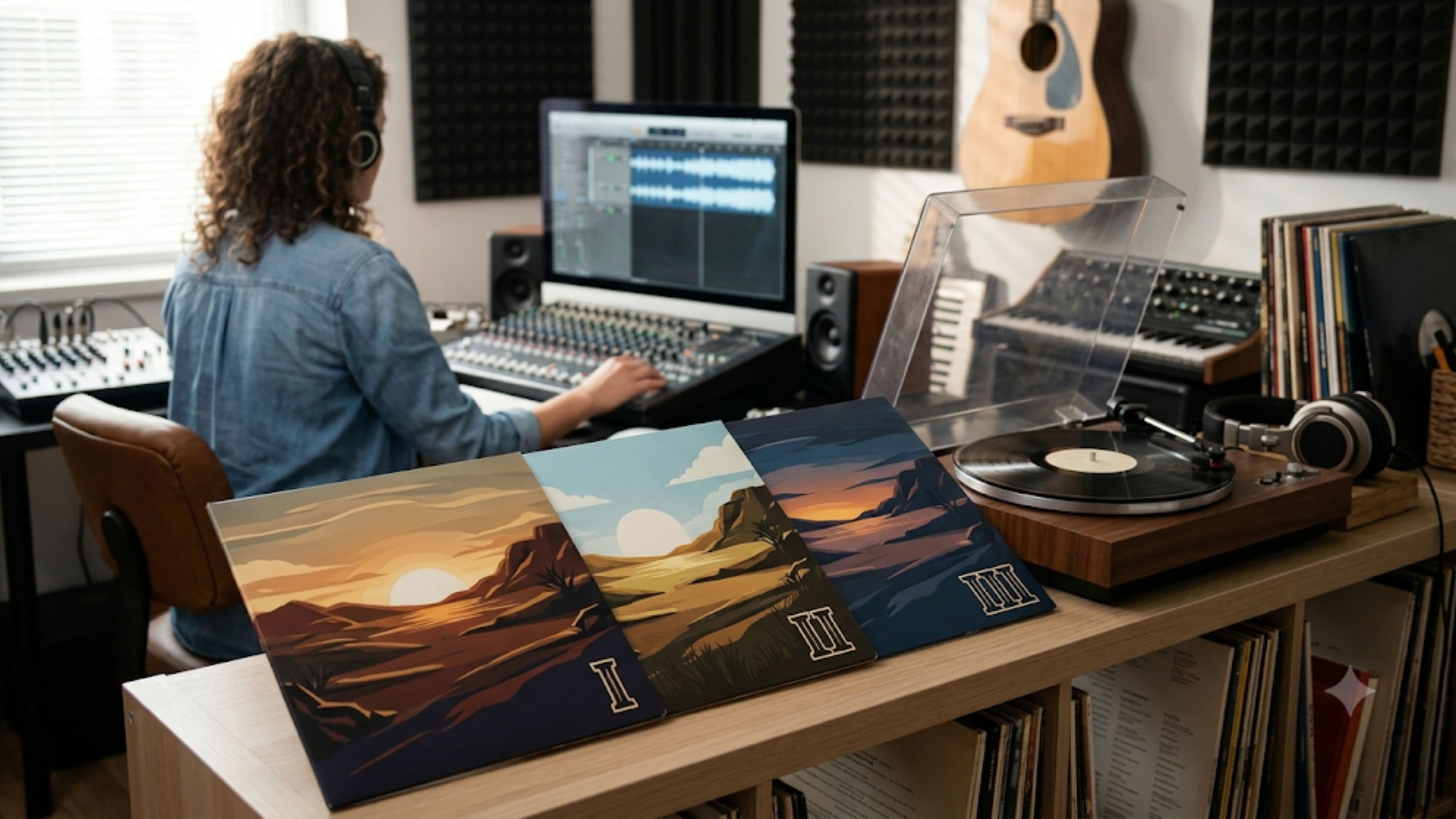
Some artists go further by providing explicit creative assets. Instrumental tracks, a cappella vocals, and multi-stem files give fan creators the raw material to make remixes, mashups, and reinterpretations that they might otherwise not attempt. Releasing stems to a community of producers is both a fan engagement tool and a way of generating new versions that reach new audiences.
The Copyright Question Artists Need to Understand
Fan content and copyright have a complicated relationship that every artist, independent or otherwise, should have at least a basic grasp of.
If you own your music outright – your master and publishing – you have direct control over how fan content is handled. You can choose to let it exist freely, register it with Content ID on YouTube to monetize it, or pursue takedowns if content is used in ways you object to. The practical default for most independent artists is to let fan content exist freely, particularly on platforms where it drives streaming, and to focus monetization efforts on direct revenue streams rather than pursuing fan-created content.
The situation is more complex for artists on labels, where master ownership and publishing rights may be split between multiple parties, each with their own Content ID policies. Songs that get Content ID claimed aggressively can actually suppress fan content creation because creators know their videos will be demonetized or taken down. This is a genuine tension – some artists' most commercially active labels are simultaneously their biggest obstacle to the kind of fan-driven promotion that drives organic growth. If you're signed, understanding your label's Content ID policy is worth knowing.
For independent artists using distribution platforms like DistroKid, TuneCore, or CD Baby, Content ID enrollment is optional and worth thinking about deliberately. Enrolling means any fan video using your track on YouTube will be claimed and the revenue redirected to you – which sounds appealing, but it can also deter fan content creation if creators know their videos will be claimed. Many independent artists choose not to enroll or to enroll selectively based on the platform.
What This Means for How You Think About Releases
The practical implication of fan content's promotional role is that it changes what a good release strategy looks like for an independent artist. The goal is no longer just putting a song on streaming platforms and promoting it through your own channels. The goal is creating conditions where other people want to make content around your music.
That means thinking about the "soundtrackable" quality of a song – does it have a hook that works as a loop? Is there a clear emotional tone that lends itself to visual content? Is there a breakpoint or moment in the track that creators might use as a cue?
It means building community before you need it, not just after – people who are engaged with your process and identity as an artist are more likely to create content when you release something than an audience who only hears from you at release time.
And it means being genuinely accessible to fan creators rather than treating fan content as a legal or branding risk. The artists who've benefited most from fan-driven promotion are almost uniformly the ones who've treated it as a gift rather than a problem.
What to Watch Out For
Not all fan content is beneficial, and a few scenarios are worth understanding. If fan content associates your music with something that contradicts your values or brand positioning – political content you disagree with, controversial memes, content that attracts a community you don't want to be associated with – you'll face the difficult choice of whether to engage, ignore, or take action. This isn't theoretical: it's happened to artists across genres when their music became unexpectedly associated with internet subcultures they didn't anticipate.
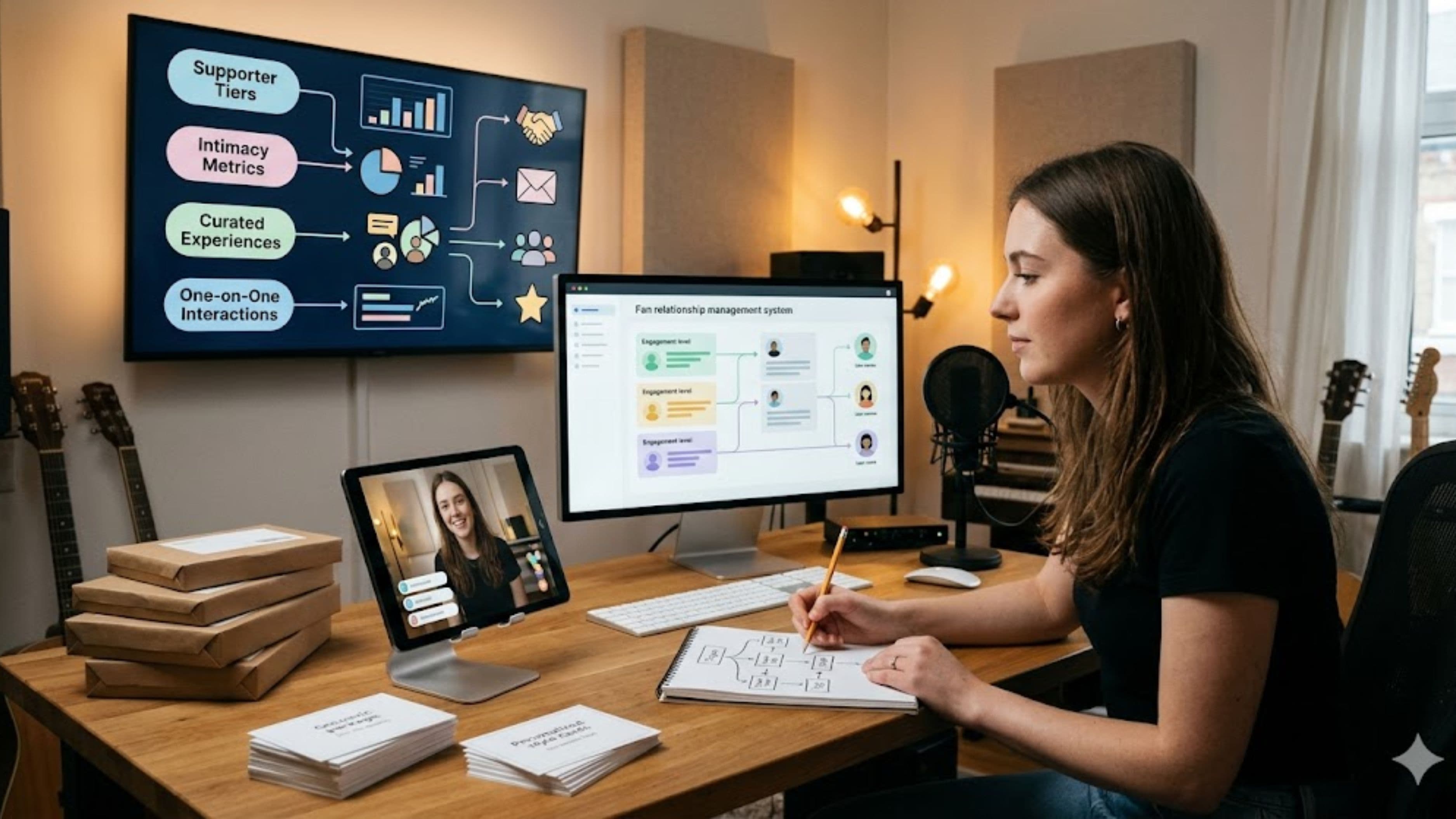
Over-relying on fan content as a primary strategy without building direct audience relationships is also a fragile position. Algorithmic platforms change their rules, trends move fast, and the content that's driving discovery today may be irrelevant in six months. Fan content is a powerful promotional mechanism, but it works best as part of a strategy that also builds durable connections – an email list, a genuine social presence, a Patreon or similar community – rather than as the only layer.
FAQ
Can I ask fans to create content using my music? Yes, and many artists do explicitly. Putting a call-to-action in your social posts ("use this sound," "show me your version") or using TikTok's built-in duet and stitch features to invite response content are both effective and low-friction approaches.
What happens if someone monetizes a video using my song on YouTube? If you've enrolled in Content ID, the ad revenue goes to whoever holds the claim – you, your label, or your distributor. If you haven't enrolled, the creator keeps any monetization. On TikTok, monetization of music is handled separately through licensing deals the platform has with rights holders, and creators don't typically pay per use.
Should I send stems or instrumentals to fan creators? If you're comfortable with fan remixes and reinterpretations, yes – providing stems lowers the barrier for producers and creators who might make something interesting with your music. Post them to SoundCloud, Splice, or your own site. The upside is potentially compelling derivative content; the trade-off is less control over how the raw material gets used.
Does fan content help with Spotify streams? Indirectly, yes. Fan content on social platforms drives people to search for and save the original on streaming services. The pathway from TikTok audio to Spotify save is well-documented. More streams improve Spotify's algorithmic placement, which creates a cycle – fan content drives streams, streams trigger algorithmic recommendations, which drives more listeners who may create more content.
How do I engage with fan content without seeming desperate or forced? Authenticity matters more than frequency. Engaging with fan content that genuinely resonates with you – leaving a real comment, sharing something you actually find interesting – lands differently than systematic engagement that feels like a marketing checklist. Fans can tell the difference.
Fan-made content has shifted from a nice-to-have to a genuine promotional infrastructure for modern music. For independent artists, it's one of the most cost-effective distribution mechanisms available – not because it's free, but because the effort investment is in building a community worth creating for rather than in buying placements that audiences are increasingly tuned out to. The artists navigating this well are the ones treating fan creators as collaborators in their growth rather than as consumers of it.
📚 Sources
MusicWatch – Fan engagement and social media in music consumption: https://www.musicwatch.com/music-consumer-study
IFPI – Engaging with Music 2023 report (fan behavior and social discovery): https://www.ifpi.org/resources/engaging-with-music-2023
Spotify for Artists – How songs go viral: trends in social-to-streaming discovery: https://artists.spotify.com/blog/how-songs-go-viral
Billboard – How TikTok changed music promotion for independent artists: https://www.billboard.com/music/music-news/tiktok-music-marketing-independent-artists
Music Business Worldwide – Label strategies for fan content and UGC: https://www.musicbusinessworldwide.com/how-labels-are-building-ugc-strategies
YouTube Creator Academy – Content ID and music rights for creators: https://creatoracademy.youtube.com/page/lesson/content-id