Why Your Bio Matters More Than You Might Think
Industry professionals sift through an enormous volume of submissions, pitches, and profiles on a daily basis, and a bio is often the fastest filter they use to decide whether to spend more time on you. A bio that's vague, overly long, or clearly copy-pasted from a template signals a lack of professionalism, even if your music itself is genuinely strong. On the flip side, a sharp, specific bio can make a curator or booker take a chance on an artist they'd otherwise scroll past.
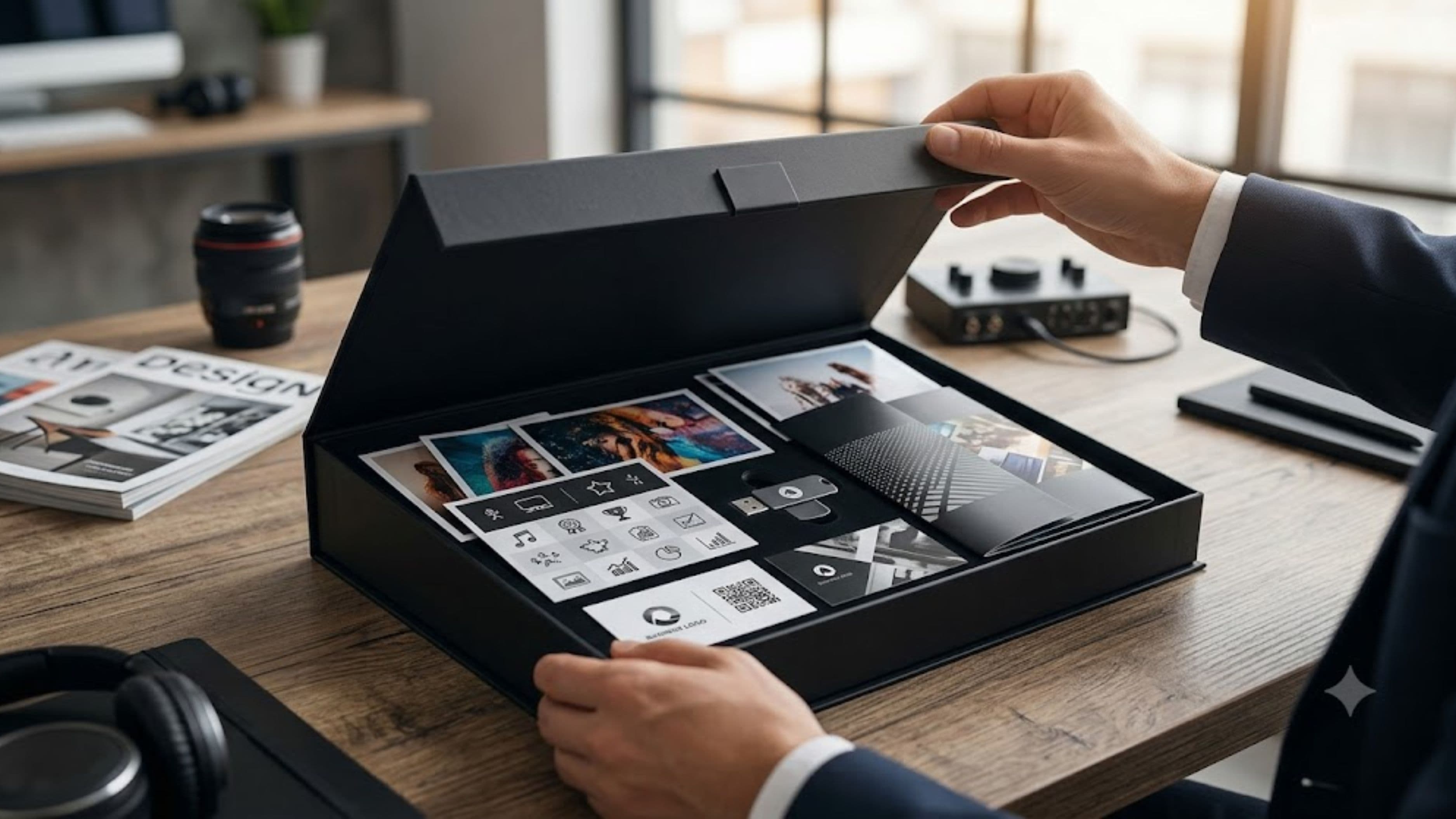
This matters across nearly every context you'll use a bio in, from your Spotify for Artists profile to press kits, festival applications, and even social media "about" sections, which means it's worth treating as a genuine piece of writing rather than an afterthought.
What a Strong Artist Bio Actually Includes
A strong bio typically opens with a specific, memorable hook, something that captures your sound, story, or point of differentiation in the first sentence rather than burying it under generic language like "up-and-coming artist" or "passionate about music," phrases that appear in thousands of other bios and tell a reader nothing distinctive about you.
From there, effective bios usually include a clear description of your sound using specific genre and influence references rather than vague adjectives, a notable achievement or credibility marker if you have one, whether that's a specific streaming milestone, a placement, a notable collaboration, or press coverage, and a sense of what you're currently working on or where you're headed next. Closing with your location and a a clear sense of what makes you worth remembering rounds out a bio that feels complete without dragging on.
Long-Form vs Short-Form Bios
Most artists actually need two versions: a short bio, roughly 50 to 75 words, for space-limited platforms like Spotify for Artists or festival lineup pages, and a longer bio, generally 150 to 300 words, for press kits, website "about" pages, or more detailed submissions. Trying to force a single version to work everywhere often results in either an overly cramped short bio or an overly padded long one, so having both ready to adapt saves time and produces better results in each specific context.
A Practical Approach to Writing Yours
Start by writing down the three or four things about your music or story that are genuinely distinctive, not generic descriptors, but specific facts: a particular production technique you're known for, an unusual instrumentation choice, a specific city's scene you emerged from, or a concrete milestone like a specific playlist placement or opening slot. These specifics become the backbone of your bio, since specificity is what separates a memorable bio from one that blends into every other artist profile a reader has seen that day.
From there, draft your long-form bio first, since it's easier to condense a detailed bio down to a short version than to expand a thin one. Read it out loud once you have a draft, since bios that read smoothly out loud tend to also read more naturally on the page, and awkward phrasing often becomes obvious the moment you hear it spoken.
Common Mistakes to Watch Out For
Avoid writing in the third person if it doesn't genuinely fit your artistic persona, since forced third-person bios can feel stiff and impersonal if the rest of your public presence is more direct and personal. Watch out for over-reliance on generic superlatives like "unique," "authentic," or "genre-defying" without backing them up with a specific example, since these words have become so common in artist bios that they've largely lost their impact through overuse.
Don't let your bio go stale. An outdated bio that still references a project from two years ago as your "upcoming release" signals a lack of attention to detail that can undercut an otherwise strong first impression, so treat your bio as something you revisit and update alongside major releases or milestones, not something you write once and forget.
What to Watch For When Sharing Your Bio
Different platforms and submission contexts sometimes have specific formatting or length requirements, so it's worth checking a festival application's or press outlet's specific guidelines before submitting rather than assuming your standard bio will fit as-is. Some platforms also strip formatting like line breaks or special characters, so test how your bio actually displays wherever you're posting it rather than assuming it'll render the way you wrote it.
A Practical Next Step
Once you have a solid bio, treat it as a living document tied to your release calendar. Revisit and refresh it around each major release, milestone, or shift in your sound, since a bio that grows stale can undercut the same professional impression you worked to build in the first place.
Frequently Asked Questions
Should I write my bio in first or third person? Either can work, but stay consistent, and choose whichever tone matches how you present yourself elsewhere. Third person tends to read more naturally in formal press contexts, while first person can feel more authentic for artists with a very direct, personal public presence.
How often should I update my artist bio? Revisit it around every major release or significant milestone, since an outdated bio referencing old projects can undercut the professional impression you're trying to create.
Is it worth paying someone to write my bio for me? It can be worthwhile if writing genuinely isn't your strength, though make sure whoever you work with actually understands your specific sound and story rather than producing a generic template, since specificity is what makes a bio effective in the first place.
A strong artist bio isn't about sounding impressive in a generic way, it's about giving someone a specific, memorable reason to take your music seriously in the few seconds they're deciding whether to keep reading or keep listening.
📚 Sources
DIY Musician by CD Baby, Writing an Effective Artist Bio – https://diymusician.cdbaby.com
Ari's Take, Music Industry Press Kit Guidance – https://aristake.com