
Podcast & Audio
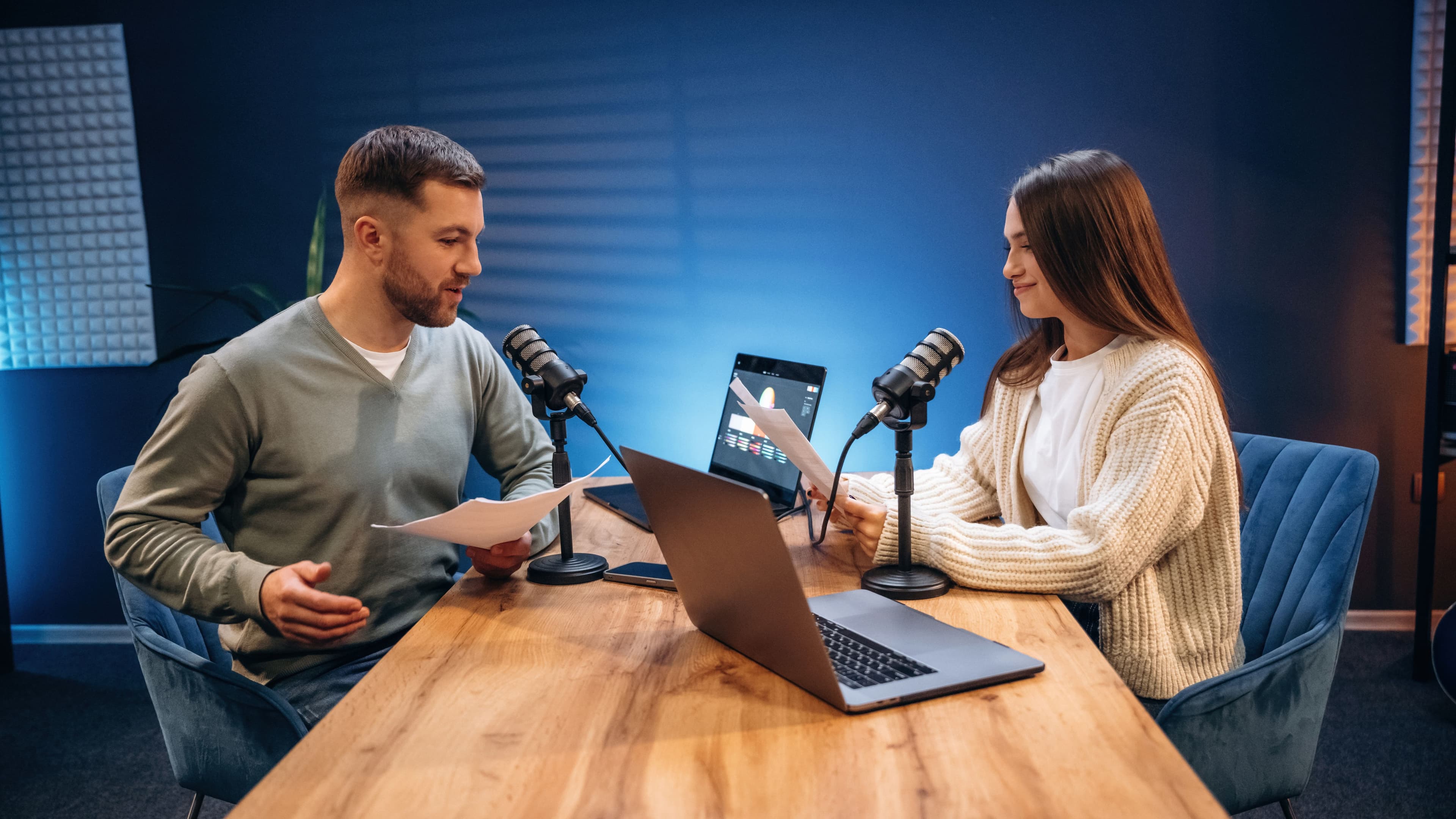
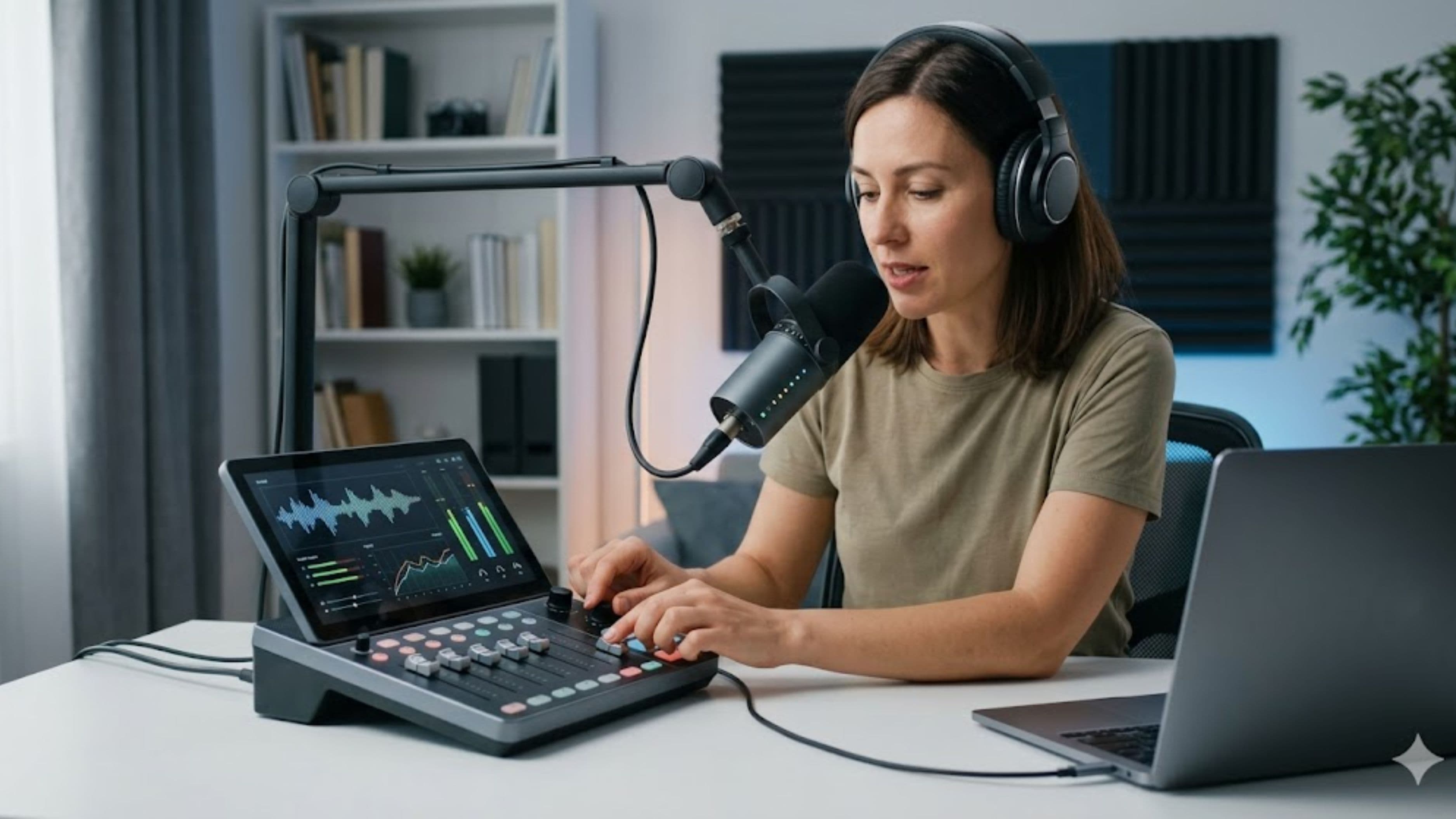
How Podcasting Equipment Has Changed for Independent Creators in 2026
Five years ago, the barrier to starting a podcast was partly financial. A decent USB condenser mic ran $100–$200, audio interfaces were an extra investment on top of that, and getting broadcast-quality sound in a home studio meant either spending money or spending hours learning acoustic treatment. Good enough was possible, but it required effort that casual creators weren't willing to put in.
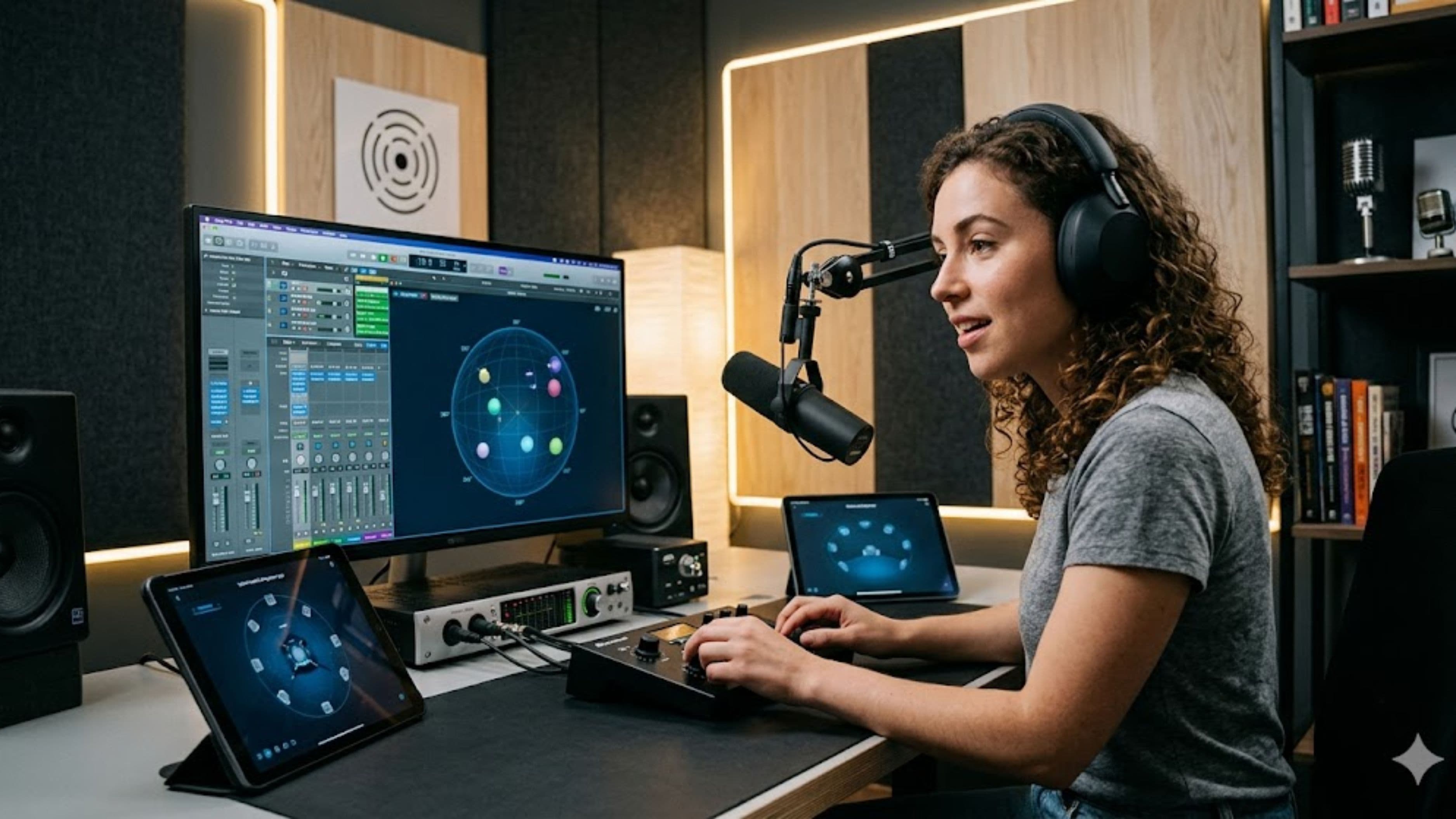
How Spatial Audio Is Changing the Listening Experience for Podcast Creators
Most podcast audio still sounds like a phone call from 2012. Two voices, center-panned, maybe with a music bed underneath. It works, and listeners have accepted it as the format. But a shift is underway that's slowly making standard stereo podcasting feel the way standard definition video felt after HD became the norm – not broken, just behind.
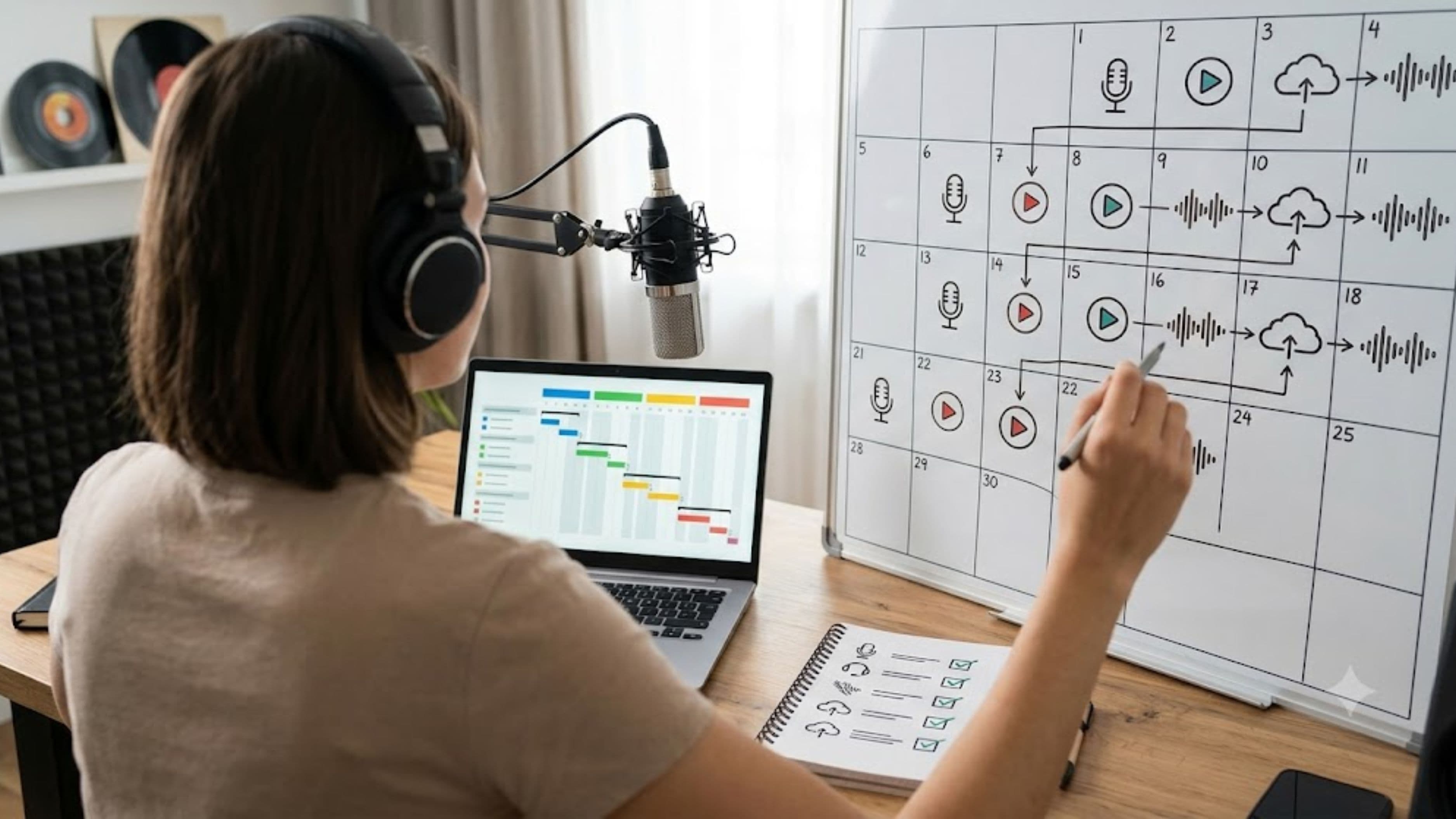
How to Build a Consistent Publishing Schedule for Your Podcast
A brilliant podcast episode released on a random Tuesday, followed by silence for three weeks, does less for growth than a mediocre episode released like clockwork every single week. Consistency is one of the few variables in podcasting entirely within your control, and it's also one of the strongest predictors of whether a show actually builds a lasting audience or fades into irregular, forgettable releases.

How to Build a Loyal Podcast Community Around Music Topics
A music podcast with genuinely engaged listeners, people who comment, share episodes, and show up week after week, is a fundamentally different asset than one with passive download numbers and no real connection to the audience. The difference isn't luck or a bigger platform budget. It's a set of specific choices about format, engagement, and consistency that most music podcasters skip in favor of just publishing episodes and hoping an audience accumulates on its own.
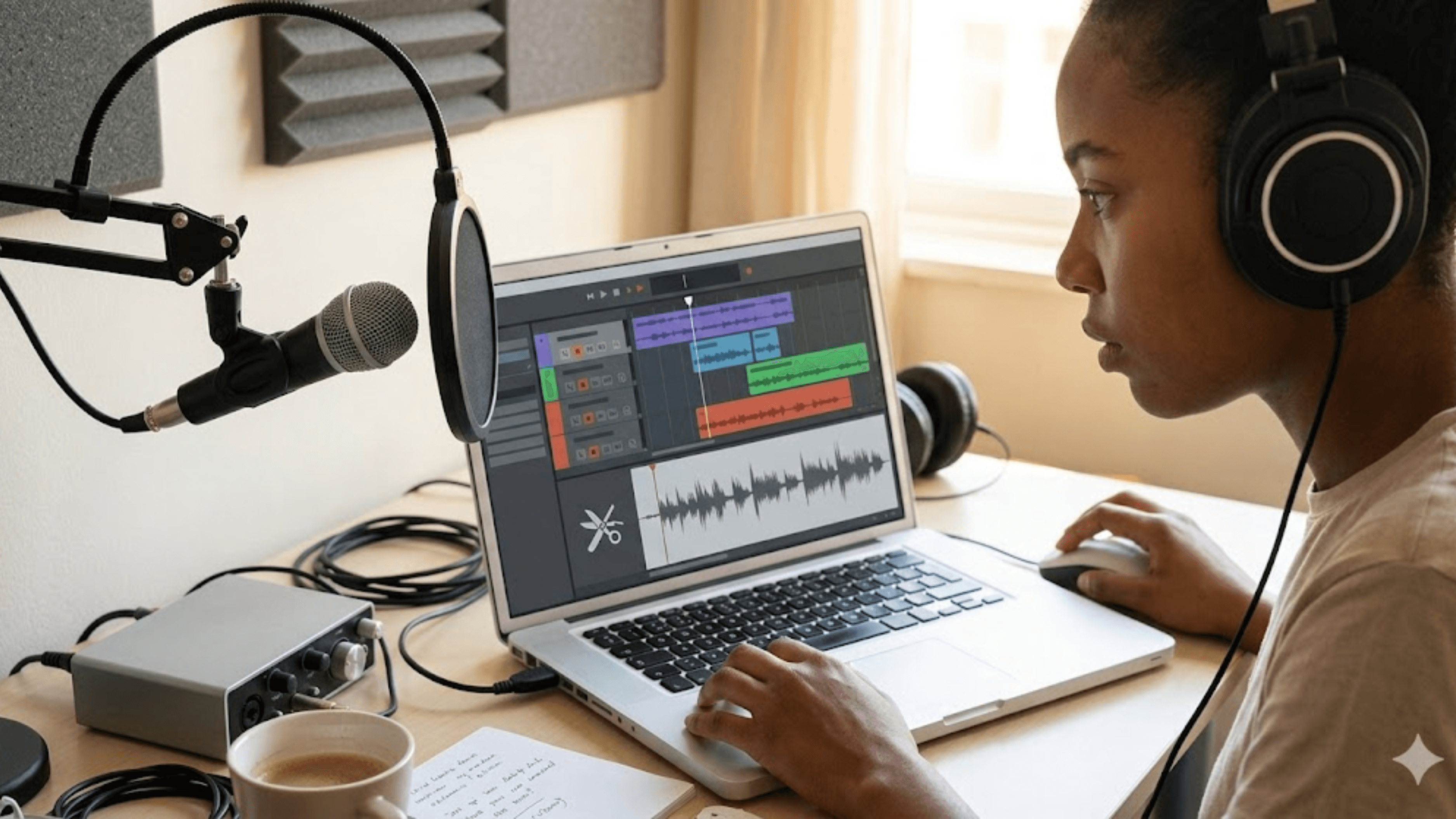
How to Edit Your Podcast Without Paying for Expensive Software
Podcast editing software doesn't need to cost anything. The tools that most working podcasters use daily are either free or have free tiers that cover everything a beginner or indie creator needs. The idea that you need to spend $300 on Adobe Audition or similar to produce clean, professional audio is mostly legacy thinking — the free options have genuinely caught up.
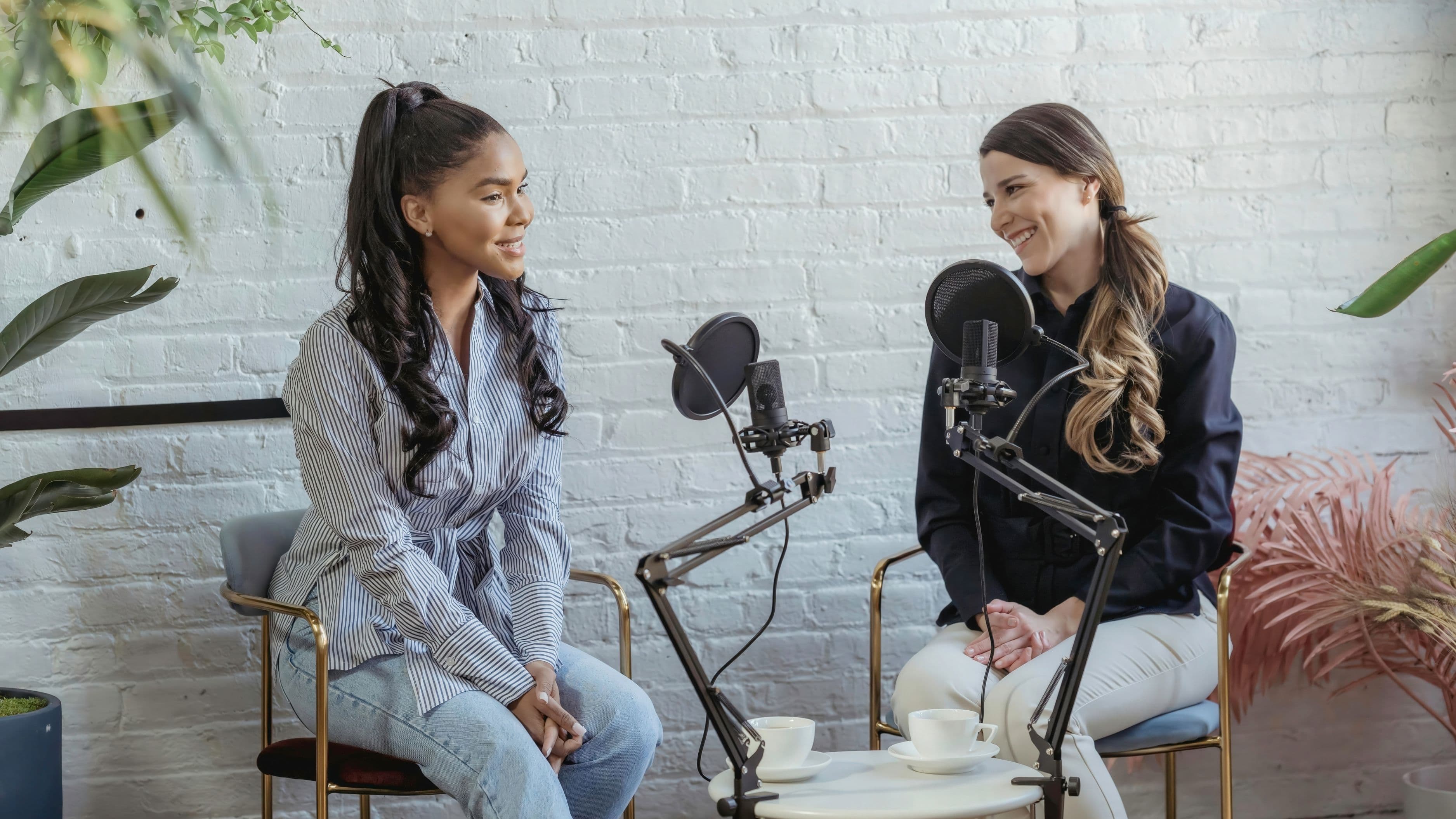
How to Get Sponsorships for a Small but Engaged Music Podcast
You don't need six-figure download numbers to land a sponsor. What you need is a clear sense of who's actually listening and the ability to prove it. Small music podcasts with genuinely engaged audiences are landing sponsorships more often than people realize, brands are increasingly looking past raw download counts toward audiences that actually pay attention and act on recommendations.
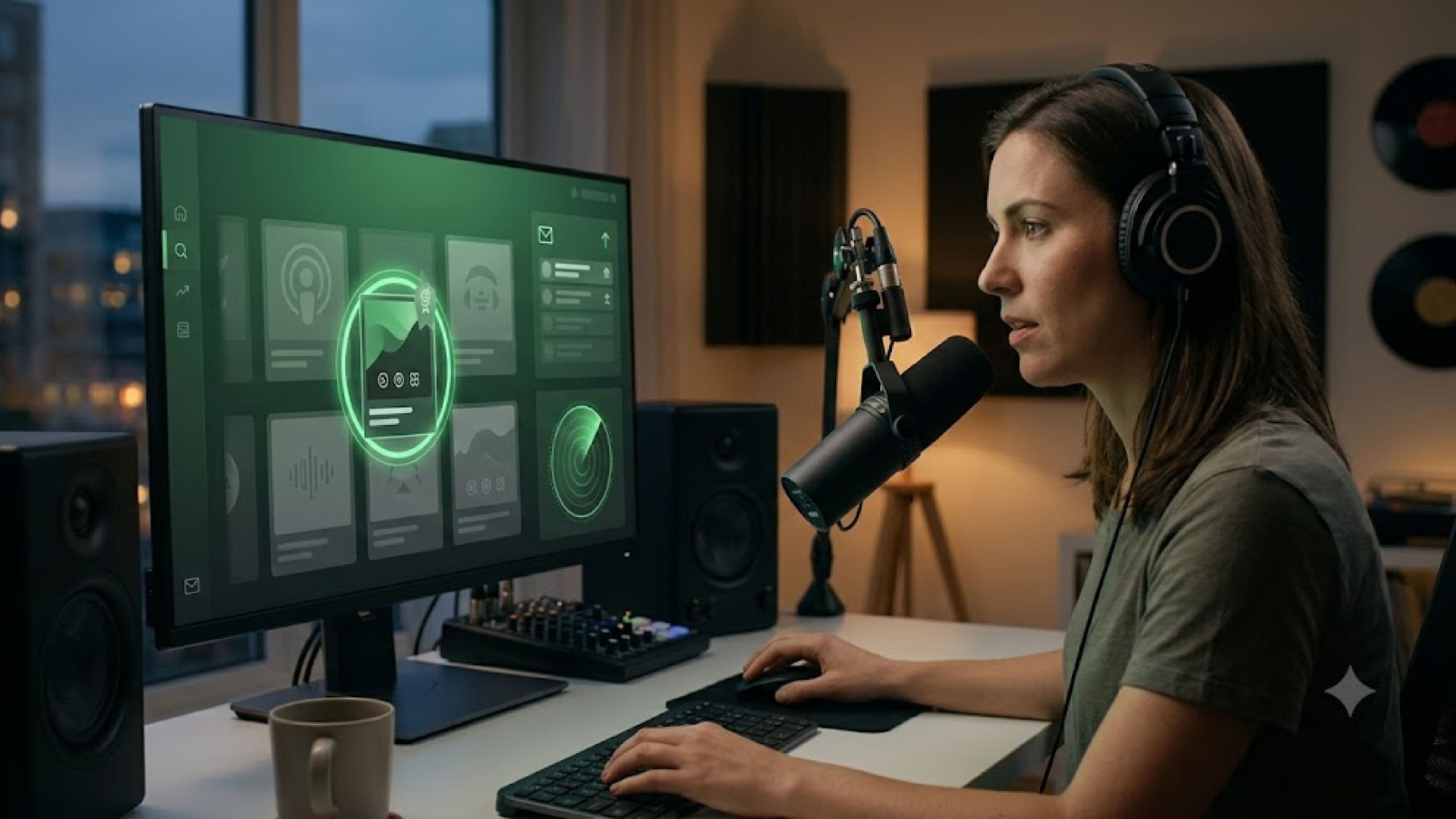
How to Get Your Music Podcast on Spotify's Editorial Radar
You've put real work into your music podcast, the audio quality is solid, the episodes are consistent, and you're still watching plays plateau while shows that seem objectively less polished somehow land on a featured playlist or category page. Editorial placement on Spotify isn't random, but it's also not something you can simply request. Understanding how the process actually works changes how you approach growth, from chasing downloads to building the specific signals that make a show genuinely easier for a human editorial team to notice and recommend.
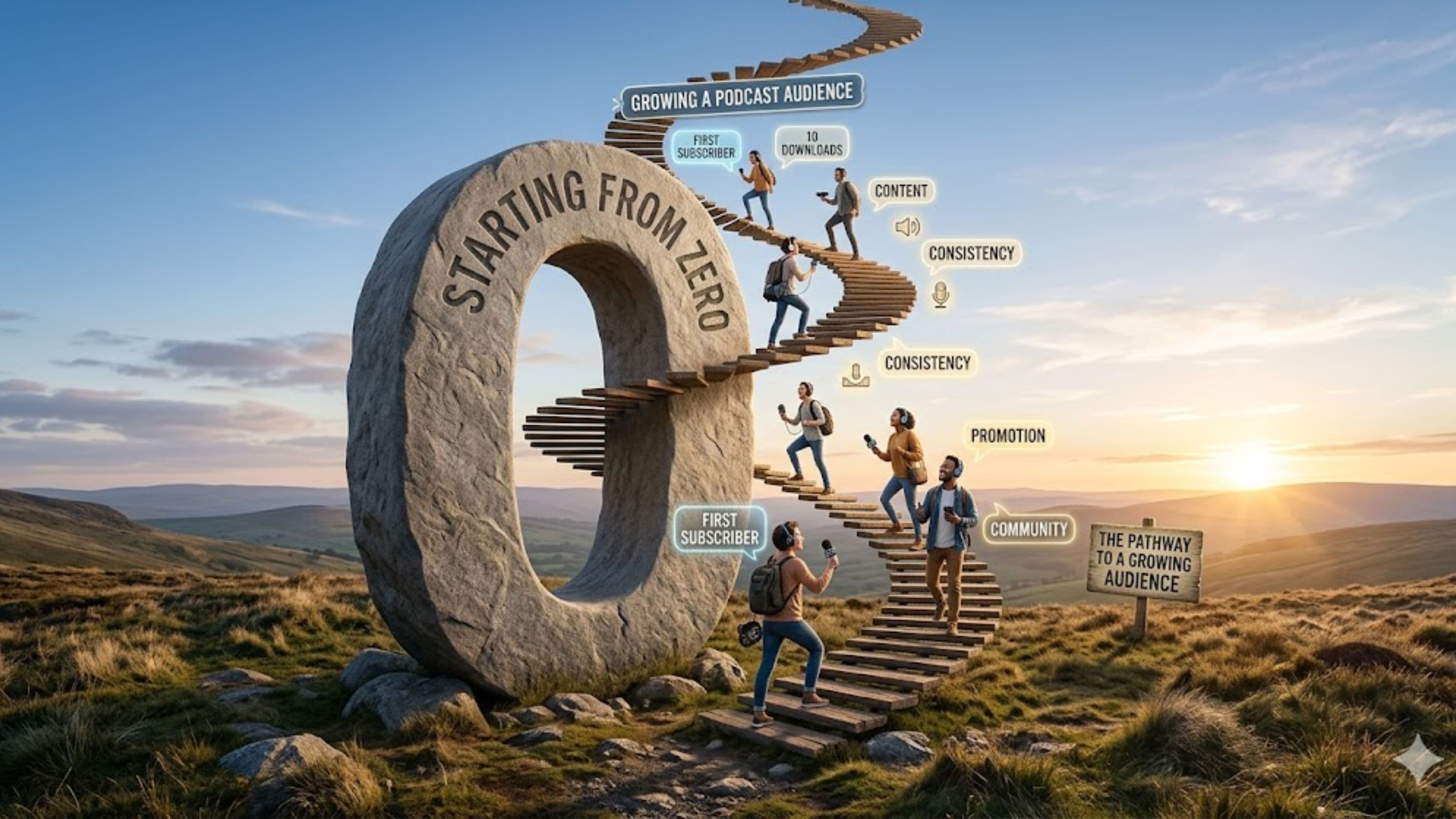
How to Grow a Podcast Audience When You're Starting From Zero
Launching a podcast is the easy part. Getting actual people to listen – when you have no following, no email list, and no famous guests – is where most new shows quietly stall out. The honest truth is that podcast growth is slow at the start, and anyone promising overnight numbers is selling something.
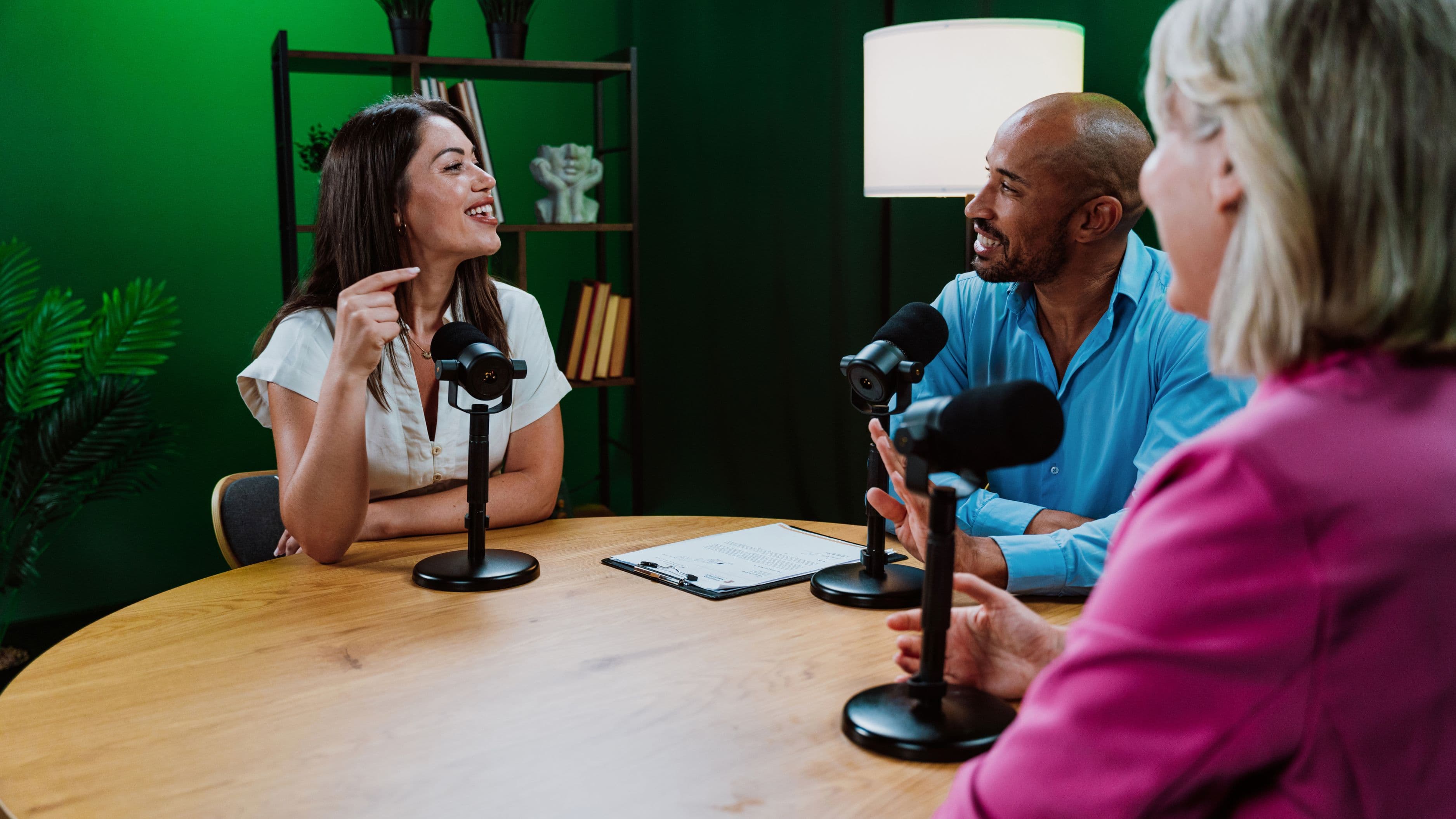
How to Interview Artists As a Podcast Host Without Wasting Their Time
Musicians get pitched interview requests constantly, and most of them can tell within the first few minutes whether the host actually did any preparation. That first impression shapes everything – how open the artist is, how much they actually share, and whether they'd say yes to coming back for a future episode. Respecting an artist's time isn't just good manners; it's the single biggest factor in getting interviews that are actually worth publishing.
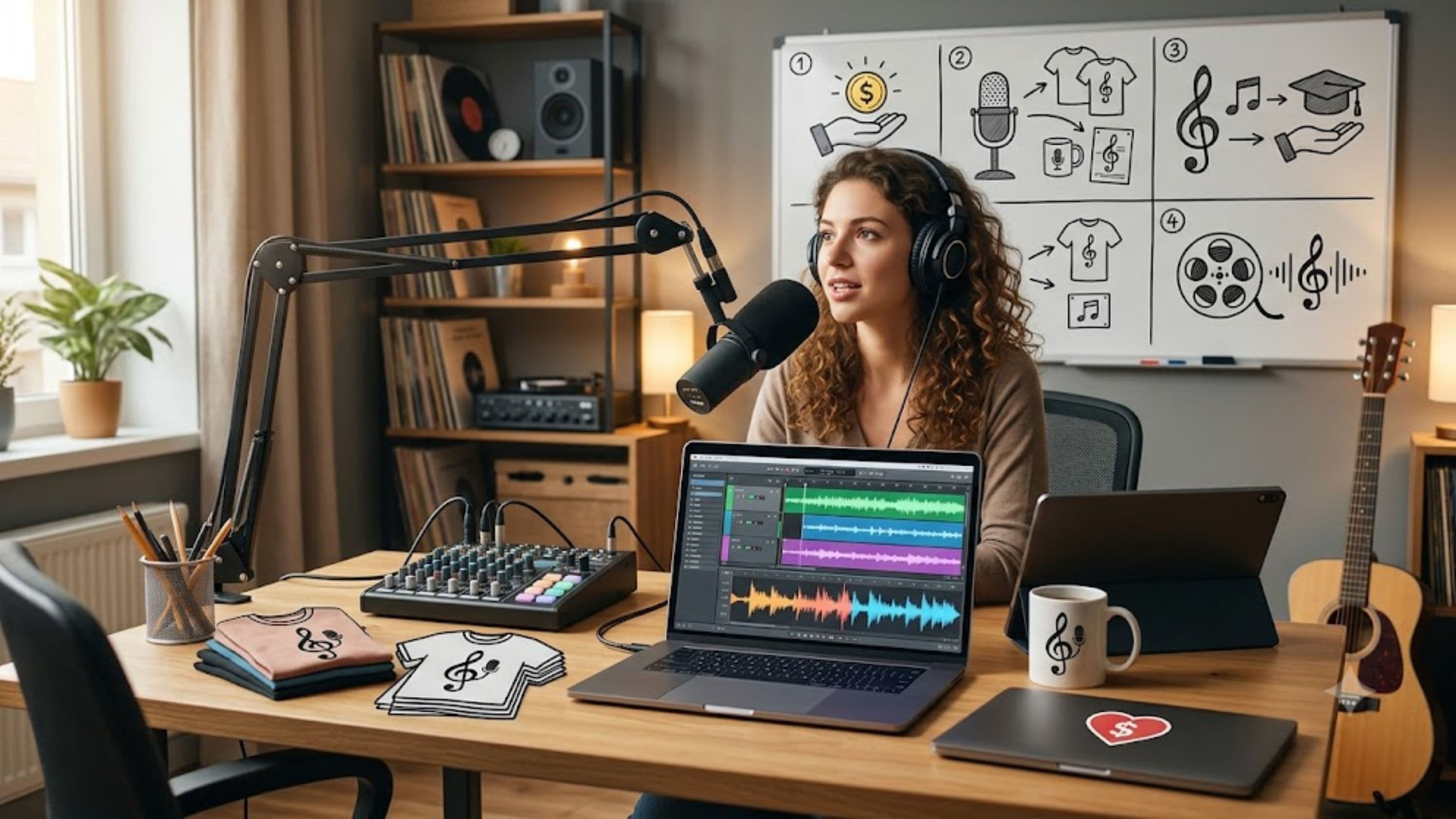
How to Monetize a Music Podcast Before You Hit 1,000 Downloads
The podcast industry has a well-worn myth: you need a big audience before you can make money. For general podcasts chasing CPM ad deals with networks, that's true. For a music podcast with a specific niche and engaged listeners, it's not. Audience quality beats audience size at this stage, and there are revenue paths that open up at 200 downloads per episode that never depend on hitting a download milestone.
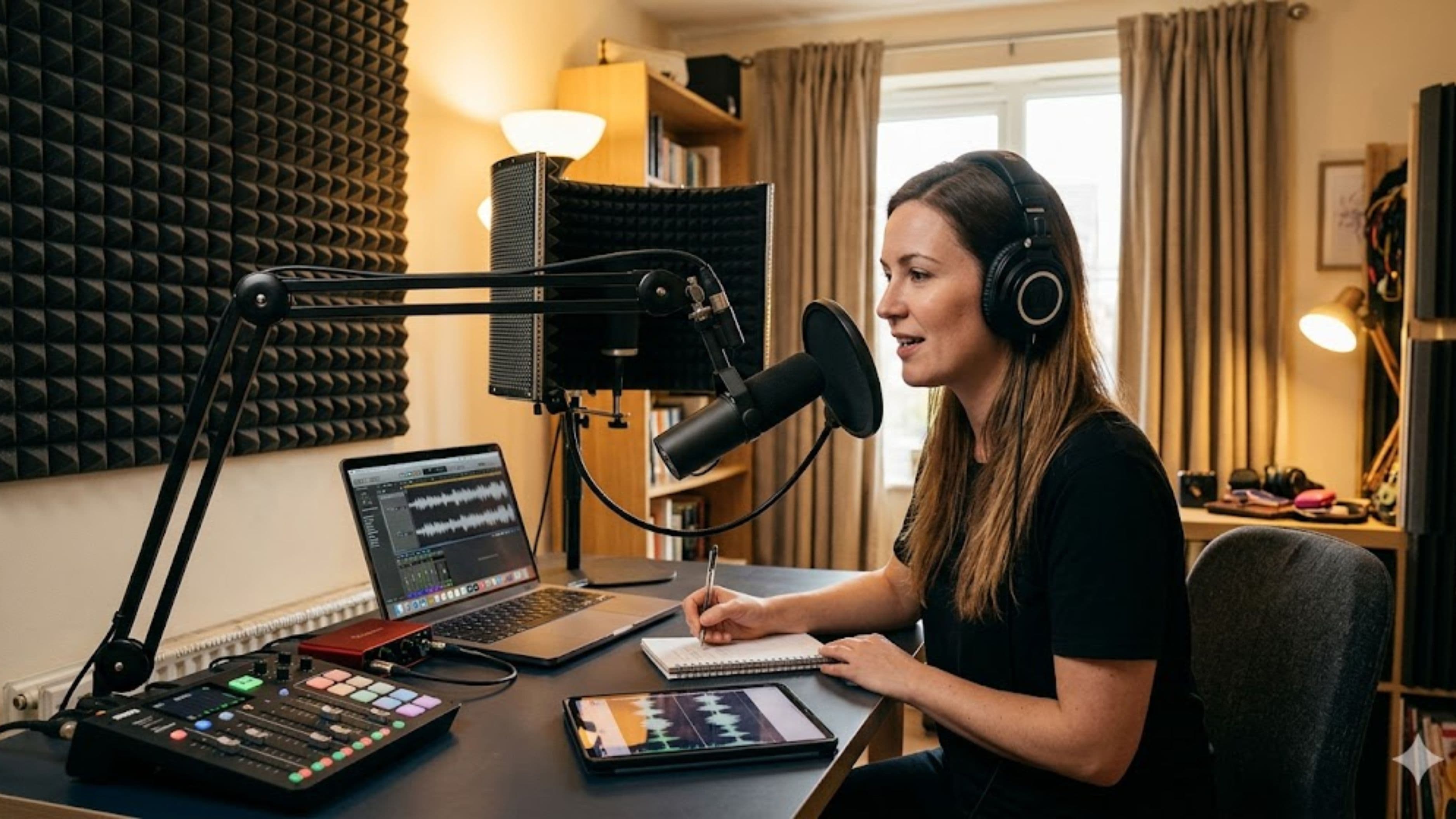
How to Record Studio-Quality Podcast Audio in a Home Setup
Your mic costs $400 and your recordings still sound like you're in a bathroom. Or you spent three hours editing out hiss and room noise and the final audio still doesn't sound clean. This is the most common frustration for podcasters trying to level up, and in most cases, the problem isn't the gear – it's what's around the gear. Getting studio-quality audio at home is more about controlling your environment than it is about buying better equipment.
How to Repurpose Podcast Episodes Into Social Content Without Extra Work
Recording a podcast episode is already a real time commitment, and the idea of then spending hours more cutting clips, writing captions, and designing graphics for social media is enough to make a lot of creators just skip promotion entirely. The good news is that repurposing doesn't have to mean extra recording sessions or hours of additional editing. With the right workflow, your existing episode can generate a week's worth of social content in a fraction of the time most people assume it takes.
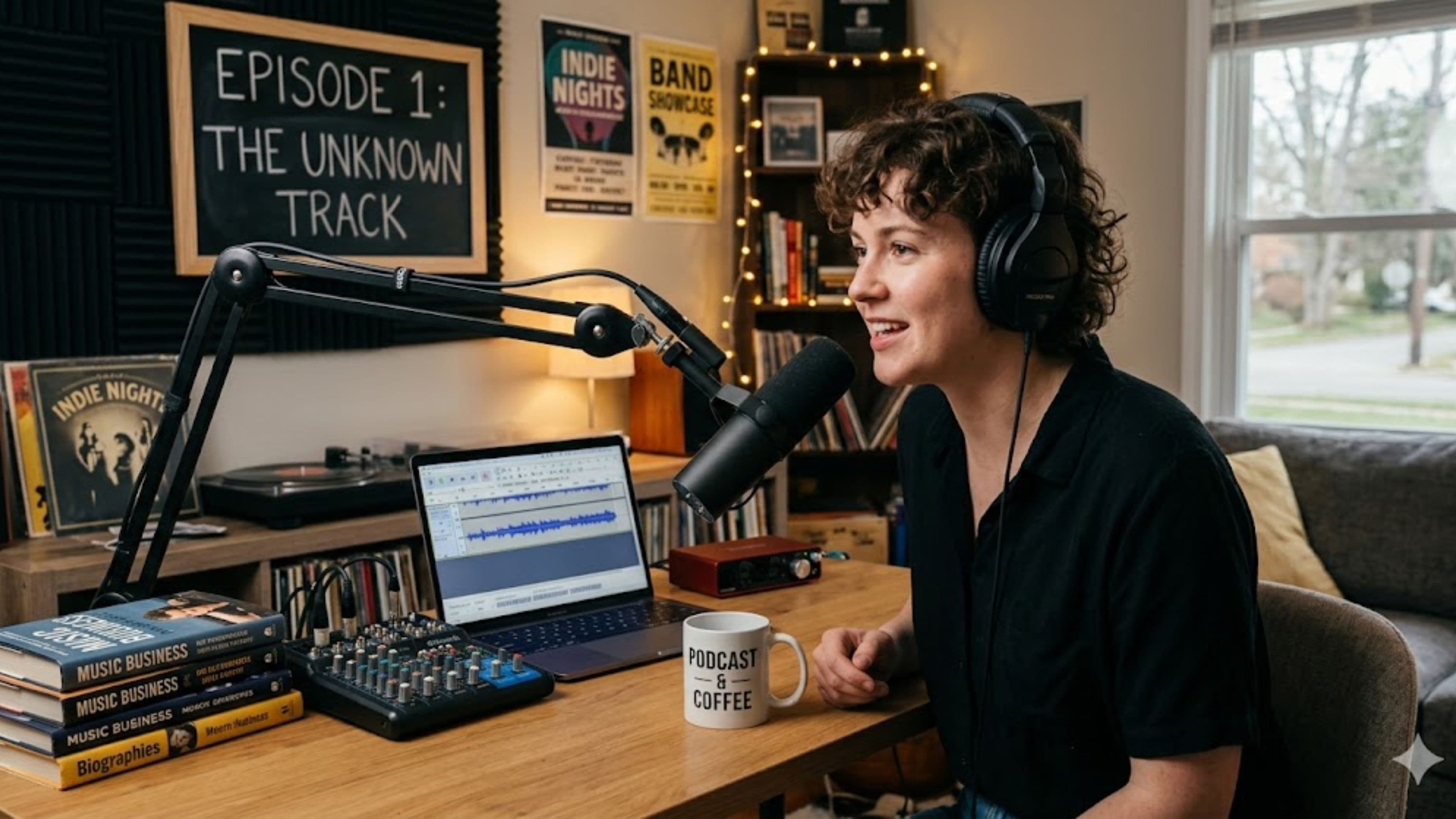
How to Start a Music Industry Podcast with No Audience Yet
Every podcast that has listeners now started with zero. That sounds obvious, but it's worth saying clearly because most creators get stuck in a loop of not starting until they have an audience – while the audience only forms after you start. The music industry podcast space is actually less crowded than it might appear from the outside. There are plenty of shows interviewing major label executives and breaking down chart data. There are far fewer shows going deep on niche subjects: independent touring logistics, music licensing for sync placements, the real economics of streaming for mid-tier artists, or what it actually takes to build a regional fanbase from scratch. If you have genuine experience or genuine curiosity in any corner of this industry, there's room for your show.
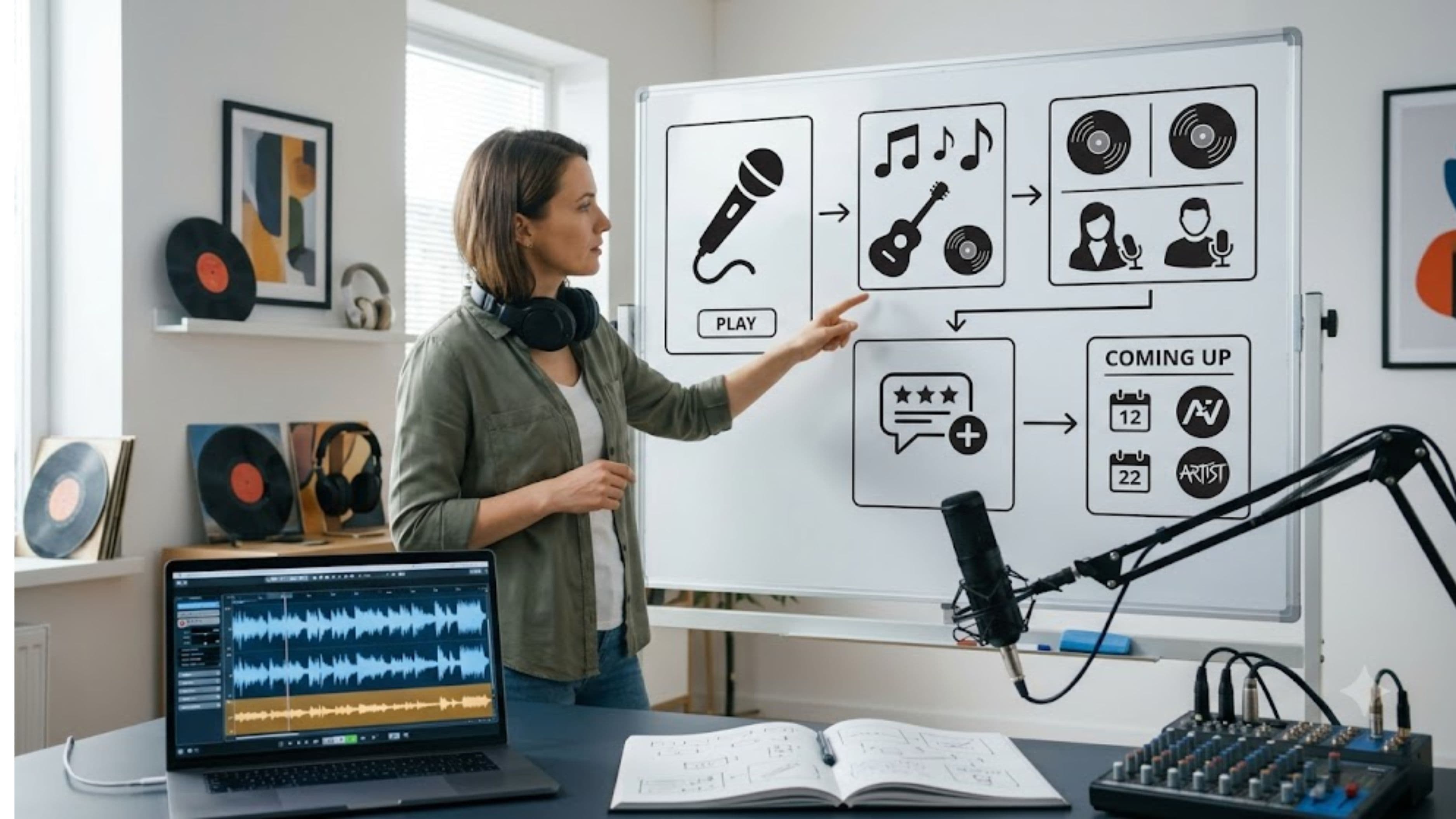
How to Structure a Music Podcast Episode That Keeps Listeners Coming Back
A great guest or a killer track breakdown can still lose listeners halfway through if the episode itself has no shape. Music podcasts live or die on structure more than people expect, since listeners are often multitasking, and a episode that meanders loses attention fast, no matter how good the content actually is. Getting the structure right is one of the highest-leverage things you can fix, and it's largely independent of production budget or guest access.
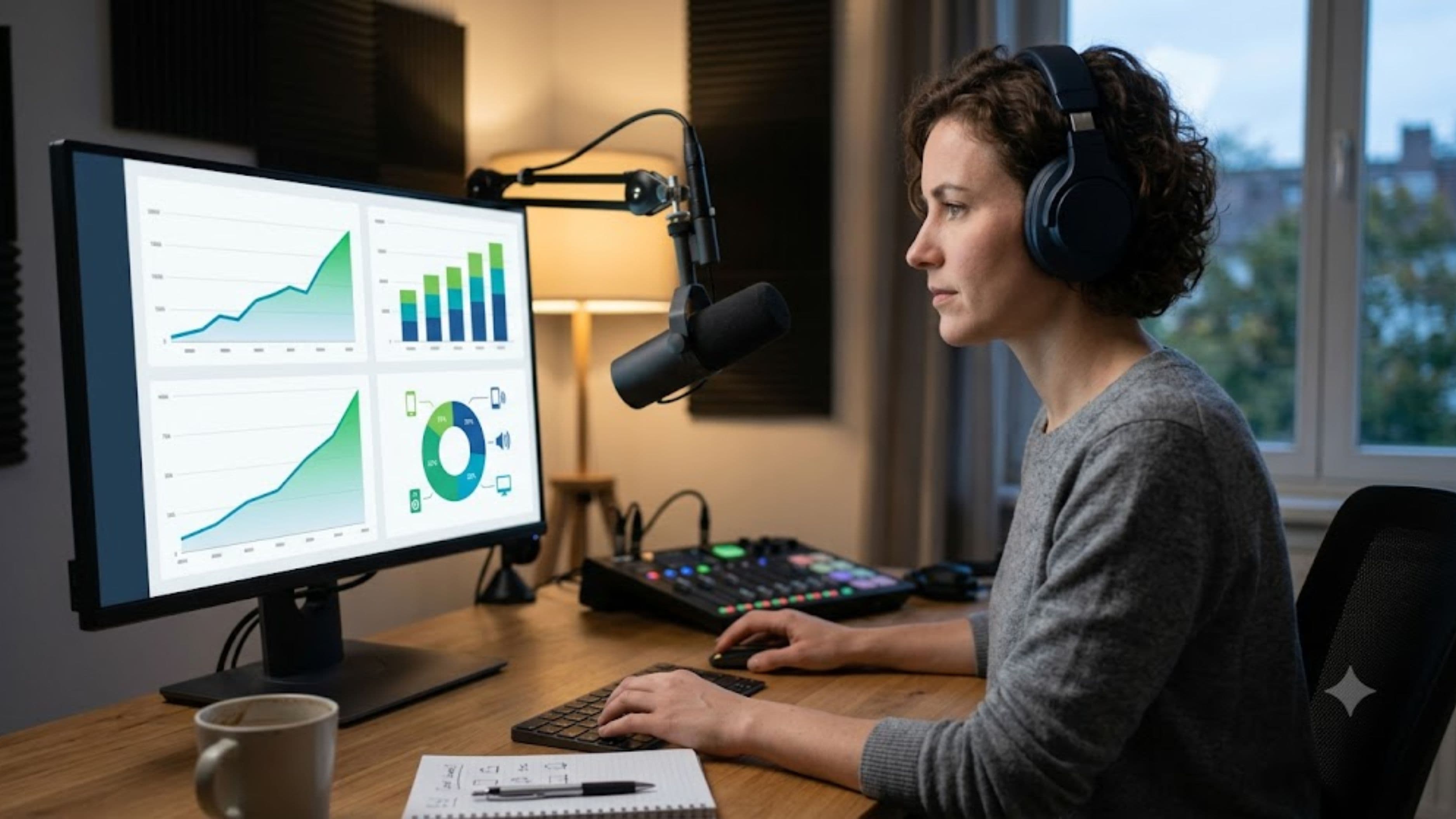
How to Use Podcast Analytics to Grow Your Show Faster
Most podcasters check one number obsessively, total downloads, and stop there, missing the data that would actually tell them what to change to grow faster. Podcast analytics offer far more than a single vanity metric, and learning to read the data that actually matters turns guesswork about what's working into a clear, actionable growth plan.
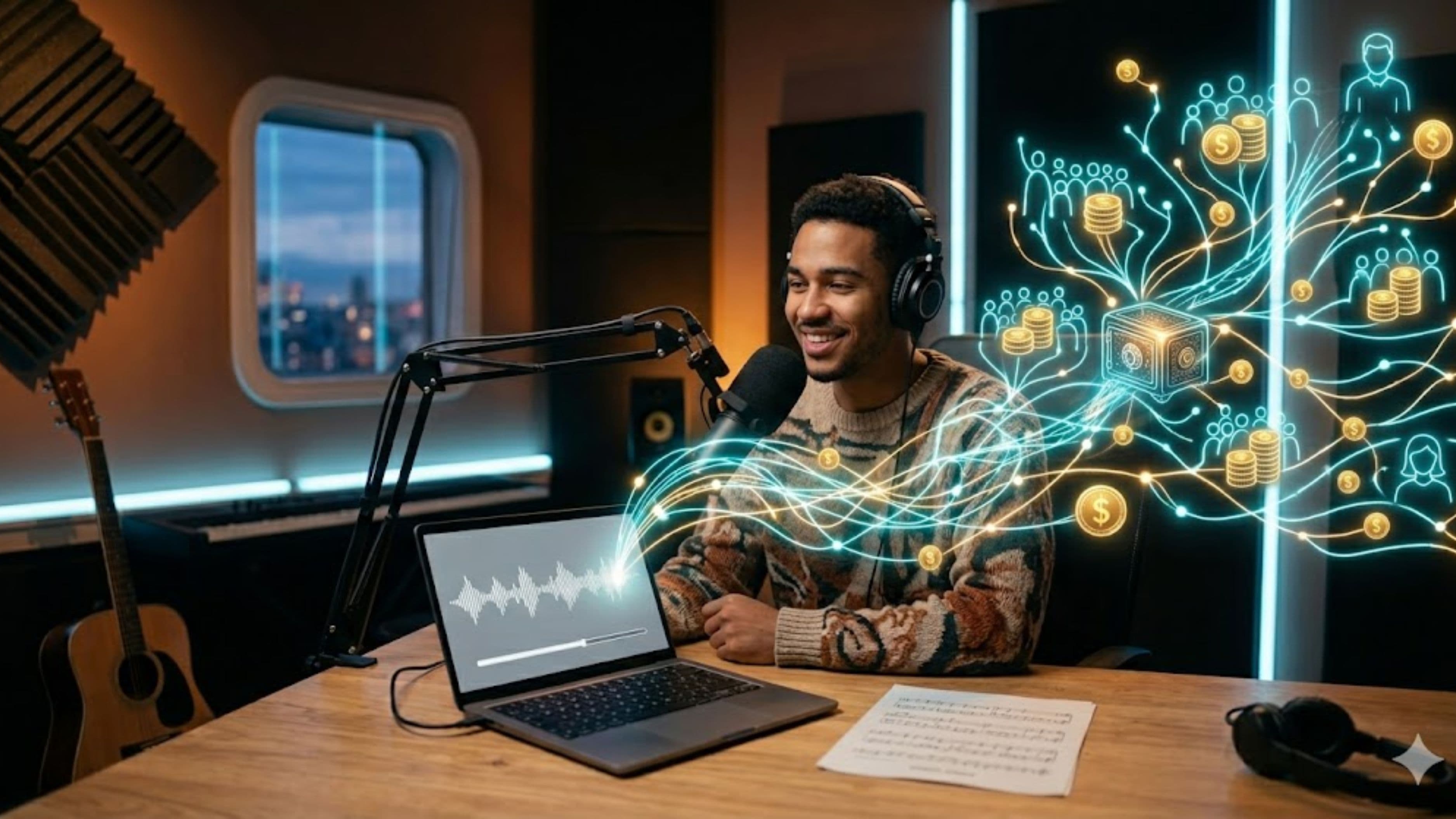
How to Use Your Podcast to Monetize Your Music Expertise
If you know music – production, theory, history, the business side, a specific genre – you already have something people will pay to learn from. The challenge most musicians and industry people face isn't that the knowledge isn't valuable; it's that there's no obvious structure for packaging and selling it. A podcast gives you that structure. It builds an audience around your expertise consistently, and once an audience exists, multiple monetization paths open up that aren't available to someone who just posts content and hopes for the best.
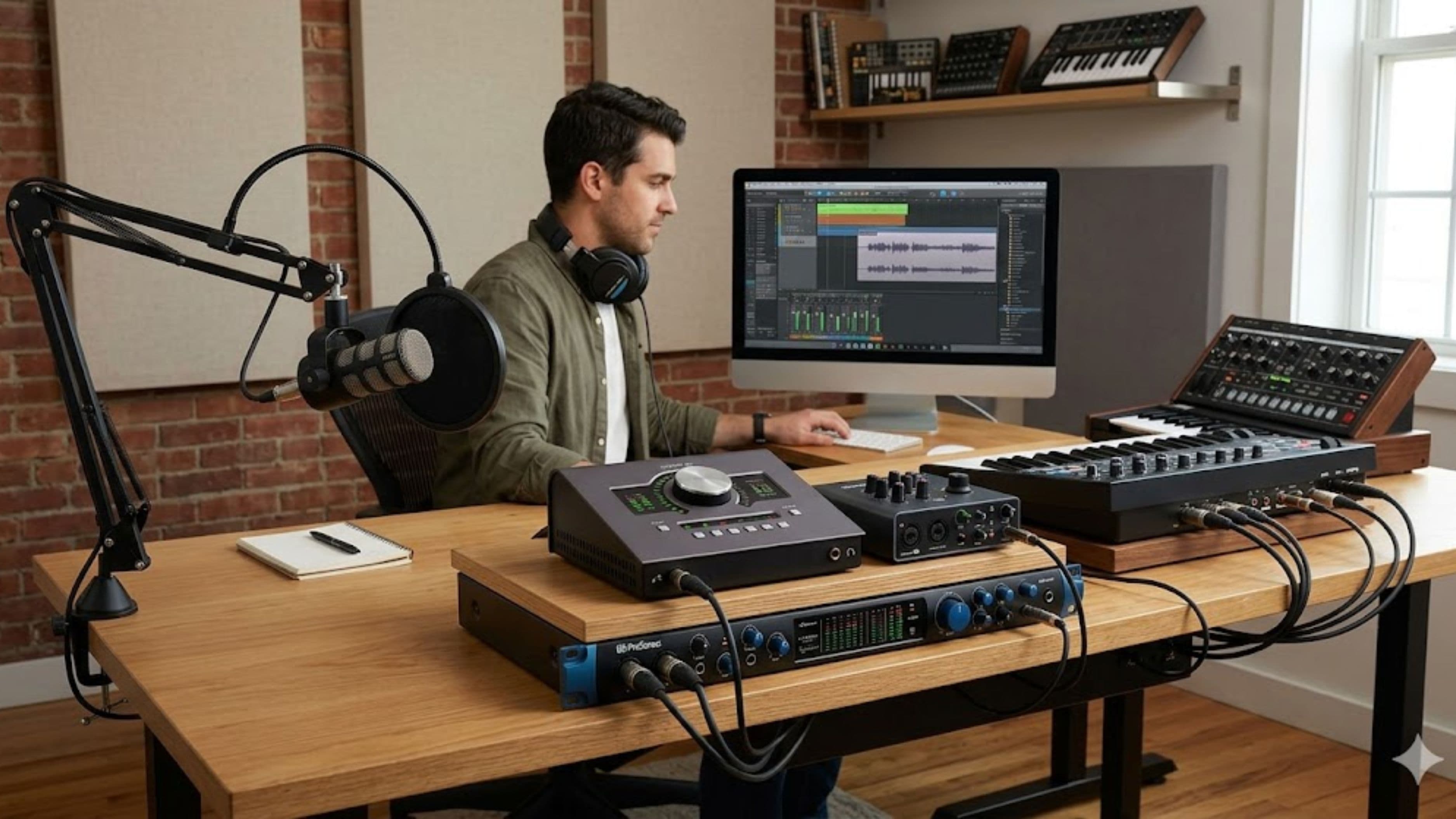
The Best Audio Interfaces for Podcasters Who Also Produce Music
If you're doing both – recording a podcast and producing music – you've probably noticed that most gear guides treat these as separate worlds. Podcast advice points you toward simple USB mics; music advice pushes high-channel studio rigs. But when you do both, you need an audio interface that bridges them: clean preamps for voice, the inputs and latency to track instruments, and enough flexibility to handle a multi-person episode and a mixing session without owning two setups.
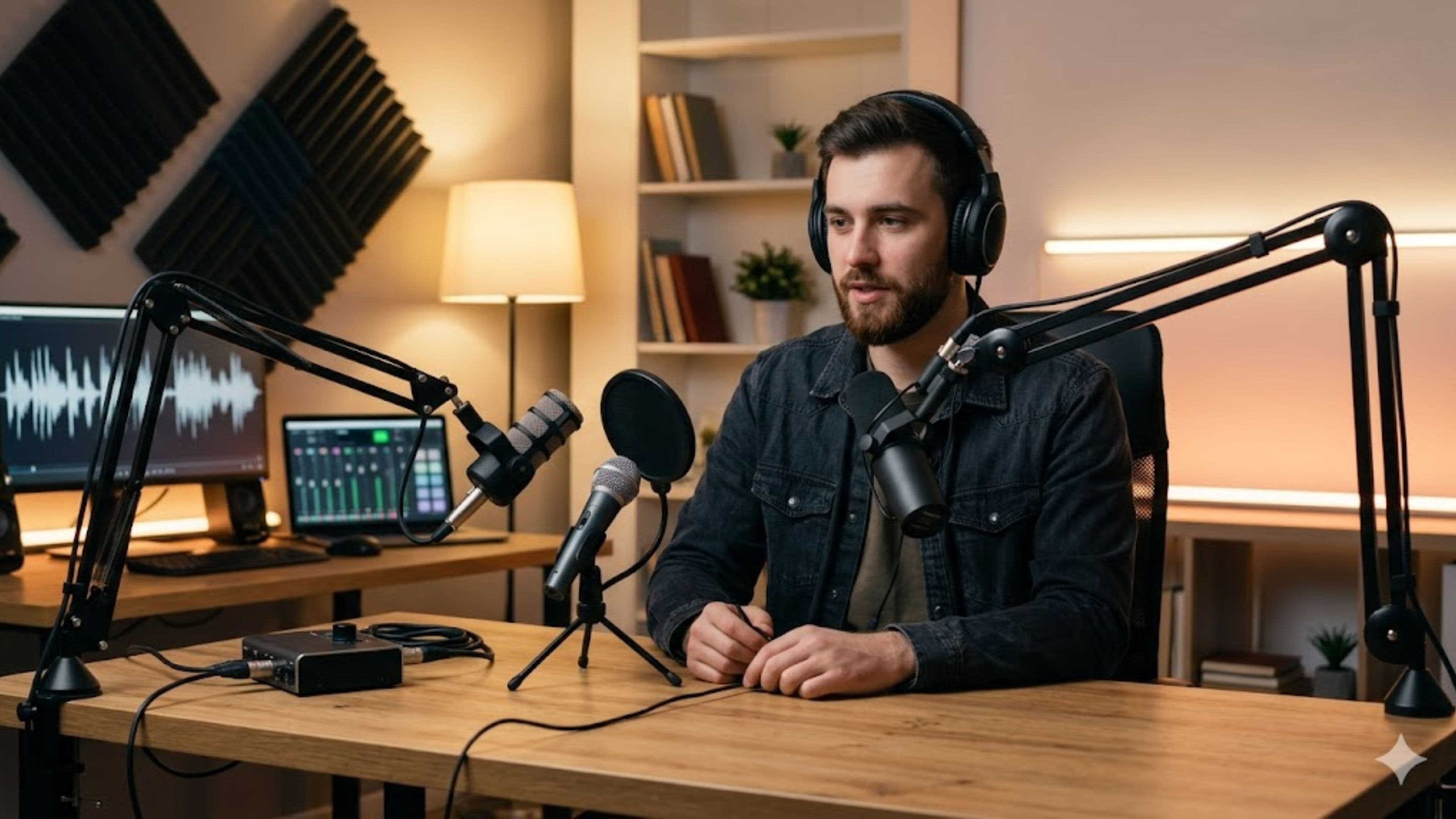
The Best Microphones for Podcasting Under Every Budget Level
The microphone question is the first thing most people get stuck on when starting a podcast, and it's also one of the most over-complicated. The range of options runs from under $50 to over $400, and the gear community manages to make all of it sound equally necessary depending on who you ask. The honest answer is that the right microphone depends heavily on your budget, your recording environment, and where you expect your show to go.
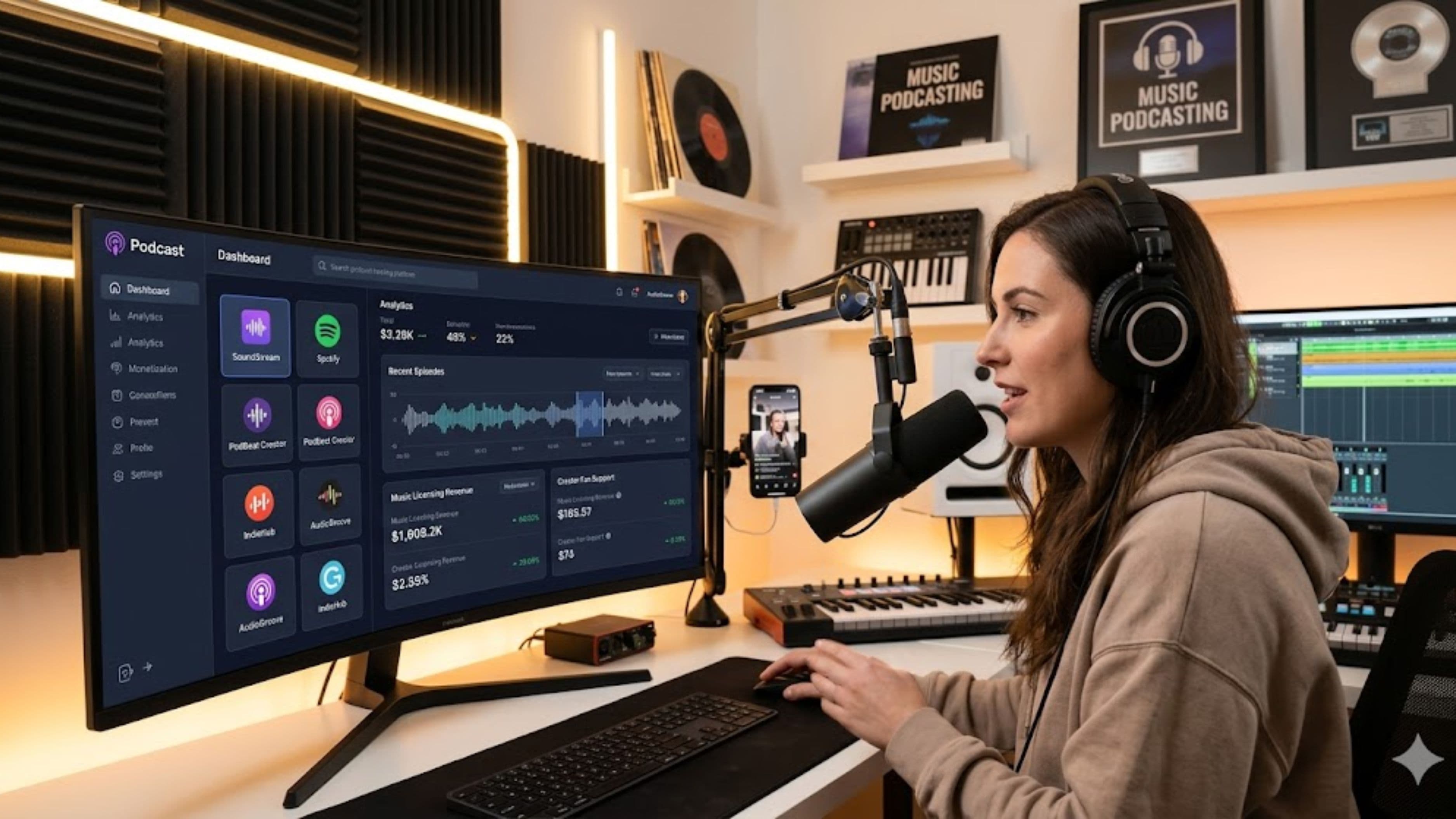
The Best Podcast Hosting Platforms for Music Creators in 2026
Music creators who haven't explored podcasting yet are leaving a real channel on the table. A podcast gives you a way to talk about your process, connect with listeners on a different level, build context around your releases, and monetise an audience that already exists – without algorithm changes deciding who sees your content. But the platform you host on shapes everything from your distribution reach to how you get paid, and the options have changed significantly enough in the last couple of years that older advice doesn't quite hold up.
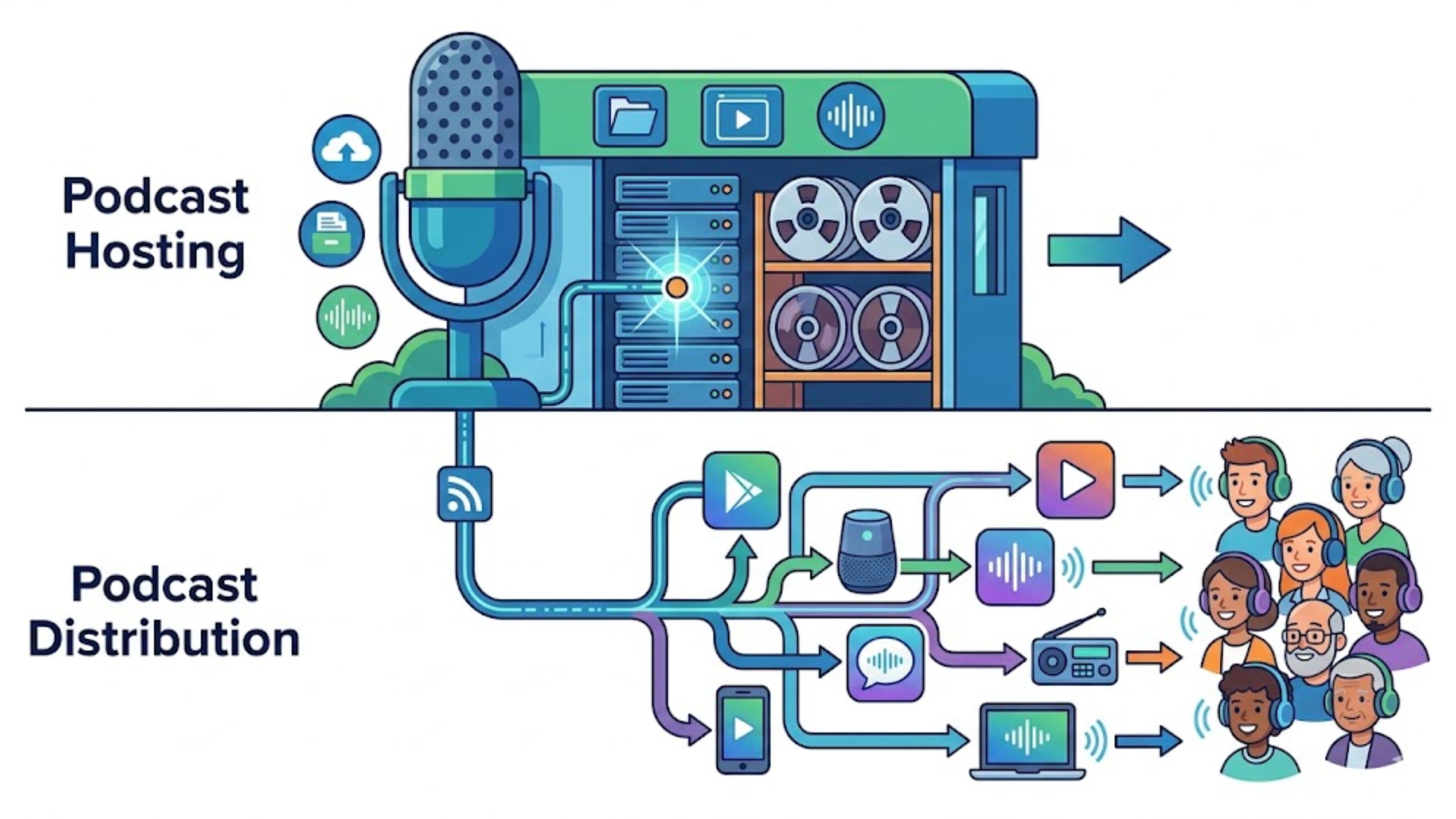
The Difference Between Podcast Hosting and Podcast Distribution Explained
Most people starting a podcast encounter the terms "hosting" and "distribution" within their first hour of research and assume they're basically the same thing. They're not. Mixing them up leads to confusion about what you actually need, why your podcast isn't showing up on certain platforms, or why switching services feels more complicated than it should. Understanding what each one does – and where they overlap – makes the whole setup cleaner and the decisions easier.
The Rise of Short-Form Audio: What It Means for Podcasters in Music
Attention spans didn't get shorter by accident, platforms trained us for it. Short-form video reshaped how people discover content, and now short-form audio, quick clips, teaser segments, bite-sized episodes, is following the same trajectory. For music podcasters, this shift is changing how shows get discovered, and it's worth understanding before it reshapes your strategy without your input.

What Every Independent Artist Should Know Before Starting a Podcast
More independent artists are adding a podcast alongside their music, whether that's a behind-the-scenes look at their creative process, interviews with other musicians, or a broader show about the industry itself. Done well, it's a genuine way to deepen a connection with your existing audience and reach new listeners who might never have found your music otherwise. Done without a clear plan, it's an easy way to burn hours you don't have on something that quietly fizzles out after a handful of episodes.
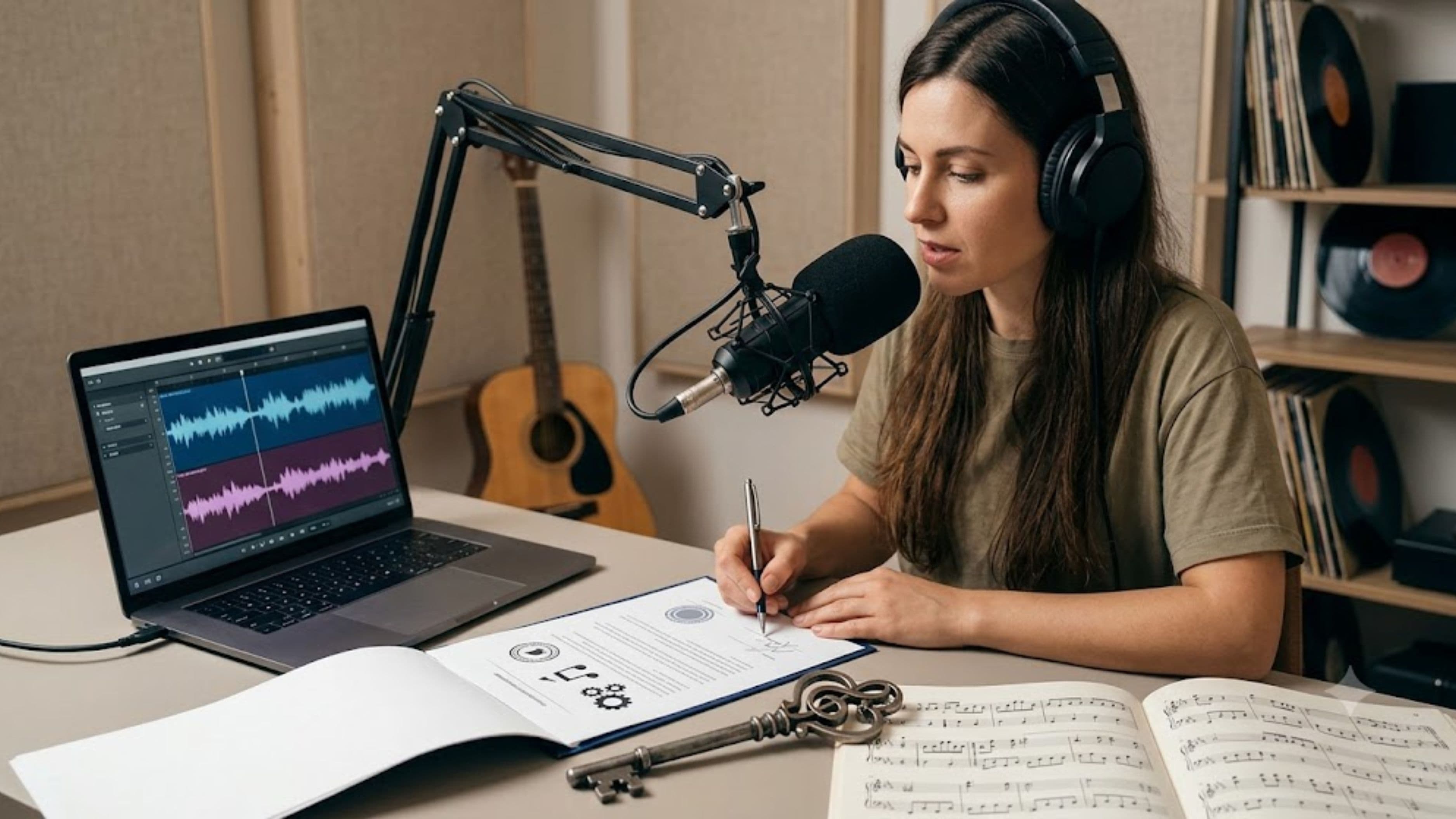
What Every Podcaster Should Know About Music Licensing for Episodes
Using unlicensed music in your podcast isn't a gray area – it's copyright infringement, and the consequences range from a DMCA takedown to a licensing demand letter you can't afford to ignore. The good news is that navigating music licensing for podcasts is genuinely manageable once you understand how it works. Most podcasters either skip this entirely (risky) or overcomplicate it (unnecessary). This guide gives you a clear picture of what you actually need to know.
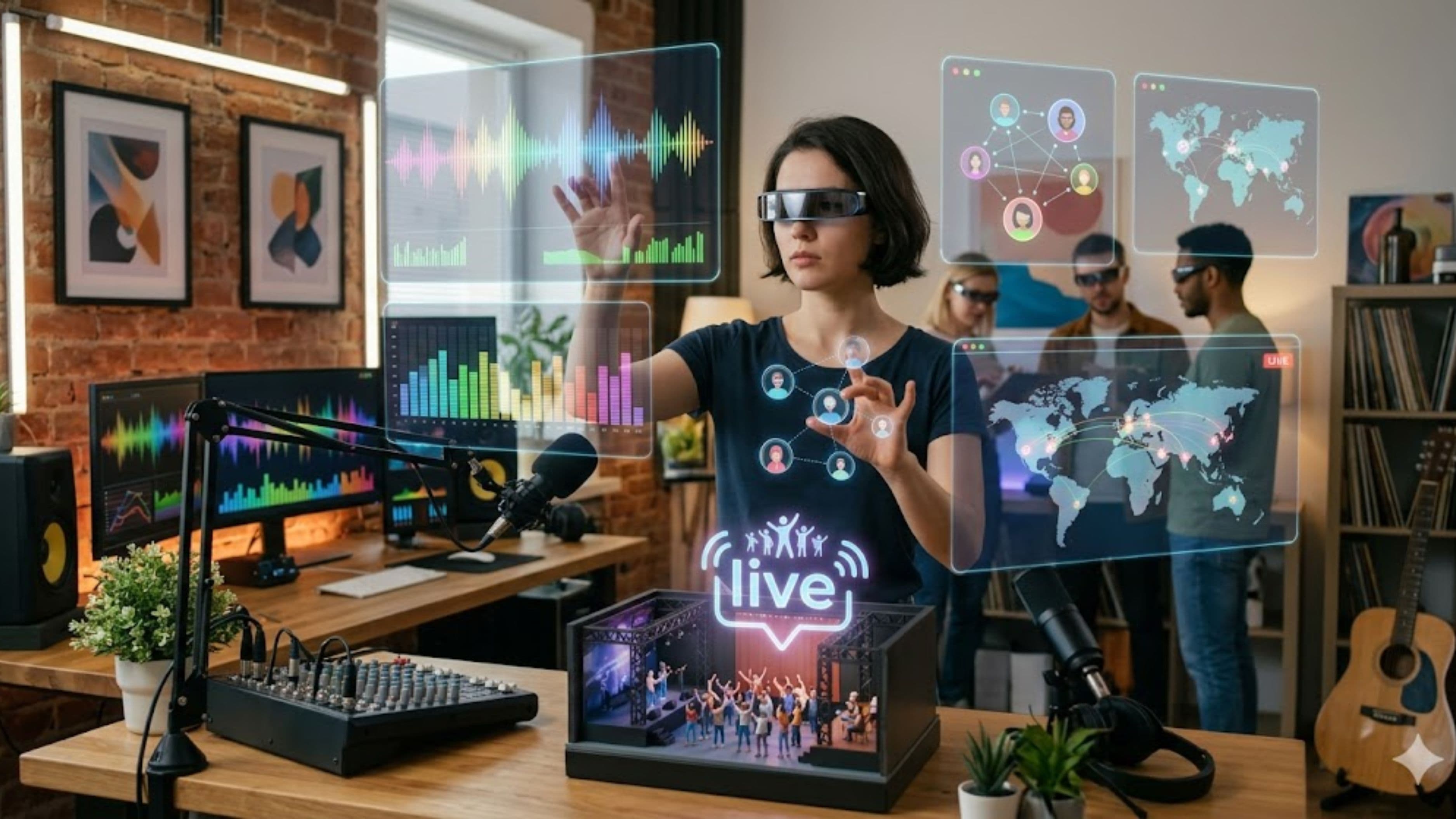
What Independent Music Podcasters Are Doing to Stand Out in 2026
The podcast space has never been more crowded, and the music podcast corner of it is no exception. There are hundreds of shows covering the same artists, the same trends, the same top-10 lists. Most of them sound the same, grow slowly, and plateau around a few thousand listeners. But a smaller group of independent music podcasters are quietly building genuinely loyal audiences – not by doing more of what's already there, but by doing something distinctly different. Here's what that looks like in 2026 and what you can take from it.
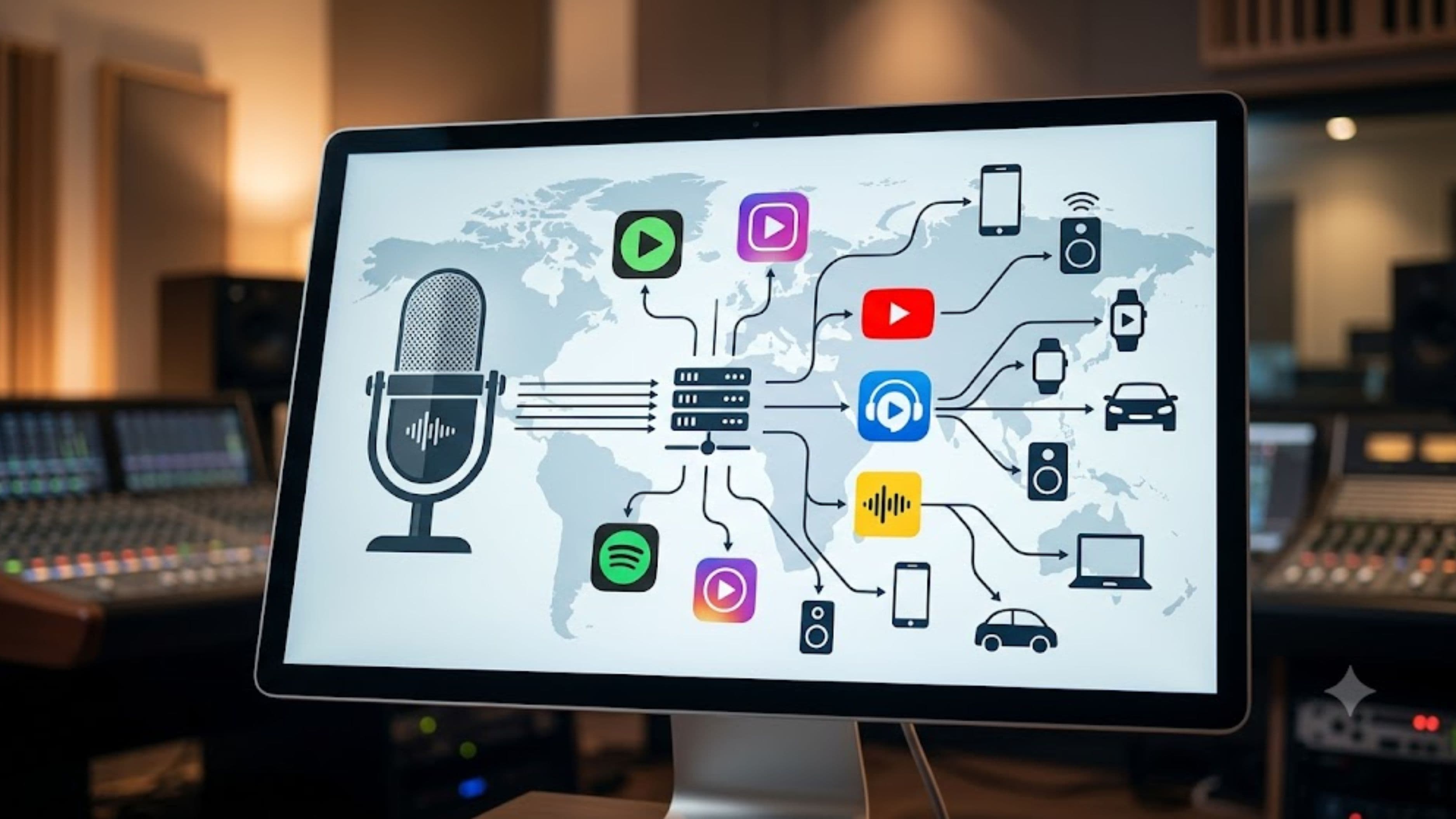
What Podcast Distribution Actually Means and Which Services Are Worth It
Recording a podcast episode is only half the job; getting it in front of listeners on the platforms where they actually spend time is the other half, and that's where podcast distribution comes in. Understanding exactly what distribution does, and which services actually add meaningful value versus which ones just add cost, matters more once you're trying to grow a show rather than just get it online somewhere.
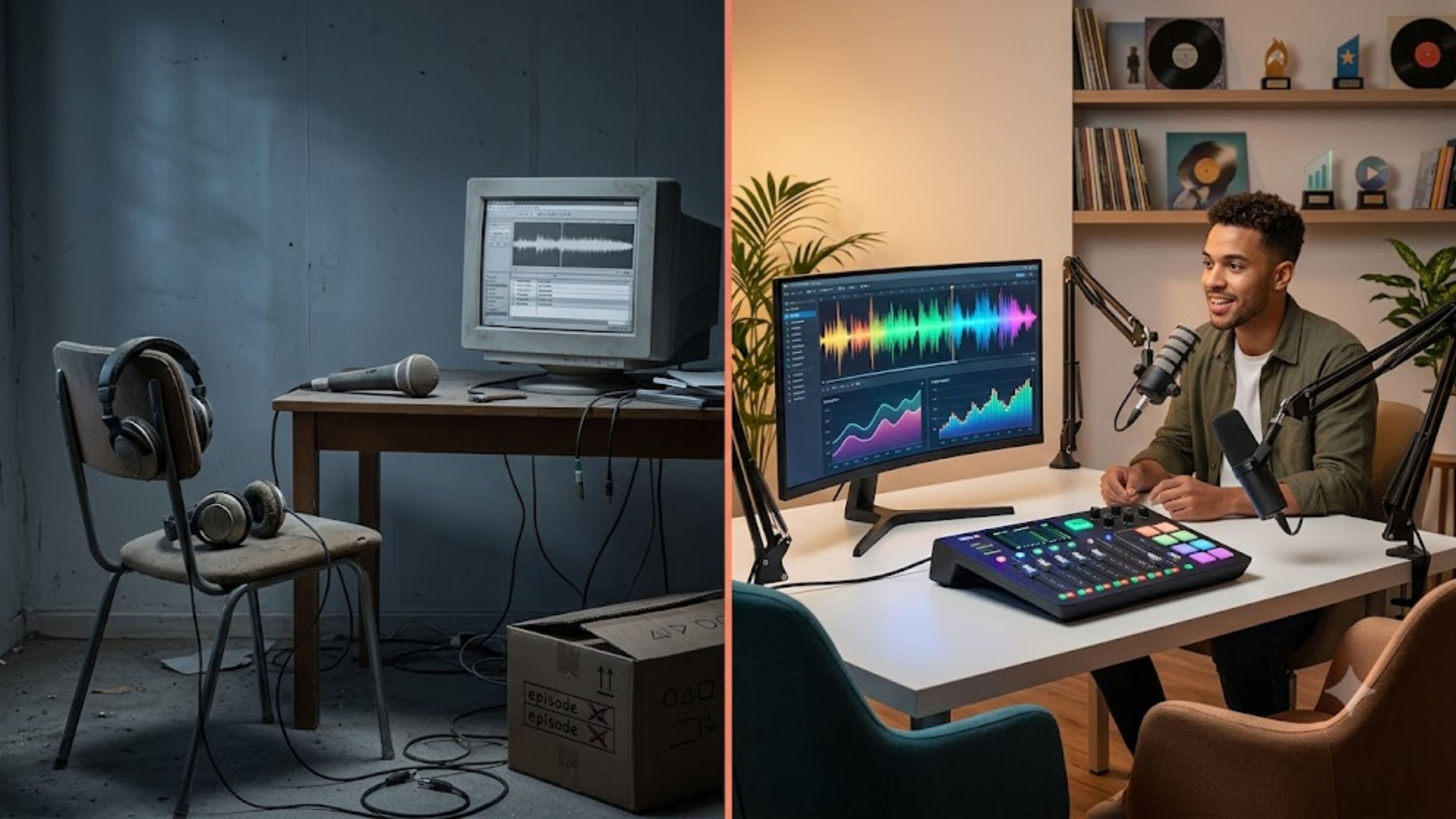
What Separates a Successful Music Podcast From One That Dies After 10 Episodes
Ten episodes is where a lot of music podcasts quietly stop, usually somewhere between episode 6 and 12, right as the initial excitement wears off and the actual work of running a show sets in. It's rarely one dramatic failure that kills a podcast at that point – it's a handful of specific gaps that compound until continuing stops feeling worth it.
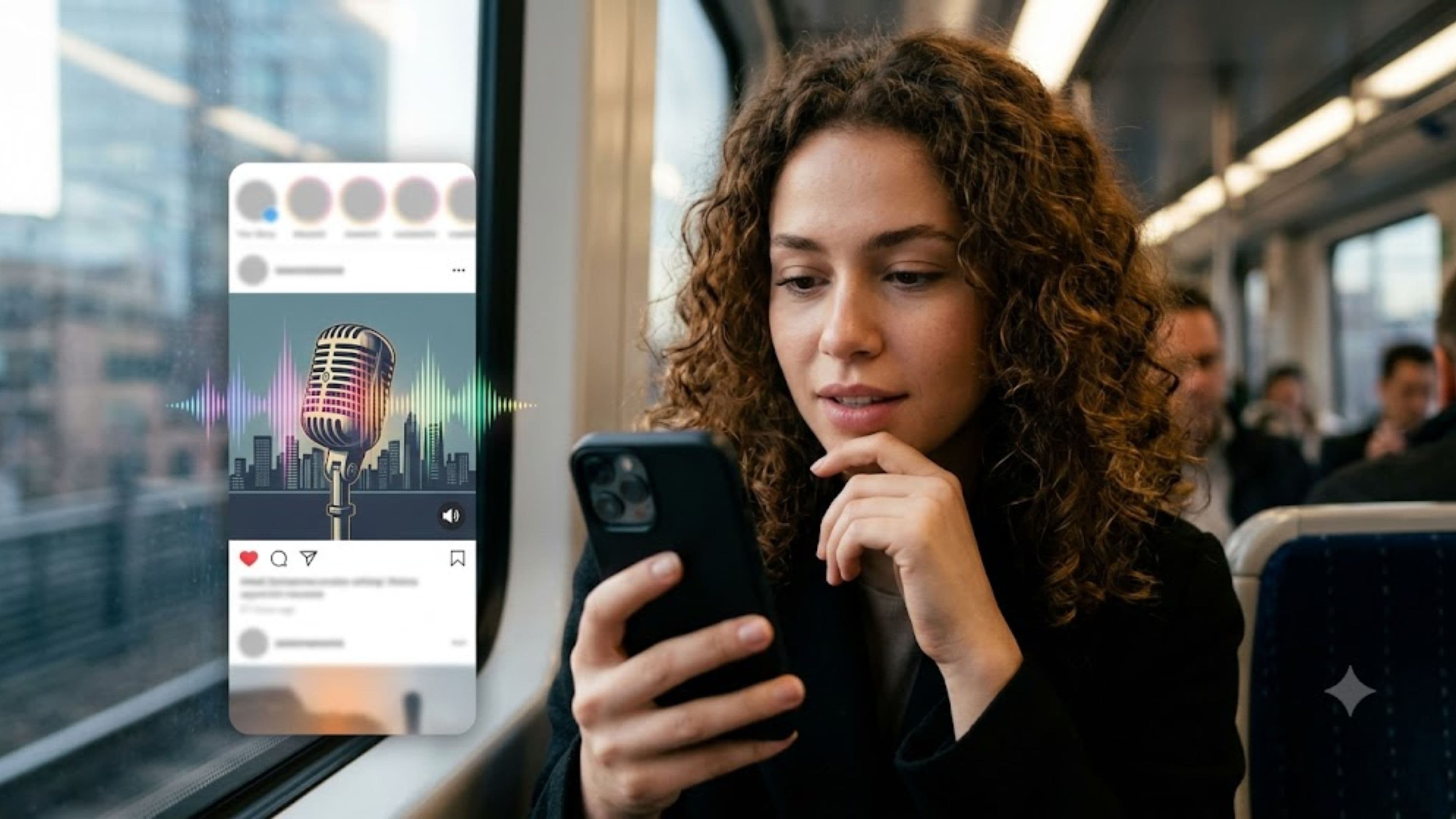
Why Audiograms Are Still a Powerful Tool for Podcast Promotion
Scroll through any podcaster's social media promotion and you'll still see them everywhere: short video clips with a waveform animation pulsing over a static background image, captioned with the episode's best quote. Audiograms have been around long enough that some creators assume they've become outdated in a landscape now dominated by full video podcasts and short-form vertical clips. In reality, audiograms remain genuinely effective for a specific, practical reason that hasn't changed: they solve a real distribution problem that video-first formats don't fully replace.
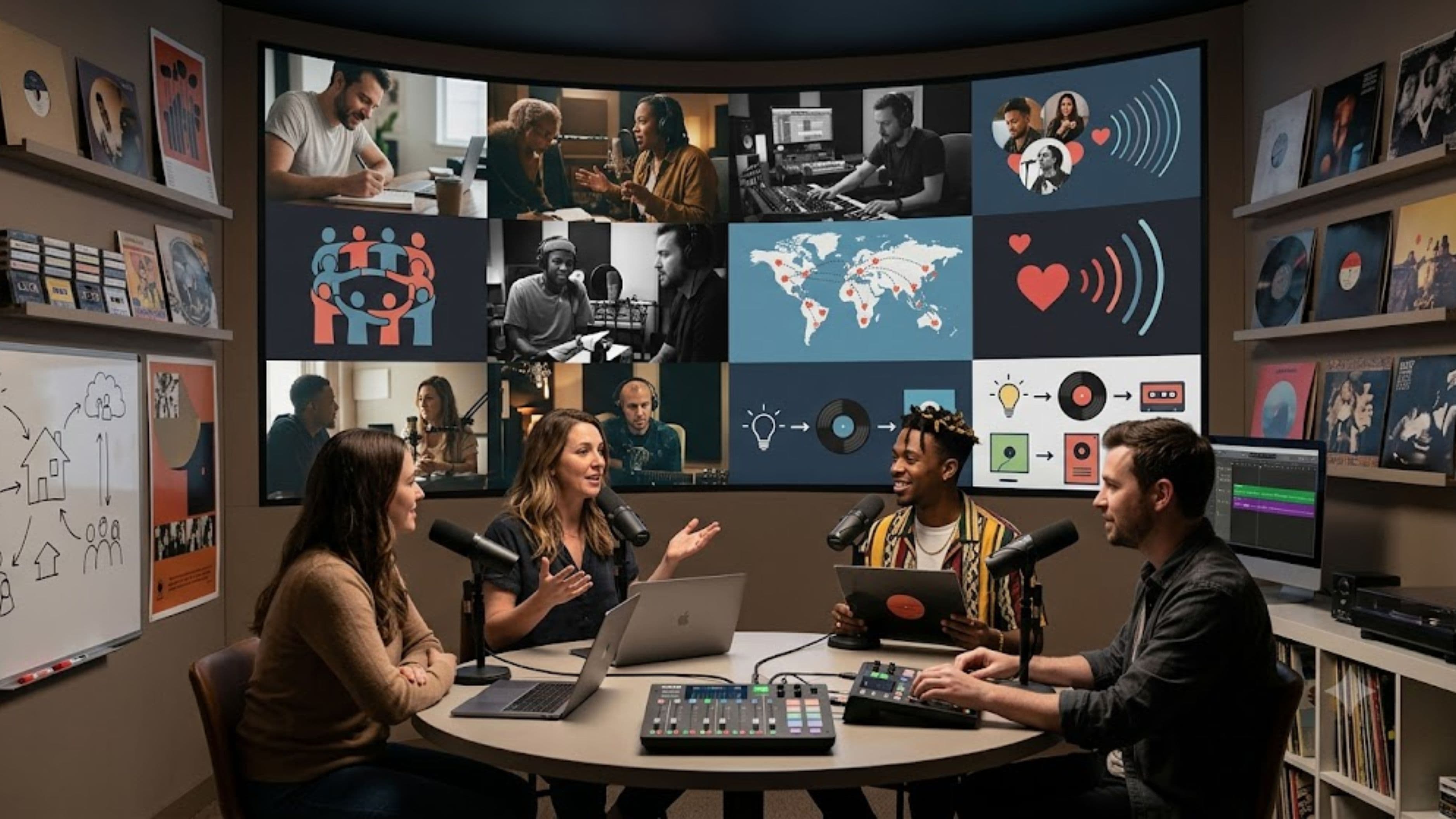
Why More Independent Labels Are Using Podcasts to Tell Their Story
A growing number of independent record labels have quietly added a podcast to their release calendar, right alongside singles and album drops. This isn't a random content experiment, it's a direct response to how audiences discover and connect with music now, and it's reshaping how smaller labels compete for attention against artists and companies with far bigger marketing budgets.
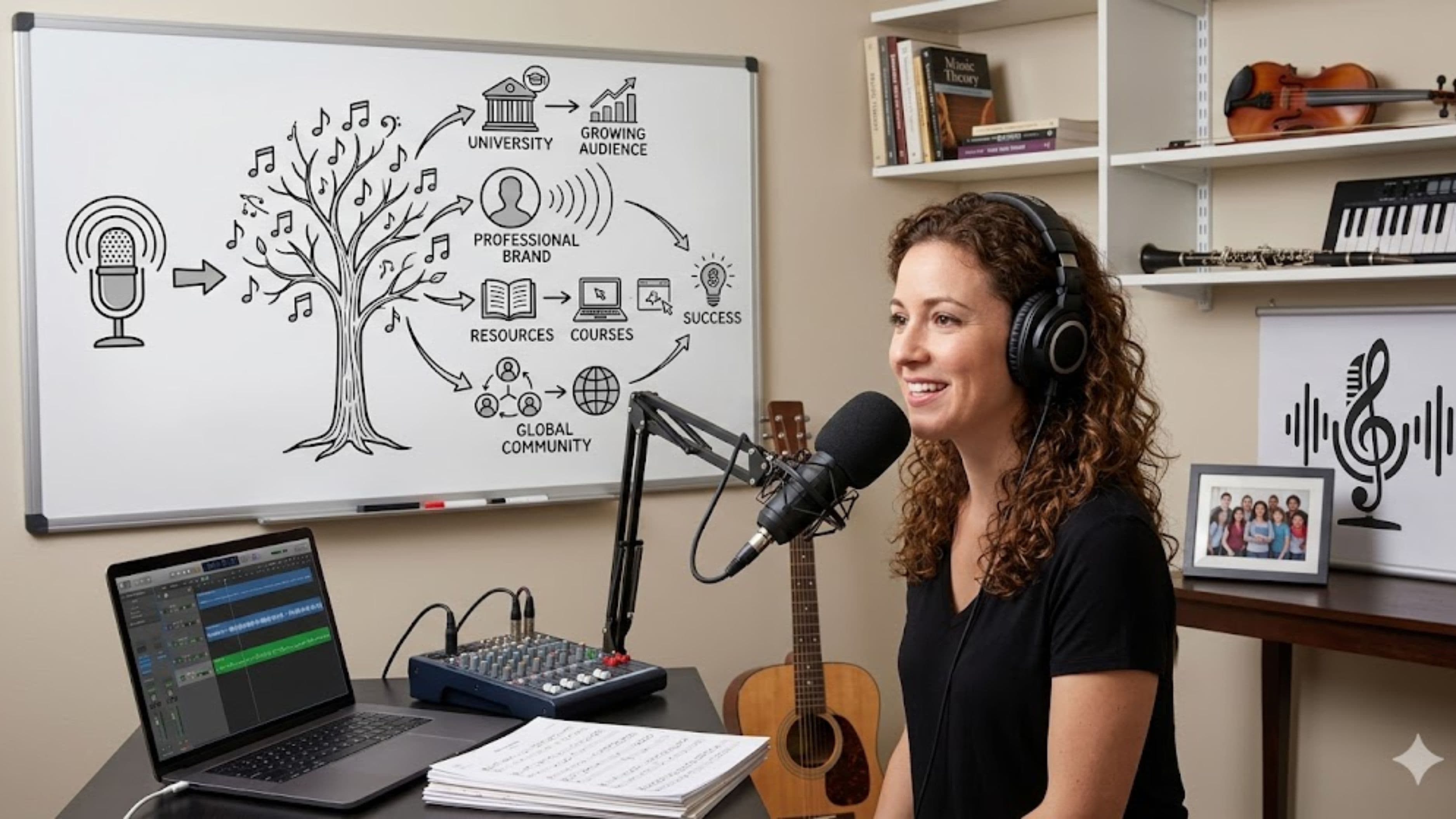
Why More Music Educators Are Using Podcasts to Build Their Brand
Teaching music has always been relationship-driven. Students find a teacher through a recommendation, a reputation, or a chance encounter – and for most of history, that discovery radius was local. A podcast changes that radius to global. A music educator with a well-positioned podcast isn't just reaching the students in their town; they're reaching aspiring musicians, parents of students, fellow educators, and potential clients in every timezone who found them through a search engine or a Spotify recommendation at 11pm.
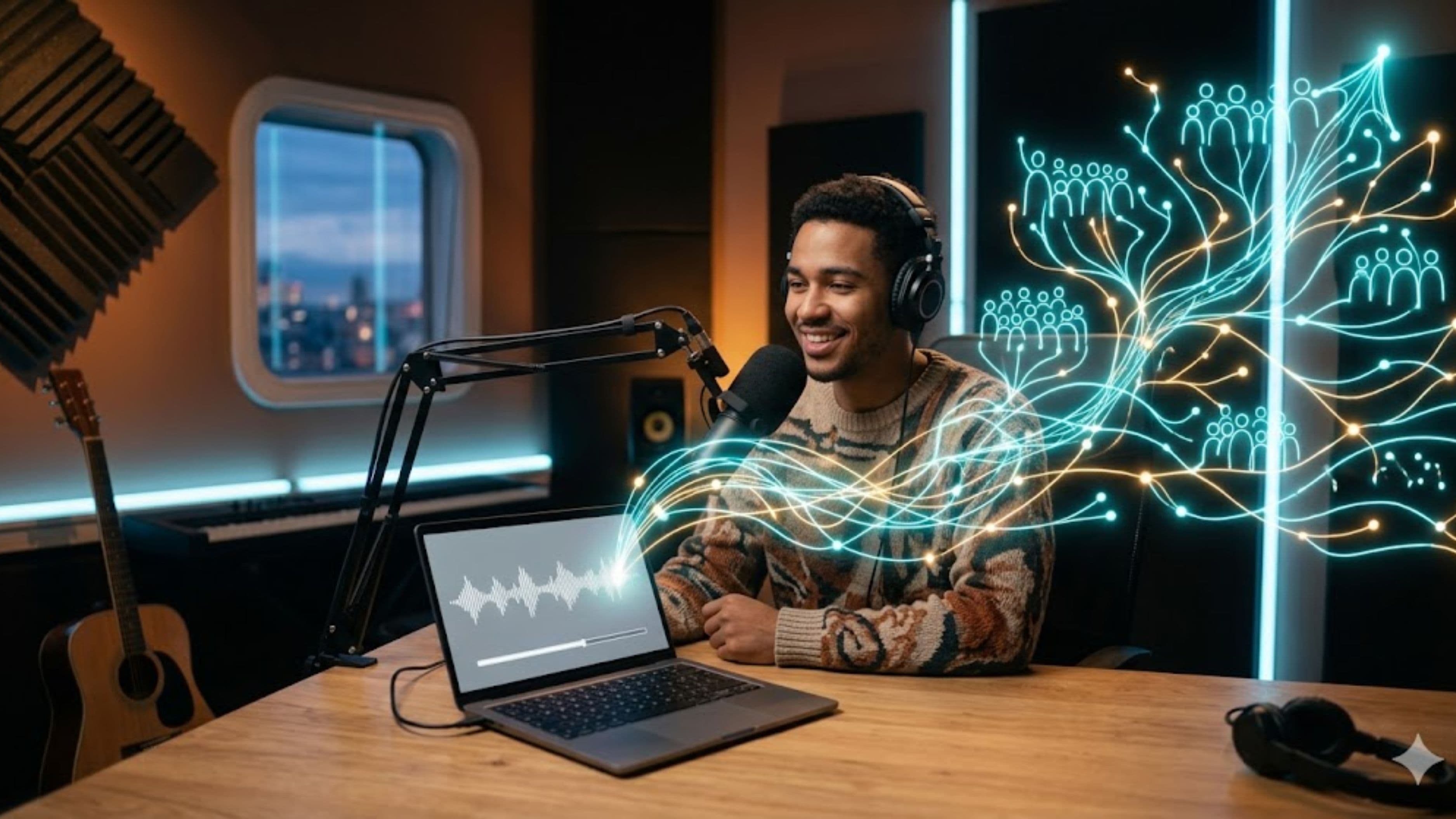
Why Musicians Are Launching Podcasts As a Fanbase-Building Strategy
There's a version of music promotion that looks like posting the same short-form clip to six platforms and hoping an algorithm notices. A lot of artists are exhausted by it. Podcasting is increasingly being used as a deliberate alternative — a format that builds a different kind of audience connection than any social media platform currently offers, and does it in a way that compounds over time rather than resetting with every post.

Why Video Podcasts Are Becoming the Default Format for Music Creators
A few years ago, most music podcasts existed purely as audio, uploaded to Spotify or Apple Podcasts with maybe a static cover image attached. That default has shifted meaningfully, and increasingly, launching a music podcast without a video component means leaving a substantial distribution and discovery channel unused, one that platforms themselves are actively pushing creators toward.
Explore other categories
Same editorial standard, different decisions.

Business
Music rights and cash flow live in licenses, metadata, and fee stacks. This Business Index covers master versus sync licensing, publishing administration, distributor royalty fees, touring travel controls, and the audit practices used when catalogs change hands.
Browse Business
Create Music
Browse Create Music
Live & Perform
Browse Live & Perform
Make Money
Browse Make Money
Promote & Grow
Browse Promote & Grow
Streaming
Streaming decides whether a release becomes durable catalog cash flow or a one-week spike. This index explains how DSPs score listener behavior, how save rates and skip timing affect algorithmic playlists, and how royalty pools actually pay out—so campaign spend buys permanence, not vanity numbers.
Browse Streaming
Tech
Release speed depends on two machines working together: the production stack that finishes audio and video, and the paid media stack that finds the first wave of listeners. This Tech Index covers mastering software, creative suites, affiliate programs, and YouTube or Google Ads systems for music campaigns.
Browse Tech