
Live & Perform
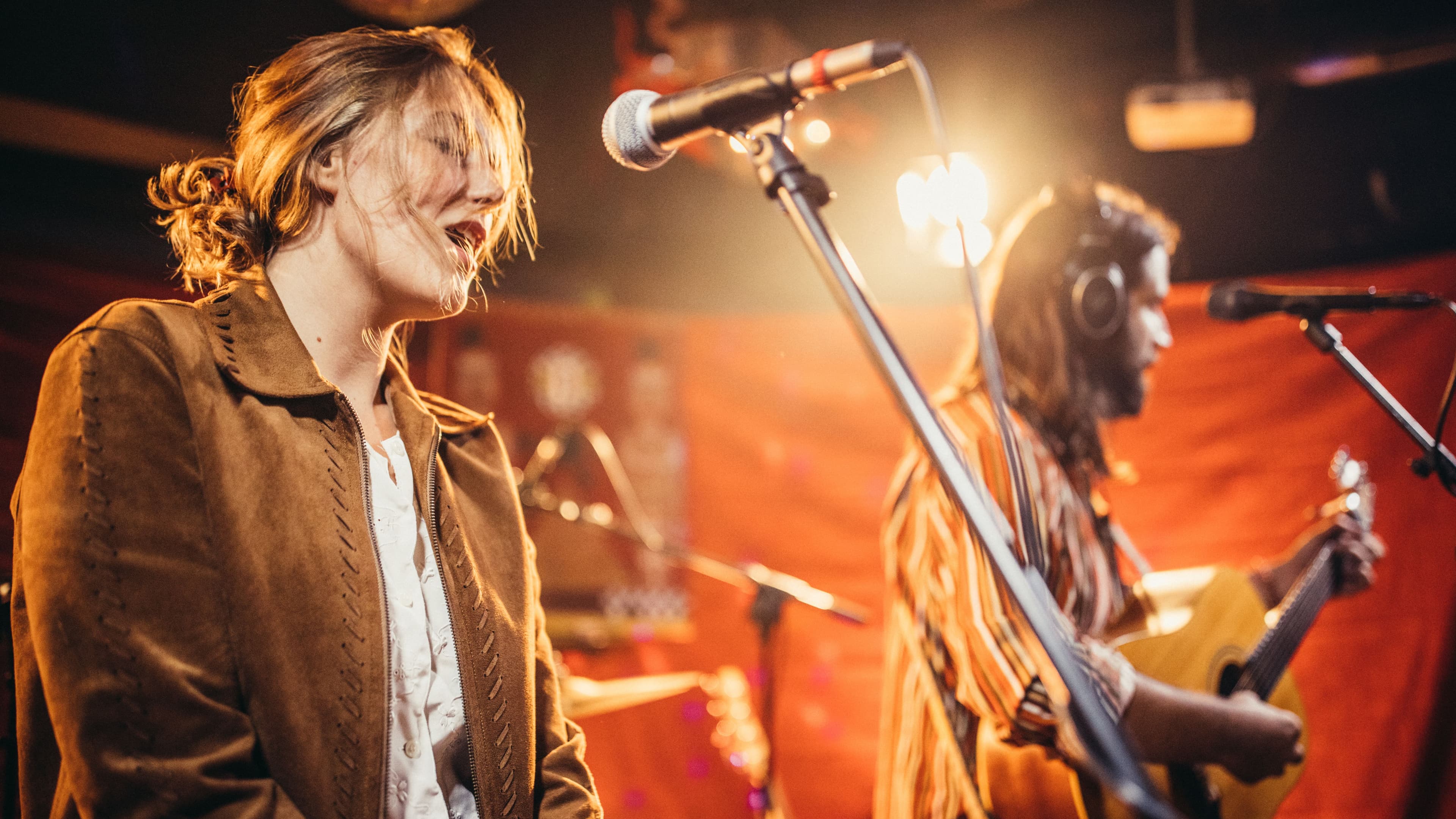

Must-Attend Pop Music Festivals in the U.s.: Your Ultimate Guide
Pop music fans know that there’s nothing quite like the electric energy of a live festival. Between the massive stages, colorful crowds, and star-studded lineups, pop festivals across the United States offer unforgettable experiences that go far beyond the music. From iconic headliners to viral breakout acts, these events celebrate the full spectrum of pop—from mainstream chart-toppers to indie-pop darlings and electro-pop innovators. Whether you're traveling across the country or looking for the perfect local event, this ultimate guide breaks down the must-attend pop music festivals of the year, complete with pricing, accommodations, and insider tips to make the most of your festival experience.
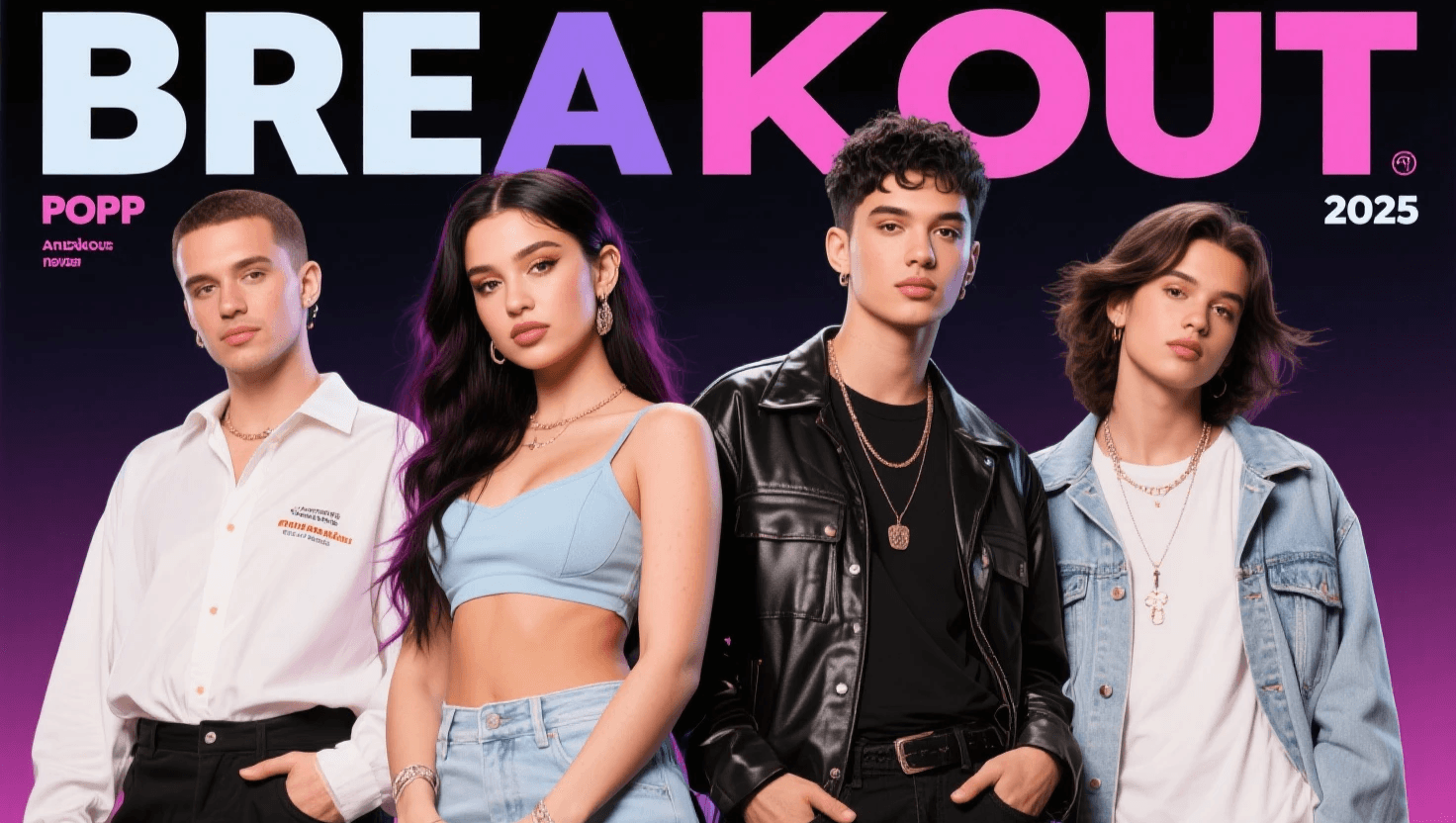
Top 10 Breakout Pop Artists of 2025: Who to Watch !
The new wave of pop is bold, unfiltered, and impossible to ignore. Pop is no longer just bubblegum beats and radio-friendly hooks—it’s a genre in flux, reshaped by artists who are rewriting the rules in real time. From viral trailblazers and fashion-forward icons to indie darlings and genre-bending innovators, this new class of talent is changing the sound—and look—of modern pop.
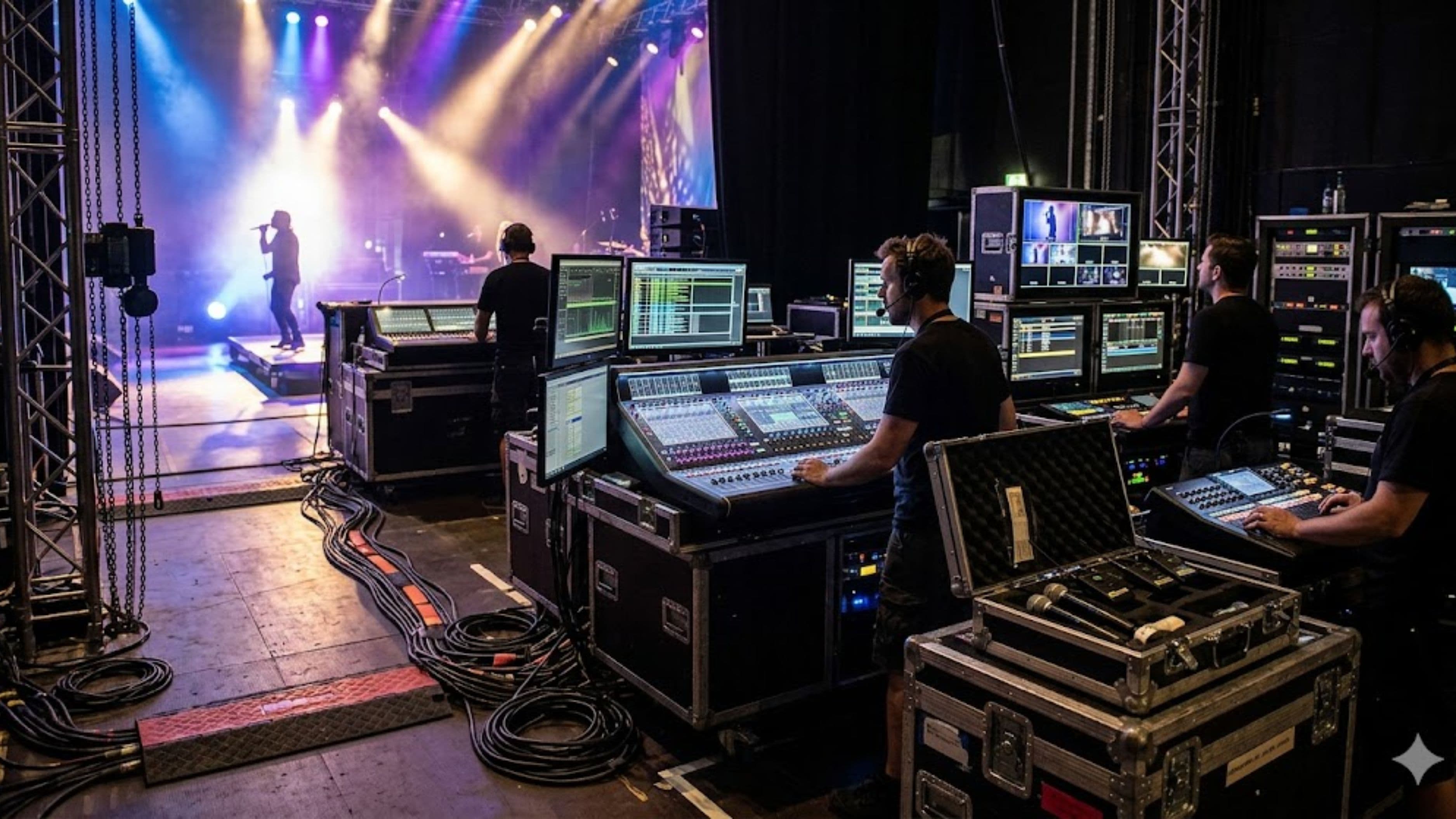
Behind the Scenes: How a Live Music Event Is Actually Produced
When you walk into a concert and the lights drop, it looks effortless. What you're actually experiencing is the result of months of coordinated work by a team of specialists most audiences never think about. For independent artists starting to plan their first events – or music enthusiasts trying to understand how the industry actually runs – the behind-the-scenes reality of live event production is both more complex and more approachable than it appears.
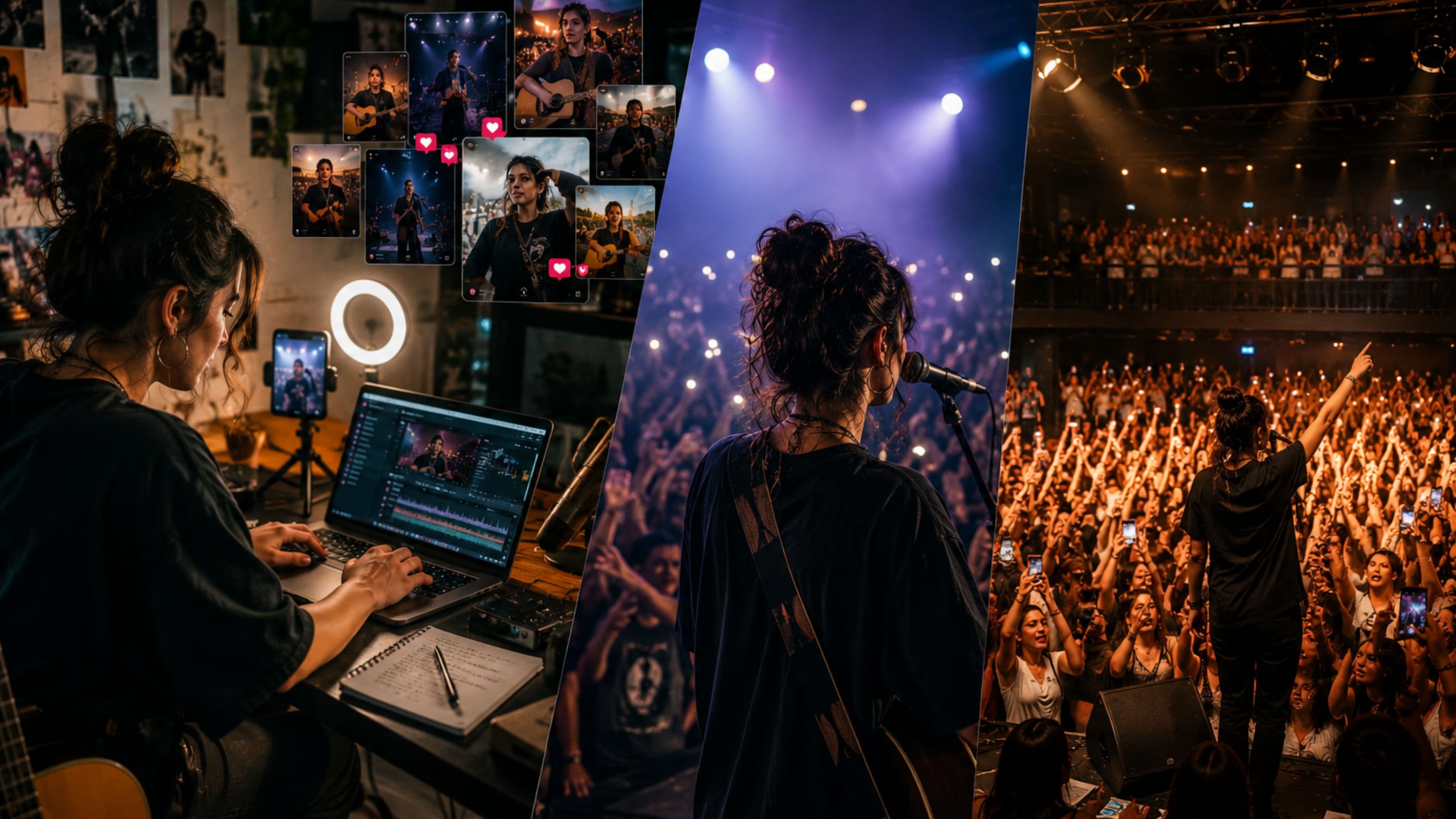
How Artists Are Selling Out Shows Without a Label Behind Them
Not long ago, selling out a venue without label support meant you either had a manager with serious connections or you'd been grinding for a decade. That calculus has changed. Independent artists are now routinely packing rooms of 300, 500, even 1,500 people using a combination of social media, direct fan relationships, and tools that simply didn't exist five years ago. The label isn't gone from the picture entirely, but for live music specifically, its role is no longer the bottleneck it once was.
How Artists Are Using Fan Data to Plan Smarter Tour Routes
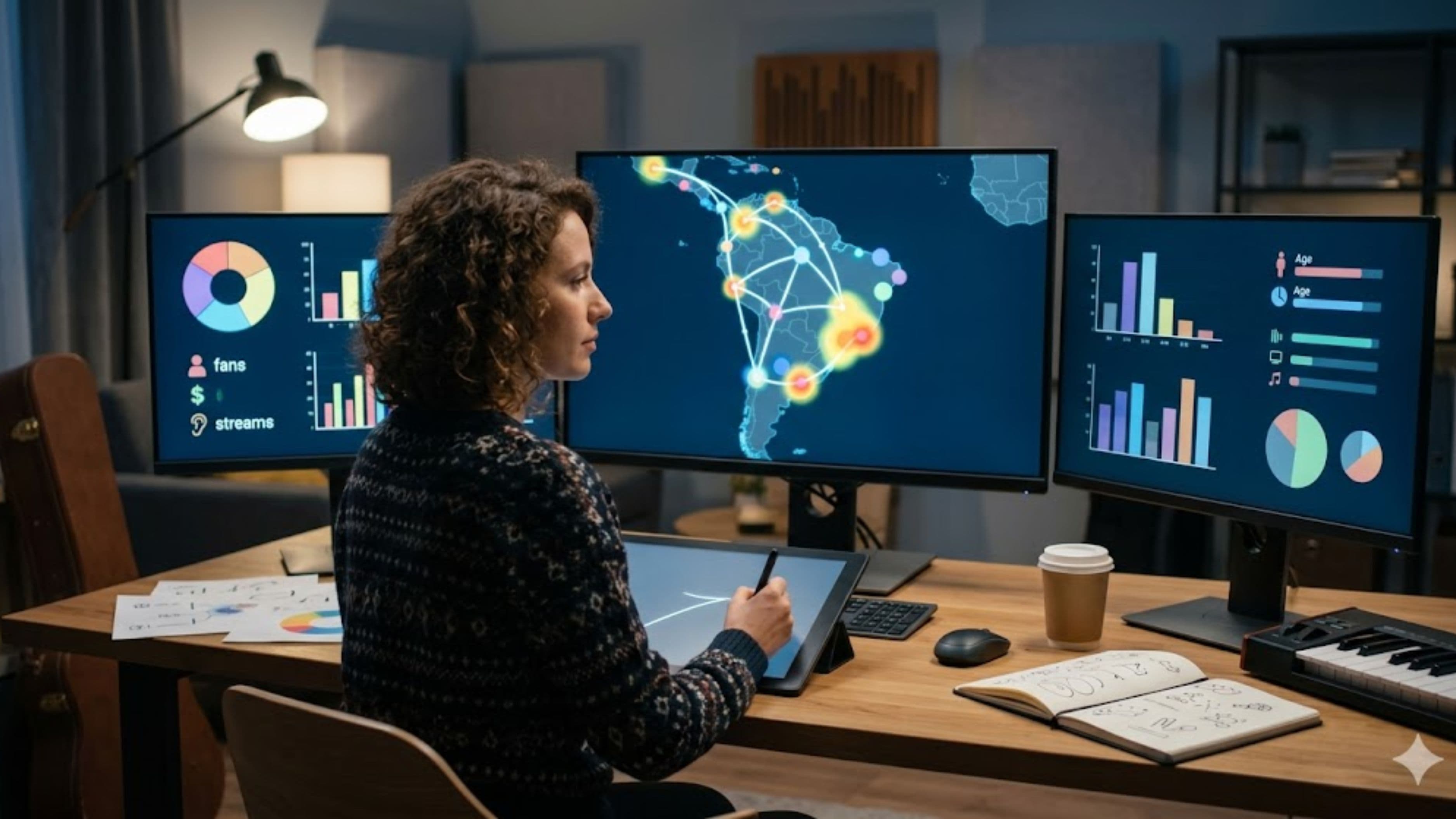
Not long ago, booking a tour meant relying on a combination of gut instinct, an agent's relationships, and rough estimates of where your fanbase might be. You'd book markets where similar artists had done well, hope the local promoter's read on the room was accurate, and find out on the night whether the gamble paid off. That model still exists at the margins of the industry, but artists who are growing intentionally in 2026 are doing something fundamentally different: they're reading the data before they book a single date.
How Artists Use Set Design to Build Stronger Show Experiences
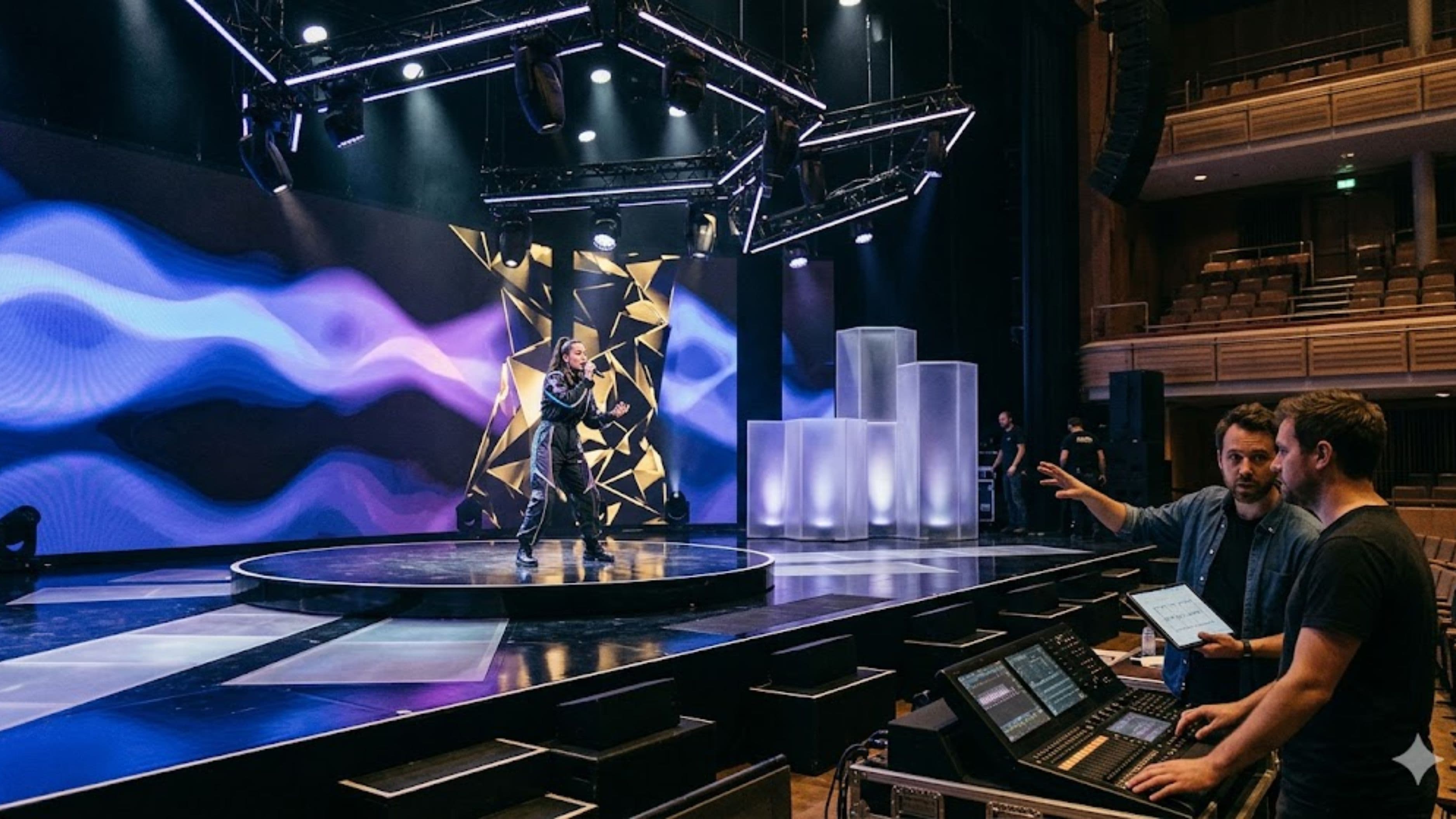
A great live show is never just the music. The moment the lights drop and something monumental rises from the stage floor, the crowd's relationship with the artist shifts — from listening to being inside something. That's not an accident. It's design.

How Concert Ticketing Technology Has Changed the Fan Experience
Buying a concert ticket used to mean camping outside a record store, getting through to a busy phone line, or sitting at a computer and refreshing a browser for forty-five minutes before watching a show sell out in front of you. Today it means something else entirely – and not always better, depending on who you ask. The technology behind concert ticketing has changed more in the last decade than in the previous fifty years combined, and those changes have reshaped the fan experience at every step from discovery to the moment you scan in at the door.
How Live-Stream Concert Tech Has Evolved in the Last Two Years
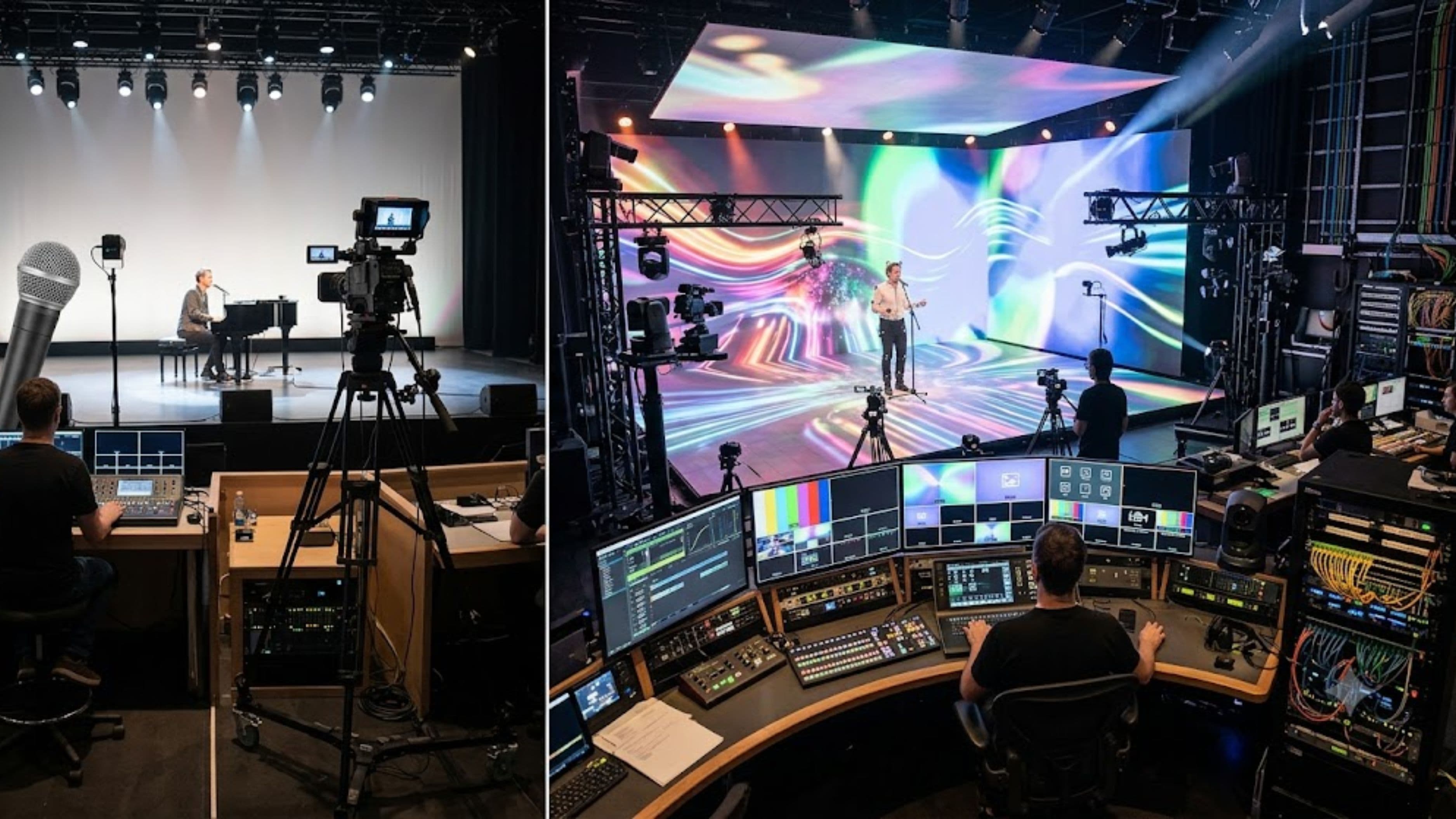
The early wave of livestreamed concerts felt like exactly what they were: a workaround, a single camera pointed at a stage, audio that never quite matched the energy of being in the room, streams that buffered right at the drop. That version of livestreamed music already feels dated. The technology behind live concert streaming has moved fast, and understanding what's actually changed helps explain why livestreams now feel like a genuine alternative to being there rather than a poor substitute.
How Live-Streamed Concerts Are Changing the Touring Model
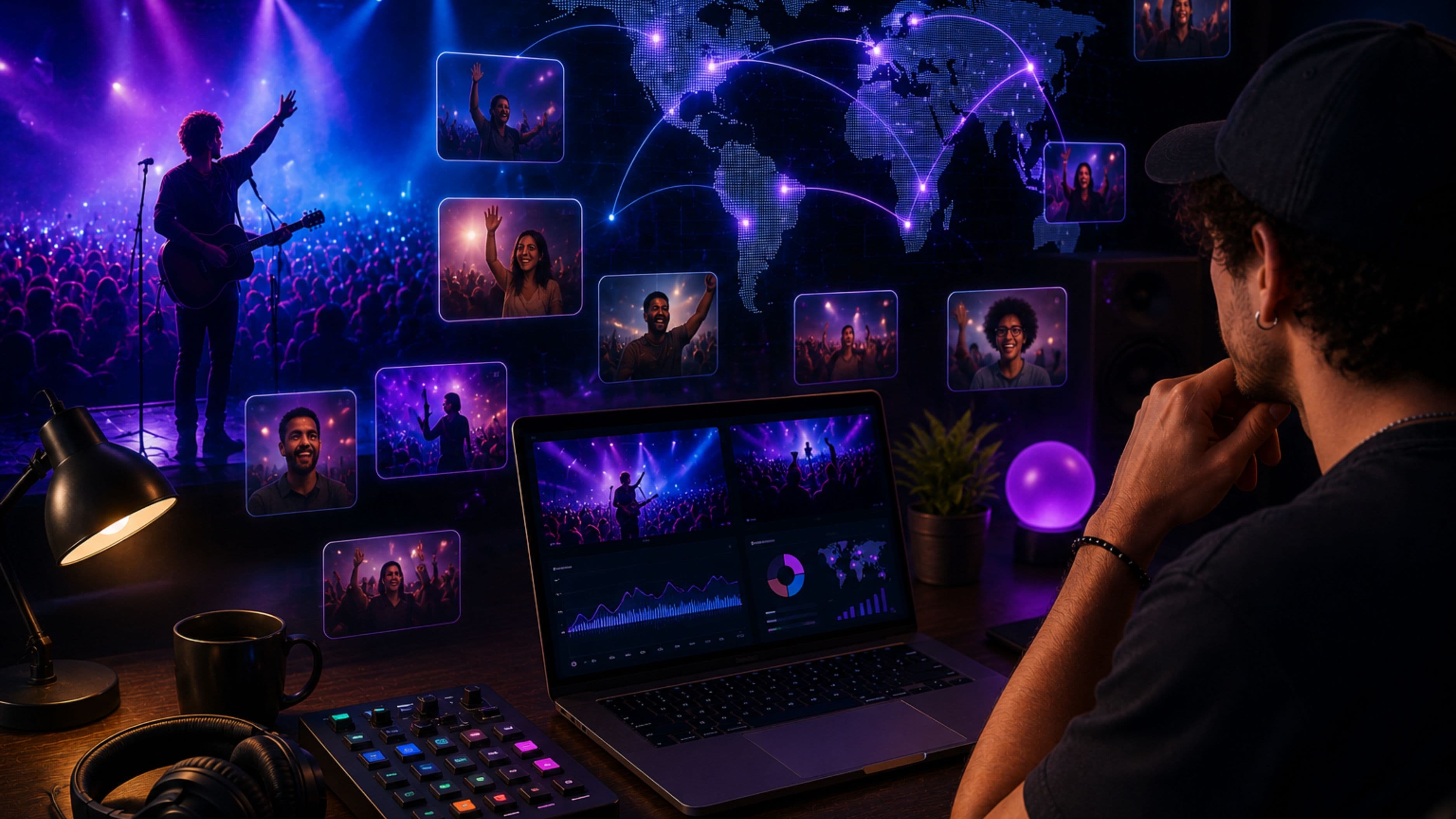
Touring has always been the backbone of artist income. But the economics of it have been deteriorating for years – rising production costs, venue fees, hospitality riders, crew wages, and ticket prices that are increasingly out of reach for a significant portion of fans. Live streaming didn't create these problems, but it arrived at exactly the right moment to expose them, and it's now pushing the industry toward a touring model that looks meaningfully different from what it was five years ago.
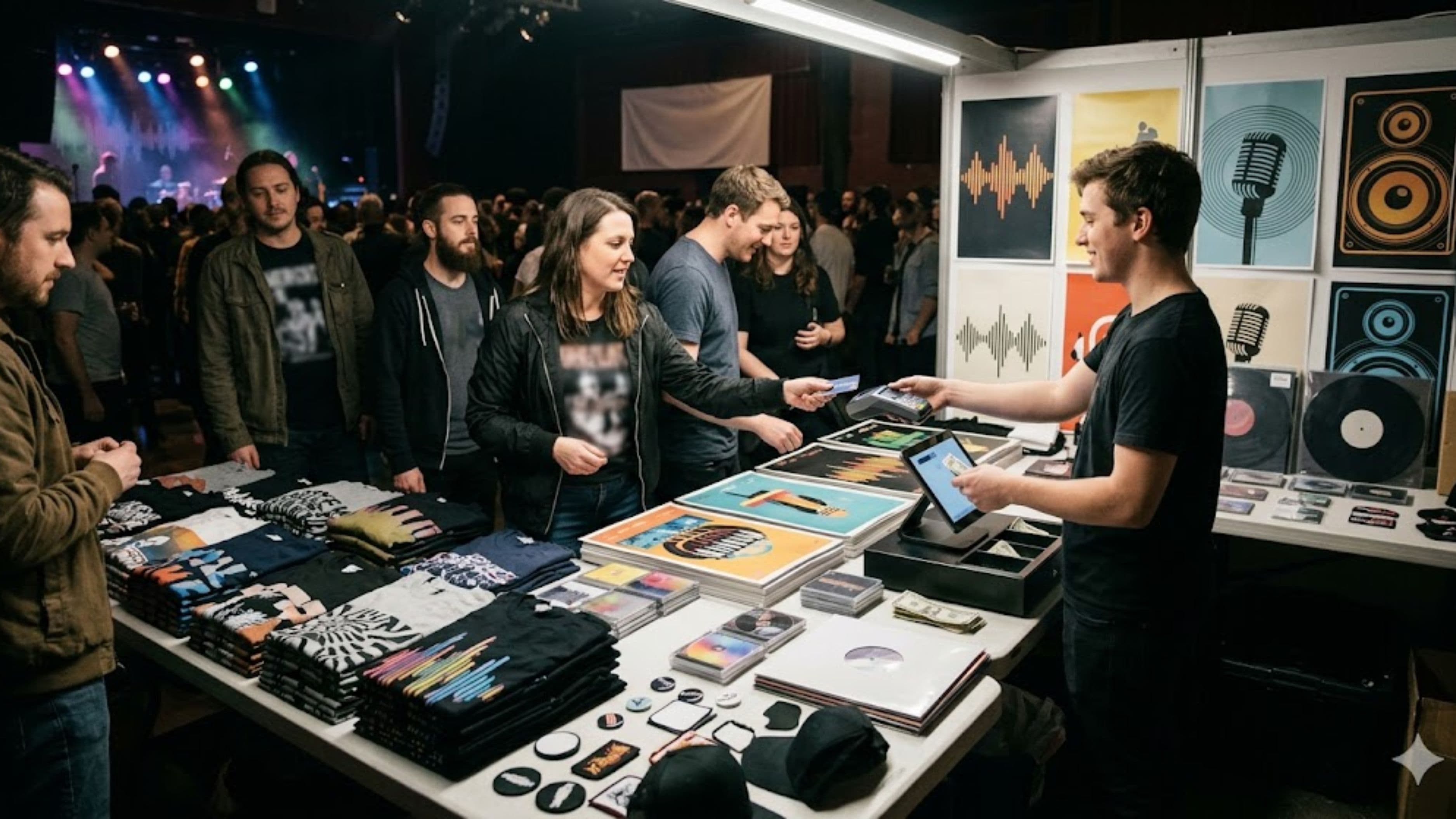
How Merchandise Tables at Live Shows Still Drive Real Revenue
Streaming pays fractions of a cent per play. Sync deals take months to materialize. Brand partnerships require a follower count most independent artists are still building toward. Meanwhile, a well-stocked merch table at a live show can put $200–$800 in an artist's pocket in a single night – cash or card, direct from the people who just experienced your music.
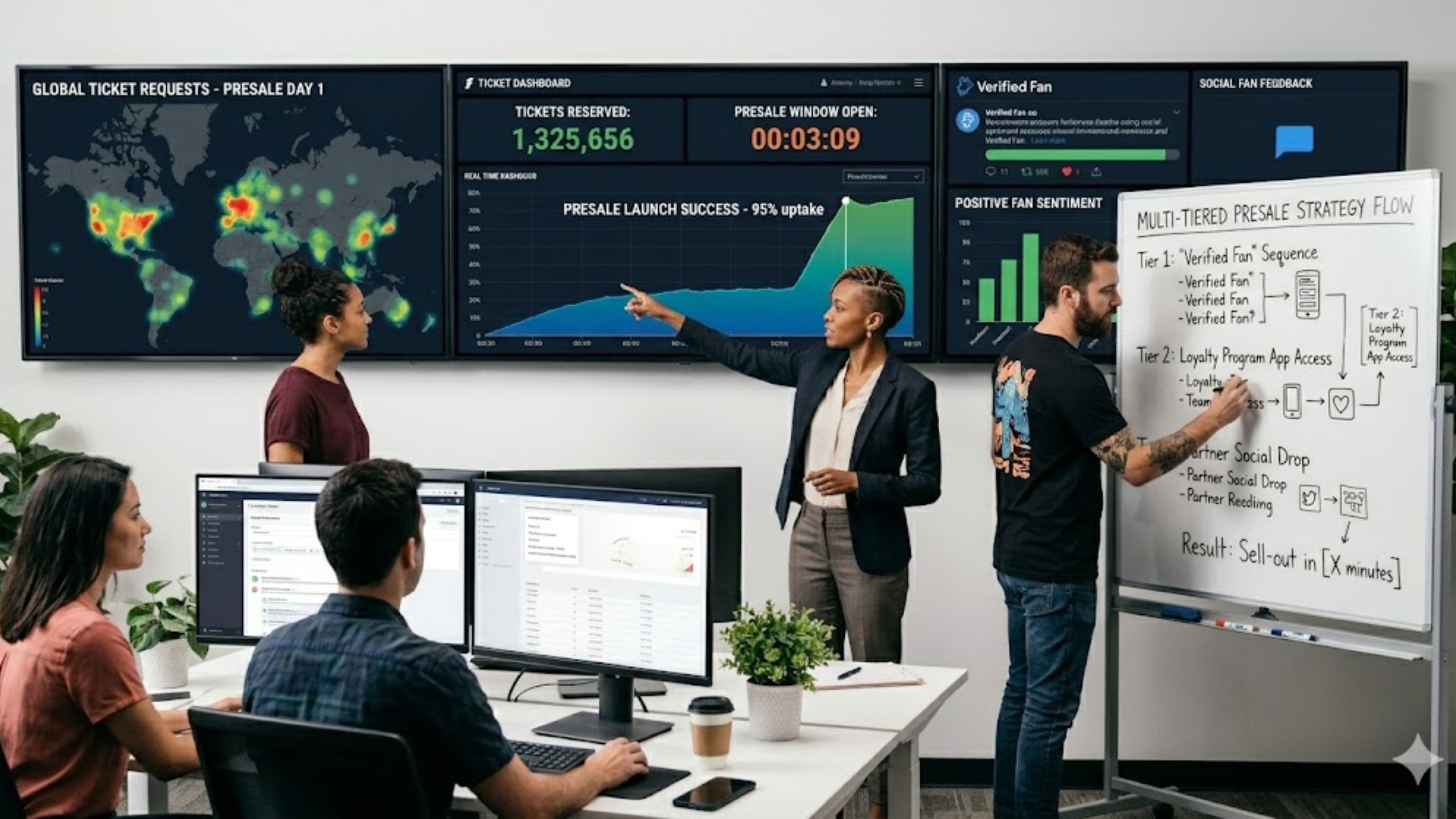
How to Build a Presale Strategy That Actually Moves Tickets
Most presales fail in the most boring way possible: an artist posts "tickets on sale now" once, a handful of fans buy, and the rest of the announcement disappears into the feed. The show eventually half-fills through last-minute panic sales, and everyone calls it "a good night" while quietly knowing it wasn't.

How to Build a Setlist That Keeps an Audience Engaged From Start to Finish
A great setlist isn't just a list of your best songs in whatever order feels convenient. It's a deliberate arc, one that manages energy, holds attention through the middle of a set when audiences are most likely to check out, and lands on an ending people remember. Independent artists often underestimate how much setlist structure affects a live show's impact compared to the songs themselves.

How to Create a Rider That Gets Taken Seriously at Any Venue
A messy, unrealistic rider is one of the fastest ways for an independent artist to look inexperienced to a venue or sound engineer before a single note gets played. A well-built rider, by contrast, signals professionalism and actually makes your show run smoother, since venue staff can prep properly instead of scrambling to figure out your needs on the fly. Here's how to build one that gets respected rather than ignored.
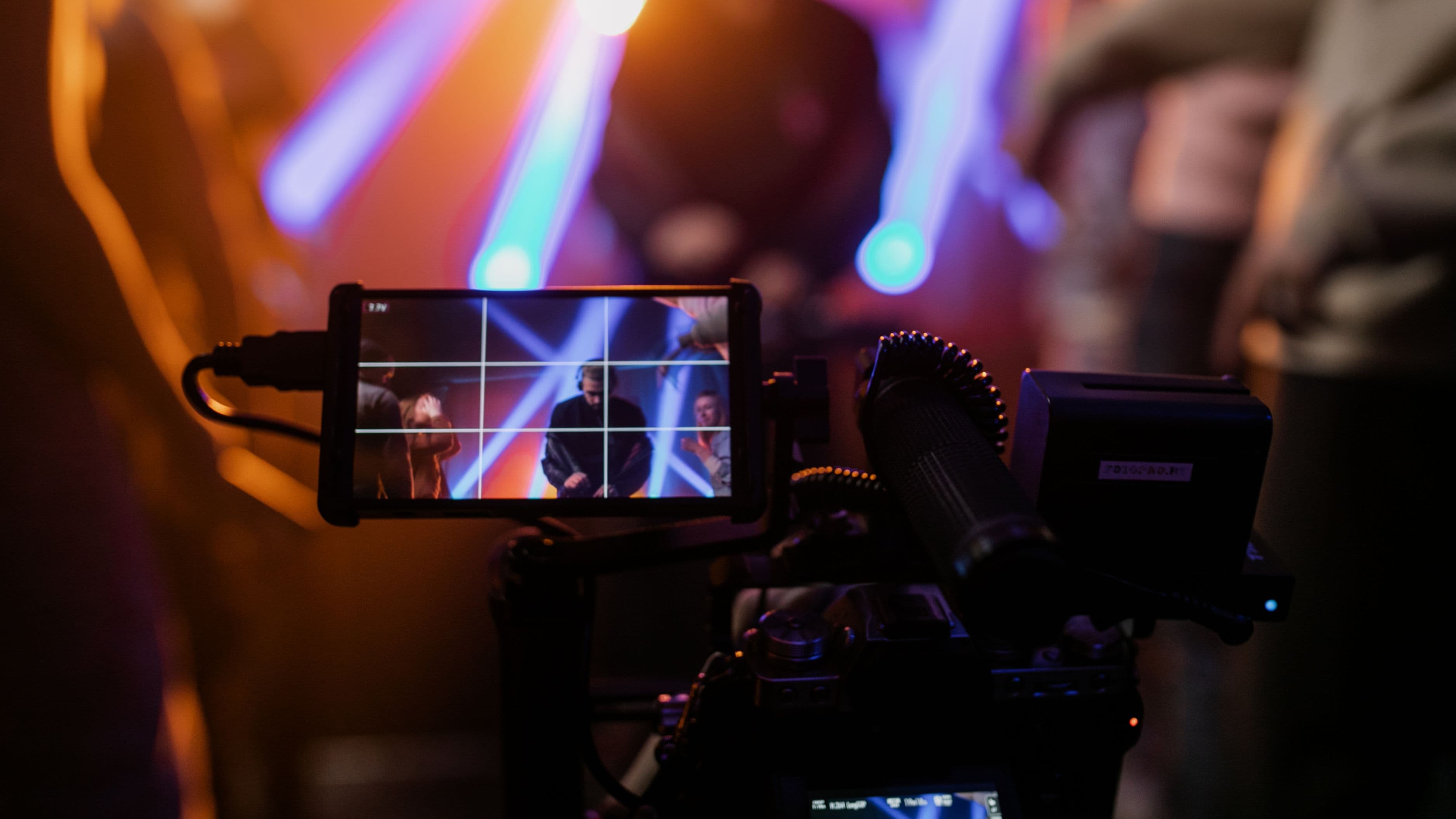
How to Handle Technical Failures During a Live Performance Gracefully
Every touring or performing artist eventually faces the same moment of dread: a monitor cuts out mid-song, a string breaks, or the backing track glitches in front of a full room. How you handle that moment often matters more to the audience's experience than the failure itself, and there are real, learnable ways to turn a technical breakdown into a moment that doesn't derail the show.
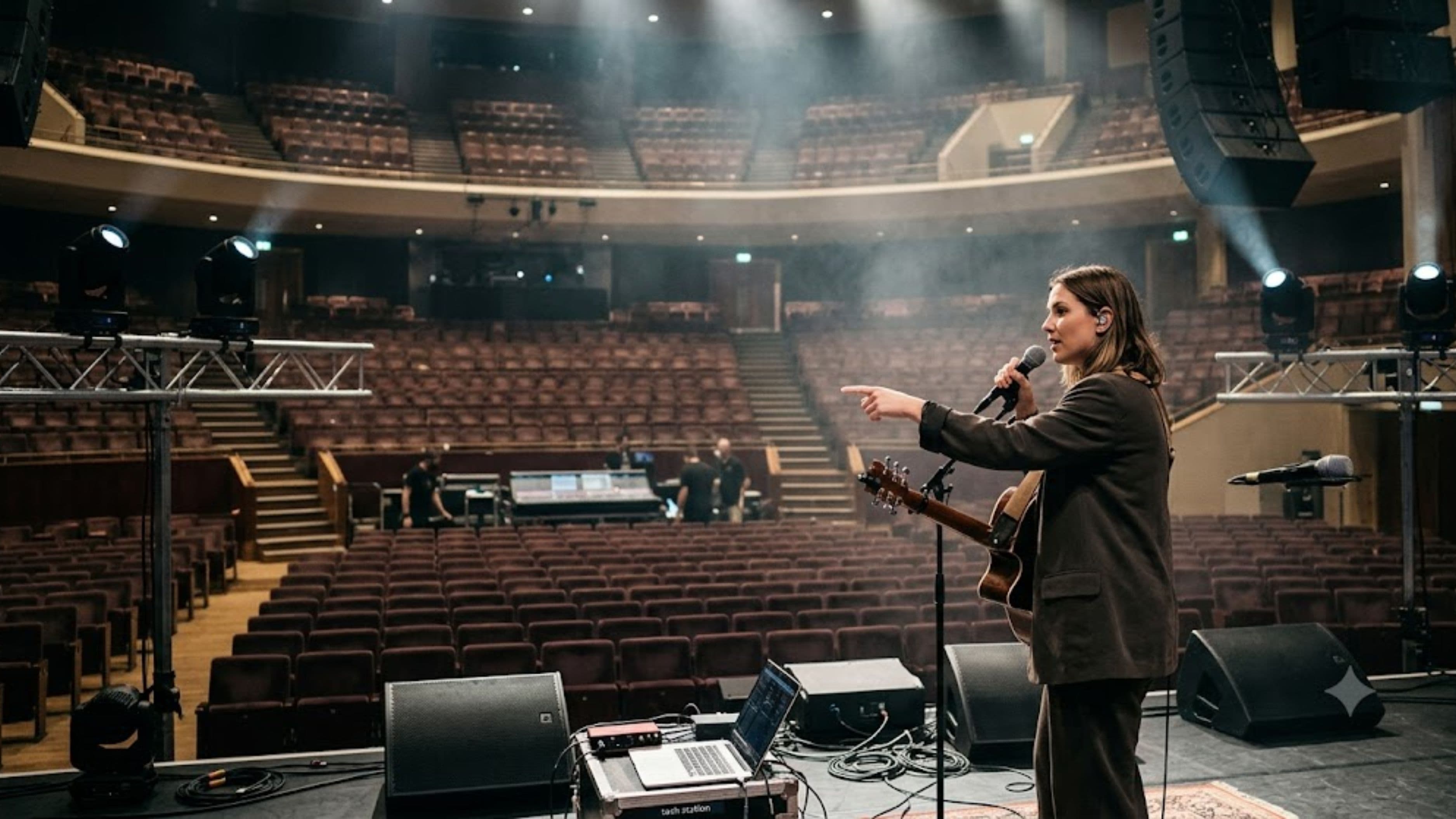
How to Manage Sound Check As a Solo Artist Playing Bigger Venues
Soundcheck at a 200-cap room and soundcheck at a 1,500-cap venue are two completely different experiences, and a lot of solo artists get caught off guard the first time they step up in venue size. Suddenly there's a full house crew, a tighter time slot, monitor wedges or IEMs to deal with, and a sound engineer who's checked a dozen acts that week and needs you to communicate clearly, fast. Here's how to actually manage that transition without losing the plot.

How to Negotiate Better Venue Deals As an Independent Artist
Most independent artists sign their first few venue contracts without reading past the payment number, and it's an understandable mistake given how eager most artists are to just get the show booked. The problem is that the payment number is often the least negotiable part of the deal, while several other terms buried further down the page have real room for negotiation and a bigger long-term impact on your income and your relationship with that venue.
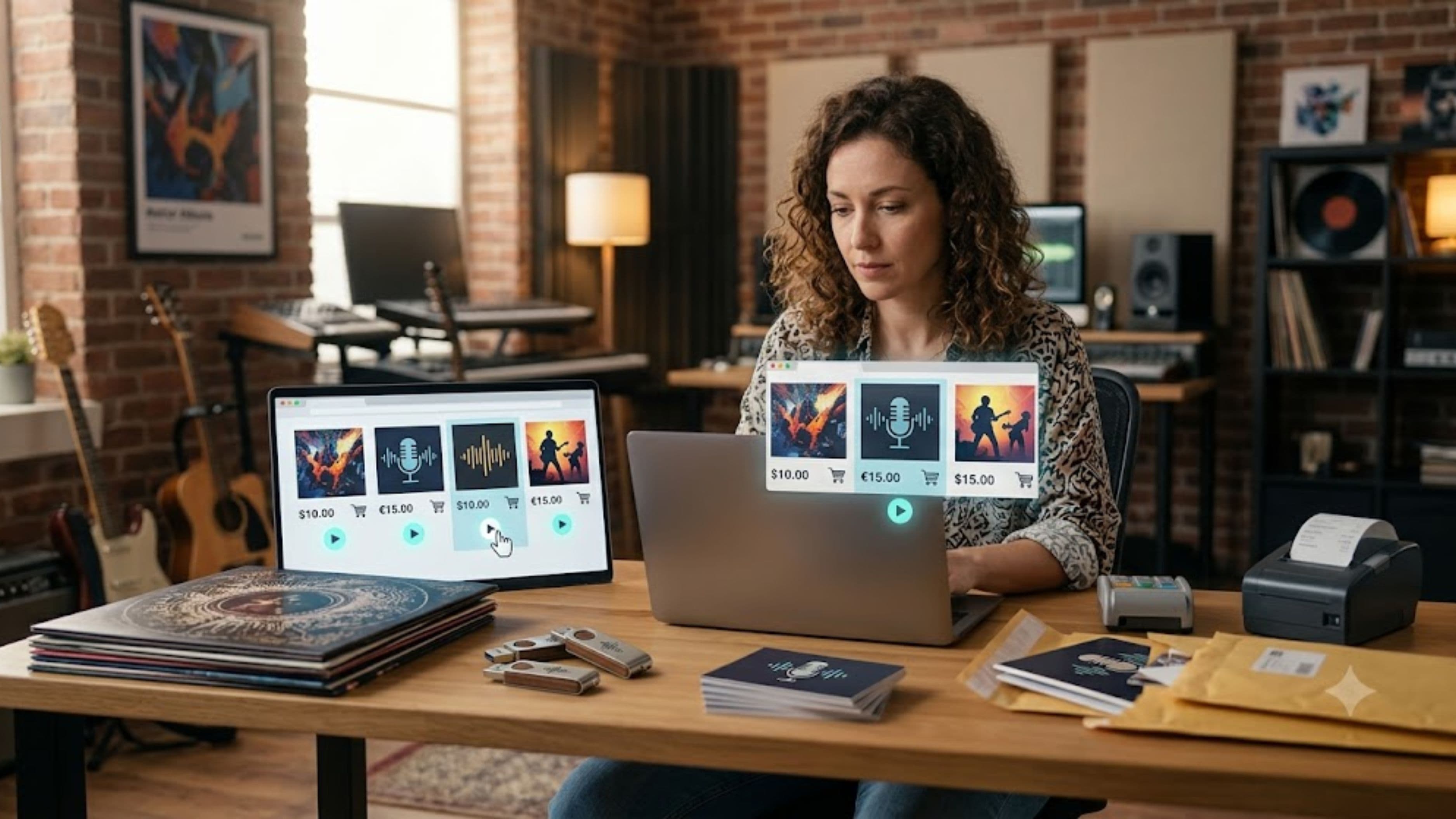
How to Sell Your Own Live Show Recordings As a Revenue Stream
Every show you play generates something that most independent artists throw away without a second thought: a recording of a genuinely unique performance that will never happen exactly the same way again. Fans who love live music have always valued that specific, unrepeatable energy, and a growing number of independent artists are turning their own live recordings into a legitimate, ongoing revenue stream rather than letting them sit unused on a hard drive.
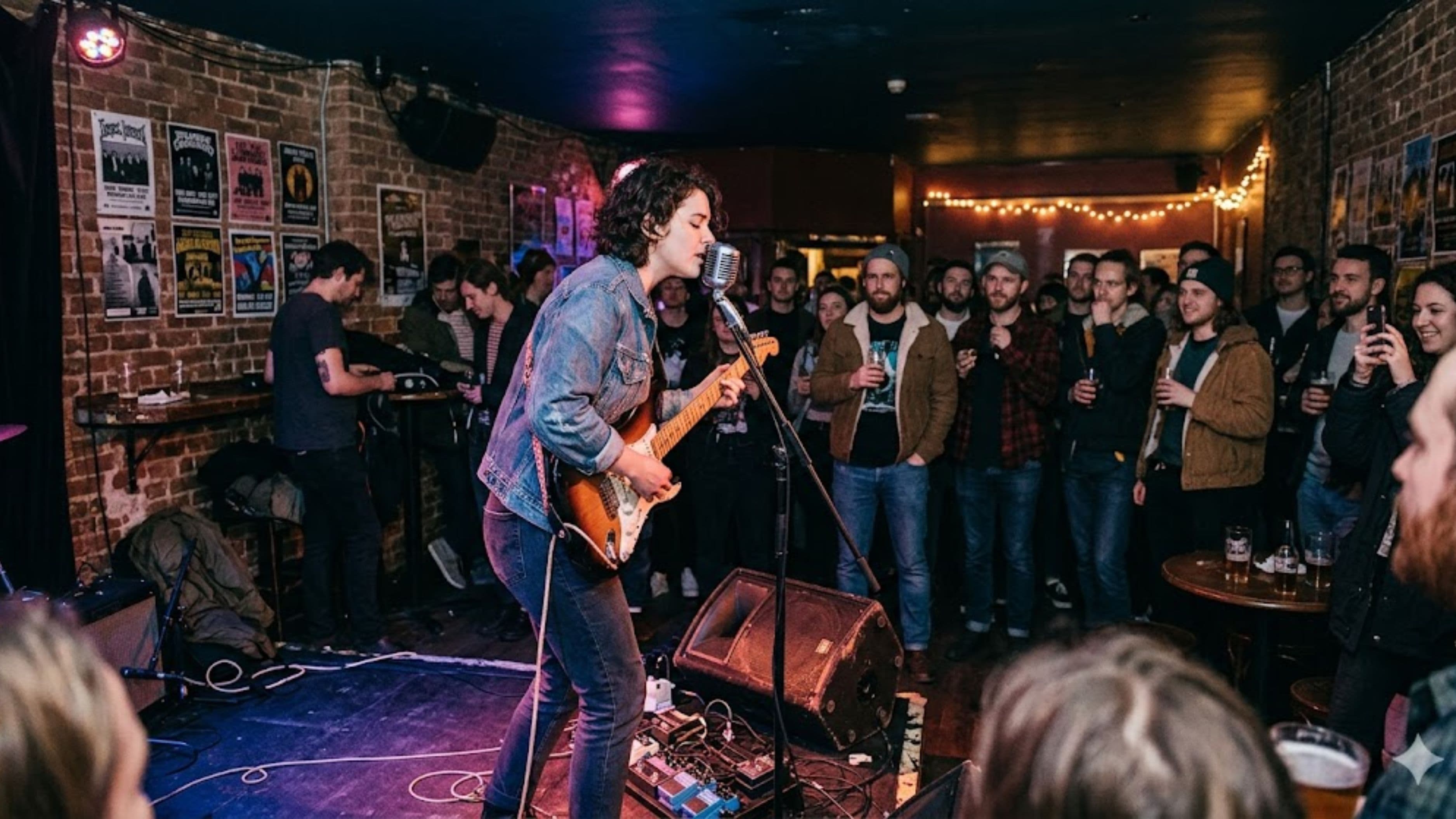
Is the Club Circuit Still Worth It for Independent Artists?
Ask ten independent artists whether club shows are worth doing and you'll get ten different answers – usually shaped less by principle and more by how their last run of dates actually went. Financially, small venue touring has always been a grind. In 2025, with venue costs higher, booking more competitive, and artists having more ways to reach audiences without leaving their home studio, the question of whether the club circuit is still worth the effort is getting a harder look than it used to.
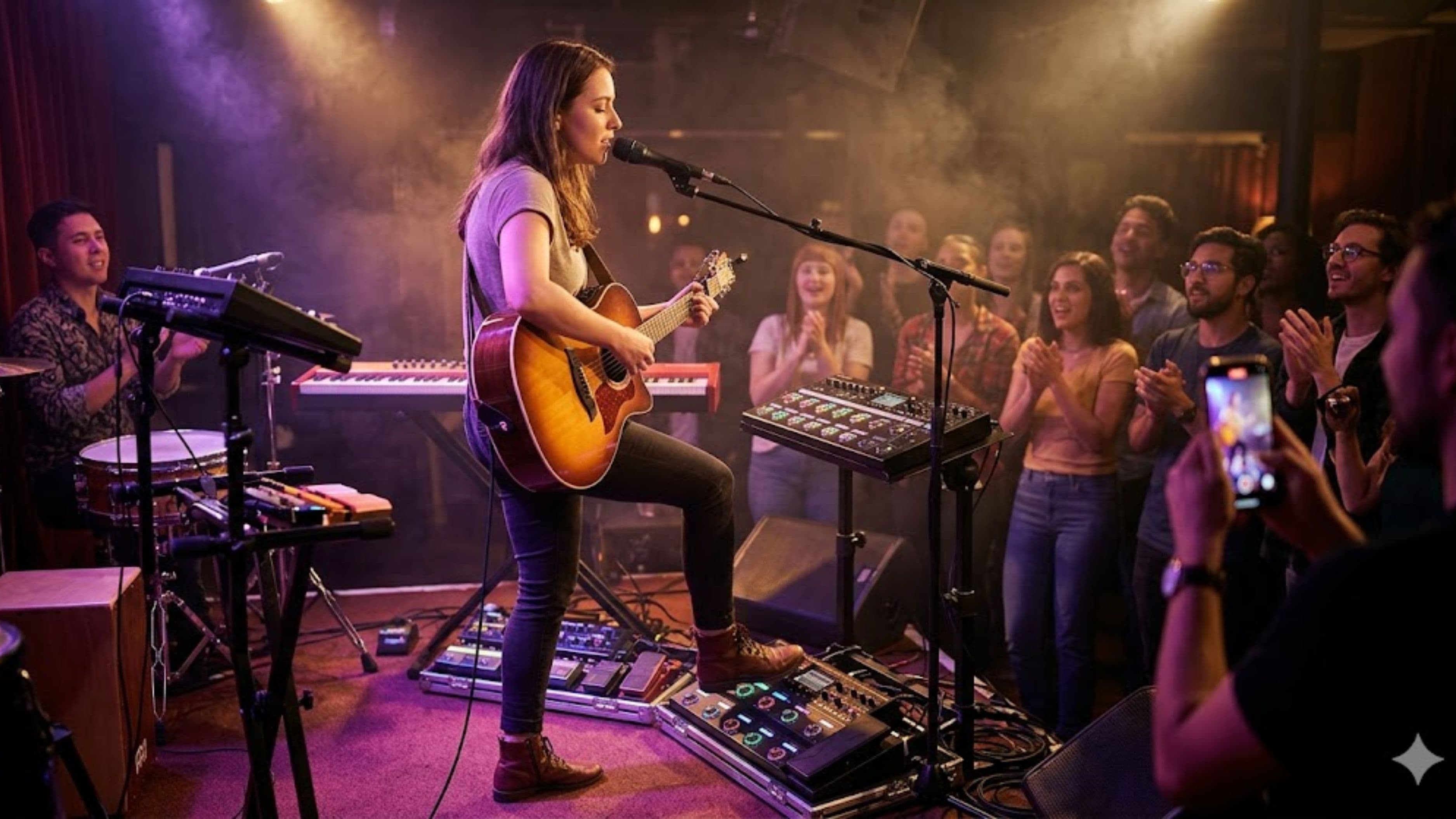
Live Looping Performances: What They Are and Why Audiences Love Them
Watching someone build a full song from nothing – one vocal line, then a rhythm, then a bassline, then a melody, all layered live in front of you – does something to an audience that a standard band setup can't replicate. It's partly the transparency of the process, partly the real-time tension of watching something complex unfold in a single take, and partly the way it reframes what one person can do on a stage. Live looping has been around for decades, but it's found a new and much larger audience in the streaming era – and for independent artists, it represents one of the most compelling performance formats available.
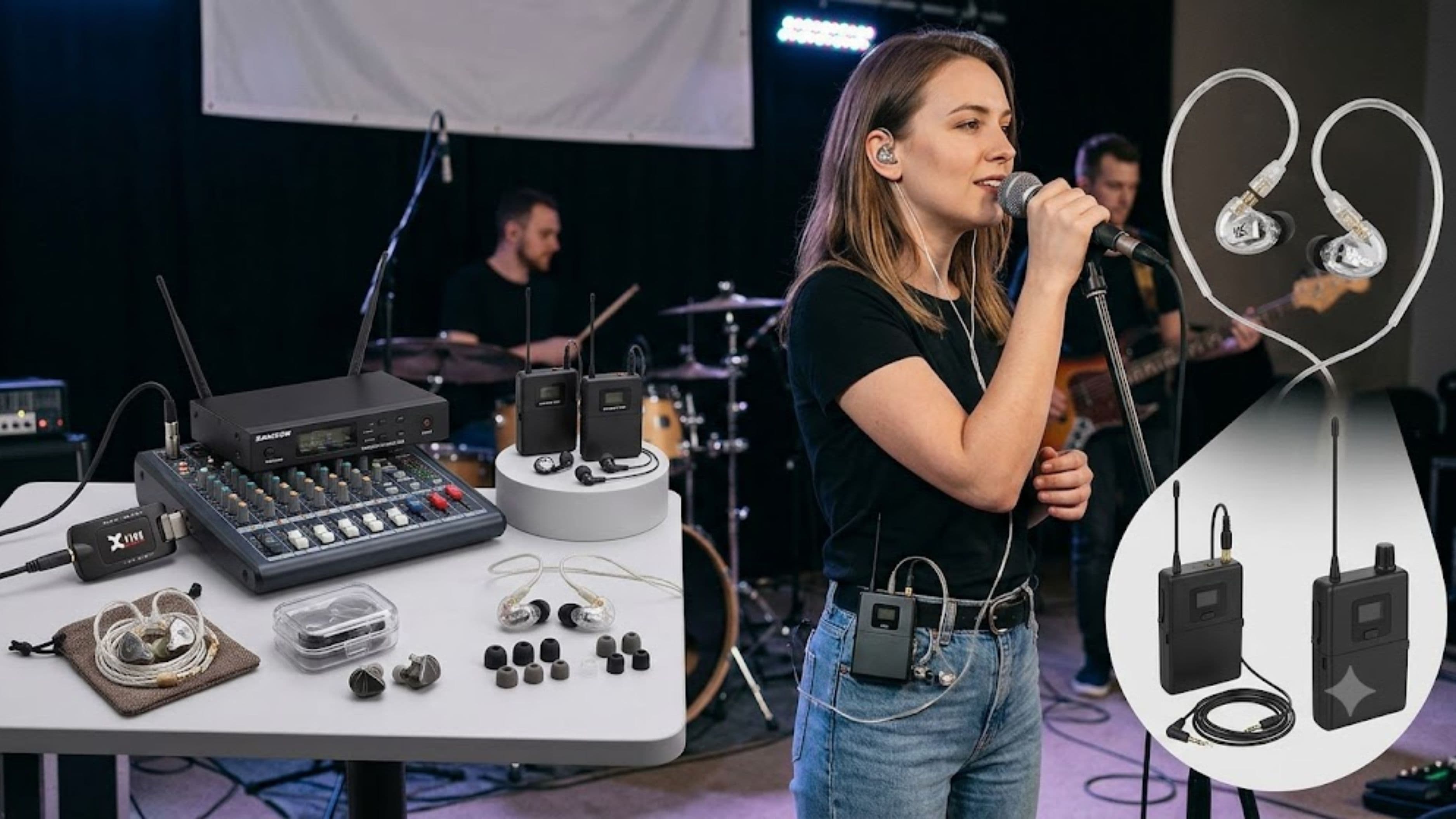
The Best In-Ear Monitor Systems for Live Performers on a Budget
Stage monitors used to mean fighting feedback from a wedge speaker and hoping the sound guy got your mix right. In-ear monitors (IEMs) solved a lot of that, giving performers a private, consistent mix piped directly into their ears regardless of room acoustics or stage volume. The catch has always been cost – professional wireless IEM systems used by touring acts can run into the thousands. But the budget end of this market has genuinely improved, and independent artists don't need to spend a fortune to get a real, usable in-ear monitoring setup.
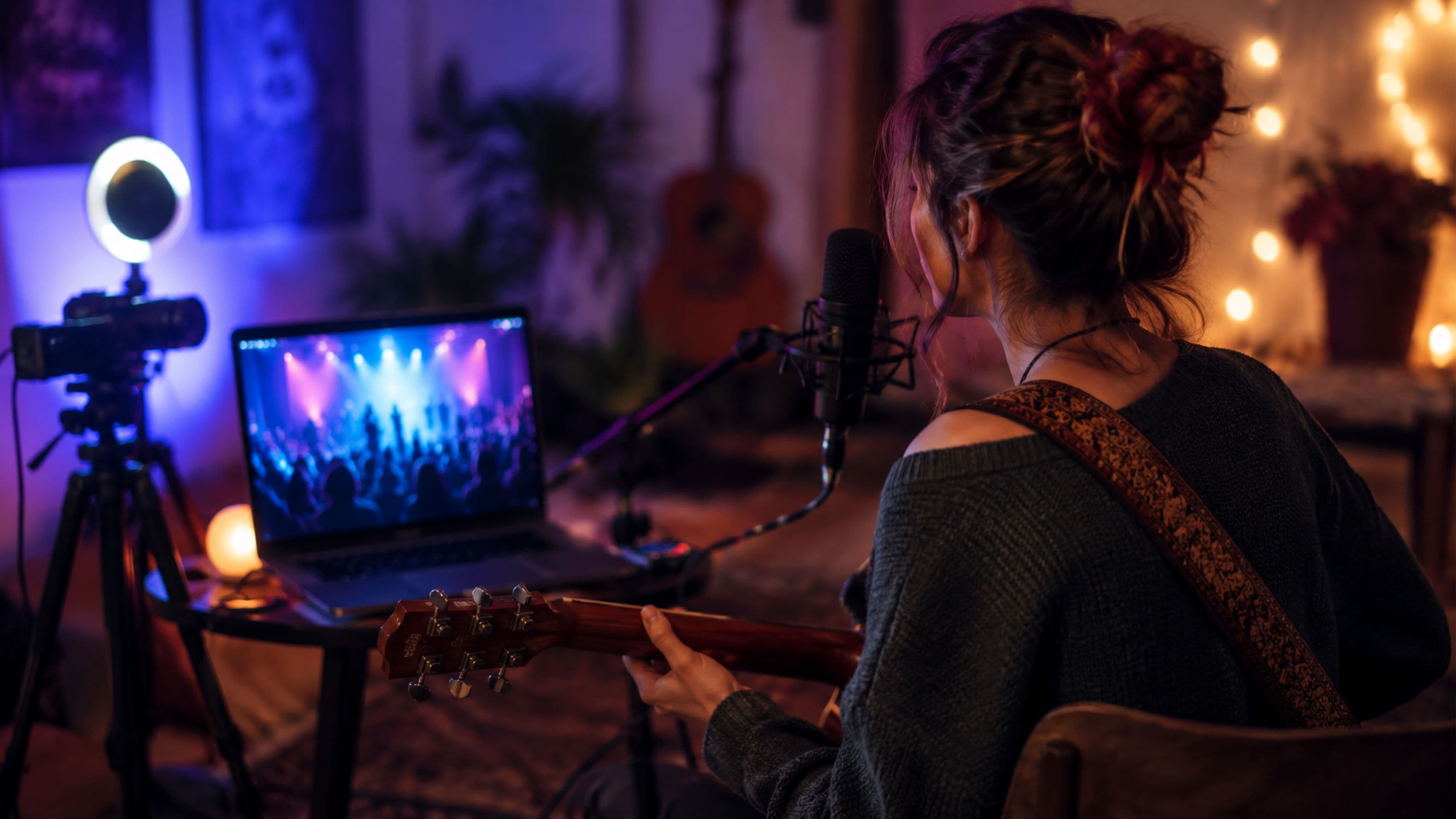
The Best Platforms for Watching and Hosting Live Music Online in 2026
The landscape for live music streaming has matured significantly since the experimental scramble of 2020. What started as emergency infrastructure has evolved into a legitimate part of how music reaches audiences – and how artists build income. The options in 2026 range from free-to-stream platforms with built-in audiences in the tens of millions, to dedicated ticketed concert tools designed specifically for artist revenue, to hybrid setups where a single show reaches a room of physical attendees and a global stream simultaneously.
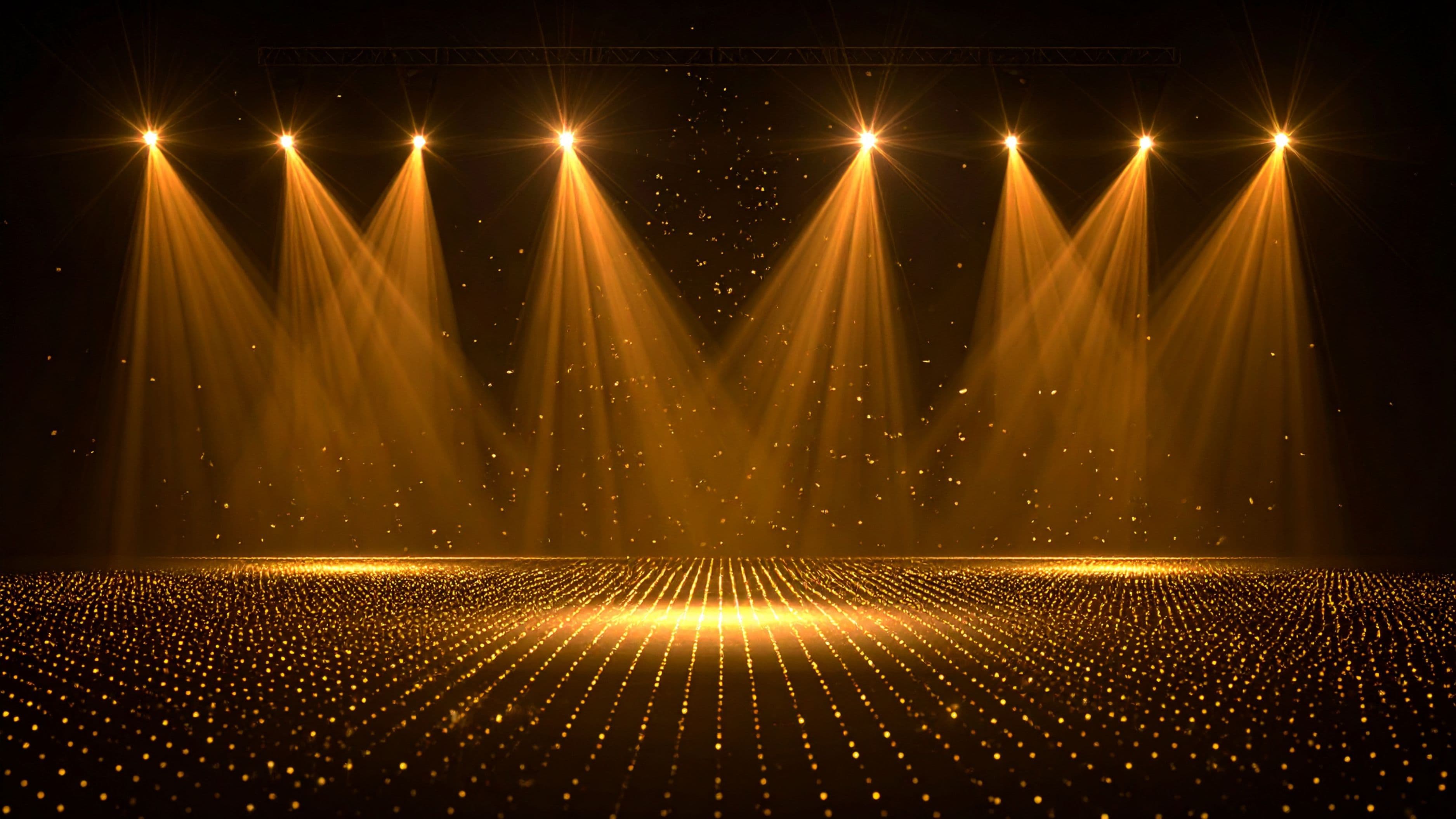
The Best Stage Lighting Setups for Small Independent Venues
Small venues rarely have the budget or physical space for elaborate lighting rigs, but that doesn't mean lighting has to be an afterthought. A handful of well-chosen fixtures, positioned thoughtfully, can transform how a performance reads to an audience, even in a room the size of a coffee shop or basement club. Here's what actually works within realistic budget and space constraints.
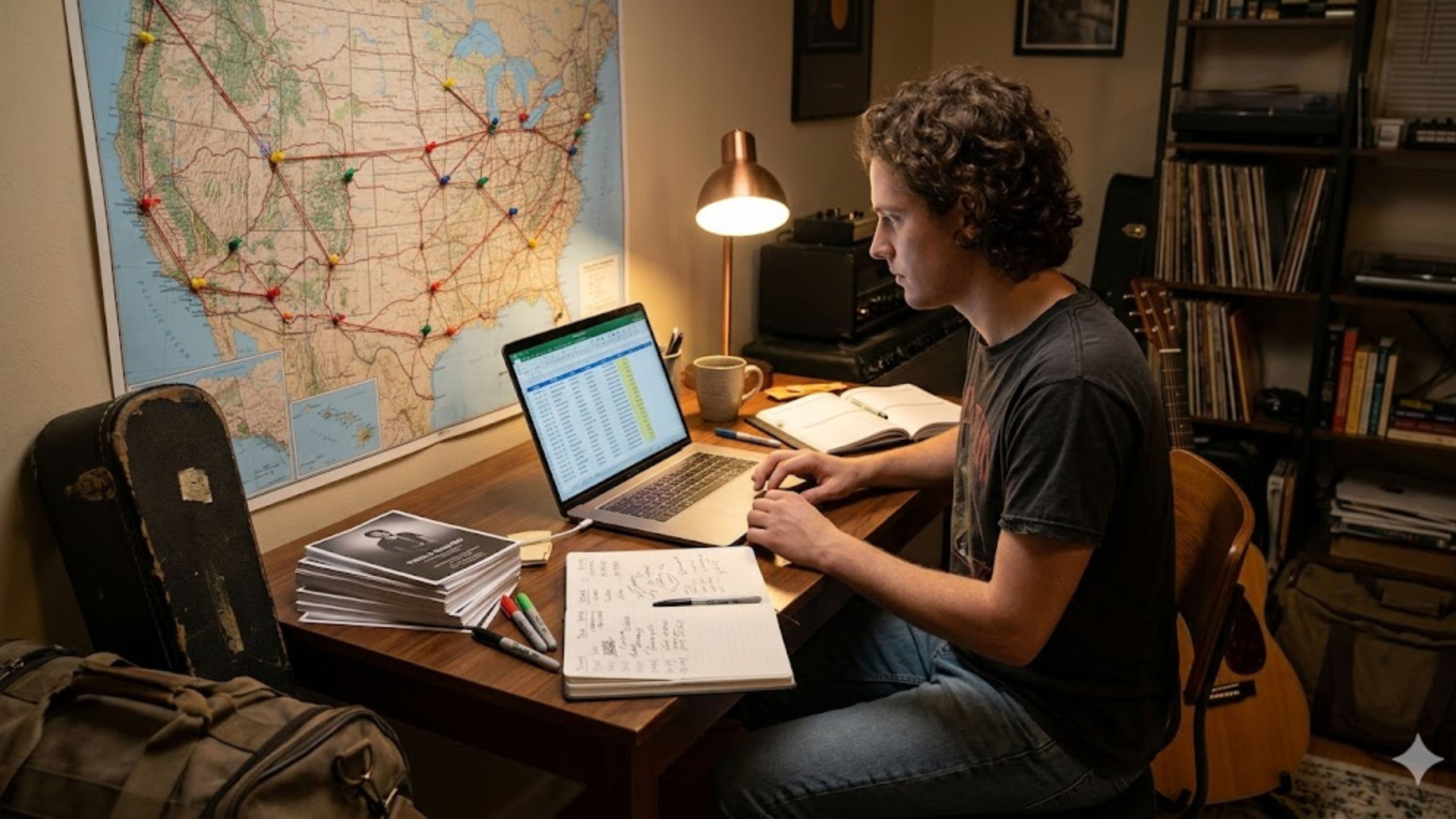
The Logistics of Self-Booking a Multi-City Tour As an Indie Artist
Nobody tells you that booking your own tour is half music business and half logistics puzzle. The show is the easy part. The three months before the show – confirming venues, building routing that doesn't bleed your gas budget dry, coordinating press in multiple cities, and staying on top of a dozen separate email threads with promoters who may or may not respond – that's where most self-booked tours fall apart before they start.
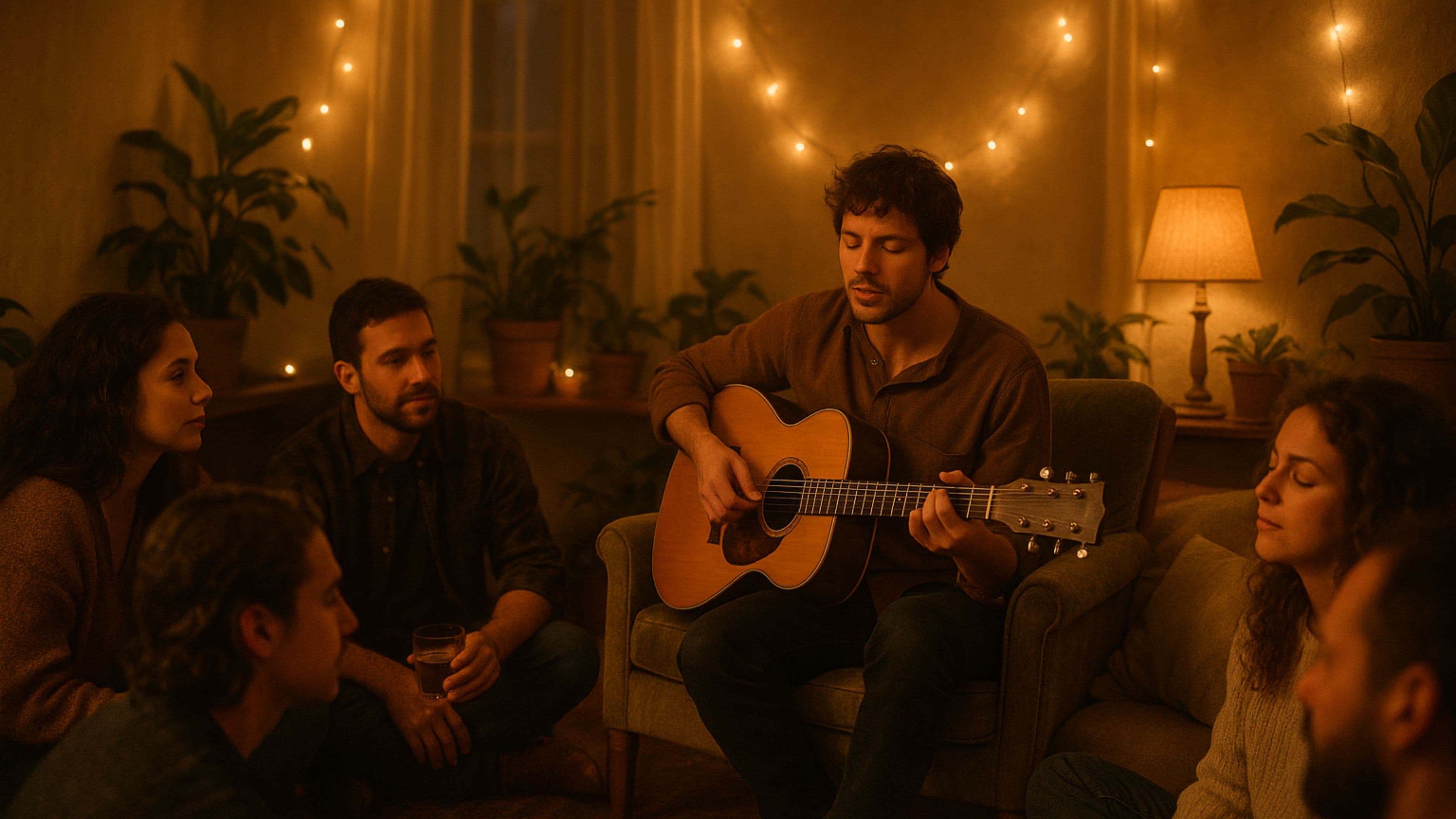
The Rise of Intimate Venue Shows: Why Smaller Is Bigger Right Now
Something has shifted in live music. Arena tours are still selling out, but some of the most talked-about performances of the last few years have happened in rooms that hold a few hundred people, not tens of thousands. Established artists are choosing 500-cap venues when they could fill amphitheaters. Tickets to intimate shows are moving in minutes — sometimes seconds — and resale prices are climbing past what floor seats at stadium tours cost.
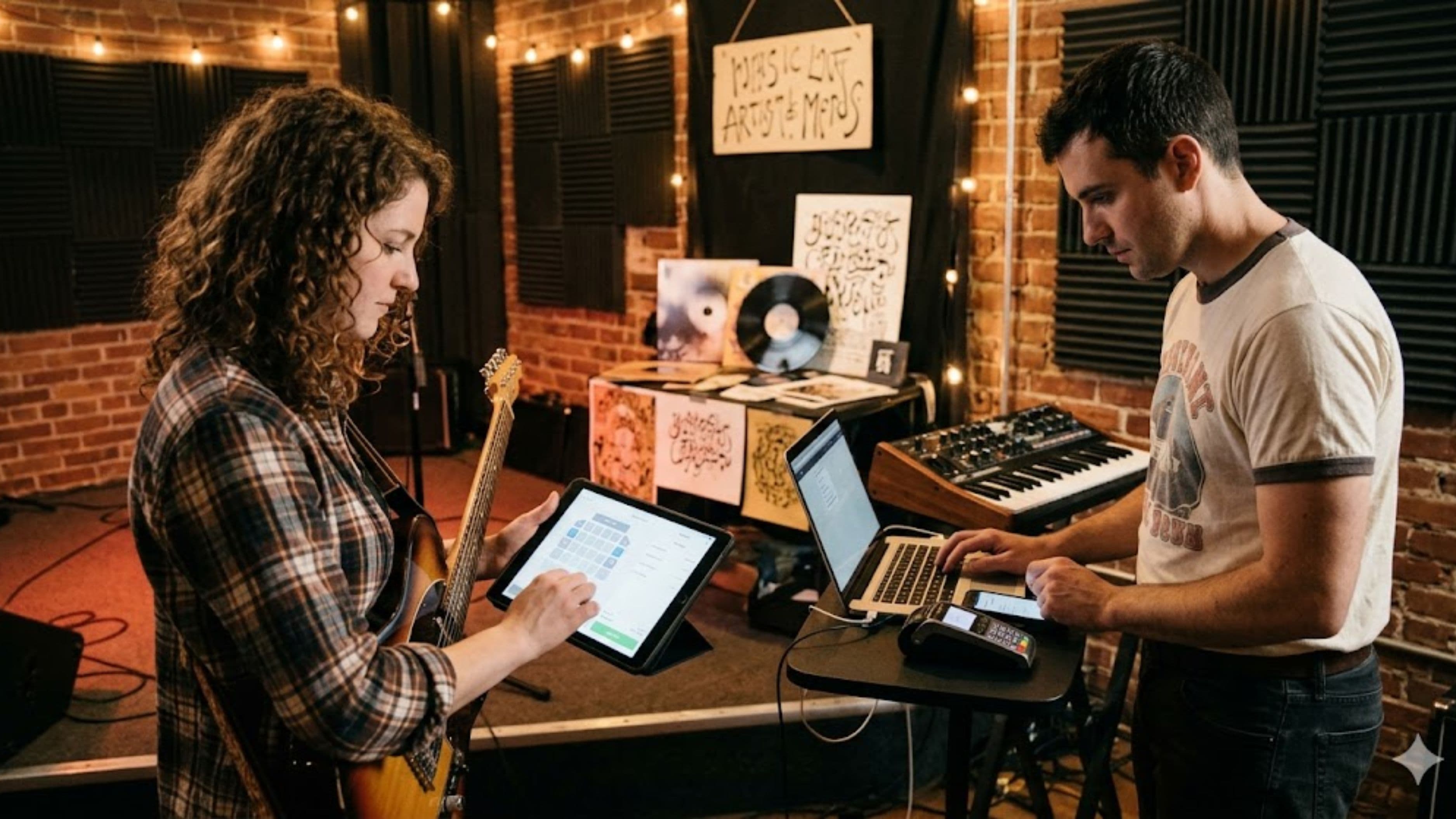
The Tools Indie Artists Use to Sell Tickets Without a Promoter
For decades, getting a show meant convincing a promoter to take a chance on you – and handing over a big slice of the upside if they did. That gatekeeper is now optional. A wave of self-serve tools means an independent artist can announce a show, sell tickets, collect the money, and own every fan email, all without a promoter in the room.
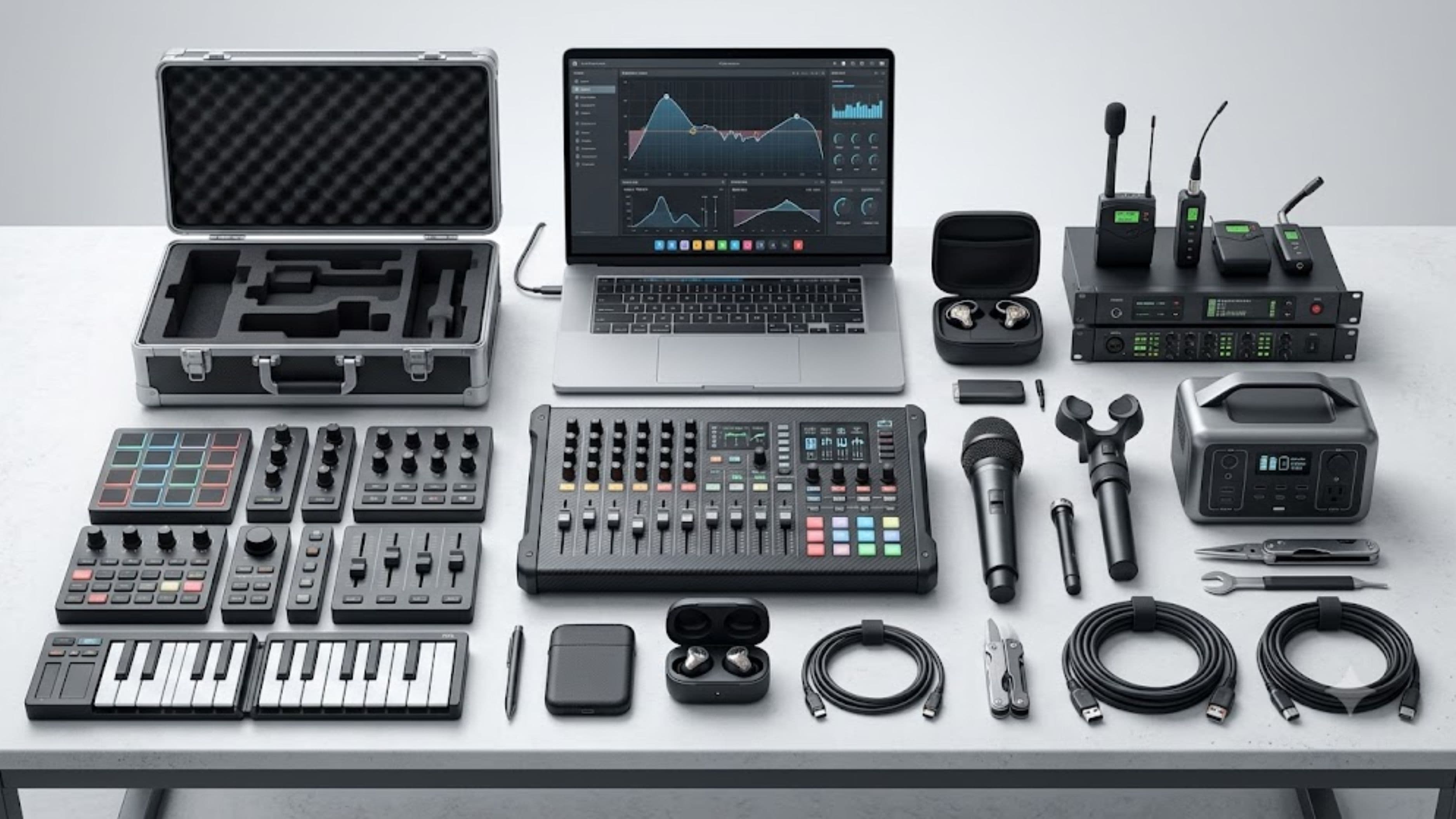
What Every Musician Needs in Their Touring Tech Kit in 2026
The gear that makes or breaks a tour these days isn't just what's on stage – it's everything running quietly in the background: the app tracking your setlist, the battery keeping your in-ears alive through a three-hour set, the backup that means a lost laptop doesn't mean a lost show. Here's what actually belongs in a working touring musician's tech kit right now, and why each piece earns its spot.

What You Need to Know Before Signing a Show Promoter Agreement
A promoter agreement can be one of the most valuable relationships in an independent artist's career, or one of the most frustrating, and the difference usually comes down to what's actually written in the contract rather than how the conversation felt when you first agreed to work together. Before signing anything, there are several specific terms worth understanding clearly.

What's in an Artist's Touring Bag: the Essentials List for 2026
Touring looks glamorous from the outside, but the reality is long travel days, unpredictable venues, and a body and voice that need to hold up night after night. Independent artists hitting the road in 2026 have access to more compact, purpose-built gear than ever, and knowing what actually earns a spot in a limited touring bag makes a real difference to how a tour actually feels.
Why Fan Engagement at Live Shows Is More Important Than Ever
Streaming payouts remain famously thin for independent artists, and that reality has quietly shifted where real career value gets built – increasingly, it's happening in the room, not on the platform. Live shows have become the place where casual listeners convert into genuinely loyal fans, and artists who treat engagement at these shows as an afterthought are leaving real, lasting value on the table.
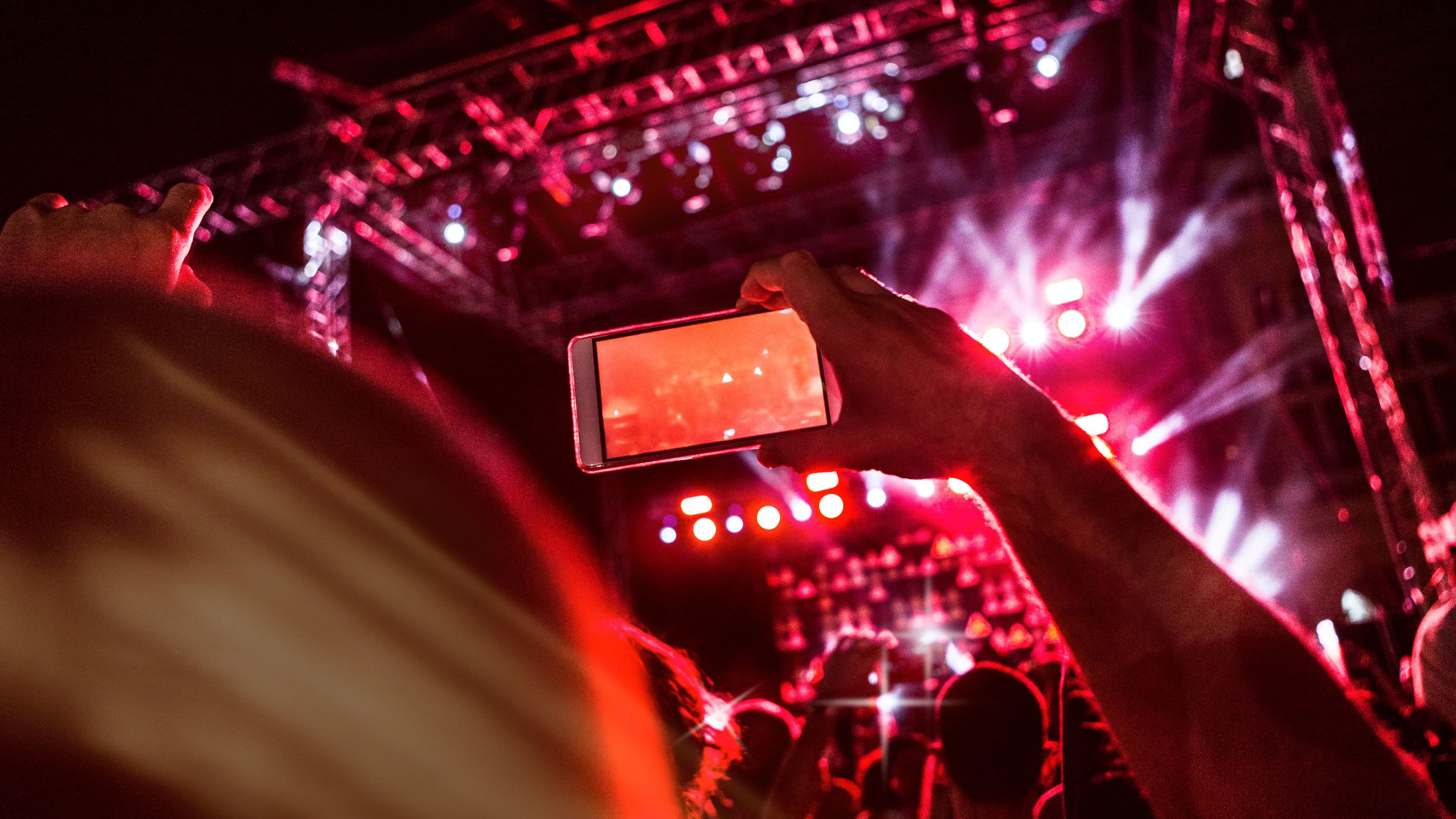
Why Fan Engagement at Live Shows Is More Important Than Ever
Streaming payouts remain famously thin for independent artists, and that reality has quietly shifted where real career value gets built – increasingly, it's happening in the room, not on the platform. Live shows have become the place where casual listeners convert into genuinely loyal fans, and artists who treat engagement at these shows as an afterthought are leaving real, lasting value on the table.

Why Fan Engagement at Live Shows Is More Important Than Ever
Streaming payouts remain famously thin for independent artists, and that reality has quietly shifted where real career value gets built – increasingly, it's happening in the room, not on the platform. Live shows have become the place where casual listeners convert into genuinely loyal fans, and artists who treat engagement at these shows as an afterthought are leaving real, lasting value on the table.
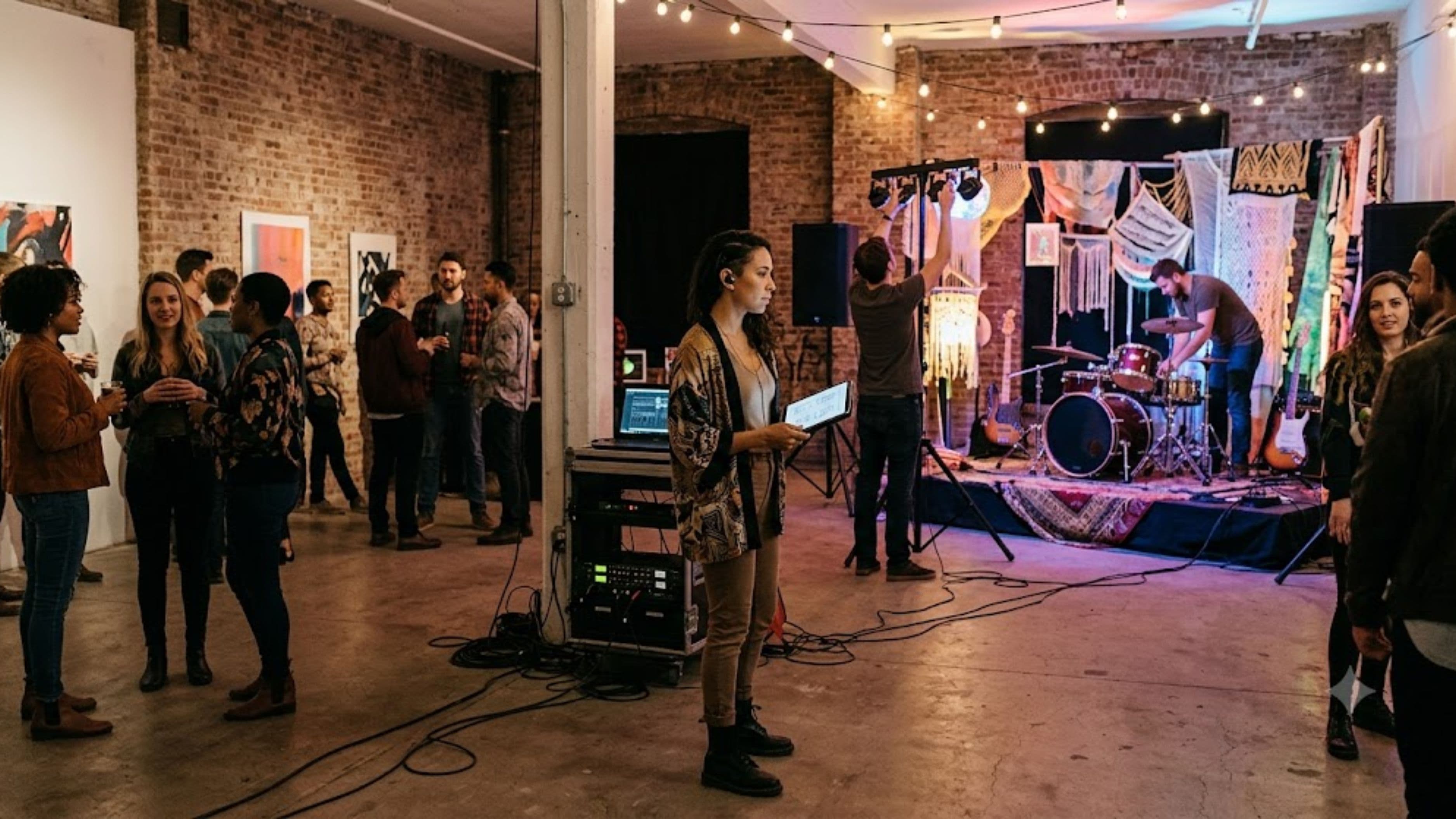
Why More Independent Artists Are Producing Their Own Showcase Events
Waiting for a booking agent to return an email, or hoping a festival lineup committee notices your latest release, has never been a reliable growth strategy for independent artists. A growing number are skipping that wait entirely and producing their own showcase events, booking the venue, curating the lineup, and controlling the entire experience themselves rather than depending on gatekeepers to create opportunities for them.
Explore other categories
Same editorial standard, different decisions.

Business
Music rights and cash flow live in licenses, metadata, and fee stacks. This Business Index covers master versus sync licensing, publishing administration, distributor royalty fees, touring travel controls, and the audit practices used when catalogs change hands.
Browse Business
Create Music
Browse Create Music
Make Money
Browse Make Money
Podcast & Audio
Browse Podcast & Audio
Promote & Grow
Browse Promote & Grow
Streaming
Streaming decides whether a release becomes durable catalog cash flow or a one-week spike. This index explains how DSPs score listener behavior, how save rates and skip timing affect algorithmic playlists, and how royalty pools actually pay out—so campaign spend buys permanence, not vanity numbers.
Browse Streaming
Tech
Release speed depends on two machines working together: the production stack that finishes audio and video, and the paid media stack that finds the first wave of listeners. This Tech Index covers mastering software, creative suites, affiliate programs, and YouTube or Google Ads systems for music campaigns.
Browse Tech