
Promote & Grow
Pop Music and Mental Health: Songs That Empower and Heal
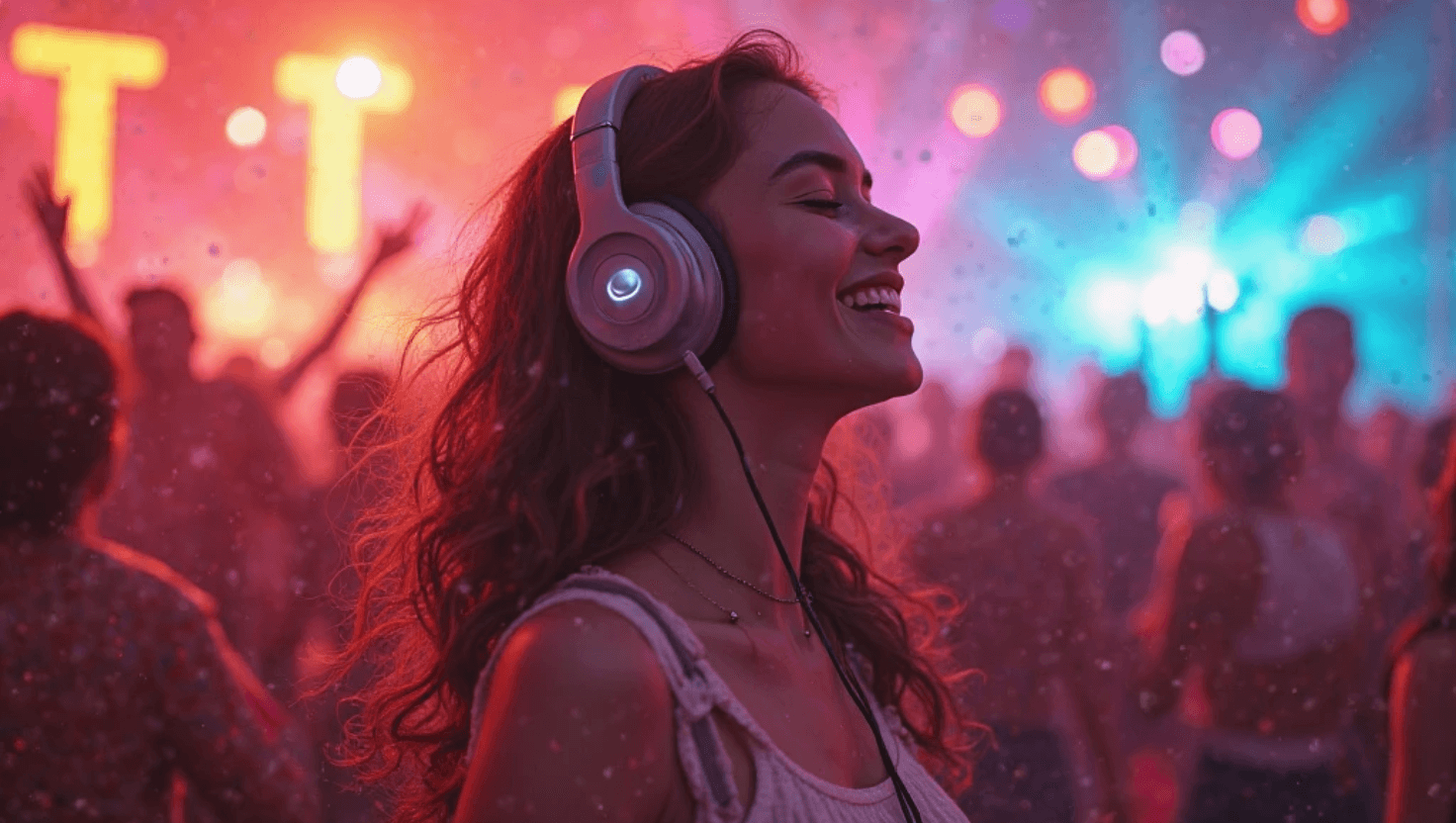
There’s something about a pop song that just gets you. One line, one chorus, and suddenly you feel seen. Whether it’s blasting an anthem on your headphones after a rough day or ugly crying to a heartbreak ballad at 2 a.m., pop music has always been more than background noise—it’s therapy with a beat.
The Evolution of Pop Music: From the 80s to Today
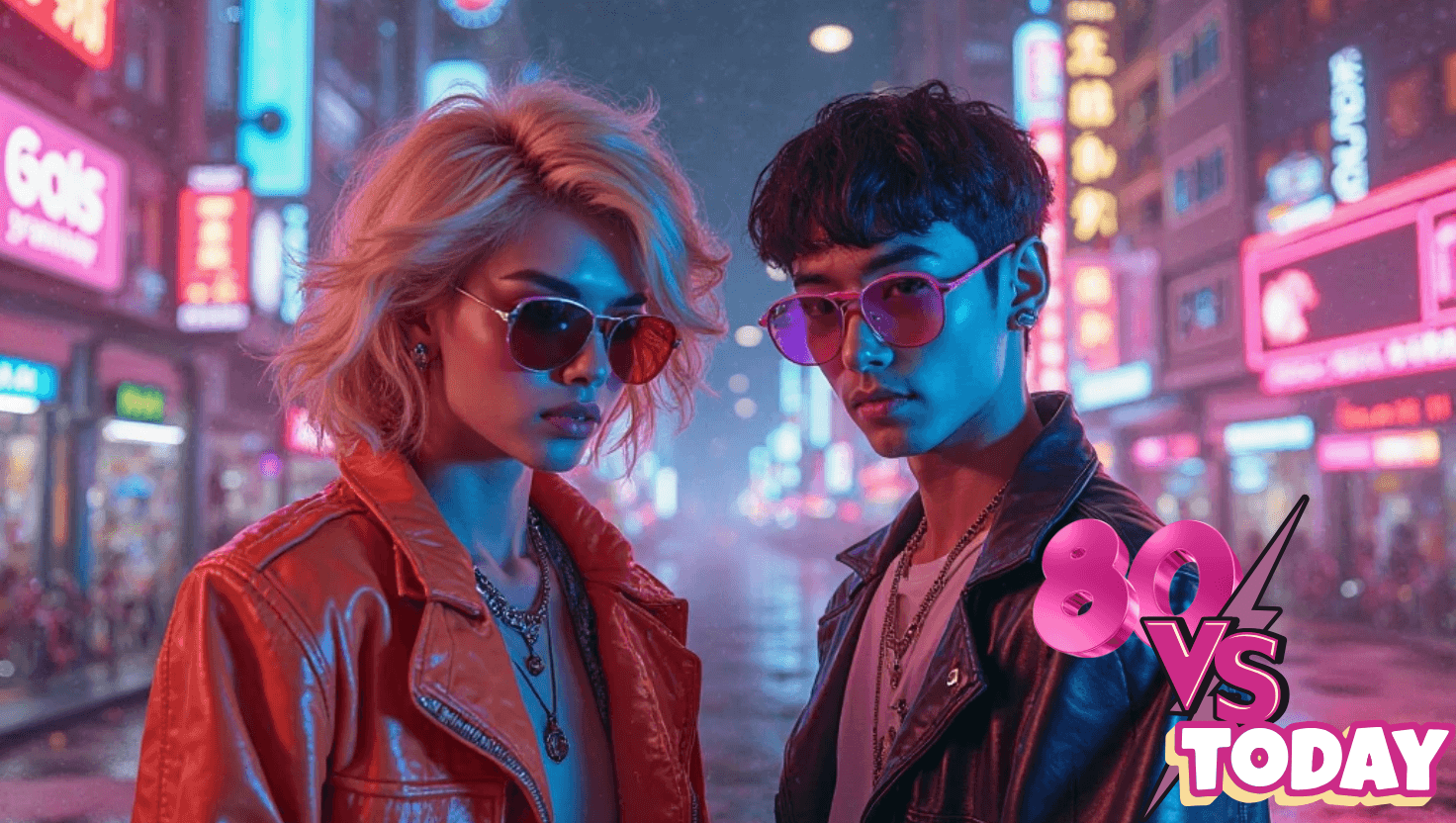
From Synths to Streams—How Pop Keeps Reinventing Itself Pop music has never been one to sit still. It reinvents, reinvigorates, and—every so often—completely explodes its own rulebook. Whether it’s the neon-drenched excess of the ’80s, the teen pop invasion of the ’90s, or the genre-blurring viral hits of the TikTok era, pop has always been about chasing the next big thing—and sometimes, creating it.
The Impact of Social Media on Pop Music Success
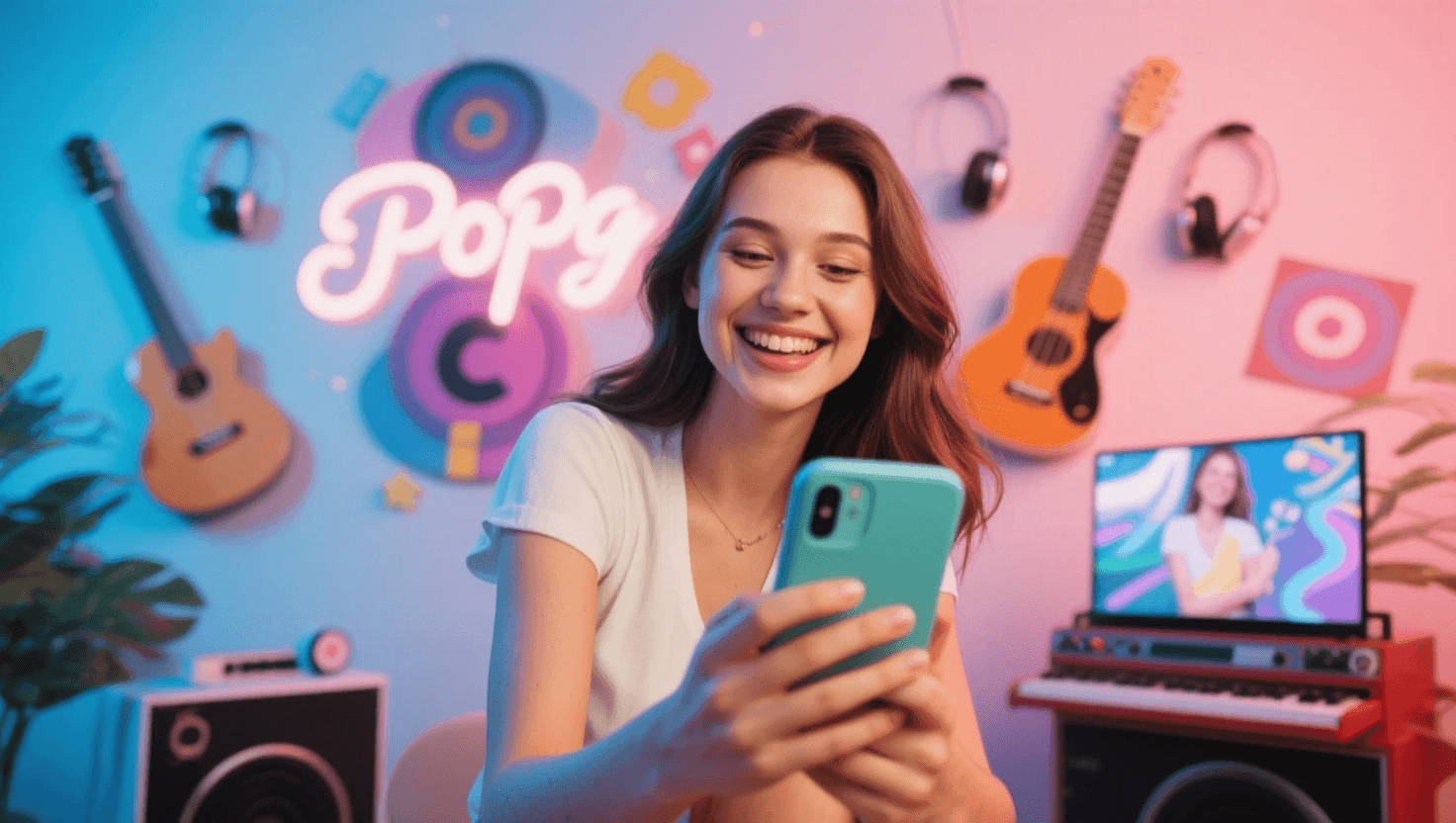
In today’s music world, a killer hook and a catchy chorus aren’t always enough to top the charts—you need a viral moment. From dance challenges on TikTok to behind-the-scenes Instagram reels, social media has become the ultimate stage where pop stars are made (or broken). Forget the old-school formula of radio play and music video premieres—success in pop music now lives in the fast-paced feeds of TikTok, Instagram, YouTube Shorts, and Twitter.
The Influence of Pop Music on Fashion Trends
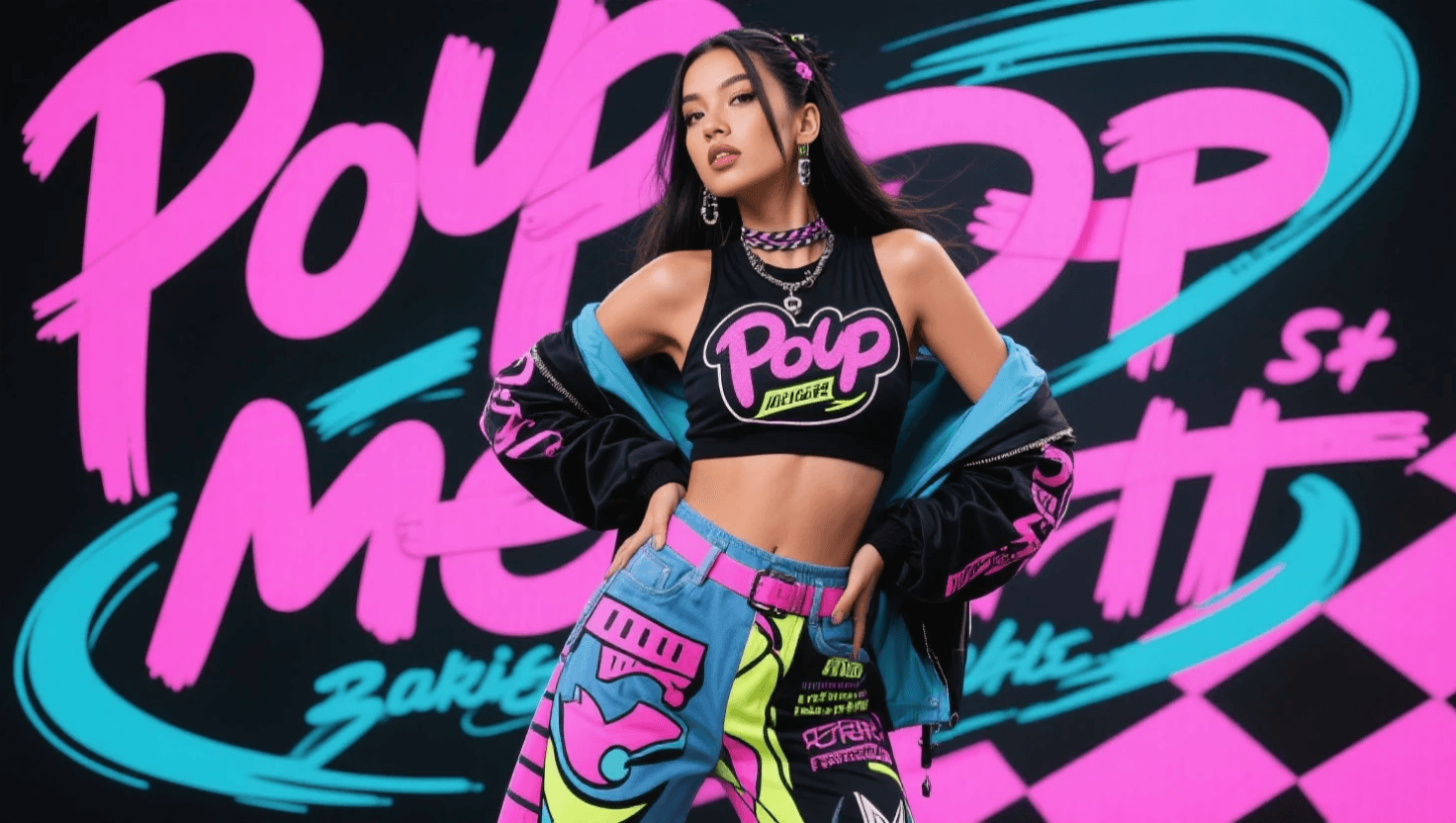
From Stage to Street: How Pop Music Keeps Rewriting Fashion Trends Pop music isn’t just about what you hear—it’s about what you wear. From glitter-drenched bodysuits to baggy streetwear and neon hair dye, the fashion world has always had its ear tuned to the beats of pop culture. And if you’ve ever thrown on an oversized jacket à la Billie Eilish or copied Ariana Grande’s high ponytail and winged eyeliner (don’t lie, we all tried it), you already know the truth: pop stars aren’t just setting the soundtrack—they’re setting the style rules, too.

The Most Iconic Pop Music Videos in History
In pop music, a hit song may dominate the charts—but an unforgettable music video can define an era. Since the rise of MTV in the early 1980s, music videos have become an essential vehicle for artistic expression, social commentary, and brand-building. These visual masterpieces not only boosted careers but also shifted public conversations, influenced fashion, and pushed creative boundaries. Below are the most iconic pop music videos in history—each one a game-changer that shaped the industry and left a lasting cultural imprint.
The Role of Collaborations in Modern Pop Music
When Two Worlds Collide: Why Collaborations Are the Heartbeat of Today’s Pop Scene Pop music has always thrived on big personalities, catchy hooks, and the power of connection—but in the modern music world, collaboration is the ultimate currency. Forget about going solo all the way to the top. Today, when two (or more) artists join forces, the results are often explosive, culture-shifting, and unforgettable. These duets and team-ups aren’t just about sharing the mic—they’re about merging fanbases, breaking genre walls, and creating viral moments that dominate charts, playlists, and social feeds.
Understanding Pop Music Lyrics: Themes and Trends
Pop music has always been more than just catchy beats and polished production—it’s a reflection of the culture, emotions, and stories of its time. From heartbreak anthems to empowerment bangers, the lyrics of pop songs offer insight into the collective mood of generations. But what exactly are these songs saying, and why do they resonate so deeply with millions of listeners worldwide? Understanding the recurring themes in pop music lyrics helps decode not just individual songs, but the emotional language of modern music itself.
How Streaming Numbers Became a Cultural Statement in Music
There was a time when chart position was something the music industry tracked and casual fans mostly ignored. That's changed. Fans now organize streaming parties, coordinate mass playlist adds, and debate first-week numbers with the intensity once reserved for sports rivalries. Streaming numbers stopped being a quiet industry metric and became something fans actively participate in shaping, and understanding why that happened says a lot about how fandom itself has evolved.
The Cultural Shift Around Music Ownership: Streaming VS Collecting
Somewhere in the last two decades, "owning music" stopped being the default and became a niche choice. Most listeners now access a functionally unlimited catalog through a subscription rather than building a personal collection one purchase at a time. But collecting hasn't disappeared, it's actually grown in specific corners of the music world, and understanding why both trends are happening at once says a lot about what music means to people beyond just playback.
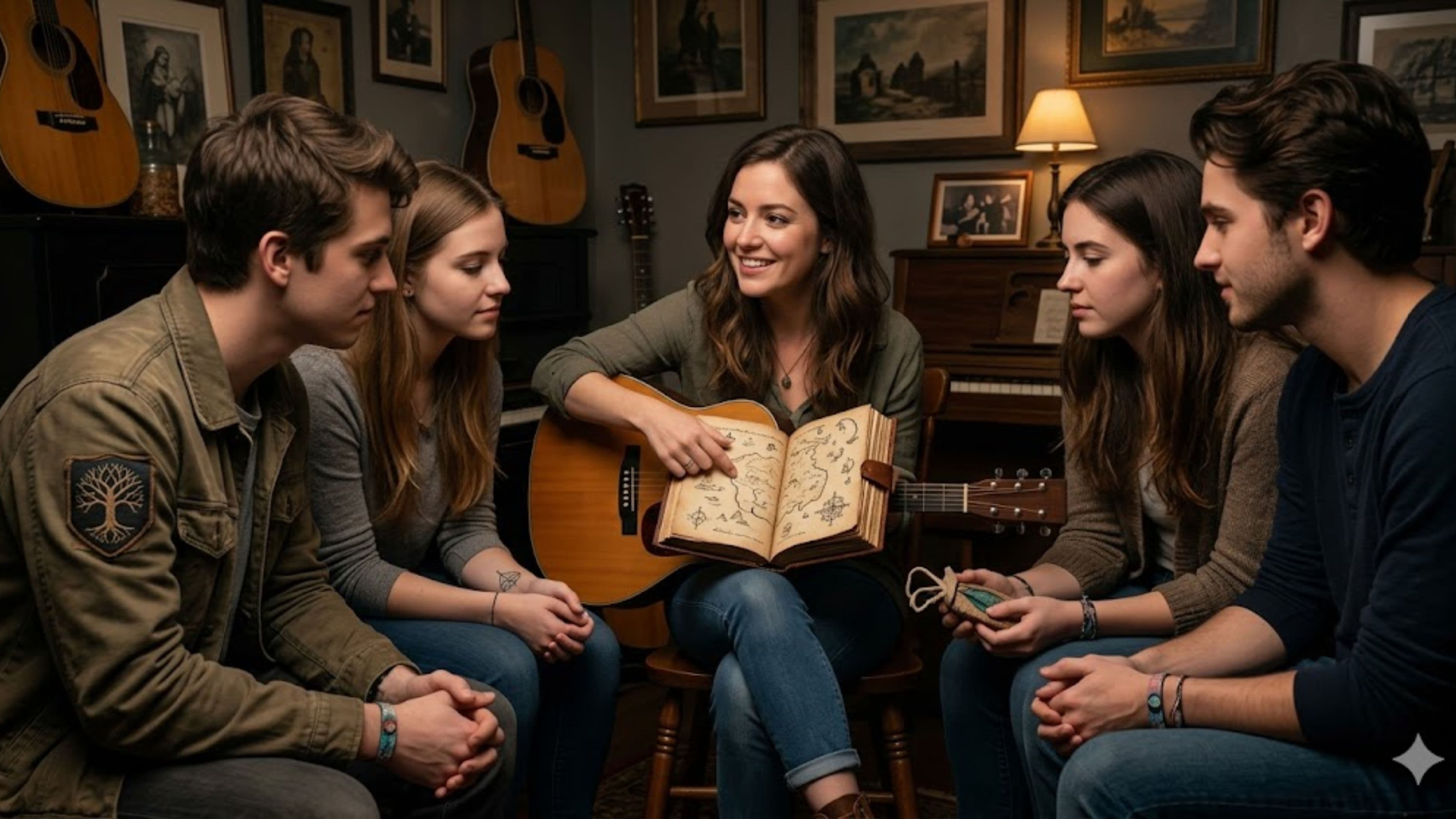
How Artist Lore and Storytelling Build Deeper Fan Loyalty
Some artists have listeners. Others have communities that feel like they're part of something. The gap between the two isn't always about the music itself – it's often about what surrounds the music. The narrative, the symbolism, the feeling that every release is a chapter in something larger. That's what lore is in the context of music, and artists who build it deliberately tend to cultivate the kind of fan loyalty that survives bad reviews, long gaps between releases, and genre pivots that would ordinarily cost them an audience.
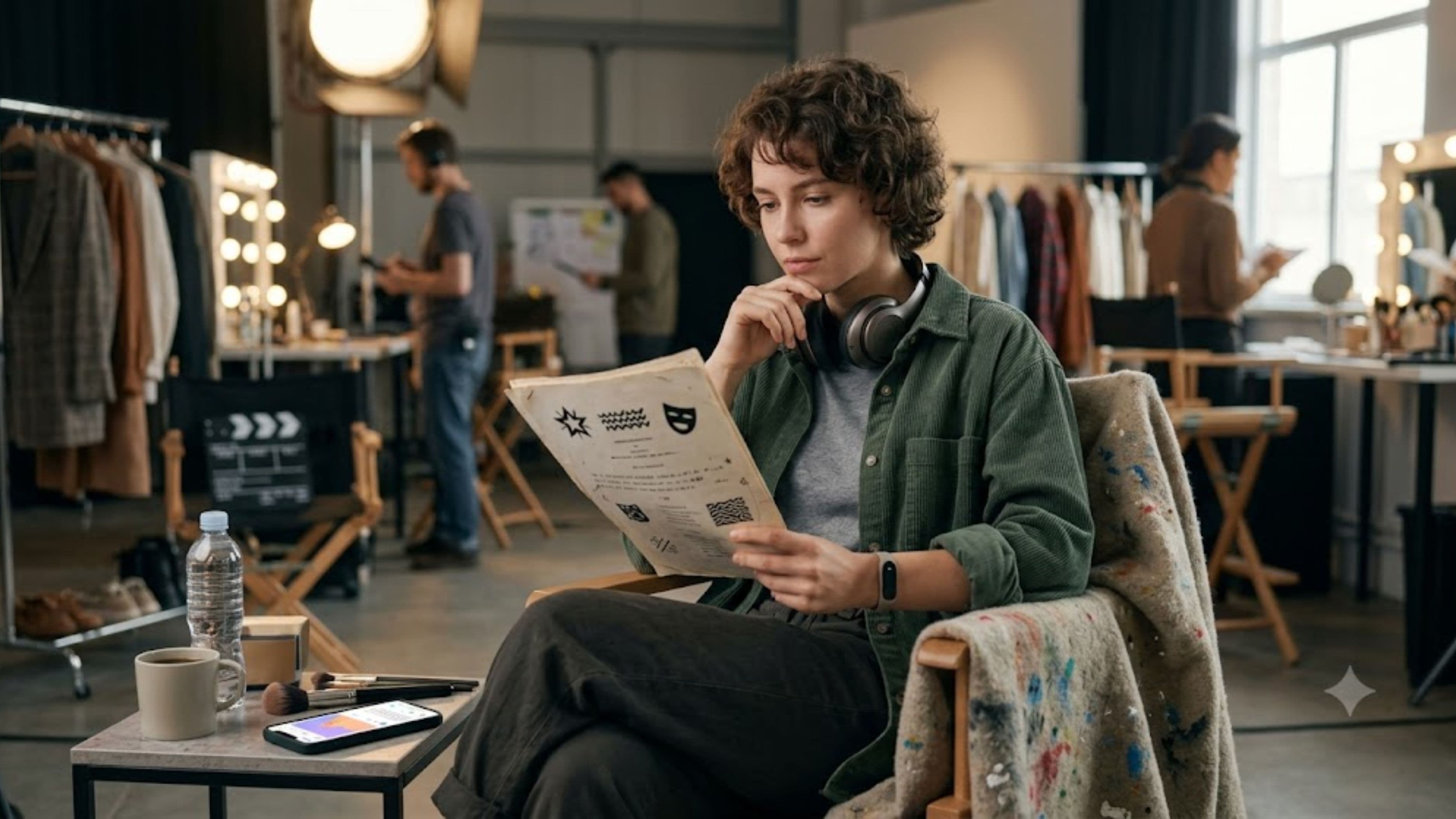
How Artists Balance Social Media Presence Without Losing Creative Focus
There's a version of the music career advice conversation that never stops: you have to be on TikTok, you have to post every day, your Reels need a hook in the first three seconds, your caption should do this, your thumbnail should look like that. For a lot of independent artists, following that advice leads somewhere unexpected – not to growth, but to exhaustion, and eventually to a kind of creative numbness where everything you make feels like content rather than music.
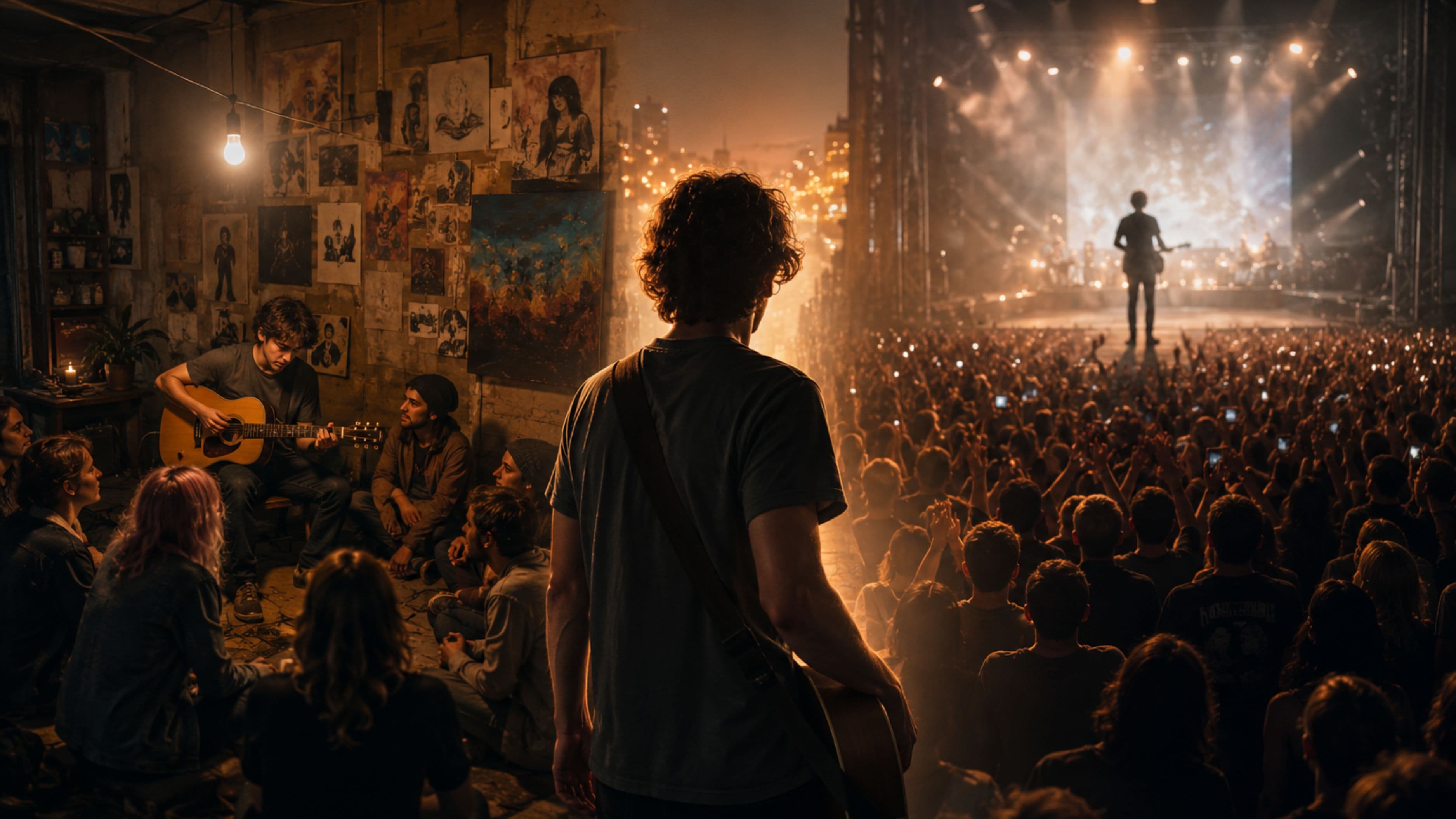
How Artists Build Cult Followings Before Going Mainstream
Before most people had heard of Billie Eilish, she had a devoted fanbase that streamed her SoundCloud tracks obsessively and followed every move she made on social media. Before Tyler, the Creator was a mainstream name, Odd Future had an intensely loyal underground following that created the conditions for his eventual breakthrough. Before Olivia Rodrigo's name was everywhere, she had a Disney fan community that had already made her a known quantity. The path from unknown to mainstream almost always runs through a period of cult following first – and that period isn't just a stepping stone. It's the foundation that makes the eventual breakthrough sustainable.
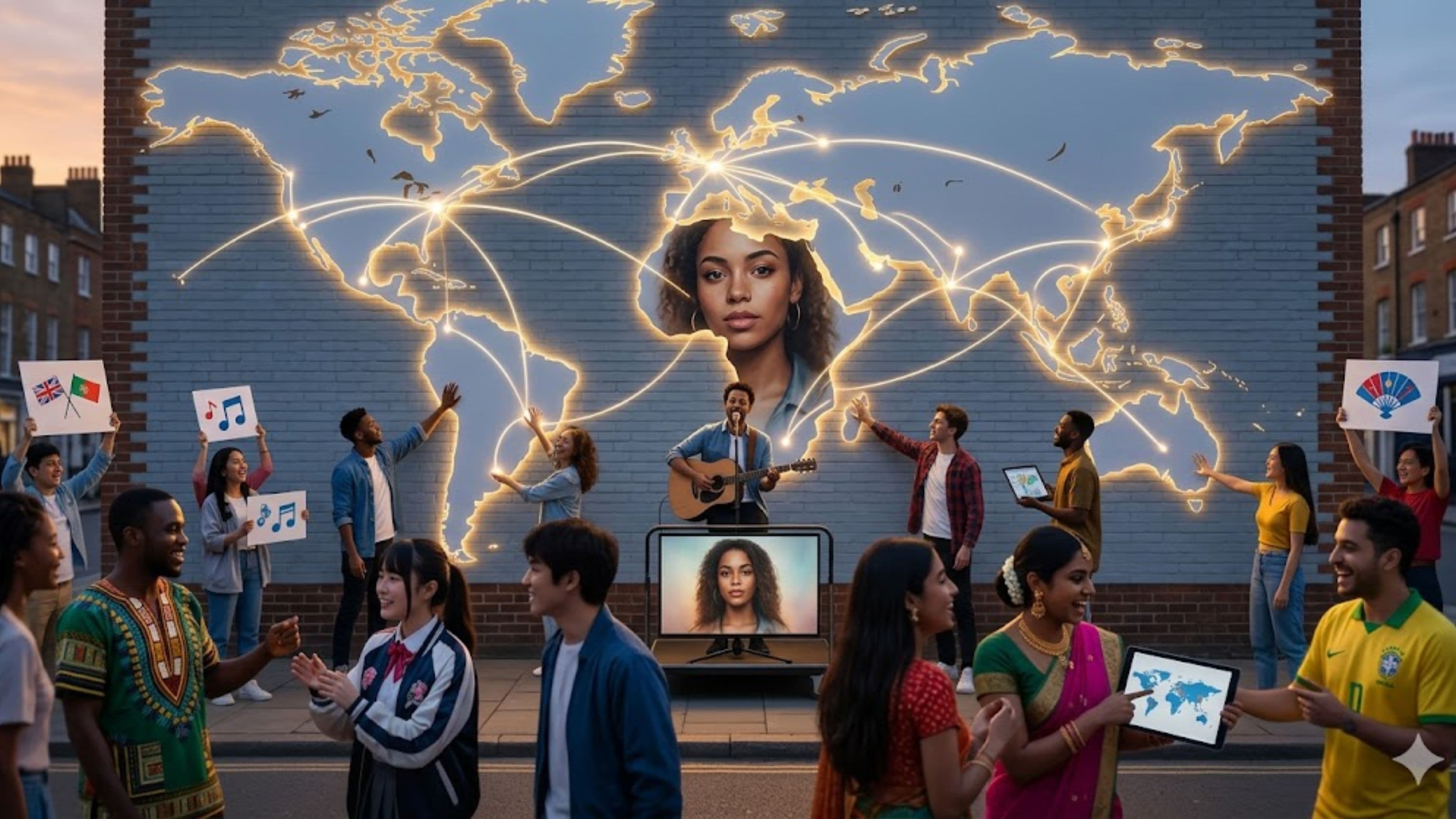
How Global Fan Networks Are Helping Artists Break Into New Markets
Five years ago, breaking into a foreign music market meant signing with a local label, hiring a regional distributor, or spending serious money on promotional campaigns aimed at audiences you couldn't directly reach. Today, an artist in Seoul, Lagos, or São Paulo can wake up to streaming data showing that a song blew up overnight in a country they've never visited – not because of industry machinery, but because a fan community on the other side of the world decided to make it happen. That shift in how music spreads across borders is real, and it's accelerating.
How Independent Artists Are Using Algorithmic Playlists to Their Advantage
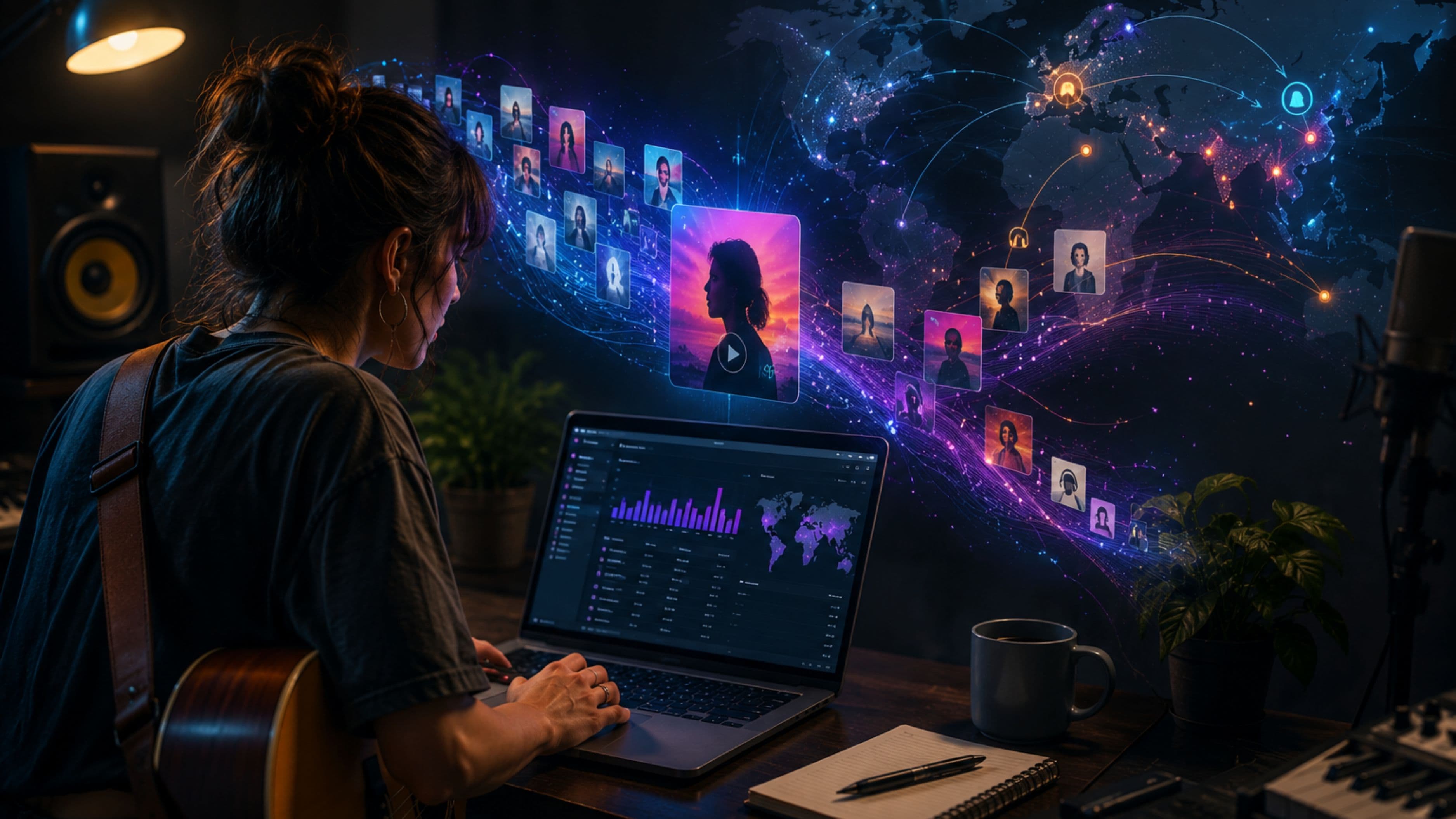
A few years ago, the path to playlist placement ran almost entirely through human curators – pitch your song to the right editor, get lucky, and maybe land on a playlist with a few hundred thousand followers. That still exists, but it's no longer the main game. The majority of meaningful discovery on Spotify, Apple Music, and other platforms now happens through algorithmic playlists: Discover Weekly, Release Radar, Radio, Daily Mixes, and dozens of others that are assembled automatically and served to individual listeners based on their behavior. Independent artists who understand how these systems work – and build their release strategy around them – are seeing real traction that doesn't require industry connections or a major label budget.
How Independent Artists Are Using Parasocial Relationships Intentionally
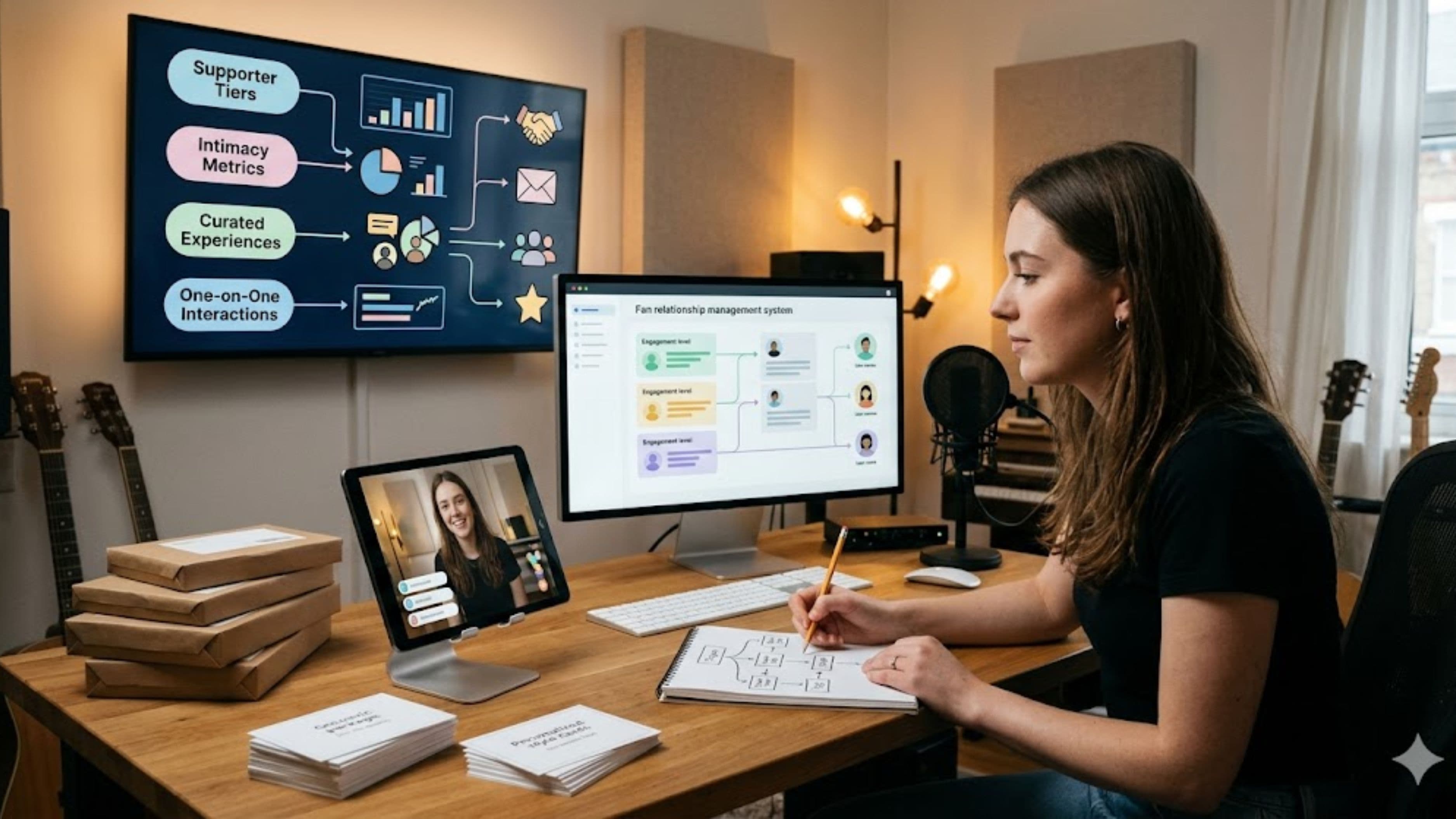
The word "parasocial" used to be academic terminology – something psychologists used to describe the one-sided emotional bond a fan develops toward a celebrity they've never met. Now it's a strategy. Independent artists are increasingly building their careers not just on how good the music is, but on how close they can make fans feel to the person making it.
How K-Pop Fandom Models Are Influencing Western Artist Strategies
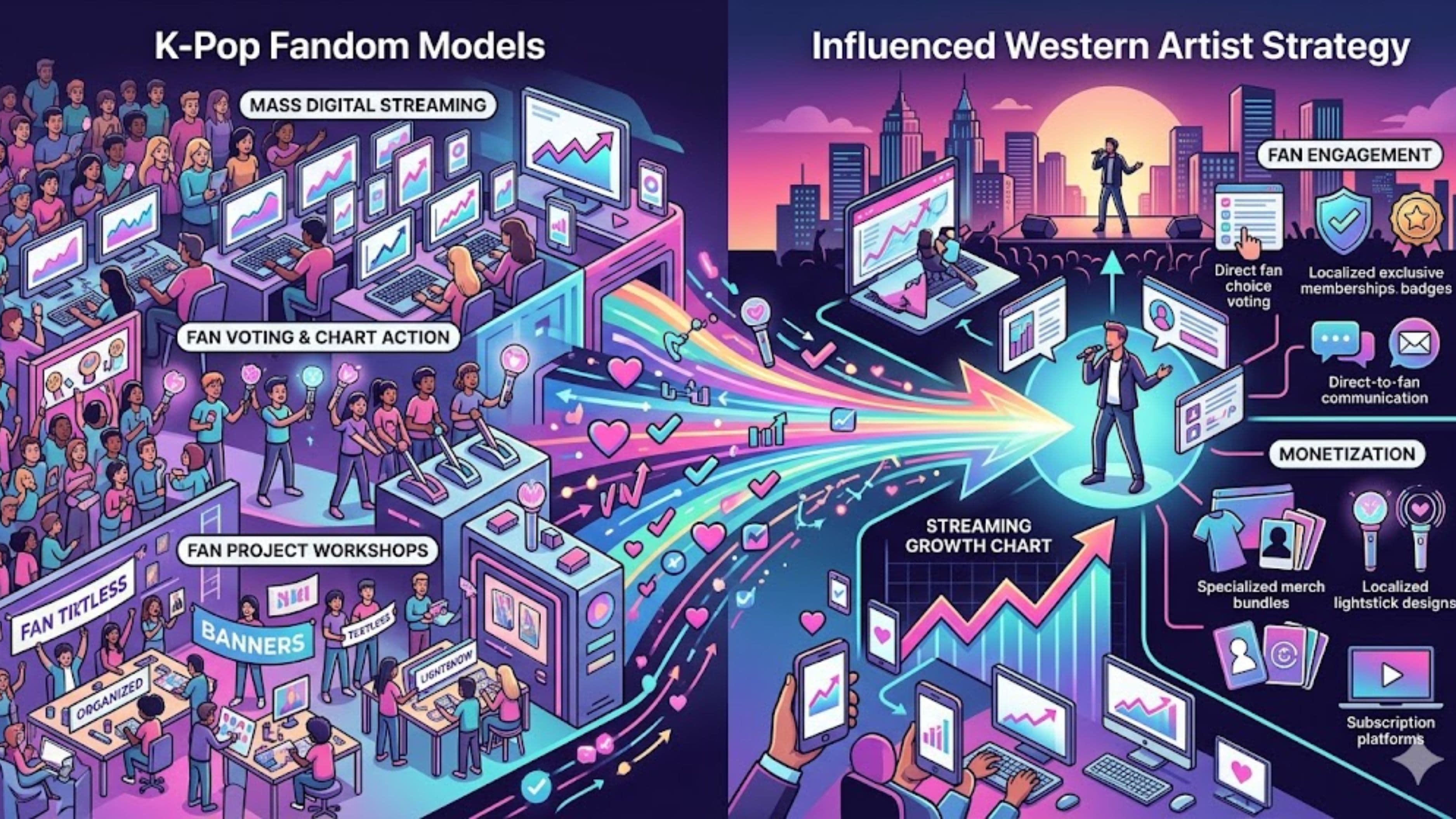
The most dedicated fan communities in the history of recorded music didn't build themselves around rock stars or pop princesses. They built themselves around K-Pop acts — and the industry infrastructure behind those acts was purpose-built to make that happen. For years, Western labels and artists watched K-Pop fandoms coordinate global chart campaigns, sell out arenas in countries where acts had never performed, and sustain engagement levels that traditional pop marketing couldn't come close to. They're not just watching anymore.
How Music Fan Communities Are Becoming Creators in Their Own Right
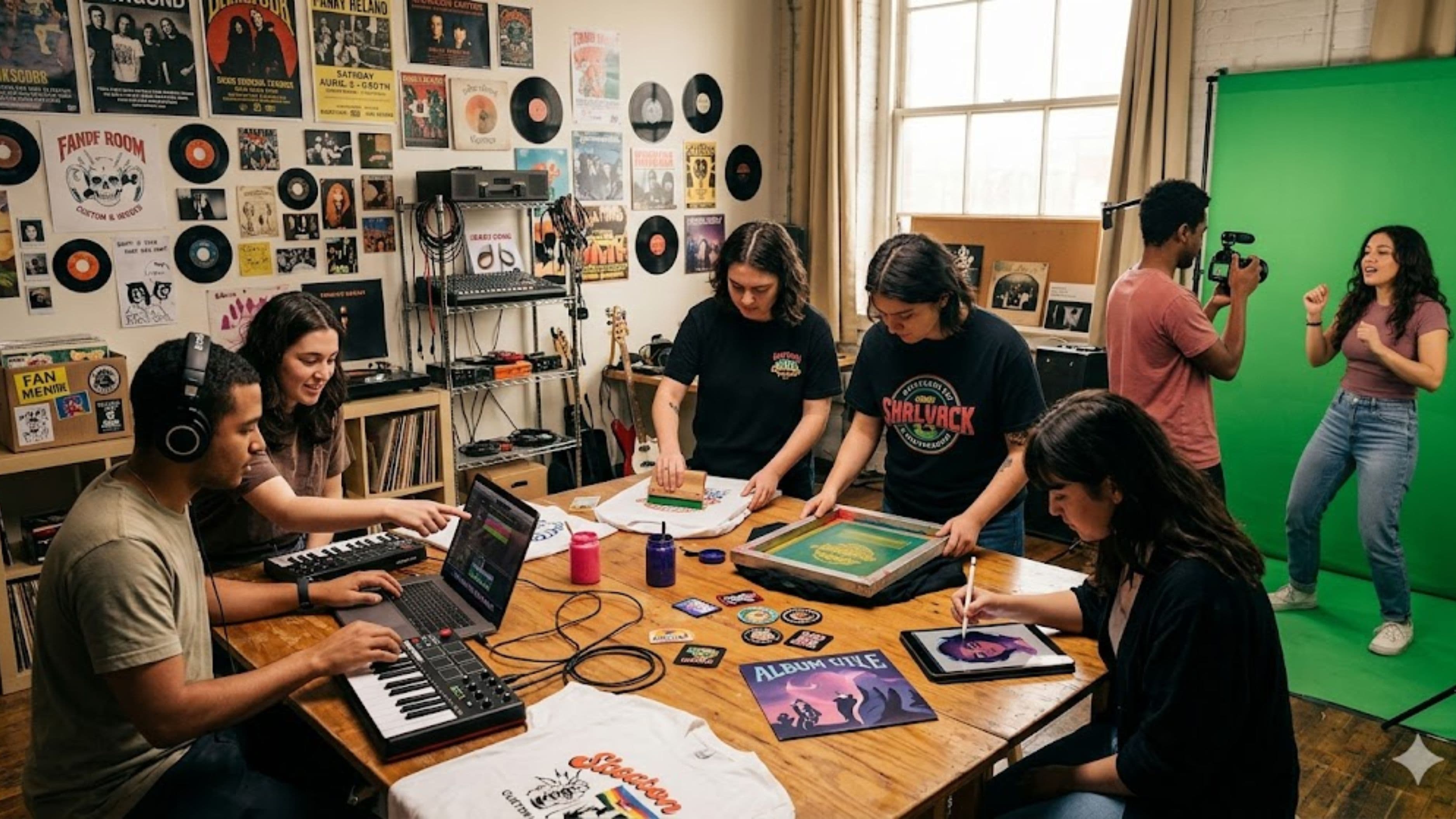
There's a meaningful difference between a fan who listens and a fan community that creates. The first is an audience. The second is something closer to a cultural production ecosystem – and in the current music landscape, the line between the two has never been blurrier.
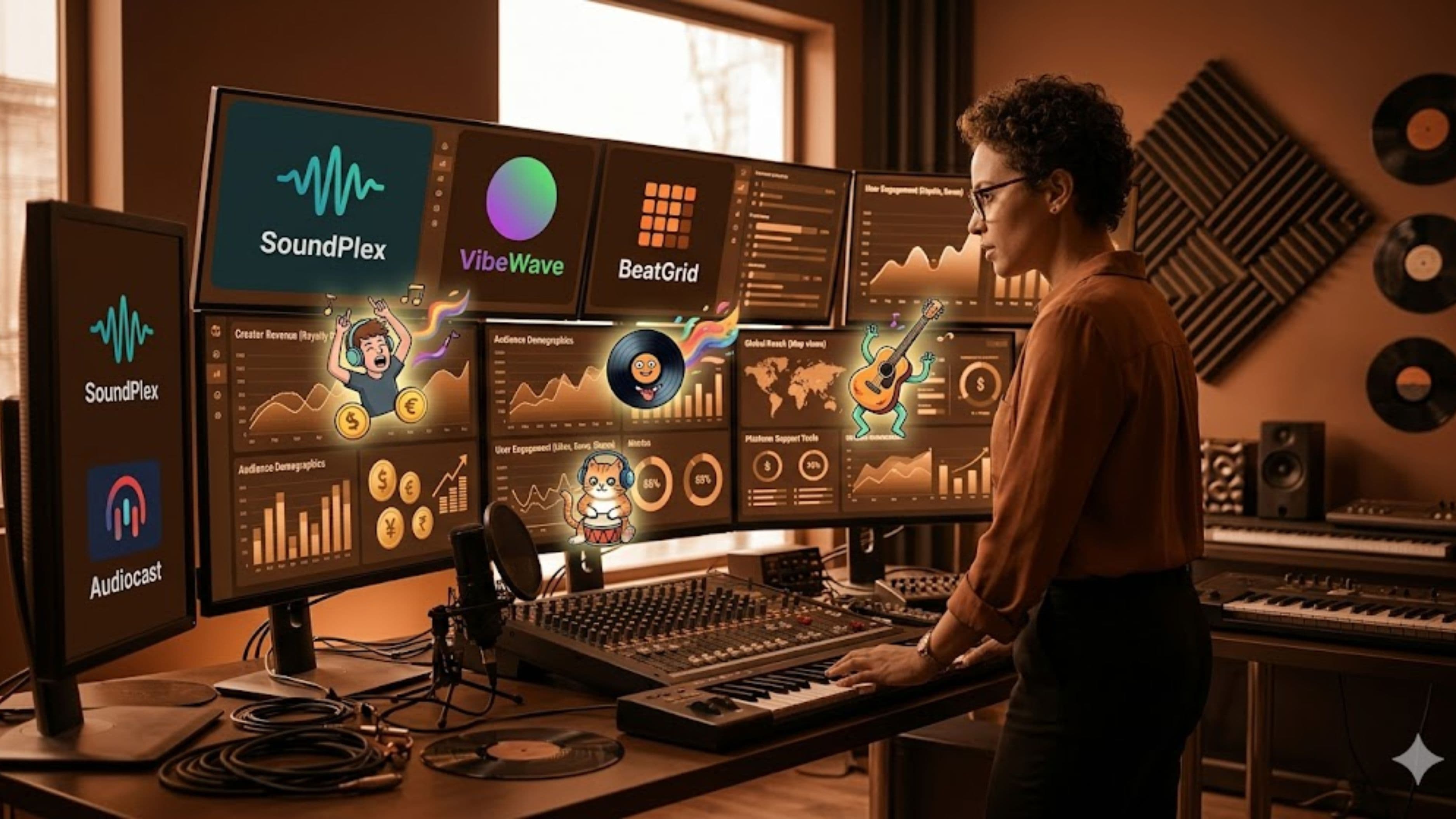
How Music Memes Have Become a Serious Marketing Force
When a snippet of an obscure 1977 Fleetwood Mac song became the soundtrack to millions of TikToks in 2020, "Dreams" re-entered the Billboard Hot 100 for the first time in decades. Nobody at Warner Records planned it. A skateboarder posted a video. A meme formed around it. The song moved. That moment wasn't an anomaly — it was a preview of how music marketing now works.
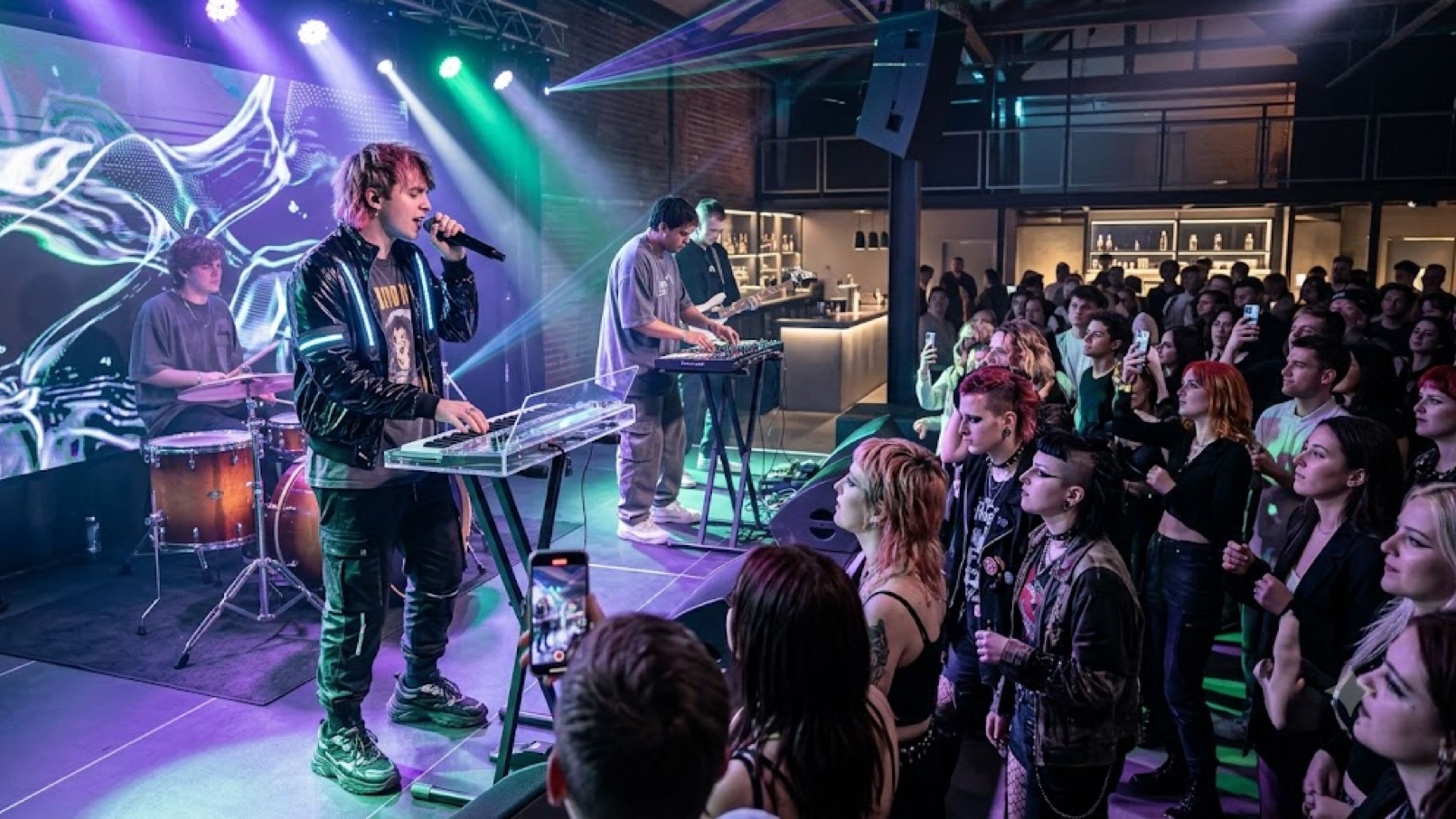
How Subcultures in Music Are Shaping the Mainstream Sound in 2026
The gap between "underground" and "mainstream" in music has never been thinner, and it keeps shrinking. Sounds that used to take years to cross over from niche scenes into pop radio now make that jump in months, sometimes weeks, largely because the internet doesn't really have a velvet rope anymore. If you've noticed mainstream pop and hip-hop sounding more genre-blended and less predictable lately, that's not a coincidence, it's subcultures doing what they've always done, just faster and more visibly than before.

How the Best Independent Artists Think About Branding
Ask most independent artists about branding and they picture a logo, a consistent color palette, maybe a font they use on all their merch. That's the surface layer. The independent artists who actually build lasting audiences tend to think about branding as a much deeper decision, one about what an audience should feel and expect every time new work appears, and everything visual flows downstream from that.
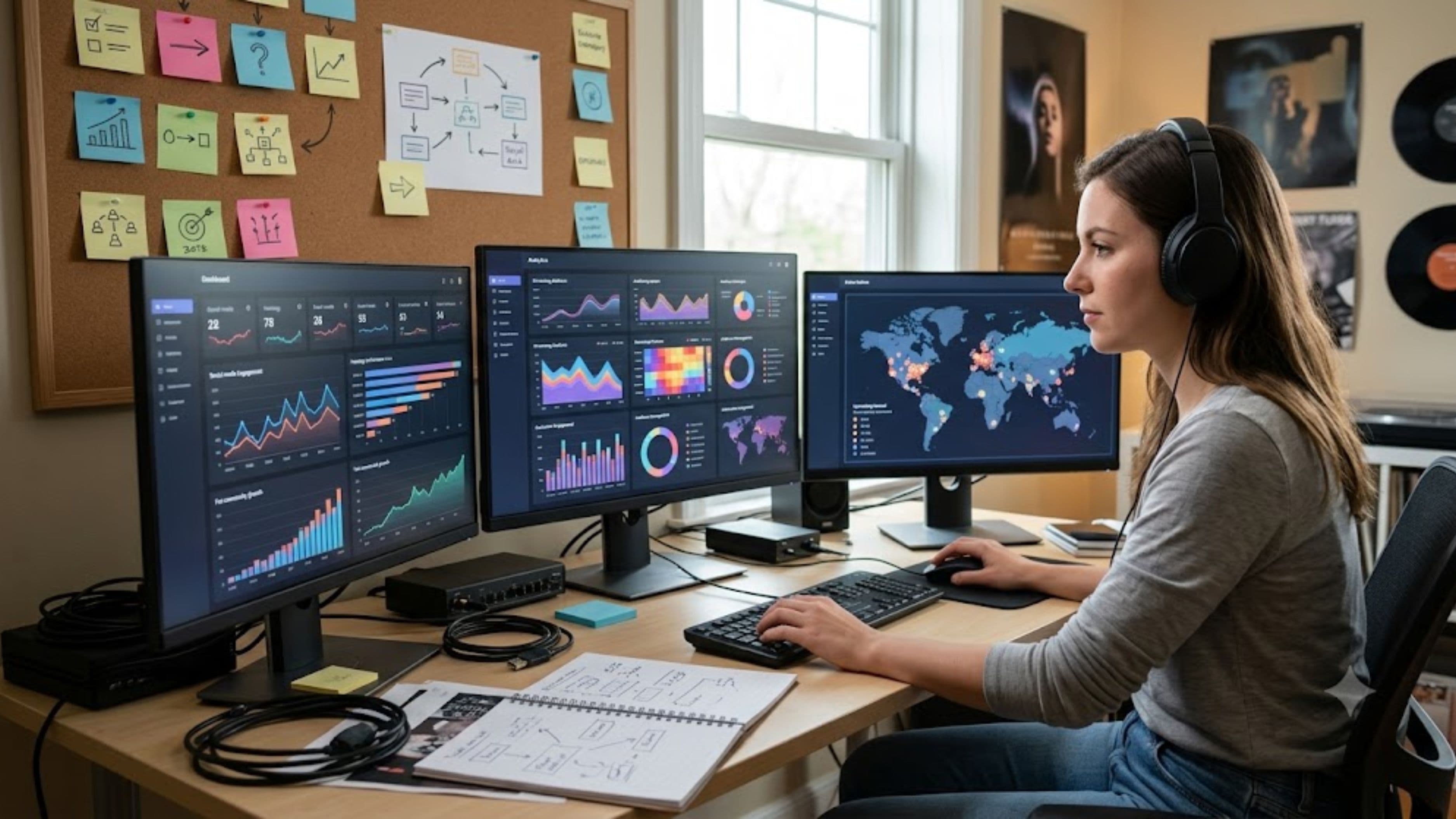
How the Way Fans Use Data to Advocate for Their Favorite Artists Is Evolving
Fan bases used to show support by buying albums and showing up to shows. Now some of the most dedicated fan communities run something closer to a small analytics operation, tracking streaming numbers, chart positions, and playlist placements with a level of detail that would look at home in an actual marketing department. This shift from passive support to data-literate advocacy has changed what it actually means to be a "superfan," and it's reshaping how artists and labels think about audience engagement in the process.
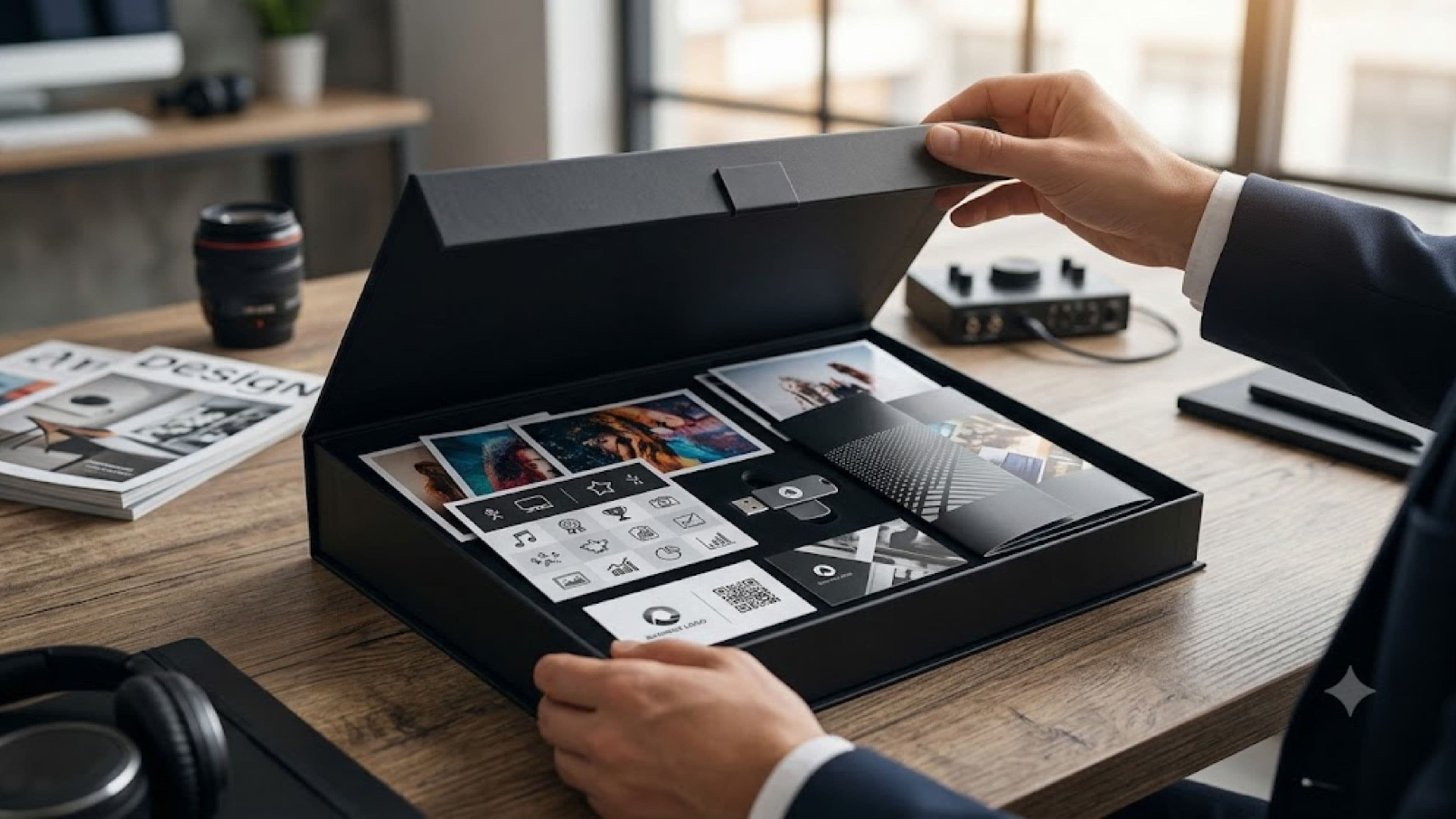
How to Build a Press Kit That Actually Gets Opened
A music journalist or playlist curator gets dozens, sometimes hundreds, of pitch emails a week. Most press kits get a five-second glance before getting closed, not because the music isn't good, but because the kit itself makes it hard to quickly tell what's worth a closer look. Building a press kit that actually gets opened isn't about flashy design, it's about respecting how little time the person on the other end actually has.
How to Create a Release Strategy That Builds Momentum Over Time
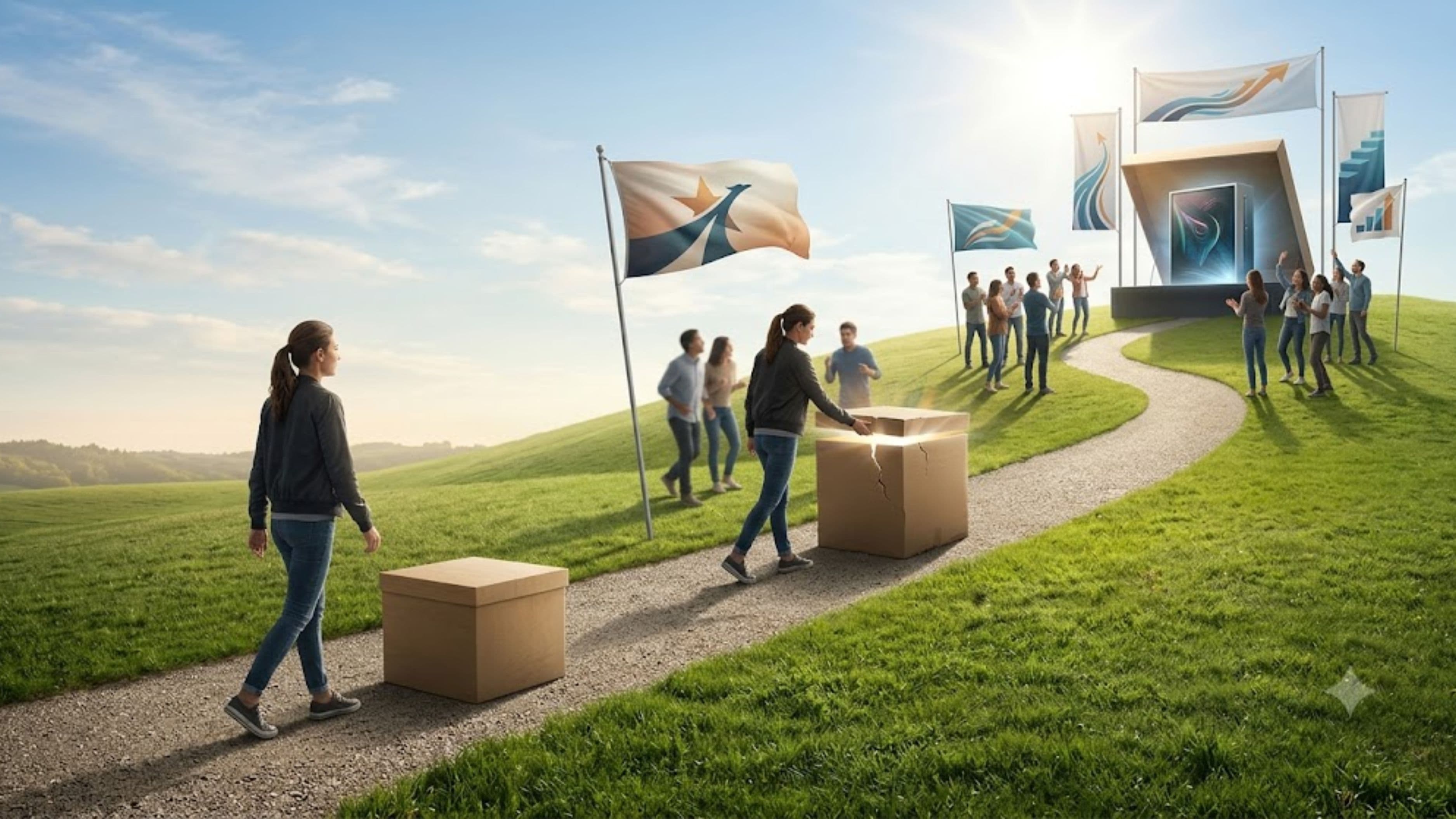
Dropping a single song or album and hoping it finds an audience is genuinely one of the least effective ways to build a sustainable music career in the current streaming-driven landscape. A deliberate release strategy, thinking beyond any single release in isolation, tends to produce meaningfully better long-term results than treating each release as its own disconnected event.
How to Pitch Your Music to Playlist Curators Without Getting Ignored
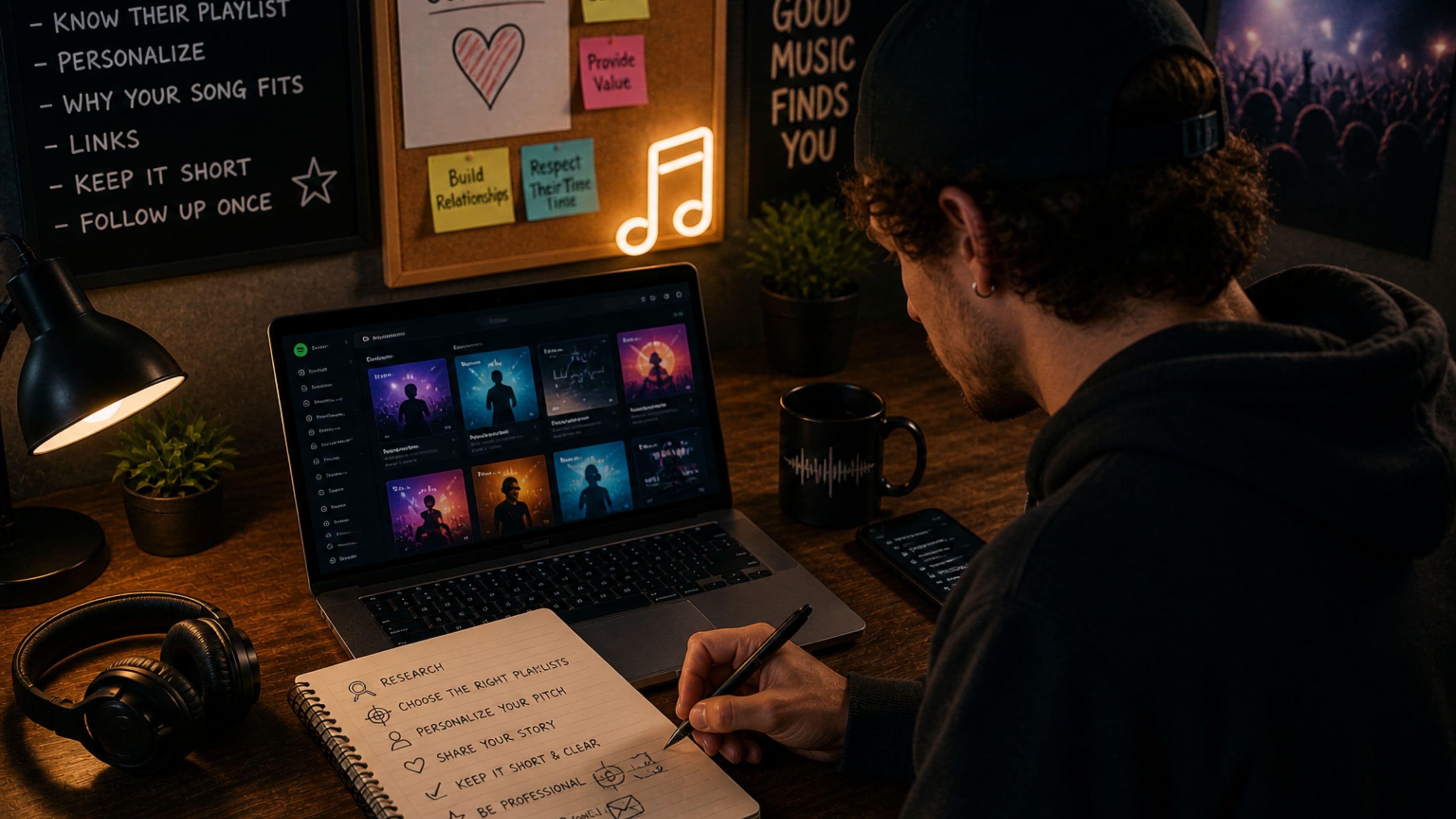
Most playlist pitch emails get deleted in under five seconds. Not because the music is bad – because the pitch is. Curators get dozens, sometimes hundreds, of submissions a week, and the ones that don't immediately signal "this person understands what I'm looking for" go straight to the trash.
How to Run a Pre-Save Campaign That Actually Converts
Syrian cooking carries a depth of flavor built over centuries at the crossroads of major trade routes, blending influences from across the Levant and beyond. Whether you're already familiar with the broader Middle Eastern pantry or completely new to it, Syrian cuisine offers an approachable entry point built on ingredients that are more available than you might expect.

How to Use Email Marketing to Drive More Streams and Sales
Social media gets most of the attention in artist growth conversations, but there's an older, quieter tool that consistently outperforms social reach when it comes to actually converting fans into streams, ticket sales, and merch purchases: email. Unlike a social platform's algorithm, which decides who sees your content, an email list is one of the only channels where you have direct, unfiltered access to people who've already told you they're interested.

How to Use Fan Data to Make Smarter Release Decisions
Most independent artists are still making release decisions the same way they always have – based on gut feeling, what worked last time, or whatever their most vocal fans are saying in the comments. That approach isn't useless, but it leaves a lot of signal on the table. The platforms you're already using are generating real data about where your audience is, what they listen to most, when they're most active, and how they respond to new material. Using that data to inform when, how, and what you release isn't about being coldly analytical – it's about making decisions with both your instincts and the evidence in front of you.
How to Use Tiktok for Music Promotion Without Dancing on Camera
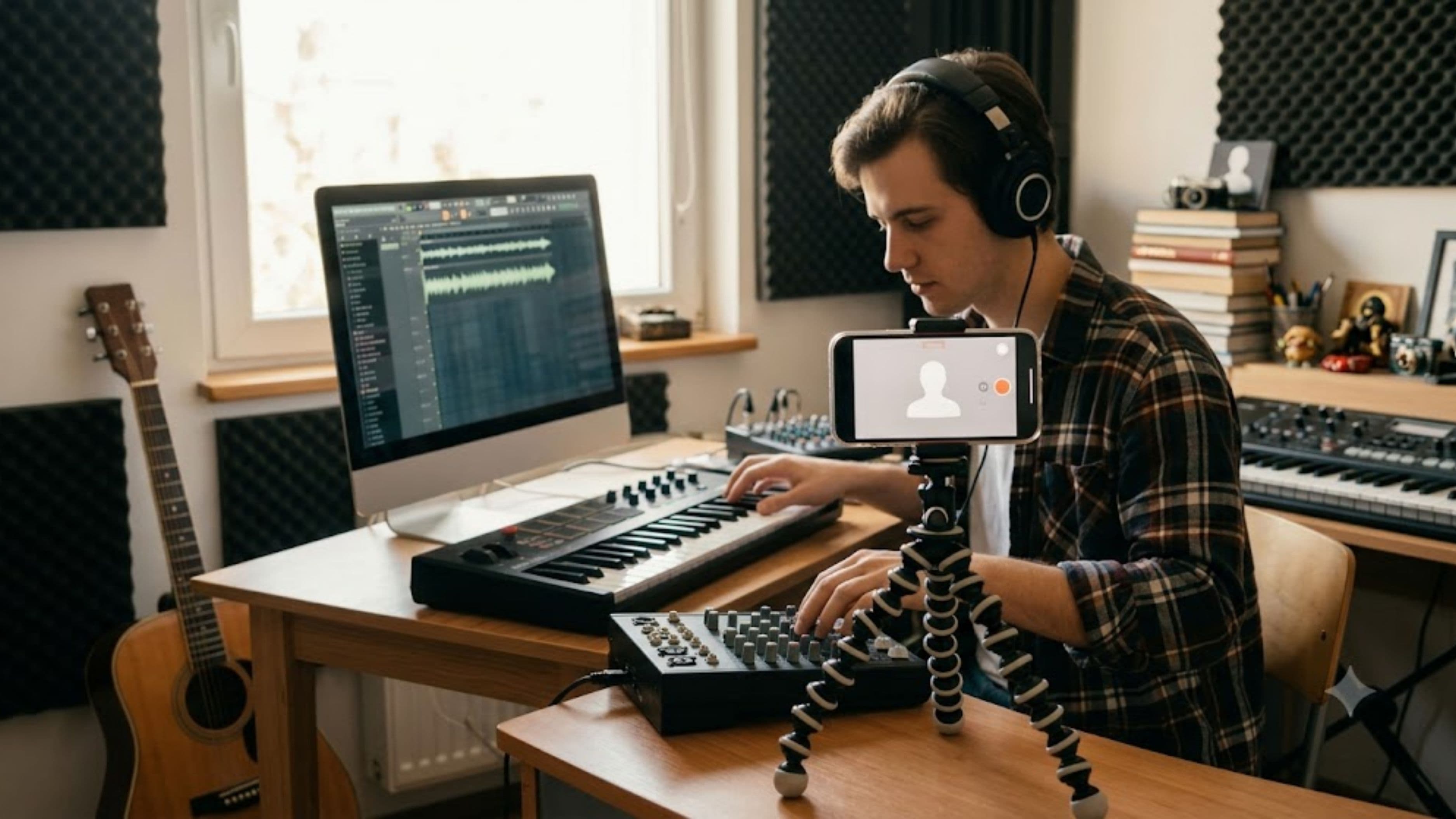
The advice to "just get on TikTok" has become almost meaningless for artists who have no interest in choreography or being on camera at all. The good news is that TikTok's actual engine for music discovery isn't dance trends, it's sound usage, and there are several proven content approaches that get songs in front of new listeners without requiring anyone to perform on camera.

How to Write an Artist Bio That Gets You Taken Seriously
An artist bio does more work than most independent musicians give it credit for. It's often the first thing a playlist curator, venue booker, journalist, or potential collaborator reads before they've even pressed play, and a generic or awkwardly written bio can quietly undercut how seriously they take everything that follows. Getting this right isn't about sounding fancy, it's about giving the right people a clear, credible reason to pay attention.

The Role of Discord Communities in Building Artist-Fan Relationships
Most social media platforms are built for reach. Discord is built for depth. That's a meaningful distinction if you're an independent artist trying to build something that lasts beyond the algorithm's attention span. A post on Instagram disappears in hours. A Discord community compounds – conversations stack on top of each other, inside jokes develop, members recruit other members, and the people who join early develop a sense of ownership over something they helped build. That dynamic is hard to manufacture on platforms optimized for broadcasting, and it's increasingly why serious independent artists are treating Discord as a core part of how they build with fans rather than an optional experiment.
The Trend of Artists Releasing Music in Chapters: Does It Work?
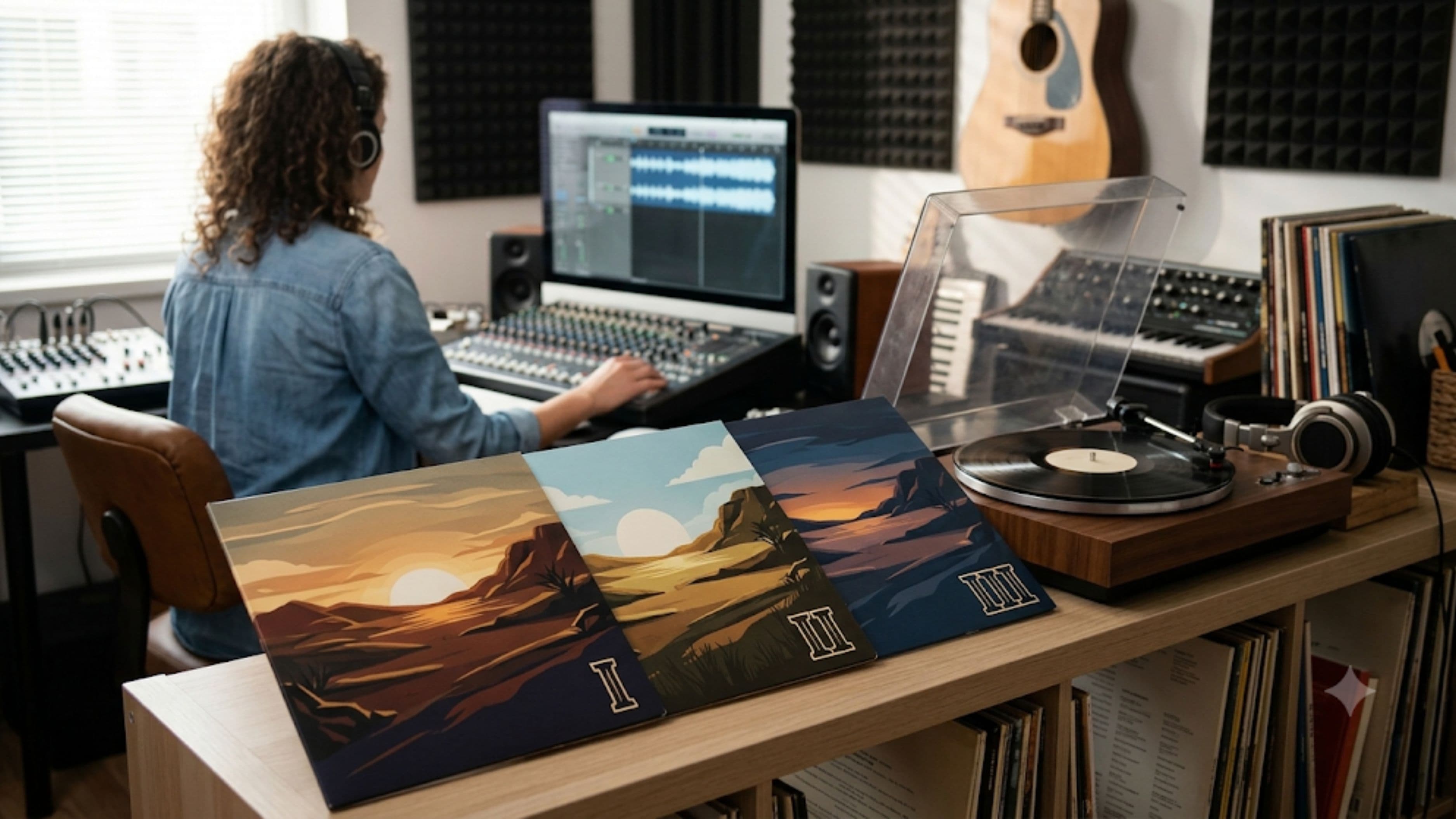
Rather than dropping a full album in one release, a growing number of artists are splitting projects into smaller "chapters" or "acts," released weeks or months apart under a shared overarching concept. It's a meaningfully different release strategy than the traditional single-album drop, and understanding what it actually accomplishes, and where it falls short, matters if you're considering this approach for your own project.
What 'community Over Audience' Actually Means for a Working Artist
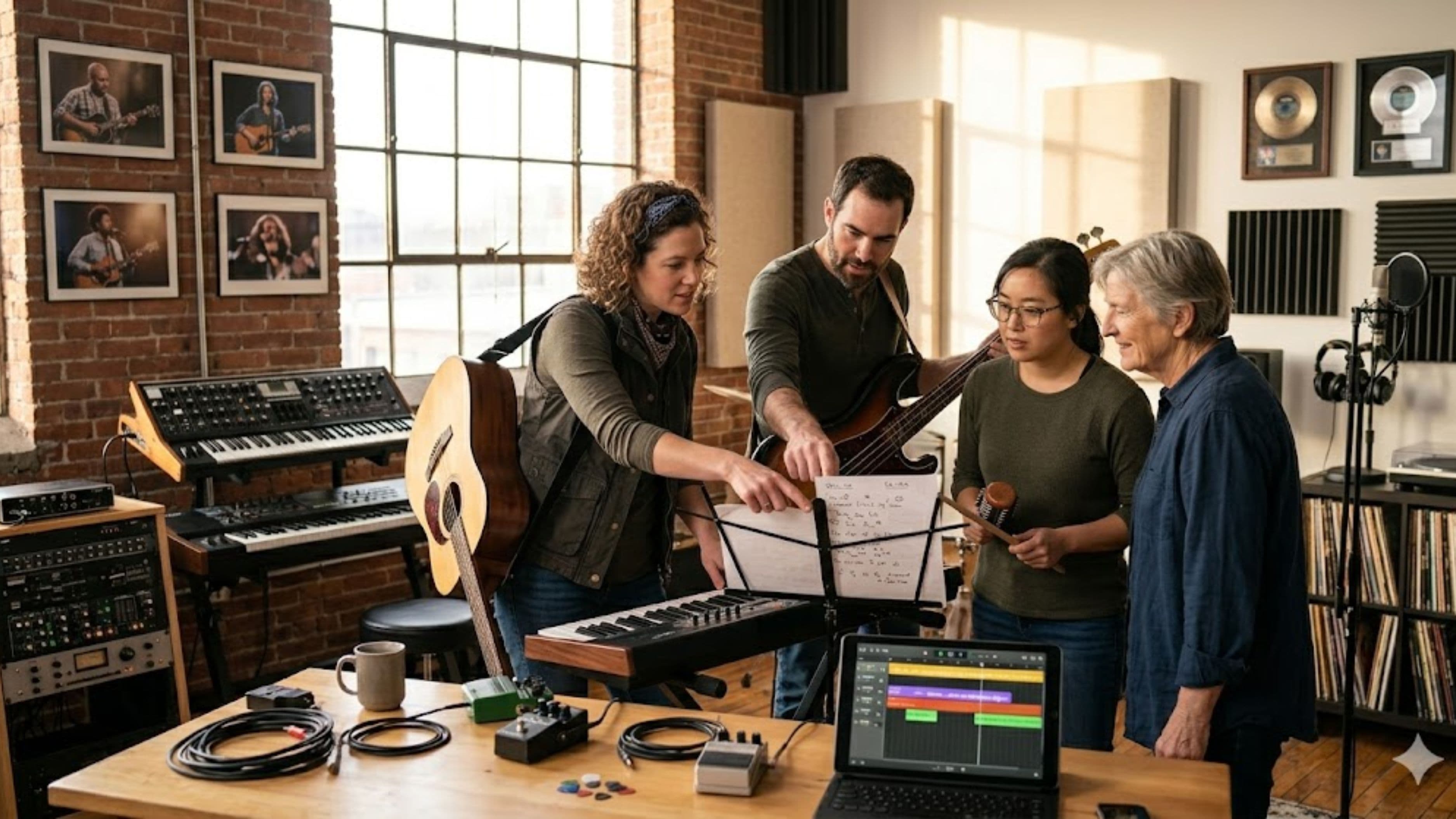
"Build community, not just an audience" gets repeated constantly in music industry advice content. It's one of those phrases that sounds meaningful until you try to act on it and realize nobody has explained what it actually means in practice – or why it matters for someone trying to pay their rent with music.
What Every Artist Should Know About the Spotify Algorithm in 2026
You released a track, the streams trickled in slowly, and then a few weeks later it suddenly picked up momentum out of nowhere. Or maybe it didn't, and you're wondering why a song you're genuinely proud of never found an audience. Understanding how Spotify's recommendation systems actually work won't guarantee a hit, but it will help you stop guessing at what moves the needle.
What Makes a Festival Lineup Go Viral Before Tickets Drop
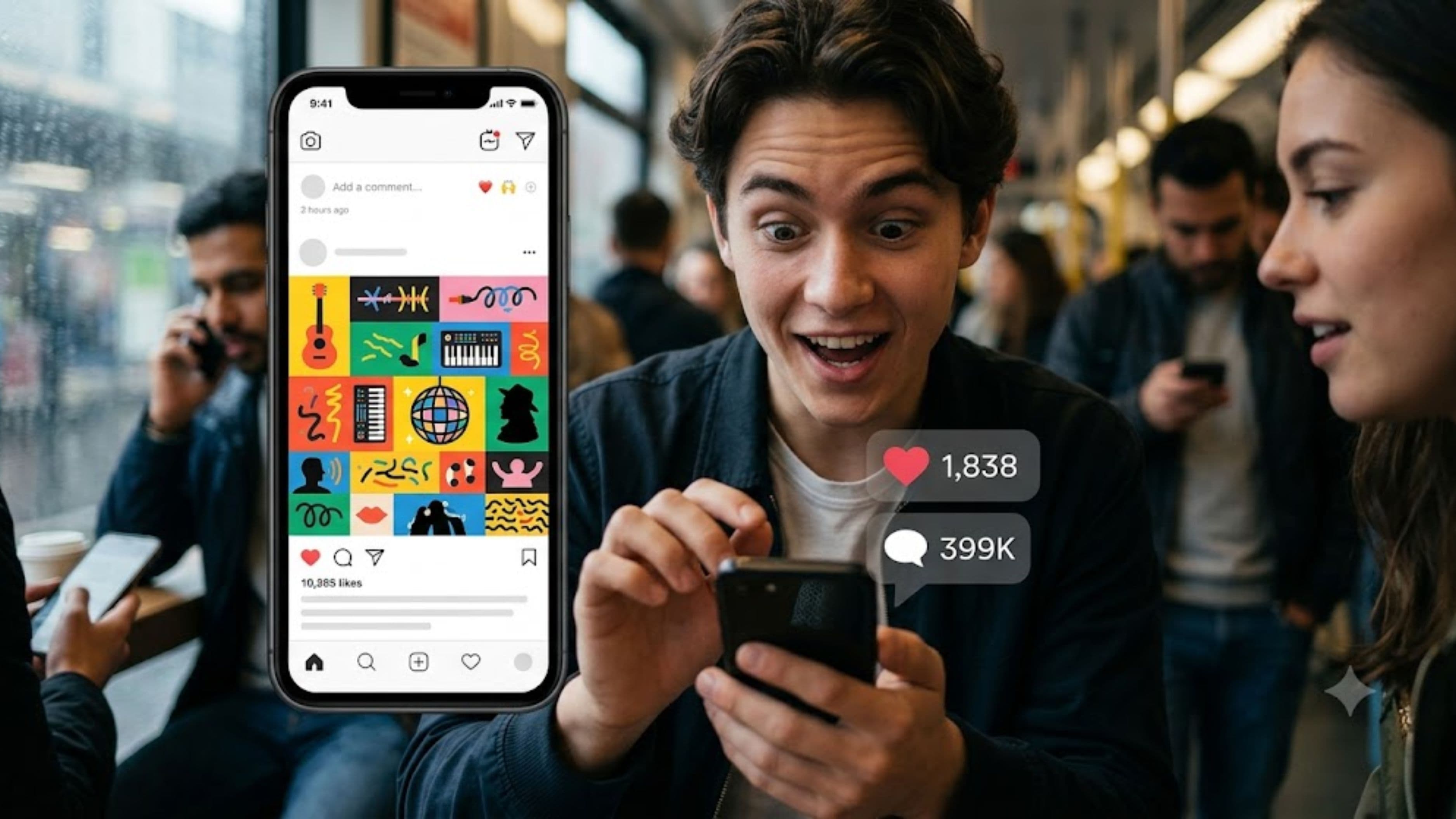
Festival lineup announcements have become genuine cultural moments in their own right, sometimes generating more social media conversation than the festival itself once it actually happens. Understanding what separates a lineup that quietly circulates among existing fans from one that genuinely goes viral reveals a lot about how festival booking and marketing strategy has evolved.
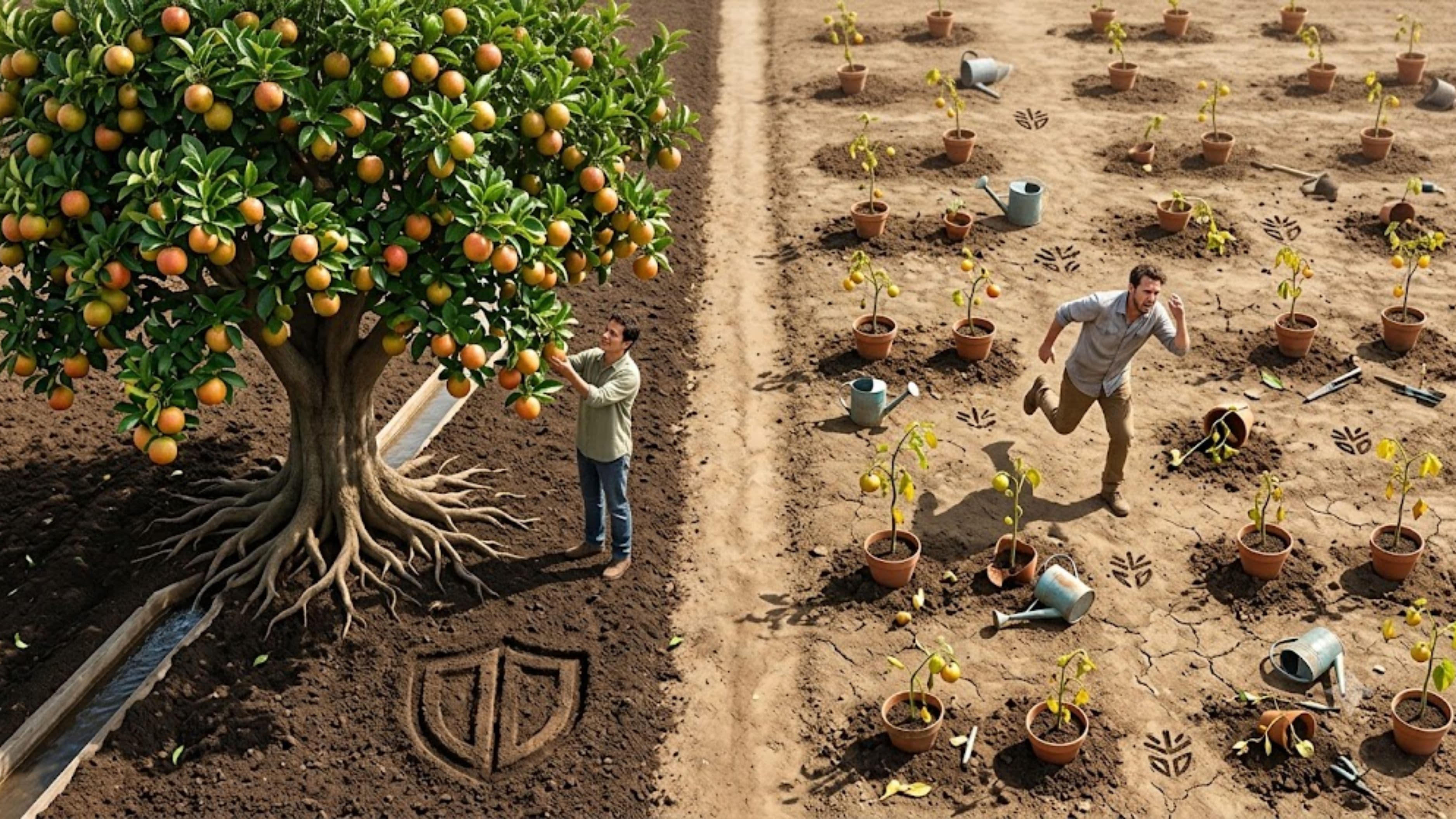
Why Consistency on One Platform Beats Spreading Thin Across All of Them
Most independent artists start their growth strategy the same way: post everywhere, all the time, hoping something sticks. TikTok, Instagram, YouTube, X, maybe a Discord server on top of it. It feels productive, but for the vast majority of independent musicians, this approach quietly works against them, spreading limited time and energy so thin that nothing ever gets the consistency it actually needs to build momentum.

Why Fan Reactions Are Now a Legitimate Form of Music Content
A few years ago, a video of someone reacting to a song release would have been considered a fringe, low-effort format compared to a proper review or interview. That's changed substantially. Fan reaction content, whether it's a first-listen video, a live-streamed chart reveal watch party, or a TikTok stitched together from dozens of fans hearing a surprise drop for the first time, has become a genuine driver of music discovery and engagement, and artists and labels are increasingly treating it as a legitimate part of their promotional strategy rather than an afterthought.
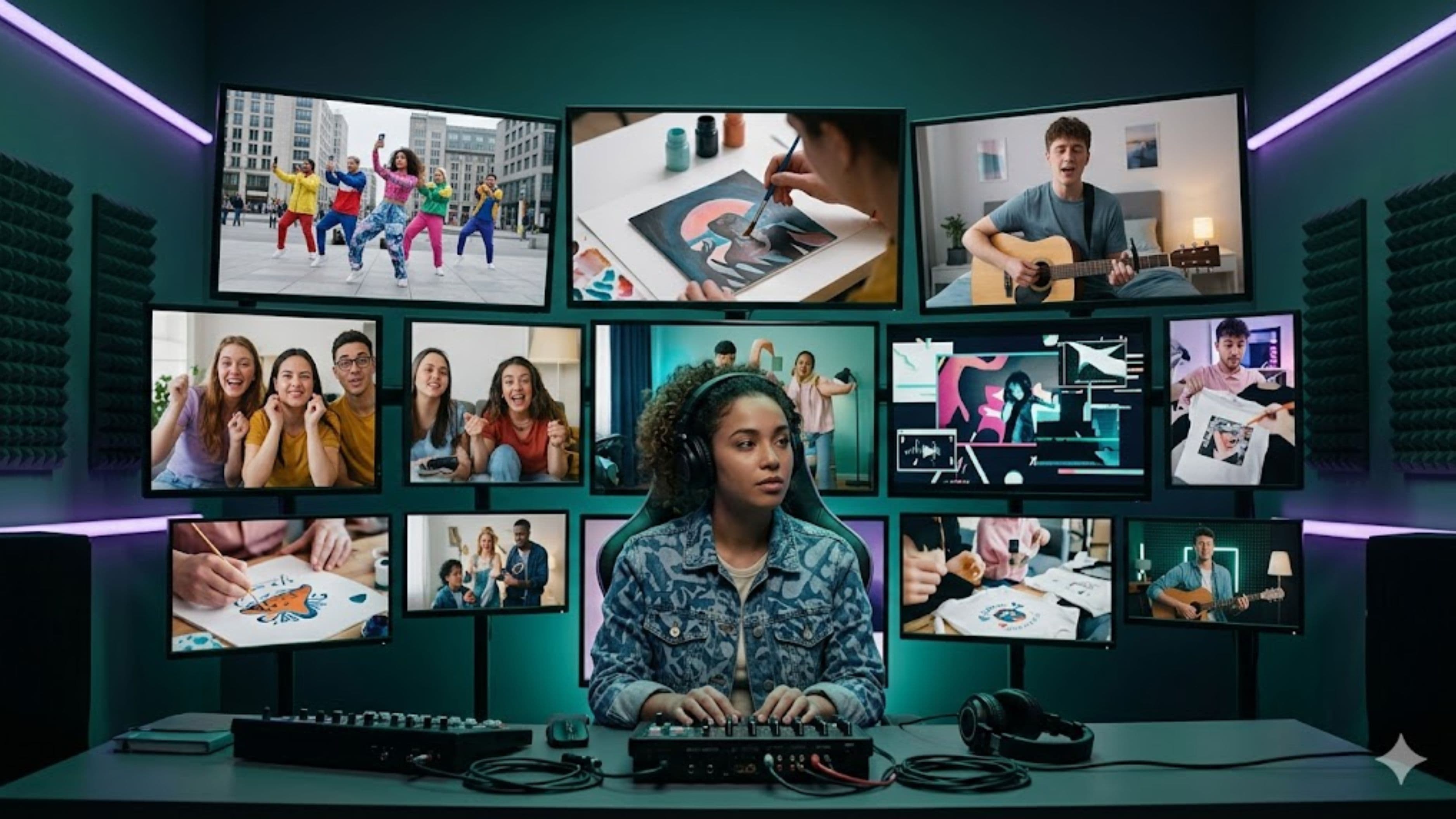
Why Fan-Made Content Has Become a Core Part of Modern Music Promotion
Ten years ago, a record label would have sent a cease-and-desist letter to someone who used their artist's song in a TikTok video without permission. Today, that same label is quietly monitoring which fan videos are going viral and redirecting marketing budget to amplify them. The relationship between artists, labels, and fan-created content has fundamentally shifted – and for independent artists especially, understanding this shift is one of the more practical things you can do for your career right now.
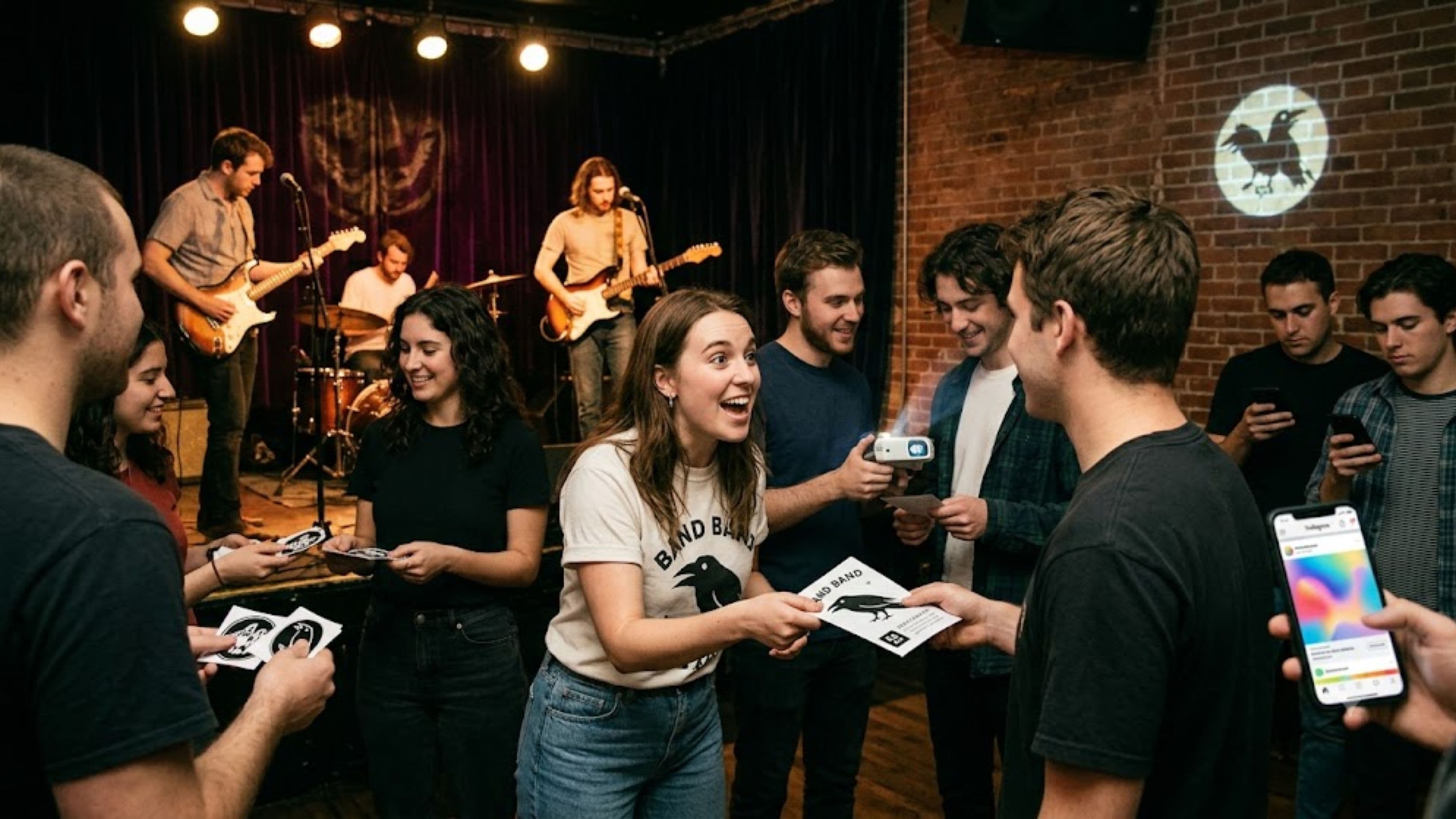
Why Grassroots Fan Promotion Outperforms Paid Social Ads for Niche Artists
A niche artist drops $200 on a boosted post promoting their new single, gets a spike in impressions, and watches almost none of it convert into actual streams, follows, or sales. Meanwhile, another artist in a similarly small genre posts a behind-the-scenes clip in a genre-specific Discord server and gets more genuine engagement from 50 people than the paid campaign got from 50,000 impressions. This isn't a fluke. For artists working in niche genres, grassroots promotion is consistently outperforming paid social ads, and the reasons come down to how platform algorithms and niche audiences actually behave.

Why More Artists Are Choosing to Release Music Without Distributors
Digital distribution has been treated as an unquestioned requirement for getting music onto streaming platforms for over a decade, but a growing number of independent artists are exploring direct release paths that skip traditional distributors entirely. Understanding what's actually driving this shift, and what artists genuinely gain and give up by going this route, matters before deciding whether it fits your own situation.
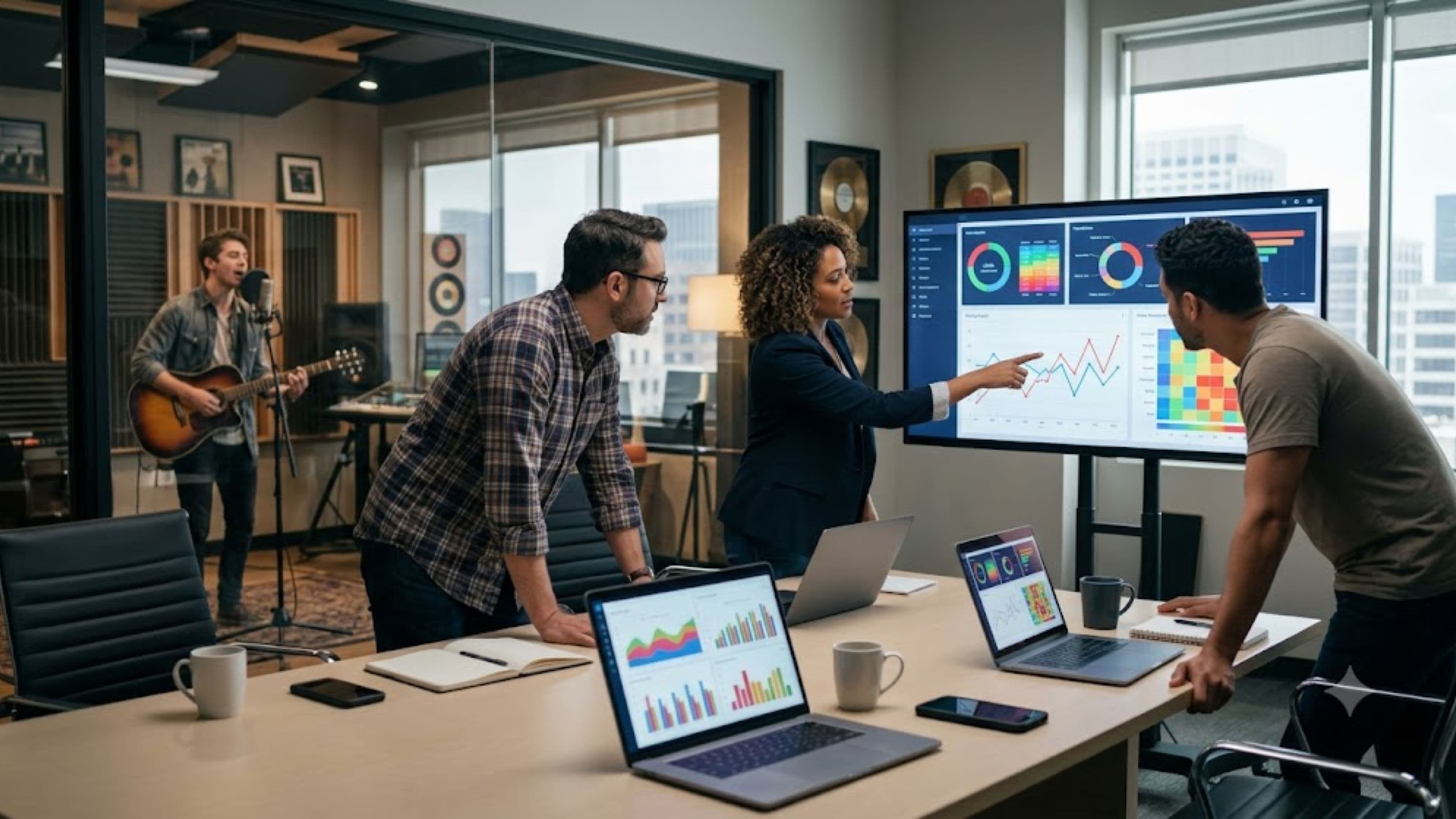
Why Record Labels Are Signing Artists Based on Data, Not Just Sound
Not long ago, getting signed to a record label required the right place, the right person, and a demo that stopped someone in their tracks. A&R scouts traveled to shows, listened to hundreds of submissions, and made bets based on gut feeling, industry experience, and whatever intangible quality made an artist feel like something. That process still exists. It's just not the primary one anymore.
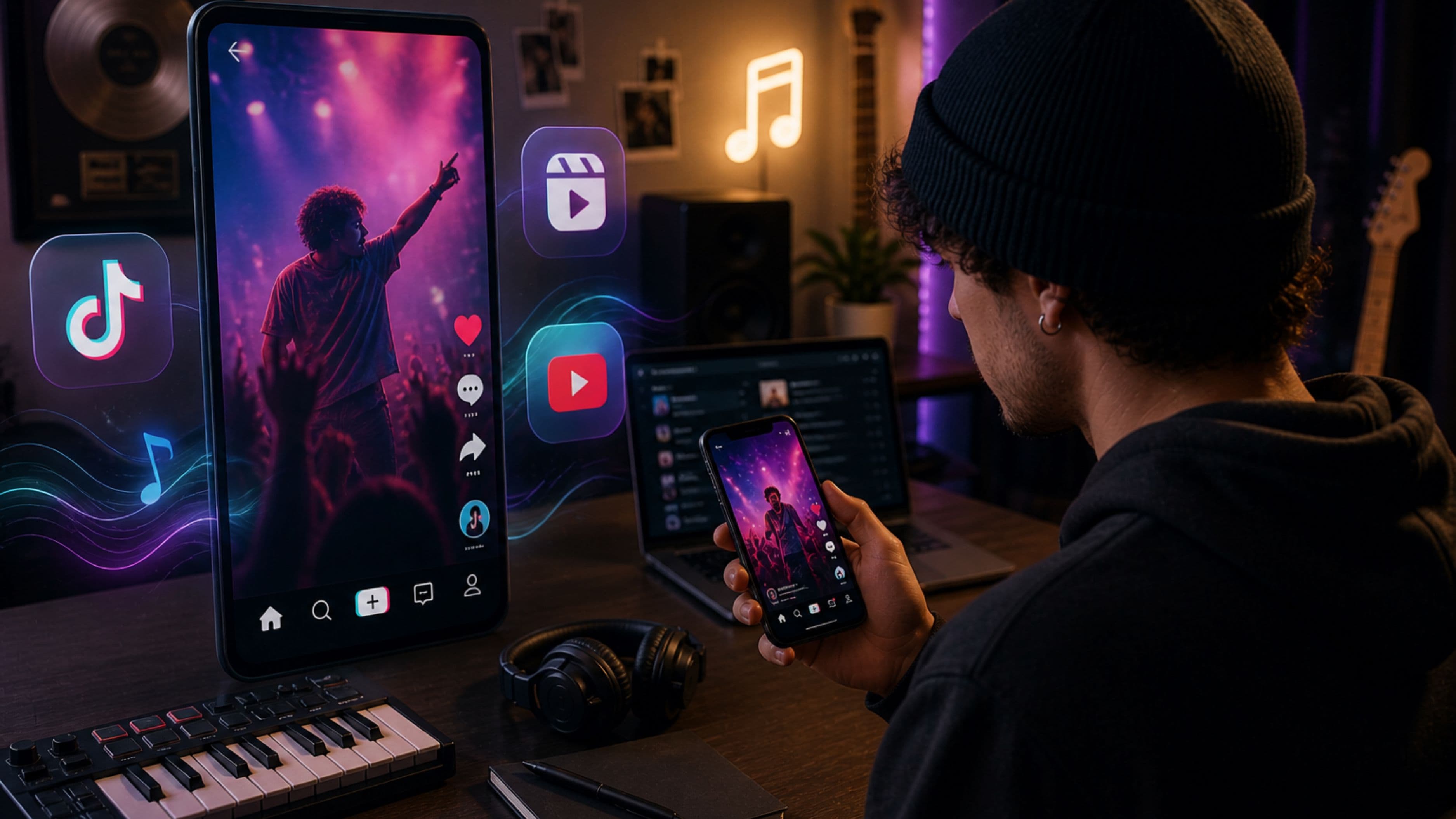
Why Short-Form Video Is Still the Most Powerful Music Discovery Tool
Every year, someone declares that TikTok is dying, that short-form video has peaked, that audiences are moving on. And every year, another unknown artist blows up overnight because fifteen seconds of their song ended up in the right video at the right time. The format keeps evolving. The power behind it hasn't gone anywhere.
Explore other categories
Same editorial standard, different decisions.

Business
Music rights and cash flow live in licenses, metadata, and fee stacks. This Business Index covers master versus sync licensing, publishing administration, distributor royalty fees, touring travel controls, and the audit practices used when catalogs change hands.
Browse Business
Create Music
Browse Create Music
Live & Perform
Browse Live & Perform
Make Money
Browse Make Money
Podcast & Audio
Browse Podcast & Audio
Streaming
Streaming decides whether a release becomes durable catalog cash flow or a one-week spike. This index explains how DSPs score listener behavior, how save rates and skip timing affect algorithmic playlists, and how royalty pools actually pay out—so campaign spend buys permanence, not vanity numbers.
Browse Streaming
Tech
Release speed depends on two machines working together: the production stack that finishes audio and video, and the paid media stack that finds the first wave of listeners. This Tech Index covers mastering software, creative suites, affiliate programs, and YouTube or Google Ads systems for music campaigns.
Browse Tech