
Make Money
Participating in Music Communities: Benefits of Joining Bands and Ensembles
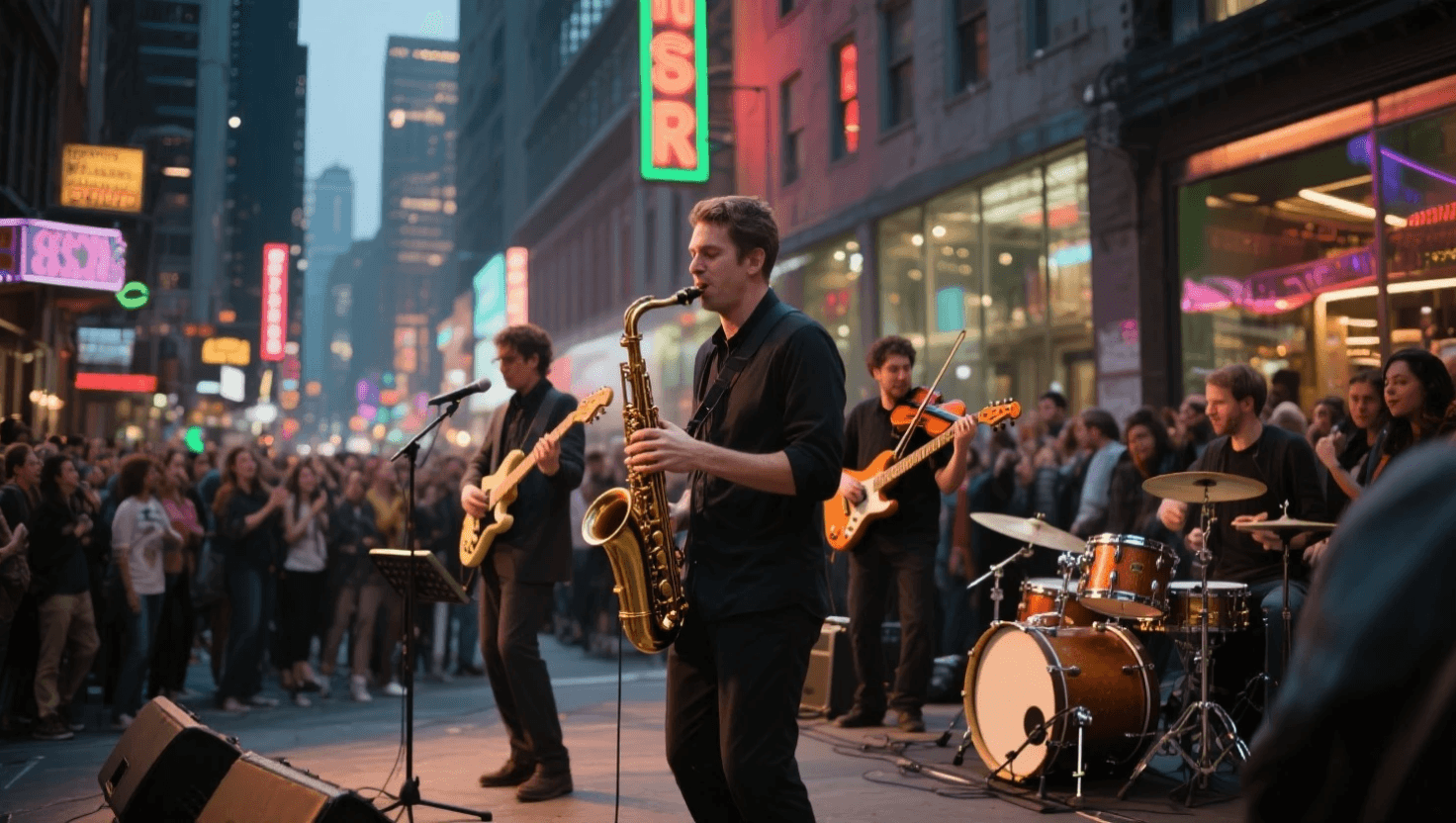
Learning an instrument is a deeply rewarding personal journey—but music, by nature, is meant to be shared. Whether you're a beginner or an advanced player, joining a band, orchestra, choir, or local ensemble can significantly enrich your development. Beyond sharpening your musical skills, participating in a group fosters collaboration, confidence, and connection. Here are the key reasons why being part of a music community is one of the smartest decisions for any musician.
How Fan Engagement During Live Streams Drives More Revenue
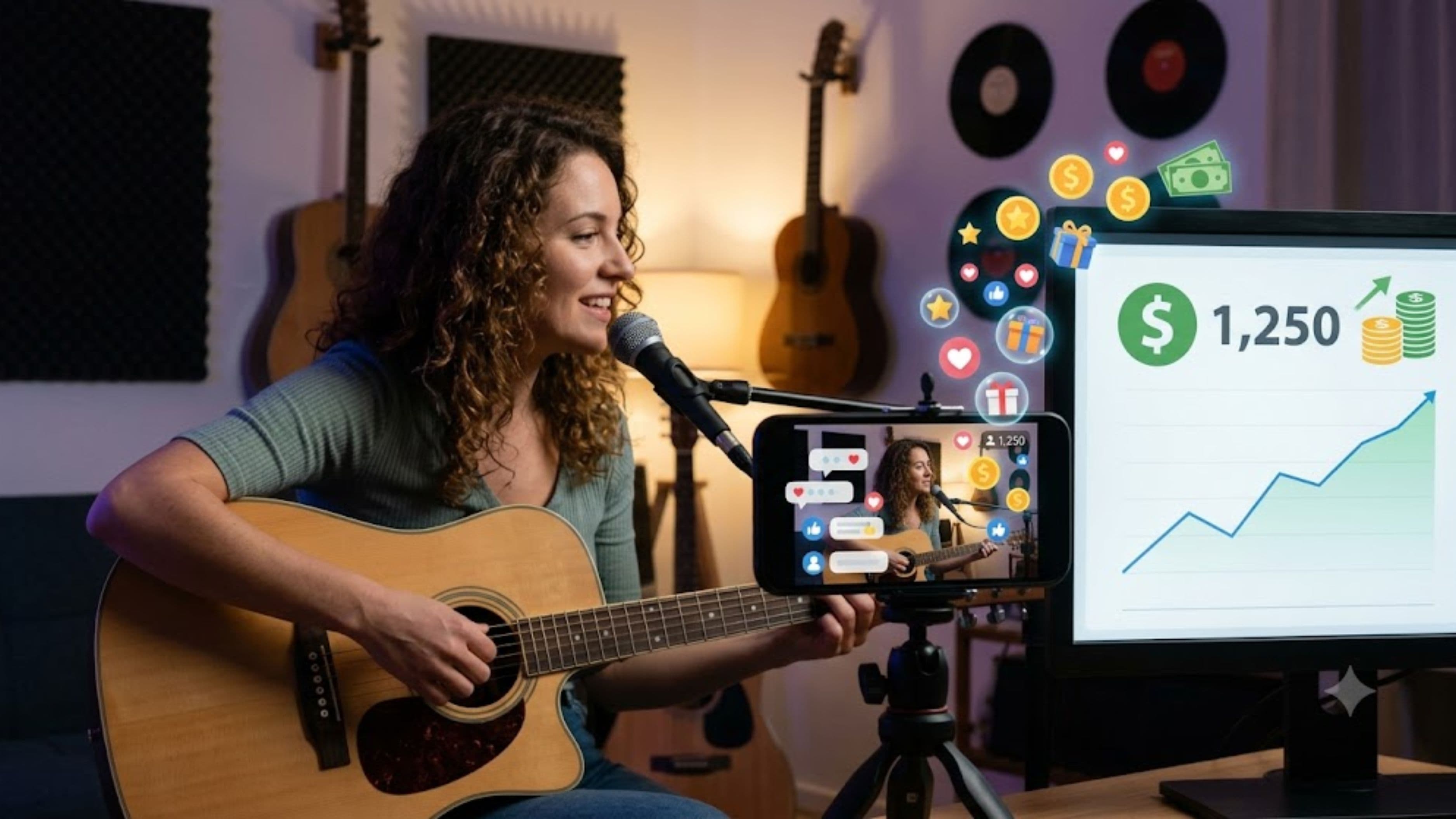
A live stream with a thousand passive viewers and a live stream with a hundred deeply engaged fans can generate wildly different revenue outcomes, even though the smaller audience looks less impressive on paper. Engagement, not raw viewer count, is increasingly what determines whether a live stream actually translates into meaningful income for an independent artist or creator. Understanding why – and how to actually build that engagement – matters a lot more than chasing bigger but passive audiences.
How Independent Artists Are Monetizing Beyond Streaming Revenue
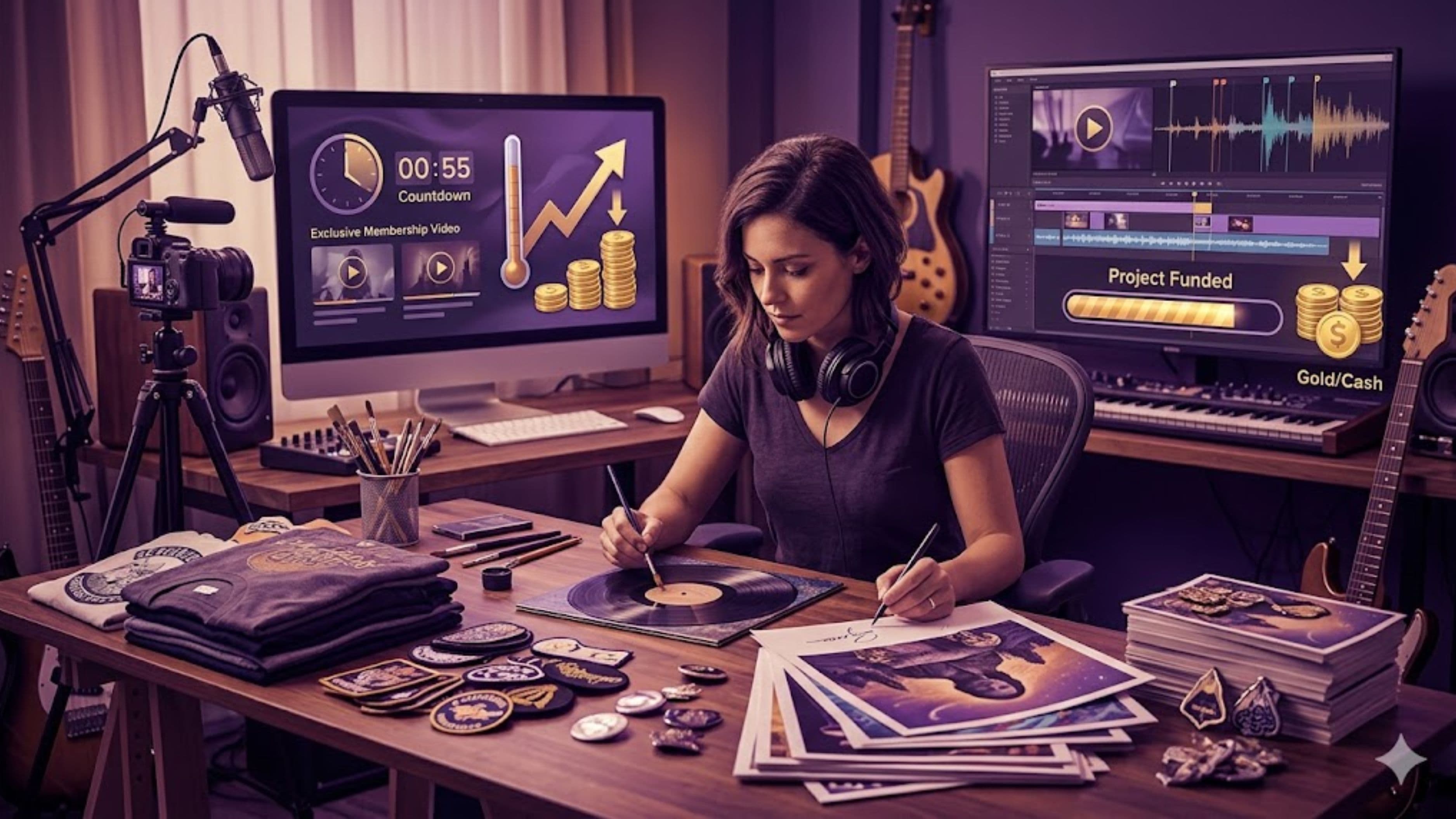
If you've looked at your streaming payout recently and felt underwhelmed, you're not misreading it. The per-stream rate on Spotify sits around $0.003–$0.005, which means you need roughly 200,000–300,000 streams just to earn $1,000. For most independent artists, streaming alone isn't a business model — it's a discovery channel. The artists building real income have figured out that streaming is where people find you, not where you get paid.
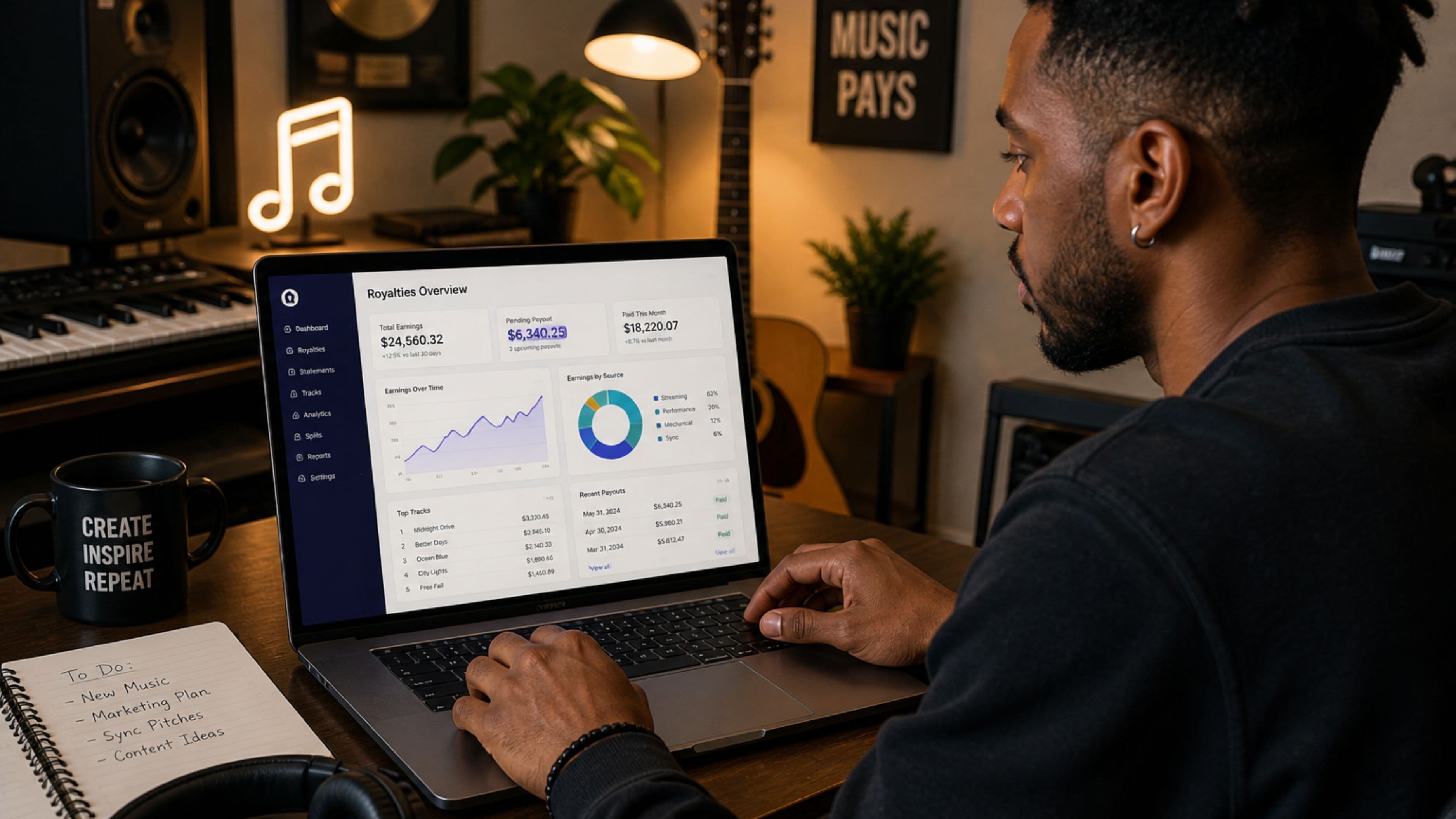
How Music Royalty Management Tools Are Simplifying Artist Revenue
Most independent artists know they're owed money they haven't received. The streaming economy generates royalties across dozens of platforms, rights categories, and territories – and collecting all of it requires navigating a system that was designed for major labels with dedicated rights management departments, not solo artists releasing music from a home studio. The result, for most independents, is a slow leak of unclaimed income that quietly accumulates in the background while they focus on making music.
How Producers Are Selling Beats Directly to Artists in 2026
Not long ago, a producer who wasn't connected to a major label or a prominent studio had limited options. You could cold-email artists, hope someone heard your SoundCloud, or grind through a middleman marketplace and watch your royalty split shrink. That model has been quietly collapsing for the past few years, and in 2026, the direct-to-artist beat economy looks genuinely different – more infrastructure, more control, and for producers who've figured it out, meaningfully better income.
How Sample Pack Subscriptions Became a Sustainable Business for Producers
Ten years ago, if you made sample packs, you uploaded them to Loopmasters or a similar marketplace, took a revenue share, and hoped people found your work. Income was unpredictable, discoverability was limited, and building a real business around sounds was genuinely difficult. That model still exists, but something shifted. Sample pack subscriptions — platforms where producers pay monthly for access to curated libraries — quietly became one of the more reliable income streams in the modern music production ecosystem. Here's how it happened and what it means for producers thinking about this space now.

How Super Fans Drive Disproportionate Revenue for Independent Artists
Most independent artists focus heavily on growing total follower and listener counts, treating audience size as the primary metric that determines financial success. But a closer look at how independent artists actually generate sustainable income reveals something different: a relatively small segment of deeply engaged fans typically accounts for a disproportionately large share of total revenue, far beyond what their numbers alone would suggest.
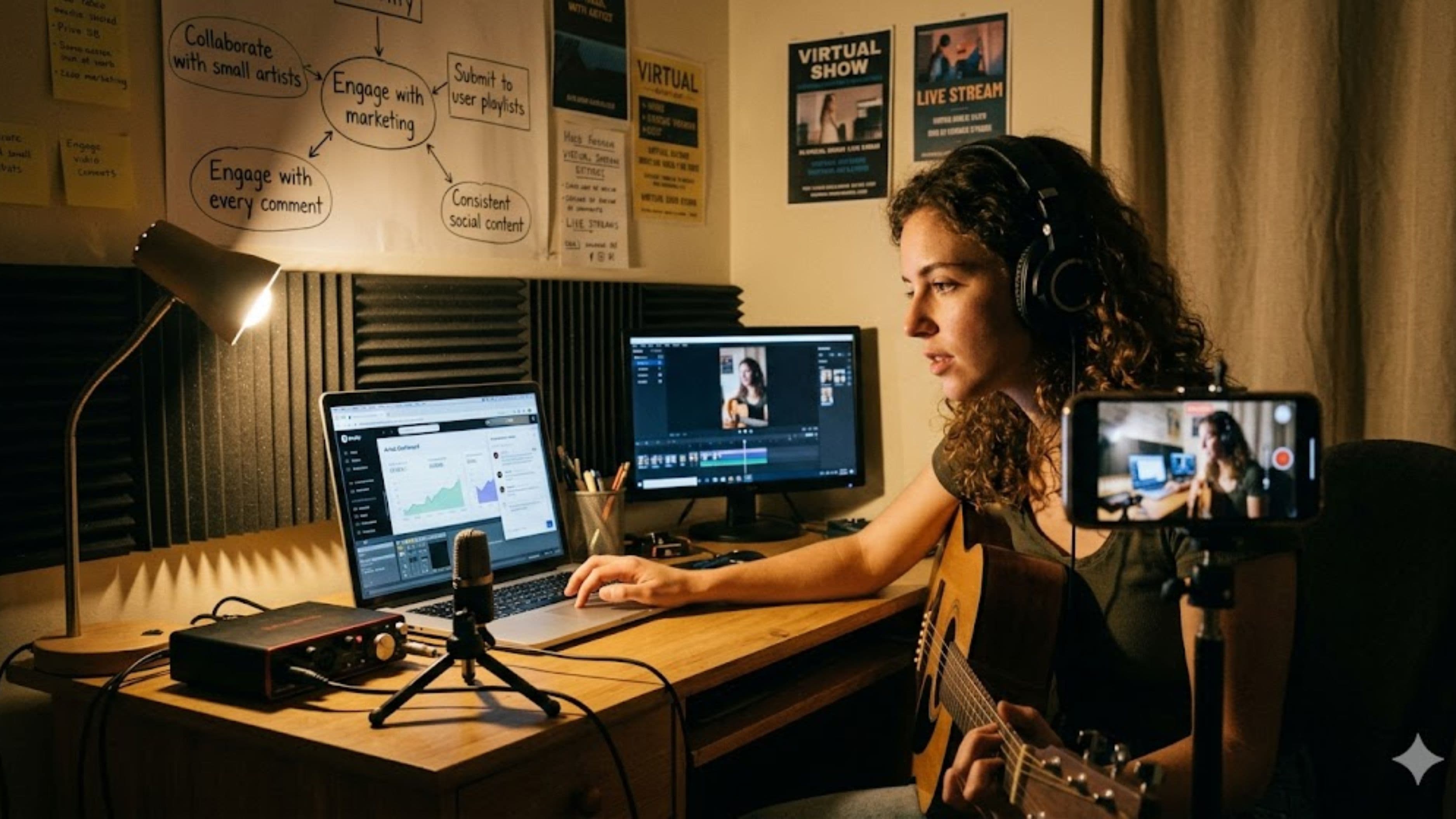
How to Build a Fanbase on Streaming Platforms Without a Marketing Budget
Most articles about growing on streaming platforms assume you have money to spend – on playlist pitching services, paid ads, PR campaigns, and promotional pushes. The reality for the majority of independent artists is that the budget is close to zero, especially at the start. The good news is that the artists who build lasting fanbases on streaming platforms aren't usually the ones who outspent everyone else. They're the ones who understood how the platforms actually work and put consistent effort in the right places.
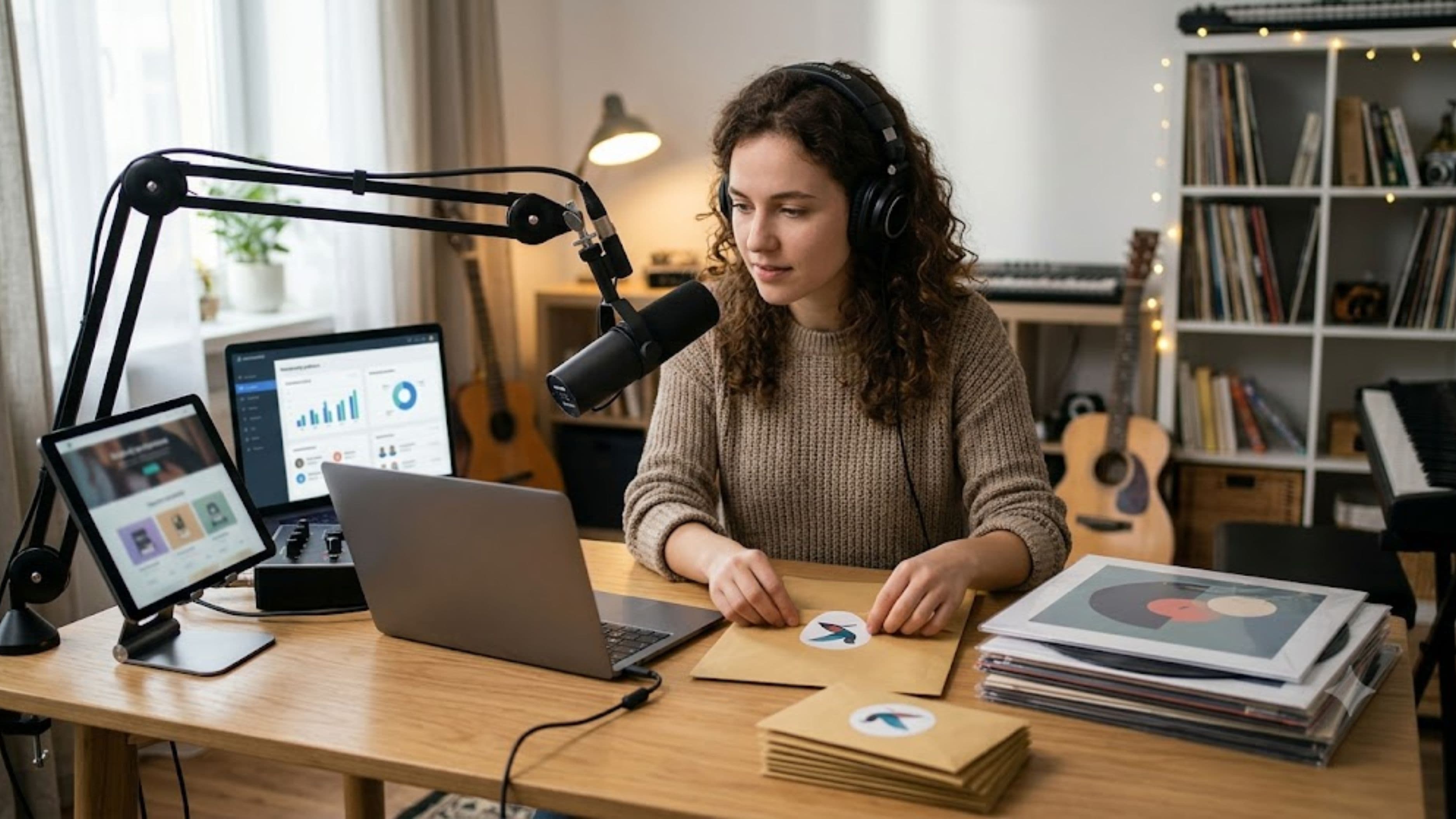
How to Create a Recurring Revenue Stream As an Independent Artist
Streaming payouts alone rarely add up to a living for most independent artists, and chasing one-off sales – a single, a merch drop, a show – means starting from zero every month. Recurring revenue changes that math entirely. Instead of earning once per release, you build something that pays you consistently, month after month, from the same core group of supporters.

How to Negotiate a Sync License Deal As an Independent Artist
Sync licensing is one of the few revenue streams in music that can pay significantly – sometimes thousands of dollars for a single placement – and it's more accessible to independent artists than most people realize. But getting the placement is only half the deal. What you actually sign and agree to determines how much you earn, what rights you give away, and whether that one license turns into ongoing income or a one-time payment you never see again.
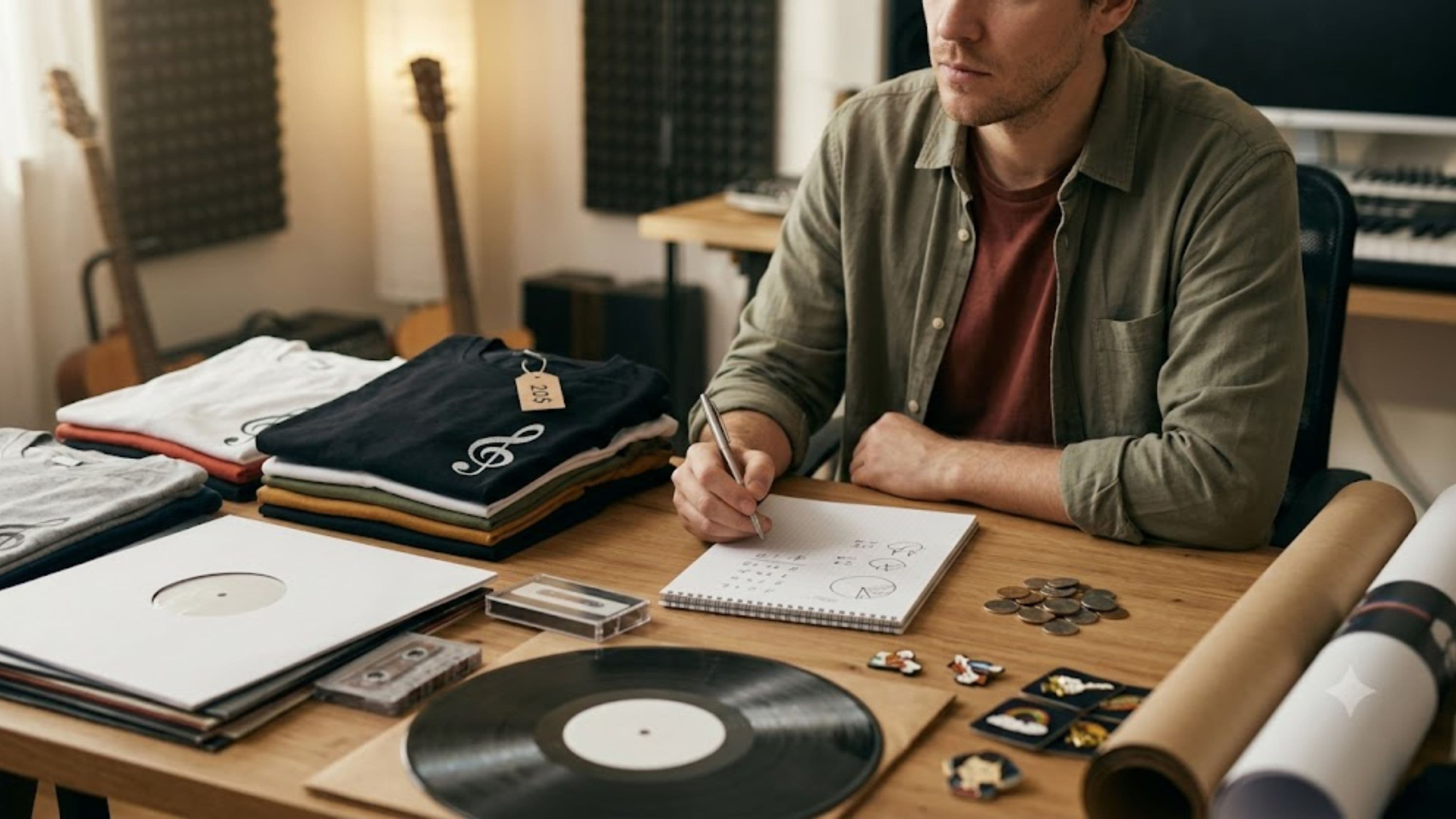
How to Price Your Music Merch: a Practical Guide for Independent Artists
Most independent artists underprice their merch. Not by a little – by a lot. They look at what a blank t-shirt costs at a retail store, tack on a few dollars, and call it a day. The result is a product that barely covers its own costs, trains fans to expect cheap prices, and leaves significant revenue on the table that could be funding the next record, tour, or studio session.
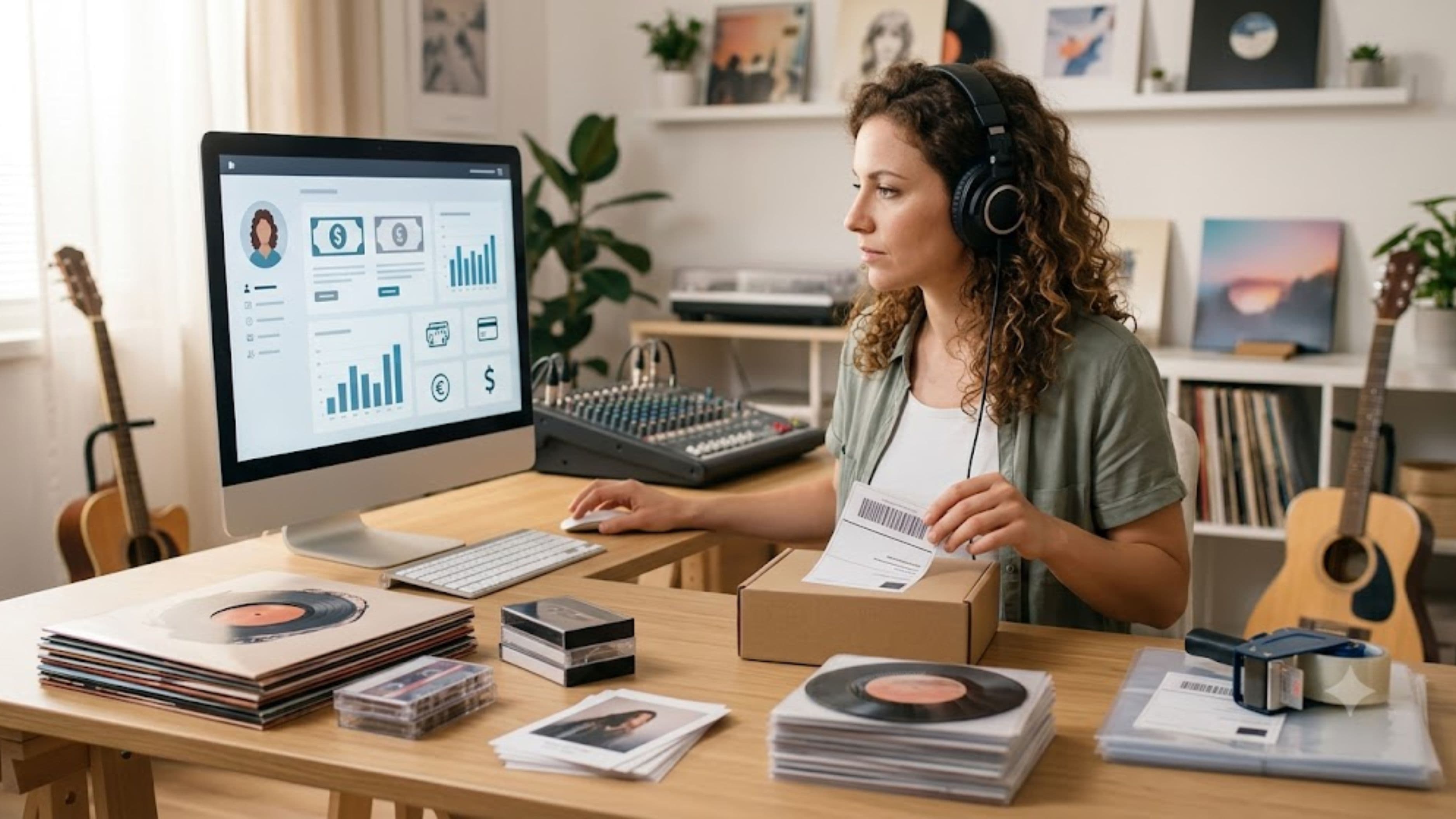
How to Sell Your Music Without a Distributor Using Direct Platforms
Distributors have long been the default path to getting music onto streaming platforms, taking a cut of revenue or an upfront fee in exchange for handling the technical side of getting your tracks live. But a growing number of direct-to-fan platforms are letting artists sell music straight to listeners, no distributor middleman required, and keeping a much larger share of what fans actually pay.
How to Set Up a Patreon As a Music Creator and Make It Work
Plenty of independent artists set up a Patreon page, post a few updates, and quietly watch it sit at three or four patrons for months before giving up on the idea entirely. The platform itself isn't the problem – the way most musicians approach it is. Getting Patreon to actually work as a music creator requires a genuinely different setup than what works for a podcaster or a visual artist, and getting that structure right from the start matters more than most people realize.
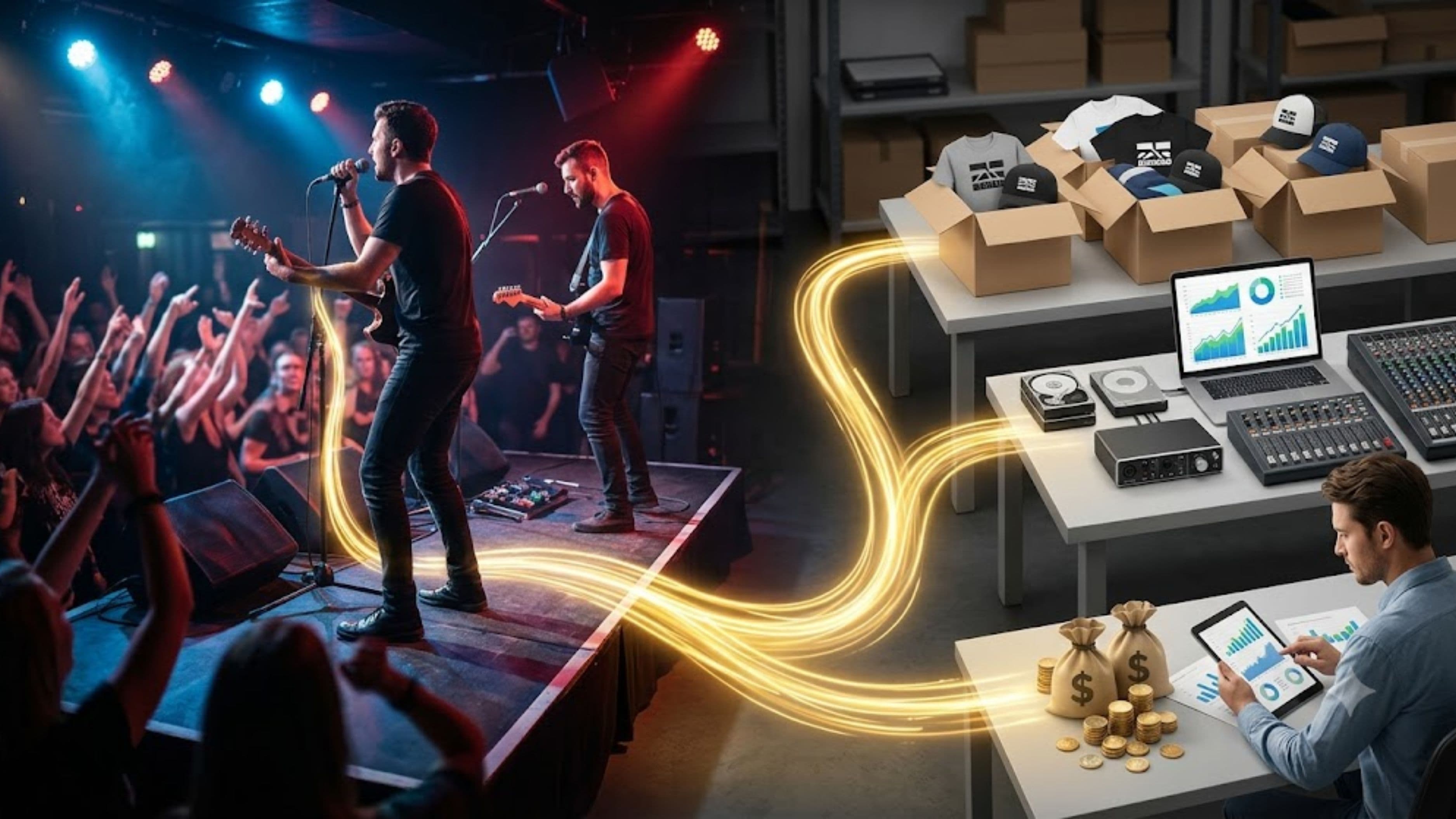
How to Turn Live Show Revenue Into a Scalable Income Stream
A great show and a full room feel like success, but for a lot of independent artists, that income disappears the moment the tour ends, leaving them starting from zero again for the next run of dates. Live performance income doesn't have to work that way. With the right structure around it, the same shows that already sell out or draw a solid crowd can start feeding income streams that keep generating after the lights go down.

How to Use Playlist Pitching Services Without Wasting Money
Playlist pitching services promise the thing every independent artist wants – real placement on playlists that could put your song in front of thousands of new listeners. Some of these services deliver genuine value. A meaningful number don't, and separating the two before spending your limited marketing budget matters more than most artists realize until after they've already paid for a service that didn't work.
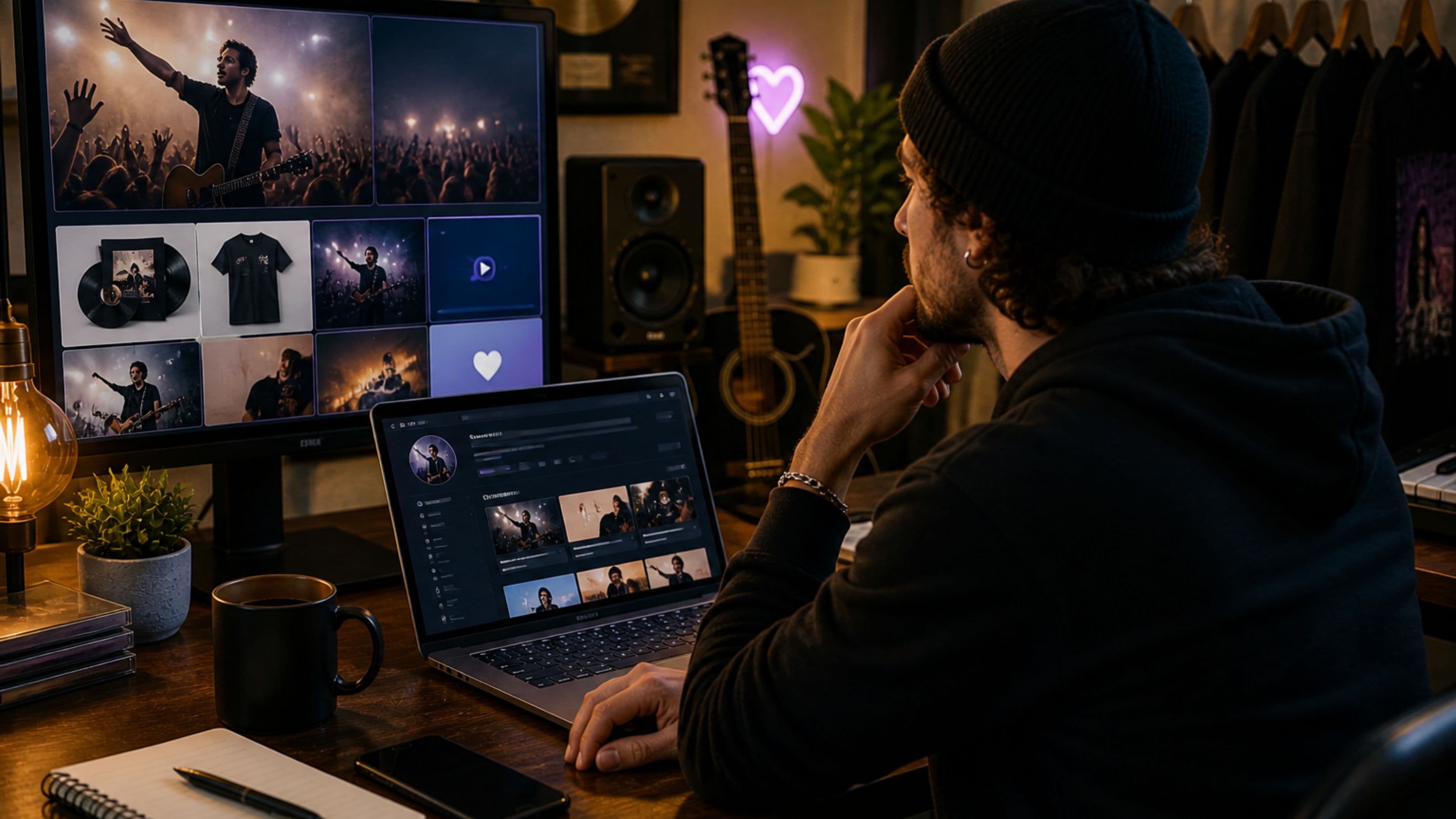
The Best Direct-To-Fan Platforms for Independent Artists in 2026
Streaming pays fractions of a cent per play. Social media reach is increasingly throttled. Label deals, for most artists, aren't on the table. The artists building sustainable careers in 2026 are the ones who've figured out how to monetize their audience directly – without a platform taking the majority of the revenue or an algorithm deciding who sees their work.
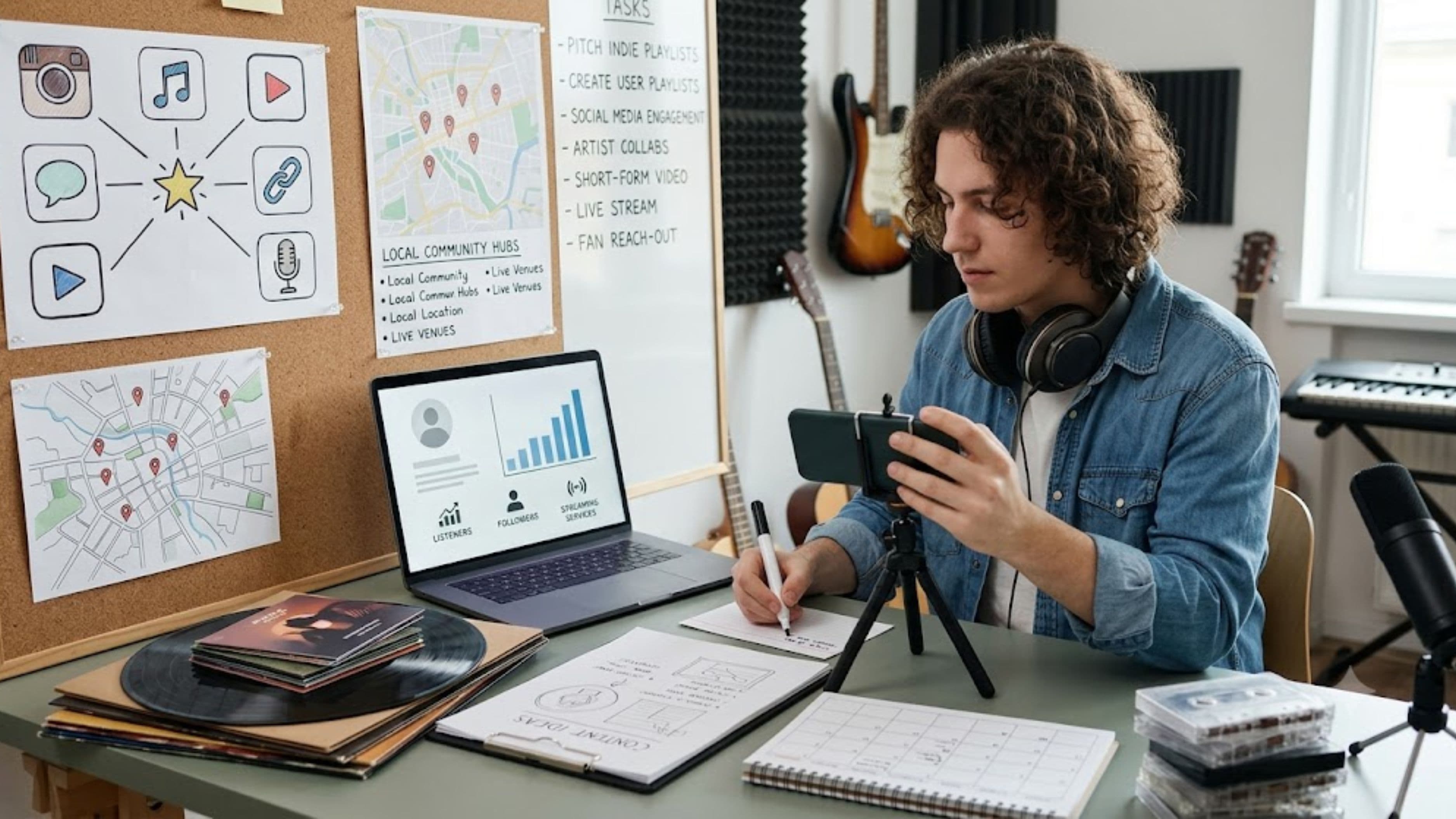
The Best Ways to Grow Your Monthly Listeners Without Paid Ads
Not every artist has a marketing budget for paid ads, and honestly, a lot of paid growth strategies produce inflated numbers that don't translate into a genuinely engaged audience anyway. Organic growth takes longer, but the listeners you build this way tend to stick around and actually engage with new releases, rather than disappearing the moment ad spend stops. Here's what actually moves the needle without spending on advertising.

The Real Cost of Running Your Music Career As a Business
Most artists think about their music career in creative terms. The business side gets treated as a separate, optional layer – something you deal with when the money gets serious. That's exactly backwards. The moment you release music, register for streaming, or accept payment for a gig, you're operating a business whether you've set it up that way or not. The question isn't whether you'll have costs – it's whether you know what they are and whether you're managing them, or whether they're quietly managing you.
The Real Numbers Behind Streaming Royalties in 2026
Plenty of independent artists set up a Patreon page, post a few updates, and quietly watch it sit at three or four patrons for months before giving up on the idea entirely. The platform itself isn't the problem – the way most musicians approach it is. Getting Patreon to actually work as a music creator requires a genuinely different setup than what works for a podcaster or a visual artist, and getting that structure right from the start matters more than most people realize.
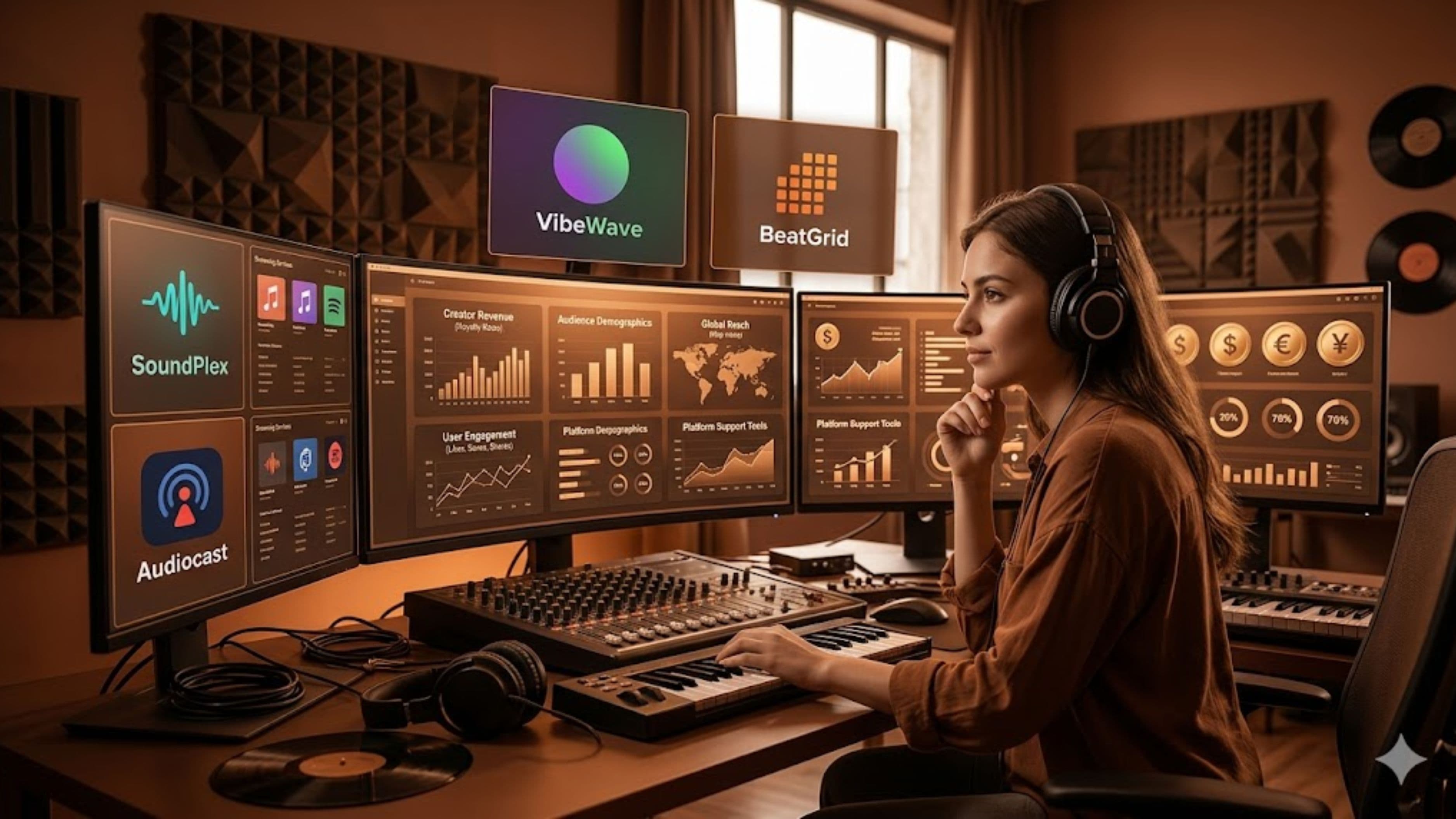
The Streaming Service Comparison Every Music Creator Should Read
If you're an independent artist trying to figure out where your streams are actually worth something, the numbers you'll find online are often outdated, misleading, or pulled from averages that don't reflect how payouts actually work. Streaming royalties are one of the most talked-about and least understood parts of the modern music business, and the difference between platforms isn't just a few fractions of a cent – it can affect how you prioritize your promotion strategy, how you structure your releases, and where you push your audience to listen.

What Artist Marketing Tools Are Actually Worth Paying For
The music marketing tool space has exploded. There are platforms for streaming analytics, playlist pitching, email marketing, social scheduling, fan engagement, link-in-bio, sync licensing, and a dozen other slices of an independent artist's life. Most of them want a monthly subscription. Some of them are genuinely useful. A lot of them aren't — at least not at the stage most independent artists are at when they first discover them.
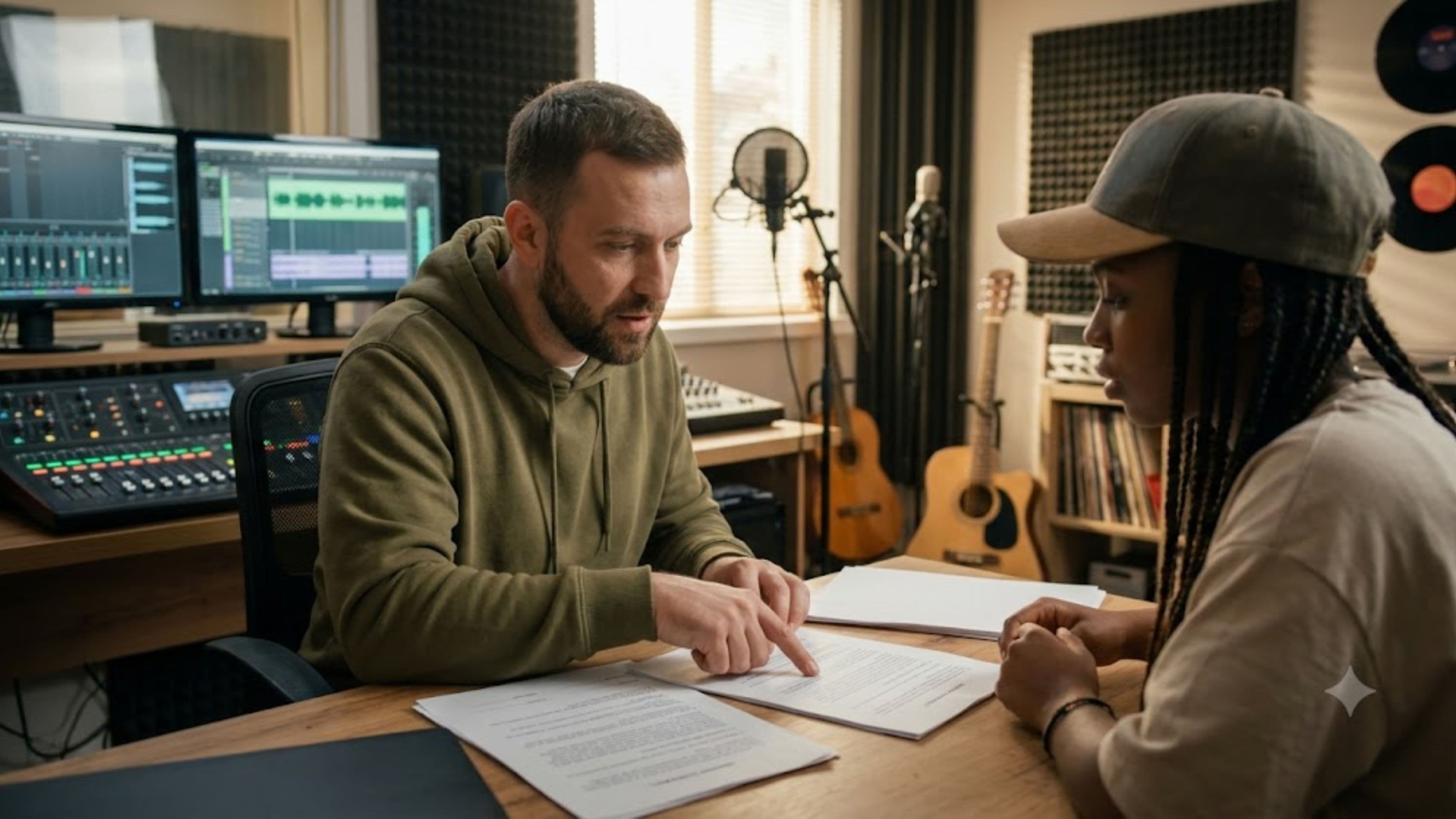
What Every Producer Should Know About Beat Licensing Agreements
Selling beats online has become one of the more accessible ways for producers to generate income, but a lot of that income potential gets lost or complicated when producers don't fully understand what they're actually agreeing to in a licensing contract. Whether you're selling your first beat or you've been at it for years, understanding licensing terms matters just as much as making good music.
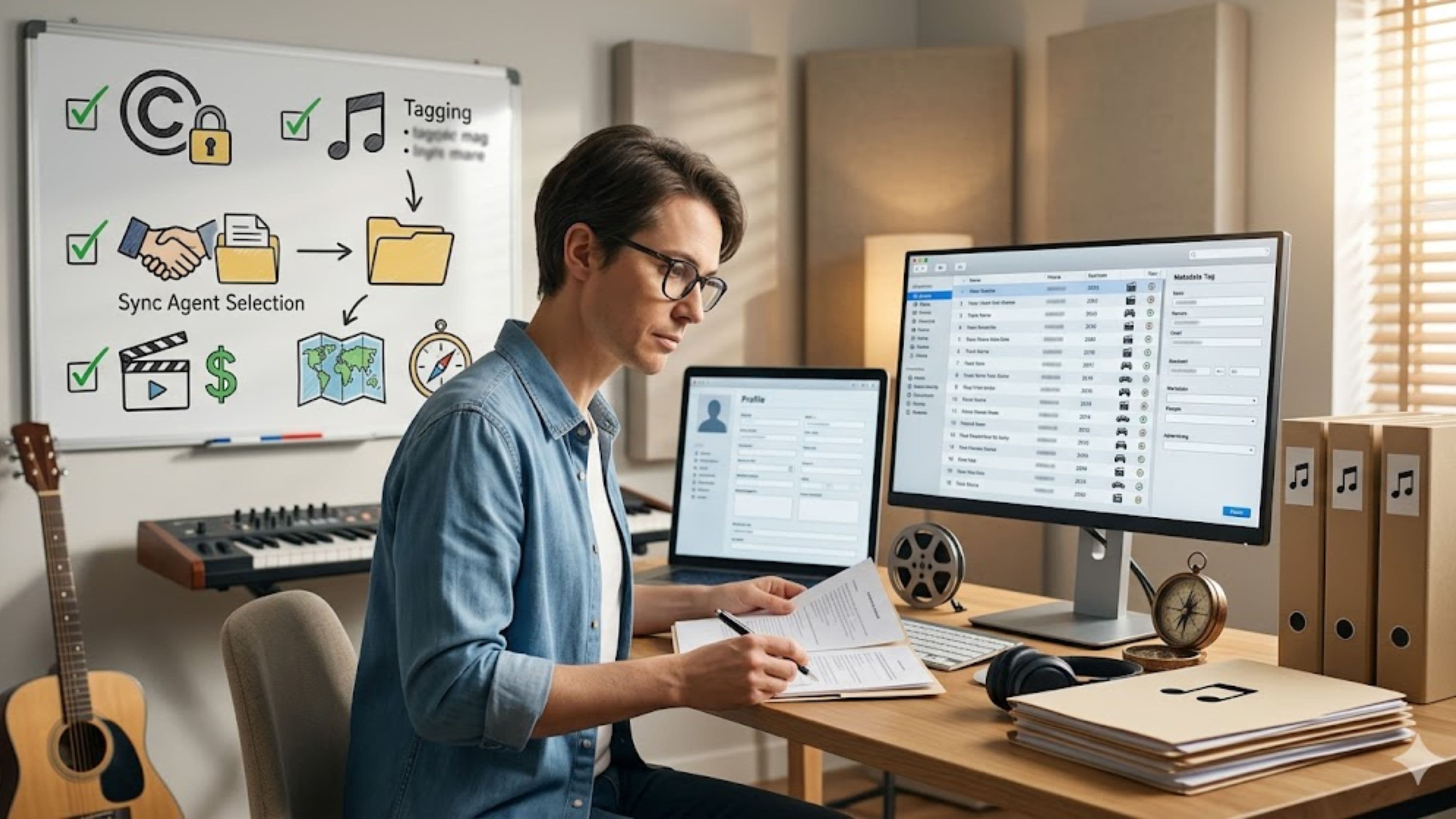
What Licensing Your Music Actually Means—and How to Start
Most independent artists know licensing is something they should care about, but the mechanics stay murky until someone actually sends an inquiry – and by then, it's already late to be learning the basics. The good news is that music licensing isn't as complicated as the industry sometimes makes it sound. Once you understand what you actually own, how licensing works, and where to start, it becomes a practical revenue path rather than a vague concept.
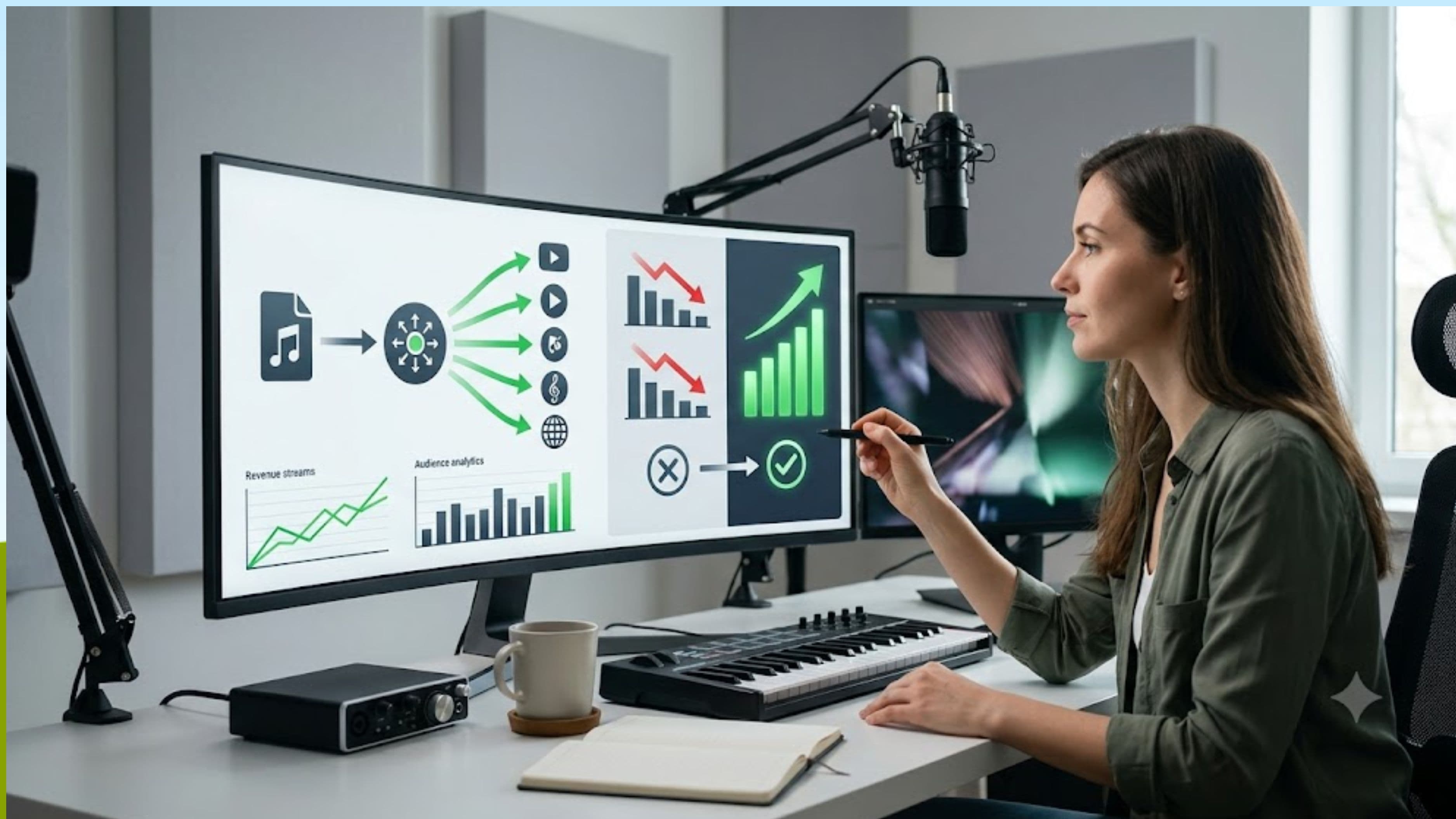
What Music Distributors Actually Do—and When to Switch Them
Most independent artists sign up for a music distributor early on without fully understanding what they've agreed to. You upload a track, hit submit, and a few days later it's on Spotify. That part feels clear enough. What's less clear is what the distributor is actually doing behind the scenes, what they're keeping from your royalties, and whether the platform you started with is still the right one now that you've grown.
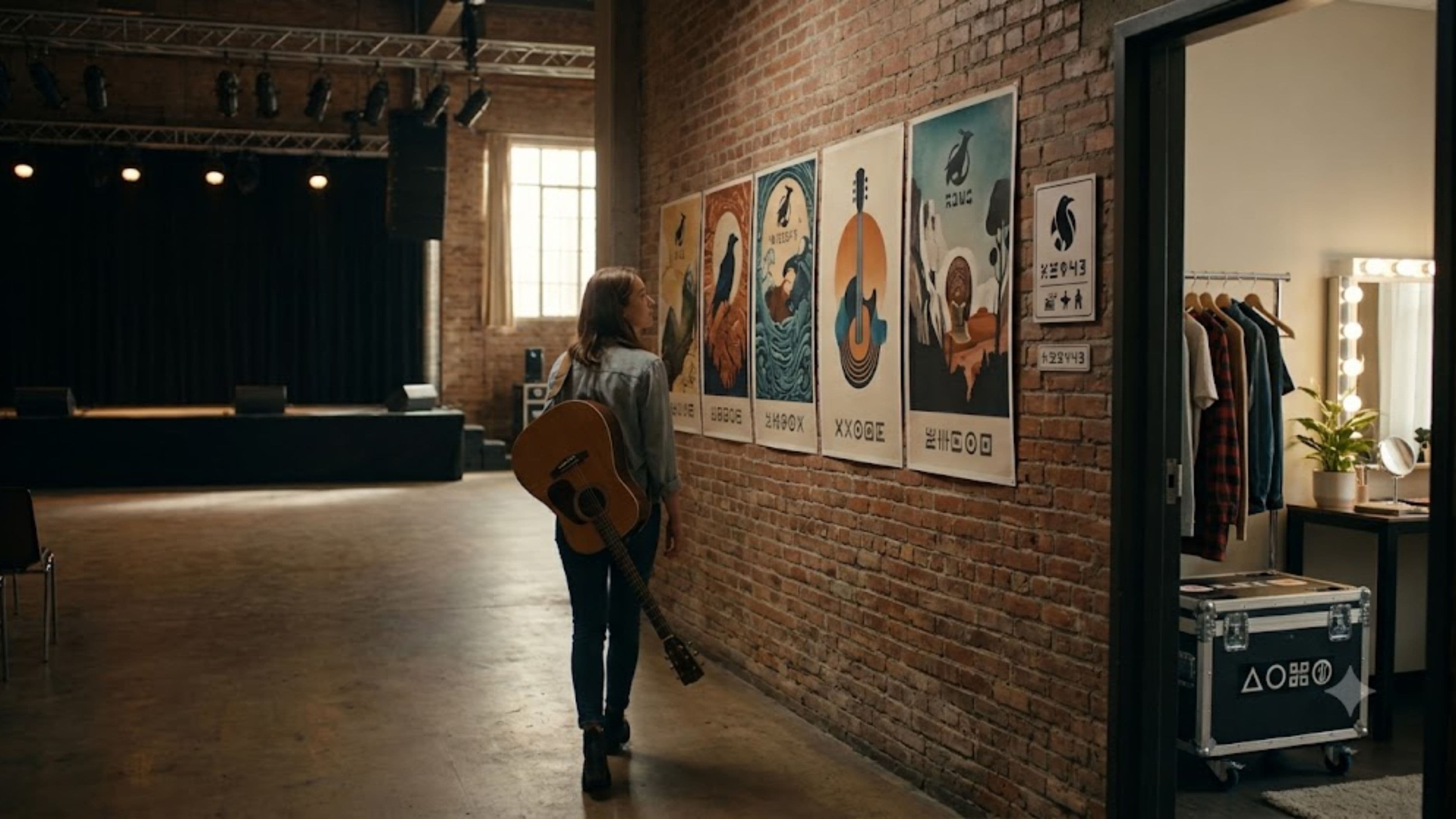
What Residency Deals Actually Mean for an Independent Artist
Residency deals have become one of the more talked-about opportunities in the live music world, largely thanks to high-profile examples in cities like Las Vegas, but the concept has quietly trickled down into smaller venues and markets in ways that are actually relevant to independent artists building a touring career. Understanding what these deals really involve – beyond just "playing the same venue repeatedly" – helps you evaluate whether one makes sense for where you are in your career.
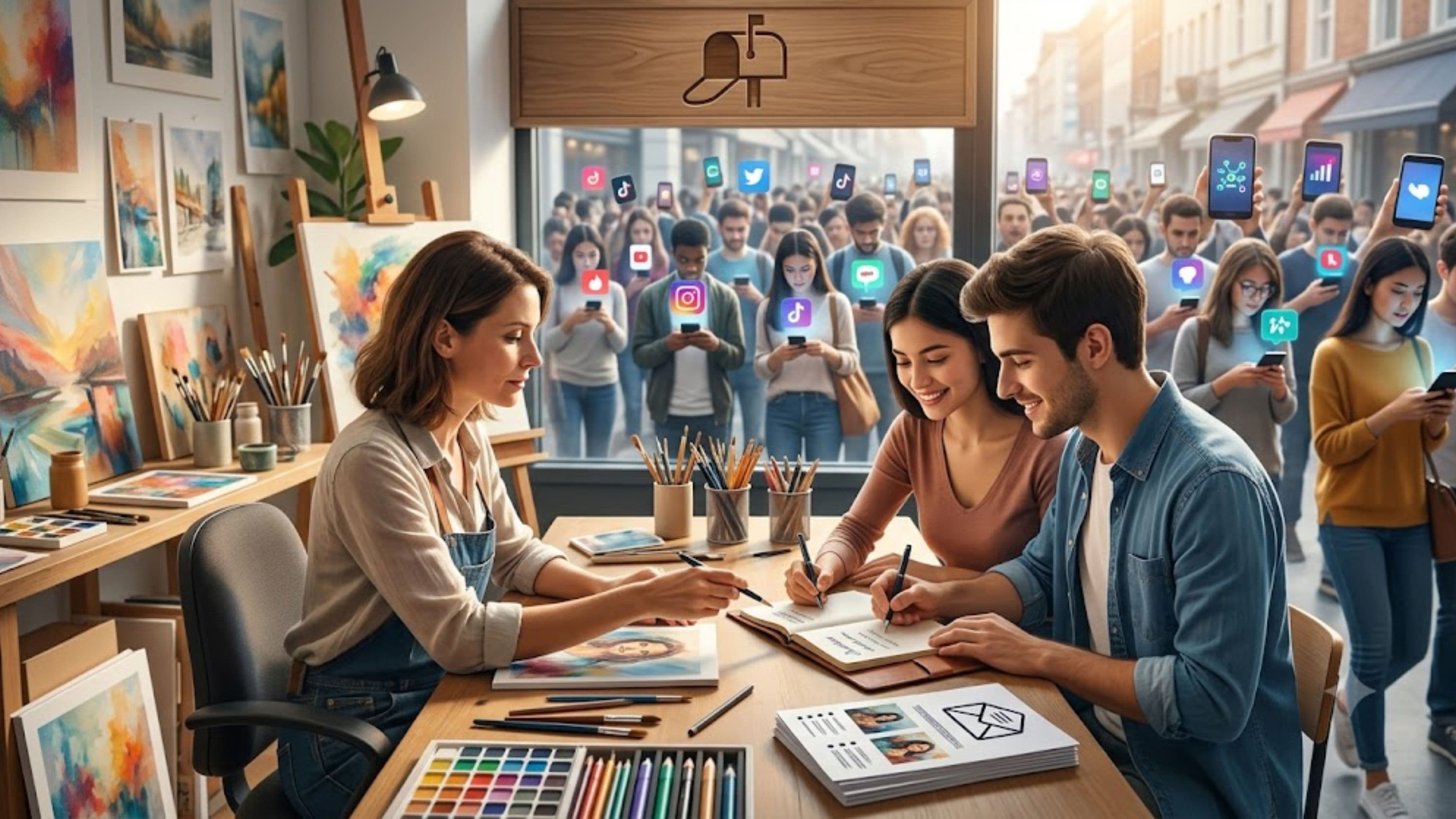
Why Building an Email List Is Still the Smartest Move for Artists
It's easy to assume email is a relic in an era of algorithm-driven discovery and instant social media reach, but for independent artists specifically, email remains one of the few channels you actually own outright. Every follower on a streaming platform or social app exists at the mercy of an algorithm you don't control and could change overnight. An email list is different, and that difference matters more than it might initially seem.
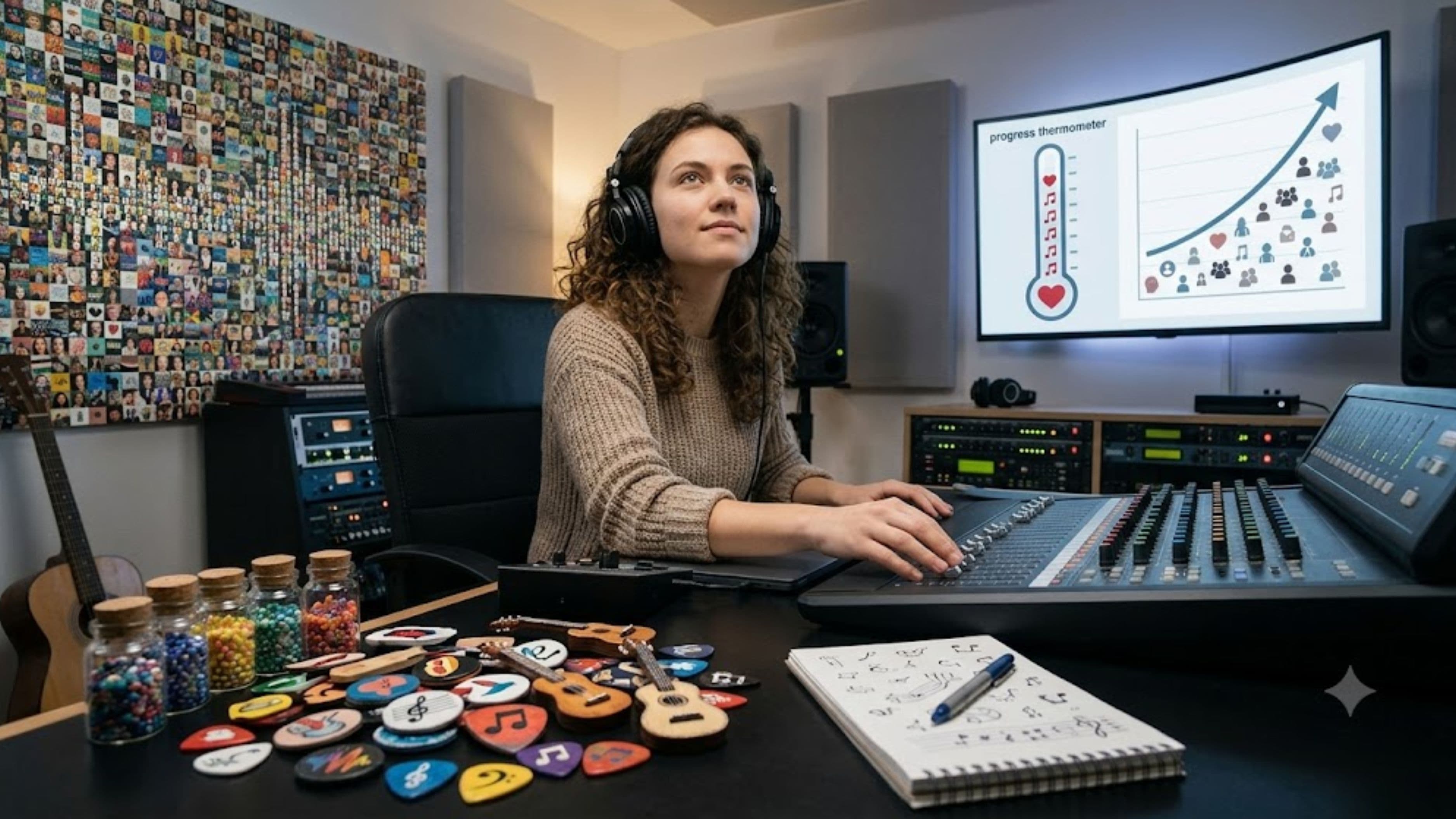
Why Fan-Funded Music Projects Are Gaining Real Traction
A growing number of independent artists are skipping traditional funding routes entirely and turning directly to their fans to finance albums, tours, and music videos before a single stream ever plays. This isn't a fringe experiment anymore – fan-funded music projects have become a legitimate, increasingly common path for artists at every stage of their career, and the reasons behind the shift say a lot about how the music industry itself is changing.

Why More Artists Are Registering Their Own Publishing Company
For most of music history, publishing was something that happened to artists rather than something they controlled. You signed a deal, a publisher administered your catalog, collected your royalties, and took a percentage in exchange for that infrastructure. The arrangement made sense when the infrastructure was genuinely complex and the alternatives were inaccessible to independent artists. That's no longer the case – and a growing number of artists have figured it out.
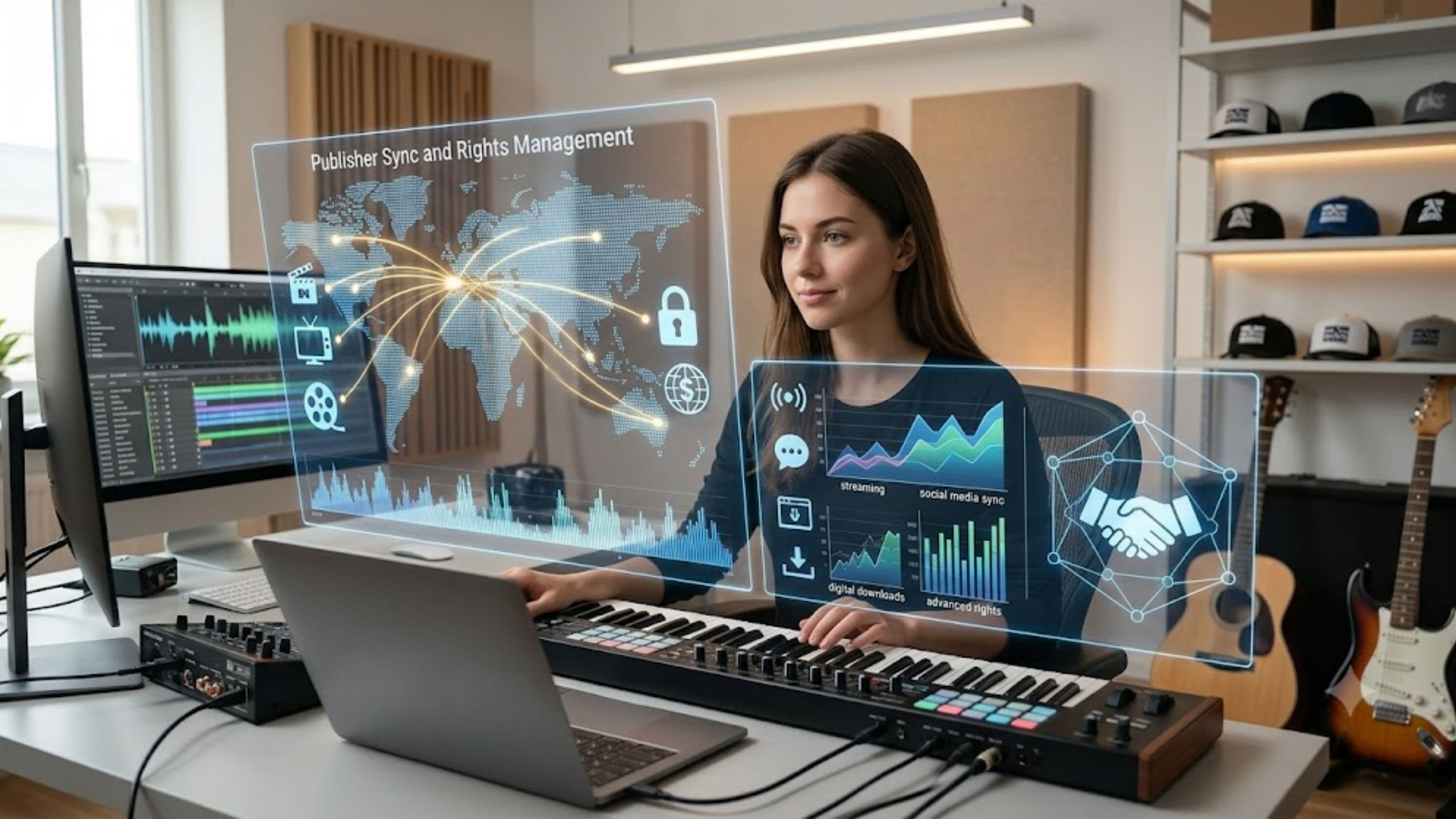
Why More Independent Artists Are Signing Publishing Deals in 2026
For years, the independent artist narrative leaned heavily on doing everything yourself, distribution, marketing, and rights management included, as proof of true creative independence. That narrative is shifting. A growing number of independent artists are signing publishing deals while keeping their master recordings and overall independence intact, treating publishing as a separate, strategic decision rather than something that compromises their independent status at all.
Explore other categories
Same editorial standard, different decisions.

Business
Music rights and cash flow live in licenses, metadata, and fee stacks. This Business Index covers master versus sync licensing, publishing administration, distributor royalty fees, touring travel controls, and the audit practices used when catalogs change hands.
Browse Business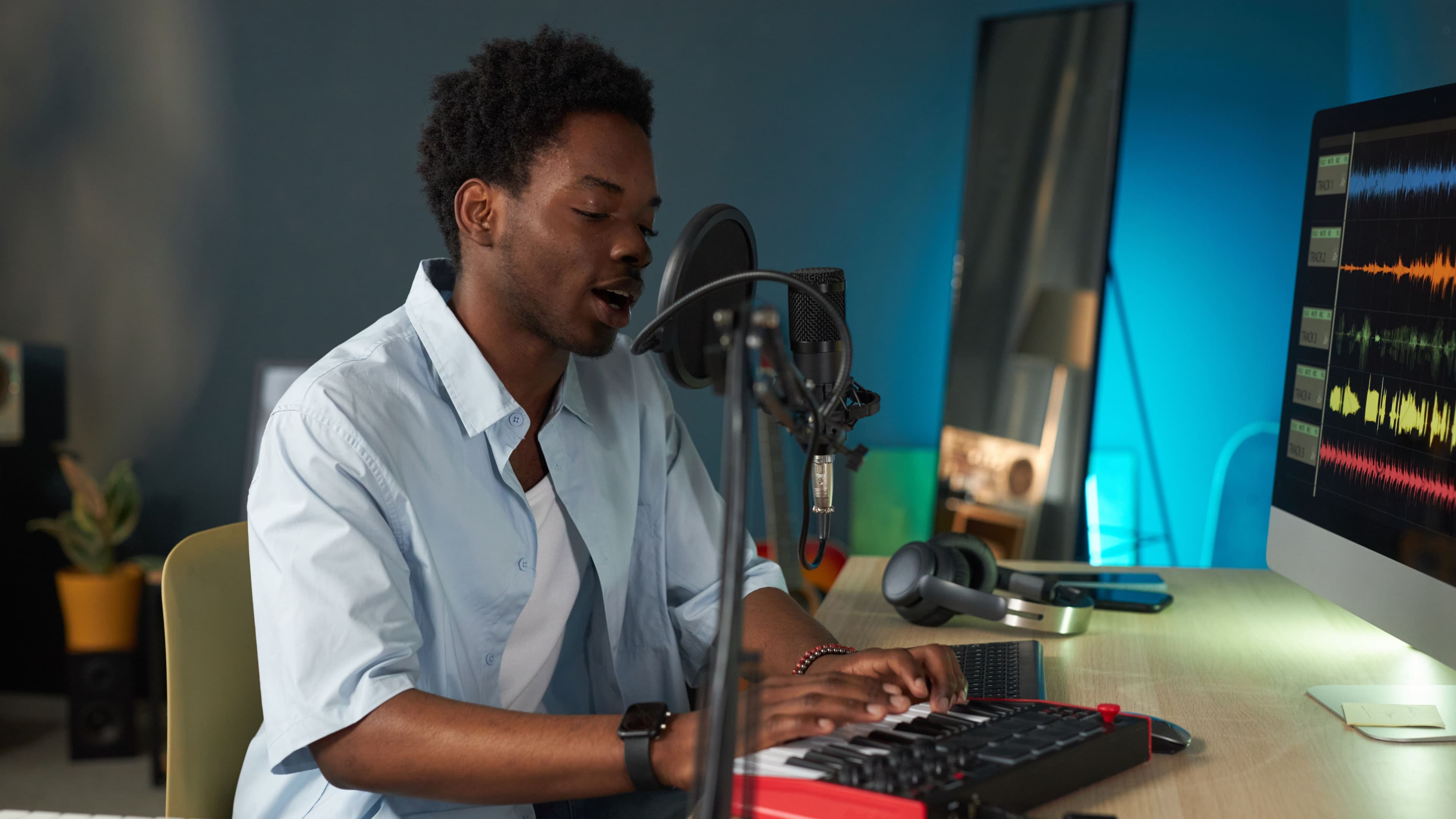
Create Music
Browse Create Music
Live & Perform
Browse Live & Perform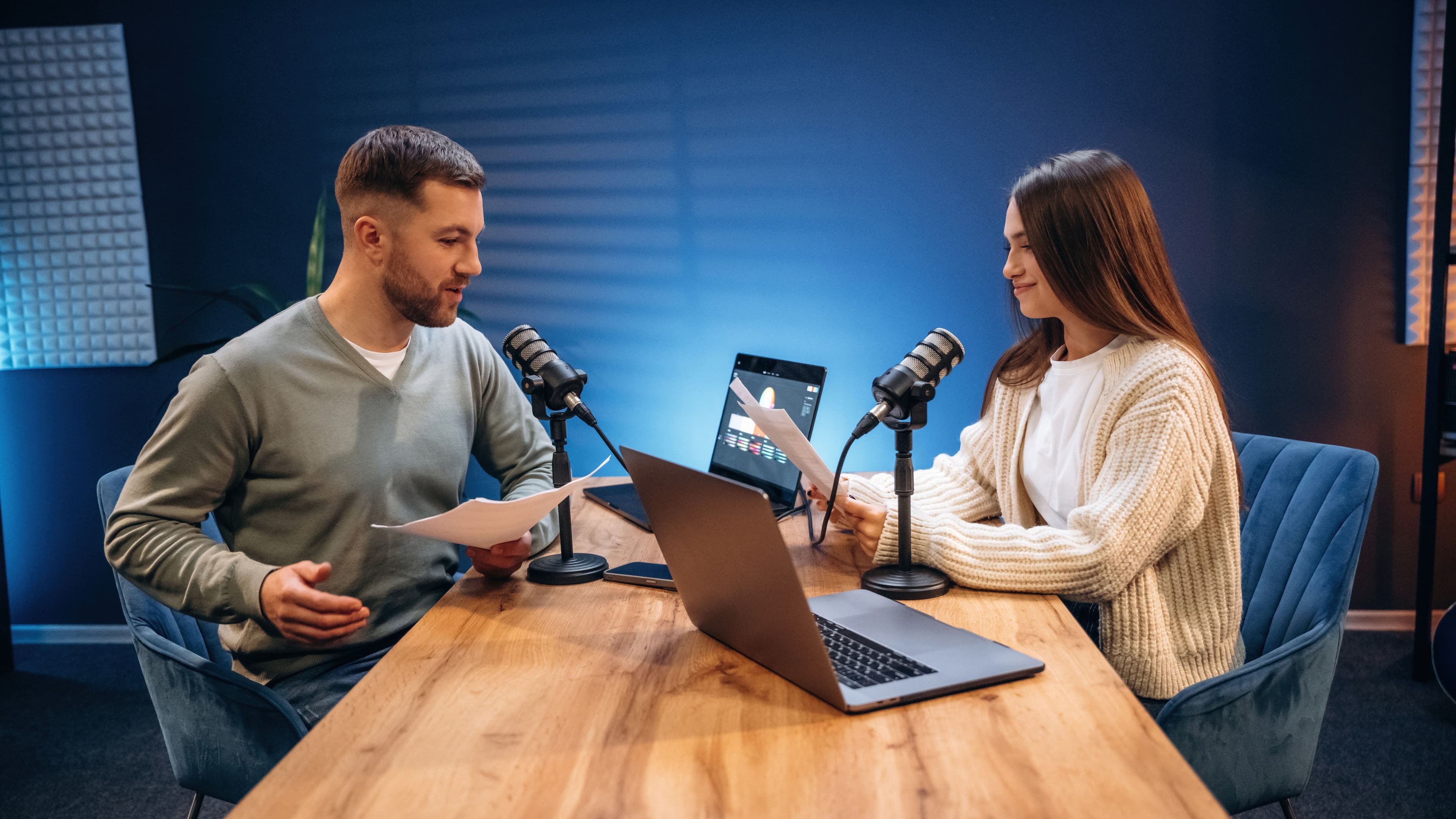
Podcast & Audio
Browse Podcast & Audio
Promote & Grow
Browse Promote & Grow
Streaming
Streaming decides whether a release becomes durable catalog cash flow or a one-week spike. This index explains how DSPs score listener behavior, how save rates and skip timing affect algorithmic playlists, and how royalty pools actually pay out—so campaign spend buys permanence, not vanity numbers.
Browse Streaming
Tech
Release speed depends on two machines working together: the production stack that finishes audio and video, and the paid media stack that finds the first wave of listeners. This Tech Index covers mastering software, creative suites, affiliate programs, and YouTube or Google Ads systems for music campaigns.
Browse Tech