
Create Music
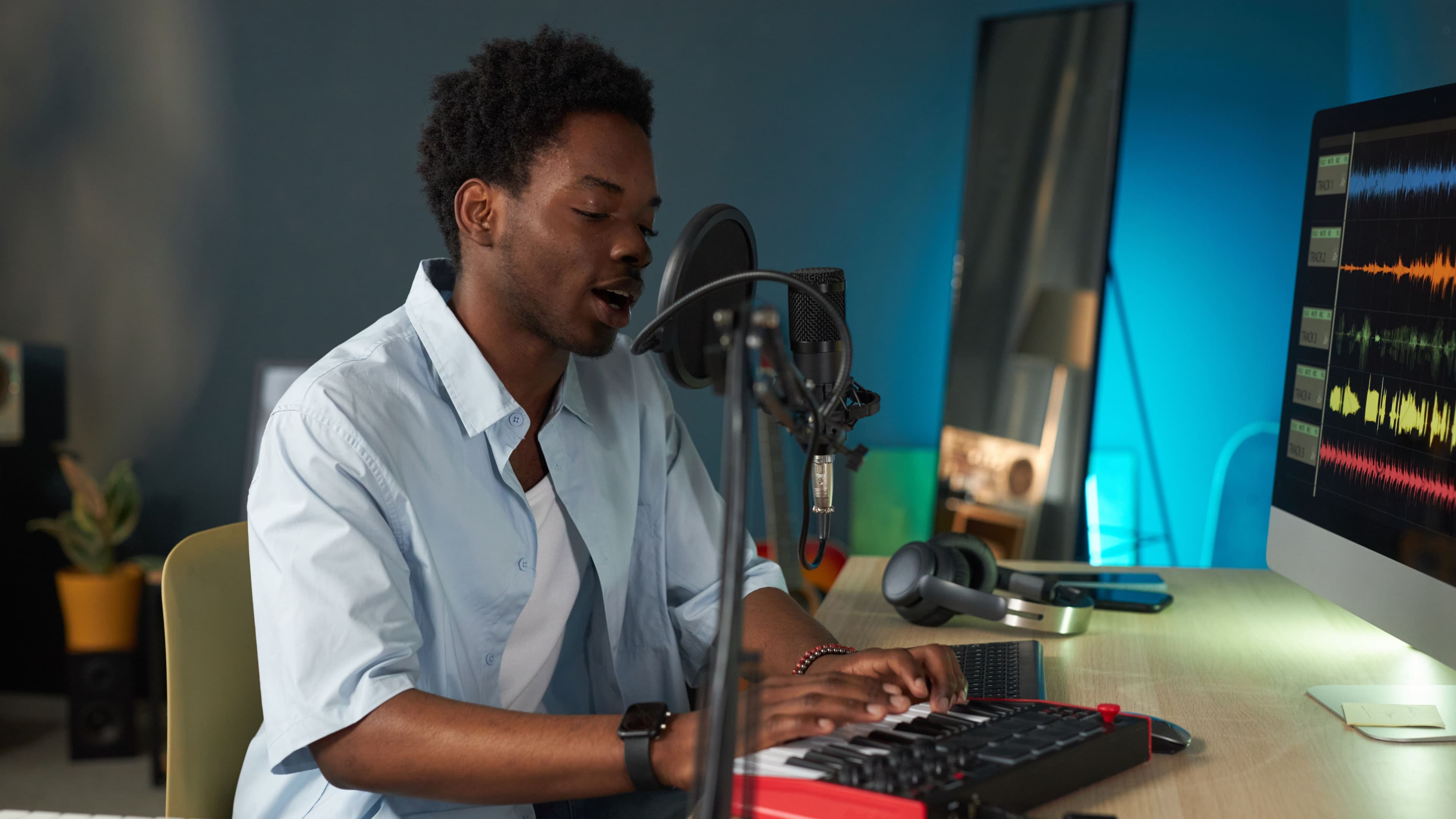
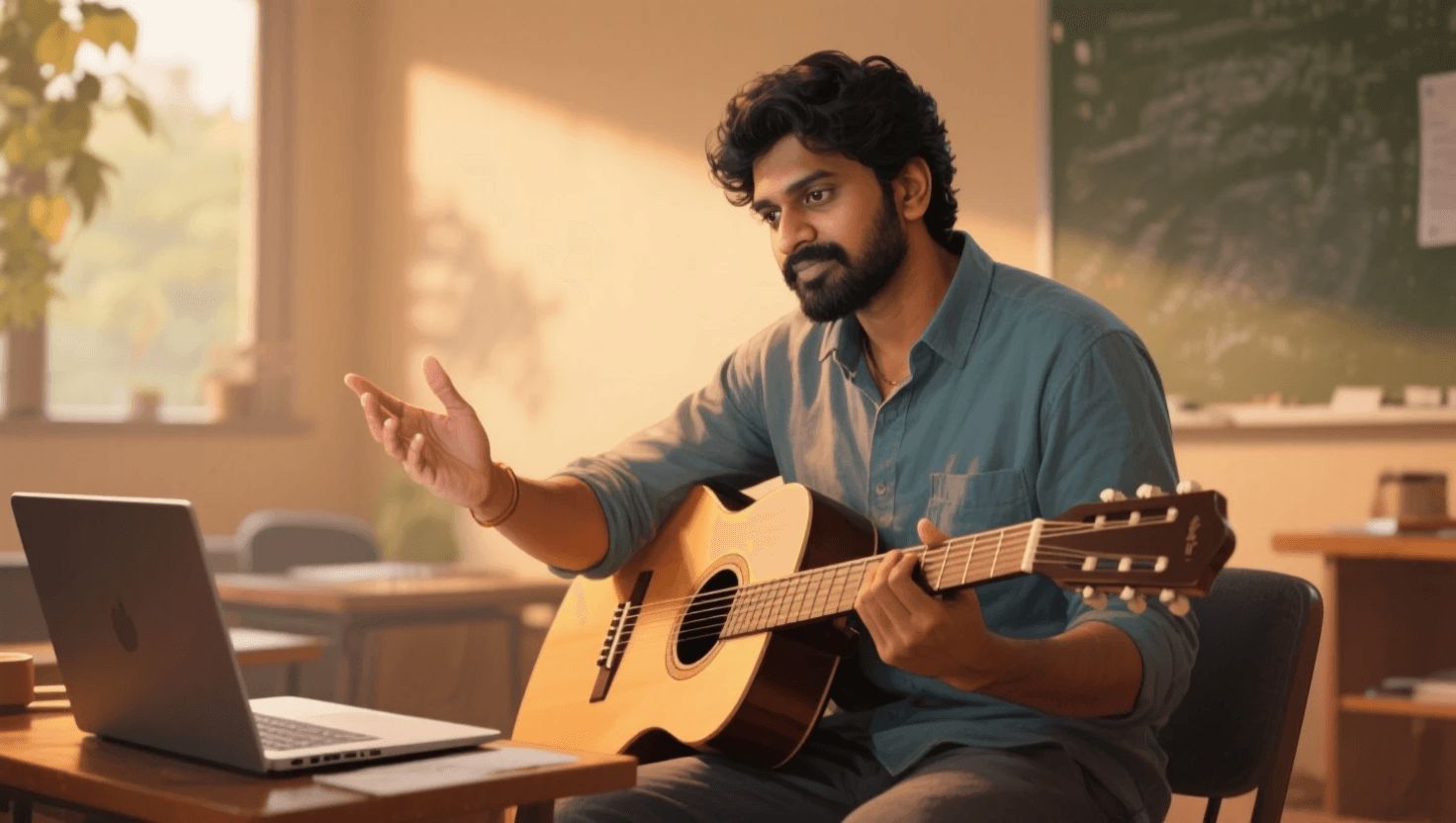
Best Ways to Learn Music: Traditional Lessons Vs. Online Courses
Which learning method is right for you? A practical guide for aspiring musicians. Learning music has never been more accessible. While traditional in-person lessons have long been the standard, the rise of online courses and learning apps has opened the door for flexible, self-paced learning. But with both methods offering unique benefits, how do you decide which one is right for you? This guide compares the key pros and cons of each approach, helping beginners and intermediate players make informed choices based on their goals, schedule, and budget.

Exploring the World of String Instruments: How to Choose the Right One
Understanding the differences between string instruments and finding your perfect match. The string family is known for its expressive tone, emotional range, and rich tradition in both classical and modern music. Whether you're drawn to the soaring melodies of the violin or the deep resonance of the cello, choosing the right string instrument is an important first step in your musical journey. With several options available, it's essential to understand what sets each instrument apart and how to match it to your interests, goals, and physical comfort.
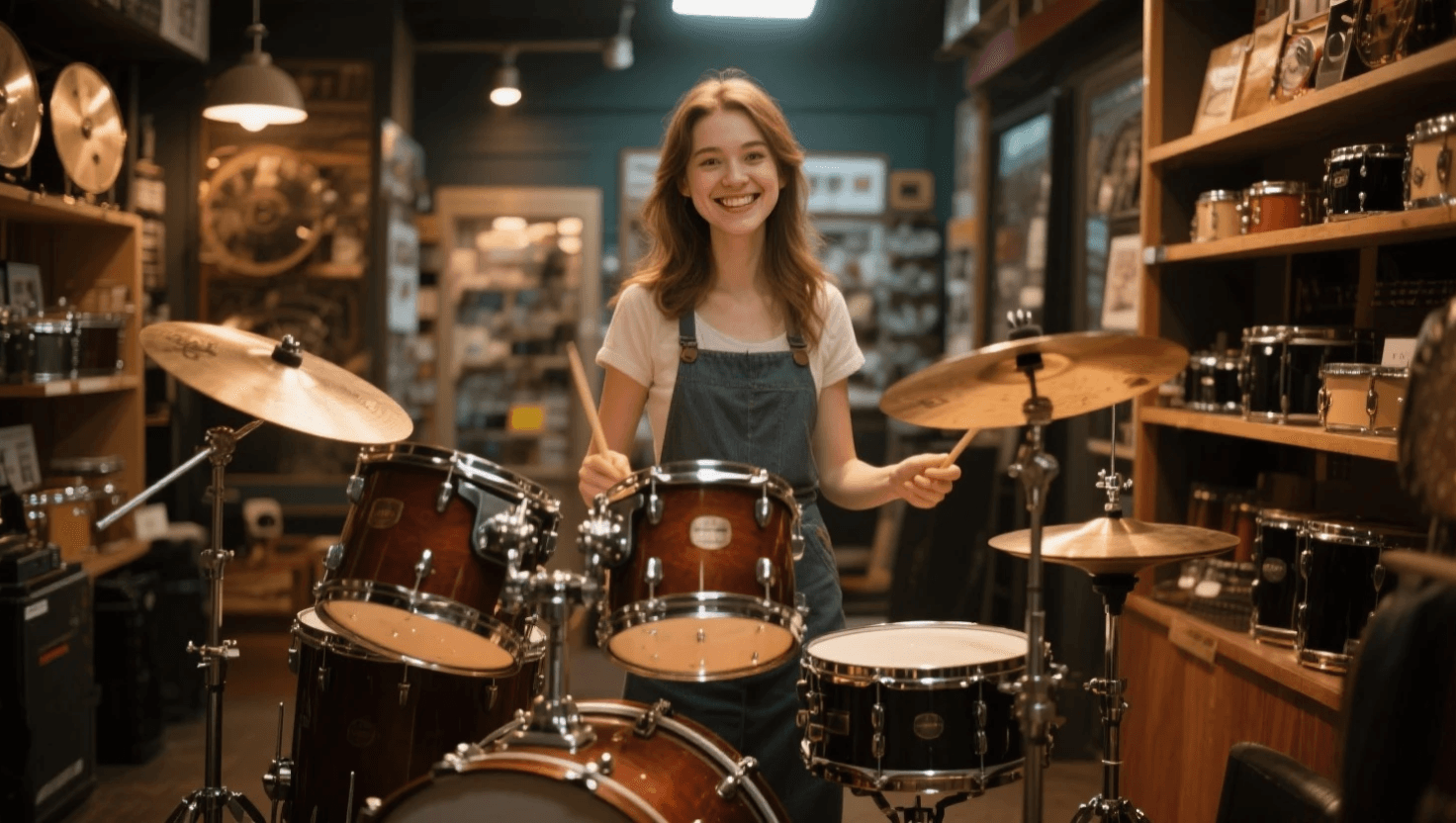
How to Choose the Right Drums: a Comprehensive Guide for Beginners
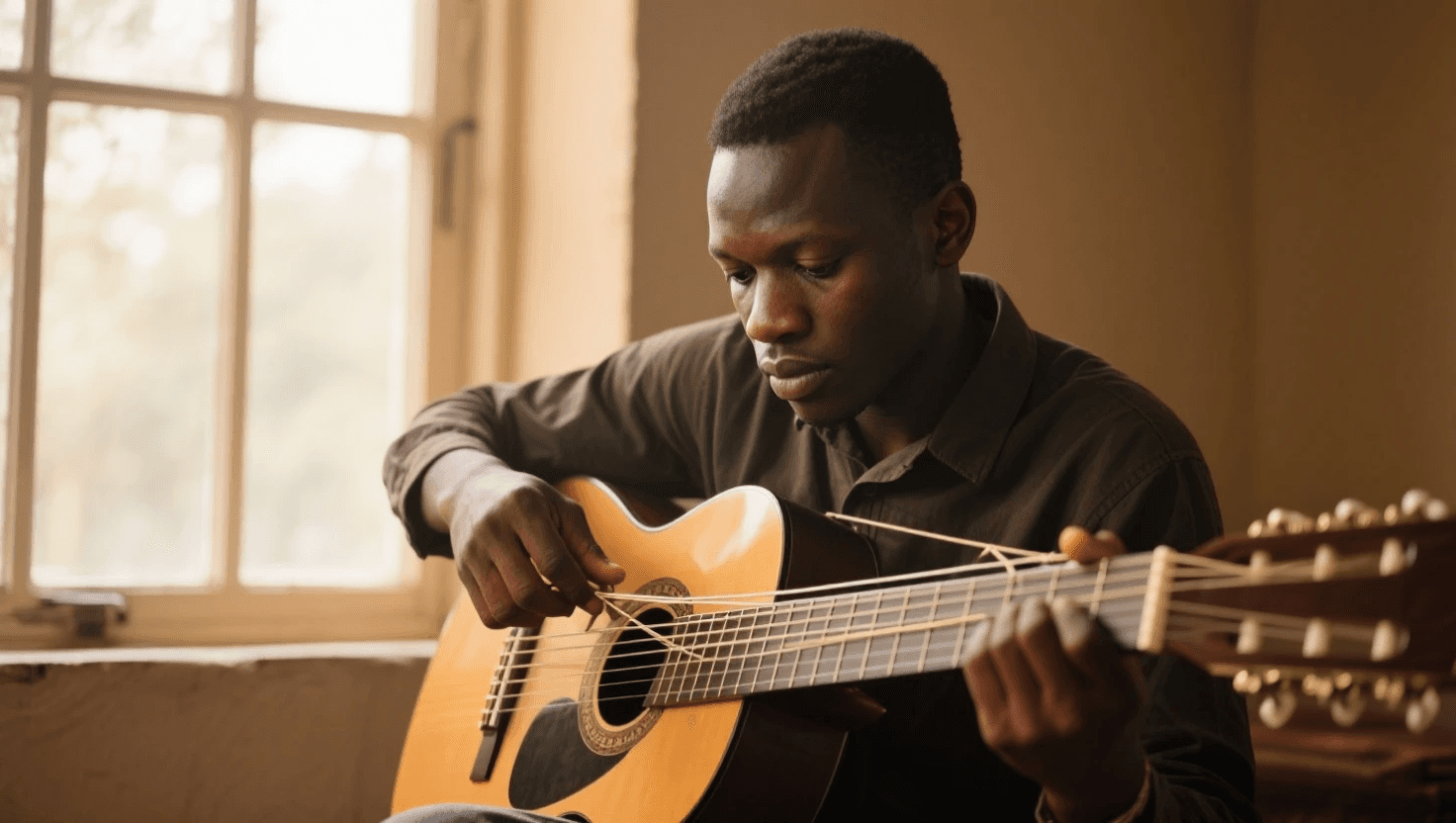
How to Maintain Your Instruments: Tips for Longevity and Performance
Keep your instrument in peak condition with these essential care practices. Proper instrument maintenance is key to preserving sound quality and avoiding costly repairs. Whether you're playing strings, winds, or percussion, regular care keeps your instrument responsive, reliable, and ready to perform. From cleaning and tuning to smart storage, here’s what every musician should know to protect their investment and extend the life of their gear.

Selecting the Perfect Electric Guitar: Tips for Aspiring Musicians
What every beginner should know before buying their first electric guitar. Choosing your first electric guitar is an exciting milestone, but with countless options on the market, it’s easy to feel overwhelmed. From body shape and pickup types to budget and brand reputation, the right guitar can significantly influence how quickly and confidently you progress. This guide breaks down the most important factors to consider, helping aspiring musicians find a guitar that feels right, sounds great, and fits their goals.
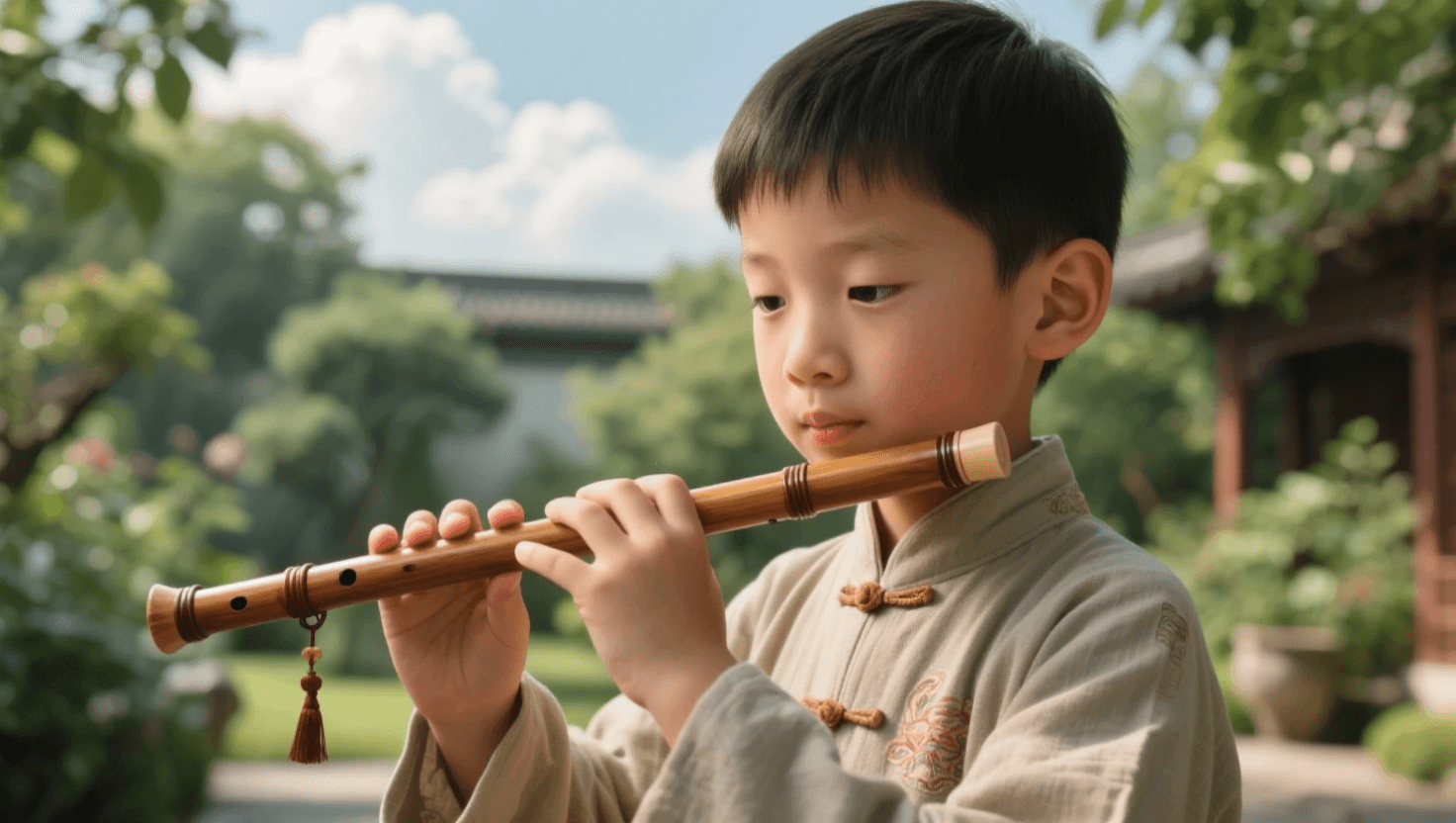
The Best Wind Instruments for Beginners: a Guide to Choosing Right
Starting a wind instrument can be a rewarding first step into music. Whether you're a student or an adult beginner, choosing the right instrument—like the flute, clarinet, or saxophone—can shape your learning experience and long-term interest. This guide outlines the most popular options and offers practical tips to help you select the best fit based on age, skill level, and musical style.

Top Accessories Every Musician Needs: Enhance Your Playing Experience
The must-have gear that supports performance, practice, and protection. Whether you’re a beginner or a seasoned player, the right accessories can make a significant difference in your playing experience. From improving sound quality to protecting your instrument and streamlining your practice routine, accessories are more than just extras—they’re essential tools. This guide covers the most useful and widely recommended accessories across various instruments, helping musicians get the most out of every session.

Understanding Different Musical Genres: Choosing Instruments for Your Style
Choosing the right instrument isn't just about convenience or popularity—it's about finding a sound that resonates with the music you love. Every musical genre has unique characteristics, tones, and techniques that favor specific instruments. Whether you're drawn to the structure of classical music or the freedom of jazz, aligning your instrument with your style can deeply influence your motivation and growth as a musician. Below, we explore several major genres and the instruments that best serve each, helping aspiring players make informed, personalized decisions.
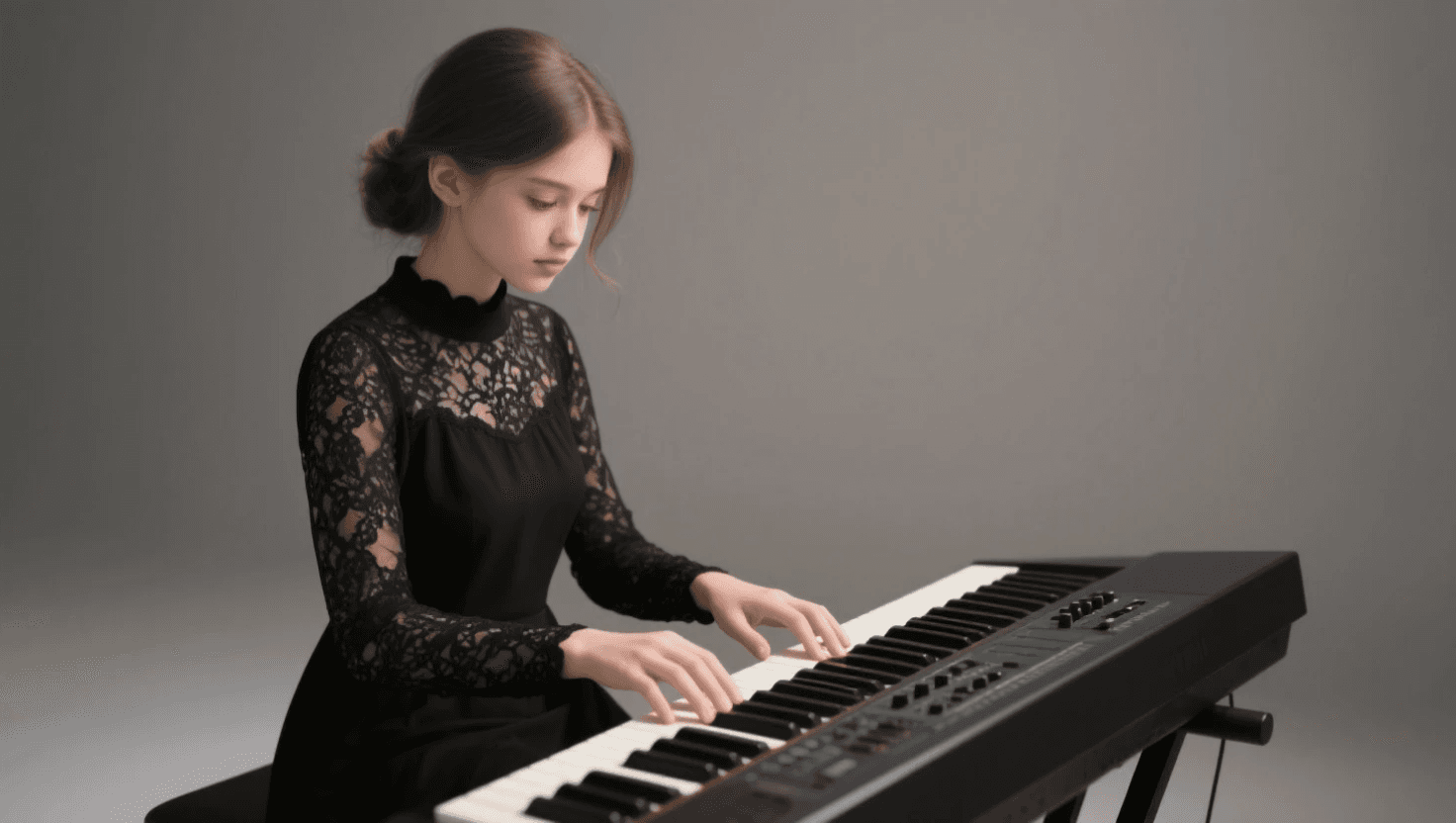
What You Need to Know Before Purchasing a Keyboard: Tips for New Players
Purchasing a keyboard or digital piano as a beginner can be a pivotal step in one’s musical journey. With an abundance of models and features on the market, understanding what to prioritize ensures that your investment supports both learning and long-term development. Whether you're a first-time player or buying for someone else, these key considerations can help you make a confident, informed decision.
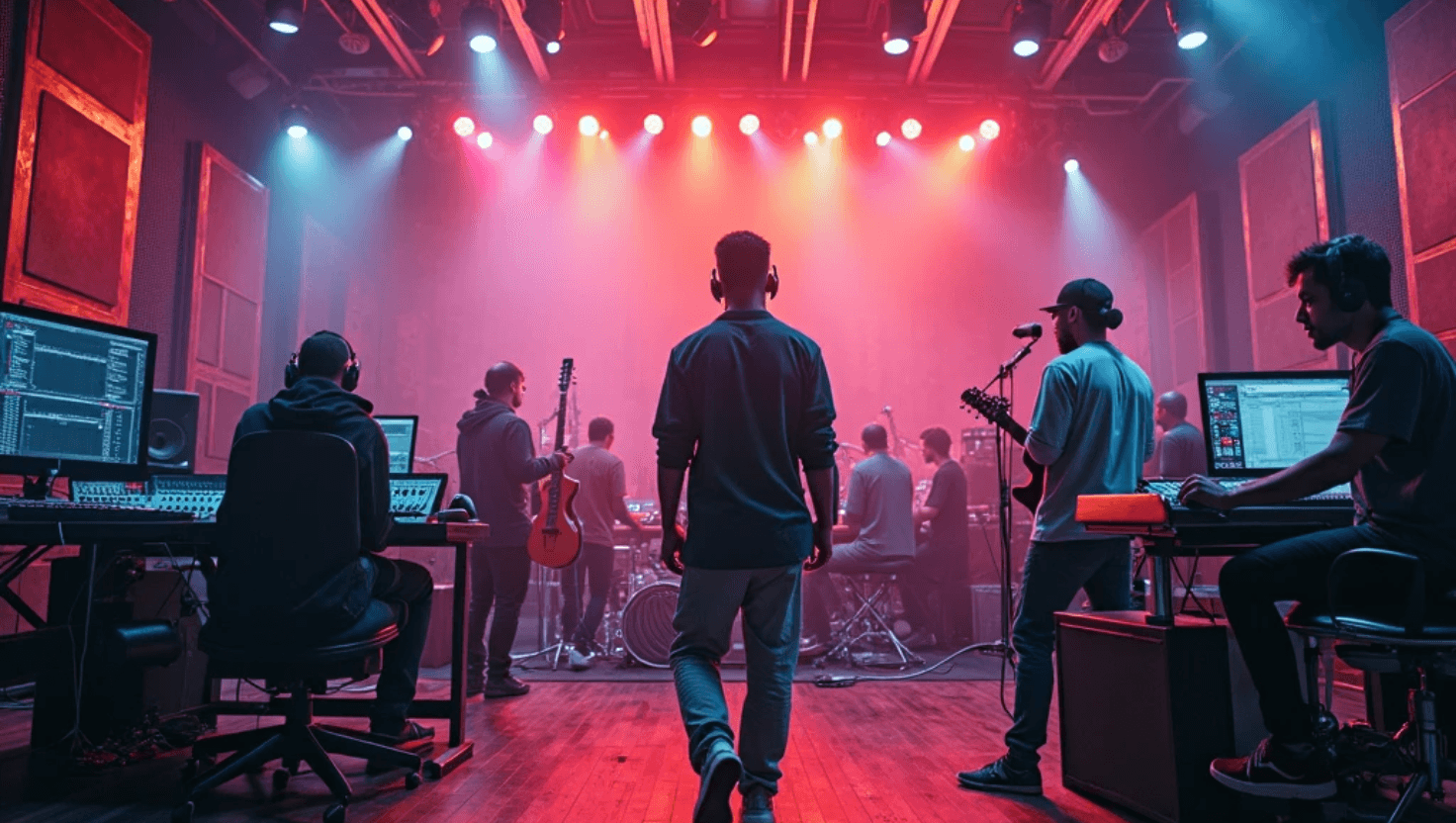
Behind the Scenes: How Pop Songs Are Produced
While catchy hooks, smooth vocals, and polished beats often define pop music on the surface, behind every chart-topping hit lies a complex and highly creative production process. From songwriting and beat creation to vocal recording and final mastering, producing a pop song is a multi-step journey that requires a blend of artistic vision, technical expertise, and the right tools. Understanding this process not only deepens appreciation for the music but also highlights the essential role of music production software, audio gear, and studio technology in bringing these songs to life.
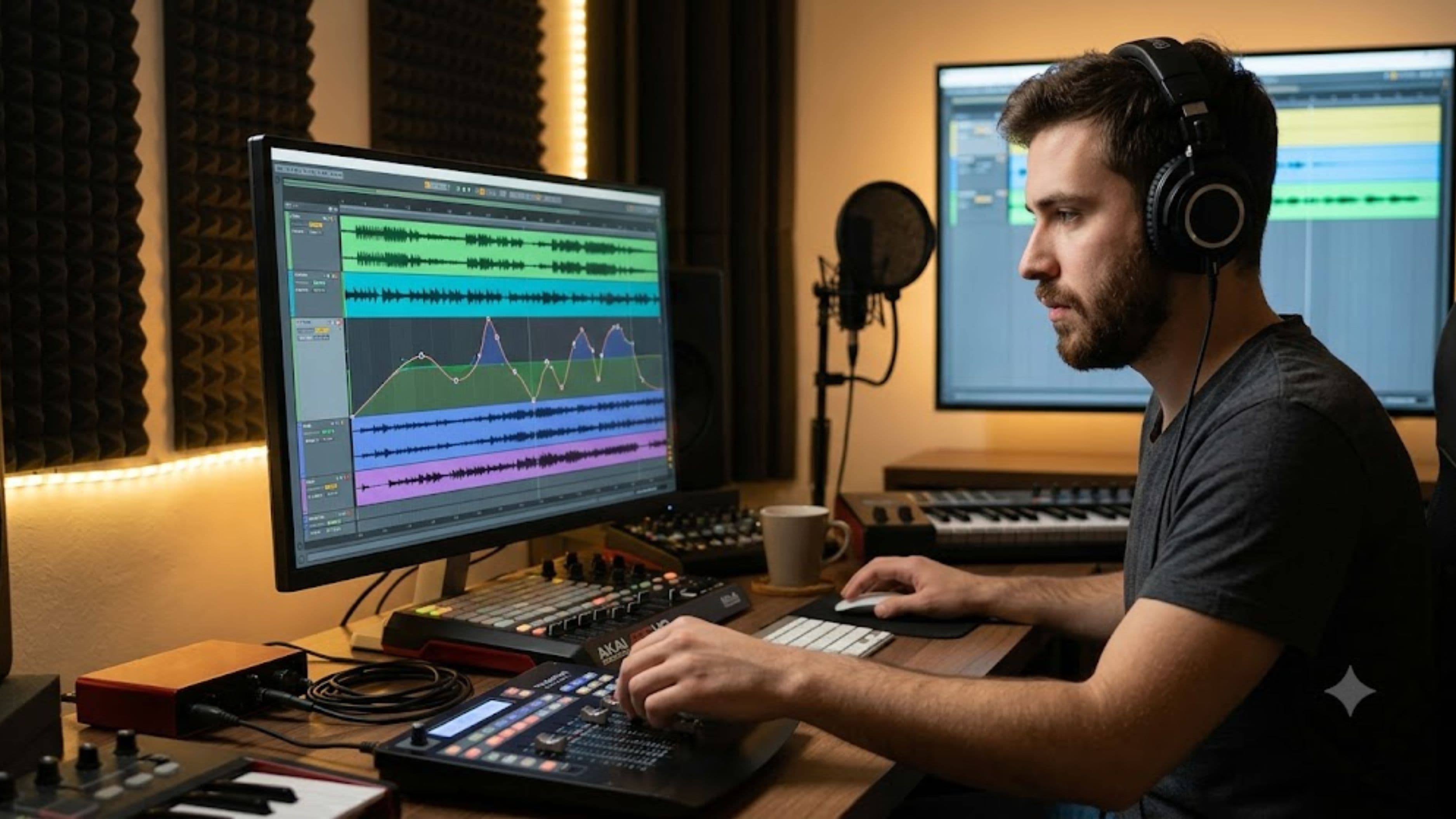
How to Use Automation in Your Daw to Add Life to Flat Mixes
You've balanced every fader, EQ'd every track, and dialed in your compression – and the mix still sounds lifeless. Everything is technically right, but nothing moves. That's usually not a mixing problem. It's a motion problem.
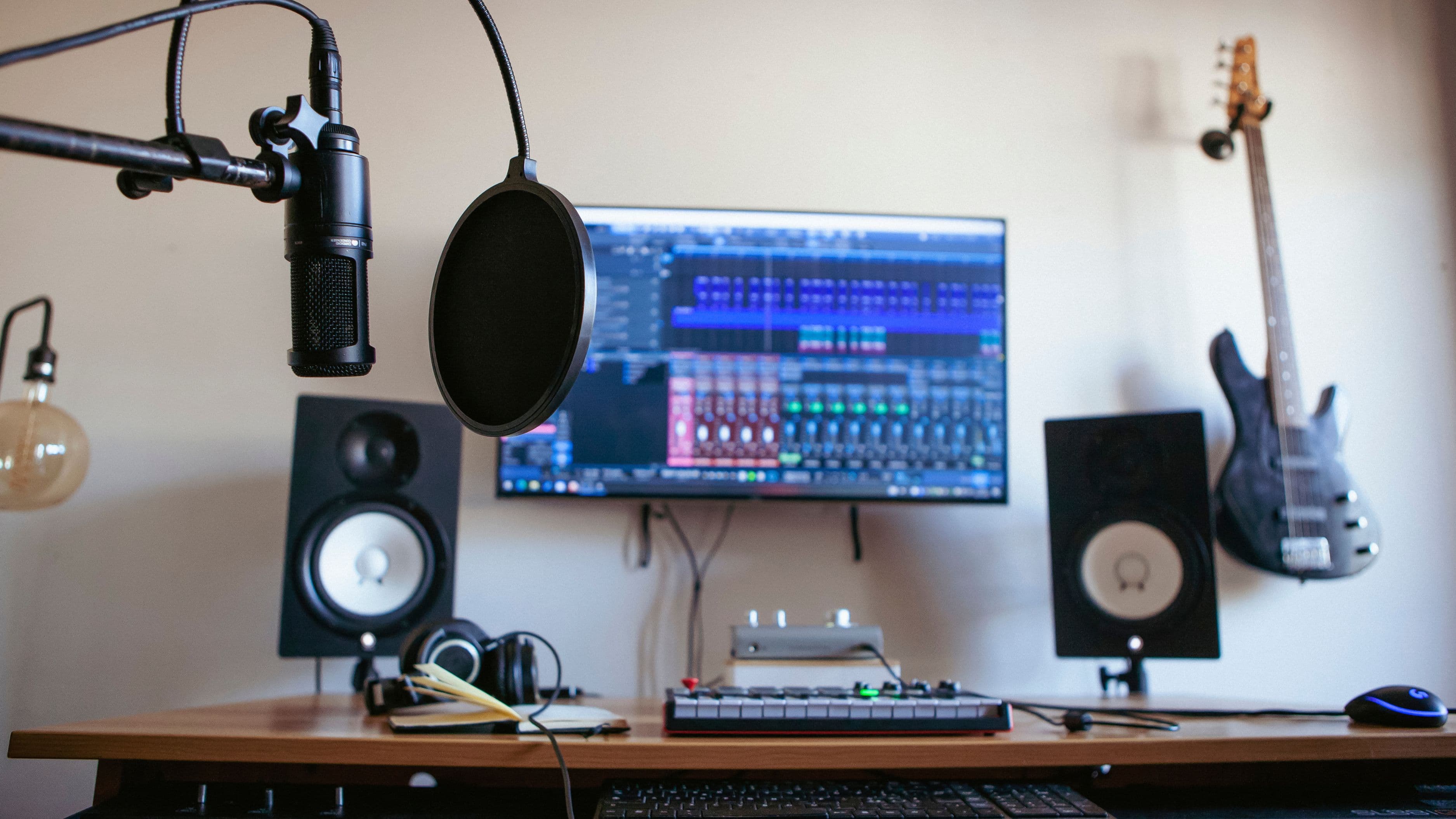
The Best Budget Audio Interfaces for Home Studio Producers in 2026
Your audio interface is the doorway between your microphone and your DAW. A bad one adds noise, latency, and frustration. A good one quietly disappears, letting you focus on recording. The encouraging news is that you don't need to spend much to get excellent sound – many interfaces under $200 now deliver clean preamps and low latency that were premium features not long ago.

How to Set Up a Tracking Session in Any Daw From Scratch
A messy tracking session is one of the most common reasons new producers get frustrated mid-recording, not because the music isn't coming together, but because the technical setup is fighting them the whole time. The good news is that the core logic of setting up a tracking session is nearly identical across every major DAW – Ableton, Logic, Pro Tools, FL Studio, Reason – even though the menus and terminology differ slightly. Once you understand the sequence, you can move between DAWs without relearning the fundamentals every time.
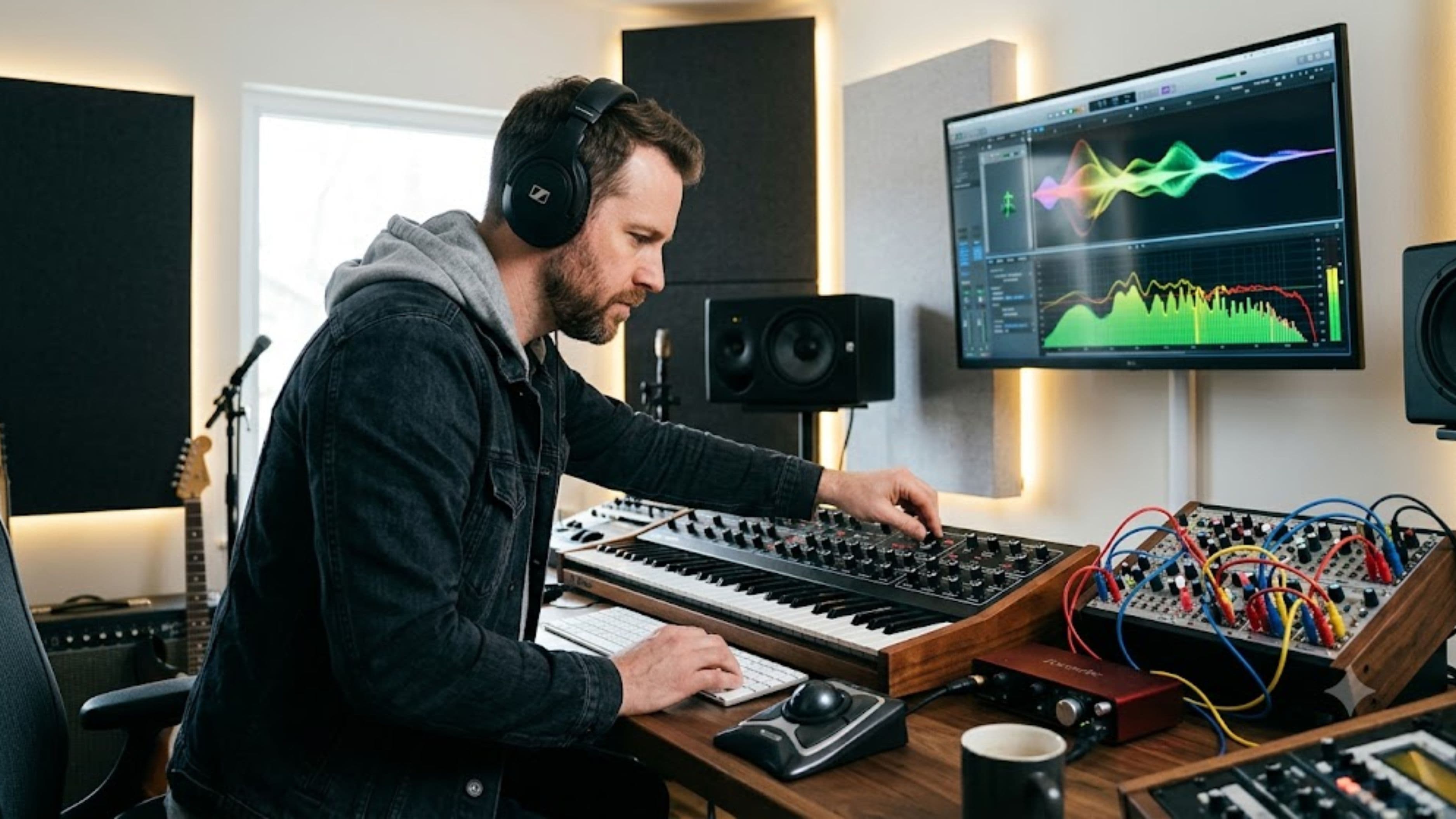
What Sound Design Basics Every Music Producer Should Master
A lot of producers spend months learning arrangement and mixing before ever sitting down to actually understand sound design, then wonder why their tracks sound thinner or less interesting than the reference tracks they're chasing. Sound design isn't a separate specialty reserved for electronic music producers building patches from scratch – it's a foundational skill that shapes how every element in a mix actually sounds before mixing even begins. A handful of core concepts cover most of what matters for producers working in any genre.
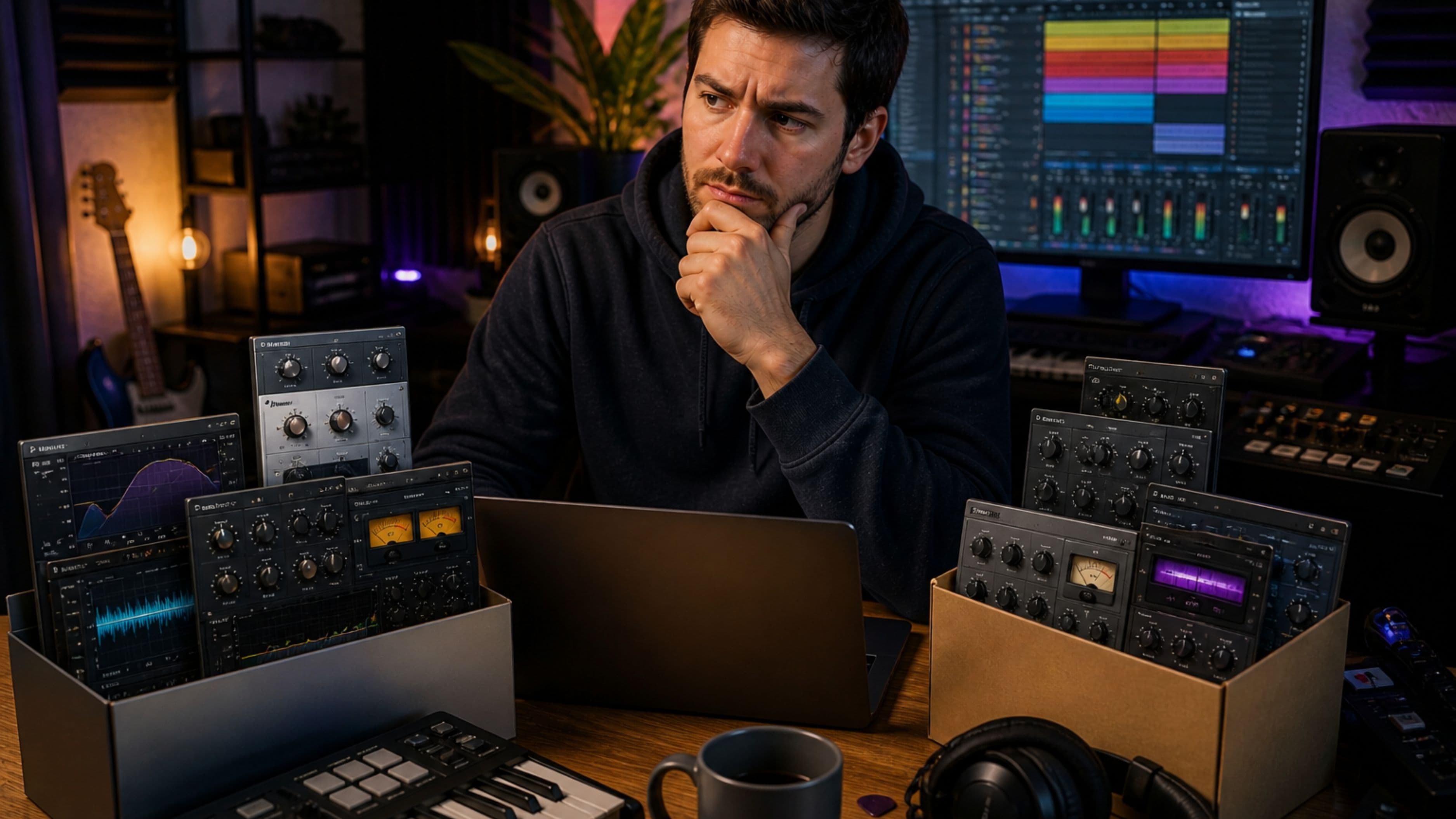
Are Daw Plugin Bundles Actually Worth the Price?
Every few months, a plugin sale lands in your inbox promising 90% off a bundle of 30 instruments and effects for $49. The logos look professional, the demo videos sound great, and the "regular price" of $1,200 makes the deal feel urgent. So you buy it, install everything, open your DAW – and six months later you've used maybe three of the thirty plugins, twice each.
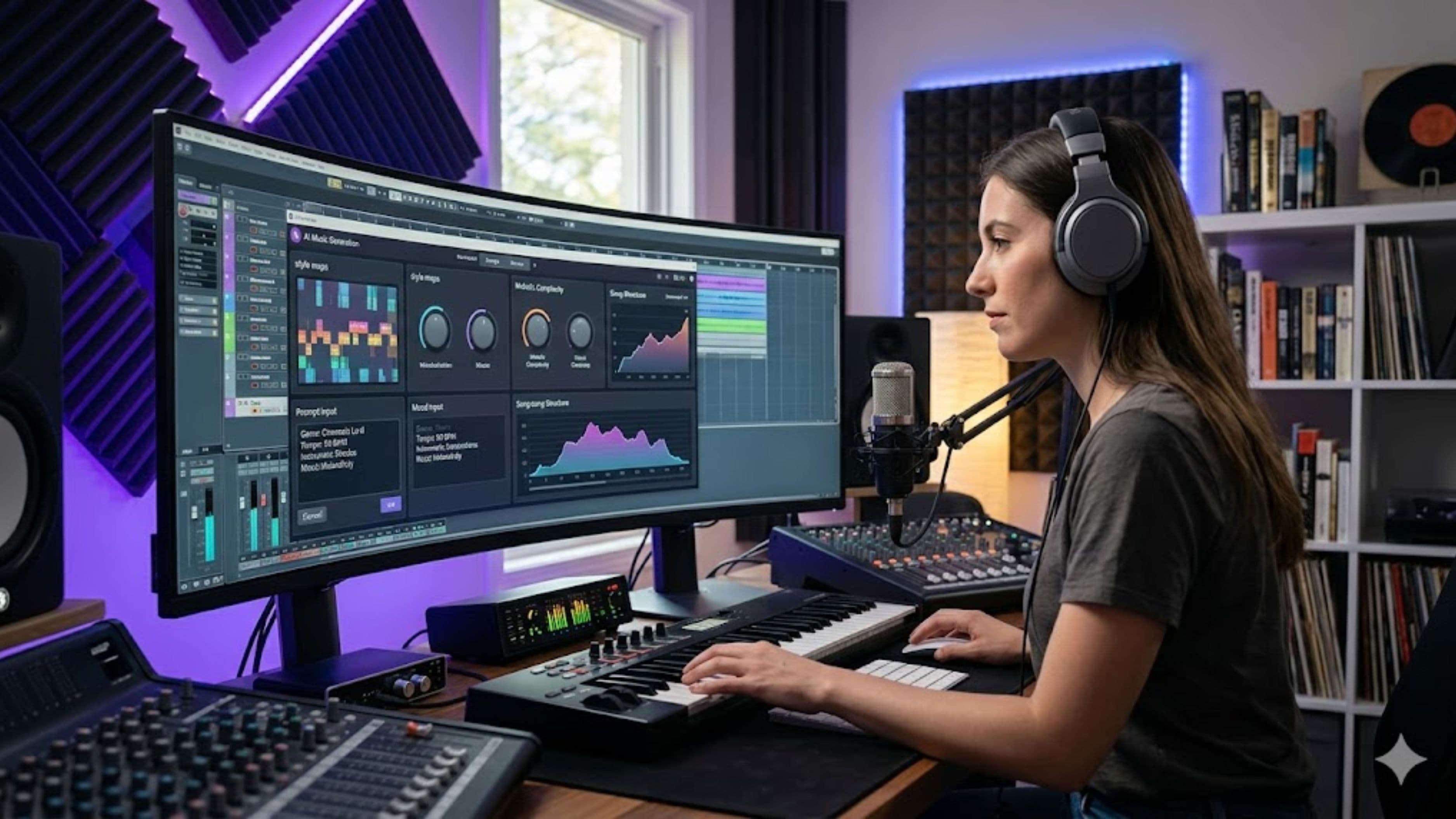
How AI Music Generators Are Changing the Way Produhow AI Music Generators Are Changing the Way Producers Workcers Work
A few years ago, generating a usable music loop with software that had never heard your prompt was science fiction. Today, producers are using tools like Suno, Udio, and Google's MusicFX to go from a text description to a full audio track in under a minute. The technology has moved faster than the music industry's ability to respond to it, and the conversation about what it means – for how producers work, for what gets made, for how music is valued – is still very much unresolved.
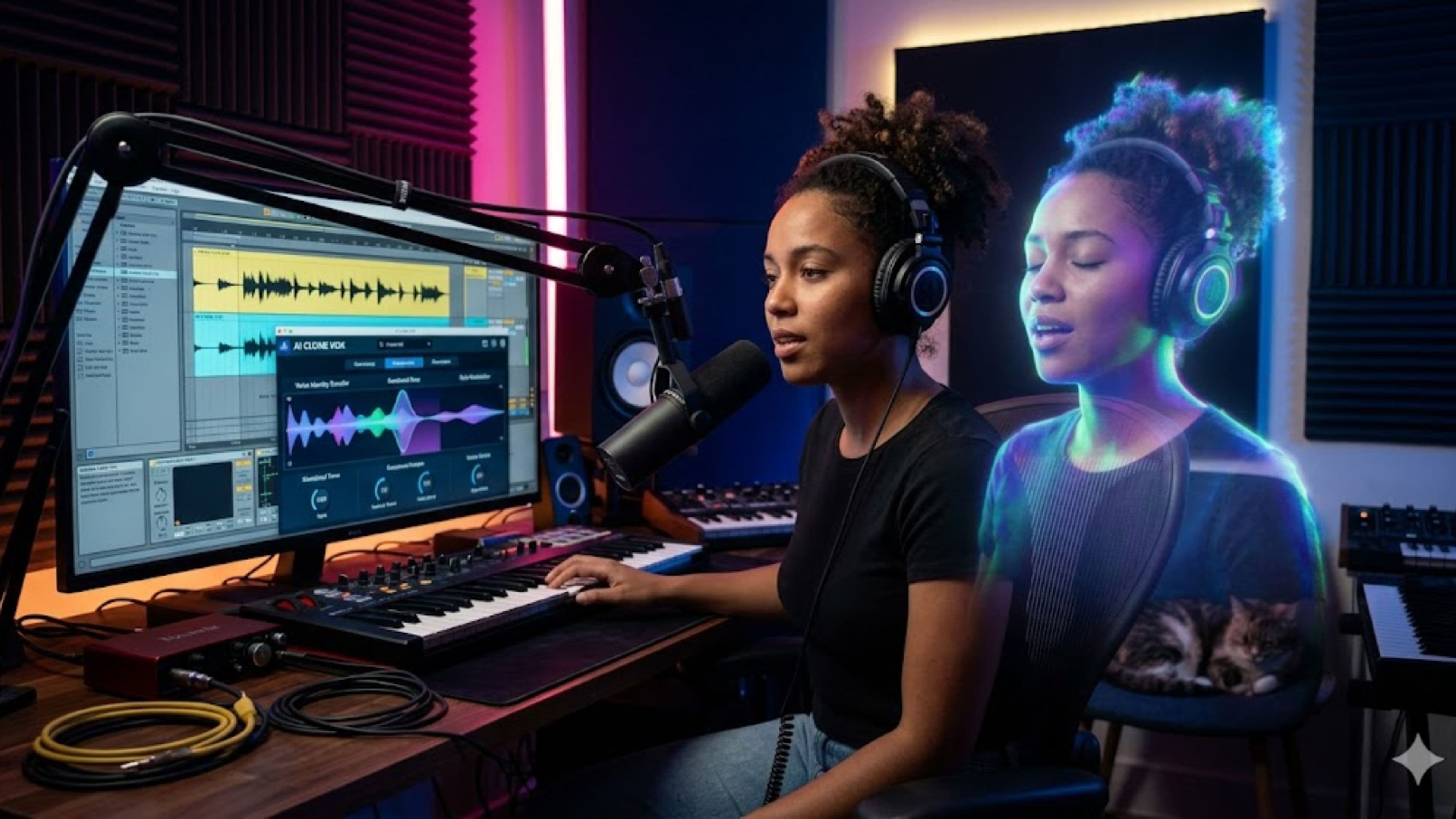
How AI Voice Cloning Is Reshaping Vocal Production for Creators
When Drake and The Weeknd discovered an AI-generated song mimicking both their voices had racked up millions of streams in 2023, it wasn't just a headline – it was a signal that something had fundamentally shifted in what's possible with vocal production. The song wasn't made by a major label or a well-funded studio. It was made by a single creator using tools that were, at the time, available to anyone willing to experiment with them.
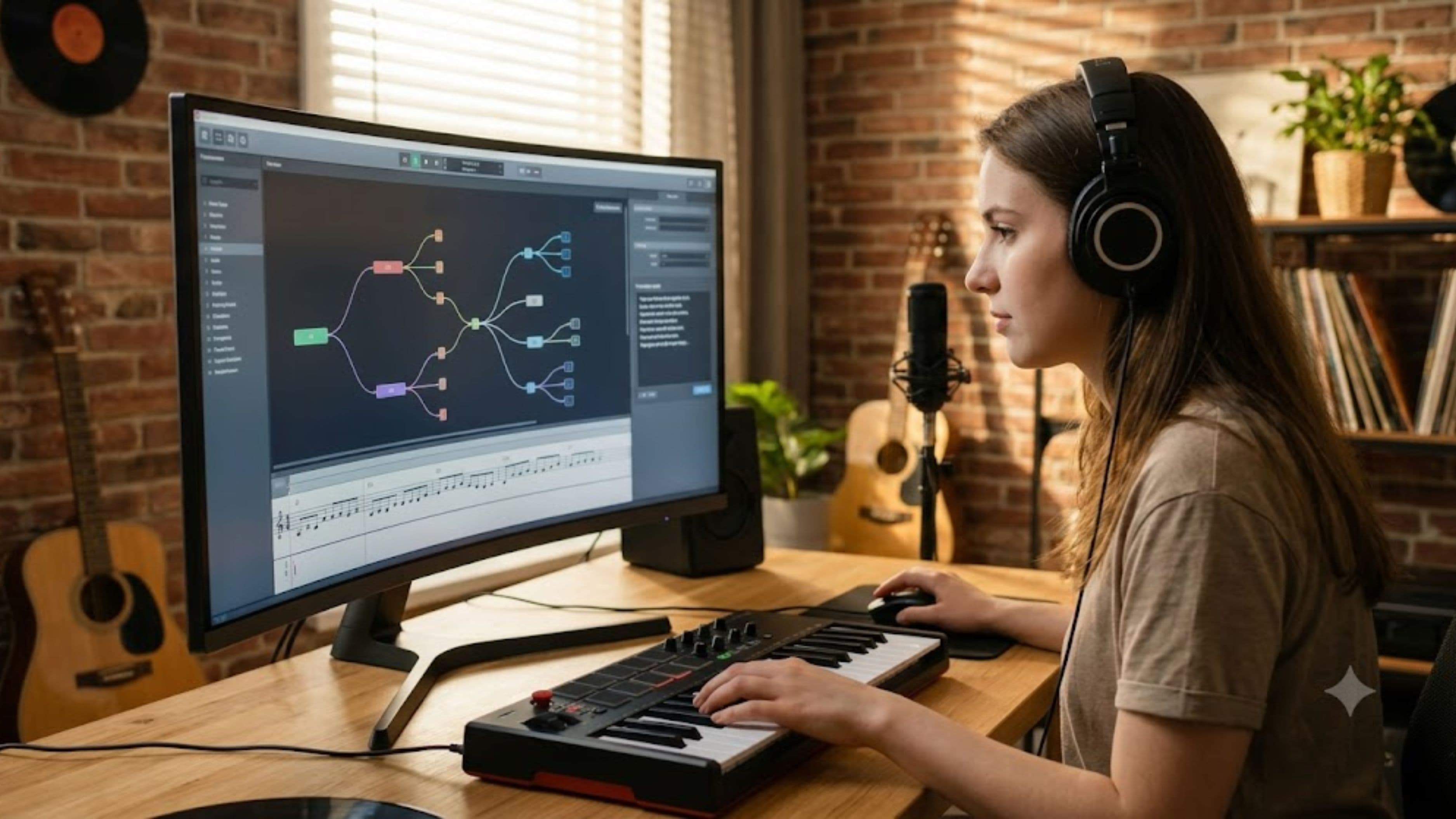
How Generative AI Is Changing the Songwriting Process for Independent Artists
A few years ago, getting past writer's block meant staring at a blank page, calling a co-writer, or just waiting it out. Now a growing number of independent artists are pulling up an AI chatbot mid-session to generate a lyric direction, test a chord progression idea, or get unstuck on a bridge that isn't landing. This shift hasn't replaced songwriting so much as changed where certain parts of the process happen, and it's worth understanding both what's genuinely useful here and where the real limits are.
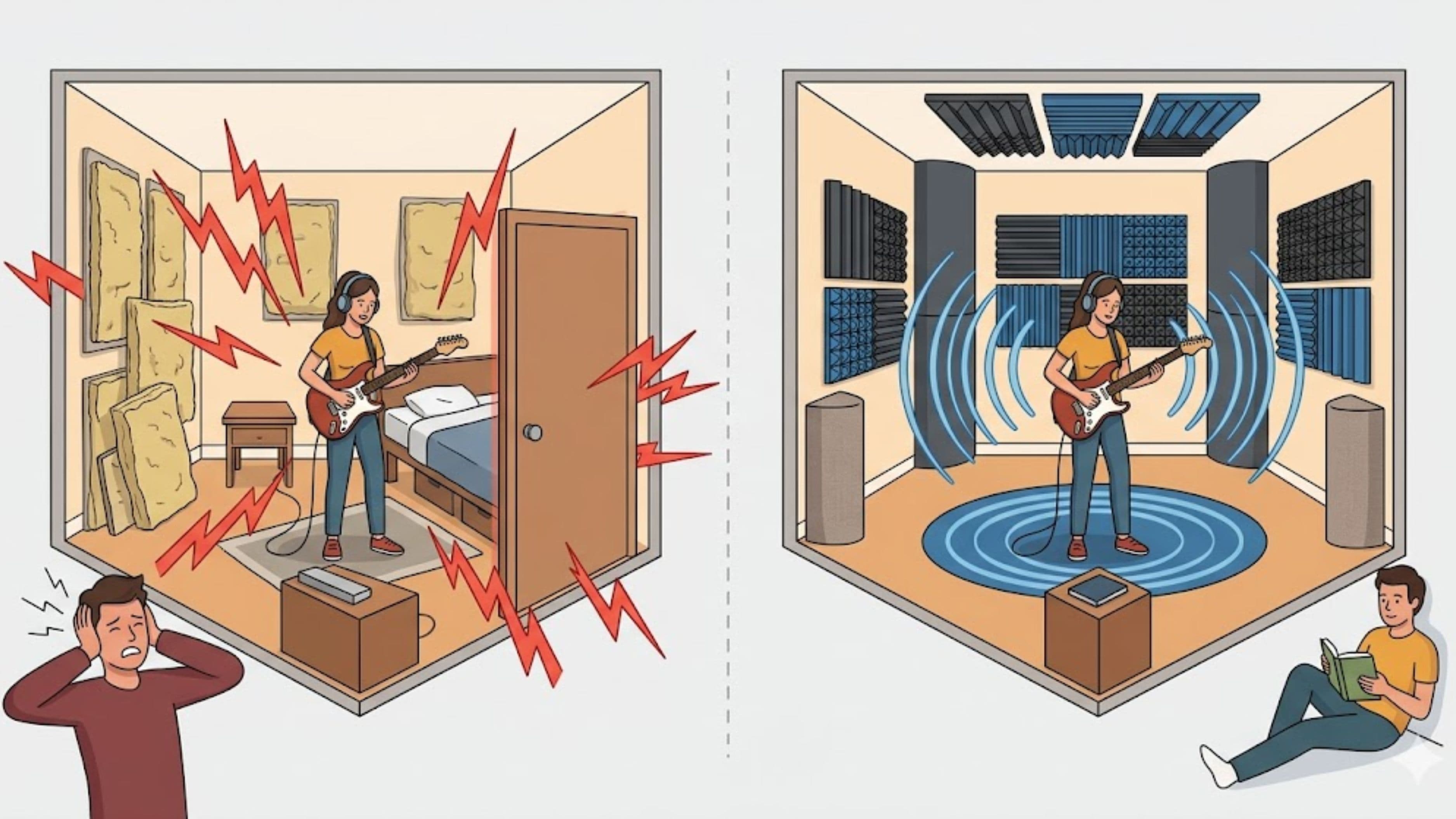
How Home Studio Soundproofing Has Gotten Cheaper and More Effective
Five years ago, building a properly treated recording space at home meant spending thousands of dollars on professional acoustic panels, bass traps, and installation – assuming you even had a room you were willing to dedicate entirely to music. Today, the gap between a functional home studio and a professional one has narrowed significantly, and the cost of getting genuinely usable acoustic treatment has dropped to the point where most independent artists and producers can afford it without a major investment.
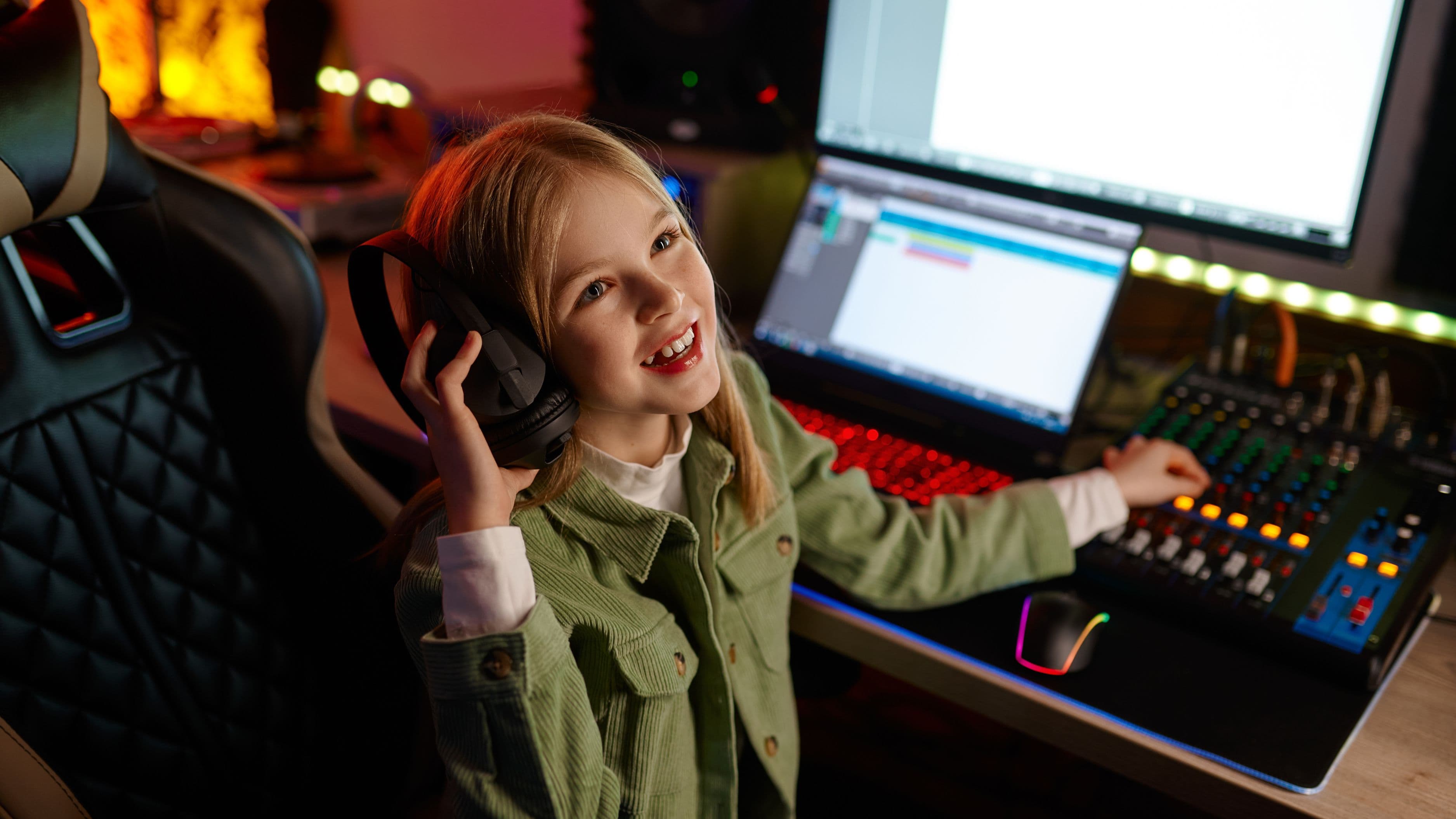
How Immersive Audio Experiences Are Reshaping Album Production
A growing number of major album releases now come with a spatial audio version alongside the standard stereo mix, and that's not just a marketing checkbox anymore. Immersive audio formats like Dolby Atmos have started genuinely changing how artists and producers approach the album-making process itself, not just how the final product gets delivered. If you're producing music and haven't yet worked with these formats, understanding what's actually shifting matters for staying current with where a meaningful part of the industry is heading.
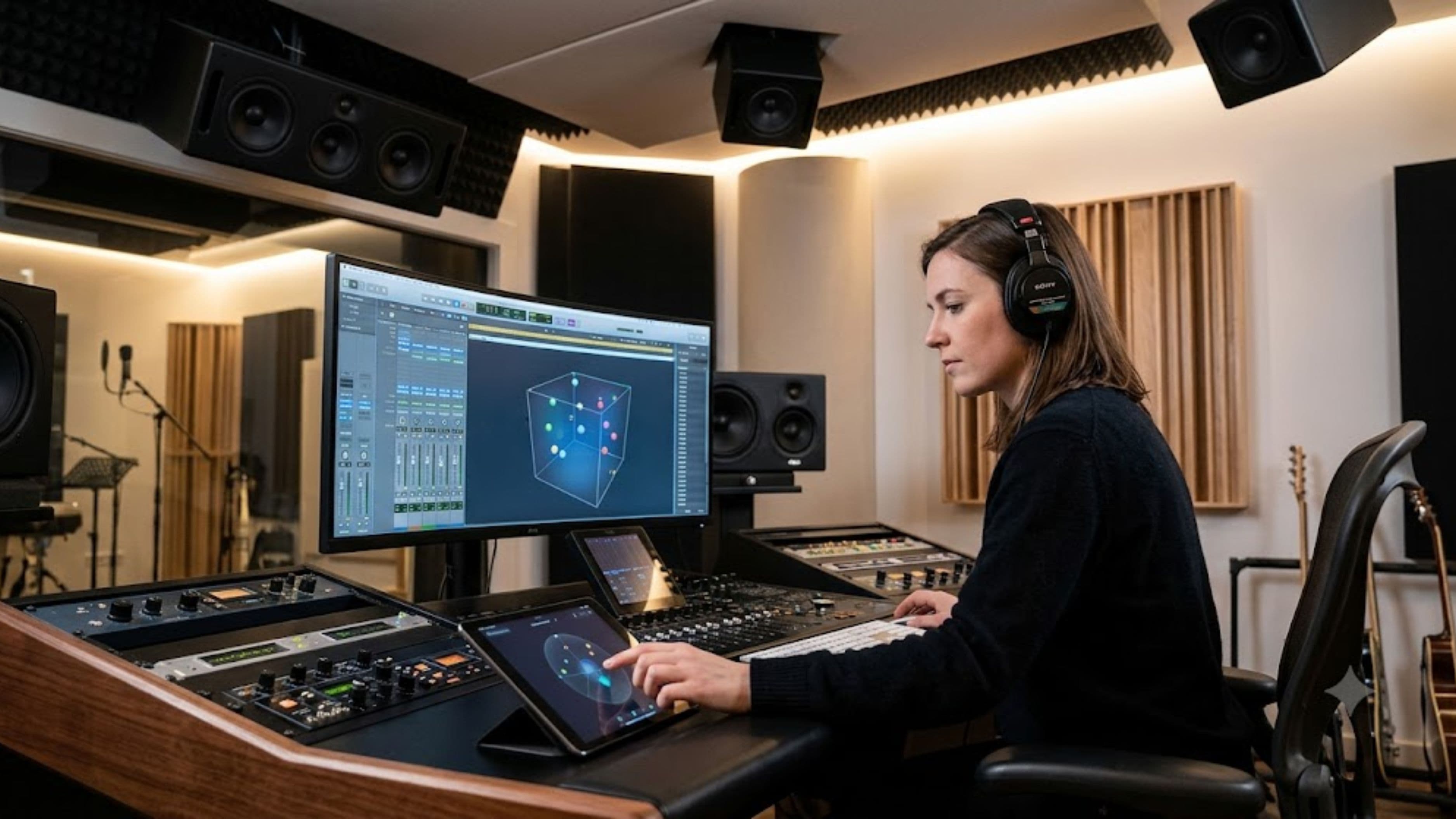
How Spatial Audio Is Changing the Way Producers Mix Music
For most of recorded music's history, mixing meant placing sounds in a flat, two-dimensional field – left, right, and center, with depth created through reverb and volume. Spatial audio breaks that paradigm. It gives listeners a three-dimensional sound experience where elements can appear above, below, in front, and all around them rather than just side to side. And as Apple Music, Tidal, Amazon Music, and Netflix push spatial audio into mainstream consumption, producers are being asked to think about mixing in ways that stereo simply doesn't require.
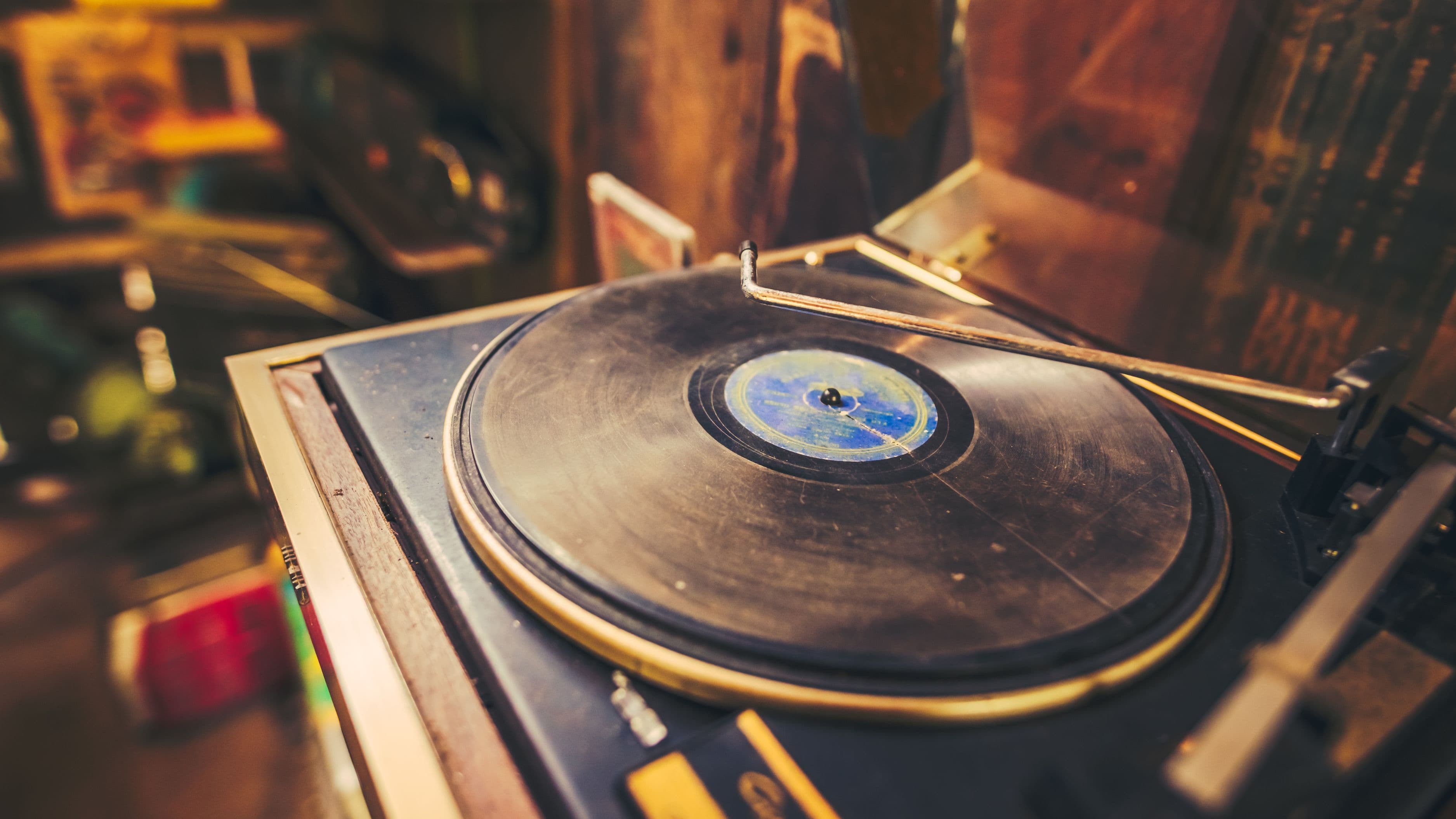
How Vintage Gear Obsession Is Shaping the Sound of Modern Music
Scroll through enough behind-the-scenes studio content and you'll notice a recurring theme: producers and artists showing off decades-old synthesizers, tape machines, and analog consoles, often paying significant premiums for equipment that's technically outperformed by modern digital alternatives on every measurable spec sheet. This isn't just nostalgia or collector culture for its own sake, it's genuinely shaping how a meaningful portion of modern music actually sounds, and understanding why reveals something real about the limits of purely digital production.
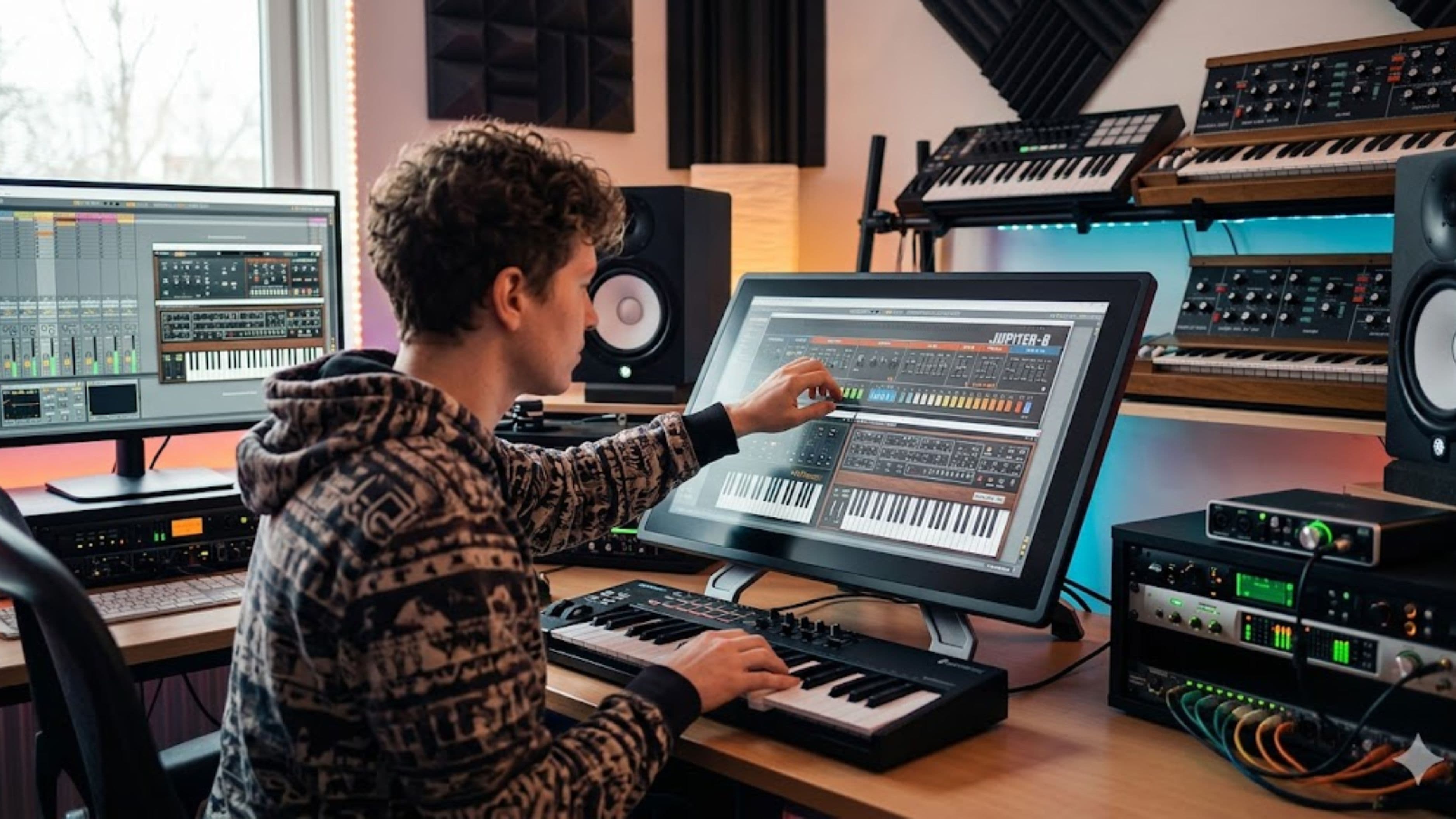
How Vintage Synth Emulators Are Taking Over Modern Music Production
The Minimoog cost around $10,000 when it was new. A working original today can run double that, assuming you can find one that hasn't drifted out of tune or developed a fault in its aging circuitry. The Oberheim OB-X, the Roland Juno-106, the Yamaha CS-80 – the hardware that defined the sound of multiple decades of popular music was expensive, rare, and increasingly fragile. And yet those sounds are everywhere in modern production. Not because producers got richer. Because the software caught up.
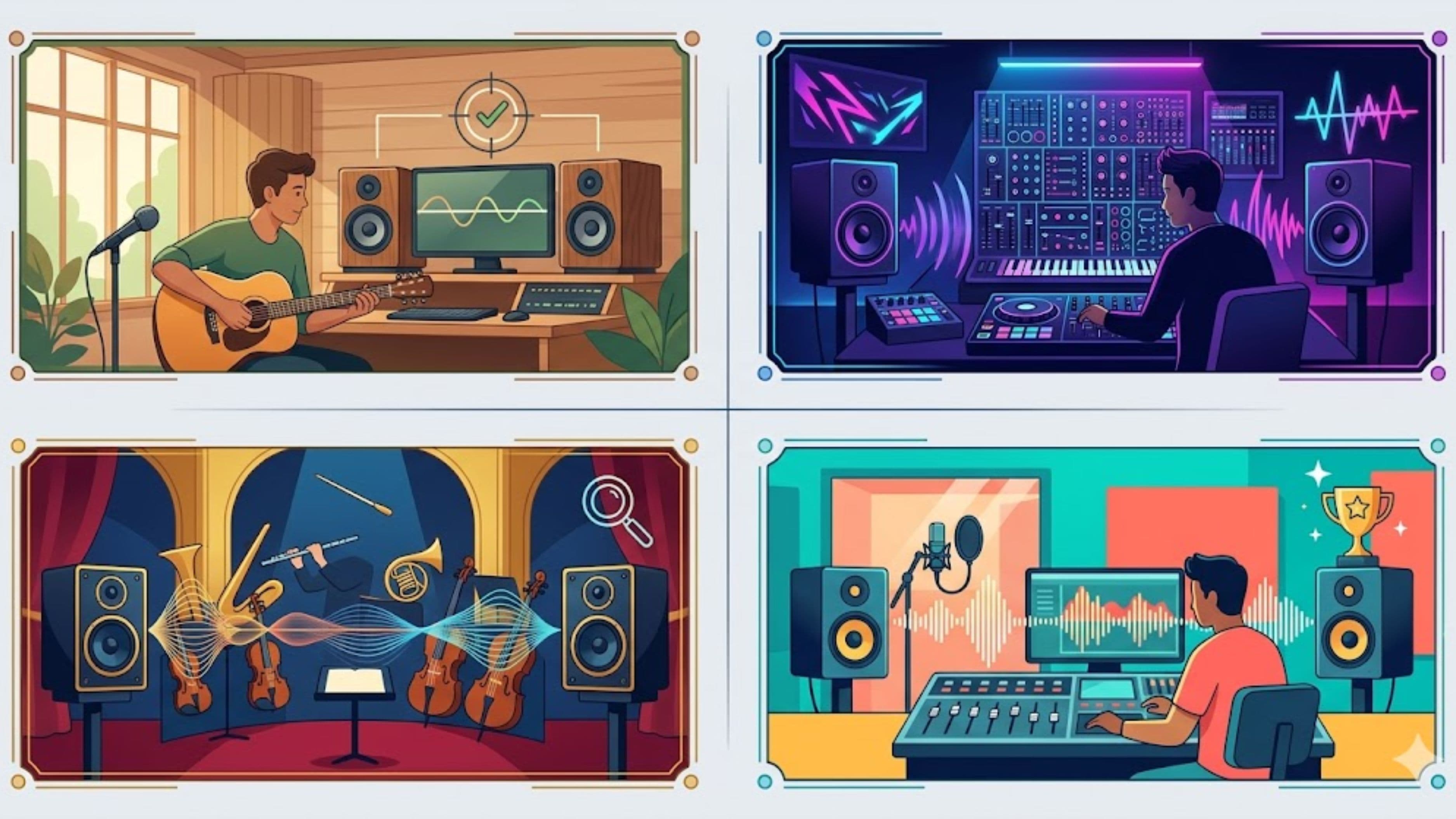
How to Choose Studio Monitors That Match Your Production Style
Five years ago, building a properly treated recording space at home meant spending thousands of dollars on professional acoustic panels, bass traps, and installation – assuming you even had a room you were willing to dedicate entirely to music. Today, the gap between a functional home studio and a professional one has narrowed significantly, and the cost of getting genuinely usable acoustic treatment has dropped to the point where most independent artists and producers can afford it without a major investment.
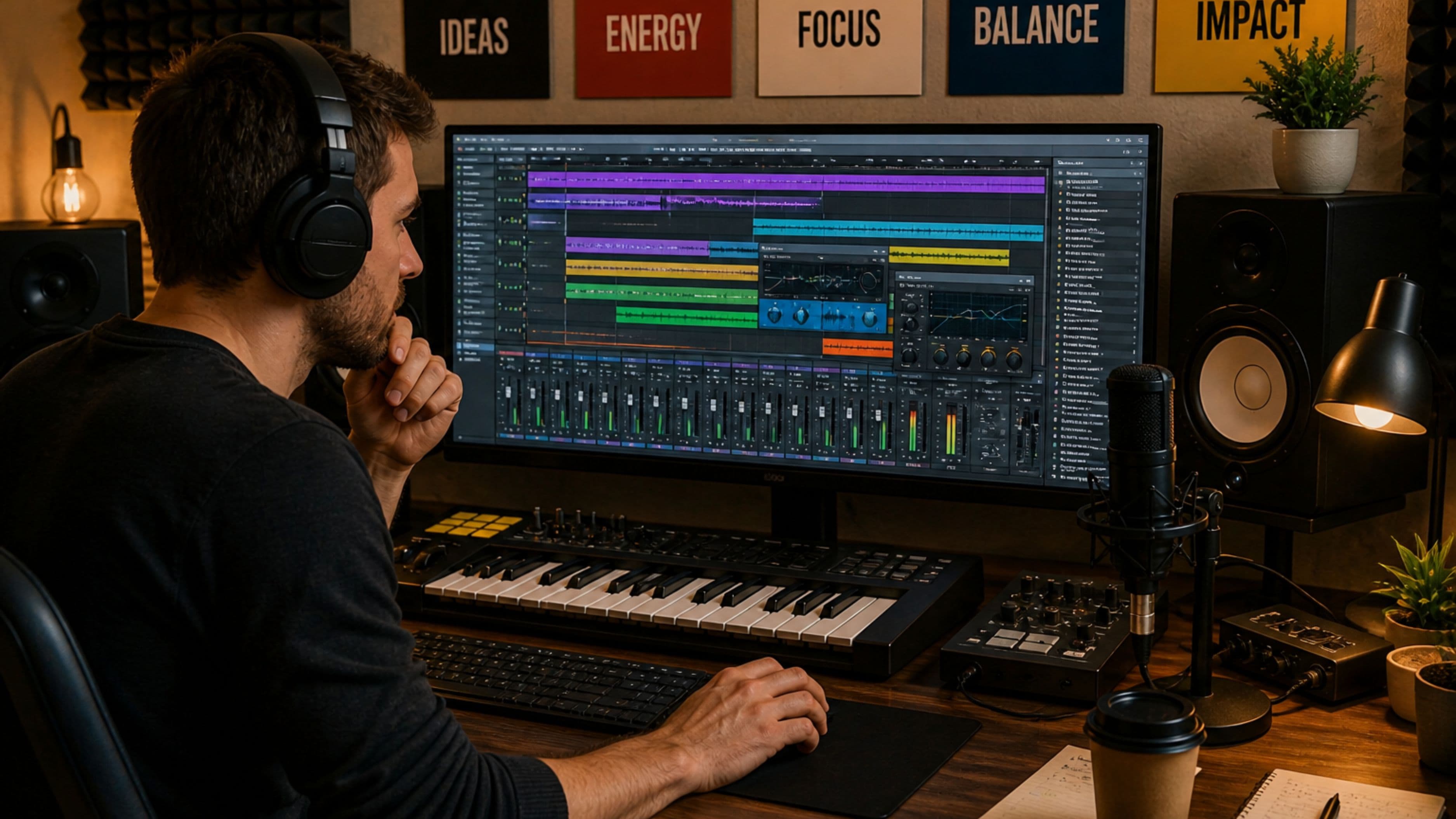
How to Choose the Right Daw for Your Production Style
Picking a DAW when you're starting out – or switching after years on one platform – feels bigger than it probably is. But it also matters more than most gear decisions, because your DAW shapes how you think about music. The workflow it imposes, the way it visualizes time and arrangement, and where it puts friction all influence what kind of music you make and how fast you improve.
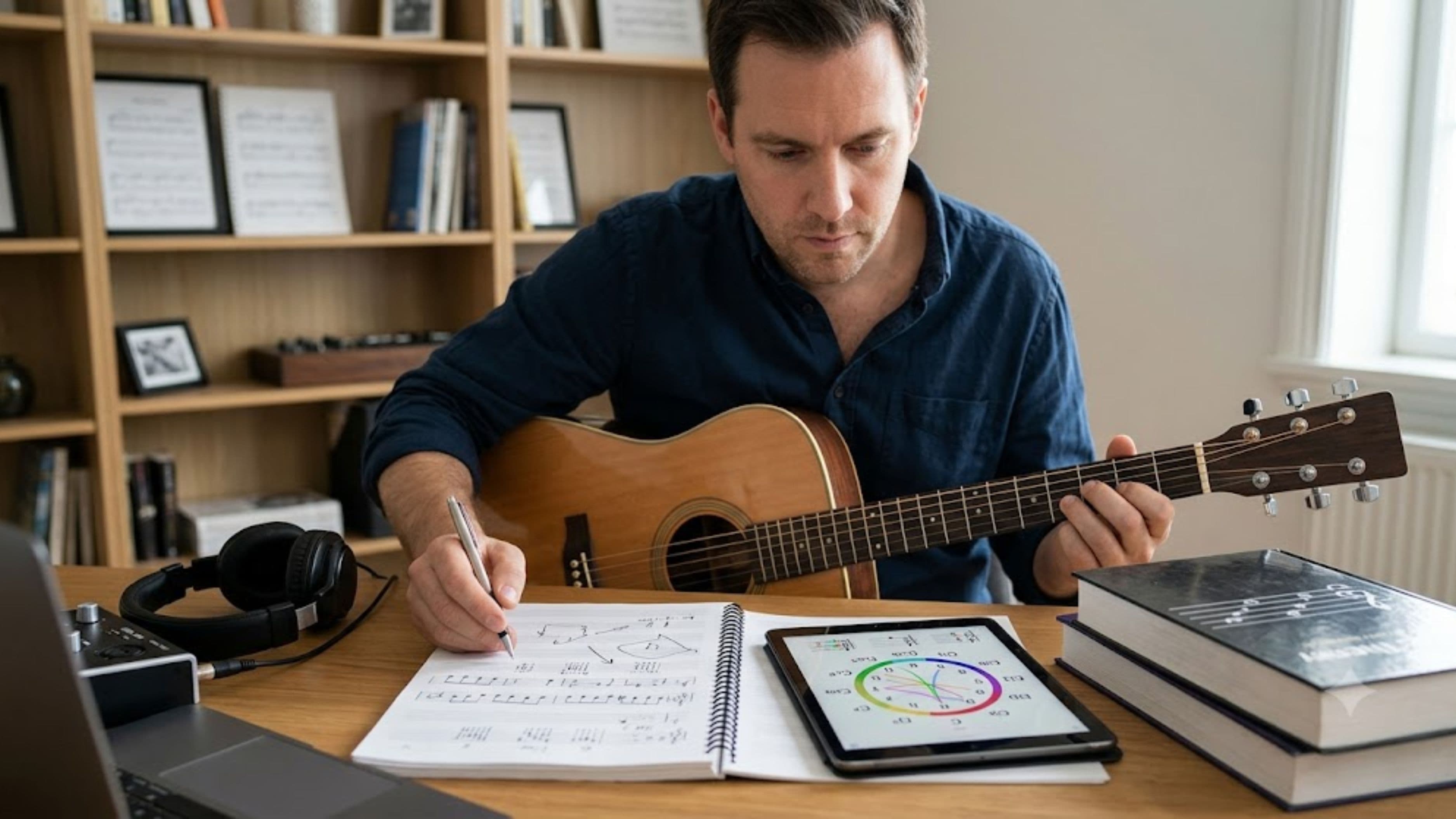
How to Learn Music Theory As an Adult Without Starting Over
If you've spent any time in music forums or comment sections, you've probably seen someone say you need to learn theory as a kid or you'll never really "get it." That's not true, and it's a genuinely unhelpful thing for adult musicians and producers to internalize, especially if you already play by ear, write music intuitively, or have years of practical experience without ever formally studying theory. The real challenge for adult learners isn't ability, it's figuring out how to build theory knowledge on top of instincts you already have, instead of starting from a beginner's method book that assumes you know nothing.
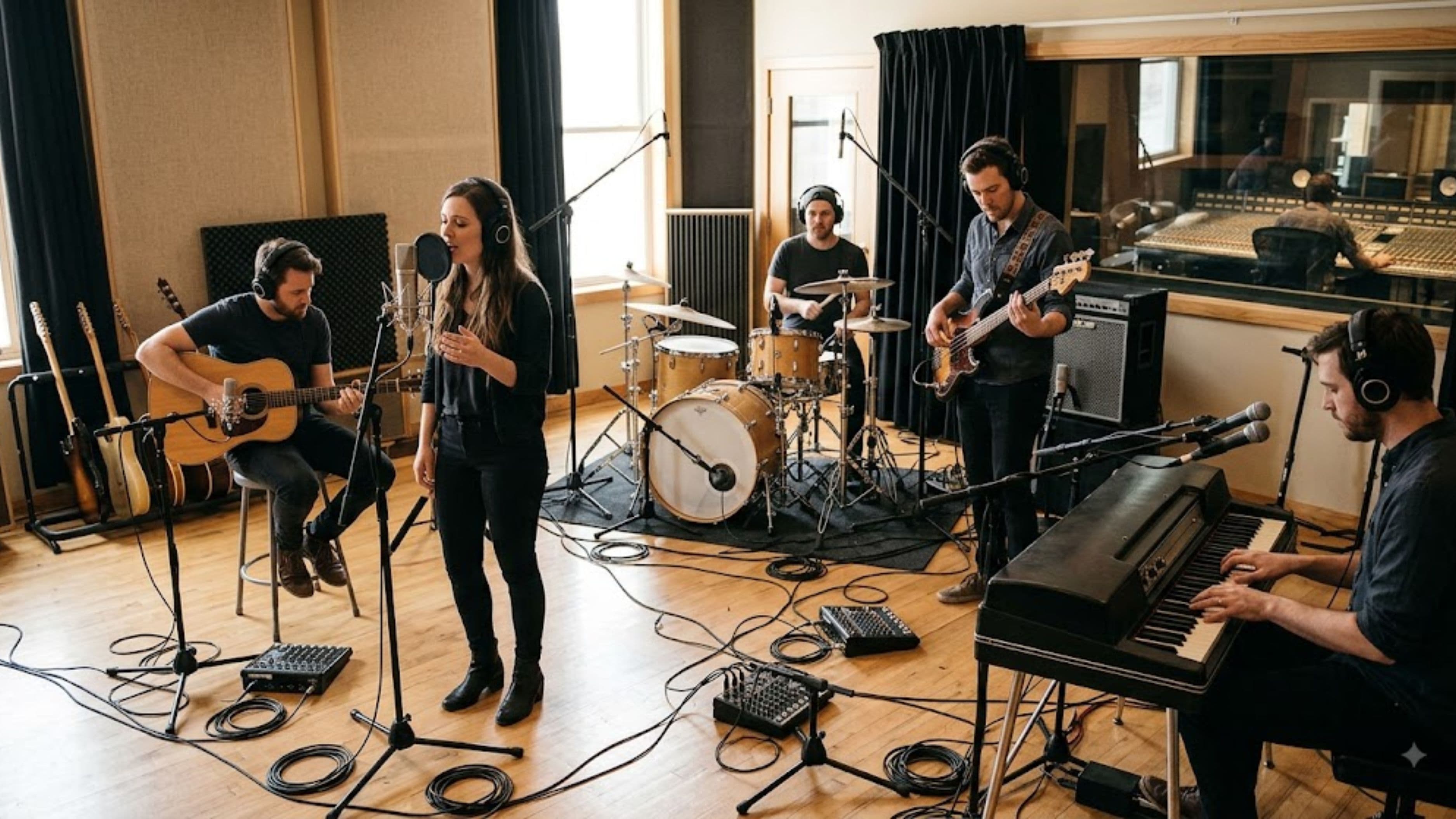
How to Record a Live Performance That Sounds Like a Studio Session
There's a specific kind of disappointment that comes from recording a genuinely great live performance and then listening back to a muddy, thin, or distant-sounding file that doesn't come close to capturing what the room actually felt like. Closing that gap between a live recording and something that sounds studio-quality isn't about expensive gear alone, it's mostly about a handful of technical decisions made before, during, and after the performance.
How to Use AI Tools in Your Daw Without Losing Your Creative Voice
Open your DAW today and you're likely staring at a growing list of AI-powered plugins promising to master your track, generate a bassline, or fix your vocal timing automatically. Some of that is genuinely useful. Some of it, used carelessly, will quietly sand down whatever made your music sound like you in the first place. The difference usually comes down to how deliberately you're using these tools rather than whether you use them at all.
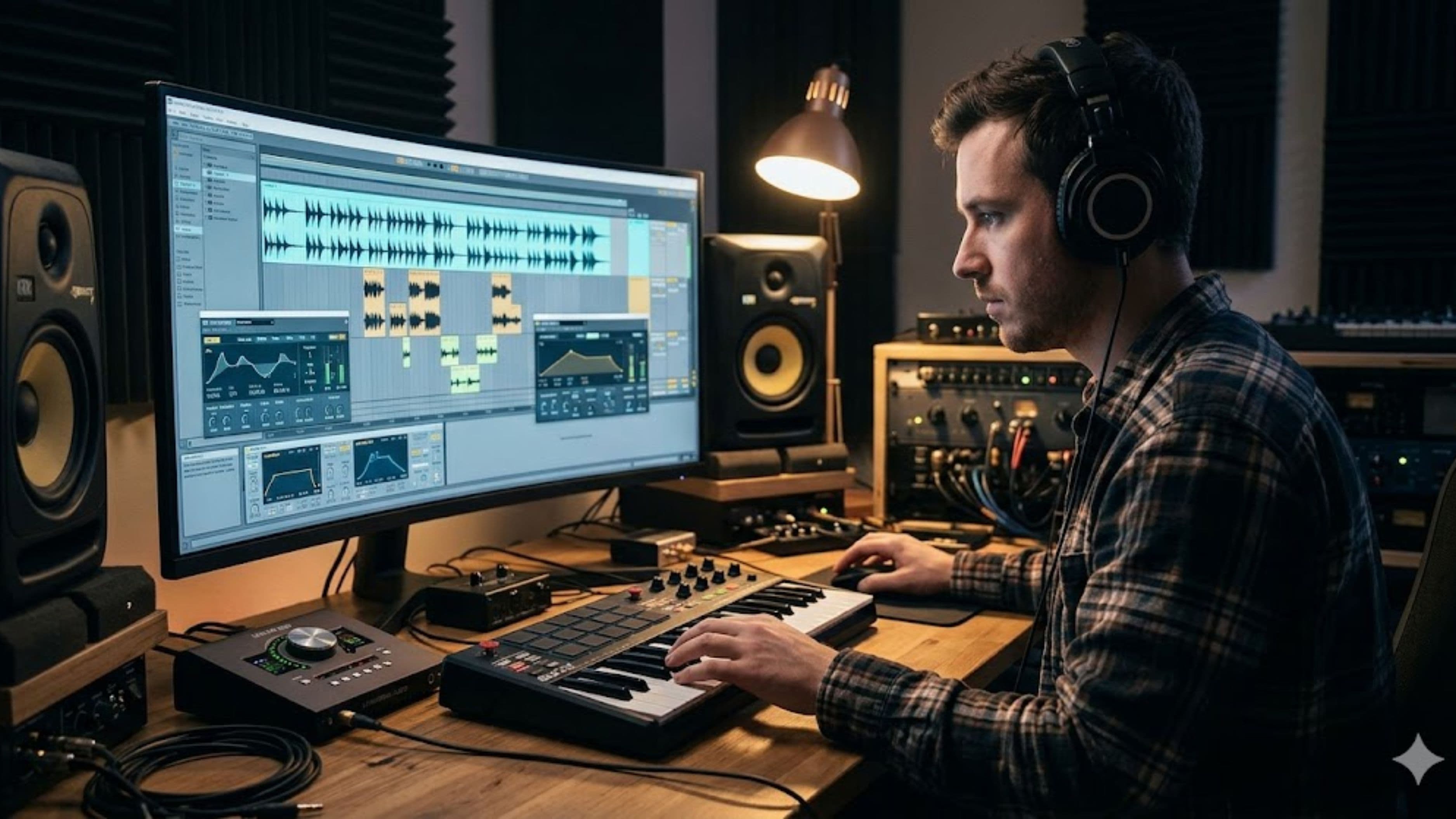
How to Use Sample Packs Without Making Your Track Sound Generic
If you've ever listened to a track and immediately recognized the exact snare from a popular sample pack, you know the problem. Sample packs are everywhere, they're affordable, and they make production faster – but when the same loops and one-shots show up in thousands of tracks across SoundCloud, Splice, and TikTok, the result is a kind of sonic homogeneity that makes it hard for your music to stand out.
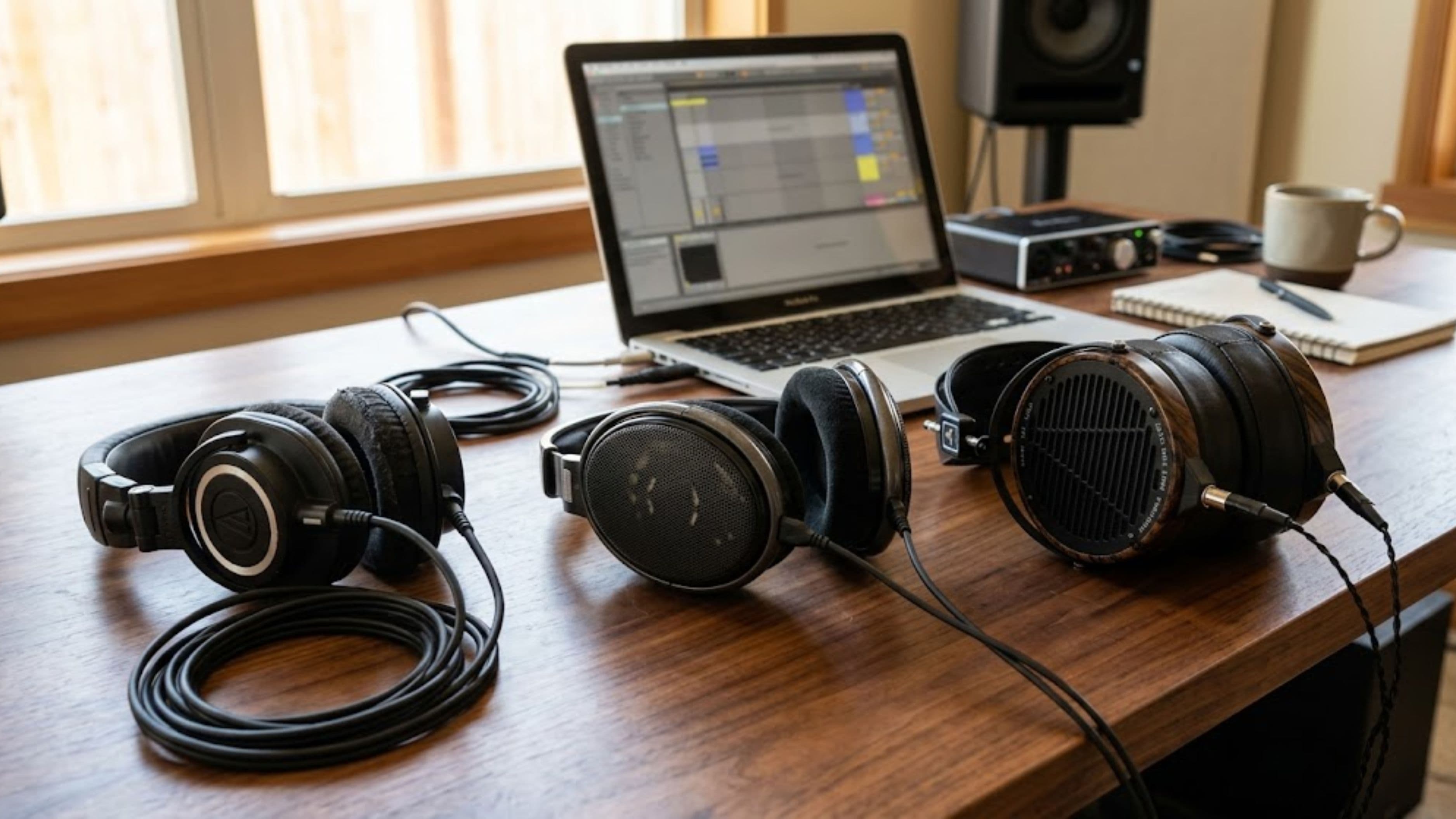
The Best Headphones for Music Production Under Different Budgets
Studio monitors are the goal, but headphones are the reality for most home producers. Whether it's apartment living, late-night sessions, or just the practicality of a portable setup, headphones are how a significant portion of music gets made today. The problem is that consumer headphones – the ones marketed for listening pleasure – are often tuned to sound exciting rather than accurate. That bass boost that makes your playlist sound great will have you overcompensating in your mix and ending up with tracks that fall apart on other systems.
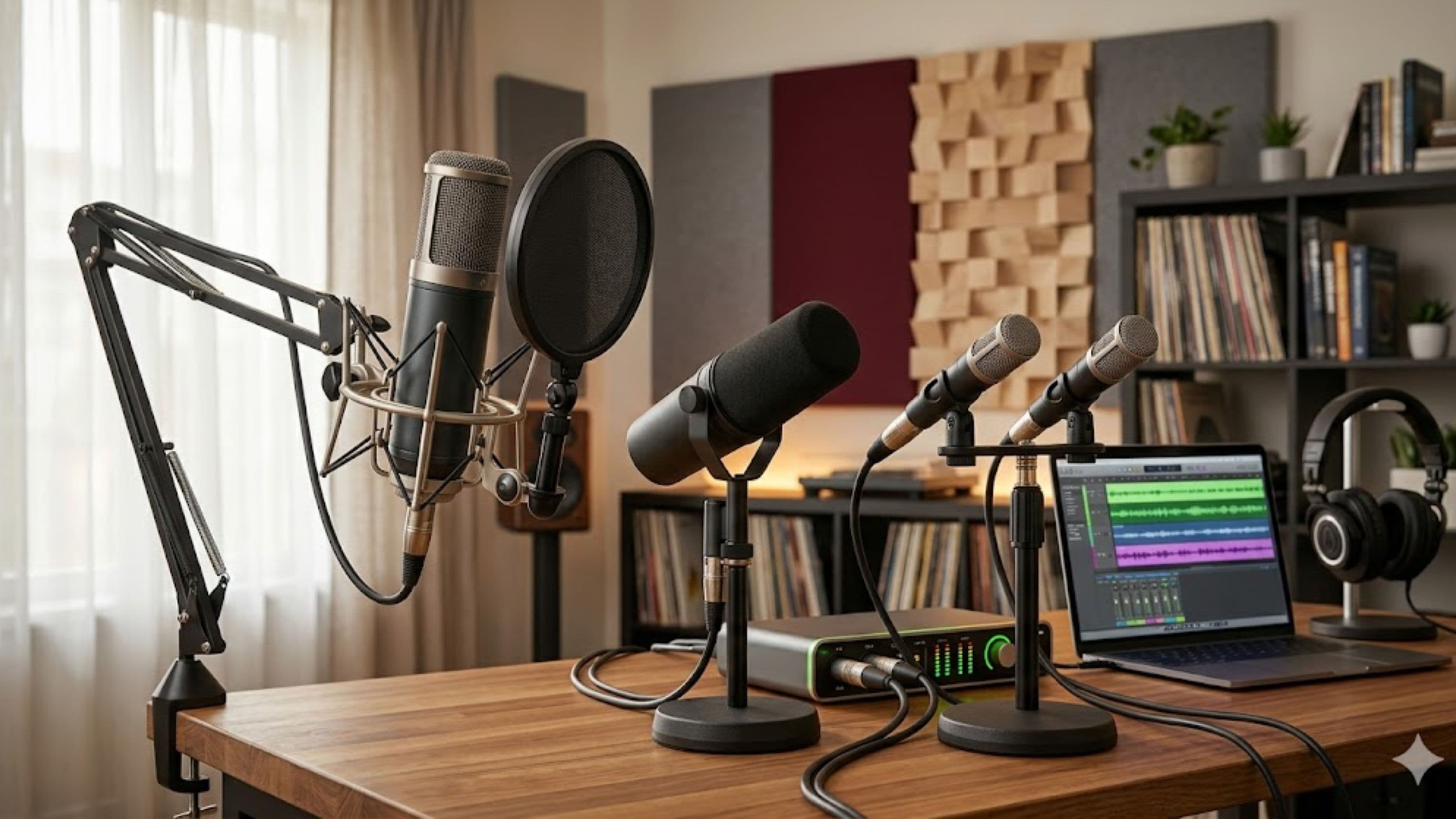
The Best Microphones for Home Studio Recording in 2026
Your microphone is the first link in the recording chain – and it's the one that matters most. You can fix a lot in post, but you can't fix a bad source recording. If your mic isn't capturing your voice or instrument cleanly, everything downstream suffers.
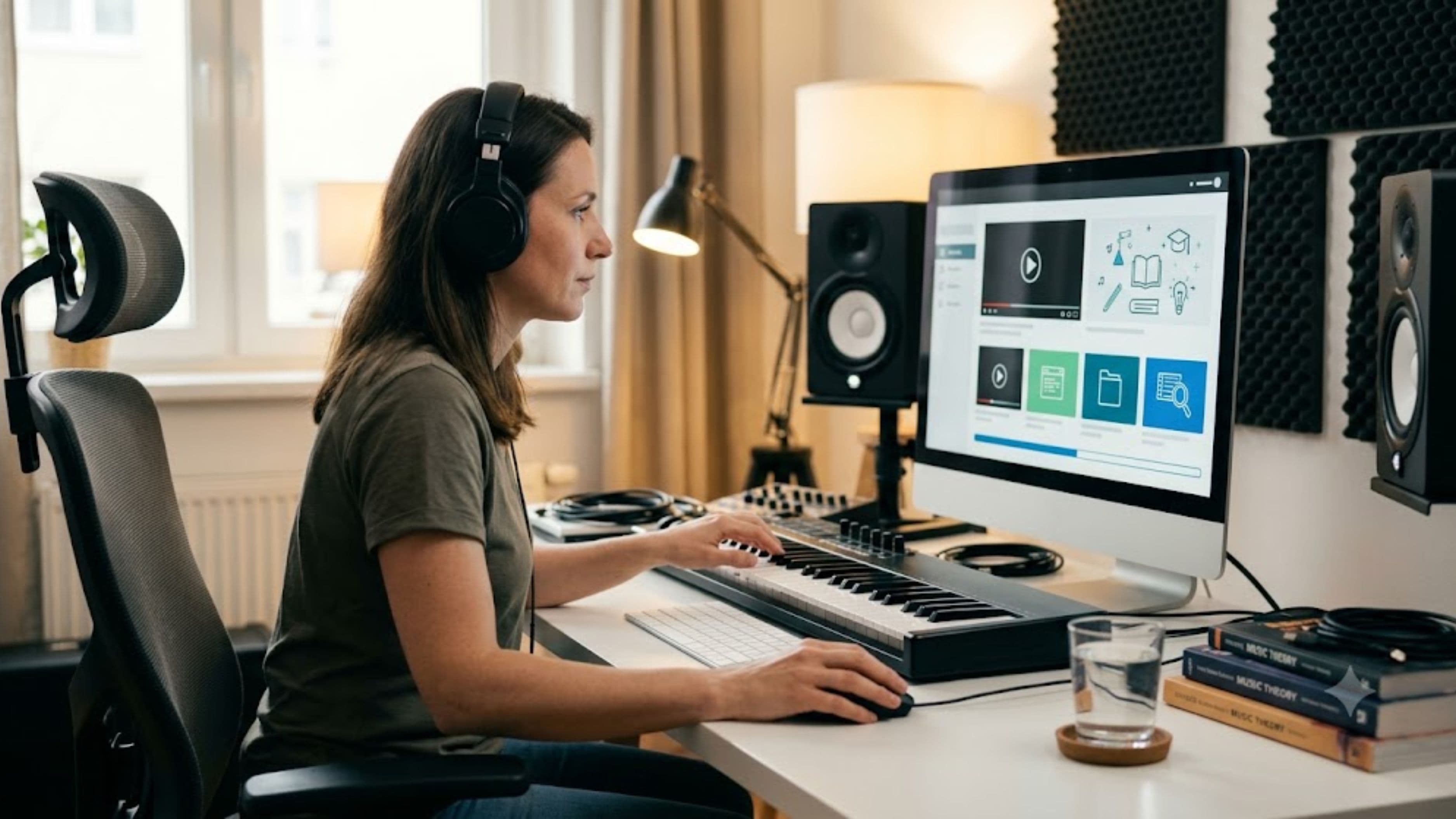
The Best Online Courses for Adult Learners Who Want to Produce Music
Picking a music production course as an adult learner comes with a specific problem most beginner guides don't address: you're not choosing between "learn or don't learn," you're choosing between a dozen platforms with wildly different depth, price, and teaching styles, and picking wrong means wasting weeks on content that's either too basic or assumes knowledge you don't have yet. This list focuses specifically on courses that work well for adults coming in with real time constraints, existing musical interests, and a genuine goal of actually finishing tracks, not just collecting tutorials.
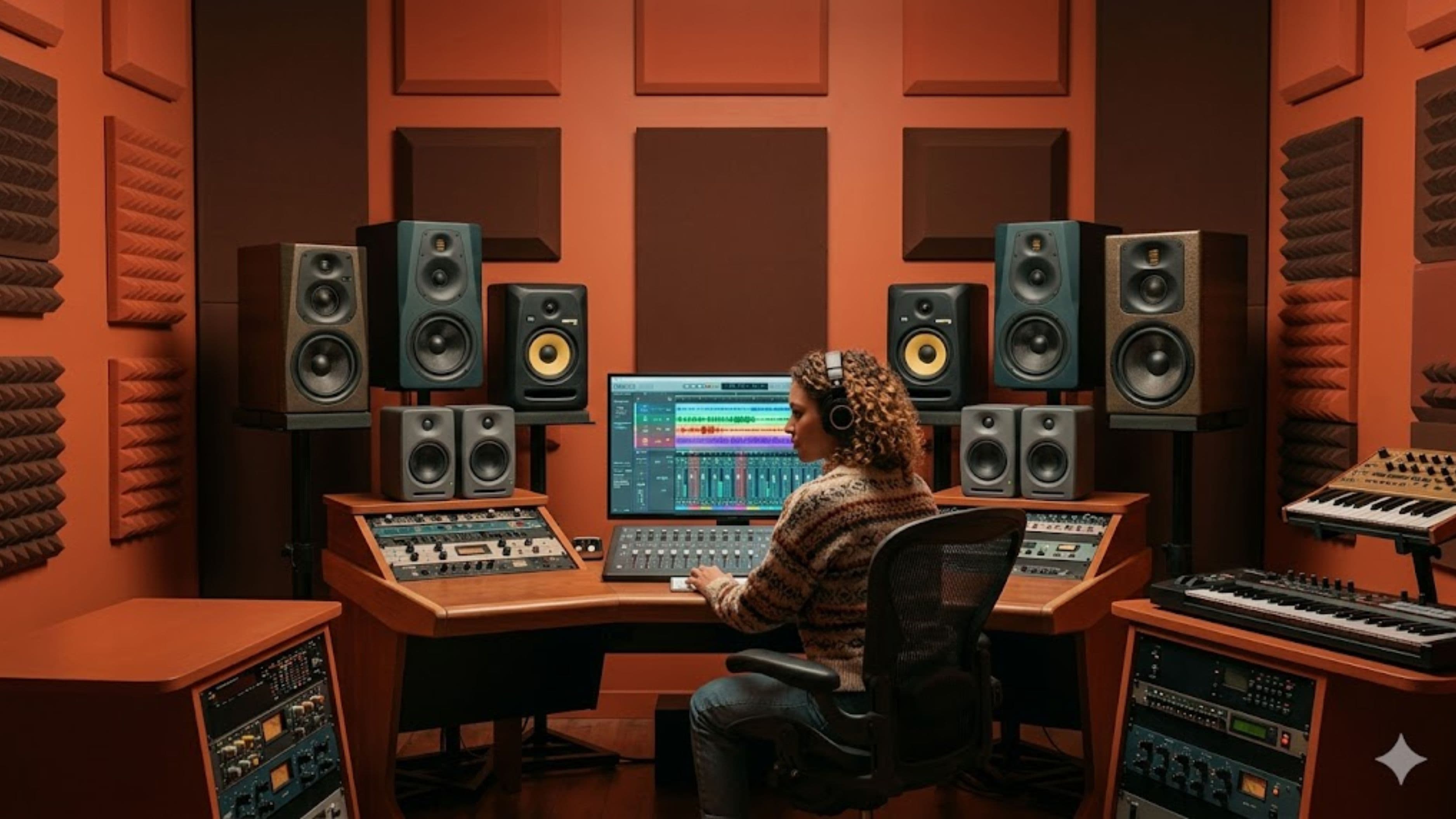
The Best Studio Monitors for Independent Producers Under Every Budget
Your mix sounds great in headphones. It sounds okay on your laptop speakers. You put it on in the car and something's wrong with the low end, the vocals are too bright, and the kick sits nowhere. This is the studio monitor problem – and it's the first real wall most independent producers hit when they start taking their work seriously. The answer isn't always "spend more money." It's "spend money on the right thing, with an understanding of what you're actually buying."
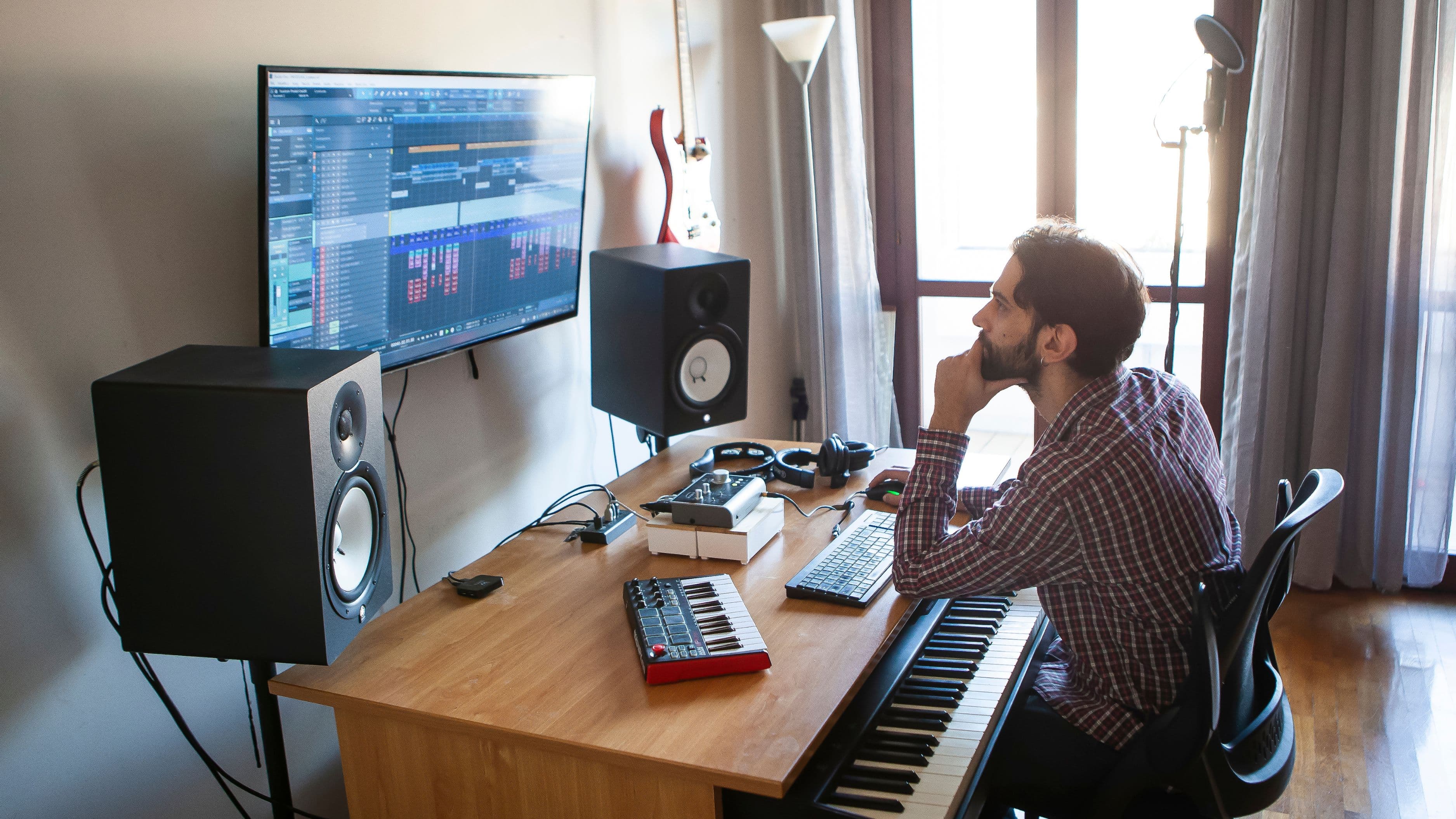
The Creative Routines Behind Some of Music's Most Productive Producers
Ask any independent producer what's holding back their output and the answer rarely involves lack of talent or ideas. It's almost always inconsistency, long stretches without finishing anything followed by a burst of activity that fades just as quickly. The producers who consistently release large volumes of finished work tend to share a handful of routine-based habits that have less to do with raw creativity and more to do with structure around it.
The Gear Setup of Working Independent Music Producers in 2026
Peek into the home studio of a working independent producer today and you'll find something that would have seemed almost impossible a decade ago: a setup capable of professional-quality output, built without the massive studio budgets that once gatekept the industry. The specific tools have shifted meaningfully in recent years, and understanding what a genuinely functional, working setup actually looks like right now helps separate what matters from what's just gear acquisition for its own sake.
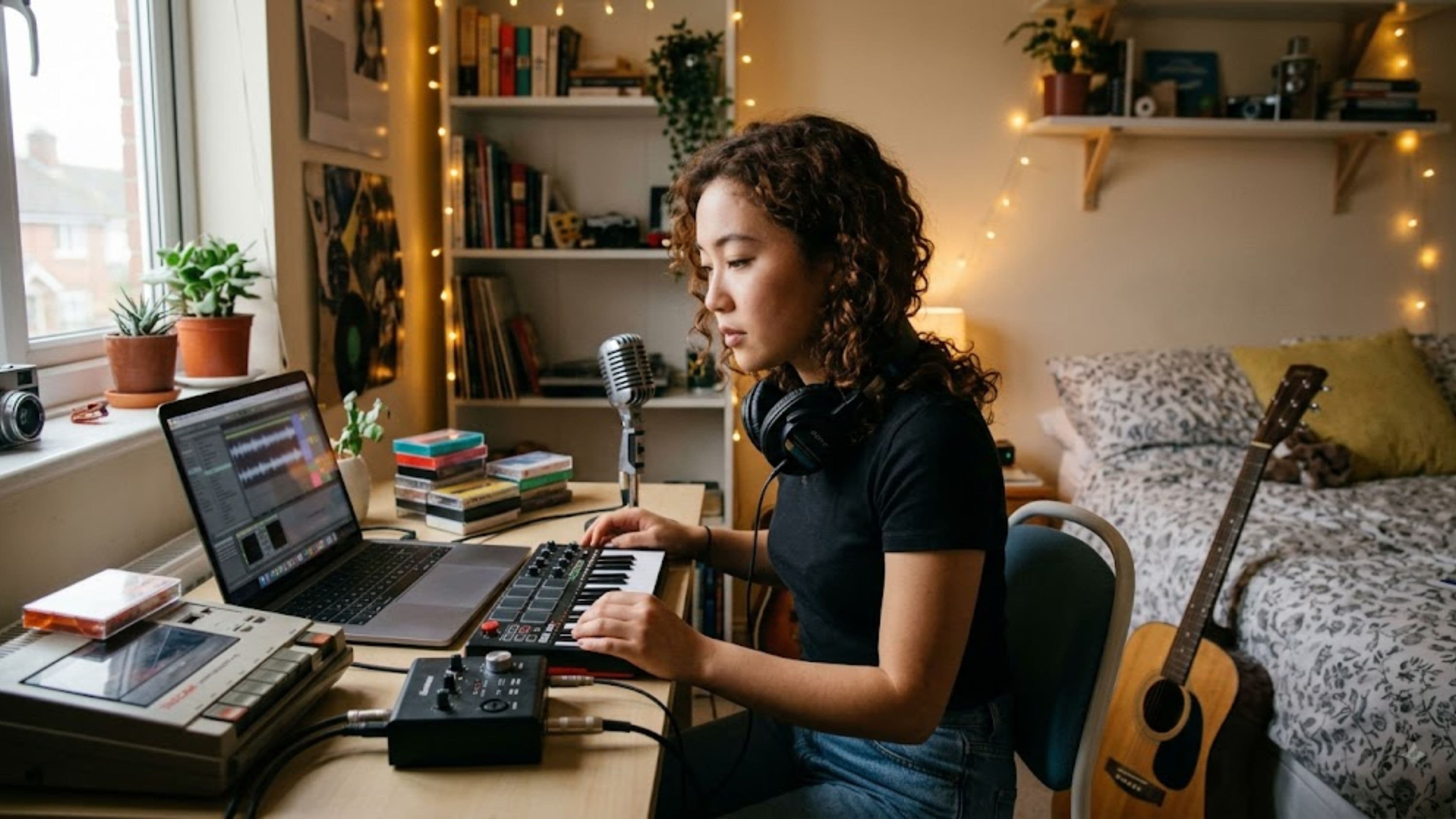
The Rise of Bedroom Pop: How Lo-Fi Aesthetics Became a Production Style
There was a time when a hissy recording, an out-of-tune guitar left slightly imperfect, or a vocal take with visible room noise would have been considered a flaw to fix before release. Now, entire genres are built around embracing exactly those qualities on purpose. Bedroom pop's rise from a practical necessity, artists recording at home because that's what they had access to, into a deliberate, celebrated production aesthetic says a lot about how the tools and expectations of music-making have shifted.

What Makes a Great Recording Environment Beyond Just Soundproofing
Most guides to home recording start and end with soundproofing: hang some foam panels, seal the door gaps, maybe throw a mattress against the wall. And yes, reducing noise bleed matters. But soundproofing is only one piece of what actually makes a recording environment great – and for many home studio setups, it's not even the most impactful piece.
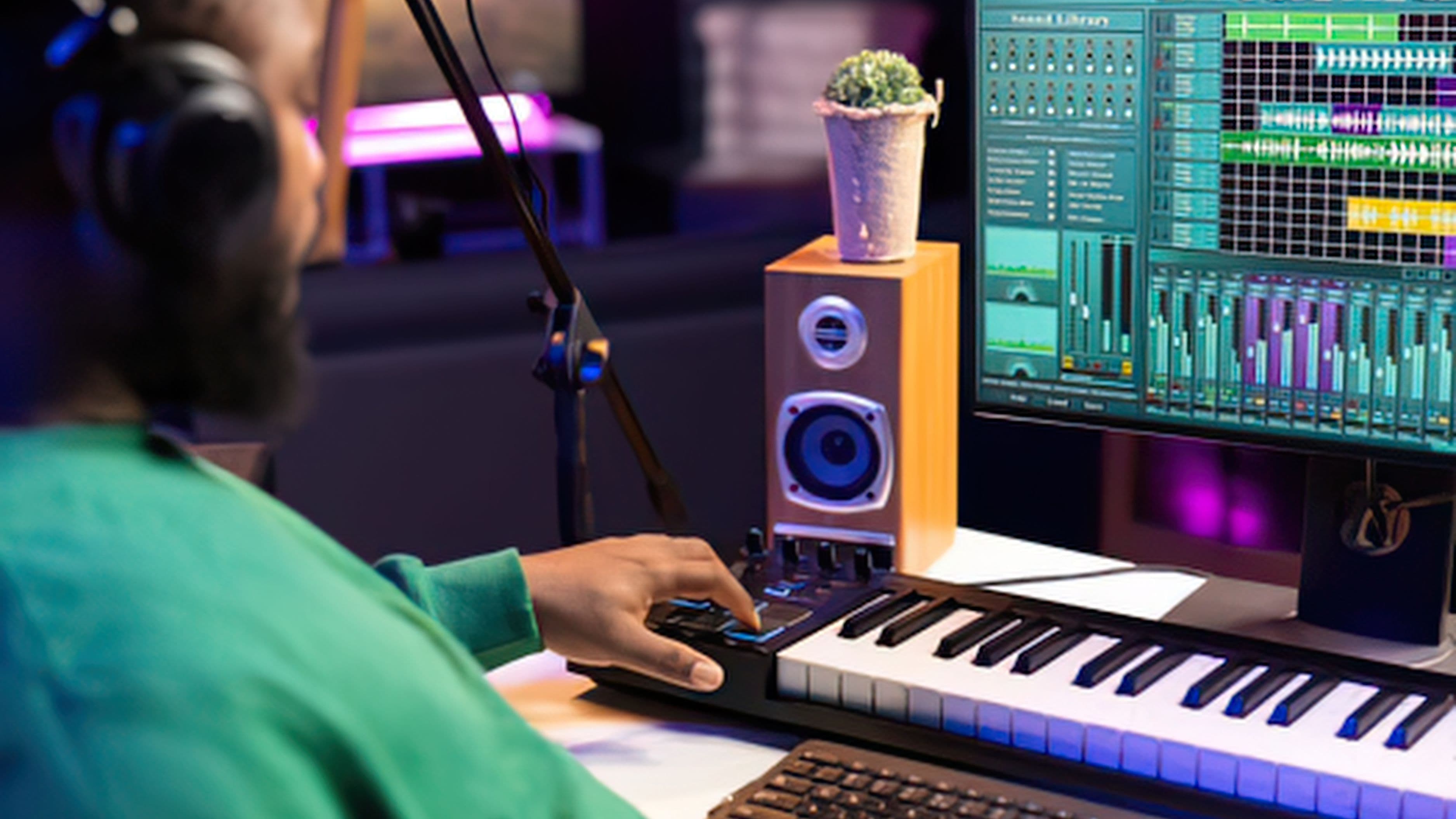
What the Spatial Audio Gear Every Home Producer Should Know About
A growing number of major album releases now come with a spatial audio version alongside the standard stereo mix, and that's not just a marketing checkbox anymore. Immersive audio formats like Dolby Atmos have started genuinely changing how artists and producers approach the album-making process itself, not just how the final product gets delivered. If you're producing music and haven't yet worked with these formats, understanding what's actually shifting matters for staying current with where a meaningful part of the industry is heading.
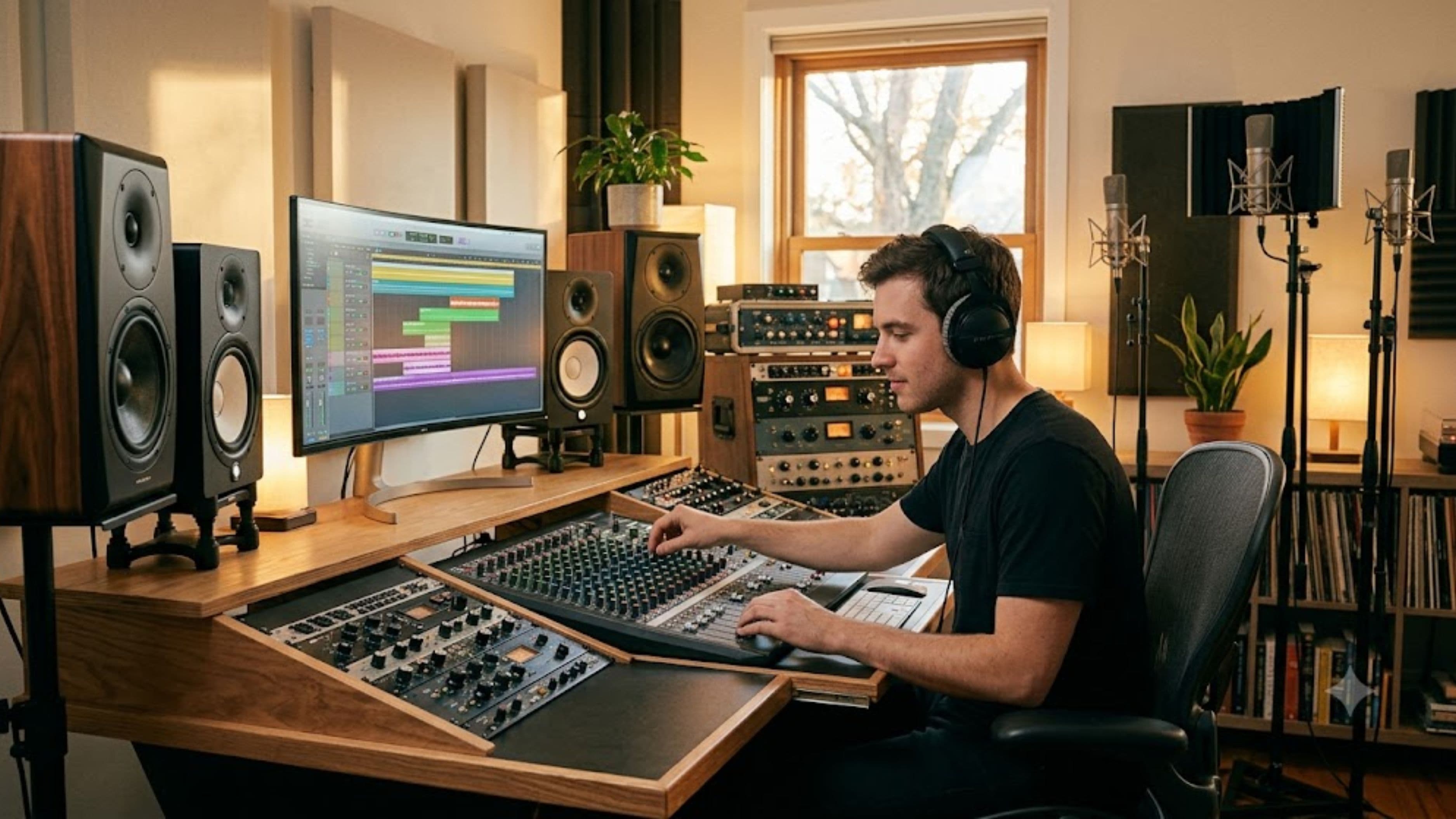
Why High-End Audio Gear Is Becoming Accessible to Indie Producers
Ten years ago, the gap between a professional studio and a bedroom setup was enormous – not just in acoustics and space, but in the quality of the tools. The microphones, preamps, converters, and monitors that major-label records were made on cost tens of thousands of dollars, required dedicated technical support, and simply weren't designed for the independent producer market. That gap has closed faster than most people realize, and in 2026 the tools available to an indie producer with a modest budget would have been considered professional-grade not that long ago.

Why Music Education for Adults Is Having a Major Moment Right Now
Adult beginners picking up an instrument for the first time used to be a quiet, slightly embarrassing pursuit – something you did privately, maybe with an apologetic disclaimer to whoever heard you practicing. That's shifted noticeably. Adult music lessons, online instrument courses, and beginner-friendly practice apps have moved from niche to mainstream, and the shift says as much about how people are rethinking hobbies and skill-building as it does about music itself.
Explore other categories
Same editorial standard, different decisions.

Business
Music rights and cash flow live in licenses, metadata, and fee stacks. This Business Index covers master versus sync licensing, publishing administration, distributor royalty fees, touring travel controls, and the audit practices used when catalogs change hands.
Browse Business
Live & Perform
Browse Live & Perform
Make Money
Browse Make Money
Podcast & Audio
Browse Podcast & Audio
Promote & Grow
Browse Promote & Grow
Streaming
Streaming decides whether a release becomes durable catalog cash flow or a one-week spike. This index explains how DSPs score listener behavior, how save rates and skip timing affect algorithmic playlists, and how royalty pools actually pay out—so campaign spend buys permanence, not vanity numbers.
Browse Streaming
Tech
Release speed depends on two machines working together: the production stack that finishes audio and video, and the paid media stack that finds the first wave of listeners. This Tech Index covers mastering software, creative suites, affiliate programs, and YouTube or Google Ads systems for music campaigns.
Browse Tech