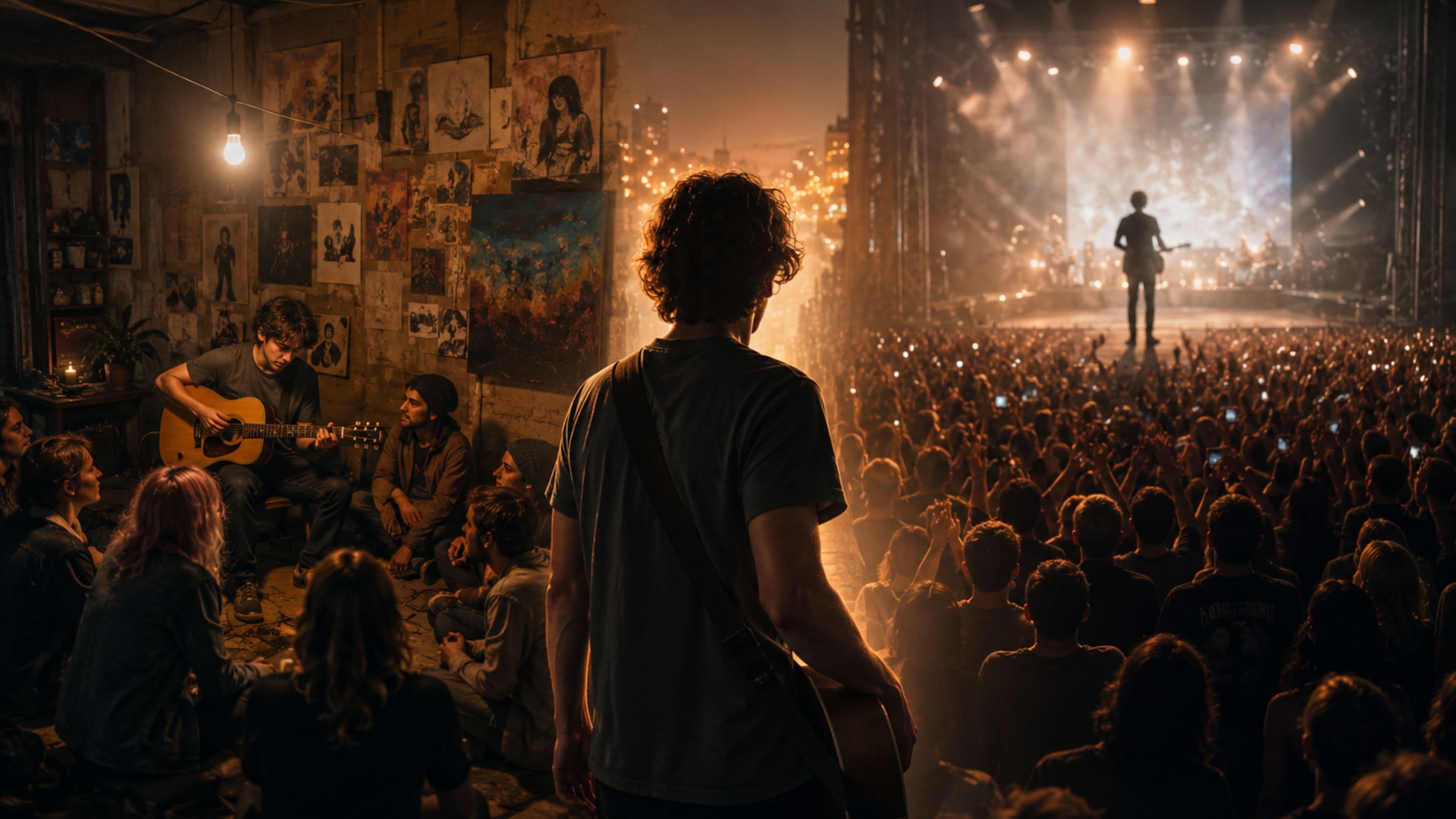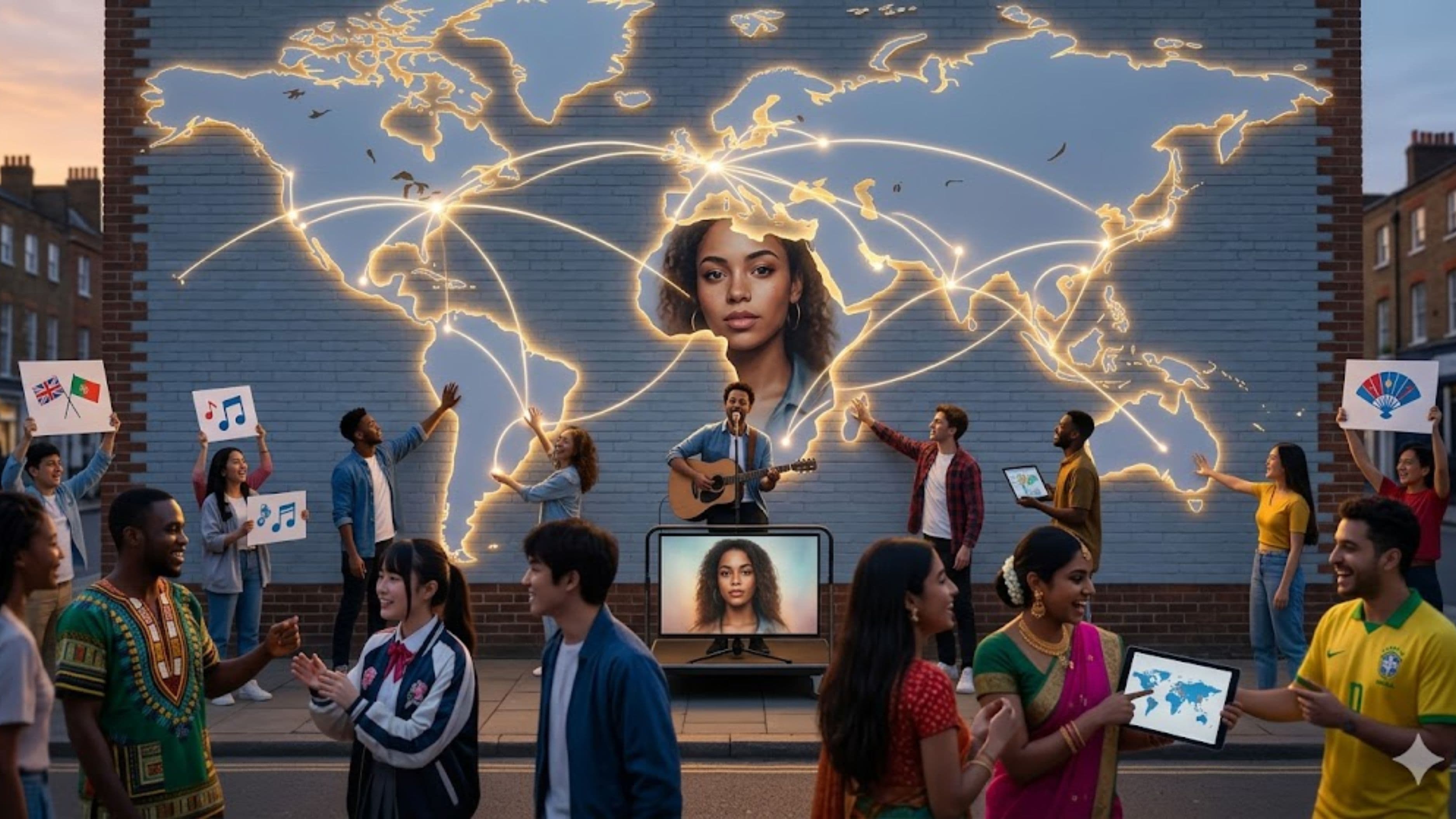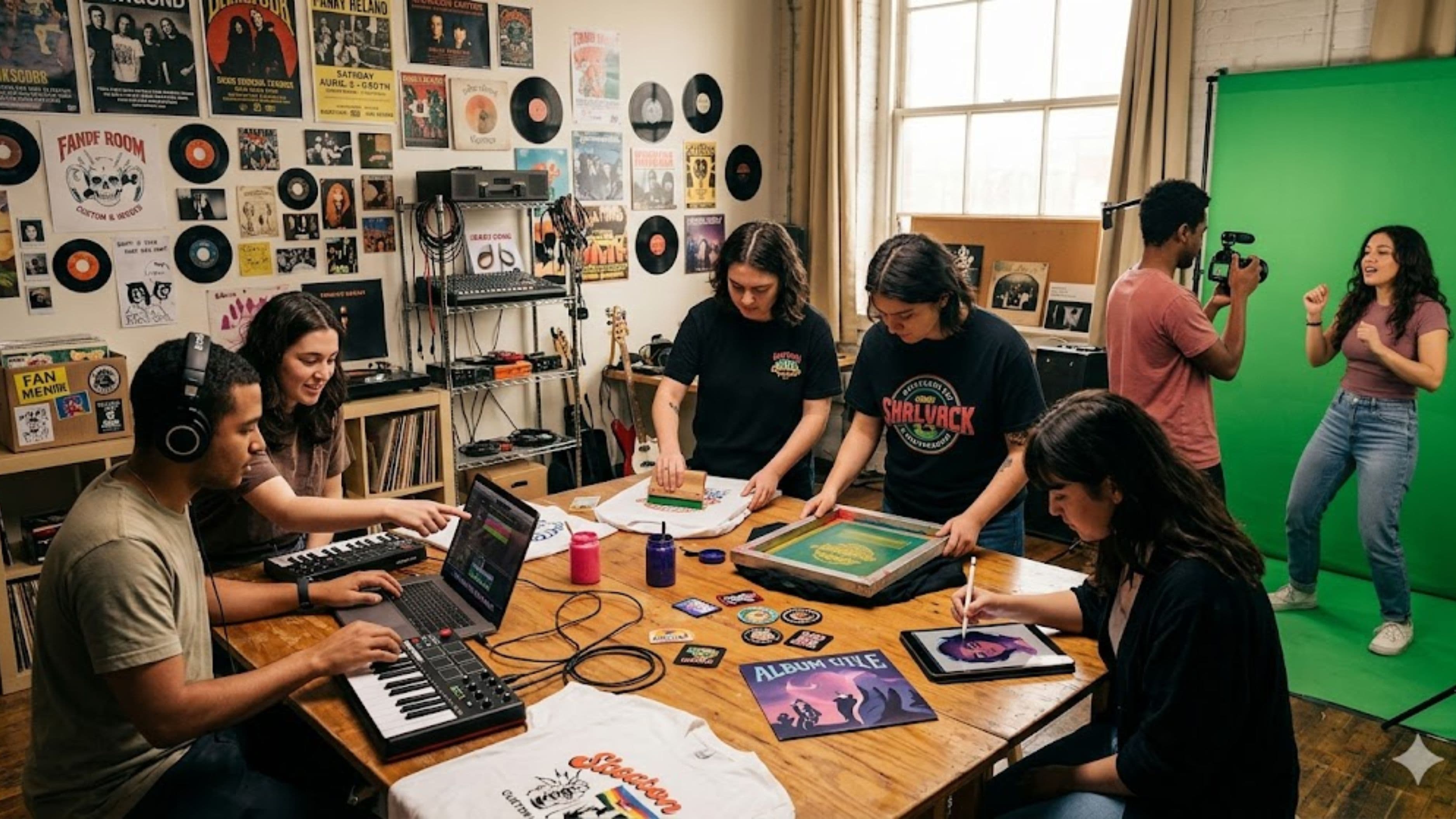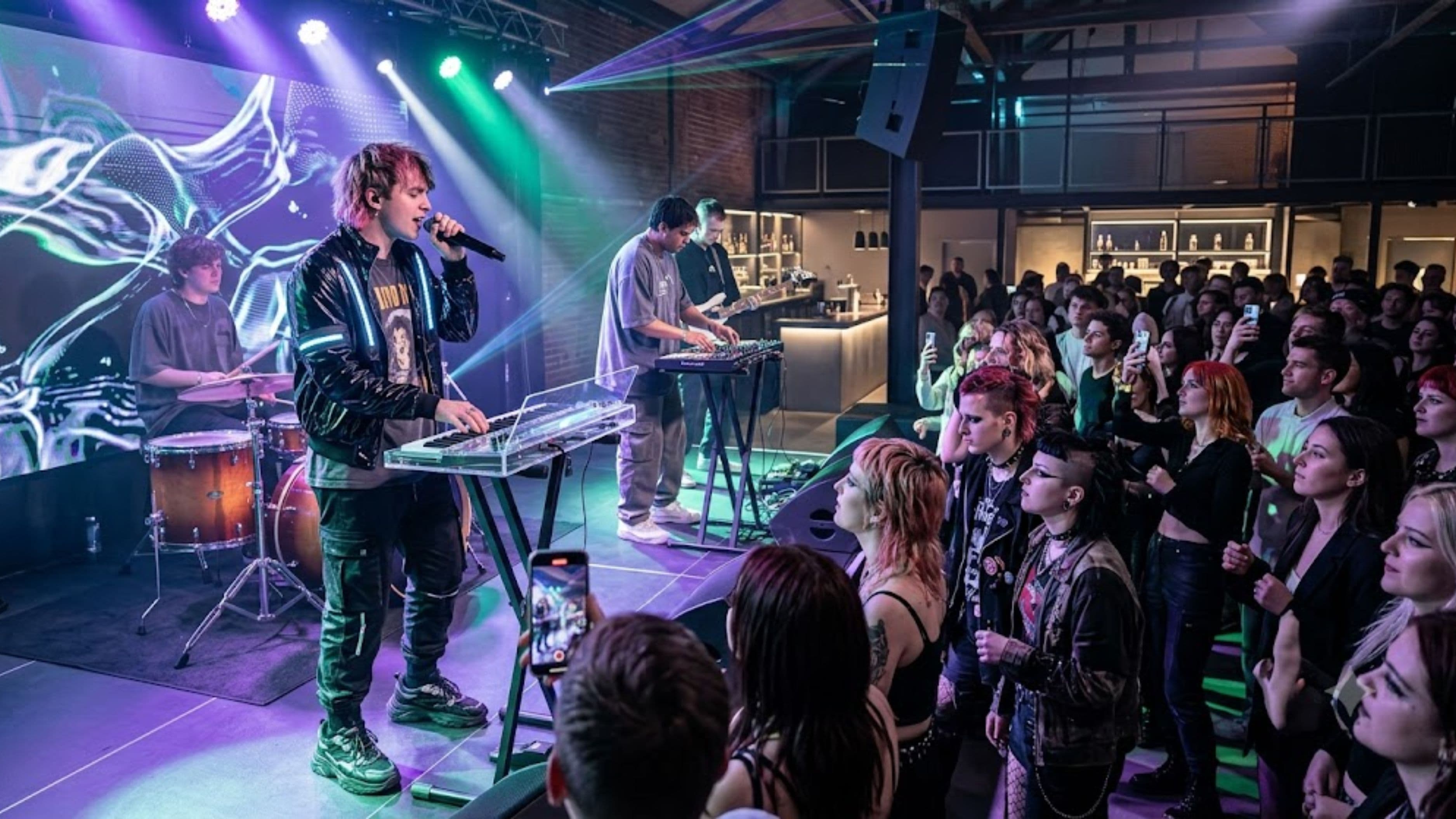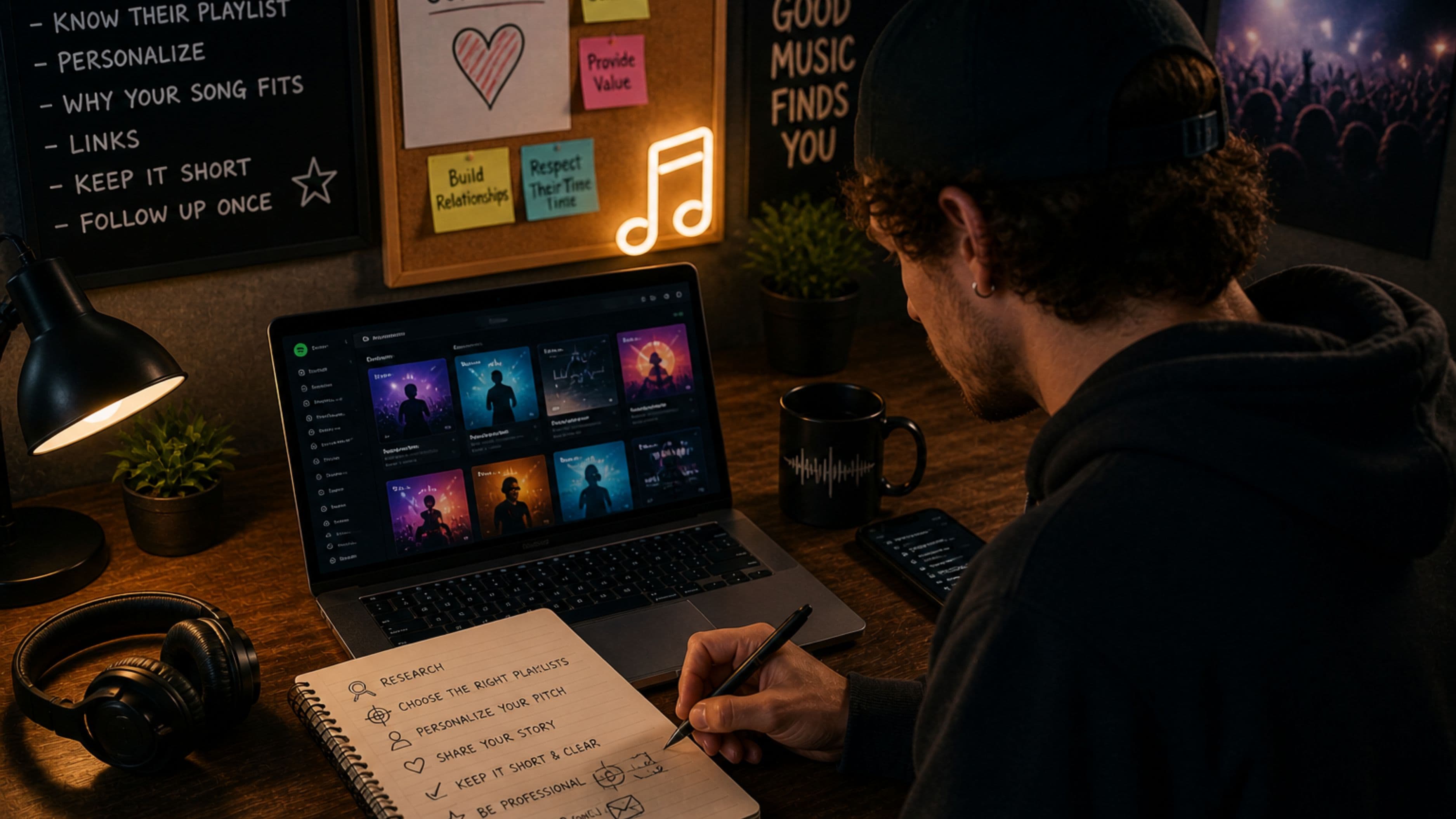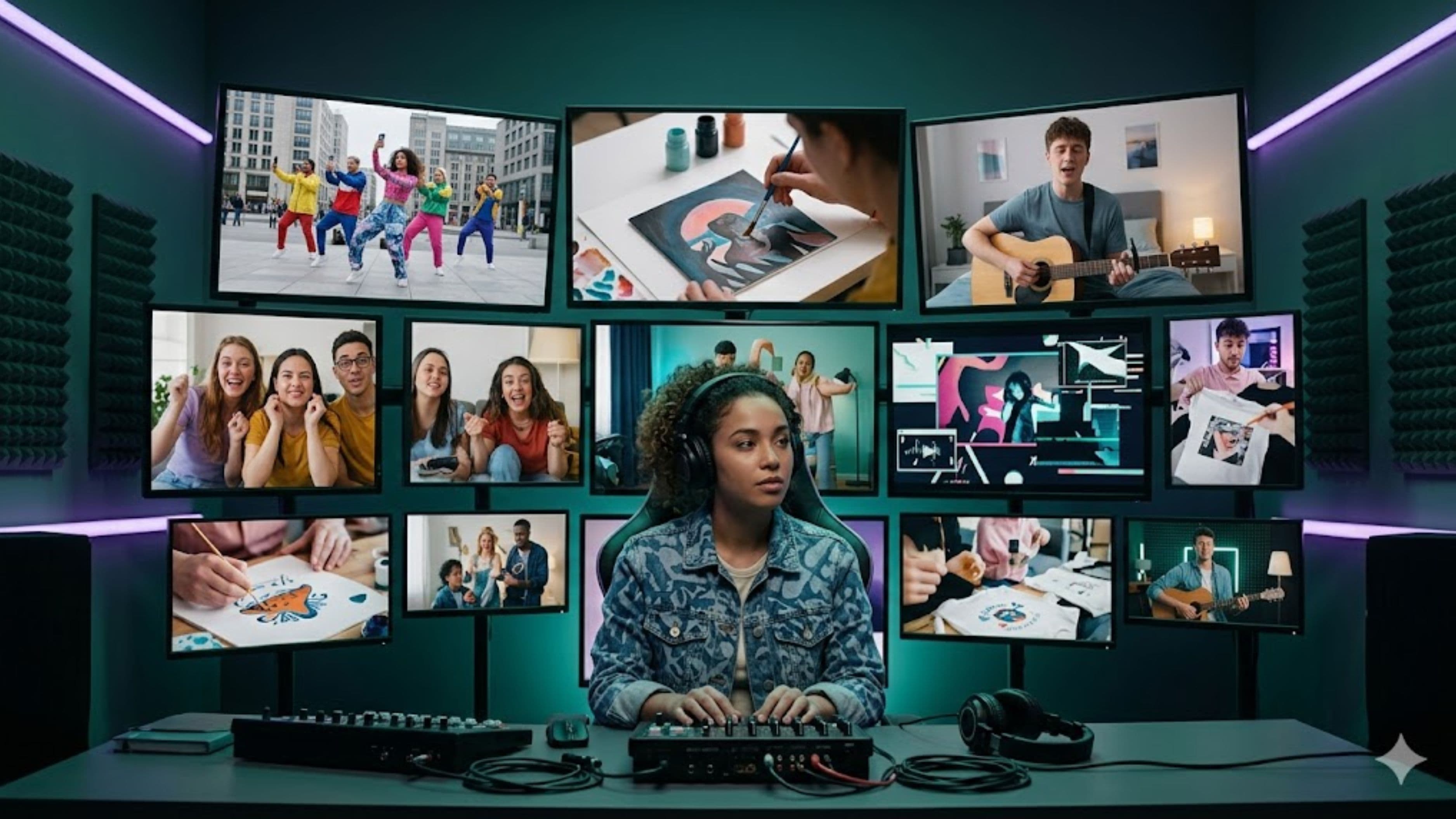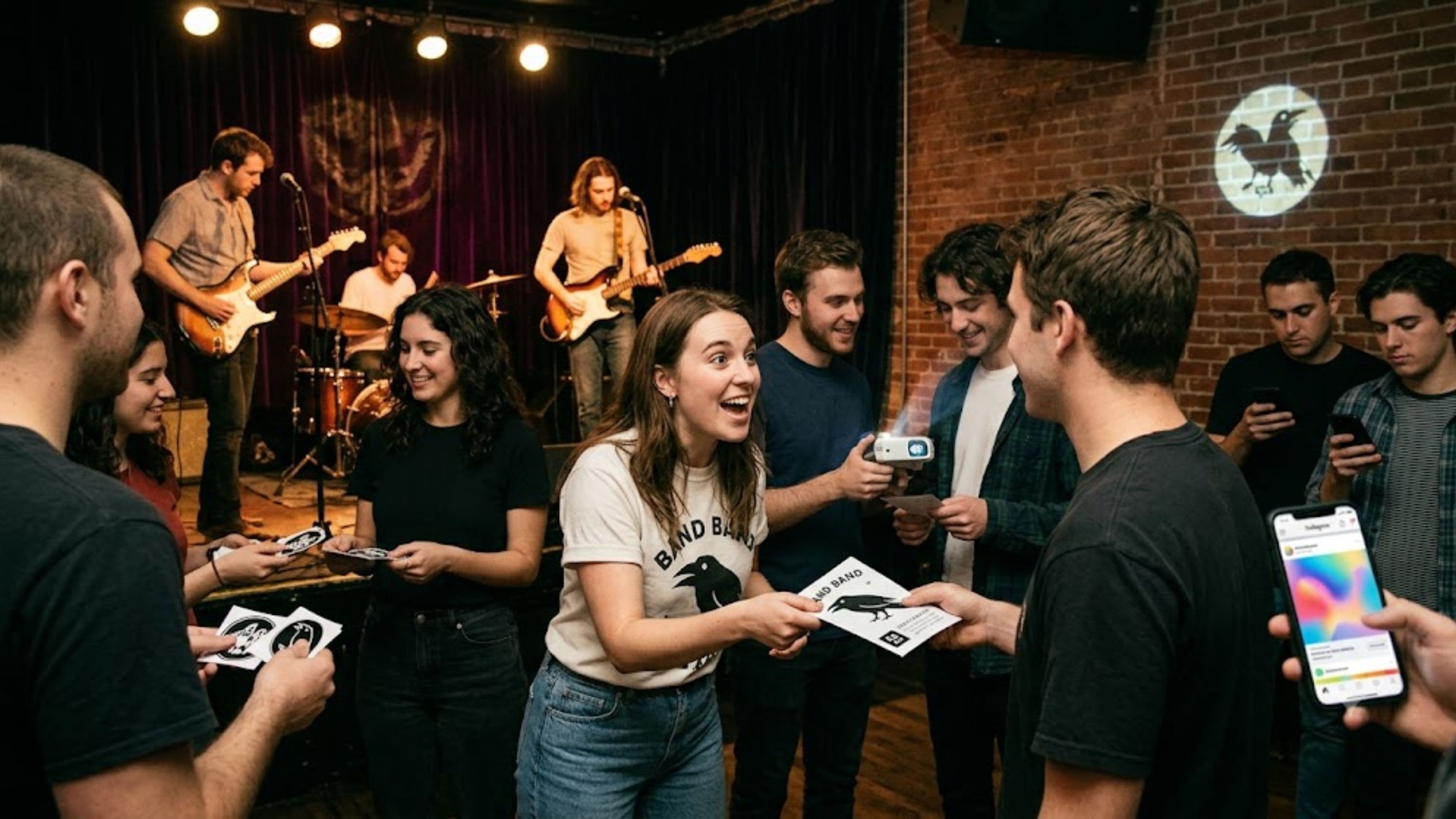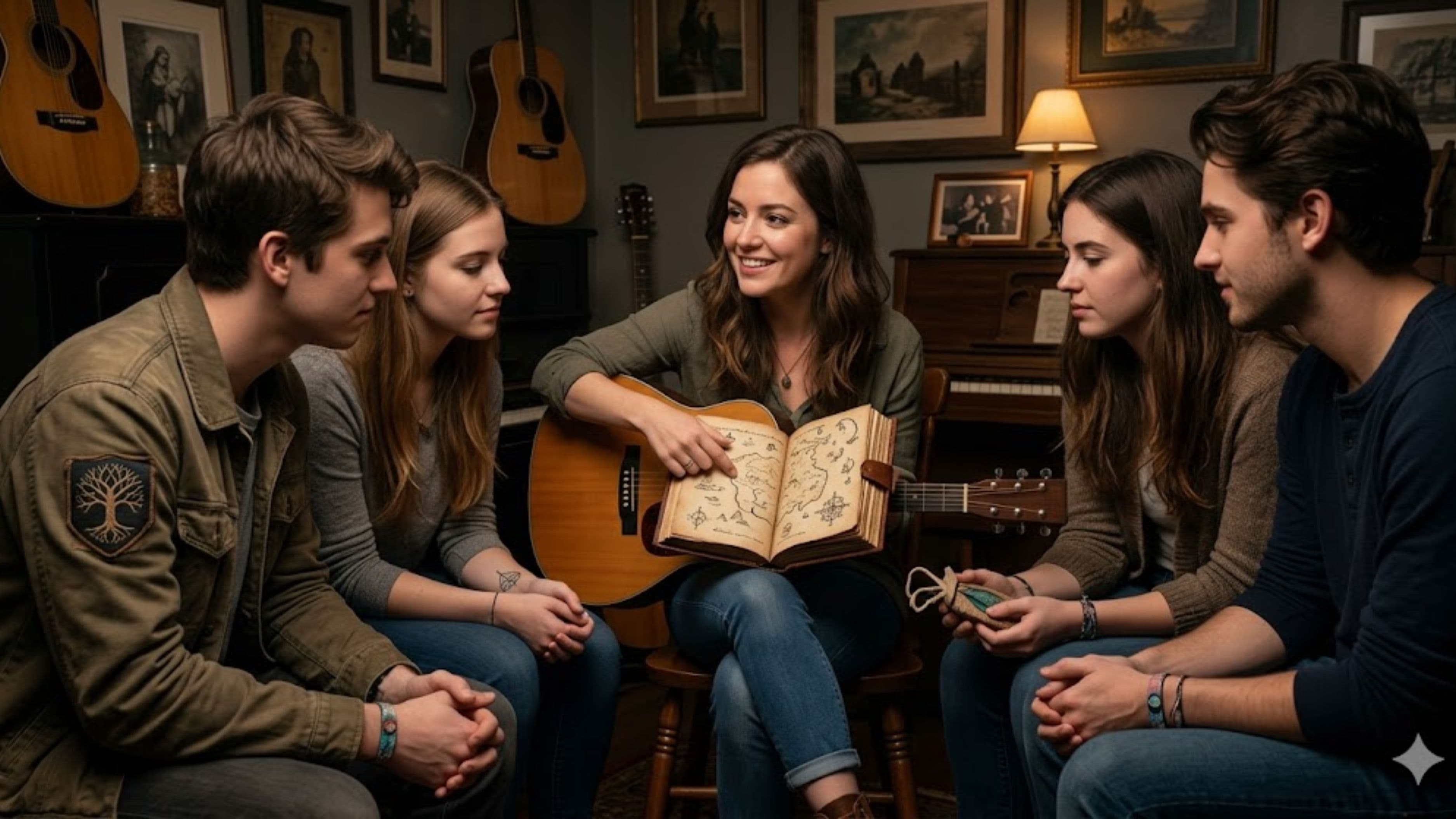
This isn't a new phenomenon. David Bowie built entire personas. Nick Cave constructed a mythology out of violence and redemption across decades. What's new is the tooling, the pace, and the direct artist-to-fan channels that make lore-building both more accessible and more legible than it's ever been.
What Artist Lore Actually Means
Lore in music is the accumulation of narrative context that surrounds an artist's work and gives it meaning beyond individual songs. It can be biographical – the story of where the artist came from, what they survived, how they developed. It can be fictional or constructed – an alternate persona, a thematic universe that spans albums, a set of recurring symbols and characters that fans learn to read over time. It can be relational – the way an artist talks about their process, their collaborators, their growth, in a way that lets fans feel they're watching something unfold rather than just consuming a product.
The functional effect of lore is that it transforms passive listeners into invested participants. A listener who likes a song will stream it. A fan who understands that the song is connected to a larger narrative, a personal journey, or a creative concept they've been following will stream it, talk about it, create content around it, defend it to people who don't get it, and feel personally invested in what comes next. That difference in engagement level is what separates a career from a moment.
Why This Works Psychologically
The psychological mechanism behind lore-driven fan loyalty isn't complicated. Humans are wired for narrative. Story is how we make sense of the world, how we form attachments, and how we decide what's worth our continued attention. An artist who gives fans a story to follow – even an incomplete or evolving one – activates the same engagement loops that make people finish novels, rewatch television series for hidden details, and speculate about what happens next.
There's also an identity dimension. Fans who are deeply invested in an artist's lore often adopt elements of that narrative as part of their own identity. The imagery, the terminology, the inside references become markers of belonging to a community. This is most visible in fandoms with explicit naming conventions – ARMY for BTS fans, Beyhive for Beyoncé fans, Swifties for Taylor Swift's audience – but the identity investment exists across scales. A small indie artist whose fans share references to deep album cuts from three records ago has the same underlying dynamic at a smaller magnitude.
Understanding this psychological reality helps explain why artists who are deliberate about their narrative tend to retain fans more effectively through periods of artistic change. When fans are invested in the story of who an artist is becoming – not just in a specific sound or era – they're willing to follow the evolution rather than abandon it.
How Artists Are Building Lore Today
The most successful contemporary examples of artist lore-building share several characteristics: intentional use of recurring symbolism, a sense of continuity across projects, direct fan communication that feels personal rather than promotional, and an atmosphere of discovery that rewards close attention.
Taylor Swift's approach is probably the most analyzed example of deliberate lore construction in pop music. The layered Easter egg system embedded in her visual content, social posts, and album rollouts – where fans decode potential track titles, themes, and release dates from imagery that looks incidental – has turned each album cycle into an extended puzzle. The effect is that the community of fans who engage with the hunt feel like co-creators rather than passive recipients. By the time a release drops, a core segment of the audience is already deeply invested from weeks of speculation and community participation.
Kendrick Lamar's work operates through a different mechanism: narrative density within the music itself. The albums function as interconnected chapters in a larger story about identity, community, and moral reckoning, and that storytelling depth rewards multiple listens, annotation, and debate. The lore is in the text and context rather than the promotional apparatus, which makes it more durable and more transferable to new listeners who discover the catalog years later.
At the independent level, artists like Hozier build lore through consistent thematic preoccupation – the recurring imagery of religion, nature, death, and desire that runs across his catalog creates a coherent artistic world that fans map and interpret. That coherence makes each new release feel like an extension of something familiar rather than a standalone event.
The Role of Direct Communication Channels
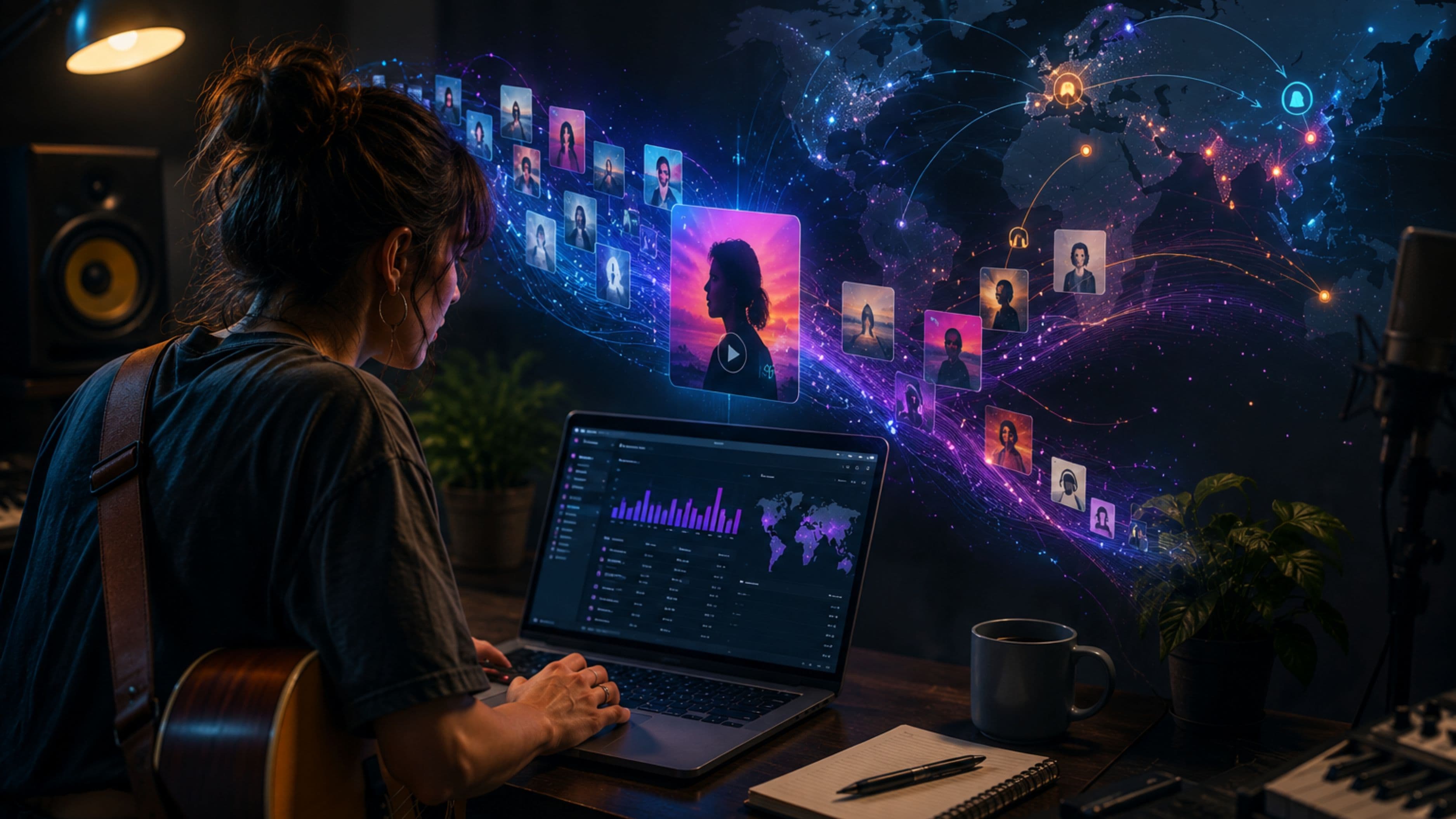
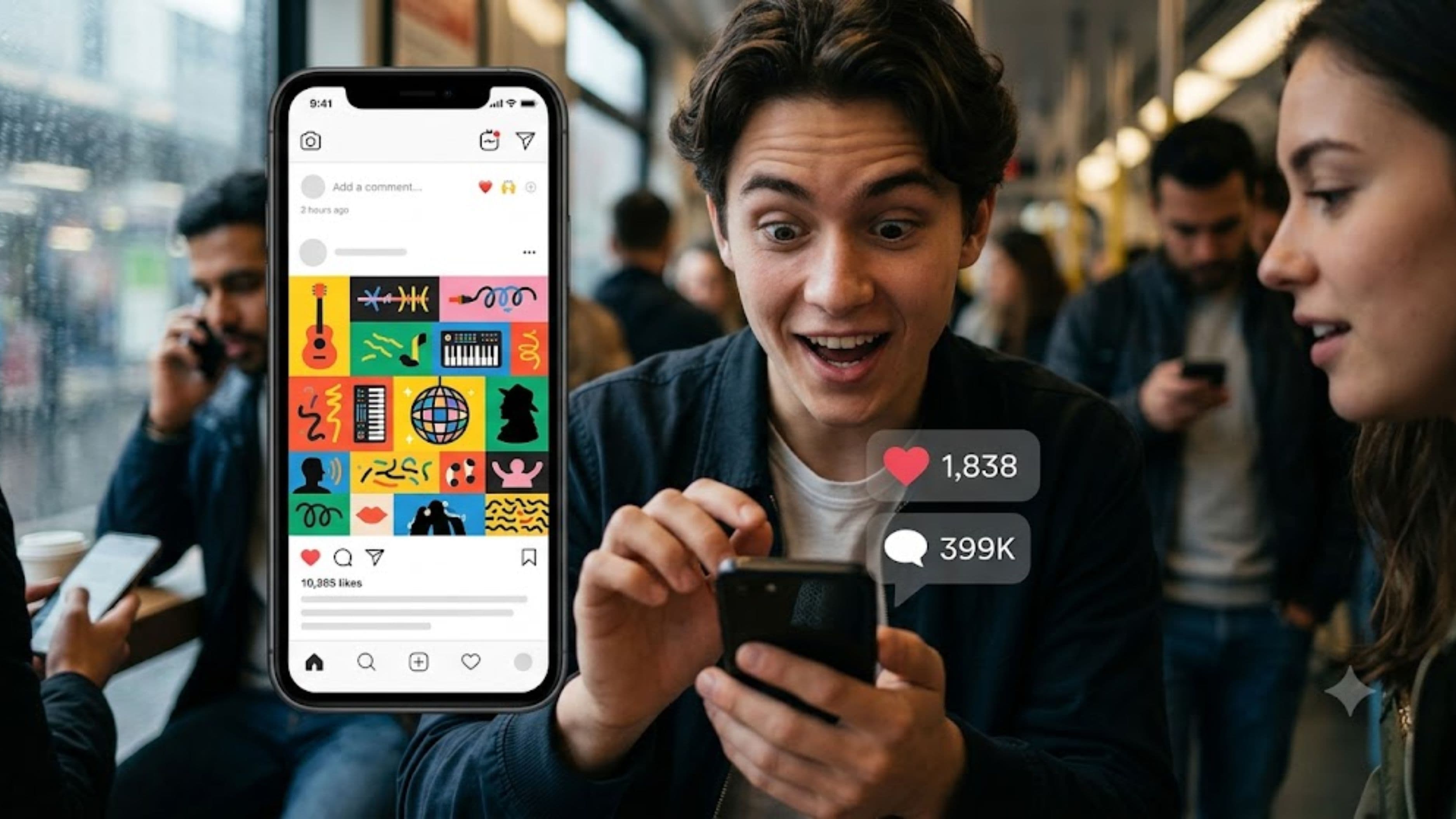
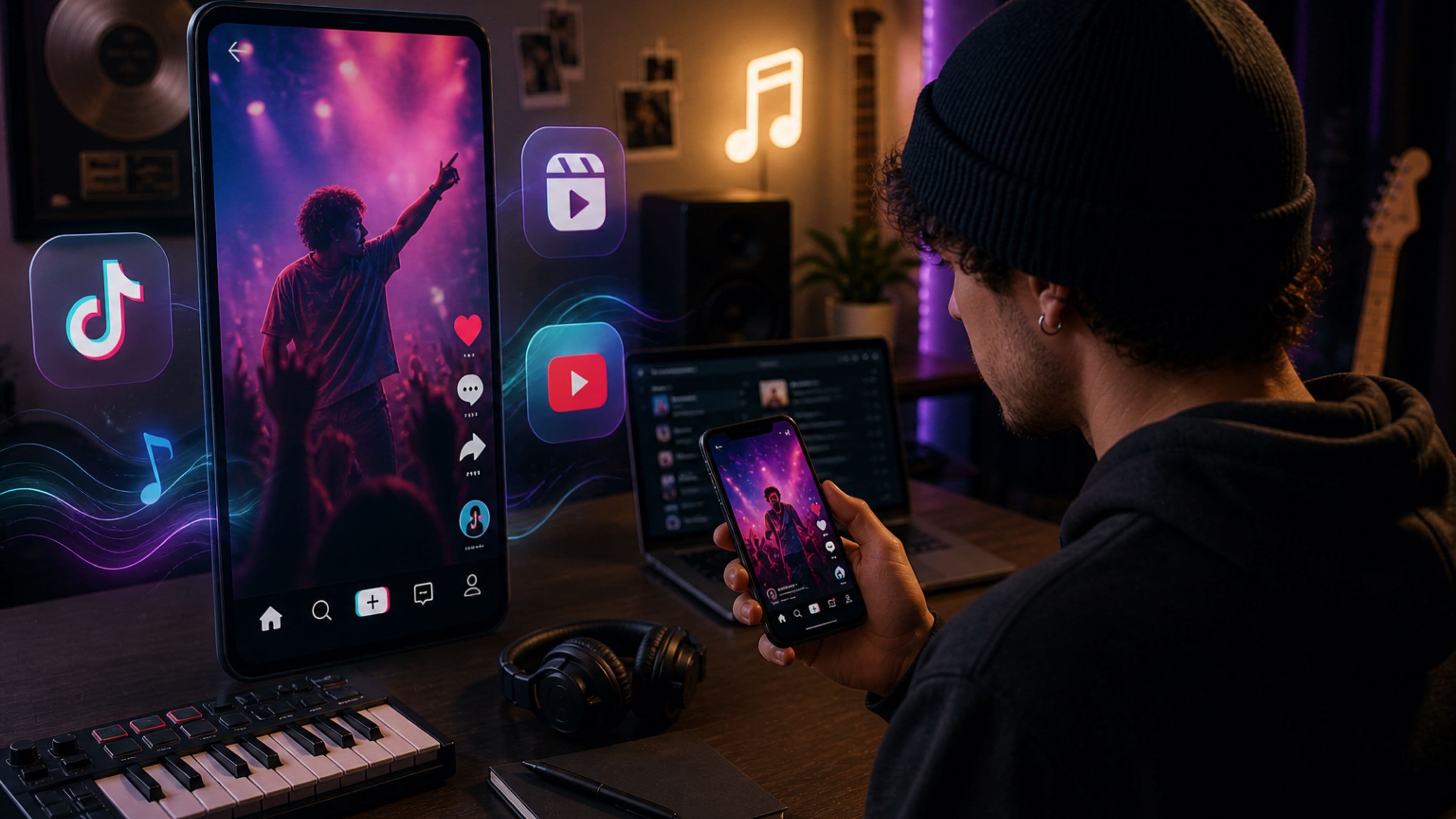
One thing that distinguishes modern lore-building from its historical predecessors is the directness of the artist-to-fan pipeline. Bowie's mythology was mediated by press coverage, record label promotion, and concert performance. Today, an artist can release a handwritten note on Instagram, a voice memo on Patreon, or a casual TikTok video that gives fans unmediated access to the interior of the creative process. That access, when used thoughtfully, is extraordinarily good at building the kind of intimacy that drives loyalty.
The key word is thoughtfully. The channels that build lore most effectively are the ones where artists share process, vulnerability, and genuine meaning – not just product. A video of an artist explaining what a lyric actually refers to, or talking about a personal experience that shaped a song, or sharing the messy early demo of something that became a finished track, creates connection that promotional content never does. It lets fans feel like they know something real about who the artist is, and that feeling is what converts casual listeners into invested community members.
Discord has become a particularly powerful lore-building environment because it allows for sustained, threaded conversation that social platforms with feed-based structures don't support well. Artists who maintain active Discord communities – or who empower mods and fan leaders to do so – create spaces where lore accumulates organically through fan discussion, where fan theories and interpretations can develop over time, and where the community's relationship to the artist's work deepens continuously between releases.
Building Continuity Across Projects
Lore requires continuity to work. A single standalone album or a series of unconnected singles doesn't give fans enough connective tissue to invest in a larger narrative. What builds genuine lore is the sense that each project is speaking to the ones before it – that themes return, that questions raised in earlier work are answered or deliberately left open, that the artist's identity and preoccupations are consistent enough to track.
This doesn't mean every project needs to be a concept album or a chapter in an explicit narrative. It means developing a recognizable artistic identity that persists across the surface-level variation of different eras, sounds, and aesthetics. Fans can track that identity because they've been given enough context through the artist's communication and the work itself to understand what the artist cares about, what they're grappling with, and where they might be headed.
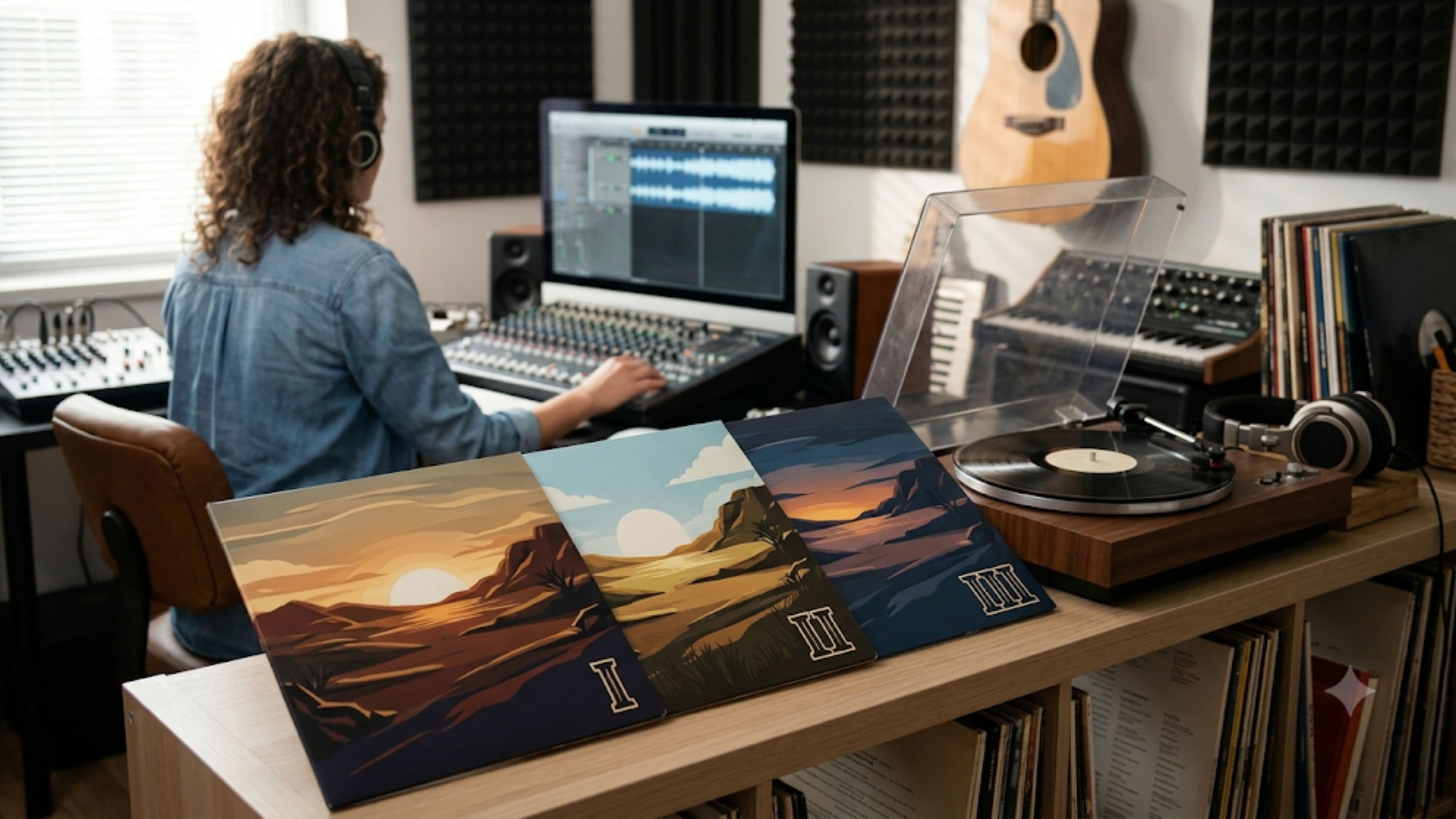
For independent artists, this is one of the most practical and accessible forms of lore-building available. It doesn't require a major label budget or a PR team running Easter egg campaigns. It requires consistency of self-expression across the music, the visual identity, and the way the artist communicates about their work. Artists who treat their catalog as a coherent body of work rather than a series of isolated releases tend to find that their most engaged fans develop exactly the kind of investment and advocacy that drives long-term career sustainability.
What to Watch Out For
The line between lore and manufactured mystique is worth being careful about. Fans are perceptive, and lore that feels calculated rather than genuine tends to backfire. An artist who constructs an elaborate fictional backstory that has nothing to do with who they actually are, or who runs Easter egg campaigns around symbolism that doesn't connect to real creative intent, is running a short-term engagement strategy rather than building the kind of trust that produces durable loyalty. When the construction is revealed – and it usually is – the fan community's reaction is more cynical than if no lore had been attempted at all.
There's also a parasocial risk to manage. The intimacy of direct communication channels can create fan expectations of access and relationship that the artist can't sustainably fulfill. Boundaries around what artists share – and what they keep private – are healthy and necessary, and communicating those boundaries clearly tends to be more effective than ignoring the dynamic and hoping fans self-regulate.
Finally, lore-building is a long game. An artist who invests in narrative and community for six months and then goes quiet, rebrands completely without continuity, or abandons the channels they built trust through will find that the investment doesn't compound – it dissipates. The fan loyalty that lore builds is durable when the artist is consistent, and fragile when they're not.
Practical Takeaway
If you're an artist thinking about how to build deeper fan loyalty, the most actionable starting point isn't designing an Easter egg campaign or building a fictional universe. It's developing clarity about what your work is actually about – what themes, experiences, and questions run through it – and then communicating that honestly through the channels where your audience already is.
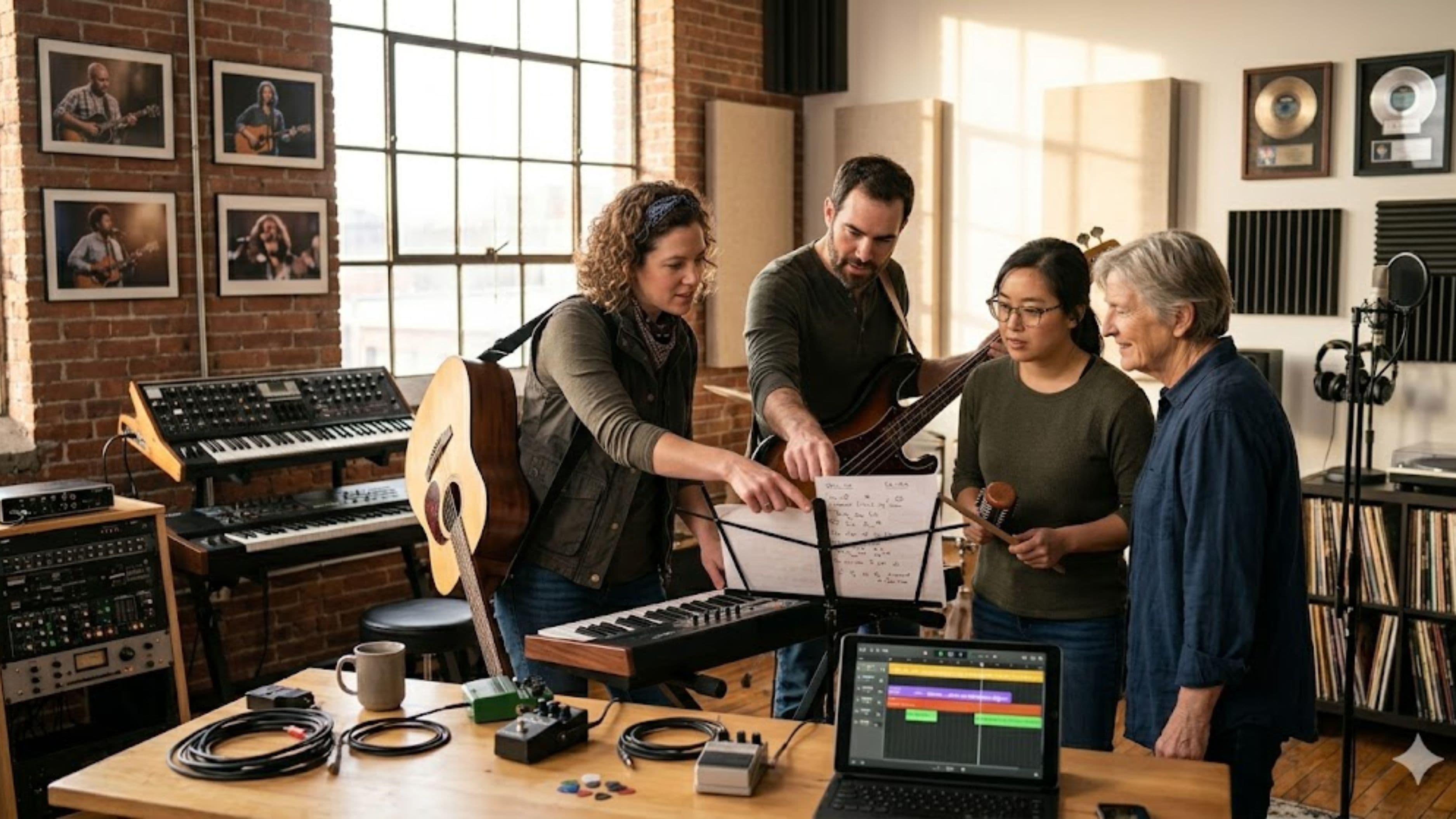
Talk about your process in ways that are specific and real rather than generic. Connect your releases to each other in the way you talk about them, so fans understand they're following something continuous rather than a series of unrelated moments. Pay attention to the fans who engage most deeply and give them context they can work with. The lore builds itself from there, out of genuine content that fans have something to say about. The artist's role is to give them real material, not to manufacture the reaction.
FAQ
Do smaller artists need to worry about building lore, or is that just for major acts? The scale is different but the dynamic is the same. An independent artist with 5,000 engaged monthly listeners benefits from lore-building in exactly the same way as a major act – it converts passive streamers into active community members who advocate for the music. The tools available to independent artists (social platforms, Discord, Patreon, Bandcamp posts) are more than sufficient to build the kind of narrative context that drives deeper loyalty at smaller scales.
How much should an artist reveal about their personal life in the service of building lore? Only what they're genuinely comfortable with. The most durable fan loyalty is built on authentic connection, not full transparency. Artists can share process, creative intent, and emotional context without sharing details of their private life that they'd prefer to keep separate. Fans generally respond well to the sense that the artist is being real with them within whatever boundaries they've set, rather than expecting unlimited access.
Can an artist build lore around purely instrumental or experimental music without lyrics to decode? Absolutely. Lore doesn't require lyrical content to decode – it can be built through visual identity, release format, artist communication about intent and process, and the thematic coherence of the work. Artists in ambient, jazz, classical, and electronic genres have built deeply invested fan communities around non-lyrical work by giving fans context for what the music means and how to listen to it.
What's the difference between artist lore and artist branding? Branding is the visual and aesthetic system that communicates who an artist is at a surface level. Lore is the narrative layer underneath it that gives the brand meaning. Strong branding without lore tends to be easily copied and shallowly experienced. Lore without intentional branding often doesn't communicate clearly to new listeners. The most effective artist identities integrate both – a coherent aesthetic system that signals what the artist is about, and a narrative depth that rewards investment.
How long does it take for artist lore to meaningfully impact fan loyalty? There's no fixed timeline. Some artists develop a deeply invested fan community within their first two or three releases if those releases are thematically coherent and supported by genuine communication. Others build gradually over years. The key factor is consistency – artists who maintain a recognizable narrative identity across multiple releases and continue communicating honestly about their work tend to see compounding returns on that consistency over time.
📚 Sources
Rolling Stone – How Taylor Swift's Easter Egg Strategy Changed Music Marketing: https://www.rollingstone.com/music/music-features/taylor-swift-easter-eggs-eras-tour-strategy-1234723004/
Pitchfork – The Art of the Album Cycle and Long-Form Storytelling: https://pitchfork.com/features/article/the-album-cycle/
Music Business Worldwide – Fan Engagement Strategies in the Streaming Era: https://www.musicbusinessworldwide.com/how-artists-are-building-fan-communities/
Hypebot – Artist Storytelling and Community Building for Independent Musicians: https://www.hypebot.com/hypebot/2024/03/artist-storytelling-and-fan-loyalty.html
Bandcamp Daily – How Artists Use Bandcamp to Build Direct Fan Relationships: https://daily.bandcamp.com/features/how-artists-build-fan-communities
Chartmetric – Fan Engagement Metrics and Artist Loyalty Research: https://www.chartmetric.com/blog/artist-fan-engagement
Harvard Business Review – The Science of Storytelling and Customer Loyalty: https://hbr.org/2014/10/why-your-brain-loves-good-storytelling
The Ringer – Kendrick Lamar and the Art of Narrative-Dense Albums: https://www.theringer.com/music/2022/5/13/23068000/kendrick-lamar-mr-morale-the-big-steppers-review
Patreon – Creator Economy Report: Fan Membership and Direct Support: https://www.patreon.com/product/creator-resources
IFPI – Engaging Fans: Global Music Consumer Report: https://www.ifpi.org/ifpi-global-music-report-2024/