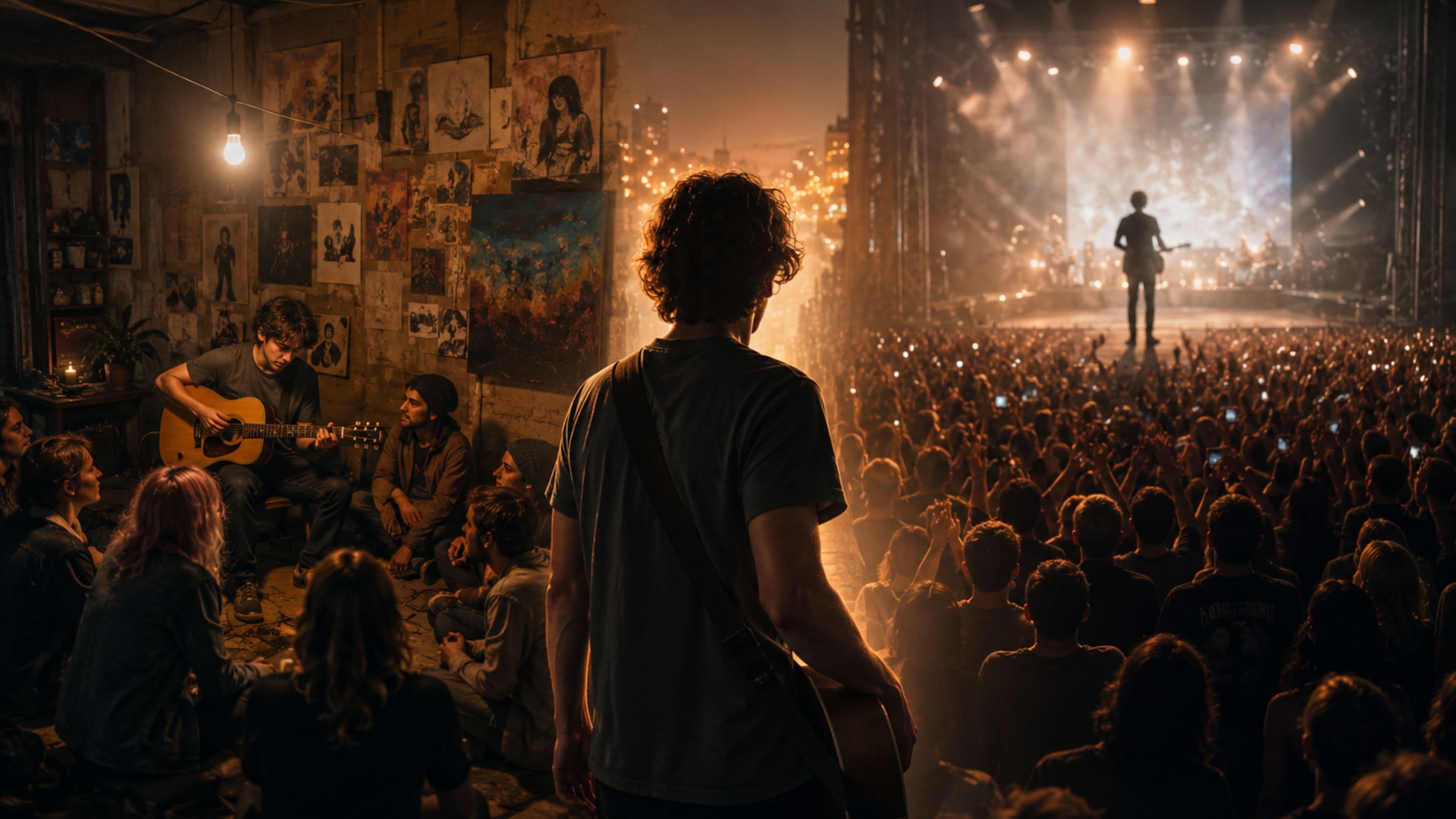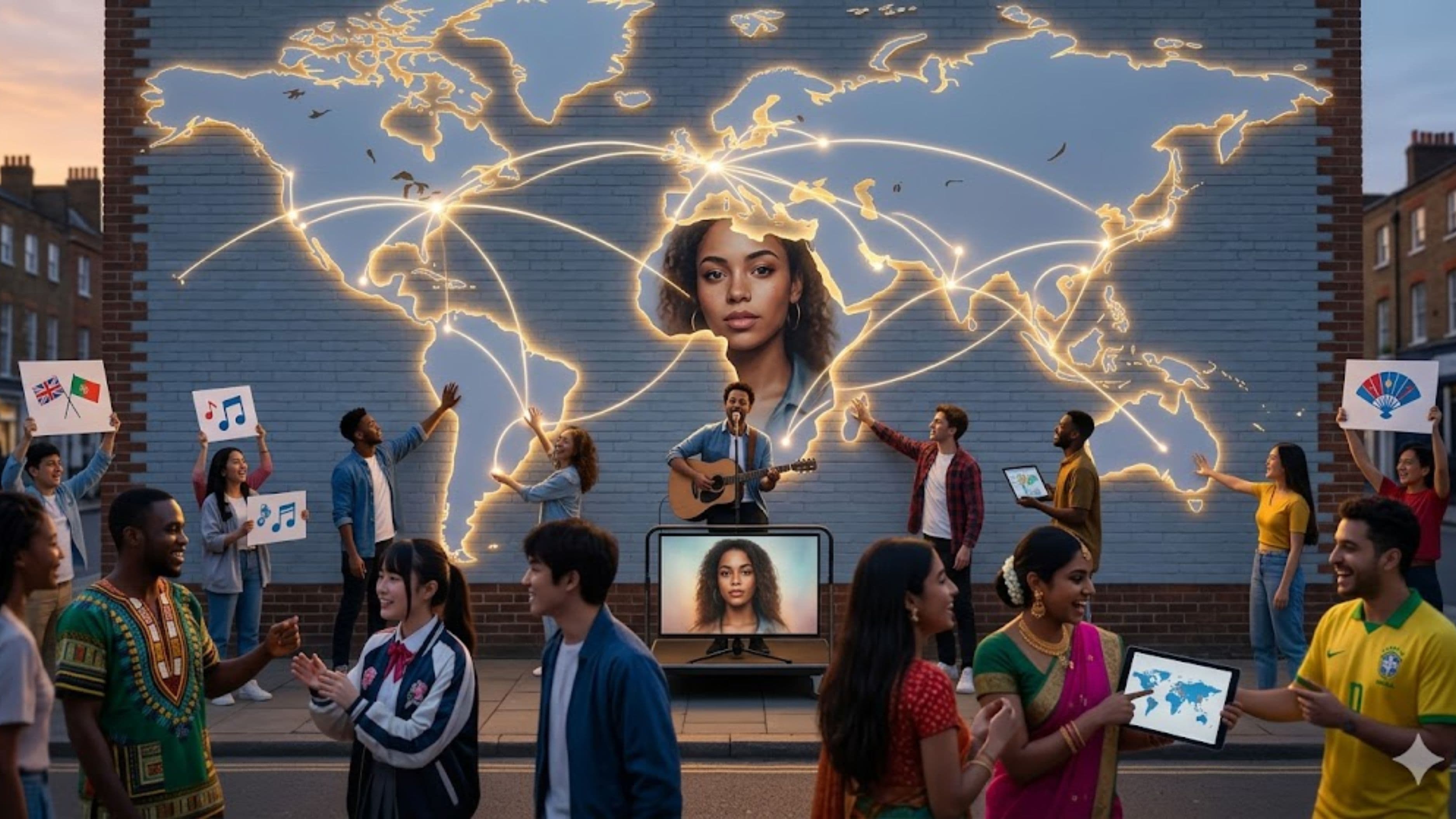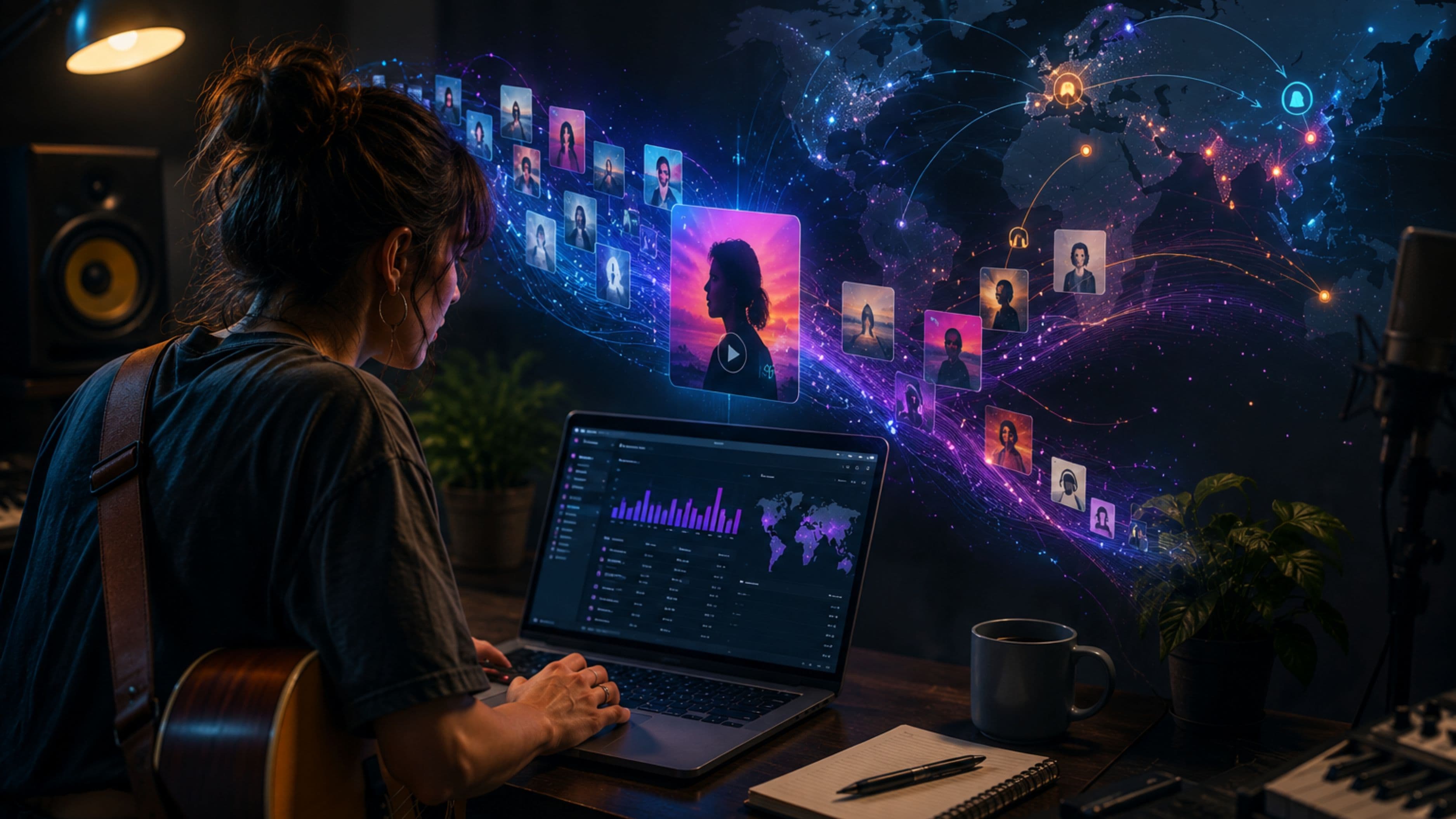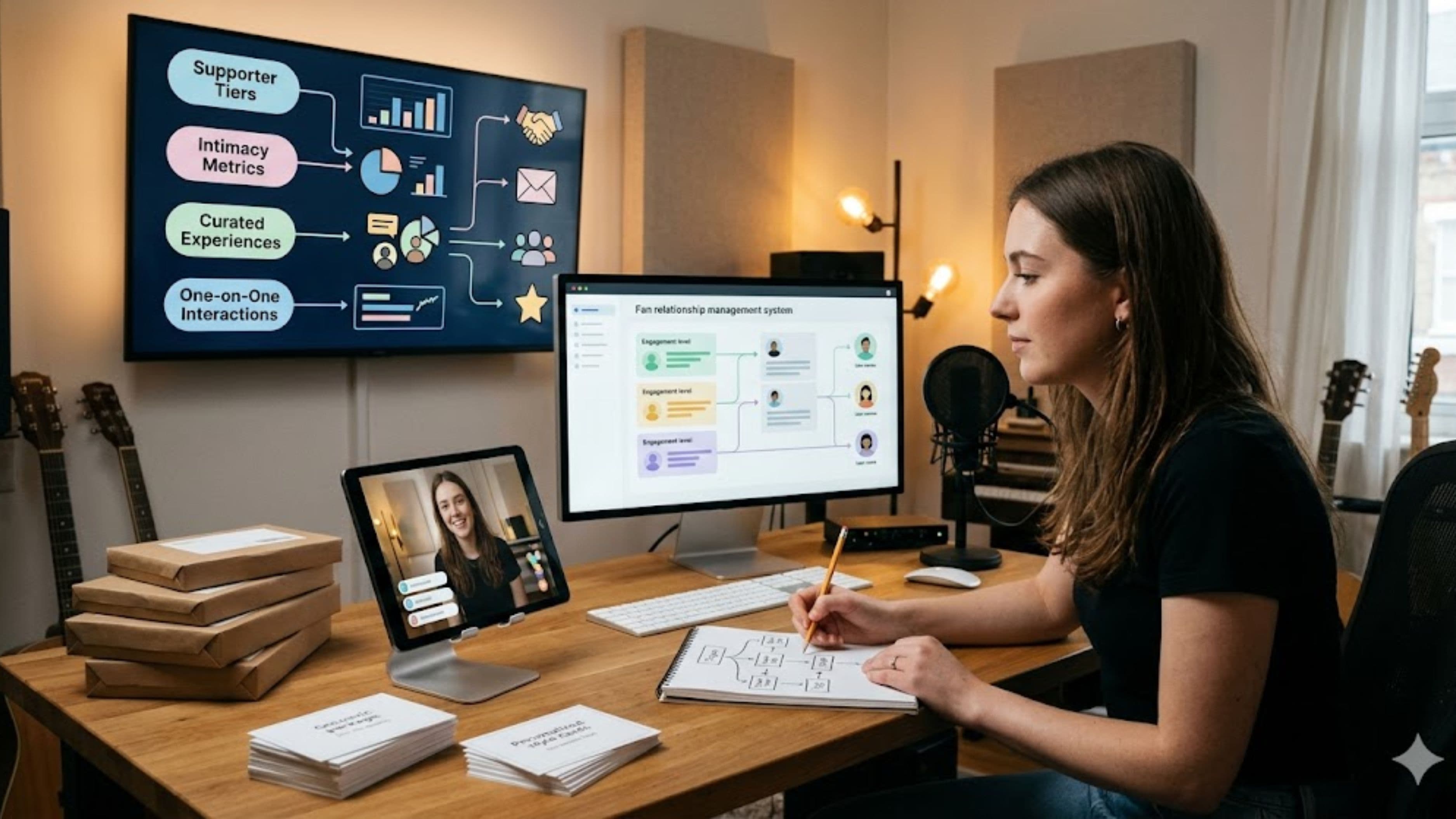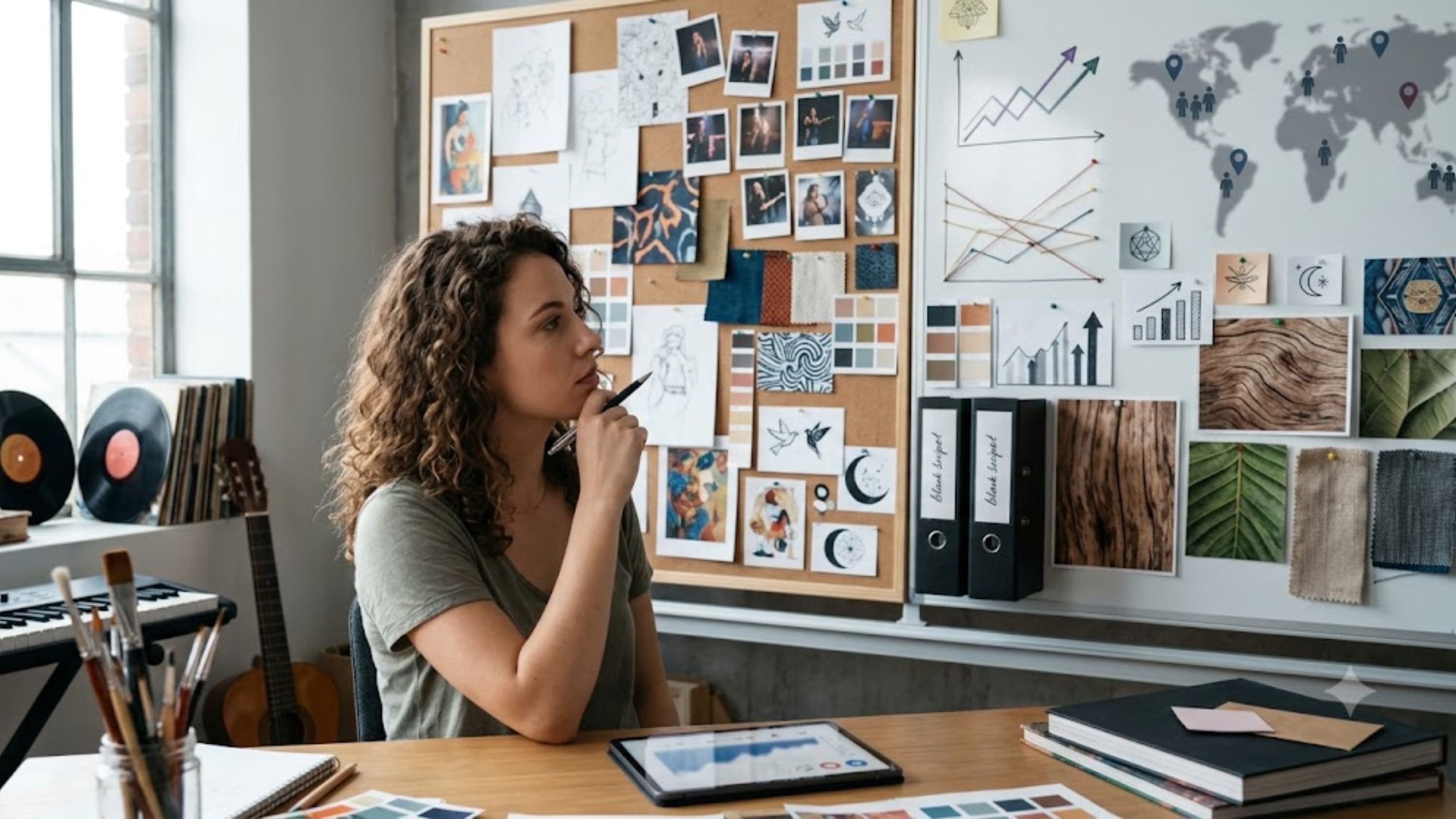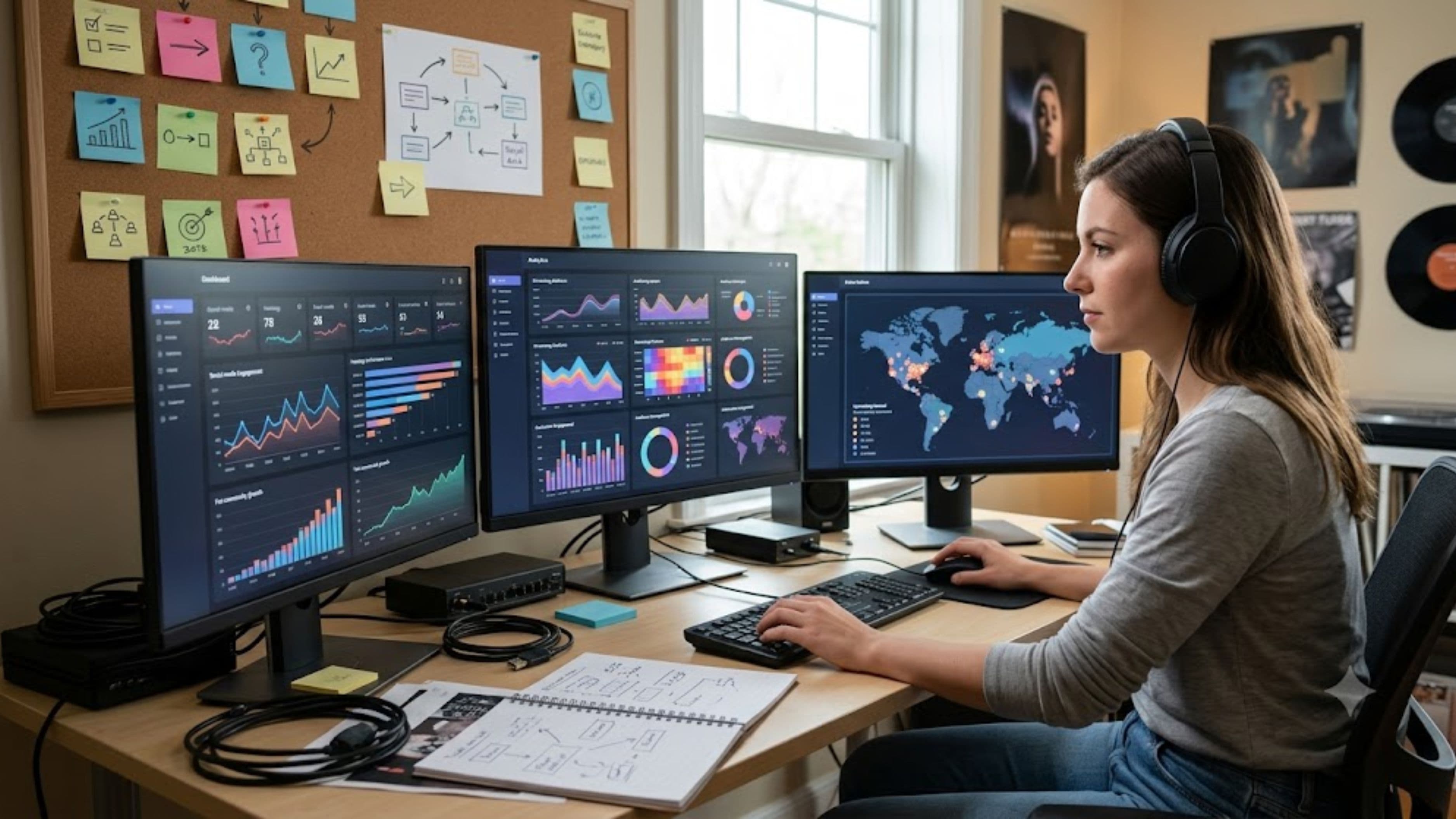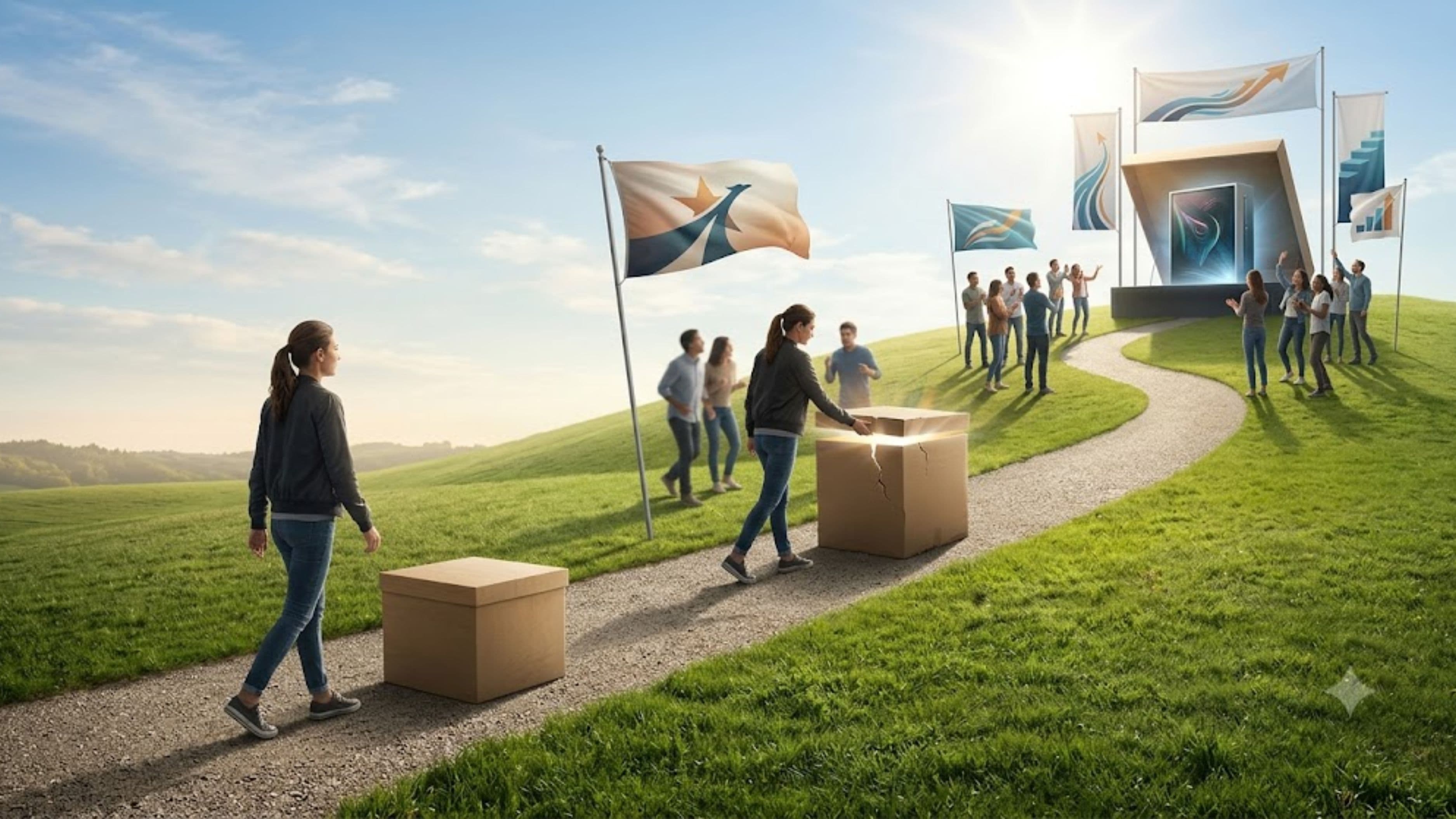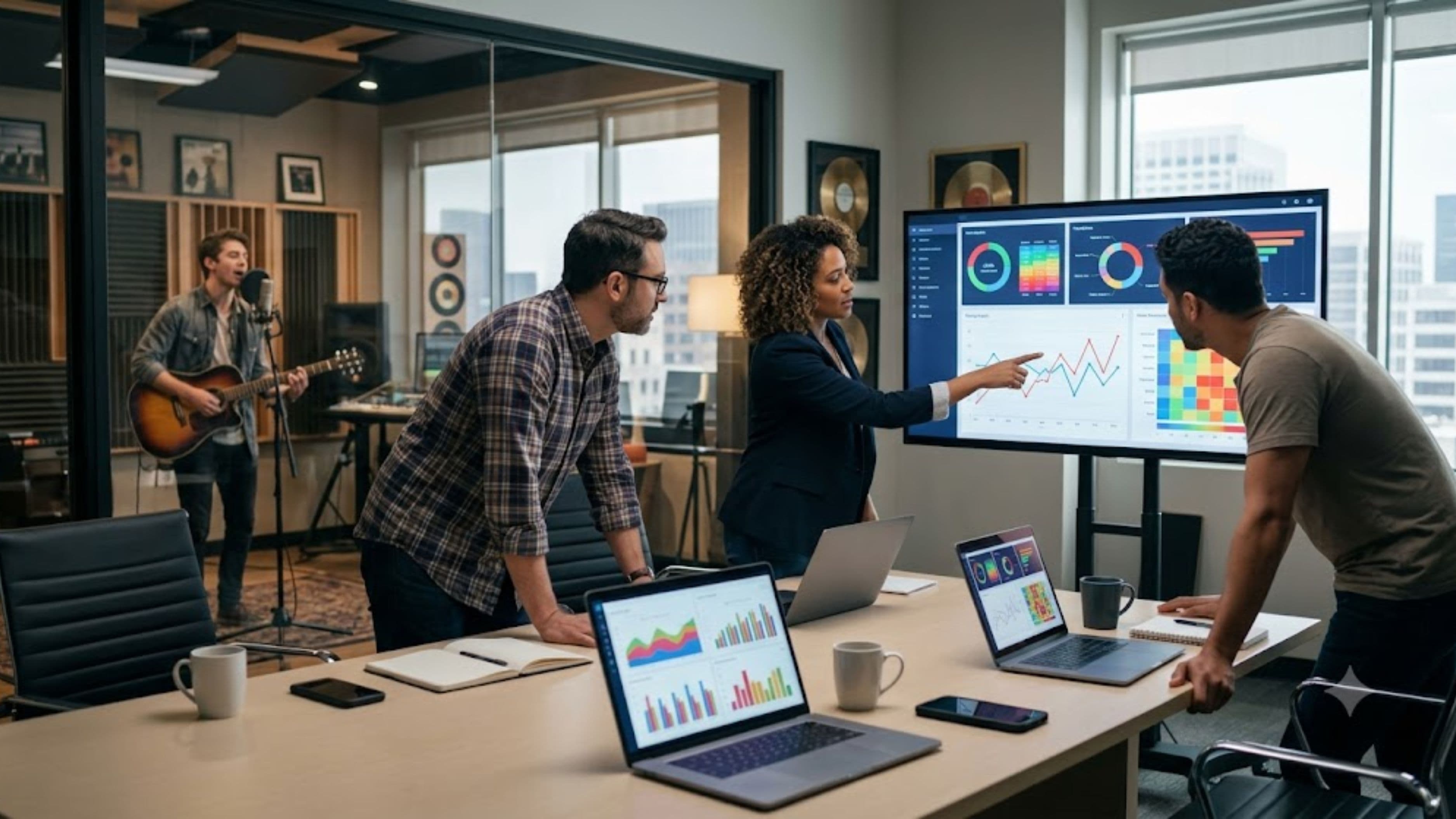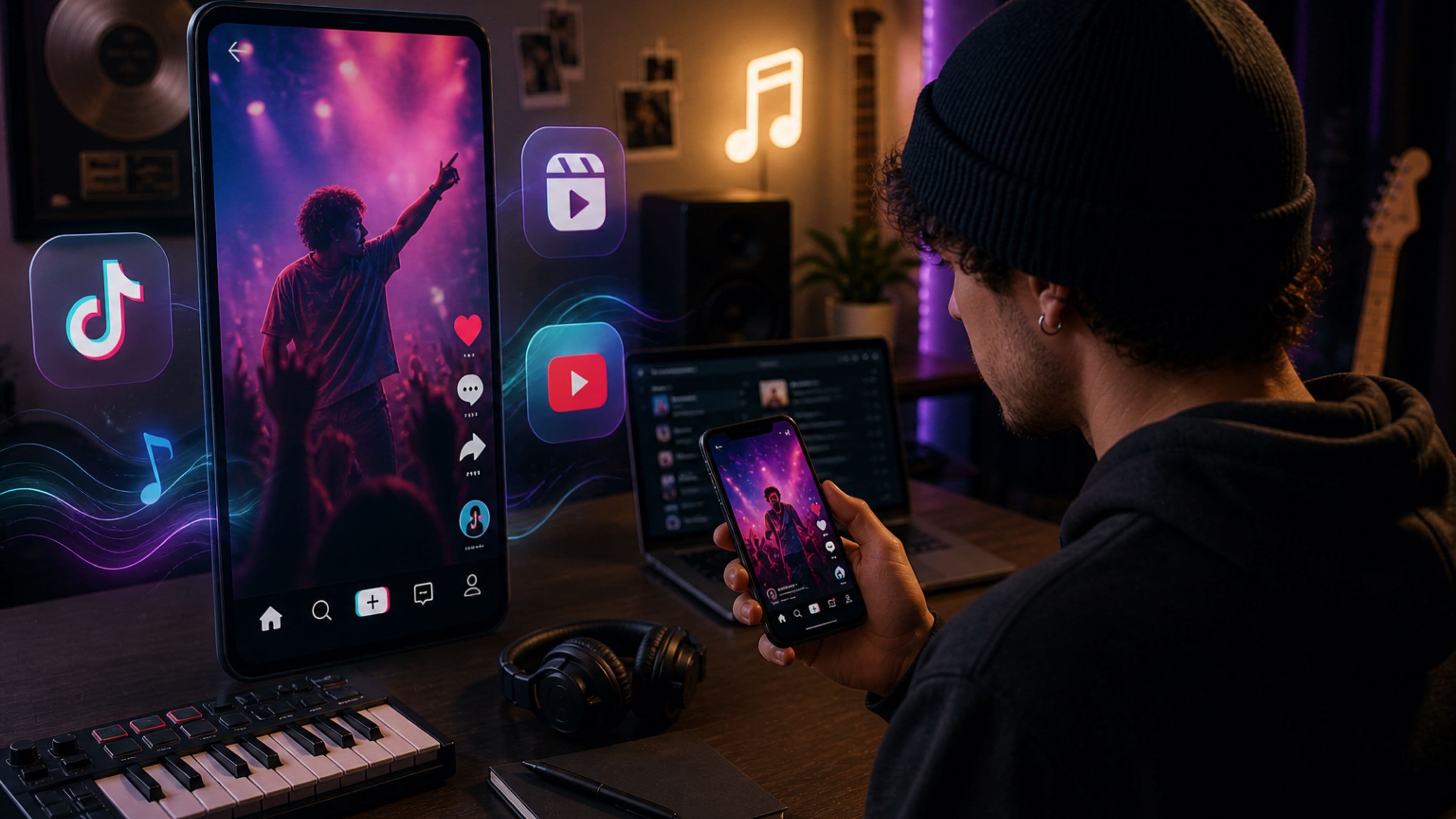
The tension is real, and it's not going away. Streaming and discovery platforms have made visibility easier than ever while simultaneously making it feel like a part-time job. But there are artists managing both sides of this without burning out, and the way they do it isn't through some optimized content schedule. It's through decisions about what they're willing to do, what they're not, and how they think about the relationship between the two.
Why This Got So Complicated
Five years ago, the social media conversation for independent artists was mostly about being discoverable. Post a few clips, keep your profiles active, show up when you have a release. The volume and consistency expectations were lower, and the algorithmic pressure was less acute.
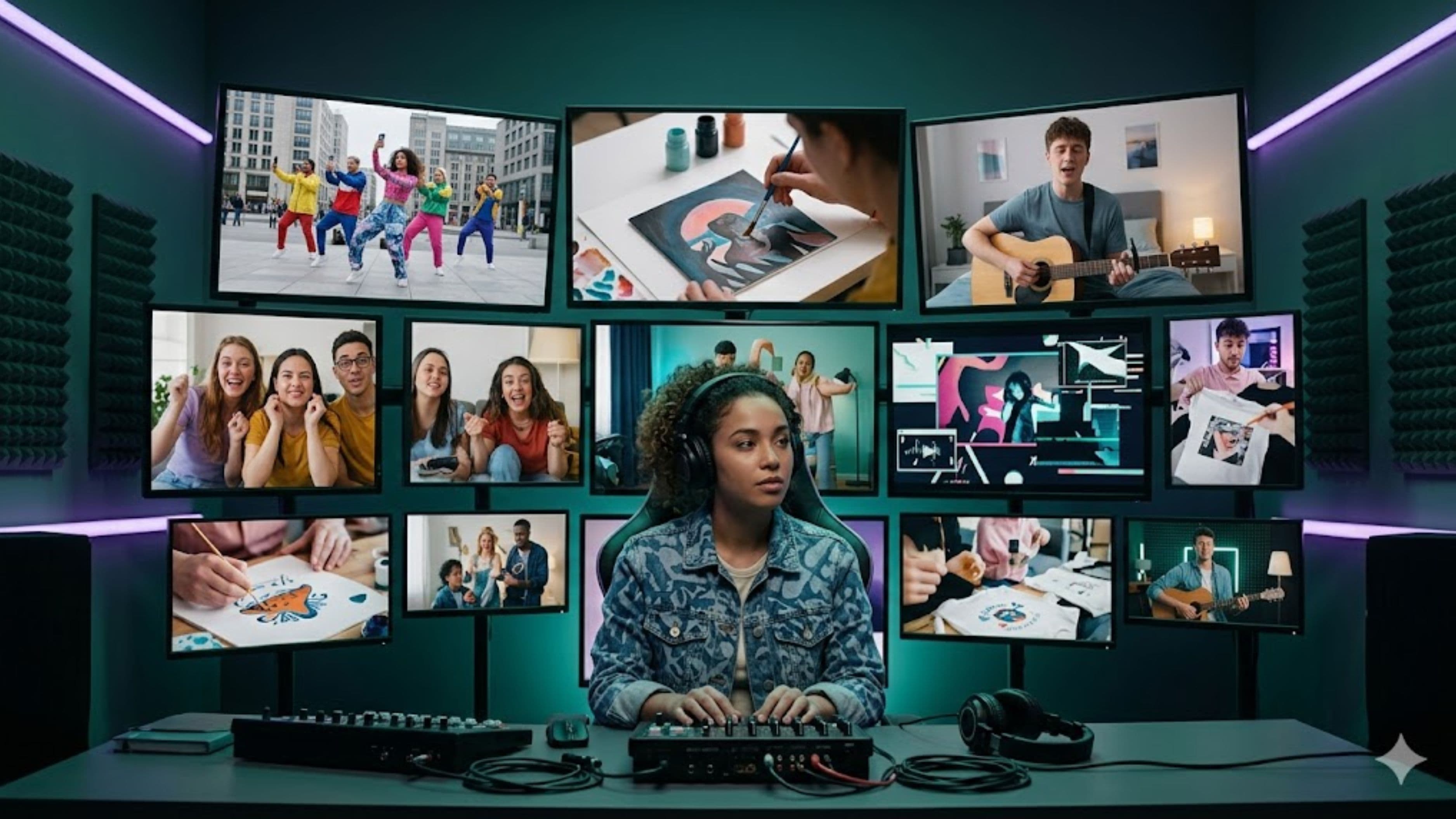
That's changed significantly. Platforms like TikTok and Instagram Reels have shifted what "active" means for a creator. The short-form video algorithm rewards frequency – accounts that post daily or near-daily get preferential distribution compared to accounts that post weekly. For artists who primarily make music and want social media to support their work, the ask has expanded to something that increasingly resembles a separate full-time creative job.
The result is a specific kind of pressure that doesn't exist in most other industries: the expectation that you will constantly document, perform, and comment on your own process, in real time, in a way that's engaging to strangers – while also finding the mental space to actually create the work in the first place.
The Artists Who Navigate This Well Share One Thing
The artists who seem to manage this without burning out tend to share one underlying orientation: they've made a clear decision about what role social media plays in their career, and they've stopped treating every platform like a mandatory obligation.
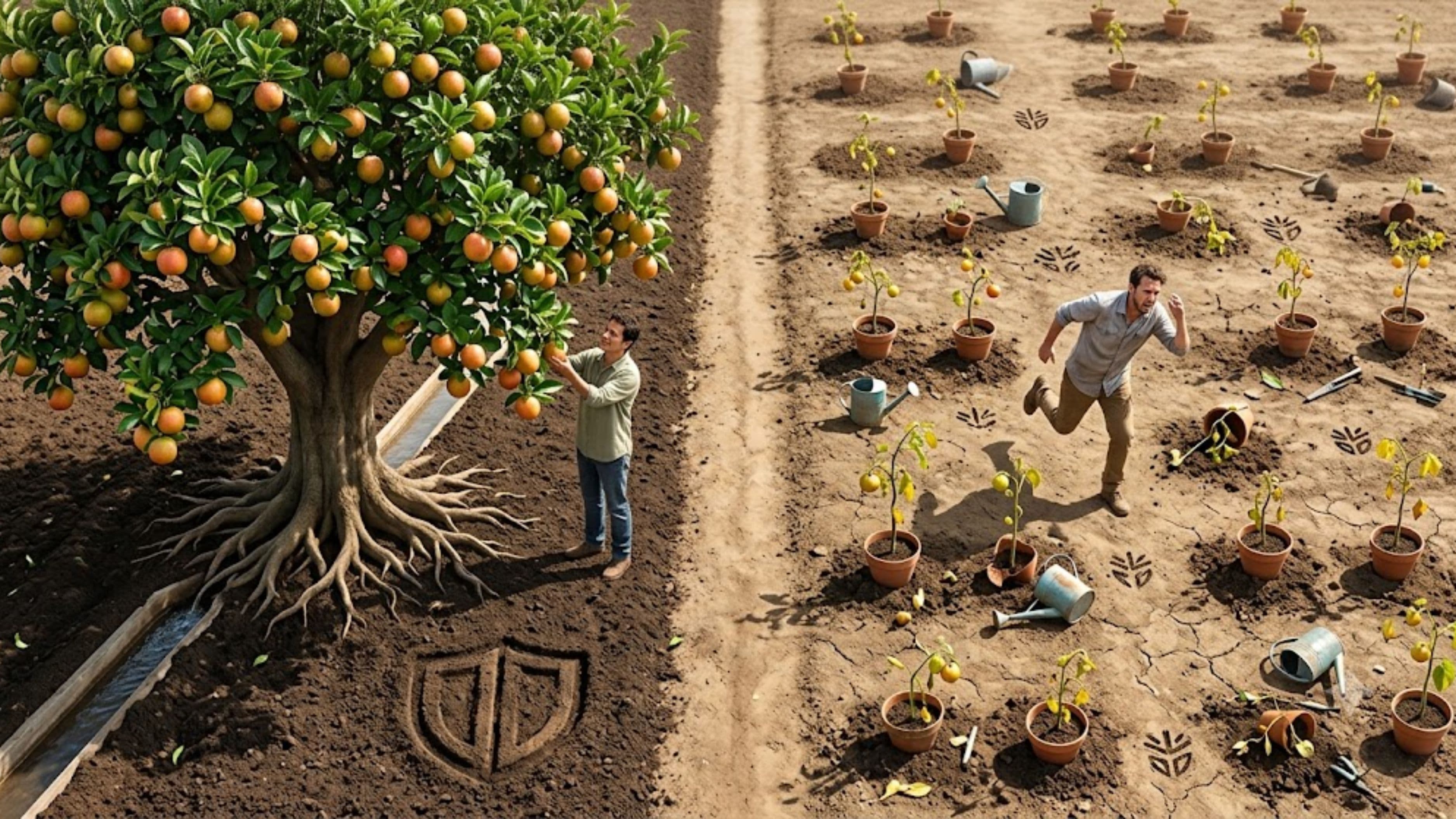
Some are highly active on one platform and essentially absent from others, having decided that depth beats breadth. A producer who builds genuine community on YouTube through longer-form process content doesn't also need to be posting daily Reels. An artist who's found a real audience through TikTok doesn't also need to maintain a thriving Twitter/X presence. The energy required to be genuinely good at one platform is significant. Spreading that across four or five usually means being mediocre at all of them.
Others have made the decision to post less frequently but with intentionality – accepting that their reach will be narrower in exchange for content they're genuinely proud of. This approach typically doesn't produce viral moments, but it does produce something more durable: an audience of people who actually care about the music, and a creative identity that feels coherent rather than scattered.
The Content That Comes From the Work vs. the Work That Comes From Content
One of the most useful distinctions for artists thinking about this is the difference between documenting work you were already doing and creating content for its own sake.
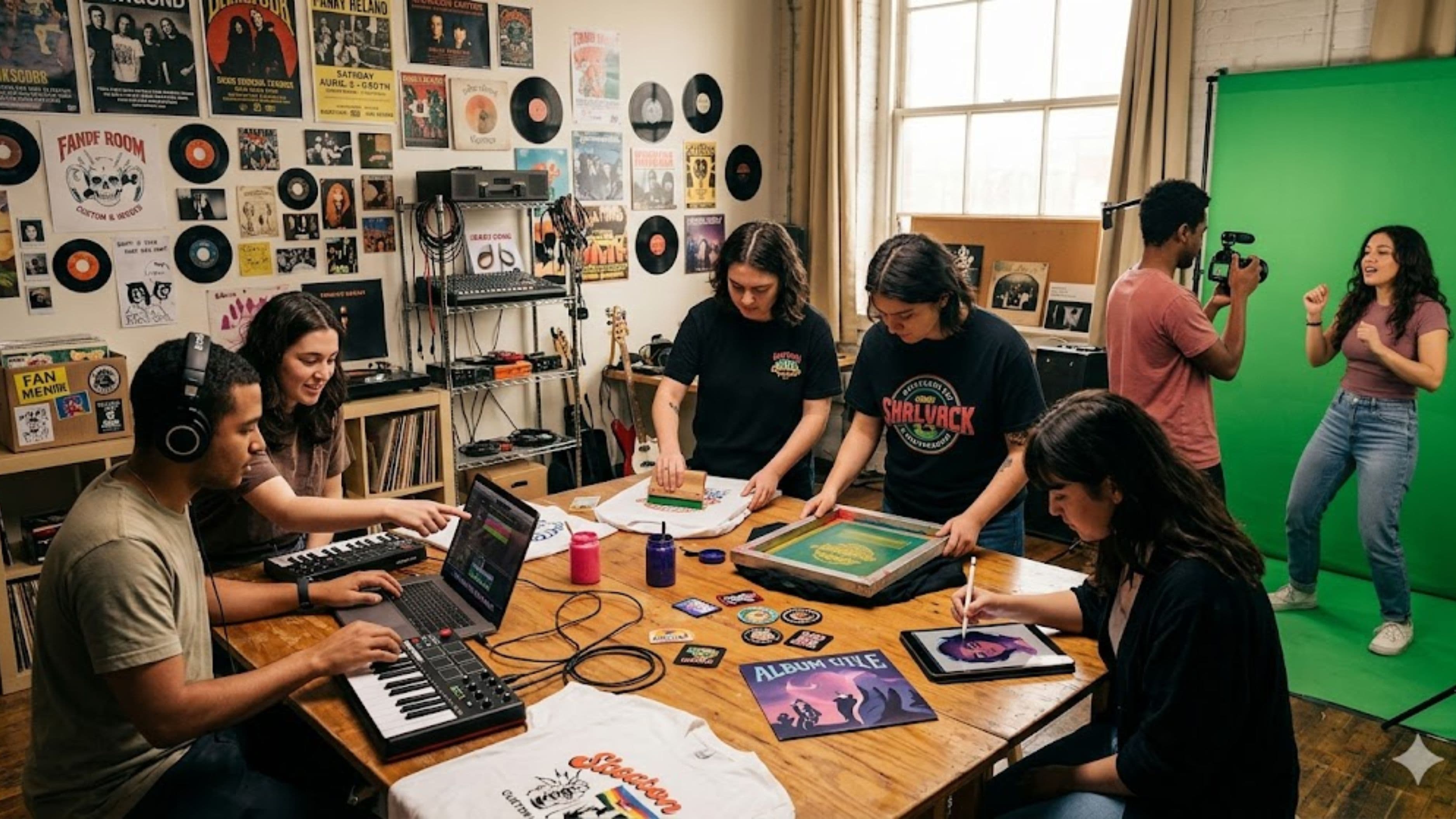
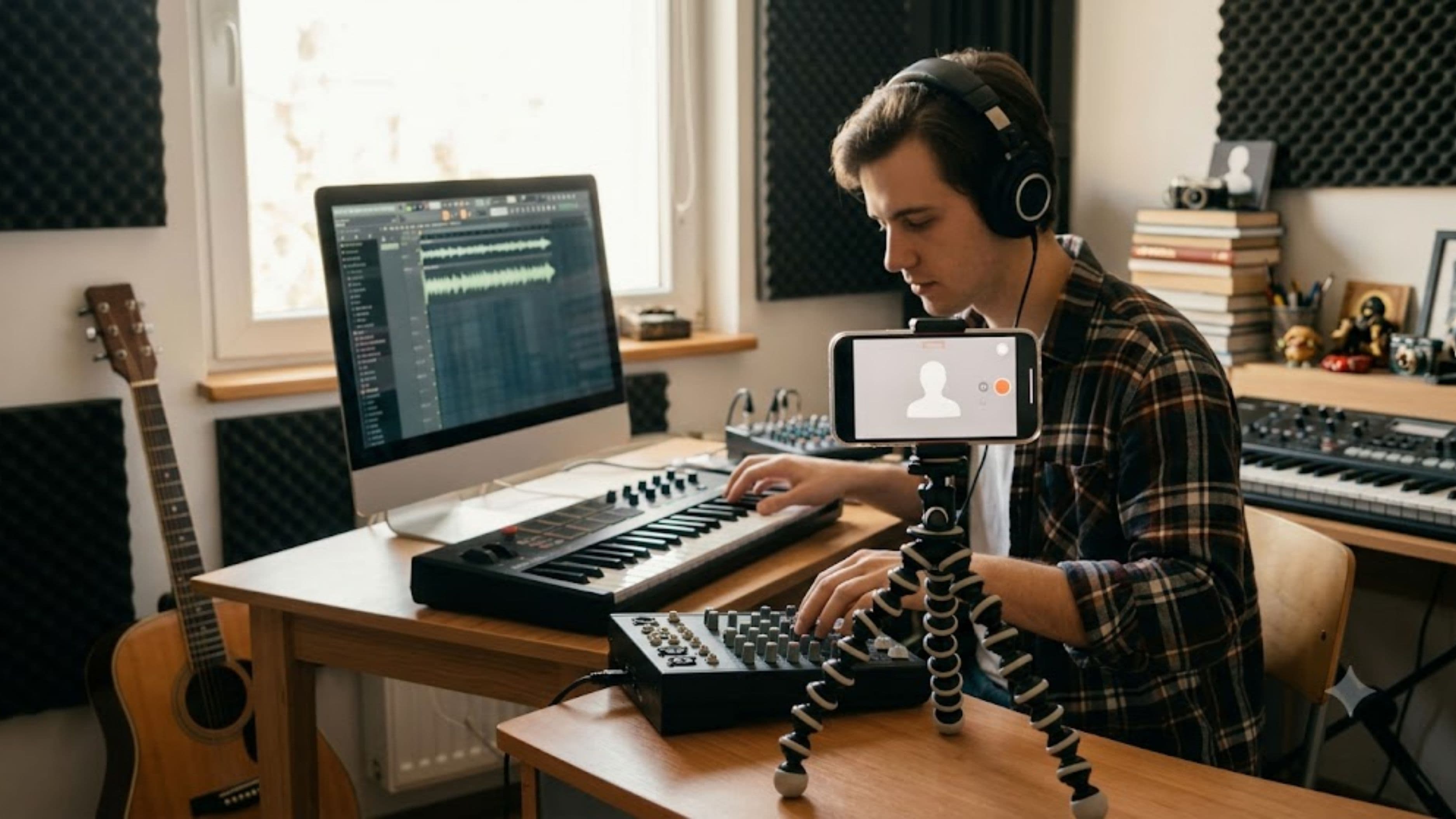
Documenting your process – recording sessions, production decisions, lyric writing, even the mundane parts of making music – produces content as a byproduct of the work you'd be doing anyway. It doesn't require you to become a different kind of creator. The camera is just present for something that was happening regardless. Artists like Jacob Collier, Hozier, and Phoebe Bridgers have all used this approach at different points: sharing the making, the experimentation, the unfinished things, in ways that feel like glimpses into a genuine creative life rather than a performance of one.
Creating content for its own sake – trend-chasing, response videos, posting things specifically because the algorithm rewards that format – pulls you in the opposite direction. It requires you to think like a content creator first and a musician second. For some people that's a trade-off they're comfortable making, especially early in a career when visibility is the primary goal. But for artists whose identity is deeply tied to the music, doing this consistently tends to erode the creative energy that made the music worth sharing in the first place.
Neither approach is universally right. The question worth asking is which one you're actually doing, and whether you've made that choice consciously or just defaulted into it.
Setting Constraints That Protect Creative Time
The practical side of this comes down to time management, but not in the generic productivity sense. For artists, the most important constraint is protecting the work window – the time when you're actually making music – from being colonized by content obligations.
Some artists do this by keeping content creation to specific, bounded time periods. One afternoon per week for filming and editing, scheduled posts through Buffer or Later so the publishing is automated and doesn't require daily attention, and then the rest of the time belongs to the work. This sounds simple and is harder than it sounds, particularly when you're watching a platform and feel the pull to respond immediately to trends.
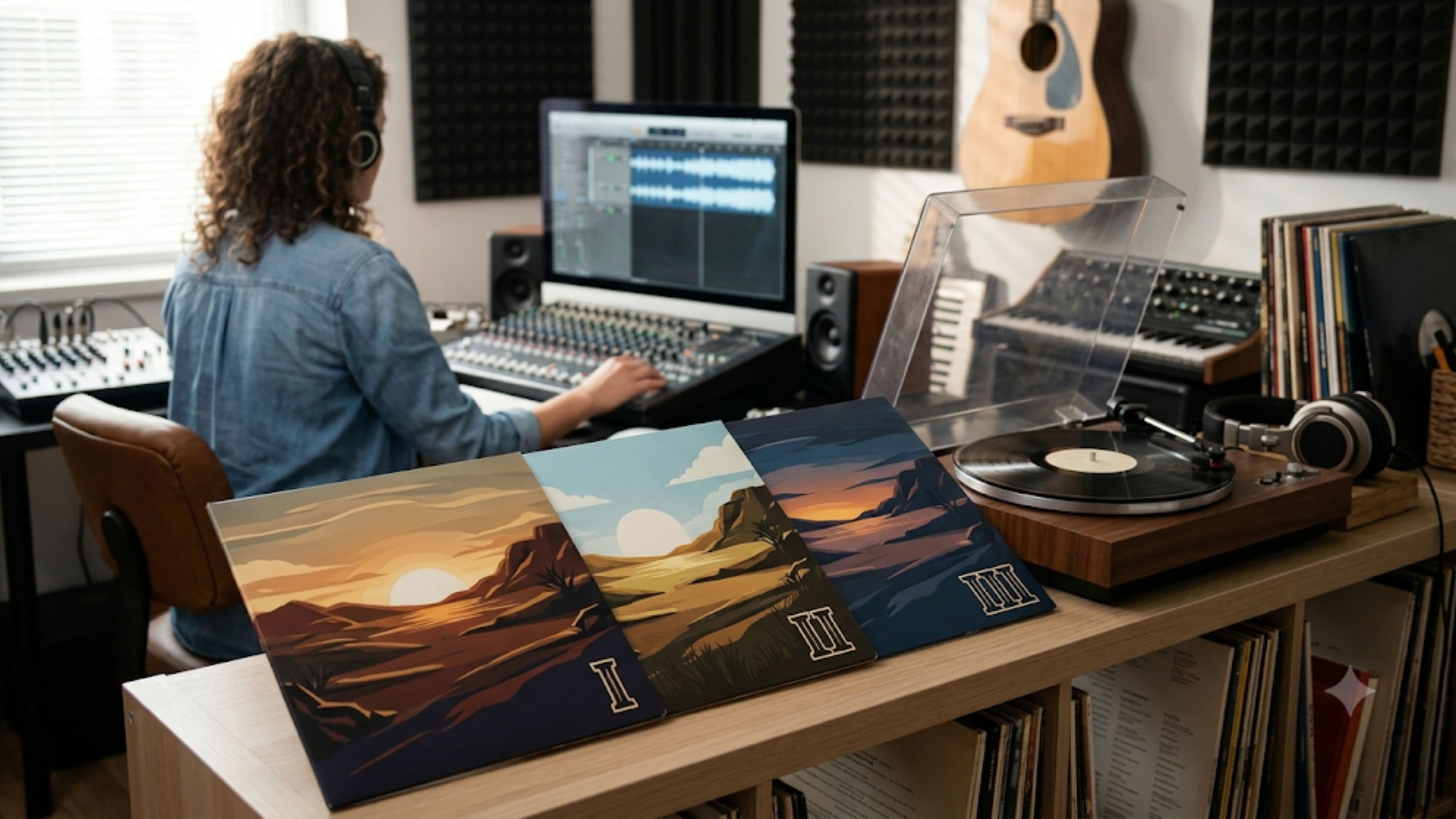
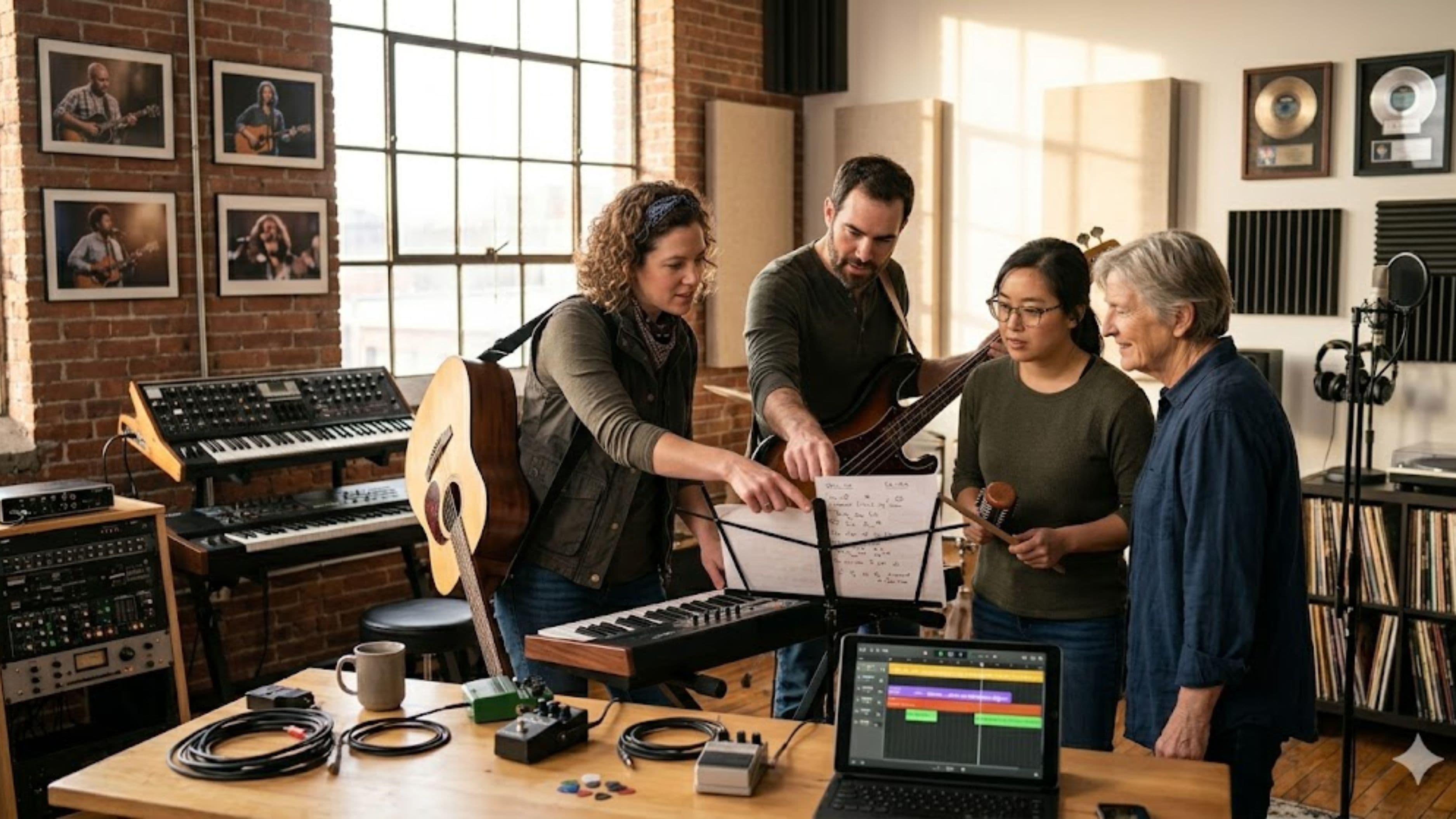
Others create separation through physical or environmental cues – the studio is phone-free during sessions, notifications are off during certain hours, the recording process is treated as sacred time where the only output is music, not documentation. Some artists don't share their process at all while actively working on a project and only begin posting when a release is approaching. The silence during creation is intentional – it prevents the feedback loop of posting unfinished work and unconsciously shaping the music toward what's getting engagement rather than what feels right.
The artist Caroline Polachek has spoken about this directly – being deliberate about what she shares and when, specifically to prevent the audience-feedback loop from interfering with the creative process. The separation isn't anti-social or elitist; it's a practical decision about maintaining the conditions in which the best work gets made.
When Algorithms Work Against You
There's also a structural reality worth acknowledging: the algorithmic demands of short-form video are genuinely at odds with the way most serious music is made. Songs take time. Albums take longer. The creative work that produces meaningful music doesn't typically happen in daily increments that can be turned into 30-second clips.
Artists who try to maintain daily content output during active creative periods often report that the mental bandwidth required for both starts to compete. The part of your brain that's constantly thinking about how to present yourself, what the hook of the video is, whether this frame looks right – that's mental energy that isn't going into the music. For some people this partition is easy to maintain. For others, especially artists who are more introverted or whose creative process requires deep sustained focus, it isn't.
The platforms that tend to work better for music-first artists are the ones that don't require constant daily input. YouTube has a much more lenient posting cadence than TikTok – a video every few weeks or even monthly can maintain an engaged audience if the content is substantive. SoundCloud, Bandcamp, and direct email lists don't have feeds that punish infrequency at all. For independent artists who feel platform pressure but find short-form video draining, building audience through slower-burn channels is a real alternative, not a fallback.
The Mental Health Dimension Is Real
It's worth being direct about something that often gets sanitized in music industry content: the social media pressure many independent artists describe is not just a productivity problem. It's a mental health problem for a significant number of people who are trying to sustain creative work while also managing the psychological weight of public performance, engagement metrics, and comparison.
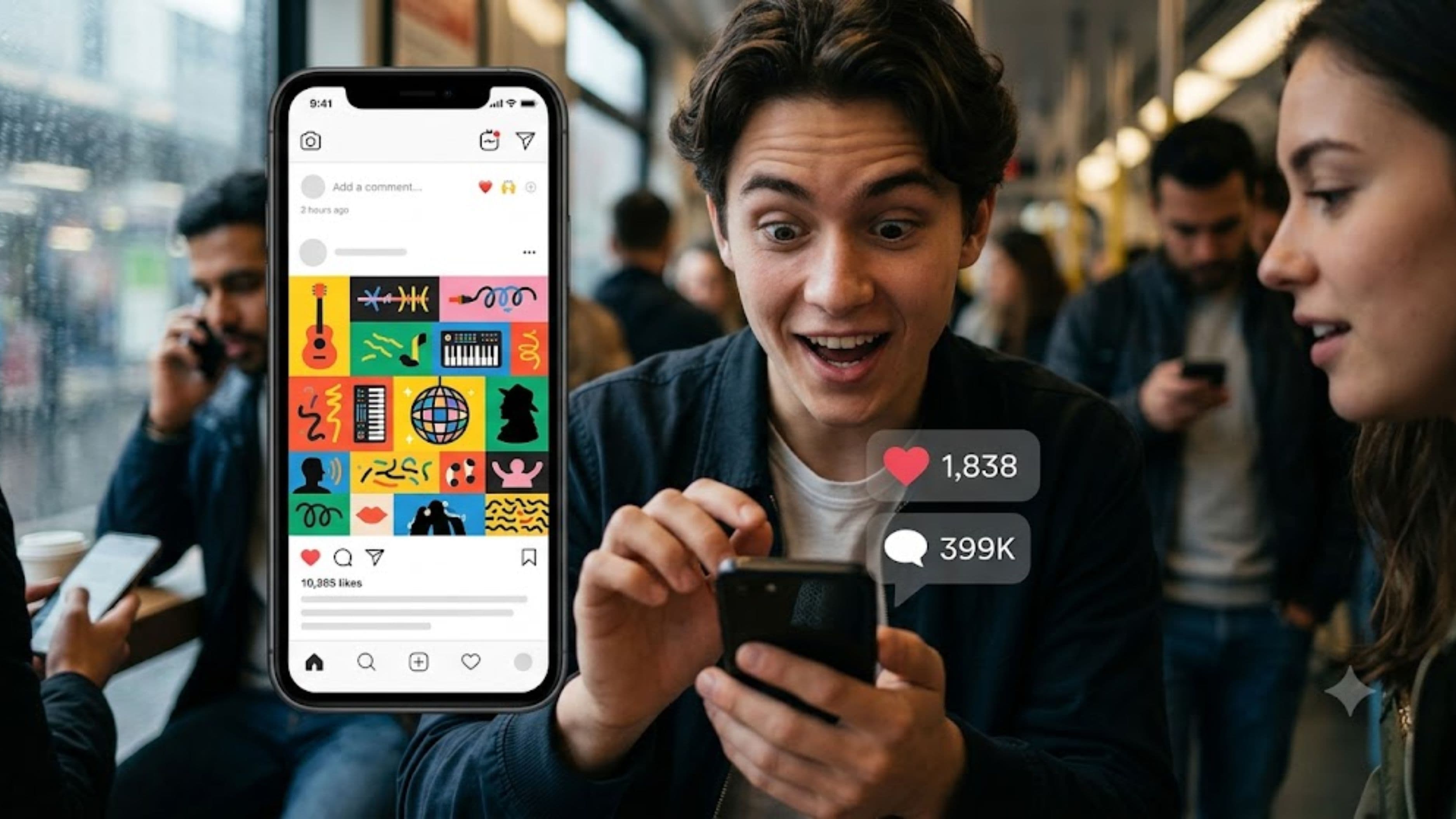
Artists are not unique in experiencing this, but the specific combination of creative vulnerability (music is deeply personal) and public performance (everything is visible and quantified) creates particular stress that content creators in less emotionally invested categories may not experience as acutely. The musician who posts a song they spent months on and watches it get 200 views while a 15-second meme clip they made in an hour gets 200,000 is experiencing something that can, if it happens repeatedly, genuinely warp how they make creative decisions.
Recognizing this as a structural problem rather than a personal failing is the first step. The algorithm isn't an arbiter of quality. Metrics don't measure meaning. Building a sustainable creative practice sometimes means accepting a smaller or slower-growing audience in exchange for making work that doesn't compromise what you're actually trying to do.
What to Watch Out For
The most common pattern to watch for is content gradually replacing the work without you noticing it happened. If you find yourself spending more time filming, editing, and posting than making music, and the music is getting shorter, more trend-adjacent, and less personally meaningful – that's the signal. It doesn't mean social media is the enemy; it means the balance has drifted in a direction that's worth consciously examining.
Also watch for the comparison trap that social media enables specifically. Seeing another artist's follower growth, stream counts, or viral moments consistently is not neutral information – it shapes how you perceive your own progress, and often in ways that are distorted and demotivating. Curating your own feed deliberately, or limiting passive consumption of other artists' metrics, is a small change with a surprisingly large effect on creative morale.
FAQ
How often should an independent artist post on social media? There's no universal answer, but consistency matters more than frequency. Posting twice a week reliably is more effective than posting daily for two weeks and then disappearing. Find a cadence you can maintain without it draining your creative energy, and stick to it. The algorithm will reward consistency over time even if the raw frequency is lower.
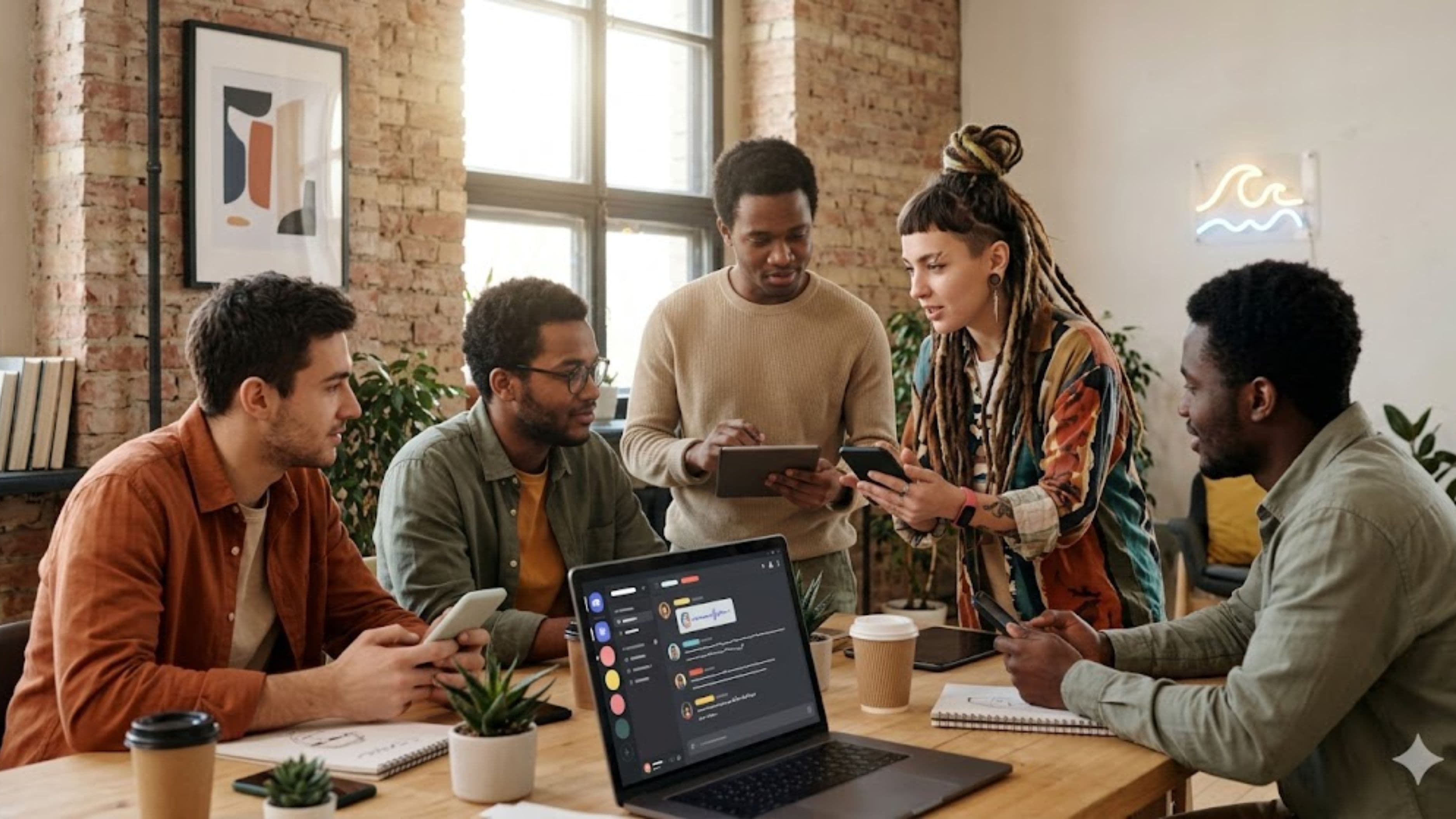
Is it possible to build an audience without short-form video in 2026? Yes, though it typically takes longer and requires more intentionality about where you build. Artists with strong YouTube presences, active Bandcamp followings, engaged email lists, or loyal communities on platforms like Discord or Substack have found real audiences without being heavily present on TikTok or Reels. The tradeoff is usually reach – you're building a smaller, more loyal audience rather than chasing viral discovery.
Should artists outsource their social media management? It depends on what kind of content you're creating. Scheduling, basic editing, and posting logistics can absolutely be delegated. Anything that requires your voice, your perspective, or your face generally can't – followers can tell when an artist's social presence has been fully handed off, and it often feels hollow. Hybrid approaches, where you create the raw material and someone else handles the production and scheduling, tend to work better than full outsourcing.
Does having a large social media following actually translate to music revenue? Not automatically, and the correlation is weaker than most people assume. A large TikTok following doesn't necessarily convert to streams, ticket sales, or merch purchases. Followers who came for a viral moment often don't stick around for the music. An engaged, smaller audience that's specifically there for your music tends to convert to actual revenue at a much higher rate than a large, diffuse social following.
How do you protect creative focus during a release campaign? Release campaigns almost always require a period of heightened social media activity. The key is treating it as a defined sprint rather than a new baseline – front-load the content creation before the release where possible, use scheduling tools to automate as much posting as you can, and build in a recovery period after the campaign where you return to normal output levels. Don't let release-mode social activity become your permanent operating mode.
📚 Sources
Music Business Worldwide – Independent artist mental health and social media pressure: https://www.musicbusinessworldwide.com/independent-artists-mental-health/
Hypebot – Social media strategies for independent musicians: https://www.hypebot.com/hypebot/social-media/
Bandcamp – How artists build direct audience relationships: https://daily.bandcamp.com/features/artists-on-social-media
The Trichordist – Artist rights, streaming, and creator sustainability: https://thetrichordist.com
American Psychological Association – Social media use and creative burnout: https://www.apa.org/topics/social-media
MusicWatch – Independent artist growth trends and platform behavior: https://www.musicwatchinc.com/blog/
🔍 Explore Related Topics
Best social media platforms for independent musicians in 2026
How Caroline Polachek built her audience on her own terms