What's happening, why it's working, and what independent artists can actually take from it – that's what this article is about.
What's Actually Driving This Shift
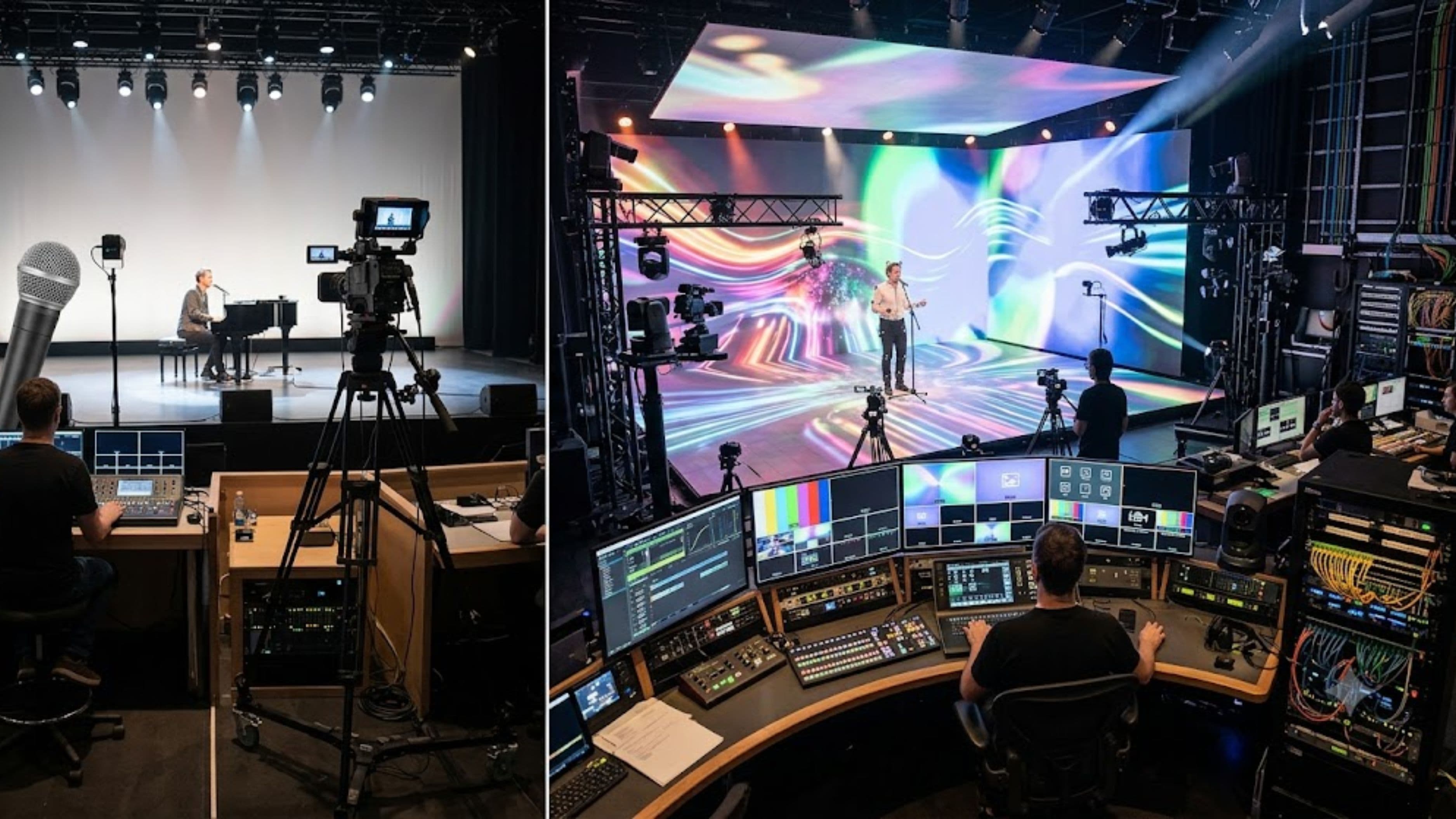
The infrastructure for touring without label support has improved dramatically at every layer. Ticketing has opened up. Data has become accessible. Social media has made it possible to build a real local following in a city you've never performed in before you ever set foot on stage there. And audiences, particularly younger ones, are genuinely drawn to independent artists in a way that carries commercial weight.
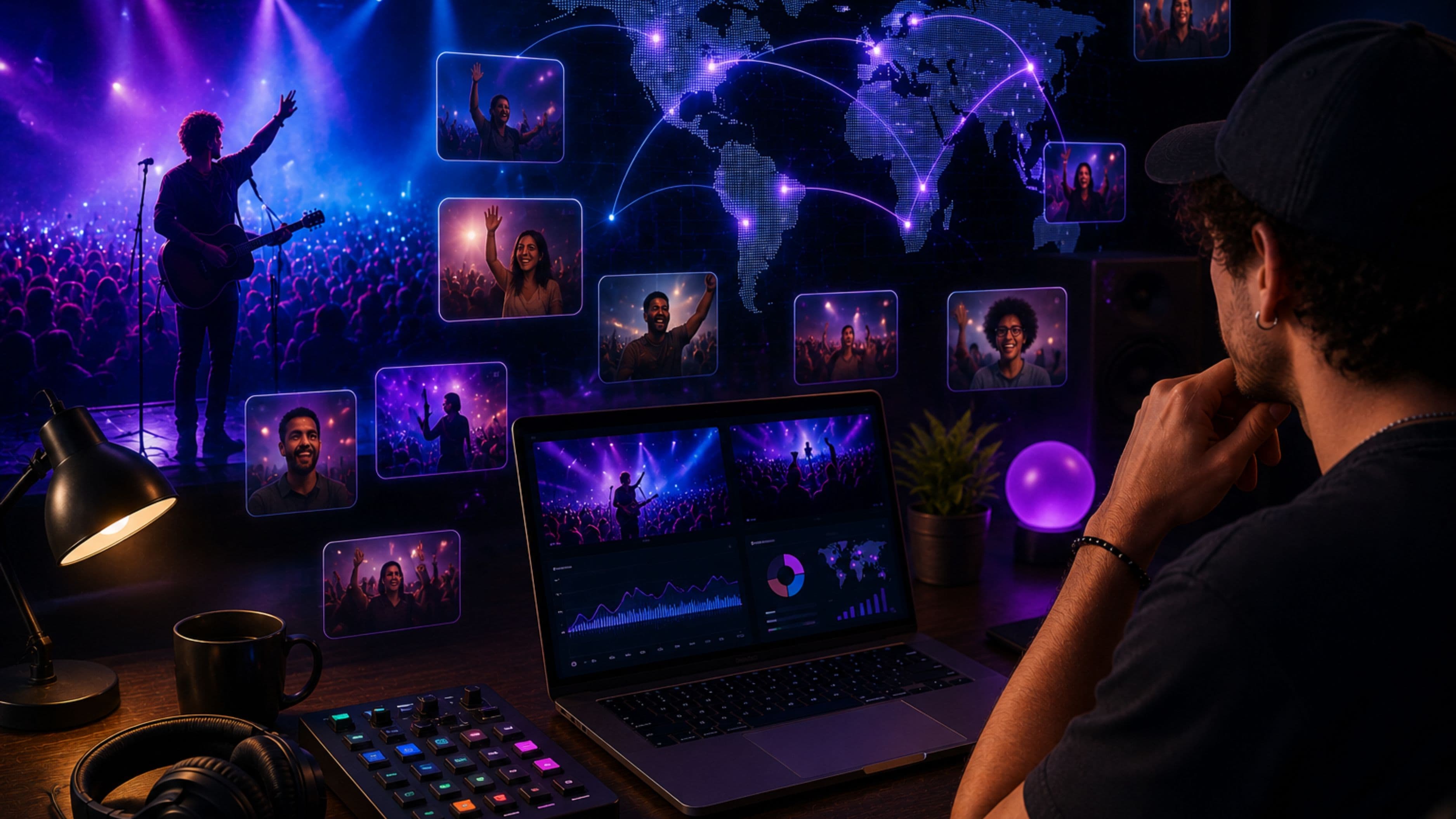
Streaming changed the relationship between an artist and their potential live audience more than people often acknowledge. When your music is available globally with no distribution gating, someone in Austin can become a real fan of an artist based in Edinburgh before either of them has thought about a tour. The discovery happens first; the live moment follows. Labels historically controlled the distribution layer that made that kind of reach possible. Streaming removed that control, and with it, the leverage that made label support essential for building a fan base large enough to tour.
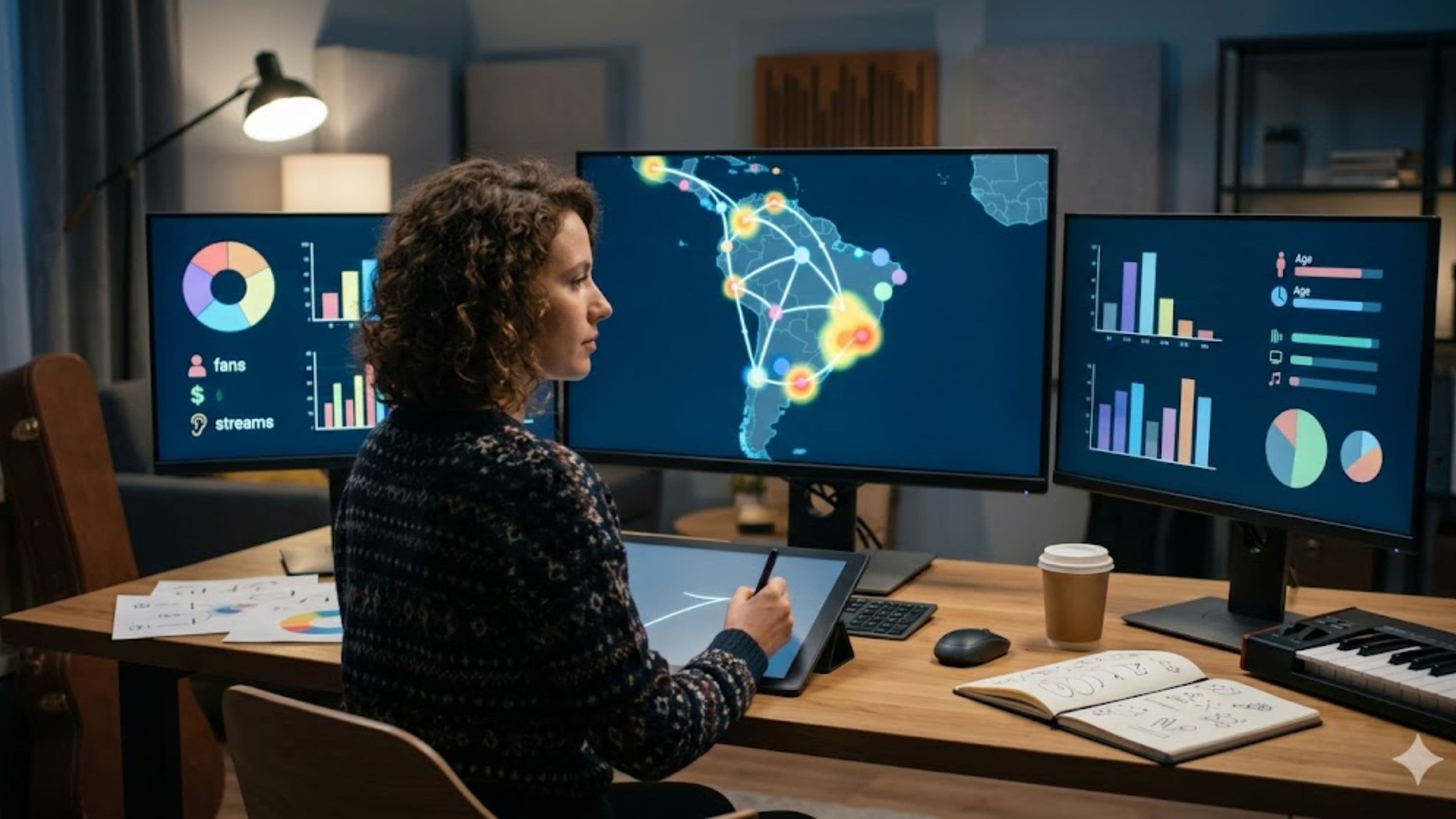
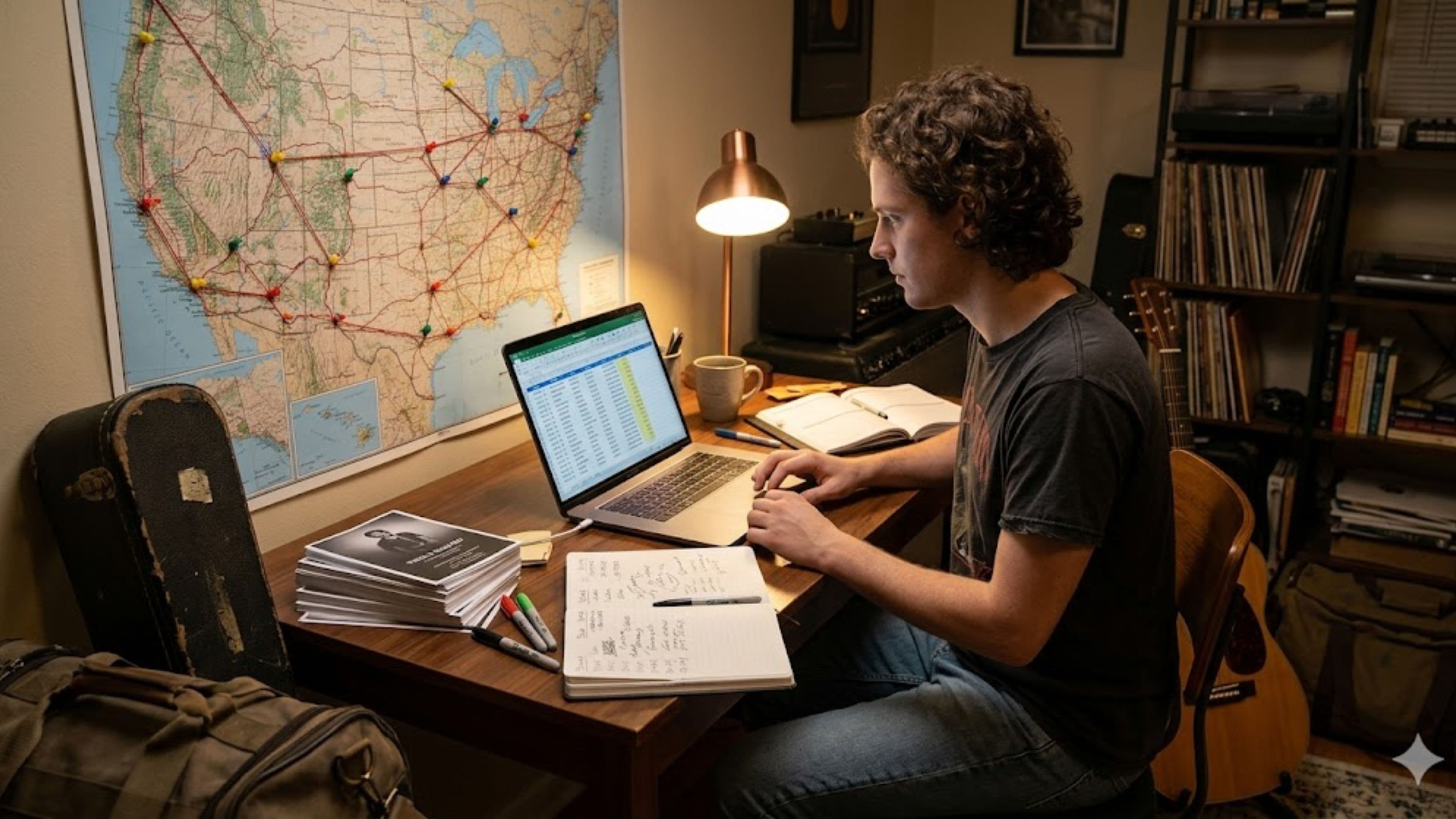
The other piece of this is the data. Platforms like Spotify for Artists, Bandsintown, and Songkick give independent artists something genuinely new: they can see exactly where their listeners are concentrated geographically before they book anything. An independent artist who has never played Los Angeles but sees 12,000 monthly listeners clustered in the LA area is looking at real demand they can act on. That kind of routing intelligence was previously available only to major label artists through expensive market research.
The Direct-to-Fan Model Is Doing Real Work
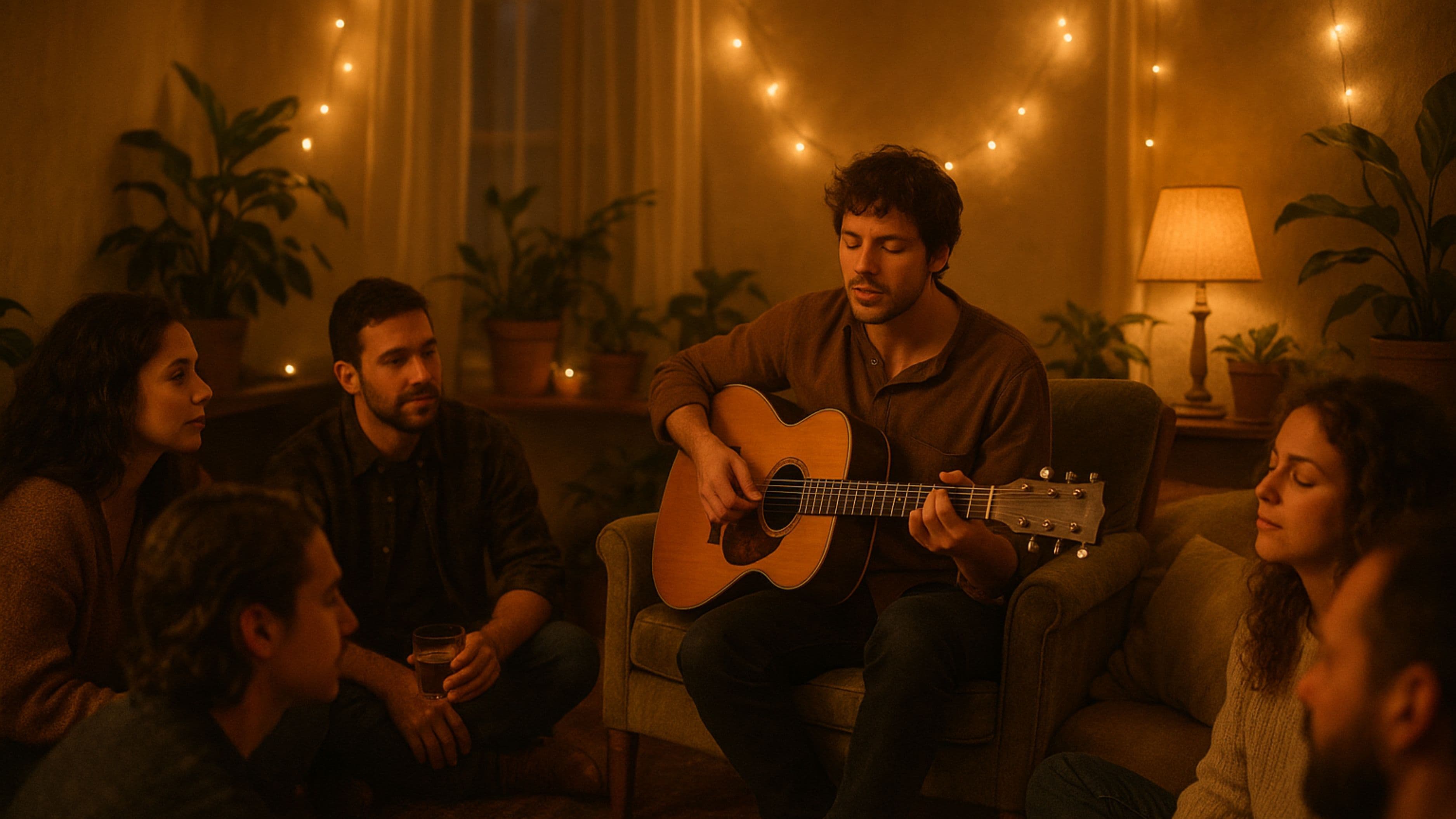
The most consistent thread running through independent artists who are selling out shows is that they've built a direct relationship with their audience – not just a social media following, but something closer to a community. Email lists, Patreon memberships, Discord servers, and artist-run group chats with superfans are all mechanisms for the same thing: turning passive listeners into people who feel a genuine connection with the artist and show up when it matters.
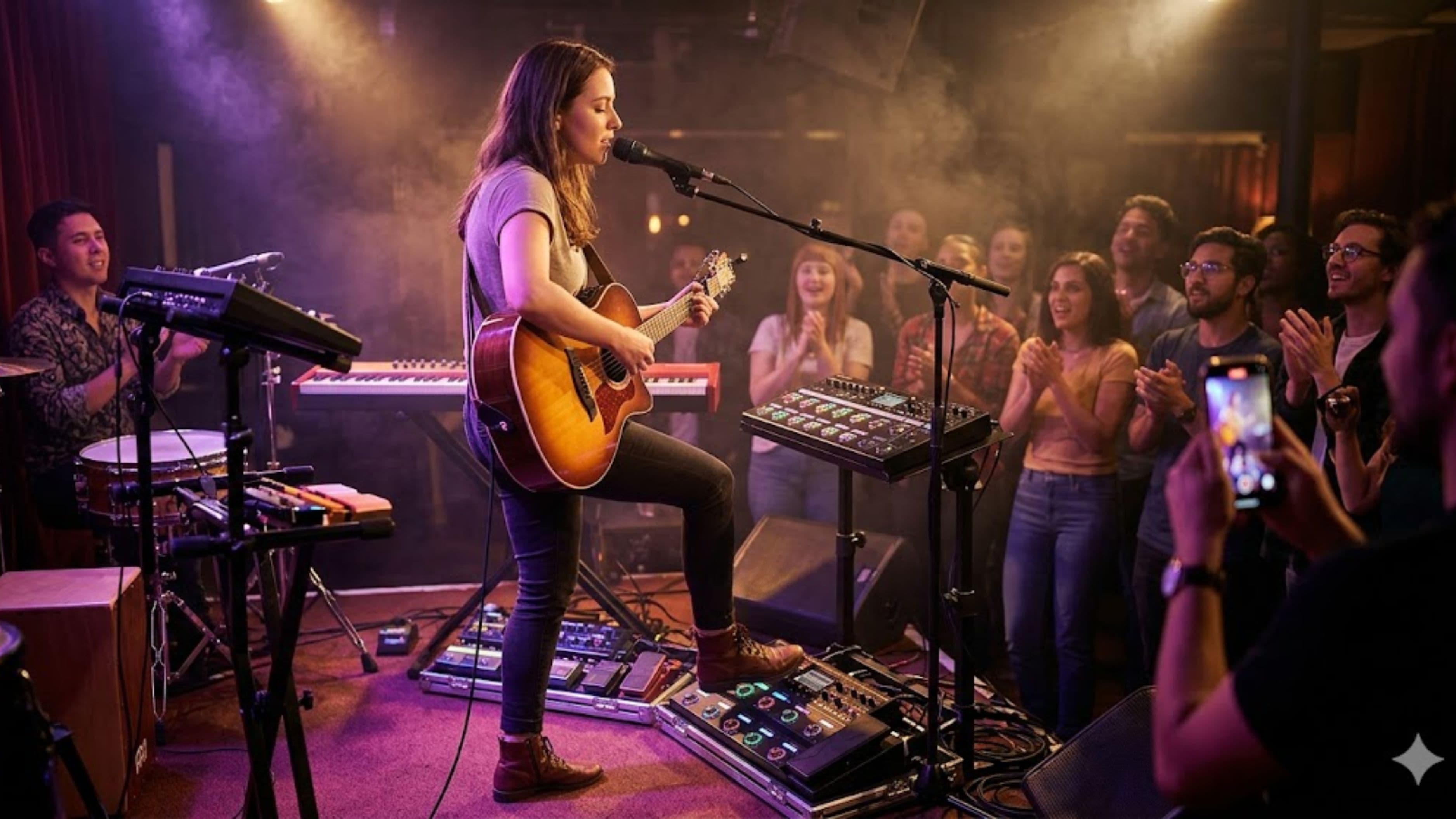
This distinction between followers and community members is more significant in live music than almost anywhere else in an artist's business. A social media follower might stream your music and scroll past your tour announcement without acting on it. A member of your email list or a longtime Patreon supporter is far more likely to actually buy a ticket, tell their friends, and show up. The size of the community matters less than the depth of it. Artists consistently sell out 300-cap rooms with 10,000 Instagram followers because those followers are genuinely invested – not because the number is large.
Platforms like Bandcamp, Patreon, and Substack have given artists a way to build this depth deliberately. Superfans who pay a monthly membership fee don't just provide recurring income – they become stakeholders in the artist's success in a way that casual followers don't. When the tour announcement lands, they're first to know, first to buy, and active advocates in spreading the word to people who don't follow the artist yet.
Ticketing Has Opened Up in Ways That Matter
Five years ago, independent artists routing their own tours were largely dependent on the venue's box office or Eventbrite. Ticketmaster's grip on larger venues made major shows difficult to book without industry relationships, and the fees on most ticketing platforms ate into margins that were already thin for artists playing smaller rooms.
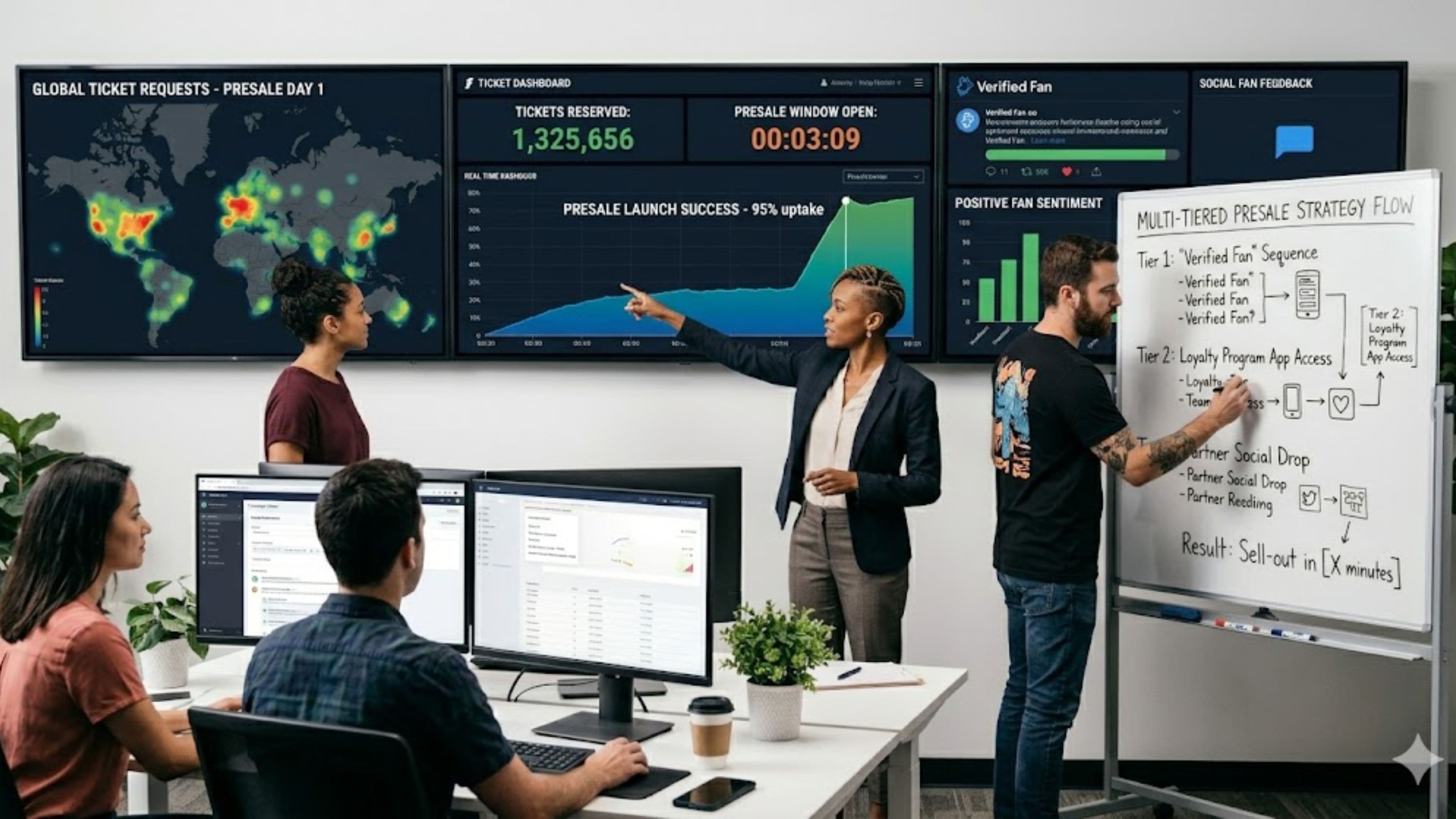
That's shifted. Platforms like Dice, Seated, and FIXR have built artist-friendly ticketing infrastructure that offers better data, lower fees, and tools specifically designed for independent touring acts. Dice in particular has become a notable player because its design discourages ticket scalping and reselling, which keeps tickets in the hands of real fans rather than bots – a meaningful trust signal for artists who want to protect their relationship with their audience.
More importantly, ticketing data is now a feedback loop for independent artists that it never used to be. When you can see which cities sold out fast, which shows moved slowly, and where your day-of-show buyers are concentrated, you can make smarter decisions about where to invest your touring energy next cycle. That's the kind of routing intelligence that used to require a booking agent with years of regional market knowledge. It's now built into the tools.
Social Media as a Geographic Demand Signal
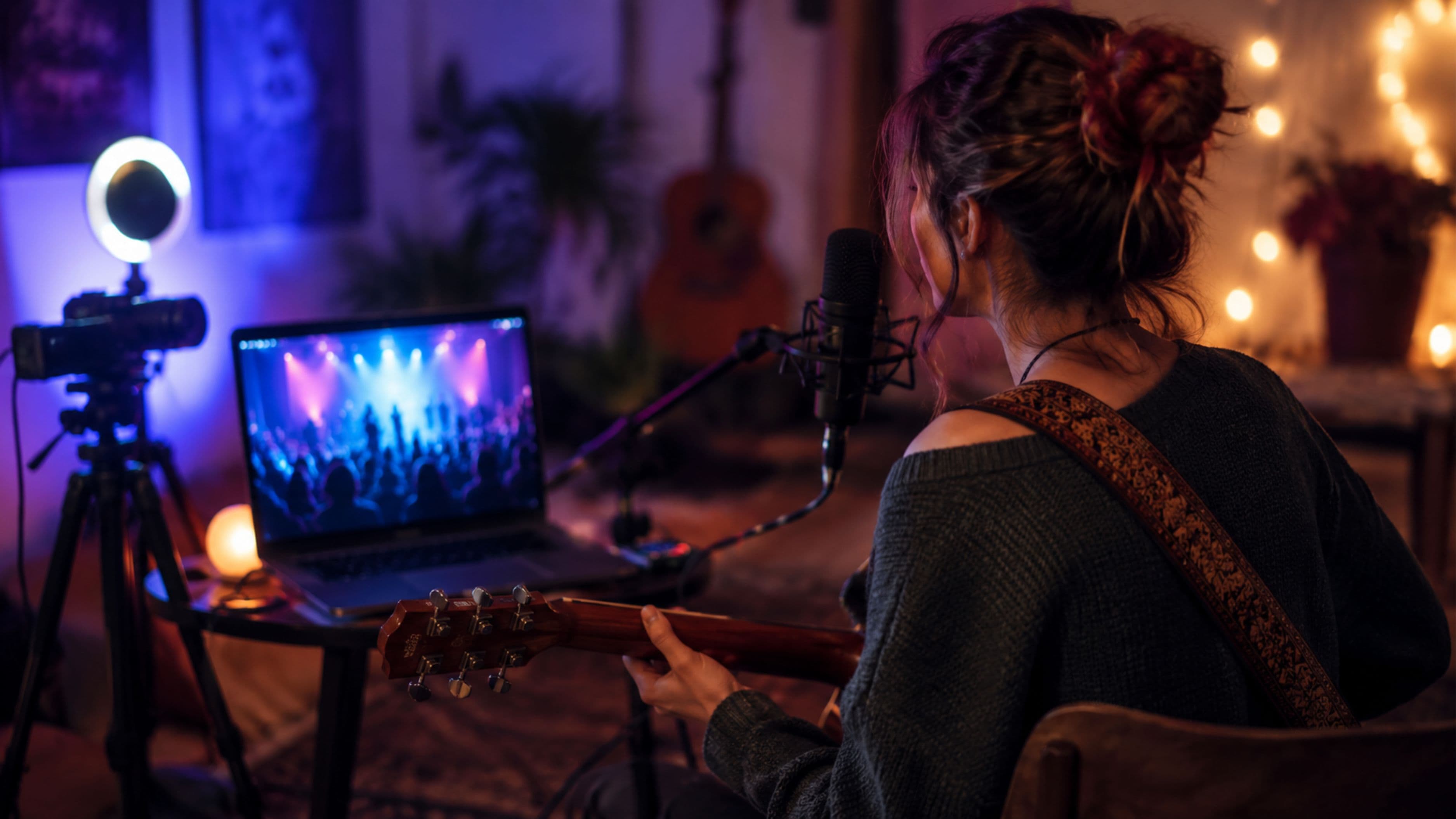
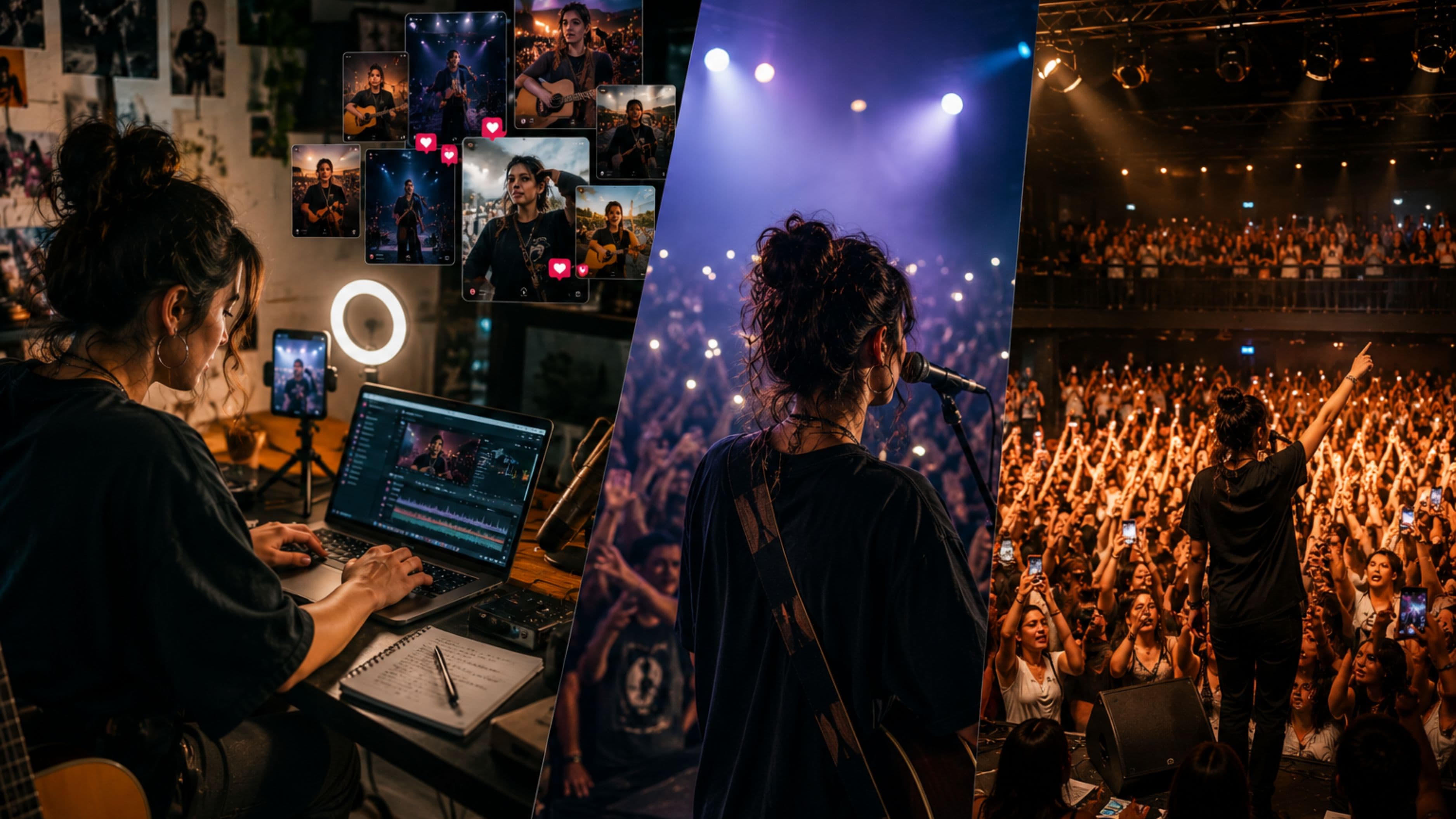
TikTok, Instagram, and YouTube have collectively changed how independent artists build live audiences in cities they've never played. The mechanism isn't complicated: consistent content that resonates with a specific type of person travels algorithmically to people who match that profile, regardless of where those people are located. An artist in Nashville can accumulate a real audience in Chicago, Phoenix, or London through organic content before they've ever booked a flight.
What smart independent artists are doing with this is treating social media engagement as geographic market research. A spike in followers from a particular city after a video blows up is a signal worth acting on. Artists who pay attention to where their engagement is coming from and route their tours accordingly report much better ticket sales than artists who book shows in cities they've played before without checking whether the demand has evolved.
The practice of "pre-touring" – posting content specifically geo-targeted to a city a few weeks before a show there, running location-based stories and posts to build local awareness – has become a genuine strategy for independent artists playing markets they're growing into. The cost is essentially zero. The impact on walk-up ticket sales and advance awareness can be significant enough to make the difference between a half-full room and a sold-out one.
Playlist Placement Still Feeds the Pipeline
Organic playlist placement – editorial playlists on Spotify and Apple Music, as well as influential independent playlist curators – remains one of the most direct paths from stream counts to ticket sales. The relationship isn't automatic, but it's consistent: artists whose music gets placed in playlists with geographic concentration in specific cities see those cities convert into live audience demand at a higher rate than cities where their music isn't programmed.
Independent artists who pitch their releases directly to Spotify editorial through Spotify for Artists, target third-party playlist curators through tools like SubmitHub and Groover, and build relationships with influential tastemakers in specific genres are doing the slow, unglamorous work that feeds sustainable touring careers. It doesn't produce immediate results, but over several release cycles it builds the kind of geographic listener density that makes a tour routing strategy viable.
The key variable is that the listener has to be engaged, not just counted. A passive stream from someone who skipped after fifteen seconds does less for your live business than a save, a playlist add, or a follow. Platforms increasingly surface this distinction in their analytics, and artists who optimize for engaged listeners rather than raw play counts tend to build more reliable live audiences.
What Managers and Booking Agents Look Like Now
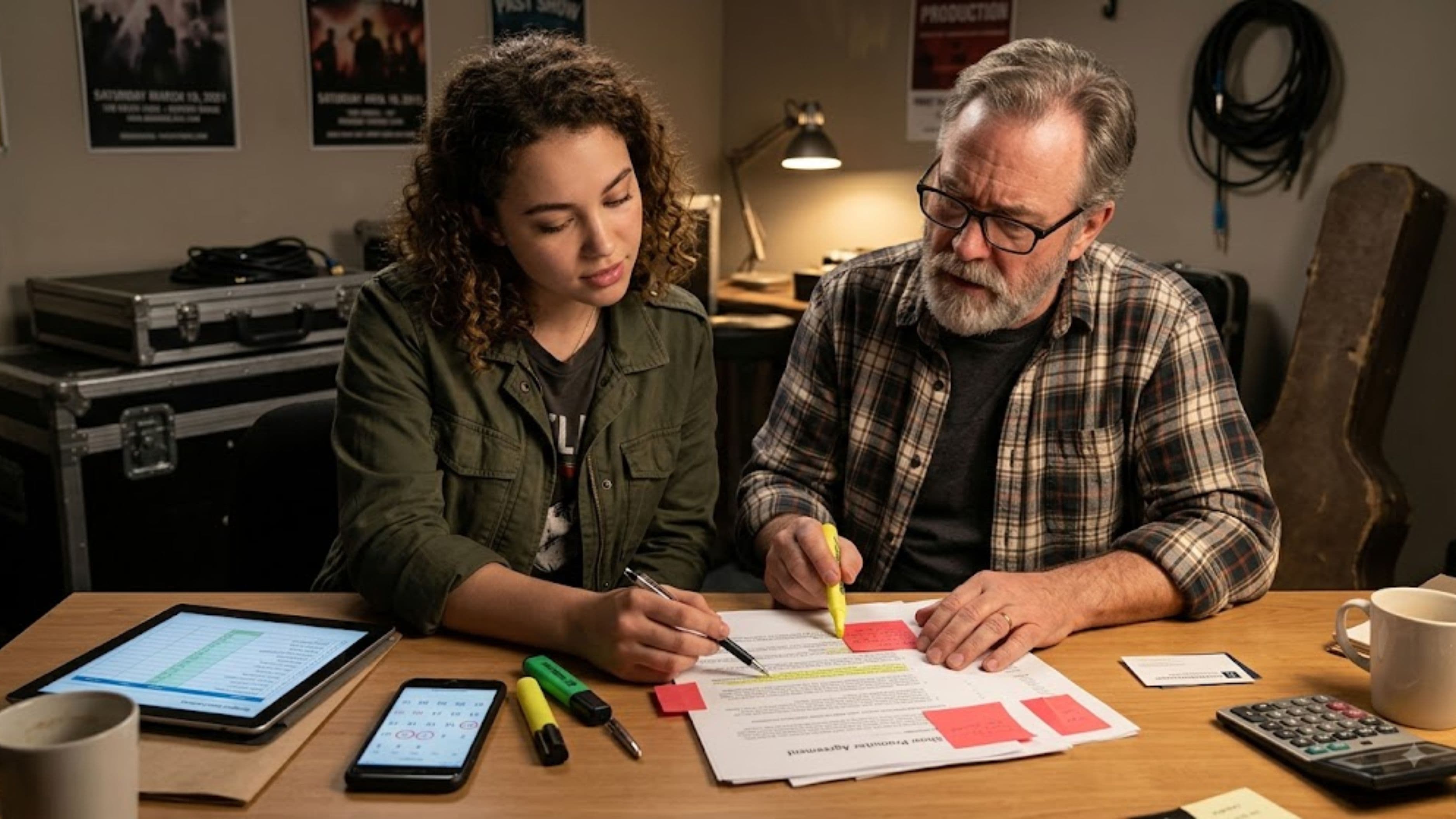
This doesn't mean independent artists are doing everything alone. The manager and booking agent still exist in the independent world – they just look different. Many independent artists work with boutique managers who handle fewer artists and operate without the overhead structure of major management companies. Booking agents who specialize in independent touring have proliferated as the independent touring market has grown, and their deal structures are often more flexible than the traditional 10–15% of gross model.
More significantly, the bar for getting a booking agent's attention has changed. An independent artist who can demonstrate 8,000+ monthly listeners in a target city, a proven record of selling out or near-selling out their current venue tier, and a direct-to-fan base that actively converts to ticket sales is a much easier pitch for a booking agent than an artist who simply has a good record and label interest. Live performance data and fan engagement metrics have become the primary currency. Label involvement has become secondary.
The Revenue Picture for Independent Touring
Selling out shows without a label is commercially meaningful in ways that go beyond the obvious. Without label recoupment obligations – the system by which labels advance tour budgets and recoup those advances from the artist's revenue before the artist sees profit – independent artists keep a much higher percentage of what their shows generate. A 300-cap show that grosses $6,000 at the door, with a 70/30 split with the venue and reasonable production costs, can generate real net income for an independent artist in a way it often doesn't for a labeled artist whose advances are being clawed back.
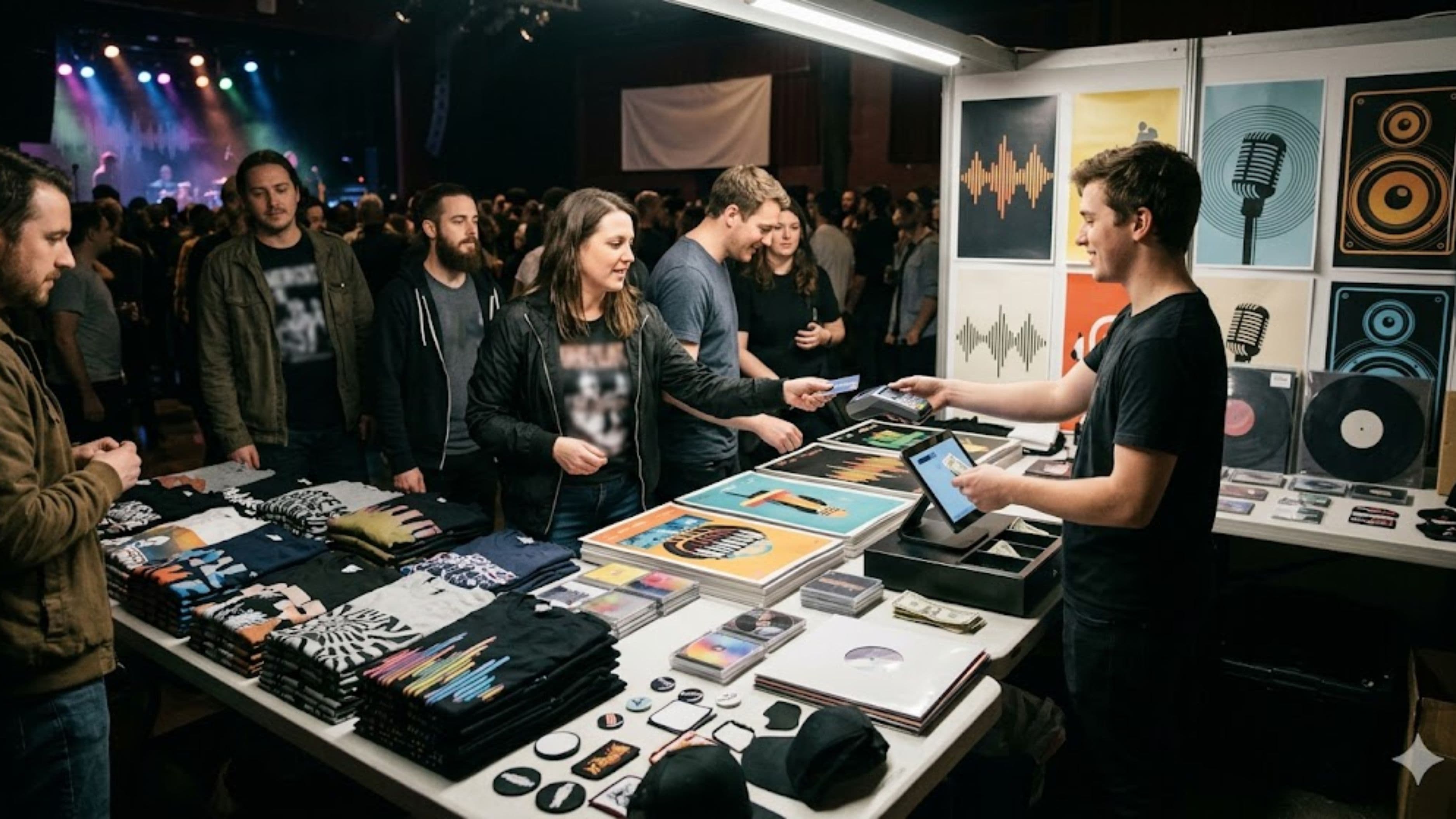
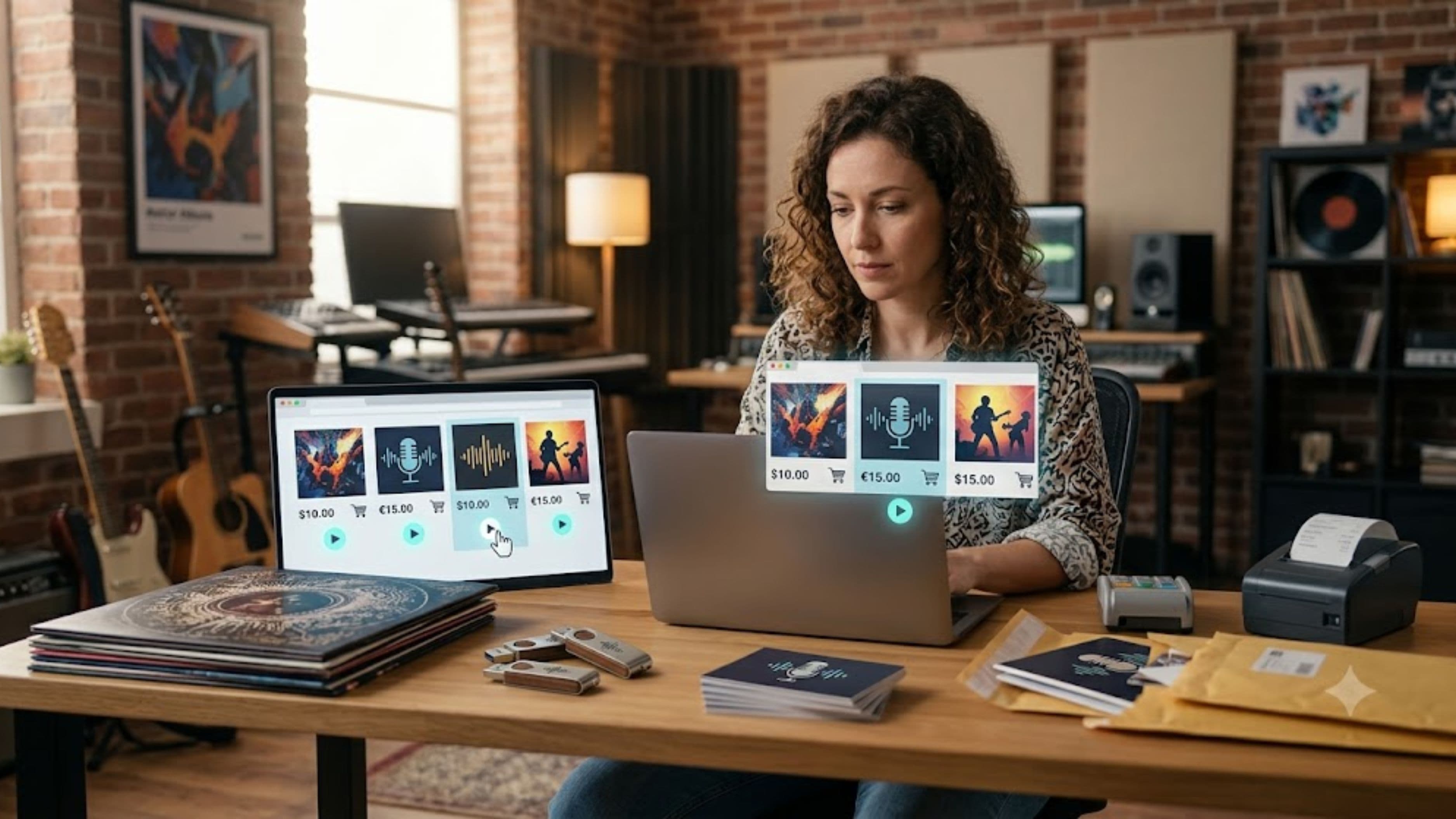
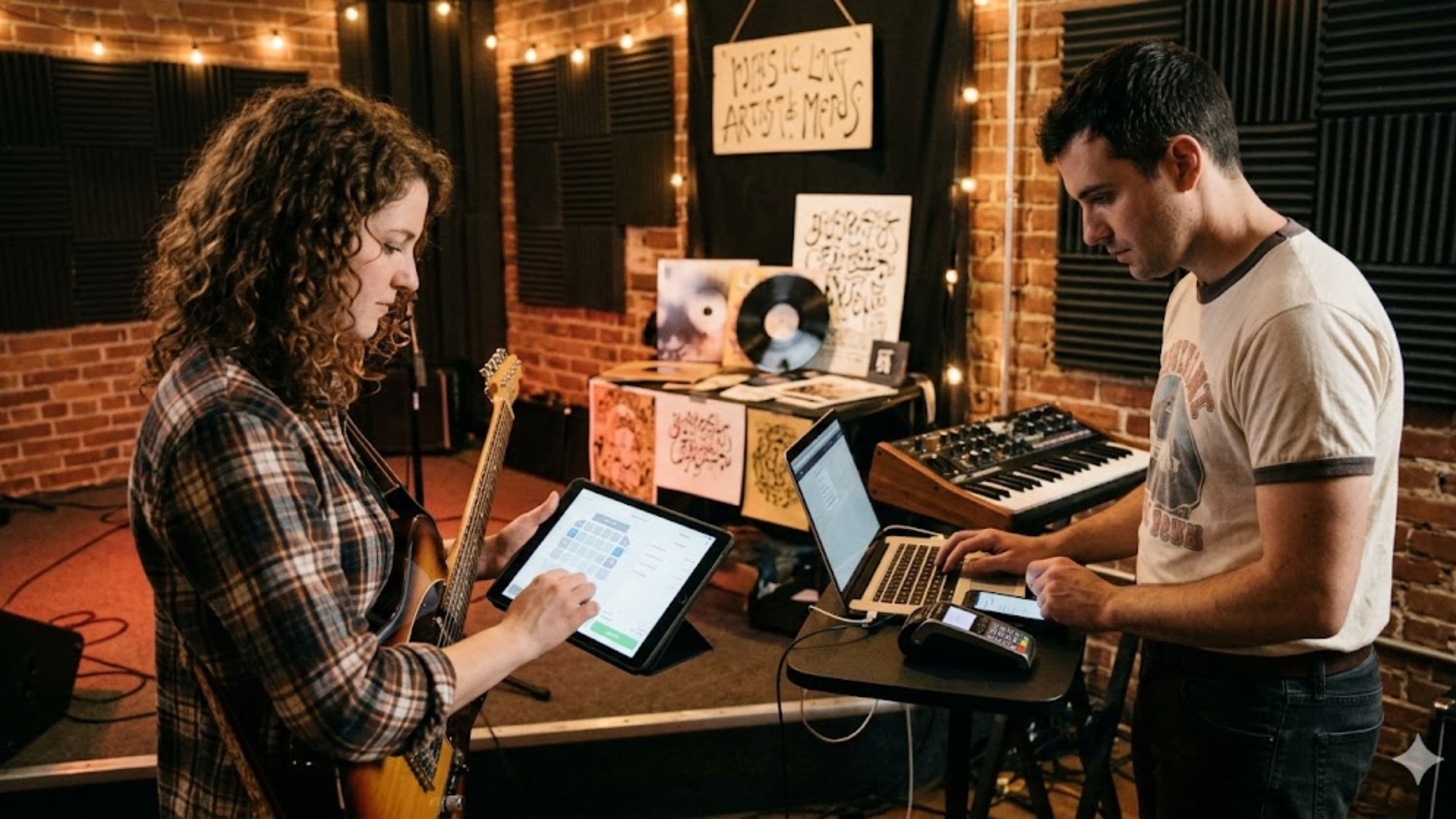
Merch income at shows is also disproportionately valuable in the independent model. Major label artists often deal with venue merchandise deals that take a significant percentage of sales. Independent artists negotiate their own merch arrangements and typically keep 80–90% of merch revenue – which, at a sold-out show with genuine fans, can equal or exceed the door income. The economics of independent touring have improved not just because ticket sales are accessible but because the revenue model keeps far more in the artist's hands.
Practical Takeaway
If you're an independent artist trying to build toward selling out shows, the roadmap is more concrete than it used to be. Build geographic listener density before you route a tour – use Spotify for Artists, Bandcamp analytics, and social media engagement data to identify where your real audience is concentrated. Invest in direct fan relationships through email and community tools before you lean on social media reach alone. Use artist-friendly ticketing platforms that give you clean data after every show. And price your shows to build rooms that feel full rather than trying to maximize capacity before you've established real demand in a market.
The label isn't the gate it once was. The tools are there. The fans are there if the music is reaching them. The work is converting distributed digital engagement into people who buy tickets and show up in a room together – and that conversion is increasingly something independent artists are doing on their own terms.
FAQ
How many streams or followers do you need before touring makes sense? There's no universal threshold, but a practical signal is 5,000–10,000 monthly listeners concentrated in a specific geographic area. That's enough to warrant a show in that market, particularly if you have a direct fan list with meaningful engagement. Raw follower counts matter less than how engaged and geographically concentrated your audience is.
Do independent artists need a booking agent to tour? Not initially. Many independent artists self-book their first regional tours by reaching out directly to venues via email, particularly in the 100–300 cap range. As you build a track record of selling those rooms, getting booking agent interest becomes much easier because you have real data to show them. Starting self-booked and scaling to agent-represented is a common and effective path.
What's the best platform for selling tickets as an independent artist? Dice, Seated, and Eventbrite are all commonly used by independent touring artists, each with different fee structures and feature sets. Dice has a strong reputation in the independent community for its anti-scalping design and artist-friendly data tools. The right choice depends on your venue relationships, your geographic focus, and the fee structure that works best for your margins.
How important is merchandise to the touring economics for independent artists? Very. At most independent shows, merch revenue is a significant portion of the night's total income – sometimes equal to or greater than the door. Having well-designed, properly priced merch available at shows is one of the highest-return elements of independent touring and should be treated as a serious part of the business, not an afterthought.
How do independent artists get on venue radars in cities where they're not yet known? A combination of streaming data, social media engagement in the target market, and a direct pitch to the venue's booking contact with clear evidence of local demand. Venues in the 200–500 cap range book new artists regularly and respond to artists who come with data: "Here's my Spotify listener count in your city, here's my engagement from this market, here's what I've drawn in comparable cities." That pitch is far more effective than one that leads with press clips or streaming totals without geographic context.
📚 Sources
Spotify for Artists – Understanding Your Audience Data: https://artists.spotify.com/blog/understanding-your-audience
Bandsintown for Artists – Tour Demand and Fan Tracking: https://artists.bandsintown.com
Dice – How Dice Works for Independent Artists: https://dice.fm/artists
MIDiA Research – The Rise of the Independent Artist Economy: https://www.midiaresearch.com/blog/the-rise-of-the-independent-artist
Hypebot – Independent Artists and the New Touring Economy: https://www.hypebot.com/hypebot/2023/06/how-independent-artists-are-building-sustainable-touring-careers.html
🔍 Explore Related Topics
Building a fan email list as an independent musician