Vocal and Physical Recovery Tools
For any artist performing live regularly, vocal recovery tools have become a non-negotiable part of the touring kit. A personal steam inhaler is compact enough to pack and makes a meaningful difference for vocal cords stressed by nightly performances, dry venue air, and long travel days spent talking or singing.
Alongside vocal care, a foldable massage tool or compact percussion device helps manage the physical toll of performing, especially for artists who move a lot on stage or carry and set up their own gear. These tools take up minimal space but can be the difference between showing up to night ten of a tour depleted versus genuinely able to perform at full capacity.
Portable Audio and Monitoring Gear
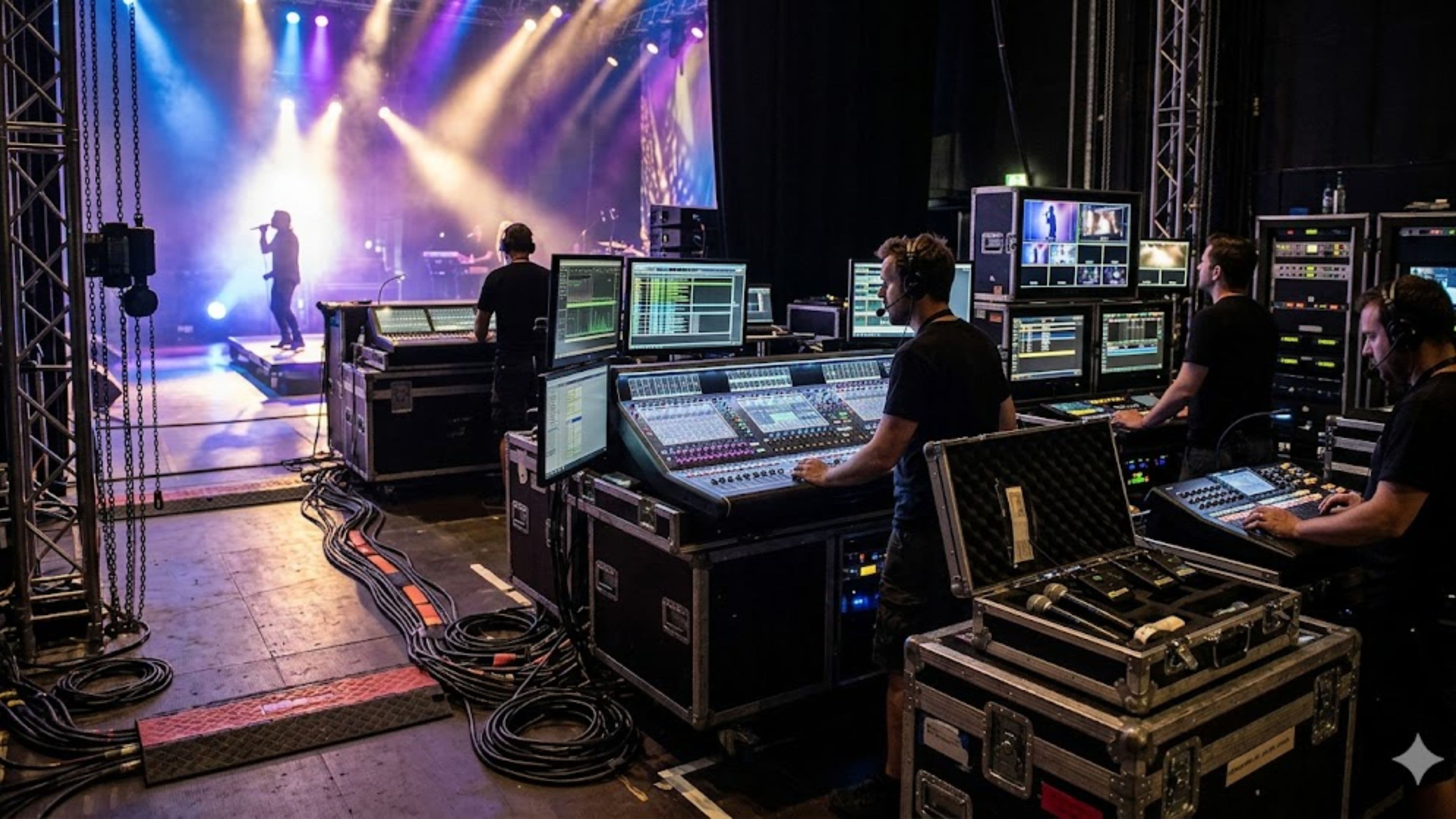
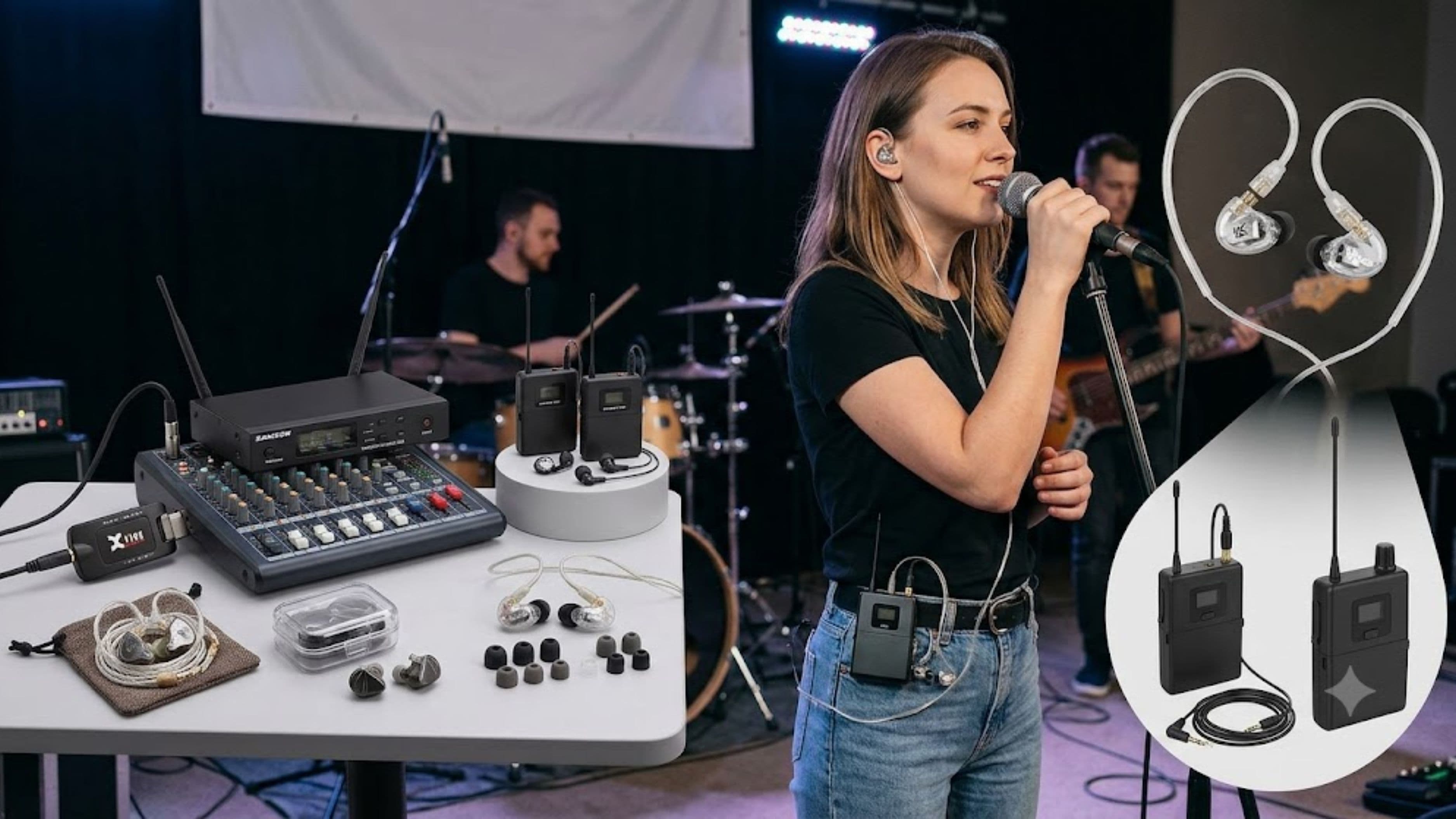
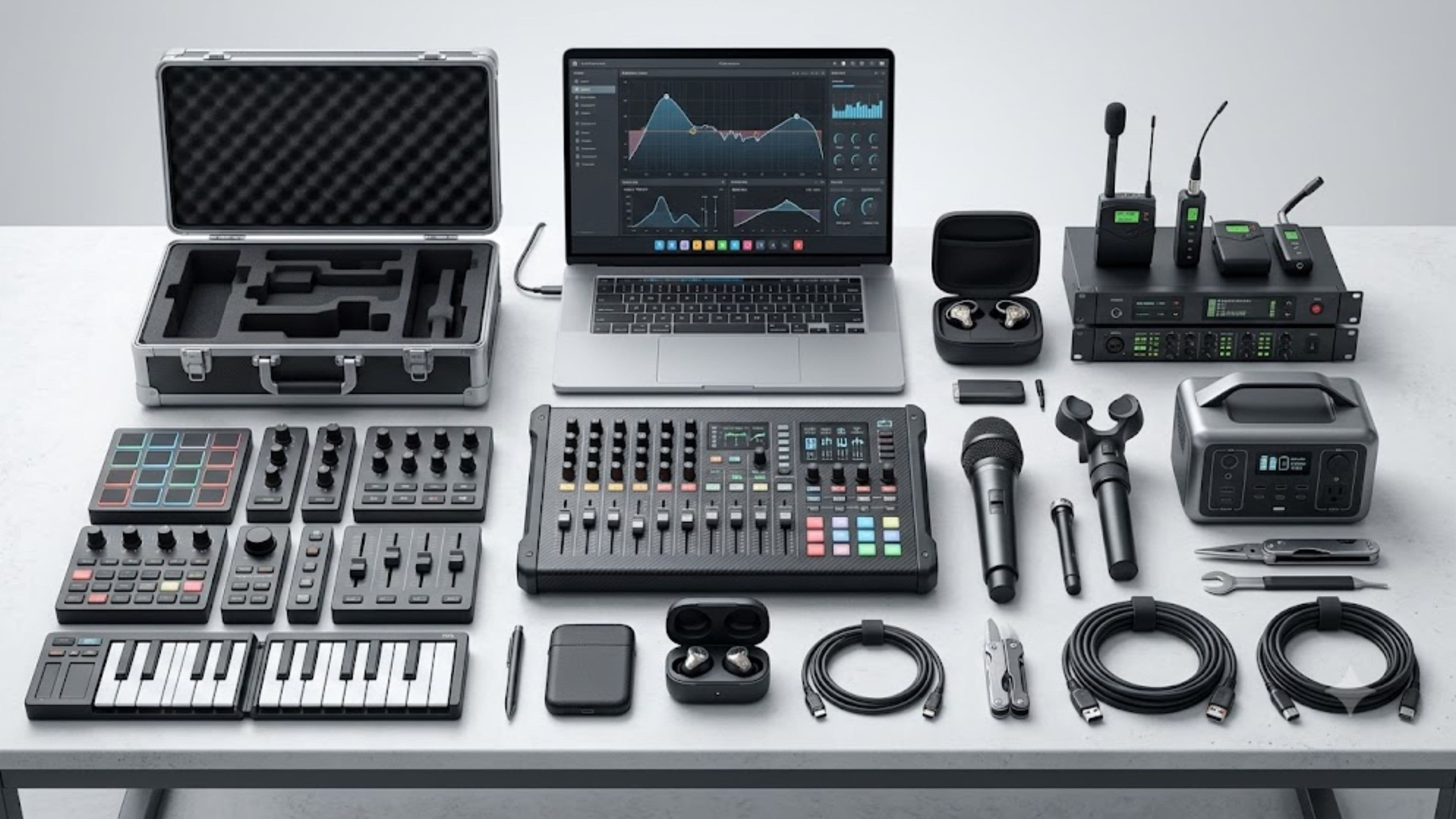
In-ear monitors have become standard for touring artists who want consistent, reliable sound regardless of a venue's acoustics or house system quality, and compact wireless IEM systems have gotten significantly smaller and more affordable in recent years. Pairing this with a small portable audio interface allows artists to capture quick voice memos, soundcheck notes, or even rough recordings of new ideas that come up on the road without needing full studio equipment.
A reliable pair of noise-isolating headphones also serves double duty, useful both for monitoring during soundcheck and for actually resting during long travel stretches between cities.
Backup Everything
Experienced touring artists know that anything that can fail eventually will, especially on a long run of shows across different venues and climates. Backup cables, extra guitar strings or reeds depending on your instrument, spare batteries for wireless gear, and a backup set of in-ear monitor tips are the kind of small items that take up little space but prevent a single equipment failure from derailing an entire show.
A compact repair kit with basic tools, like a small screwdriver set and gaffer tape, rounds this out, since minor gear issues on the road are far more common than most touring artists expect before their first extended run of shows.
Health and Comfort Essentials
Long tours are hard on the body in ways that go beyond just vocal strain, and packing basic health essentials matters more than it might seem before you're actually on the road. A compact first aid kit, electrolyte packets for staying hydrated through long travel and performance days, and a reliable set of earplugs for sleeping in unfamiliar environments are small additions that meaningfully affect how sustainable touring feels over multiple weeks.
A comfortable, supportive travel pillow and a lightweight blanket also make a real difference for artists spending significant time in vans, buses, or economy flights between cities.
Digital and Business Essentials
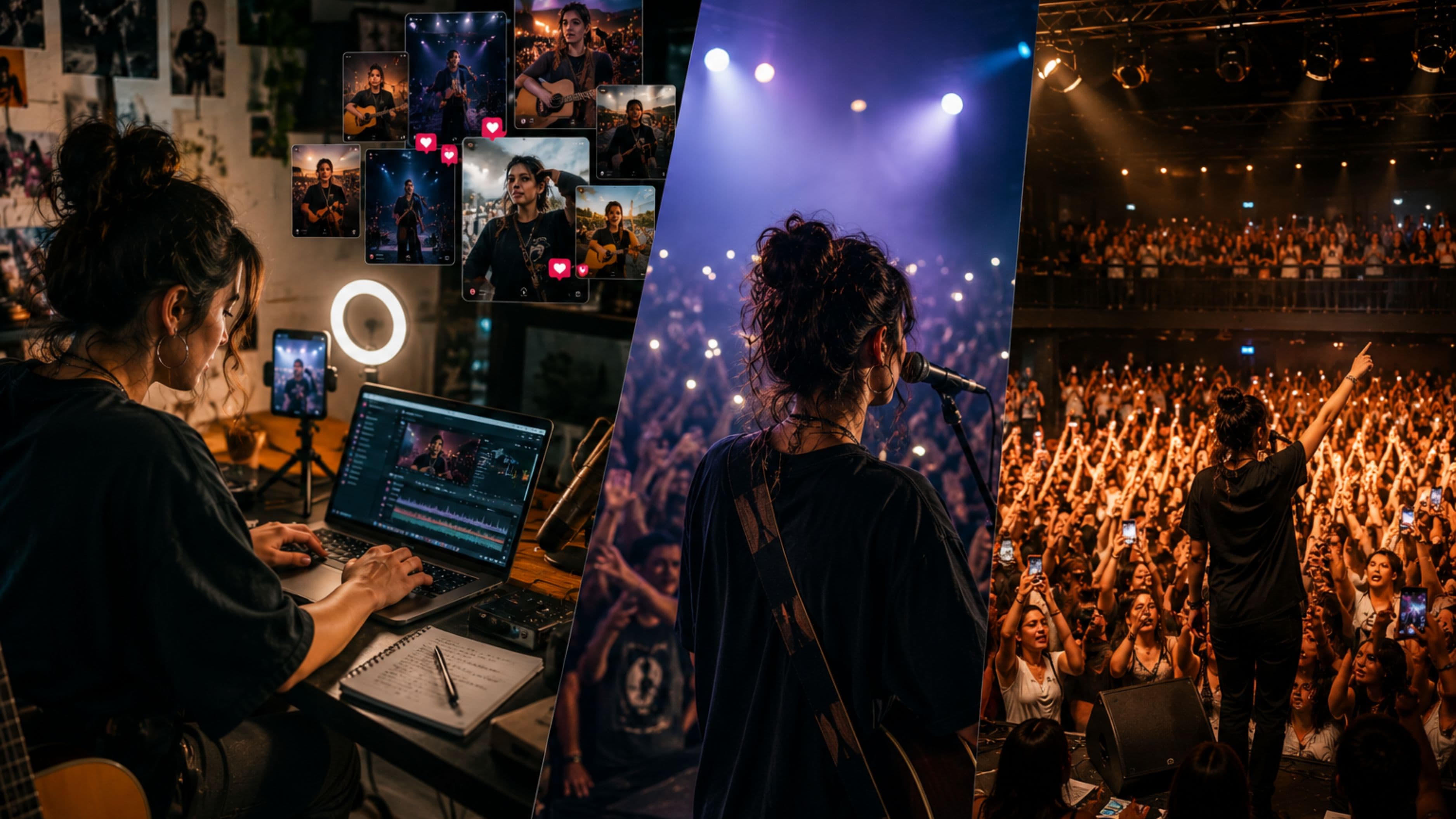
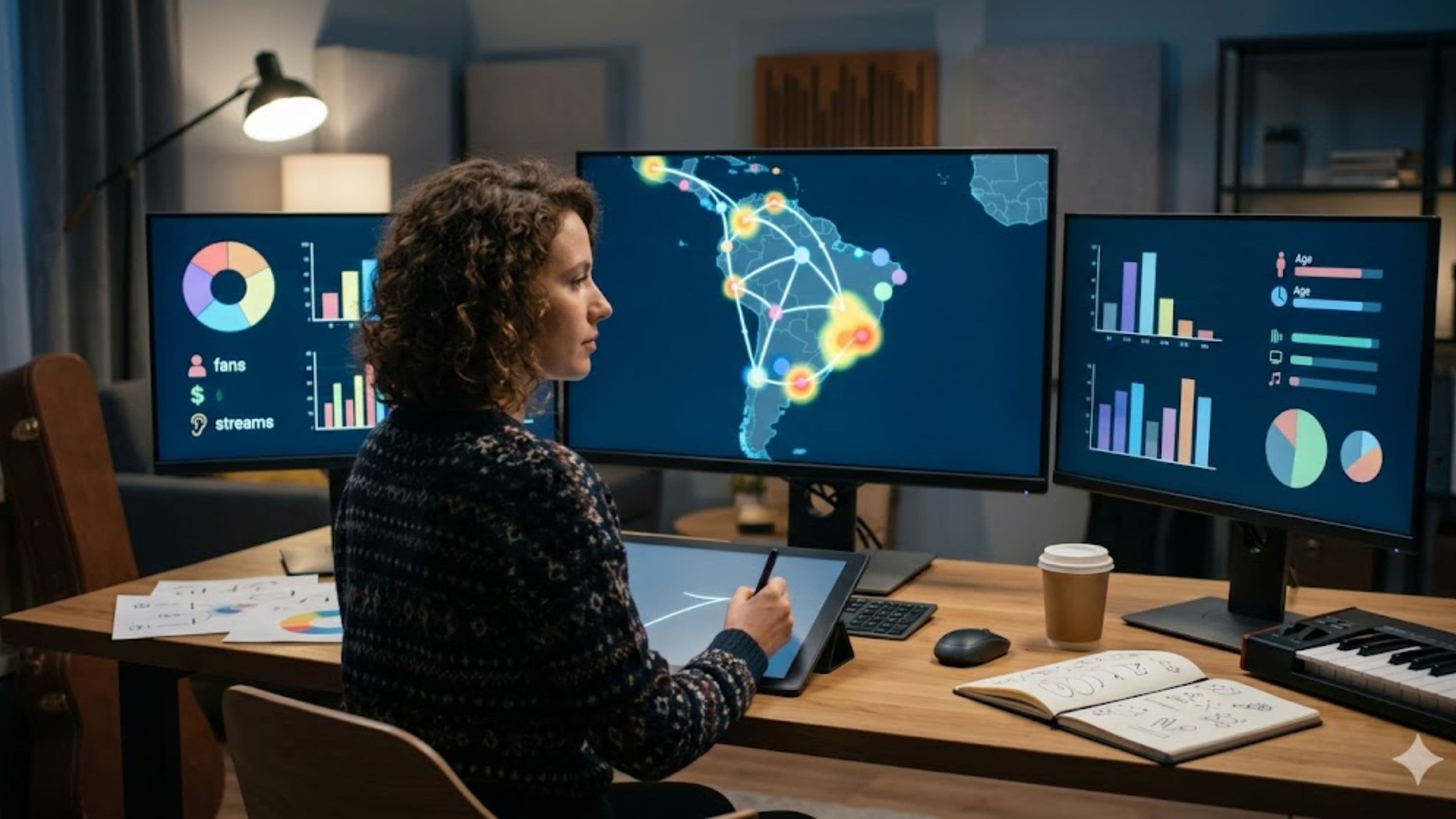
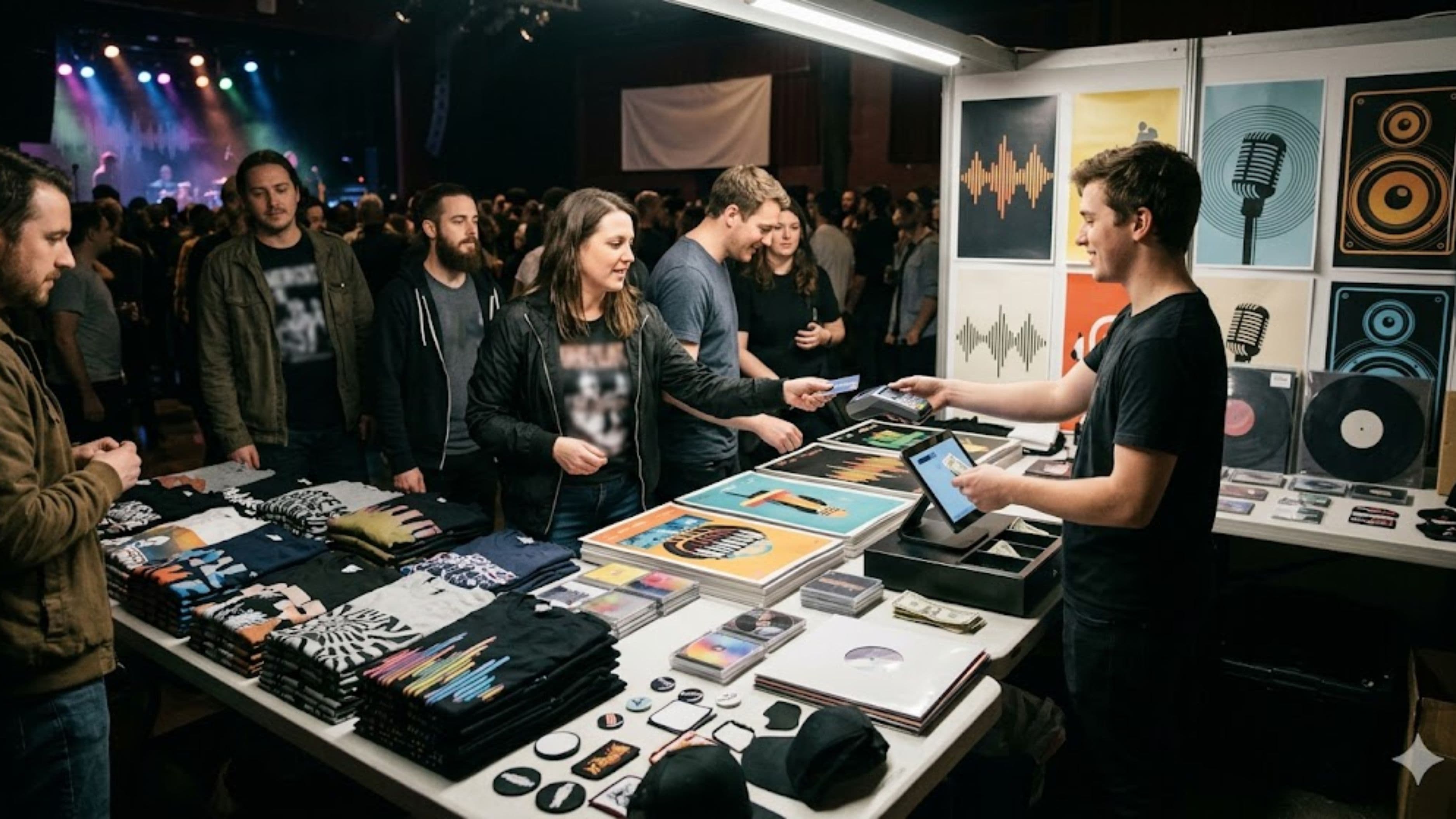
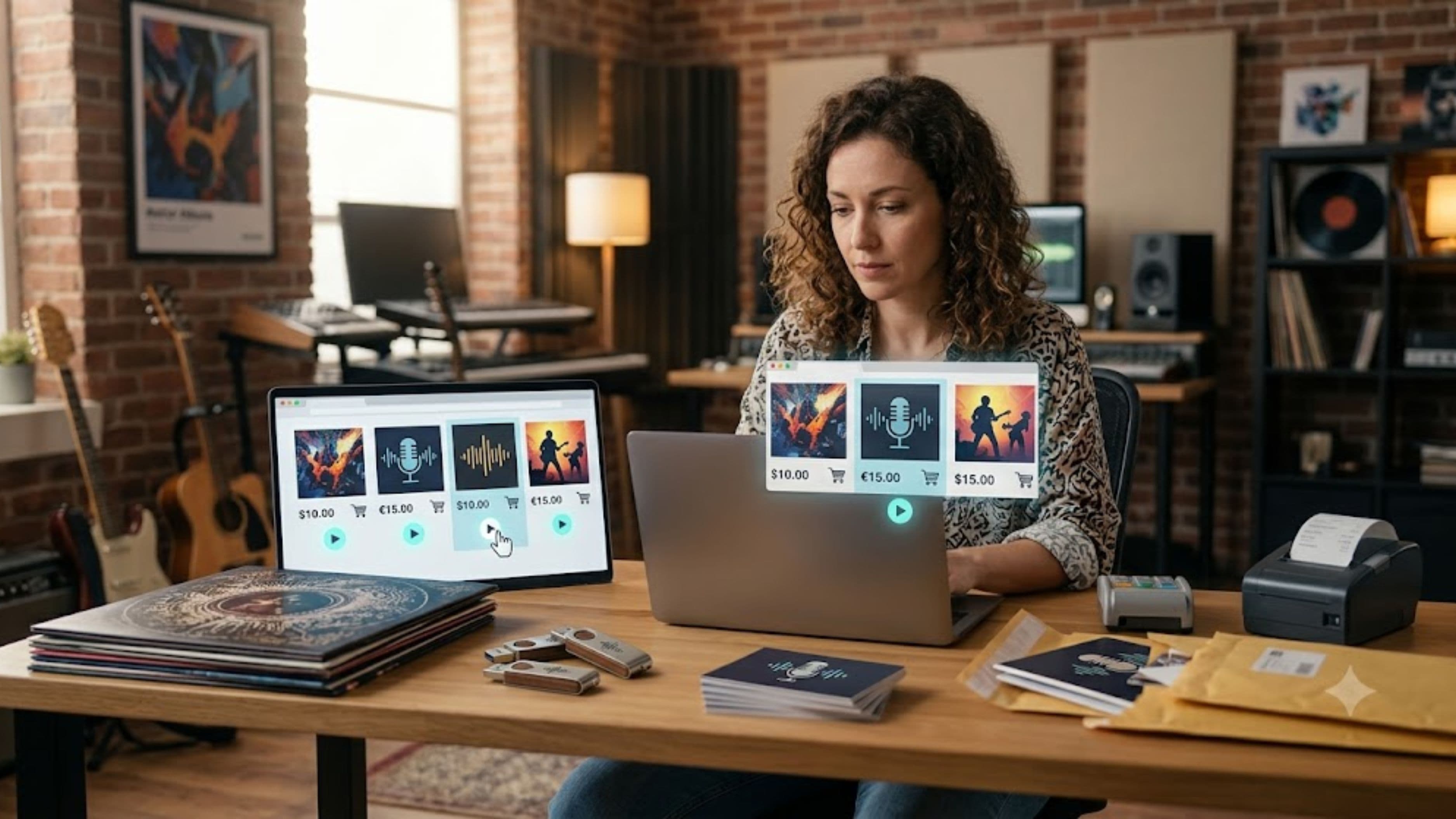
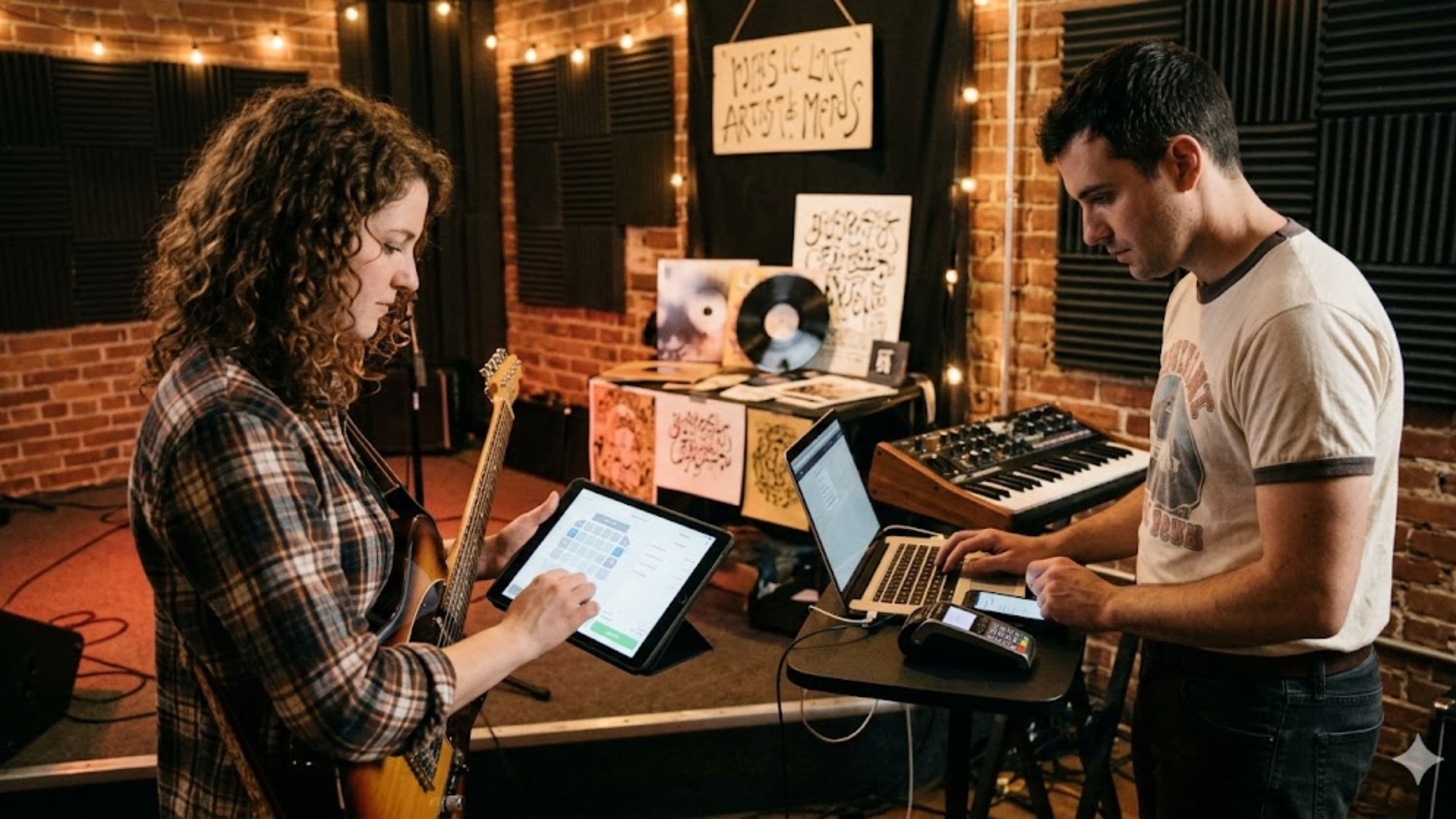
Touring in 2026 also means managing merchandise sales, social media content, and communication with venues and management while on the road, making a reliable portable charger and a compact card reader for merch sales genuinely essential rather than optional extras. A small external hard drive or reliable cloud backup system for any content captured during the tour, whether that's photos, videos, or new song ideas, protects against losing material if a phone or laptop is lost or damaged mid-tour.
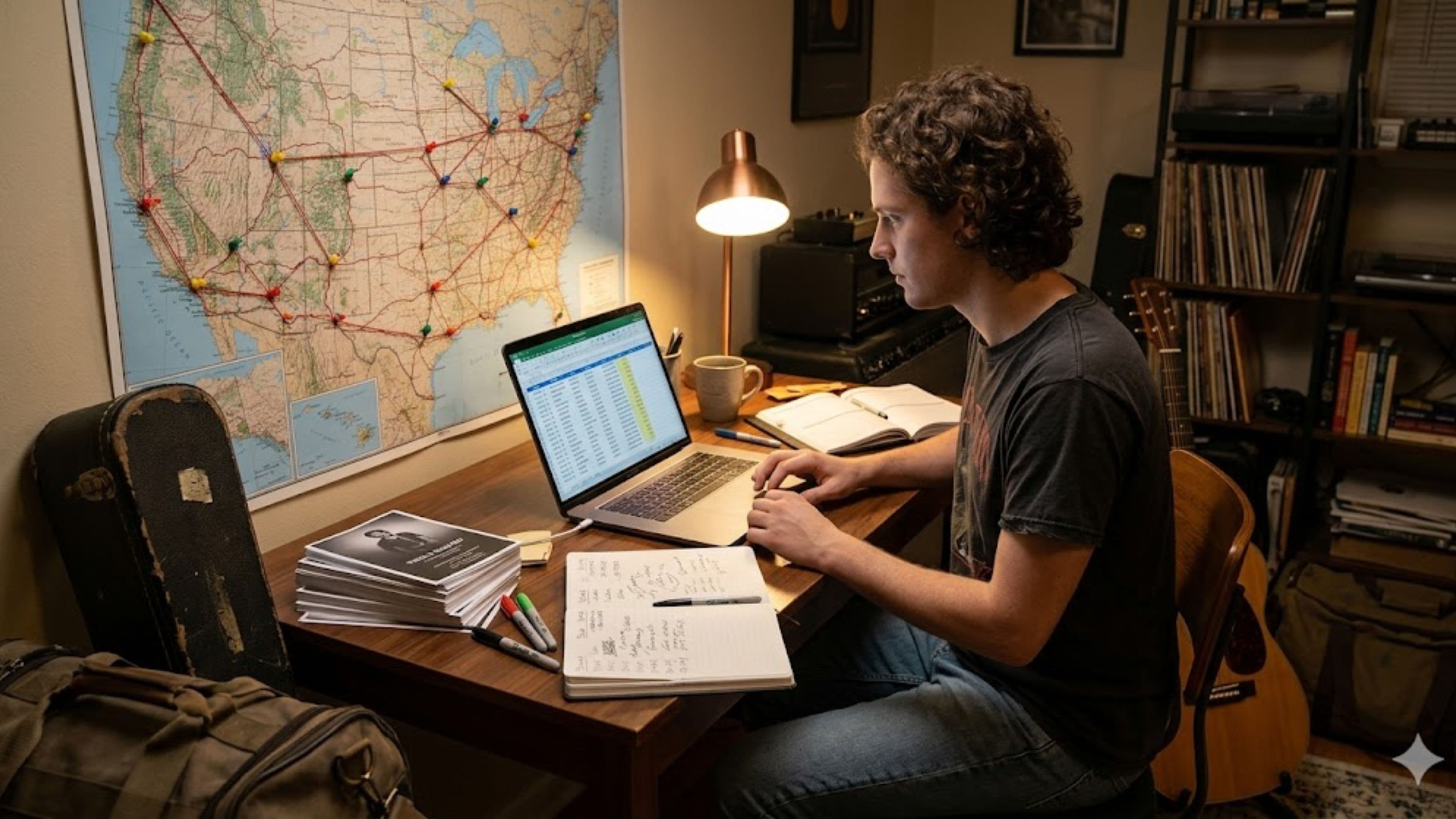
Keeping a simple digital note or spreadsheet tracking merch inventory, expenses, and venue contacts also saves significant headaches compared to trying to remember these details across a multi-week or multi-month tour.
What to Watch Out For
Overpacking is one of the most common mistakes new touring artists make, since every extra bag or box adds real logistical weight when you're loading in and out of venues multiple times a week. Prioritize items that serve multiple purposes or address genuine recurring needs, rather than packing "just in case" items that rarely actually get used across a full tour.
It's also worth being cautious about relying entirely on a single piece of critical gear without any backup, since venue conditions, climate, and travel wear can affect equipment in ways that are hard to predict in advance.
The Bottom Line
A well-planned touring bag isn't about bringing everything you might possibly need, it's about identifying the specific items that protect your voice, your gear, your health, and your business operations across a demanding, unpredictable schedule. Artists who invest thought into this before hitting the road tend to sustain their energy and performance quality far better across a long touring run than those figuring it out reactively city by city.
FAQ
Are in-ear monitors necessary for smaller independent tours? They're increasingly common even for smaller tours, since they provide consistent sound quality regardless of a venue's house system, though cost and budget should factor into this decision for newer artists.
What's the most commonly forgotten touring essential? Backup items, like spare cables, extra batteries, and backup in-ear monitor tips, are frequently underestimated until a piece of gear fails mid-tour without a replacement on hand.
How do artists manage merch sales without a full point-of-sale system? Compact mobile card readers paired with a simple inventory tracking system on a phone or tablet have become a common, affordable solution for independent touring artists.
📚 Sources
Vocal Health for Touring Musicians, ncbi.nlm.nih.gov
In-Ear Monitor Systems Guide, soundonsound.com
Touring Logistics for Independent Artists, sonicbids.com