What an Audiogram Actually Is
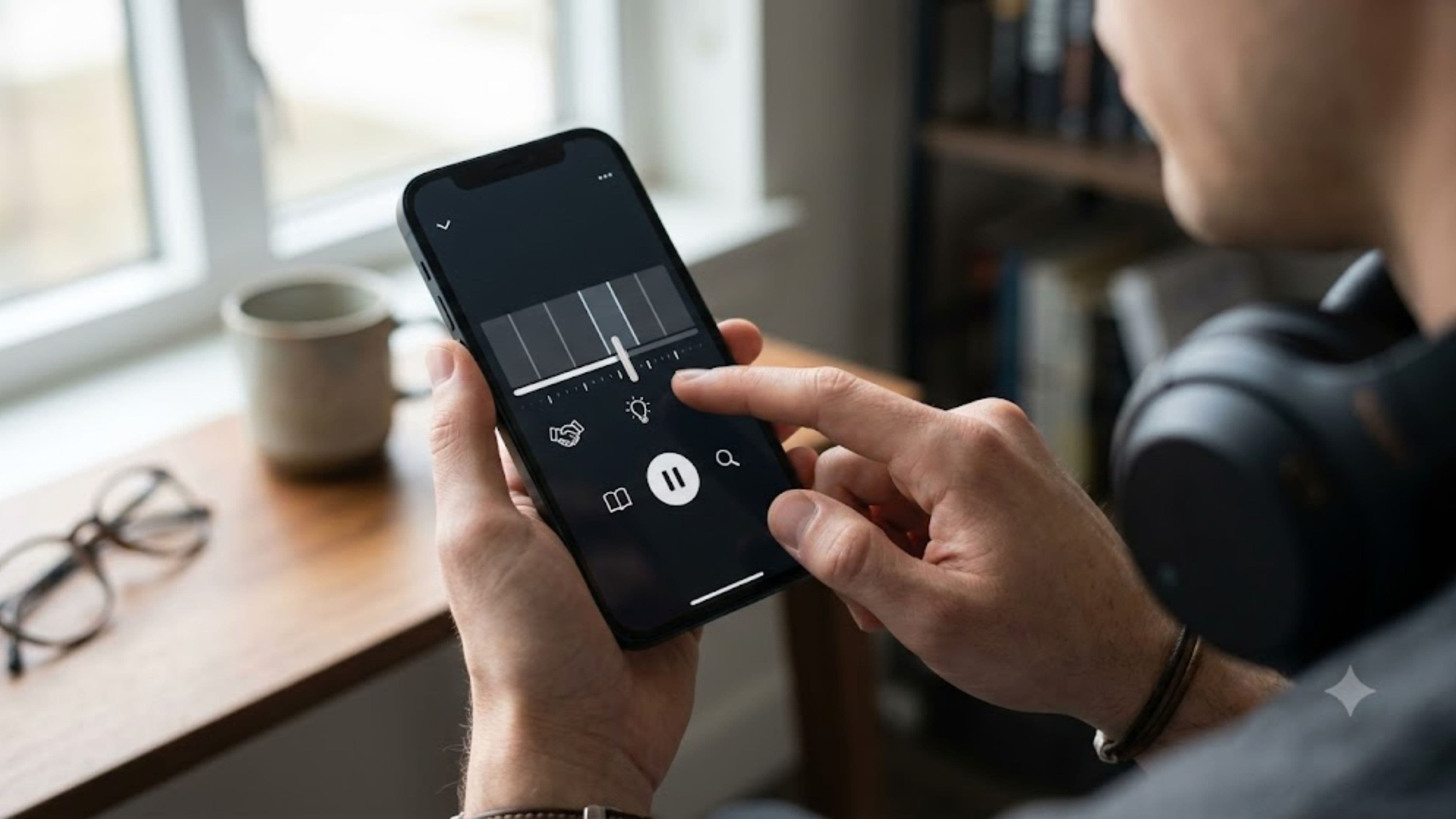
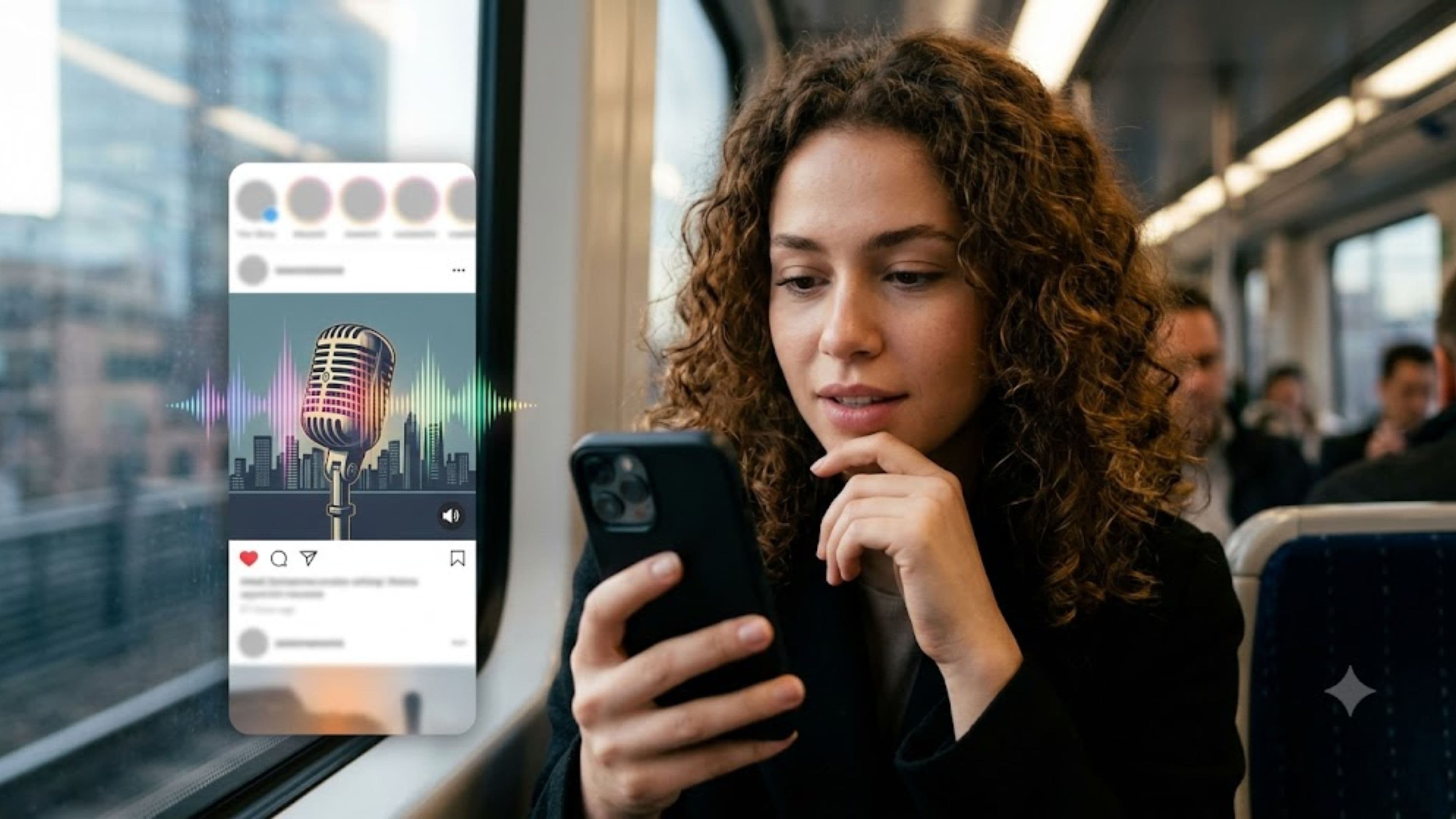
An audiogram is a short video clip, typically 15-90 seconds, that pairs a compelling audio excerpt from your podcast with a simple visual element, usually an animated waveform, captions, and a static or minimally animated background image. It's specifically designed to make audio content shareable and watchable on visual-first platforms like Instagram, X, and Facebook, where a plain audio file alone wouldn't get any traction in a feed built around visual content.
The format essentially bridges the gap between audio-only content and the visual platforms where most podcast discovery and sharing actually happens today, giving people something to actually look at while they listen to a compelling moment from your episode.
Why They Still Work When Full Video Feels Like the Standard
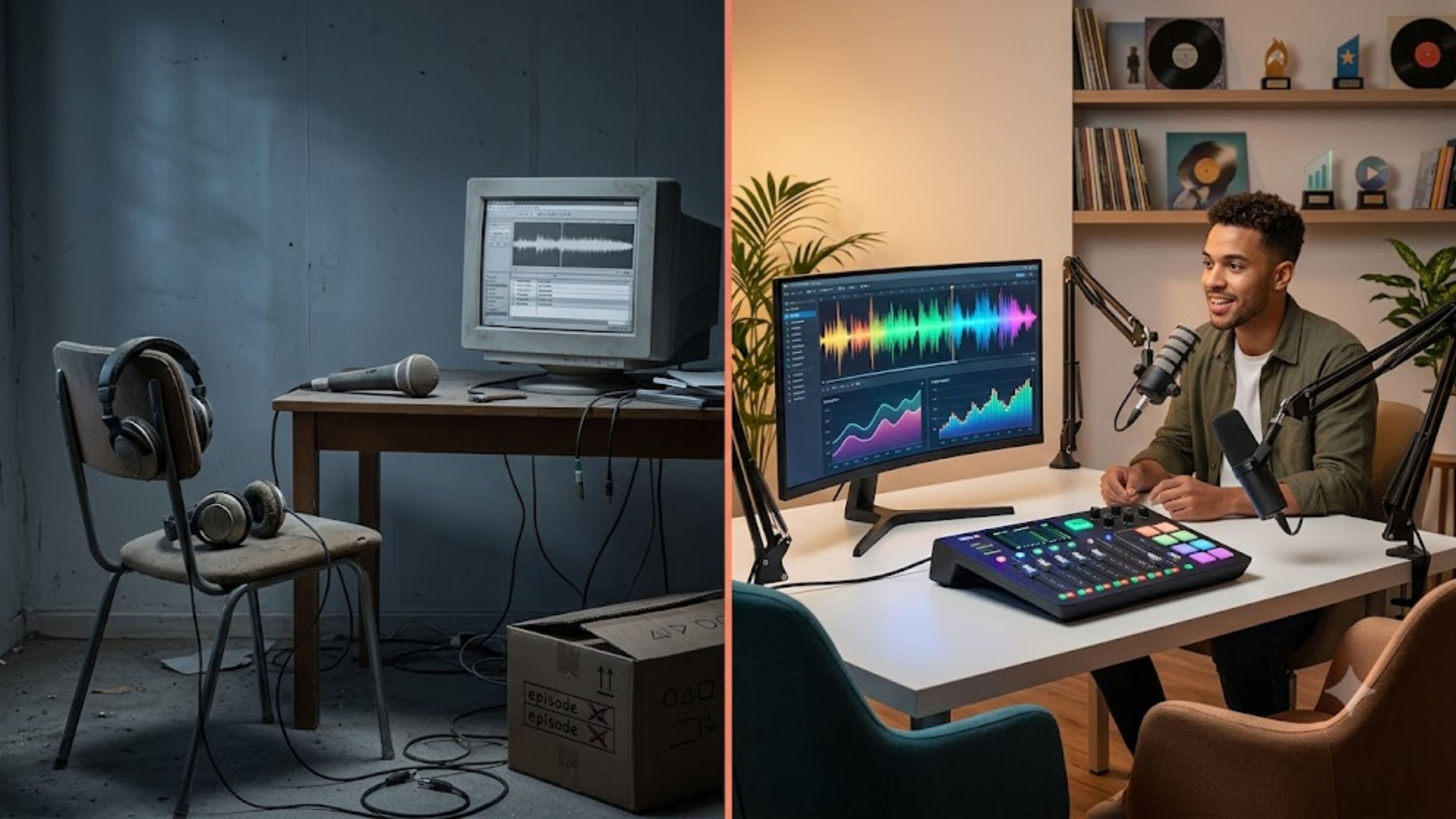
Full video podcasting has genuinely grown, but it requires meaningfully more production investment: camera setup, lighting, video editing, and often a completely different recording workflow than a purely audio-focused show. Audiograms let audio-first podcasters, which is still the majority of shows, participate fully in the visual social media discovery ecosystem without needing to fundamentally change their production process or invest in video equipment they may not otherwise need.
This matters practically because most independent and mid-sized podcasts simply don't have the budget or workflow set up for full video production, but they absolutely can extract a compelling 60-second audio moment and turn it into a shareable visual asset relatively quickly and affordably.
Captions Do More Work Than the Waveform Does
While the animated waveform is the visually recognizable signature of an audiogram, the captions are arguably doing more of the actual work in terms of engagement and accessibility. A significant portion of social media video is watched with sound off, particularly when someone is scrolling in public or a shared space, meaning captions are often the difference between someone actually absorbing your content or scrolling right past a muted clip they can't understand.
Beyond accessibility for sound-off viewing, accurate captions also make your content accessible to deaf and hard-of-hearing audiences, a genuinely important consideration that's easy to overlook when you're focused purely on the promotional angle of the format.
Choosing the Right Clip Actually Matters Most
The technical production of an audiogram matters less than the substance of the clip you choose to feature. A genuinely compelling, quotable, or surprising moment from your episode will perform significantly better than a polished audiogram built around a mediocre or generic excerpt. Listen back through your episode specifically looking for a moment that stands entirely on its own, without needing the surrounding context of the full conversation to make sense or land emotionally.
Strong candidates typically include a surprising statistic or claim, a genuinely funny or emotional moment, a strong opinion or hot take, or a clear, quotable summary of your episode's core insight. Avoid clips that reference something said earlier in the conversation without providing enough context to stand alone.
Where Audiograms Fit in a Broader Promotion Strategy
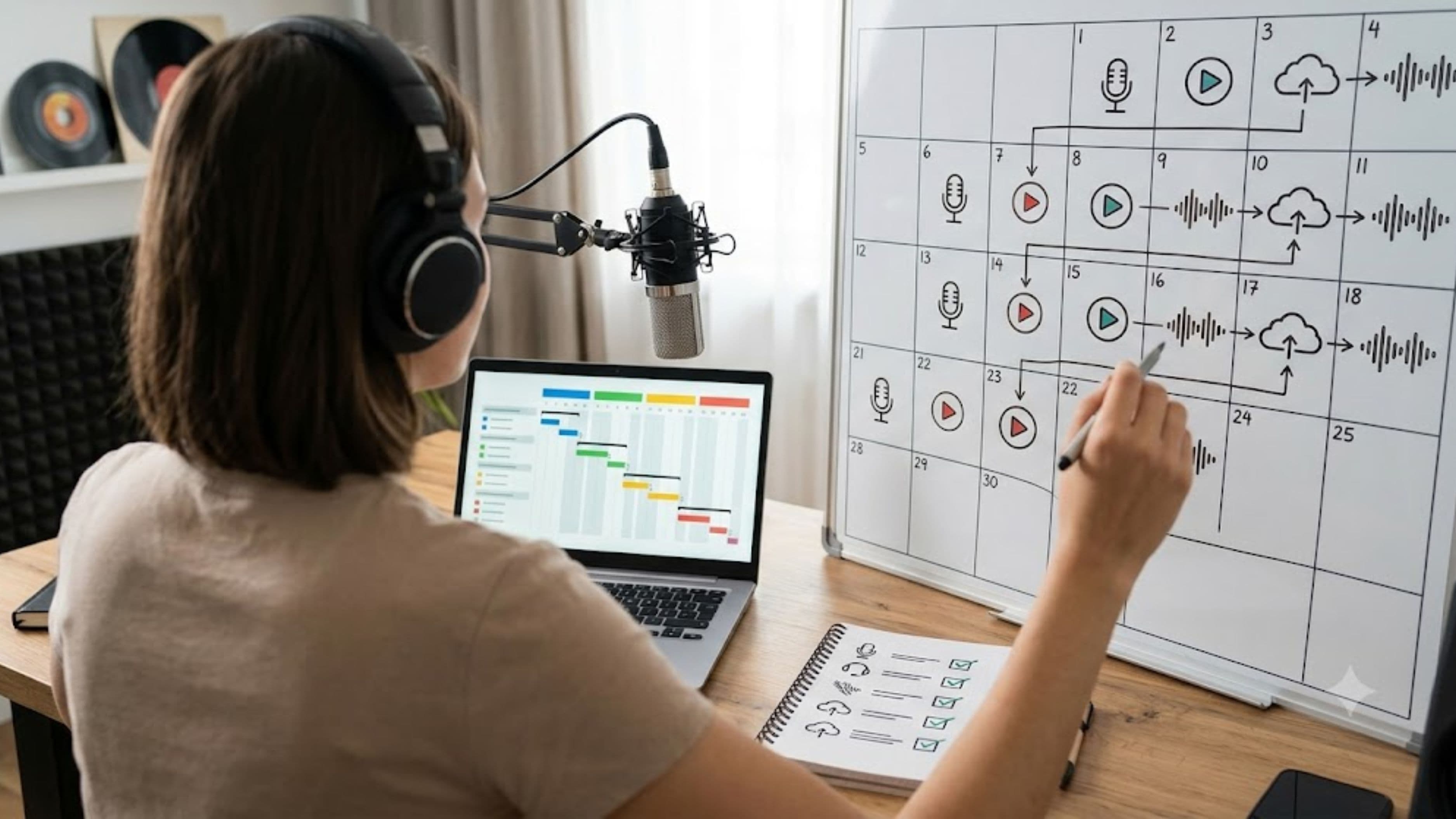
Audiograms work best as one part of a broader promotional approach rather than your only tactic. Pair them with a genuinely engaging caption that gives context and a reason to listen to the full episode, and consider creating multiple audiograms from a single episode to test which specific moments resonate best with your specific audience across different platforms.
Different platforms also favor slightly different lengths and styles. Shorter, punchier clips (15-30 seconds) tend to perform better on platforms with fast-scrolling feeds, while slightly longer clips (up to 60-90 seconds) can work well on platforms where audiences are more accustomed to spending a bit more time with a single piece of content.
Practical Tools for Making Audiograms Without a Big Budget
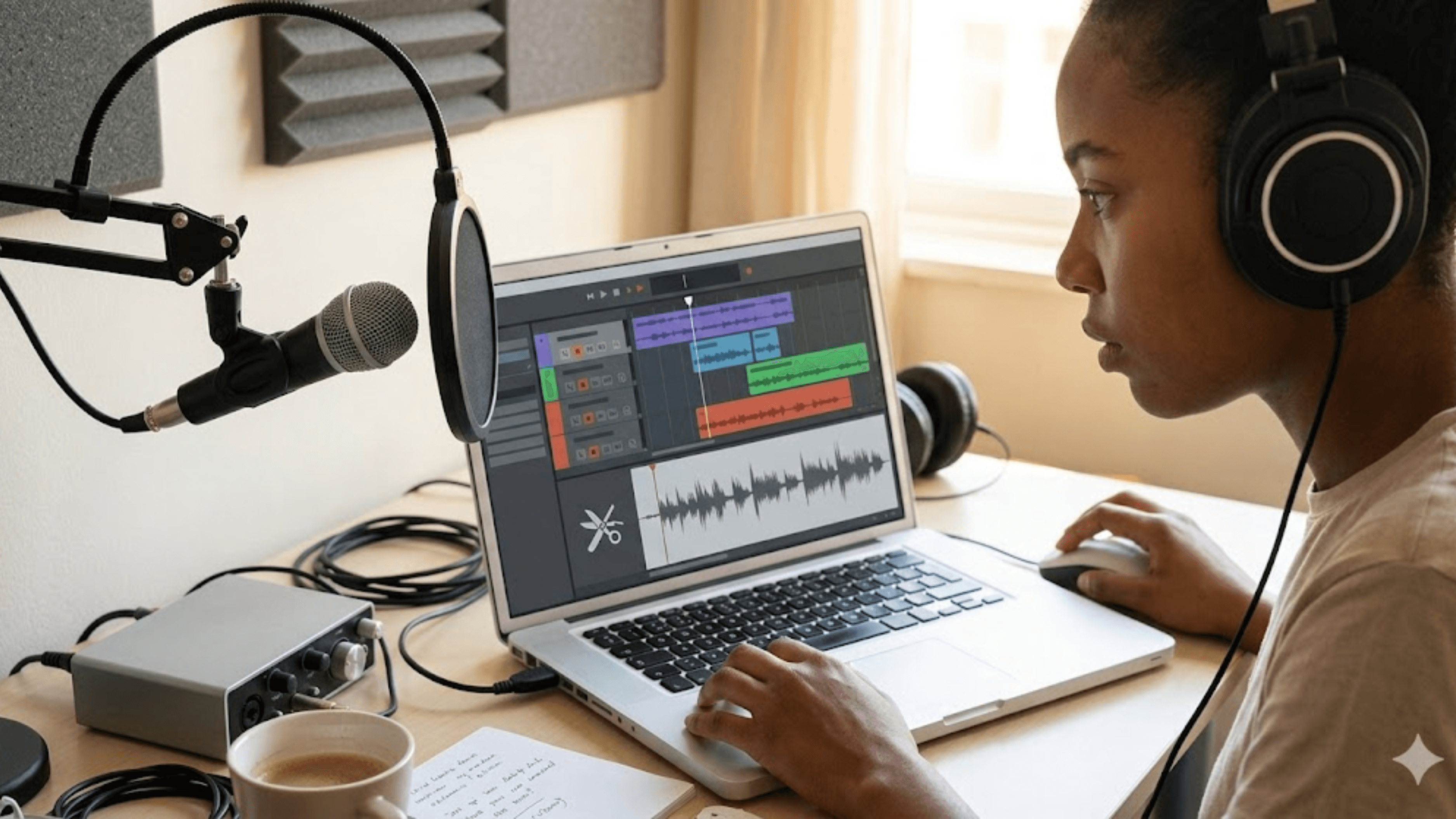
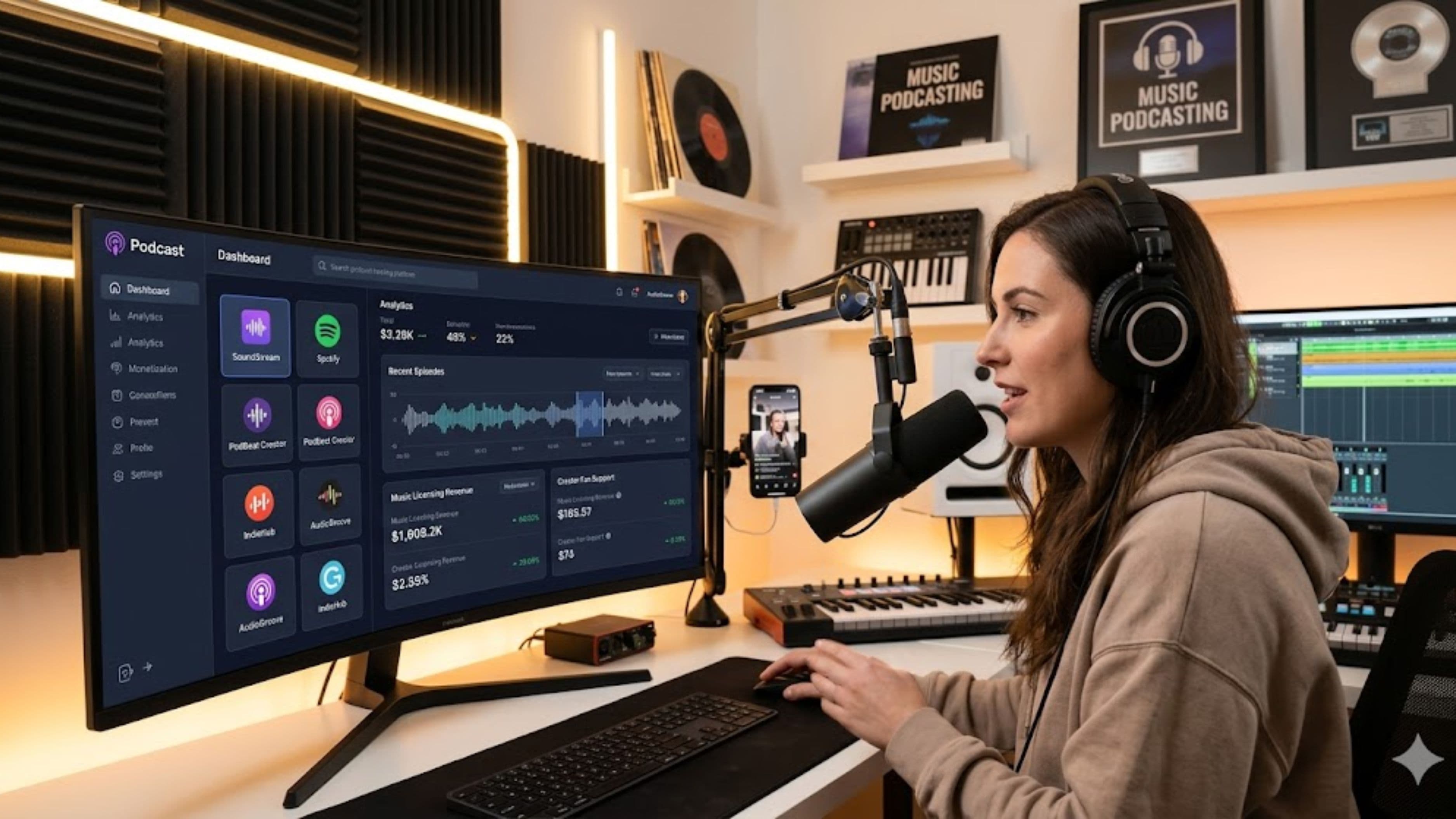
Several dedicated audiogram creation tools let you upload an audio clip, automatically generate a waveform animation, and add captions, often with free or low-cost tiers suitable for independent podcasters just getting started with this format. Many podcast hosting platforms have also begun integrating basic audiogram creation directly into their existing dashboards, reducing the need for a separate, standalone tool entirely.
Auto-generated captions from these tools are a helpful starting point, but review and correct them before publishing, since automatic transcription still makes mistakes, particularly with proper nouns, music terminology, or less common phrasing that could misrepresent what was actually said.
What to Avoid
Don't rely on auto-generated captions without reviewing them first, since inaccurate captions can misrepresent your content, look unprofessional, and in some cases actually change the meaning of what was said in a way that's embarrassing or even legally risky depending on the content.
Also avoid choosing clips purely because they're technically easy to isolate rather than because they're genuinely compelling. A poorly chosen clip, no matter how well-produced the audiogram itself looks, won't generate meaningful engagement if the underlying content doesn't grab attention on its own.
Frequently Asked Questions
Do audiograms still work if my show already has a video version? Yes. Audiograms can still serve as quick, highly shareable promotional snippets even for video podcasts, since they're specifically optimized for fast-scrolling social feeds in a way that longer video clips sometimes aren't.
How long should a typical audiogram be? Generally 15-60 seconds performs best for social sharing purposes, though this varies by platform and the specific content of your clip. Test different lengths to see what resonates with your specific audience.
Are free audiogram tools good enough, or do I need a paid tool? Free tiers of most audiogram tools are genuinely sufficient for most independent podcasters, particularly when you're just starting to experiment with the format. Paid tiers typically offer more customization and higher output quality once you're producing them more frequently.
📚 Sources
Spotify for Podcasters – Promotional Tools and Resources, https://podcasters.spotify.com/resources/grow
Edison Research – Podcast Consumer Insights, https://www.edisonresearch.com/category/podcast-research/
Pew Research Center – Social Media and Video Consumption Trends, https://www.pewresearch.org/topic/internet-technology/