What's Happening
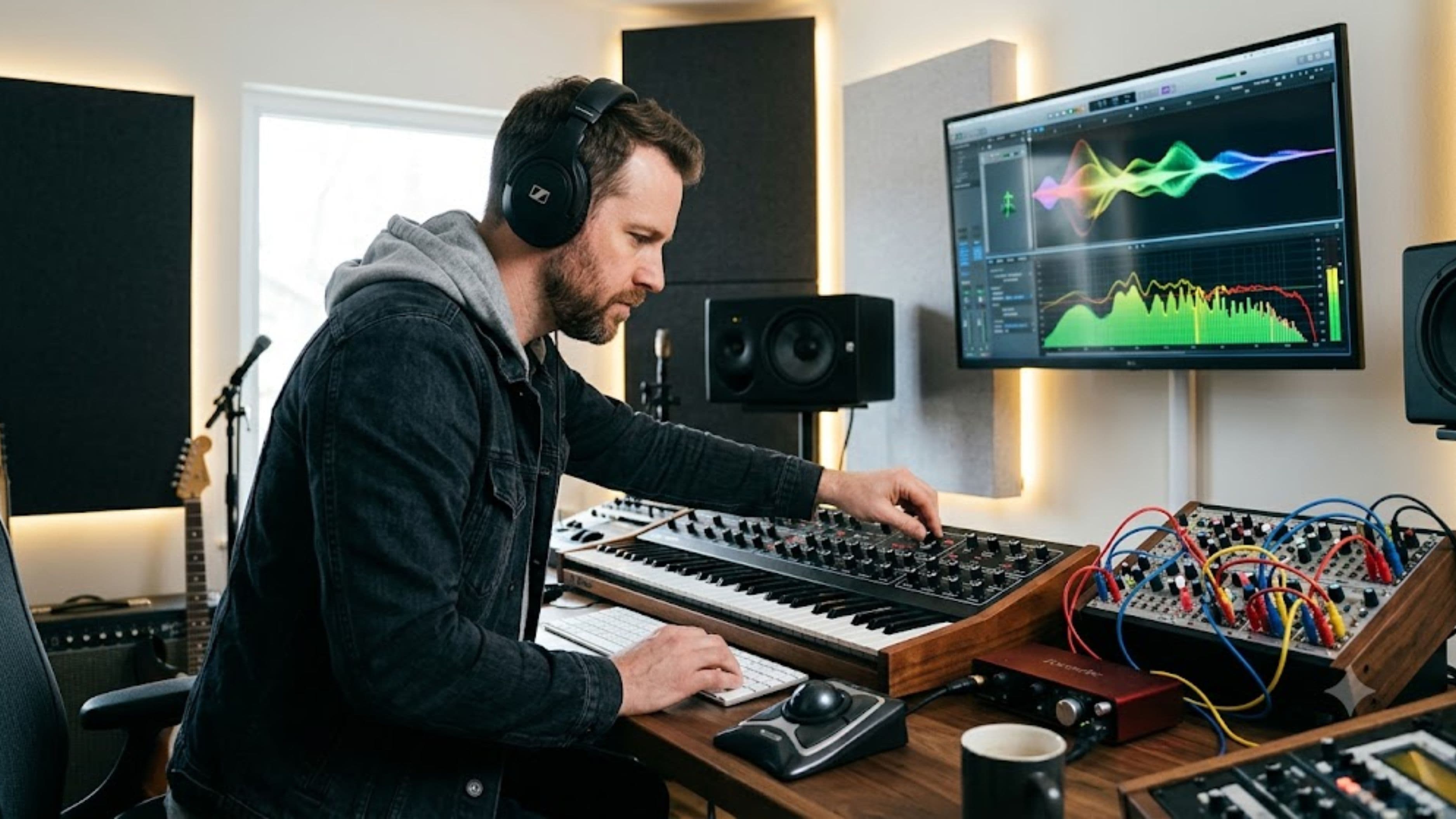
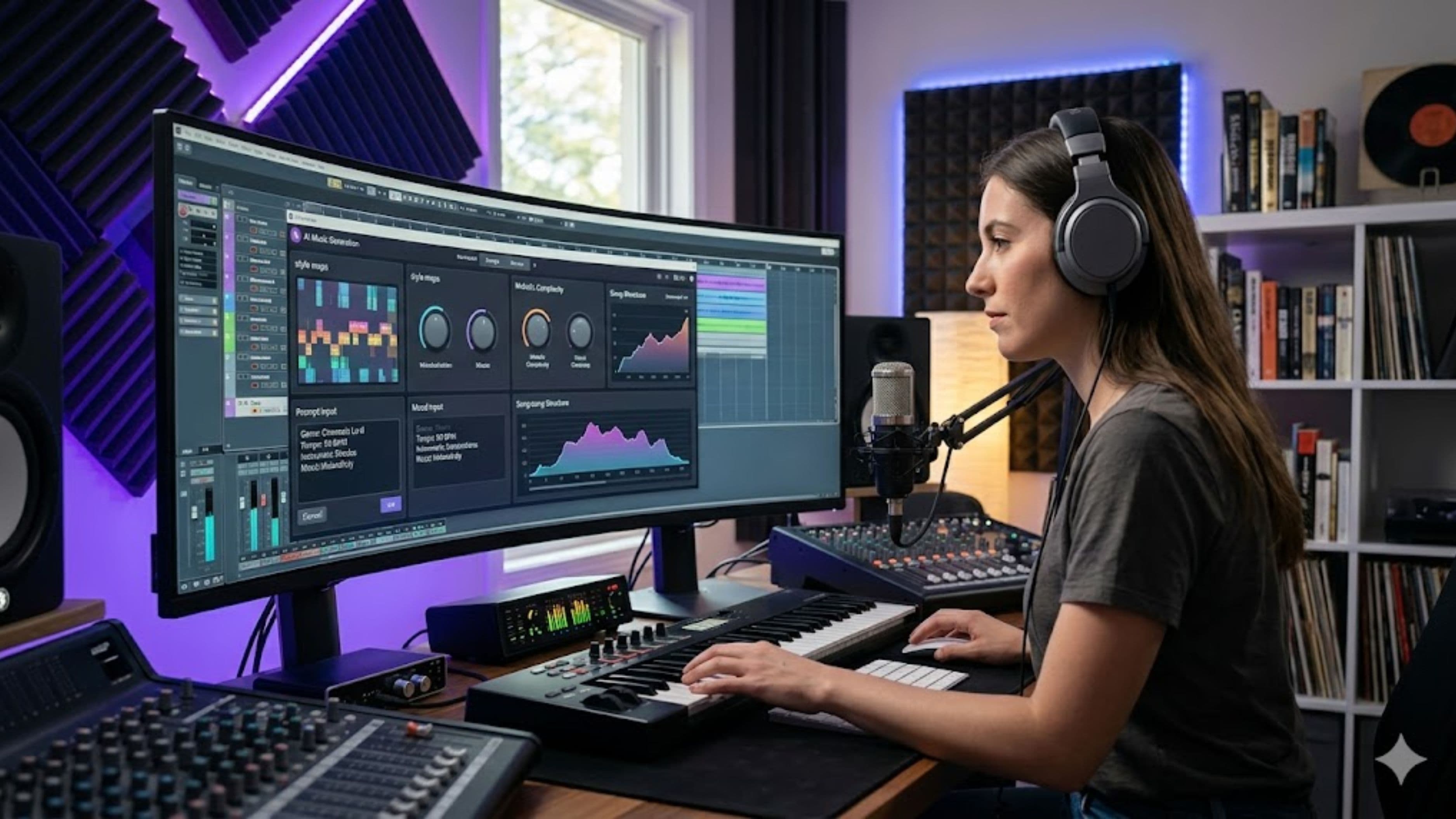
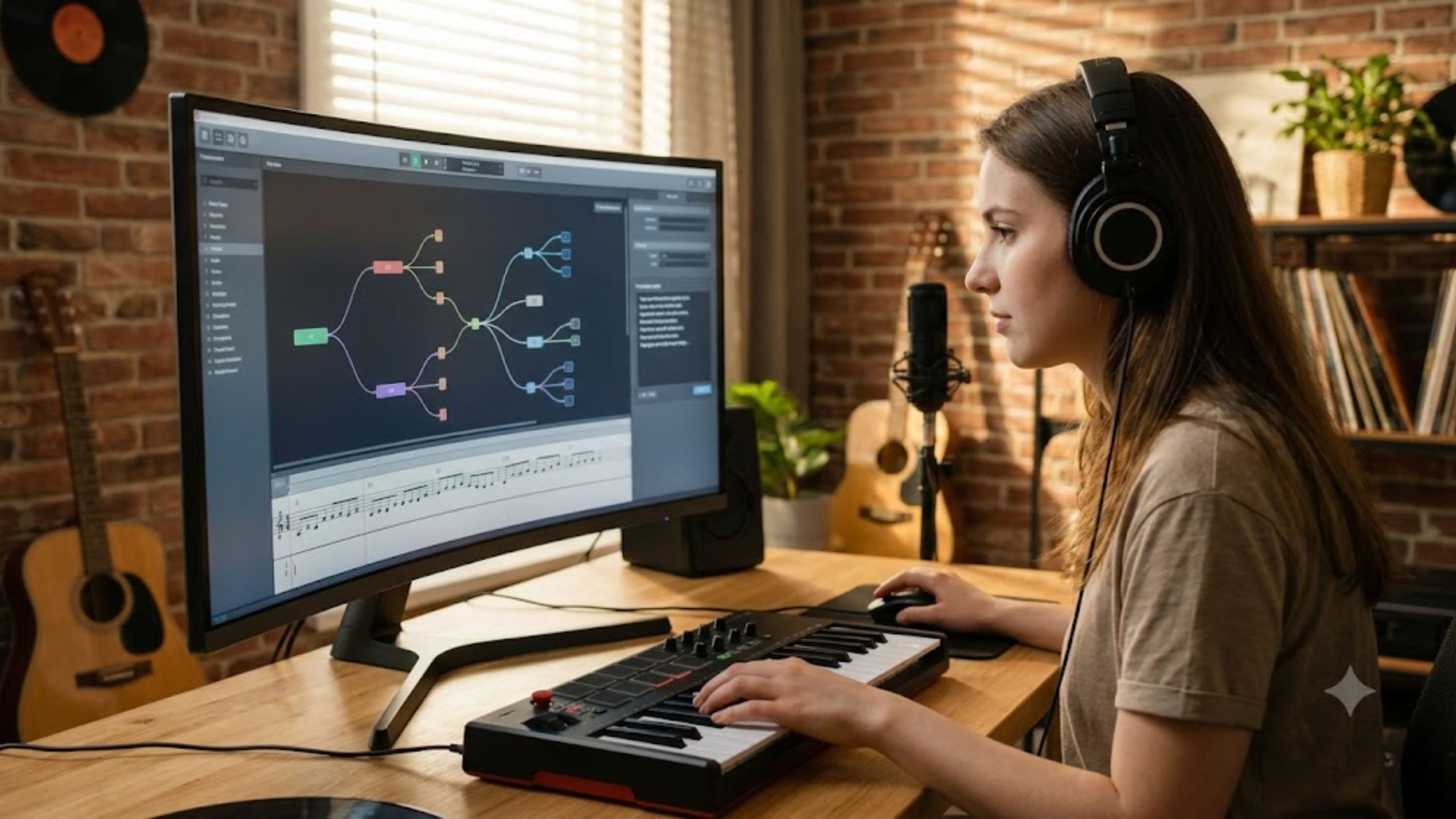
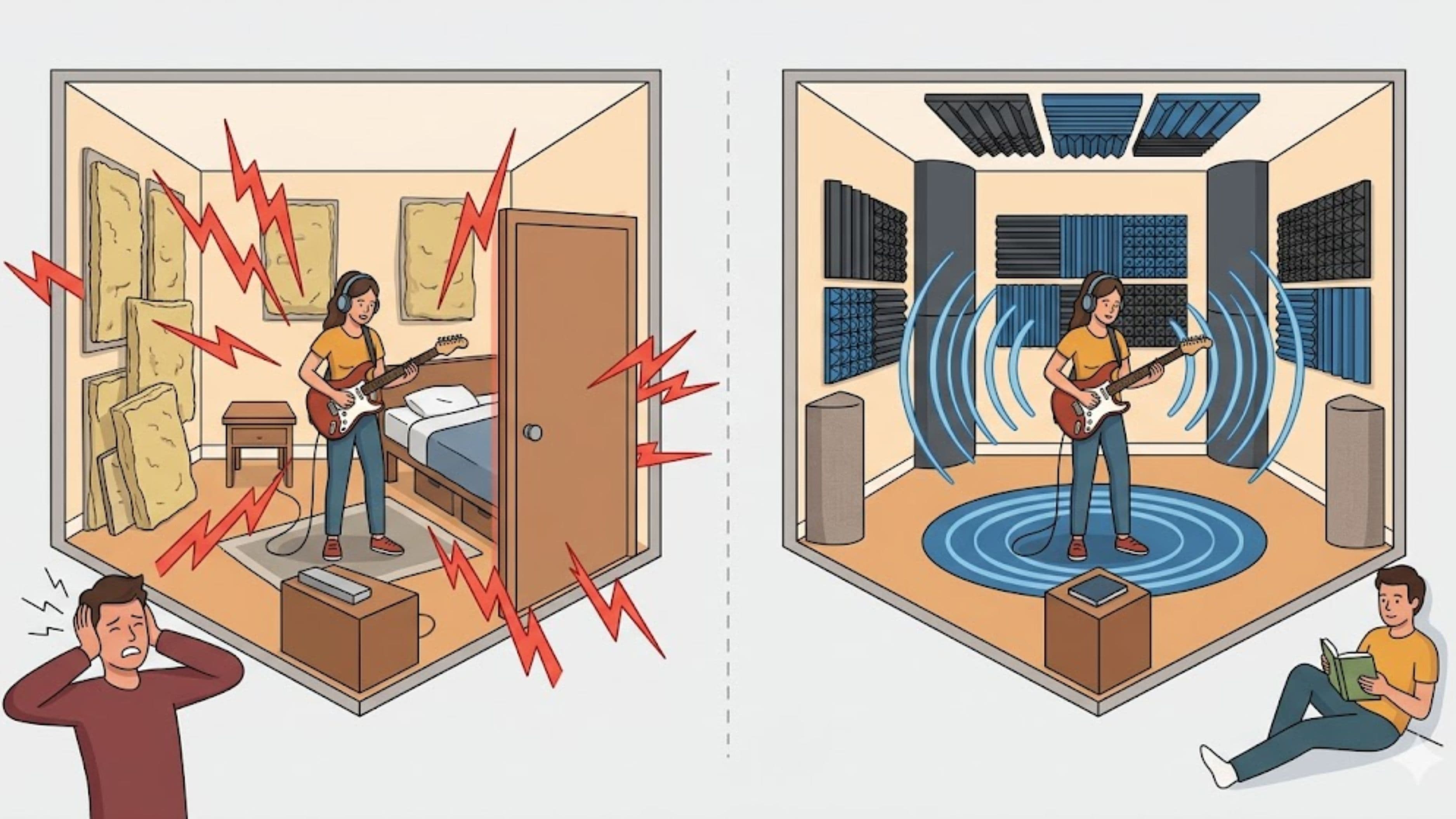
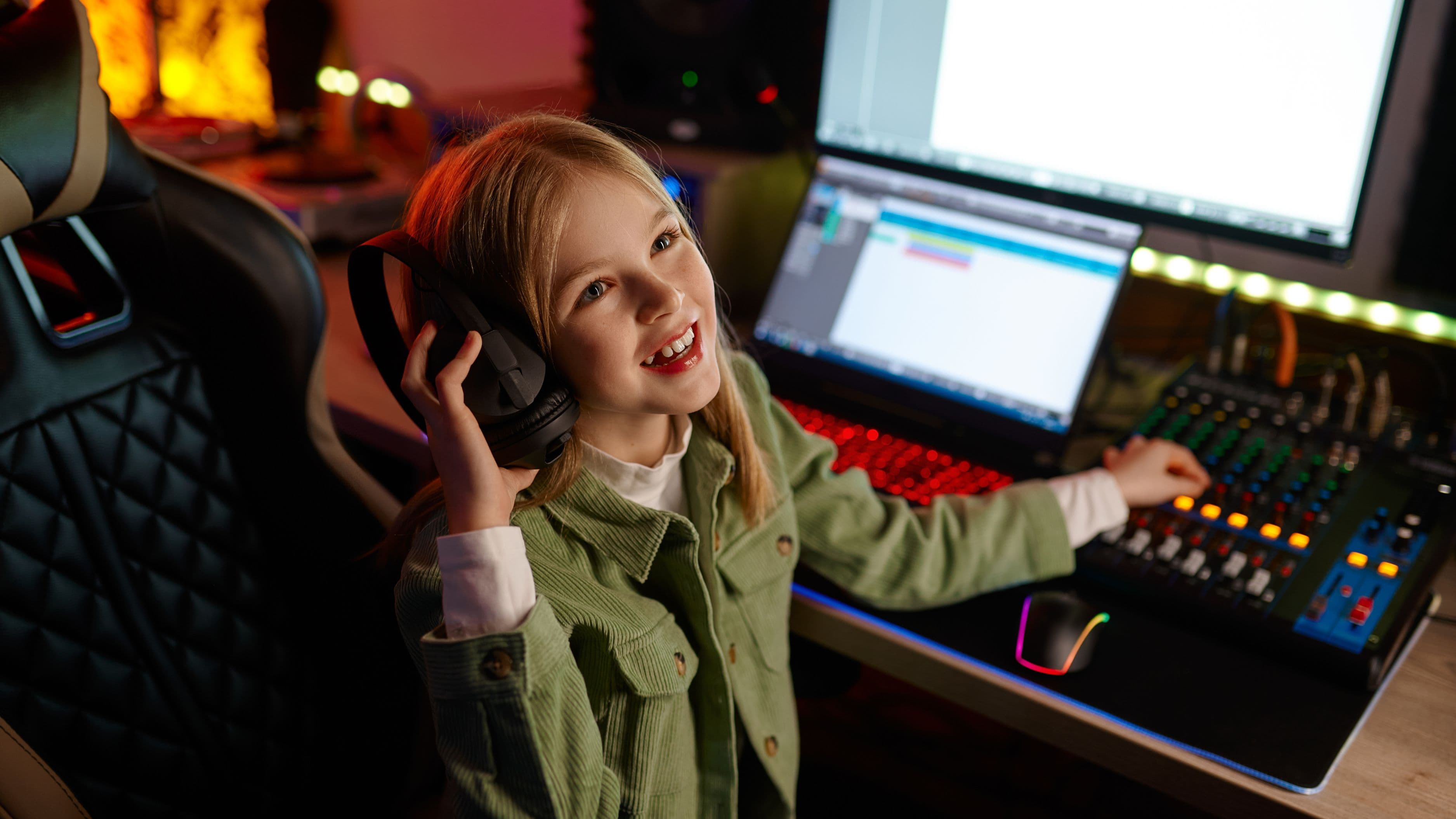
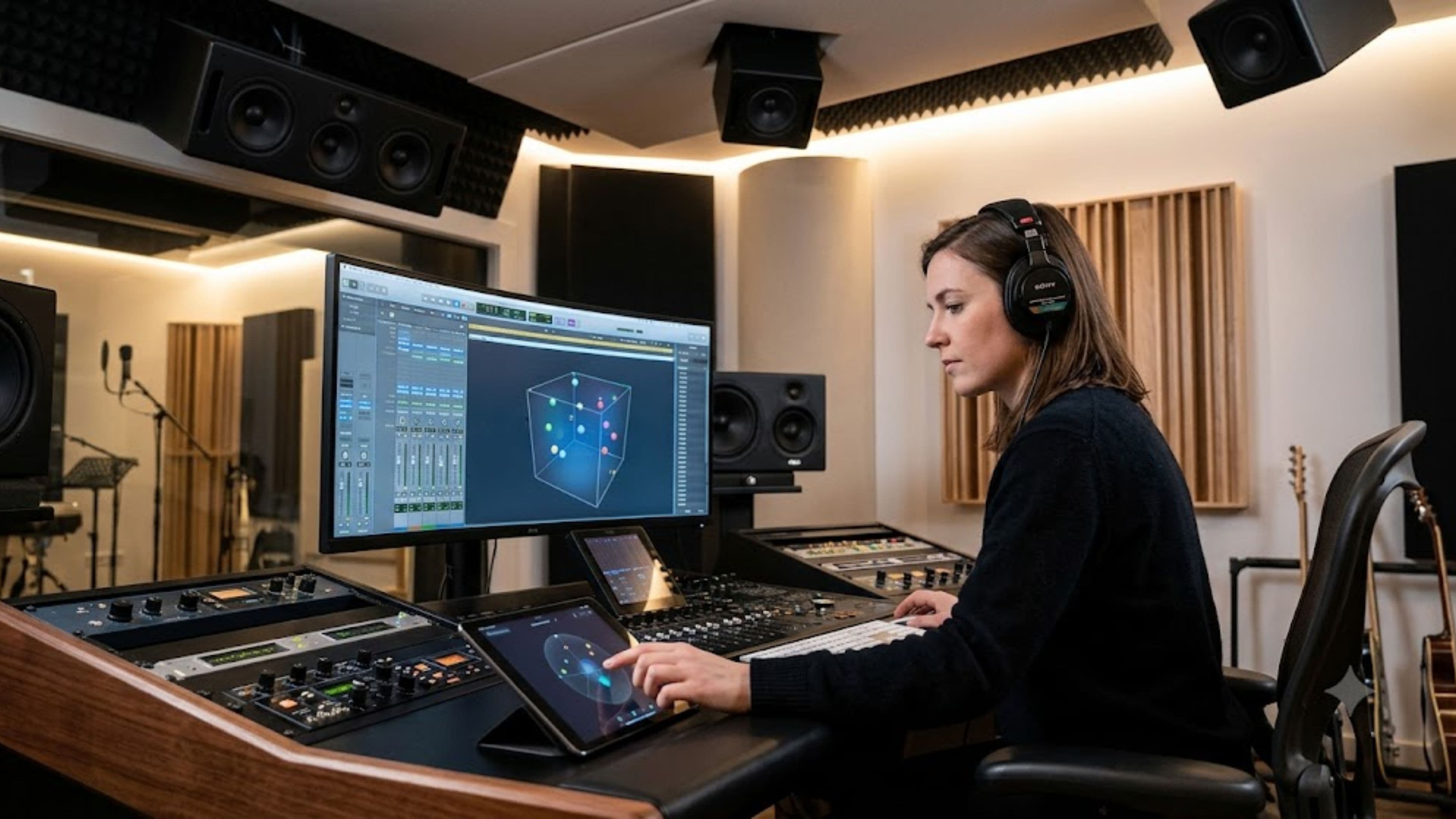
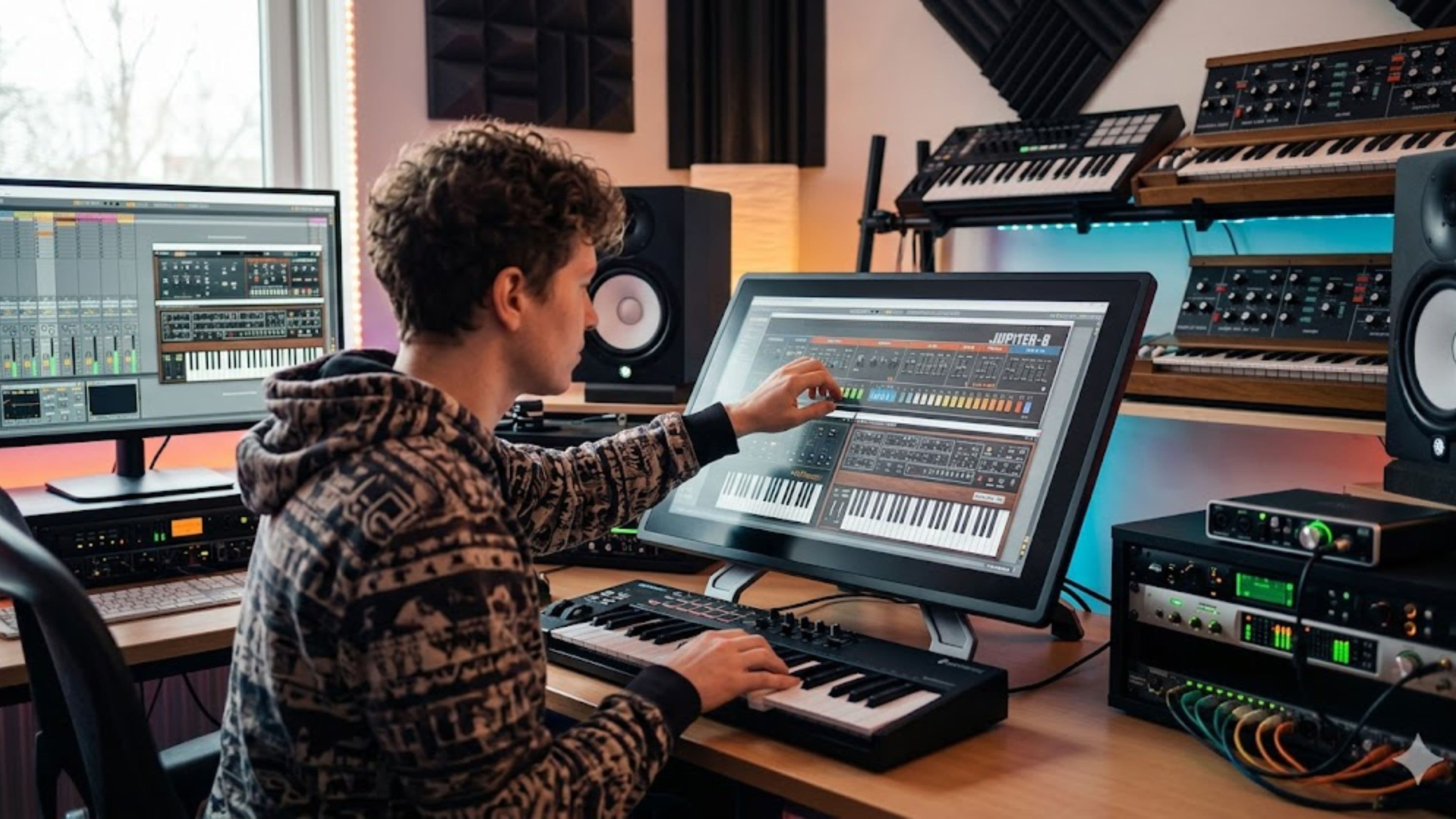
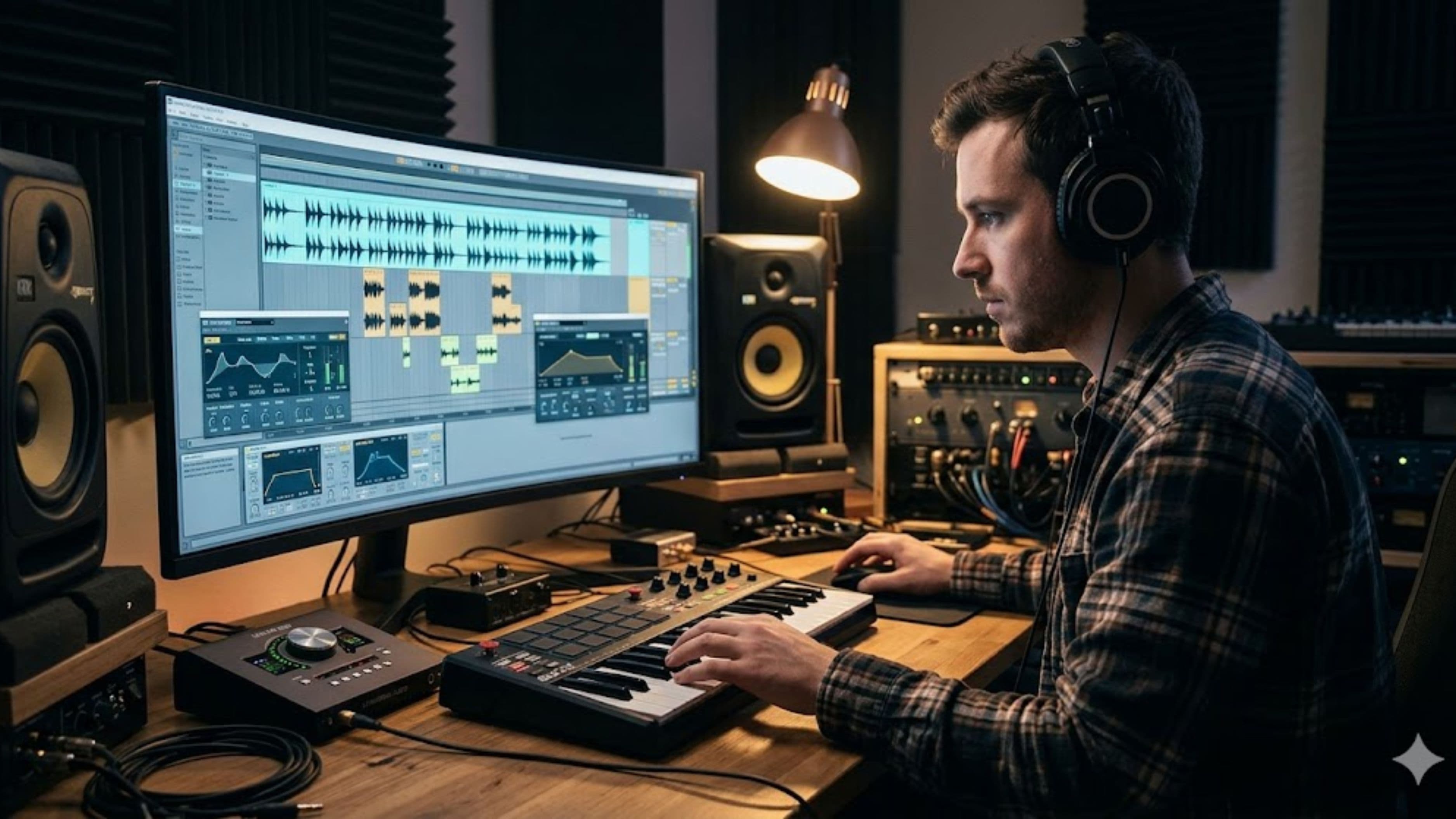
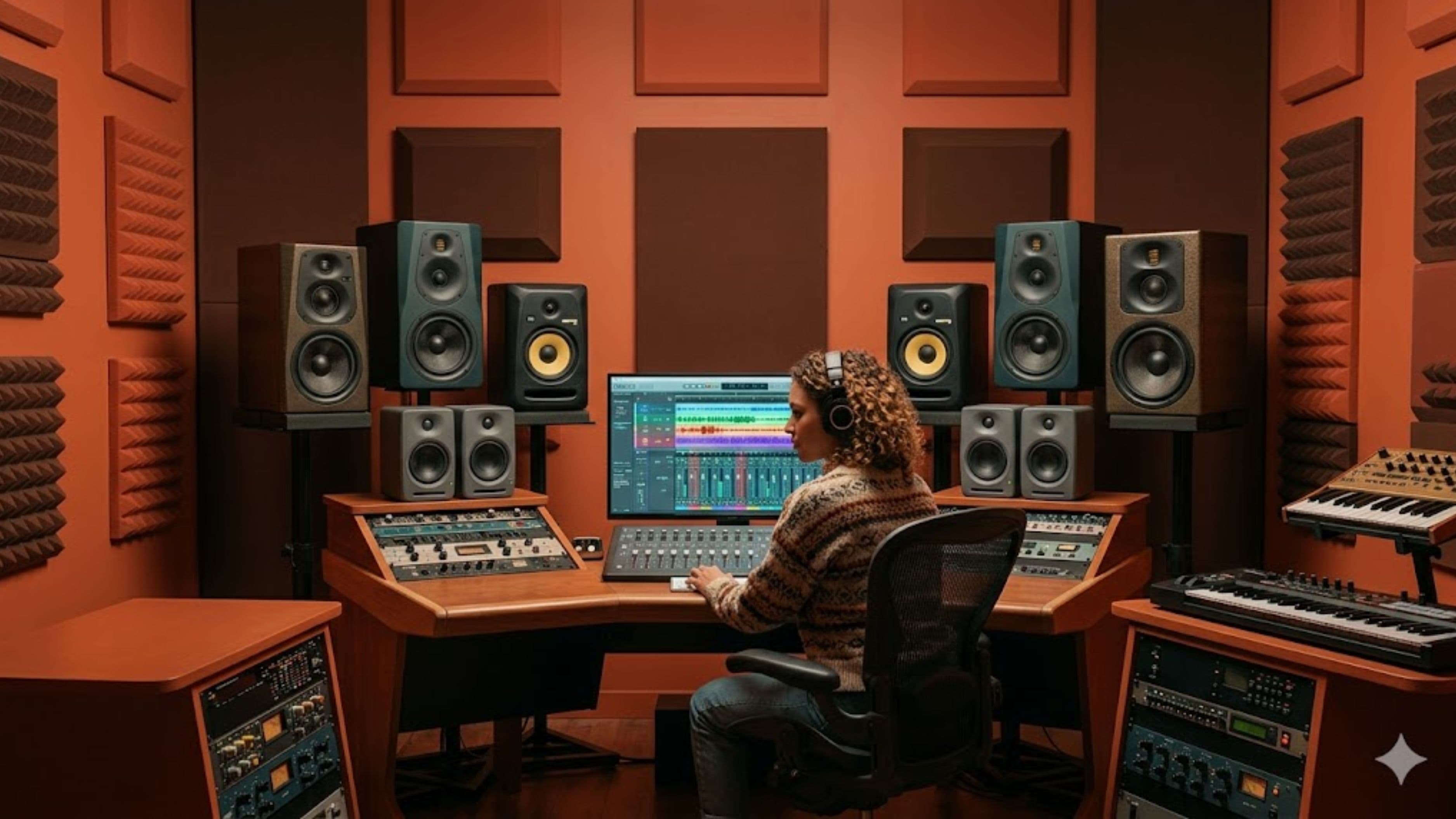
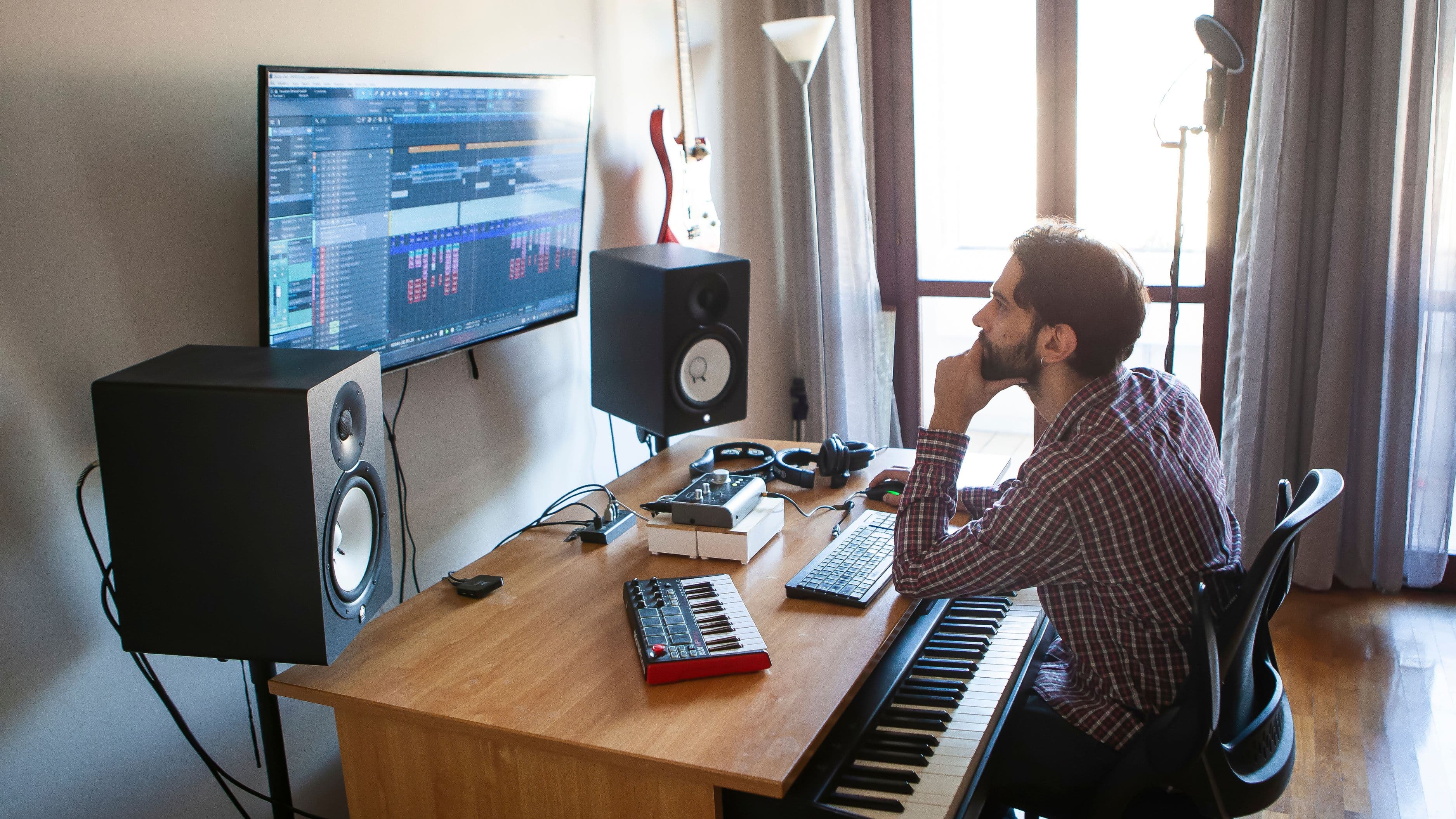
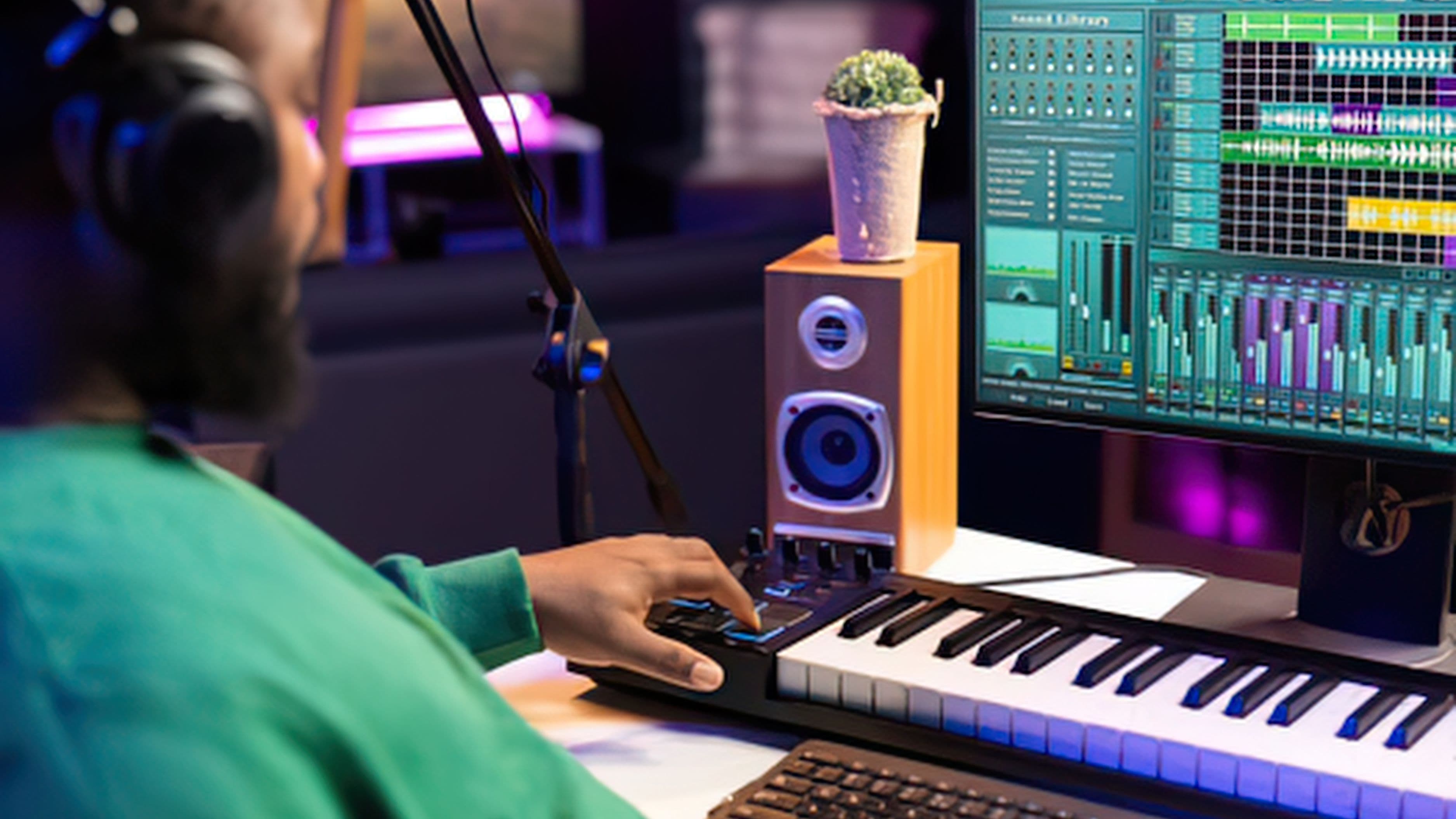
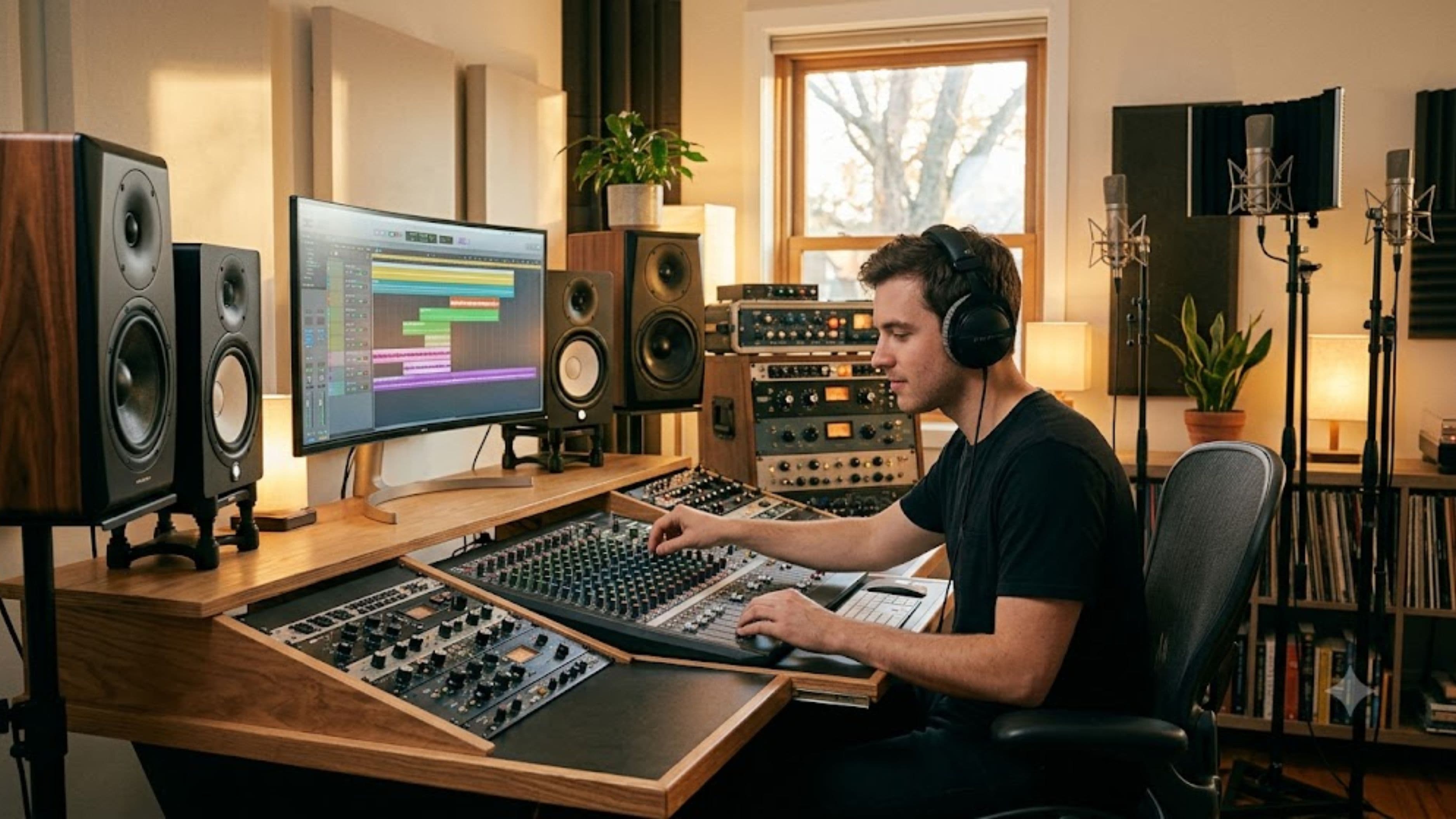
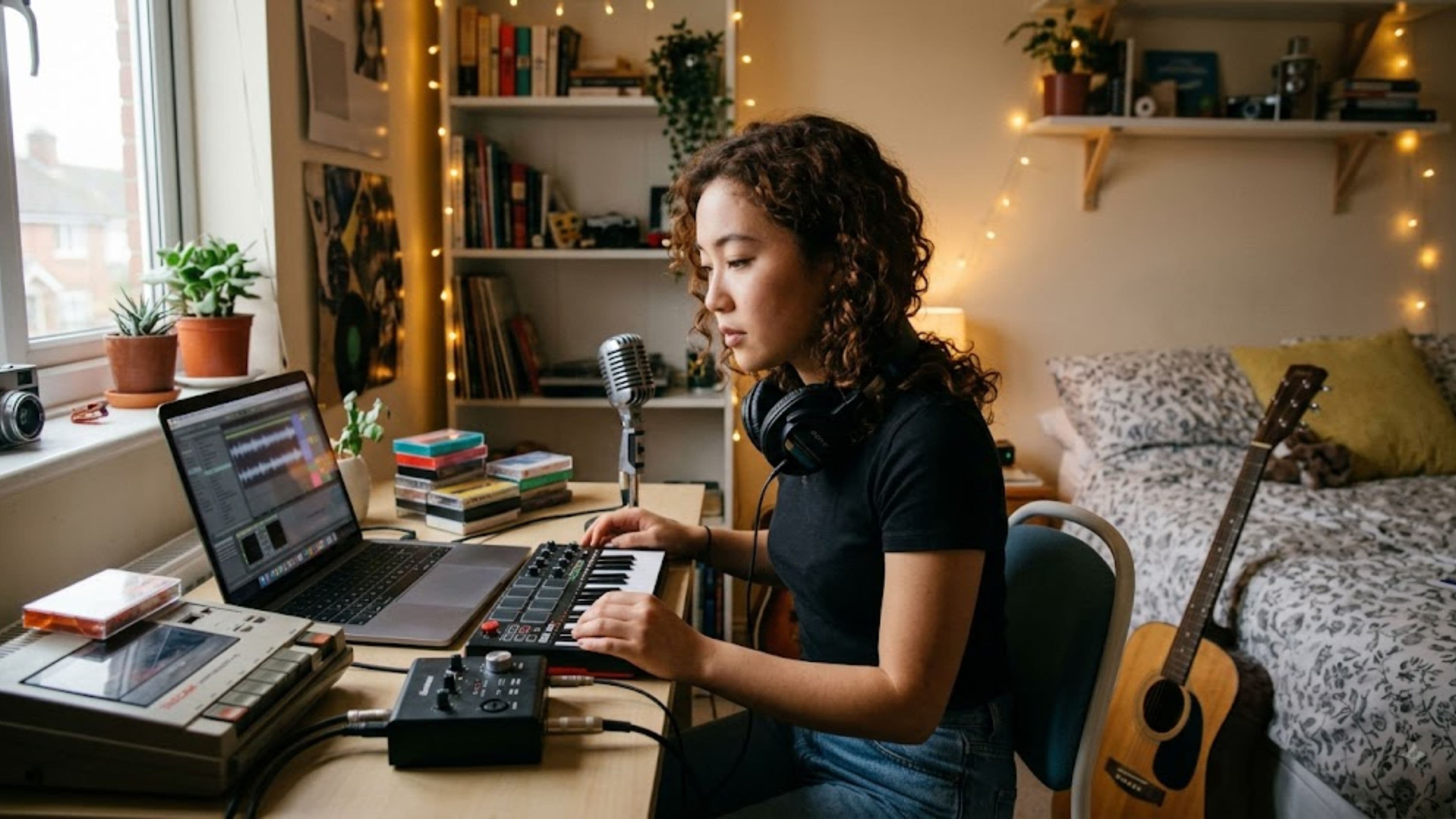
Bedroom pop emerged largely from artists using affordable home recording setups, a laptop, a basic audio interface, and free or low-cost software, to produce full tracks without access to a professional studio. What started as a workaround born from limited resources has evolved into a recognizable, intentional sound, warm tape-like distortion, slightly imperfect timing, muffled or lo-fi vocal textures, that many artists now pursue deliberately even when they have access to higher-end recording options.
Why It Blew Up
Streaming platforms and social media fundamentally changed how music gets discovered, and bedroom pop's DIY aesthetic fit naturally into a media landscape that increasingly rewards authenticity and relatability over the polished perfection associated with major-label production. Listeners, particularly younger audiences who grew up alongside platforms built around unfiltered, personal content, responded strongly to music that sounded like it came from a real person's actual bedroom rather than an expensive, impersonal studio environment.
The Technical Side of the Sound
Achieving a convincing lo-fi aesthetic on purpose is more deliberate than it might initially appear, and understanding the actual techniques involved separates genuinely intentional production choices from simply low-quality recording. Producers working in this space commonly use tape saturation plugins to introduce warm, slightly degraded harmonic distortion, deliberately reduce sample rates or bit depth on certain elements to create a grainy digital texture reminiscent of older recording equipment, and layer subtle background noise, vinyl crackle, room tone, tape hiss, to fill sonic space that a pristine digital recording would otherwise leave clinically empty.
Vocal Production in Bedroom Pop
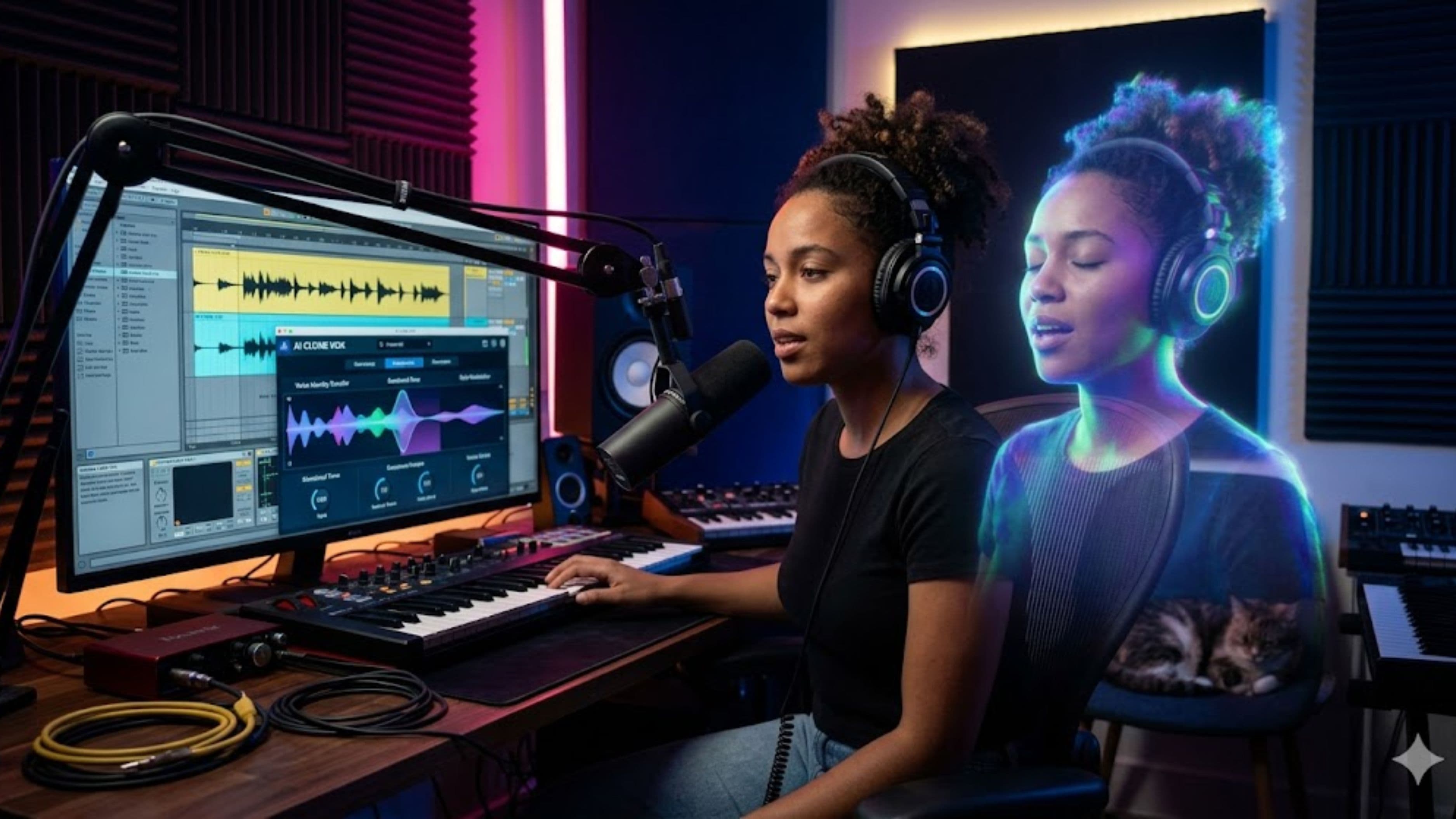
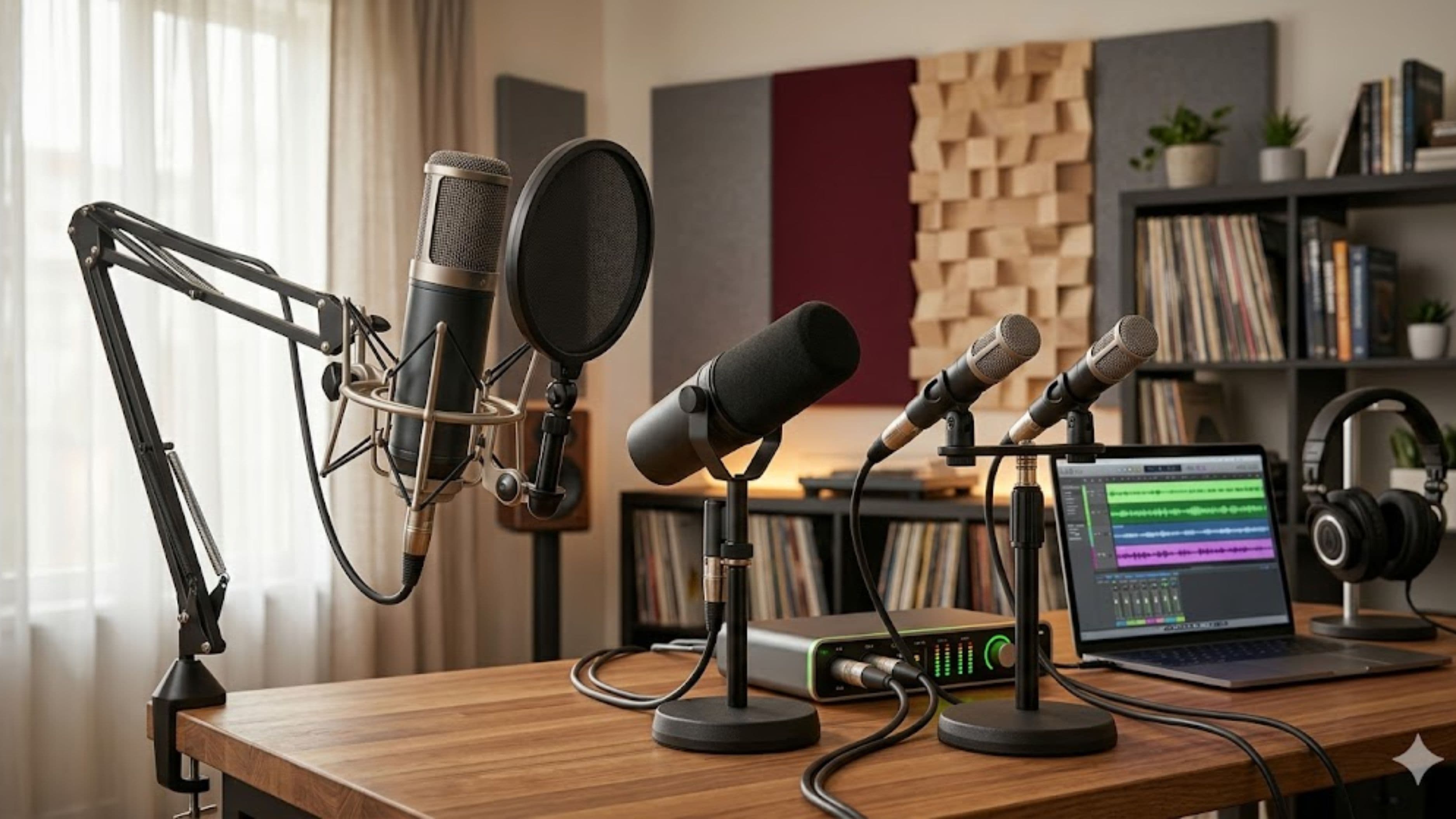
Vocals in this style often sit lower in the mix relative to instrumentation compared to mainstream pop conventions, and they're frequently processed with subtle pitch imperfections left intentionally uncorrected rather than run through heavy auto-tune correction. Reverb and delay choices tend to favor smaller, more intimate-sounding spaces rather than the large, cavernous reverbs common in bigger pop productions, reinforcing the sense of a small, personal recording environment rather than a grand studio space.
Why This Matters for Independent Artists
Bedroom pop's rise has genuinely lowered the practical barrier to releasing music that resonates commercially, since the aesthetic itself doesn't require expensive studio time or professional mixing engineers to sound intentional and complete. For independent artists and producers, understanding these specific techniques, tape saturation, deliberate imperfection, intimate vocal placement, offers a genuine creative and commercial path that doesn't depend on competing directly with big-budget, highly polished pop production.
The Tools Behind the Trend
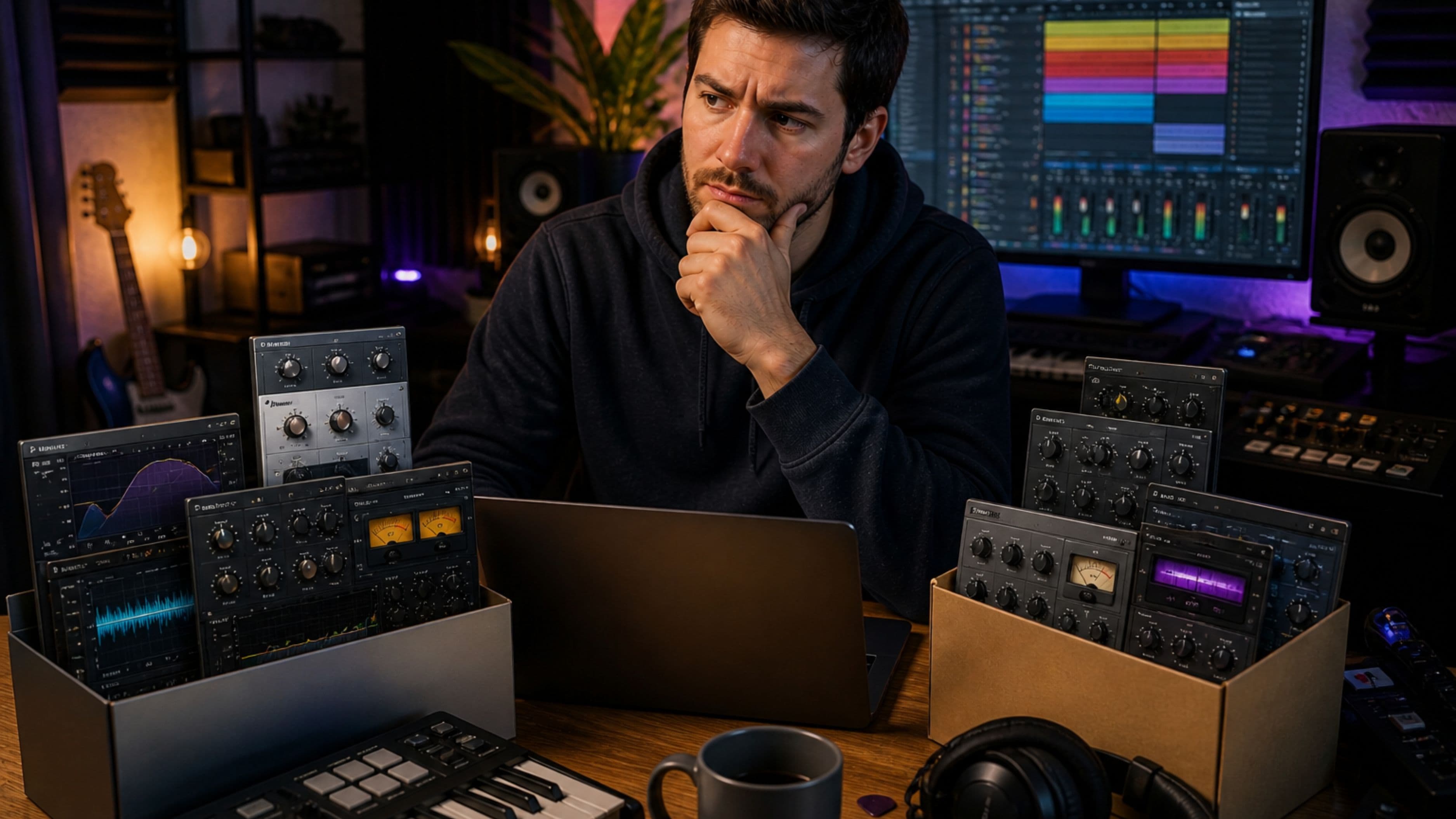
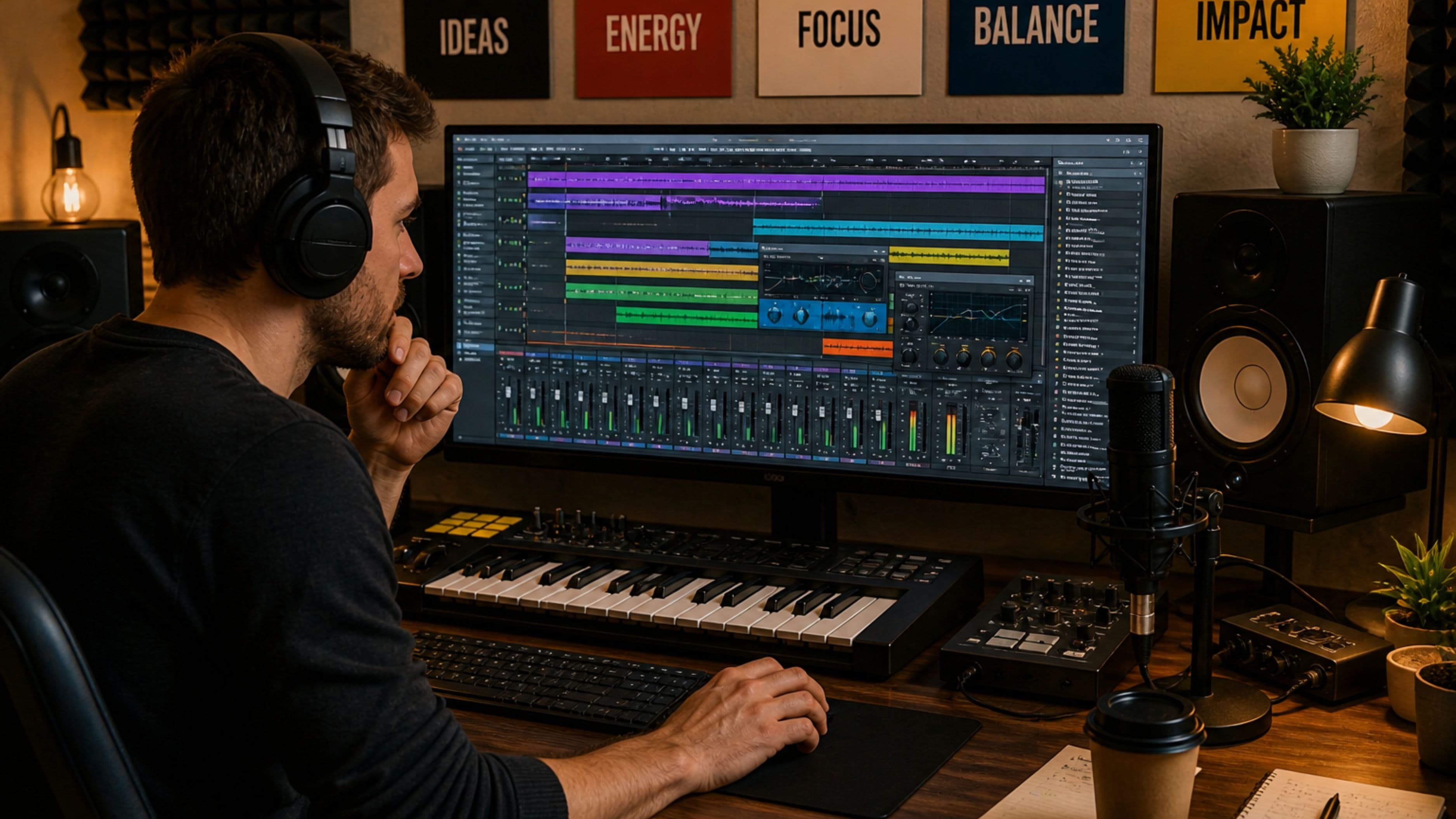
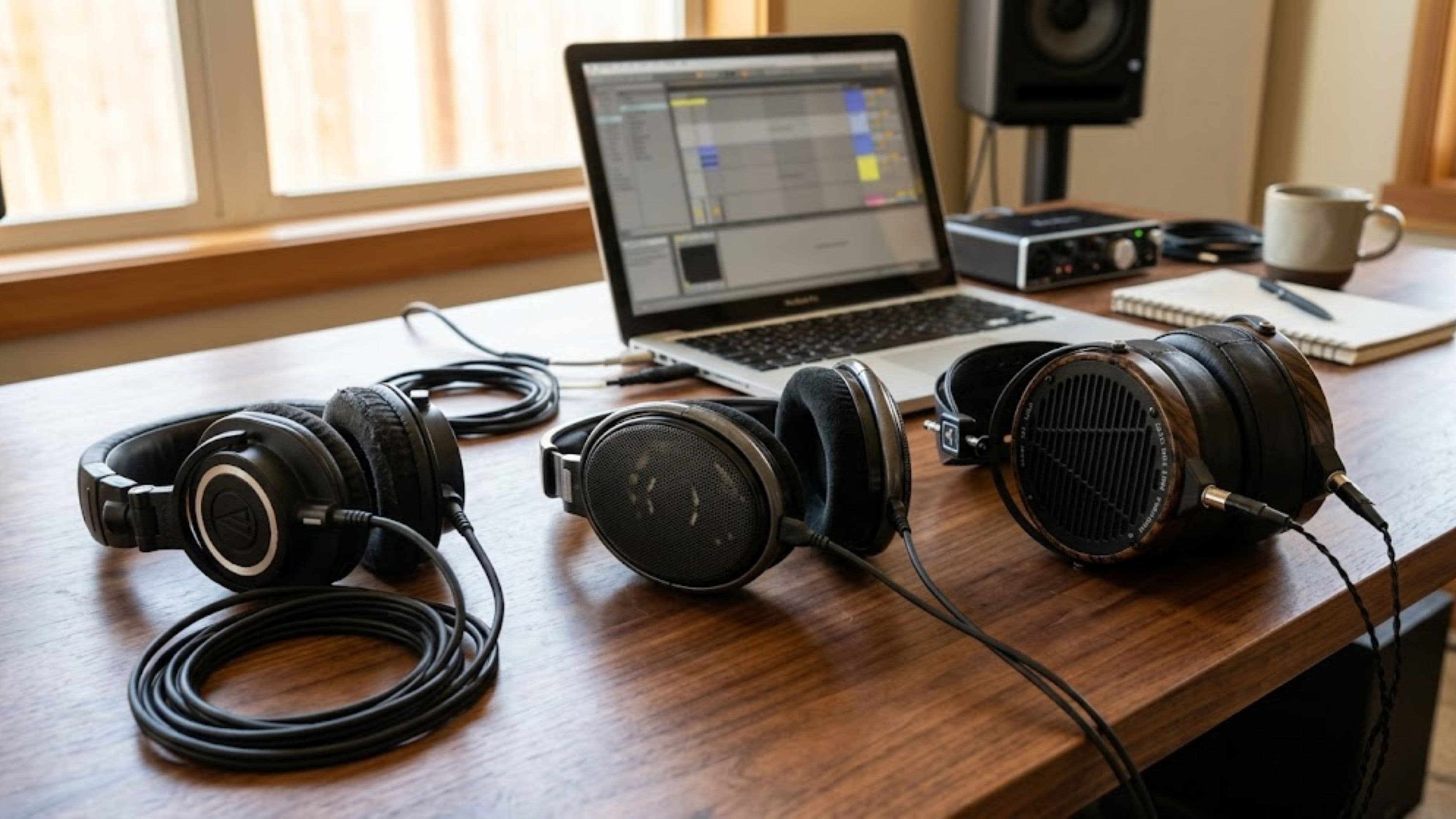
A number of accessible plugins and software tools have become closely associated with achieving this sound, tape emulation plugins that simulate analog warmth, lo-fi effect processors designed specifically to degrade audio quality in a musically pleasing way, and basic digital audio workstations that, despite being relatively affordable or even free, offer enough flexibility to produce a genuinely finished-sounding track when used thoughtfully.
Impact on Creators and the Broader Industry
This shift has meaningfully changed how some listeners and even industry professionals evaluate production quality, moving away from a single standard of polished perfection toward a broader acceptance that intentional imperfection can be its own legitimate aesthetic choice. This doesn't mean traditional high-fidelity production has become less valued, both approaches now coexist as distinct, intentional choices rather than one representing a compromise and the other representing the only "correct" way to produce music.
What to Watch Next
As bedroom pop's aesthetic has become more mainstream and even adopted by major-label artists working with full studio budgets, there's an interesting tension emerging between authentic DIY production and a stylized simulation of that same sound created with considerably more resources. Watching how audiences respond to this blurring, and whether a new distinct aesthetic emerges as a reaction against increasingly mainstream lo-fi production, is a trend worth following for anyone tracking where independent and mainstream production styles are headed next.
Practical Takeaway
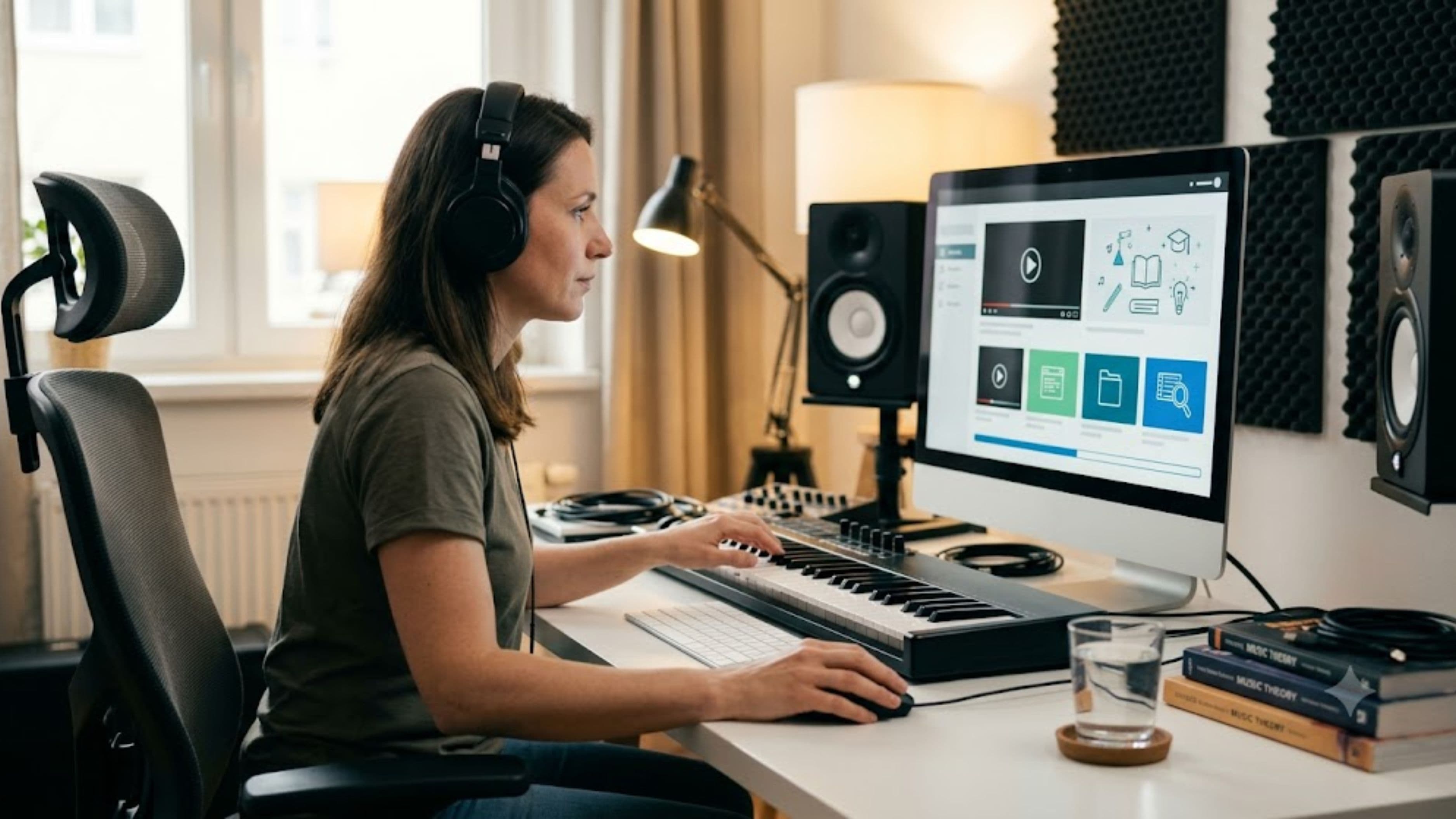
If you're a creator interested in this sound, the specific techniques matter more than expensive equipment, tape saturation plugins, deliberate sample rate reduction, intimate reverb choices, and unprocessed vocal imperfections are all achievable with widely available, often free or low-cost tools. Understanding the intentional decisions behind the aesthetic, rather than assuming it's simply the byproduct of low-quality equipment, is what separates a convincing bedroom pop production from one that just sounds unfinished.
FAQ
Is bedroom pop just about having cheap or bad recording equipment? No, while the genre originated from resource limitations, the current sound is largely an intentional aesthetic choice, achieved deliberately through specific production techniques rather than simply the result of poor equipment.
Can I achieve this sound using free software? Yes, many digital audio workstations offer free or low-cost versions capable of achieving convincing lo-fi textures, particularly when combined with widely available tape emulation and lo-fi effect plugins.
Is bedroom pop still a growing trend or has it peaked? The aesthetic has become firmly established across independent and mainstream music alike, and while specific trends within the broader style continue evolving, the core appeal of intentional, intimate-sounding production shows no clear signs of fading.
📚 Sources
Sound on Sound – Lo-Fi Production Techniques: https://www.soundonsound.com/techniques
Audio Engineering Society – Home Recording Trends: https://www.aes.org/technical/