1. Songwriting and Composition: Building the Foundation
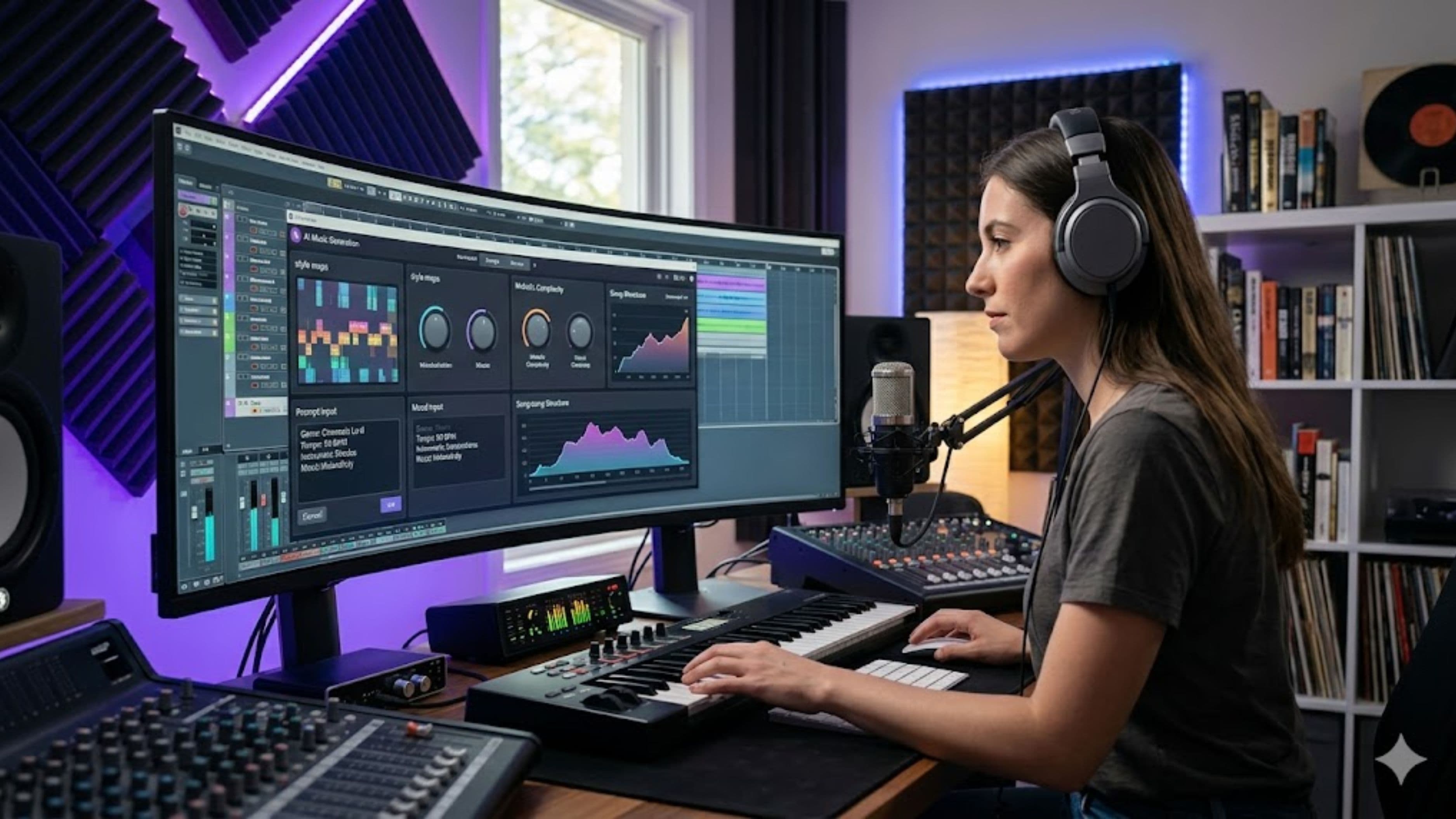
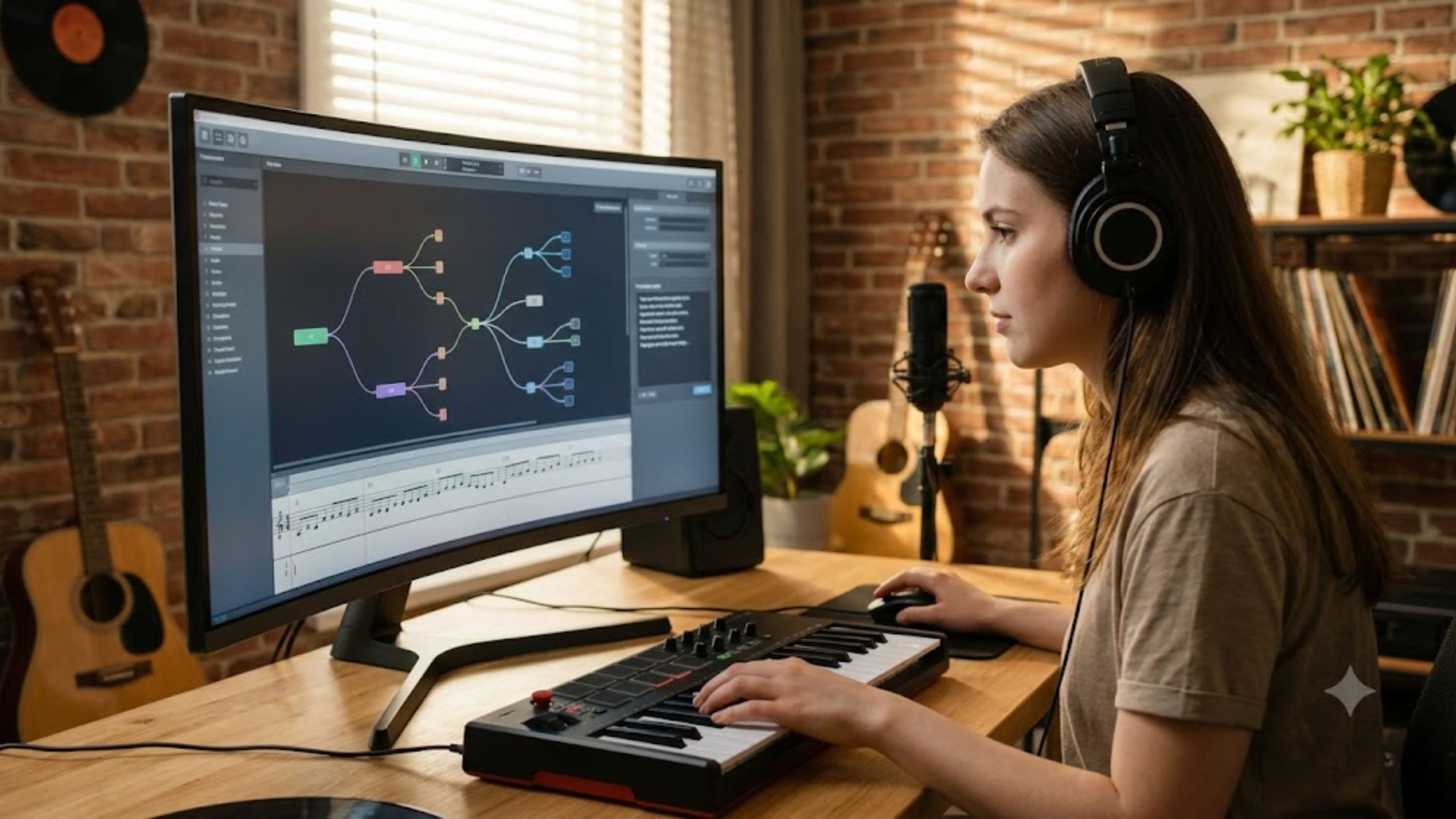
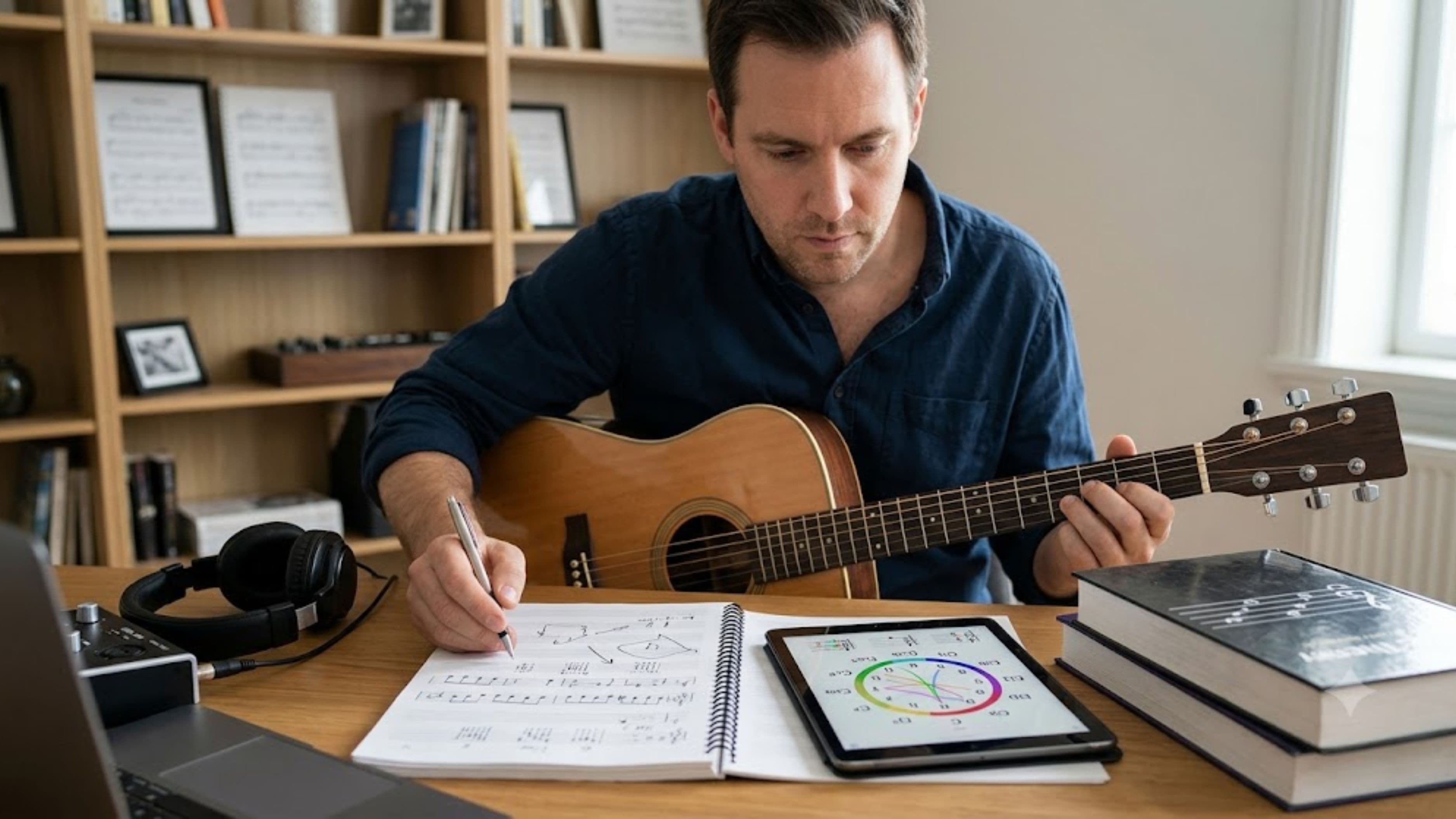
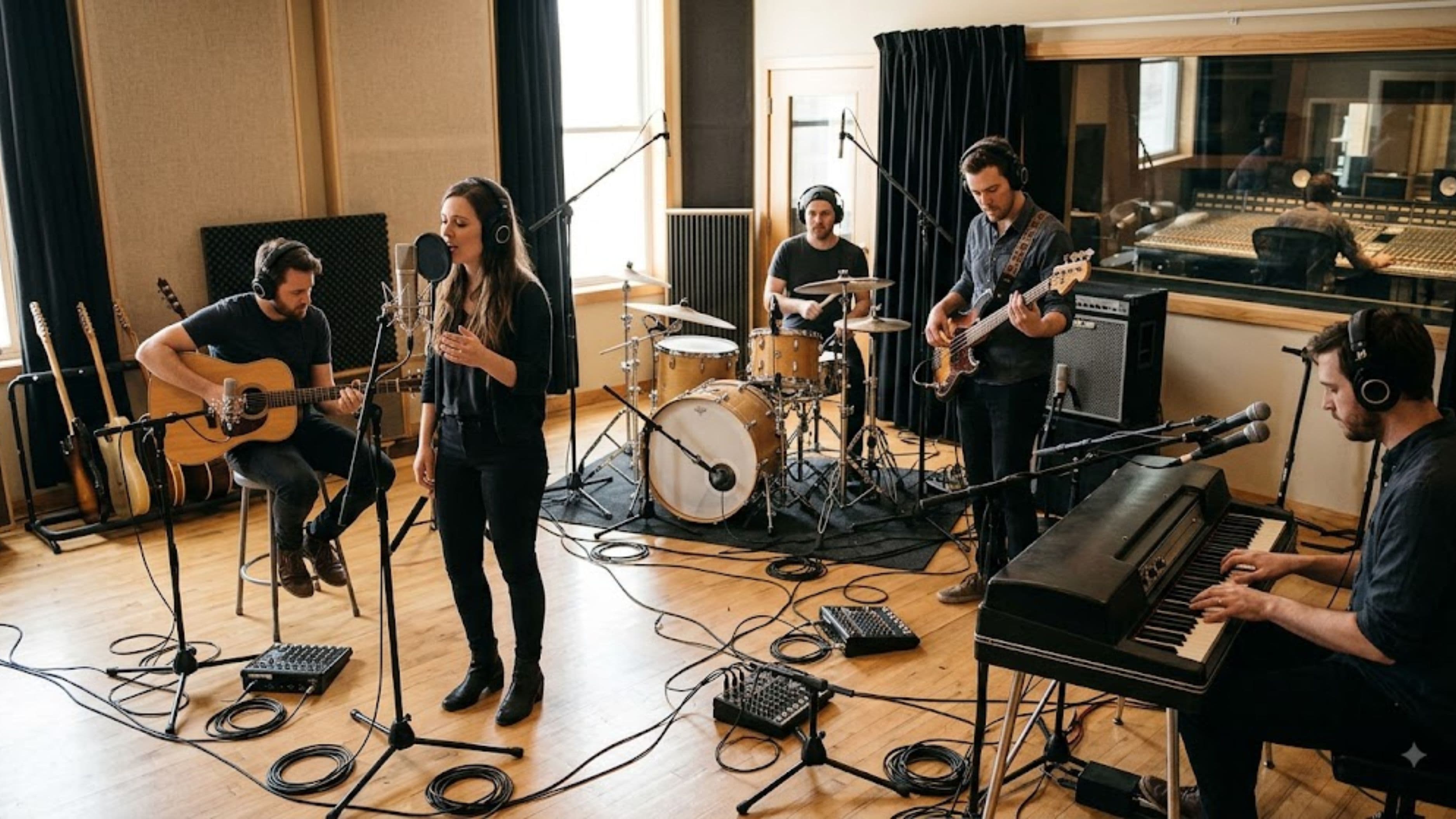
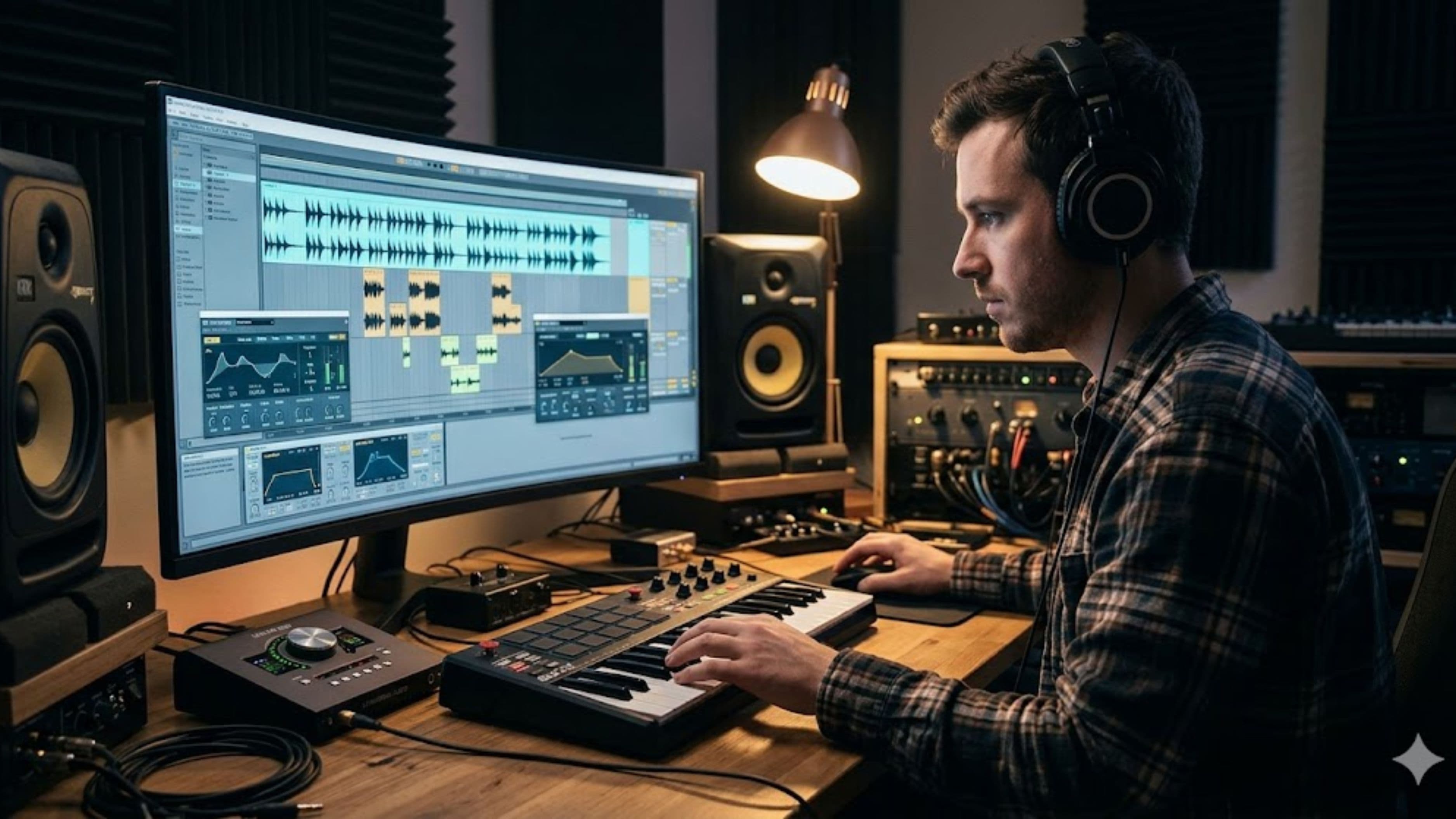
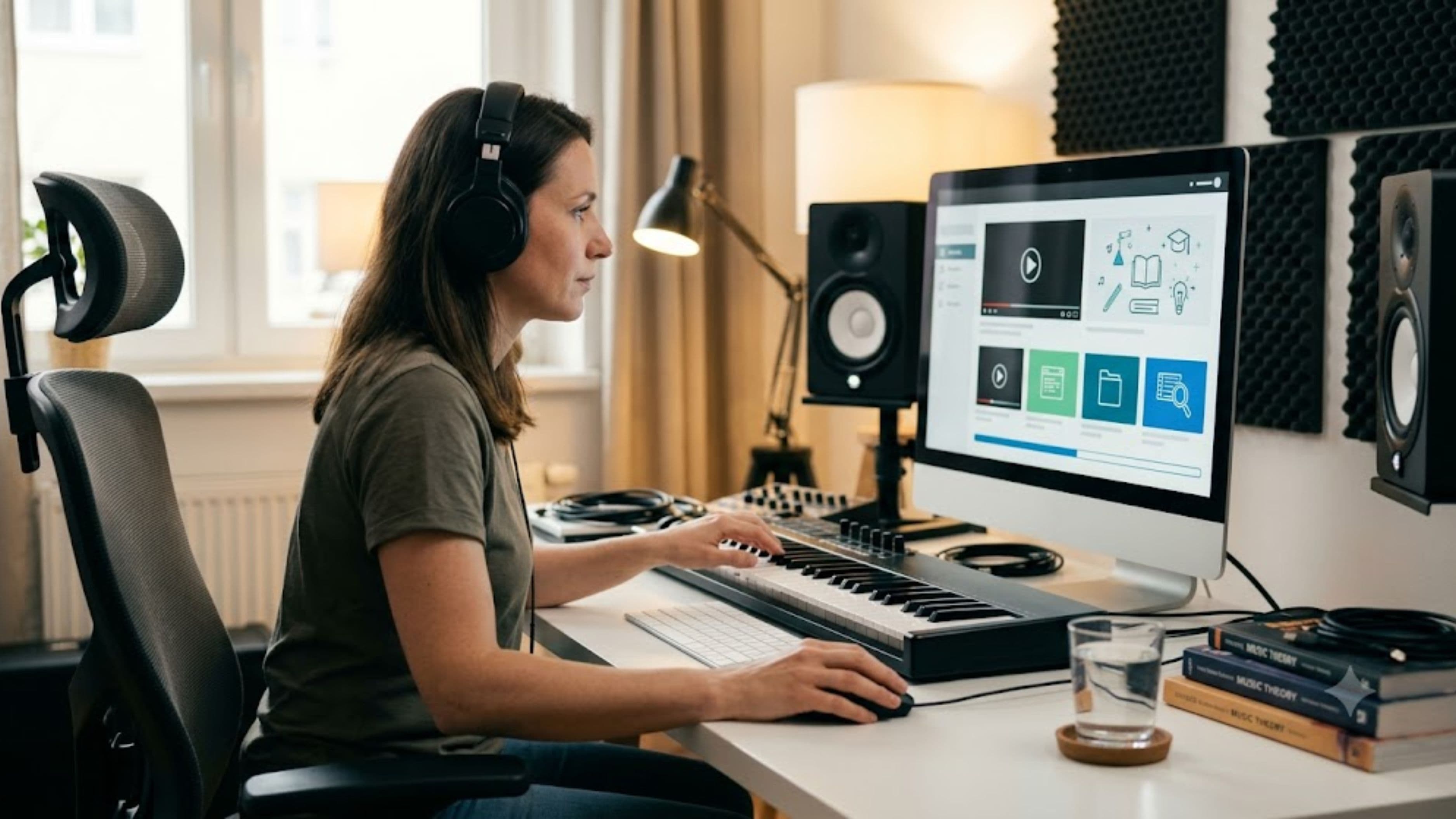
Every pop hit begins with songwriting and composition, where the basic structure and melody take shape. This phase often involves collaborative sessions between artists, producers, and professional songwriters. The creative process may start with simple chords played on a piano or guitar or evolve from a beat loop created in a Digital Audio Workstation (DAW) like Ableton Live, Logic Pro, or FL Studio.
During this stage, producers experiment with chord progressions, catchy hooks, and synth textures that set the emotional tone of the track. Songwriters focus on crafting relatable lyrics and infectious choruses, elements that are crucial for connecting with listeners and increasing a song's potential to go viral on platforms like TikTok and Spotify.
2. Beat Production and Sound Design: Crafting the Energy
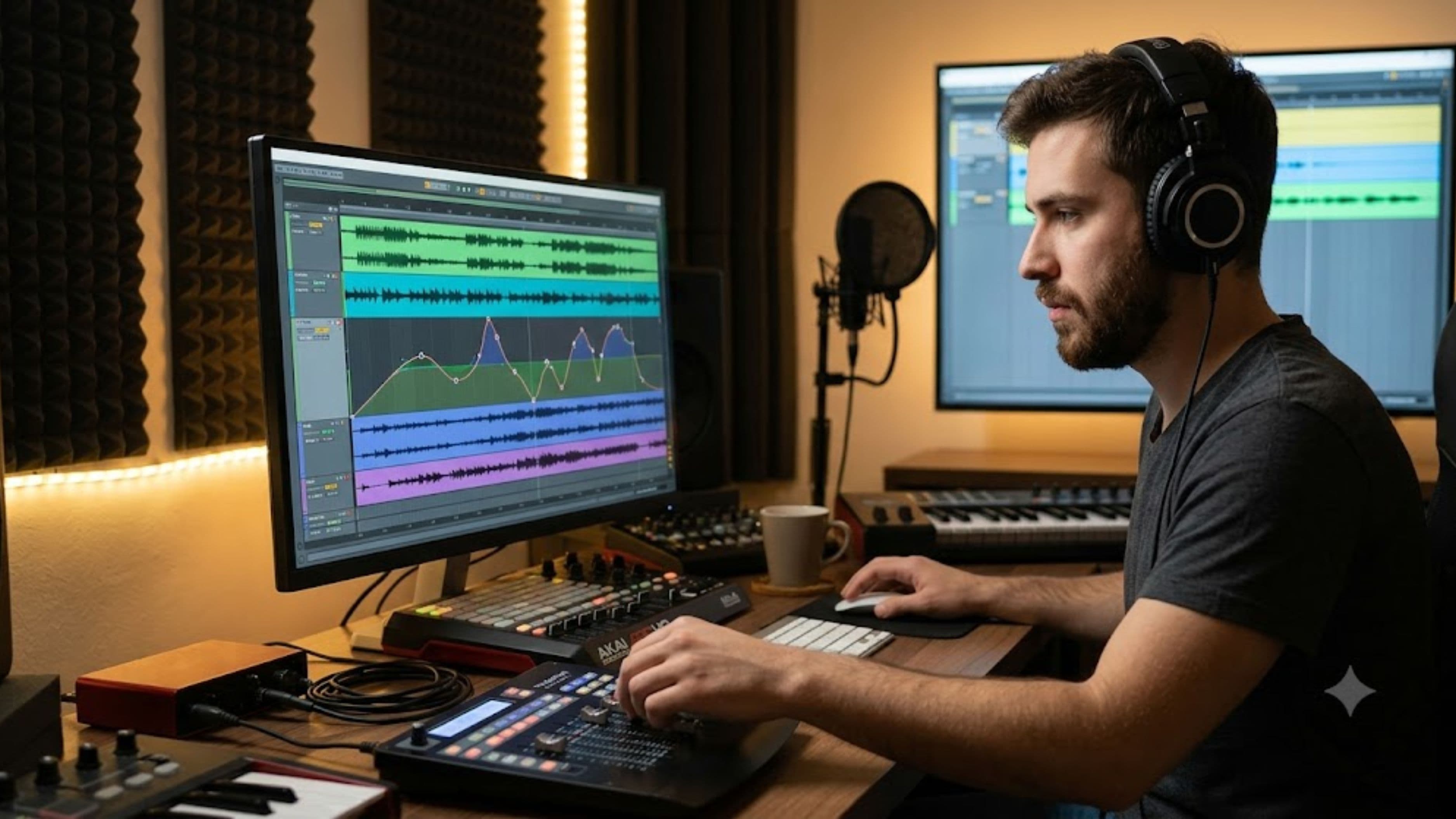
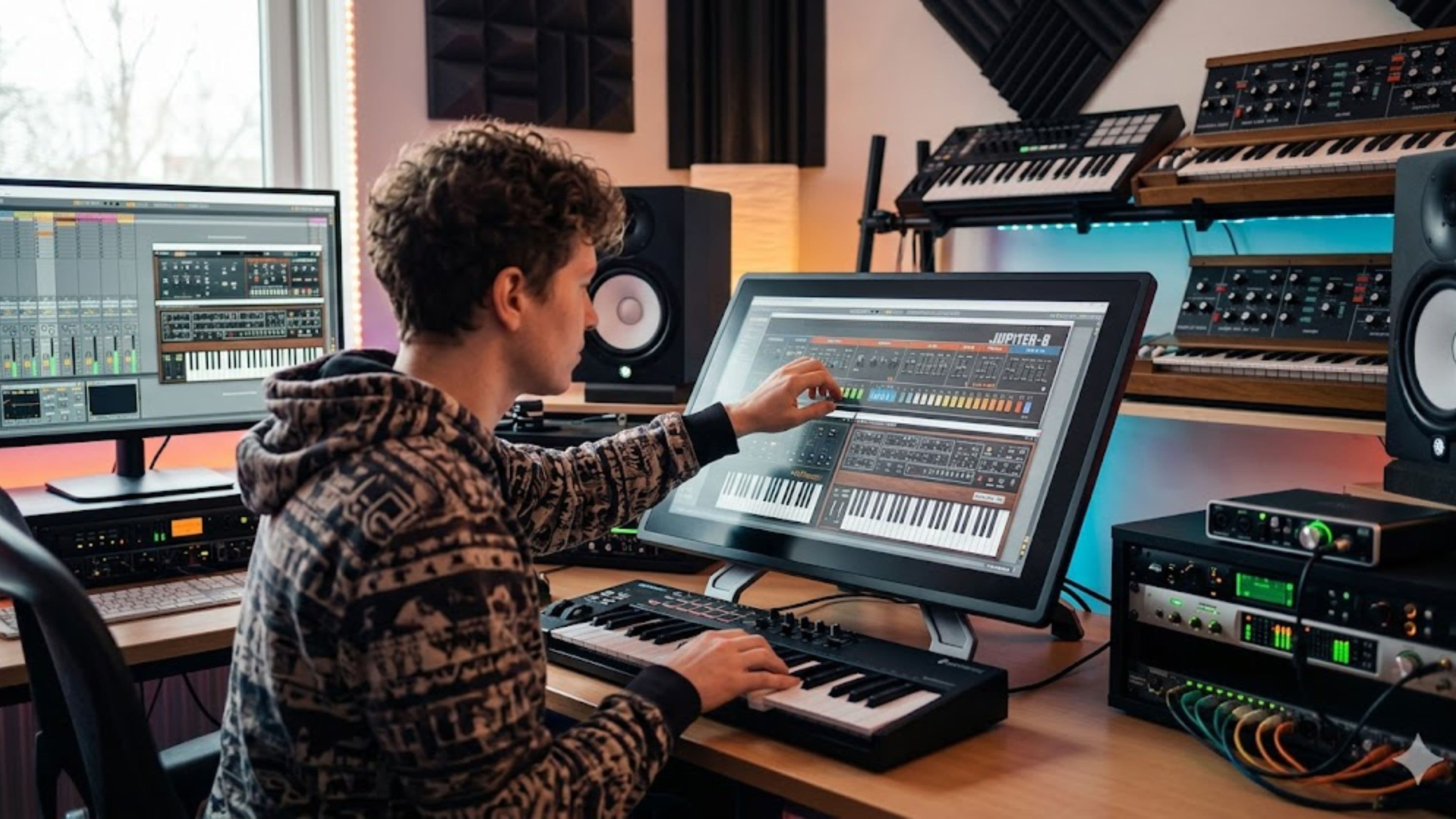
Once the core song structure is in place, producers move on to sound design and beat production. This involves layering sounds with software synthesizers like Serum, Massive, or Omnisphere, and building rhythmic elements using drum machines or sampled beats.
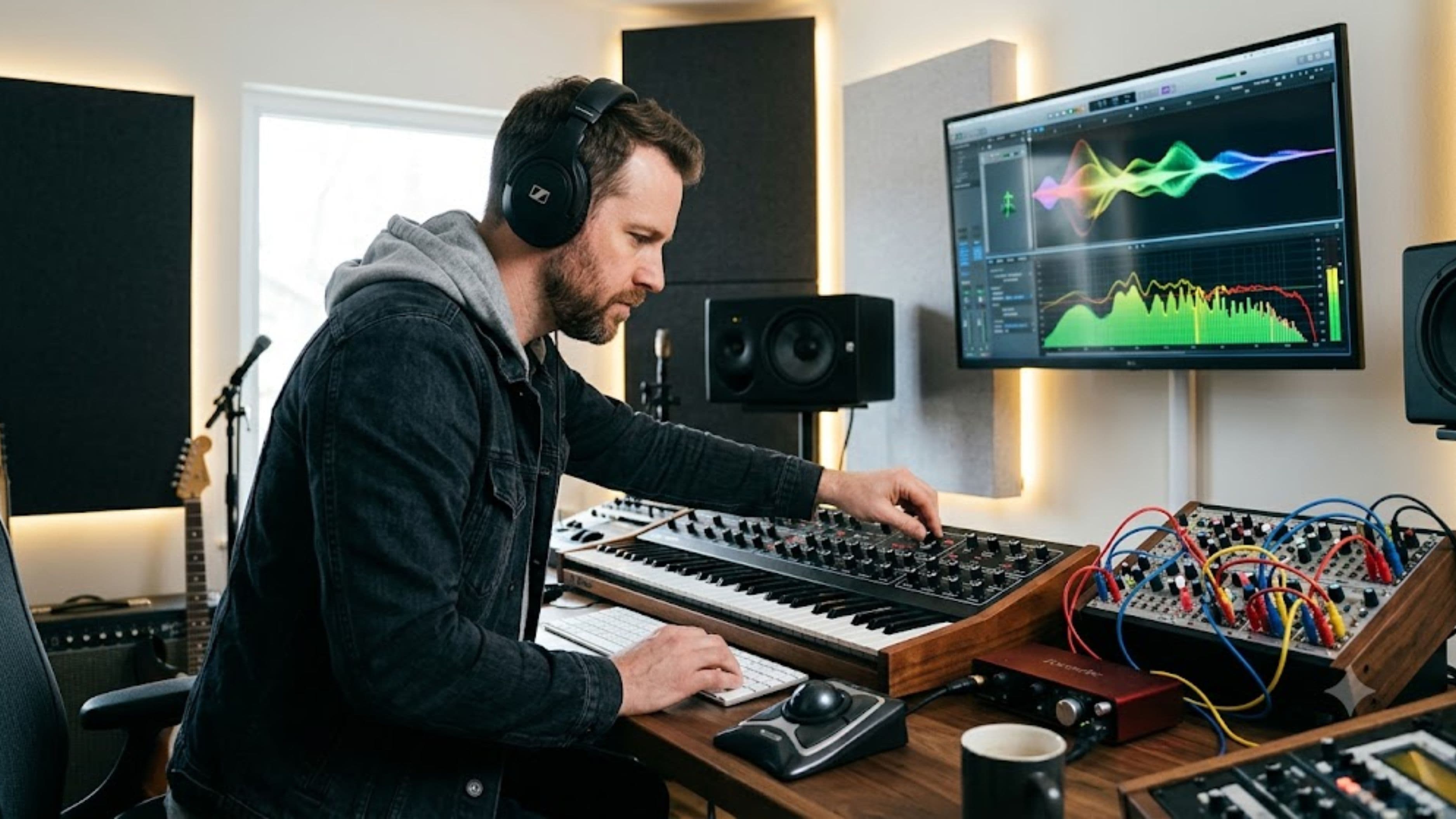
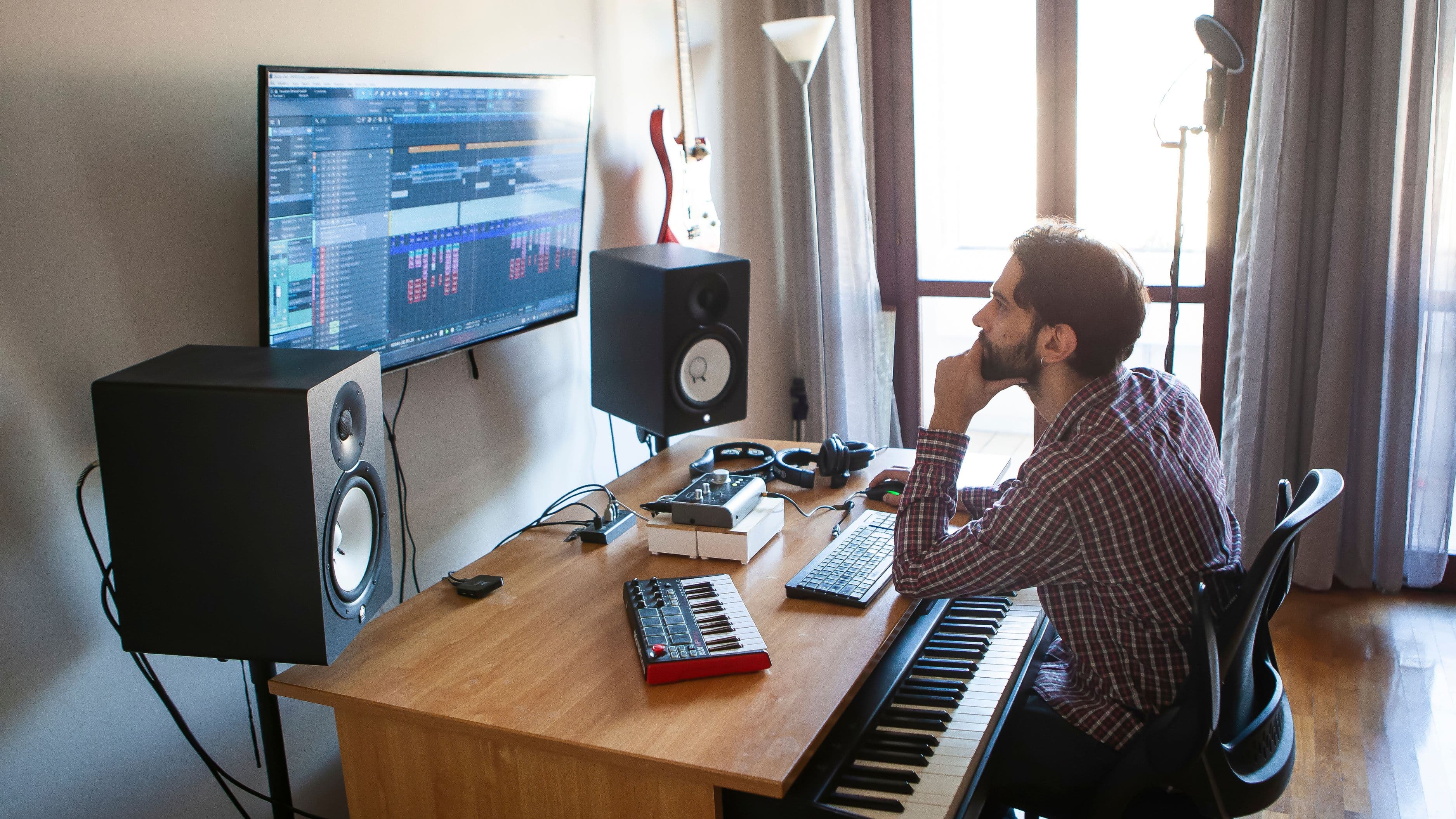
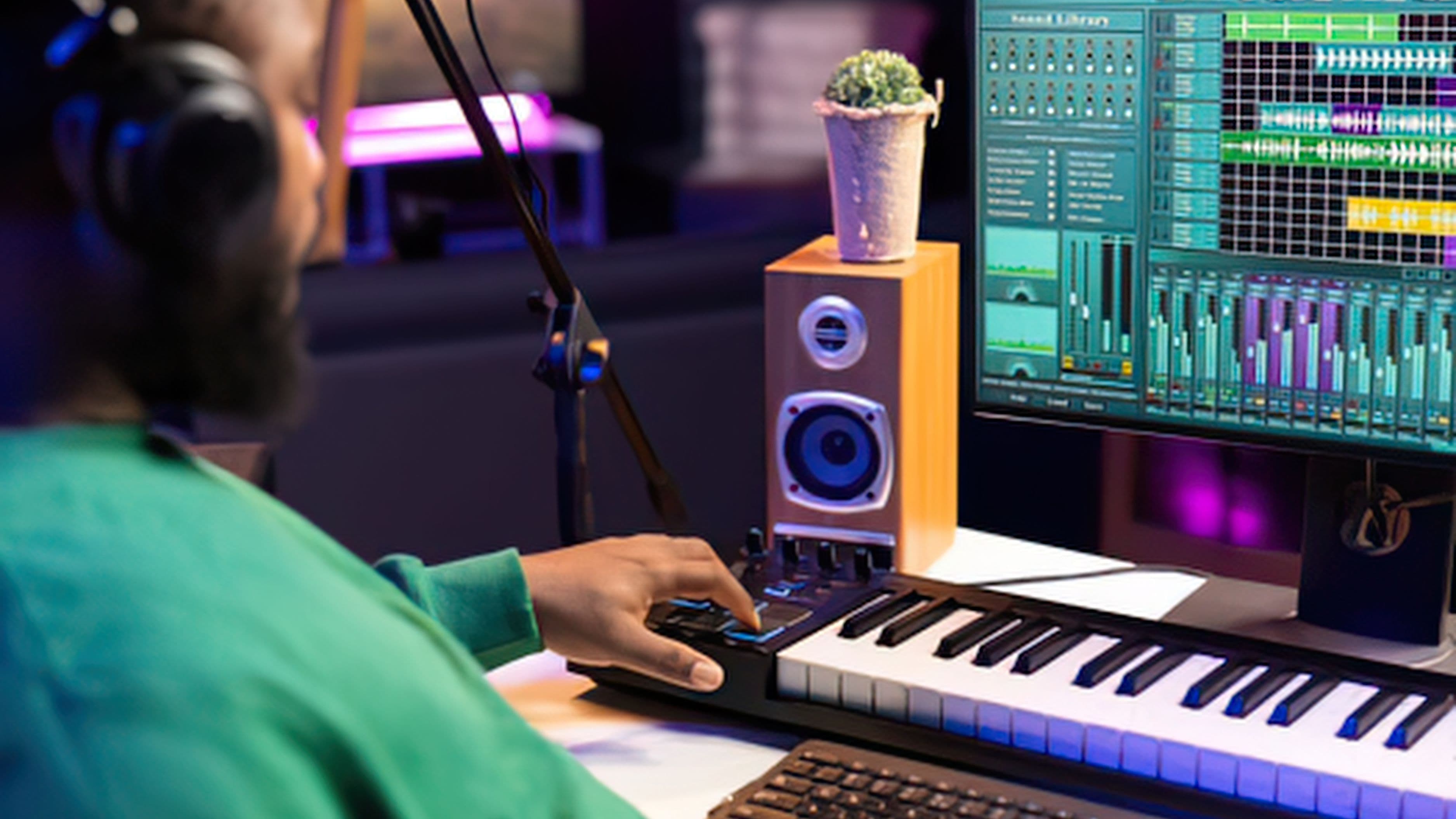
Modern pop production often relies on tight, punchy drums, syncopated hi-hats, and side-chained basslines to create dynamic energy. Effects like reverb, delay, filter sweeps, and vocal chops add texture and atmosphere. Hardware like MIDI controllers, pad sequencers, and synthesizers also play a role in hands-on beat creation, allowing producers to tweak sounds in real time and maintain creative flow.
3. Vocal Recording and Processing: The Heart of the Track
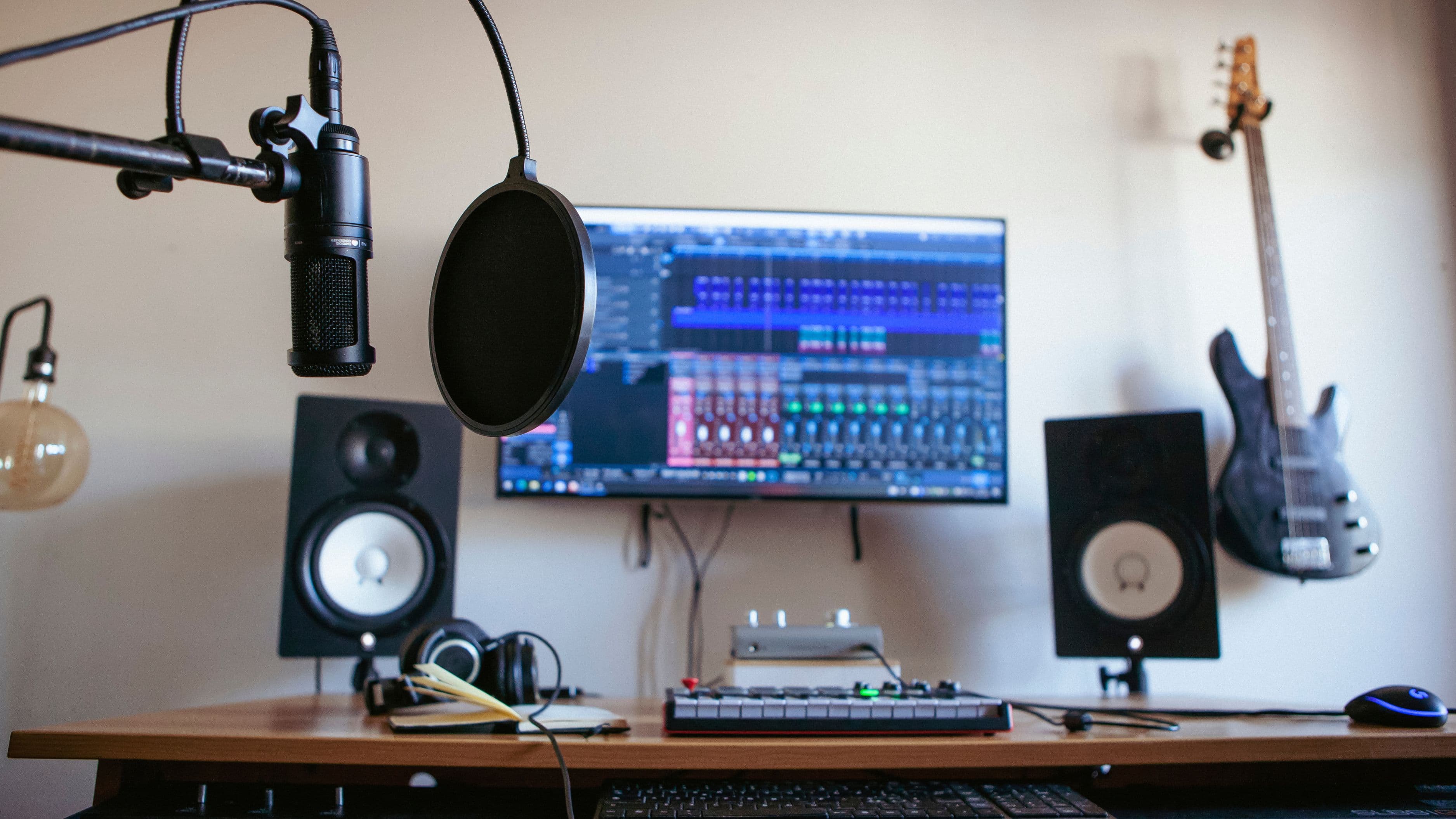
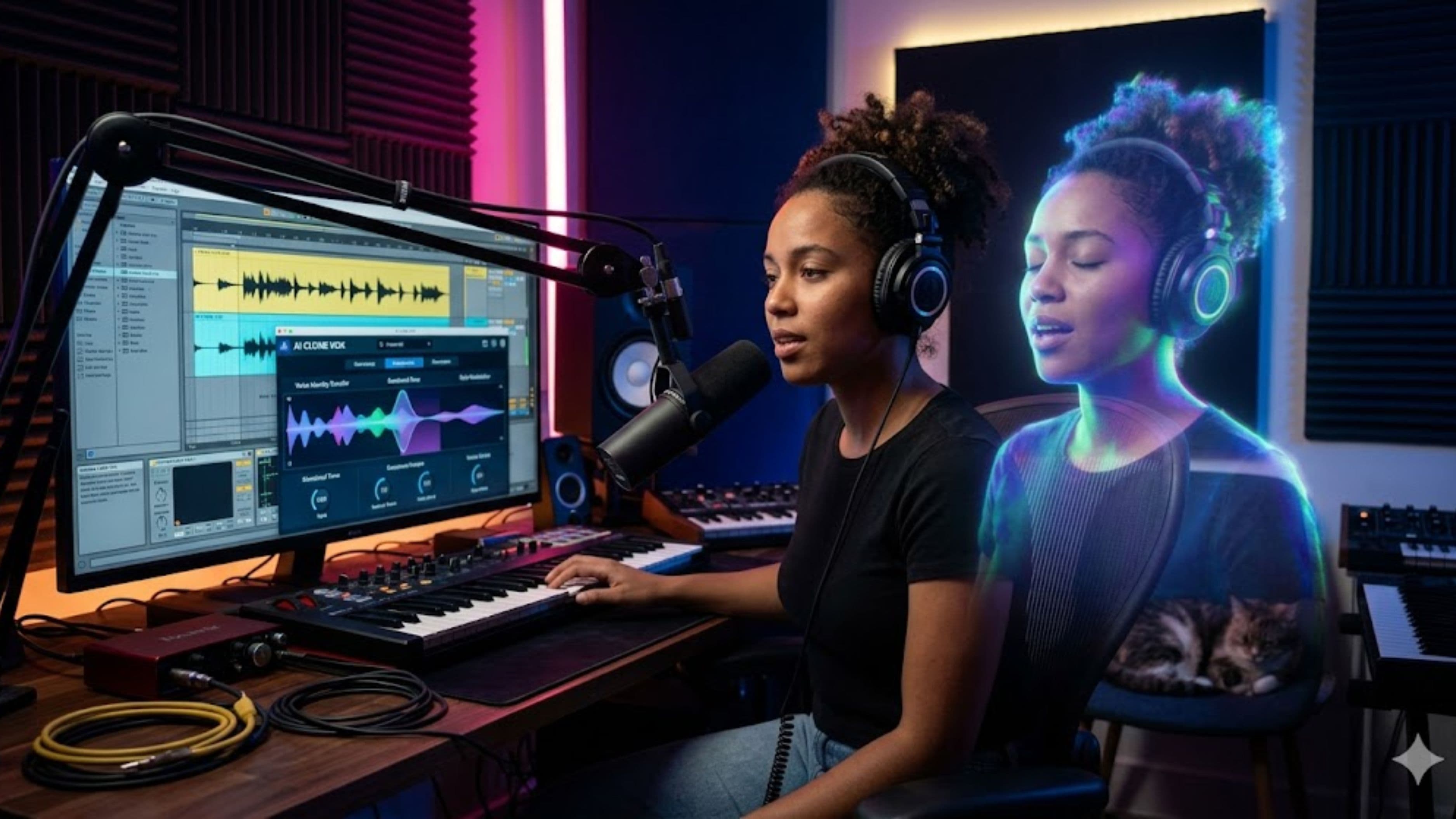
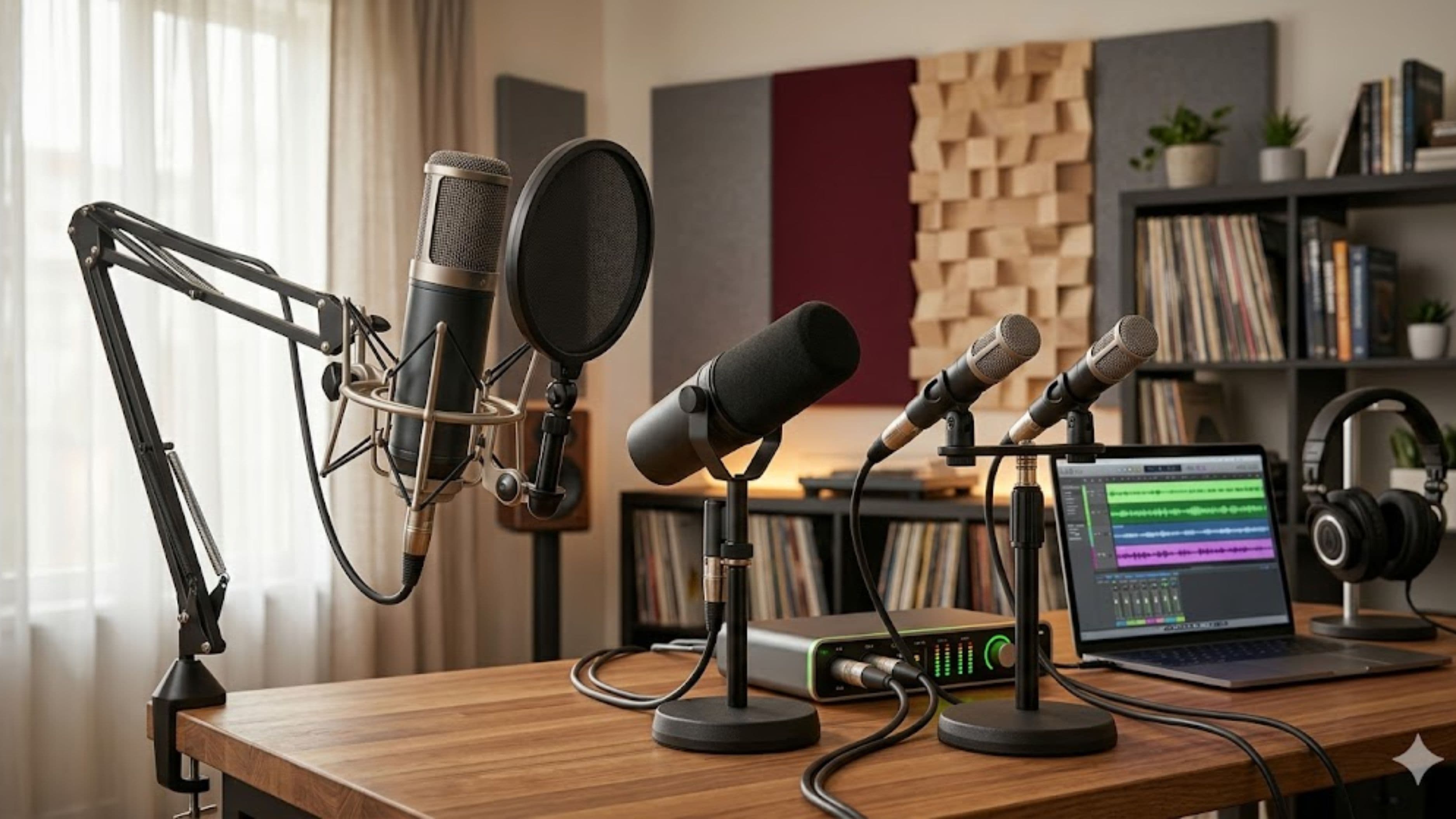
Vocals are often the most critical element of a pop song, and the recording process requires both technical precision and creative direction. Artists typically record vocals using high-end condenser microphones like the Neumann U87 or Shure SM7B, paired with professional-grade audio interfaces such as the Universal Audio Apollo series for clean, high-fidelity capture.
Producers work closely with singers on vocal phrasing, stacking harmonies, and multiple takes to achieve the lush, polished sound that defines modern pop vocals. Tools like Antares Auto-Tune, Melodyne, and vocoders are used not only for pitch correction but also as stylistic effects that give pop vocals their distinctive tone. This phase may also involve creative processing, including vocal layering, distortion, and reverb tricks, to enhance emotional impact.
4. Mixing and Mastering: Perfecting the Sound
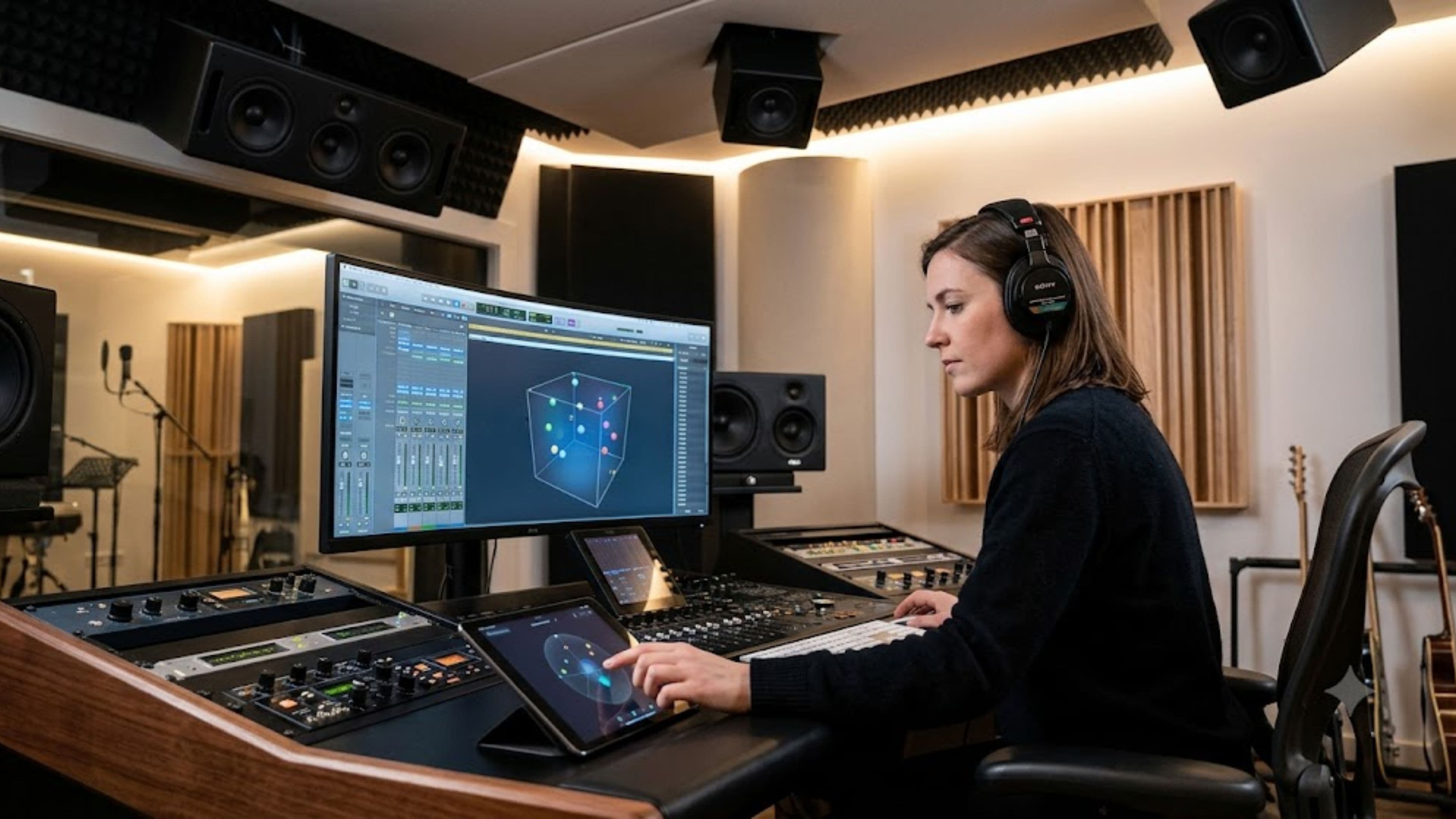
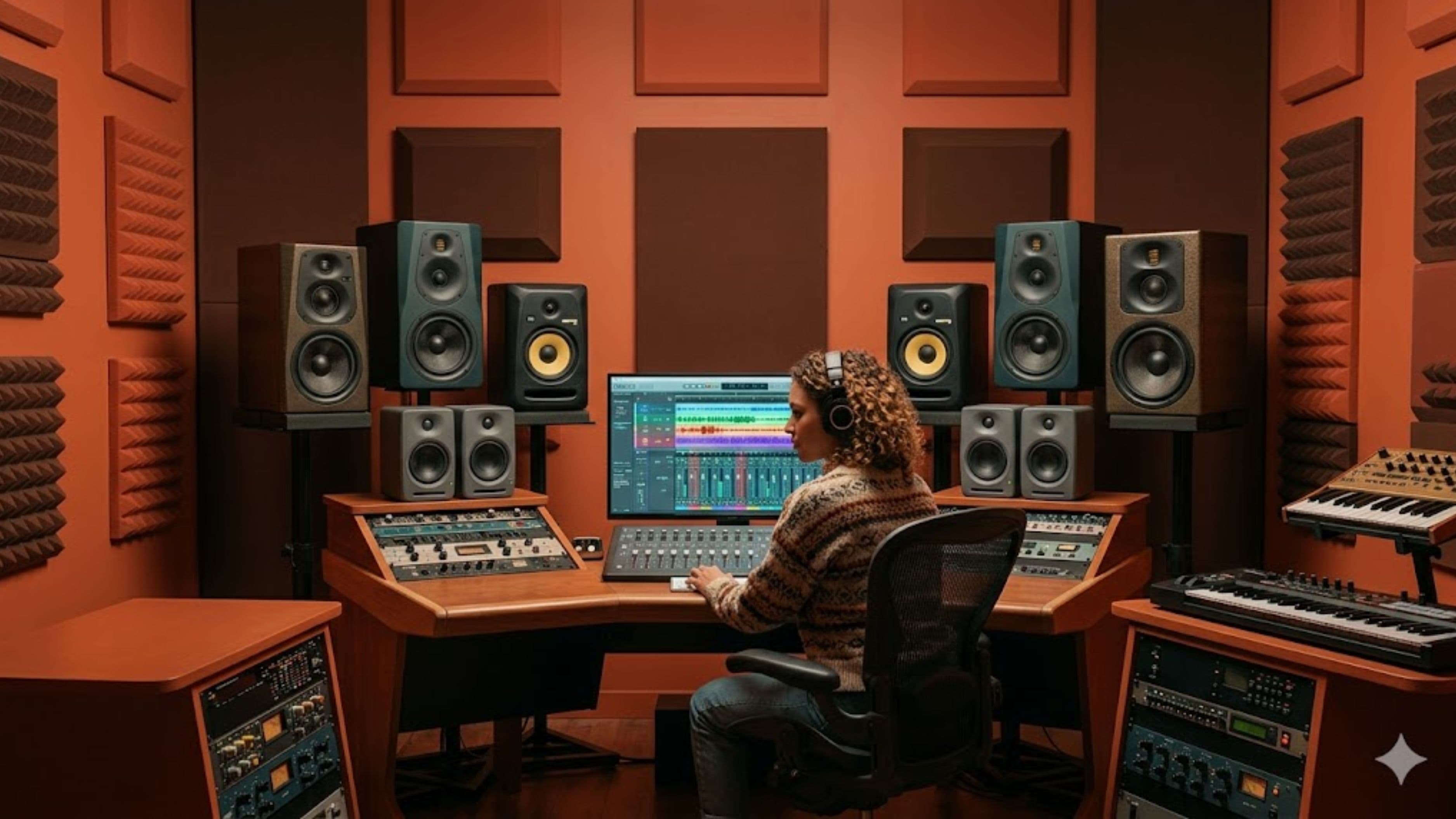
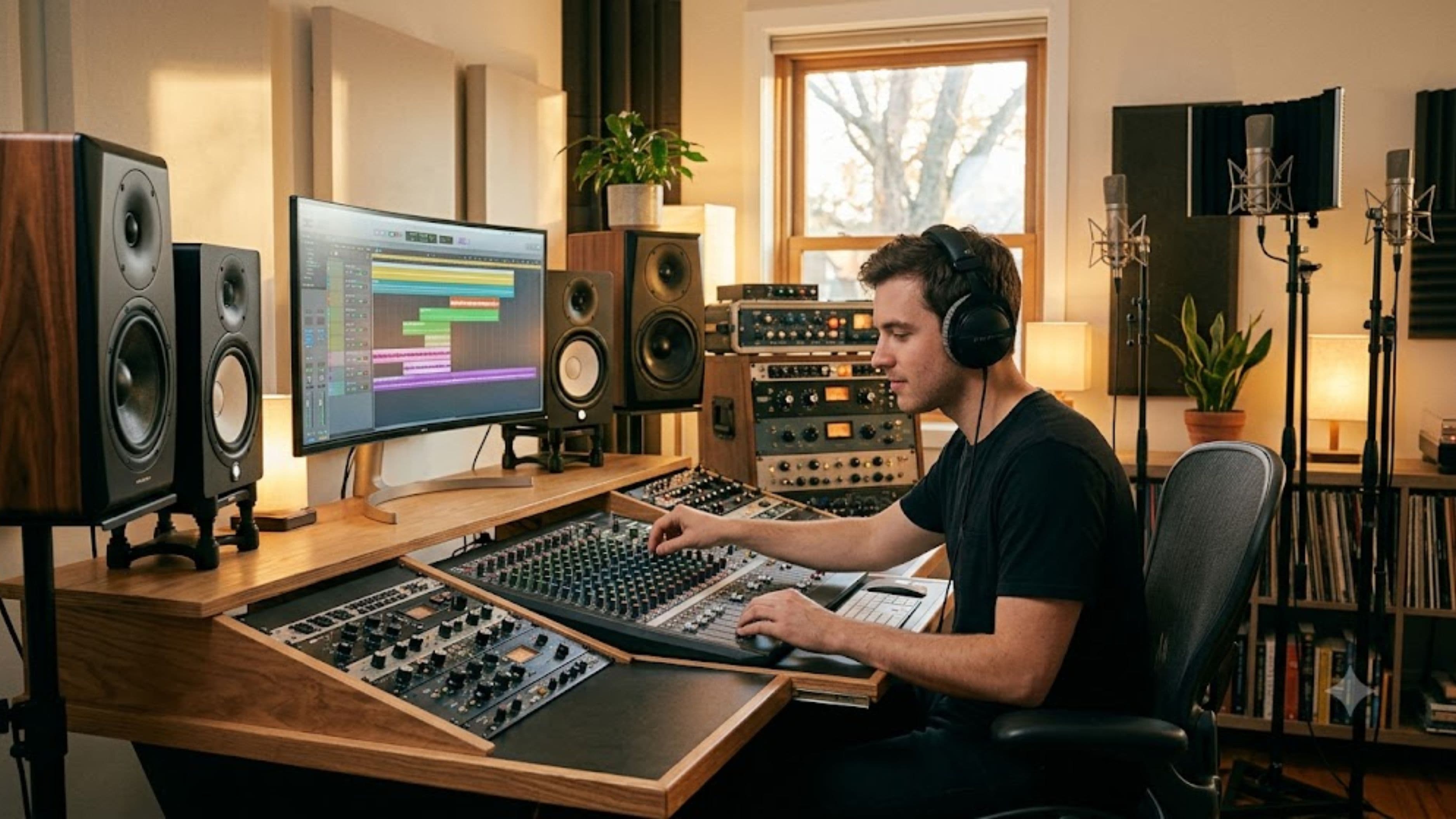
After recording, the song enters the mixing stage, where all the elements—vocals, instruments, beats, and effects—are balanced and refined. Mixing engineers use software like Pro Tools, along with plugins from companies like Waves Audio and FabFilter, to adjust levels, apply EQ, compression, and stereo imaging.
The final step, mastering, ensures the song is polished and optimized for all playback systems, from smartphones to car speakers to streaming platforms like Spotify and Apple Music. Mastering engineers use tools such as iZotope Ozone and hardware like SSL compressors to control loudness, dynamics, and clarity, ensuring the track sounds consistent and professional.
5. The Rise of DIY Production and Home Studios
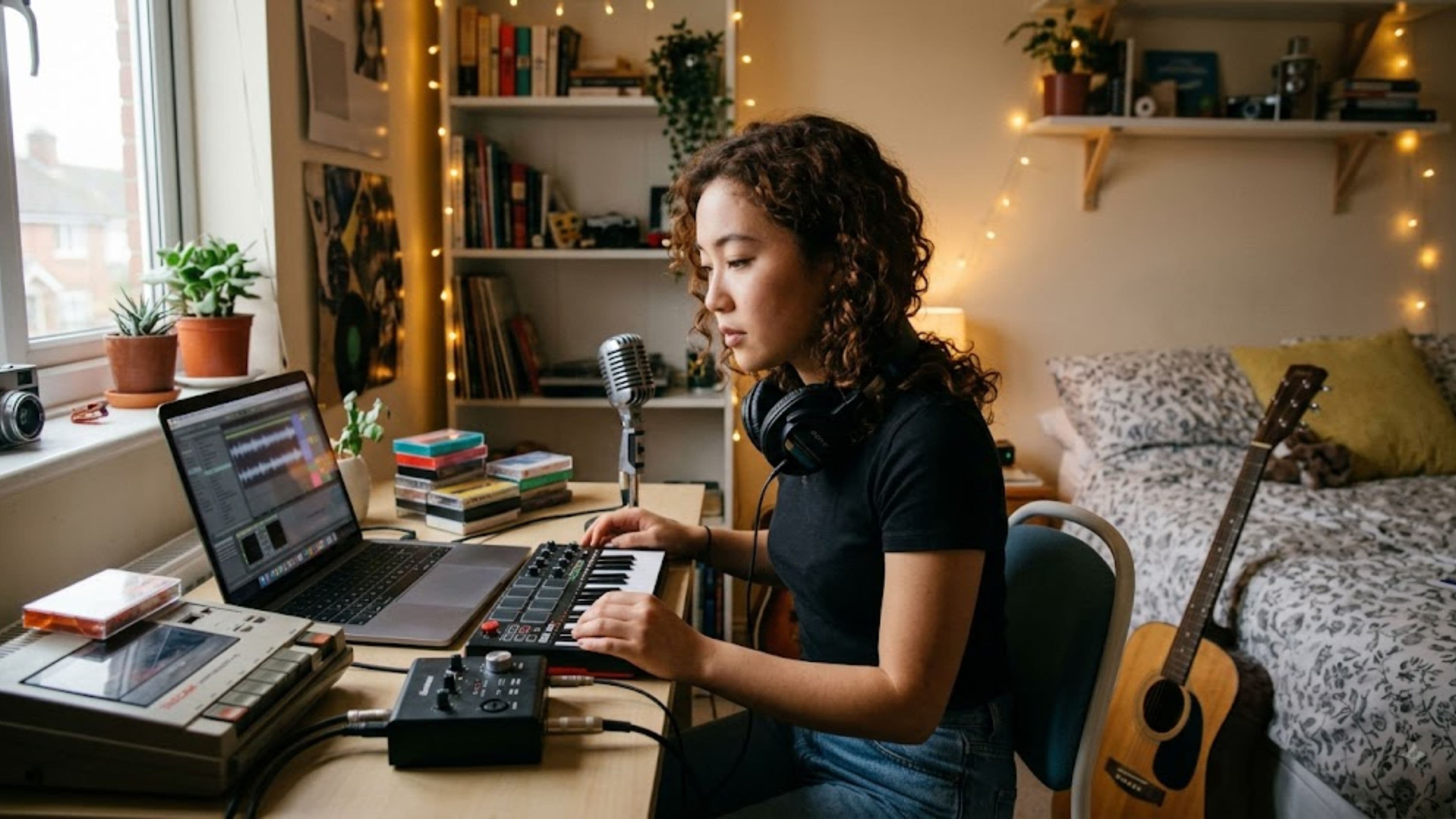
With the advancement of technology, many hit pop songs today are produced outside traditional studios. Affordable and powerful tools like Focusrite Scarlett interfaces, Native Instruments’ Komplete suite, and Akai MPC controllers make it possible for independent artists and bedroom producers to create radio-ready tracks from home.
This shift has opened opportunities for music production software companies, plugin developers, and gear manufacturers to engage directly with a growing community of creators. The accessibility of professional-quality tools means that more aspiring artists can participate in the production process, fueling the next wave of pop innovation.