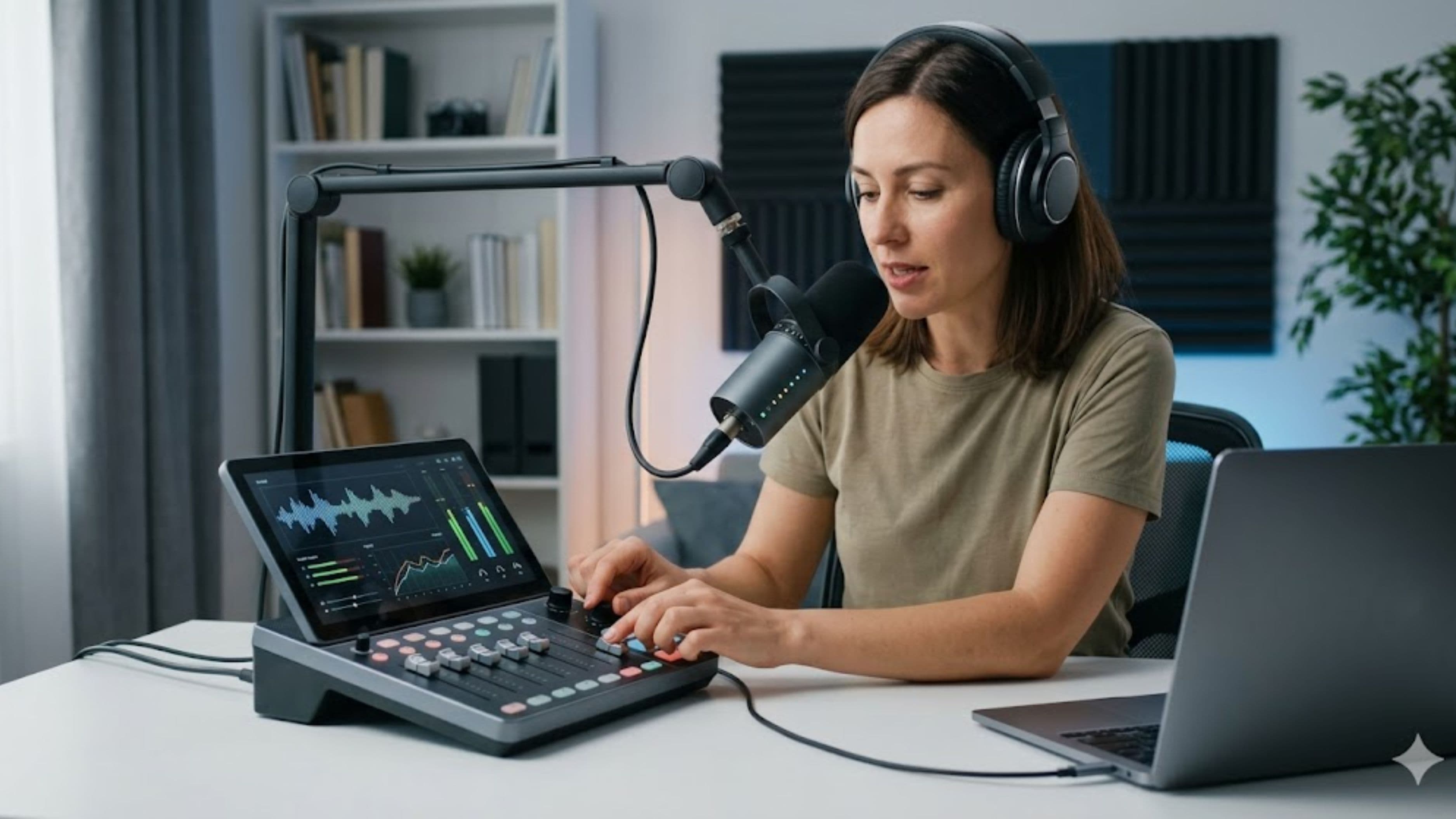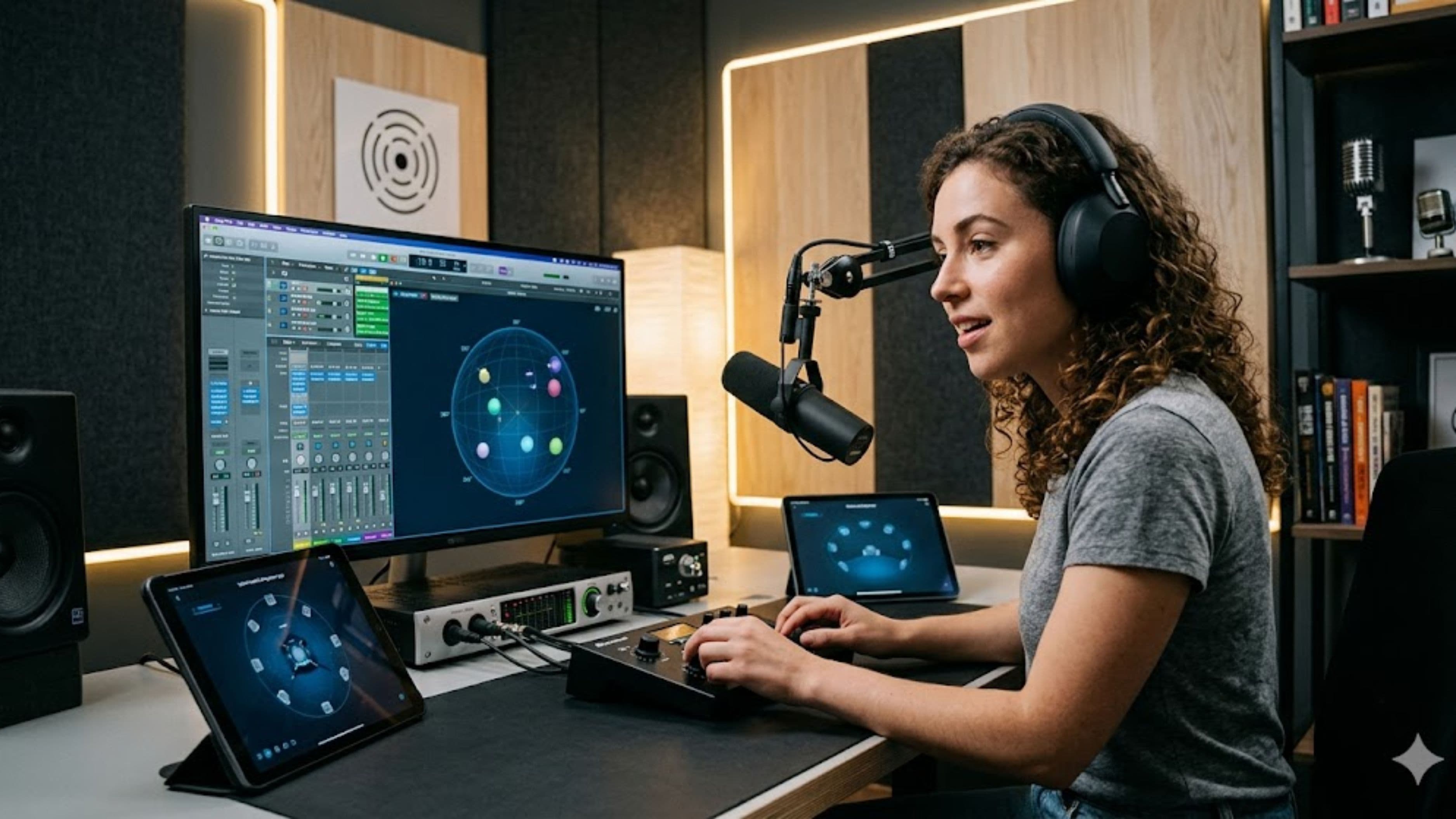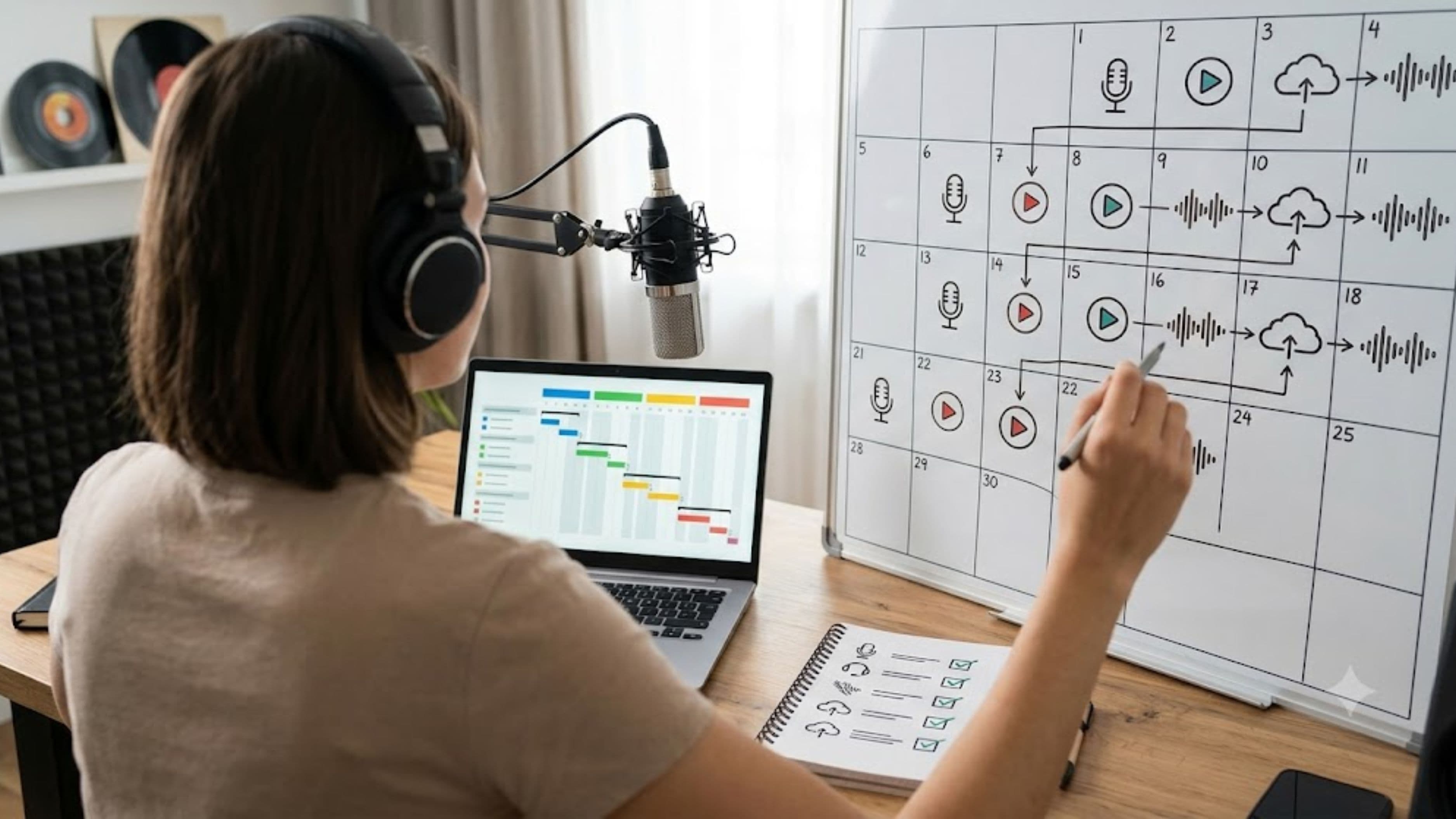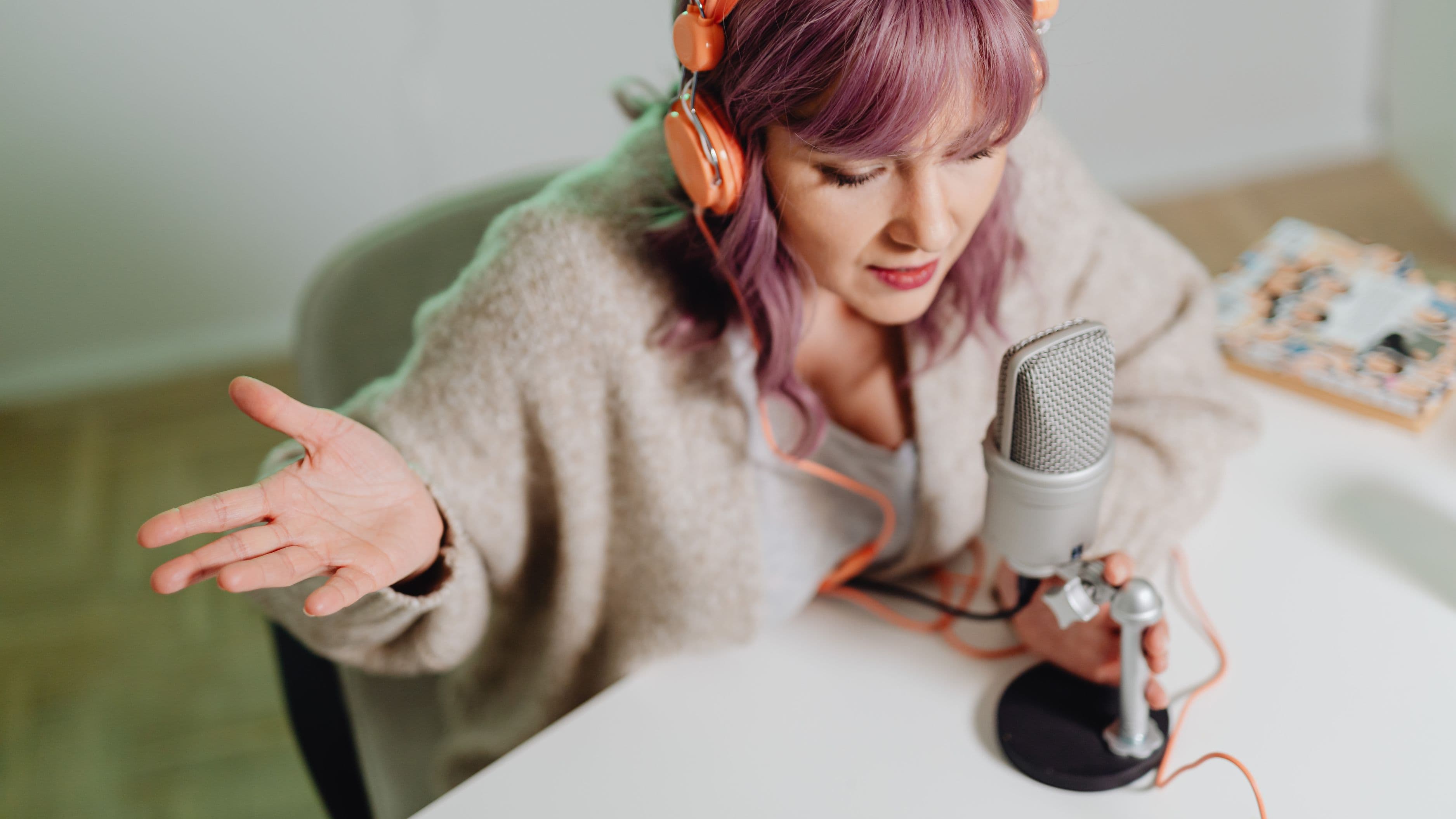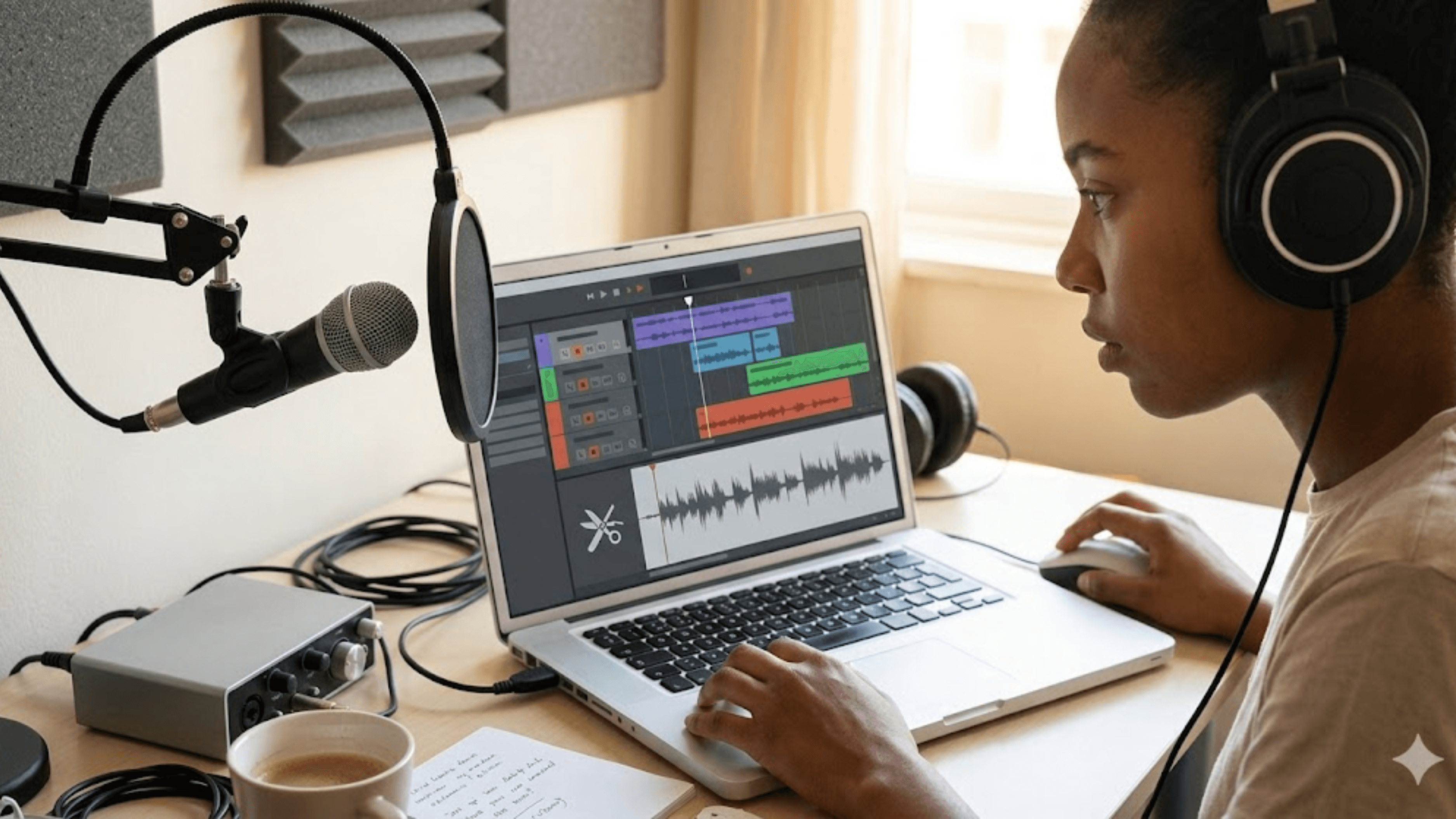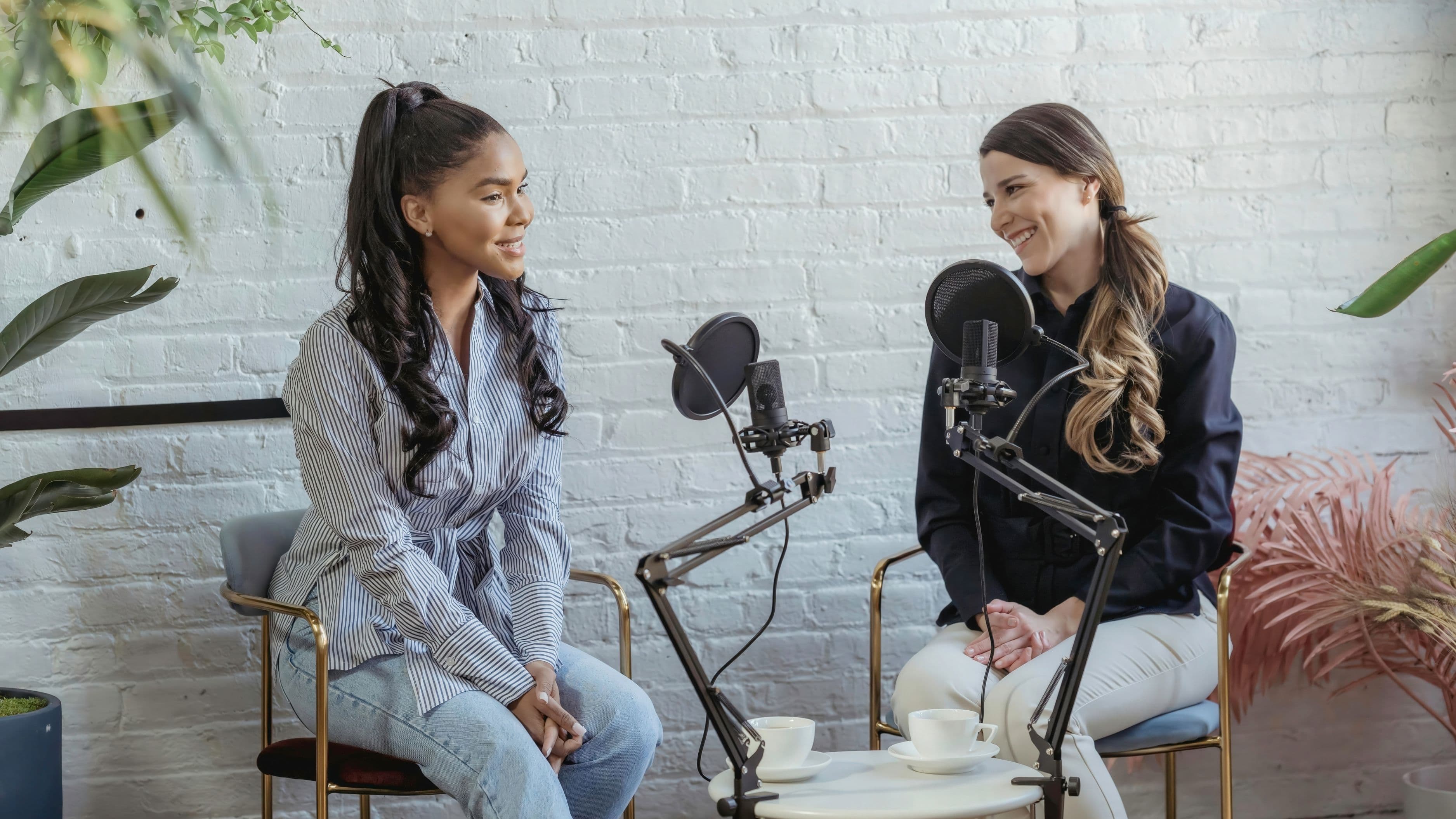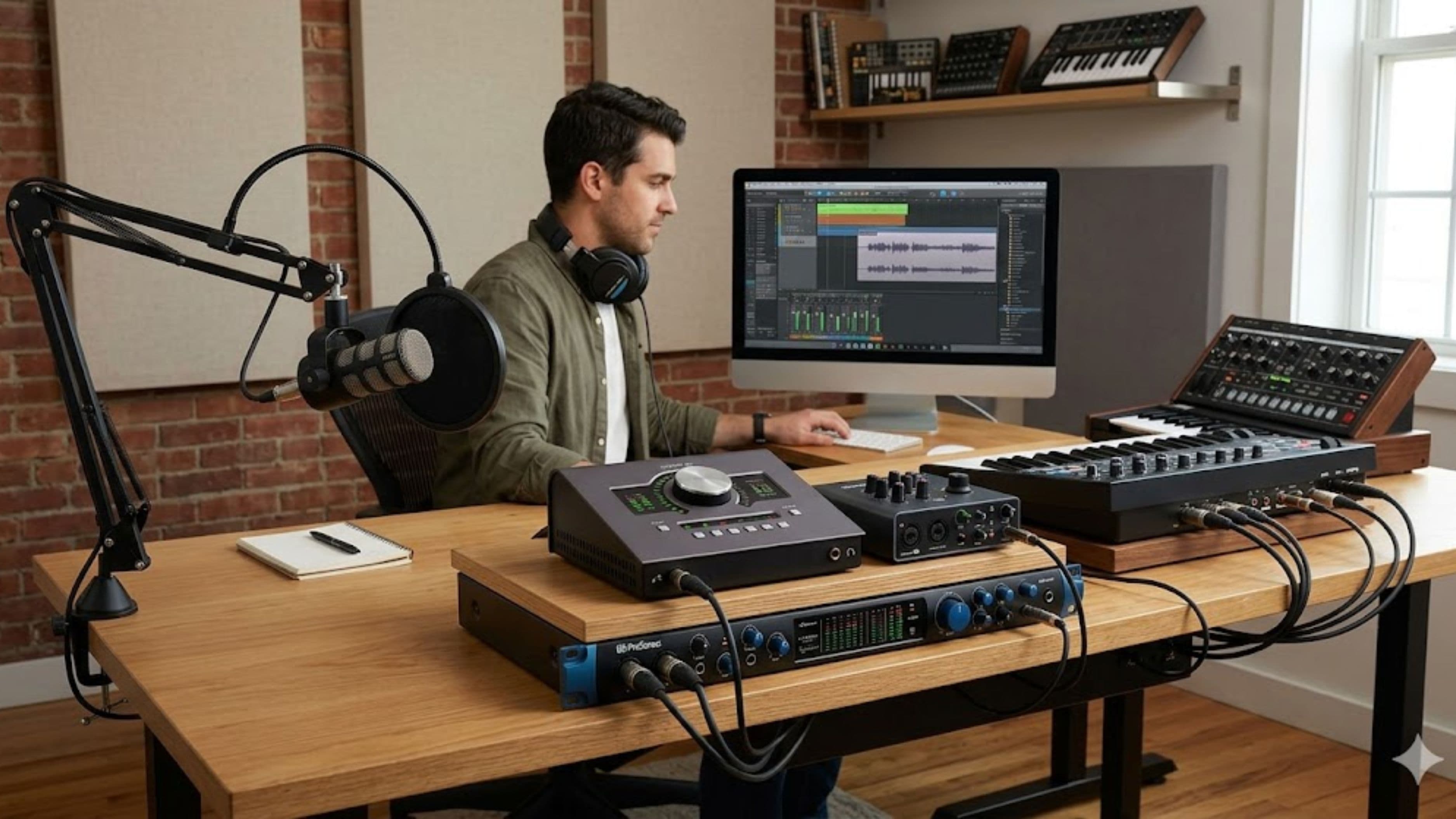
The microphone question is the first thing most people get stuck on when starting a podcast, and it's also one of the most over-complicated. The range of options runs from under $50 to over $400, and the gear community manages to make all of it sound equally necessary depending on who you ask. The honest answer is that the right microphone depends heavily on your budget, your recording environment, and where you expect your show to go.
This breakdown cuts through the noise. Each budget tier gets a clear recommendation with the reasoning behind it, the tradeoffs worth knowing, and the point at which spending more actually gives you more. No filler, no sponsored ranking logic – just what makes practical sense at each level.
Before You Choose: Condenser vs. Dynamic
The single most useful frame for podcast microphone decisions is understanding the difference between condenser and dynamic microphones, because it directly affects which budget tier makes sense for your situation.
Condenser microphones are more sensitive. They capture more detail and typically produce a brighter, more open sound. The tradeoff is that they pick up more of everything – background air conditioning, a street outside the window, the ambient noise of your recording environment. They shine in treated rooms where the acoustic environment is controlled.
Dynamic microphones are less sensitive by design. They reject off-axis sound more aggressively, which means ambient noise in your room has less effect on the final recording. For creators recording in a home office, bedroom, or any space that hasn't been acoustically treated, a dynamic microphone almost always produces better-sounding podcast audio than a condenser at the same price point. This is why the most widely used podcasting microphones – the Shure SM7B, the Rode PodMic, the Audio-Technica AT2005USB – are all dynamics.
Keep that in mind as you read through the tiers below. If your recording space is quiet and controlled, condensers become more viable. If it isn't, lean dynamic.
Under $75: Getting Started Without Getting Burned
The budget entry tier for podcasting has improved significantly. The options that existed at under $50 five years ago were largely disappointing – thin sound, cheap capsules, USB implementations that created latency and noise problems. That's changed. There are now genuine starting points under $75 that produce usable audio for a beginning show.
Best pick: Audio-Technica ATR2100x-USB (~$69)
The ATR2100x is a dynamic USB/XLR hybrid microphone – meaning it works both as a plug-and-play USB mic and as a traditional XLR mic via interface. That dual-output design is what makes it worth recommending over other options in this range. You can start recording directly to your laptop with no additional gear, and when you're ready to upgrade to an interface or recording chain down the line, you plug in an XLR cable and the same microphone keeps working. You're not buying a dead-end product.
The sound quality is solid for the price. It handles vocal recording cleanly, rejects room noise reasonably well (dynamic, cardioid polar pattern), and comes with a basic desktop stand and XLR cable. The build quality feels substantial for the price point. It won't compete with a $200+ microphone in an A/B test, but it will produce audio that most listeners won't identify as entry-level.
Who it's for: First-time podcasters who want to start without overspending and keep their options open as their setup grows.
What to watch out for: Like most dynamic microphones, the ATR2100x requires you to get close to the capsule – 4 to 6 inches is the working distance for good presence. Recording at arm's length produces a noticeably thinner sound. A basic boom arm ($20–$30) makes positioning significantly easier.
$75–$150: The Sweet Spot for Most Independent Creators
This is the range where the quality-per-dollar ratio peaks for podcasting. At $75–$150, you're getting microphones with real capsule engineering, thoughtful design decisions for voice recording, and hardware that will last years without needing replacement.
Best USB pick: Rode PodMic USB (~$100)
The Rode PodMic USB is a broadcast-style dynamic cardioid microphone with a USB-C output, onboard gain control, a mute button, and a headphone jack for direct monitoring. It's heavy, well-built, sounds warm and natural on voice, and requires no external gear beyond a USB cable. Rode designed it specifically for podcast and broadcast applications, and that intent shows in the frequency response – it's tuned for the human voice, not flat-wide like a studio mic.
The USB version was a natural evolution of the original PodMic (XLR only), and it maintains the same capsule quality while adding the convenience features that matter for home studios. At $100, it competes convincingly with microphones that cost $150–$200 a few years ago.
Best XLR pick: Shure MV7 (~$149)
The Shure MV7 is a hybrid XLR/USB dynamic that's become one of the most recommended podcast microphones across the creator space. The sound profile is darker and warmer than most at this price point, which tends to flatter a wide range of voices. The touch-sensitive gain and mute panel on the back is genuinely useful. Via USB, it connects directly to your computer with companion app integration that gives you real-time EQ and compression controls.
The MV7 also serves as a gateway into Shure's ShurePlus MOTIV app ecosystem, which provides monitoring, metering, and processing without requiring a separate DAW. For a creator who wants clean audio with minimal software involvement, this combination is hard to beat at the price.
Who this tier is for: Creators who are serious about their show and want a microphone that will still be appropriate if and when their audience and production values grow. Also the right tier for anyone who has tried a sub-$75 option and found the results disappointing.
What to watch out for: The Rode PodMic USB doesn't have an XLR output, so it won't migrate into a traditional recording chain. If you're planning to build out a proper studio setup eventually, the MV7's dual output gives you more flexibility.
$150–$250: The Professional-Adjacent Range
At this tier you're not making a compromise purchase. The microphones available between $150 and $250 are what many professional podcast producers use for client work, and the quality difference over the mid-range is real – particularly in low-end warmth, presence in the 1–4kHz vocal range, and handling of dynamic range.
Best pick: Shure SM7B (~$199)
The SM7B is the closest thing the podcasting world has to a consensus standard. It's a dynamic cardioid with an internal shock mount, hum rejection circuitry, and switchable presence boost and bass rolloff filters. Its frequency response is deliberately shaped for broadcast voice work – it sounds full, warm, and authoritative in a way that requires considerably more post-processing effort to replicate from a cheaper microphone. Joe Rogan's show put it on the map for podcasting, but it's been a broadcast radio standard since the 1970s for a reason.
The SM7B is an XLR-only microphone, which means you need an audio interface or a preamp with enough clean gain to drive it properly. The SM7B has lower output sensitivity than most modern mics and needs more gain than a basic interface provides without introducing preamp noise. The Cloudlifter CL-1 ($70–$80) is the standard pairing that solves this – it's a passive inline preamp that adds 25dB of clean gain before the signal reaches your interface. Budget for the combo.
Full setup cost with interface: $199 (SM7B) + $70–$80 (Cloudlifter) + $100–$150 (entry-level interface) = $370–$430. That's over the per-microphone budget tier listed here, but it's the honest picture of what the SM7B actually requires to sound its best.
Best alternative if you want XLR without the gain requirement: Rode PodMic (original XLR, ~$100) or Electro-Voice RE20 (~$299 if budget allows)
The Electro-Voice RE20 sits at the top of this tier and is a direct competitor to the SM7B in broadcast circles. It has higher output than the SM7B (meaning it drives more easily from a standard interface), features variable-D technology that reduces proximity effect when working at different distances from the capsule, and has a slightly more neutral sound character that works well for a broader range of voices.
Who this tier is for: Creators who are producing a regular, growing show and want hardware that's genuinely professional-grade and won't become a limitation as the show scales.
What to watch out for: The SM7B specifically requires the Cloudlifter or equivalent. Skipping that pairing and running it direct into a basic interface produces audible preamp noise in quiet sections. Budget for it.
$250 and Up: When Does Spending More Actually Matter?
Above $250, the law of diminishing returns applies firmly for most podcast applications. The microphones in this range – large-diaphragm condensers from Neumann, high-end dynamics from Shure and Electro-Voice, boutique broadcast units – produce genuinely exceptional sound. The question is whether that sound is meaningfully better for podcasting specifically.
For voice recording in a home environment without professional acoustic treatment, expensive condensers often sound worse than a well-positioned SM7B because of their sensitivity to room noise and reflections. The cases where spending $300+ on a microphone makes sense for a podcaster are narrow: a dedicated, acoustically treated recording space; a show where audio quality is a significant part of the brand and listener expectation; or a creator who also records music or voiceover work where higher-grade condensers earn their price.
The Neumann TLM 102 (~$700) and TLM 103 (~$900) are the reference points at this level. In the right room, with the right preamp, they produce broadcast audio that's in a different class entirely. In a typical home office, they'll capture that office more faithfully than you want.
If budget is genuinely not a constraint and you have a proper recording environment, spending here is justified. If you're deciding between a $350 microphone and a $200 microphone and spending the difference on acoustic treatment, choose the treatment. It will do more for your sound.
What to Watch Out For When Shopping
Avoid microphones marketed primarily on aesthetics. The large, retrowave condenser microphones popular in creator-facing marketing often prioritize visual appeal over sound engineering. They tend to be condensers with broad polar patterns that capture significant room noise – fine in a treated space, problematic everywhere else. Research the capsule quality and the real-world reviews before purchasing based on how a microphone looks.
Don't skip the gain chain planning for XLR mics. Buying an XLR microphone without planning for a proper interface and preamp combination is a common mistake. A low-output dynamic like the SM7B run into an interface without enough clean gain will introduce preamp noise that becomes audible during quiet sections. Match the microphone's output sensitivity to the interface's available gain before buying.
USB mics aren't inferior – they're different. A well-engineered USB microphone like the Rode PodMic USB or the Shure MV7 is not a compromise over XLR. The USB implementation in current quality mics is clean, the converters are good, and the convenience advantage is real. The main limitation is expandability – USB mics don't integrate into a multi-input recording chain the way XLR does. If solo recording is your format, USB is a completely legitimate long-term choice.
FAQ
Which microphone type is better for podcast recording – condenser or dynamic? For most home and home office recording environments, dynamic. Dynamic microphones reject ambient noise more effectively, which means your recordings are cleaner in imperfect acoustic environments. Condensers are better in acoustically treated rooms where the added detail and sensitivity is an advantage rather than a liability.
Do I need an audio interface for podcasting? Only if you're using an XLR microphone. USB microphones connect directly to your computer with no interface required. If you want to use an XLR mic – for the flexibility, the preamp options, or specific models only available in XLR – you'll need an audio interface to convert the analog signal to digital.
Is the Shure SM7B worth it for a beginner? Not as a starting point. It requires a capable interface and typically a Cloudlifter or equivalent inline preamp to sound its best, pushing the real cost of the setup well past $300. A beginner will get comparable real-world results from a Rode PodMic USB or Shure MV7 at a fraction of the total cost. The SM7B earns its place once you've outgrown the mid-range and are ready to build a proper recording chain.
How much does room acoustics affect microphone choice? Significantly. A $150 dynamic in an untreated room will typically produce better podcast audio than a $400 condenser in the same room, because the condenser captures the room problems more faithfully. Treating your recording environment – even minimally, with panels behind you and soft furnishings – unlocks the quality of whatever microphone you have before upgrading the mic itself.
The Bottom Line
The budget tier that makes sense for most independent podcast creators starting out or growing a show is $75–$150. The Rode PodMic USB and the Shure MV7 represent the current best options in that range, and either will produce audio that's appropriate for professional show presentation. If you're ready to invest in a proper recording chain, the SM7B at $199 plus a Cloudlifter and a capable interface delivers broadcast-grade results that will hold up as long as you keep podcasting. Below $75, the ATR2100x is a legitimate starting point with an upgrade path built in. Above $250, you're buying hardware quality that your recording environment needs to be ready to take advantage of.
📚 Sources
Shure – SM7B Product Overview and Technical Specifications: https://www.shure.com/en-US/products/microphones/sm/sm7b
Rode – PodMic USB Overview: https://rode.com/en/microphones/broadcast-podmic/podmic-usb
Audio-Technica – ATR2100x-USB Overview: https://www.audio-technica.com/en-us/atr2100x-usb
Sound On Sound – Dynamic vs Condenser Microphones: https://www.soundonsound.com/techniques/dynamic-vs-condenser-microphones
Transom – Best Microphones for Podcasting and Radio: https://transom.org/2017/best-microphones/