Choosing the right platform comes down to what you're trying to achieve: maximum visibility, direct revenue, fan intimacy, or some combination. Here's a clear breakdown of the platforms worth knowing, what each one actually does well, and who they're best suited for.
1. Veeps – Best for Ticketed Concert Streams
Veeps is the go-to platform for artists who want to run a proper ticketed live stream without building their own infrastructure. Owned by Live Nation since 2021, it's purpose-built for concerts – not general live streaming repurposed for music. That distinction matters. The platform handles ticketing, payment processing, HD streaming delivery, and replay access in a single product designed around the concert experience rather than retrofitted from gaming or talk-show formats.
The revenue model is direct: you sell tickets, fans buy access, and Veeps takes a platform cut. Artists keep the majority of revenue, and because the barrier to entry for fans is a paid ticket rather than a free click, the audience tends to be genuinely engaged – people who bought access because they actually wanted to be there. Replays are available after the event, which extends the revenue window beyond the live broadcast.
Veeps is best suited for artists with an existing audience who want to run occasional paid events or supplement a physical tour with a global stream. It's not designed for building a new audience from scratch – there's no discovery feature or built-in browse functionality. You need to bring your own audience.
Best for: Independent artists and mid-level acts running ticketed live events. Artists who want revenue-first streaming.
Watch out for: No organic discovery. You drive all traffic to the event. Revenue share varies by deal, so review terms before committing.
2. Moment House – Best for Premium Experience Events
Moment House positions itself slightly higher-end than Veeps, with production quality and fan experience as its primary differentiators. The platform has been used by artists including Billie Eilish, The War on Drugs, and Clairo for paid stream events, which signals a client base that trends toward artists who care about the presentation of the experience, not just the broadcast.
What sets Moment House apart is its focus on making the stream feel like a curated event rather than a raw feed. The interface is designed to feel like buying a ticket to a show rather than clicking into a stream, and the platform supports limited-run replays, merch integration, and after-show digital bundles. The ticketing and checkout flow is cleaner than most competitors and optimized for conversion.
Moment House also supports "Moments" – smaller, more intimate ticketed sessions like listening parties, Q&As, and acoustic sets – which gives artists more flexibility in how they use the platform beyond full concert streams. For artists who want to build a digital live event calendar beyond standard concert broadcasts, that versatility is useful.
Best for: Artists who want a premium, highly produced stream experience. Artists with strong visual aesthetics and brand identity. Mid-size to larger independent acts.
Watch out for: Higher expectations from the audience relative to more casual platforms. The platform suits polished productions better than raw, intimate sets.
3. Twitch – Best for Building a Regular Live Audience
Twitch is not a concert streaming platform in the traditional sense, but it's where some of the most effective artist-audience relationships in online music are being built. The platform's model – live streaming with real-time chat, subscriptions, tips (called Bits), and regular scheduled content – is better suited to artists who want to show up consistently and build a community around their music than to artists running occasional premium events.
The audience on Twitch is large, younger-skewing, and already conditioned to support creators directly through subscriptions and tips. A musician who streams regularly – whether that's writing sessions, live performance, gear walkthroughs, or just hanging out with fans – can build a steady subscriber base that generates monthly recurring income independent of touring or releases. The discovery potential is also real: the music category on Twitch has grown, and new artists have broken through to meaningful audience sizes organically.
The trade-off is consistency. Twitch rewards frequency and reliability. An artist who shows up every Tuesday and Thursday builds a relationship with their audience over time in a way that sporadic streams don't. If you can commit to a regular streaming schedule, Twitch is one of the more powerful tools available for audience building from scratch. If you can't, the platform won't do much for you.
Best for: Independent artists willing to stream regularly and engage with community. Artists interested in recurring subscription income. Artists at any stage of their career who can commit to a consistent schedule.
Watch out for: The content expectation on Twitch is ongoing engagement, not event-based performance. It takes time to build an audience, and irregular streaming doesn't compound the way regular streaming does.
4. YouTube Live – Best for Reach and Long-Term Discoverability
YouTube Live is not the most intimate or the most revenue-optimized platform, but it has something no other streaming platform matches: the world's second-largest search engine as its discovery engine. A live stream on YouTube is indexed and searchable. A recording of that stream lives permanently on your channel and continues accumulating views, shares, and subscribers indefinitely. No other live streaming platform gives your content that kind of long-term life.
For artists prioritizing audience growth over immediate monetization, YouTube Live makes more sense than most alternatives. The stream itself can be monetized through Super Chats (live tipping), channel memberships, and ad revenue once a channel reaches eligibility thresholds. But the bigger value is the compounding discoverability – a well-titled, well-tagged live performance can surface in YouTube search and recommendations for years after the event.
The production bar is lower than Veeps or Moment House. YouTube audiences are accustomed to a wide range of production quality, and raw, direct-to-camera performances have performed well for artists across genres. The barrier to entry is essentially zero if you already have a channel.
Best for: Artists focused on long-term audience building, organic discovery, and searchable content archives. Artists who want to repurpose live streams as evergreen content.
Watch out for: Monetization requires meeting YouTube's partner program thresholds (1,000 subscribers and 4,000 watch hours). Revenue per stream is lower than ticketed platforms. The platform doesn't signal exclusivity or event value the way ticketed platforms do.
5. Instagram Live – Best for Fan Intimacy and Spontaneous Performance
Instagram Live isn't where you run a polished concert stream. It's where you show up, play a few songs, talk to your fans in real time, and remind them you're a real person with a real relationship to your music. That sounds simple, but the artists who use it strategically understand that intimacy and accessibility have their own value in the attention economy.
The format rewards authenticity over production quality. Fan comments appear in real time, and the feed moves fast enough that replying to comments is visible and appreciated by viewers. The platform recently extended live replay availability, making it more useful for content that didn't get much live viewership but has replay value. Collaboration features – where two artists can co-host a live session – are genuinely useful for cross-audience exposure.
The audience ceiling is your existing follower count, which limits Instagram Live as a growth tool. It works best as a relationship maintenance tool – keeping your existing audience warm and engaged between releases and tour cycles. For spontaneous performances, behind-the-scenes content, and direct fan interaction, it's unmatched in accessibility.
Best for: Artists who want direct, unfiltered fan connection. Relationship maintenance between major releases or tours. Collaborations with other artists for cross-audience reach.
Watch out for: No meaningful discovery beyond your existing followers. No built-in ticketing or paid access. Video quality is compressed more aggressively than other platforms, which affects the viewing experience for music content.
6. Stageit – Best for Intimate Ticketed Sessions
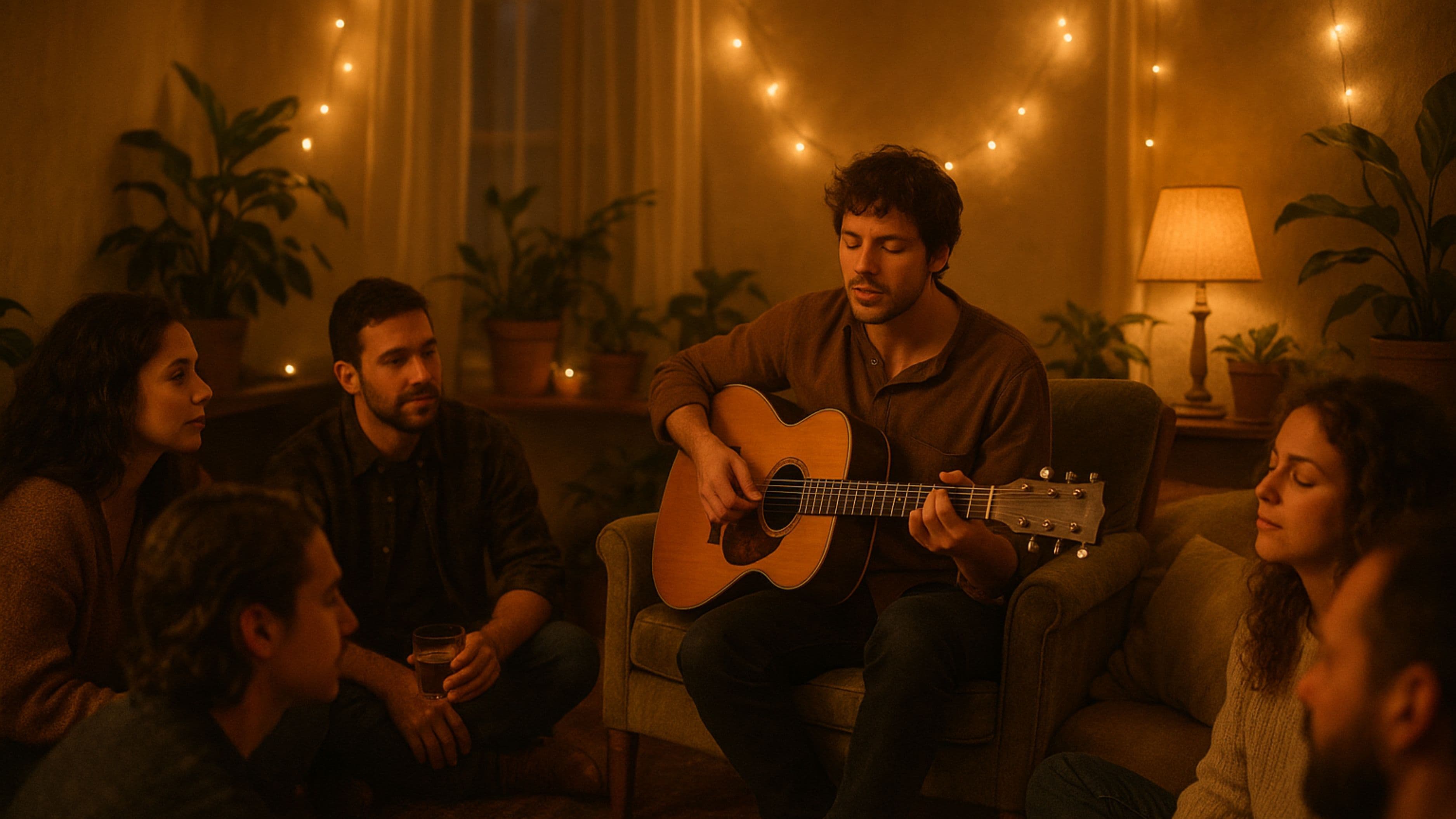
Stageit has been running ticketed live streams for artists since 2011, which makes it one of the oldest dedicated music streaming platforms still operating. It's carved out a specific niche: intimate, low-production, high-interaction sessions where fans pay to be in a small virtual room with an artist. The focus is on personal connection rather than high production value, and the audience tends to be dedicated fans willing to pay a modest ticket price for direct access.
The platform runs on "Notes" – its own currency unit – which fans purchase and use to tip artists during and after a show. The revenue model is more fragmented than straightforward ticketed platforms, but for artists who want to monetize a small but devoted fan base through frequent, low-overhead sessions, it works well. The interactivity is higher than almost any other streaming platform – fans can request songs, the artist can respond directly, and the small room format creates an experience that larger platforms can't replicate.
Stageit's limitation is scale. It's not where you go to grow a new audience or broadcast to thousands. It's where you maintain and monetize your core fans through regular shows that feel more like house concerts than streaming events.
Best for: Artists with a devoted smaller fan base who want regular intimate monetized sessions. Singer-songwriters, acoustic acts, and artists whose appeal is connection over spectacle.
Watch out for: The Notes currency system adds friction to the fan payment experience. Not suitable for high-production or large-audience events.
7. Amazon Music Live – Best for Visibility With Major Label or Large Indie Releases
Amazon Music Live is a newer entry that has been building a compelling lineup through strategic partnerships with major and large indie artists, often tied to album cycles. The platform streams live performances directly within Amazon Music, which is accessible to Amazon Prime members globally and reaches an audience that isn't necessarily seeking live music but encounters it through the service.
For artists with distribution and relationships that put them in Amazon's ecosystem, being featured on Amazon Music Live provides a visibility platform that passive listeners encounter rather than actively seeking out. The production quality is high and the events are usually tied to promotional moments – new releases, major tours – rather than standalone standalone concert experiences.
This isn't a platform you can simply sign up for as an independent artist and go live. The entry is through Amazon's editorial and partnership relationships. Its inclusion here is relevant for artists at a scale where those conversations are realistic, and for fans who want a reliable platform for high-quality concert streaming from established artists.
Best for: Artists with distribution and label relationships that enable Amazon Music Live features. Fans of larger acts looking for high-quality streaming.
Watch out for: Not accessible as a self-serve tool for independent artists without existing Amazon partnerships.
What to Watch Out For Across All Platforms
Rights and licensing are the most frequently overlooked issue in live streaming, and it applies across every platform on this list. Cover songs in a live stream technically require synchronization licenses that standard live performance licenses don't cover. Some platforms (YouTube, Twitch) have deals with rights holders that provide limited coverage, but those deals don't protect against all copyright claims. If your set includes cover songs and you're streaming to a platform where rights management is automated, expect some portion of the stream to be flagged or muted during broadcast or replay.
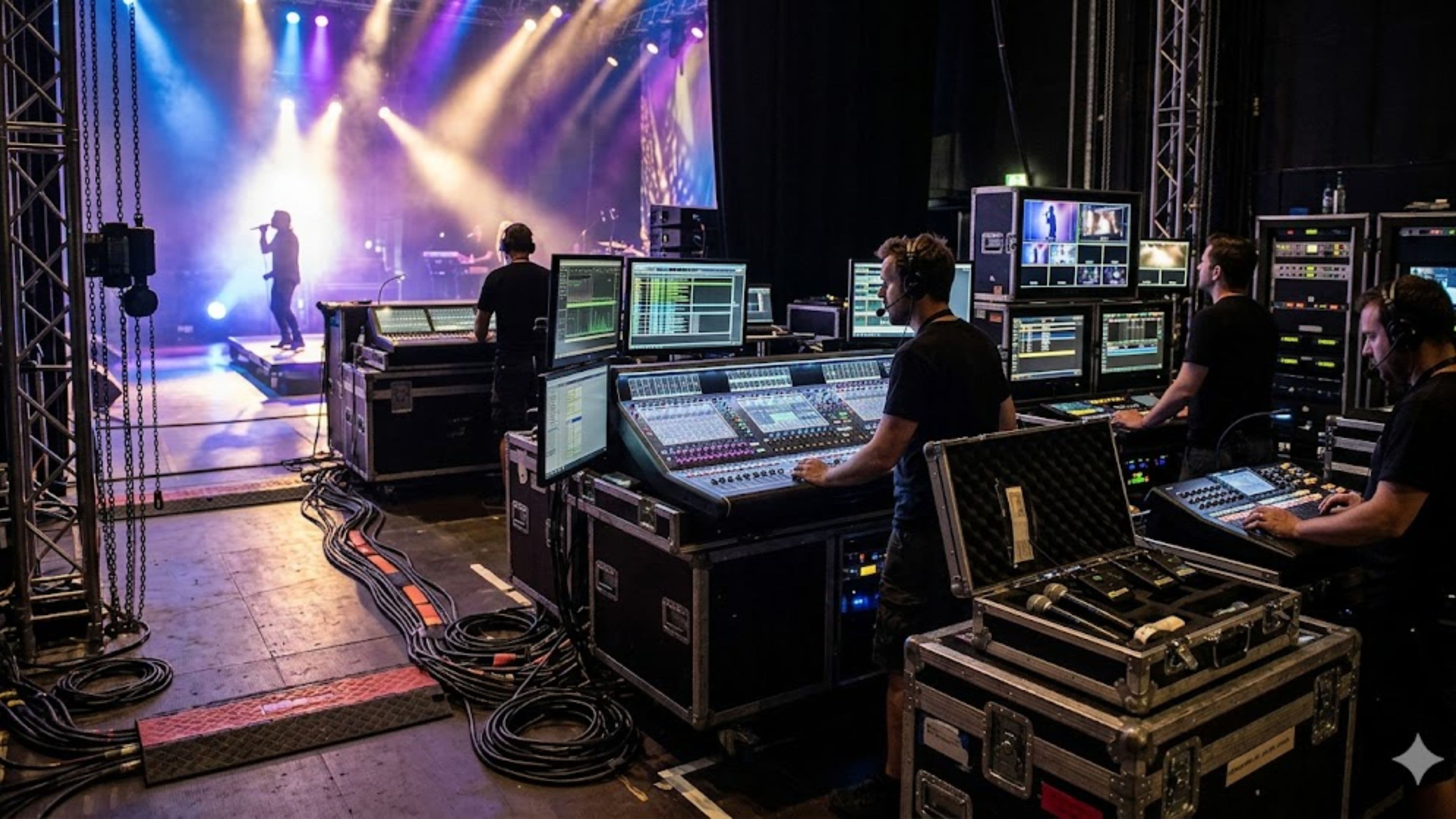
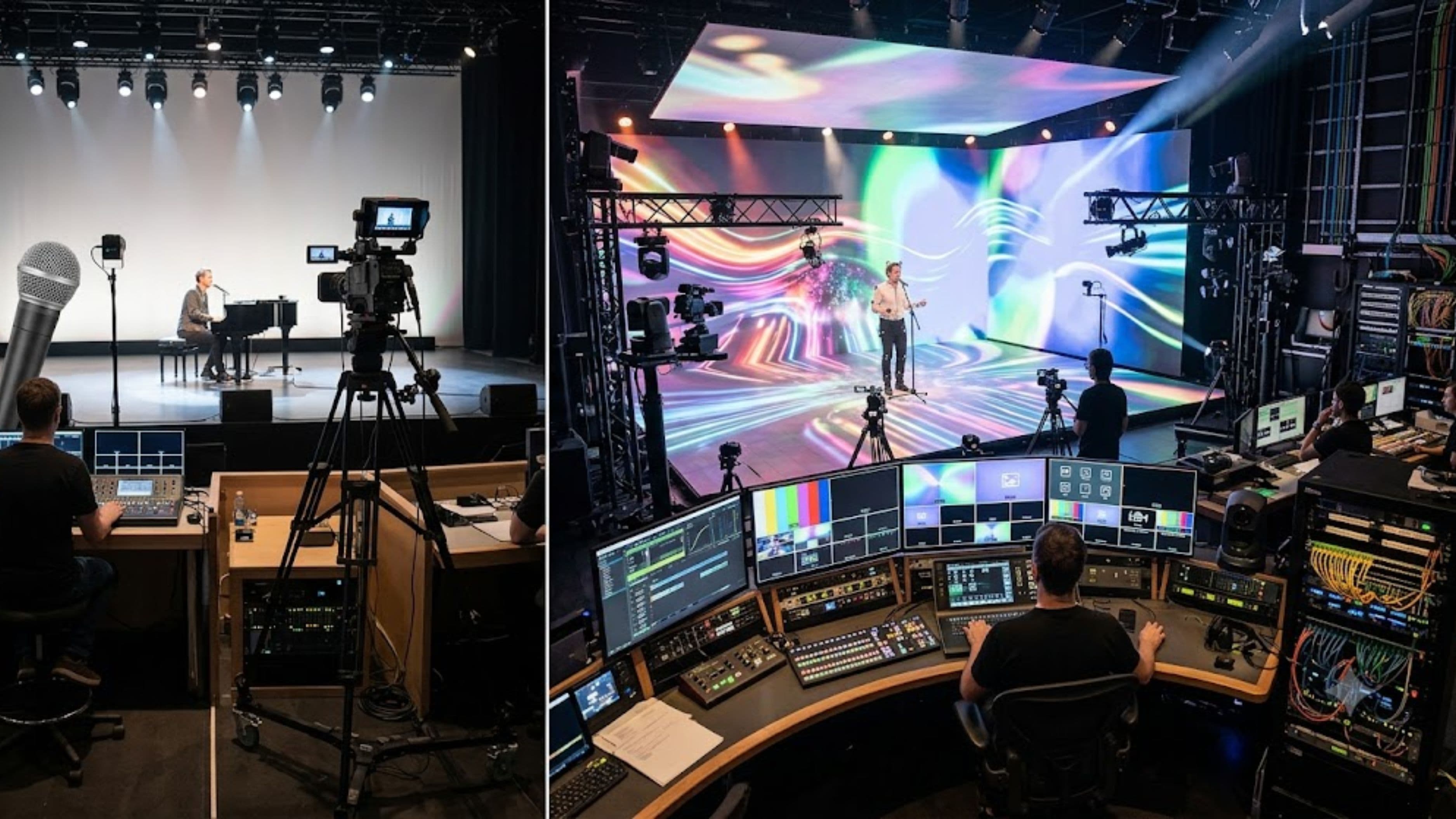
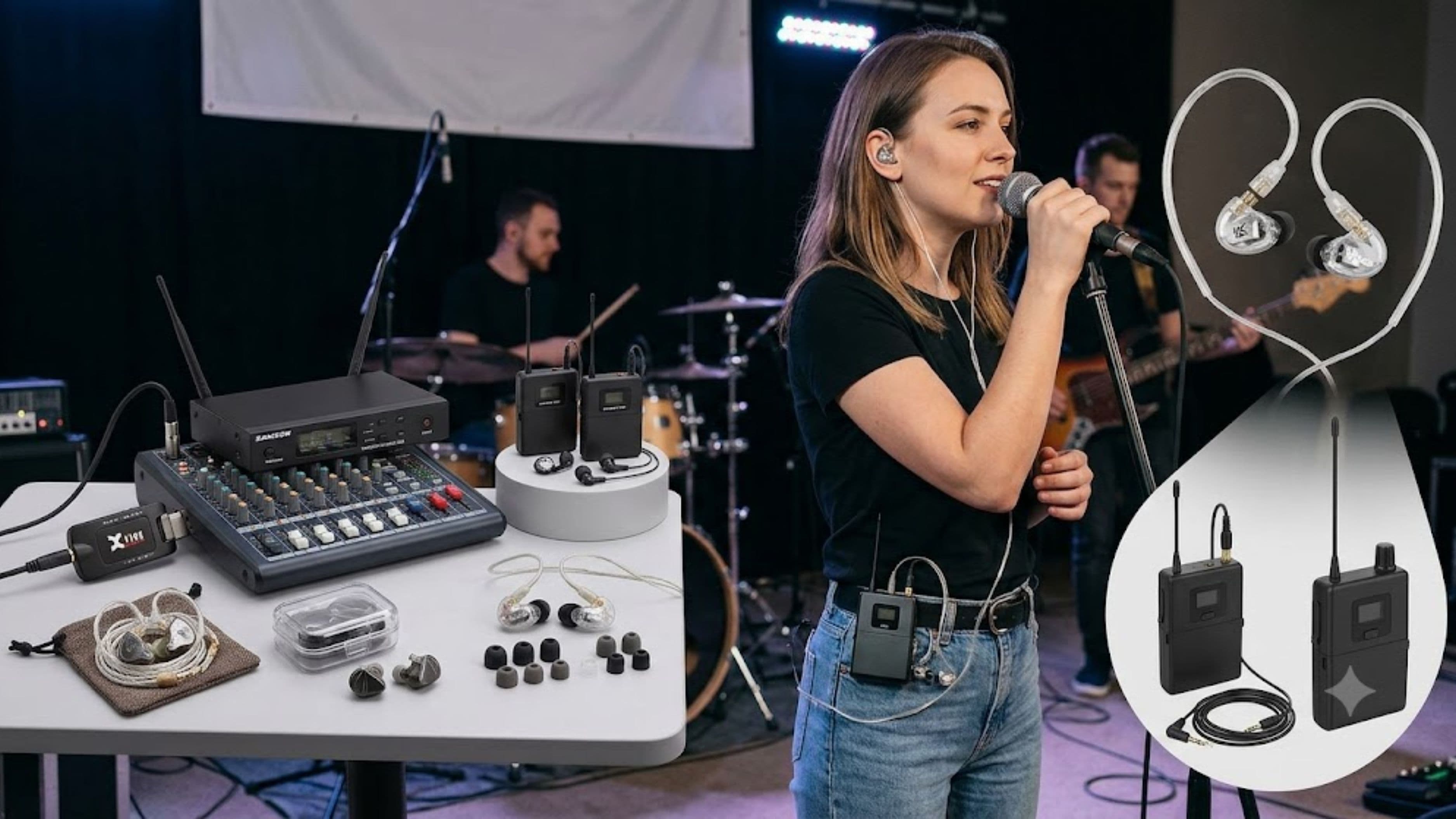
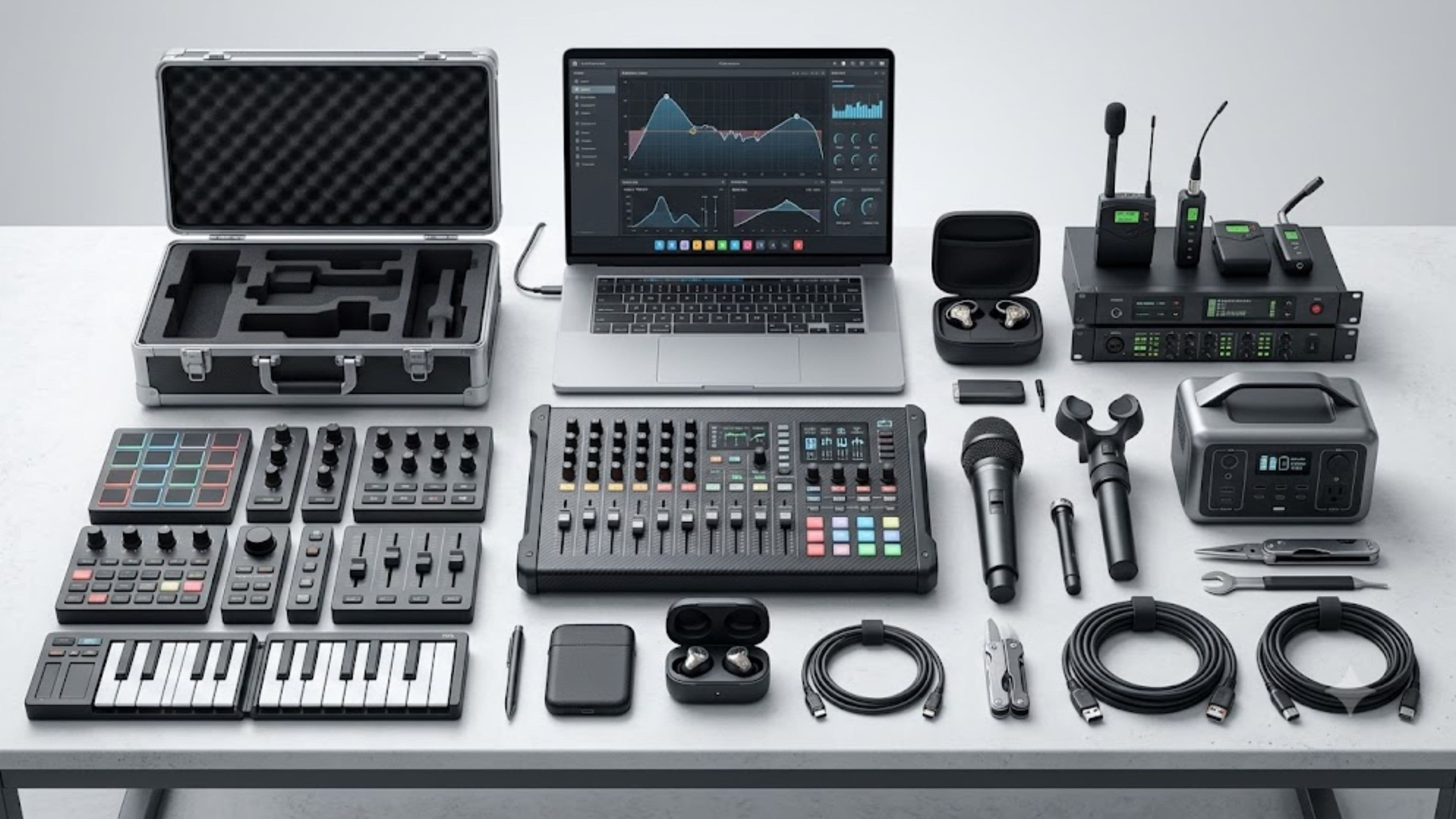
Audio quality deserves more attention than most artists give it. The difference between taking an audio feed directly from your mixing board into a streaming encoder versus using a room microphone is dramatic and immediately noticeable to audiences. Even on casual platforms like Instagram Live, a basic audio interface connected to your board input produces significantly better sound than relying on built-in phone or laptop microphones.
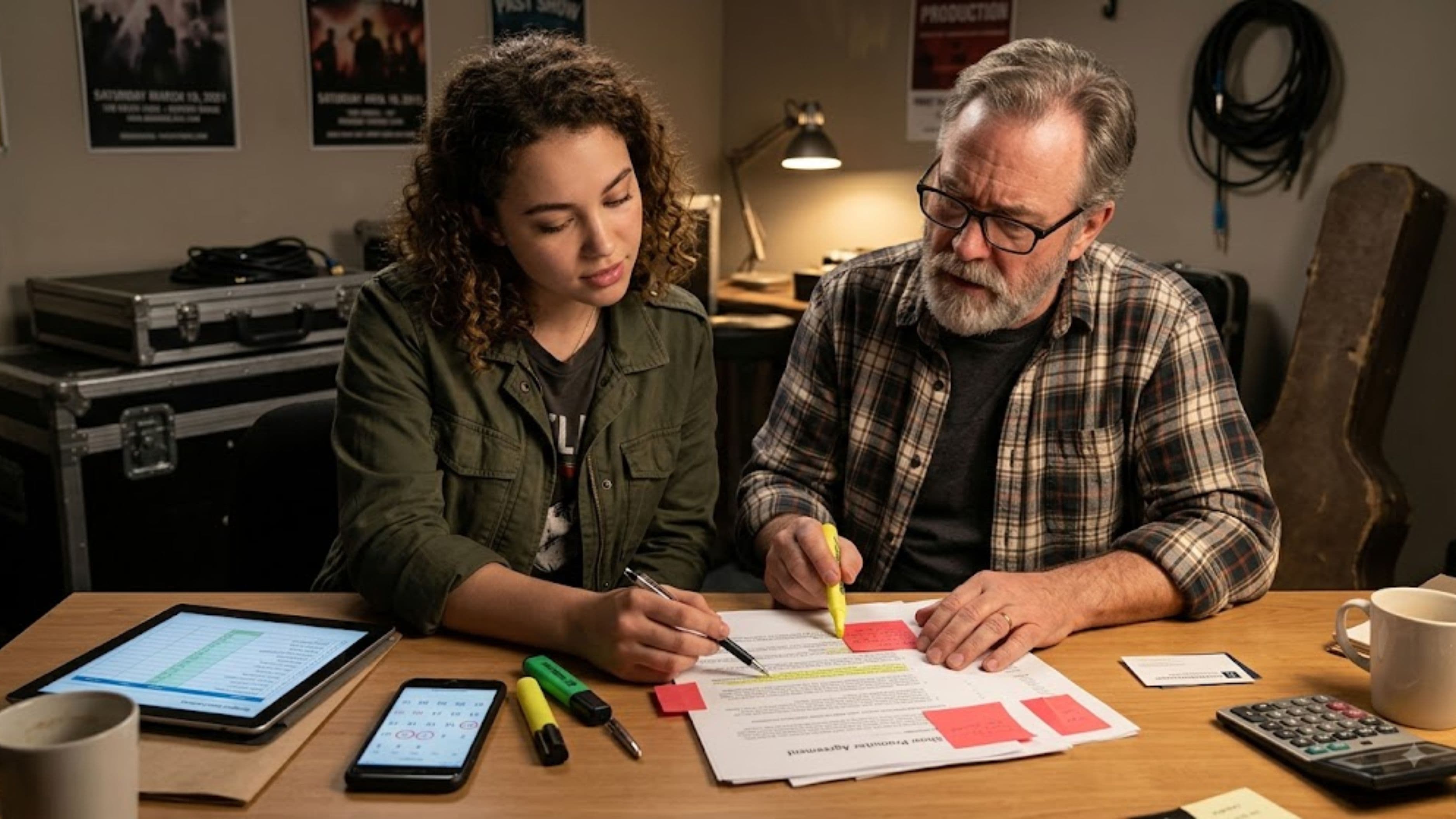
Platform exclusivity deals are becoming more common. Some platforms have offered advance payments or promotional support in exchange for exclusivity arrangements on specific events. Read those terms carefully. An exclusivity agreement that limits where you can stream for 30–90 days after an event affects your ability to run content elsewhere during that window.
FAQ
Can you stream on multiple platforms at the same time? Yes – multistreaming tools like Restream and Streamyard allow you to broadcast to multiple platforms simultaneously. This is useful if you want to maximize reach across free platforms like YouTube, Twitch, and Instagram at the same time. It's generally not compatible with exclusive ticketed events on platforms like Veeps or Moment House, where the paid access is the product.
What's the minimum setup needed to run a good live stream? At minimum: a stable internet connection (upload speed of at least 5–10 Mbps for HD streaming), a direct audio feed from your mixer or interface rather than room sound, and reasonable lighting so your face or performance area is visible. A basic webcam or DSLR pointed at the performance area and a direct board output into an audio interface connected to your streaming software covers most situations effectively.
How do you price a ticketed live stream? Most ticketed streams for independent artists sit between $5 and $20, with $10–$15 being the most common range for a full-length set. Factors that push the price higher: exclusive content, limited availability (one-night only, no replay), premium production quality, and established artist-fan trust. Price relative to what your fans pay for other access to you – a stream should be priced lower than a physical ticket for a comparable show but high enough to feel like a real event, not a freebie.
Do streaming platforms take a cut of ticket revenue? Yes. Veeps and Moment House both take a platform fee, though the specifics vary by deal. Stageit operates on a Notes system where the cut is taken on currency purchases. Free platforms like YouTube and Twitch monetize through their own ad and subscription models rather than taking a cut of ticket revenue, though they also offer lower direct monetization potential for individual events.
What's the best platform if you're just starting out? For an artist with no existing streaming presence, YouTube Live is the most defensible starting point because the content compounds over time. For regular community building, Twitch. For a specific monetized event with an existing audience, Veeps or Moment House are the most straightforward tools. Don't try to be on all platforms at once – pick one that fits your current stage and use it consistently.
Wrapping Up
The live streaming platform landscape in 2026 has matured enough that the choice between platforms is now a genuine strategic decision rather than just picking whatever's available. Ticketed platforms like Veeps and Moment House are built for revenue. Twitch and YouTube Live are built for audience growth and long-term relationships. Instagram Live and Stageit serve intimacy and community maintenance.
Amazon Music Live serves reach at scale for artists with the relationships to access it. Knowing which goal you're optimizing for is the most important step before you pick a platform or set up a stream.
📚 Sources
Veeps platform overview and features – Veeps: https://veeps.com/blog/what-is-veeps
Twitch music category and creator monetization – Twitch: https://help.twitch.tv/s/article/twitch-affiliate-program-faq
YouTube Live streaming guide and partner program requirements – YouTube Help: https://support.google.com/youtube/answer/2474026
Instagram Live features and updates – Meta for Creators: https://creators.instagram.com/blog
Stageit platform overview – Stageit: https://www.stageit.com/about
Live streaming and music rights overview – ASCAP licensing for streaming: https://www.ascap.com/music-users/type/digital-streaming
Amazon Music Live overview – Amazon Music blog: https://blog.music.amazon.com/amazon-music-live