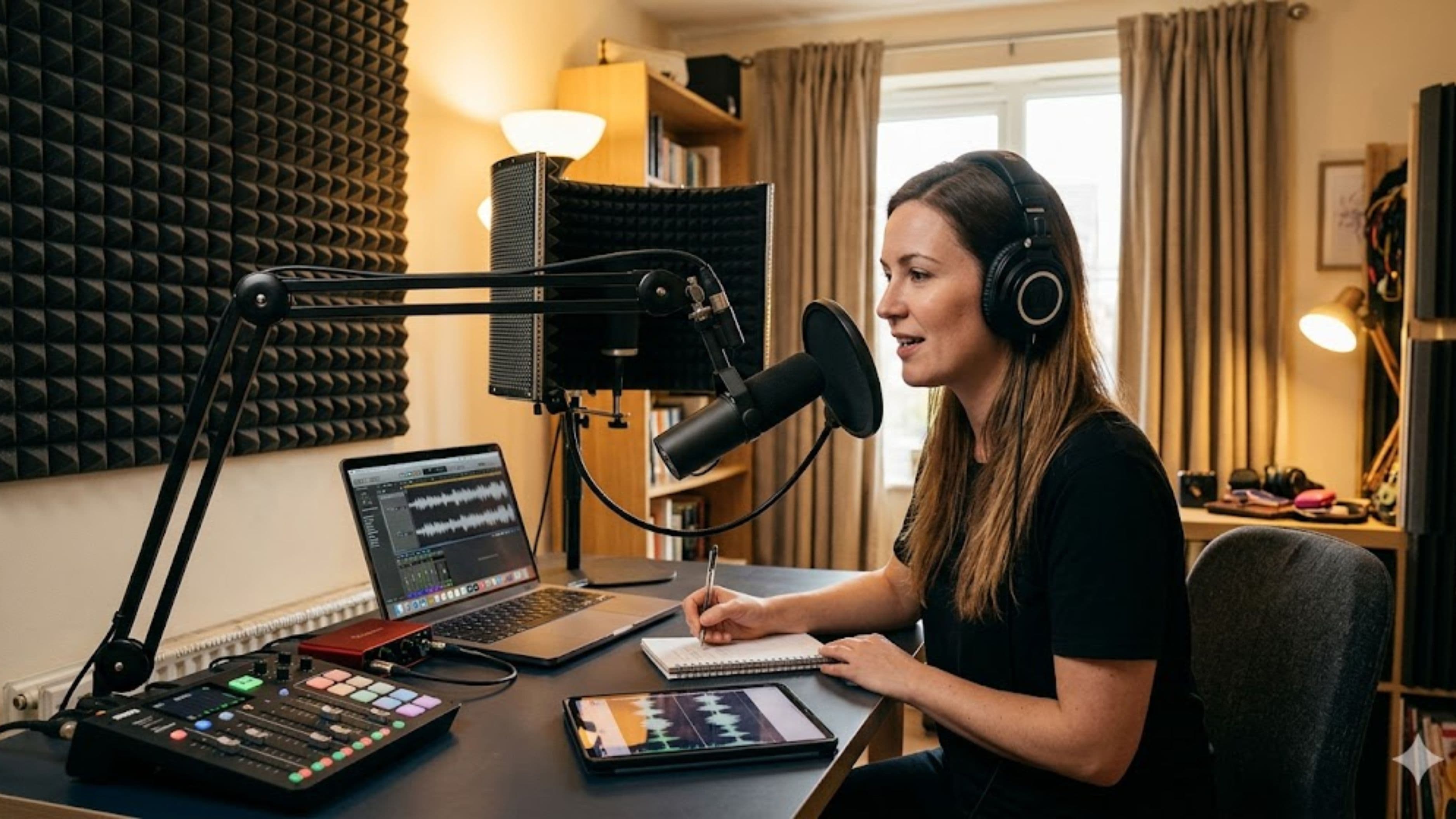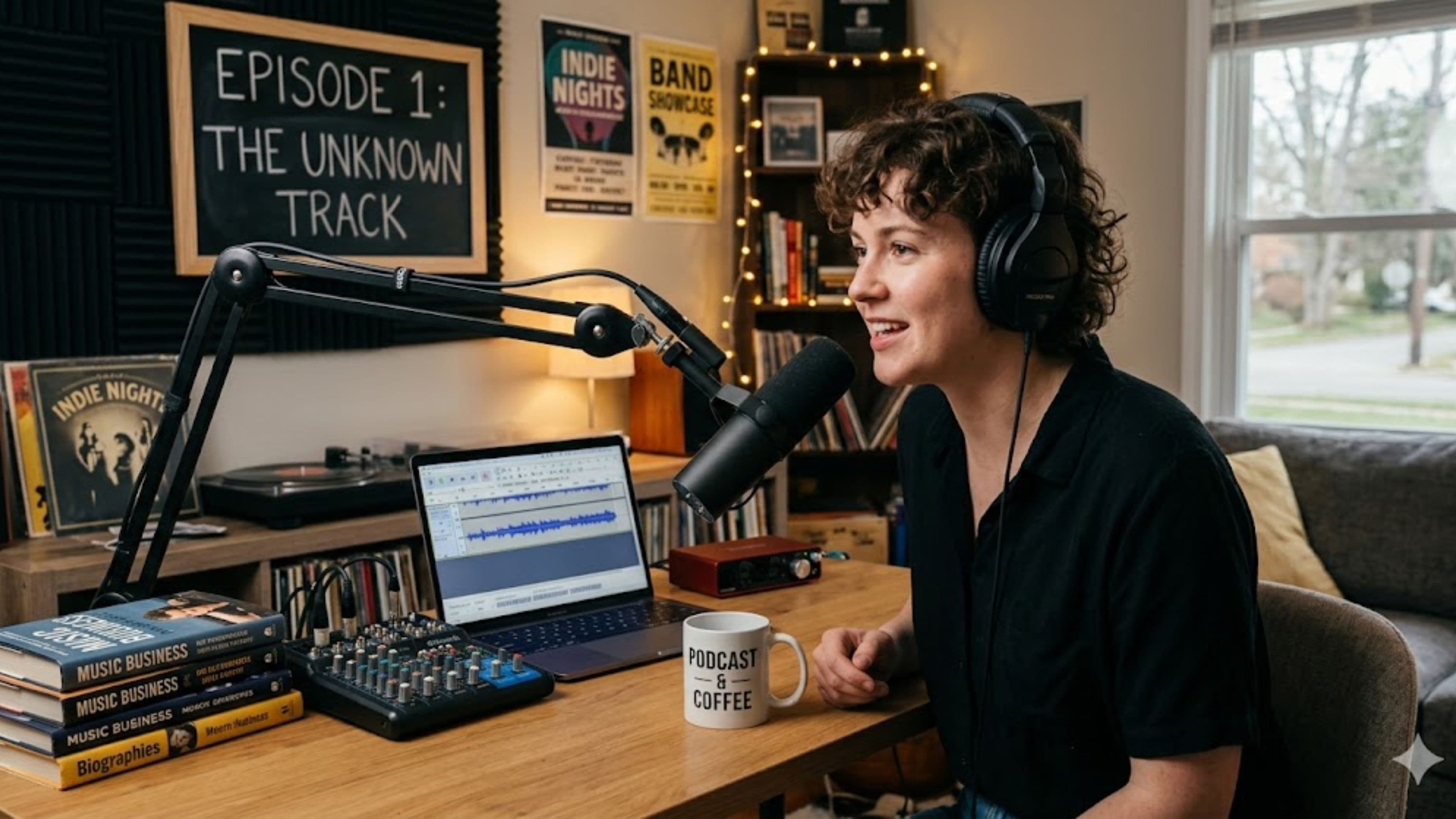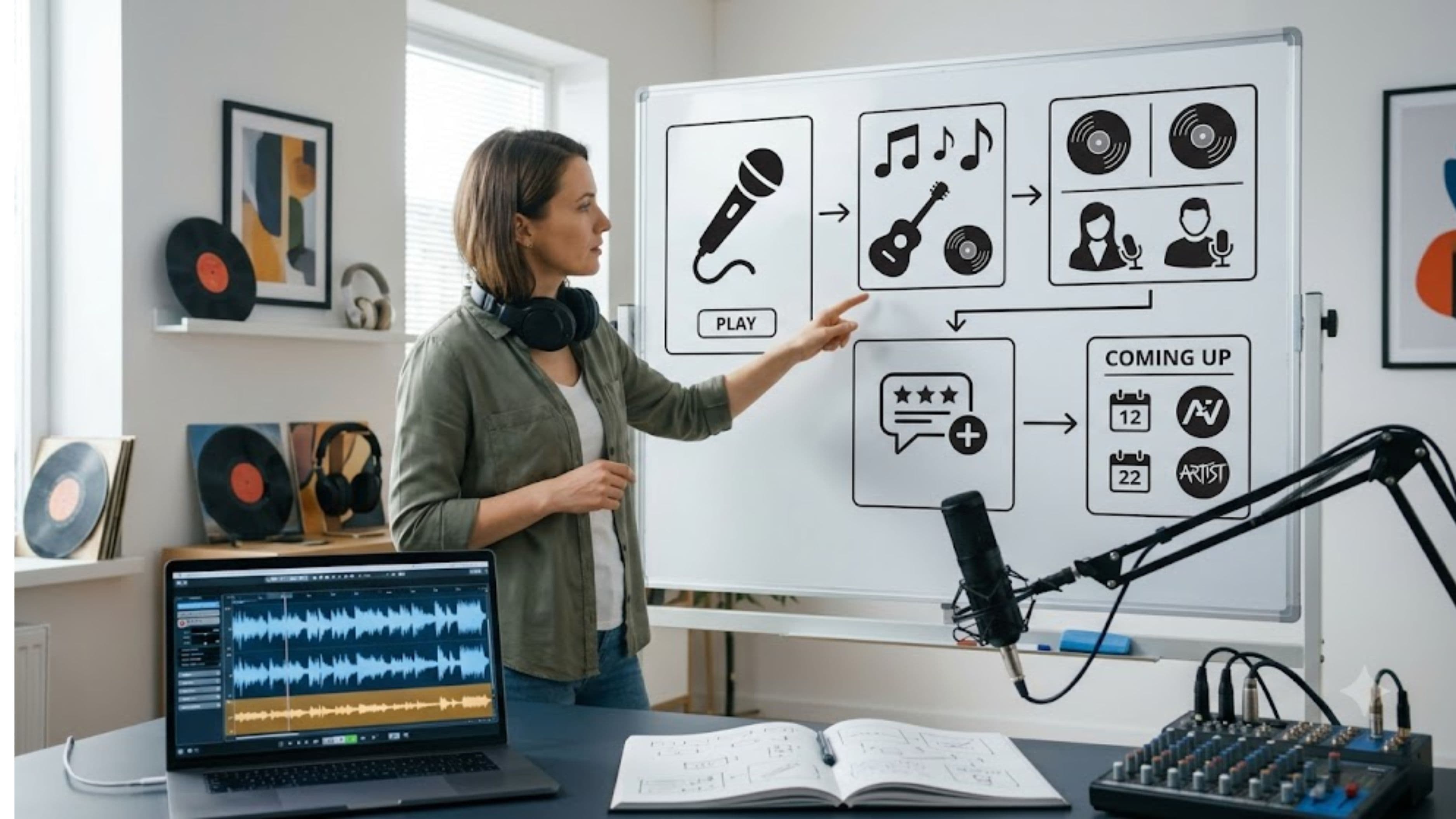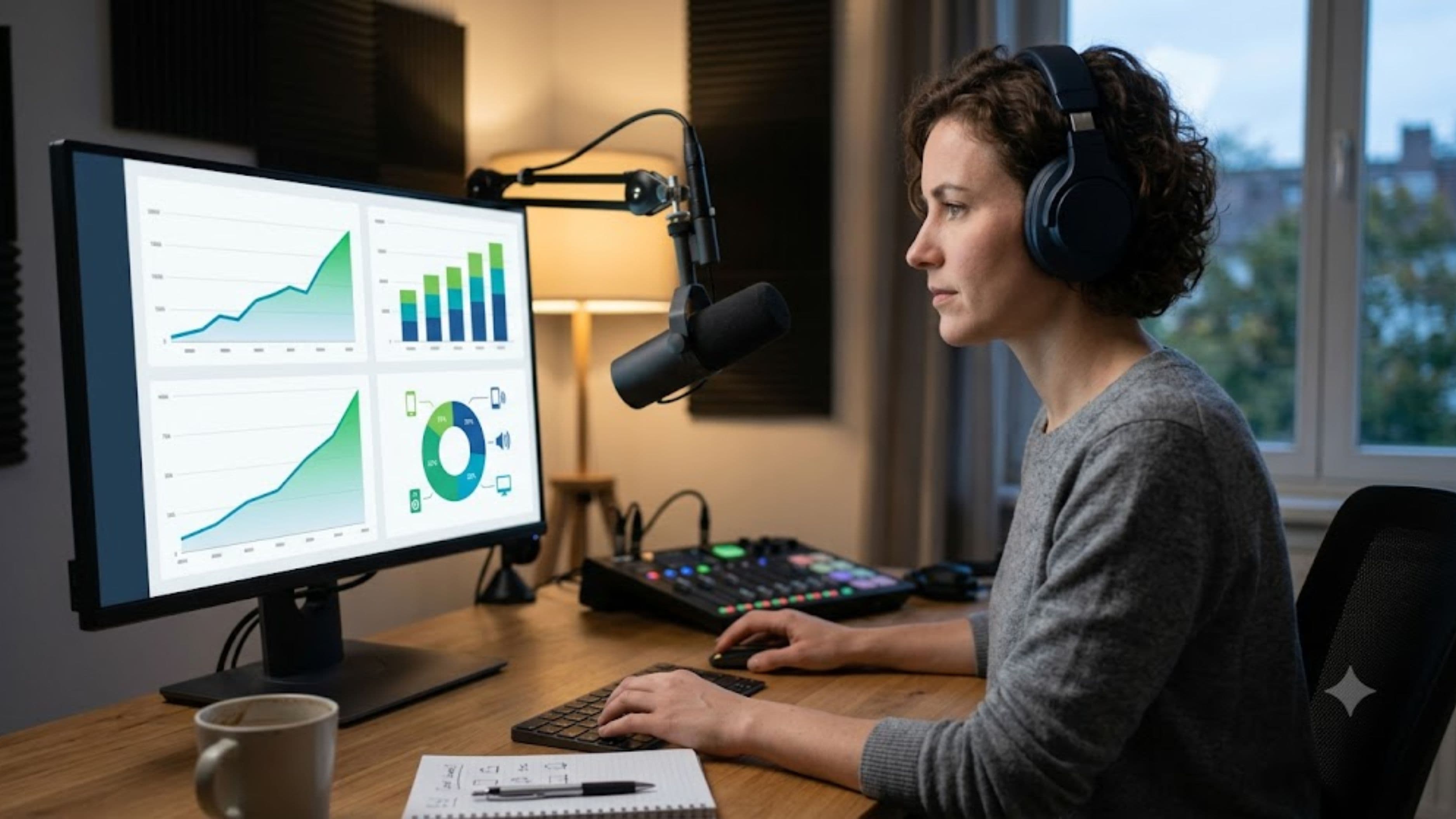
This breakdown covers the platforms that make the most sense for music creators specifically – not generic podcasters, but artists, producers, and music-adjacent creators who want a setup that integrates with where their audience already lives.
What Music Creators Actually Need From a Podcast Host
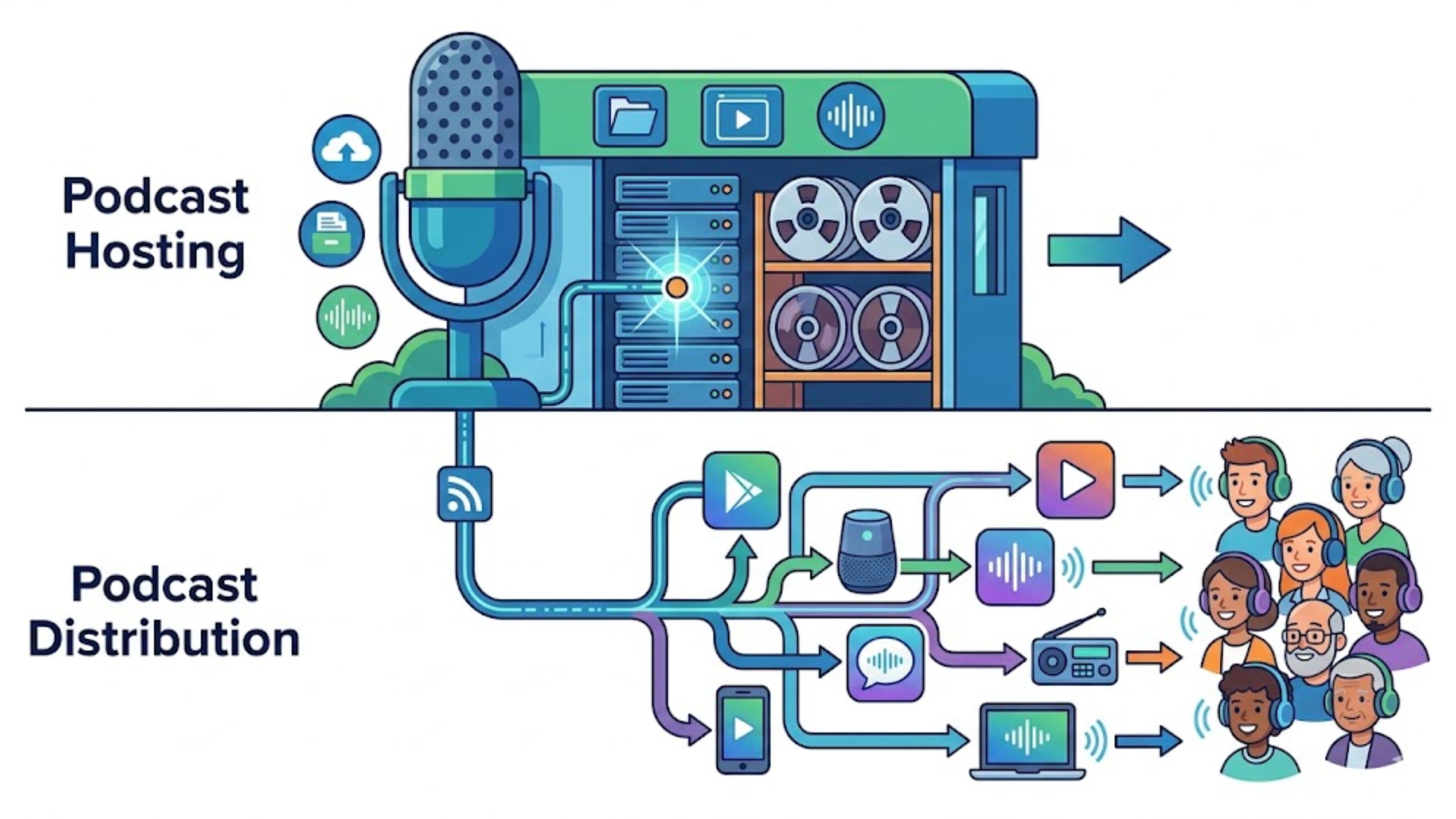
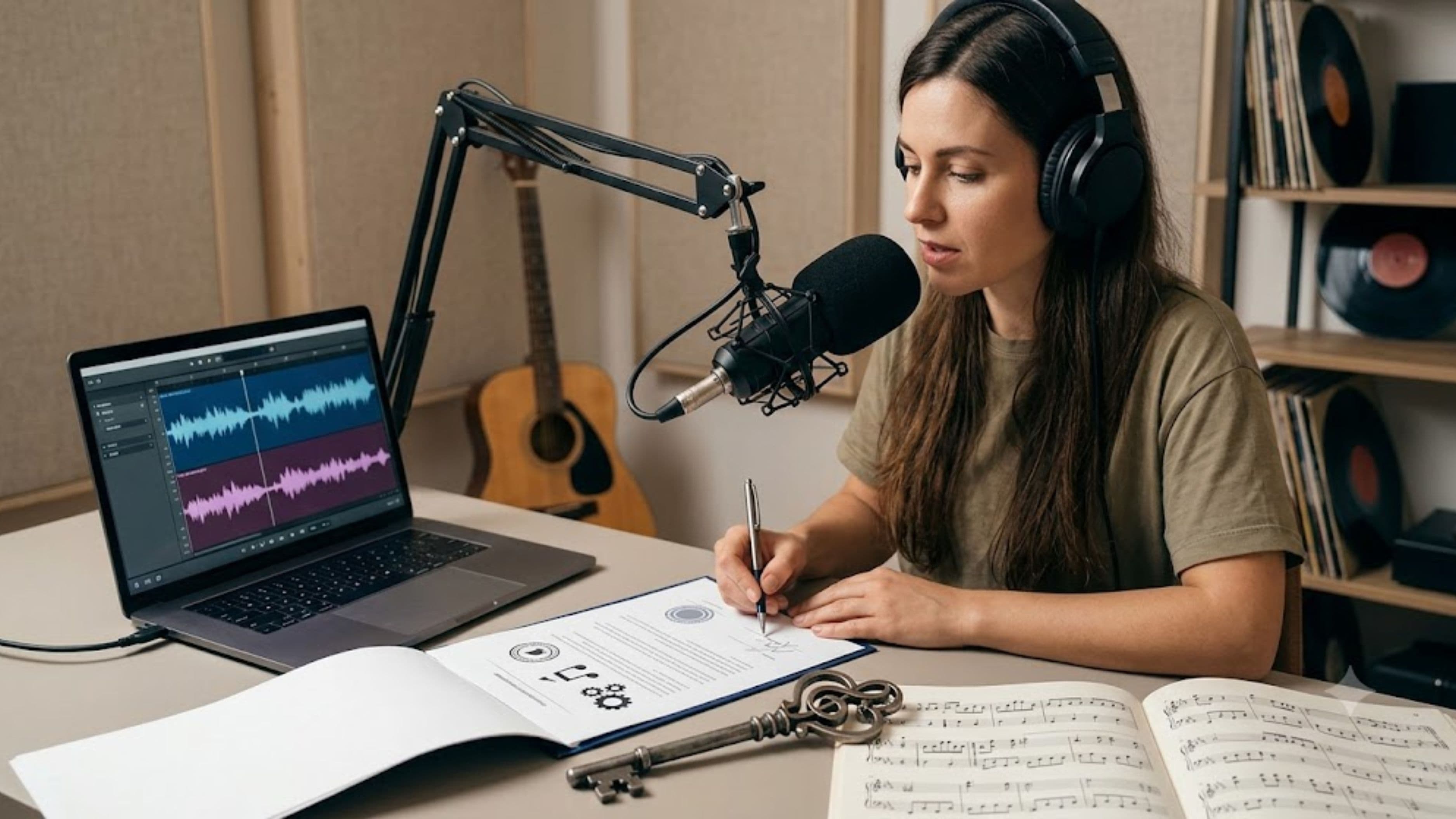
Before getting into the platforms, it's worth being clear about what makes a hosting platform work well for music creators versus a general-purpose podcaster. Distribution to Spotify and Apple Podcasts is a baseline – that's table stakes now. What matters beyond that is whether the platform handles music licensing correctly (so your podcast doesn't get flagged when you include clips of your own tracks), how monetisation is structured, whether the platform has an existing music-adjacent audience, and how much of your existing toolkit it connects to.
A comedian or a news podcaster might not care about Spotify for Artists integration or whether a platform has relationships with music distributors. A musician setting up a podcast to complement their releases absolutely should.
1. Spotify for Podcasters (Formerly Anchor)
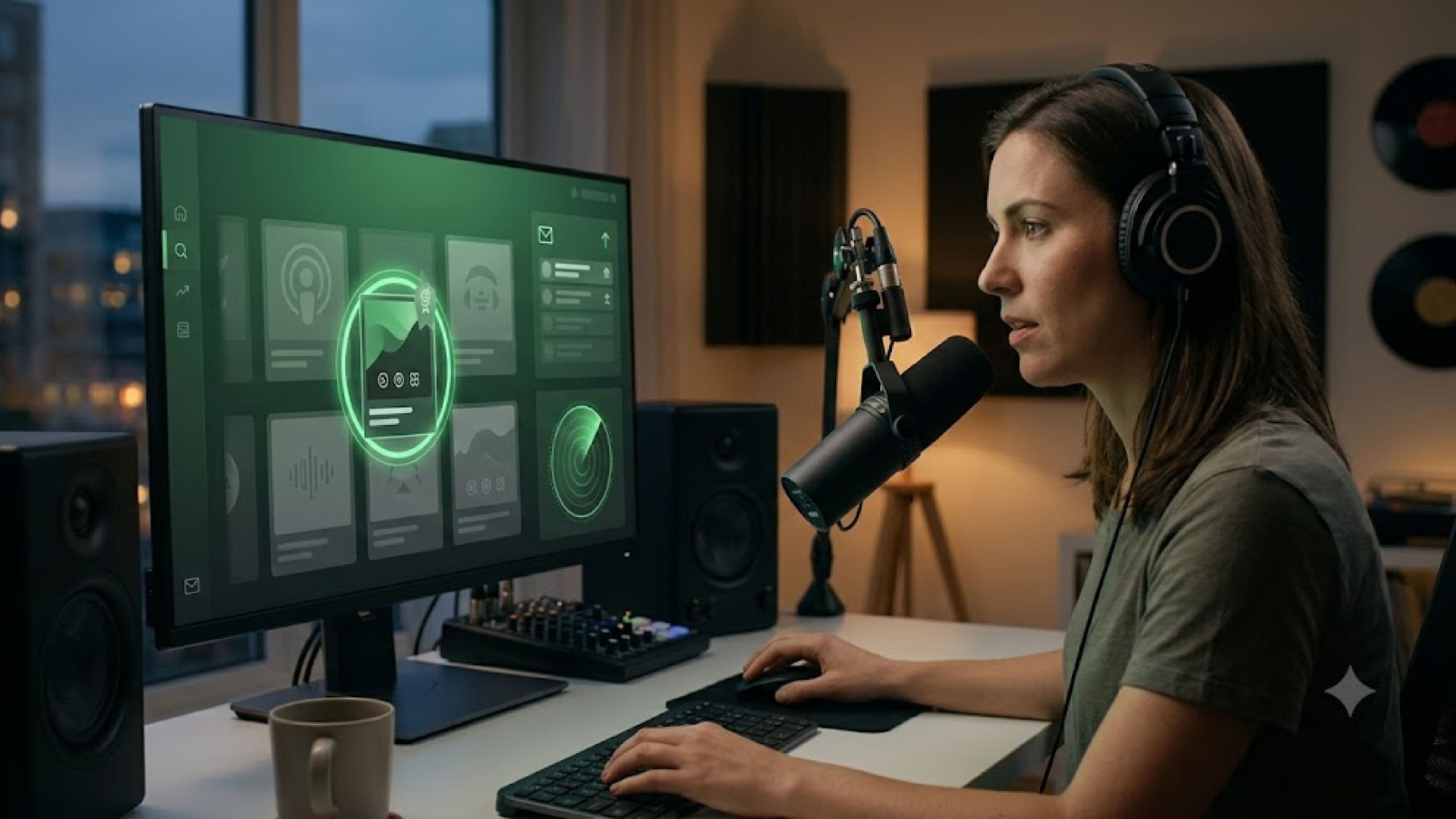
Spotify's own hosting platform is the obvious starting point for any music creator already on Spotify. Since Spotify rebranded Anchor as Spotify for Podcasters, the integration between your music presence and your podcast has improved meaningfully. You can record, edit, and publish directly from the platform, and your podcast distributes to Spotify immediately without delays or third-party distribution.
The monetisation features are the real draw for creators with an existing Spotify following. Spotify supports subscription podcast tiers, listener support features, and has been expanding its advertising tools for independent creators. For a music creator who already has Spotify listeners, the ability to direct those listeners directly to a podcast that appears in the same ecosystem – and can cross-promote against your artist profile – is a genuine advantage no other platform offers. The analytics have also improved substantially; you get streaming data in a format that music creators are already used to interpreting.
Best for: Artists already established on Spotify who want a frictionless way to add podcasting to their ecosystem.
Watch out for: The editing tools are functional but not powerful. If you want serious audio production, you'll want to record and edit elsewhere, then upload to Spotify for Podcasters rather than using its native recording features.
2. Buzzsprout
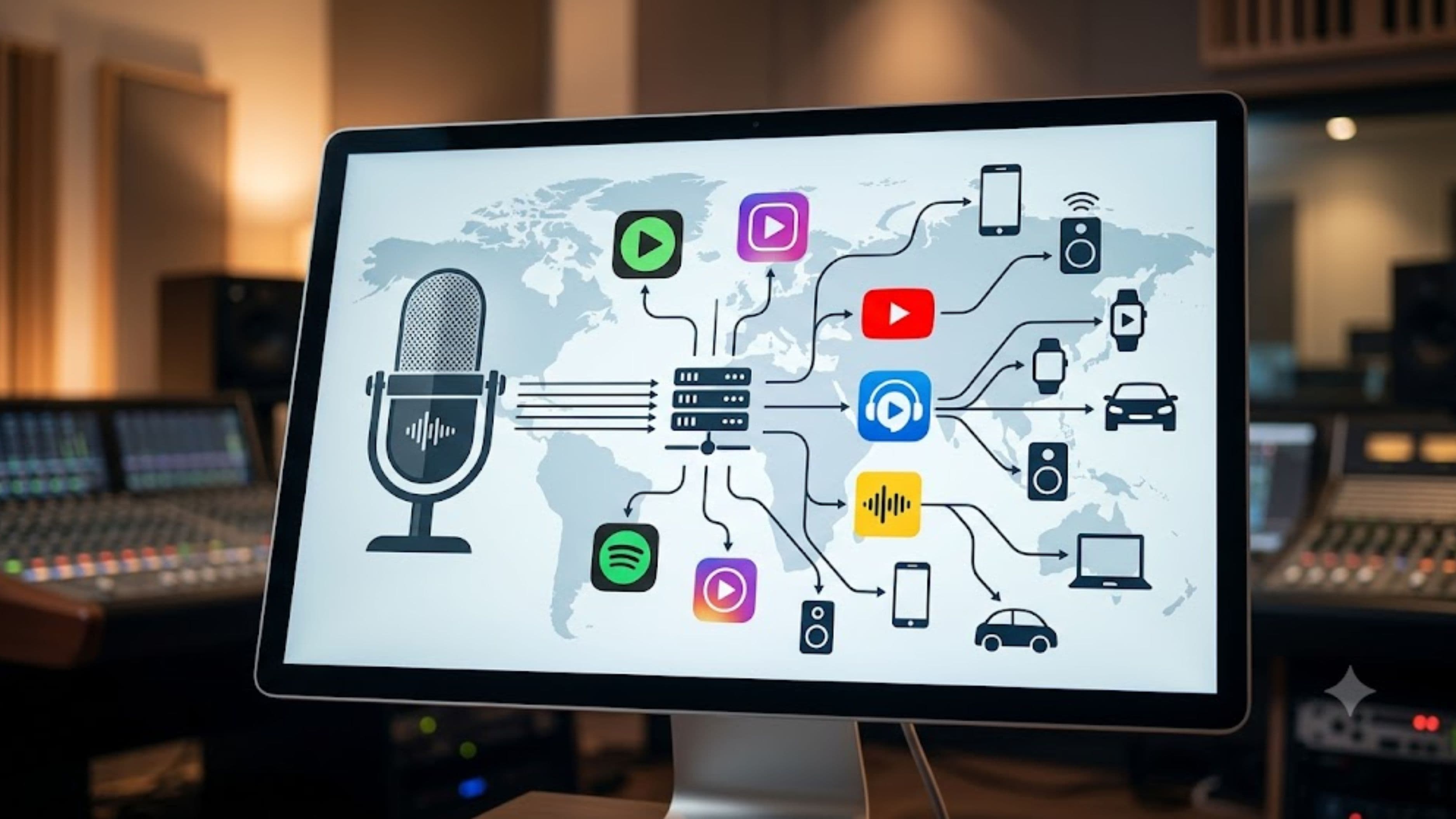
Buzzsprout is consistently one of the most recommended platforms for creators who want reliable distribution, clean analytics, and straightforward monetisation without a steep learning curve. It distributes to all major platforms – Spotify, Apple Podcasts, Amazon Music, iHeart, and more – and its episode management is clean and well-organised.
For music creators, Buzzsprout's appeal is in its simplicity and reliability. You're not going to get lost in settings, and the platform doesn't require technical knowledge to use effectively. Its Magic Mastering feature automatically optimises audio levels and applies sound processing to episodes before publishing, which is useful if your podcast mixing is less polished than your music production. The monetisation options include affiliate marketplace integration and listener support features, though these are less developed than some competitors.
Pricing is usage-based: the free tier limits uploads to two hours per month with episodes expiring after 90 days. Paid plans start at $12/month for three hours of uploads monthly, scaling up from there. For a music creator releasing one or two podcast episodes per week at typical lengths, the entry paid tier is usually sufficient.
Best for: Music creators who want a clean, simple setup that just works across all major platforms.
Watch out for: The free tier's 90-day episode expiry means your back catalogue disappears unless you're on a paid plan. Factor this into your decision if building a lasting archive matters to you.
3. Transistor
Transistor is built for serious creators and small businesses, and it stands out from most platforms by allowing multiple podcasts under one subscription. This is particularly useful for a music creator who wants to run a main podcast alongside a more niche series – a weekly release diary alongside a seasonal in-depth interview show, for example – without paying for two separate hosting plans.
The analytics are among the best available outside of enterprise-level platforms, giving you listener location data, listening duration, and app breakdowns that help you understand your audience in detail. Transistor also generates a clean, professional-looking podcast website for each show automatically, which means your podcast has a standalone web presence without needing to build anything separately.
Pricing starts at $19/month for the Starter plan, which covers unlimited episodes and up to two podcasts. The higher tiers unlock more shows and better analytics features. For a music creator who wants to grow a genuine podcast brand alongside their music – rather than just adding a supplementary channel – Transistor gives you the infrastructure to do that at a professional level from the start.
Best for: Music creators building multiple podcast formats or wanting detailed listener analytics and a polished web presence.
Watch out for: Transistor doesn't have native monetisation tools. Monetising through listener support or subscriptions requires connecting external tools like Patreon or Memberful. This isn't a dealbreaker, but it adds a setup step that platforms like Spotify for Podcasters or Buzzsprout handle internally.
4. Podbean
Podbean has been around longer than most podcast hosting platforms and has built a reputation for strong monetisation features – particularly its own listener donation and subscription system, called Patron. For a music creator trying to build a direct relationship with a fanbase that pays for deeper access, Podbean's native tools mean you don't need to route supporters through a third-party platform.
The Podbean app also has its own listener-facing directory, which means your podcast gets discovered by Podbean's existing user base in addition to all the major platforms. This isn't massive additional reach, but it's passive audience building that most platforms don't offer.
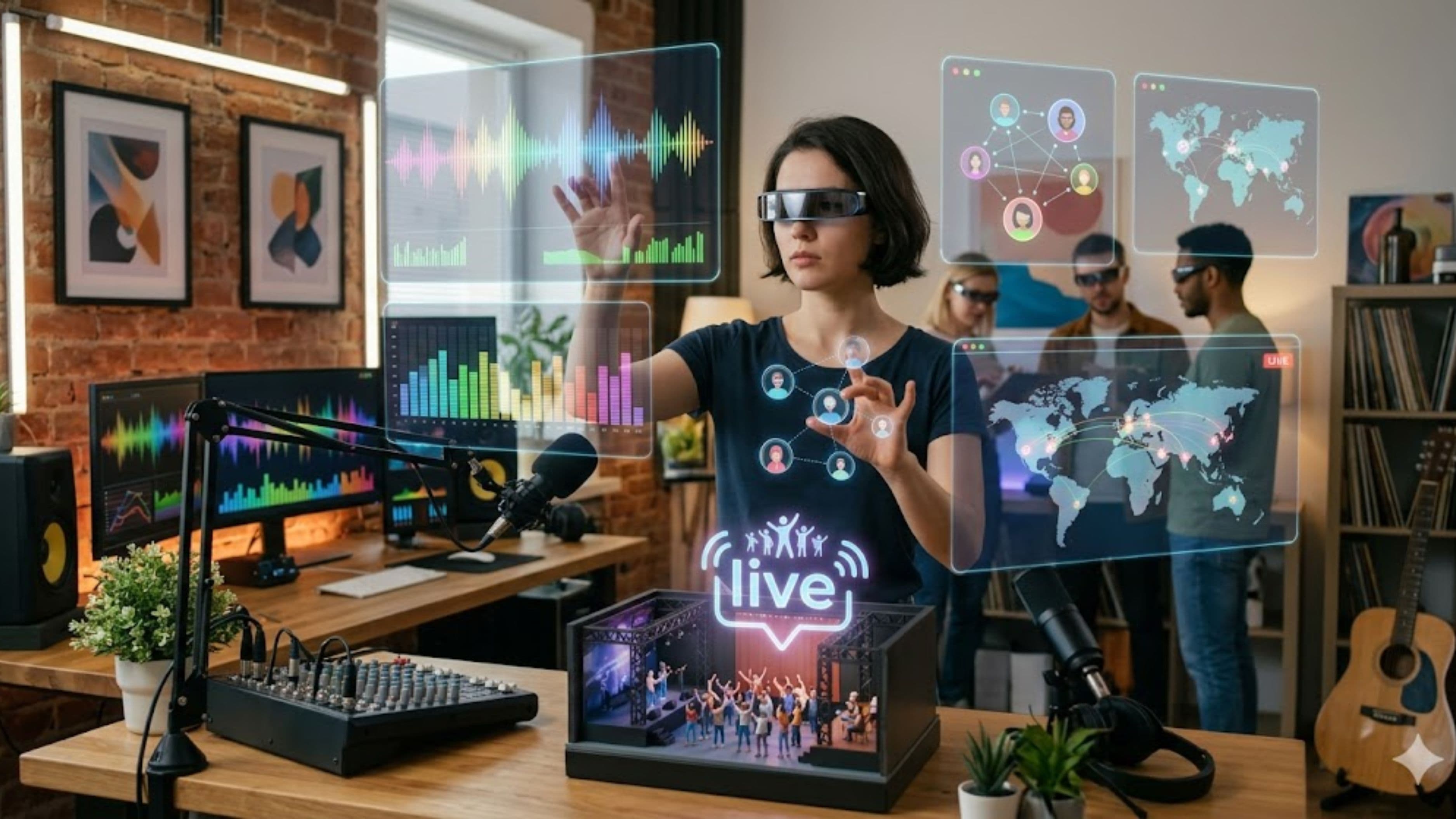
Podbean also supports live podcast streaming – recording and broadcasting in real time to listeners who can interact during the session.
For a music creator who wants to host live listening parties, studio sessions, or live Q&As as podcast content, this is a real differentiator.
Pricing starts with a genuinely functional free tier (unlimited storage, basic monetisation), with paid plans starting at $9/month unlocking better analytics, more advanced monetisation, and the live podcast features.
Best for: Music creators who want native listener support and donation tools, or who want to explore live podcast formats.
Watch out for: Podbean's interface feels slightly older than some competitors, and the analytics dashboard is less intuitive than Buzzsprout or Transistor. If data and design cleanliness matter to you, this is worth testing before committing.
5. RSS.com
RSS.com focuses on distribution breadth and simplicity, and its pricing model is one of the more competitive available for unlimited uploads. For a music creator who plans to podcast frequently or wants to archive a large back catalogue without worrying about storage limits, RSS.com's unlimited plans remove a constraint that usage-based platforms impose.
Distribution covers all major platforms, and the setup is quick. There's no native editing tool, which keeps the platform lean – it's designed as a host and distributor, not a production environment. The monetisation options include dynamic ad insertion and listener support features. The analytics are solid without being exceptional.
Where RSS.com differentiates is in its accessibility for creators launching their first podcast: the interface is straightforward, the pricing is transparent, and the unlimited storage model means you can experiment with format and frequency without worrying about upload limits. Plans start at $8.25/month (billed annually) for unlimited everything.
Best for: Music creators who want unlimited hosting at a predictable low cost, or who release content frequently.
Watch out for: RSS.com doesn't have the brand recognition of Spotify for Podcasters or the feature depth of Transistor. The platform is solid but not exceptional in any specific area – it's a reliable workhorse rather than a standout tool.
6. Acast
Acast is one of the largest podcast advertising networks in the world, and its hosting platform is specifically designed to connect independent podcasters with brand advertisers. For a music creator who has built a meaningful audience and wants to monetise through advertising – rather than listener subscriptions or direct support – Acast offers access to an ad marketplace that most independent hosting platforms can't match.
The platform handles dynamic ad insertion, meaning ads are served into your episodes based on listener location and profile data without you having to negotiate each campaign directly. Once your podcast meets Acast's audience threshold for their monetisation programme, the advertising revenue can generate meaningful income without you managing sponsor relationships yourself.
The free Acast plan covers basic hosting and distribution. The paid Acast+ subscription ($14.99/month) unlocks premium monetisation tools, custom subscription tiers for listeners, and more detailed analytics. For a music creator with an audience that's already engaged and listening consistently, Acast's ad network is the most direct route to advertising revenue available at the independent creator level.
Best for: Music creators with an established podcast audience (typically 500+ consistent listeners per episode) who want to monetise through advertising.
Watch out for: Acast's advertising features are most valuable once you have a real audience to offer advertisers. If you're starting from zero, you won't unlock the ad network benefits immediately. Build the audience first, then Acast becomes a compelling monetisation layer.
How to Choose Based on Where You Are Right Now
The platform decision is easier when you're honest about your current situation rather than optimising for where you hope to be in two years.
If you're just starting and already have a Spotify following, Spotify for Podcasters is the fastest path to a podcast that reaches your existing listeners with zero friction. If you want something clean, reliable, and straightforward that just gets your episodes onto all platforms without any complexity, Buzzsprout is the default recommendation. If you're serious about building a podcast brand with multiple shows, deep analytics, and a professional web presence from day one, Transistor justifies the slightly higher price. If monetisation through listener support or live formats is a priority, Podbean. If you have an established audience and advertising revenue is the goal, Acast.
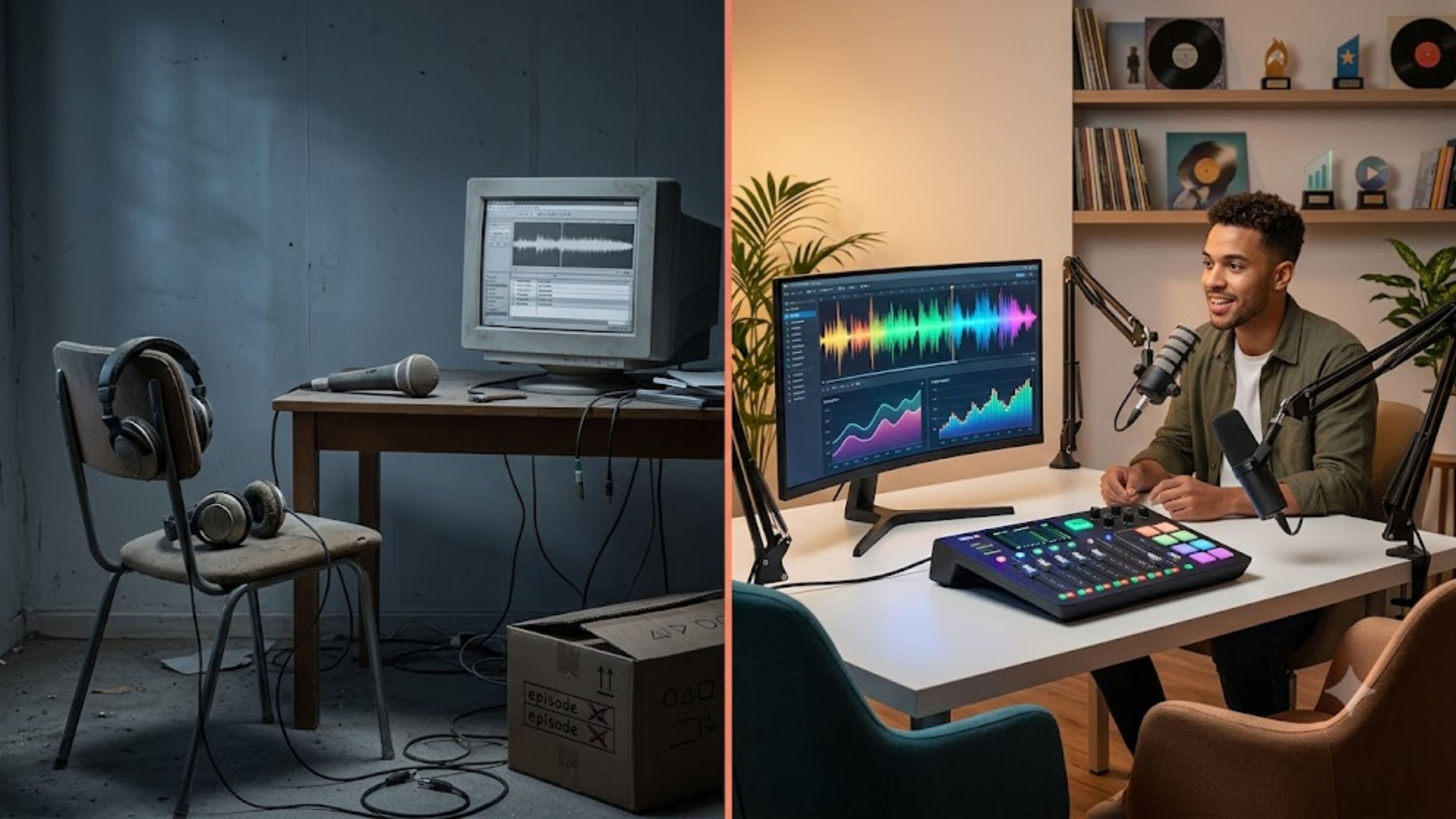
The mistake most creators make is choosing a platform based on its most advanced features when they're not yet in a position to use them. Start with what serves your current audience size and your current workflow. Migrating between platforms is possible – your RSS feed can be redirected – so you're not locked in forever.
What to Watch Out For
Music licensing in podcast episodes is a real consideration that most general-purpose hosting platforms handle poorly or don't address at all. If you include music you've released commercially in your podcast episodes, platforms may flag it for copyright violations even if you own the rights. Always check whether a platform supports creator-owned music clearly, or use royalty-free music or spoken-word-only episodes to avoid distribution problems until you've confirmed the platform's policy.
Free tiers often come with conditions that matter more than they initially appear – episode expiry, storage limits, restricted distribution channels, or reduced analytics that make it hard to understand your audience. Read what the free tier actually covers before committing to it as a long-term plan.
Avoid building a large back catalogue on a platform that charges per-hour of upload or that has aggressive storage limits. Migrating a large archive between hosts is tedious, and the cost of upgrading to accommodate growth can surprise you if you haven't planned for it.
FAQ
Can I include my own music in podcast episodes? Generally yes, but it depends on the platform's content policies and whether you have the necessary rights. Owning a recording doesn't always mean you have broadcast rights to use it in this context. Spotify for Podcasters has the most developed music-integration features for artists, but always check the specific content policies of whichever platform you use.
Do podcast hosting platforms distribute to Spotify and Apple Podcasts automatically? Most paid tiers of the platforms listed here distribute to both. Some free tiers restrict distribution to fewer platforms. Confirm which directories are covered at your plan level before publishing.
How many listeners do I need to start monetising? It depends on the method. Listener support features (donations, subscriptions) work at any audience size – even 50 engaged listeners can generate meaningful direct support. Advertising through a network like Acast typically requires a threshold audience (Acast recommends at least 500 listeners per episode for their ad programme to be viable). Sponsorship deals negotiated directly can be arranged at smaller audience sizes depending on how niche and engaged your listeners are.
Is it worth having a podcast if I already have a YouTube channel or social media presence? Yes, if you're willing to create content that's genuinely suited to audio. Repurposing video content as audio can work, but a podcast that's specifically designed for listening tends to build a more engaged listener base. The podcast format also reaches listeners in contexts where video doesn't compete – commutes, workouts, cooking – which means a different kind of attention.
Can I switch hosting platforms without losing my audience? Yes. Most platforms allow you to export your RSS feed and redirect it to a new host, which means existing subscribers continue to receive new episodes without needing to resubscribe. The transition requires some coordination to avoid gaps in distribution, but it's a well-understood process across all major platforms.
📚 Sources
Spotify for Podcasters – Platform Overview and Features: https://podcasters.spotify.com
Buzzsprout – Plans and Pricing: https://www.buzzsprout.com/pricing
Transistor – Podcast Hosting Features: https://transistor.fm/features/
Podbean – Monetisation and Live Podcast Features: https://www.podbean.com/podcast-monetization
Acast – Creator Monetisation Programme: https://www.acast.com/en/monetize
RSS.com – Unlimited Podcast Hosting Plans: https://rss.com/pricing/
Podcast Industry Insights – State of Podcasting 2025: https://www.podcastinsights.com/podcast-statistics/