The Benefits of Traditional Music Lessons
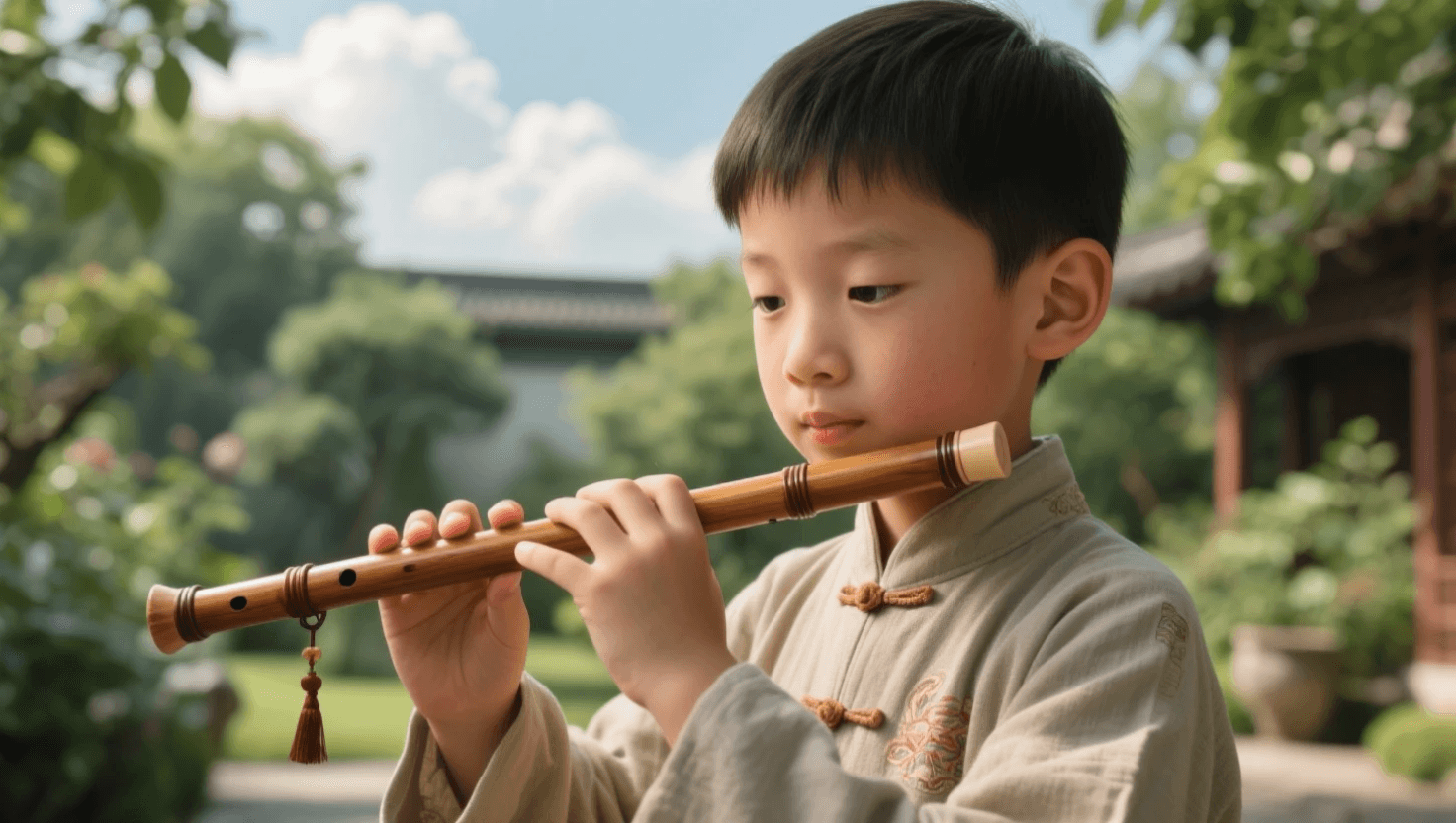
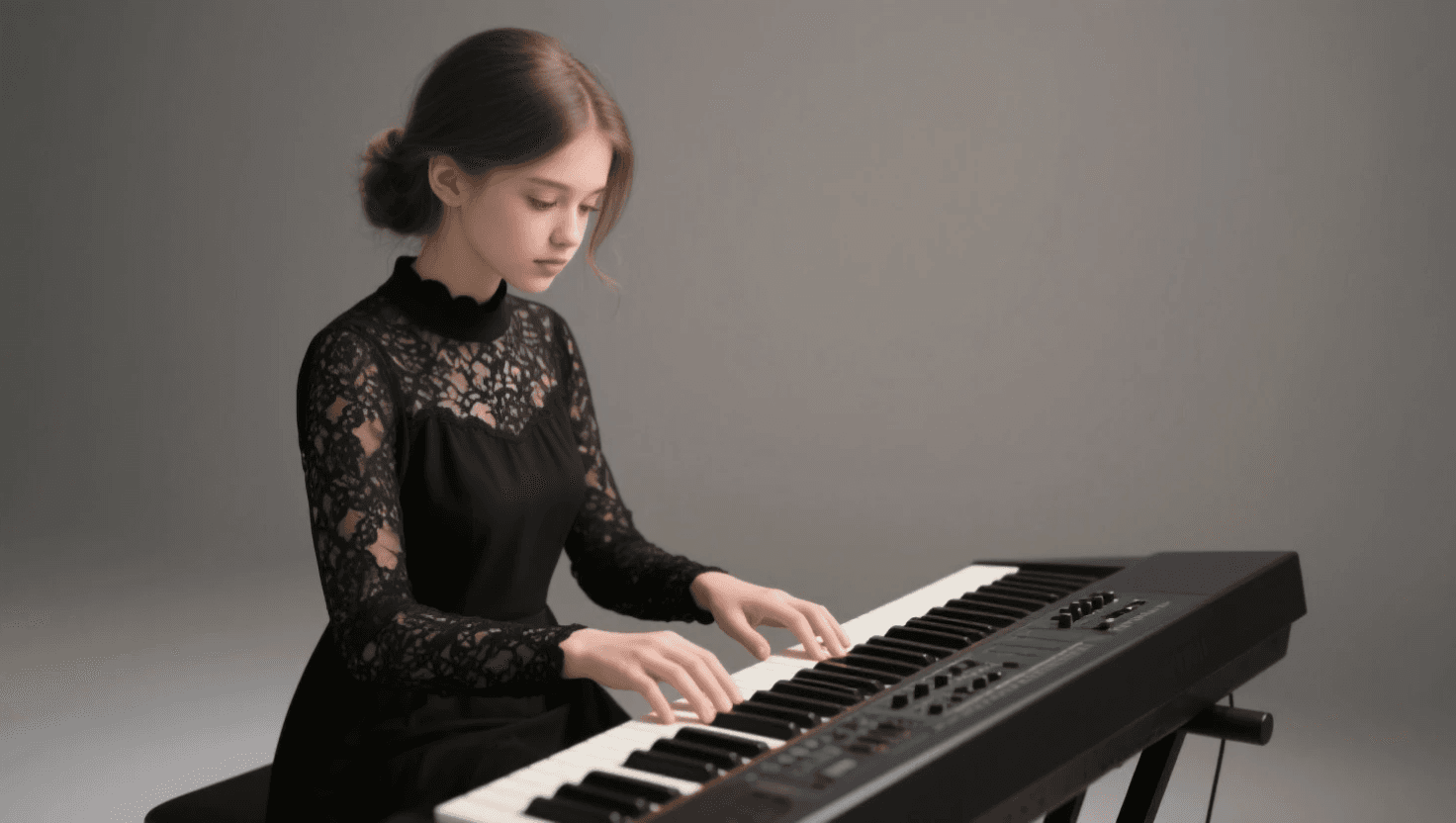
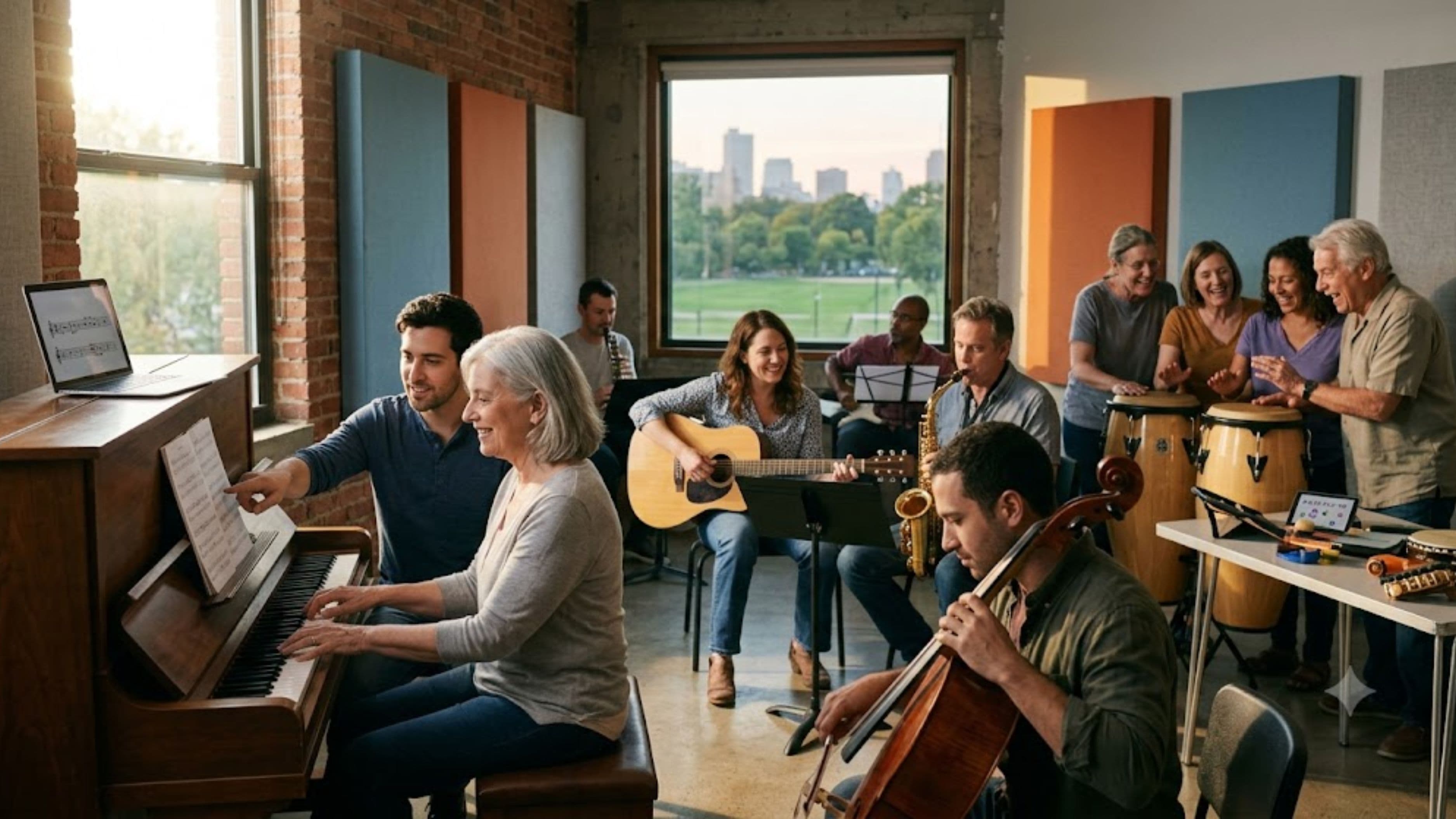
In-person lessons offer structured guidance, immediate feedback, and accountability—making them highly effective for skill development. A qualified teacher can tailor lessons to a student’s progress, address technical issues in real time, and provide encouragement that’s hard to replicate digitally. For young learners, especially, the personal interaction can enhance focus and discipline.
However, traditional lessons often come with higher costs and a more rigid schedule. Depending on your location, finding a qualified teacher nearby may also be a challenge. Still, for those who thrive in a one-on-one learning environment and want consistent mentorship, traditional lessons remain a strong investment in musical growth.
The Rise of Online Courses and Learning Apps
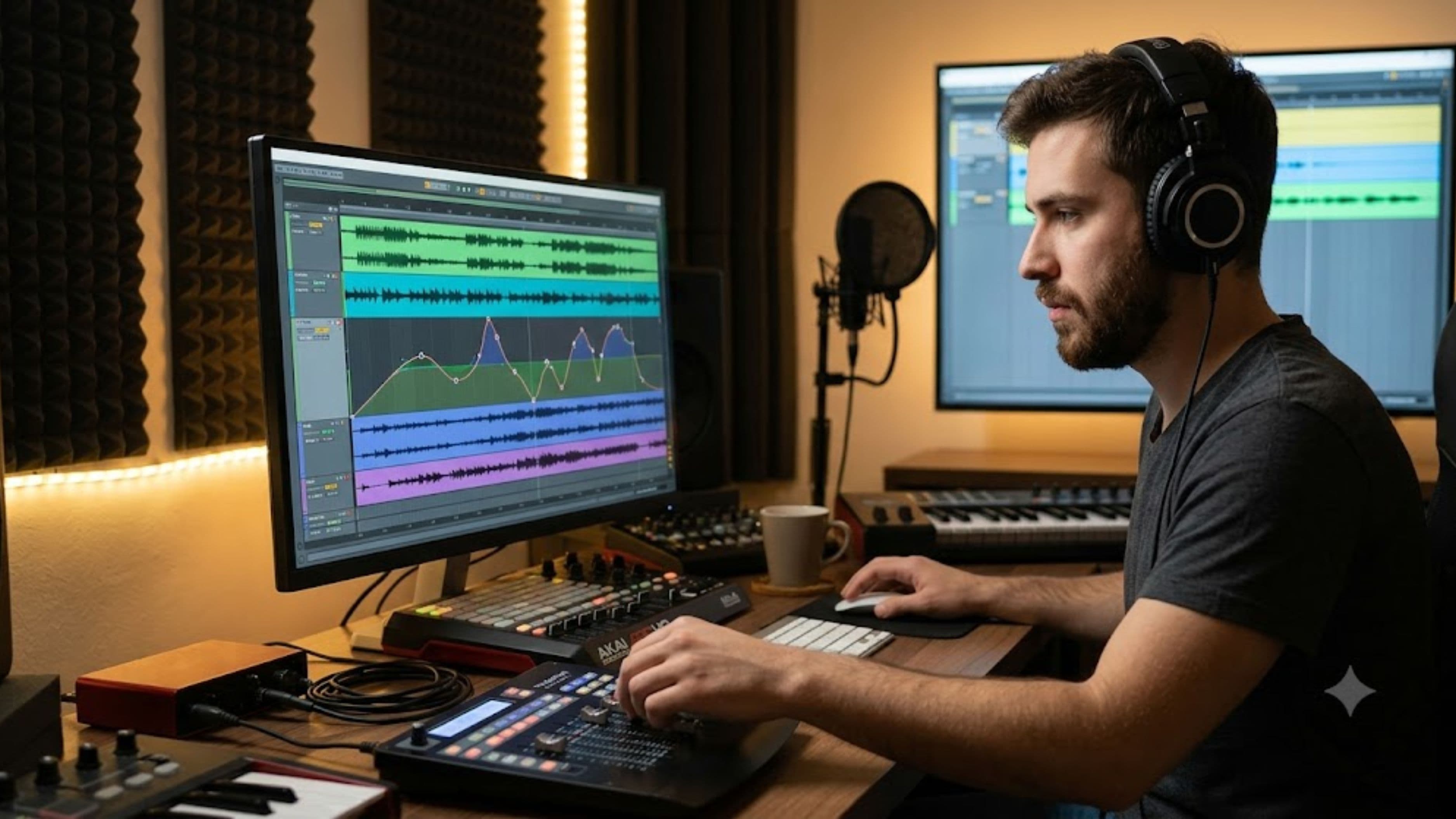
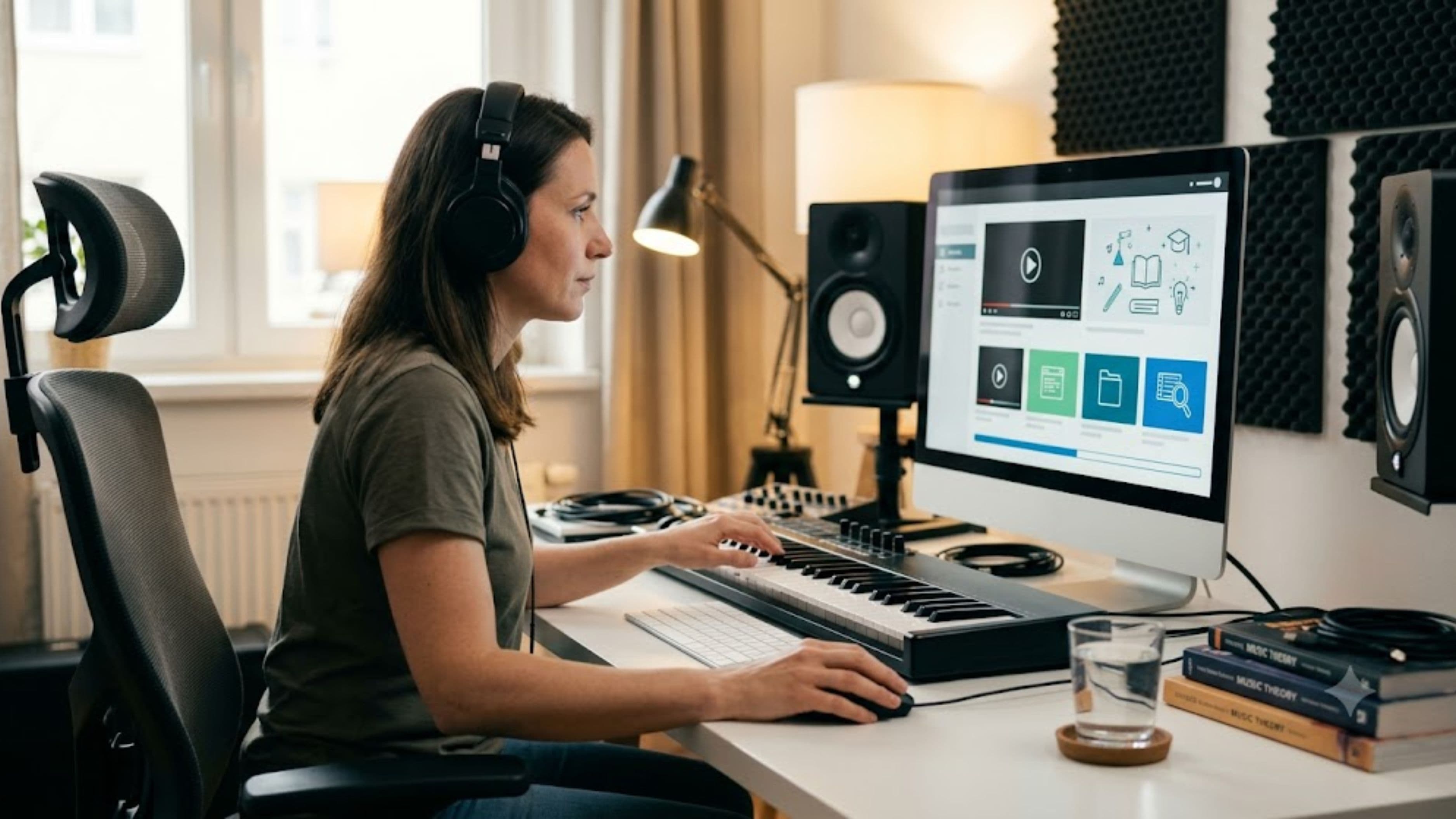
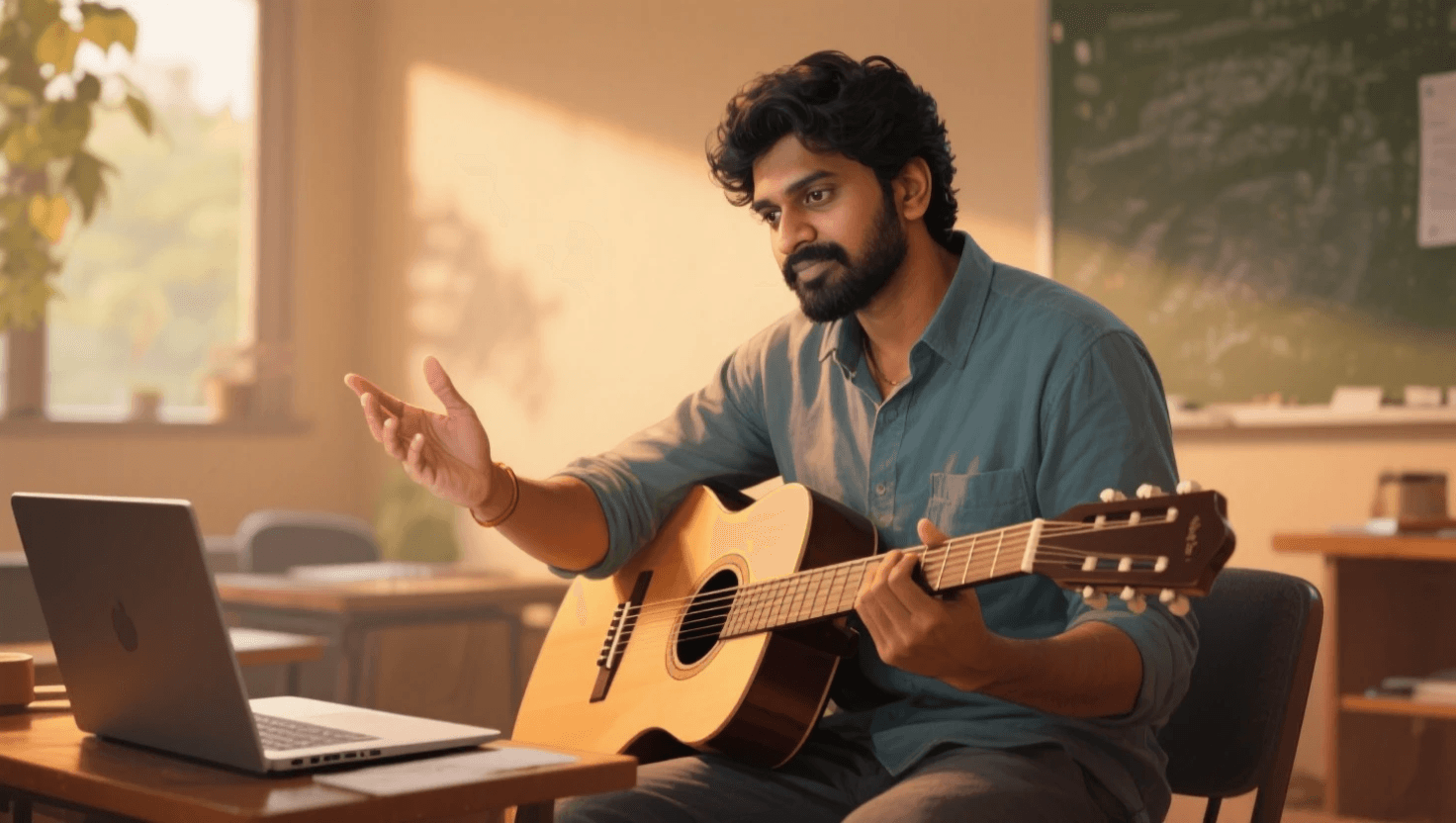
Online music courses and learning apps offer flexibility, affordability, and access to a wide range of teachers and styles. Platforms like Yousician, Simply Piano, Fender Play, or Coursera allow students to learn at their own pace, repeat lessons as needed, and explore multiple genres or instruments. They’re ideal for adults with busy schedules or self-motivated learners who prefer independence.
That said, online learning lacks real-time correction and may not adapt to individual progress as effectively as in-person instruction. Beginners may struggle without feedback on posture, fingering, or rhythm. While some platforms now offer hybrid models with live coaching or feedback videos, full accountability can still be limited.
Choosing What Works Best for You
The best method depends on your learning style, goals, and available resources. If you value personalized instruction, have access to a reliable teacher, and want hands-on feedback, traditional lessons may be worth the commitment. On the other hand, if you prefer flexibility, want to explore casually, or are on a tighter budget, online platforms provide an excellent entry point.
In many cases, a hybrid approach works best: using online tools to reinforce what you learn in private lessons or vice versa. This allows you to benefit from both real-time feedback and the convenience of digital practice.