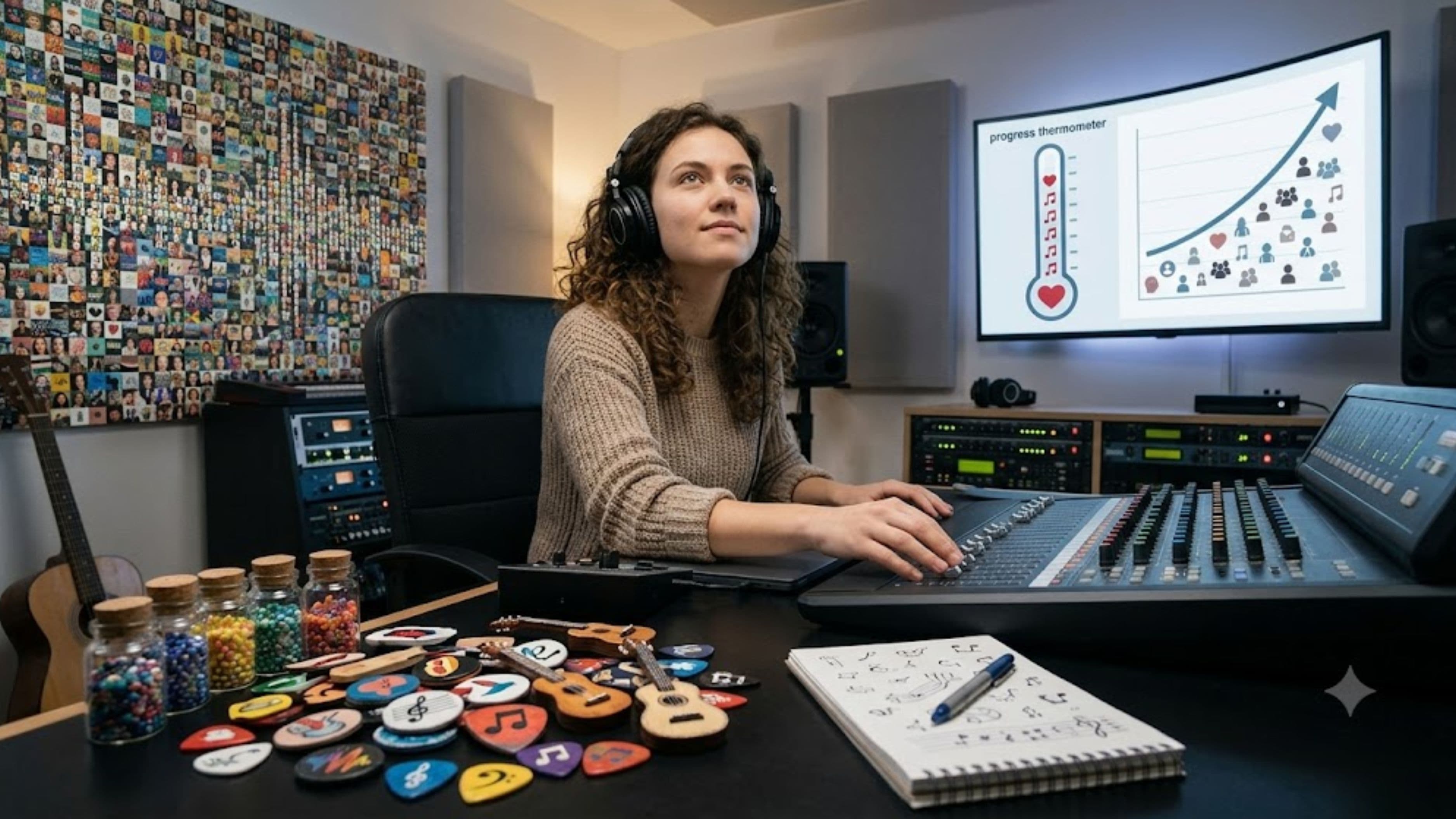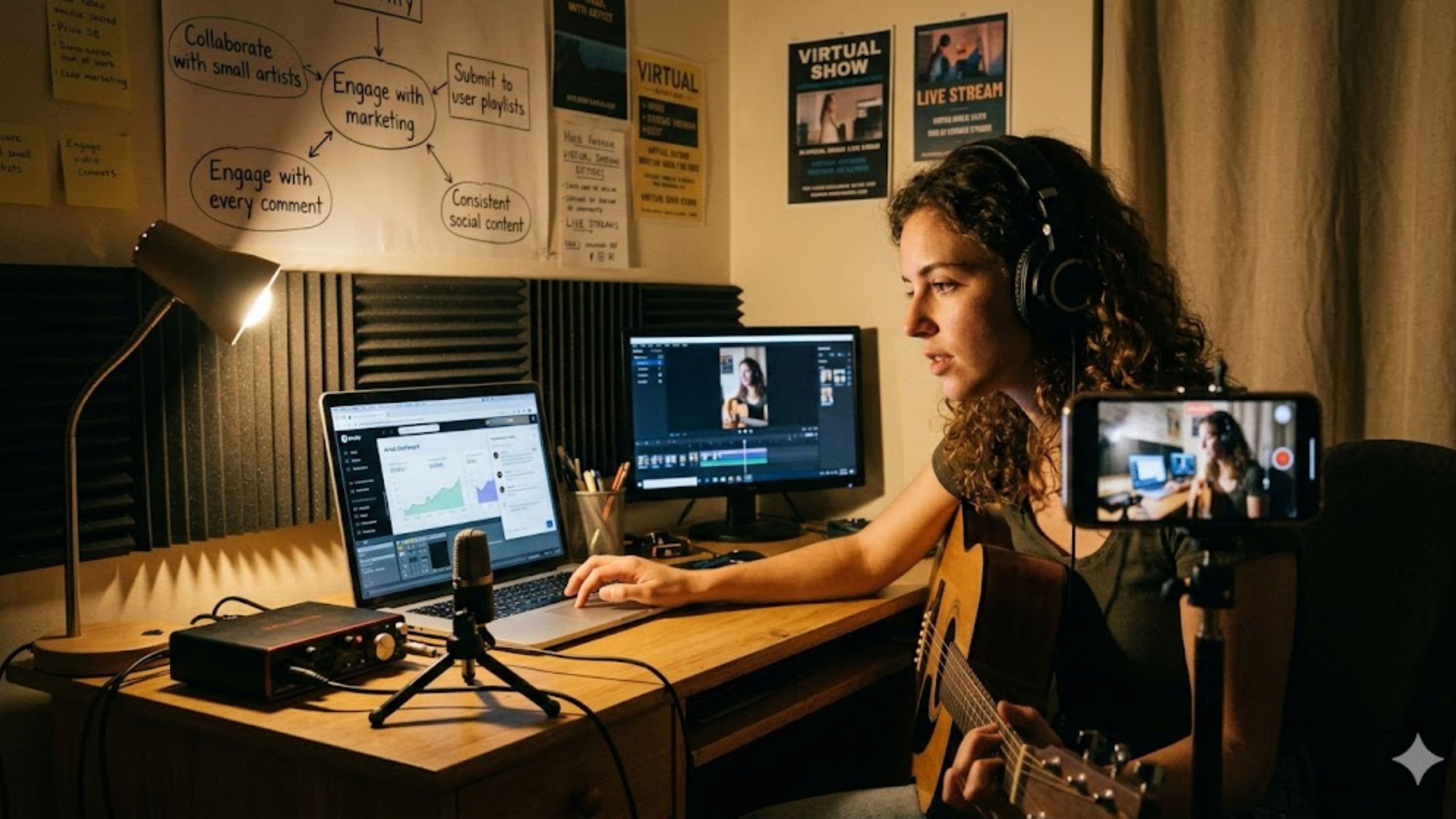
This isn't a shortcut guide. There are no hacks here that will inflate your numbers overnight. What follows is a clear, practical breakdown of how to grow a real, engaged audience on streaming platforms when you're working with nothing but time and intentionality.
Start With the Music, Not the Marketing
This sounds obvious, but it's worth saying directly because a lot of growth advice skips it: the single most powerful thing you can do for your streaming numbers is release music that completes. Completion rate – the percentage of listeners who hear a track all the way through rather than skipping it – is one of the primary signals that streaming algorithms use to determine whether to push a track to more listeners. A song with a high completion rate gets algorithmic tailwind. A song that most people skip after 30 seconds gets buried regardless of how much promotional effort goes into it.
What drives completion is partly subjective and genre-dependent, but some principles hold across most music. Strong intros matter more than they used to – the first few seconds of a track on a playlist or autoplay queue need to give a listener a reason to stay. Songs that build and reward patience tend to do well. Songs with jarring or unexpected openings, or that take too long to develop, tend to see higher skip rates. Before launching into promotion, listen critically to your tracks with this in mind. Getting the music optimised for the listening environment of streaming is upstream of everything else.
Release Consistently, Not Occasionally
One of the clearest patterns among independent artists who build audiences organically is consistent release cadence. The streaming algorithms at Spotify, Apple Music, and YouTube Music all respond to regular activity. An artist who releases a single every four to six weeks stays in the Release Radar playlists of their existing followers, keeps showing up in algorithmic recommendations, and trains new listeners to expect regular content. An artist who releases an album once a year and then goes quiet struggles to maintain algorithmic momentum between releases.
Consistency doesn't mean rushing work or releasing music you're not proud of. It means thinking about your release schedule as part of your creative planning, not an afterthought. If you have ten tracks ready, releasing them as a single album in one shot gives you one moment of activity and then silence. Spacing them out as singles over several months generates ten moments of activity, ten Release Radar placements for your followers, and ten opportunities for the algorithm to serve your music to new listeners. For most independent artists without promotional budgets, singles spaced thoughtfully outperform album releases in terms of sustained algorithmic exposure.
Master the Spotify for Artists Pitch Tool
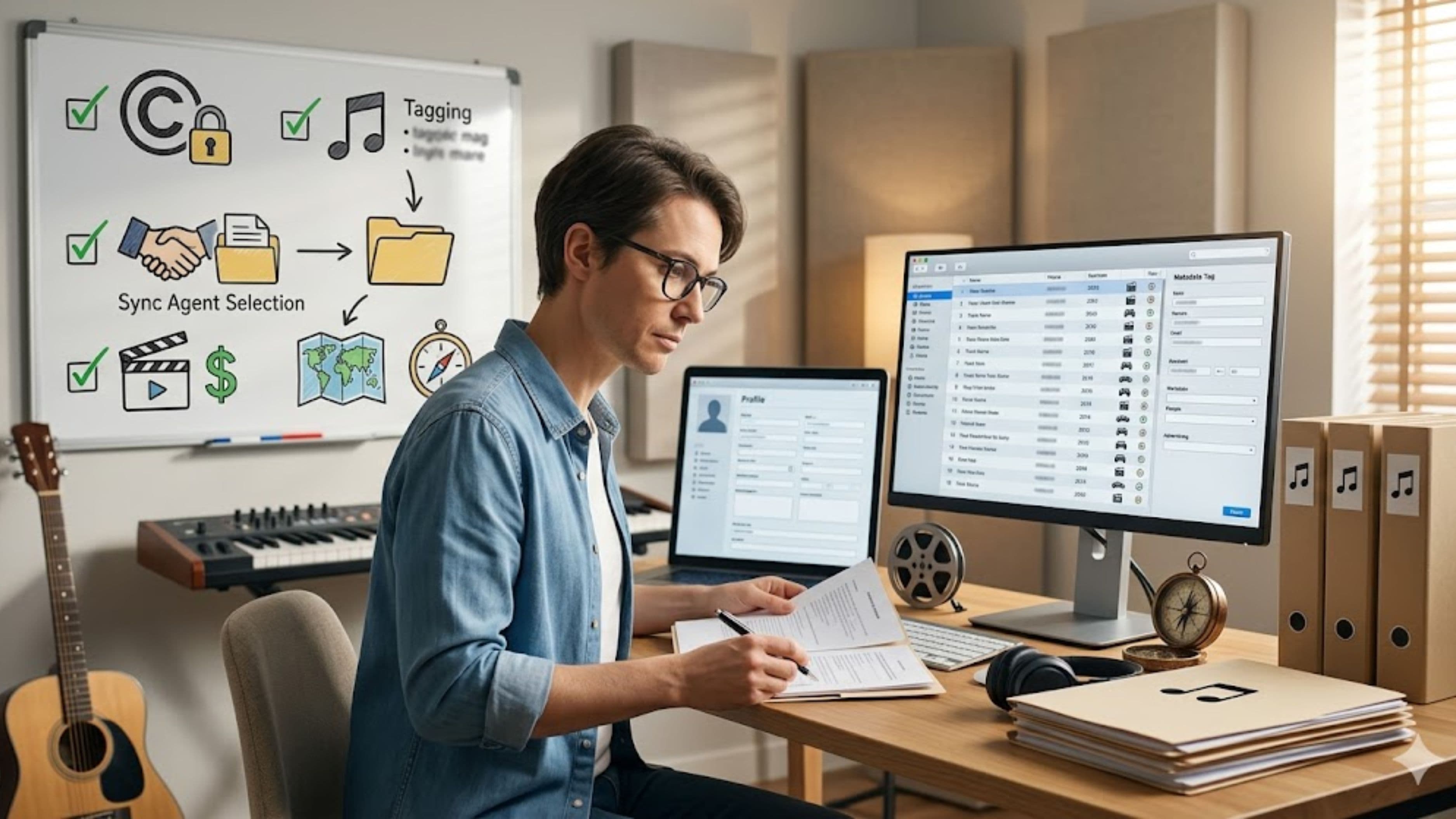
Spotify's editorial playlist pitch is one of the most valuable free tools available to any independent artist, and it's significantly underused. When you're planning a release, you can submit a track for editorial playlist consideration through Spotify for Artists at least seven days before the release date. Getting on an editorial playlist isn't guaranteed, but the pitch tool also influences your algorithmic playlist placement even when editorial pitching doesn't result in a placement – Spotify uses pitch data as one signal in how it seeds tracks into personalised playlists like Discover Weekly and Release Radar.
The pitch itself matters. You're given fields to describe your track: genre, mood, style, instruments, and a personal note about the song. Fill these out thoughtfully and specifically. Don't write generic descriptions. If the track is an introspective late-night hip-hop instrumental with jazz samples, say that. If it's a high-energy indie pop song about a specific emotional experience, describe that experience. The editorial team reviews these submissions, and a specific, vivid pitch is more memorable than a generic one. Even if no editorial placement results, the metadata you're adding helps the algorithm understand what kind of listener to serve the track to.
Do this for every release. Every single one. It takes ten minutes and it costs nothing, and over time it contributes meaningfully to your algorithmic presence.
Build Your Spotify Profile Like It Matters
Your Spotify artist profile is the landing page that every new listener visits when they first discover you. An incomplete or neglected profile signals that you're not invested in your own music. A well-built profile signals professionalism and gives a new listener reasons to follow.
Update your artist bio regularly. Use it to tell your story concisely – who you are, what your music is about, and what you're working on now. It doesn't need to be long. Two or three well-written paragraphs that give a real sense of your voice as an artist are more effective than a lengthy press release-style biography. Keep the top section current; Spotify's bio pulls from this for search results and editorial consideration.
Keep your Artist Pick updated. This is the section at the top of your profile where you can pin a track, album, playlist, or concert listing. Use it to direct new visitors to your newest release or the track you most want them to hear first. It's a small feature that a surprisingly high percentage of Spotify artists never configure.
Build and maintain a playlist under your artist profile. Curated playlists that include your own music alongside tracks from artists you're influenced by or sonically aligned with are a legitimate discovery tool. Some listeners explore artists through their playlists and discover new music that way. Keep it updated, give it a compelling name and description, and include your own tracks naturally within the mix rather than front-loading them.
Use SoundCloud and Bandcamp for Community, Not Just Distribution
For independent artists in certain genres – particularly hip-hop, electronic music, experimental, lo-fi, and bedroom pop – SoundCloud still has genuine community value that major streaming platforms don't replicate. The comment-on-the-waveform feature, the repost culture, and the DM-accessible audience of music fans who are actively looking for emerging artists make SoundCloud a different kind of platform. The goal there isn't streaming royalties. It's relationship-building with a community that cares.
Bandcamp serves a different but equally important function. Bandcamp's audience is willing to pay directly for music, which is unusual and valuable. Artists who build a Bandcamp following develop fans who are invested enough to spend money, not just stream. Bandcamp Fridays – when Bandcamp waives its revenue share – have become a cultural moment for independent music communities. Even if your primary streaming is on Spotify or Apple Music, maintaining an active Bandcamp presence develops the kind of fans who will support you through merch purchases, pay-what-you-want downloads, and direct financial contributions that have nothing to do with streaming royalties.
Neither of these platforms costs money to use. Both reward active, community-oriented engagement over passive distribution.
Leverage Short-Form Video Without Spending Anything
TikTok, Instagram Reels, and YouTube Shorts have become the primary discovery engine for new music for a significant portion of the streaming audience. You don't need a production budget to use them effectively. What you need is a genuine understanding of how music travels on these platforms.
Songs go viral on TikTok when they provide a usable sound – a hook, a lyric, a vibe – that creators can attach to content. That's partly luck, partly positioning. You can influence it by posting your own content using your music as the soundtrack, by making the clean audio version of your track easy to access in the TikTok sound library (which happens automatically when you distribute to TikTok), and by engaging directly with any creator who uses your sound, which encourages more use. Behind-the-scenes content about your creative process, short snippets of songs in progress, and genuine personality-driven content consistently outperform promotional posts about release dates.
The goal isn't to go viral – that's not a strategy, it's an outcome. The goal is to show up consistently enough that the algorithm learns to serve your content to people interested in your type of music, and that the people who do discover you have enough context to become real fans rather than passive viewers.
Engage With Playlist Curators Directly
Independent playlist curators on Spotify – people who build and maintain popular playlists around specific genres, moods, or aesthetics – are one of the most accessible paths to new listeners for independent artists. Many of these curators are reachable via email or social media and are actively looking for music to add to their playlists. SubmitHub is the most established platform for reaching these curators, with a free tier that allows a limited number of submissions per day. Groover is a similar service, though it charges credits per submission.
The free tier on SubmitHub allows you to submit to a limited number of curators without paying. Used consistently and strategically – submitting to curators who specifically cover your genre, writing personalised pitches rather than copy-pasted messages – this generates playlist placements over time without significant cost. Getting onto a playlist with 10,000 or 20,000 followers consistently brings in hundreds to thousands of new listeners, some of whom will convert to followers. It's slow but it compounds.
When reaching out to curators directly, listen to their playlists first. Know what kind of music they feature. Reference specific tracks in the playlist in your message. Explain briefly why your track fits without overselling it. Most curators who receive unsolicited submissions respond to genuine, specific pitches and ignore generic copy-paste requests.
Treat Your Existing Listeners as Your Marketing Team
The most cost-effective promotion available to any artist is a real fan who tells people about their music. Every time someone saves your track, adds it to their own playlist, shares it to their story, or tells a friend about you, they're doing promotional work that no ad budget can replicate because it comes with credibility attached.
Cultivating this requires being present and responsive at the stage where you're small enough that it's possible. Reply to comments. Acknowledge shares. When someone reaches out to tell you your music resonated with them, that's a person who might become a genuine advocate if they feel seen. This kind of engagement costs nothing and builds the kind of loyalty that sustains an independent music career long after the initial discovery moment.
Ask your audience specifically and clearly to save and add tracks to their playlists when you release something new. Not in a desperate or transactional way, but as a genuine ask: tell them that saves and playlist adds are the most useful thing they can do to support the music. Most people who like your music don't know that these actions specifically help the algorithm. Telling them honestly shifts their behavior in a way that has real algorithmic impact.
What to Watch Out For
Paying for fake streams or playlist placements from services that guarantee numbers is a real threat to your profile. It doesn't matter if the service looks legitimate – if streams are being artificially generated, Spotify and other platforms have systems to detect them, and the consequences range from withheld royalties to permanent removal from the platform. Protect the catalog you're building by staying completely clear of this.
Growth services that promise guaranteed Spotify followers or streams for a fee are almost universally operating in ways that violate platform terms of service. The numbers they provide don't convert to real listeners, they dilute your data and make your analytics unreliable, and they risk the account you're trying to build.
Comparing your growth trajectory to artists who had label backing, viral moments, or significant paid media support is a reliable way to underestimate your own progress. Independent organic growth is slower. That doesn't make it less real. The artists who build careers without marketing budgets typically do it over years, not months, and they do it by being genuinely consistent rather than occasionally loud.
FAQ
How long does it take to see organic growth on Spotify? Honest answer: it depends heavily on release frequency, genre, and whether any of your releases catch algorithmic traction. Most artists who release consistently and optimise their pitch submissions start to see measurable follower growth within six to twelve months. Significant audience growth – thousands of monthly listeners – often takes two to three years of consistent effort without a viral moment or significant paid promotion. Plan for the long timeline and the progress becomes visible.
Should I pay for SubmitHub premium credits or stick to the free tier? The free tier is enough to test the process and get initial placements. If you're releasing music consistently and finding that curator submissions are converting to playlist placements, buying credits to increase your weekly submission volume makes sense as a modest investment. The paid tier also gives you access to feedback from curators even when they decline, which is genuinely useful information for improving your pitches and understanding what's working.
Does posting on TikTok actually drive Spotify streams? When it works, yes – the correlation between TikTok sound discovery and streaming spikes is well documented. When it doesn't immediately work, consistent posting still builds your content presence and trains the algorithm to serve your videos to music listeners. The outcome isn't guaranteed but the inputs are free. It's worth doing regularly as part of your broader presence-building, not as a one-off promotional campaign.
Is it worth having a presence on every streaming platform? Yes for distribution, but focus your engagement efforts on one or two platforms where your audience actually is. Being distributed everywhere costs nothing extra with most flat-fee distributors, but trying to actively manage and grow on every platform simultaneously is a recipe for shallow effort across all of them. Pick the one or two platforms where your genre has the most traction and go deeper there.
What's the fastest way to grow my Release Radar placements for existing followers? The Release Radar playlist serves new music to listeners who already follow an artist. Growing your follower count grows your Release Radar audience. Every piece of content, every playlist placement, every social media post that converts a listener to a follower expands that Release Radar audience for your next release. It compounds – every follower you gain now means a bigger Release Radar push on every future release.
📚 Sources
Spotify for Artists – Editorial Playlist Pitch Guide: https://artists.spotify.com/blog/how-to-pitch-your-music-to-spotify-playlists
Spotify Loud & Clear – How Streams Are Counted and Paid: https://loudandclear.byspotify.com
Bandcamp – How Bandcamp Works for Artists: https://bandcamp.com/artists
SubmitHub – How It Works for Artists: https://www.submithub.com/blog/how-submithub-works
Music Business Worldwide – "Short-Form Video and Music Discovery Trends": https://www.musicbusinessworldwide.com/tiktok-music-discovery-2023
SoundCloud for Artists – Creator Tools Overview: https://artists.soundcloud.com