Why Community Matters More Than Raw Download Numbers
Download counts get attention, but a smaller, genuinely engaged community tends to outperform a larger passive audience on the metrics that actually matter for growth and, if relevant, monetization: repeat listenership, word-of-mouth sharing, and willingness to support the show directly through memberships or merchandise. Sponsors and brands evaluating music podcasts for partnership deals increasingly weigh engagement signals alongside raw numbers, since an engaged niche audience often converts better than a large disengaged one.
This matters specifically in music content because the genre lends itself to strong opinions, discovery moments, and shared taste, all of which are natural community-building material if you structure your show and platform presence to invite participation rather than just deliver a monologue.
Create Structured Opportunities for Listener Input
Music fans have opinions, and giving them a specific, easy way to contribute those opinions turns passive listeners into active participants. This can be as simple as a recurring segment where you feature listener-submitted album recommendations, or a regular question you pose at the end of each episode that listeners answer in your show's comments, Discord, or social channels.
The key is consistency and specificity. A vague "let us know what you think" rarely generates real engagement, but a specific, recurring prompt, "what's the most underrated album from this decade, tell us in the comments," gives listeners a clear, low-effort way to participate that builds a habit over time.
Build a Dedicated Space Outside the Podcast Itself
Podcast platforms themselves offer limited interaction tools, so most successful music podcast communities eventually build a home base elsewhere, a Discord server, a subreddit, or an active social media community, where listeners can talk to each other, not just react to your content. This shift matters because community built around peer-to-peer interaction, not just listener-to-host interaction, tends to be significantly stickier and more self-sustaining over time.
Discord in particular works well for music communities specifically, since it supports shared listening sessions, dedicated channels for different genres or topics, and real-time discussion in a way that's harder to replicate on more passive platforms like a comment section.
Be Consistent With Publishing, Not Just Prolific
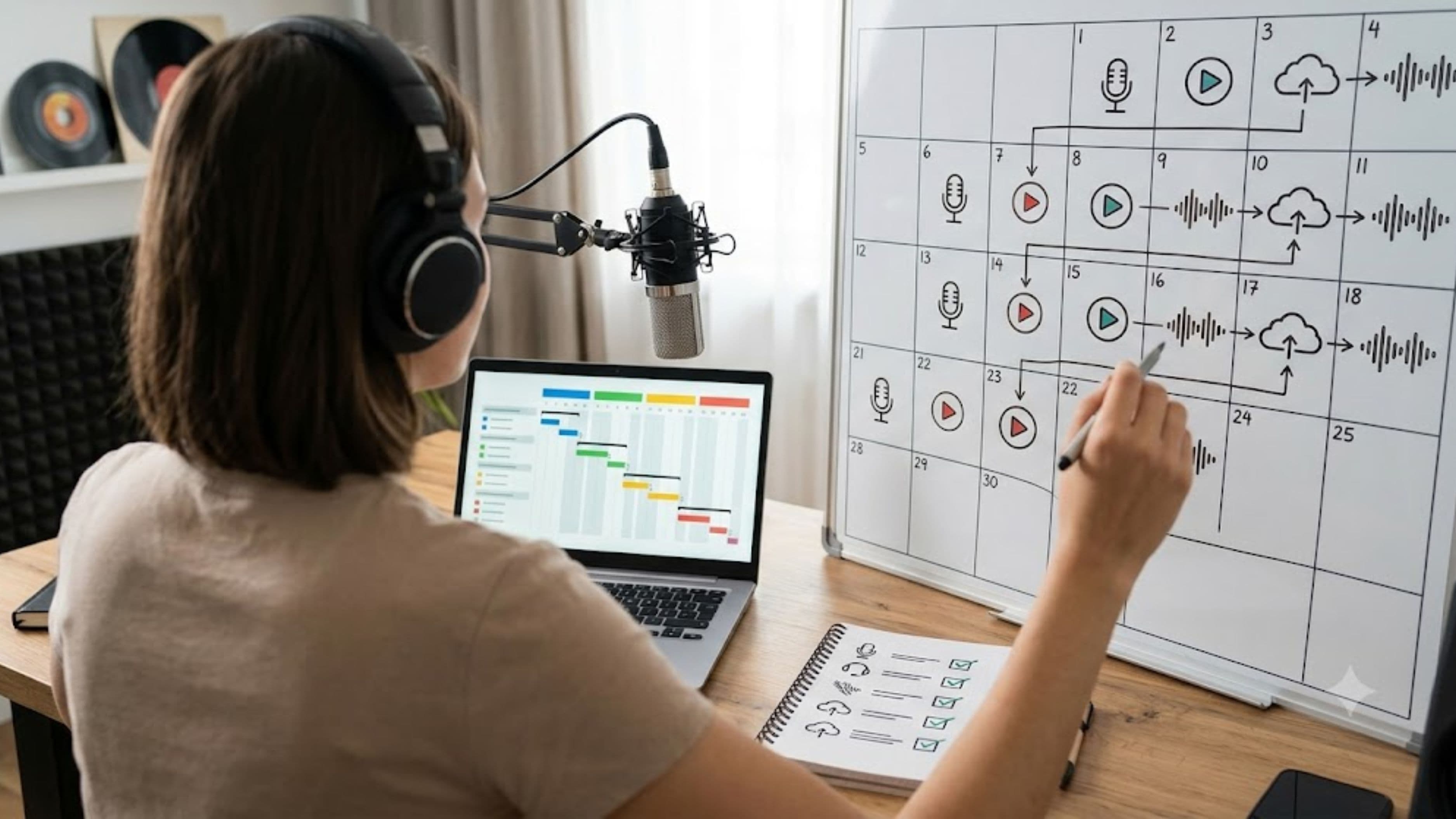
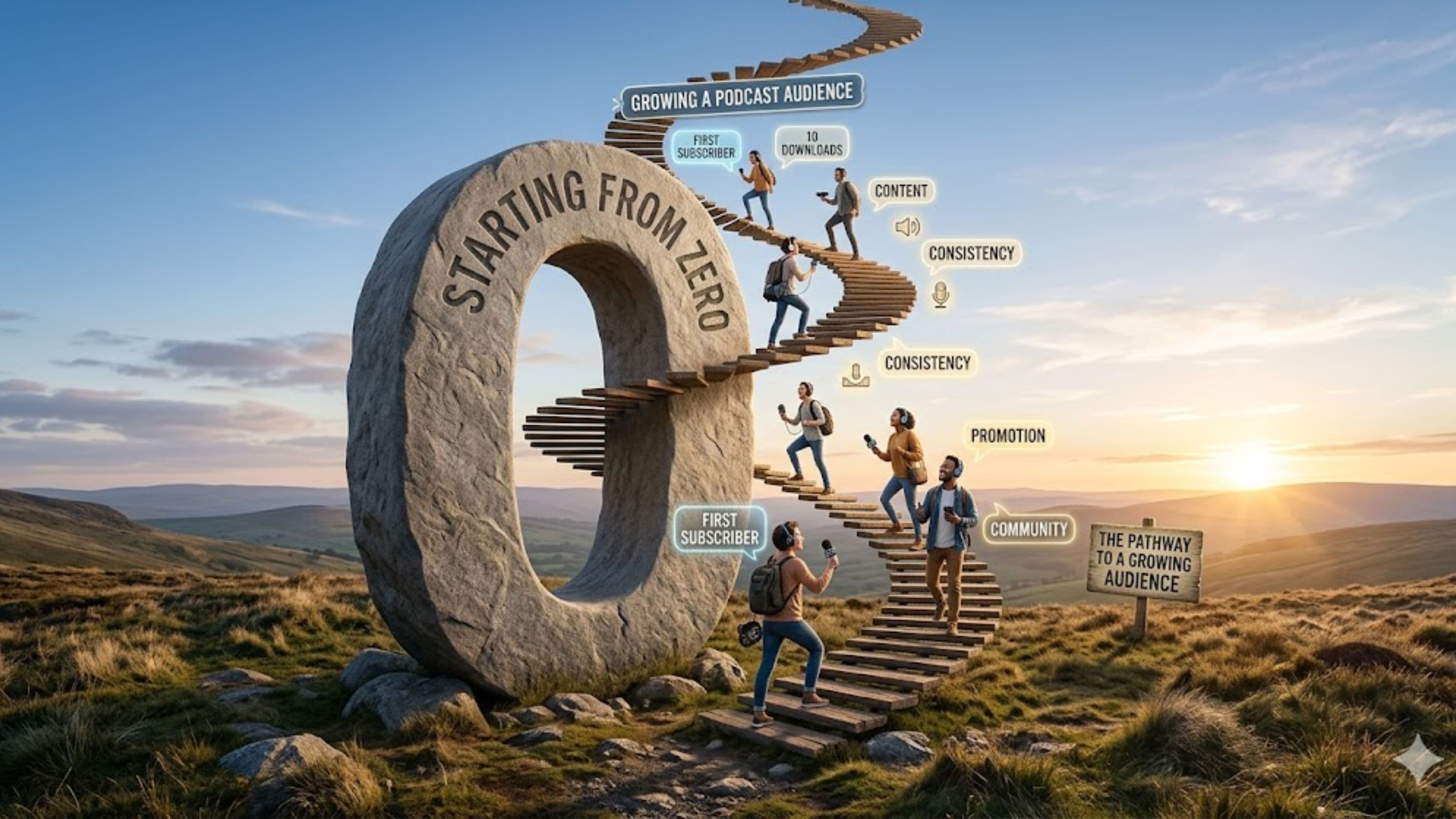
Community forms around predictability. A weekly show that reliably publishes on the same day builds a habit in your audience's routine, which matters more for community-building than publishing frequency alone. An audience that's learned to expect your show every Tuesday builds anticipation and habit in a way that irregular publishing, even at a higher total volume, doesn't replicate.
If your schedule genuinely can't support strict weekly consistency, communicating your actual cadence clearly and sticking to it is still better for community trust than an unpredictable schedule with no communicated pattern at all.
Feature Your Community, Not Just Talk at Them
Regularly highlighting listener contributions, reading out a particularly interesting comment, shouting out a community member's own music recommendation, or featuring a fan-submitted question, signals that the community's participation genuinely shapes the show rather than existing as a one-way broadcast. This is a meaningfully different dynamic than most podcasts default to, and it's one of the more reliable levers for turning casual listeners into invested community members.
What to Watch Out For
Building a community platform, particularly something like Discord, requires ongoing moderation and engagement effort, not just a one-time setup. An abandoned or poorly moderated community space can actually hurt your show's reputation more than not having one at all, so be realistic about the time you can commit before launching a dedicated community platform.
Avoid treating community-building as purely a numbers strategy. Listeners can tell when engagement prompts feel like a growth tactic versus a genuine interest in what they think, and the latter is what actually builds the kind of loyalty that translates into long-term support for your show.
Realistic Expectations
Building a genuinely engaged community around a music podcast takes consistent effort over months, not a single viral episode or clever engagement tactic. Expect gradual growth in participation as your recurring segments and community spaces establish themselves as a habit for your regular listeners, rather than expecting rapid community formation from a new show.
FAQ
Do I need a large audience before starting a dedicated community platform like Discord? Not necessarily, though a very small audience may find a dedicated platform feels empty initially. Some podcasters wait until they have a consistent base of a few hundred engaged listeners before launching a separate community space.
What's the easiest way to start building community without much extra effort? A consistent, specific engagement prompt within each episode, paired with actively responding to comments on your existing platforms, is a lower-effort starting point than building a dedicated community space from scratch.
How do I know if my community efforts are actually working? Look beyond raw follower or member counts toward actual participation rates, comments per episode, community platform activity, and repeat engagement from the same listeners over time.
📚 Sources
Podcast audience engagement research – https://www.edisonresearch.com/
Discord community building guidance – https://discord.com/community