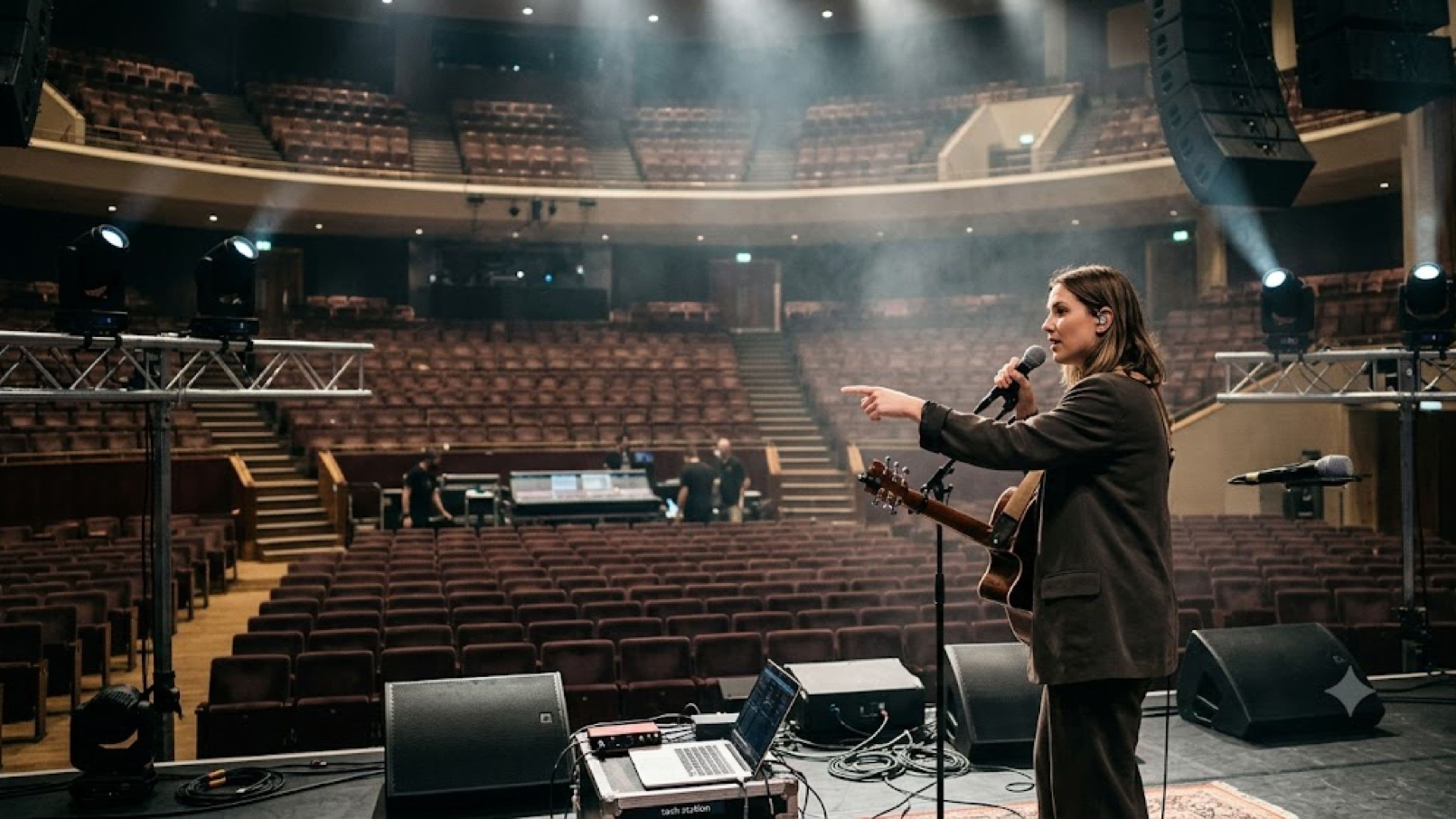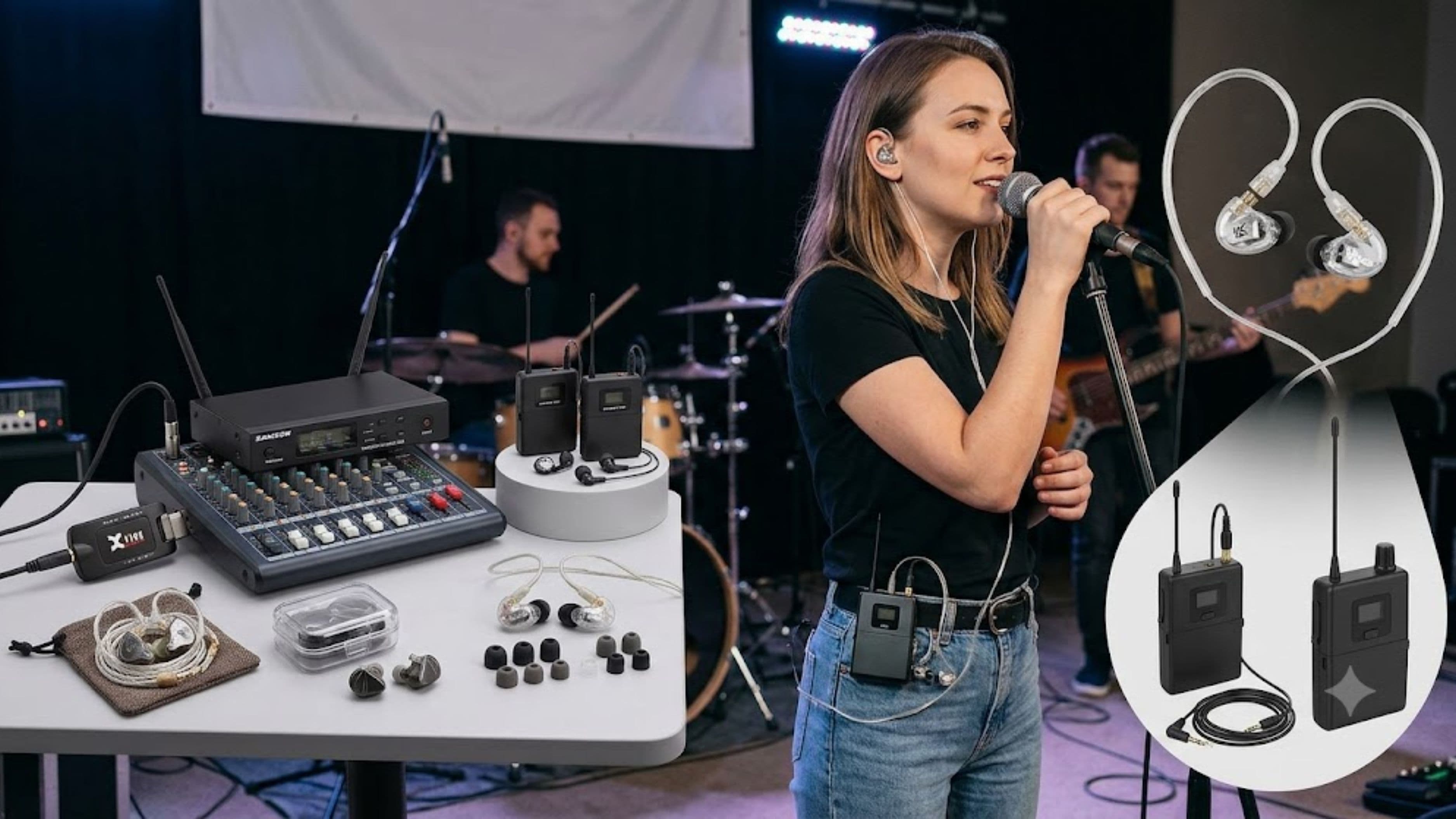
The honest answer isn't a straight yes or no. It depends on what you're actually trying to get out of it, where you are in your development, and whether you're building a realistic plan or just doing it because that's what artists are supposed to do.
What's Happening to the Club Circuit
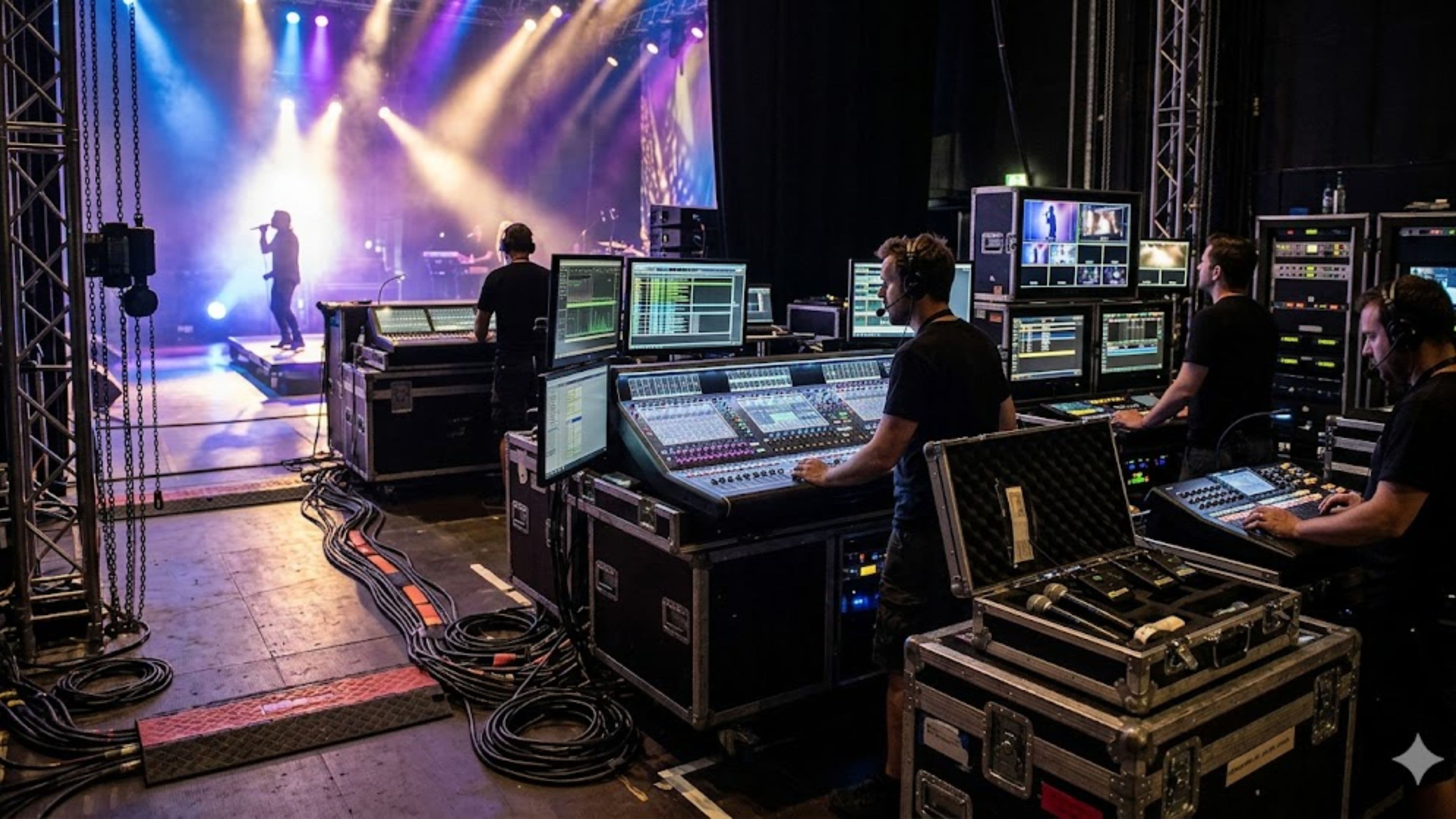
The independent club circuit – venues in the 100 to 1,000 capacity range – has been under structural pressure for several years. The combination of rising venue costs, tighter margins for promoters, and a post-pandemic recovery that hasn't been uniform across markets has made the economics harder for everyone involved. Some cities have seen meaningful closures of mid-tier venues; others are more stable. The overall picture is a circuit that still exists and still functions, but where the deals available to emerging artists have become less favourable at the same time that the cost of touring has increased.
Guarantee deals – where the artist receives a fixed payment regardless of ticket sales – are harder to access at the early stages of an independent career than they were a decade ago. Door deals, where the artist receives a cut of actual ticket sales, are the default at entry level. Combined with increasing backline costs, travel, accommodation, and the time investment of organising a tour independently, many emerging artists find that a short run of club dates costs more than it generates in direct revenue.
This isn't new information, exactly, but it's become more pronounced. The question is whether the non-financial returns from club touring still justify the investment.
The Case for Still Doing It
The strongest arguments for club touring aren't financial – they're developmental and relational, and they're still real.
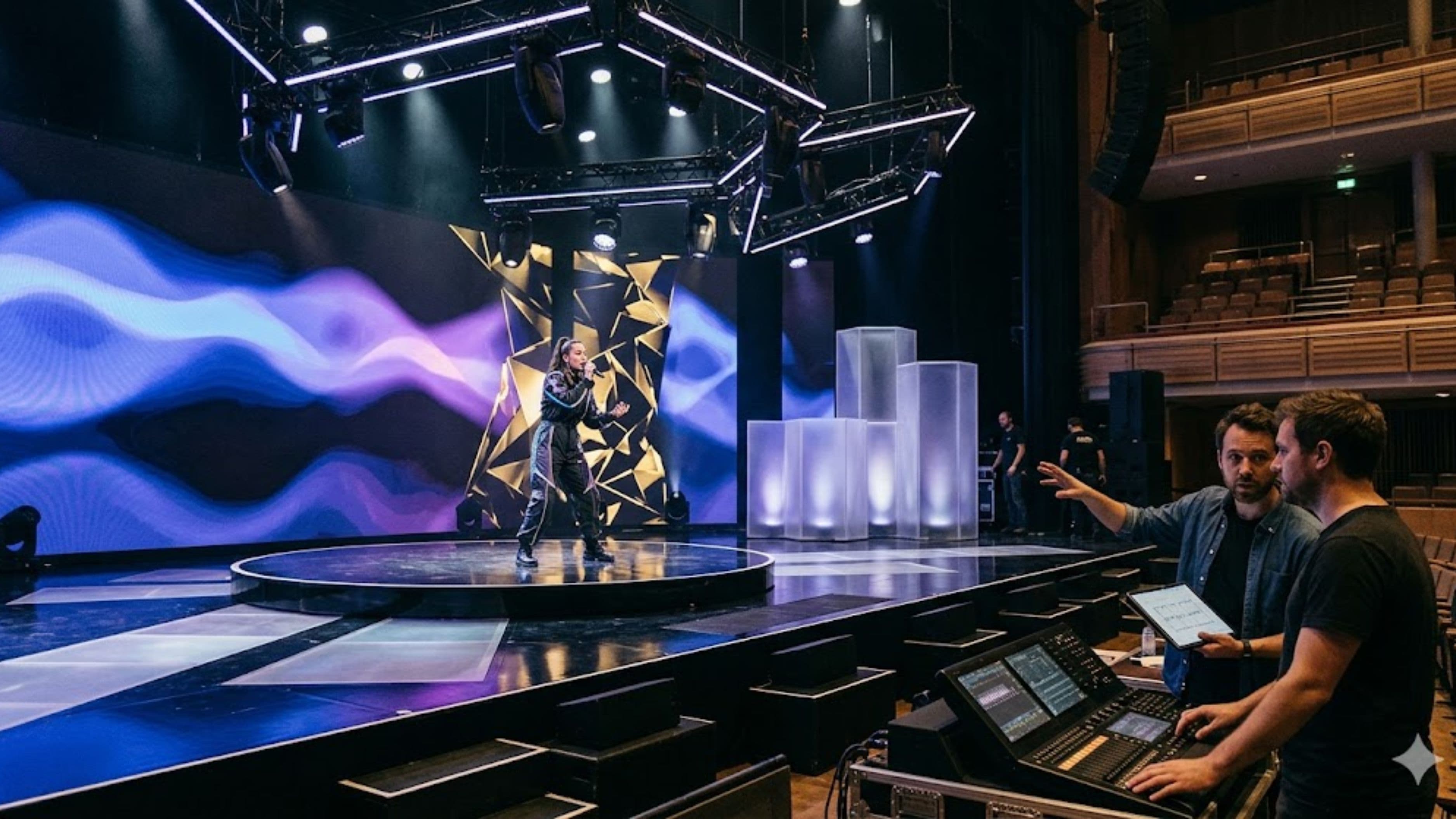
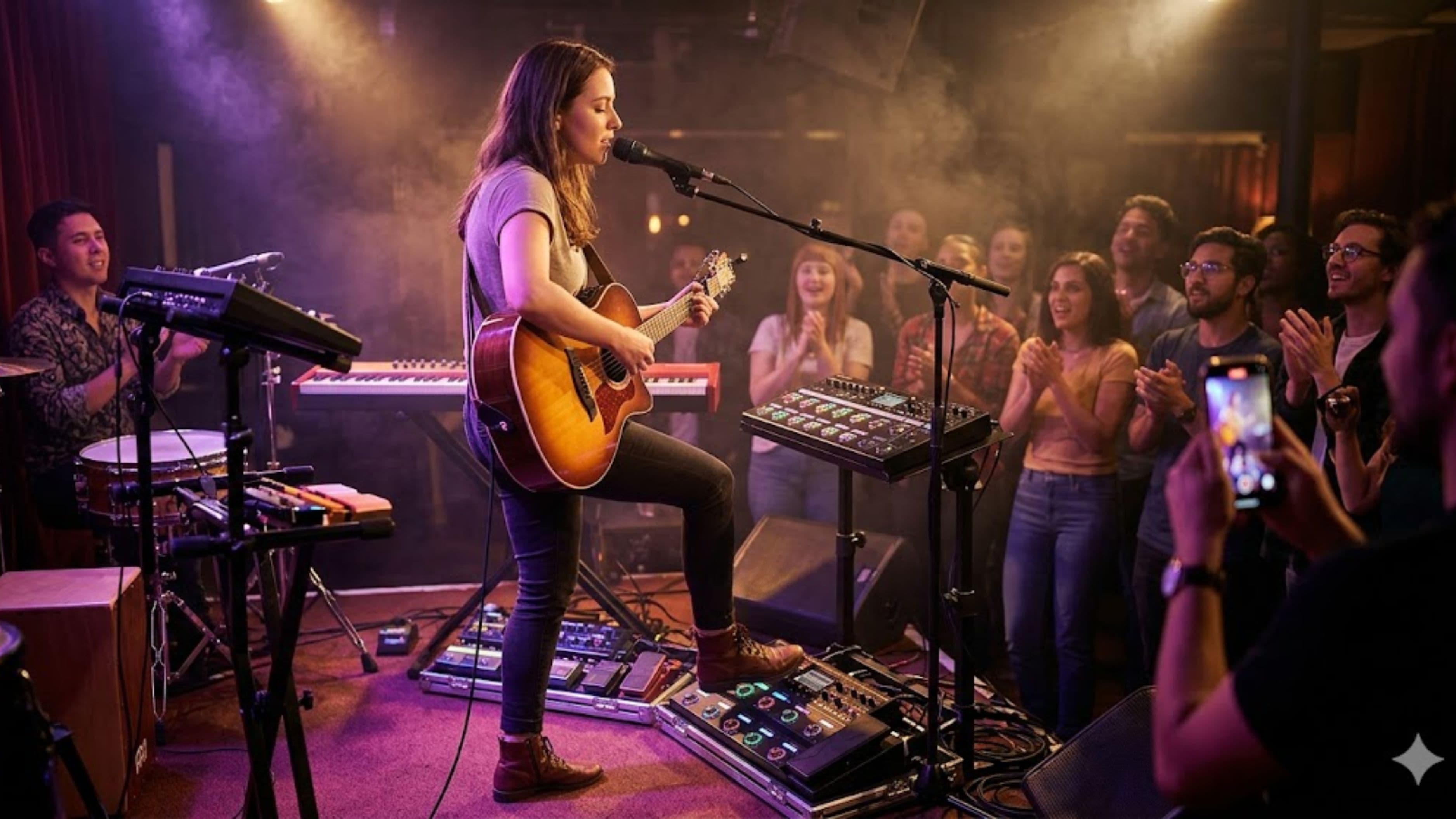
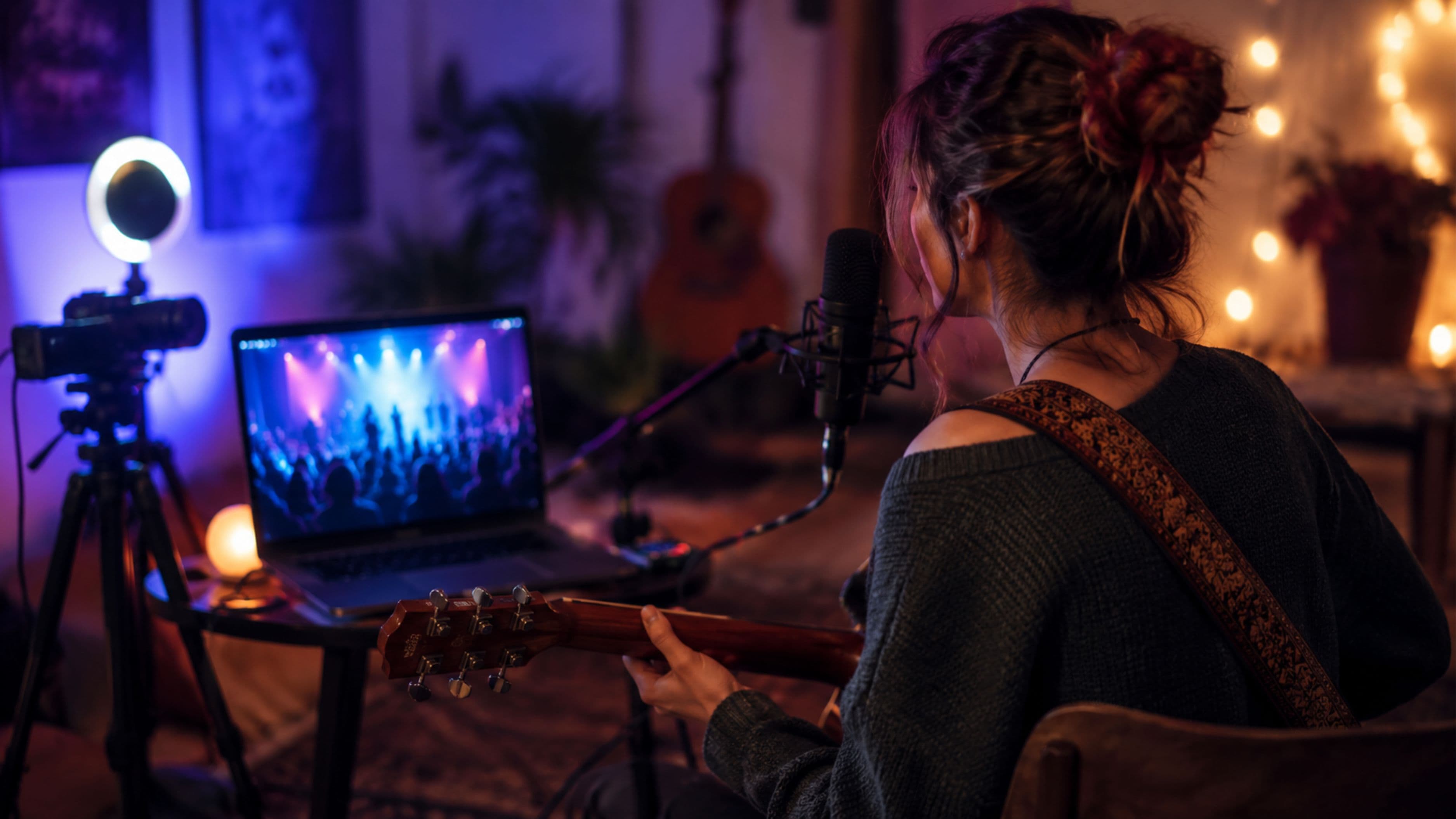
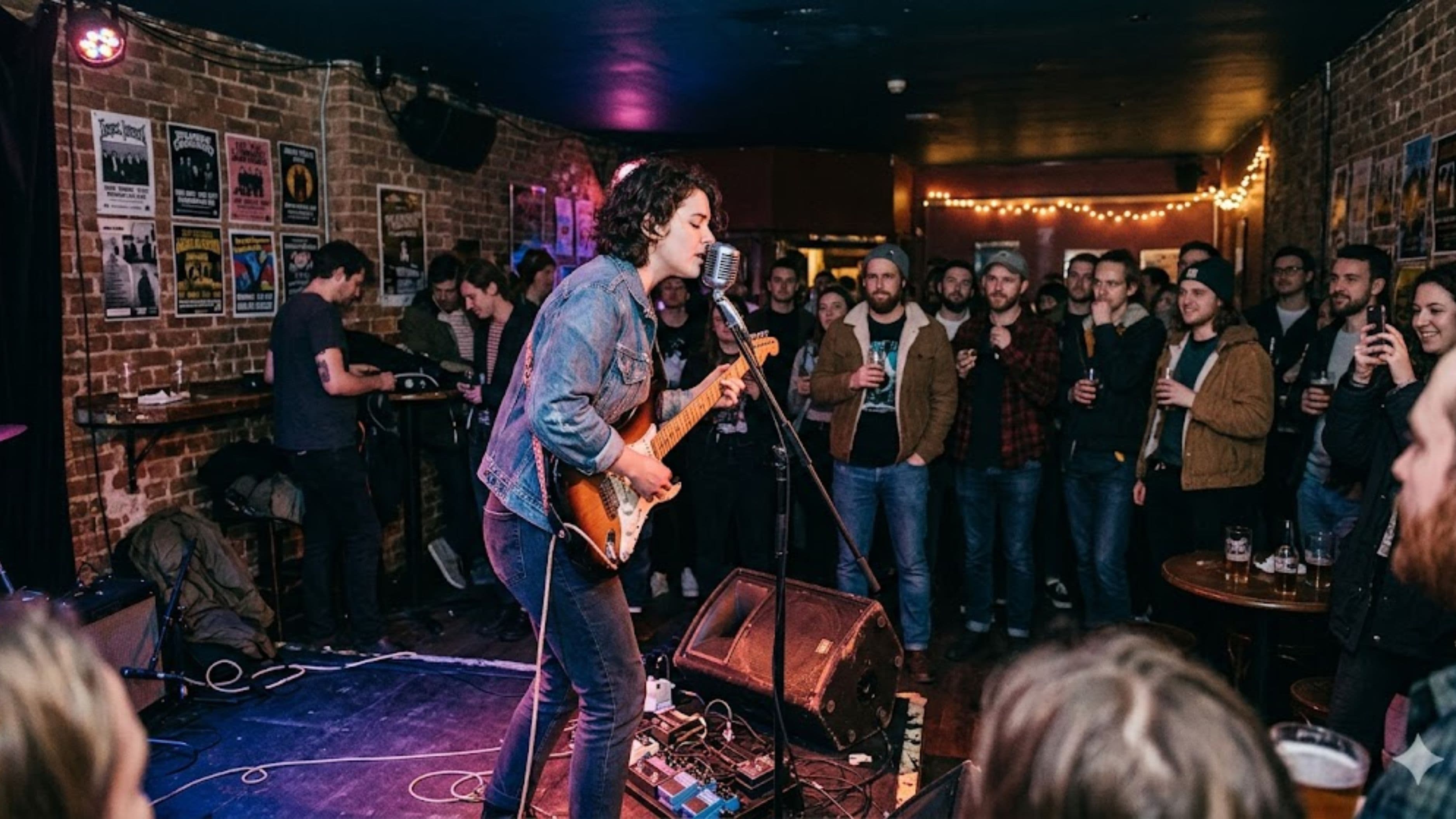
Playing live builds what recording can't. The ability to hold a room, connect with a live audience, and perform under real conditions – not a bedroom session or a live stream where nobody can see your face – is a skill that develops through repetition in actual venues. Artists who tour regularly develop a stage presence, a confidence in their set, and an ability to read and respond to a crowd that doesn't come from anywhere else. For artists serious about building a sustainable live career at any scale, the club circuit is still the training ground.
It builds relationships that compound over time. Venue bookers, local promoters, regional press, and other artists in the markets you visit are the network that books your next tour at a higher level, recommends you to a festival programmer, or covers your next release in a local market. These relationships don't develop through social media presence alone. A well-run club tour, even one that barely breaks even, plants seeds with people who have genuine booking and promotional power. The return on those relationships is often measured in the opportunities they unlock twelve or eighteen months later, not in the settlement from the night you met.
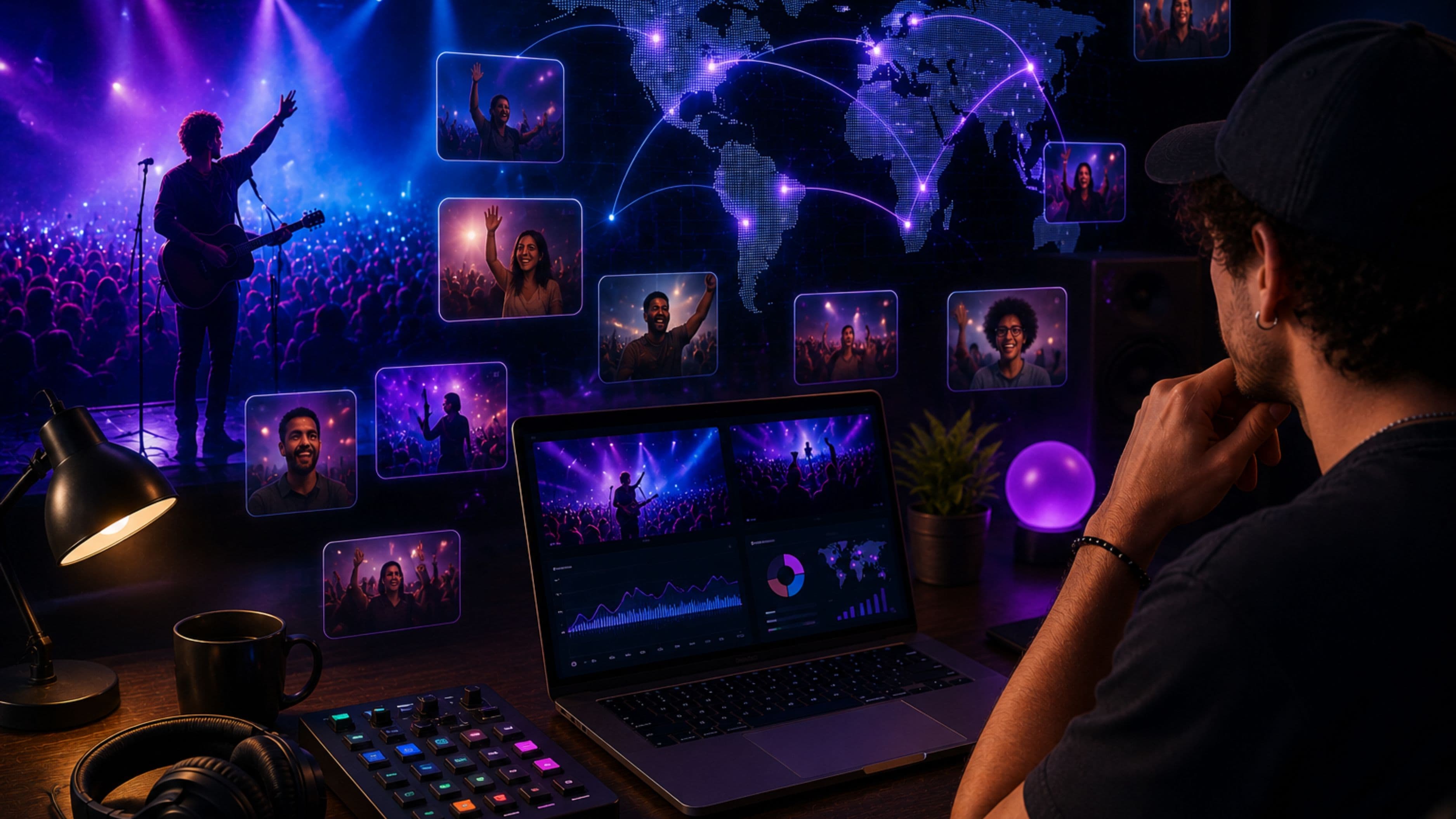
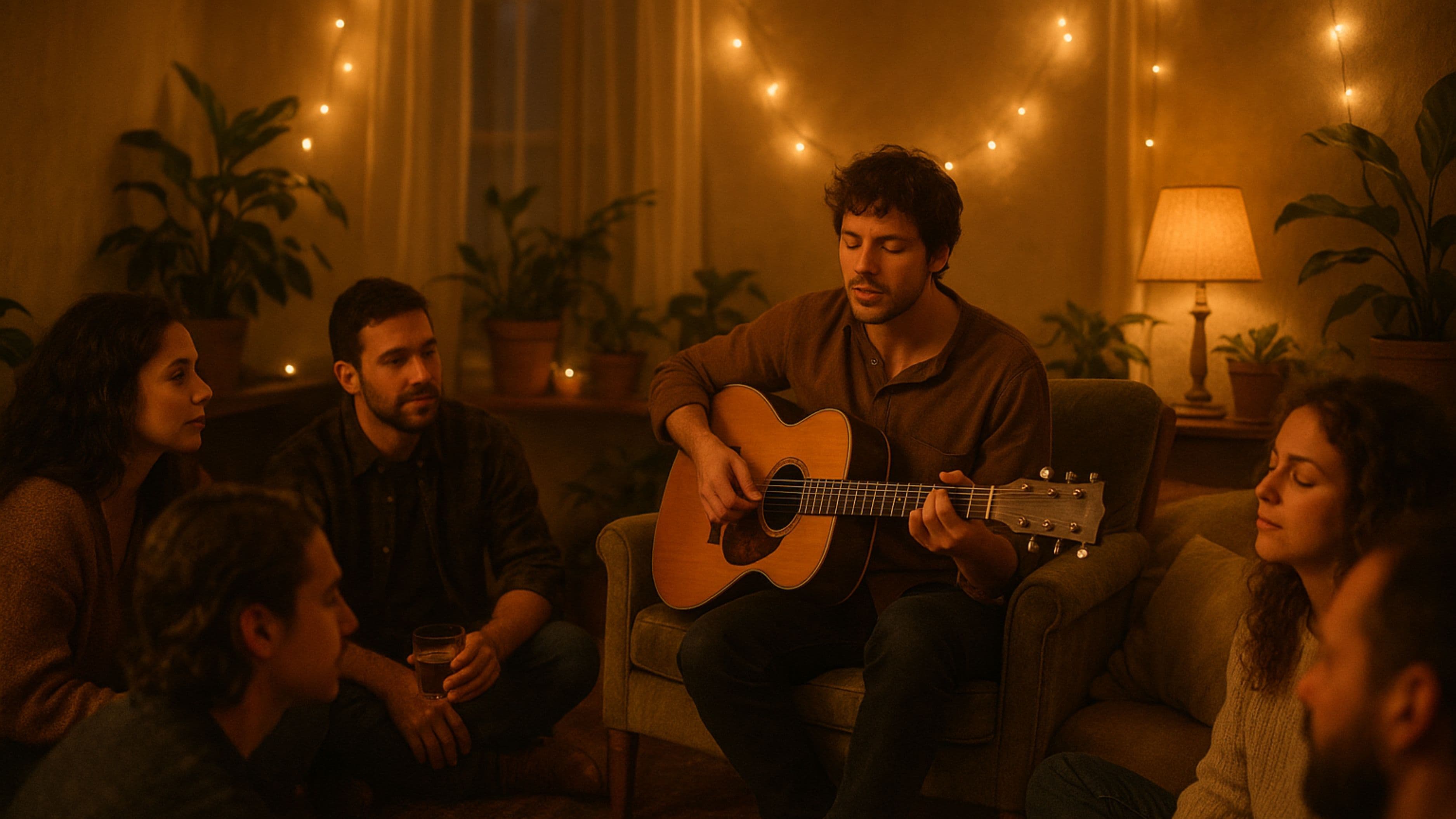
Audience development is still geographically real. Streaming has made music globally accessible, but local fanbases remain meaningfully more engaged and more valuable per person than distributed online audiences. Someone who saw you live twice is more likely to buy merchandise, come to your album release show, and recommend you to a friend than someone who streamed your latest single twice. Building dense, loyal pockets of audience in specific markets is a strategy that compounds, and club shows are the most direct way to do it.
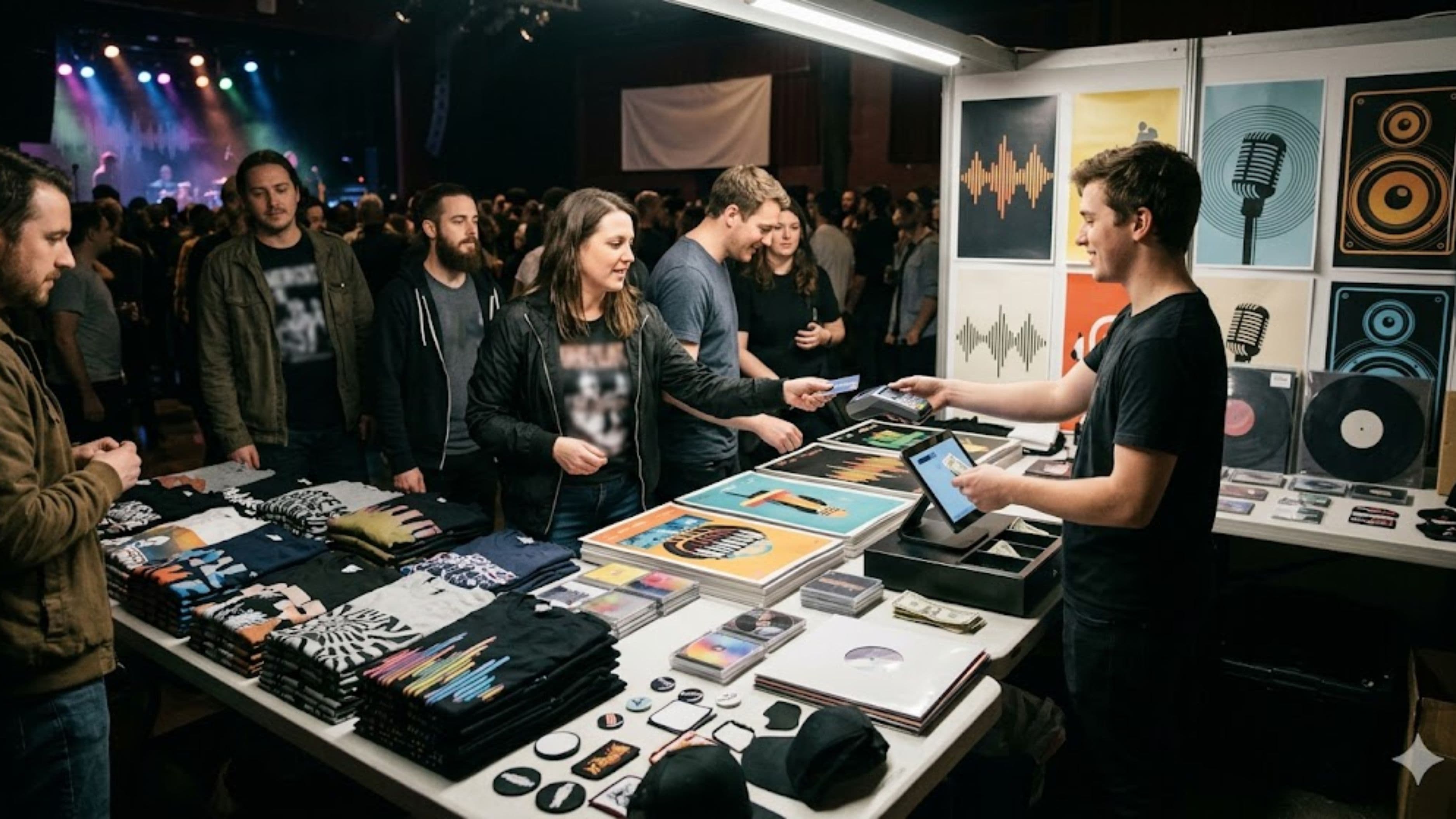
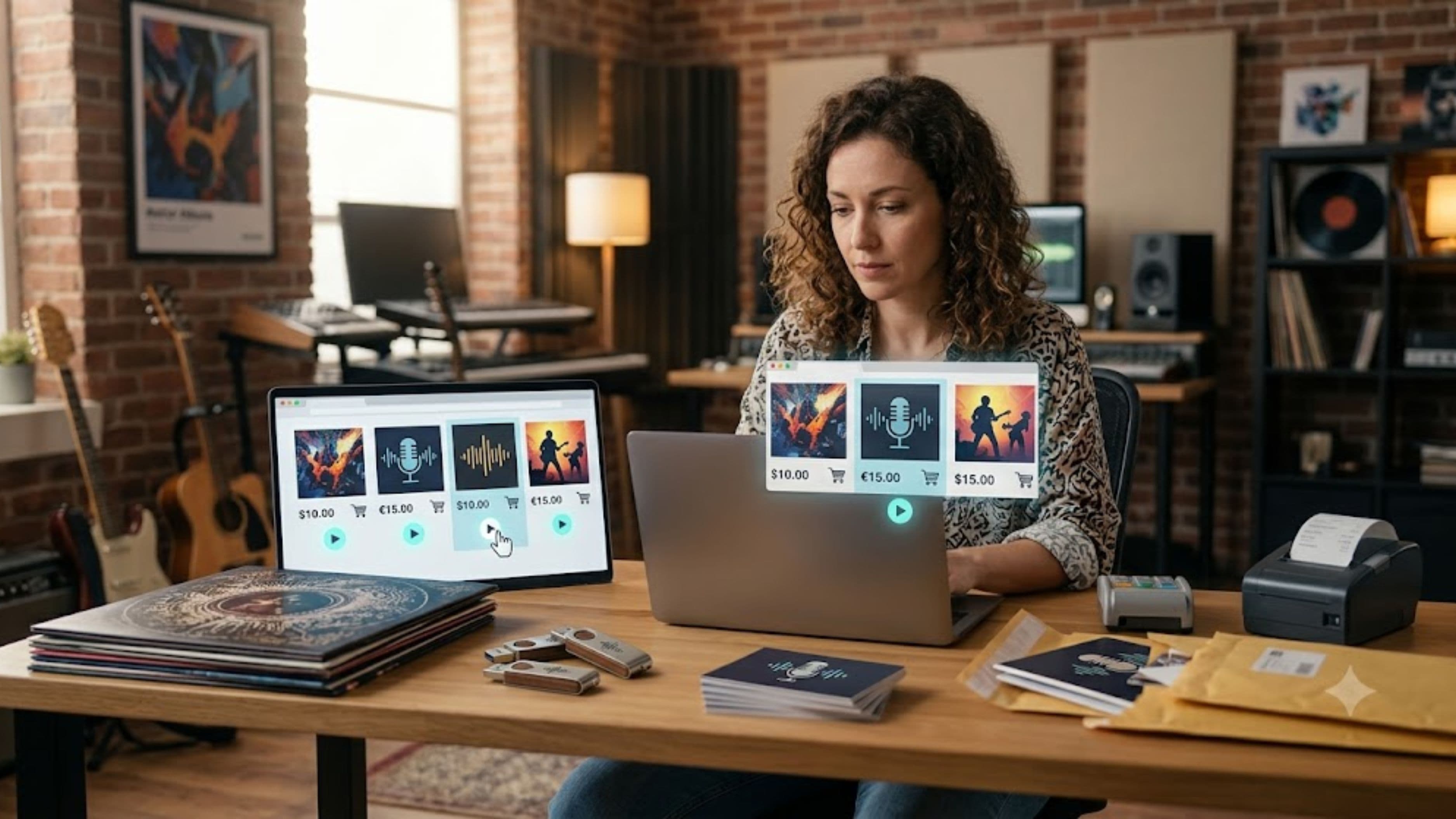
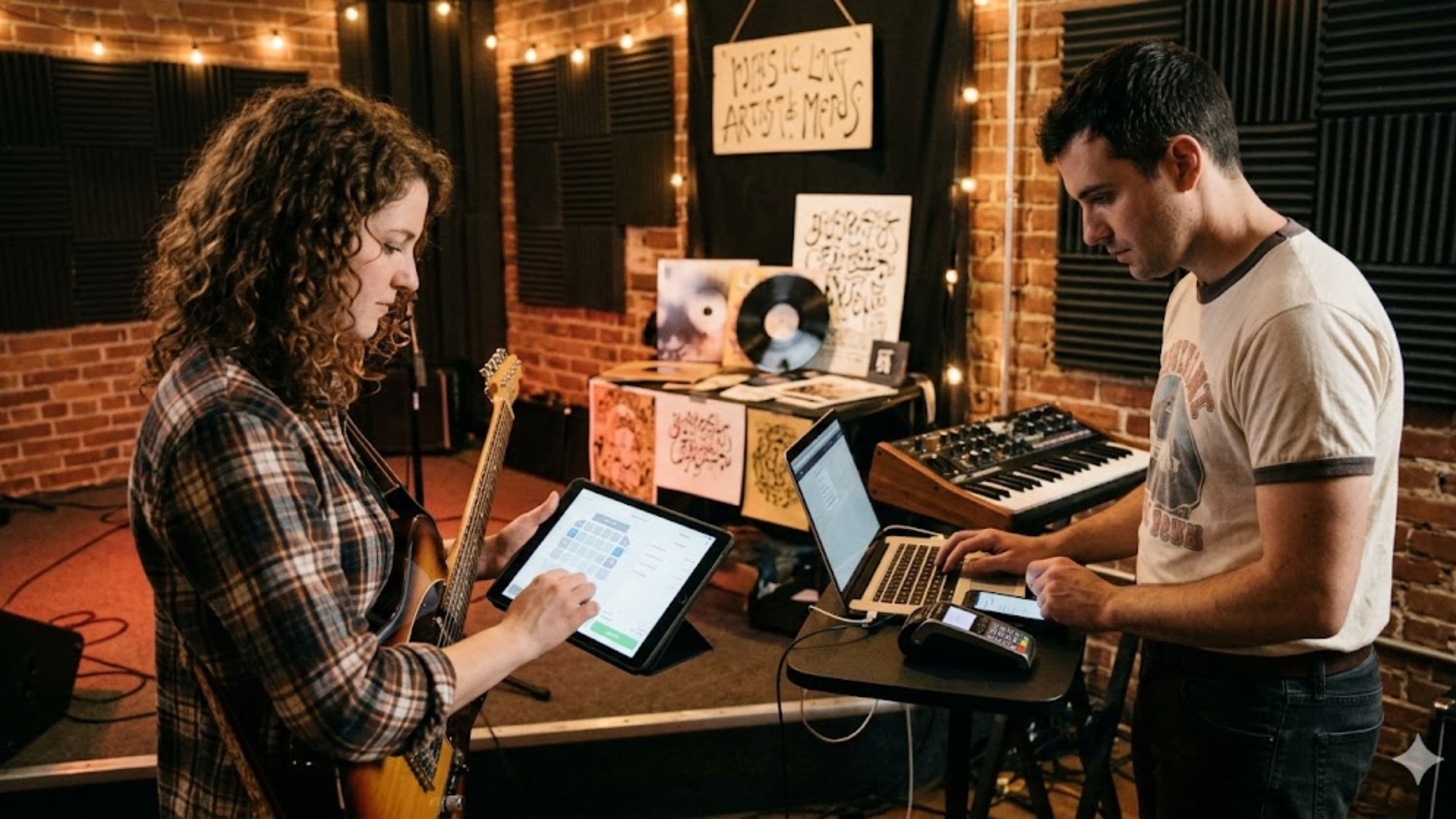
Merchandise revenue changes the math. The direct financial calculus of club touring looks quite different when merchandise is factored in properly. A 200-capacity room where you move $600 in merch changes the night from a financial wash to something that actually covers costs. Artists who approach touring with a deliberate merchandise strategy – not just having product available but actively engaging with the audience around it – consistently report better financial outcomes than those who treat merch as an afterthought.
The Case for Reconsidering
The arguments against the club circuit as a default strategy are also worth taking seriously.
Not all touring builds audience. There's a version of club touring where an artist plays 15 dates in cities where they have no existing fanbase, draws 30–50 people per night mostly because of other acts on the bill, and returns home with less money and the same number of followers they left with. This kind of touring is widespread and doesn't build much. The developmental benefits of live performance are real, but they accrue whether you're playing your home city regularly or grinding through markets where you haven't built any foundation.
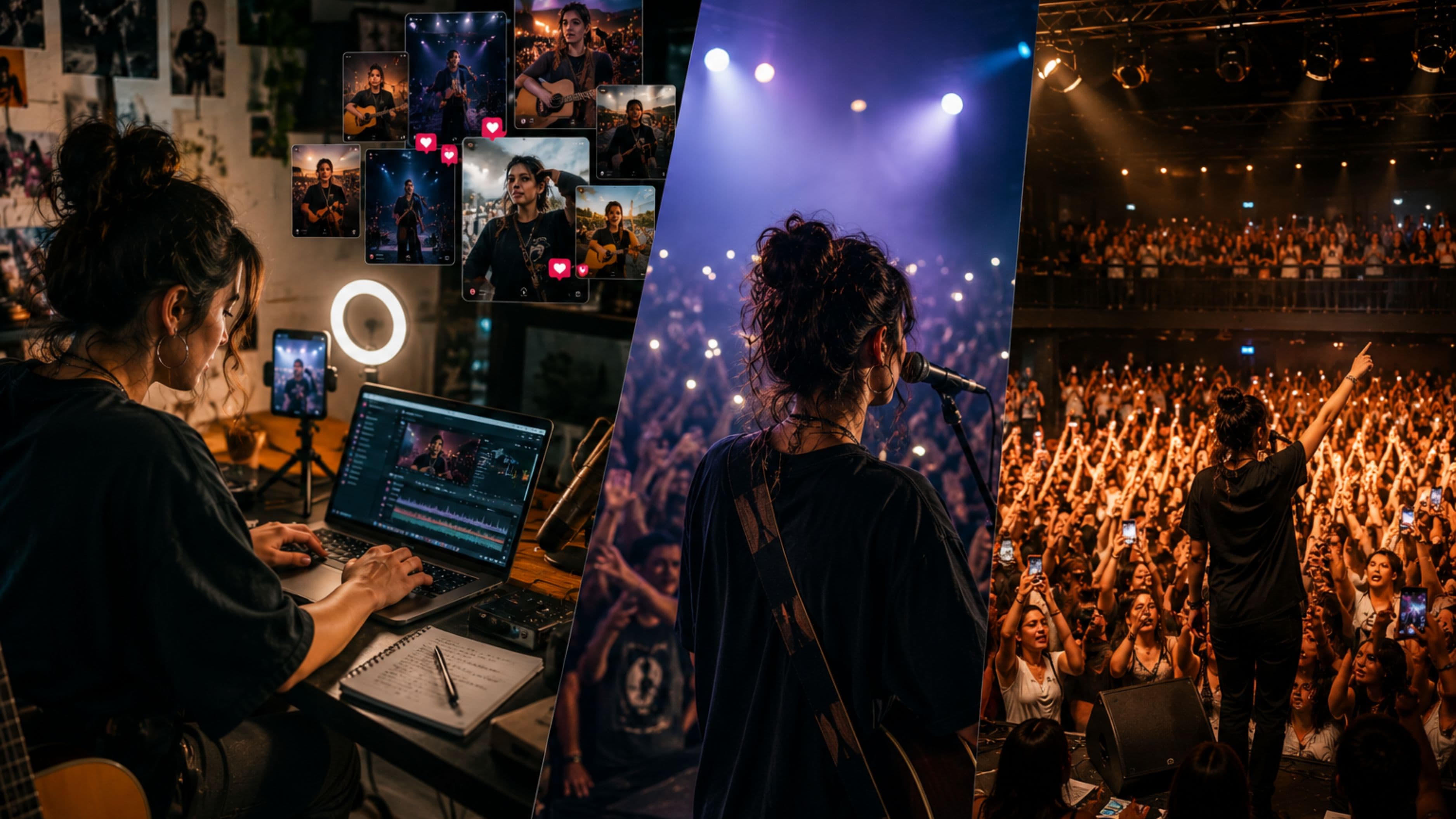
Online audience development can precede touring in a way it couldn't before. The traditional logic was: tour to build audience, then release music to an audience you've already found through live performance. That sequencing is no longer the only viable path. Artists who build genuine online audiences – through consistent social content, viral moments, or playlist placement – can arrive in a market with existing listeners who are ready to come to a show, which completely changes the economics and energy of a club date. The club circuit as an audience development tool is less efficient when used before any online foundation is established, and more efficient when used to convert an existing online audience into live fans.
The market for certain genres has shifted. Electronic artists, producers, and artists in certain urban genres have access to DJ and club residency structures that pay differently from traditional support slot touring. Some artist categories are genuinely better served by different performance models – private events, residencies, brand partnerships, or campus shows – than the traditional club support circuit. The assumption that the indie rock touring model is the correct template for every independent artist is worth questioning.
Burnout is a real cost. The physical and emotional toll of touring – especially self-managed touring at the club level, where an artist is often simultaneously the performer, driver, merchandise manager, and booker for the next run – is substantial. Artists who burn out early, or who accumulate negative associations with touring because the first few runs were financially and emotionally depleting, sometimes disengage from live performance at the exact moment they'd be most effective at it. Thinking strategically about when to tour, not just whether to tour, matters.
Impact on Independent Artists
The net picture for independent artists thinking about the club circuit in 2025 is a qualified yes, under specific conditions.
The club circuit is worth it if you're using it as a performance development tool and understand the financial return will be modest at best. It's worth it if you're playing markets where you have some existing audience, or where you've done targeted pre-show marketing to build anticipation before arriving. It's worth it if you have merchandise to sell and you're treating it seriously as a revenue channel. It's worth it if you're at a stage where building relationships with regional promoters and venue bookers serves a longer-term strategy.
It's less worth it as a default entry into the industry for artists who haven't built any online foundation and are hoping that 20 shows in new markets will create momentum from scratch. It's less worth it if the financial exposure of a tour without guarantees puts real pressure on your ability to continue making music. It's less worth it if you're at a stage where focused recording, content creation, and online community building would compound faster.
The right framing isn't "should I tour or not tour" – it's "what is this specific tour for, and is this the right time for it to achieve that purpose?"
Practical Takeaway
If you're deciding whether to pursue club touring now, start by answering three questions honestly.
First, what is the primary purpose of the tour? Audience development in markets where you have existing listeners, performance skill development, building relationships with promoters and venues, or direct revenue? Clarity about purpose allows you to evaluate success against the right metric, not the wrong one.
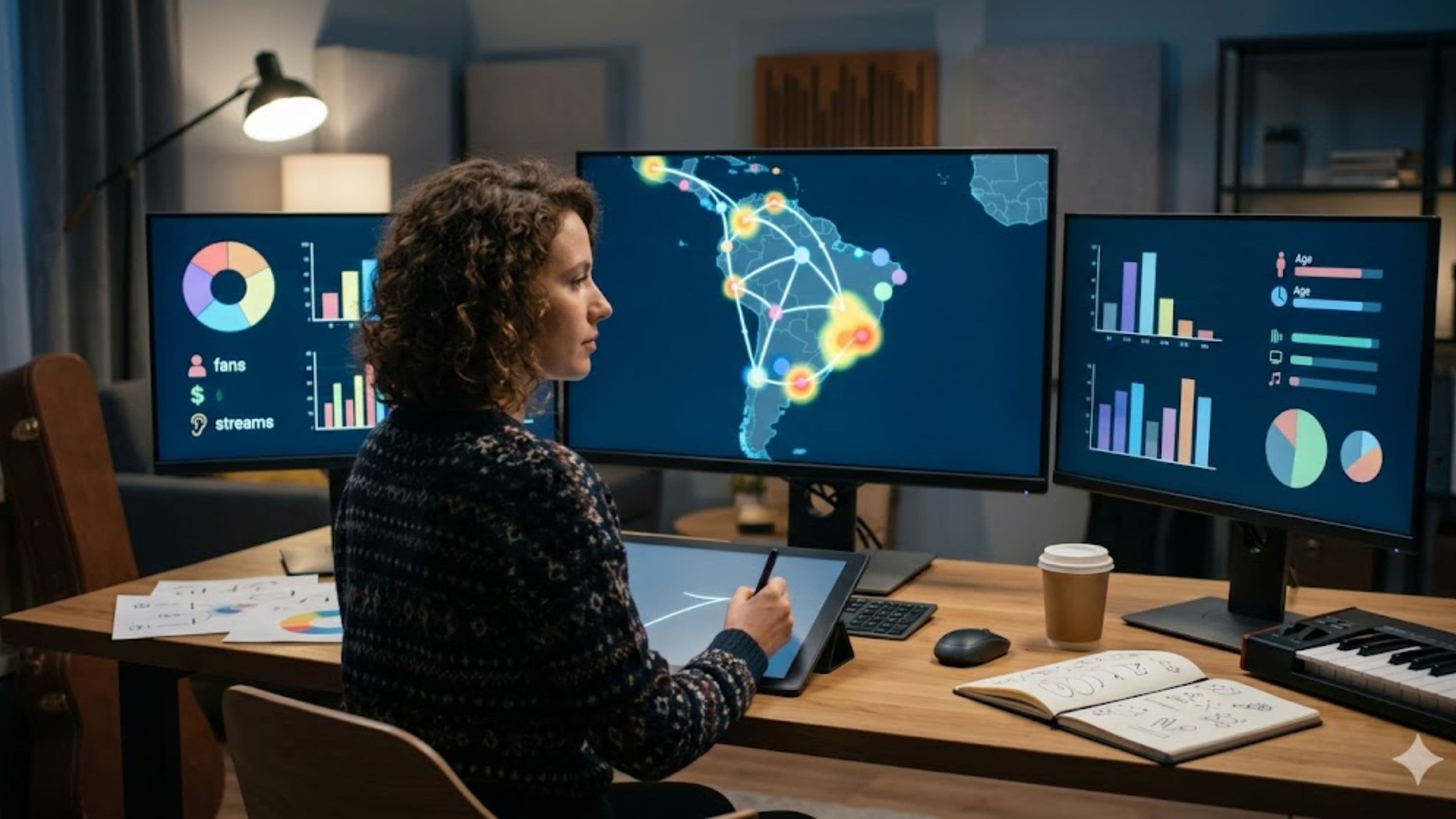
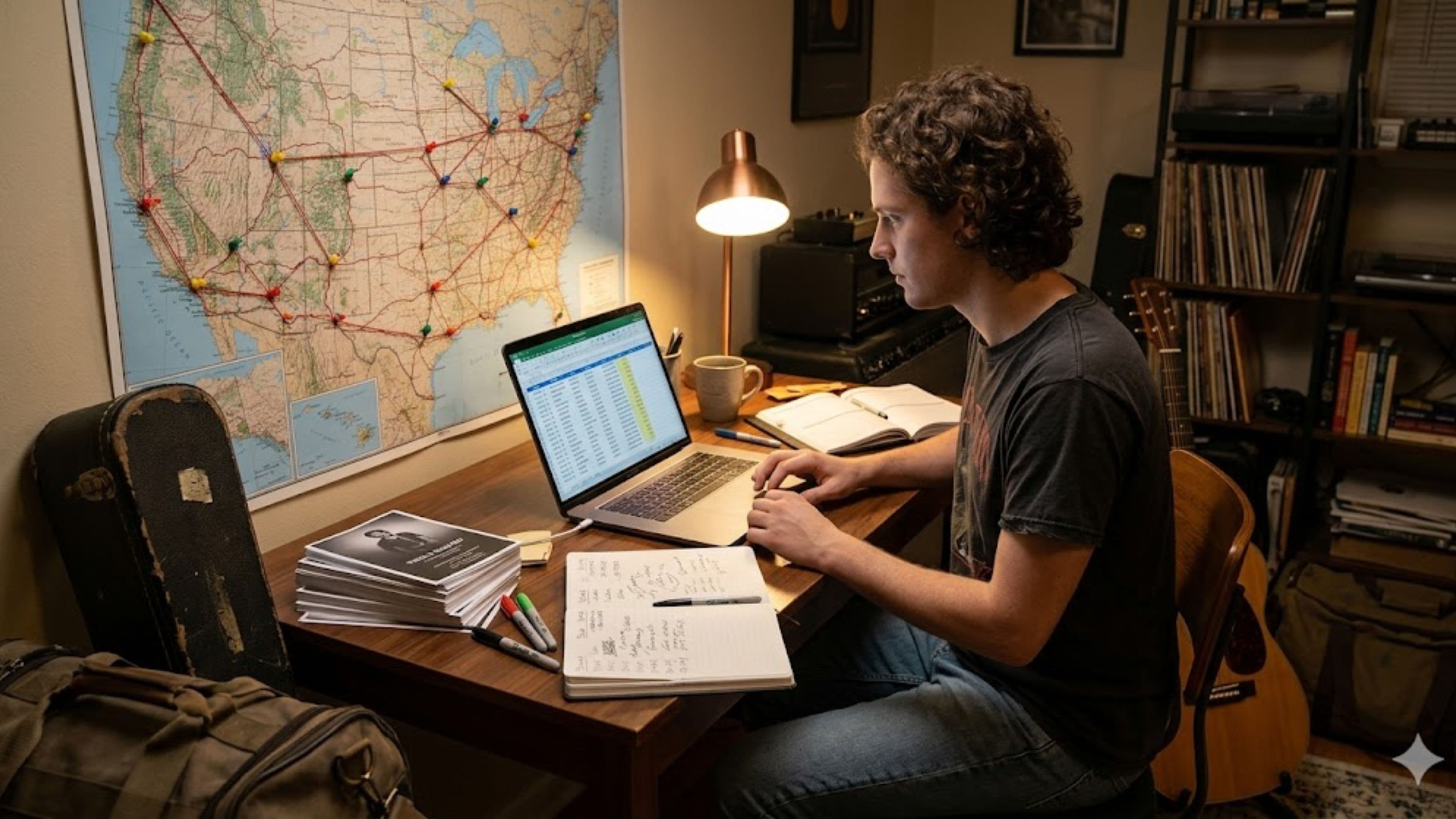
Second, do you have enough existing audience in the markets you're targeting to make door deal economics viable? A realistic audience audit – checking streaming listeners, social followers, and previous engagement in each city – tells you whether the financial math is likely to work before you book anything.
Third, is this the most efficient use of your time and capital right now? If a four-week tour costs $3,000 after merch revenue and puts you in front of 1,500 people across 15 cities, compare that honestly to what the same time and money invested in content creation, recording, or targeted digital promotion would produce. Neither answer is automatically correct, but the comparison sharpens the decision.
The club circuit isn't dying. It's becoming more deliberately strategic – the artists who use it well are the ones who understand what it's actually for and plan accordingly.
FAQ
Is it possible to make money from small venue touring as an independent artist? Possible, but not the norm in the early stages. Artists who tour profitably at the club level typically have merchandise that converts well, some guarantee income from promoters who know their draw, and efficient logistics that keep costs low. It's achievable, but building toward it usually requires a few loss-leader tours first.
How many shows is a realistic first run? A first run of six to ten dates in markets where you have some existing audience or connections is more manageable and more useful than a 20-date stretch that overextends logistics and budget. Start with markets you can actually develop and build from there.
Should you only play cities where you have fans? Not exclusively, but fan density should inform priority. Anchor dates in markets where you have the strongest existing audience, and use connecting dates in between as discovery opportunities rather than carrying them as the primary purpose of the run.
How do you get venue bookers to respond to booking enquiries? A short, professional email with links to your music, a performance video, your social following, and your market analytics (streaming listeners in their city) is more effective than a generic inquiry. Bookers are evaluating whether you'll draw an audience; give them data that speaks to that question directly.
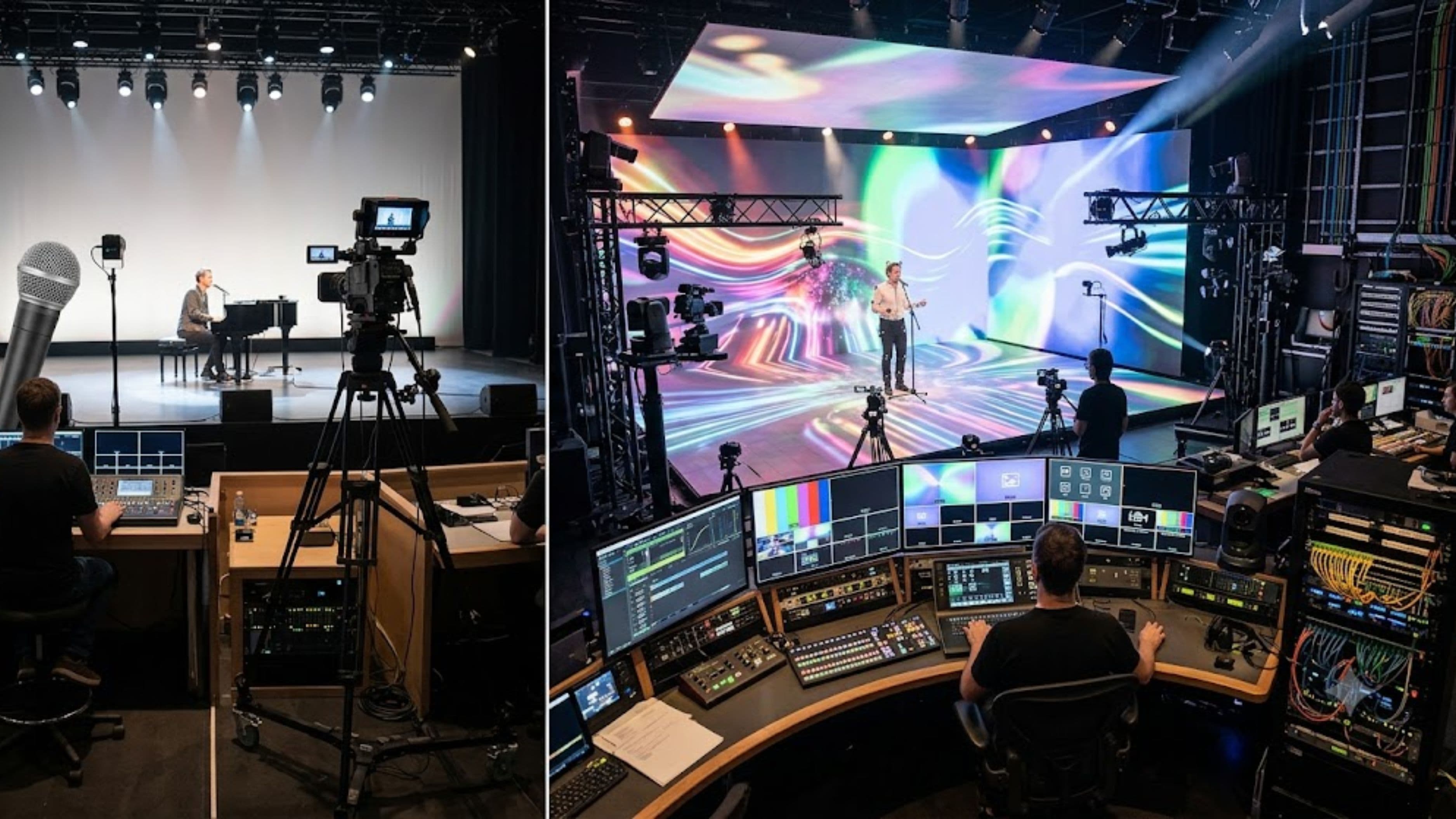
Is live streaming shows a replacement for touring? Not a replacement, but a complement. Live streaming can reach a global audience and generate virtual ticket revenue, but it doesn't build the same kind of local fan density or relational network that in-person touring does. Most artists who use live streaming effectively treat it as an extension of touring rather than a substitute.
📚 Sources
Music Business Worldwide – Independent touring economics: https://www.musicbusinessworldwide.com/category/live
Hypebot – Is touring still viable for independent artists: https://www.hypebot.com/hypebot/touring-economics/
NIVA (National Independent Venue Association) – State of independent venues: https://www.nivassoc.org/about
Pollstar – Live music market data: https://www.pollstar.com/industry-data
Bandcamp Daily – Independent artist touring strategies: https://daily.bandcamp.com/features/touring-strategies
Soundcharts – Artist market analytics and streaming geography: https://soundcharts.com/blog/music-market-data