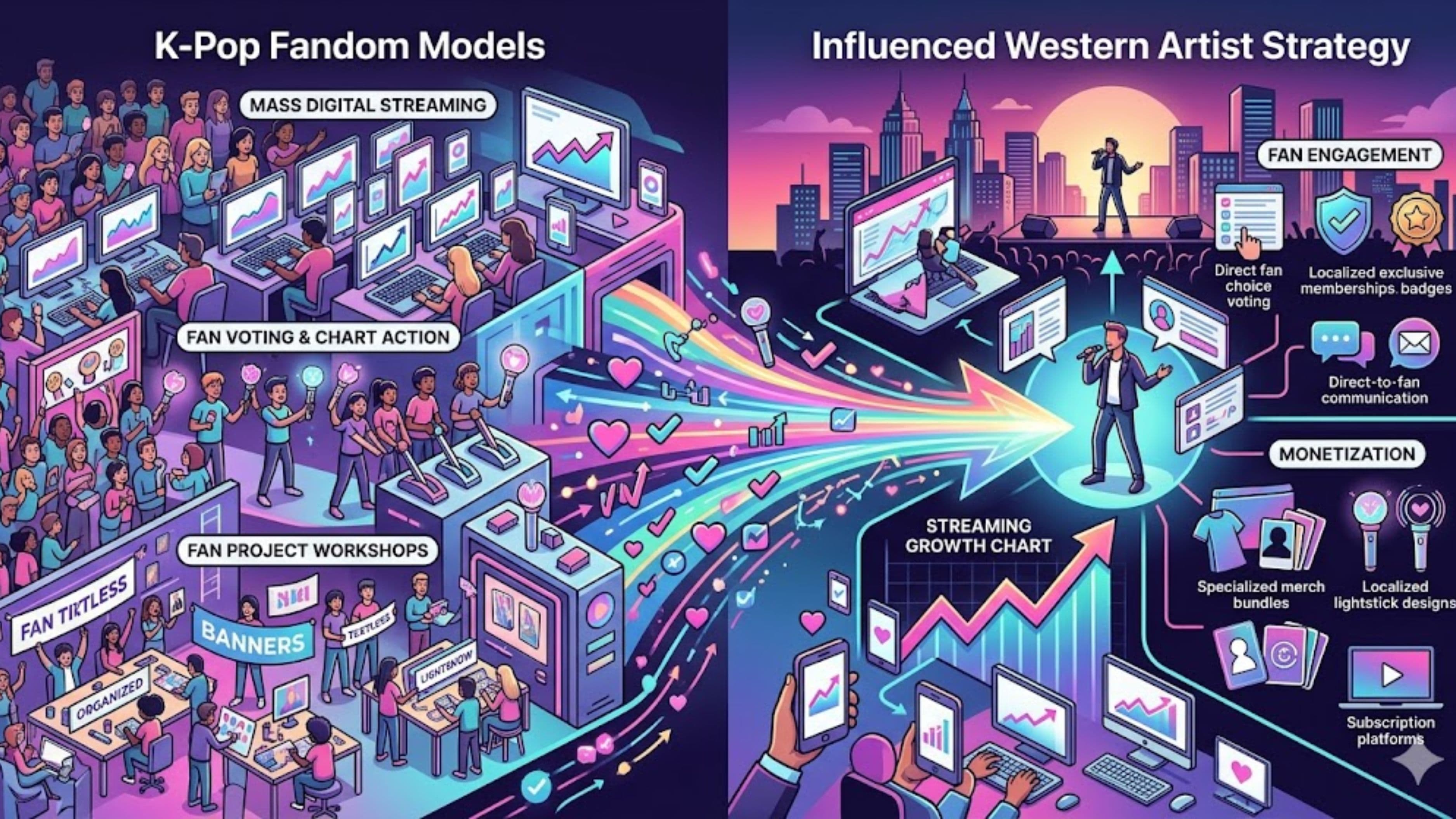
The distinction is real and worth understanding. But the way it's usually framed leaves working artists without a clear path. This piece breaks down what community actually is in the context of a music career, why it converts better than audience metrics, and what building it looks like at different stages of your growth.
The Actual Difference Between Audience and Community
An audience is a group of people who receive what you put out. A community is a group of people who engage with each other around what you put out – and increasingly, around you as a person and artist.
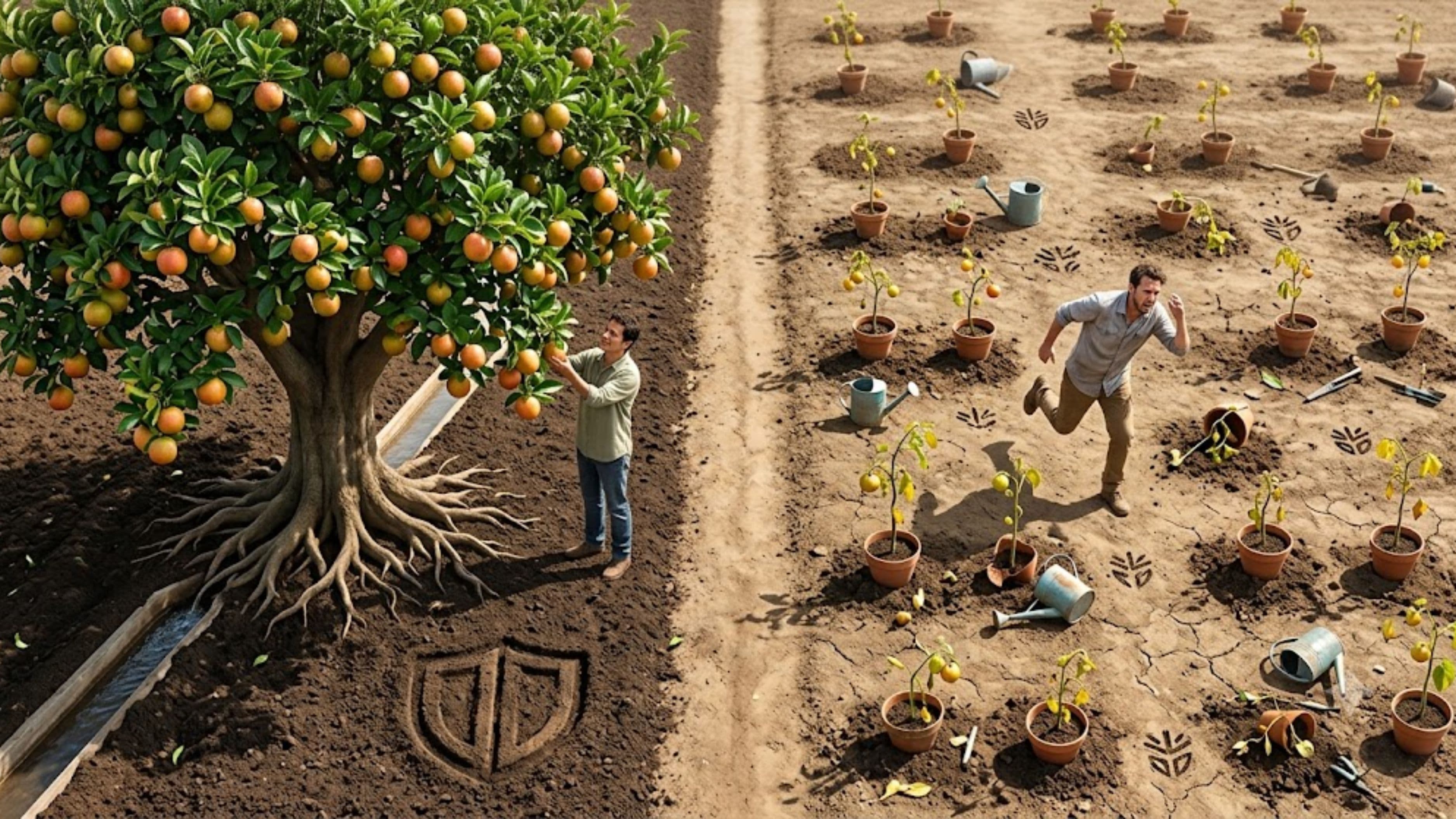
The difference matters commercially because communities are self-sustaining in ways that audiences aren't. An audience requires you to constantly produce new content to stay relevant. A community talks between your releases, shows up to defend you online, recruits new members through genuine word of mouth, and often sticks around during gaps in output because the connection isn't just to the product – it's to the group and the identity of being a fan of your work.
Think about the economics of a medium-sized independent artist with 80,000 monthly Spotify listeners. If that's purely an audience – people who hit shuffle on a playlist and happen to hear your music – the conversion rate on merch, tickets, Bandcamp sales, or Patreon subscriptions might be less than 0.5%. If that same 80,000 monthly listeners contains a community core of 3,000–5,000 people who are genuinely invested, who follow your socials, who talk to each other in comment sections or Discord servers, who tell their friends about you – that core will outperform the passive 80,000 in almost every revenue metric that matters for actually sustaining a music career.
This is the business case for community that rarely gets articulated clearly: the size of your audience matters far less than the density of investment within it.
Why Most Artists Default to Audience-Building Instead
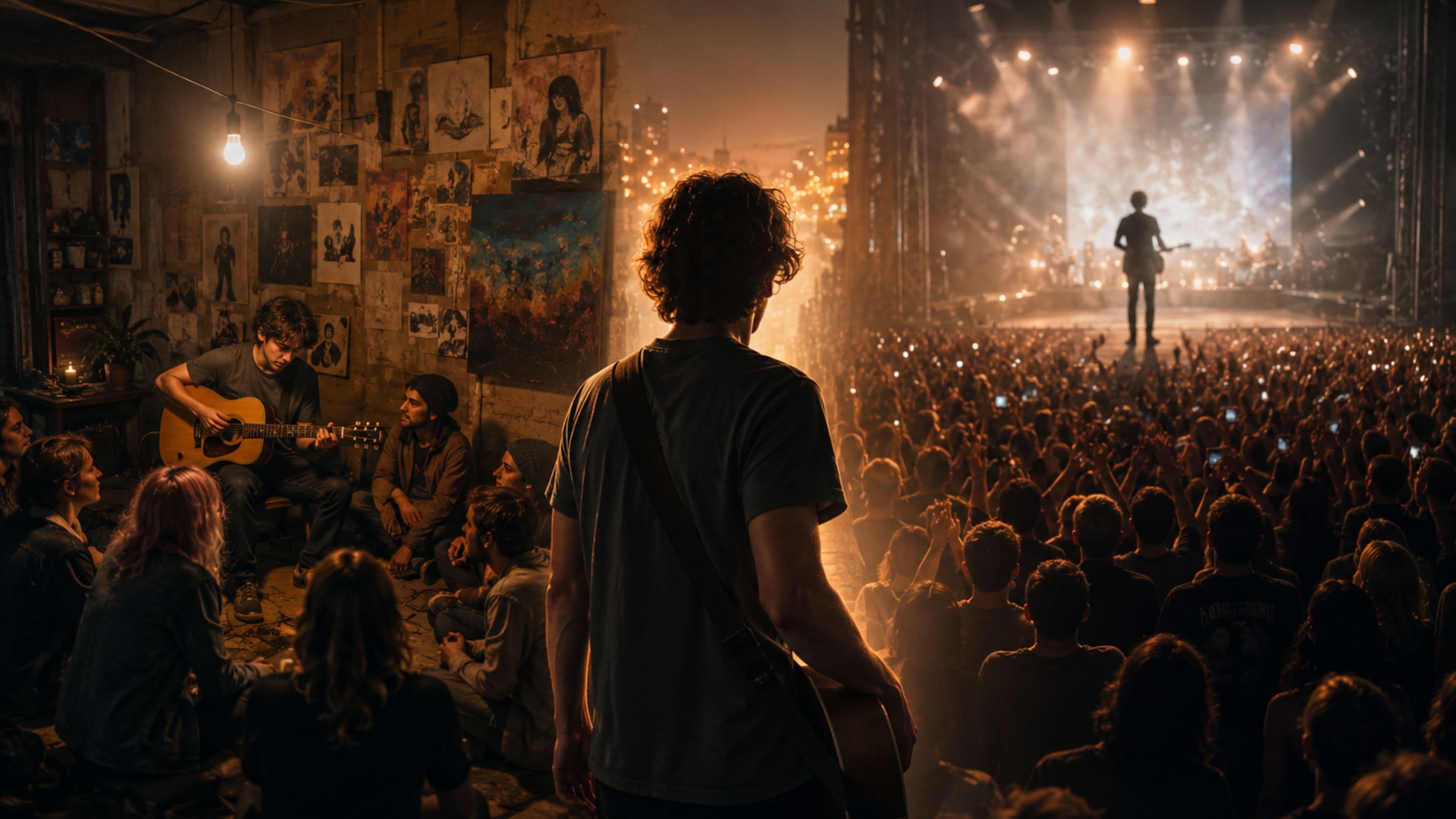
Building community requires different behaviors than building an audience, and most of the platforms artists use are architected for audience metrics, not community density.
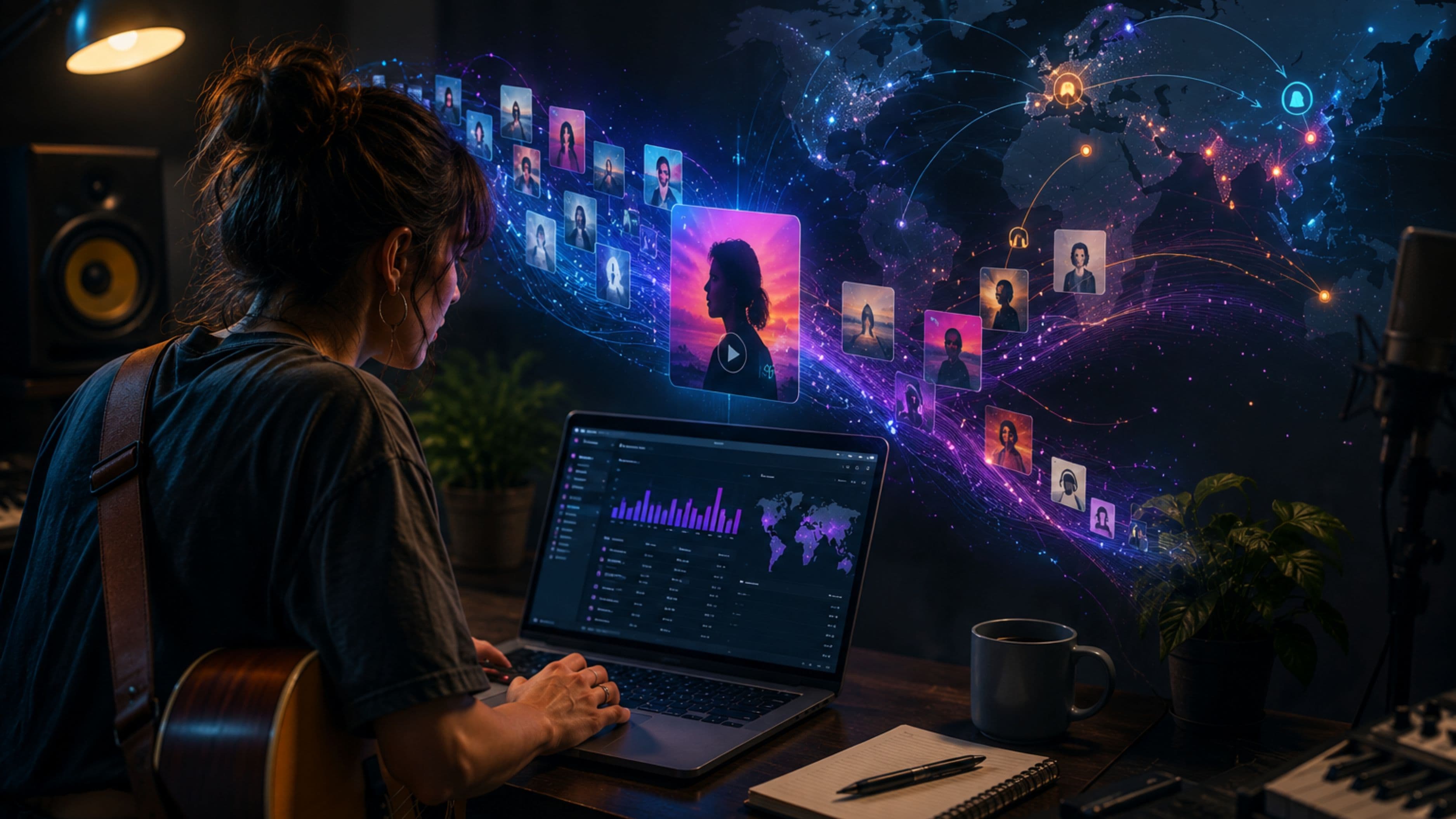
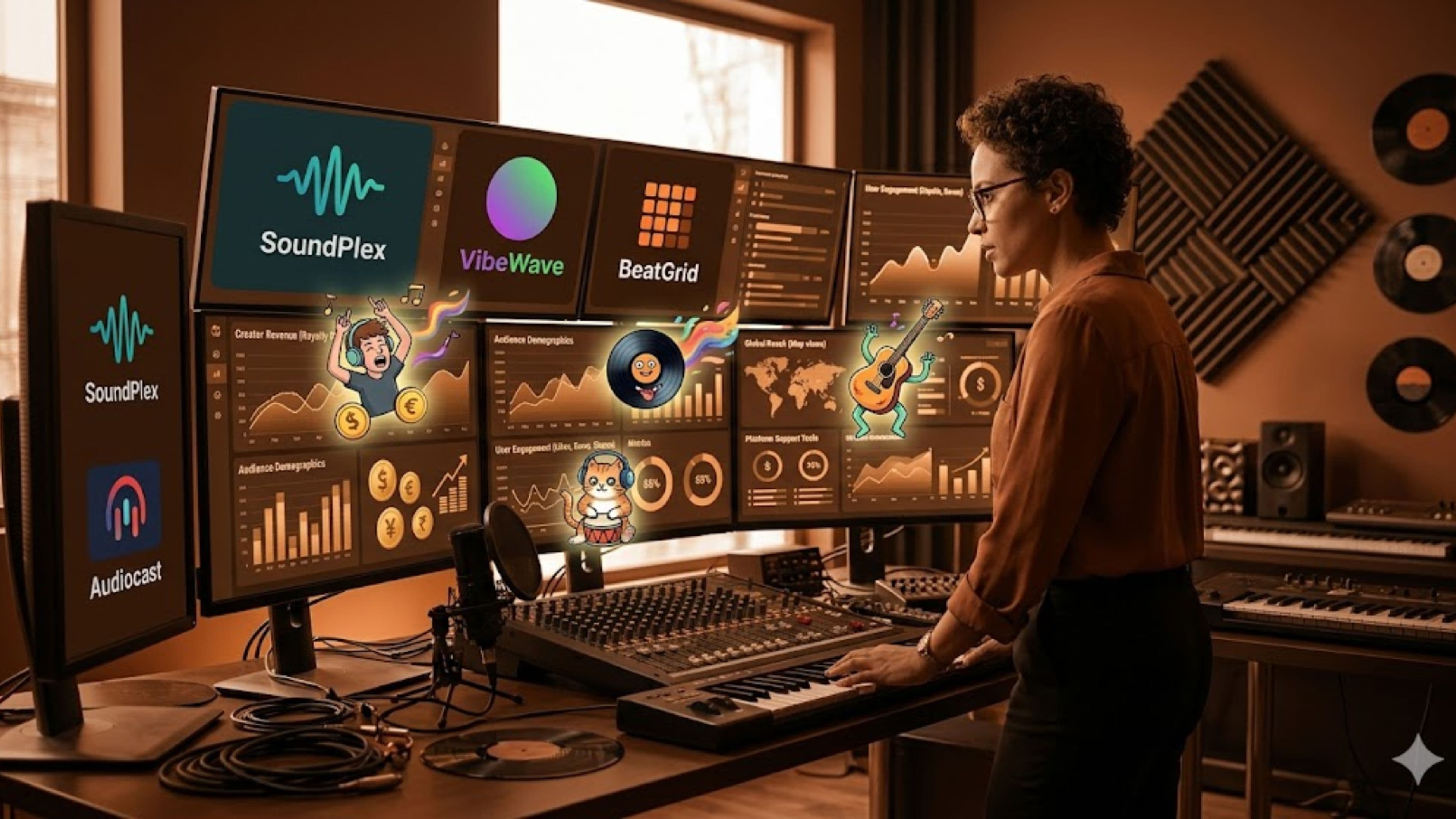
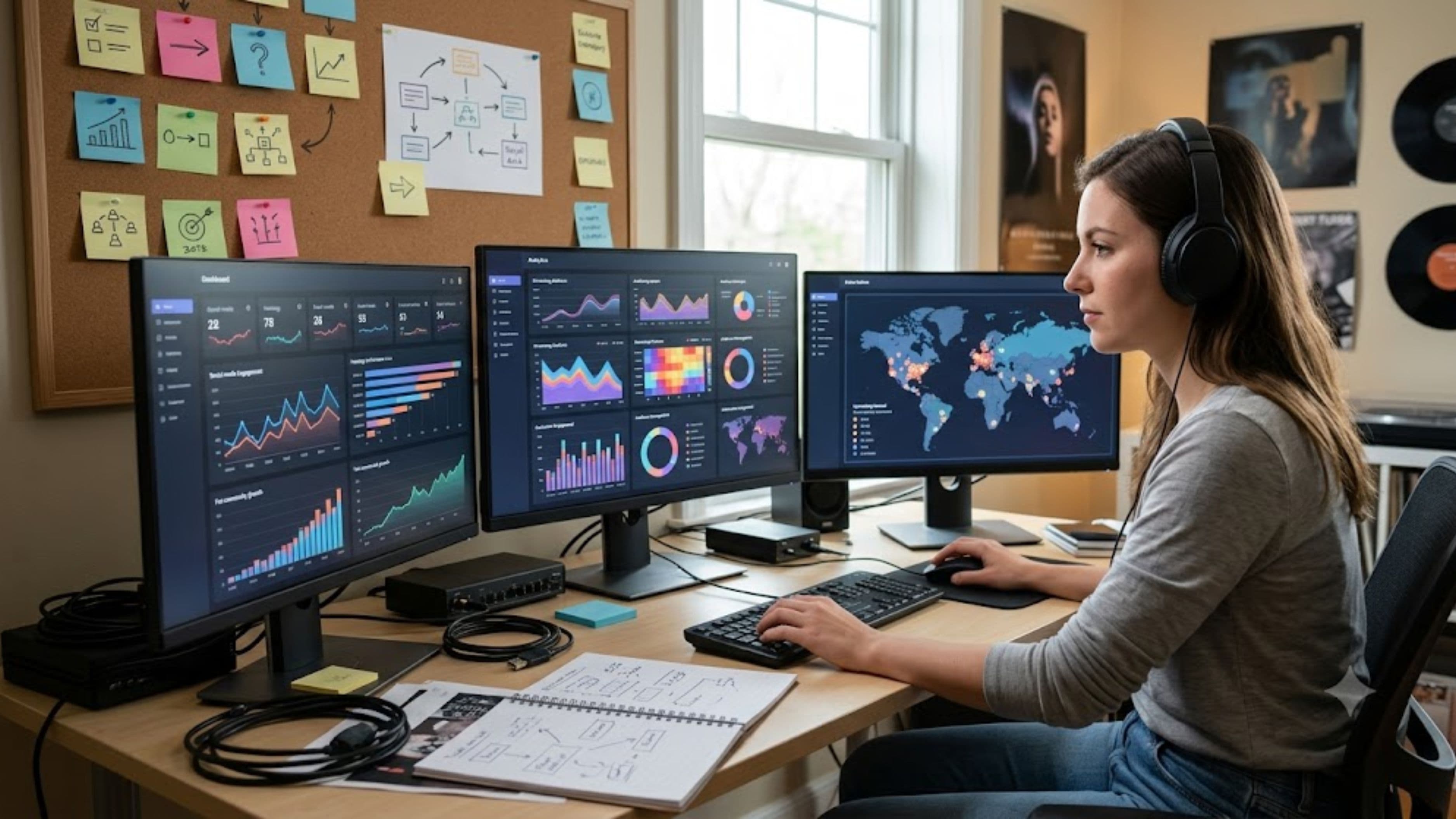
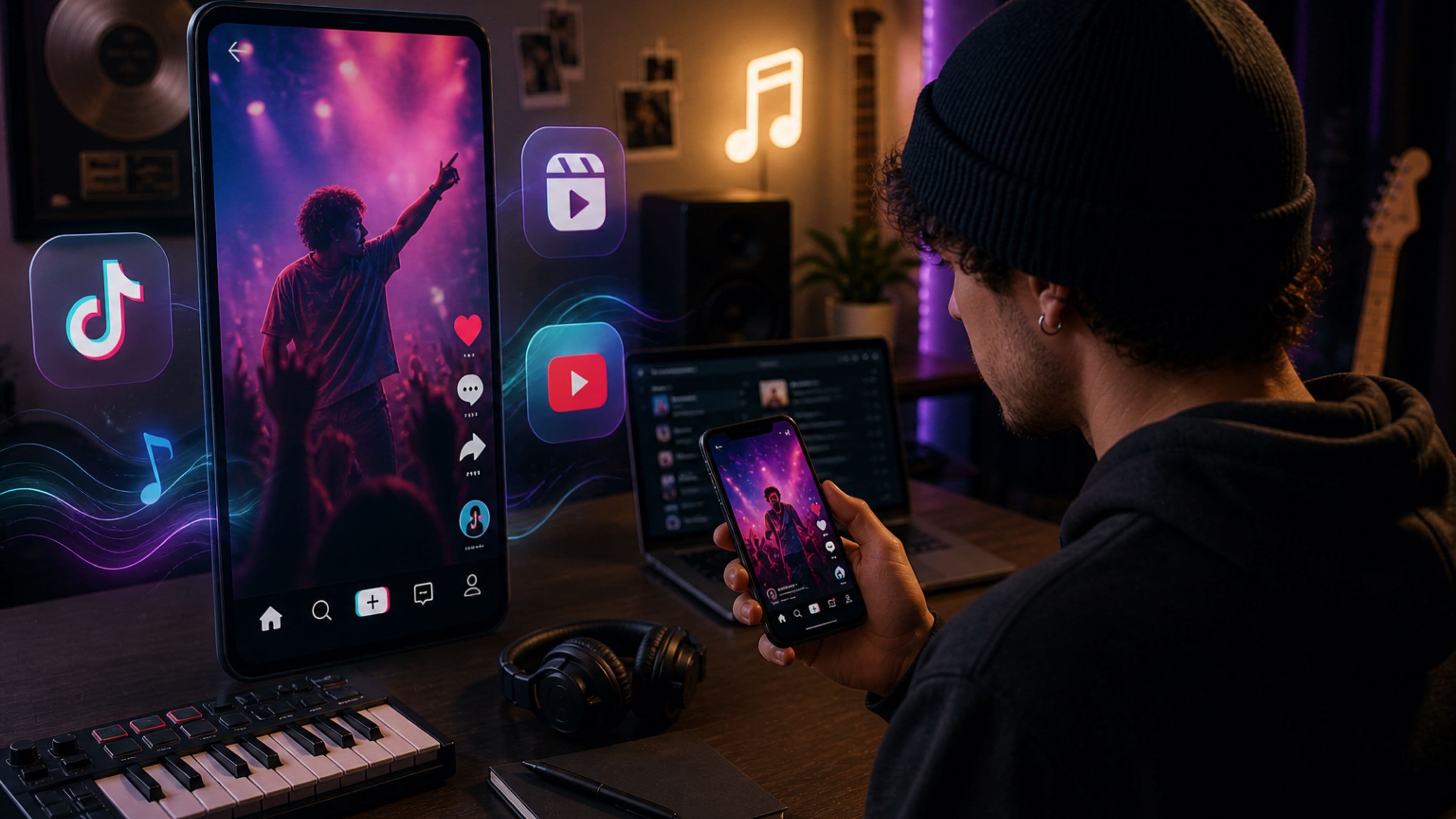
Spotify rewards streams. Instagram rewards reach and impressions. TikTok rewards views. YouTube rewards watch time. Every major platform optimizes for scale, and artists naturally optimize for the metrics the platforms show them. The result is that most artists are trained to think about reach as the primary indicator of career health, even when the artists who are actually making a living – often with modest streaming numbers – have built something different.
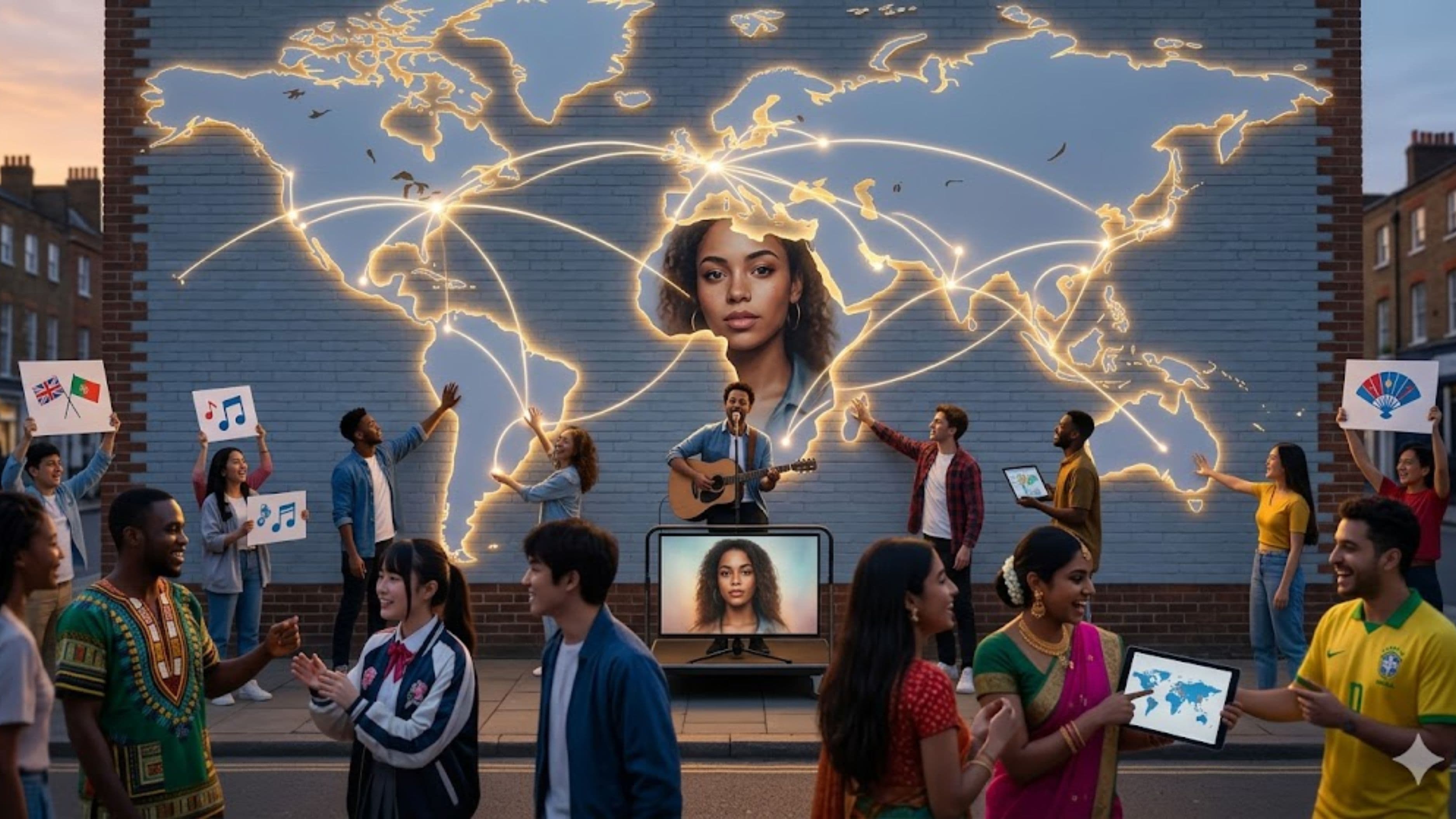
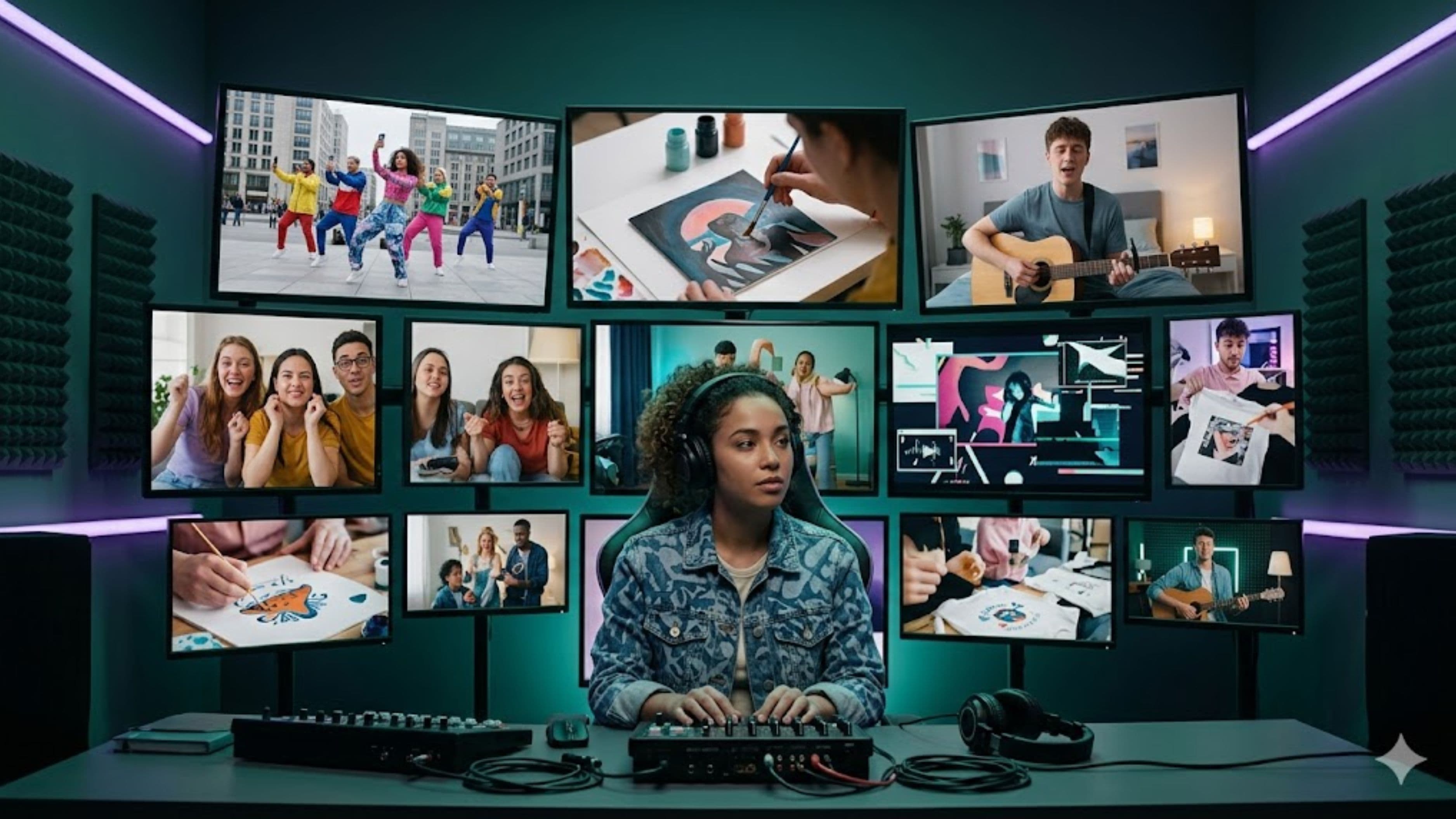
The artists who've figured this out tend to have deliberately moved at least part of their fan relationship off the algorithmic platforms and into spaces where they can build actual community. Not because they've abandoned streaming – streaming is still where most discovery happens – but because they've recognized that discovery and relationship are different stages of the fan journey and require different infrastructure.
Discovery happens on Spotify, TikTok, YouTube. Community is built in Discord servers, at shows, in email inboxes, in Patreon posts, in comment threads on a Substack. The artists who conflate the two end up spending enormous energy on content creation for algorithmic platforms and wondering why none of it converts into the kind of fan loyalty that sustains a career.
What Building Community Actually Looks Like
The specific tactics matter less than the underlying logic: community requires reciprocity, consistency, and context that makes people feel connected not just to you but to each other.
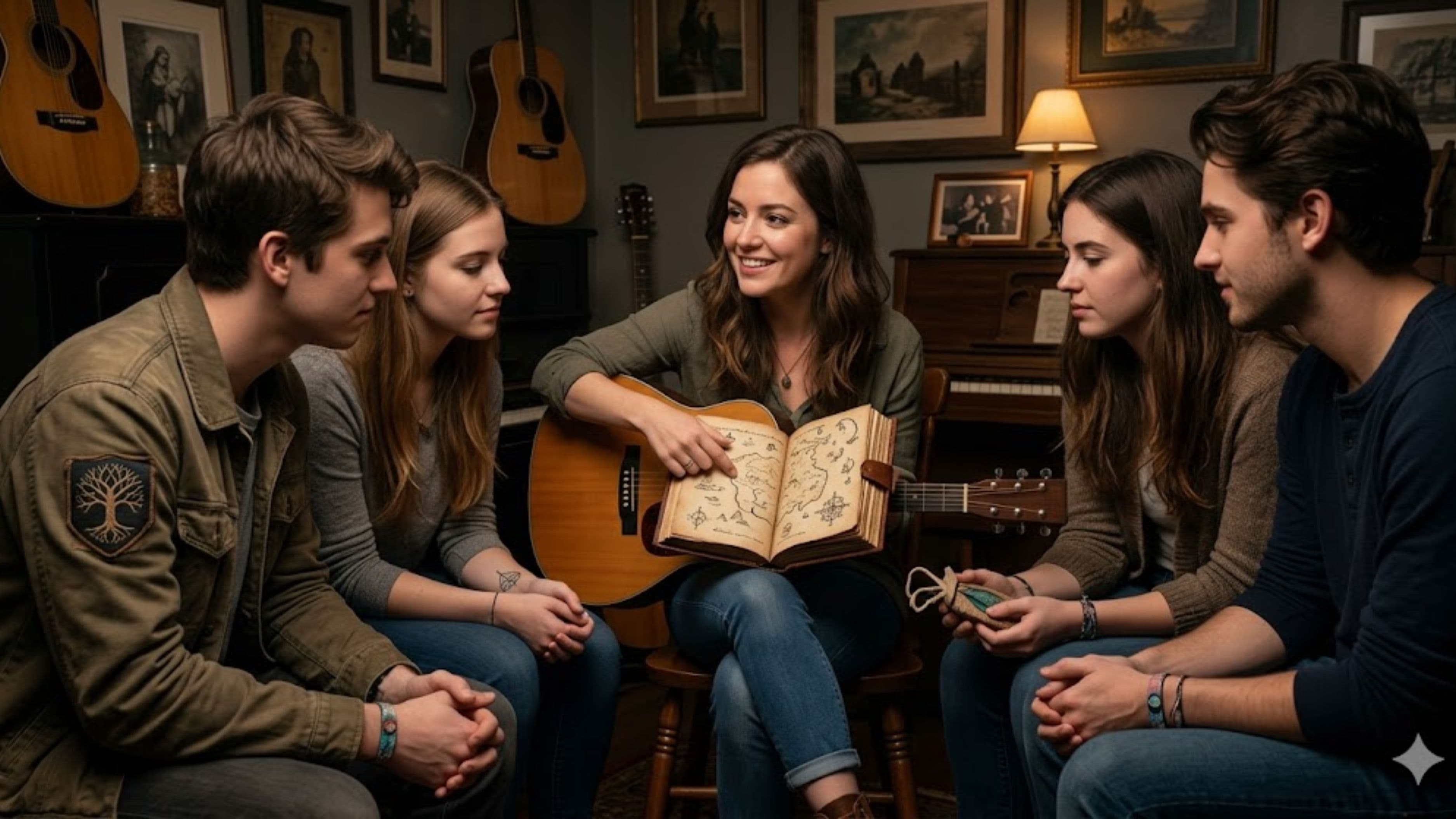
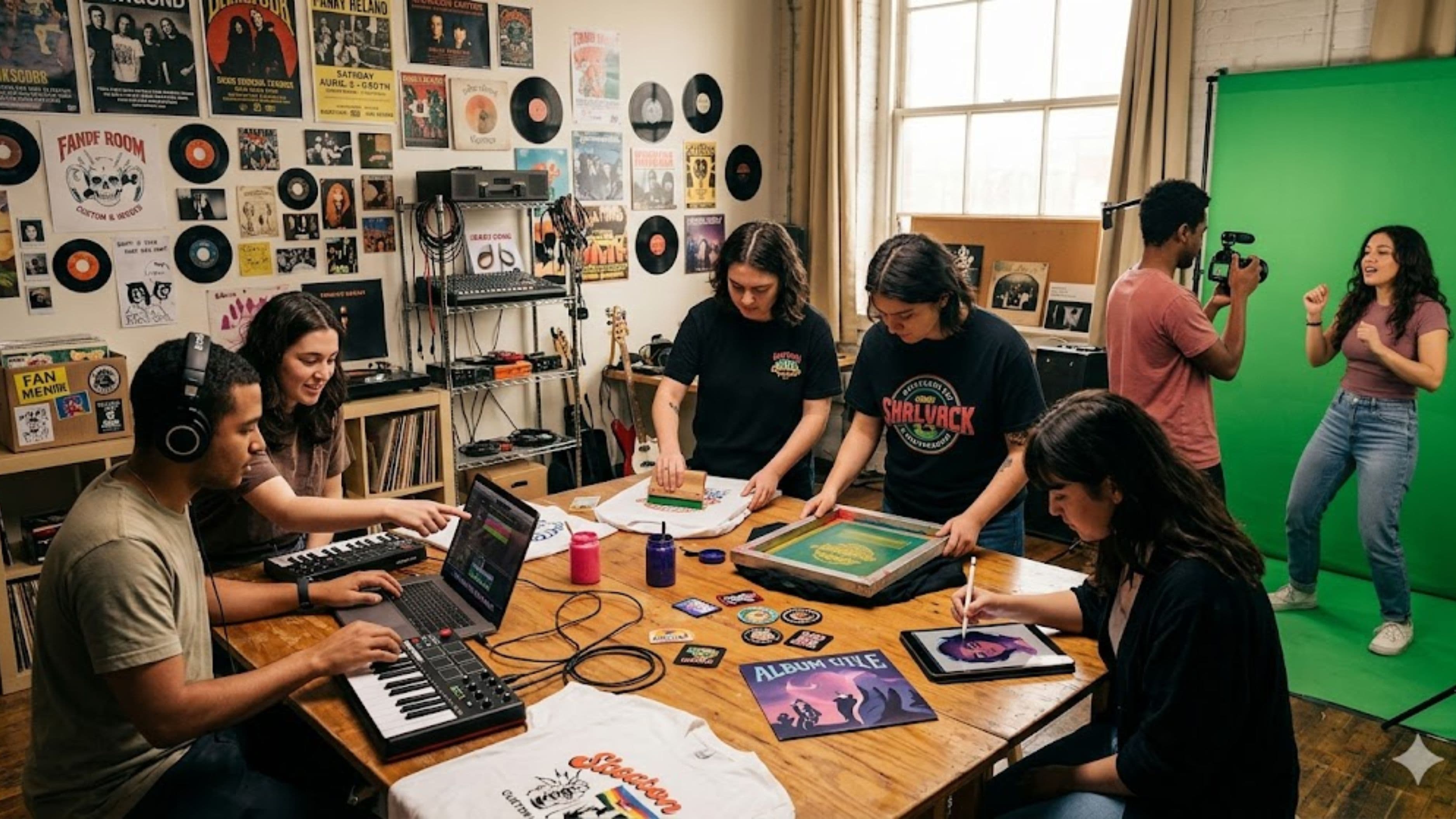
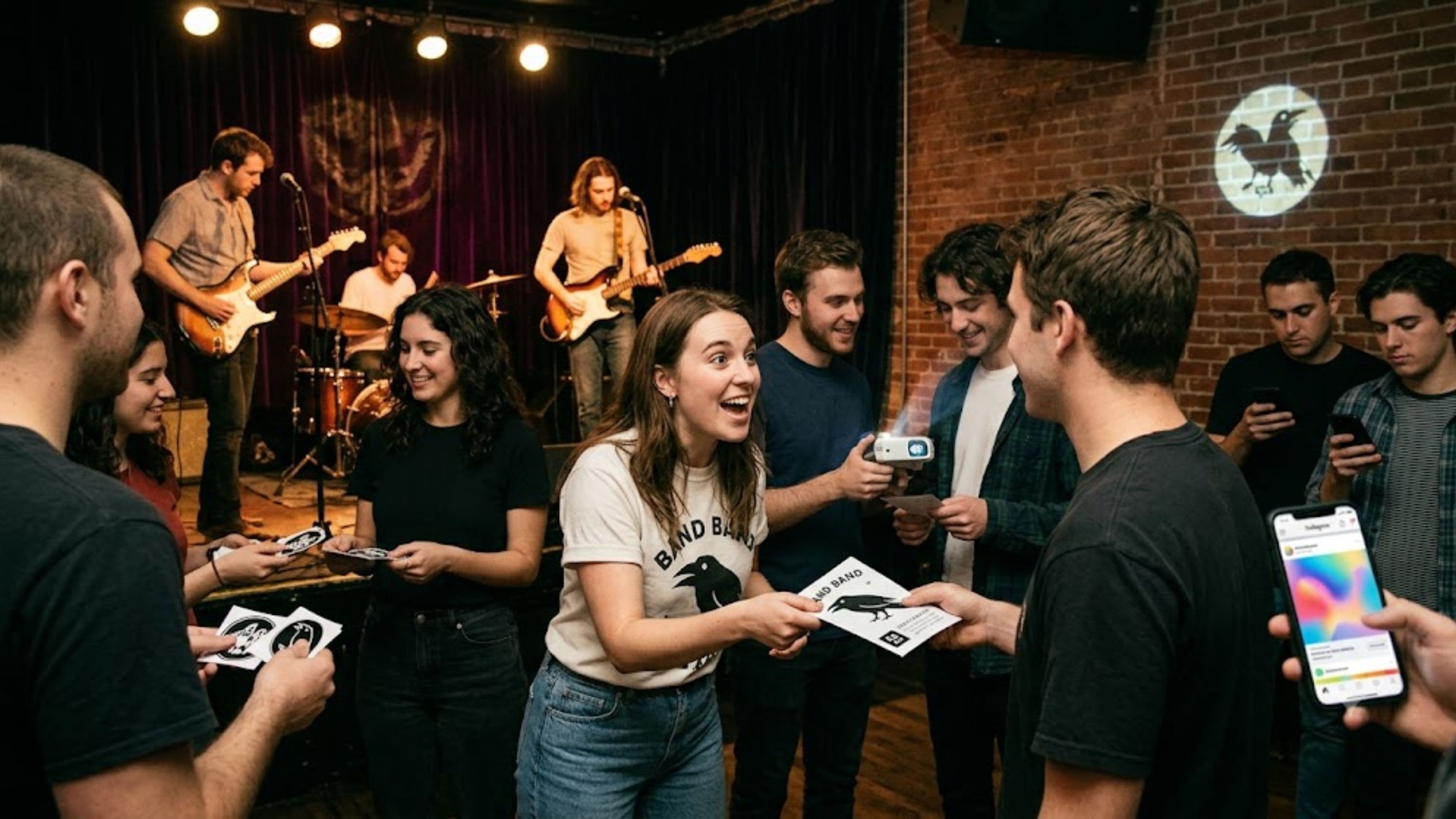
Giving people something to identify with. The strongest fan communities form around a specific shared identity, not just appreciation of good music. This might be an aesthetic, a set of values, an inside joke or recurring reference, a specific subculture the artist is embedded in, or even just a particular era of the artist's work that became meaningful to a specific group at a specific time. Artists who become genuinely community-focused give their fans a way to recognize each other and a sense of belonging to something, not just liking something.
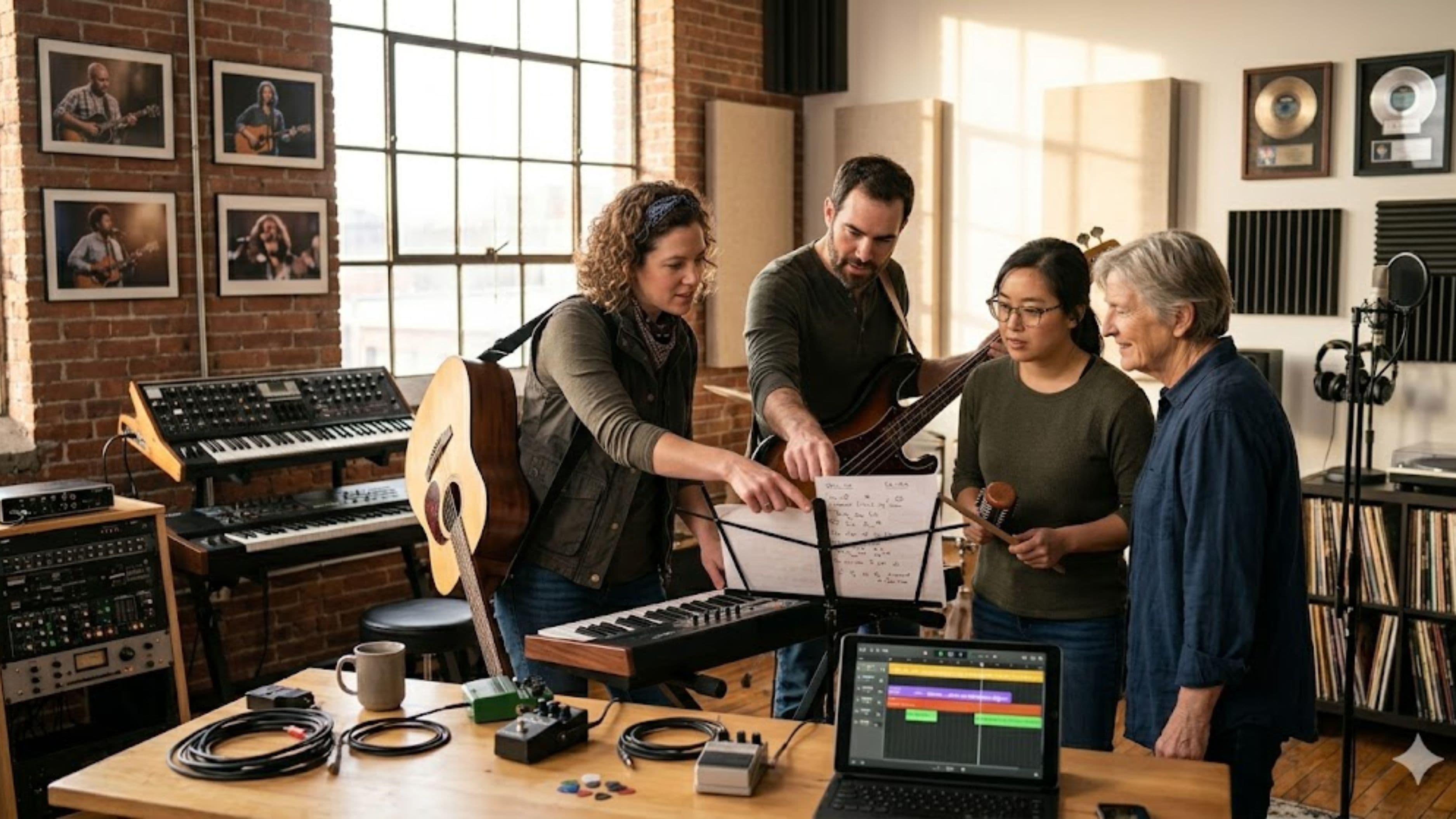
Creating spaces where fans can interact. Discord servers, subreddits, fan forums, comment sections the artist actively participates in – any context where fans can talk to each other is community infrastructure. The artist doesn't have to manage these spaces constantly; sometimes just seeding them and showing up occasionally is enough to sustain activity. What matters is that the fan relationship stops being purely one-directional.
Responding at scale in ways that feel personal. This is harder the bigger you get, but the artists who maintain community at meaningful scale tend to do things that signal that they see their fans as individuals rather than numbers. Responding to specific comments, referencing things fans have said in videos, naming specific cities or fan stories during live shows, remembering recurring names in their communities – these behaviors are partially performable at scale (with systems and intention) and they maintain the feeling of genuine relationship that community depends on.
Involving fans in the work. Not as a gimmick, but genuinely. Asking which demo to develop. Sharing the criteria you're using to make a difficult creative decision and inviting input. Running naming contests for tours or merchandise drops that people actually care about. These moments give fans a stake in what you're doing that purely passive consumption can't create.
The Revenue Logic of Community
The clearest proof that community converts better than audience is in how direct-to-fan platforms perform relative to streaming. An artist with 20,000 monthly Spotify listeners and a genuinely engaged Patreon community of 200 subscribers at $10/month generates $2,000/month in predictable, recurring revenue from Patreon alone – a meaningful income contribution that doesn't depend on algorithmic performance. That same artist relying on streaming royalties from their 20,000 listeners would generate roughly $60–$100 per month.
Merch follows the same pattern. Artists who sell merchandise to genuine communities – where buyers feel a sense of identity and belonging connected to the purchase – consistently report higher conversion rates and better sell-through than artists selling to passive audiences. The merchandise represents membership in something, not just appreciation of a product.
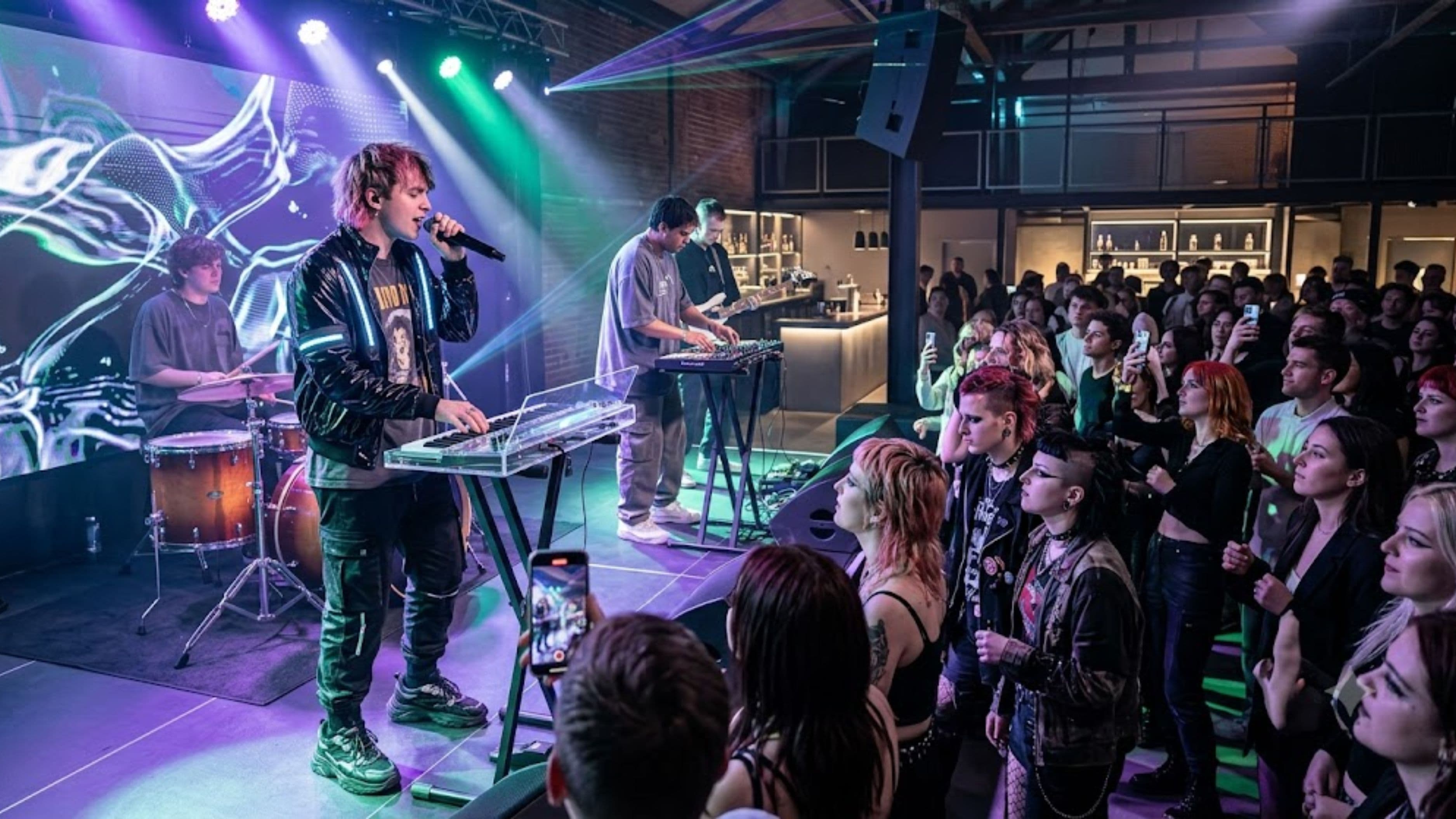
The same logic extends to live shows. Ticket buyers who feel part of a community are dramatically more likely to attend shows in their city, to travel for shows in nearby cities, and to bring other people. One genuinely community-connected fan who brings two friends to every local show is worth more to your touring income than a hundred passive streamers who'd enjoy your music if they heard it but have no particular reason to seek you out live.
The aggregate effect of this is that community-building has asymmetric returns at the lower-to-mid range of career scale. It matters most precisely when you're not famous enough to rely on scale alone – which is where most working independent artists actually are.
The Honest Trade-offs
Community-building takes time that audience-building doesn't. Responding to comments, showing up in Discord servers, doing Patreon Q&As, being consistent across platforms where fans actually talk to each other – this is labor that doesn't show up in streaming numbers and doesn't look impressive in press kits. It's easy to deprioritize when you're also trying to make music, book shows, handle logistics, and do everything else that independent music requires.
It also requires a particular kind of emotional availability that not every artist has all the time. Community requires reciprocity, and reciprocity requires showing up. During difficult periods – when a project doesn't land, when you're burned out, when life is complicated – maintaining the consistent engagement that communities run on is genuinely hard. Artists who've built authentic communities tend to have developed a sense of what minimum viable engagement looks like during off periods, which is different from abandoning the community but also different from performing normalcy when you're not okay.
Community can also create tension when it calcifies around a specific version of you. Fans who feel deeply invested in a particular era of your work or a particular artistic identity can be resistant to evolution. This is a well-documented phenomenon in music – the artist who wants to grow finds that the community built around who they were has complicated feelings about who they're becoming. Managing that without alienating your core while still evolving is one of the genuinely hard parts of career-long community management.
What to Actually Do Next
If you're an independent artist reading this and wondering where to start, the most useful first move is to assess what you already have rather than building from scratch.
Look at where your fans already talk to each other or try to reach you. It might be in specific comment threads. It might be a small group of people who've been at multiple shows. It might be people who reply thoughtfully to your Instagram stories. Whoever is already engaged beyond passive consumption – those are your community seeds. They don't need a Discord server yet; they need you to notice them and engage back.
The second move is to pick one space and show up in it consistently before trying to build everywhere. A weekly voice note to Patreon subscribers who actually listen to it beats a half-managed Discord, a half-posted Substack, and a half-active Facebook group. Depth in one place creates community faster than surface-level presence in many.
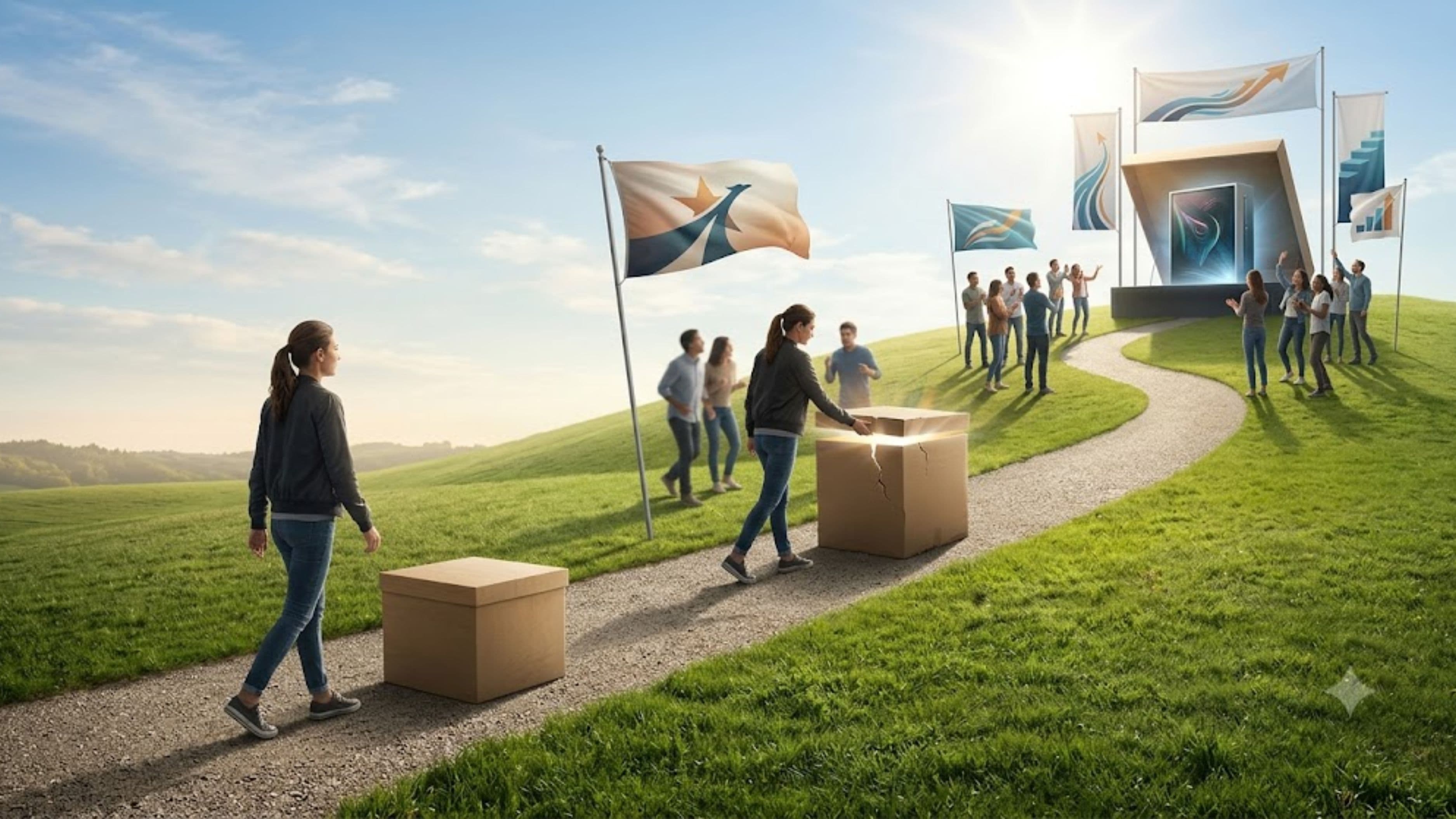
The third move is to let it be small at first. A community of 100 people who feel genuinely connected is worth more to your career than 10,000 passive followers – and it's also the foundation on which larger community grows. Trying to scale community before you've built the core behaviors that sustain it tends to produce the appearance of community without the economic and relational substance that makes it valuable.
FAQ
How is community different from just having active social media followers? Active social media followers are audience. Community emerges when those followers start to develop connections to each other and a shared identity around your work – not just to you individually. The practical test is whether your fans talk to each other, recruit new fans organically, and show up for you without being prompted. That's community behavior.
How do you build community if you're introverted or private? By designing community around what you're genuinely comfortable with. A heavily moderated Discord that you drop into twice a week is community. A Patreon with voice notes that feel like personal updates, managed on your schedule, is community. You don't need to be constantly present or emotionally accessible. You need to be consistent and genuine within whatever limits you've set.
At what point does building community start to matter financially? Earlier than most people think. Even at a few hundred monthly listeners, 20 genuinely invested fans who buy your music, come to shows, and tell friends are more valuable to your revenue than 2,000 passive streamers. The financial impact compounds as the community grows and recruits new members organically.
What's the fastest way to kill community momentum? Going silent for extended periods without explanation is one. Ignoring the community and only posting promotional content is another. And pivoting your artistic identity dramatically without bringing your fans along – giving them context, involving them in the story of why you're evolving – tends to fracture communities that formed around a specific aesthetic or era.
📚 Sources
Hypebot – The Economics of Superfans: Why 1,000 True Fans Still Holds: https://www.hypebot.com/hypebot/2023/01/the-economics-of-superfans-why-1000-true-fans-still-holds.html
Music Business Worldwide – Direct-to-Fan Revenue Is Outpacing Streaming for Independent Artists: https://www.musicbusinessworldwide.com/direct-to-fan-revenue-independent-artists/
Kevin Kelly – 1,000 True Fans (Original Essay): https://kk.org/thetechnium/1000-true-fans/
Bandcamp Daily – Building a Fanbase That Lasts: https://daily.bandcamp.com/features/building-a-fanbase-that-lasts
Ari's Take – Why Streaming Numbers Don't Tell the Whole Story: https://aristake.com/why-streaming-numbers-dont-tell-the-whole-story/