This isn't about publishing more, it's about publishing predictably. Here's how to actually build a schedule you can sustain rather than one that looks good on paper for the first month and collapses by month three.
Why Consistency Matters More Than Frequency
Listeners build habits around release patterns, whether that's a weekly Tuesday drop or a biweekly Thursday release, and that habit becomes part of what keeps them subscribed rather than drifting away to other content. Podcast platforms also tend to reward consistent publishing patterns with better algorithmic visibility, since regular activity signals an active, reliable show rather than one that might have gone dormant.
This means a realistic weekly schedule you can actually sustain long-term beats an ambitious daily schedule that burns you out within two months. Growth compounds over time with consistent shows, and an irregular publishing history makes it harder for new listeners to trust that a show will still be around, or still be interesting, by the time they've caught up on the back catalog.
Step 1: Choose a Frequency Based on Your Actual Production Capacity
Before committing to a schedule, honestly assess how much time each episode actually takes from planning through publishing, including research, recording, editing, and promotion. Many new podcasters default to weekly releases without accounting for the real production time involved, then find themselves scrambling or skipping episodes once life gets busy.
A biweekly or even monthly schedule, published reliably, builds more trust with an audience than a weekly schedule that becomes unpredictable after a few months. Pick the frequency you can maintain even during a busier-than-usual month, not the frequency that only works when everything goes according to plan.
Step 2: Batch Your Content Production
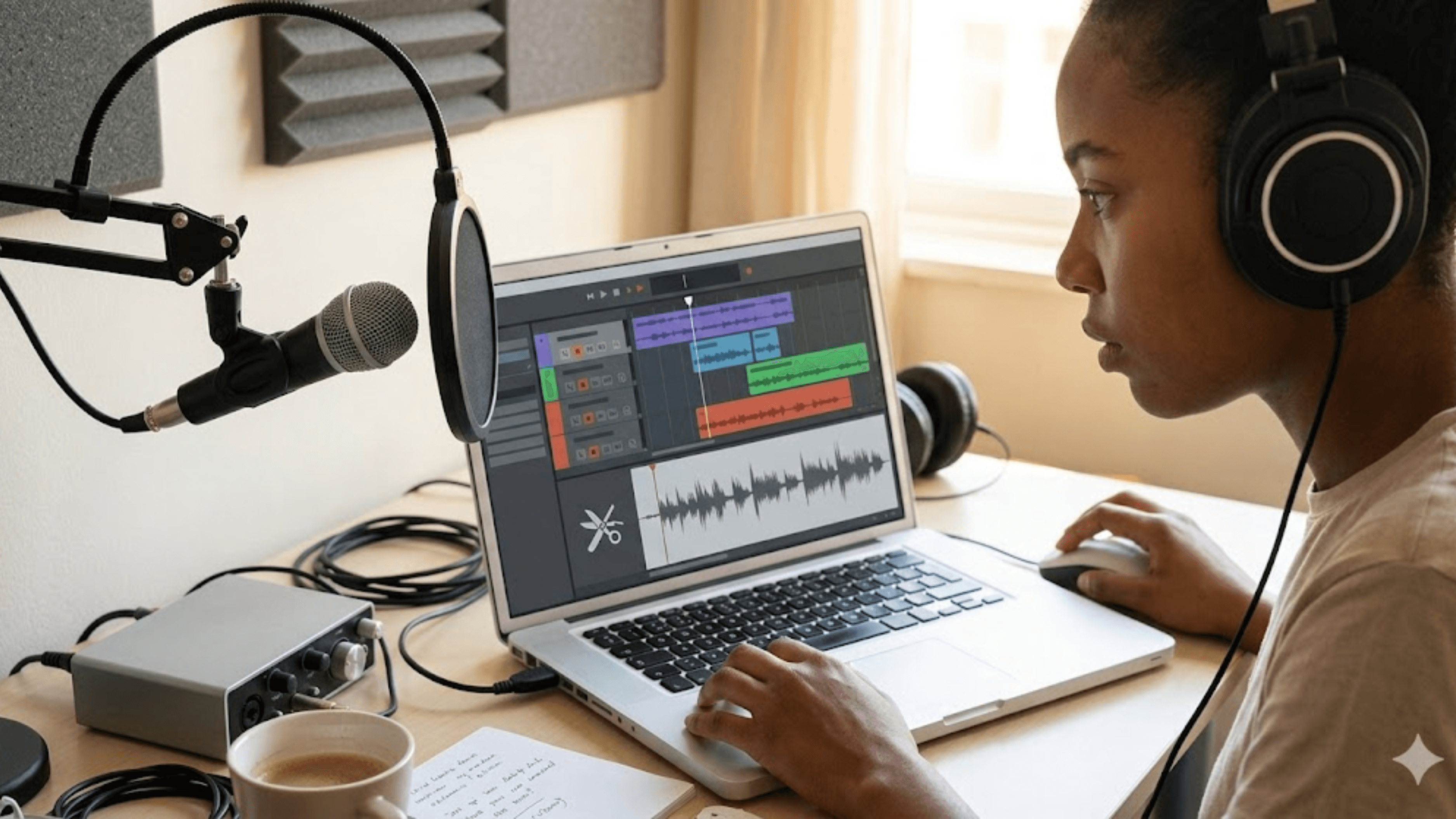
Recording and editing several episodes in a single dedicated session, rather than producing one episode at a time right before its release date, builds in a buffer against unexpected weeks where you simply don't have time to record. Many established podcasters batch record four to six episodes at once during a focused block of time, then release them on the normal schedule while working ahead on the next batch.
This approach protects your publishing consistency from short-term disruptions, a busy work week, an illness, a personal emergency, without requiring you to break your release schedule or rush a lower-quality episode out the door.
Step 3: Build a Repeatable Production Workflow
A schedule only holds up if the actual production process behind it is efficient and repeatable. Document your specific workflow, from topic selection through final publishing, so that each episode follows a similar, predictable process rather than requiring you to figure out the steps from scratch each time. This might include a standard intro and outro template, a consistent episode structure, and a checklist for pre-publishing tasks like show notes and audio leveling.
A repeatable workflow reduces the mental overhead of each episode significantly, which is often the real reason schedules break down, not a lack of content ideas, but the cumulative fatigue of reinventing the production process every single week.
Step 4: Schedule Publishing in Advance Using Your Hosting Platform
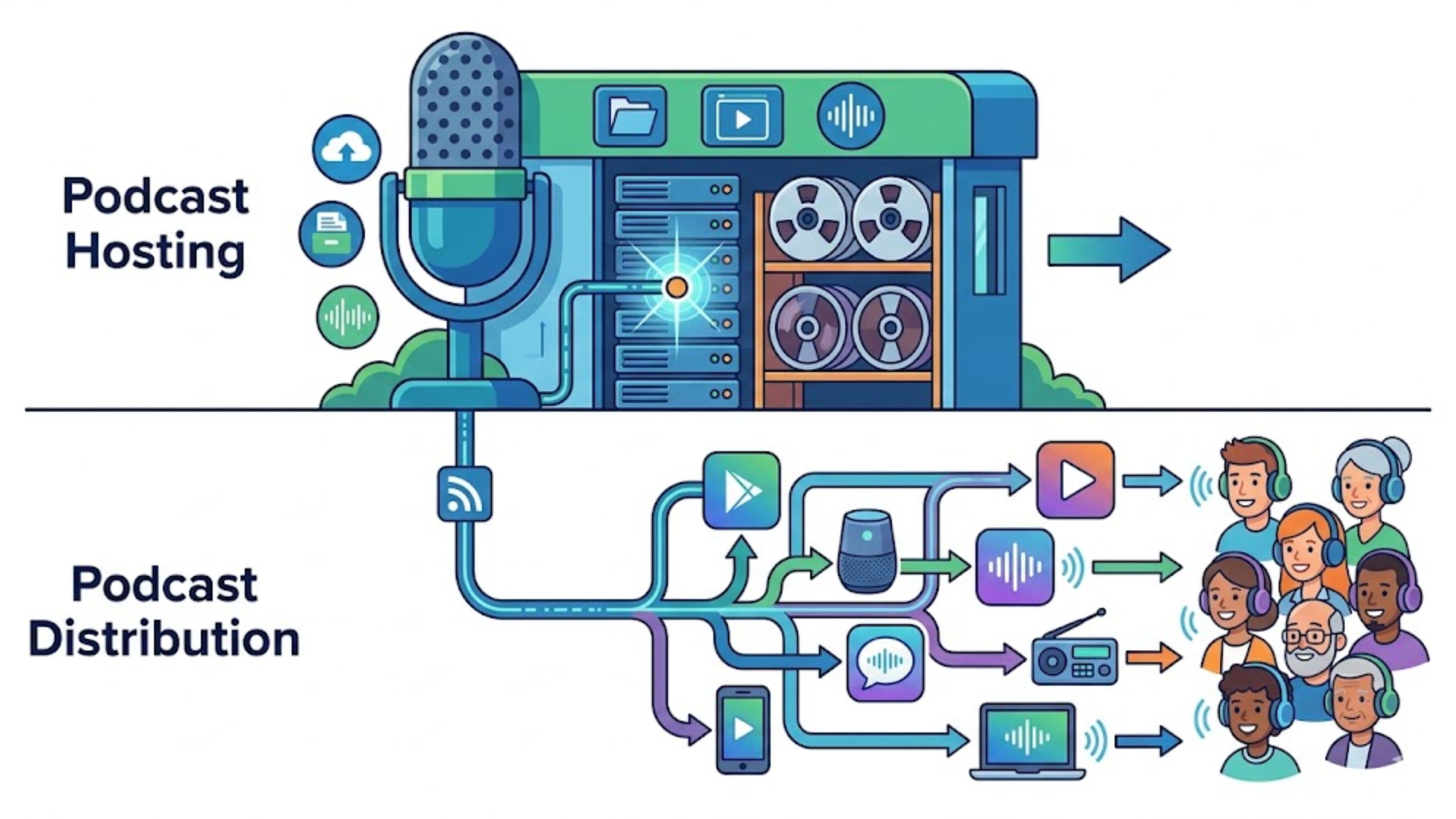
Most podcast hosting platforms allow episodes to be uploaded and scheduled for automatic release at a specific future date and time. Using this feature rather than manually publishing each episode the day it's due removes a point of failure, a forgotten manual step, from your schedule, and it lets your batch-recorded episodes go live on schedule even during weeks when you're not actively working on the show.
Step 5: Communicate Your Schedule Clearly to Your Audience
Listeners are far more forgiving of an occasional schedule change if they know it's coming, whether that's a planned hiatus, a shift in release day, or a temporarily reduced frequency during a busy season. A brief note in an episode or on your show's social channels explaining an upcoming change maintains trust far better than simply going quiet without explanation.
What to Watch Out For
Watch for the tendency to over-commit to an ambitious schedule out of early-stage enthusiasm, only to burn out once the initial excitement fades and real life demands compete for the same time. Watch also for treating batch recording as a one-time effort rather than an ongoing habit, since the real benefit comes from consistently staying a few episodes ahead rather than catching up only occasionally when things get overwhelming.
Realistic Expectations
Building a genuinely sustainable publishing rhythm typically takes a few months of adjustment, refining your actual production time estimates, and finding a batch recording cadence that fits your life. It's normal to need to adjust your chosen frequency once or twice in the first six months as you learn your real capacity, and that's a reasonable, healthy adjustment rather than a sign of failure.
FAQ
Is weekly the best publishing frequency for podcast growth? Weekly is a common and effective cadence, but the best frequency is whichever one you can sustain consistently over the long term, since consistency itself is a stronger growth factor than the specific frequency chosen.
How far ahead should I batch record episodes? A buffer of two to four episodes ahead of your publish schedule gives meaningful protection against disruptions without requiring an unsustainable amount of upfront production work.
What should I do if I need to miss a scheduled release? Communicate it to your audience as early as possible rather than silently skipping the release, since transparency maintains listener trust far better than an unexplained gap.
Outro
A consistent publishing schedule is one of the most reliable growth levers available to podcasters, and it's built entirely through realistic planning rather than raw talent or luck. Choose a sustainable frequency, batch your production, and communicate clearly, and the consistency compounds into real audience trust over time.
📚 Sources
"Podcast Growth and Consistency Data" – Edison Research, edisonresearch.com
"Podcast Production Workflow Best Practices" – Podcast Movement, podcastmovement.com
"How Podcast Hosting Platforms Work" – Buzzsprout, buzzsprout.com