What a Rider Actually Is and Why It Matters
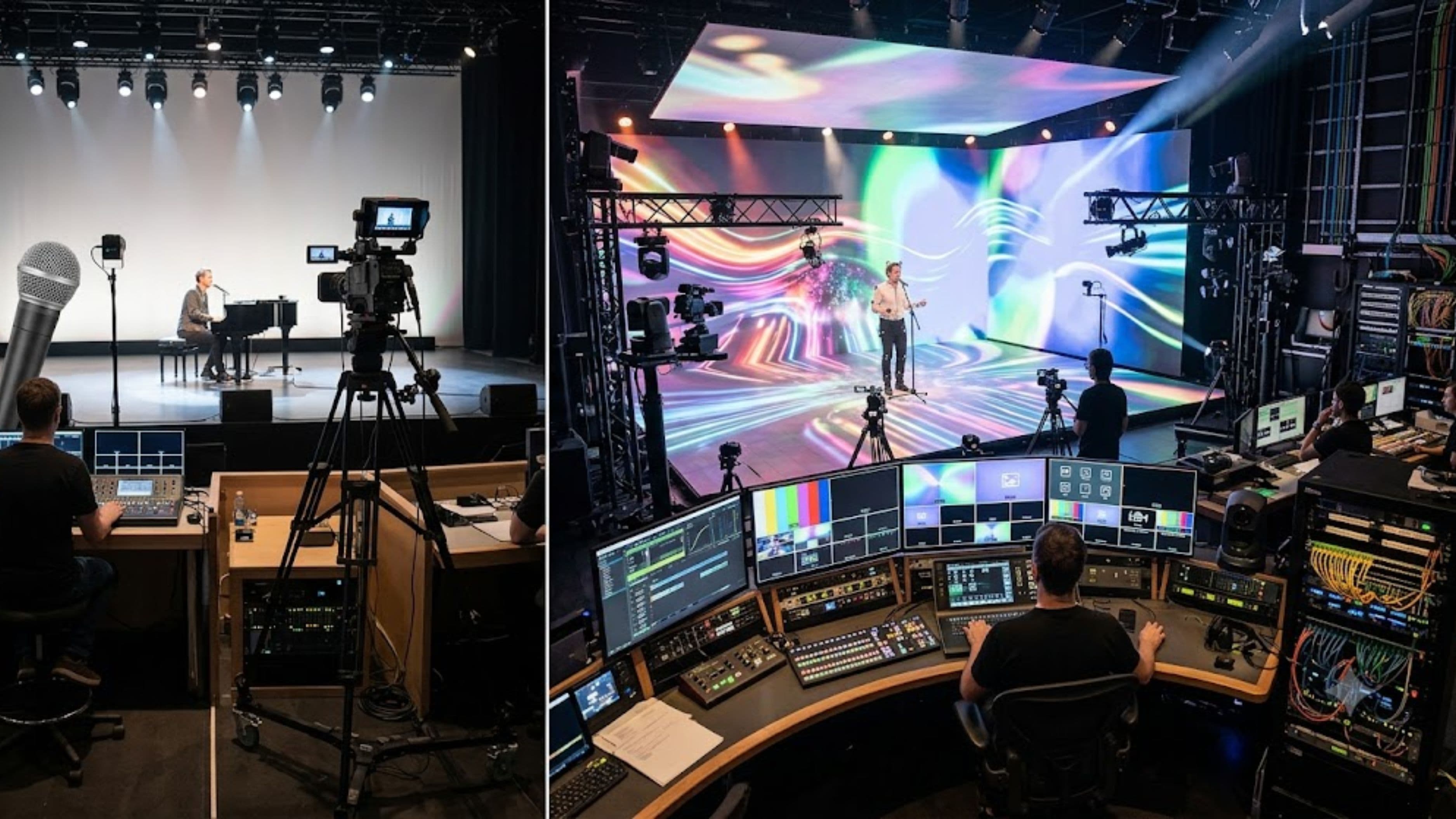
A rider is a document you send to venues ahead of a booking that outlines your technical, hospitality, and stage requirements for the performance. It typically splits into two parts: the technical rider, covering sound, lighting, and stage setup needs, and the hospitality rider, covering things like green room requests, food, and drink.
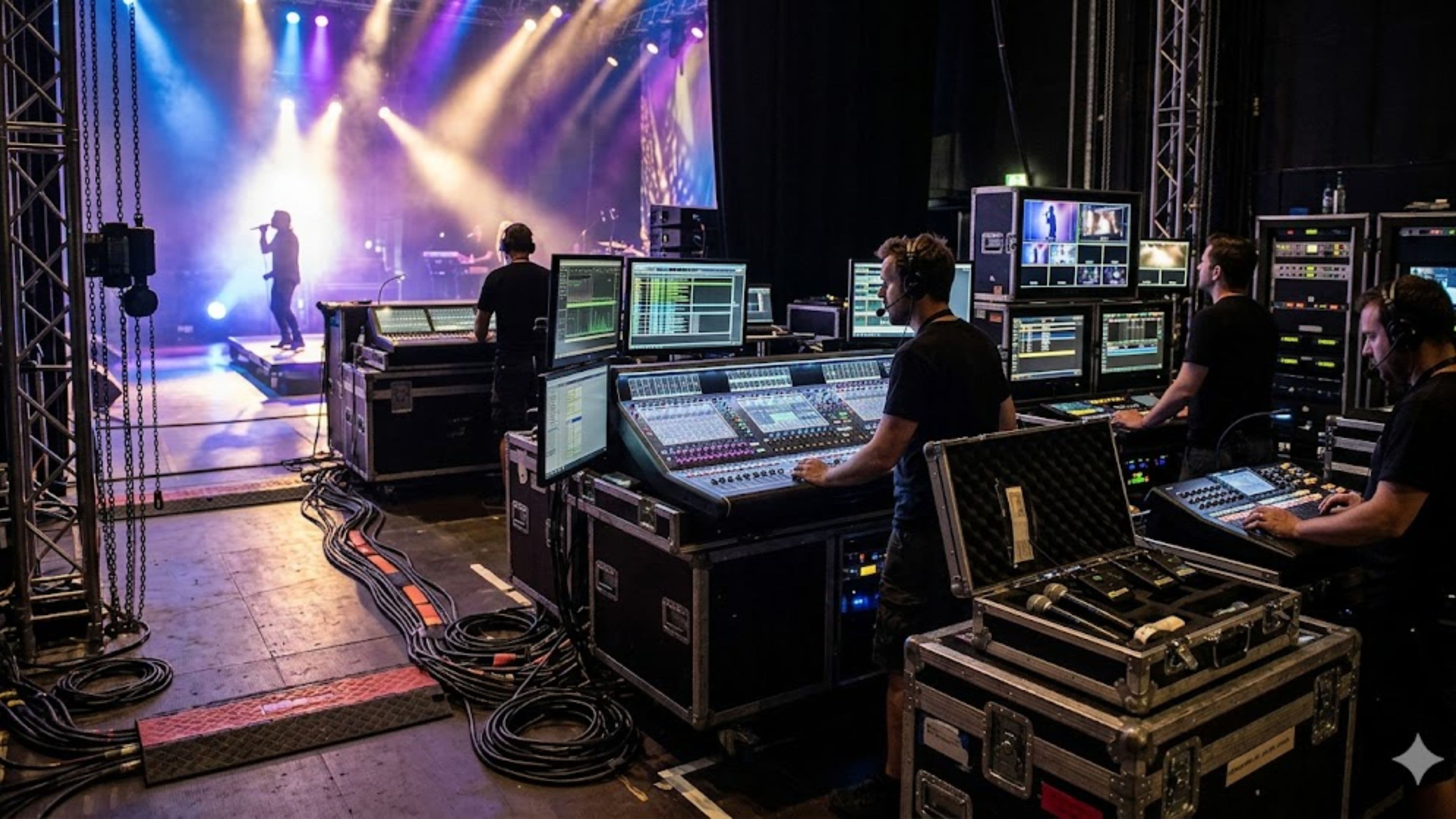
Venues use this document to prepare properly before you arrive, and sound engineers in particular rely on it to set up equipment correctly ahead of soundcheck. A clear, realistic rider means less time wasted on the day of the show sorting out details that should have been settled in advance, and it directly affects how smoothly your performance actually goes.
Keep the Technical Rider Realistic and Specific
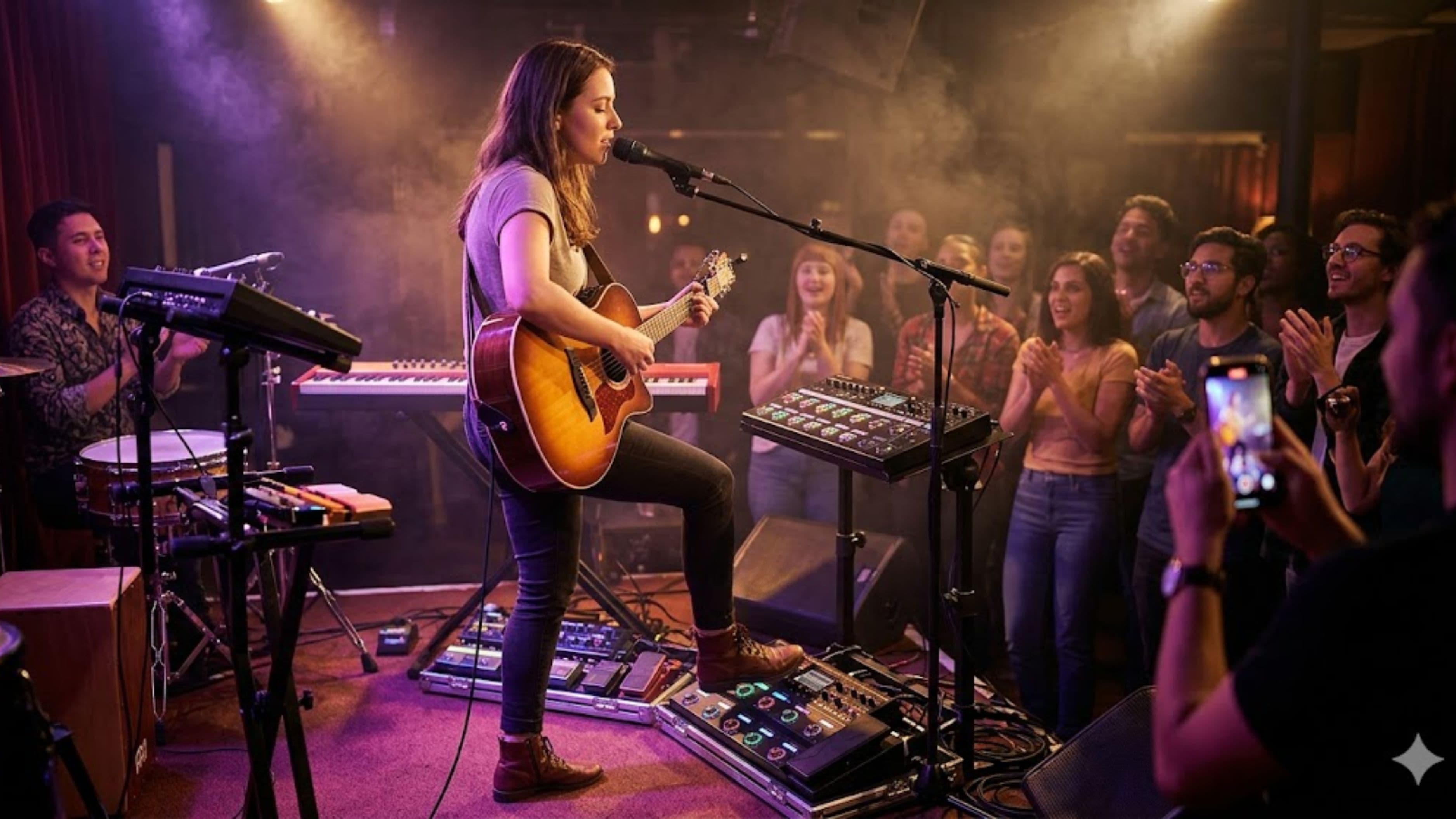
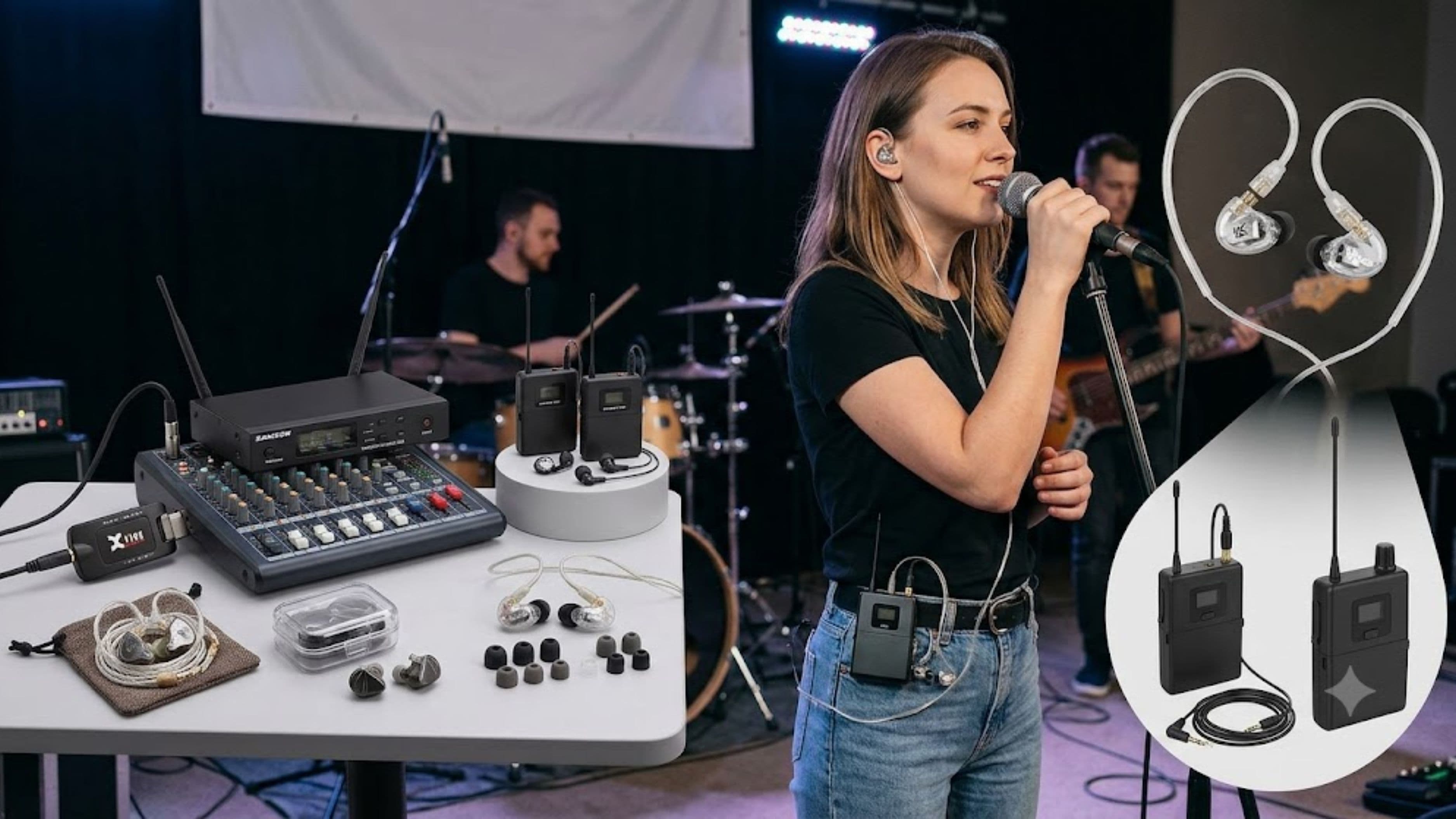
List your actual instrumentation and channel needs clearly – how many vocal mics, what instruments need direct inputs versus mic'd amps, and any specific monitor mix requirements for each performer. Being specific here, rather than vague, helps the venue's sound engineer prep the board correctly before you even arrive for soundcheck.
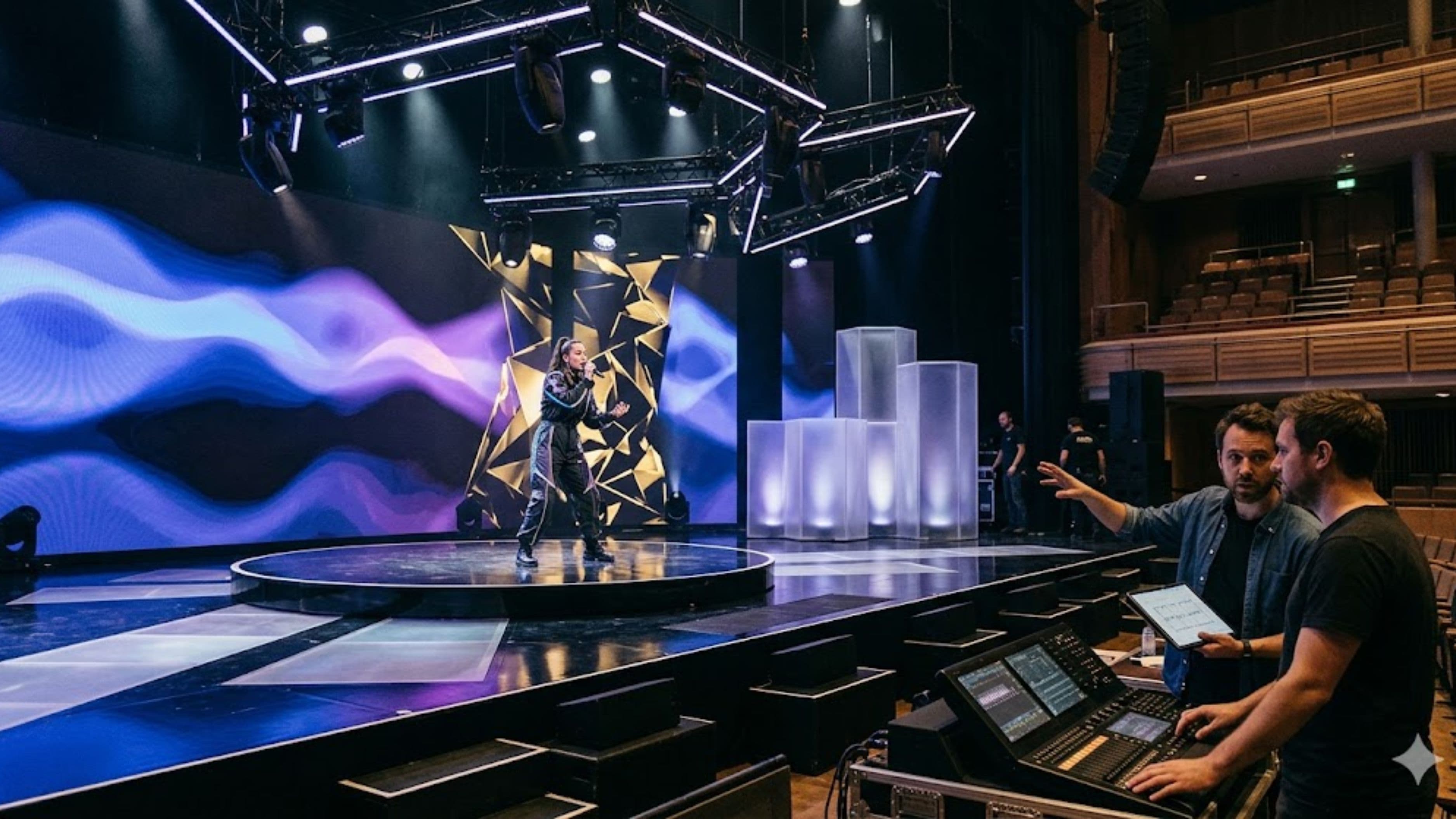
Include a simple stage plot showing where each band member and their equipment will be positioned, since this single visual often communicates more clearly than a page of written description. If you have specific lighting cues or requirements, note them here too, though keep expectations realistic based on the venue's typical setup and size, since demanding elaborate lighting from a small club rider rarely lands well.
Match Your Requests to the Venue's Actual Size and Capacity
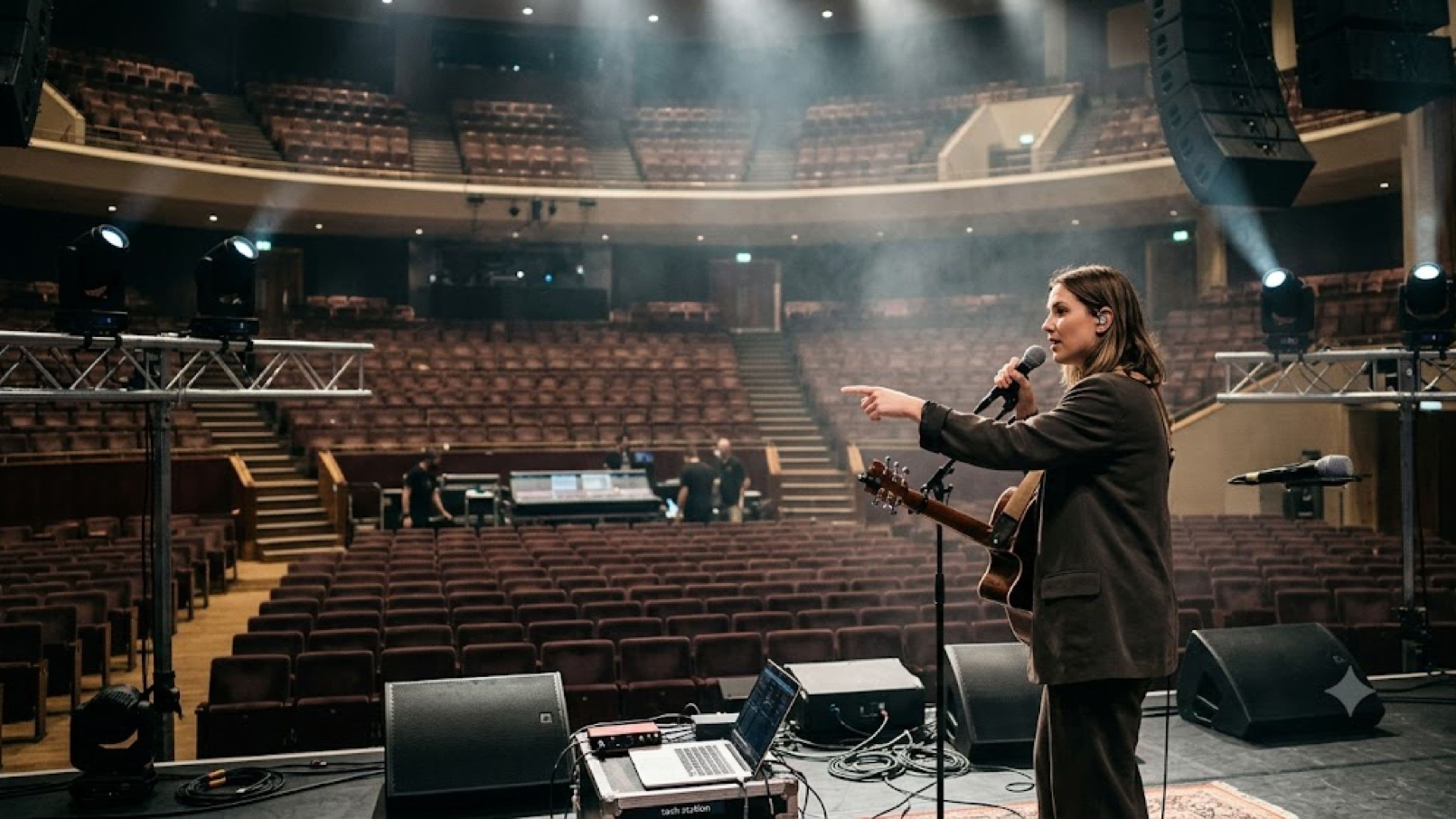
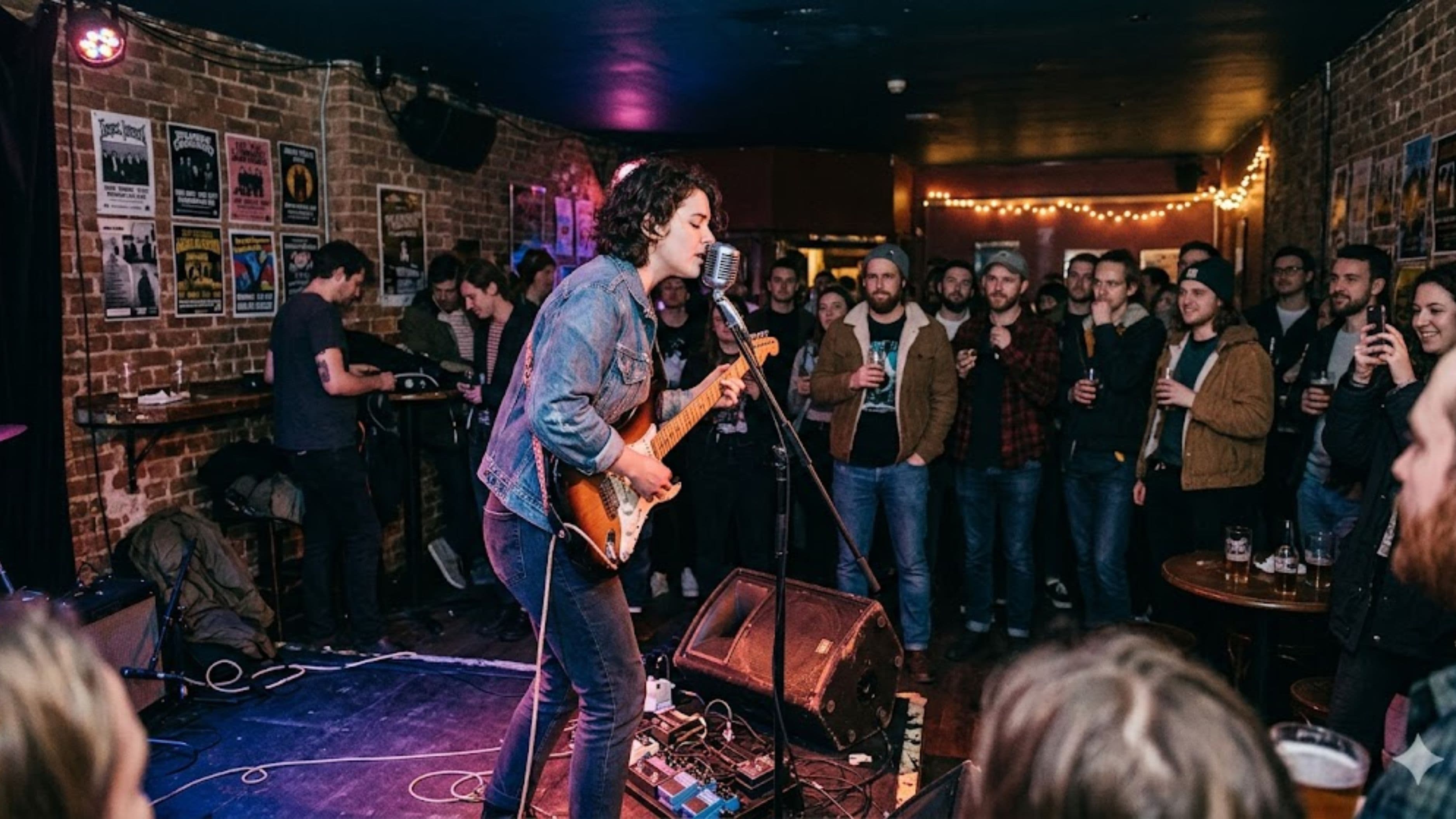
This is where a lot of independent artists undermine their own credibility without realizing it. Sending a rider designed for an arena-level production to a 200-capacity club signals that you haven't done basic research on the venue, and it makes venue staff take the rest of your requests less seriously, even the reasonable ones.
Research the venue beforehand – their typical setup, house sound system, and general capacity – and scale your requests accordingly. A club show rider should look meaningfully different from a festival slot rider, and adjusting your document for each specific booking demonstrates the kind of professionalism venues actually notice and respect.
Keep the Hospitality Rider Reasonable
Hospitality requests should reflect genuine needs, not an attempt to imitate what you've heard bigger artists request. A reasonable request might include specific non-alcoholic beverages, a simple food request if you're playing a longer set or multiple shows in a day, and basic green room amenities like towels or a mirror.
Overly specific or excessive requests – demanding particular imported snacks or elaborate meal requirements for a small local show – tend to get quietly ignored or, worse, remembered as a red flag by venue staff who talk to each other across the local scene. Keep this section proportional to your actual level and the specific show you're playing.
Include Clear Contact Information and Advance Timeline
Make sure your rider clearly states who the venue should contact with questions, along with a reasonable timeline for confirming details before the show date. Ambiguity here creates unnecessary back-and-forth that often gets resolved too close to the actual performance date, increasing the odds of last-minute problems.
If you're working with a sound engineer, manager, or tour manager, list their direct contact information rather than routing everything through yourself, since venues often prefer coordinating logistics with someone dedicated to those details rather than the performing artist directly.
Format It Cleanly and Keep It Concise
A rider crammed with dense paragraphs or disorganized information is genuinely harder for venue staff to actually use on a busy show day. Use clear headers separating technical and hospitality sections, bullet points for specific equipment or item lists, and keep the overall document to one or two pages for most independent artist bookings.
A clean, well-organized rider takes barely more effort to create than a messy one, but it makes a measurably better first impression and functions more effectively as an actual working document on show day.
What to Watch Out For
Avoid copying a rider template wholesale from a much bigger artist without adjusting it to your actual scale and needs, since venue staff can immediately spot a mismatched, unrealistic document and it undermines credibility rather than building it. Also avoid sending a rider too close to the show date – ideally, this document should reach the venue at least two to three weeks in advance for smaller shows, giving them adequate time to actually prepare rather than scrambling last minute.
Practical Takeaway
A well-built rider is a genuinely simple, low-cost way to signal professionalism before you've even arrived at a venue, and it directly improves how smoothly your actual show runs. Building one specific to your realistic needs, tailored per venue size, and kept clean and concise puts you ahead of a surprising number of artists who either skip this step entirely or send something wildly mismatched to their actual level.
FAQ
Do I need a rider for every single show, even small local gigs? A simplified version is worth having even for small shows, since it establishes basic expectations and demonstrates professionalism, though it can be considerably shorter than what you'd send for a larger booking.
Should my rider be different for every venue I play? Ideally yes, at least in scale and specificity. A base template is fine as a starting point, but adjusting it to match each venue's actual size and typical setup makes a meaningfully better impression.
What's the biggest mistake artists make with riders? Requesting things wildly out of proportion to their actual level or the venue's capacity, which signals a lack of research and can make venue staff take the rest of the document less seriously.
A thoughtful, appropriately scaled rider is one of the easiest professional habits an independent artist can build, and it pays off in smoother shows and better relationships with venues over time. Treat it as a working tool rather than a wish list, and it'll consistently serve you well.