Understanding how artists build that kind of pre-mainstream loyalty is useful whether you're an artist trying to build it yourself, an industry observer watching for the next wave, or a fan who wants to understand why certain artists feel different before they blow up.
What Makes a Following a "Cult" Following
The word "cult" gets used loosely, but in the music context it has a specific meaning: a small audience that's disproportionately invested. Not just people who like the music, but people who feel like the artist is making something specifically for them. The size of the audience is almost secondary to the depth of its commitment.
A cult following is defined less by numbers and more by behavior. These are the people who show up to a 50-person venue show. Who evangelize the artist to everyone they know. Who buy vinyl before the artist has mainstream distribution. Who follow every platform, remember every interview, and experience a specific kind of pride in having found this artist before anyone else did. The density of that engagement – what the music industry now calls "superfan" behavior – is what creates the launchpad for mainstream success rather than just a spike of viral attention that fades.
The difference between a cult following and a casual fanbase is emotional ownership. Cult fans don't just consume the music – they feel partially responsible for the artist's existence. That psychological investment is what produces durability, and it's almost always manufactured (intentionally or not) through a specific set of conditions that successful artists have consistently created before going mainstream.
Condition 1: Specificity of Identity and World
Artists who build intense pre-mainstream fanbases are almost never trying to appeal to everyone. They're creating something specific enough that the people it does appeal to feel seen in an unusually precise way. The specificity is the point. When your music, your aesthetic, your references, and your worldview form a coherent and distinct identity, the people who align with it don't just like it – they feel identified by it.
Frank Ocean's early music operated in an emotional and sonic space that was remarkably specific – the intersection of R&B melody, literary introspection, and a certain kind of California dreaminess that didn't fit neatly into any existing category. The people who connected with it felt like they'd found something made exactly for them, which produced exactly the kind of intense loyalty that preceded his mainstream recognition. The specificity wasn't a limitation. It was the mechanism of connection.
This principle plays out differently at different levels. An artist working in a specific subgenre, referencing a specific subculture, or making music that speaks directly to a particular lived experience creates the conditions for cult loyalty. Trying to sand down those edges to appeal more broadly almost always produces the opposite – music that reaches more people but moves none of them to the level of devotion that creates a cult following.
Condition 2: Accessible Mystery and Controlled Distance
Artists who develop cult followings before going mainstream have typically mastered a specific kind of information management. They share enough to feel personal and accessible, but maintain enough mystery that following them feels like a project of ongoing discovery rather than passive consumption.
This is sometimes strategic and sometimes instinctive, but the pattern is consistent. Early Lorde had this quality – she was present enough on Tumblr and social media to feel personally accessible in a way major label artists weren't, but the music itself and her persona maintained an enigmatic quality that made every interview and release feel like it was revealing something previously hidden. Early Radiohead built this around a specific kind of emotional opacity that fans felt compelled to interpret and discuss. Kendrick Lamar's early career was built in part on an almost deliberate information scarcity – careful interviews, collaborative albums that revealed his worldview without fully explaining it, and music that invited interpretation.
The common thread is that the audience is invited to participate in constructing the artist's meaning, which produces investment that passive consumption never generates. When fans feel like they're uncovering something rather than being fed something, the relationship between artist and audience becomes fundamentally different.
Condition 3: Community Infrastructure Around the Music
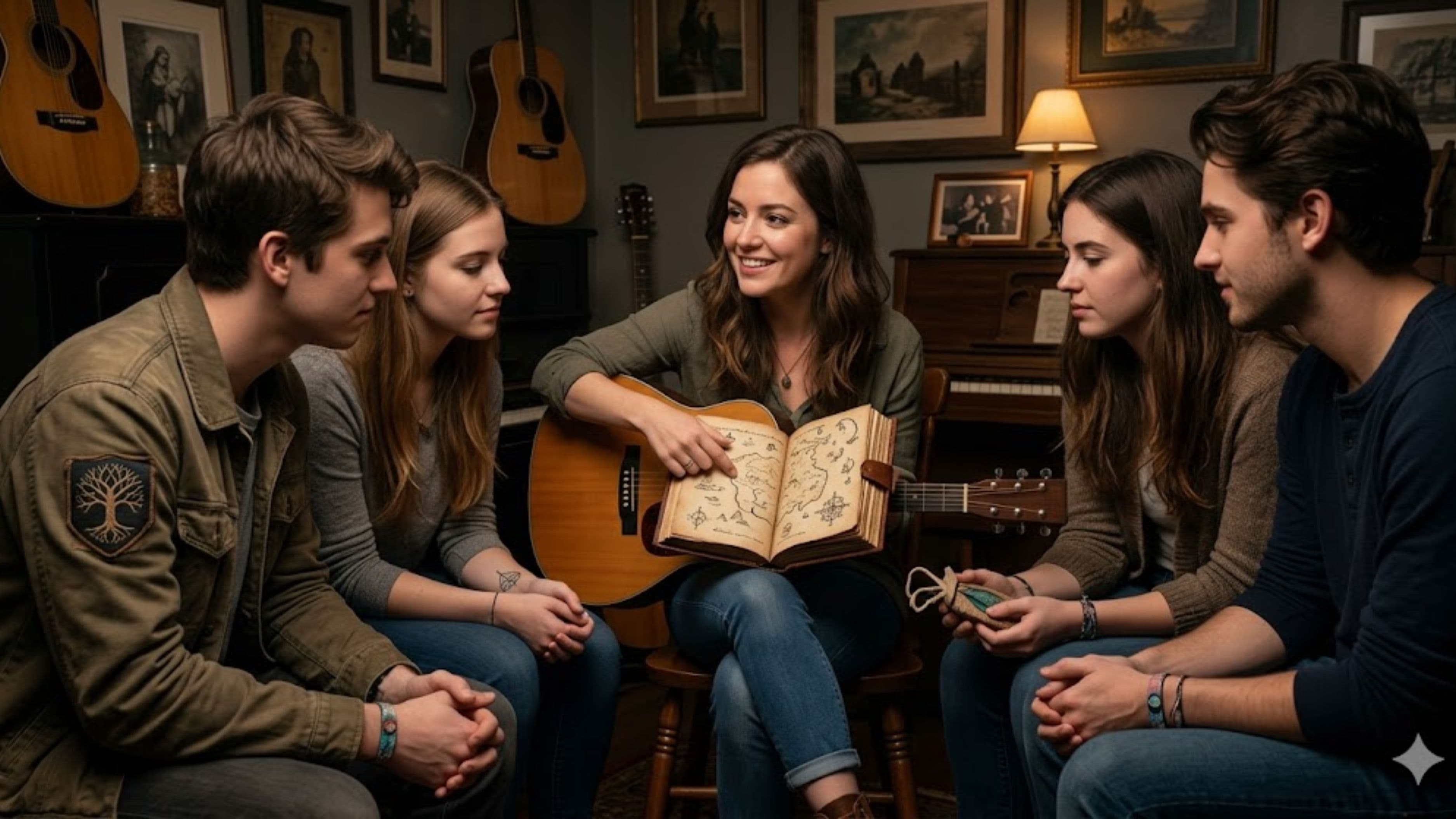
Cult followings don't form in isolation. They form in communities, and the communities often predate the mainstream recognition. The early fanbase creates the spaces – forums, subreddits, Discord servers, fan accounts, local venue regulars – where the shared identity of being a fan of this specific artist gets formed and reinforced.
Artists who accelerate this process either create those spaces directly (a Discord server, a Patreon that includes community access, regular direct communication that makes fans feel seen) or make music that naturally generates the community impulse. Music that rewards close listening – deep references, layered lyrics, shifting production details – gives fans material to discuss and decode together. A community that forms around interpretation and shared discovery is far more durable than one that forms purely around aesthetic appreciation.
The pre-mainstream cult following for artists like Phoebe Bridgers, Mitski, and boygenius developed in large part because the music itself created this interpretive community impulse. The lyrics were specific and confessional enough to spark recognition but ambiguous enough to generate discussion. The fan communities that formed around that music were doing active meaning-making together, which is much more binding than simply sharing a taste preference.
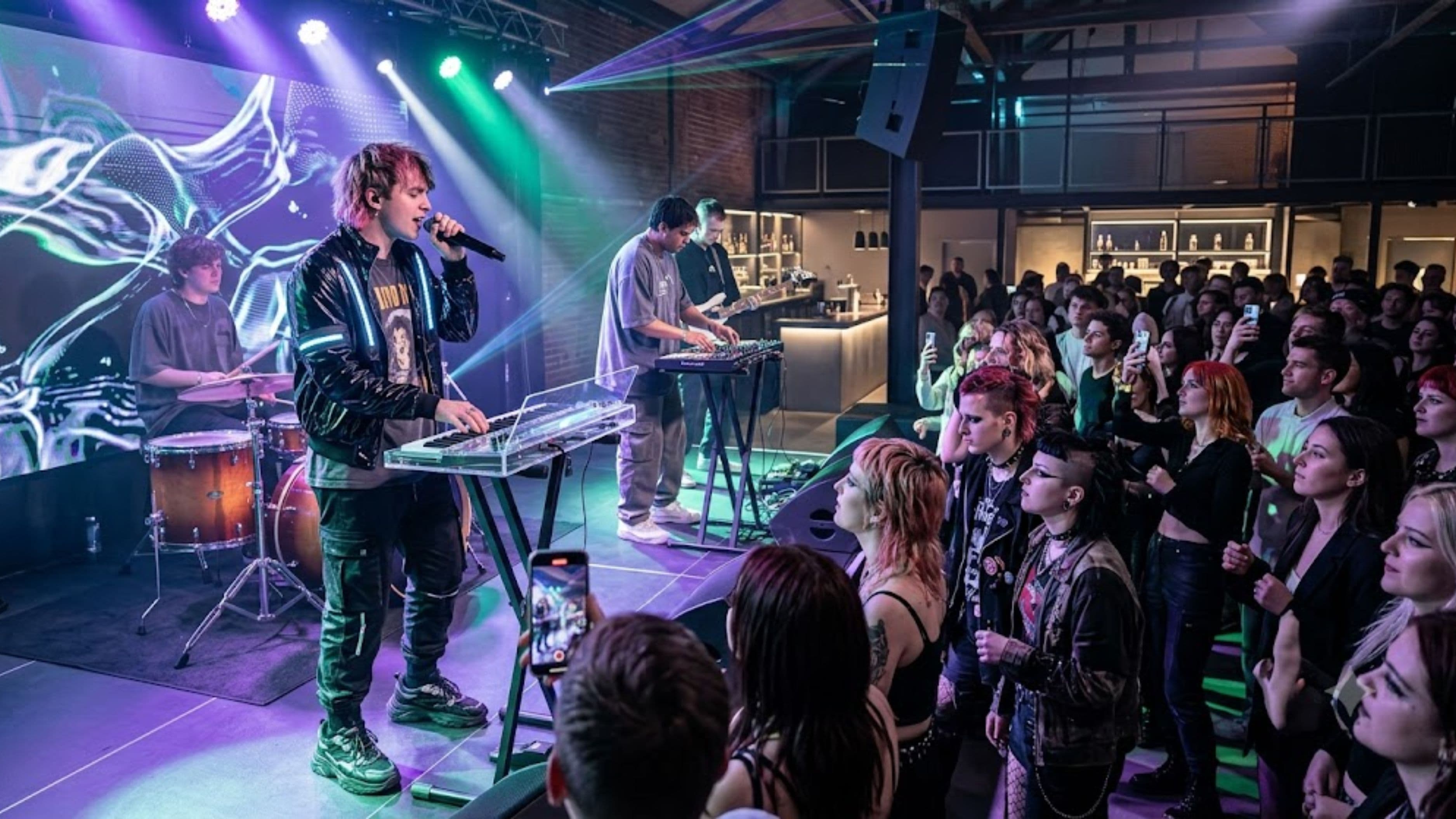
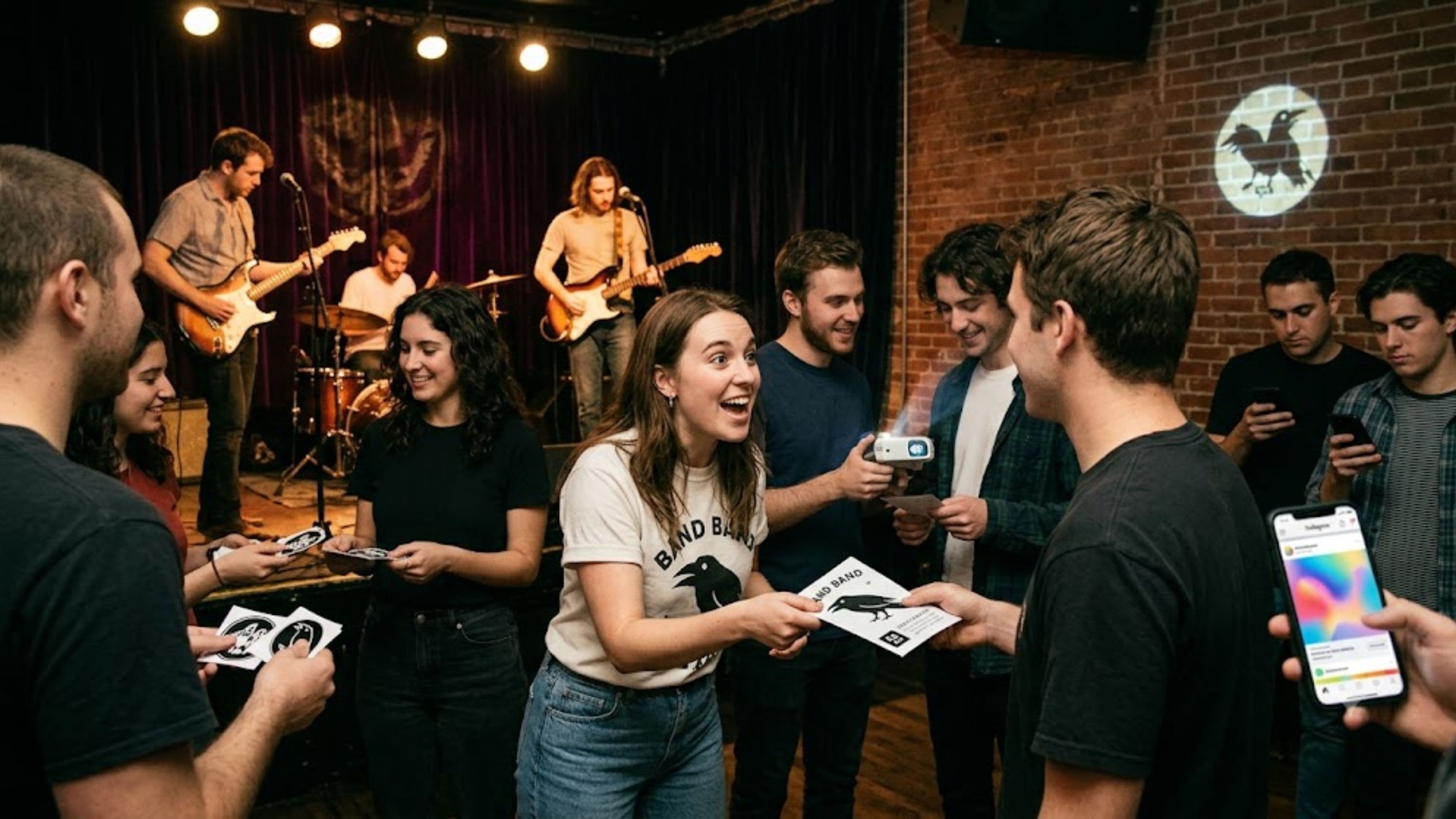
The role of live performance in building this kind of community is often underestimated in the streaming era. A small, intimate show creates a sense of shared witness that no online community fully replicates. Artists who build cult followings almost always have a history of playing small rooms and building relationships with the regulars who show up before there's any mainstream reason to. Those early show attendees become the core evangelists, carrying the artist's existence into every social circle they inhabit.
Condition 4: Authentic Marginality or Countercultural Position
Almost every significant cult following in music has formed around an artist who occupies some kind of outsider position relative to the mainstream at the time. The outsider position isn't always the same – it can be sonic (making music that doesn't fit current commercial trends), cultural (representing an underrepresented community or subculture), aesthetic (operating in a visual and fashion space that mainstream culture hasn't caught up to), or ideological (holding a worldview that the mainstream dismisses or ignores).
The outsider position matters because it activates the tribal instinct of the early audience. Supporting this artist means something beyond just liking the music. It's an expression of aesthetic values, cultural identity, or worldview that the mainstream hasn't validated yet. That pre-validation investment is what creates the deep loyalty that holds through eventual mainstream success.
This is also why the "sell-out" anxiety that often accompanies mainstream breakthrough is so intense for cult fanbases. When the artist crosses into mainstream recognition, the tribal identity component of being a fan is disrupted. The music hasn't changed, but the meaning of supporting it has, because it no longer signals the same outsider affiliation it once did. Artists who manage this transition well (Radiohead, Kendrick Lamar, Mitski) find ways to honor and maintain the relationship with early fans even as the audience expands. Artists who manage it poorly often lose the foundation that made the breakthrough possible.
Condition 5: Platform Timing and Discovery Narrative
Most artists who build significant cult followings before going mainstream benefit from being in the right place at the right moment in a platform's growth curve. Early SoundCloud, early YouTube, early Tumblr, early TikTok – each platform in its early stages has lower competition, higher organic reach, and a culture that rewards discovery and sharing in ways that saturated platforms don't.
Tyler, the Creator and the Odd Future collective understood early Tumblr better than almost any other music act, and used it to build the community infrastructure that preceded their mainstream breakthrough. Early Billie Eilish was a SoundCloud artist in an era when SoundCloud had high organic reach and genuine community around underground music. Olivia Rodrigo built a foundation on an early and engaged Disney+ audience before translating that into mainstream music success.
The discovery narrative also matters independently of platform mechanics. Cult fans often experience their relationship with an early-stage artist as discovery – the feeling of having found something before others did. This narrative is partly organic and partly cultivatable. Artists who make their early discovery feel like an adventure (dropping music without announcement, sharing unreleased material with close community members, making early access feel earned) create the conditions where discovery itself becomes part of the fan identity.
What This Means for Artists Trying to Build It
The conditions that create cult followings before mainstream breakthrough aren't fully controllable, but they're also not entirely accidental. A few principles follow from understanding how they form.
Resist the pressure to broaden your appeal too early. The specificity and distinctiveness that attracts an intensely loyal small audience is often incompatible with the generic polish that attracts casual mass appeal. The cult following has to come first, and it requires the specificity to form. Artists who compromise that uniqueness in pursuit of broader reach often end up with neither a cult following nor mainstream success.
Build community infrastructure intentionally, even when the audience is small. A Discord server, a mailing list, a consistent presence in the spaces where your early listeners congregate – these are worth building when you have 200 fans, not when you have 200,000. The community that forms in the early stage becomes the backbone of everything that follows.
Treat early shows as relationship investments, not promotional events. The 40 people in the room at your third venue show are potentially the most influential 40 people you'll ever perform for, because they're the ones who'll evangelize your music for the next three years before anyone else hears it. Playing those shows with the energy and care of a sold-out arena is what creates the devotion that compounds.
Choose your platform presence based on where genuine community forms around music, not where the largest audiences are. The largest audiences are already crowded with established artists. The platforms and spaces where music fans are actively seeking discovery are where a new artist can build something real.
What to Watch Out For
Manufactured cult aesthetics don't produce real cult followings. There's a growing cottage industry of artist management consultants and social media strategists who package the visual language of cult artist mystique without the substance that makes it meaningful. Fans who are motivated by genuine discovery and community investment can sense the difference between something authentic and something designed to simulate authenticity. The tactics can be borrowed; the substance can't be faked.
Rapid viral success without a cult foundation is often less durable than it appears. A TikTok moment can produce millions of streams and a sudden audience, but if that audience didn't form through the slow, community-building process described here, it often doesn't convert into the kind of committed fanbase that sustains a long career. The history of music is full of viral moments that led nowhere because the foundation wasn't there to catch the attention and convert it into loyalty.
FAQ
Can an artist intentionally build a cult following, or does it just happen? Both. The conditions that create cult followings – specificity, community, controlled accessibility, countercultural positioning – can be cultivated intentionally, and artists who understand them can create more favorable conditions than those who don't. But the audience ultimately decides whether genuine devotion forms. The most effective approach is to build authentically in ways that naturally produce those conditions, rather than engineering a cult aesthetic that lacks the substance to sustain it.
Do cult followings always precede mainstream success, or can an artist blow up without one? Some artists achieve immediate mainstream success without a prior cult following, typically through a specific viral moment, a major label launch, or a cultural alignment that produces instant broad appeal. But the careers that sustain over a decade or more almost always have some foundation of intense early loyalty – an audience that existed before the mainstream breakthrough and held through it. The cult following isn't a prerequisite for initial success, but it's often the difference between a peak and a career.
Does being "underground" have to mean low production quality or obscurity? No. Underground in the relevant sense means outside the commercial mainstream, not necessarily lo-fi or low budget. Some of the most intensely loyal pre-mainstream fanbases have formed around artists making highly polished music in sonically distinct spaces. Production quality and mainstream appeal are different axes. You can make impeccably produced music that maintains a genuine underground identity through its specificity, its community relationships, and its resistance to commercial compromise.
How does an artist maintain their cult fanbase after going mainstream? The artists who do this best maintain genuine engagement with the early community even as the audience expands – prioritizing the fan community channels (Discord, early ticket access, personal engagement) that were central before the breakthrough, and making music that continues to reward the close listening and interpretation that created the community in the first place. The artists who lose their cult following after going mainstream are usually the ones who signal, through their music or their behavior, that the early community's investment no longer matters.
📚 Sources
Music Business Worldwide – The Rise of the Superfan Economy in Music – https://www.musicbusinessworldwide.com/the-fan-economy-is-real-heres-what-it-means-for-music/
Hypebot – Community Building Strategies for Independent Artists – https://www.hypebot.com/hypebot/2023/11/how-to-build-a-music-fan-community.html
Spotify for Artists – Understanding Fan Engagement Metrics – https://artists.spotify.com/en/blog/understanding-your-listeners
Rolling Stone – How Phoebe Bridgers Built Her Following – https://www.rollingstone.com/music/music-features/phoebe-bridgers-punisher-interview-1003694/
The Ringer – The Odd Future Story and Early Internet Music – https://www.theringer.com/music/2019/9/25/20882405/odd-future-10-years-anniversary-influence
Bandcamp Daily – How Artists Build Loyal Fan Communities – https://daily.bandcamp.com/features/building-a-fanbase-online