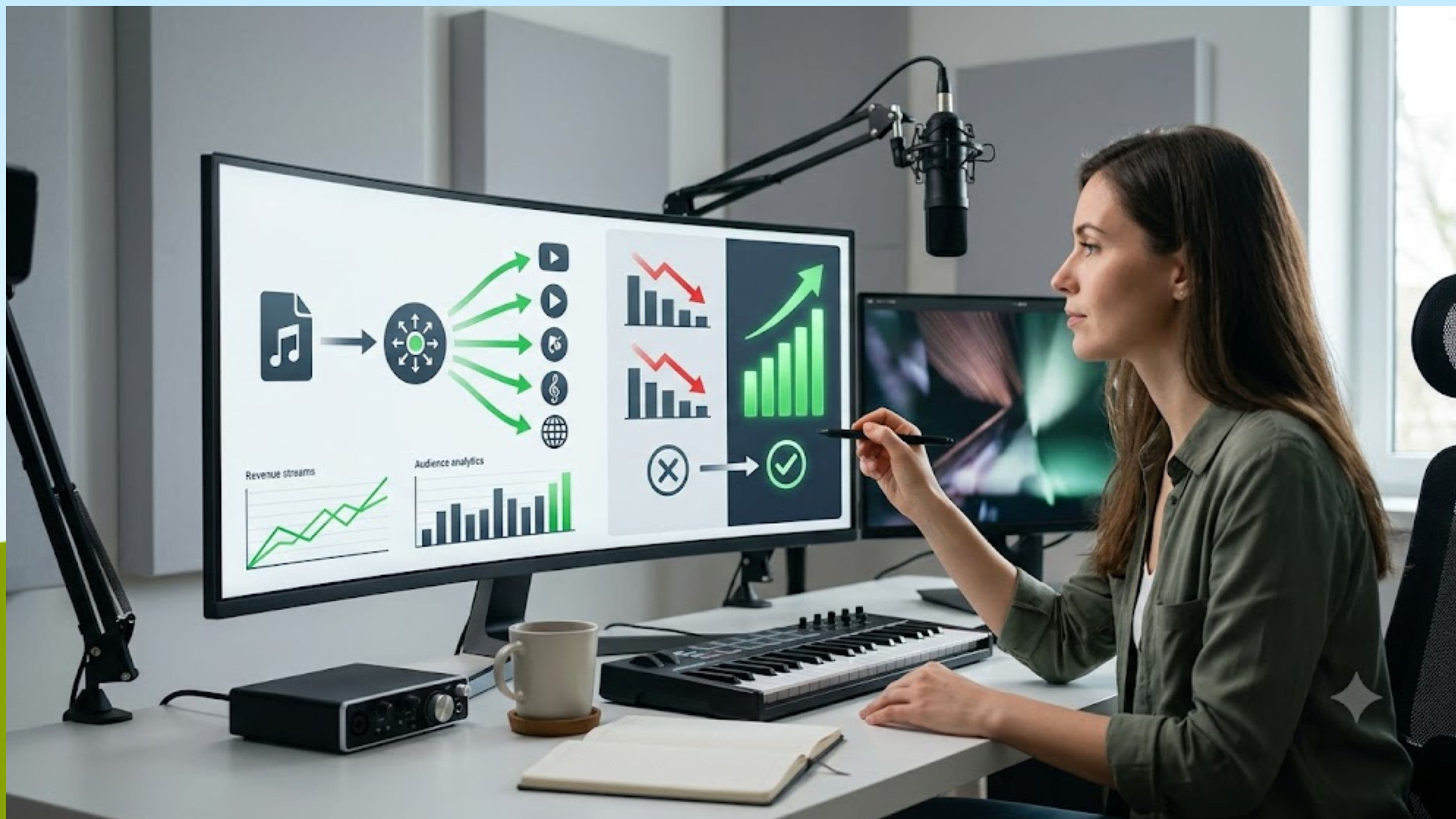
Direct-to-fan platforms have matured significantly over the past few years. The early days of "just set up a Bandcamp page" have given way to a more layered ecosystem of membership platforms, community tools, music commerce services, and live-stream ticketing options – each with distinct strengths and different fits depending on your genre, audience size, and how you want to monetize. This breakdown covers the platforms actually worth your time in 2026, what each does well, what it costs, and who it's best suited for.
Why Direct-to-Fan Matters More Than Ever
The per-stream rate problem hasn't been solved, and it won't be. Spotify pays roughly $0.003–$0.005 per stream. An artist needs around 250,000 streams per month just to earn minimum wage in the US from streaming alone. For the vast majority of independent artists, streaming is a discovery and exposure tool, not a livelihood.
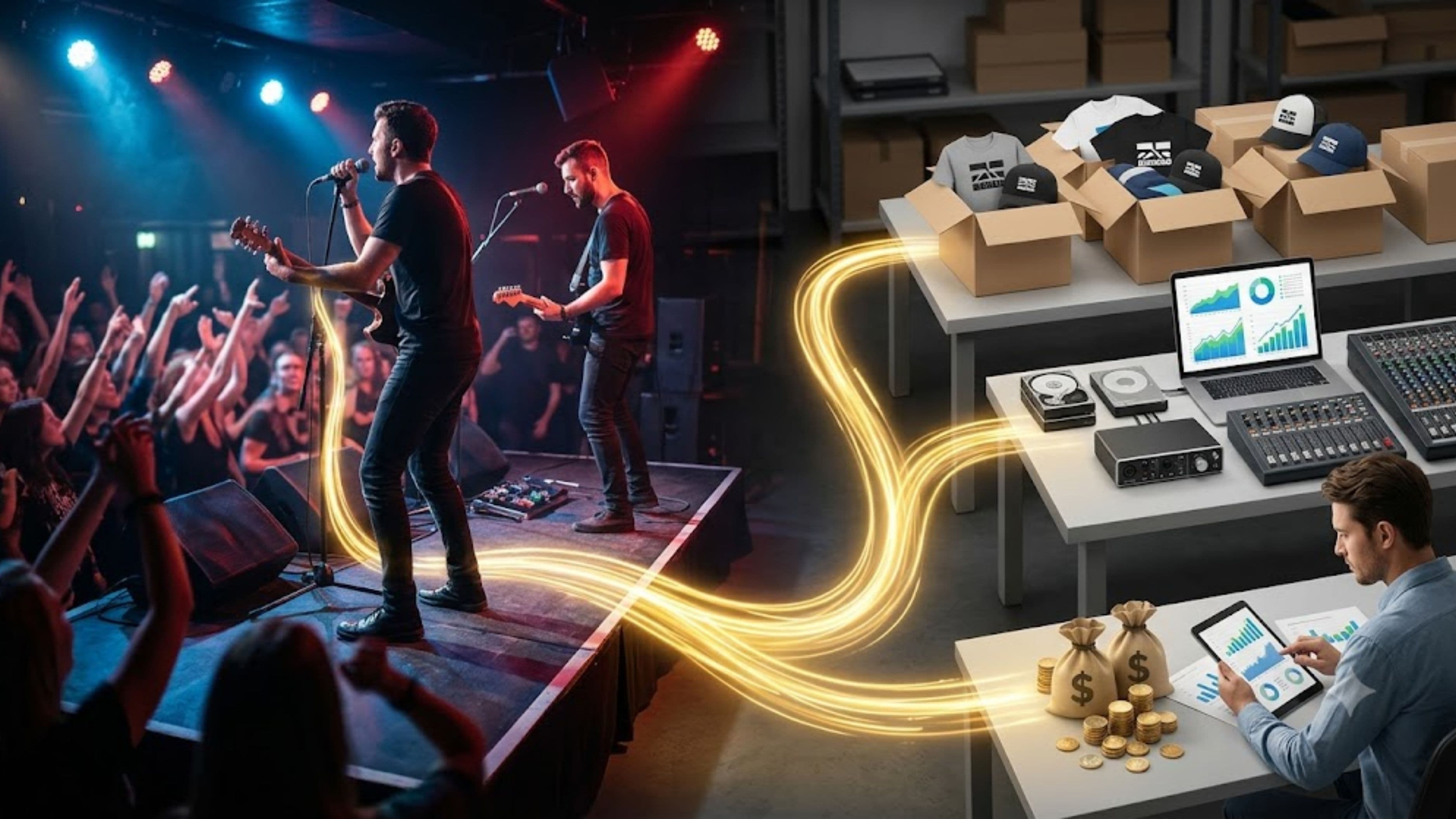
Direct-to-fan platforms flip that model. Instead of needing hundreds of thousands of passive listeners, you need a smaller number of fans who are willing to pay – for a membership, a download, an exclusive piece of content, a ticket to a live stream, or a physical item they can't get anywhere else. The economics are dramatically different. A hundred fans paying $10 per month generates $1,000 per month. Five hundred fans paying $5 per month generates $2,500. These aren't massive numbers, but they're real, recurring income that doesn't depend on algorithmic distribution.
The platforms below represent the strongest options available to independent artists today. They're not all doing the same thing, which means the right choice isn't the same for every artist – it depends on what you're selling and who your audience is.
Bandcamp: Still the Best for Music Commerce
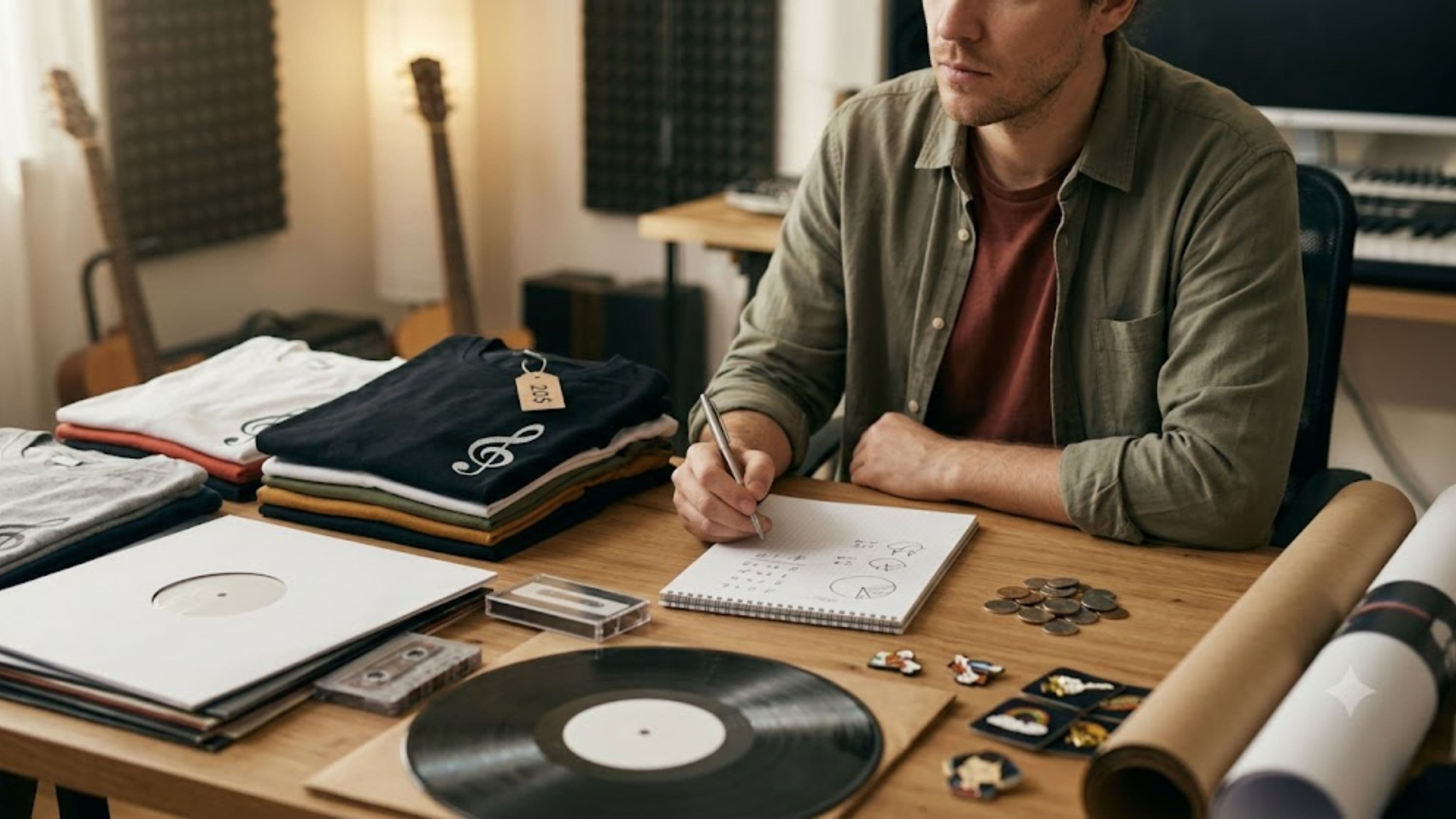
Bandcamp remains the most creator-friendly platform for selling music and merchandise directly to fans. The model is simple: you set up a storefront, price your releases however you want (including pay-what-you-want), and fans buy directly. Bandcamp takes 15% of digital sales (dropping to 10% after $5,000 in digital sales), and merchandise sales carry a 10% fee. These are among the lowest fees in the space for pure music commerce.
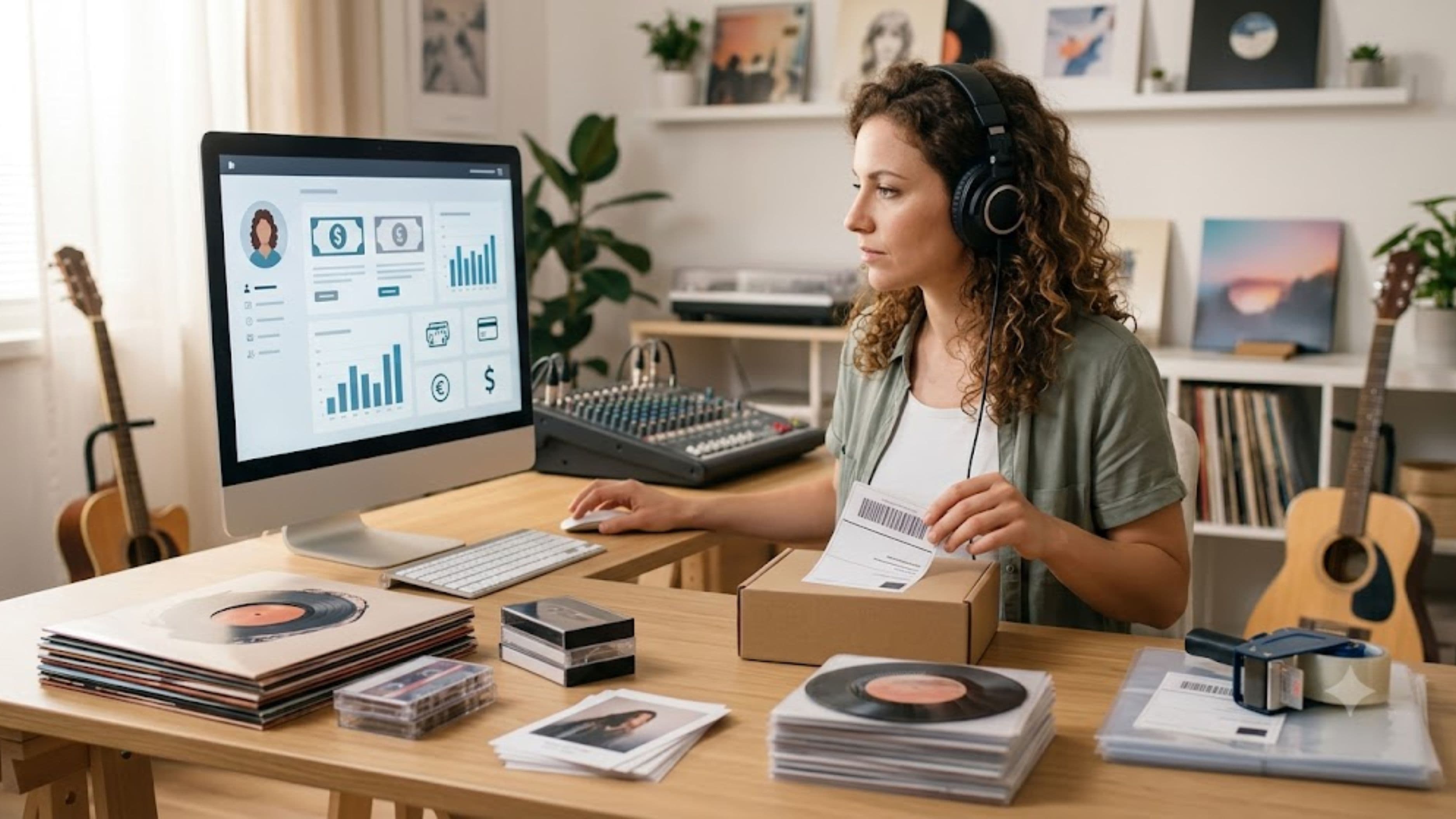
What makes Bandcamp distinct in 2026 is its combination of catalog depth and fan discovery culture. Fans on Bandcamp are actively looking to support artists – the platform's social layer (wishlists, fan collections, supporter pages) creates genuine discoverability within the community, which most other direct-to-fan tools don't provide. For artists releasing physical music (vinyl, cassettes, limited CDs), Bandcamp's merch fulfillment integration is the strongest available outside of a custom Shopify build.
The limitation is that Bandcamp doesn't offer ongoing membership or subscription tools at the level that Patreon or Substack do. Bandcamp subscriptions exist but are less developed and don't offer the community features, tier customization, or content gating that dedicated membership platforms provide. For a pure music commerce storefront – selling albums, EPs, merch, and downloads – Bandcamp is the best available option. For ongoing membership income, you'll need something else alongside it.
Best for: Artists selling music and merchandise directly, physical releases, catalog-heavy artists with engaged fans who buy.
Fee structure: 15% digital (drops to 10% after $5,000), 10% merch.
Patreon: The Membership Standard
Patreon is the most established membership platform and remains the benchmark for ongoing fan support. Artists set up tiered memberships – say, $5/month for early access to music, $15/month for a monthly exclusive download, $50/month for direct message access or physical mail – and fans subscribe at whichever tier suits them. Patreon handles the payments, the content delivery, and the billing infrastructure.
The appeal is the recurring revenue model. Unlike one-time sales, membership income compounds as you grow your subscriber base and is far more predictable than royalty income or album sales. Artists with 500 active Patreon members at an average of $8/month are generating $4,000/month in recurring revenue, which is more stable than most alternatives at that audience size.
Patreon's fee structure has evolved over the years. In 2026, the standard tier takes 8% of monthly revenue, with lower percentages available at higher tiers (Pro at 12% with advanced analytics, Premium for larger creators at negotiated rates). Payment processing fees add roughly 2.9% + $0.30 per transaction on top. The combined overhead is meaningful – closer to 11–13% effective take on many transactions – but the recurring nature of the income typically offsets this.
The platform's weakness has historically been community tools. Patreon's in-platform community features have improved but still feel secondary to the membership and payments infrastructure. Artists who want genuine community alongside their membership often route Discord access through Patreon tiers, using Patreon as the payment layer and Discord as the community space.
Best for: Artists with an engaged existing audience who want a recurring income structure, musicians willing to create regular exclusive content, artists with audiences accustomed to subscription models.
Fee structure: 8% (standard) to 12% (Pro) plus payment processing.
Substack: Gaining Ground for Music Writers and Multi-Hyphenates
Substack's original strength was newsletter publishing, but the platform has evolved into a genuine competitor for music creators who communicate in writing alongside their music – producers who want to share process, musicians with a storytelling bent, artists who use essays or commentary as part of their creative identity. Substack's paid subscriber model is clean: readers pay a monthly or annual fee for access to paid posts, and Substack takes 10% of subscription revenue.
What's made Substack increasingly relevant for musicians in 2025–2026 is its audio embedding tools and its internal discovery network. Substack Notes – the platform's short-form social layer – provides some internal discoverability, and the ability to embed audio directly in posts means artists can release exclusive demos, unreleased tracks, or audio commentary alongside written content without needing a separate hosting service.
Substack works best for artists who have something to say beyond the music itself. If you're a producer who wants to document your process, a touring musician who wants to write about the road, or an artist whose audience is interested in the thinking behind the work, Substack provides a format that rewards that communication style. For artists whose relationship with fans is primarily musical rather than written, it's a less natural fit.
Best for: Artists who communicate in writing, producers documenting process, musicians with intellectually engaged audiences, multi-hyphenate creators who blend music with other forms.
Fee structure: 10% of subscription revenue, no upfront cost.
Koji: The Link-in-Bio That Actually Monetizes
Koji occupies a different space from the platforms above – it's primarily a customizable link-in-bio tool, but one that has built genuine monetization features into the link layer. Artists can sell digital downloads, offer tip jars, sell exclusive content, run giveaways, and accept bookings directly from their Koji page, which sits at the end of their social media bio links.
For artists who drive significant traffic through Instagram, TikTok, or YouTube but don't have a centralized storefront, Koji converts that traffic into revenue without requiring fans to navigate to a separate platform. The friction reduction is real – a fan who sees a TikTok and clicks the link in bio is one tap away from a purchase, rather than being redirected through multiple pages.
Koji's fees vary by feature (most digital product sales carry a 15% fee), and the platform isn't designed to replace a full storefront for catalog-heavy artists. But for emerging artists with growing social audiences who want to monetize that traffic immediately, Koji is worth setting up even as a complement to a Bandcamp or Patreon page.
Best for: Artists with active social media audiences who want low-friction monetization from social traffic, emerging artists building revenue channels before investing in a full platform.
Fee structure: 15% on most digital product sales; some features are free.
Stageit and Veeps: Live Stream Ticketing
Streaming platforms have largely failed to monetize live performance for independent artists in a meaningful way. Stageit and Veeps fill this gap with dedicated live performance ticketing infrastructure designed for intimate, ticketed artist-to-fan shows.
Stageit's model is built around short, intimate "shows" where fans buy tickets in advance (typically $5–$20) and attend a live video performance with direct interaction. The platform has been around since 2011 and has a loyal user base of music-focused fans who are accustomed to paying for live stream access. Artists keep roughly 70–80% of ticket revenue after fees.
Veeps, acquired by Live Nation in 2021, skews toward larger independent and mid-level artists who want production-quality live stream experiences. It's used for album release shows, anniversary concerts, and exclusive performances that an artist would rather monetize directly than post to YouTube for free. The production quality expectation is higher, and the typical ticket prices ($15–$30) reflect this. Veeps takes 20% of ticket revenue.
For artists who perform live and have audiences willing to pay for access to those performances, ticketed live streams are an underused revenue stream. The key differentiator from free live streams on social platforms is the value perception – a ticket creates a committed attendee rather than a passive viewer who may or may not show up.
Best for: Artists who perform live and want to monetize that experience directly, artists with audiences in multiple cities who can't tour constantly, release events and special performances.
Fee structure: Stageit ~20–30% platform cut; Veeps 20% of gross ticket revenue.
Shopify: For Artists Who Want Full Control
Shopify isn't a music-specific platform, but it's worth including because it represents the most scalable option for artists who have grown beyond what music-specific platforms can comfortably handle. A custom Shopify store gives you full control over your storefront design, product catalog, pricing, fulfillment, and customer data – none of which you fully own when you sell through Bandcamp or other curated platforms.
The tradeoff is setup complexity and ongoing cost. Shopify's basic plan starts at $39/month, and building a store that looks and functions the way you want requires more effort than a Bandcamp page. You also give up Bandcamp's built-in discovery community, which matters for artists still building their audience.
For artists with established fan bases, substantial merchandise operations, or physical product lines that exceed what Bandcamp handles well, Shopify becomes the right infrastructure. Many artists run both – Bandcamp for music discovery and fan-community purchases, Shopify for the full merchandise and physical operation.
Best for: Established artists with significant merchandise volume, artists who want full ownership of customer data, brands with complex product catalogs.
Fee structure: From $39/month plus payment processing (0.5–2% transaction fee depending on plan).
What to Watch Out For
Platform exclusivity traps are worth avoiding. Some direct-to-fan platforms are designed in ways that make your content or audience difficult to migrate if you want to leave – content hosted exclusively on a proprietary player, fan email lists that can't be exported, or community features that don't port to other tools. Before committing deeply to any platform, check whether you can export your subscriber list, your content, and your revenue data. Your fan relationship belongs to you, not to the platform.
Fee stacking is a real concern when running multiple platforms simultaneously. Patreon at 11–13% effective, Bandcamp at 10–15%, Koji at 15%, and payment processing on top of each – if you're selling the same content through multiple channels without a clear strategy, you're paying fees multiple times on revenue that could be routed more efficiently. Think about which platform is the primary home for each type of transaction and use the others as supplementary.
Overextension is perhaps the most common mistake artists make with direct-to-fan platforms. Running an active Patreon requires a regular content commitment – most successful Patreon accounts post exclusive content at minimum twice a month. Adding Substack on top of that requires regular writing. Adding live streams on Stageit requires scheduling and performance prep. The platforms that generate real income are the ones where the artist maintains consistent engagement. Two platforms done well outperform five platforms maintained poorly every time.
FAQ
Do I need to be on all of these platforms? No. Most artists do well with one or two platforms that match their content style and audience expectations. The combination that works for a lot of independent artists is Bandcamp for music commerce and a membership platform (Patreon or Substack) for ongoing support. Start with one, build it properly, and add others only when there's a clear reason.
How many fans do I need before direct-to-fan platforms make sense? Less than you might think. Even with a small engaged audience – 200–500 genuinely interested fans – a well-run Patreon or Bandcamp can generate meaningful supplemental income. The conversion rate matters more than the total audience size: 3–5% of a dedicated email list converting to paying members is a realistic target for artists who communicate consistently with their audience.
Can I use direct-to-fan platforms alongside my distributor? Yes, and you should. Your distributor handles streaming platform delivery (Spotify, Apple Music, etc.) for master royalties. Direct-to-fan platforms are a separate revenue channel that your distributor doesn't touch. There's no conflict in running both simultaneously.
What content works best for membership platforms? Content that fans can't get anywhere else and that makes them feel close to the creative process. Early access to new music before public release, acoustic or alternate versions of released tracks, studio session footage, direct messages or Q&A access, and handwritten lyrics or personal notes are among the highest-retention membership content types. The common thread is access and exclusivity – not just polished content, but content that feels personal.
Build the Revenue Stack That Fits You
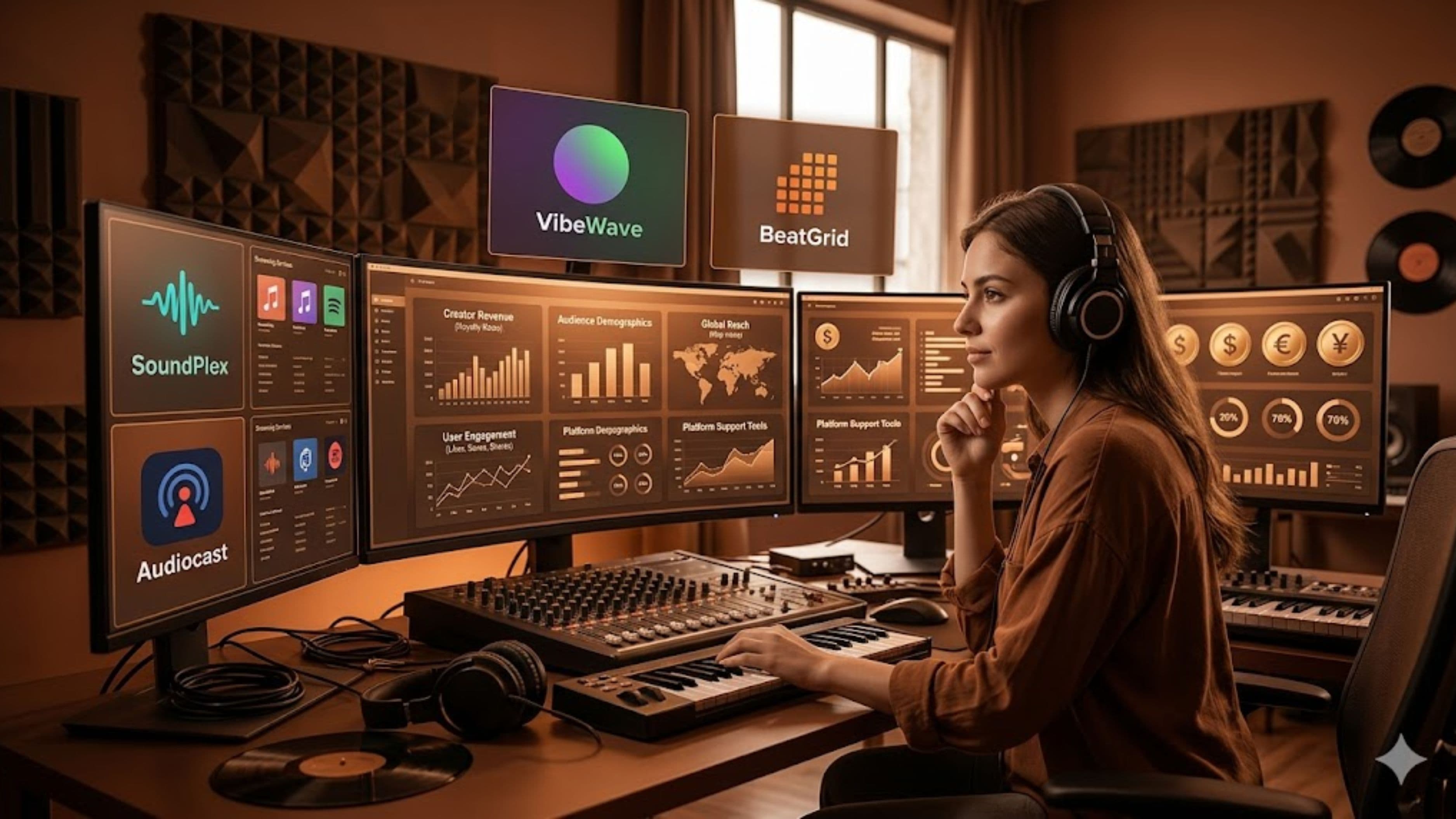
There's no single right answer for direct-to-fan revenue in 2026 – the best setup depends on your content output, your audience's habits, and what you're actually willing to maintain consistently. What's clear is that the combination of tools available today makes it genuinely possible to build a sustainable income from a modest but dedicated fan base, without a label, a distributor deal, or algorithmic luck. Start with the platform that matches your existing strengths, build it consistently, and add layers as your operation grows.
📚 Sources
Bandcamp. Artist fee structure and policies. – https://bandcamp.com/fees
Patreon. Creator plans and pricing. – https://www.patreon.com/pricing
Substack. How Substack works for creators. – https://substack.com/going-paid
Veeps. Artist ticketing and live stream platform. – https://www.veeps.com/for-artists
Stageit. How Stageit works for performers. – https://www.stageit.com/how_it_works
Spotify for Artists. Understanding streaming royalties. – https://artists.spotify.com/en/help/article/royalties
Music Business Worldwide. Direct-to-fan revenue trends 2024–2025. – https://www.musicbusinessworldwide.com/direct-to-fan-revenue