What's Actually Happening
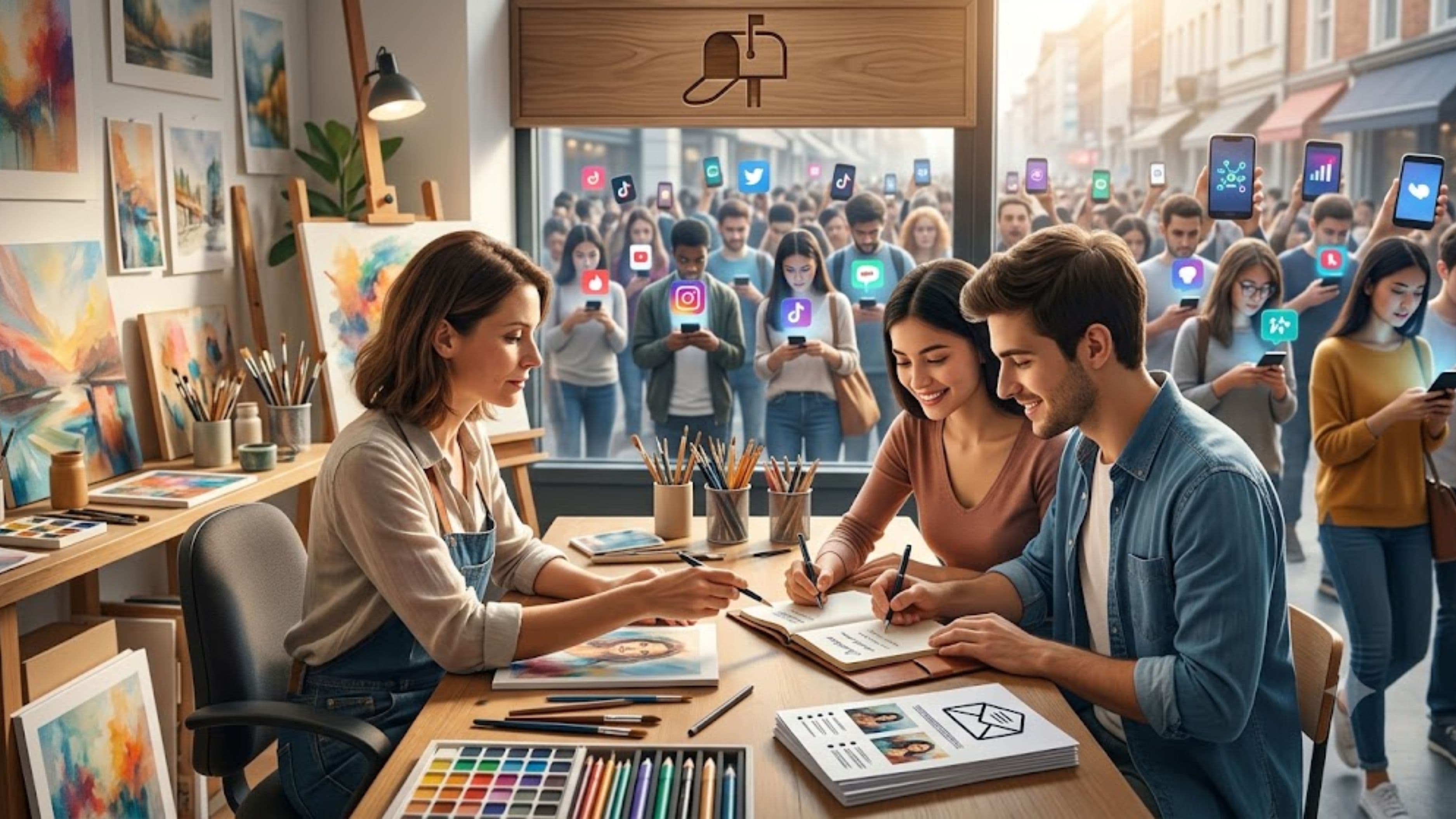
Streaming platforms, social media, and algorithmic discovery tools have become the dominant way artists reach audiences, but every one of these channels comes with a fundamental limitation: you don't own the relationship, the platform does. A change to Instagram's algorithm, a shift in how Spotify surfaces new releases, or a platform's declining organic reach can each significantly reduce your ability to reach people who've already chosen to follow you, without you having done anything wrong.
Email operates on a fundamentally different model. Once someone subscribes to your email list, that connection exists independently of any platform's algorithm, policy change, or business decision. This distinction – owned versus rented audience access – is the core reason email has remained relevant even as newer, flashier platforms have emerged and sometimes faded.
Why It Matters for Independent Artists Specifically
For artists without a label's marketing budget or built-in audience reach, this ownership matters considerably more than it might for an already-established act with existing infrastructure. If your entire audience relationship lives on a single social platform and that platform changes its algorithm, reduces organic reach, or experiences a broader decline in usage, you have genuinely limited recourse, since you never had direct access to those people – you only had access mediated entirely through that platform's current rules.
An email list gives you a direct line to people who've explicitly opted in to hear from you, independent of any platform's current algorithm or policies. This matters enormously for specific, concrete actions: announcing a new release with certainty that a meaningful percentage of your audience will actually see it, promoting tour dates directly, or building momentum for a crowdfunding campaign or merchandise drop without depending entirely on whether a platform's algorithm happens to favor your content that particular week.
Practical Application: Building a List That Actually Works
Start collecting emails at every point of contact with fans, not just through a dedicated sign-up campaign. Concert merchandise tables, show entry, and your website are all natural collection points, and the specific incentive matters – offering something genuinely valuable in exchange for an email address, like an exclusive unreleased track, early access to tickets, or a genuinely interesting behind-the-scenes look at your process, tends to produce meaningfully better sign-up rates than simply asking people to join a newsletter with no clear immediate benefit.
Once you're collecting emails, consistency in how you use the list matters more than frequency alone. A monthly update that consistently delivers something genuinely interesting – a new release, a personal note about your creative process, an exclusive early listen – tends to maintain stronger long-term engagement than sporadic, purely promotional emails that only show up when you have something to sell. Building genuine anticipation for your emails, the same way you'd want to build anticipation for your music itself, is what separates a list that people actually open from one that gets ignored or unsubscribed from over time.
Why It Matters Beyond Just Marketing
Beyond the practical marketing benefit, an email list represents a genuinely different kind of relationship with your audience compared to social media followers. Email tends to reach people in a more personal, direct space compared to a social media feed competing with dozens of other posts for attention, and this format naturally supports more substantive communication – sharing your actual creative process, personal reflections, or context behind a specific release – in a way that a quick social post format doesn't accommodate as naturally.
This matters for building the kind of genuine fan loyalty that translates into consistent support over time, not just occasional algorithm-driven discovery. Fans who feel a direct, personal connection to an artist through this kind of communication tend to become more consistent supporters – buying merchandise, attending shows, supporting crowdfunding efforts – than fans whose only connection exists through occasional algorithmic exposure to your content.
What to Watch Out For
It's worth being realistic that building a genuinely engaged email list takes real, sustained effort over time, and a list built purely through aggressive sign-up incentives without genuine ongoing value tends to see poor engagement and high unsubscribe rates once the initial incentive-driven sign-up period passes. The list itself isn't valuable purely by size – a smaller, genuinely engaged list of people who consistently open and act on your emails is considerably more valuable than a larger list collected purely through incentives without ongoing engagement to back it up.
It's also worth respecting your audience's inbox by being genuinely thoughtful about frequency and content quality, since over-emailing purely promotional content is one of the fastest ways to see unsubscribe rates climb and engagement decline, undermining the entire value of having built the list in the first place.
Practical Takeaway
Building an email list isn't about abandoning social media or streaming platform presence – those remain genuinely important for discovery and reach. It's about building a direct, owned relationship with your audience alongside those channels, so your ability to reach fans directly doesn't depend entirely on factors outside your control. Starting this practice early, even with a small audience, tends to compound meaningfully over time as your career and audience both grow.
FAQ
How do I get people to actually sign up for my email list? Offering a genuine, specific incentive – an exclusive track, early ticket access, or meaningful behind-the-scenes content – tends to work considerably better than simply asking people to subscribe to updates with no clear immediate value.
How often should I email my list? Monthly is a reasonable starting frequency for most independent artists, prioritizing consistency and genuine value in each email over frequent, purely promotional messaging that risks higher unsubscribe rates.
Is it worth building an email list if I have a small following? Yes, arguably even more so, since building this direct relationship early creates a foundation that compounds as your audience grows, rather than trying to build it retroactively once you already have a large following.
What email platforms are best for independent artists just starting out? Several platforms offer free or low-cost tiers well-suited to smaller lists, making cost less of a barrier than simply committing to the ongoing effort of building and maintaining genuine engagement with your list over time.
📚 Sources
Music Business Worldwide – Direct-to-Fan Marketing Strategies
DIY Musician (CD Baby) – Email Marketing for Independent Artists