What's Changed
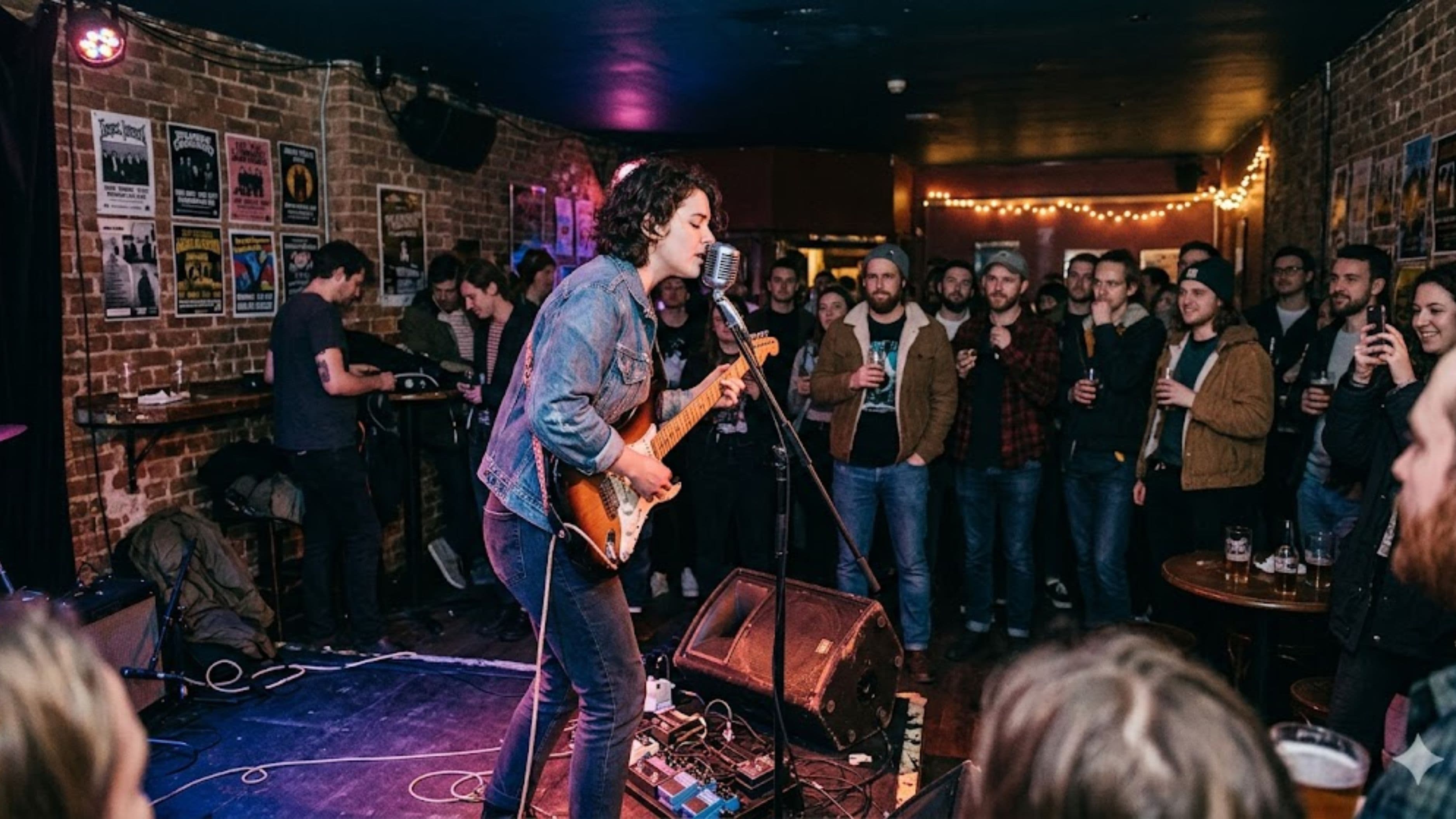
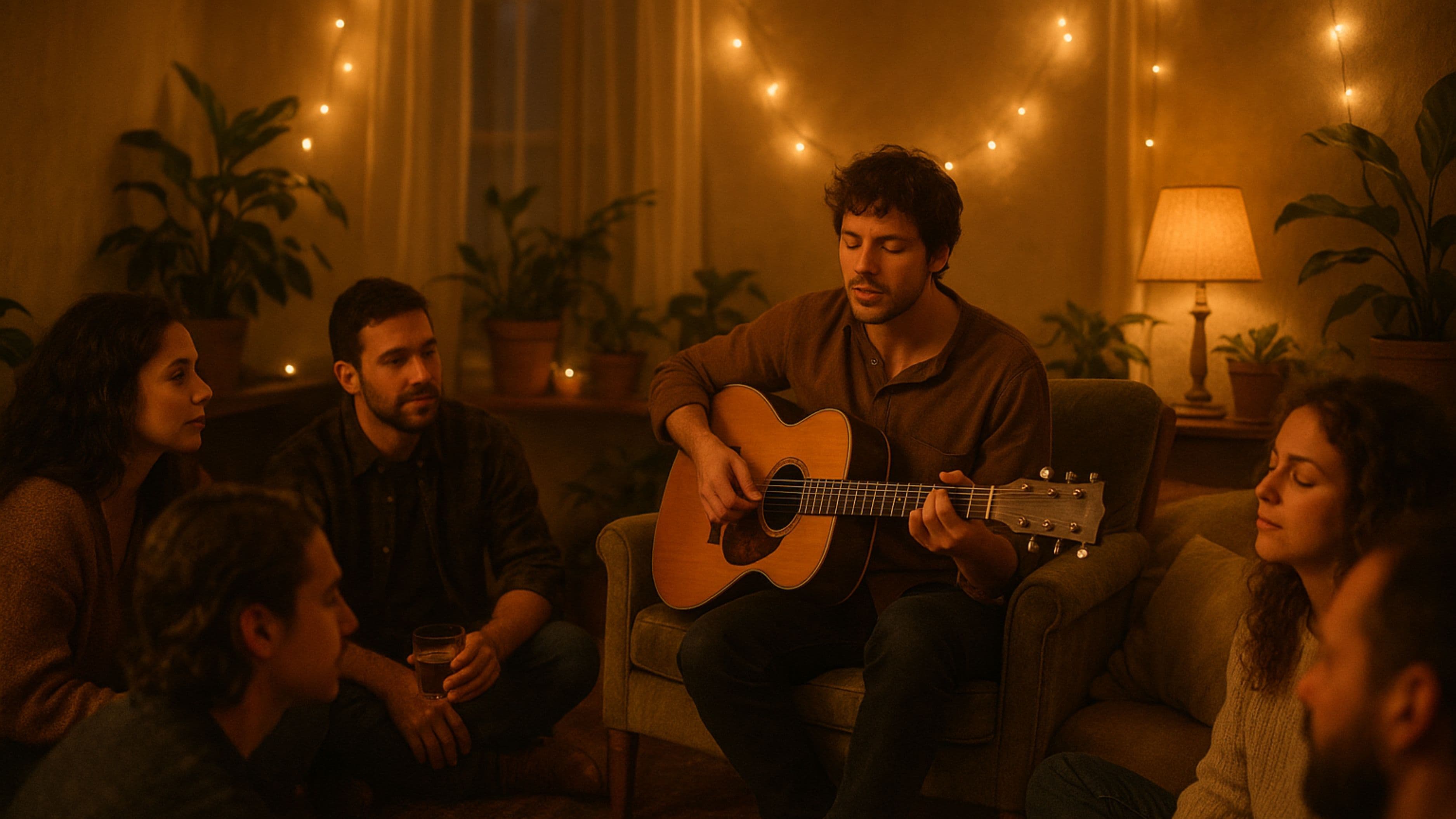
A few years ago, a solid live performance was often considered sufficient on its own – play well, sound good, and the crowd goes home satisfied. That's no longer quite enough. With streaming numbers alone rarely translating into meaningful income for most independent artists, live shows have become one of the few remaining spaces where direct, memorable connection with fans genuinely happens, and that connection increasingly determines whether someone becomes a one-time attendee or a long-term supporter.
This shift matters because fans who feel a personal connection to an artist are dramatically more likely to buy merch, return for future shows, and actively recommend the artist to others, compared to fans who simply enjoyed a performance passively from a distance.
Key Developments Driving This Shift
Streaming saturation has reduced digital discovery's staying power. With an overwhelming volume of new music released daily, a listener discovering your track through a playlist algorithm rarely translates into lasting fandom on its own. Live shows offer something algorithmic discovery structurally can't – a genuine, memorable, in-person moment that sticks with someone far longer than a fifteen-second streaming preview.
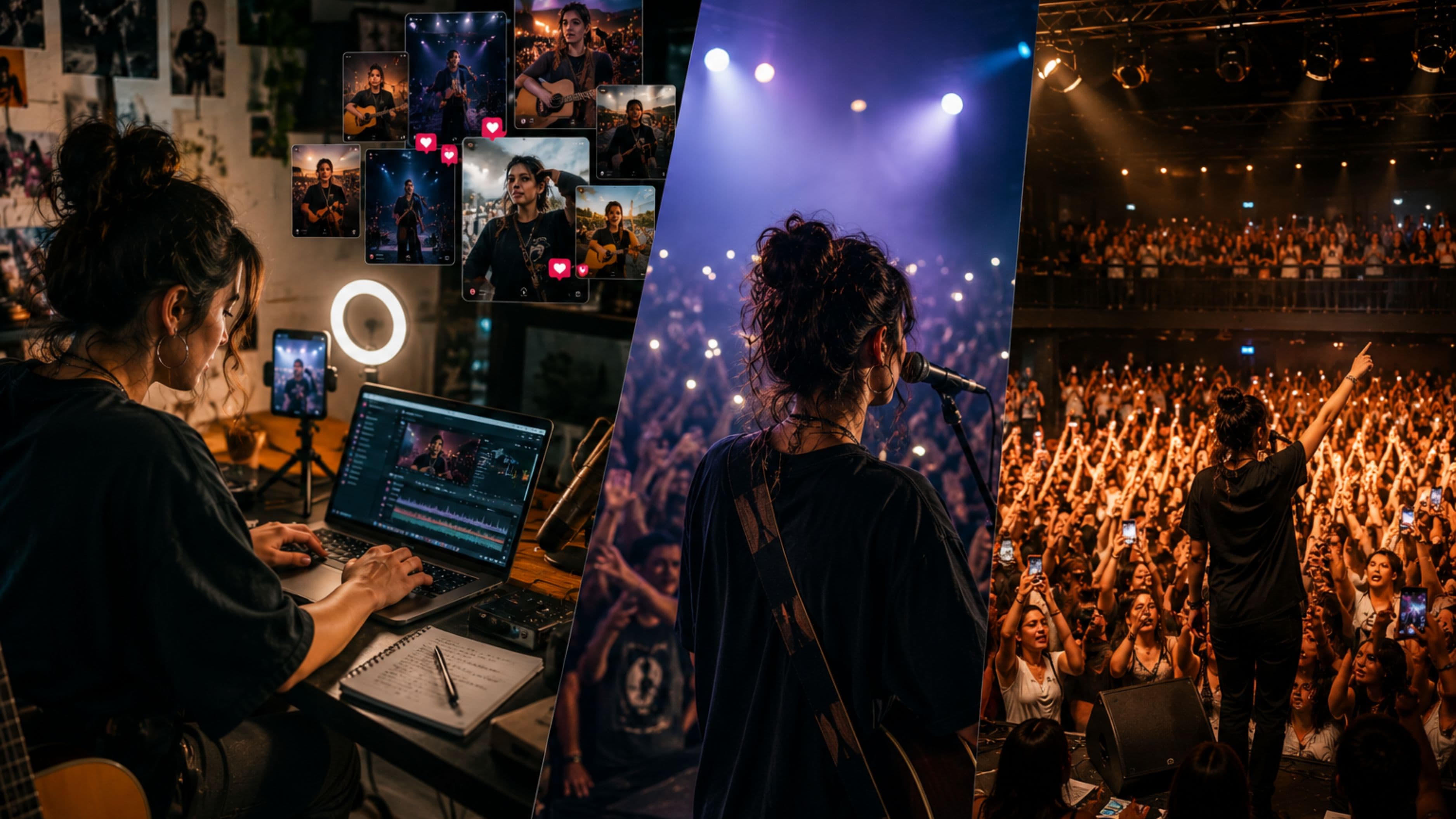
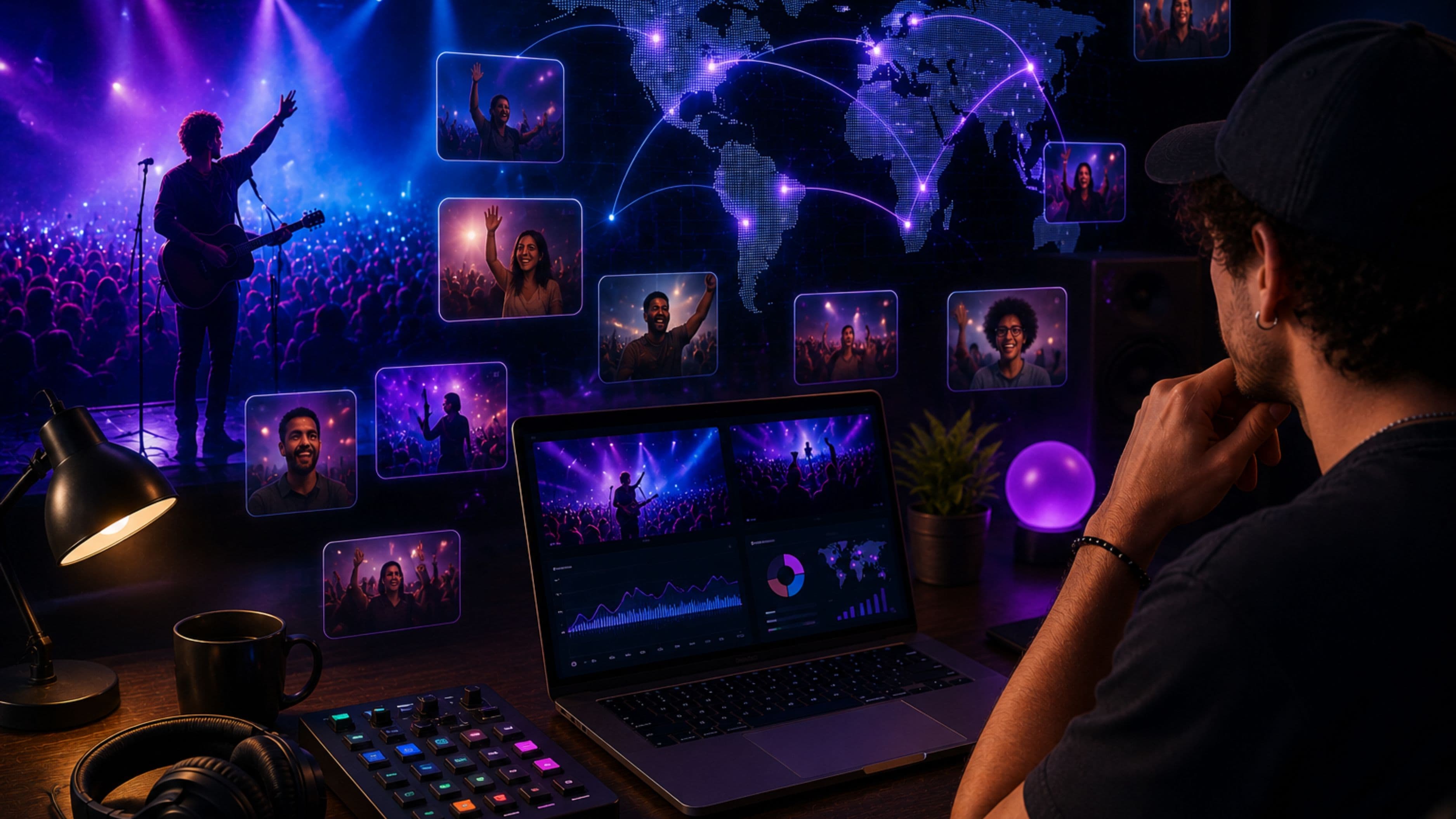
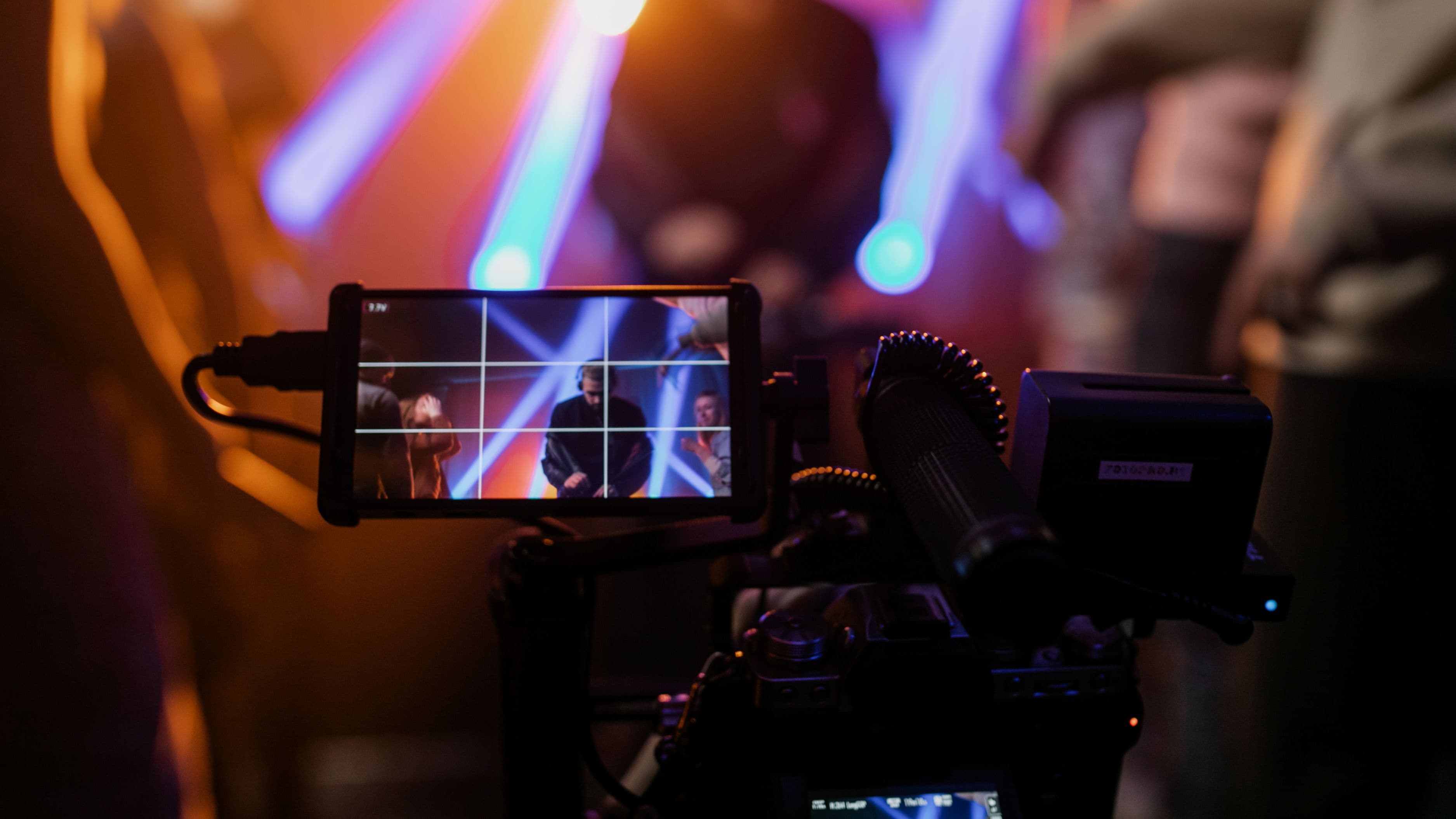
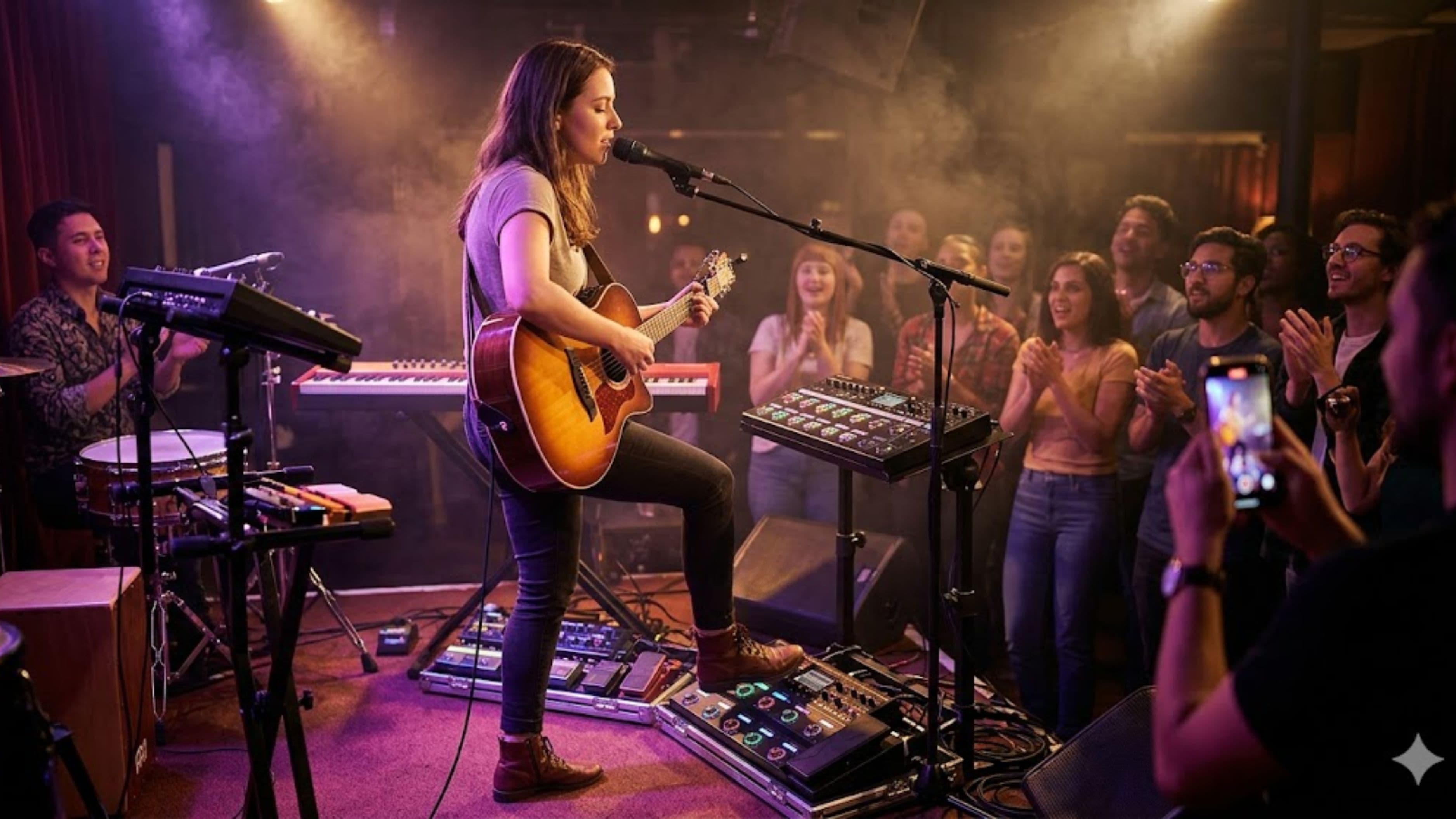
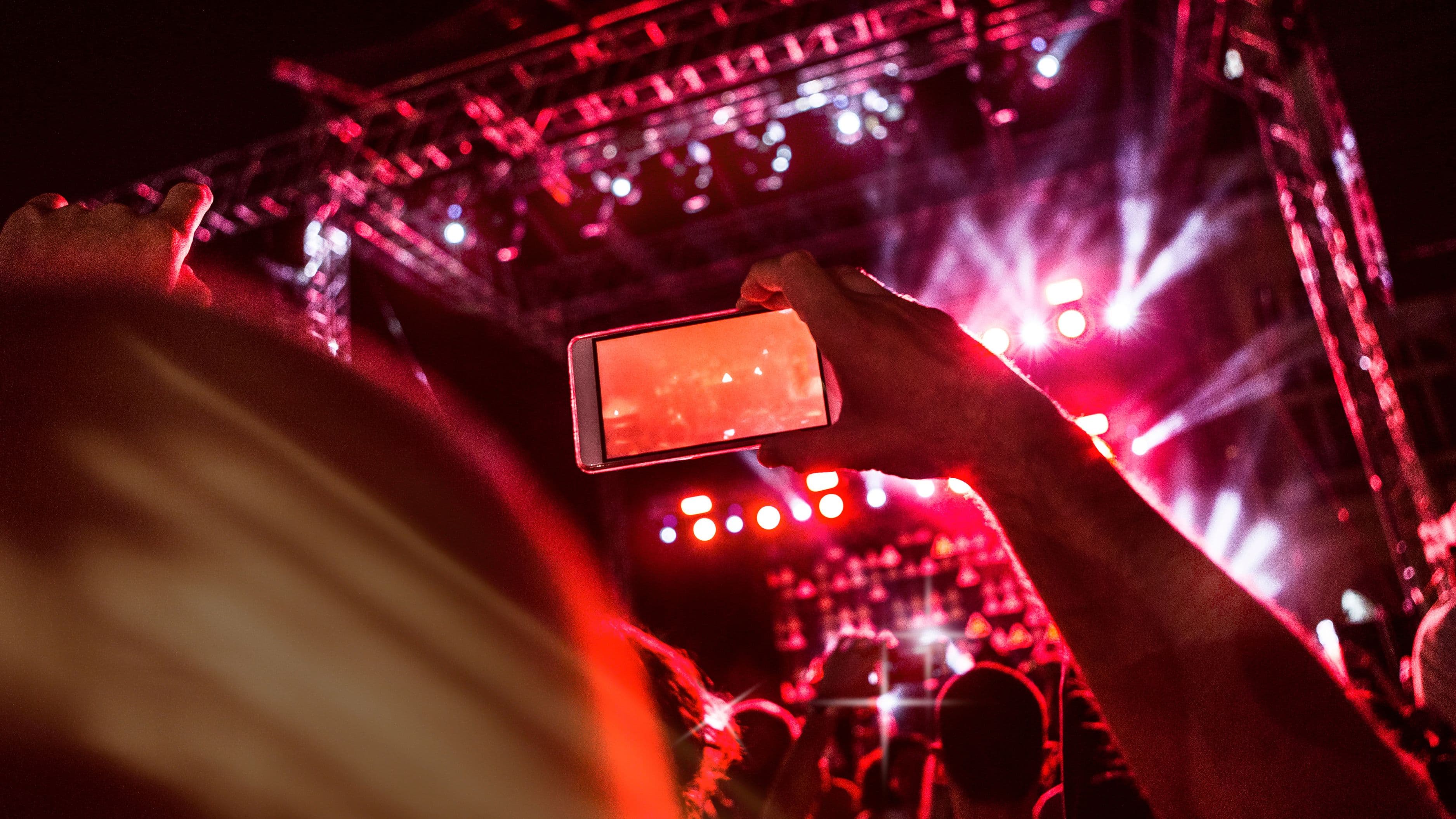
Social media rewards authentic in-the-moment content. Fans increasingly document and share live show moments themselves, and shows that create genuinely shareable, engaging moments – not just good performances, but memorable interactions – generate organic promotion through fan-created content that reaches audiences an artist's own social channels might never touch directly.
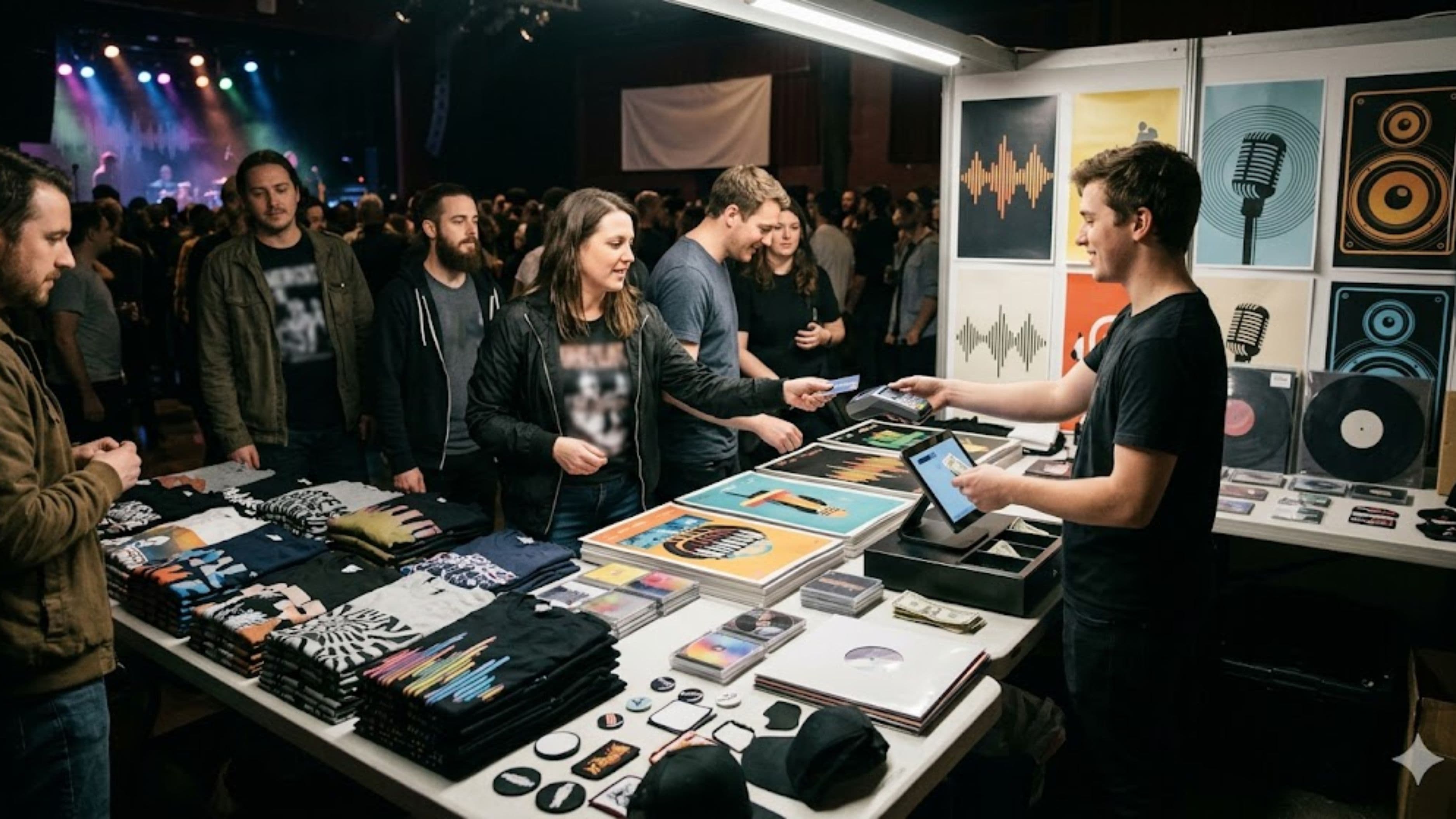
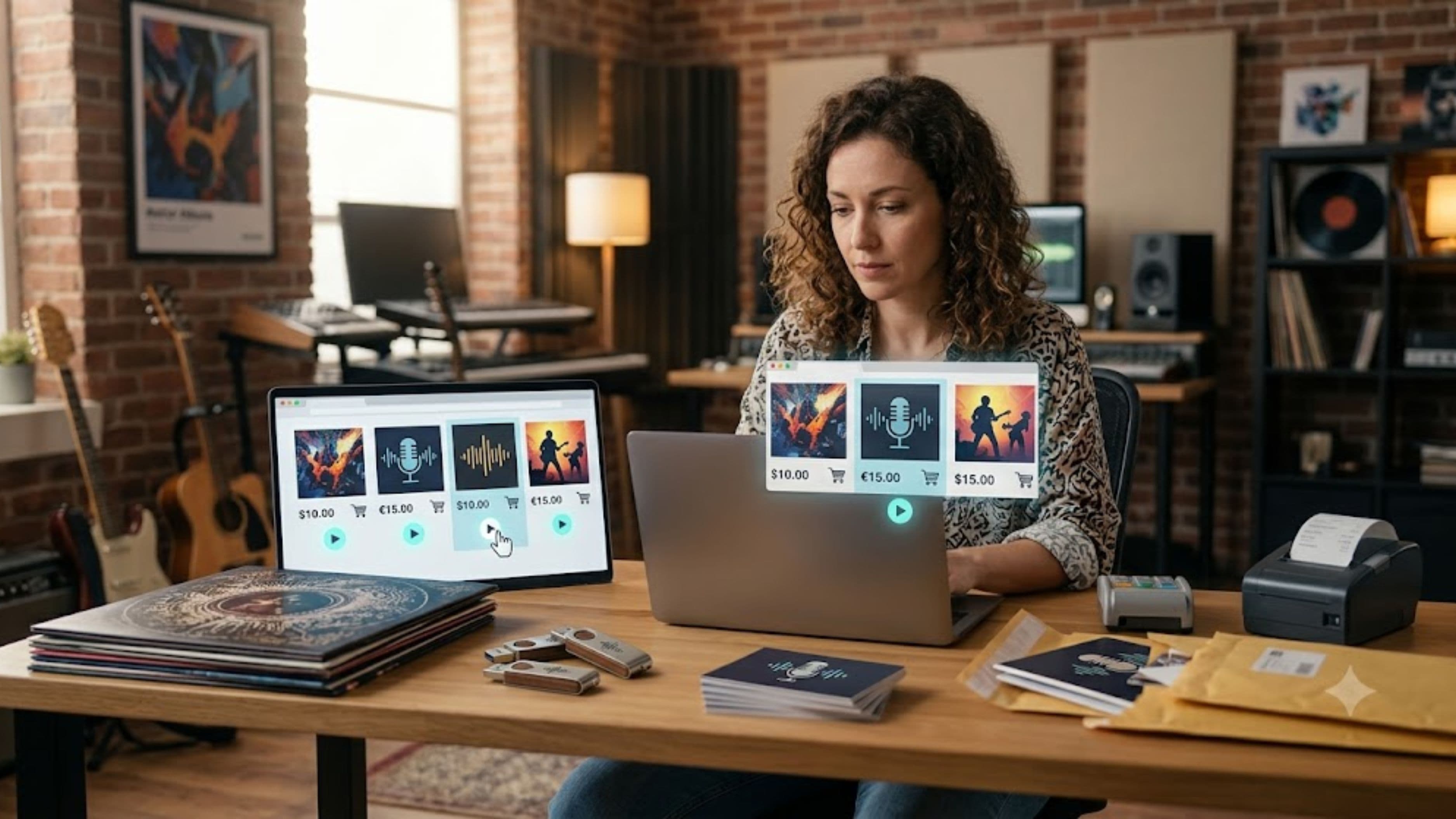
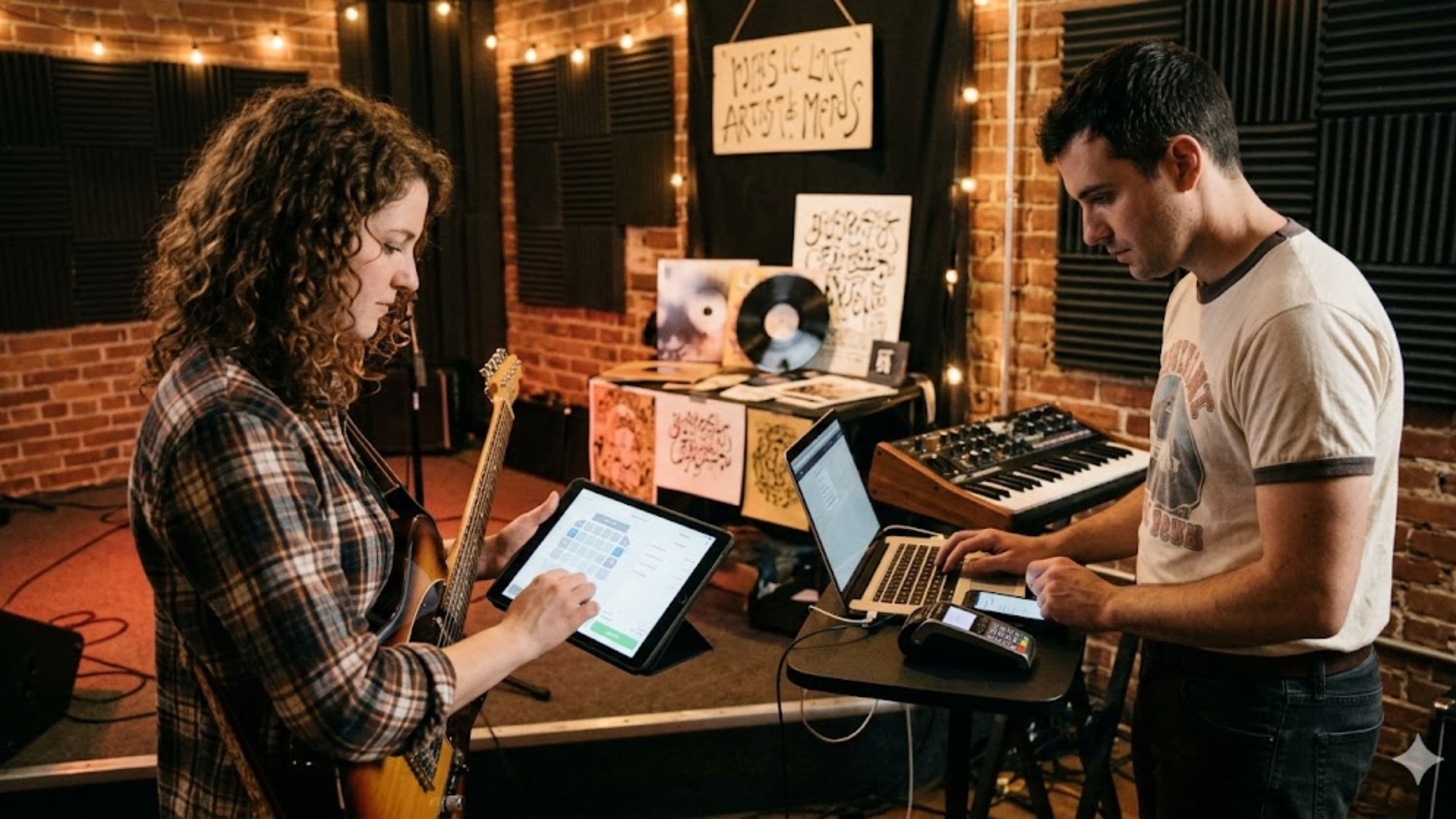
Merch and direct fan spending increasingly happen at shows. With streaming revenue remaining thin, merch sales and direct fan interactions at live events have become a proportionally larger part of independent artist income, making the quality of that in-person experience directly tied to real financial outcomes, not just goodwill.
Practical Ways to Build Engagement Into a Show
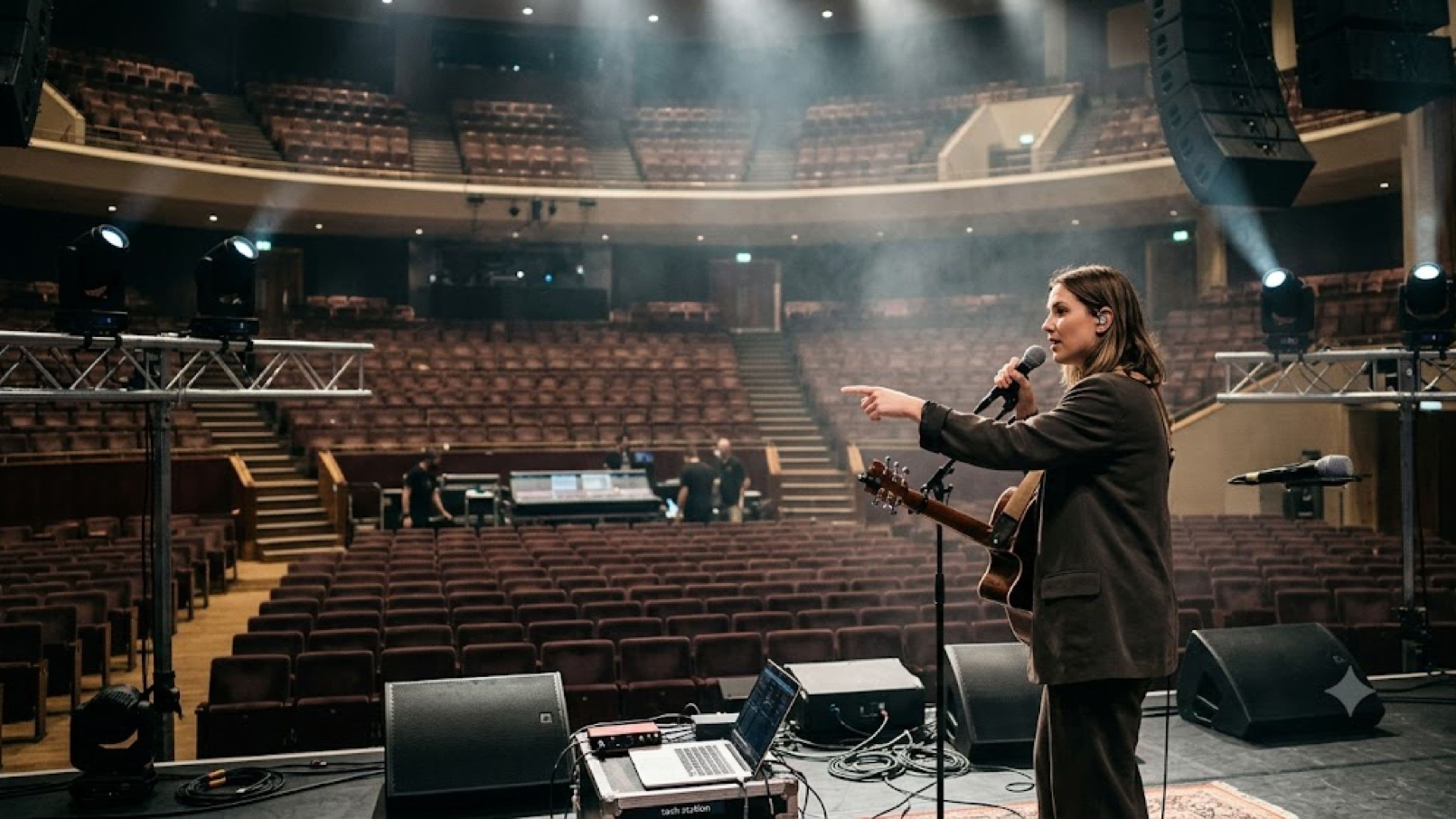
Genuine crowd interaction between songs – acknowledging specific fan requests, telling a brief story behind a song, or simply talking to the audience like people rather than a passive crowd – creates the kind of memorable moment that turns a casual attendee into someone who remembers your name afterward. This doesn't need to be elaborate or scripted; small, authentic moments consistently outperform overly rehearsed stage banter that feels disconnected from the actual room.
Setting aside time after the show to meet fans, even briefly, remains one of the highest-impact things an independent artist can do for long-term fan loyalty. A short conversation, a photo, or simply being visibly accessible after a set creates a personal connection that streaming can never replicate, and fans consistently cite these moments as what turned them into repeat supporters.
Building a simple call-to-action into the live experience – directing fans to a mailing list signup, a specific social account, or a merch table with a clear incentive – converts in-the-moment enthusiasm into an ongoing connection rather than letting that energy dissipate the moment the show ends.
Impact on Independent Artists Specifically
Independent artists benefit disproportionately from strong live engagement compared to artists with larger existing platforms, since personal connection is one of the few competitive advantages available without a large marketing budget or existing audience reach. A smaller show with genuine, memorable engagement often produces more loyal, lasting fans per capita than a larger show where the artist remains distant and inaccessible throughout.
This dynamic also means engagement quality matters more than raw attendance numbers for artists still building their base. A room of thirty deeply engaged fans who leave feeling personally connected to the artist often produces more long-term value – return attendance, word-of-mouth referrals, ongoing streaming and merch support – than a larger, more passive audience.
What to Watch Out For
Overdoing scripted or forced engagement attempts – repeatedly asking the crowd to cheer louder, or performing engagement rather than genuinely connecting – tends to feel hollow and can actually undermine authenticity rather than build it. Audiences generally respond far better to engagement that feels natural and specific to the actual room and moment, rather than a generic routine repeated identically at every show.
It's also worth being realistic about capacity. Meeting every single fan after a larger show isn't always feasible, and spreading yourself too thin trying to personally connect with everyone can come across as rushed rather than genuine. Prioritizing quality interaction over quantity, even if that means fewer total conversations, tends to leave a stronger impression.
Practical Takeaway
Treating live shows as pure performance, disconnected from genuine fan interaction, leaves real career-building value on the table in an environment where streaming alone rarely sustains an independent artist's growth. Building small, authentic engagement moments into your live shows – between songs, after the set, and through simple calls to action – consistently produces more loyal, longer-term fans than performance quality alone.
FAQ
Does fan engagement matter as much for larger shows as smaller ones? The specific tactics shift with scale, but the underlying principle holds – audiences at any size respond to genuine connection more than polished distance, even if larger shows require more selective, structured approaches to engagement.
How do I build engagement into my set without it feeling forced? Focus on small, specific moments tied to the actual room and audience rather than generic crowd-work routines, and let genuine personality come through rather than following a rigid script.
Is post-show meet-and-greet time really worth the effort for a small artist? Yes, and often disproportionately so for smaller artists, since this kind of direct, personal access is one of the clearest competitive advantages available without a large existing platform or budget.
Live shows have become one of the most valuable, and most underused, opportunities independent artists have to build lasting fan relationships in an environment where streaming alone increasingly falls short. Investing genuine effort into engagement, not just performance quality, pays off in ways that compound well beyond any single show.