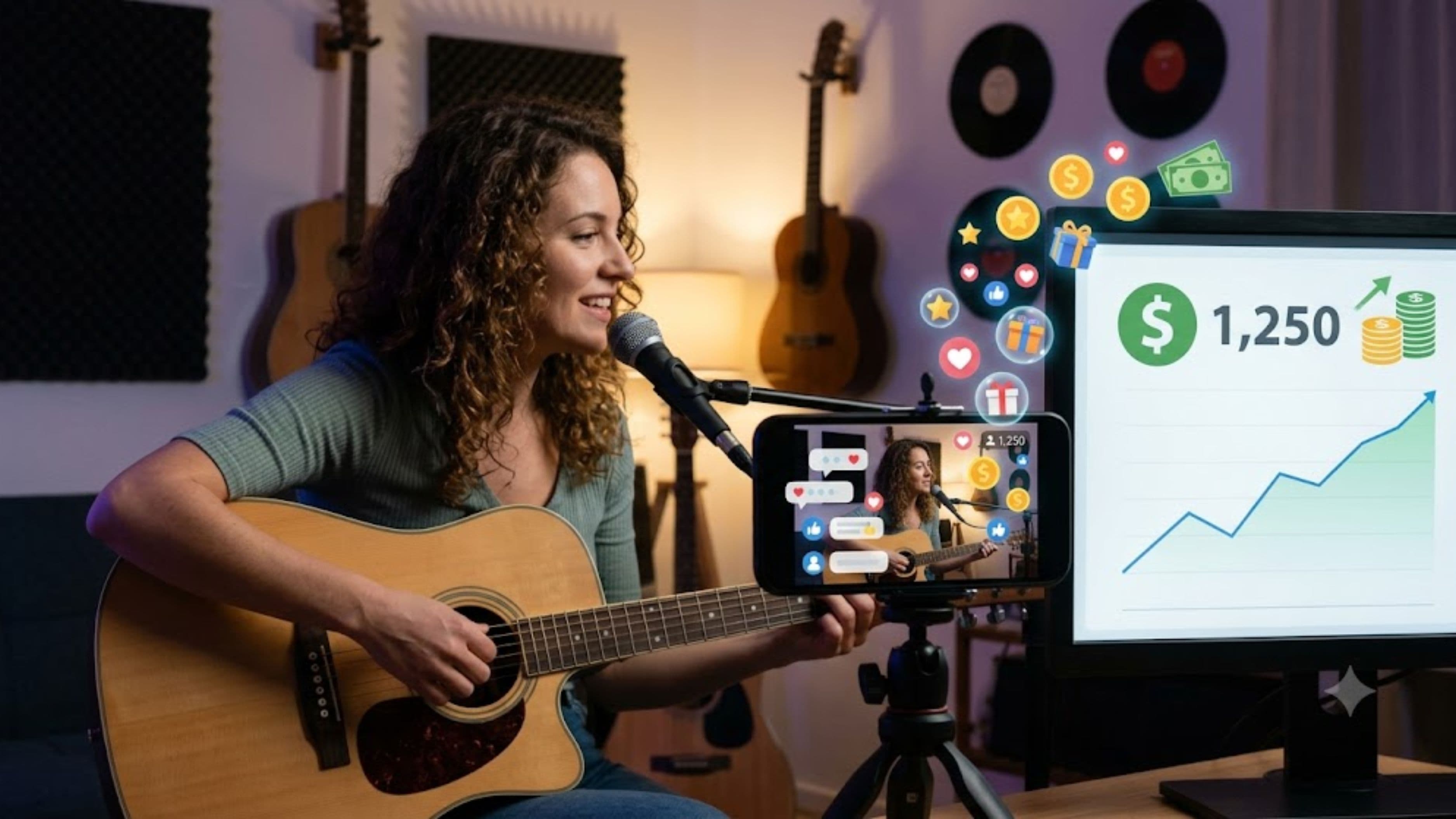
A growing number of independent artists are skipping traditional funding routes entirely and turning directly to their fans to finance albums, tours, and music videos before a single stream ever plays. This isn't a fringe experiment anymore – fan-funded music projects have become a legitimate, increasingly common path for artists at every stage of their career, and the reasons behind the shift say a lot about how the music industry itself is changing.
What's Actually Changing
For years, funding a professional-quality album or tour meant either securing a label deal, taking on personal debt, or scaling back ambitions to match a limited budget. Crowdfunding platforms built specifically for creative projects have removed that bottleneck by letting artists raise money directly from the people most invested in their success – their existing fans – before production even begins, rather than after a release has already proven itself commercially.
This shift matters because it changes the risk equation entirely. Instead of an artist or label betting on a project's future success, funding is validated upfront by actual demand, and the artist retains far more creative and financial control over the finished product than a traditional label deal typically allows.
Key Developments Driving This Trend
Direct-to-fan platforms have matured significantly. Crowdfunding and fan-funding platforms built specifically for creative projects now offer more sophisticated tools than early campaign models – tiered reward systems, recurring subscription options, and better campaign management tools that make running a successful funding push more accessible to artists without a marketing background.
Streaming economics have pushed artists to look elsewhere for meaningful income. Per-stream royalty rates remain a persistent frustration for independent artists, and fan-funding offers a way to generate meaningful revenue directly tied to genuine fan enthusiasm rather than algorithmic playlist placement or stream volume alone.
Social media has made direct fan communication easier than ever. Artists can now build and maintain a direct relationship with their audience without relying on label marketing budgets, which makes launching and promoting a funding campaign to an already-engaged following significantly more feasible than it was a decade ago.
Fans increasingly want a sense of ownership and involvement. Being part of funding a project – rather than simply consuming it after release – has become an appealing value proposition for fans who want a deeper connection to the artists they support, often through perks like early access, personalized content, or naming credits on the finished work.
Why It Matters for Independent Artists
Fan-funding shifts the entire financial risk structure of releasing music. Instead of investing personal savings or taking on debt to fund a project with no guaranteed audience, an artist can validate demand and secure a project's budget before committing significant resources. This is a meaningfully different risk profile than the traditional model, where the financial commitment happens before you know whether an audience wants what you're making.
It also changes creative dynamics. Projects funded directly by fans typically come with far fewer of the commercial pressures that traditional label financing can impose, since there's no external investor pushing for a specific sound or release timeline calculated around commercial viability rather than artistic vision.
Impact on Fans and the Broader Culture
For fans, funding a project directly creates a sense of genuine investment in an artist's success that passive streaming consumption doesn't replicate. This has measurably strengthened fan loyalty and engagement in cases where campaigns are run well, since backers often become some of an artist's most vocal, dedicated promoters once a project is released, having been part of making it happen from the beginning.
What to Watch Next
As fan-funding platforms continue to mature, expect more artists to treat fan-funding as a standard part of their release strategy rather than an alternative to traditional paths, particularly as recurring subscription and membership models increasingly blend with one-off project funding campaigns. It's also worth watching how larger platforms and even some labels begin incorporating fan-funding elements into hybrid release strategies, blending traditional distribution with direct fan investment models.
Practical Takeaway for Artists Considering This Route
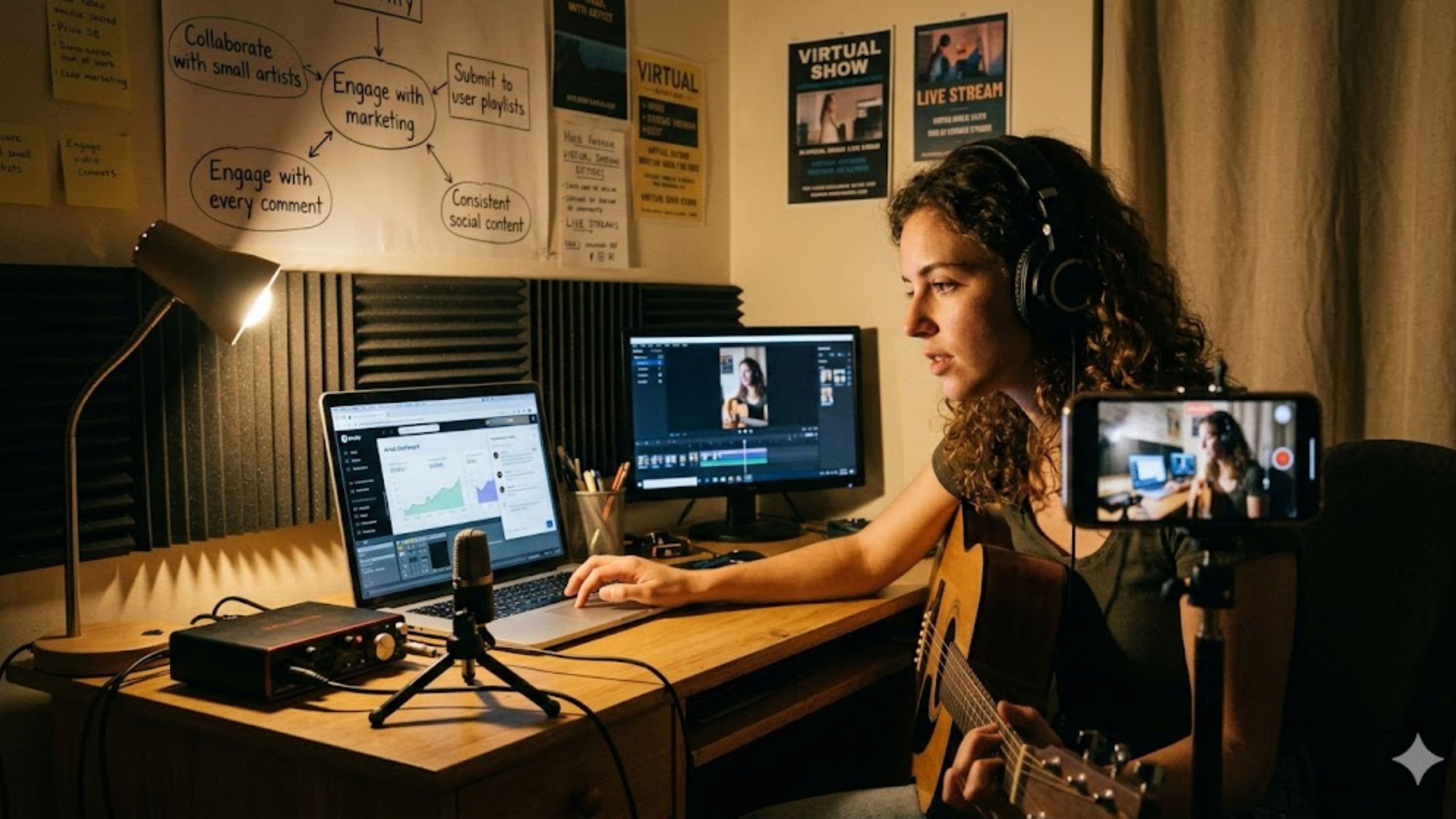
A successful fan-funding campaign generally depends more on the strength of an artist's existing fan relationship than on the platform or campaign mechanics themselves. Building genuine engagement with your audience well before launching a campaign – through consistent content, direct communication, and authentic connection – matters significantly more than optimizing reward tiers or campaign length once you actually launch.
FAQ
Do fan-funded projects only work for already-established artists? No, though an existing engaged audience, even a modest one, significantly improves the odds of a successful campaign – fan-funding amplifies an existing relationship rather than creating a fanbase from nothing.
What happens if a fan-funded project doesn't reach its funding goal? This depends on the specific platform's policies – some use an all-or-nothing model where funds are only collected if the goal is met, while others allow artists to keep whatever is raised regardless of the target.
Is fan-funding replacing traditional label financing entirely? Not entirely – it's more accurately described as an additional, increasingly popular path that coexists alongside traditional financing, giving artists more options depending on their specific goals and audience size.