What Changed to Make This Content Legitimate
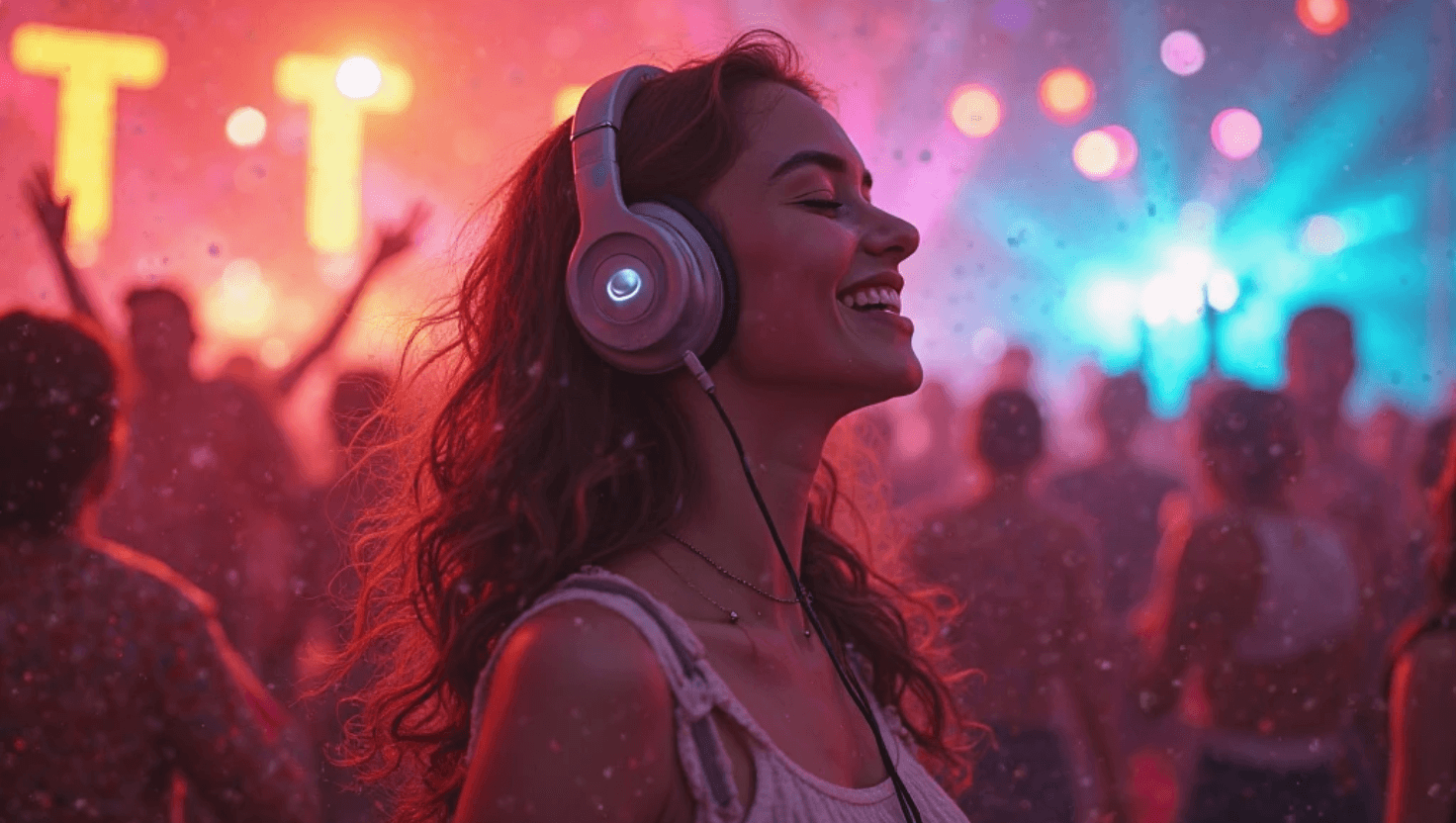
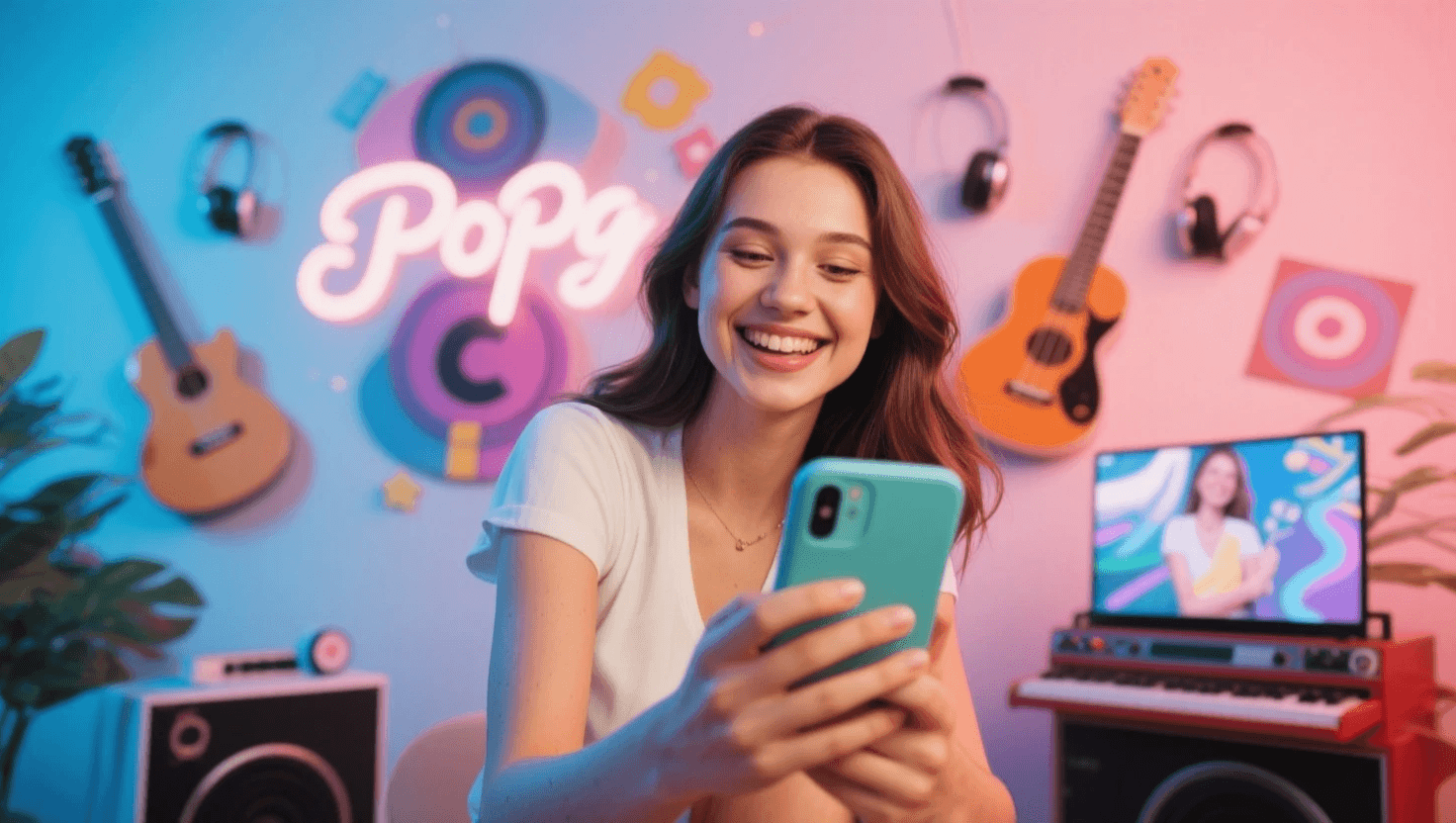
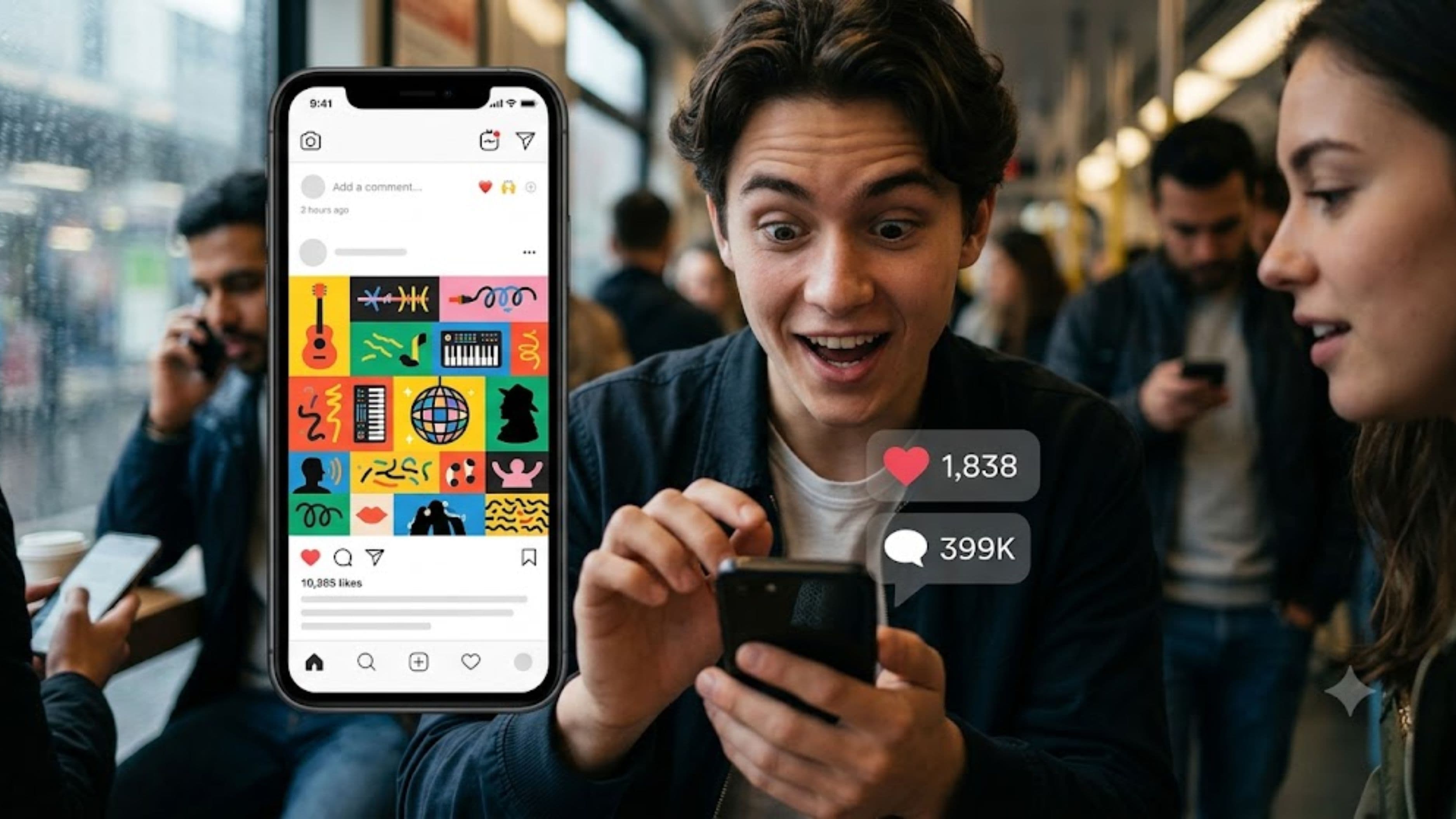
Reaction content used to be dismissed partly because it seemed to require little skill or production value compared to traditional music journalism or curated content. What's shifted is a broader recognition that authentic, unscripted emotional response has genuine promotional value that polished, produced content often can't replicate. When a fan's raw reaction to a surprise verse or a beat drop gets millions of views, it demonstrates something a press release or curated trailer can't: real, unfiltered audience excitement, which is exactly the kind of social proof that influences other listeners' decisions to check out new music.
Platforms have also adapted to reward this kind of content specifically. Short-form video algorithms tend to favor authentic, emotionally expressive content, which has given reaction videos, particularly on TikTok and YouTube Shorts, considerably more reach than they would have gotten under older platform structures built around longer, more polished content.
Why It Matters for Artists and Labels
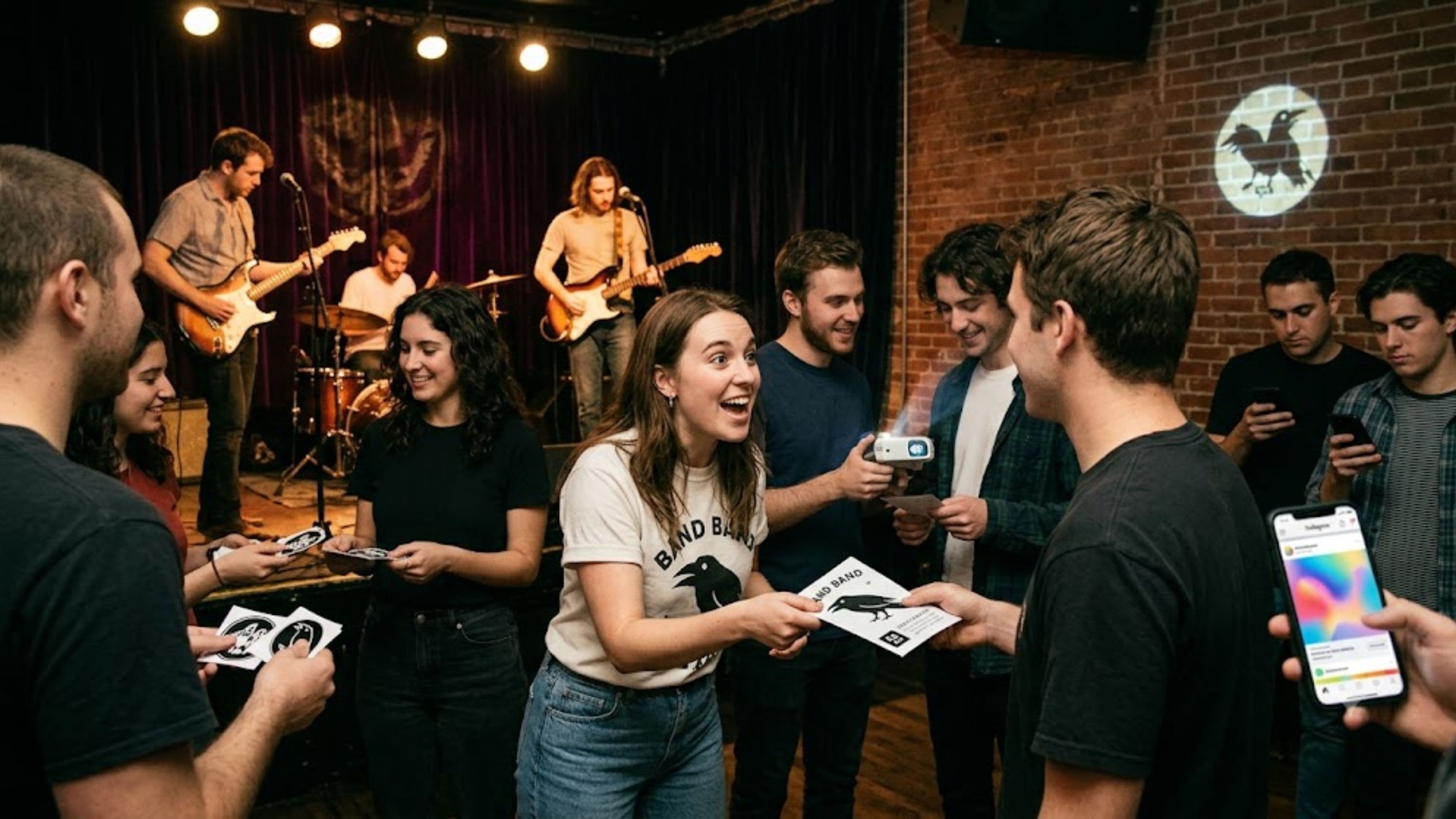
For artists, especially independent ones without a large marketing budget, fan reaction content offers a genuinely low-cost way to generate buzz around a release, since the content is created by fans themselves rather than requiring a paid production budget. A single reaction video that captures genuine surprise or emotion at a key moment in a song can spread far beyond an artist's existing fanbase, since viewers are drawn to authentic emotional moments even when they're not already familiar with the music being reacted to.
This also changes how some artists approach the structure of their songs and releases. Knowing that a specific moment, a key change, a surprising lyric, or an unexpected feature, might become the centerpiece of widely shared reaction content has led some artists to intentionally build these moments into their songwriting and release strategy, treating them almost like a built-in marketing hook.
Real-World Examples of the Format
Chart reveal reactions, where fans record themselves finding out an artist hit a specific chart position or streaming milestone, have become a recognizable subgenre of their own, often shared directly by artists on their own social channels as a way of celebrating alongside their fanbase rather than through a traditional press announcement. First-listen reaction compilations, stitching together multiple fans' genuine responses to a surprise album drop, frequently rack up substantial engagement precisely because the format captures collective, real-time excitement in a way a single official statement can't replicate.
Live-streamed listening parties, where fans gather virtually to hear an album together for the first time and react in real time, have also grown into a meaningful release-day event format in their own right, sometimes drawing audiences comparable to more traditional promotional efforts.
What This Means for Creators Trying to Build an Audience
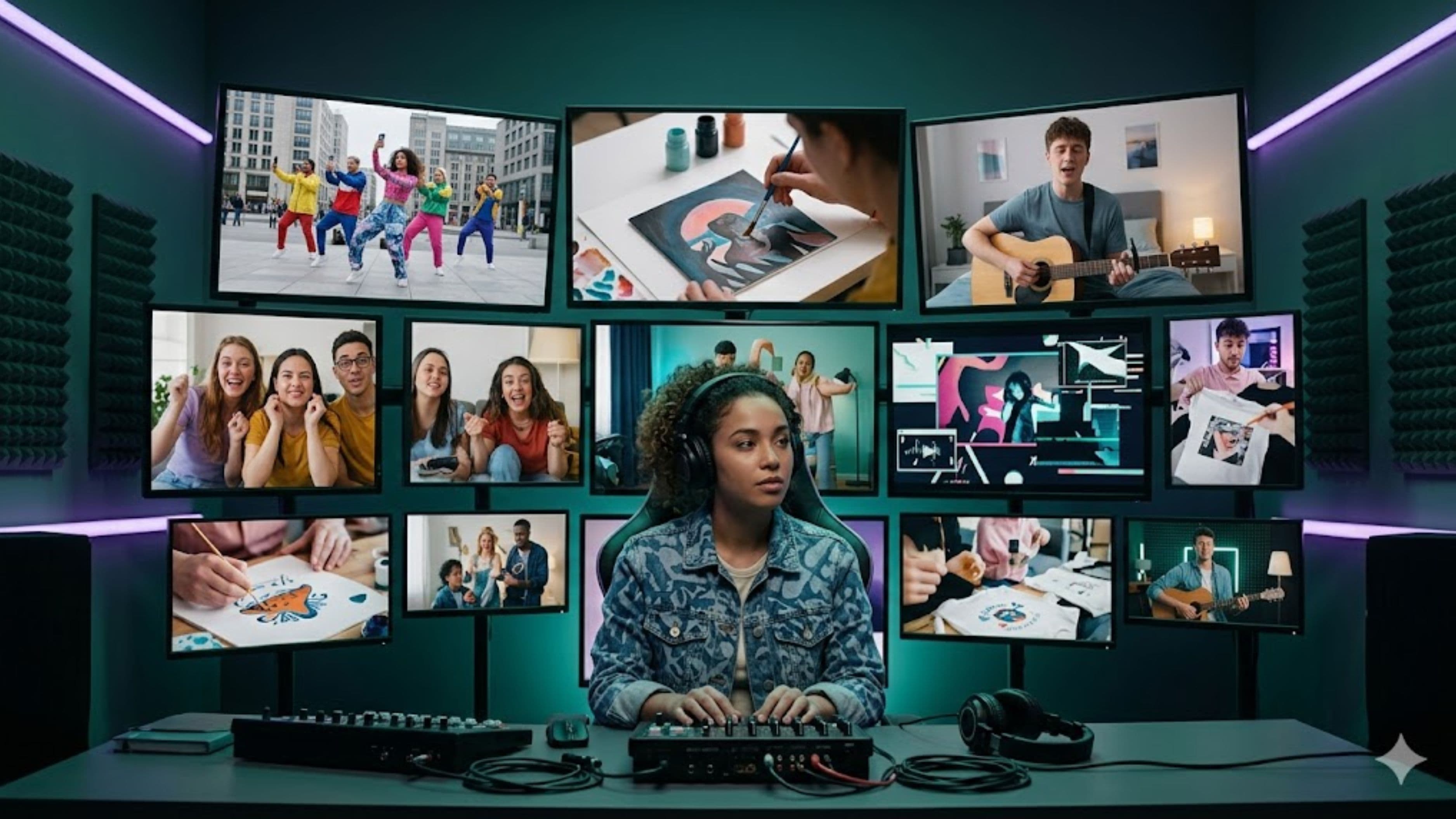
If you're a content creator rather than a musician, this shift represents a genuine opportunity, since reaction content has become a legitimate content category with real audience demand rather than a niche or lesser format. Building a following around music reaction content generally rewards consistency and genuine, unscripted reaction over overly polished or clearly performative content, since audiences have become fairly skilled at distinguishing authentic reactions from staged ones.
Growth in this space tends to be more achievable for creators without existing music industry connections compared to some other music content formats, since credibility here comes primarily from authenticity and consistency rather than access or insider relationships.
What to Watch Out For
Be mindful of copyright and platform-specific rules around using unreleased or copyrighted music in reaction content, since requirements vary by platform and can result in demonetization or content removal if not followed carefully. It's also worth watching for signs of audience fatigue with a specific reaction format, since trends in this space shift quickly, and a format that's highly engaging today can feel stale within a matter of months as audiences move on to whatever the next iteration looks like.
For artists, it's worth recognizing that not every release will generate organic reaction content on its own, and treating this as a guaranteed promotional outcome rather than a possible one can lead to disappointment if a specific release doesn't naturally lend itself to this kind of format.
Practical Takeaway
For artists, consider whether your upcoming release has a natural moment built in that could lend itself to this kind of organic reaction content, without forcing it artificially. For creators, building genuine consistency and authenticity in this space tends to matter more long-term than chasing whatever the most viral reaction format happens to be in a given month.
Frequently Asked Questions
Do labels actively encourage or seed fan reaction content? Increasingly yes, some labels now provide early access to select fans or creators specifically anticipating that authentic reaction content will help build pre-release buzz, though plenty of reaction content still emerges organically without any coordination.
Is reaction content considered a legitimate income stream for creators? It can be, particularly through platform ad revenue and brand partnerships, though like most content categories, consistency and audience size matter significantly in determining how much income it realistically generates.
Can reaction content actually hurt an artist if the reaction is negative? It's possible, since authentic reactions cut both ways, but many artists and labels view the overall trend positively since even mixed reactions tend to generate engagement and conversation around a release.
Fan reaction content has moved well past its early reputation as a low-effort format, and its growth reflects a broader shift toward valuing authentic, unscripted engagement over heavily produced promotional content. Whether you're an artist thinking about release strategy or a creator building an audience, this is a space worth taking seriously rather than dismissing as a passing trend.
📚 Sources
Billboard, How Reaction Content Is Reshaping Music Promotion – https://www.billboard.com
Music Business Worldwide, Fan Engagement and Streaming Trends – https://www.musicbusinessworldwide.com