What's Happening
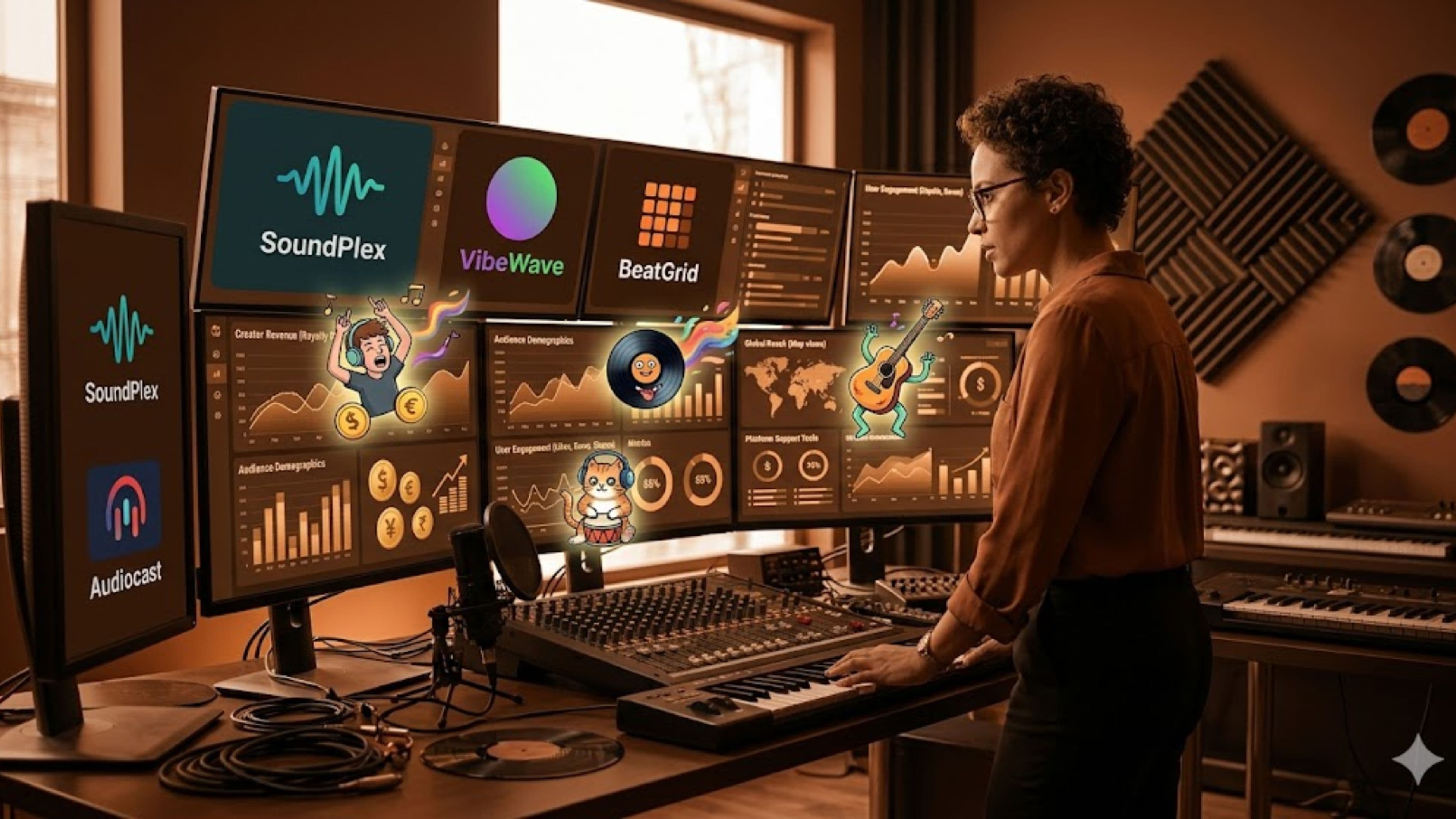
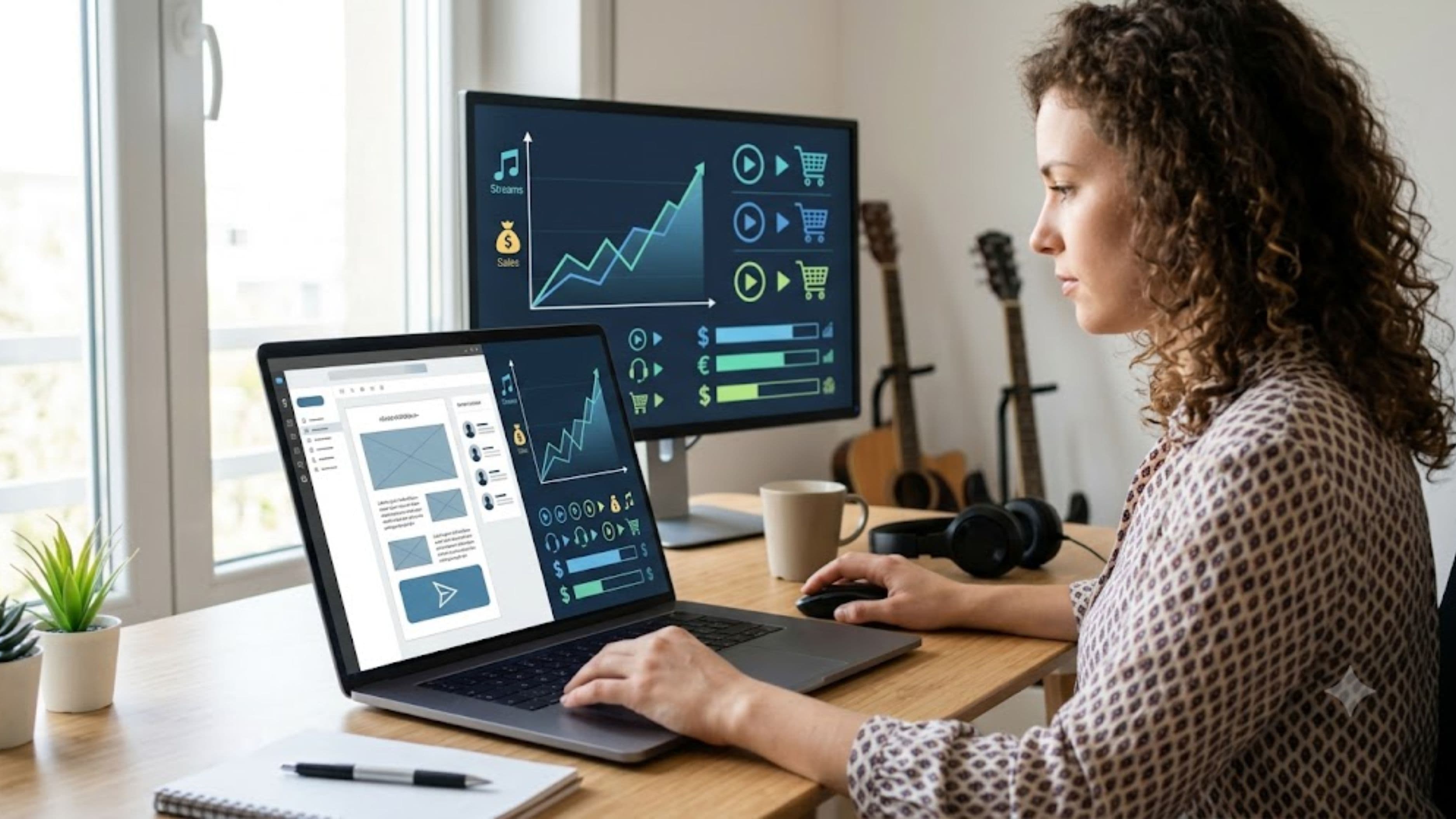
Fan communities, particularly around K-pop groups, pop artists with dedicated global fandoms, and increasingly hip-hop and R&B artists as well, have built out genuinely sophisticated tracking practices around streaming and chart performance. Tools like Kworb, which aggregates and displays Spotify and other streaming data in a more accessible format than the platforms themselves provide, have become common reference points within fan communities monitoring an artist's daily and weekly numbers. Chartmetric, originally built as an industry analytics tool for labels and managers, has also found a secondary audience among highly engaged fans who want label-level visibility into how their favorite artist is actually performing.
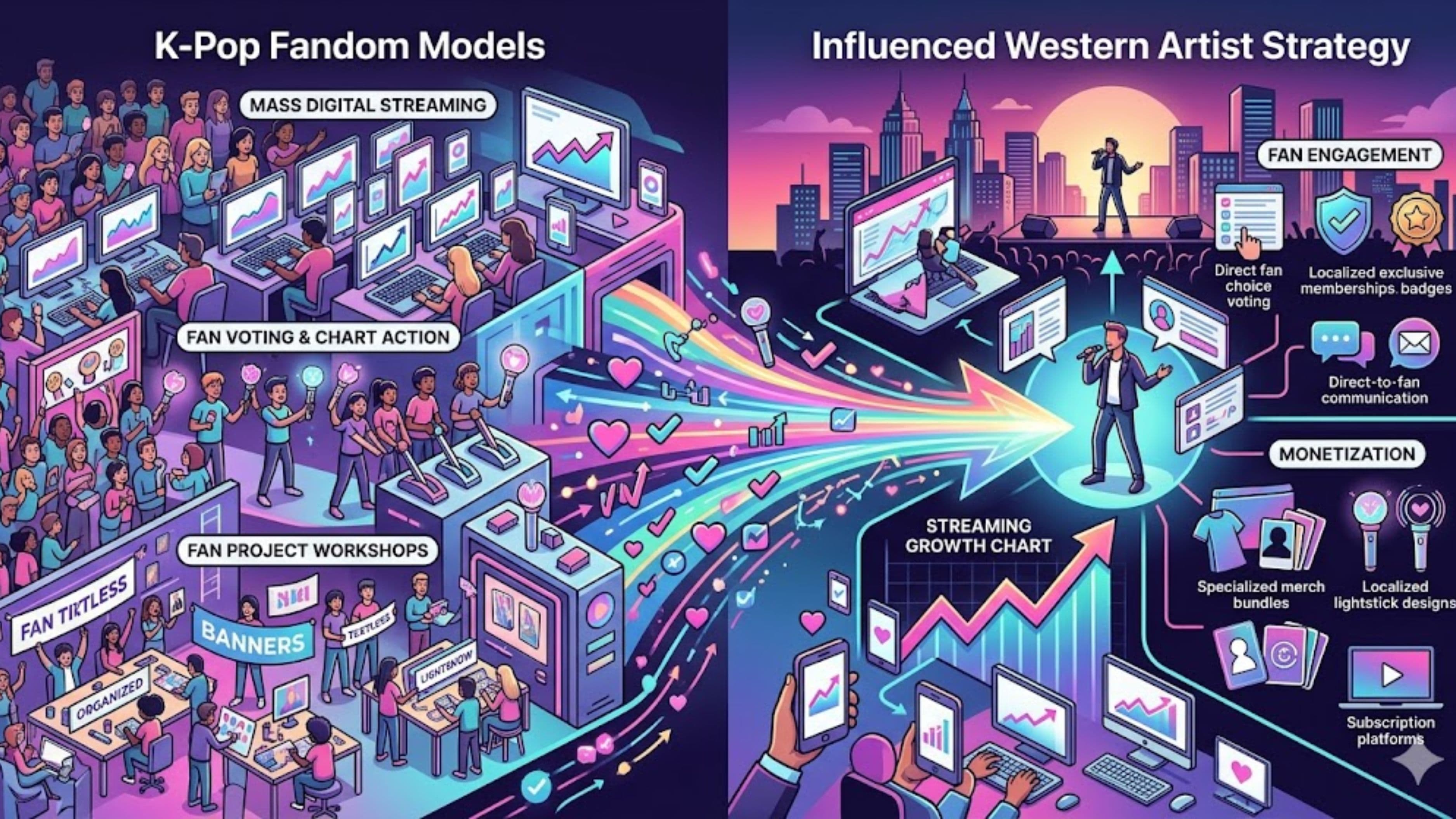
This has translated into organized fan behavior built directly around what the data shows matters most for chart performance and algorithmic visibility. Coordinated streaming efforts, sometimes called "streaming parties," are timed specifically around release windows or chart tracking periods, with fan communities sharing guidance on which platforms and playlist placements most effectively count toward official charts. Fans have also become notably more literate about the mechanics behind these metrics, understanding concepts like unique listener counts, "clean" streams versus radio play, and how algorithmic playlist placement actually works, knowledge that used to live almost exclusively within the industry itself.
Why It Matters
This shift matters because it represents a genuine transfer of industry knowledge and leverage toward audiences who were previously kept at arm's length from the mechanics behind chart performance and algorithmic visibility. Fans organizing around data aren't just expressing enthusiasm anymore, they're engaging in coordinated behavior that can measurably affect an artist's chart position, playlist placement, and by extension, their visibility to new listeners and standing within the industry.
For artists and labels, this has created a new kind of relationship with the most engaged segment of their audience, one where fans increasingly expect transparency and even direct communication about streaming goals and chart targets. Some artists have leaned into this directly, publicly sharing specific streaming or chart goals with their fan base and treating data literacy as a form of collaboration rather than something happening entirely outside their awareness.
Impact on Creators
For independent and emerging artists without an existing large fan base, this trend offers a genuinely useful lesson even at a smaller scale. Being transparent with your audience about what actually helps, sharing a link at the right time, engaging with a specific platform's algorithm-friendly behaviors, streaming through a particular service rather than another, can meaningfully mobilize even a modest but engaged fan base in ways that matter for growth. Treating your most engaged listeners as genuine collaborators in your growth, rather than a passive audience, tends to build the kind of loyalty that scales as an artist's career grows.
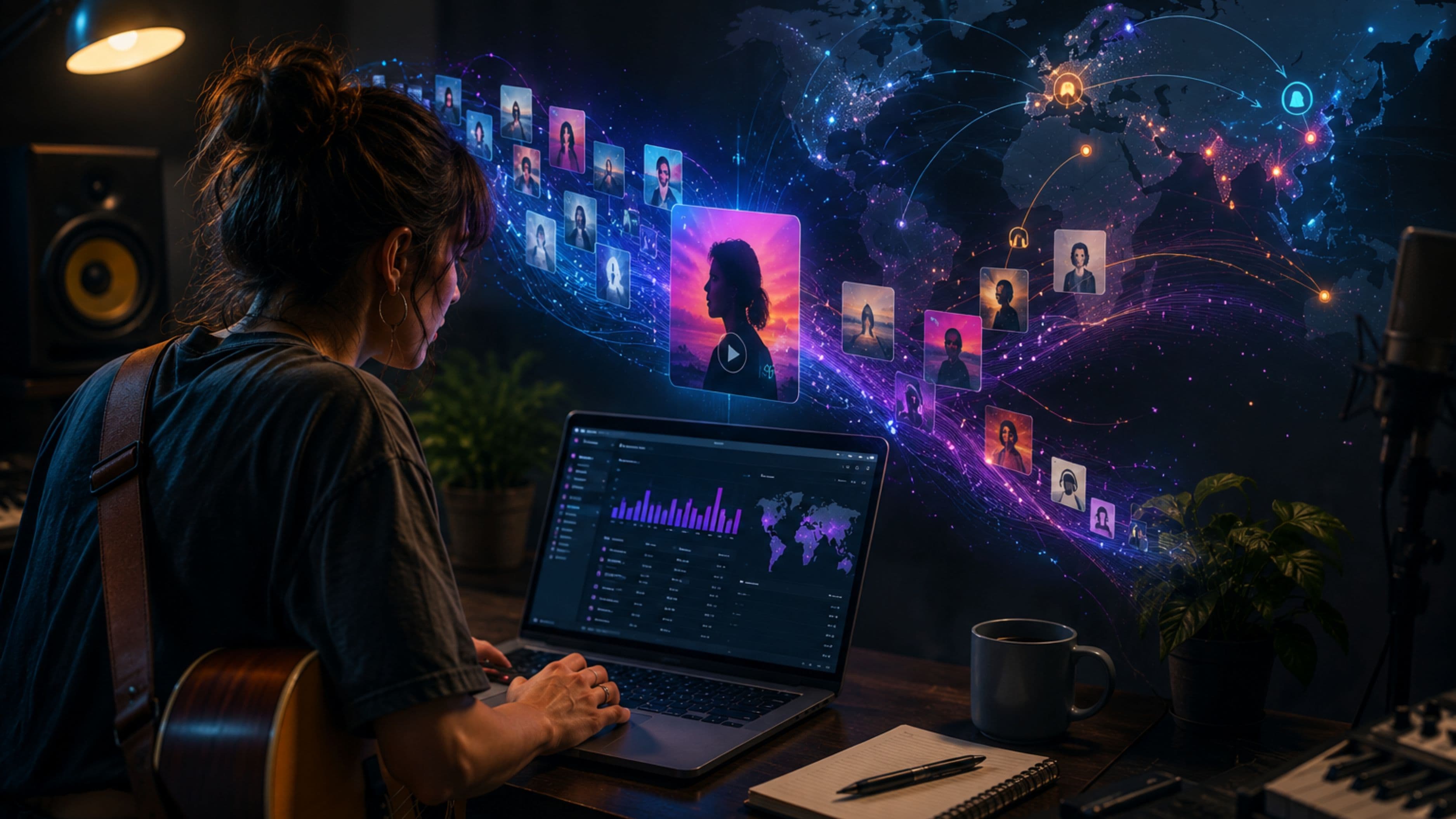
This also means understanding your own numbers matters more than it used to, even for smaller artists. Tools that were once industry-only, or at least industry-first, are increasingly accessible enough that independent artists can and should be checking the same data their most engaged fans might already be tracking, if only to have an informed conversation about it.
What to Watch Out For
This trend has a real downside worth naming directly. The same data literacy that enables genuine, organic fan advocacy has also enabled less authentic practices, including streaming manipulation efforts that cross into territory streaming platforms explicitly prohibit and actively work to detect. Platforms like Spotify have specific policies against artificial streaming manipulation, and fan campaigns that cross from organized genuine listening into coordinated fraudulent activity risk real consequences, including flagged or removed streams that can end up hurting an artist's numbers rather than helping them.
There's also a cultural tension worth being aware of within fan communities themselves, between fans who see data-driven advocacy as a meaningful, legitimate way to support an artist they care about, and critics who view intense chart-tracking culture as reducing music appreciation to a numbers game that can pressure fans into behavior that feels more obligatory than genuinely enthusiastic. Artists and labels navigating this space are increasingly having to think carefully about encouraging genuine engagement without implicitly pressuring fans toward activity that blurs into manipulation.
Practical Takeaway
For artists at any stage, the underlying lesson isn't about encouraging fans to game a system, it's about recognizing that transparency and genuine audience education around what actually helps, whether that's saving a track, adding it to a personal playlist, or simply streaming through a specific service during a release window, can meaningfully mobilize real support without crossing into manipulation.
Understanding your own streaming and chart data well enough to have an informed conversation with your most engaged fans, rather than treating that information as a black box even to yourself, is a genuinely useful habit regardless of your current audience size.
FAQ
Is fan-organized streaming activity against platform rules? Organic, genuine listening organized around release timing generally isn't against platform rules. It becomes a problem when it crosses into coordinated fraudulent activity, like bot streaming or artificially inflating numbers through methods platforms specifically prohibit, which most major platforms actively monitor and penalize.
What tools do fans commonly use to track streaming and chart data? Kworb is a commonly referenced tool for accessible Spotify and streaming chart data, while Chartmetric, originally built for industry professionals, has also gained a following among highly engaged fans seeking more detailed analytics.
Should independent artists encourage this kind of data-driven fan engagement? It can be genuinely valuable at any scale when approached transparently, sharing what actually helps and treating engaged fans as informed collaborators, but it's worth avoiding any language or pressure that could push fans toward artificial or manipulative streaming behavior.
📚 Sources
Spotify, "Artificial Streaming Policy" – https://artists.spotify.com/en/help/article/artificial-streaming
Billboard, "How Charts Actually Work" – https://www.billboard.com/business/chart-beat/
Rolling Stone, "Inside K-Pop Fandom's Streaming Strategy" – https://www.rollingstone.com/music/music-features/