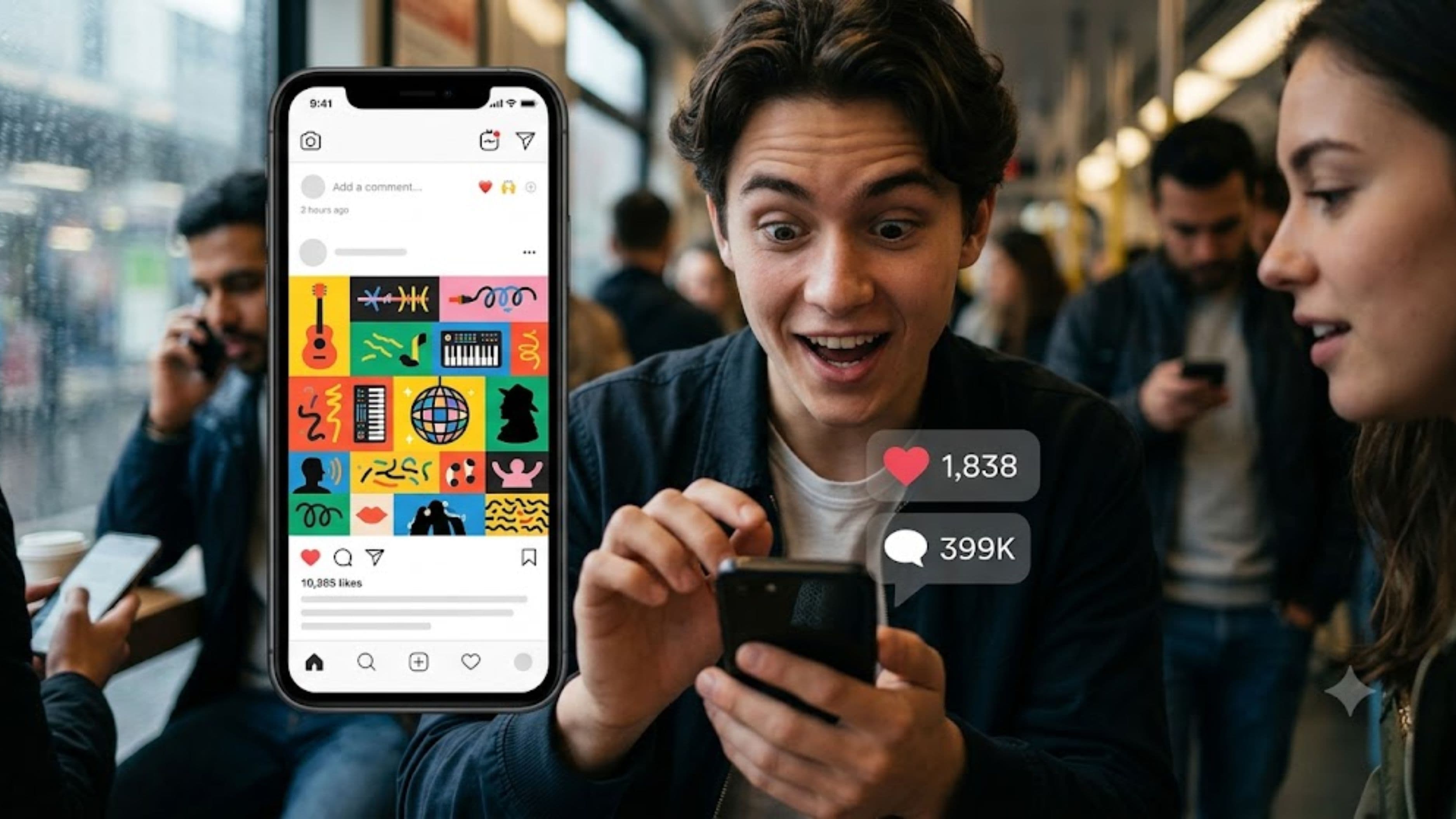
The Poster Design Itself Matters More Than People Assume
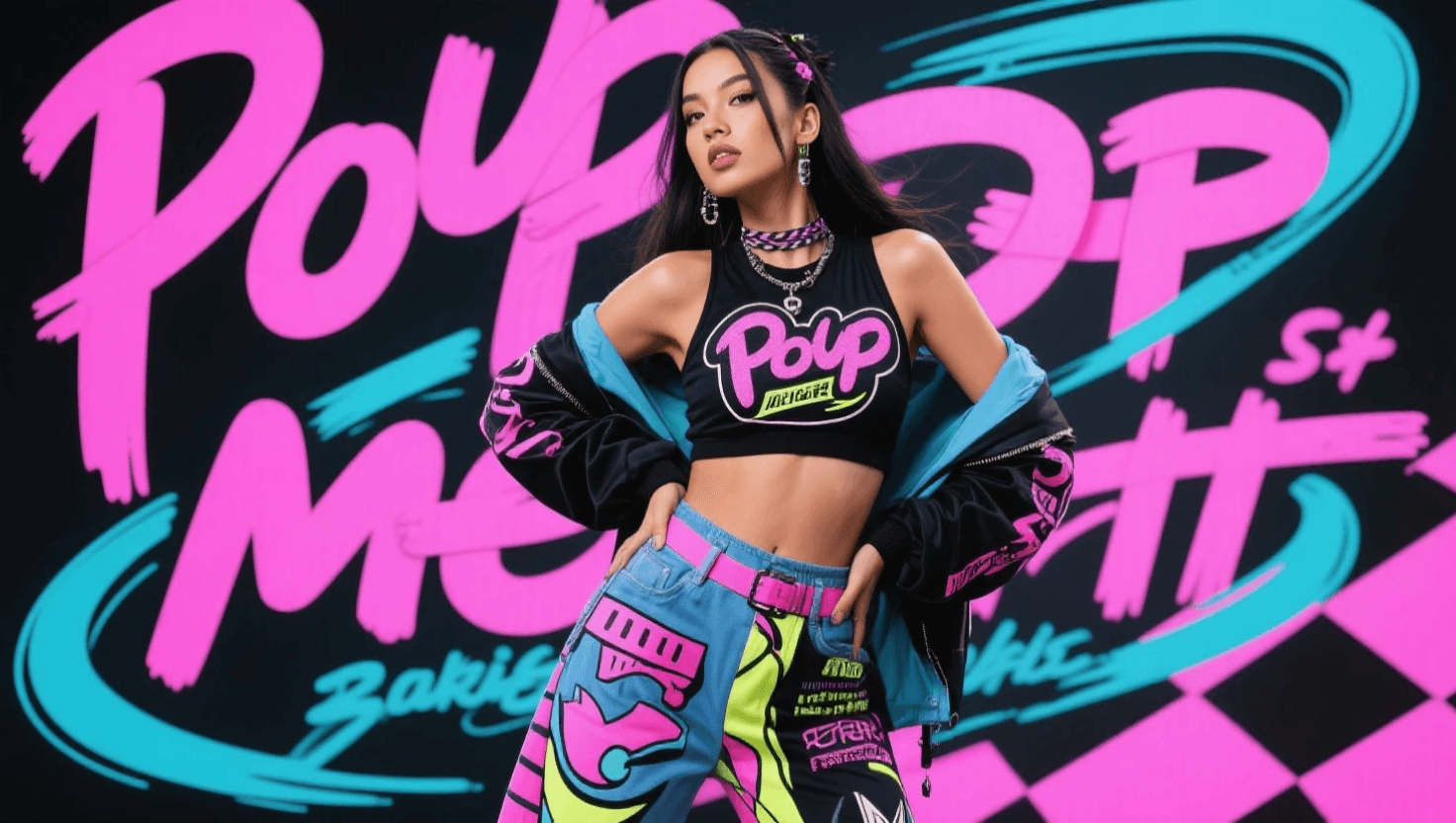
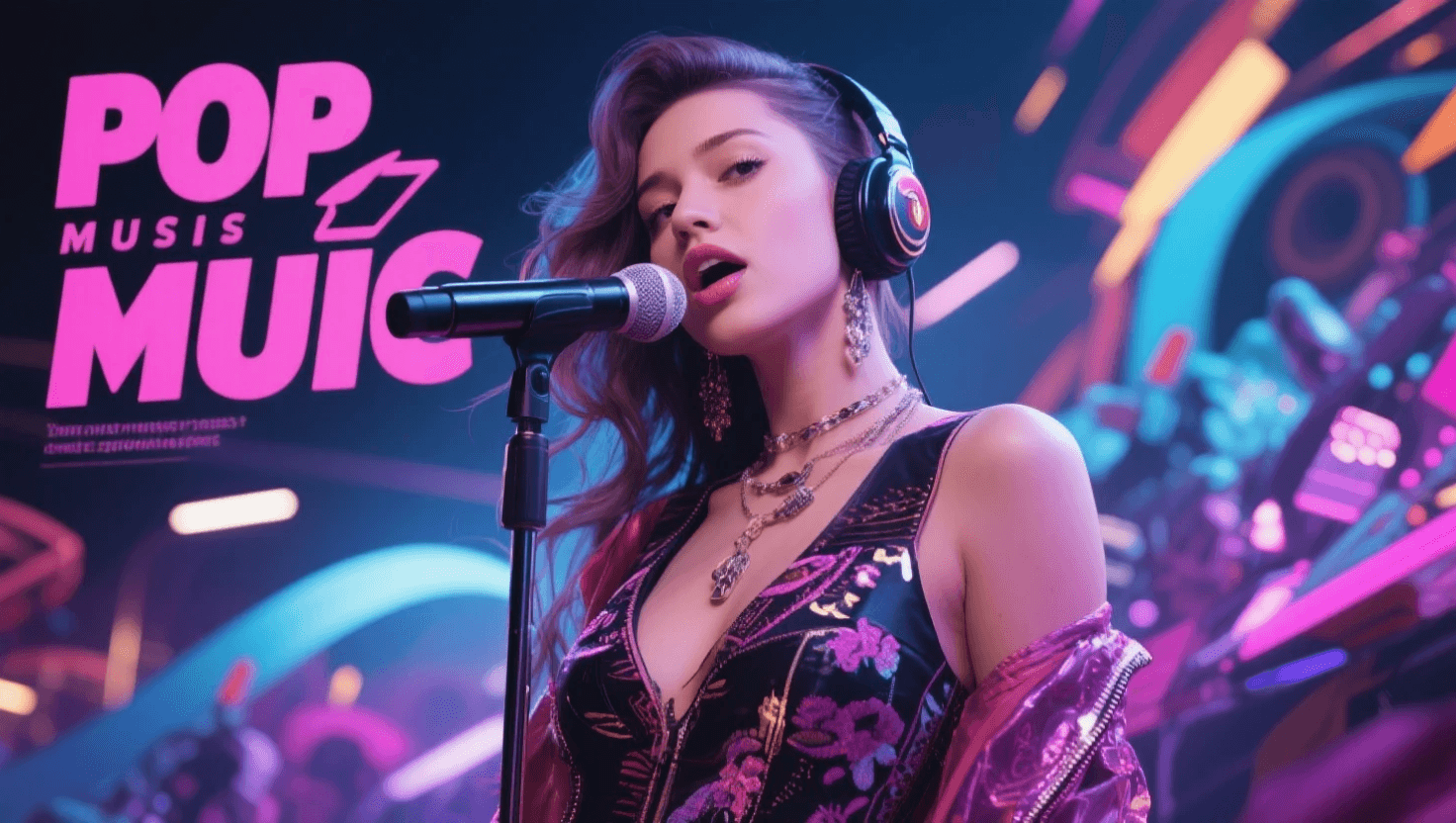
Festival lineup posters have become a genuine design category of their own, and the visual presentation – font choice, layout hierarchy, color scheme, and overall aesthetic – meaningfully affects how shareable a lineup announcement becomes independent of the actual artists booked. A visually striking, well-designed poster gets shared and discussed simply as a piece of design, generating additional visibility beyond just fans specifically interested in the booked artists.
This matters because festival marketing teams have increasingly treated the poster itself as a genuine creative deliverable worth significant design investment, recognizing that the poster's shareability as a standalone visual object has become part of the overall lineup announcement's viral potential, separate from the underlying booking decisions themselves.
Strategic Placement and Ordering Creates Its Own Conversation
How artists are visually arranged on a lineup poster, not just which artists are included, generates real discussion and sometimes controversy, particularly around headliner placement, font size differences between tiers, and whether certain artists are positioned in a way that seems to under or overrepresent their perceived current relevance. This kind of debate, even when somewhat critical, tends to extend a lineup announcement's conversation and shareability well beyond the initial posting.
Festival organizers are generally aware of this dynamic, and placement decisions reflect genuine strategic thinking about not just contractual headliner status but also how the visual hierarchy will be perceived and discussed once the poster becomes public.
Genre-Bridging Bookings Generate Cross-Audience Attention
Lineups that meaningfully bridge multiple genres or scenes, rather than staying within a single, predictable genre lane, tend to generate broader viral attention simply because they pull engagement from multiple distinct fan communities simultaneously, rather than just the single audience a more genre-consistent lineup would attract. This cross-pollination effect means a lineup with genuine range across genres often generates more total social conversation than one with a larger number of artists but concentrated entirely within one genre's audience.
This is part of why festival booking strategy has increasingly leaned into intentionally eclectic lineups in recent years, recognizing that genre-bridging bookings create a broader, more diverse conversation across otherwise separate fan communities that wouldn't necessarily overlap or engage with a single-genre announcement.
Surprise Bookings and Reunion Announcements Drive Concentrated Spikes
A lineup including a genuinely unexpected booking – an artist who rarely tours, a surprise reunion, or an act whose inclusion seems to break from a festival's typical booking pattern – tends to generate a concentrated spike in immediate social sharing and discussion, distinct from the more gradual, sustained conversation a lineup of expected, predictable bookings generates. This kind of surprise element is increasingly treated as a specific booking strategy, since festivals have recognized the outsized viral impact even a single unexpected inclusion can have on overall lineup announcement visibility.
Timing and Competitive Announcement Strategy
Festivals increasingly pay close attention to when other major festivals are announcing their own lineups, since announcing during a quieter period, without a competing major lineup drop the same week, tends to capture more sustained, undiluted social media attention than announcing during a particularly crowded announcement season when multiple major festivals are competing for the same conversation space.
This timing strategy reflects a genuine, deliberate marketing consideration, not incidental scheduling, since festival organizers actively track competitor announcement patterns as part of their own planning process.
What This Means for How You Should Read Lineup Hype
Understanding these mechanics helps you separate genuine excitement about a lineup's actual musical content from viral momentum driven by design, placement controversy, or clever timing strategy, none of which necessarily reflects anything about whether the actual festival experience will be worthwhile. A lineup generating enormous social media buzz isn't automatically a better festival experience than one with less viral momentum but a lineup more genuinely aligned with your specific music taste.
Practical Takeaway for Artists and Industry Observers
For artists and their teams, understanding these viral mechanics can inform how festival booking opportunities are evaluated beyond just the base fee and audience size, since a booking's visual placement and the broader lineup's genre composition can meaningfully affect an artist's own visibility and audience growth from the announcement itself, independent of the actual festival performance later.
FAQ
Does lineup poster design actually affect ticket sales, or just social media engagement? While poster design primarily drives social sharing and conversation, this increased visibility can indirectly support ticket sales by extending a festival's marketing reach beyond its existing, established fan base into broader social media audiences.
Why do festivals sometimes include surprising, seemingly mismatched artists? This is often a deliberate strategy to generate cross-audience engagement and viral surprise value, pulling attention from multiple distinct fan communities rather than staying within a single predictable genre lane.
Do festival organizers actually coordinate announcement timing with competitors? Not directly with competitors, but organizers do actively monitor the broader festival announcement calendar and strategically choose timing to avoid competing directly with other major lineup drops for social media attention.
Is a lineup's viral popularity a reliable indicator of festival quality? Not necessarily – viral momentum often reflects design, placement strategy, and surprise bookings as much as the actual overall lineup quality or how well it matches any specific individual's music taste.