What's Happening
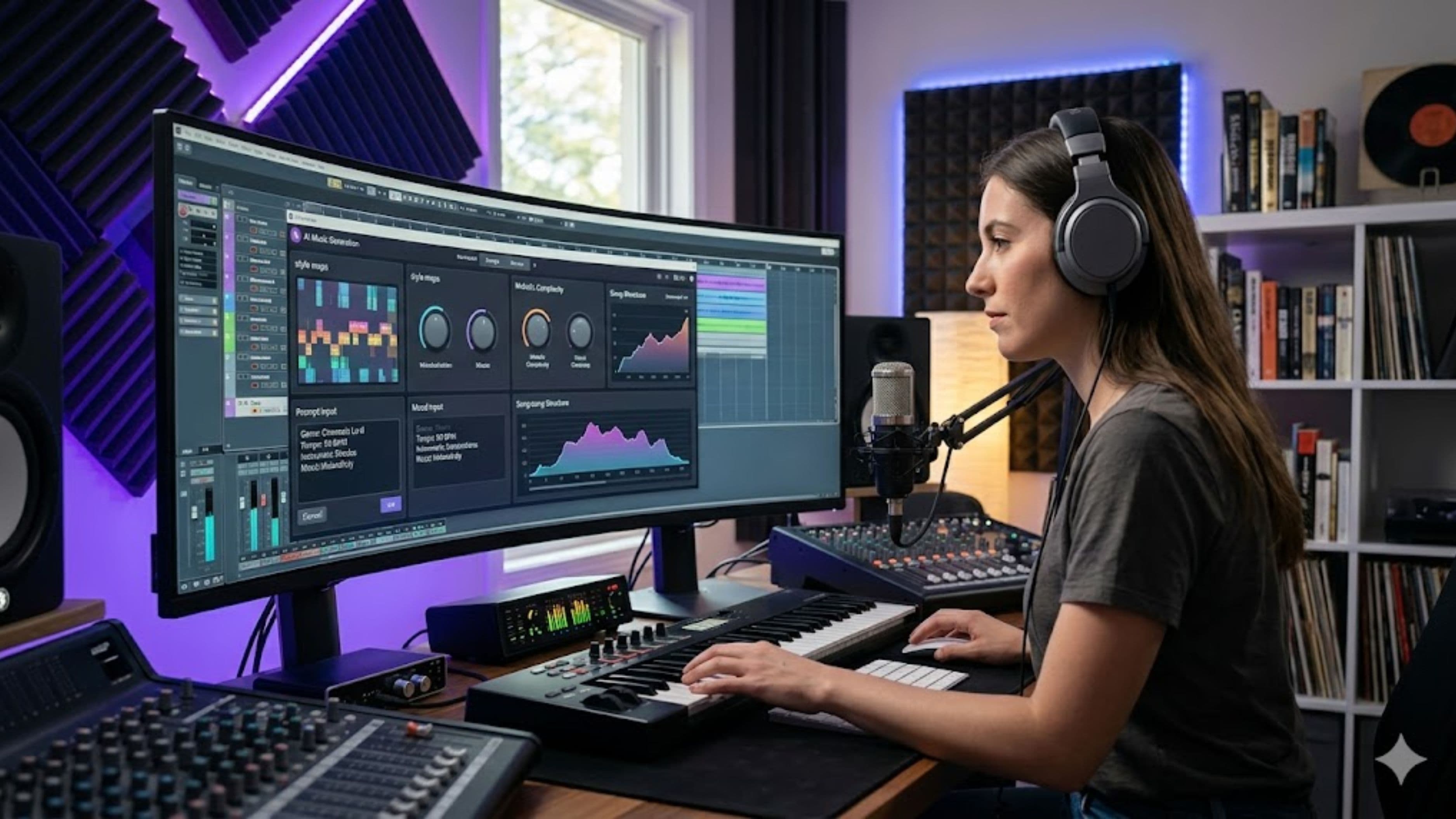
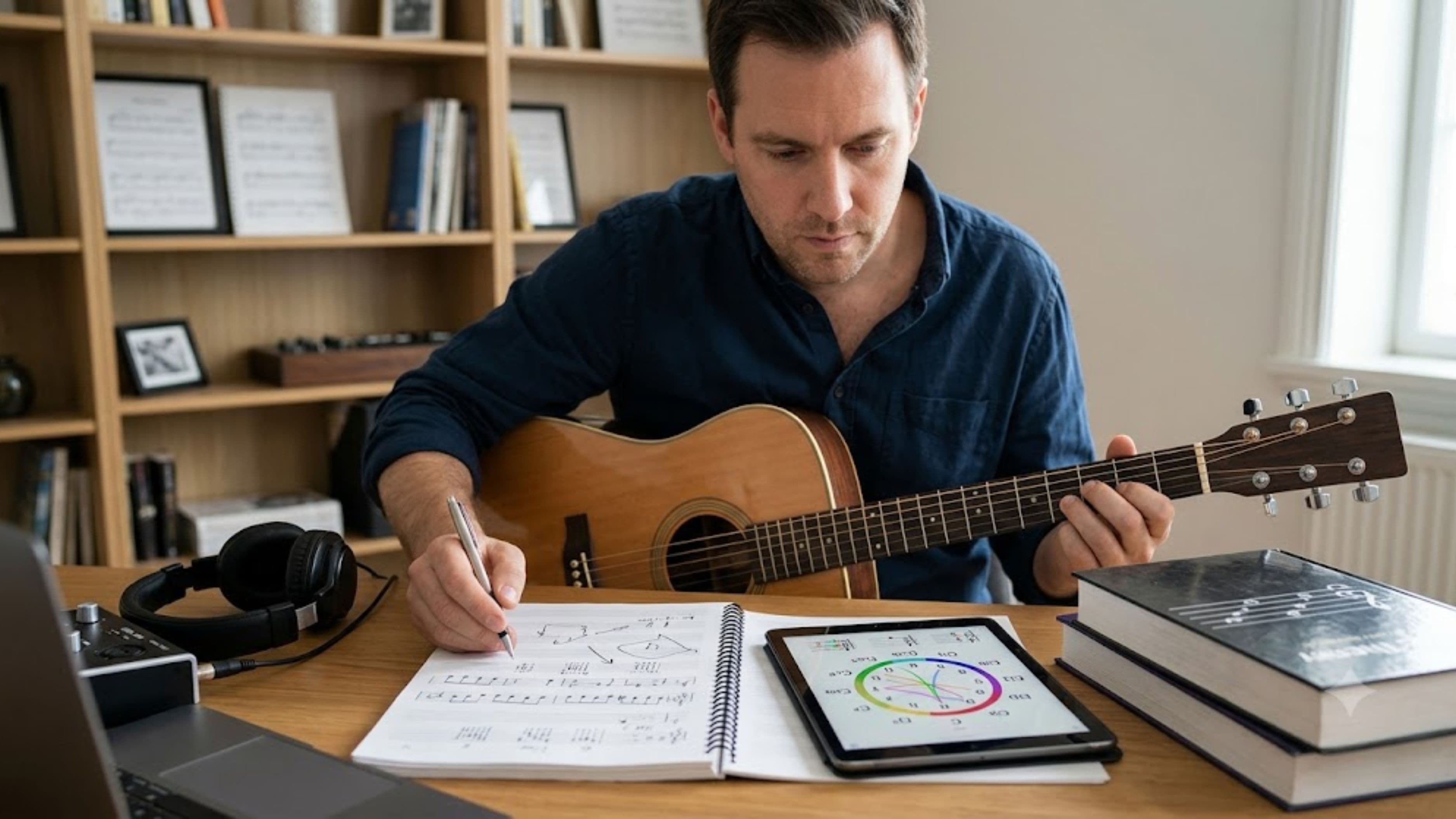
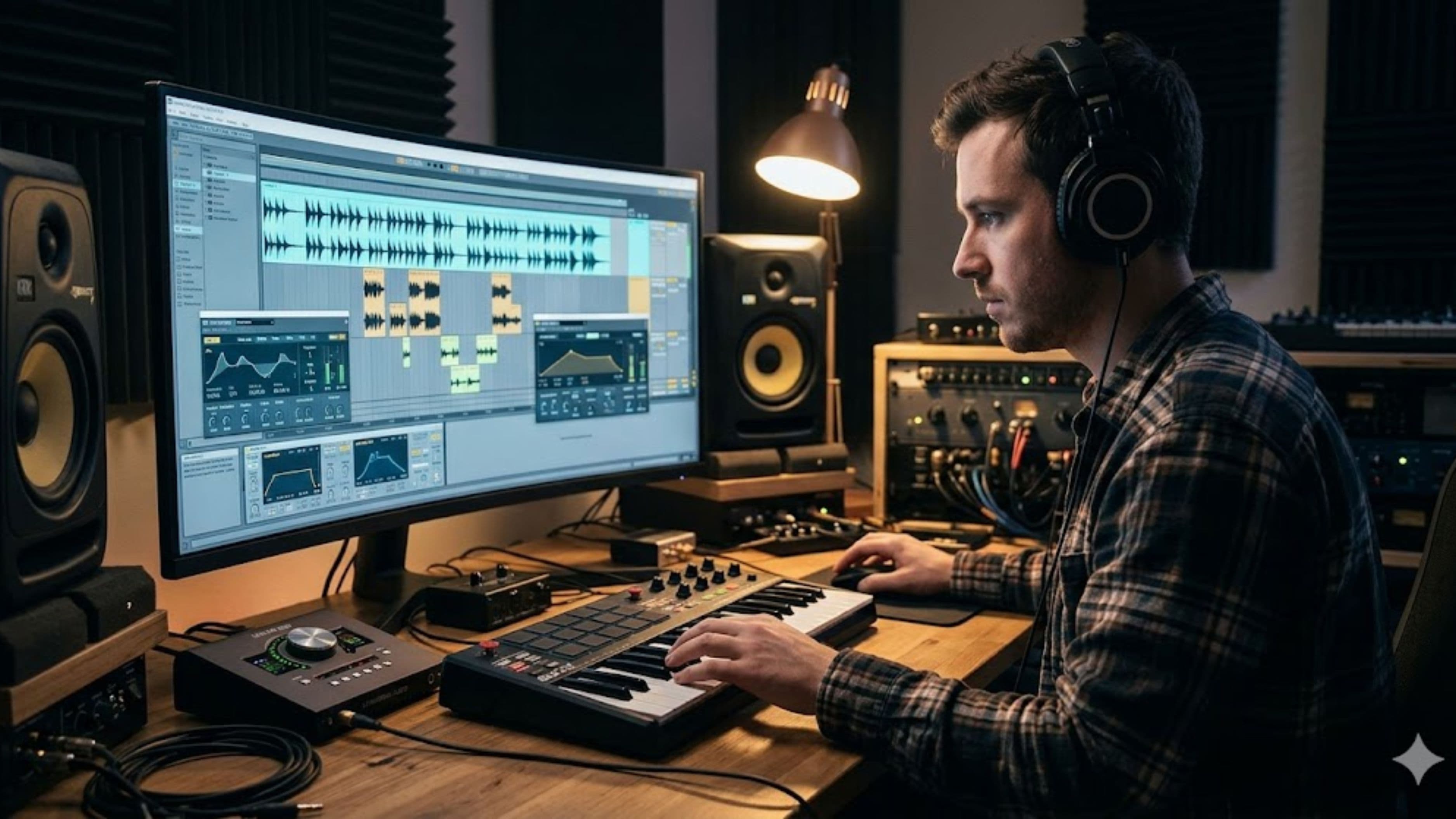
Generative AI tools built specifically for music and lyric assistance – alongside general-purpose AI chatbots being used more informally – have become a normalized part of many independent artists' workflows, particularly for early-stage idea generation rather than finished output. Artists report using these tools to brainstorm lyrical themes, generate alternative phrasings for a line that isn't quite working, or explore chord progressions and melodic directions they wouldn't have landed on through their usual habits alone.
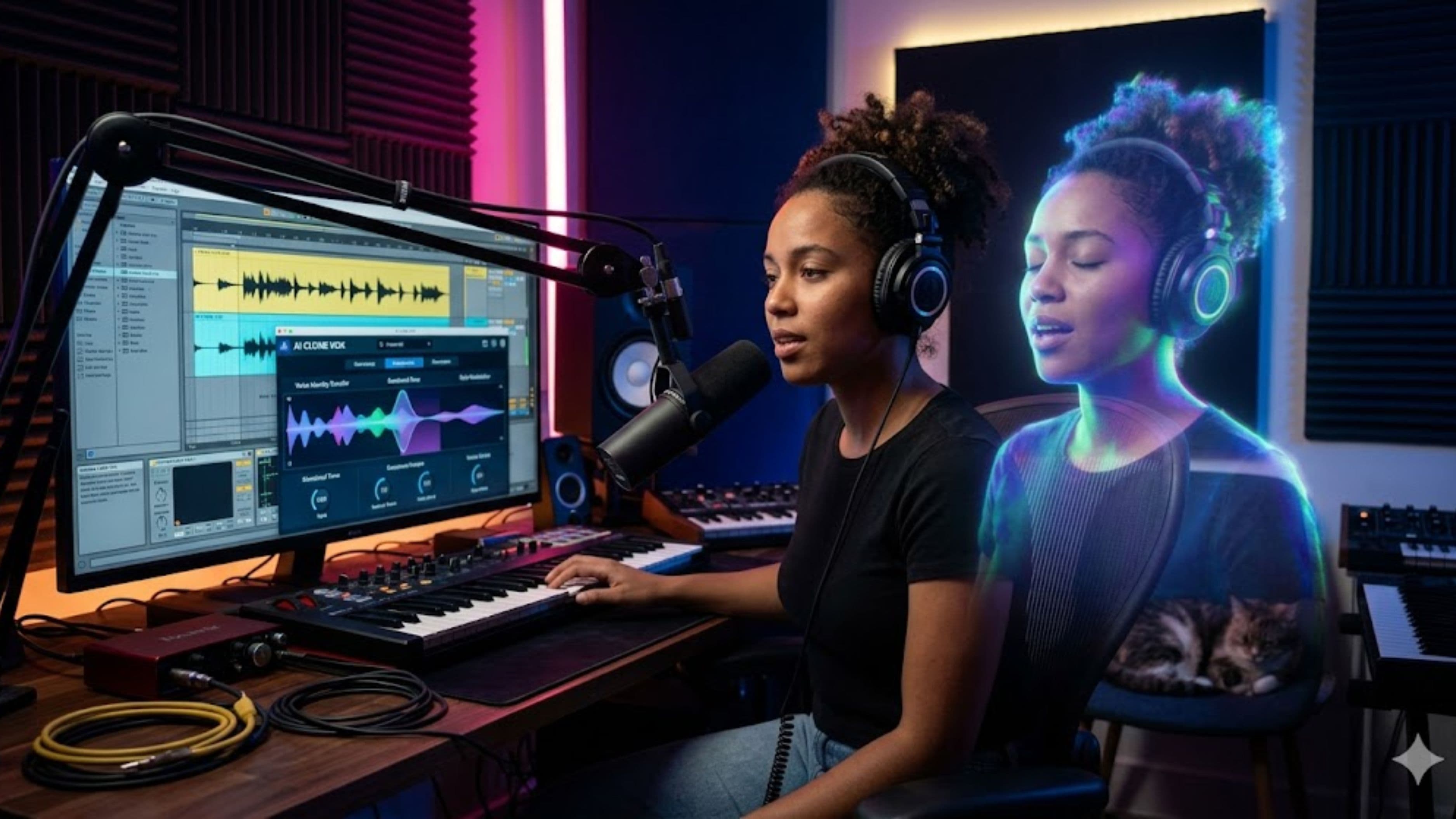
This is distinct from the more controversial use case of AI generating entire songs or vocal performances, which raises a separate set of concerns around originality and artist identity. The more common, quieter shift happening among independent artists is using AI as a collaborative brainstorming tool within their own creative process, similar to how a co-writer might bounce ideas back and forth, rather than as a replacement for writing the song themselves.
Why It Matters
For independent artists working without a label's resources, access to co-writers or bigger studio collaborators has traditionally been more limited compared to signed artists with established industry connections. AI tools have effectively lowered that barrier, giving solo artists a way to work through creative blocks or explore directions they might not have reached alone, without needing to coordinate schedules or pay for a co-writing session.
This matters practically for output and consistency. Independent artists who need to maintain a steady release schedule to stay relevant on streaming platforms and social algorithms face real pressure to produce material consistently, and AI-assisted brainstorming can meaningfully speed up the earliest, often slowest part of songwriting – getting from a blank idea to something workable enough to actually start crafting into a finished song.
Key Developments
Several artists across genres have spoken publicly about incorporating AI tools into specific stages of their process, generally framing it as a brainstorming aid rather than a replacement for the actual writing and performing. This public framing matters, since it reflects a broader tension in how AI use is perceived within music communities – tools used transparently for early-stage ideation tend to draw less criticism than AI-generated vocals or fully AI-composed tracks presented as an artist's own creative work without disclosure.
Streaming platforms and music distributors have also begun grappling with how to handle AI-assisted or AI-generated content, with policies still evolving around disclosure requirements and how royalties or credit should be handled when AI tools are involved in the creative process to varying degrees. This is an area worth watching closely, since platform policy shifts here could directly affect how independent artists are expected to disclose AI involvement in their work going forward.
Impact on Creators
For independent artists, the most practical, lower-controversy use case remains lyrical brainstorming and creative unblocking rather than full song generation. Artists report using AI chatbots to generate multiple alternative phrasings for a specific line, explore different narrative angles for a song's theme, or simply get a starting point when facing a blank page, then heavily editing and personalizing whatever the tool produces into something that genuinely reflects their own voice and experience.
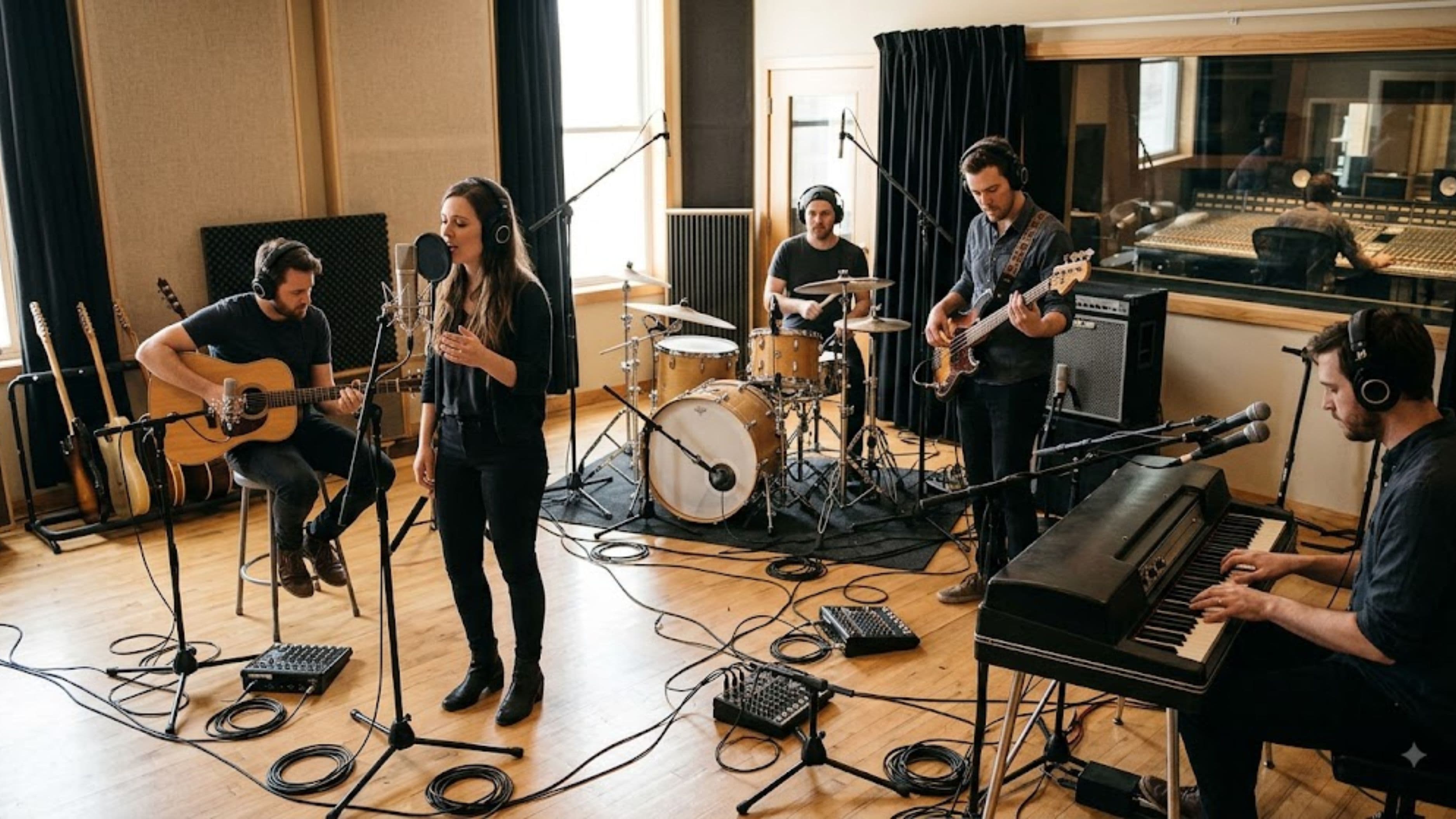
This shift also affects collaboration dynamics. Some artists use AI as a substitute for a human co-writer during the earliest brainstorming phase, then bring in actual collaborators – producers, other writers, band members – for the parts of the process that genuinely benefit from human creative judgment and chemistry, like arrangement decisions, performance nuance, and the kind of creative back-and-forth that AI tools don't meaningfully replicate.
There's also a real audience and authenticity consideration independent artists are navigating. Fan communities in music have historically placed significant value on perceived authenticity and personal narrative in songwriting, and there's a genuine, active conversation within music communities about how much AI involvement, if any, is acceptable before it starts to feel like it undermines that authenticity, particularly for artists whose brand and fanbase are built specifically around personal, confessional songwriting.
Practical Takeaway
If you're an independent artist considering incorporating AI into your songwriting process, using it specifically for early-stage brainstorming – generating alternative phrasings, exploring thematic directions, working through a stuck section – tends to be both the most practically useful application and the one that draws the least controversy or concern from audiences, provided the final output is meaningfully shaped and personalized by your own creative judgment and voice.
Being thoughtful about transparency also matters here. Artists who've spoken openly about using AI as a brainstorming tool, rather than obscuring its role entirely, generally seem to navigate audience perception more smoothly than situations where AI involvement is discovered rather than disclosed, particularly as public awareness and scrutiny around AI-generated music content continues to grow.
What to Watch Out For
It's worth being realistic about a genuine risk here: leaning too heavily on AI-generated suggestions without significantly reworking them into your own voice can result in lyrics or musical ideas that feel generic or interchangeable with what any other artist using the same tool might produce, undermining the very personal distinctiveness that tends to build a genuine, engaged fanbase over time. AI-generated suggestions are a starting point, not a finished product, and treating them otherwise risks diluting exactly what makes an independent artist's work worth following in the first place.
There's also a broader, still-unresolved industry conversation around disclosure norms and platform policy that independent artists should stay aware of, since expectations and requirements around AI involvement in music are actively evolving and could meaningfully affect distribution, monetization, or audience reception going forward. What's considered acceptable practice today may shift as platforms and audiences continue working through these questions collectively.
FAQ
Is using AI for songwriting considered cheating by most music fans? This varies considerably by audience and genre, with most controversy centered specifically around AI-generated vocals or fully AI-composed tracks rather than AI-assisted brainstorming that's heavily reworked into an artist's own voice.
Do streaming platforms require disclosure of AI involvement in a song? Policies are still evolving across platforms, with more specific disclosure requirements typically focused on more heavily AI-generated content rather than early-stage brainstorming assistance, though this is an area worth watching for changes.
Can AI actually replace a human co-writer? Not fully – AI tools are generally most useful for early-stage idea generation, while the creative judgment, personal experience, and collaborative chemistry a human co-writer brings remain difficult to fully replicate.
Should independent artists be worried about AI replacing songwriting jobs entirely? This remains an open, actively debated question within the industry, though current use patterns among independent artists suggest AI is being incorporated as a tool within a human-driven creative process rather than replacing that process outright.
📚 Sources
Recording Industry Association of America – AI and Music Policy Discussions
Music Business Worldwide – AI Adoption Trends Among Independent Artists
U.S. Copyright Office – Artificial Intelligence and Copyright Guidance