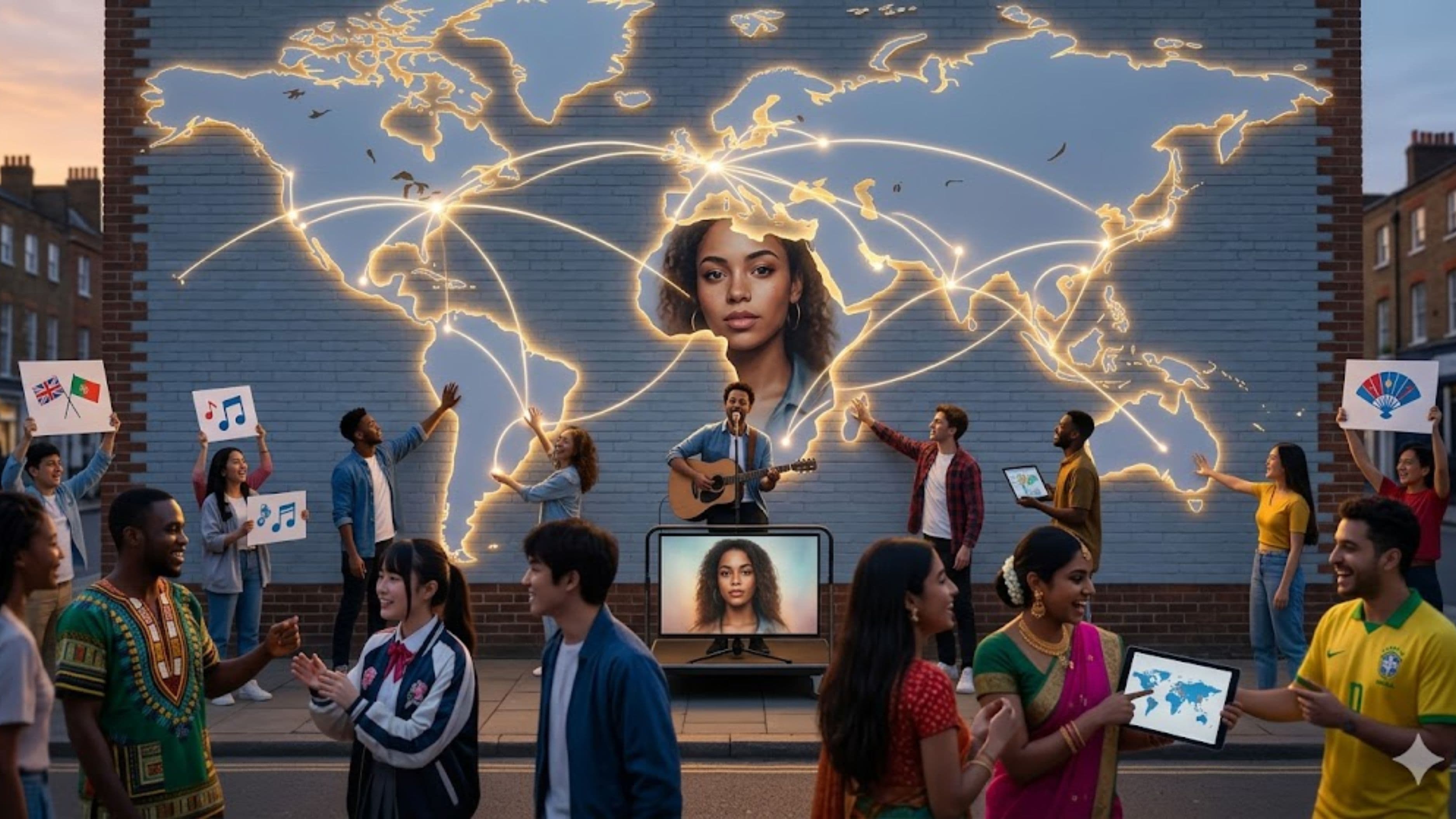
Global fan networks have become one of the most powerful organic distribution mechanisms in the music industry. Understanding how they work, why they matter, and what artists can actually do to engage them is increasingly relevant – not just for major label acts, but for independent artists looking to grow beyond their home market.
What's Actually Happening
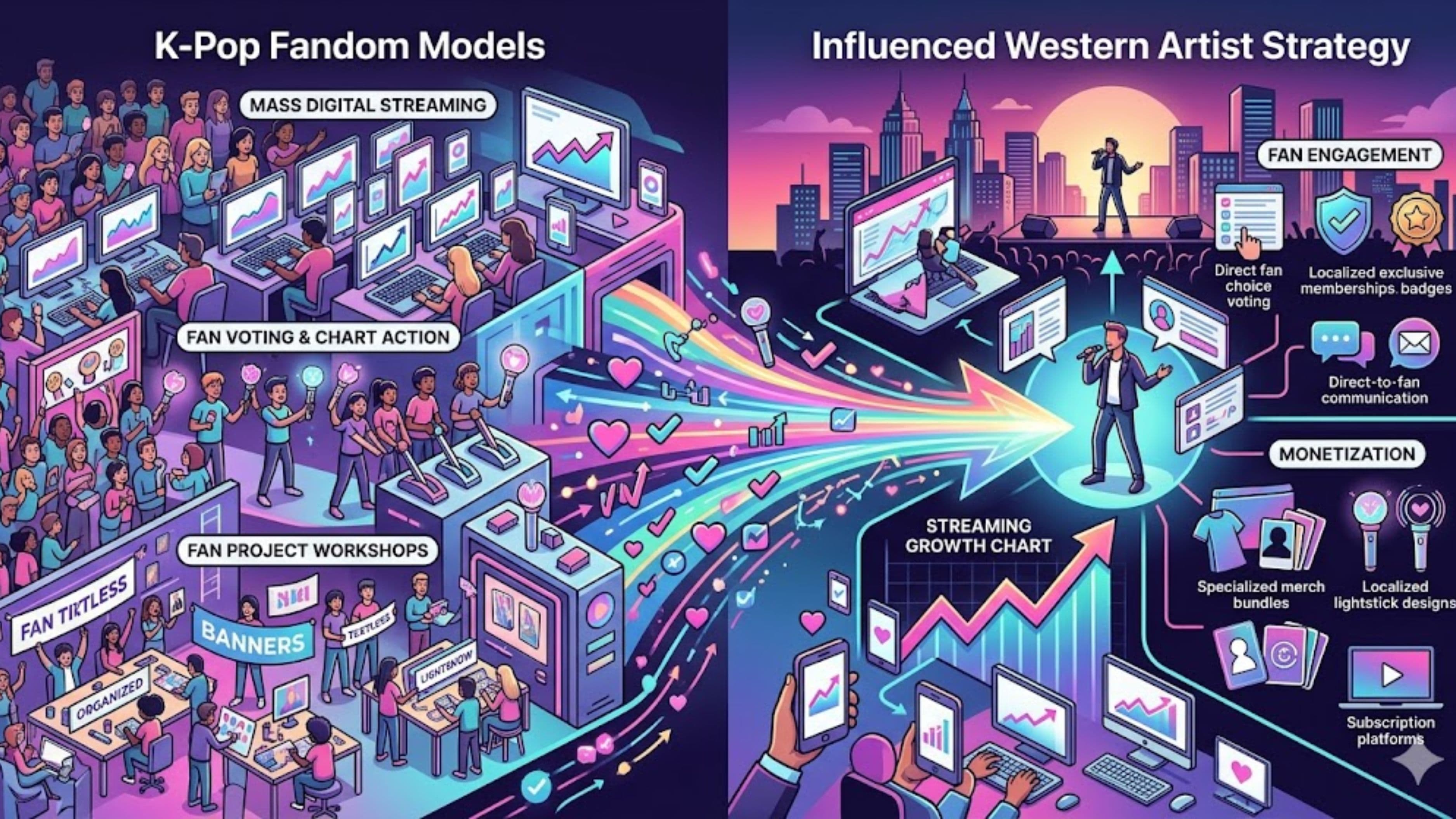
The mechanics of international fan-driven promotion have evolved dramatically as platforms matured. It started with Twitter fan armies organizing streaming parties and chart campaigns for K-pop groups – a highly coordinated model where fans would schedule simultaneous streams of a track to push it up charts, buy digital albums in bulk, and flood hashtags to generate algorithmic attention. That model proved effective enough that it spread beyond K-pop into Latin pop, Afrobeats, and indie scenes, and the tactics became more sophisticated over time.
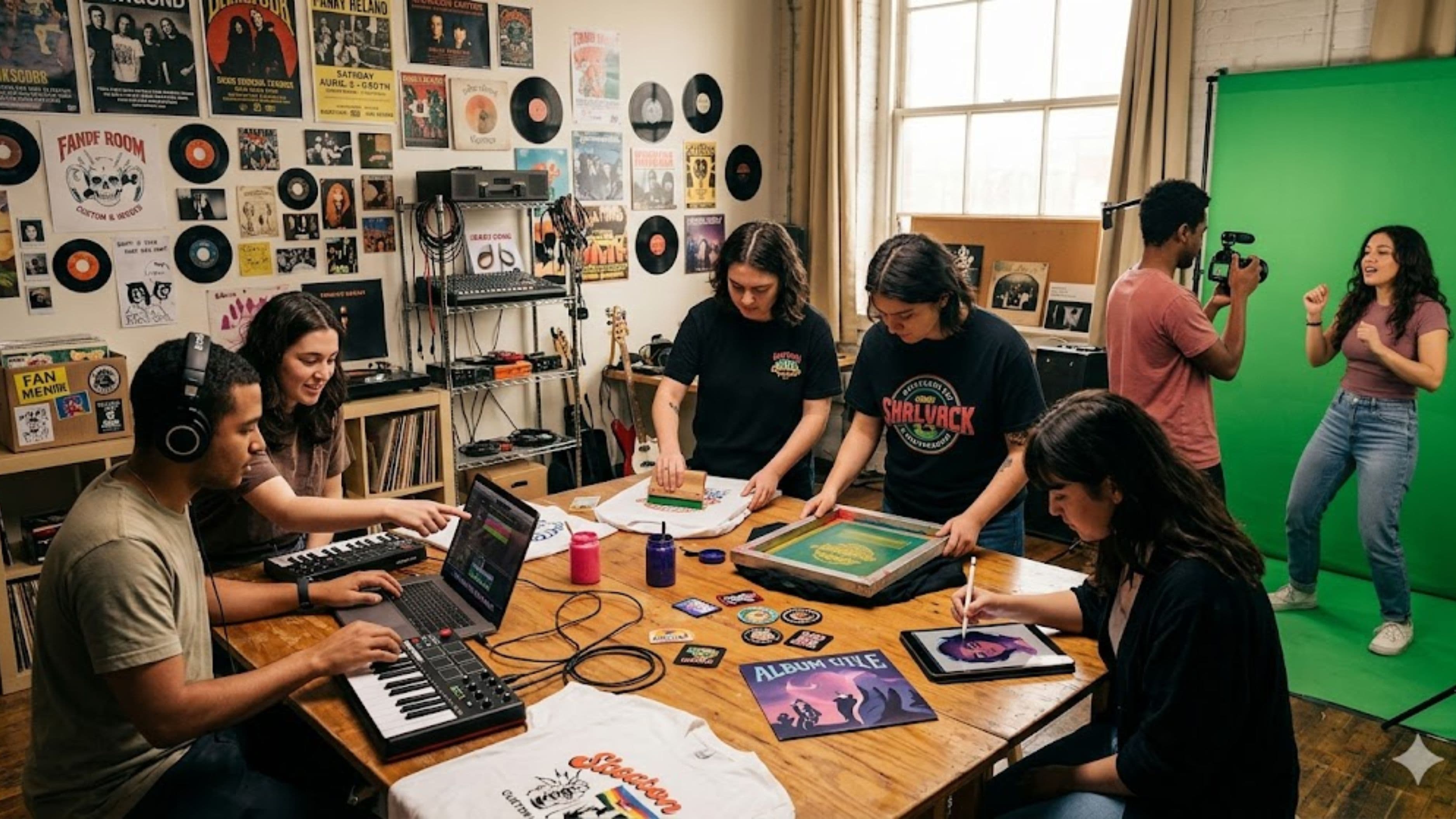
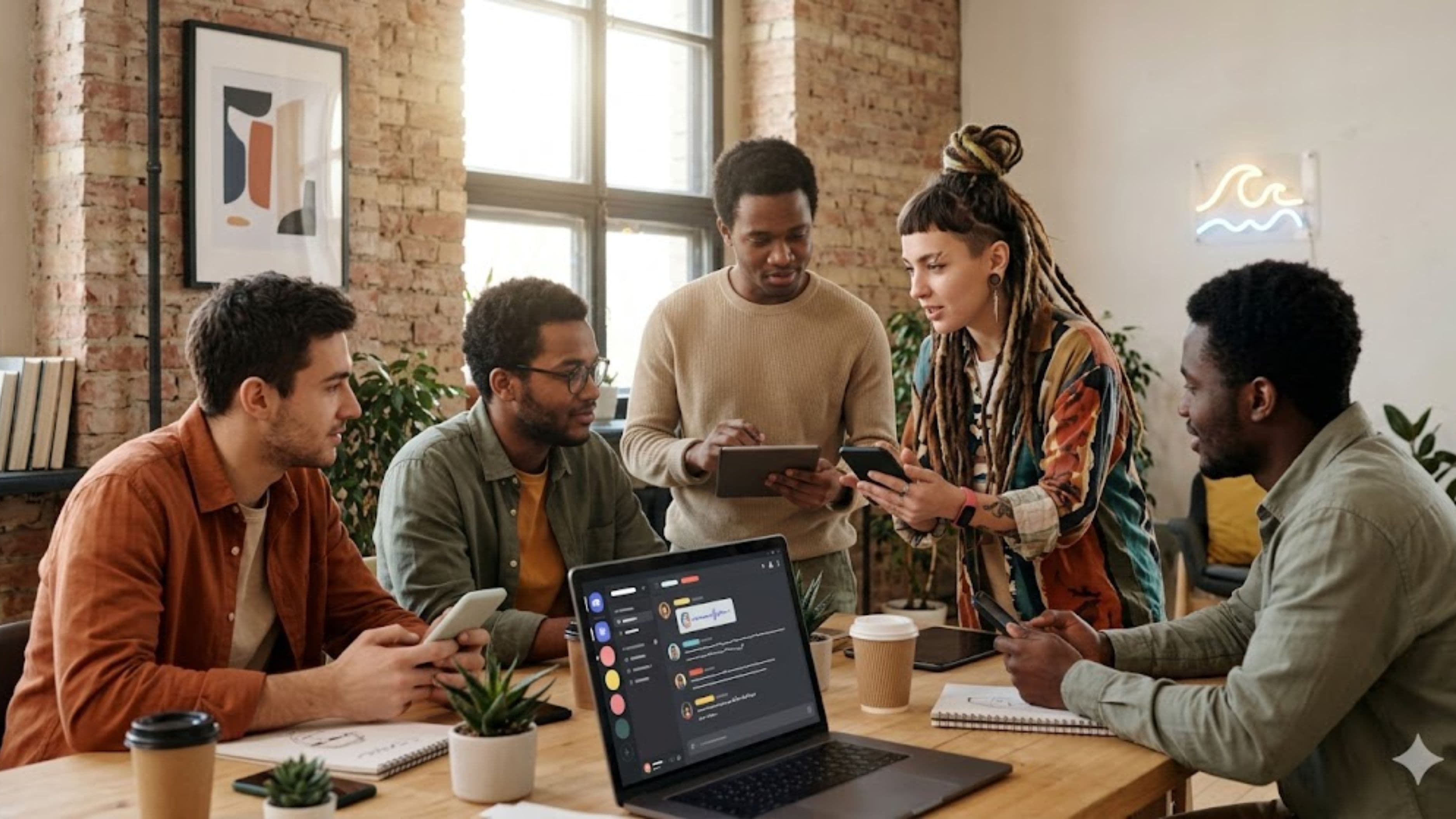
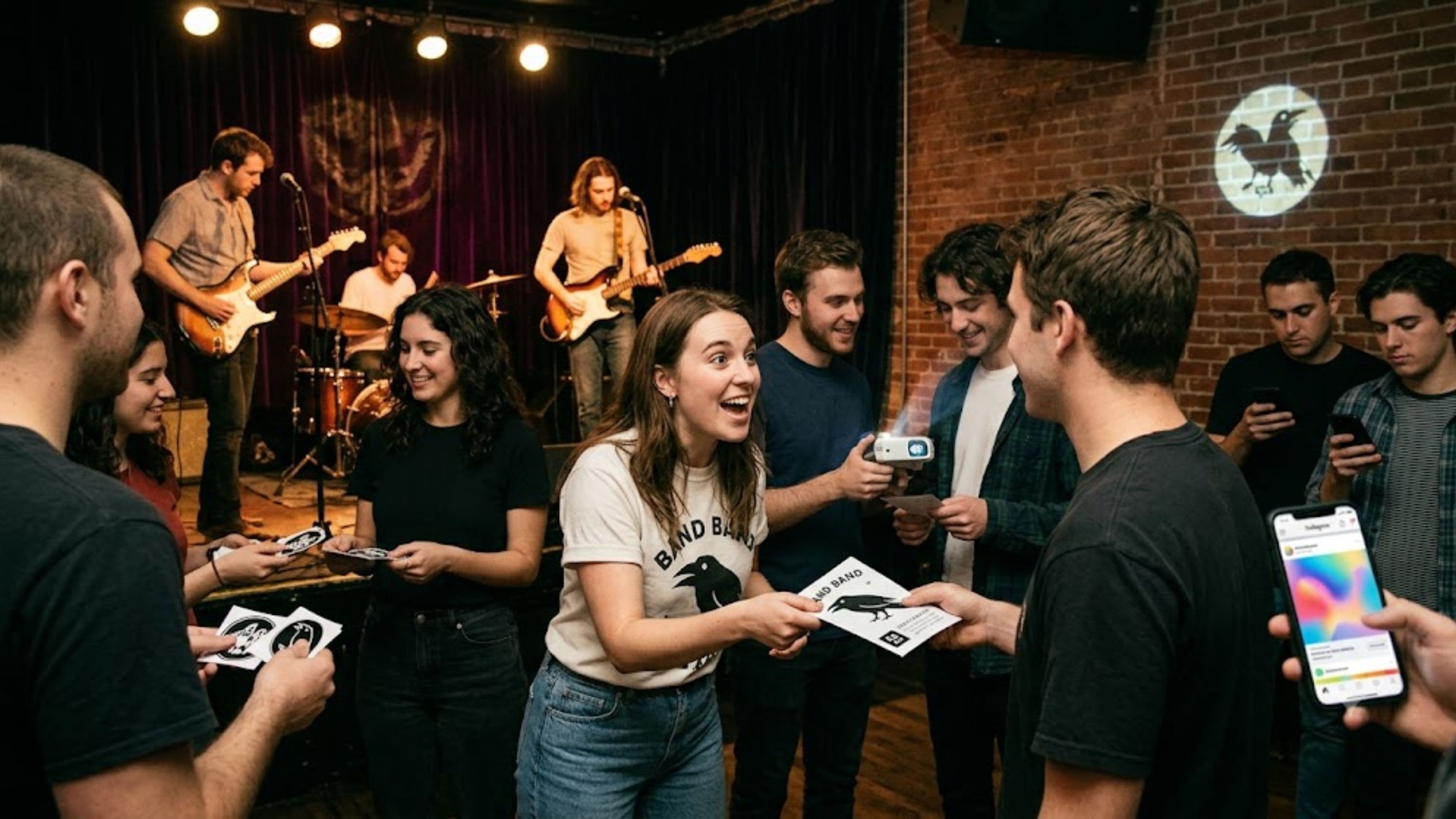
What's emerged is a multi-platform ecosystem of fan activity that spans YouTube, Spotify, TikTok, Instagram, Discord, and dedicated fan apps. A song might gain traction in a new country when a fan-run playlist with tens of thousands of followers adds it. Or when a locally popular fan translator creates subtitled video content that makes an artist's work accessible to speakers of a different language. Or when fan-organized listening events – sometimes physical, sometimes virtual – introduce an artist to a new city or region. These aren't marketing campaigns in the traditional sense. They're organic communities doing what communities do: sharing things they care about.
Why Fan Networks Move Markets Better Than Algorithms Alone
Streaming platforms have their own discovery mechanisms – editorial playlists, algorithmic recommendations, search. These are powerful, but they're largely reactive. A song gets enough streams, it gets recommended; it doesn't have streams, it doesn't get recommended. Fan networks introduce an element of intentionality and coordination that can bootstrap that process, especially in markets where an artist has no streaming history or established audience.
The trust dynamic is also different. A recommendation from an editorial playlist carries less weight than a recommendation from a community member who shares your taste and has been consistently reliable. Fan communities in music function like highly trusted curators within their networks. When an established fan account in Brazil or Indonesia says "this artist from Germany is worth your attention," that carries credibility that a paid advertisement cannot manufacture. It's peer-to-peer distribution backed by genuine enthusiasm.
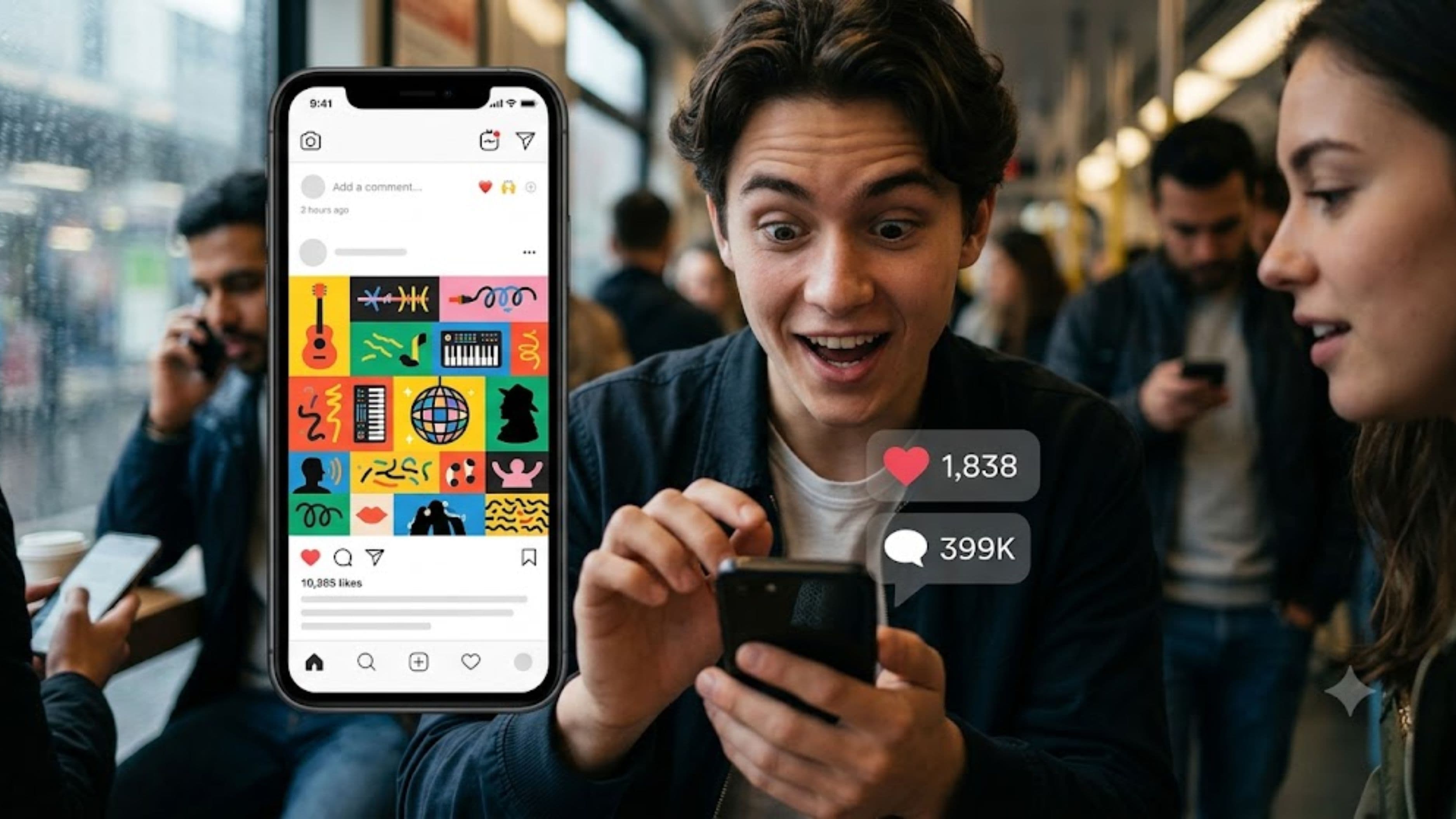
There's also an amplification loop at work. Fan-created content – covers, edits, reaction videos, fan art – generates organic search and discovery on YouTube and TikTok that no algorithm would surface on its own for a new artist in that market. That content has a longer shelf life than a promotional push and keeps working for the artist without ongoing effort or spend.
Real Patterns Playing Out Across Markets
The K-pop industry built the template that others have studied closely. BTS's trajectory into the U.S. market was accelerated by ARMY – a global fan network that functioned more like a coordinated movement than a conventional fan base, running streaming campaigns, translating content, and organizing local meetups that created physical community anchors in cities around the world. The scale was extraordinary, but the underlying dynamics are not unique to K-pop or to massive acts.
Afrobeats has followed a version of the same pattern. Artists like Burna Boy and Wizkid broke into European and North American markets in part because diaspora fan communities were already consuming and sharing their music locally, creating the stream counts and social proof that led to editorial playlist placements and eventually mainstream coverage. The diaspora acted as the initial bridgehead into new territories before any formal promotional infrastructure was in place.
At a more independent level, the same dynamic plays out for artists with smaller but deeply engaged communities. An artist making ambient or experimental music who builds a following on Bandcamp might find that a fan community in Japan – where certain music subcultures have a global following – starts sharing and championing their work without any direct outreach. These are smaller absolute numbers, but they can be the difference between an artist having a meaningful international income stream and having none.
What Artists Can Do to Engage Global Fan Communities
The first thing to understand is that trying to manufacture the organic energy of a genuine fan community rarely works. What does work is making your music and your story accessible to people who might want to engage with it across language and cultural barriers.
Translation is a practical starting point. Making lyrics available – whether through a lyrics site like Genius, through YouTube auto-captions that you've corrected, or through your own website – removes a significant barrier for non-native speakers who want to connect more deeply with your music. Some artists go further by creating translated content for their social channels, either personally or through collaborating with bilingual fans who volunteer to help. That's a relationship worth cultivating, not outsourcing anonymously.
Being discoverable on the platforms that matter in specific markets is another lever. In South Korea, Melon and Bugs are the dominant streaming platforms. In China, QQ Music and NetEase Cloud Music. In Russia, VK Music. Distributing through a service that covers these platforms – DistroKid, TuneCore, and CD Baby all offer broad international distribution – ensures your music is actually accessible in the markets where fans might be looking for it.
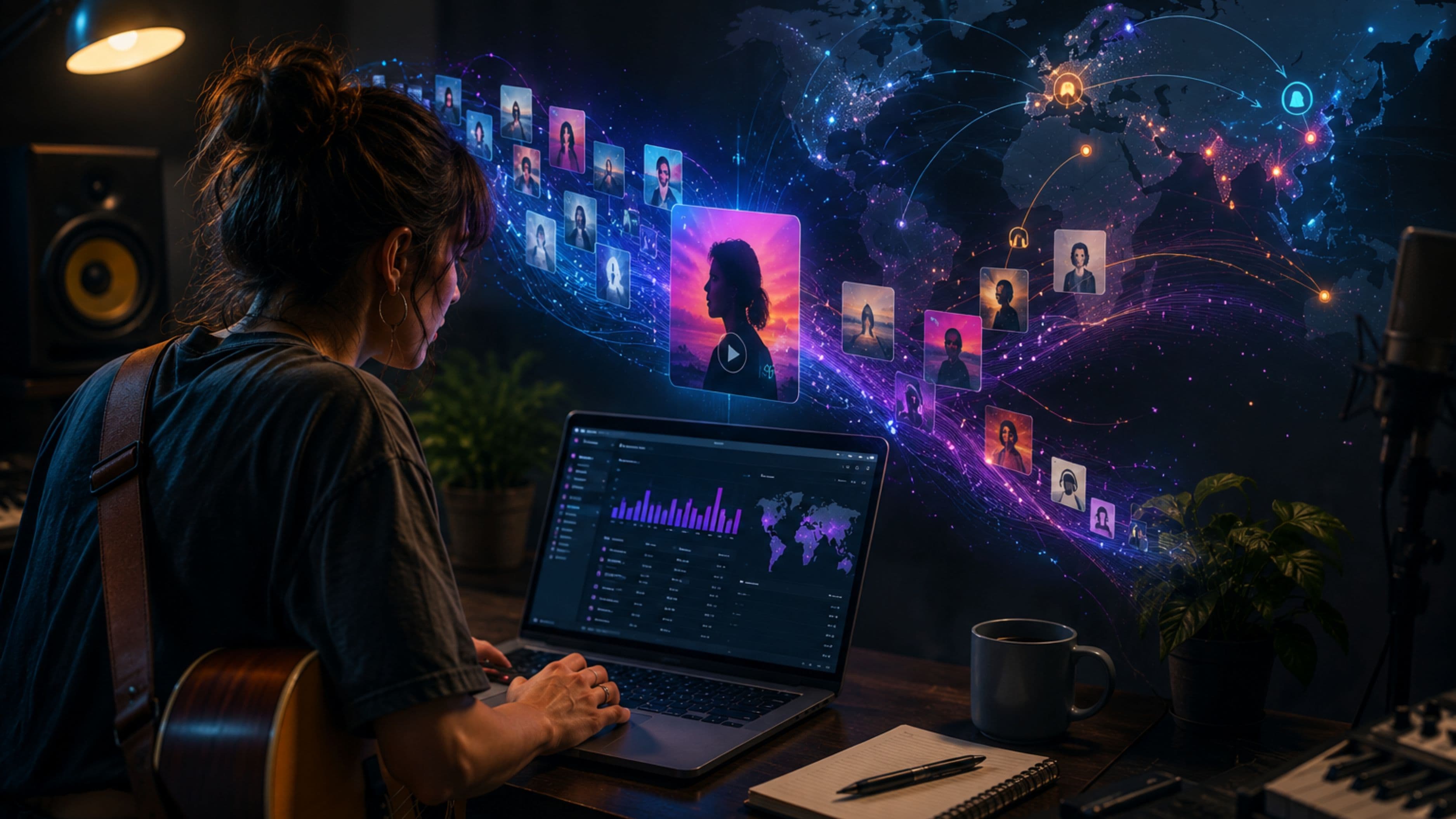
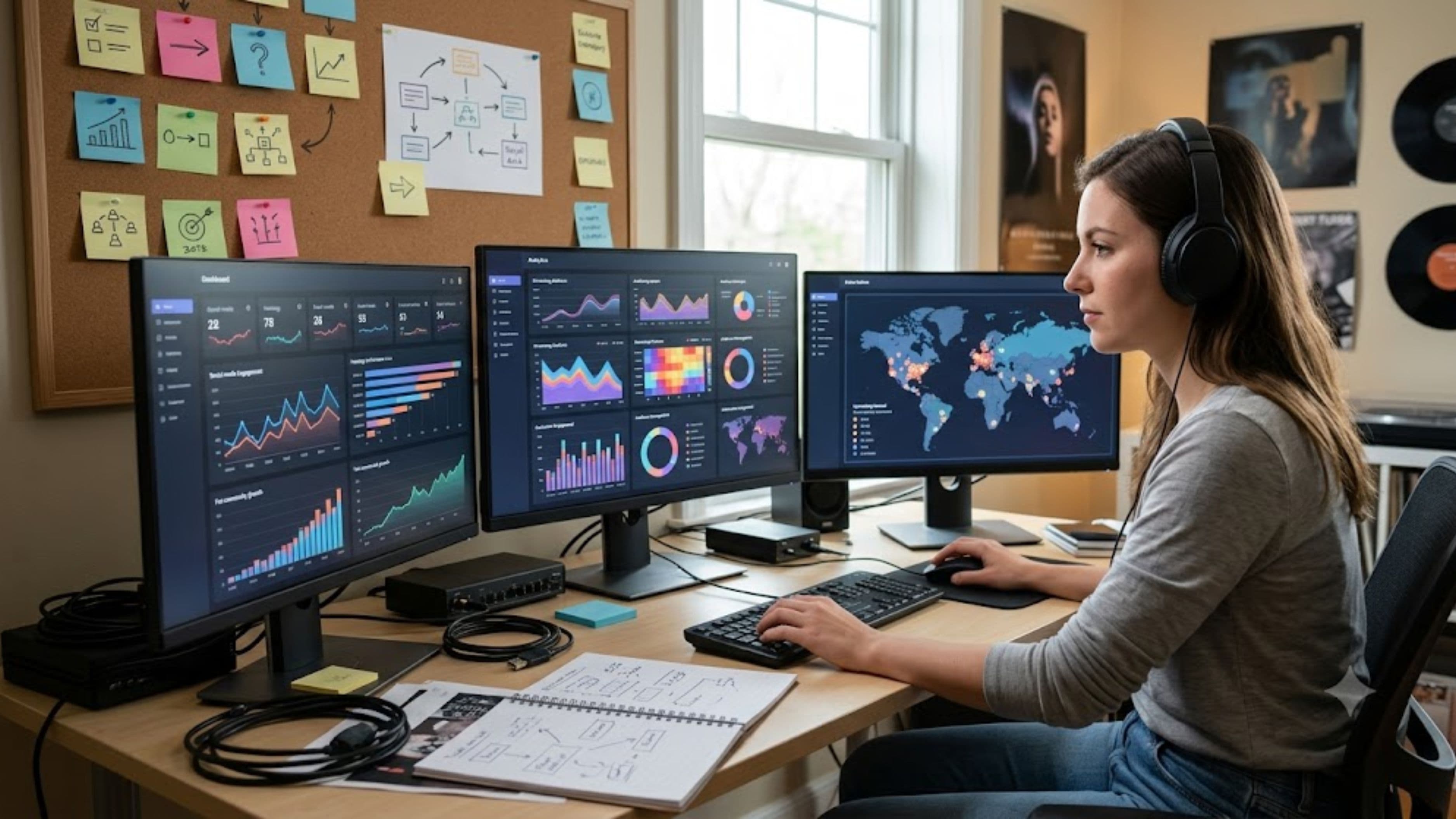
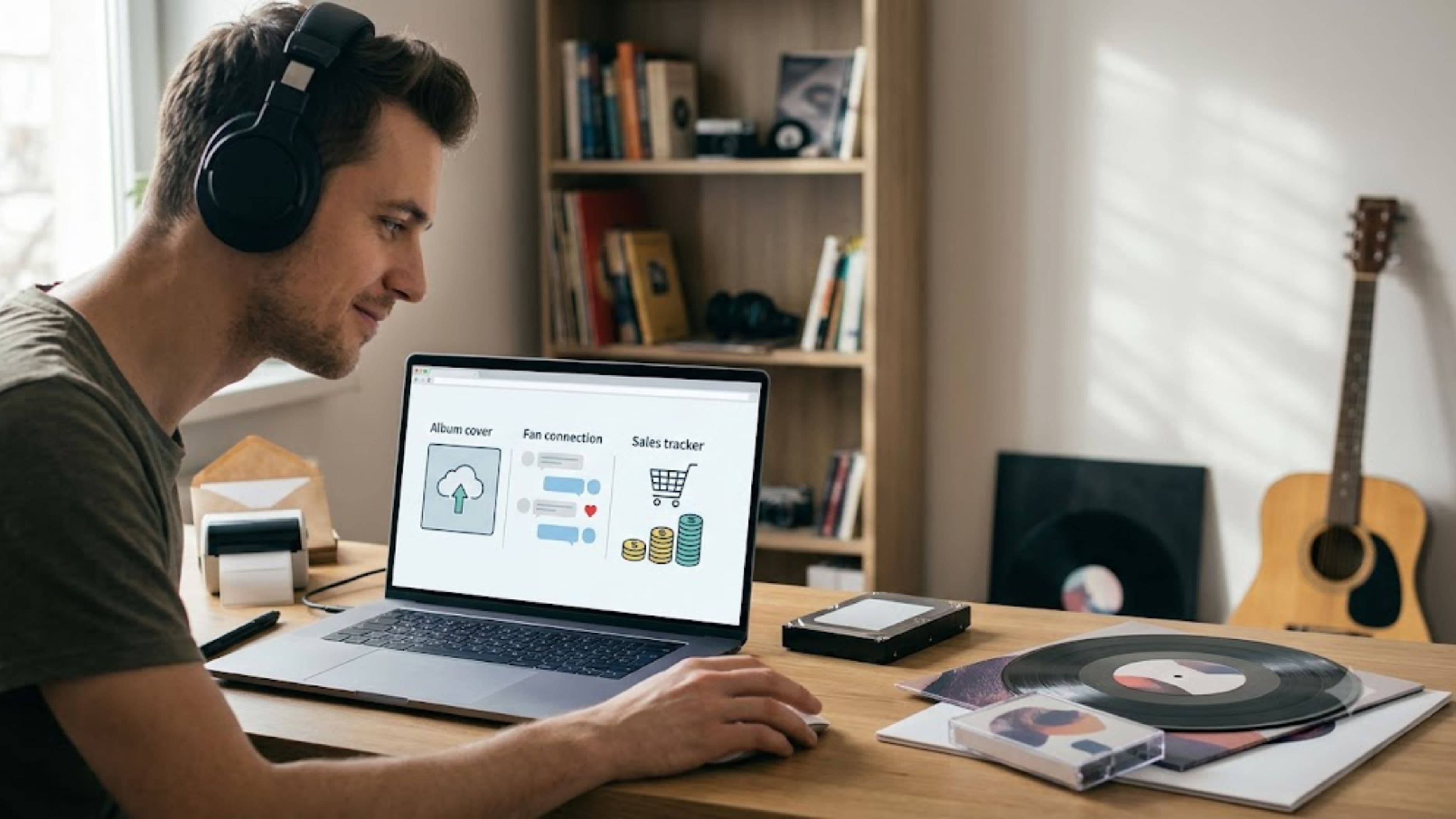
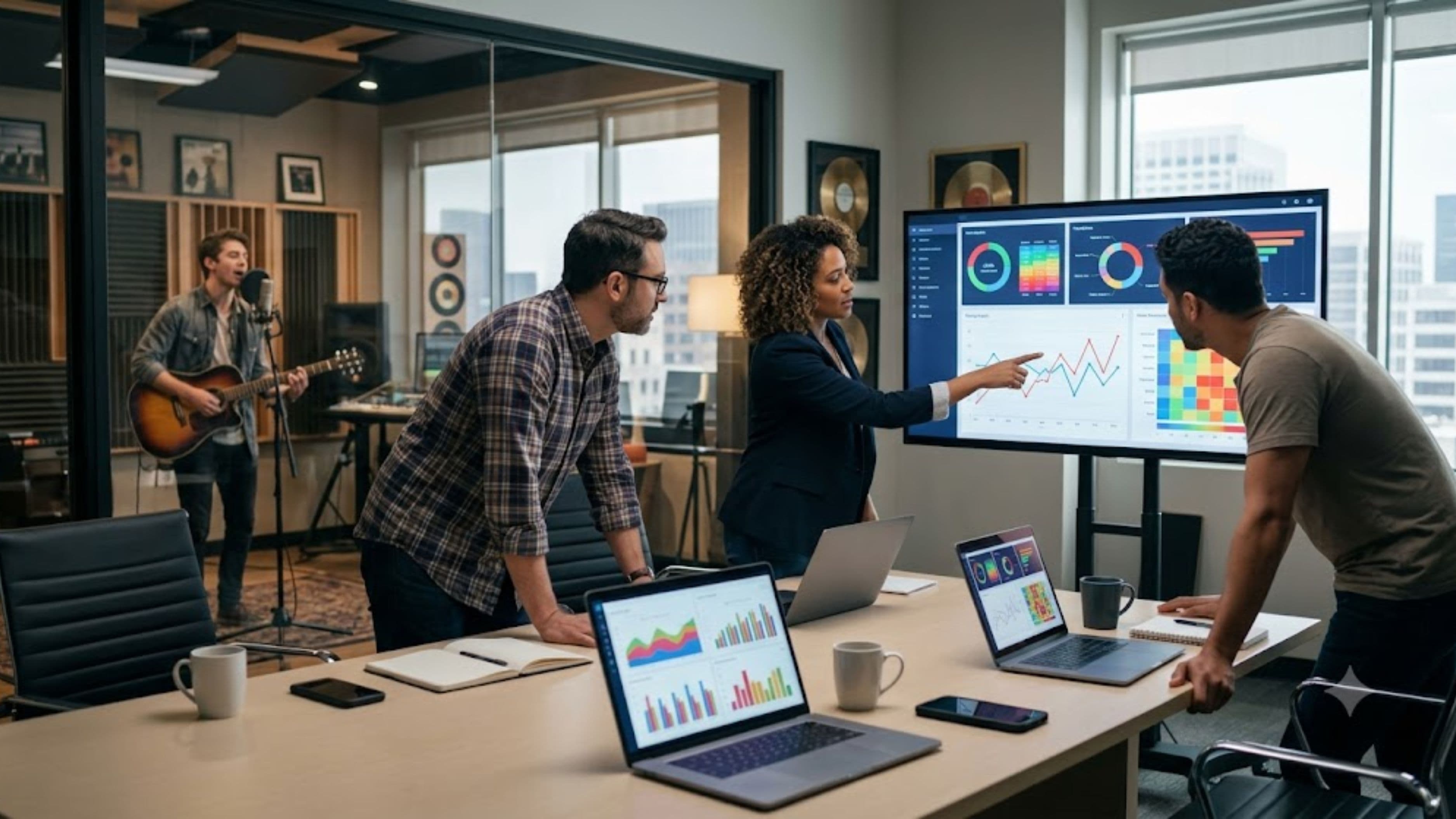
Paying attention to your streaming analytics by country is more actionable than it might seem. If you're seeing meaningful streams from a market you didn't expect, that's a signal worth investigating. Looking at which songs are performing there, what playlist placements exist, and whether there's visible fan community activity on social platforms in that market gives you information you can act on. Engaging directly – even briefly – with fan accounts or comments in those markets is disproportionately valuable because it's rare enough to feel meaningful to the community.
The Role of Fan-Made Content in Cross-Border Discovery
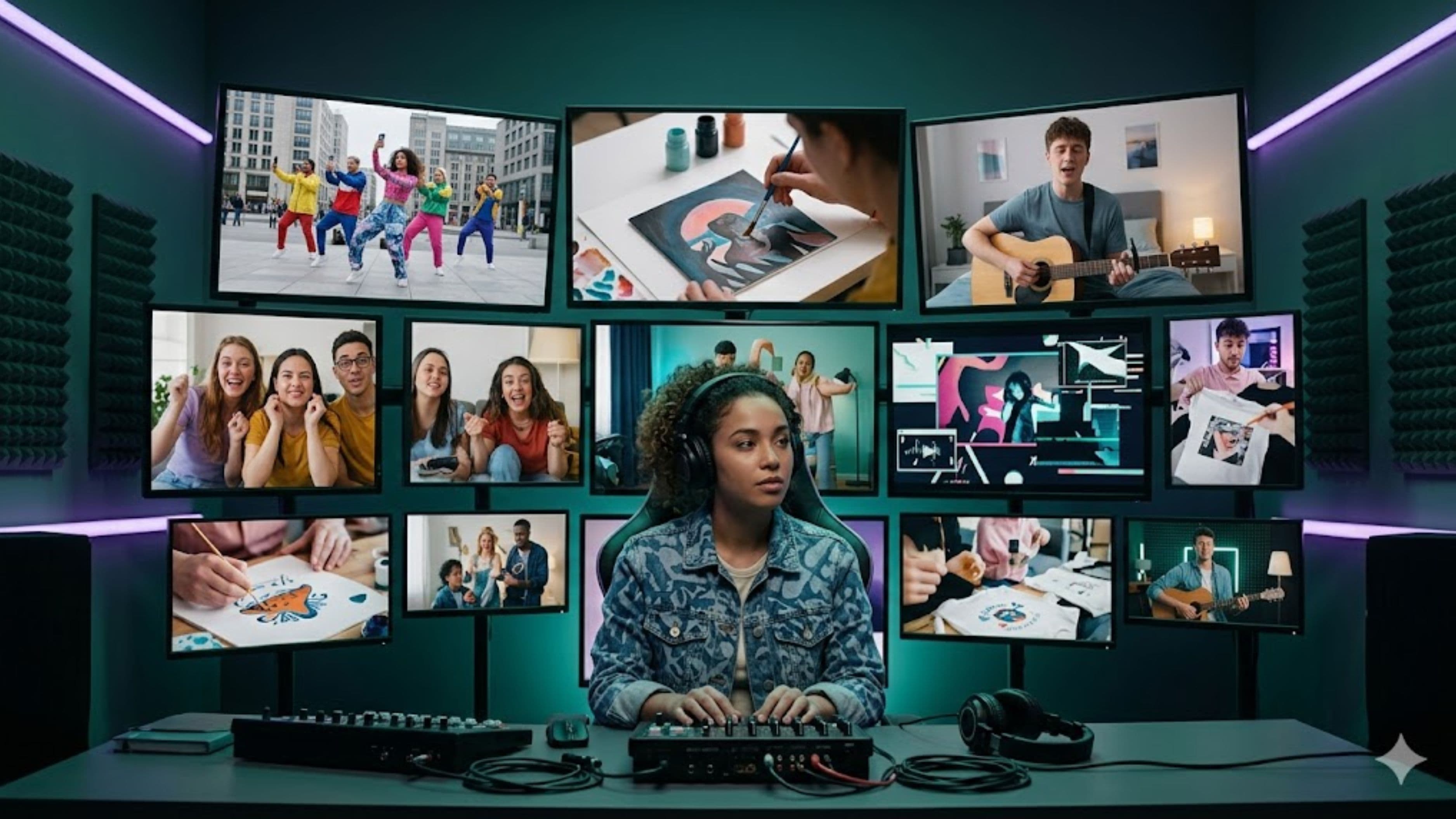
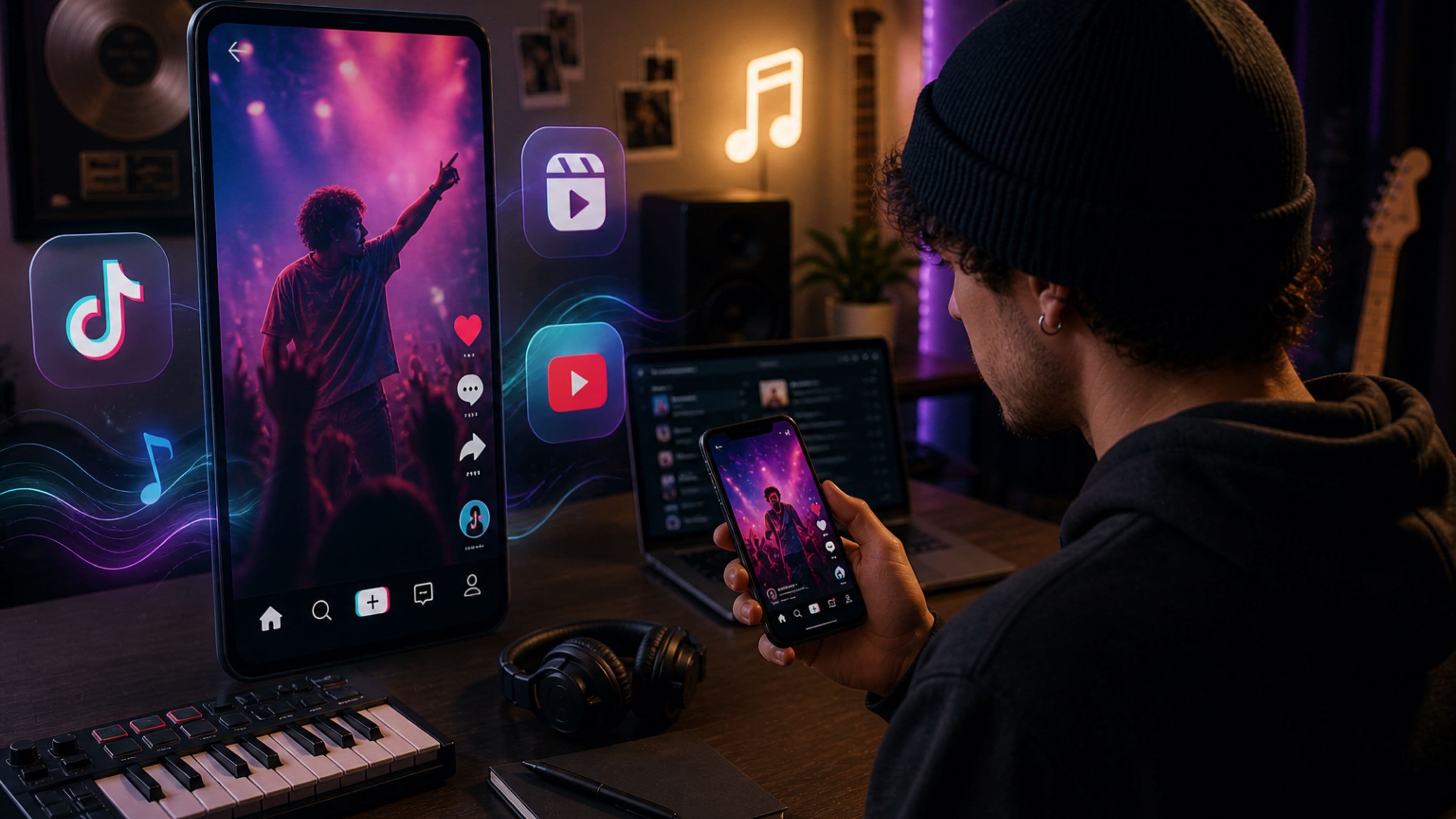
Fan-created content deserves its own attention because it functions as a distribution mechanism artists don't have to build or maintain themselves. Cover versions uploaded to YouTube get discovered in search. Fan edit videos on TikTok expose music to entirely new audiences through the algorithm. Reaction video creators with established audiences in specific countries introduce their followers to artists they would never have encountered otherwise.
The question for artists is how to facilitate this without trying to control it. Making instrumental or acapella stems available – even as a bonus for Patreon supporters or a limited Bandcamp release – gives fan creators better raw material to work with and builds goodwill. Reposting or acknowledging fan content, particularly from creators in international markets, signals that the relationship is reciprocal and encourages more of it. Copyright claims on fan covers are a notoriously effective way to kill goodwill in fan communities; most artists who understand the ecosystem treat fan content as promotion and not as a policing problem.
What to Watch Out For
The dark side of coordinated fan behavior is worth acknowledging. Chart manipulation through organized inauthentic streaming – where fans use multiple accounts or automated tools to inflate stream counts – can result in tracks being removed from platform charts or artist accounts being penalized. Platforms have become more sophisticated at detecting these patterns. The chart campaign model that worked reliably in 2018 is higher-risk in 2025, and artists whose fan communities lean heavily on manipulation tactics can end up with damaged relationships with platform editorial teams.
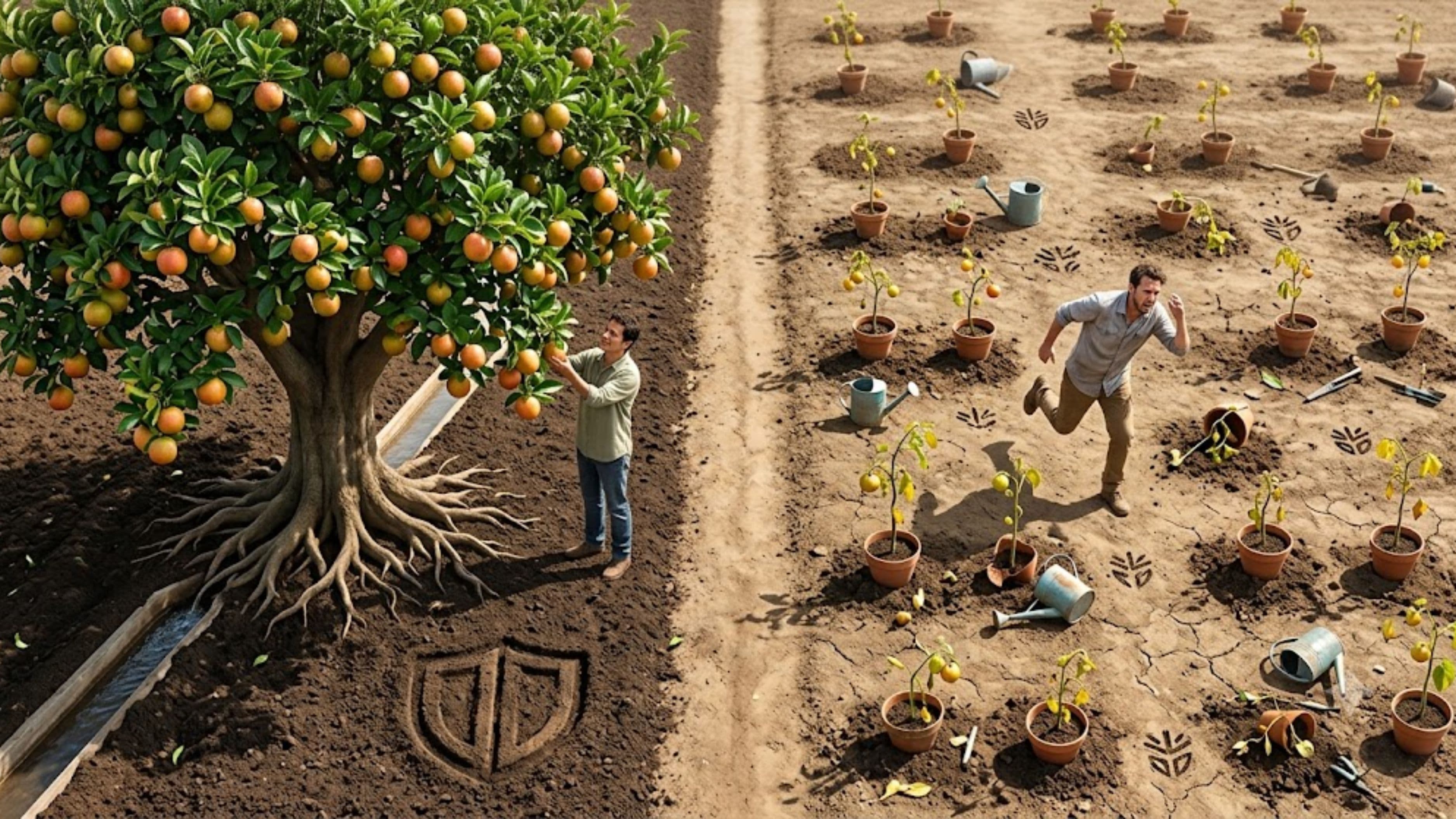
There's also a dependency dynamic that can develop when an artist's market presence in a new territory relies entirely on a single fan community rather than genuine listener adoption. If the community fractures – which fan communities sometimes do, for reasons internal to the community rather than anything the artist controls – the market presence can evaporate quickly. The goal is for fan community energy to bootstrap genuine listenership, not to substitute for it indefinitely.
Finally, engaging superficially with international fan communities – using automated translations, generic thank-you posts, or obvious culture-blind content – tends to be worse than not engaging at all. Fan communities are perceptive about authenticity, and a tone-deaf attempt to appeal to a market without understanding it is more likely to generate backlash than goodwill.
Practical Takeaways
If you're an independent artist watching your stream data and noticing unexpected traction in a specific country or region, the most valuable first step is simply to pay attention and document what you're seeing. Which tracks are resonating? What platforms are they being streamed on? Is there visible fan activity on social channels you haven't engaged with?
From there, making yourself discoverable and accessible in that market – through proper distribution, corrected lyrics and translations, and genuine engagement with the fan activity you're noticing – is more likely to compound that traction than any paid campaign. Fan networks respond to artists who treat them as communities rather than audiences. The ones who get that tend to find that the communities do a significant amount of the market-breaking work themselves.
FAQ
Do global fan networks work for independent artists without major label backing? Yes, though the scale is different. The coordination capacity of a fan network correlates with its size, and major label acts have larger fan communities by definition. But the dynamic – fans discovering and championing music to their own networks across borders – operates at every level. Independent artists with deeply engaged smaller communities can see meaningful international traction from organic fan activity, particularly in niche or subcultural music scenes where passion runs high.
How do fans in other countries typically discover music from artists they don't know? Discovery pathways vary by market and platform but commonly include fan-curated playlists on Spotify and Apple Music, reaction and review content on YouTube, TikTok algorithmic discovery from fan edit videos, recommendations through fan community Discord servers, and coverage from music bloggers and independent outlets in specific regional scenes. Diaspora communities are often particularly important bridgeheads into English-language markets for artists from other regions.
Should artists try to create content specifically for international fan communities? Targeted content for specific markets can be valuable, but only when it's done with genuine cultural understanding rather than surface-level localization. Subtitled or translated versions of existing content are a lower-risk starting point than entirely new content created specifically for a market the artist doesn't know well. Engaging authentically with fan communities in those markets and letting them inform how you communicate is generally more effective than developing a regional content strategy in isolation.
What platforms are most important for international fan network activity? It depends on the region, but Discord has become central to organized fan community communication globally. Twitter/X is still important for chart campaigns and trend participation. TikTok drives cross-border discovery particularly effectively in younger demographics. YouTube remains the dominant platform for long-form fan content and cover versions. Spotify fan communities and Apple Music editorial relationships matter for playlist placement, which can be amplified by fan campaign activity.
Can artists monetize the international interest that fan networks generate? Directly, through streaming royalties on platforms in those markets – which requires proper distribution coverage. Indirectly, through merchandise that ships internationally, Bandcamp sales, and eventually touring if the market develops enough genuine listenership to support it. Building a mailing list from international listeners, where possible, creates a direct channel that isn't dependent on any platform's algorithm or policy changes.
📚 Sources
Spotify for Artists – Understanding Your Audience and Streaming Data: https://artists.spotify.com/blog/understanding-your-audience
Rolling Stone – How K-Pop Fan Armies Became a Global Marketing Force: https://www.rollingstone.com/music/music-features/bts-army-k-pop-fans-streaming-charts-1014537/
Billboard – The Rise of Afrobeats in Global Markets: https://www.billboard.com/music/pop/afrobeats-global-rise-streaming-1235311887/
Chartmetric – Market Intelligence for Music Artists: https://www.chartmetric.com/blog/understanding-music-markets
Music Business Worldwide – Fan Communities and Artist Market Expansion: https://www.musicbusinessworldwide.com/category/analysis/
Hypebot – How Independent Artists Can Break International Markets: https://www.hypebot.com/hypebot/2024/01/how-independent-artists-can-break-into-international-markets.html
DistroKid – International Distribution and Platform Coverage: https://distrokid.com/features
Bandcamp – The Role of Fan Communities in Independent Music Discovery: https://daily.bandcamp.com/features/how-bandcamp-fan-communities-work
IFPI – Global Music Report 2024: https://www.ifpi.org/ifpi-global-music-report-2024/
Soundcharts – Streaming Analytics and Market Data for Artists: https://soundcharts.com/blog/music-streaming-market