What's Happening
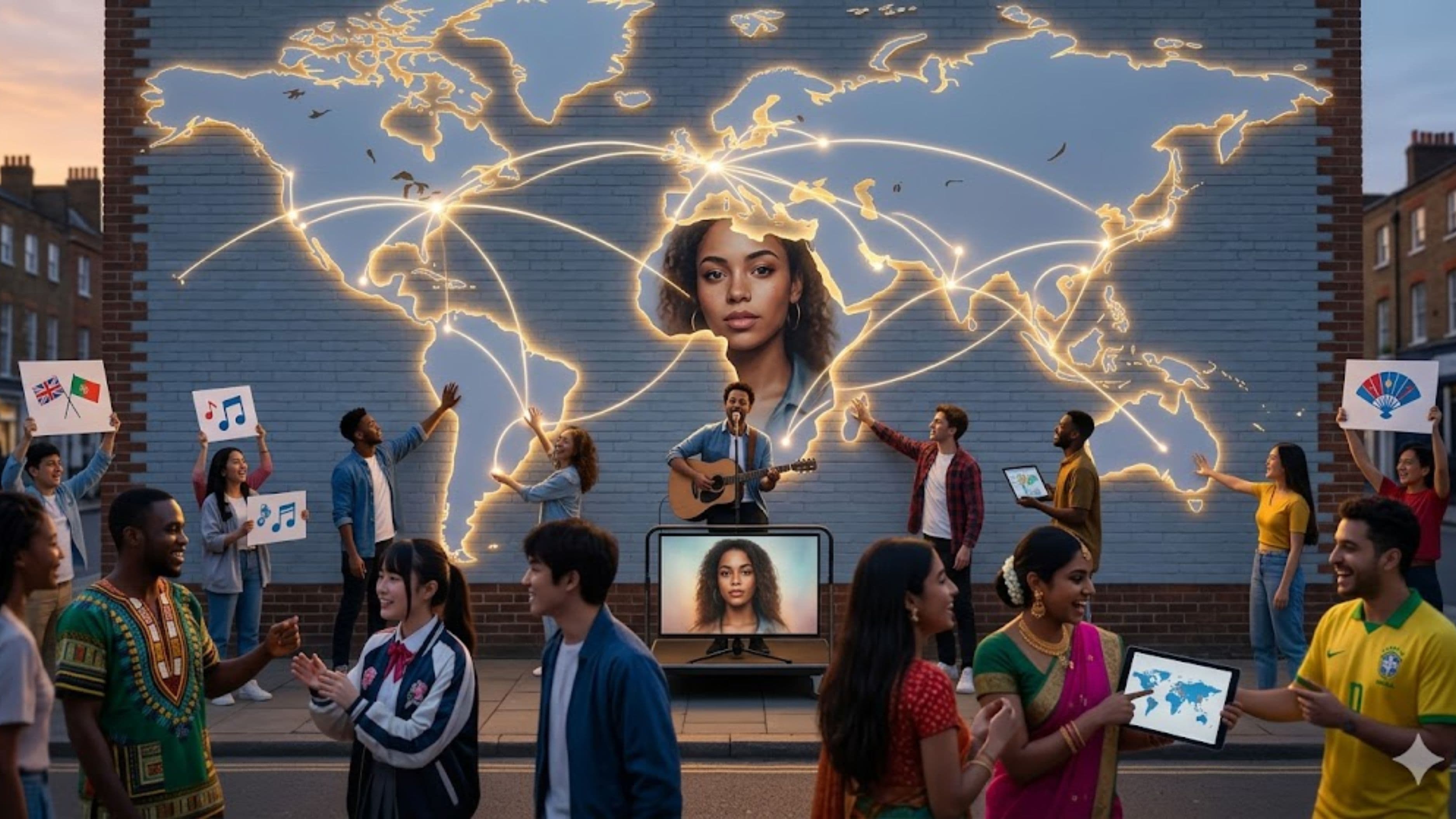
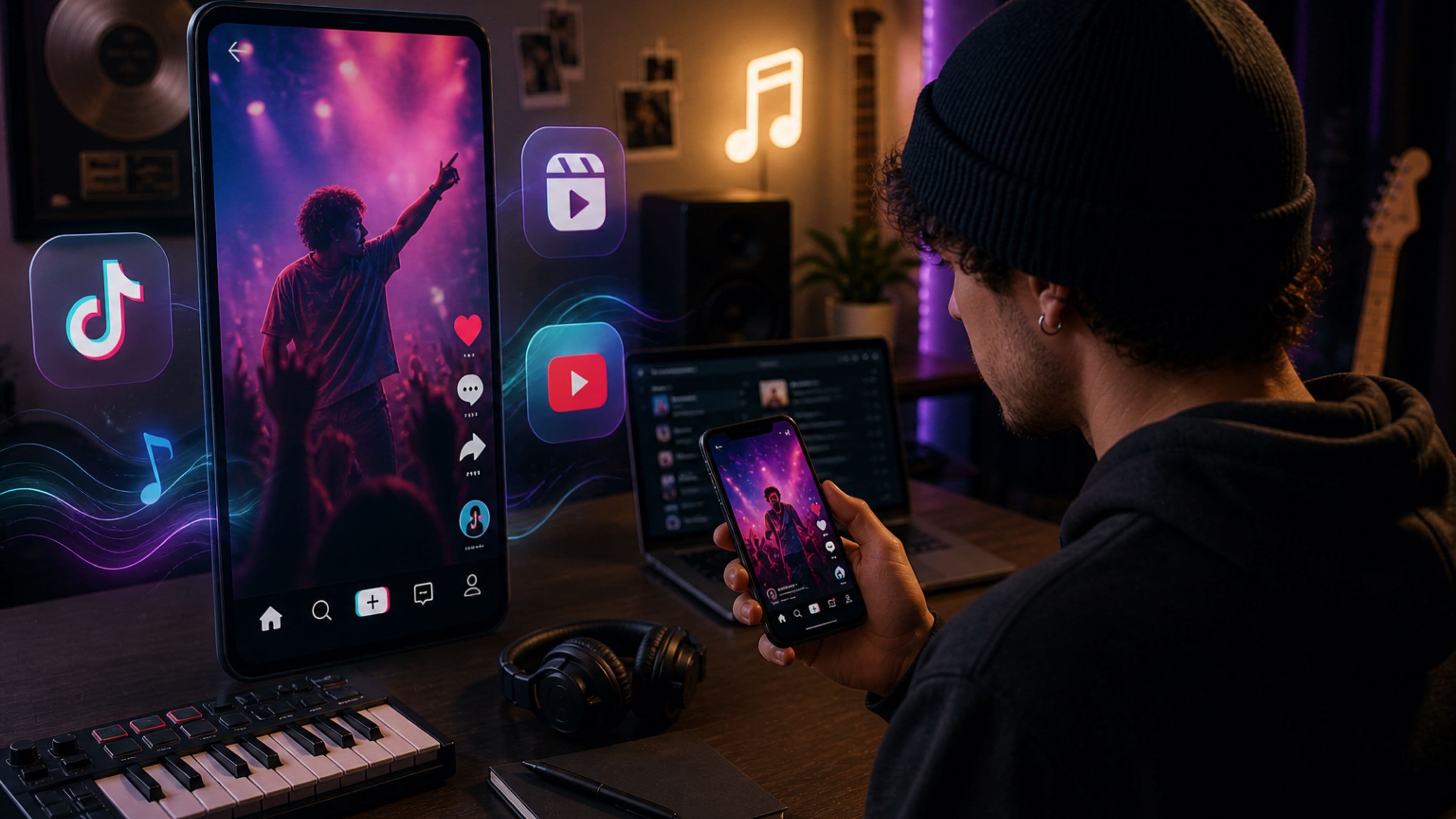
Paid social ads are built for scale and broad targeting, which works well for artists with mainstream appeal where a large addressable audience justifies the spend. Niche artists, by definition, are working with smaller, more specific audiences, and platform ad algorithms aren't always great at finding those audiences efficiently, even when targeting parameters are set carefully. The result is a lot of wasted impressions reaching people who have no real connection to the specific subgenre, scene, or sound the artist represents.
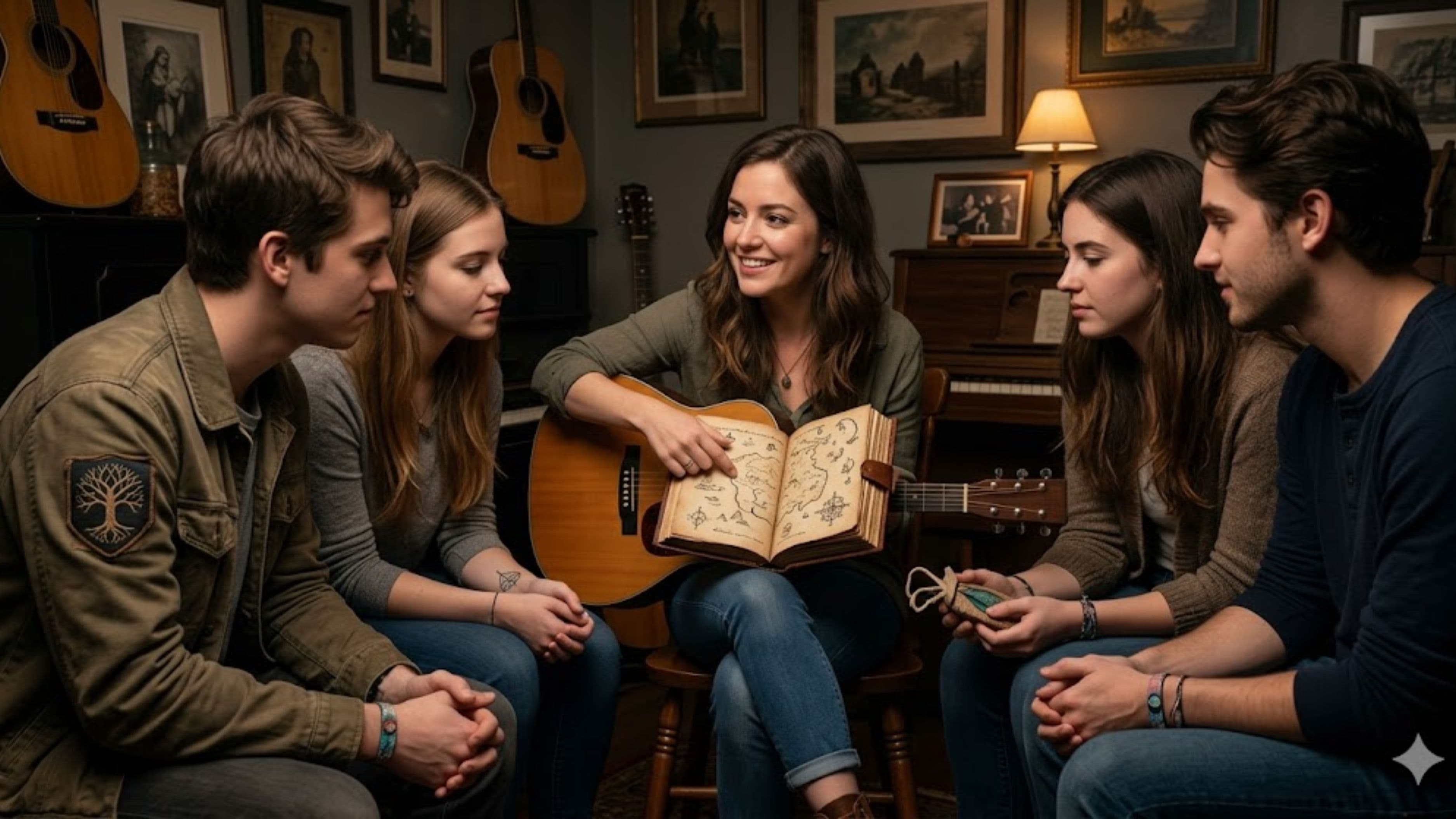
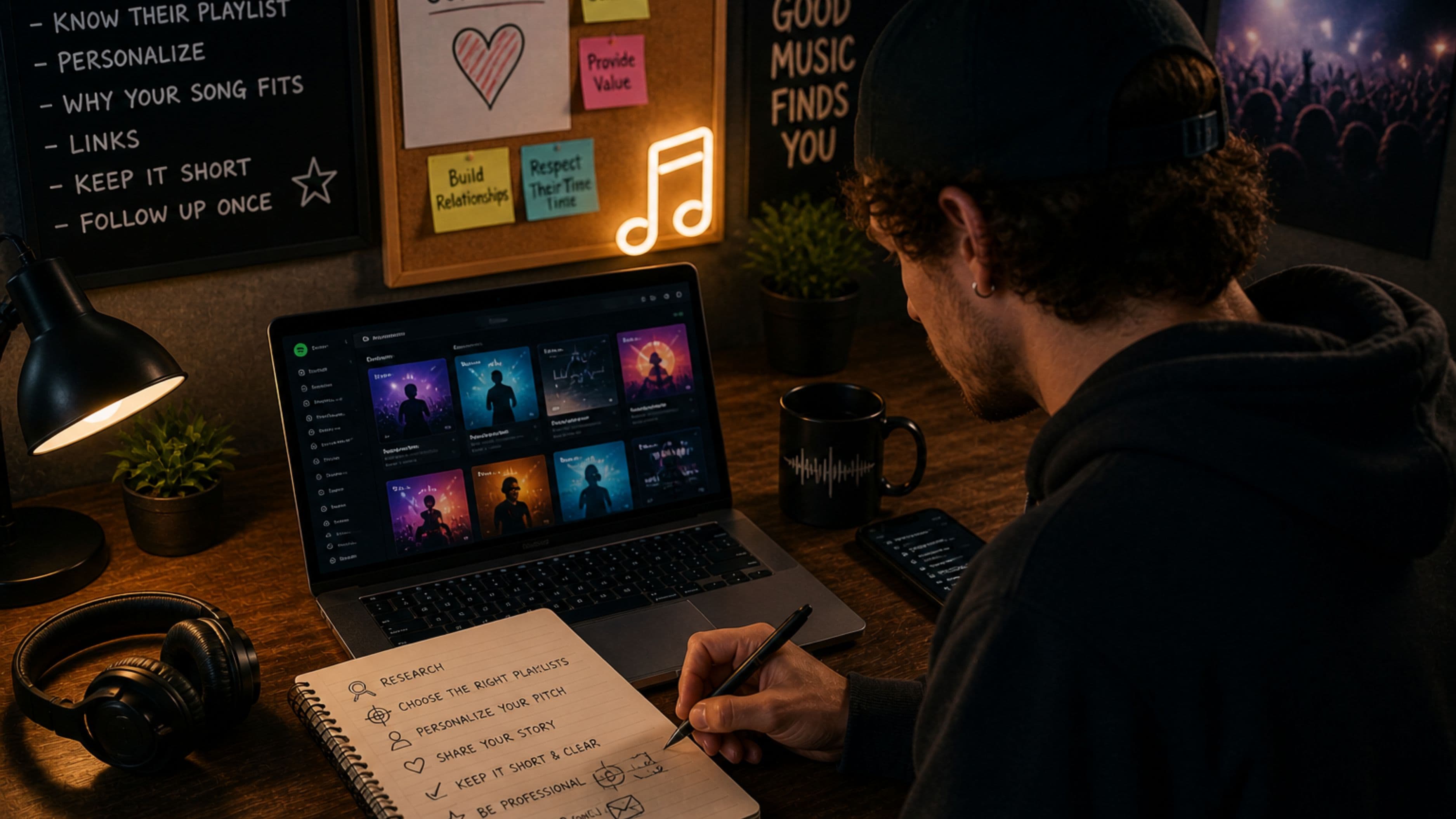
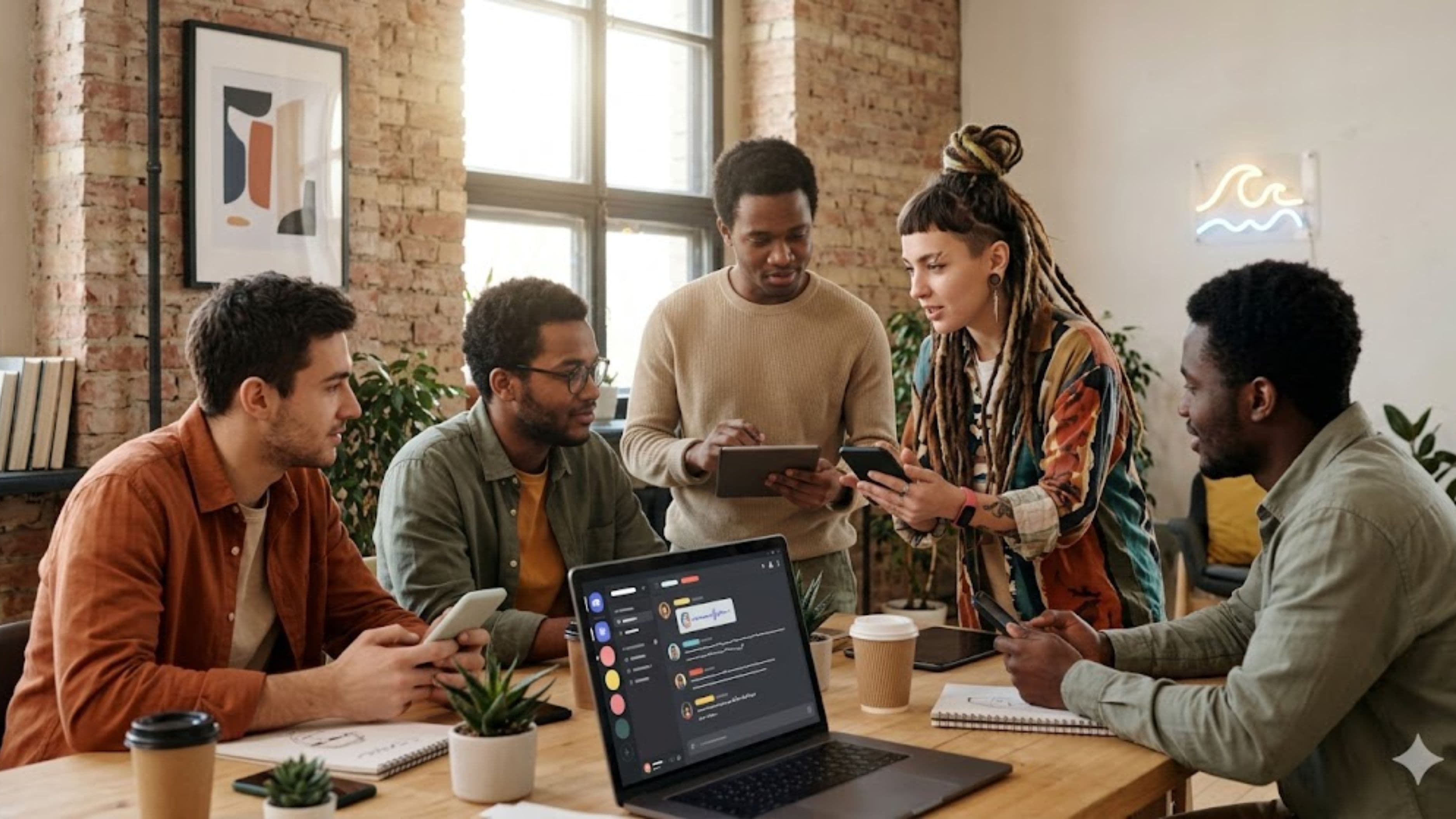
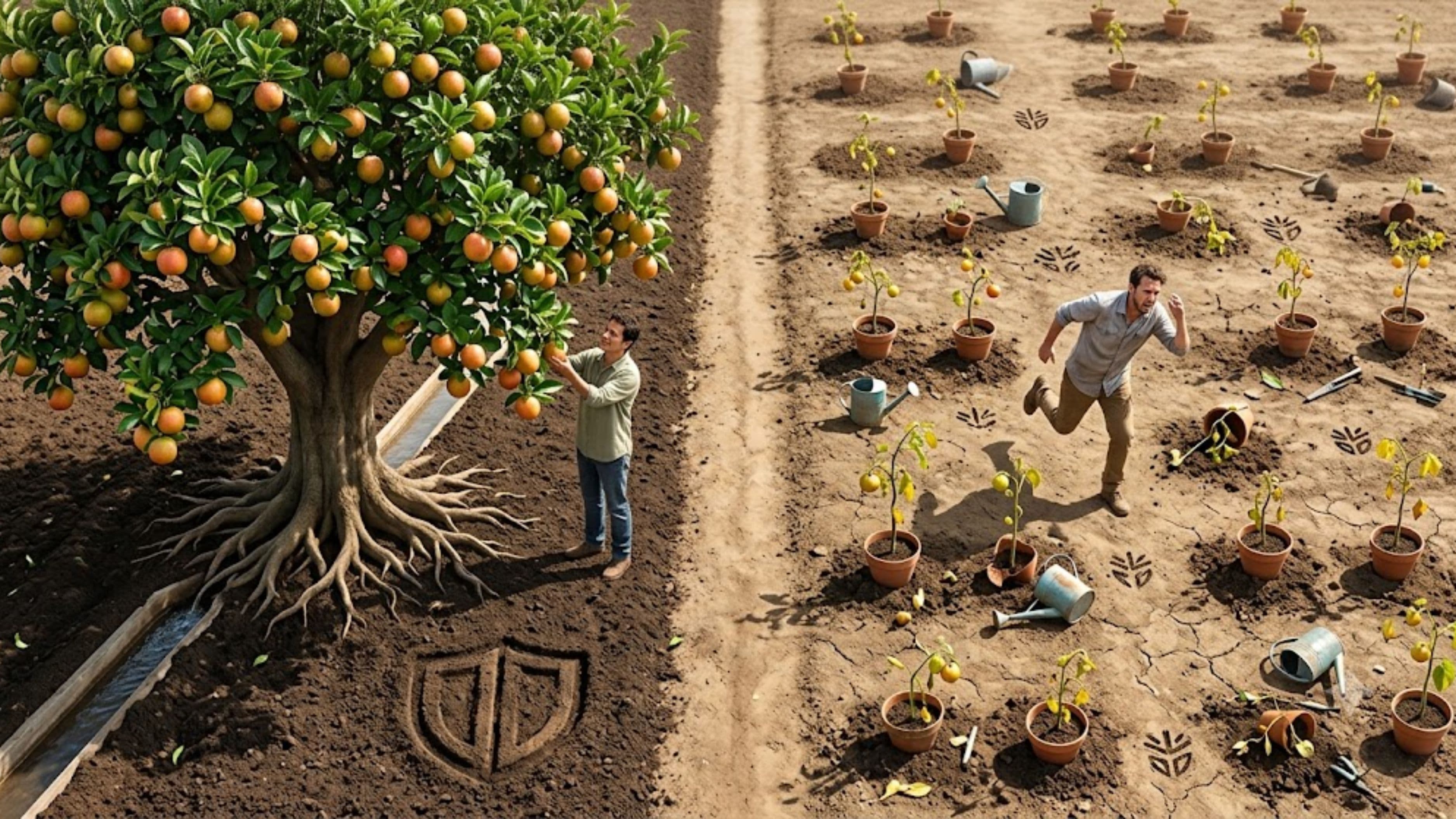
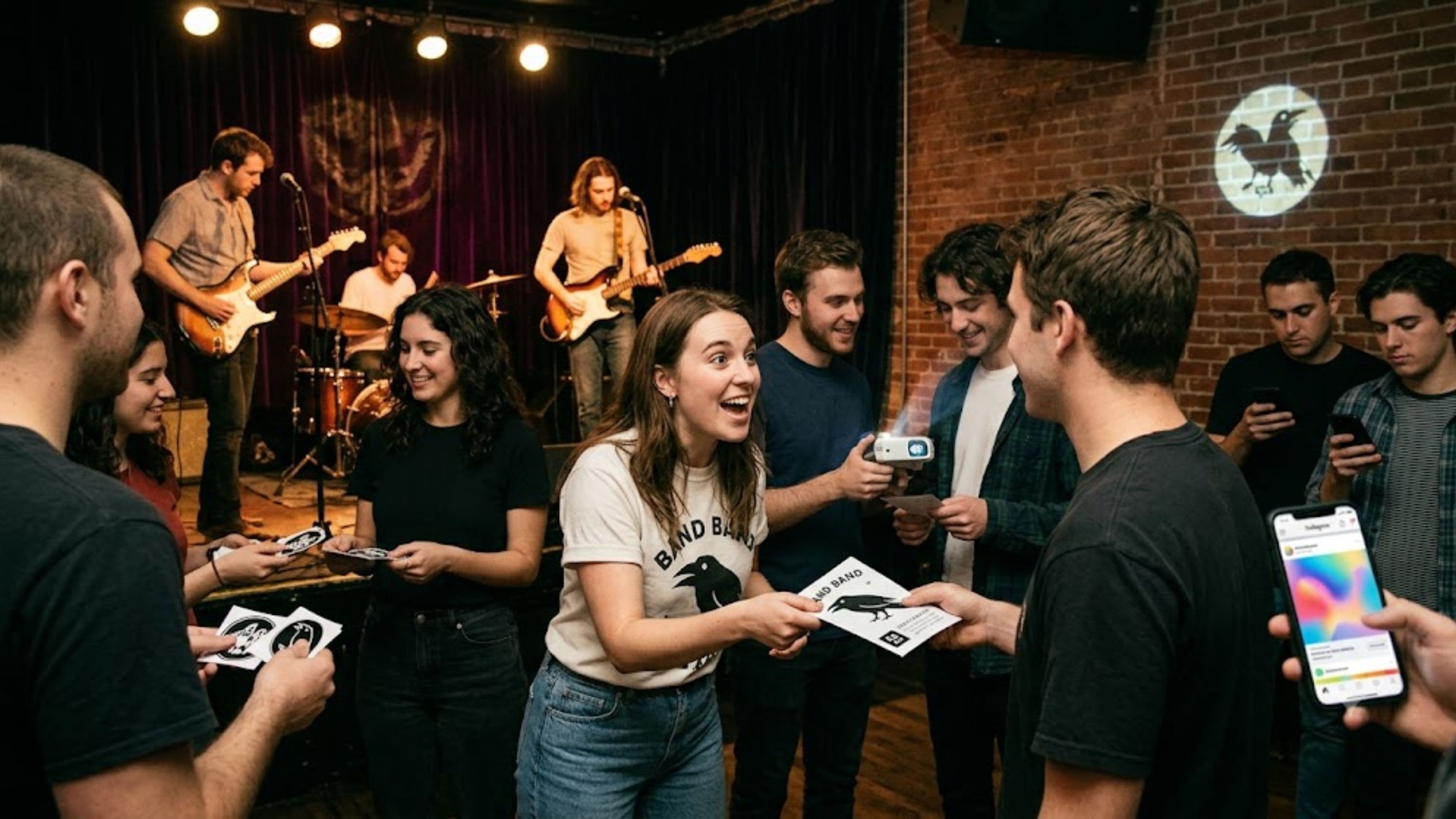
Grassroots promotion, by contrast, goes directly to the spaces where a niche audience already exists and is already engaged: genre-specific subreddits, Discord communities, niche playlists, fan forums, and smaller, more dedicated social accounts that cover a specific scene closely. Instead of paying to interrupt a broad audience's feed, grassroots strategies meet a smaller, more targeted audience where they're already actively looking for exactly this kind of music.
Why It Matters
The core issue with paid ads for niche genres is a targeting mismatch that platforms haven't fully solved. Social platforms build their ad targeting around broad interest categories and behavioral signals, which work reasonably well for mainstream pop or hip-hop but struggle to accurately identify, say, the specific audience for a particular strain of underground electronic music or a regional folk revival scene. Even with detailed targeting settings, a meaningful portion of ad spend ends up reaching people unlikely to genuinely engage, simply because the algorithm doesn't have enough signal to find your actual audience precisely.
Grassroots channels solve this by relying on context rather than algorithmic guesswork. A Discord server built around a specific subgenre, or a Reddit community dedicated to a niche scene, has already self-selected for exactly the audience an artist wants to reach. Showing up authentically in that space, rather than paying to interrupt a broader, less relevant feed, puts the artist directly in front of people who are already primed to care.
There's also a trust dynamic at play. Engagement that happens organically within a community, where other members vouch for an artist or share their music because they genuinely like it, carries more weight than a sponsored post a user scrolls past. Niche music audiences in particular tend to be highly attuned to authenticity and are often skeptical of anything that feels like an obvious ad, which works against paid social specifically in these spaces.
Impact on Creators
For niche artists with limited marketing budgets, this dynamic actually works in their favor once they understand it. Building relationships within relevant online communities, engaging genuinely rather than just dropping promotional links, and building a presence in genre-specific spaces over time tends to produce better, more durable engagement than the same budget spent on paid social ads targeting a broad or loosely defined audience.
This doesn't mean paid ads are never useful for niche artists. They can still play a role in retargeting people who've already engaged with an artist's content, or in promoting a specific release to an existing fanbase rather than trying to find new, cold audiences from scratch. The distinction that matters is using paid spend to reinforce relationships that already exist, rather than relying on it as a primary discovery tool for an audience platforms struggle to target precisely.
Time investment is the real trade-off worth being honest about. Grassroots promotion takes more ongoing, hands-on effort than launching a paid campaign and walking away, since it requires genuine participation in communities over time rather than a one-time spend. Artists need to weigh that time cost against their available budget and bandwidth, since grassroots strategies generally pay off more in sustained engagement than in fast, large-scale spikes.
What to Watch Out For
Showing up in a niche community purely to self-promote, without genuinely participating or contributing value beyond your own music, tends to backfire quickly in these spaces. Niche communities are usually small enough that this kind of behavior gets noticed and can damage an artist's reputation within that scene faster than it would in a larger, more anonymous space.
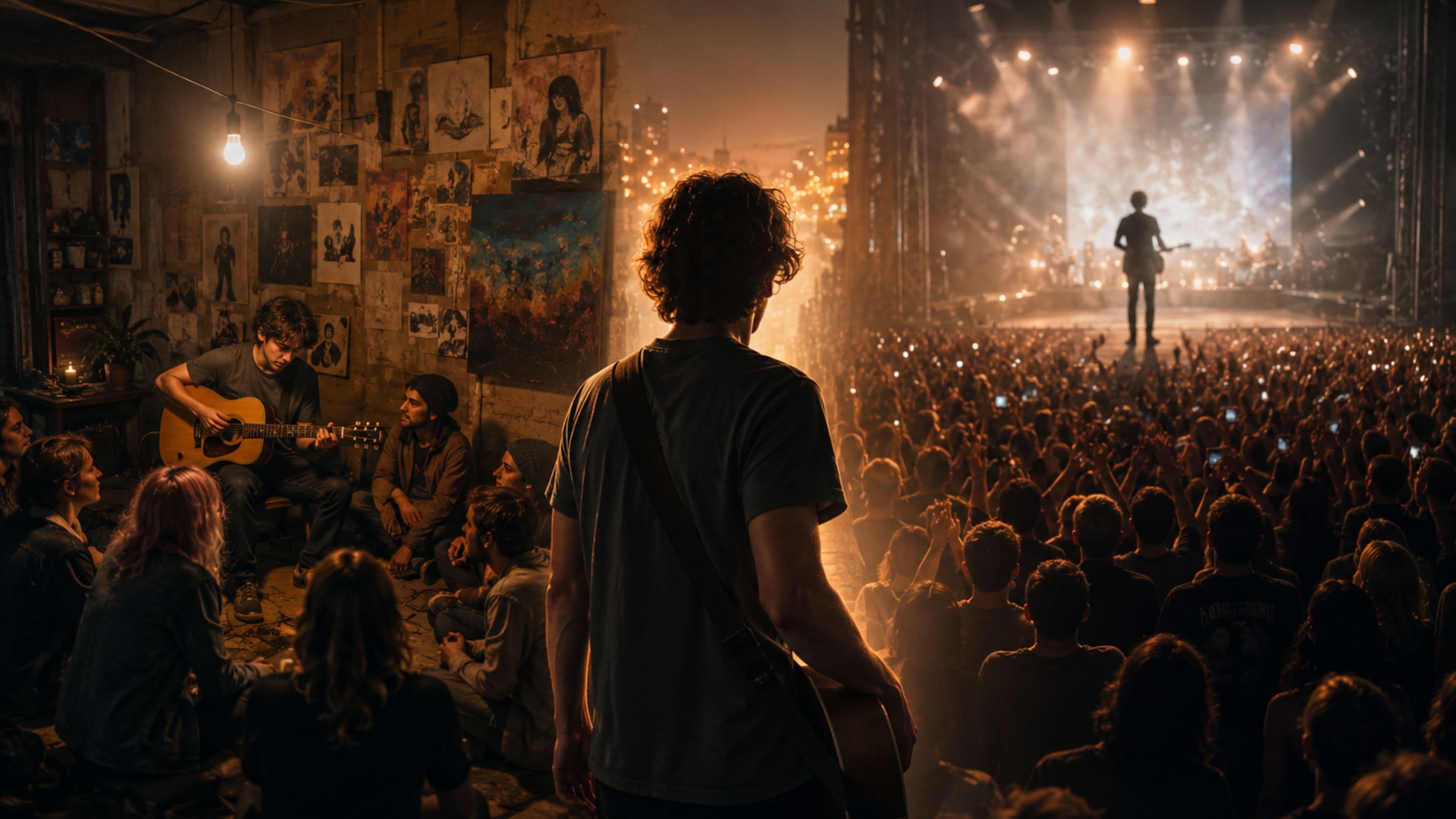
It's also worth being realistic about timeline. Grassroots growth tends to compound slowly through genuine relationships and word of mouth, rather than producing the immediate, visible spike a paid campaign might show in an ad dashboard. Artists expecting overnight results from grassroots efforts are likely to get discouraged before the strategy has had time to actually build momentum.
Practical Takeaway
Identify the two or three online spaces (a specific subreddit, Discord server, niche playlist curator community, or genre-focused social account) where your actual target audience already spends time, and start participating there genuinely before pushing your own music. Share insights, engage with other artists and fans authentically, and let your music come up naturally rather than leading every interaction with a promotional ask.
If you do use paid social ads, consider directing that budget toward retargeting people who've already interacted with your content or visited your artist page, rather than trying to cold-target a broad audience that platform algorithms aren't well equipped to identify for a niche sound. This combination, grassroots-first discovery paired with targeted retargeting, tends to make more efficient use of a limited marketing budget than relying on broad paid campaigns alone.
FAQ
Does this mean paid social ads are never worth it for niche artists? Not entirely – paid ads can still be effective for retargeting existing fans or promoting a specific release to people who already know your music, but they're generally less efficient than grassroots methods for discovering new niche audiences from scratch.
How long does it typically take to see results from grassroots promotion? This varies significantly by genre and community, but most artists should expect grassroots growth to build gradually over months rather than producing an immediate spike, since it relies on genuine relationship-building rather than algorithmic reach.
What's the biggest mistake niche artists make when trying grassroots promotion? Treating community spaces purely as promotional channels rather than genuinely participating, which tends to get noticed quickly in smaller, tightly-knit niche communities and can hurt an artist's reputation.
Should I stop running social ads entirely if I'm in a niche genre? Not necessarily – it's more about adjusting how you use them, shifting budget toward retargeting engaged fans rather than relying on broad cold targeting, which platform algorithms typically handle poorly for very specific niche audiences.
Niche artists often assume they need a bigger ad budget to compete for attention, but the data and the dynamics of how niche audiences actually discover music suggest the opposite. Showing up authentically where your specific audience already gathers tends to outperform paying to interrupt people who were never the right audience in the first place.
📚 Sources
Music Business Worldwide – Independent Artist Marketing Trends - https://www.musicbusinessworldwide.com/independent-artists/
Soundcharts – How Niche Music Communities Drive Discovery - https://soundcharts.com/blog