Consistent Release Cadence Over Sporadic Drops
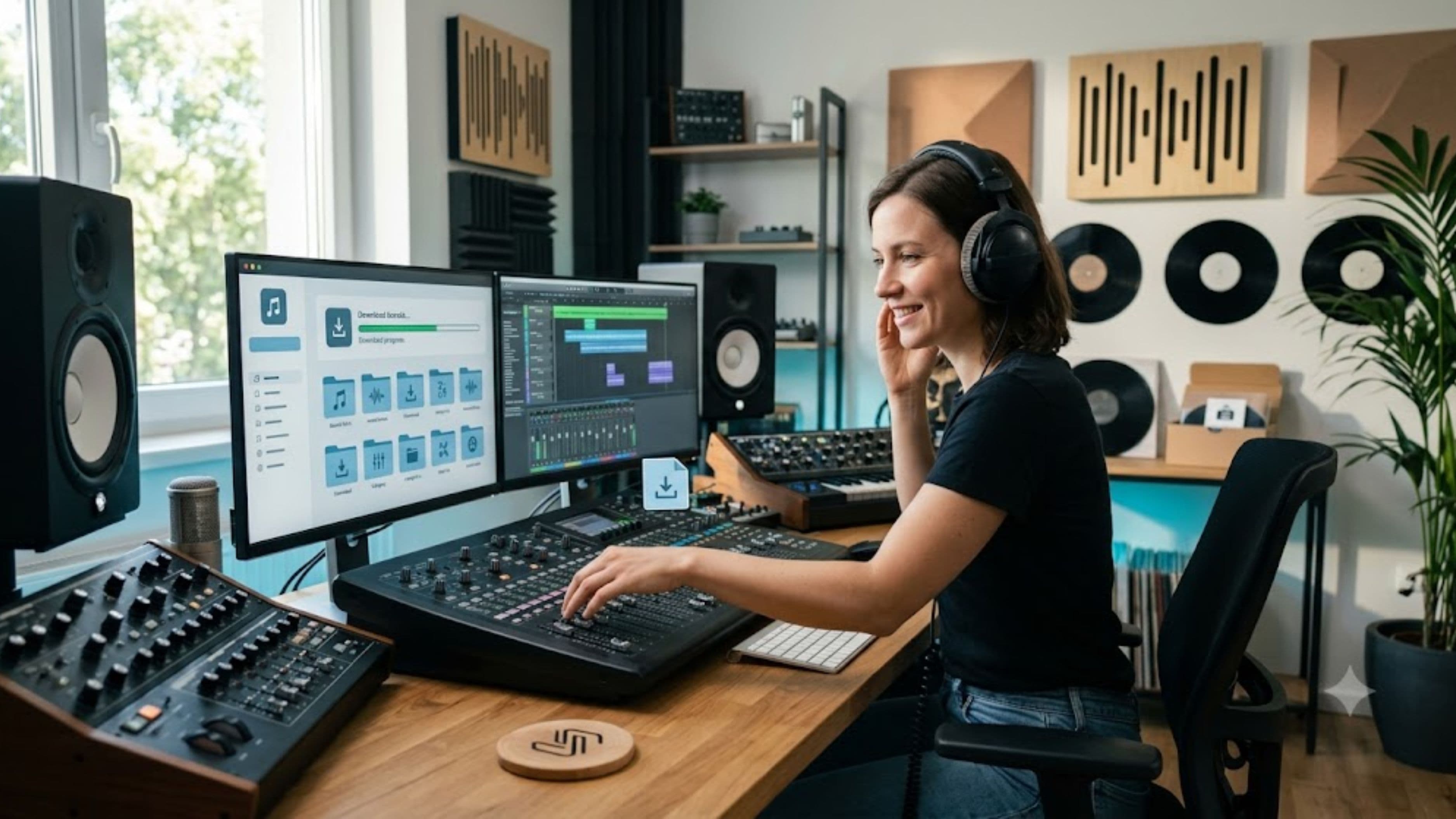
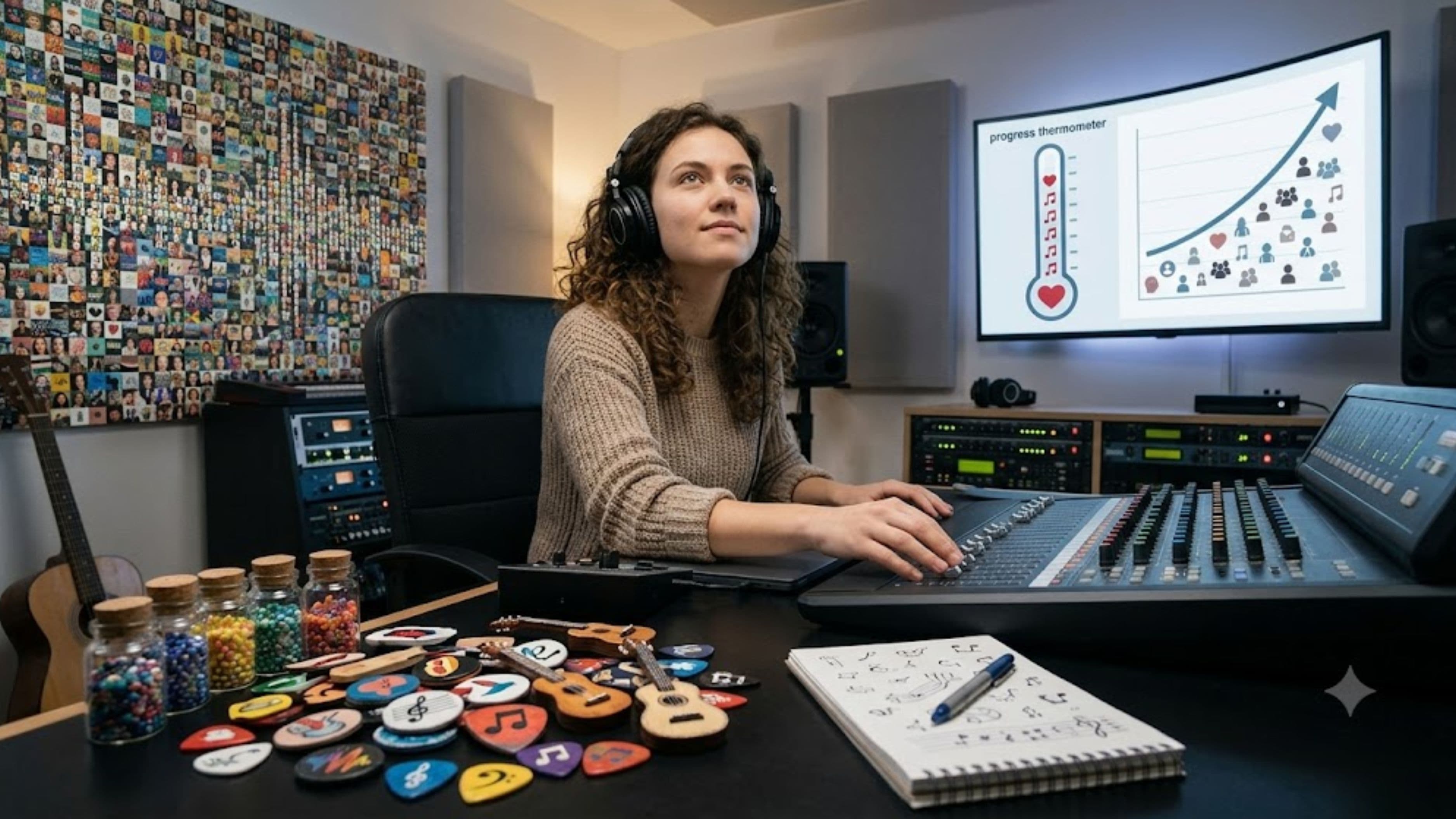
Releasing music on a predictable, ongoing schedule – whether that's a single every month or two, or a steady stream of shorter releases – keeps you appearing in listeners' release radar and discovery algorithms far more consistently than releasing an album and then going quiet for a year. Streaming platform algorithms tend to favor artists showing ongoing activity, since consistent releases signal to the platform's discovery systems that you're an active artist worth continuing to surface to potential new listeners.
Realistic expectation: this is a longer-term strategy that compounds over many months rather than producing an immediate spike, but artists who maintain a consistent release cadence over a year or more consistently describe more steady organic growth than those releasing sporadically.
Building a Genuine Connection on Social Platforms
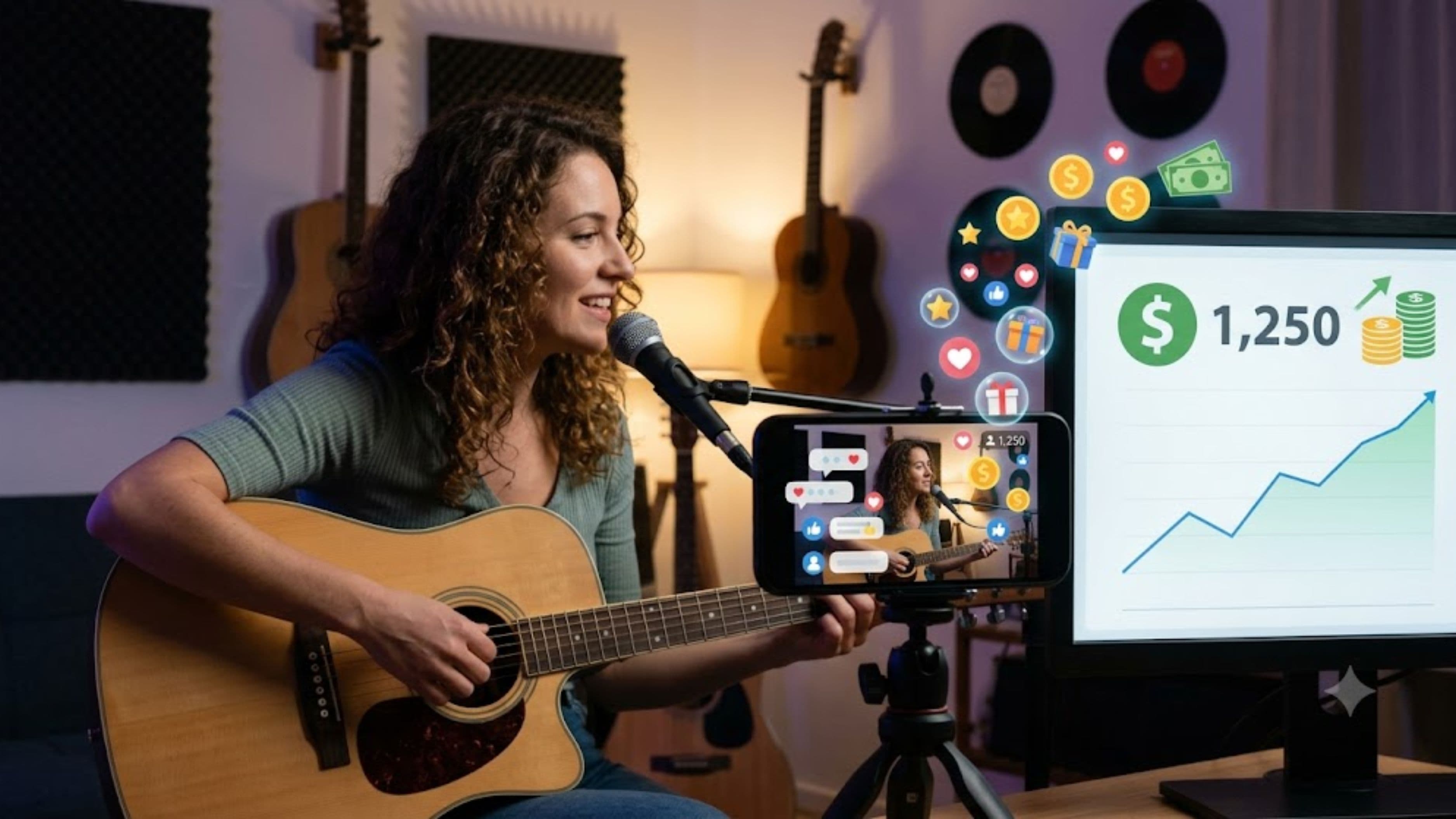
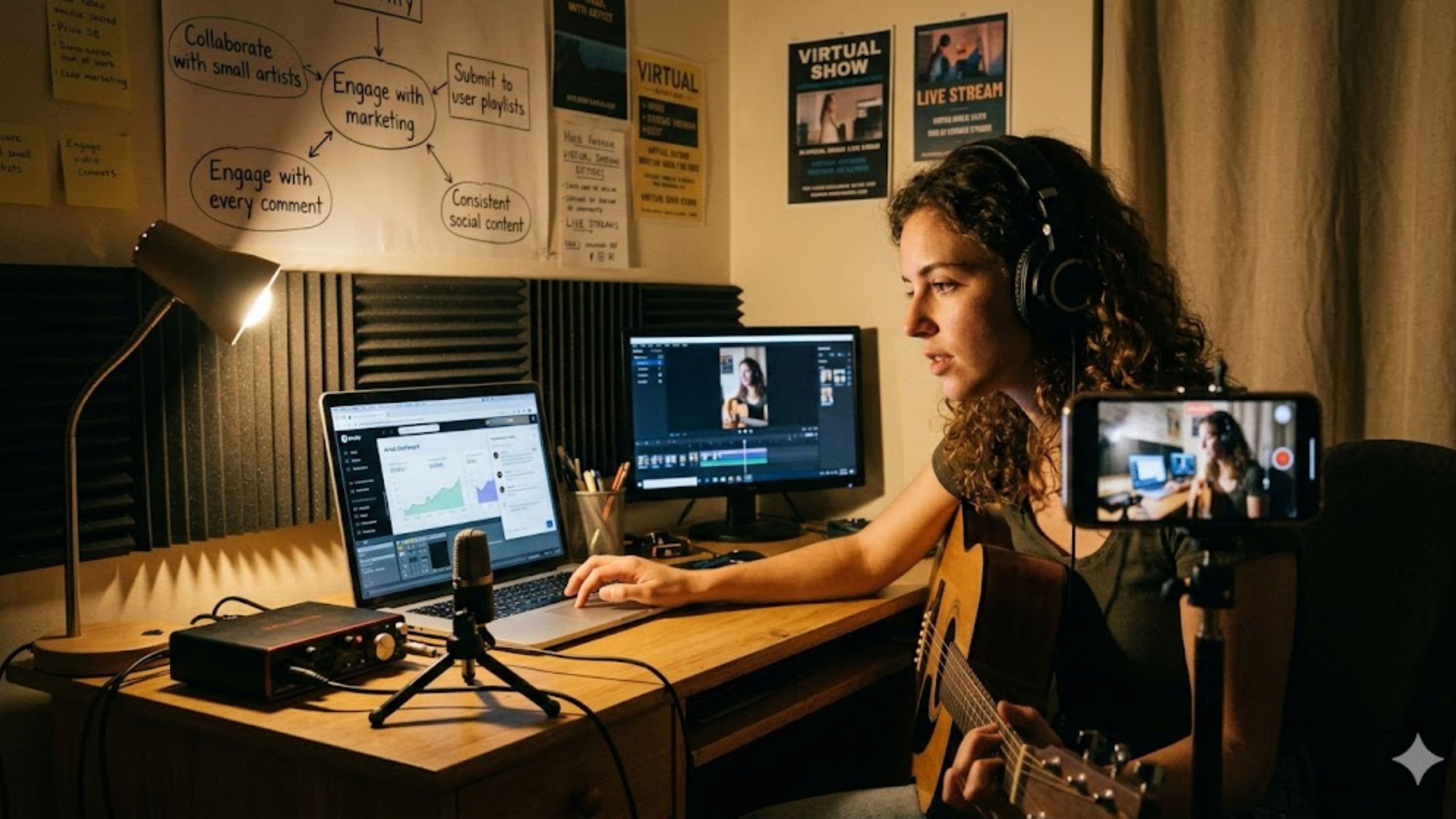
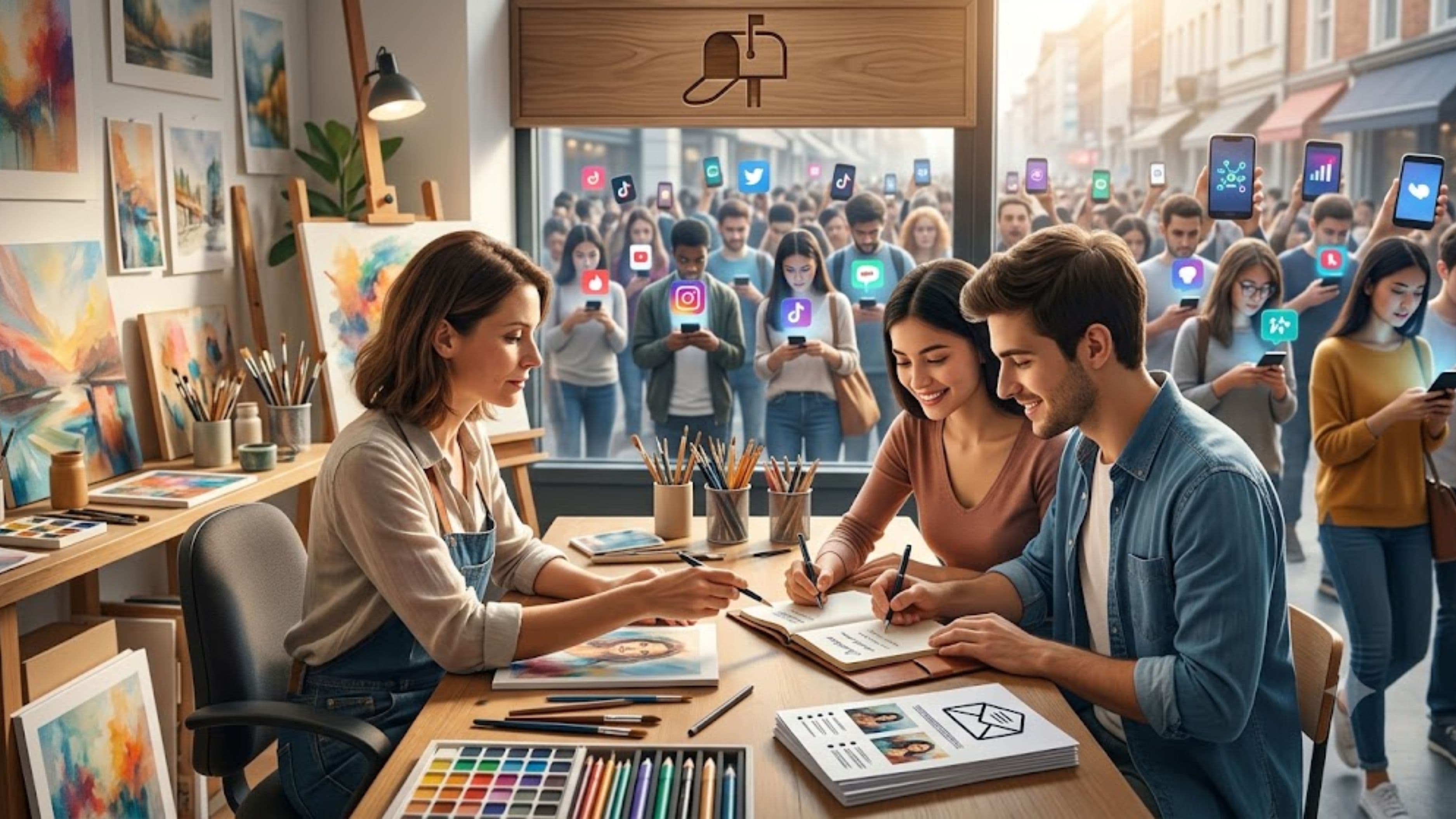
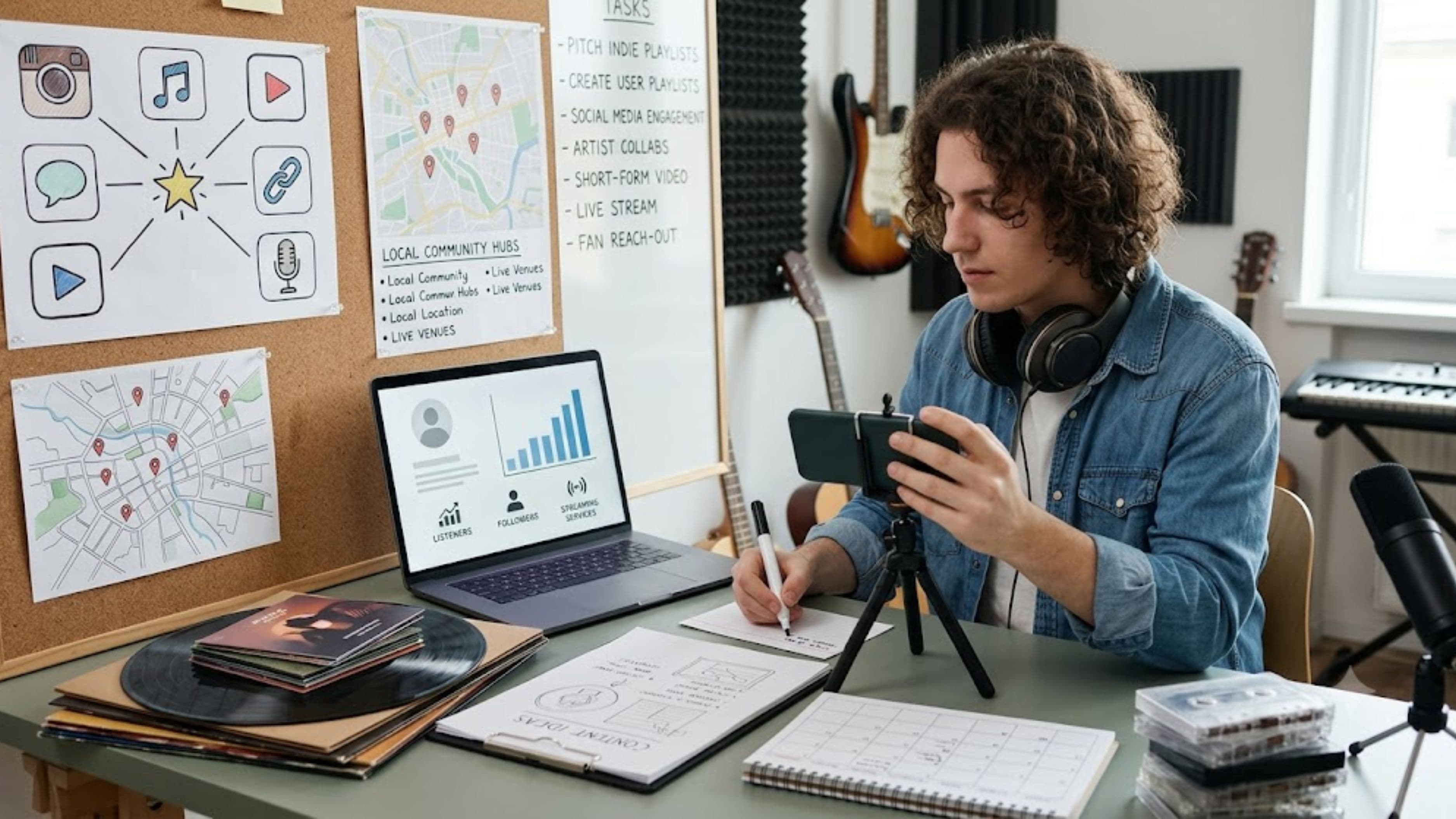
Rather than treating social media purely as a promotional channel, using it to share your actual creative process, behind-the-scenes moments, and genuine personality tends to build the kind of connection that converts casual listeners into people who actively seek out and share your music with others. Short-form video platforms in particular reward content that feels authentic and unpolished over highly produced promotional content, which is genuinely good news for artists without a large production budget.
What to watch out for: posting purely promotional "new song out now" content without any other genuine engagement tends to underperform significantly compared to content that gives people an actual reason to care about you as an artist beyond just the music itself.
Engaging Directly With Your Existing Listeners
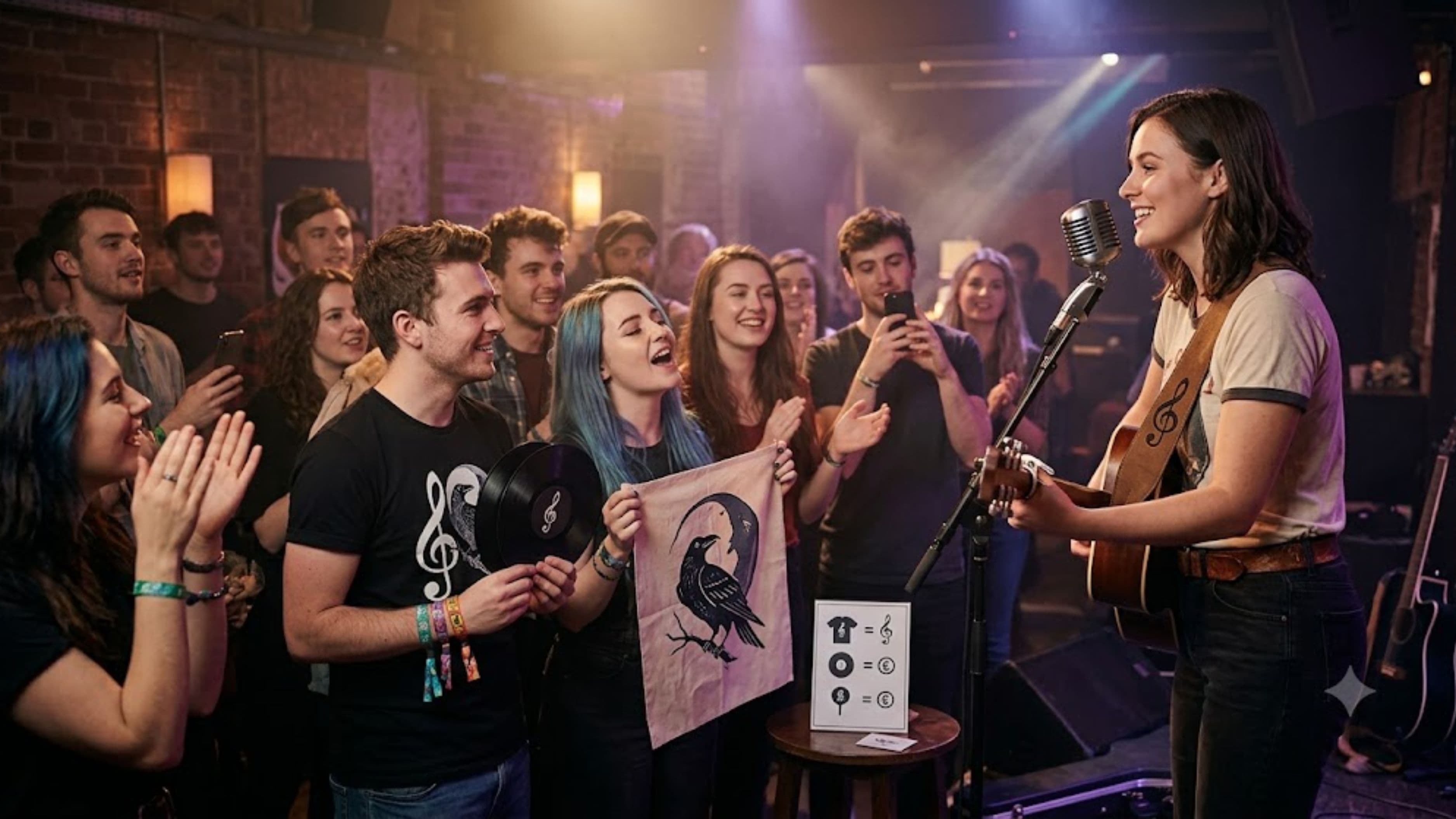
Responding to comments, engaging genuinely with fans who share or discuss your music, and showing up authentically in your own community rather than treating your audience as a passive number to grow, tends to convert casual listeners into genuine advocates who actively recommend your music to others. This kind of organic word-of-mouth growth, while slower to build initially, tends to produce more durable, long-term listener relationships than any single viral moment or paid promotion typically does.
Collaborating With Other Artists in Adjacent Genres
Featuring on another artist's track, or inviting a collaborator onto yours, exposes your music directly to an established audience that's already demonstrated interest in a genuinely adjacent sound, which tends to convert at a meaningfully higher rate than reaching a cold, unfamiliar audience through other growth methods. Look specifically for artists with a similar-sized or slightly larger following in a genuinely complementary genre, rather than approaching collaboration purely based on an artist's larger follower count without considering whether the actual audience overlap makes sense.
Optimizing Your Presence on Streaming Platforms Directly
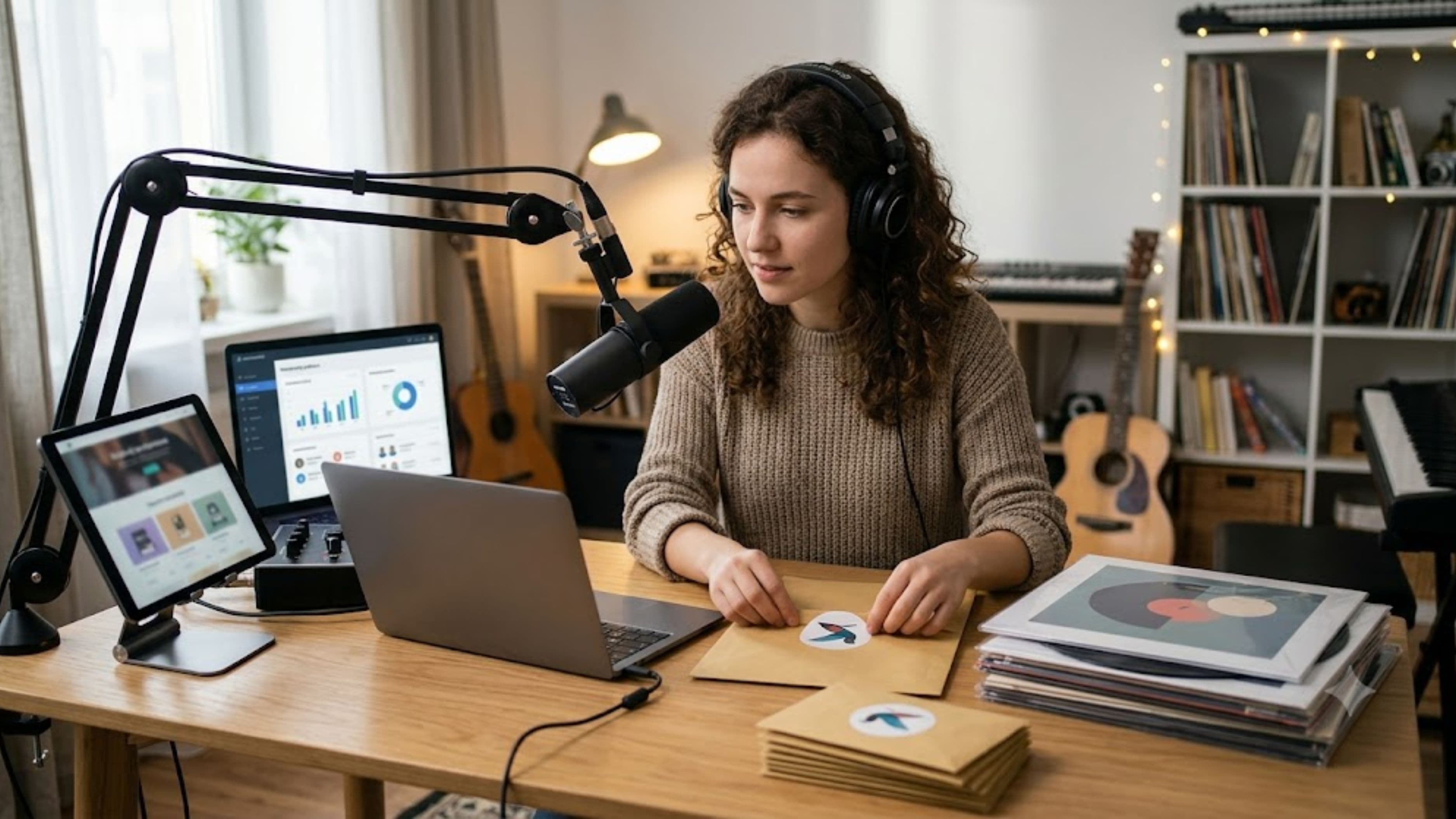
Completing your full artist profile on Spotify for Artists and similar platforms – a genuine, well-written bio, quality artist photos, and pinned content highlighting your most important current release – meaningfully improves how effectively casual visitors to your profile convert into actual followers. Submitting new releases through Spotify's own pitching tool for potential editorial playlist consideration, well before your release date, also remains one of the more effective free growth levers directly built into the platform.
Leveraging User-Generated Content and Sound Trends
If a portion of your song works well as a short, catchy audio clip, encouraging fans and other creators to use it in their own short-form video content can meaningfully expand your reach beyond your existing following, since each video using your sound functions as a small piece of organic promotion to that creator's own audience. This works best when a song genuinely has a natural, catchy hook or moment that lends itself to this kind of use, rather than forcing a clip that doesn't organically fit how these platforms' content trends actually work.
Building an Email List Alongside Your Social Following
Unlike social media followers, an email list is an asset you fully control, independent of any platform's algorithm changes or policy shifts, and it becomes increasingly valuable as your career progresses, providing a direct channel to your most genuinely engaged fans for release announcements, tour dates, and other updates. Starting this list early, even before you feel you have a large following to justify it, means you'll have a genuinely warmed-up audience ready to engage meaningfully by the time you do have bigger releases or announcements to share.
What to Avoid
Avoid buying followers or engagement of any kind, even from services that seem legitimate, since inflated numbers that don't reflect real listener interest tend to actively hurt your discoverability on platforms whose algorithms specifically look for genuine engagement ratios relative to follower count, not just raw follower numbers alone.
Don't spread your effort too thin across every available platform simultaneously without a clear sense of where your actual audience is most active – concentrating genuine effort on two or three platforms where your specific audience actually spends time tends to produce better results than a diluted presence across everything.
FAQ
How long does organic growth typically take to show meaningful results? This varies considerably by genre and starting point, but most artists building genuinely organic momentum describe meaningful, noticeable growth over a period of 6 to 12 months of consistent effort, rather than a fast, immediate result.
Is social media growth the same as actual listener growth? Not necessarily – social media followers and streaming listeners are related but distinct audiences, and the real goal is converting social engagement into actual streaming activity, which requires genuinely compelling music and clear, easy pathways for followers to actually find and stream it.
Do collaborations always help grow an audience? Generally yes when there's genuine audience overlap and creative fit, though a collaboration purely for exposure without real musical or audience alignment tends to underperform compared to more thoughtfully chosen partnerships.
Organic growth without paid ads takes real patience and consistency, but the listeners and engagement built this way tend to be more durable and genuinely connected to your music than growth built purely through advertising spend. Focus on consistent releases, genuine audience connection, and smart use of the free tools already built into the platforms you're releasing on.
📚 Sources
Spotify for Artists: Growing Your Audience – https://artists.spotify.com/
Music Business Worldwide: Organic Growth Strategies for Independent Artists – https://www.musicbusinessworldwide.com/
DistroKid: Building a Fanbase Without a Marketing Budget – https://distrokid.com/