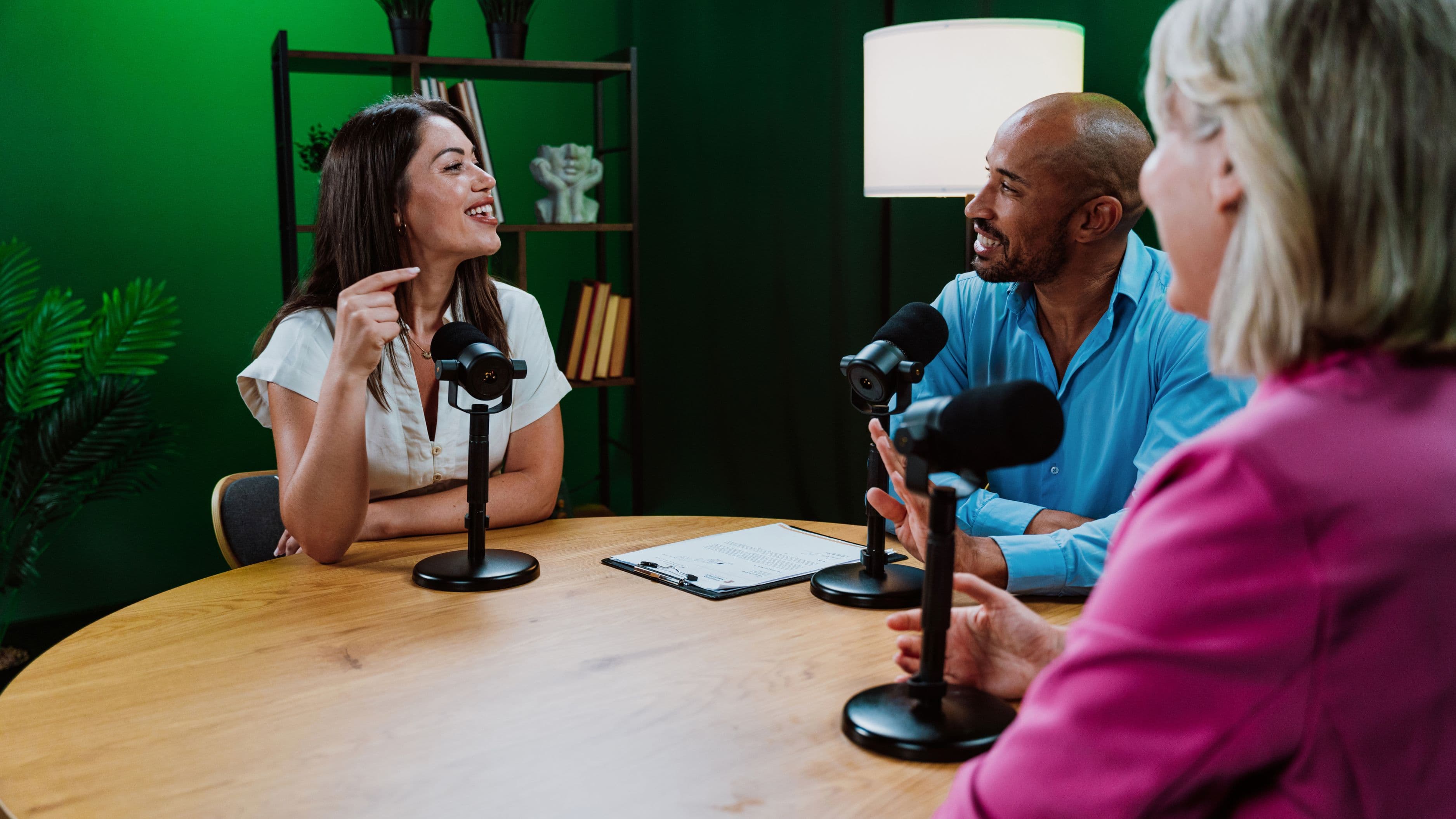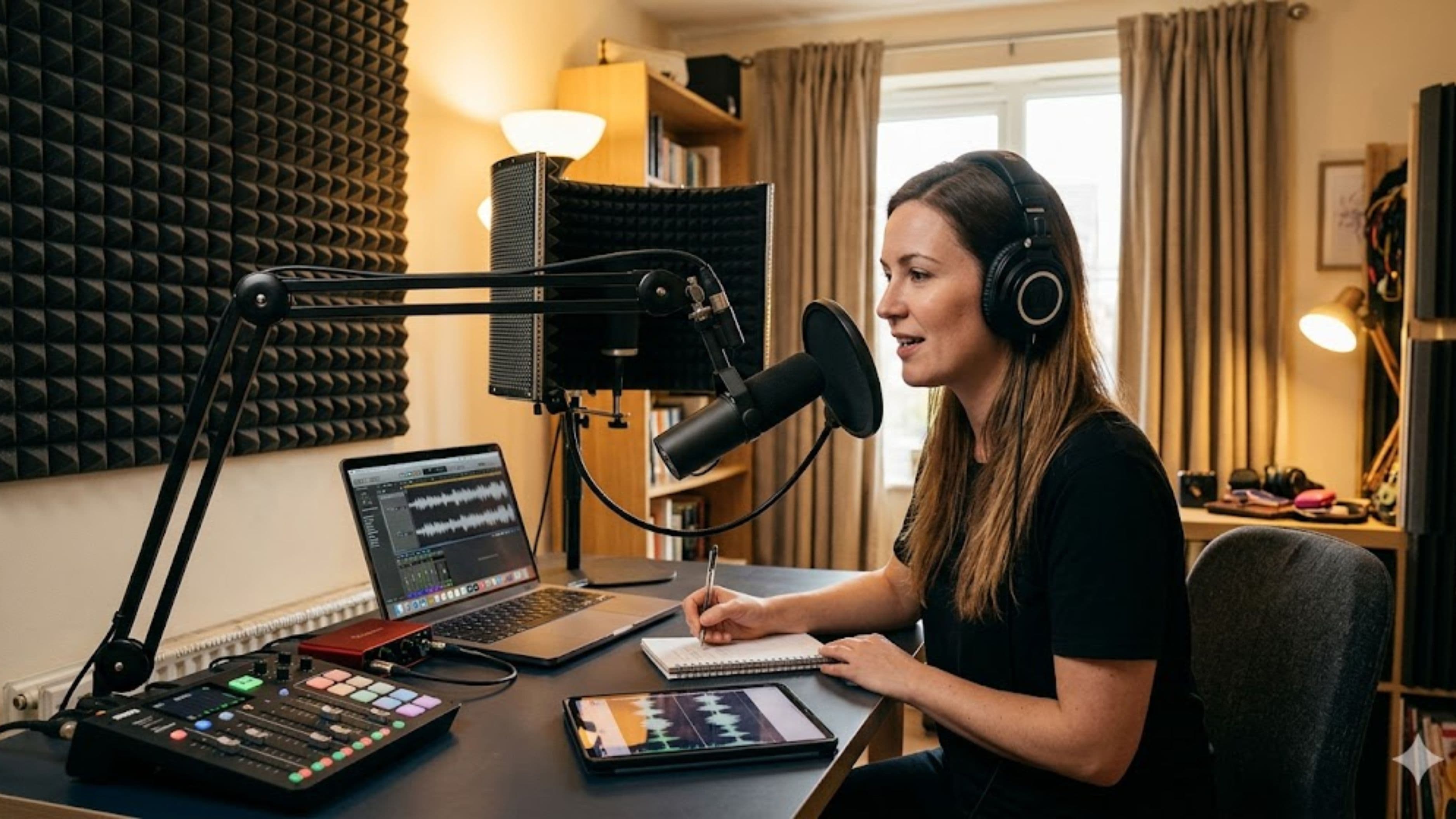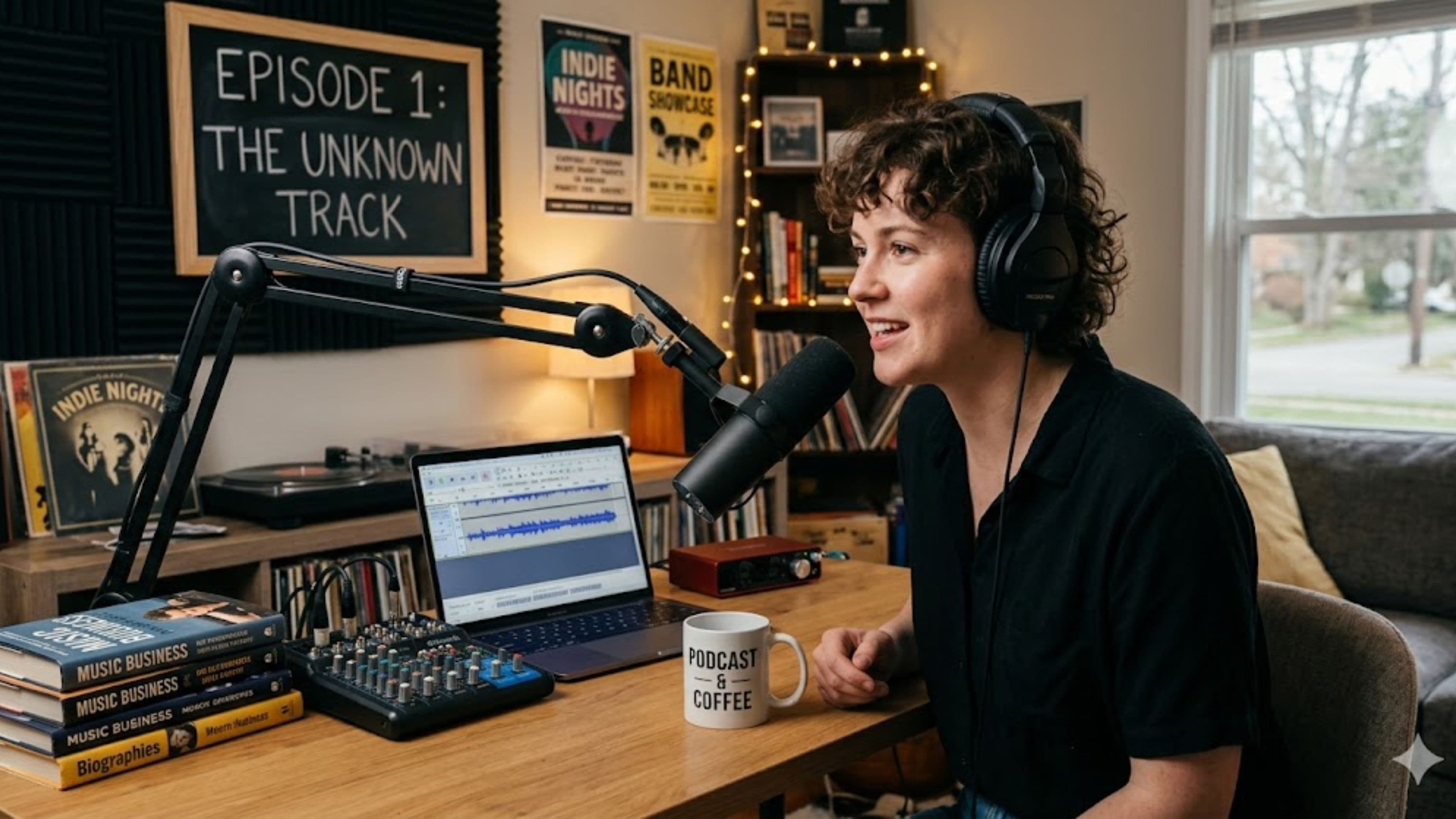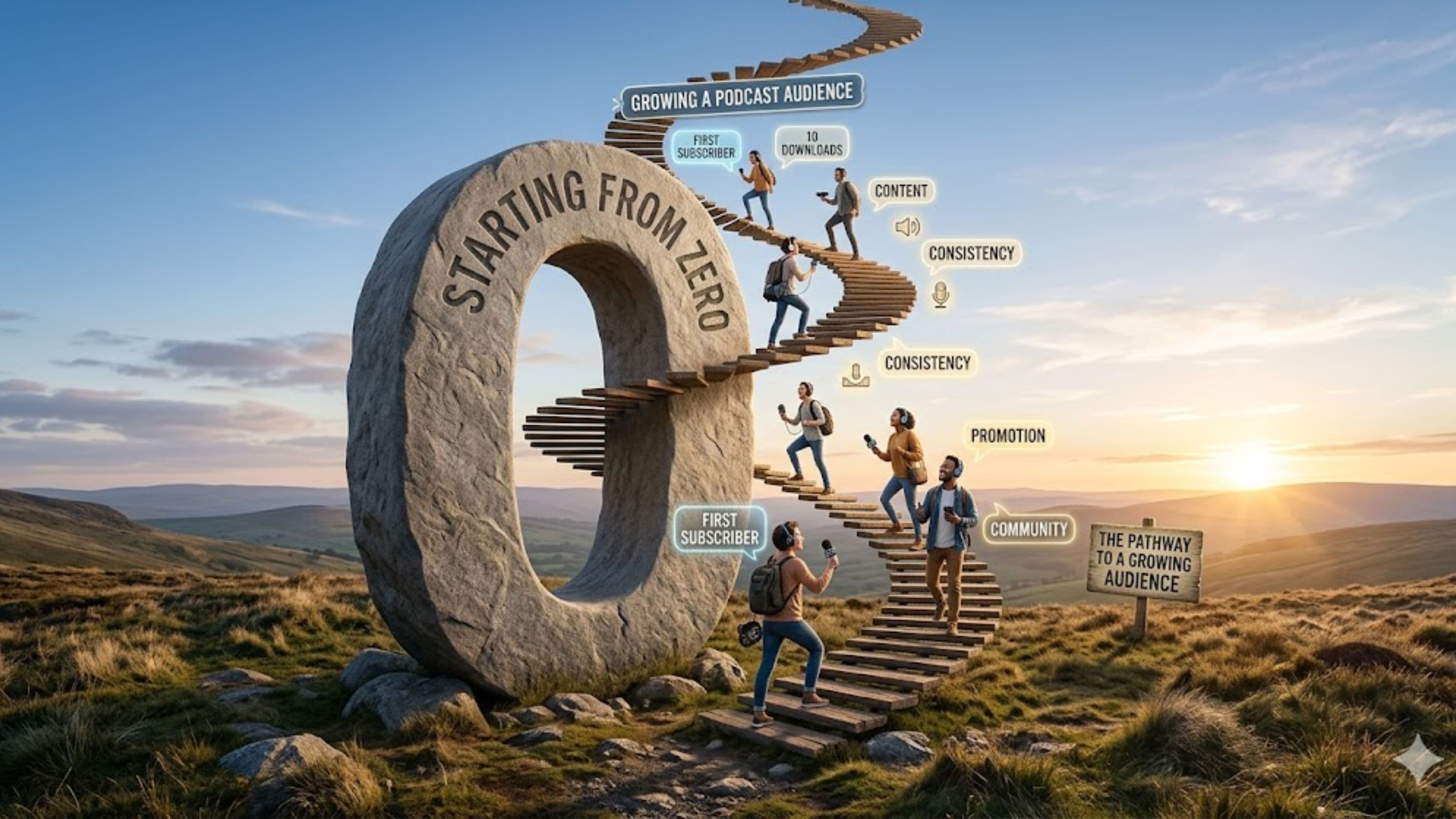
The good news: a small, dedicated audience is built through a handful of repeatable moves, not luck. Here's a practical, step-by-step way to grow from zero listeners, with realistic expectations about how long it actually takes and what to focus on first.
Set Realistic Expectations Before You Start
Most podcasts are small, and that's normal. The median podcast gets a modest number of downloads per episode, and big numbers are the exception, not the rule. Growth in the first few months is typically slow and lumpy – a few listeners here, a small bump there – and that's exactly what early traction looks like.
So define success in a way that keeps you going. Early on, consistency and slow upward movement matter far more than raw numbers. A show with 50 engaged listeners who never miss an episode is in a stronger position than one with 500 who forgot it exists. Treat the first 10 to 20 episodes as your foundation-building phase, not your judgment day.
Step 1: Nail Your Niche and Hook
Before promotion, get clear on who your show is for and why they'd choose it over the thousands of others. A broad "podcast about everything" is nearly impossible to grow because no one knows when to recommend it. A specific show – for a defined audience, on a defined topic, with a clear angle – spreads because listeners know exactly who to send it to.
Your hook is the one-sentence answer to "what's your podcast about and why should I care?" Nail that, make it specific, and put it in your show title, description, and episode titles. This clarity is what turns a casual listen into a recommendation, which is how zero-audience shows actually grow.
Step 2: Make Discoverability Work for You
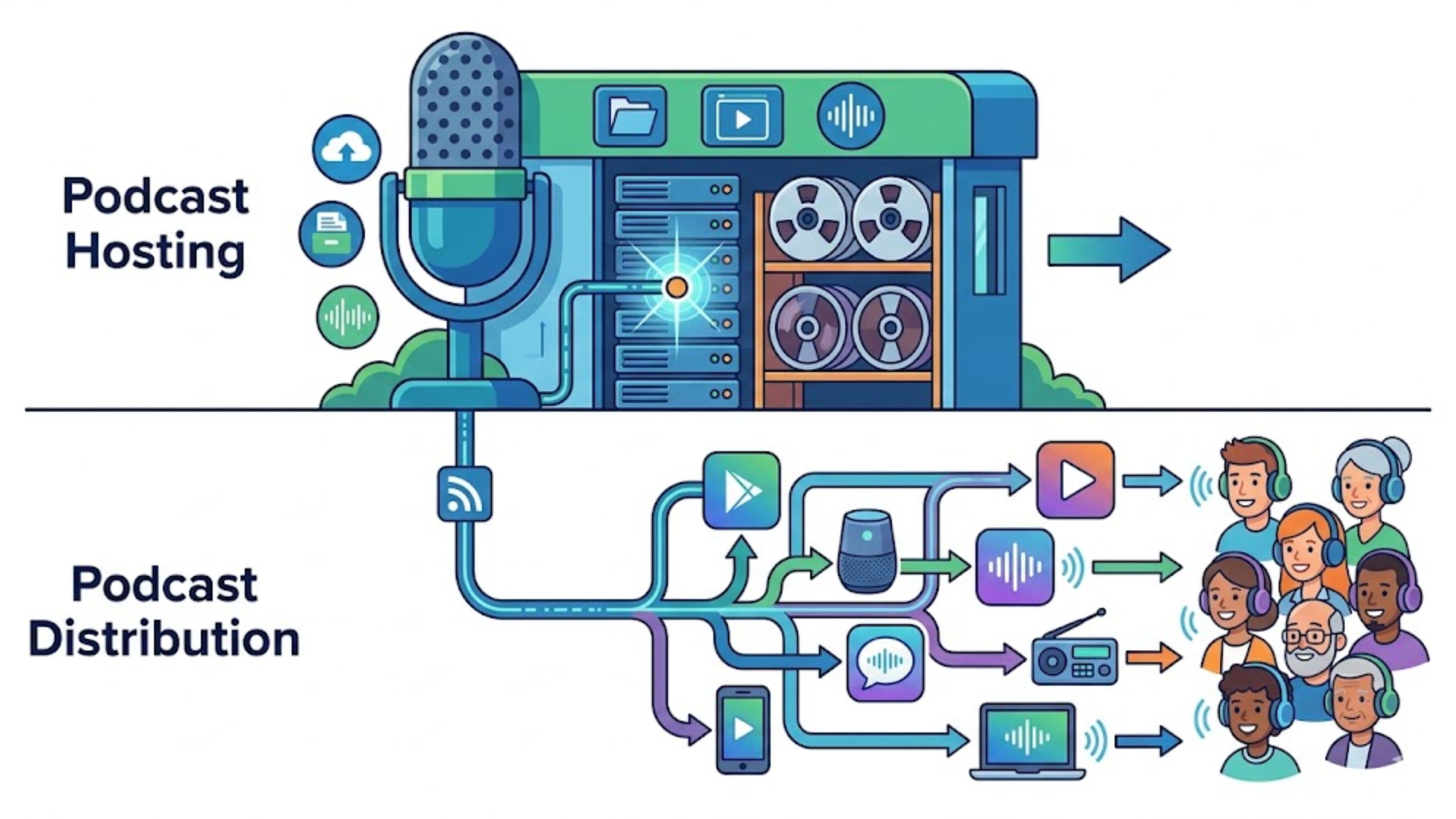
People can't listen to a show they can't find, so handle the basics that make you discoverable. Submit your podcast to every major platform – Apple Podcasts, Spotify, and the other directories – since each is a separate place people search. Write a clear, keyword-aware show description and episode titles that match what people actually type when looking for your topic, the same way you'd think about search terms.
Strong cover art matters more than it should; it's the first thing a browsing listener judges, so make it clean, readable at thumbnail size, and on-topic. None of this is glamorous, but skipping it caps your growth before you start.
Step 3: Turn Every Episode Into Shareable Pieces
Audio alone is hard to share – you can't skim it, and it doesn't show up in a social feed. The shows that grow from zero treat each episode as raw material for smaller, visible pieces. Pull short, punchy audio or video clips (30 to 60 seconds) of the best moments and post them where people scroll: short-form video platforms, social posts, and your show's feed.
These clips do the discovery work that audio can't, acting as trailers that pull new people toward the full episode. You don't need fancy production – a single strong clip with captions can introduce more new listeners than the episode itself. This is the highest-leverage growth habit for a small show, so build it into your routine for every episode.
Step 4: Borrow Other People's Audiences
When you have no audience, the fastest growth comes from getting in front of someone else's. The classic move is guesting on other podcasts in or near your niche – their listeners are exactly the people who'd like your show, and a good guest spot sends a wave of curious new listeners your way. Start with shows your size; you don't need huge ones, and smaller hosts are far more likely to say yes.
Inviting guests onto your show works too, especially guests with their own following who'll share the episode with their audience. Engaging genuinely in communities where your target listeners already gather – forums, groups, subreddits tied to your topic – builds awareness as well, as long as you're contributing rather than spamming links. The theme across all of this is simple: go where your future listeners already are instead of waiting for them to find you.
Step 5: Capture and Keep the Listeners You Earn
Growth isn't just getting new listeners – it's not losing the ones you worked to get. Ask listeners directly to follow or subscribe in the show itself, since a casual listener who doesn't subscribe rarely comes back. A clear, brief call to action in each episode ("follow the show so you don't miss next week") measurably improves retention.
Ratings and reviews help too, both as social proof for new visitors and as a signal to platforms. Asking your early listeners to leave an honest review is one of the most useful small requests you can make. And starting an email list or a simple community space gives you a direct line to your audience that doesn't depend on any algorithm – the listeners you can reach directly are the ones you truly own.
Step 6: Stay Consistent Long Enough to Compound
This is the step that quietly decides everything. Podcasts grow through compounding – each episode adds to a back catalog, each clip keeps circulating, each new listener can become a recommender – but compounding only works if you keep showing up. Most shows that fail don't get out-competed; they just stop.
Pick a realistic publishing schedule you can sustain for months, not a punishing one you'll abandon in week three. Weekly or biweekly is plenty if it's consistent. Realistic expectation: meaningful growth often takes six months to a year of steady output, and the shows that make it are usually the ones that simply outlasted the quitters.
What to Watch Out For
A few traps catch new podcasters. Be skeptical of services promising to buy you downloads, followers, or reviews – fake numbers don't engage, don't recommend, and can get you penalized on platforms. Real, slow growth beats hollow numbers every time.
Don't pour money into expensive gear before you have an audience; decent audio from an affordable mic is more than enough early on, and listeners forgive modest production far more than boring content. Avoid spreading yourself across every platform at once and burning out – pick one or two promotion channels and do them well. And resist judging the show by week-one numbers; the early phase is almost always quiet, and quitting during it is the single most common reason podcasts fail.
FAQ
How long until my podcast gets a real audience? Usually months, not weeks. Steady, noticeable growth often takes six months to a year of consistent publishing and promotion. Early traction is slow by nature, so plan for the long game.
How many downloads is "good" for a new podcast? Lower than most people expect – many podcasts get modest per-episode numbers, and a small, engaged audience is a genuine success early on. Focus on consistency and gradual upward movement rather than a target number.
What's the single best way to grow from zero? Getting in front of existing audiences – guesting on other shows in your niche and turning episodes into short shareable clips. Both put your show where potential listeners already are, which is the core challenge at zero.
Do I need to be on every platform? Be listed on all the major directories for discoverability, yes. But for promotion, focus your energy on one or two channels you can do consistently rather than spreading thin across all of them.
Should I pay for downloads or followers to look established? No. Purchased numbers don't engage or recommend your show, can violate platform rules, and waste money better spent on content and real outreach. Authentic growth is slower but actually compounds.
The Bottom Line
Growing a podcast from zero comes down to a clear niche, real discoverability basics, turning episodes into shareable clips, borrowing other people's audiences, keeping the listeners you earn, and – above all – staying consistent long enough for it to compound. None of it is flashy, and none of it is instant. Set realistic expectations, focus on a small engaged audience first, and keep showing up week after week. The podcasters who grow aren't usually the most talented – they're the ones who didn't quit during the quiet early months.
📚 Sources
Edison Research – The Infinite Dial (Podcast Listening Trends): https://www.edisonresearch.com/the-infinite-dial/
Apple Podcasts for Creators – Submit and Optimize Your Show: https://podcasters.apple.com/
Spotify for Creators – Grow Your Podcast Audience: https://creators.spotify.com/resources
Pew Research Center – Podcast Consumption in the U.S.: https://www.pewresearch.org/journalism/fact-sheet/audio-and-podcasting/