Why This Matters More Than Artists Expect
Audiences are generally far more forgiving of technical issues than performers assume in the moment, but that forgiveness depends heavily on how the artist responds. A performer who freezes, gets visibly frustrated, or awkwardly stops the show entirely creates a much more uncomfortable audience experience than one who acknowledges the issue smoothly and keeps the energy of the room intact.
This isn't about pretending nothing went wrong, since audiences can tell when something has clearly malfunctioned. It's about having a practiced, calm response ready so the moment feels handled rather than chaotic.
Acknowledge It Briefly, Don't Over-Explain
When something goes wrong, a short, honest acknowledgment tends to land far better than either ignoring the issue completely or launching into a lengthy explanation of exactly what broke and why. A simple, light comment, like noting that a monitor cut out and you'll need a second, gives the audience context without turning the moment into a technical debrief that pulls energy out of the room.
The goal is transparency without dwelling, since audiences generally just want reassurance that the show is still moving forward, not a detailed diagnosis of the exact equipment failure.
Have a Few Go-To Moves for Filling Time
Experienced performers often have a small set of prepared responses ready for exactly this scenario, whether that's a quick bit of stage banter, a brief acoustic moment if a backing track fails, or simply engaging directly with the crowd for a moment while a crew member addresses the issue. Having even one or two of these ready in advance means you're not improvising completely from scratch under pressure, which tends to come across far more confidently than visible scrambling.
For artists who perform with a full band, having a pre-discussed signal or plan for what happens if a specific piece of gear fails, like vamping on a familiar chord progression while an issue gets resolved, keeps the moment feeling intentional rather than like a genuine derailment.
Work With Your Crew, Not Around Them
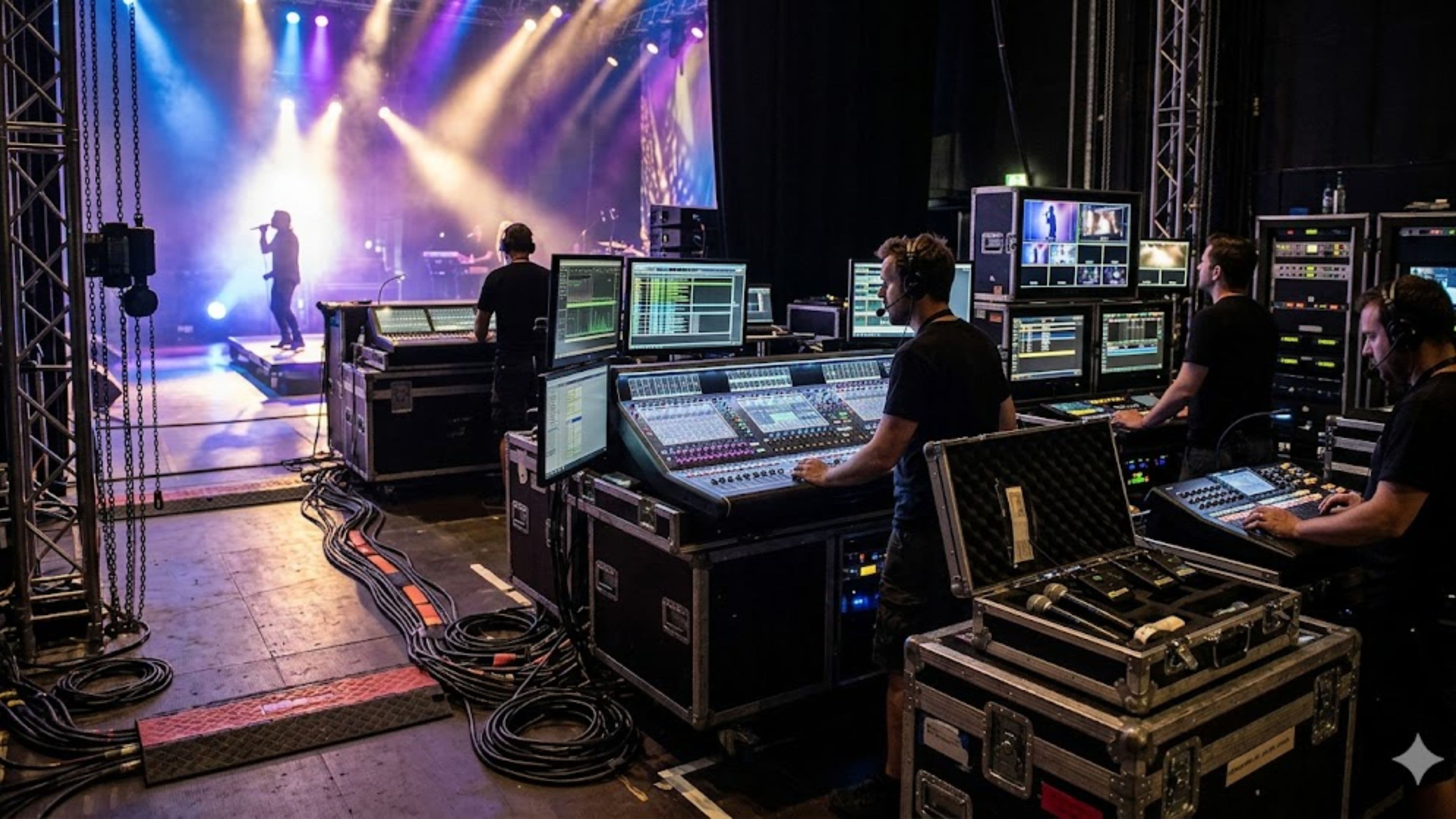
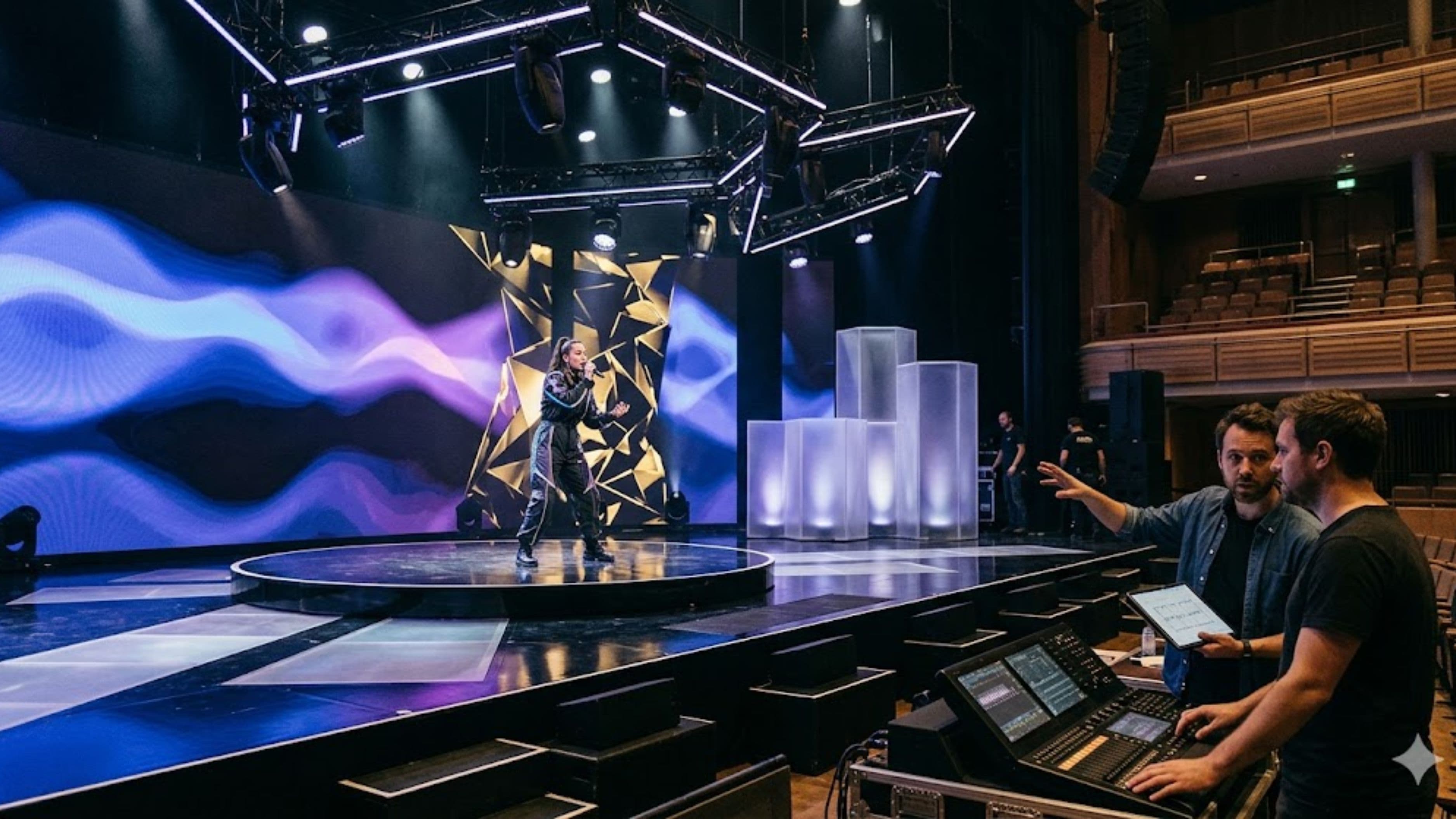
Clear communication with your sound engineer or crew before a show, specifically about how you'll signal an issue and what you'd like them to do in different failure scenarios, makes a real difference in how quickly and smoothly a problem gets resolved during an actual show. Performers who've never discussed this in advance often end up in an awkward back-and-forth with crew mid-song, which reads far more chaotically to an audience than a quick, practiced handoff.
A simple hand signal or verbal cue established beforehand, paired with trust that your crew is actively working the issue the moment it happens, removes a lot of the pressure to personally manage the technical problem while also performing.
Practice Staying Present, Not Panicked
Part of handling technical failures gracefully comes down to genuinely practicing composure, since the instinct to visibly panic or apologize repeatedly tends to amplify audience discomfort rather than ease it. Performers who've spent time consciously working on staying calm and present during minor mishaps in lower-stakes settings, like rehearsals or smaller shows, tend to handle bigger failures on larger stages with noticeably more composure.
This isn't about suppressing genuine reaction entirely, since a bit of humor or lighthearted acknowledgment of an obvious mishap can actually build audience connection, but rather about avoiding a spiral of visible frustration that pulls focus away from the performance itself.
What to Avoid
Avoid apologizing excessively or repeatedly drawing attention back to the failure once it's been addressed, since this tends to keep the audience focused on the mishap rather than moving forward with the show. Also avoid visibly blaming crew members or gear in the moment, even if frustration is understandable, since this creates an uncomfortable dynamic for the audience and can damage working relationships with your team.
Resist the urge to completely stop and restart a song from the beginning unless truly necessary, since picking back up smoothly from where things left off generally maintains better show momentum than a full restart.
The Bottom Line
Technical failures during live performance are inevitable over the course of any touring career, and audiences are generally more forgiving than performers expect, provided the moment is handled with composure rather than visible panic. Preparing a few practical responses in advance, communicating clearly with your crew, and practicing genuine composure under pressure are what separate a forgettable mishap from a moment that derails an otherwise strong show.
FAQ
Should I address a technical failure with the audience directly, or try to ignore it? A brief, honest acknowledgment generally works better than ignoring an obvious issue, since audiences can tell when something has malfunctioned and appreciate transparency without over-explanation.
How can I prepare for technical failures before a show? Discussing potential failure scenarios and signals with your crew beforehand, and having a few go-to responses like stage banter or a simple musical moment ready, helps you respond calmly rather than improvising from scratch under pressure.
What if the technical issue can't be fixed quickly? Communicate honestly with the audience about a brief pause if needed, and use that time to engage directly with the crowd rather than standing in uncomfortable silence while the issue gets resolved.
📚 Sources
Live Performance Best Practices, soundonsound.com
Stage Presence and Audience Engagement, berklee.edu
Live Sound Troubleshooting Basics, prosoundweb.com