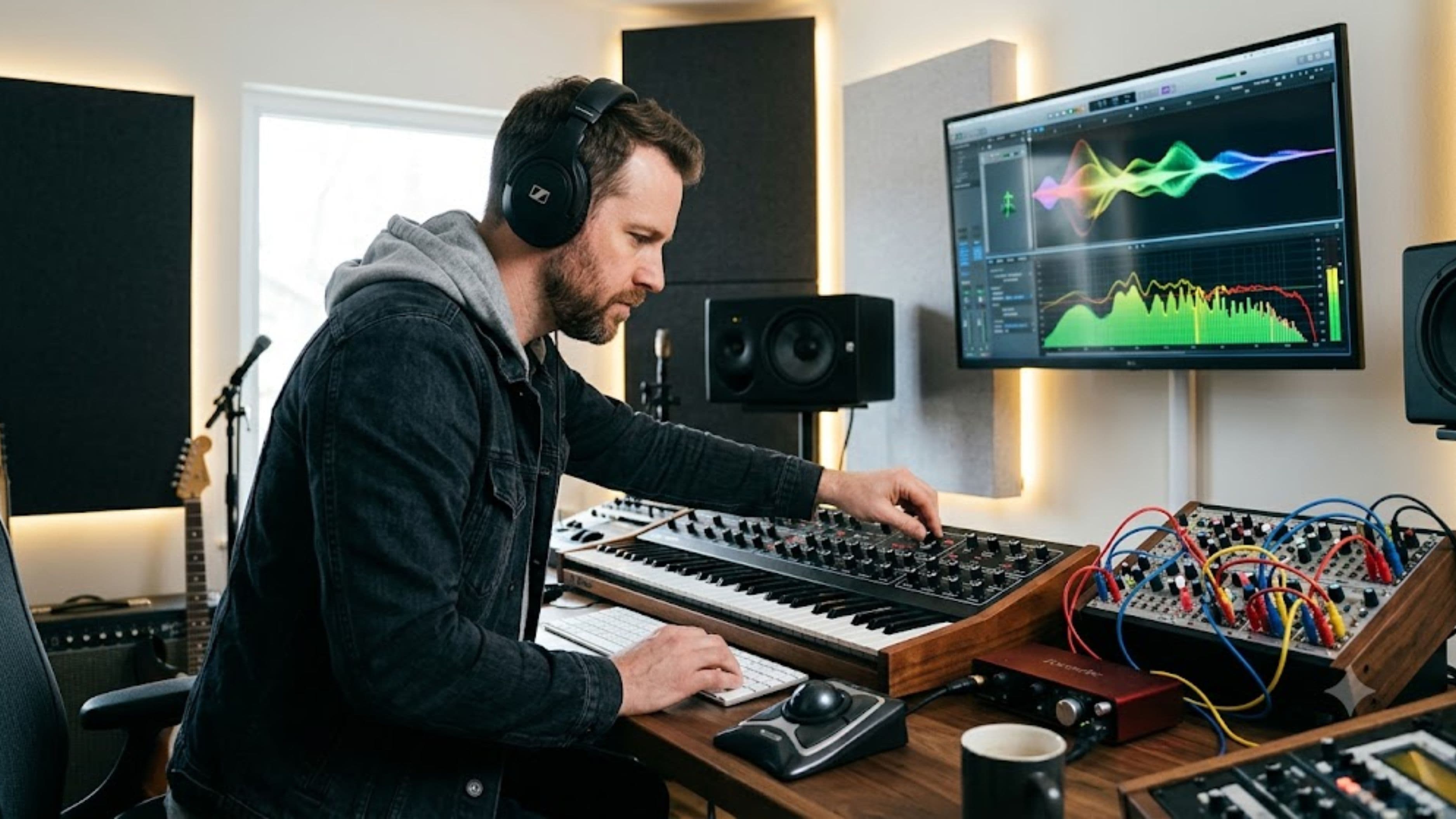
This shift isn't just about cheaper gear. It's about a structural change in how audio equipment is designed, manufactured, and distributed – and it has real implications for what independent producers can actually achieve without a commercial studio budget.
What's Actually Happening
The most significant driver of professional-grade gear becoming accessible is the collapse of the price premium for quality components. For most of audio manufacturing's history, the cost of high-quality analog components – transformers, capsules, converters, output stages – was high enough that only pro-market manufacturers could justify the investment, and that cost was passed on to buyers. What's changed is a combination of improved manufacturing efficiency, component cost reductions driven by volume and global supply chains, and a wave of manufacturers – primarily from Europe and China – who have brought well-engineered products to market at prices that undercut the traditional pro audio tier dramatically.
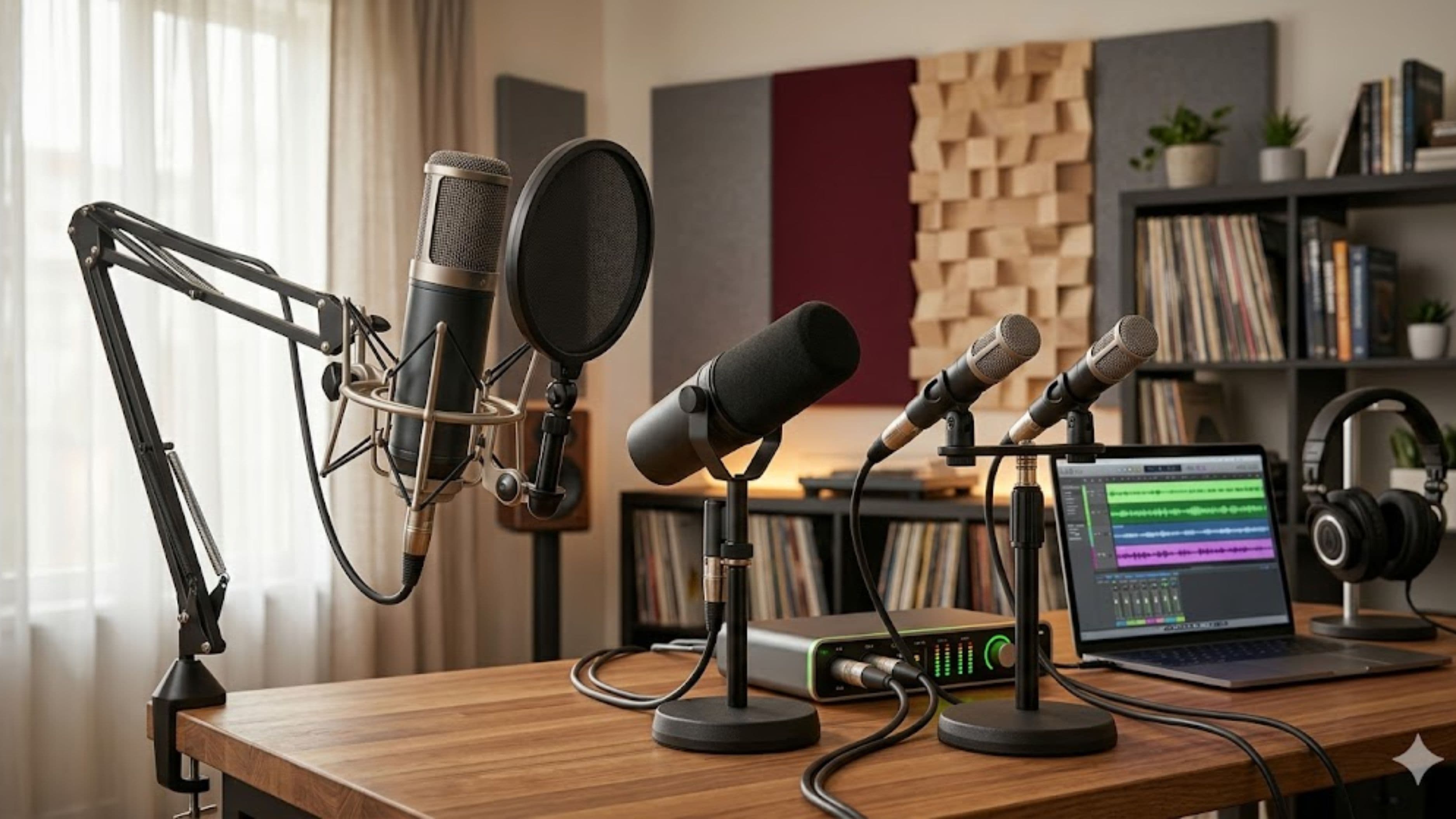
The result is a class of gear that sits between the prosumer and professional categories in a way that didn't clearly exist before. Microphones like the sE Electronics sE2200 or the Aston Origin deliver frequency responses and transient accuracy that compare favorably to condensers that cost three to four times more. Interface converters from brands like SSL (with the SSL 2+) and Universal Audio (the Volt series) include circuit designs and transformer topologies that were previously exclusive to their rack-mounted professional products. The components are often the same; the form factor, the chassis, and the stripped-down feature set are where the cost savings come from.
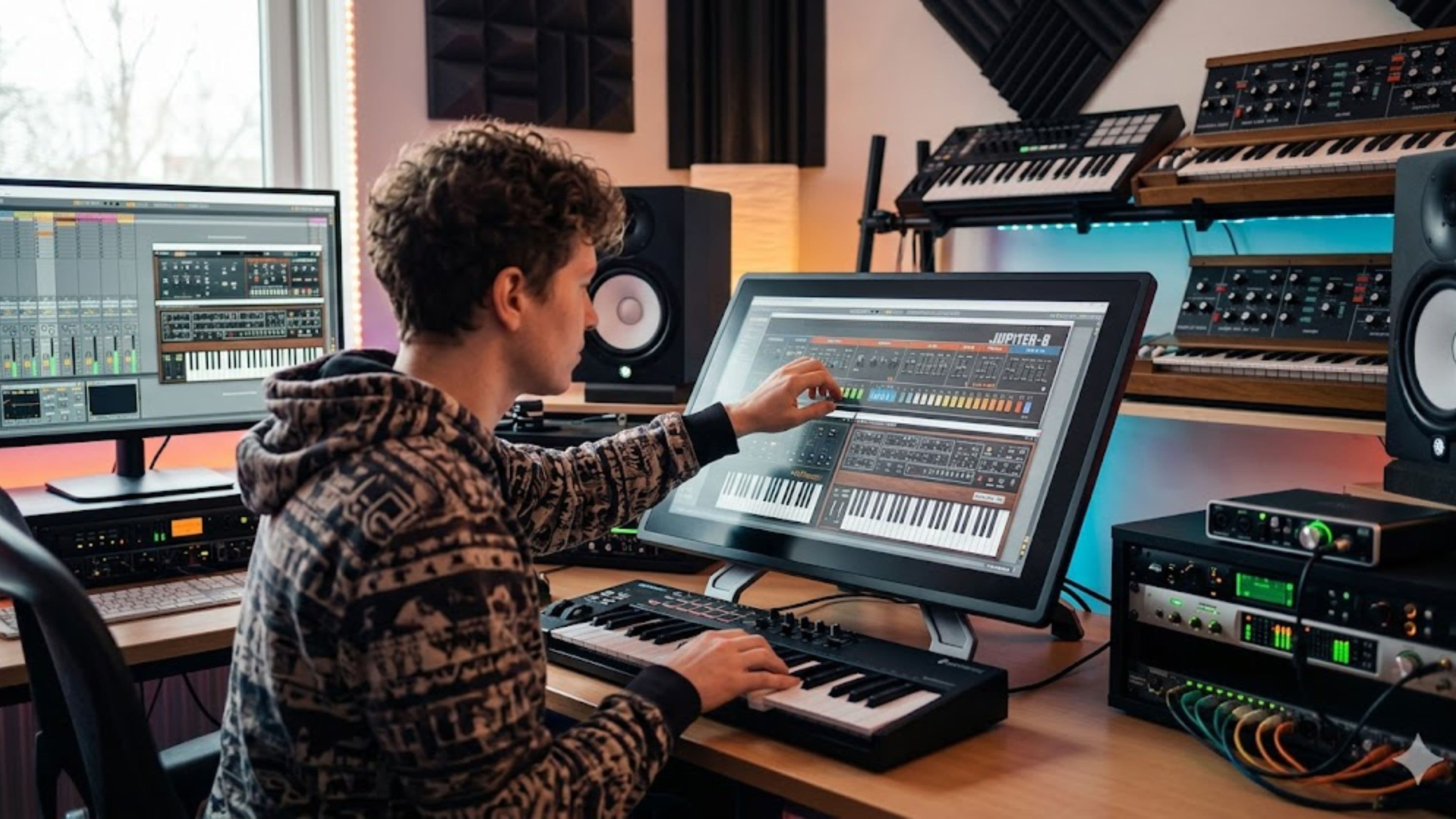
Audio software has accelerated this in parallel. Plugin emulations of classic hardware – SSL consoles, Neve preamps, Fairchild compressors, Studer tape machines – have reached a level of accuracy where the practical difference between owning the hardware and owning the plugin is increasingly narrow for most production contexts. UAD's plugin library, Waves, Plugin Alliance, and Slate Digital all offer emulations that professional engineers use in commercial sessions. An indie producer with a $400/year subscription to one of these platforms has access to the same signal processing that top-tier mixing engineers use, which simply wasn't possible when those engineers were working with hardware the physical units of which cost $5,000 to $50,000 each.
Why It Matters for Independent Producers
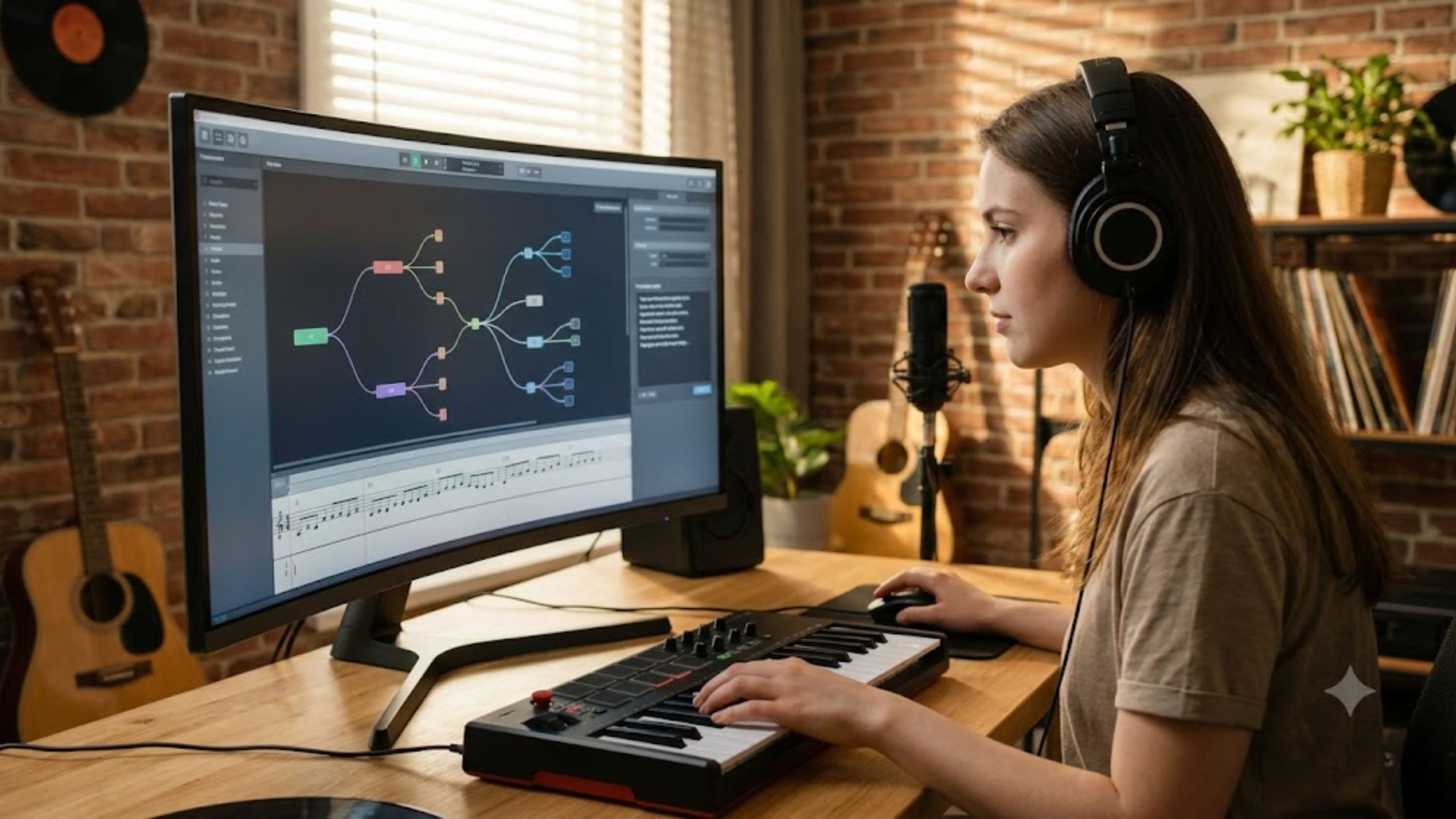
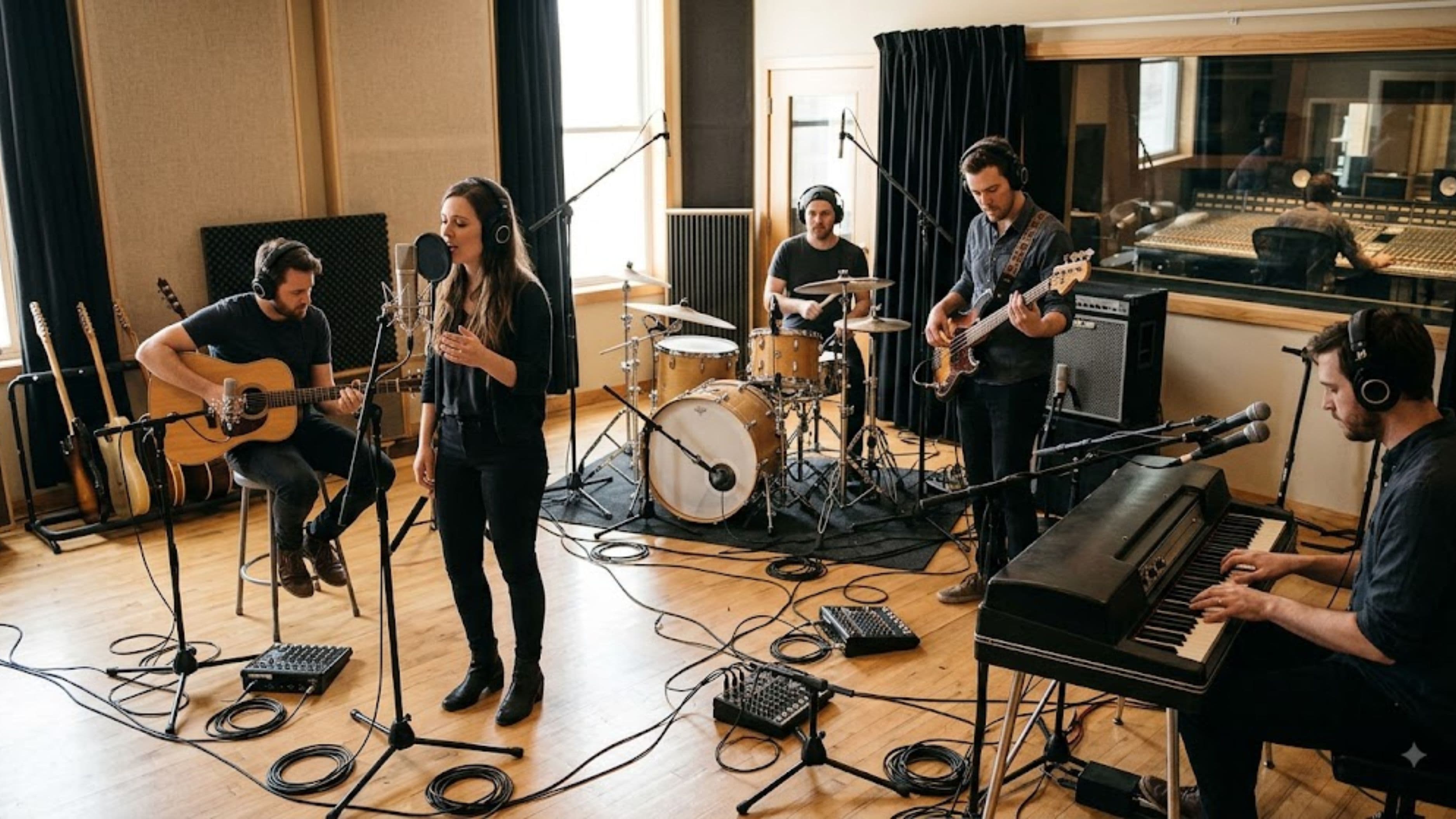
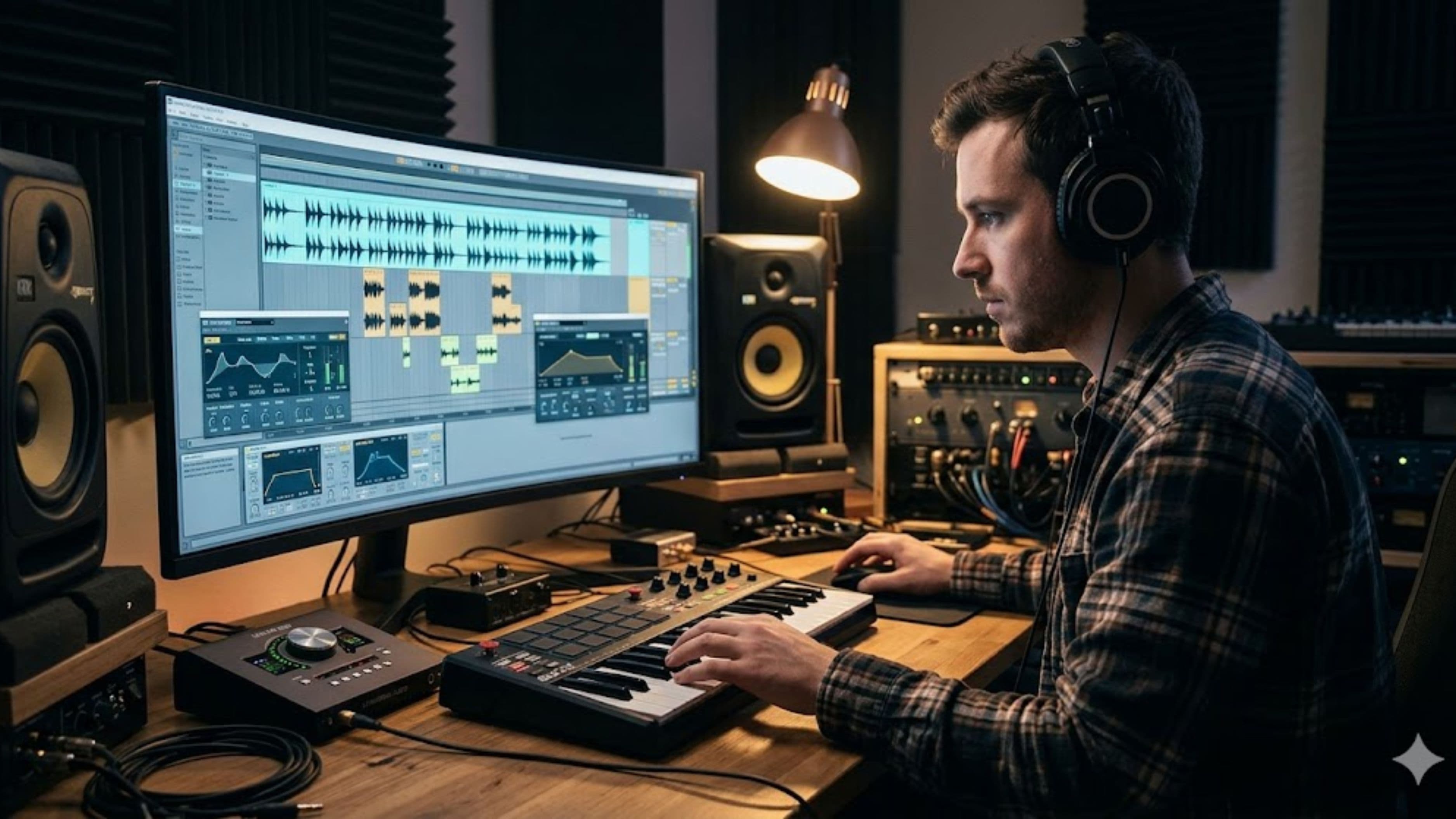
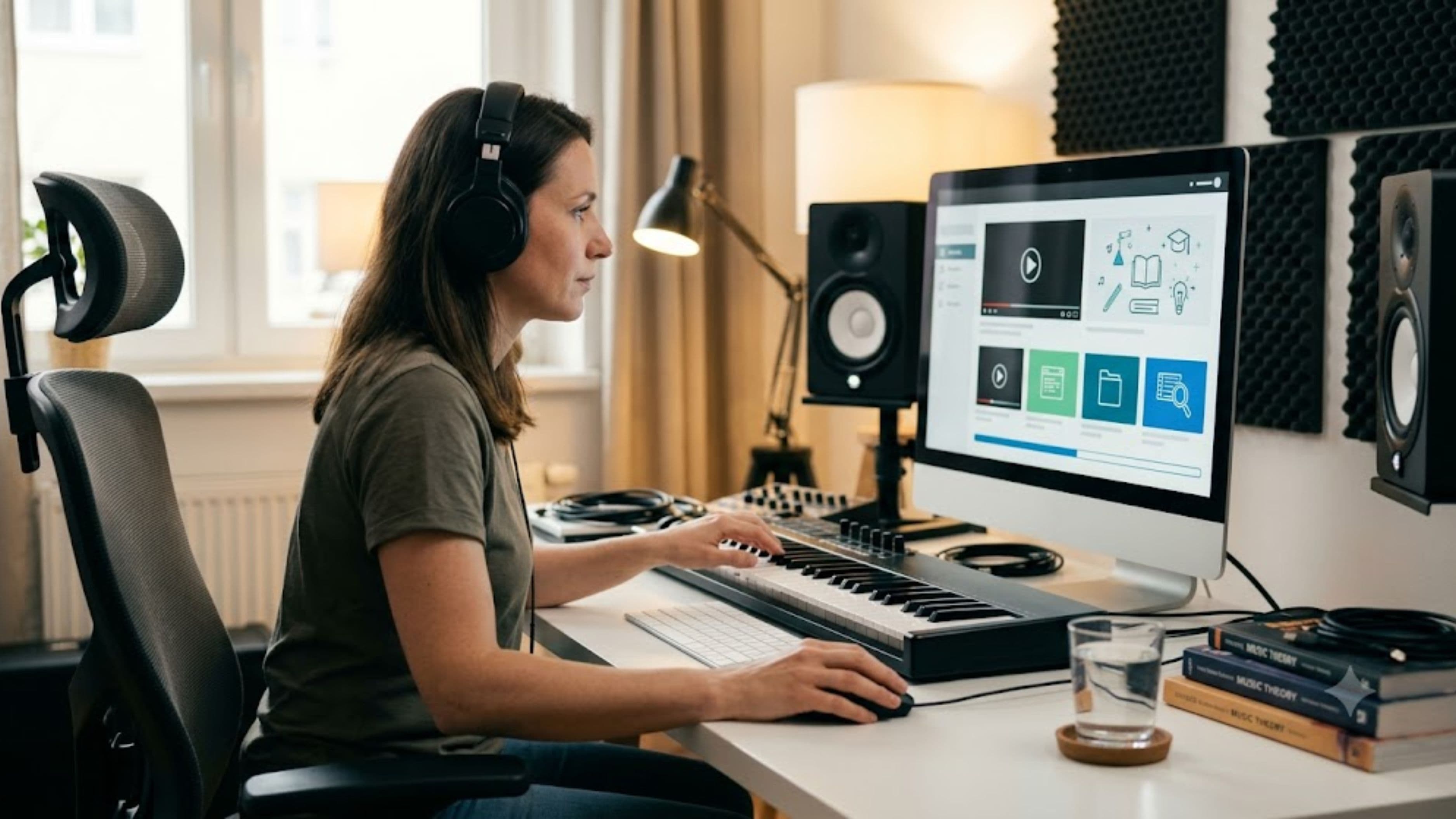
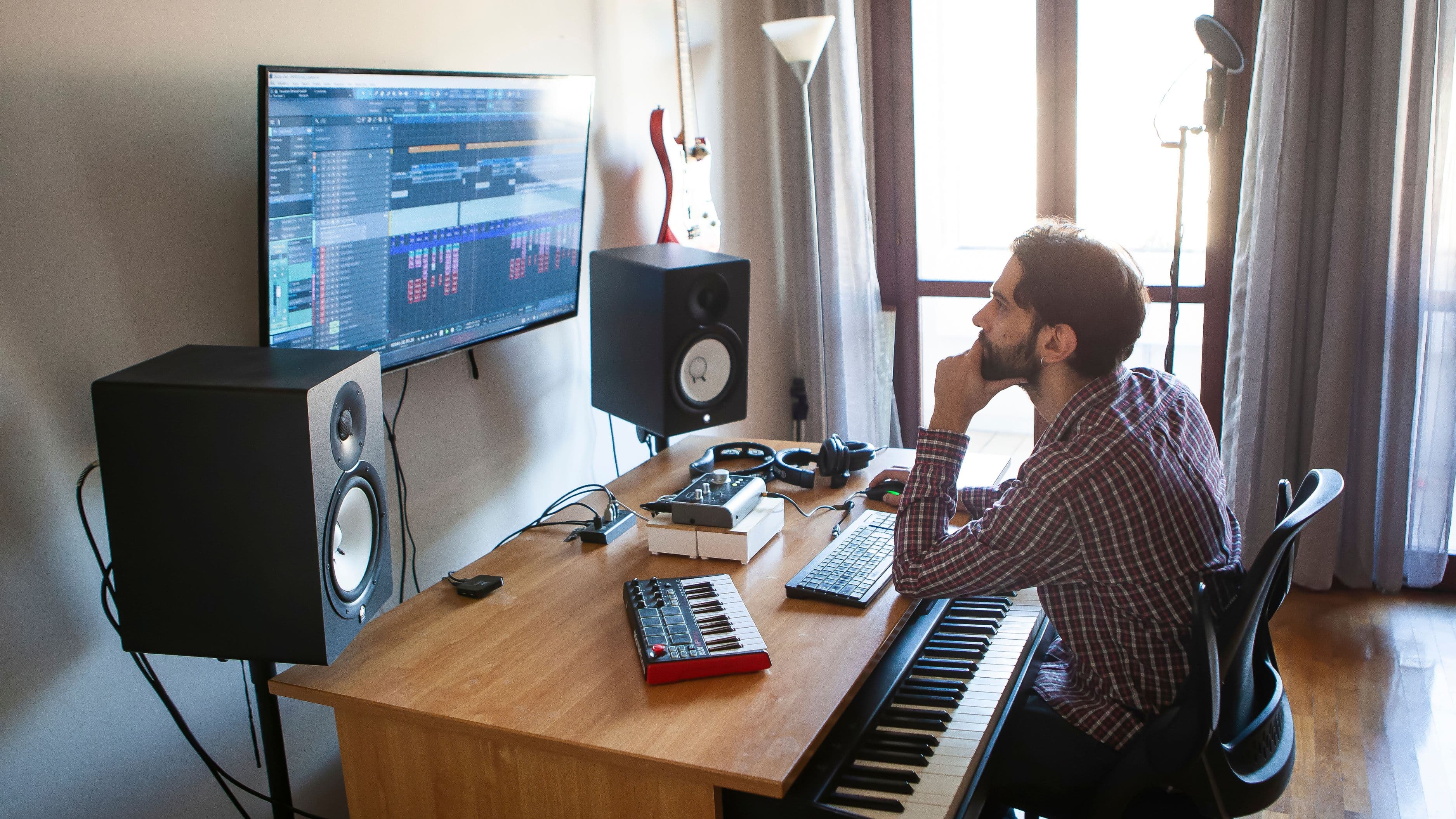
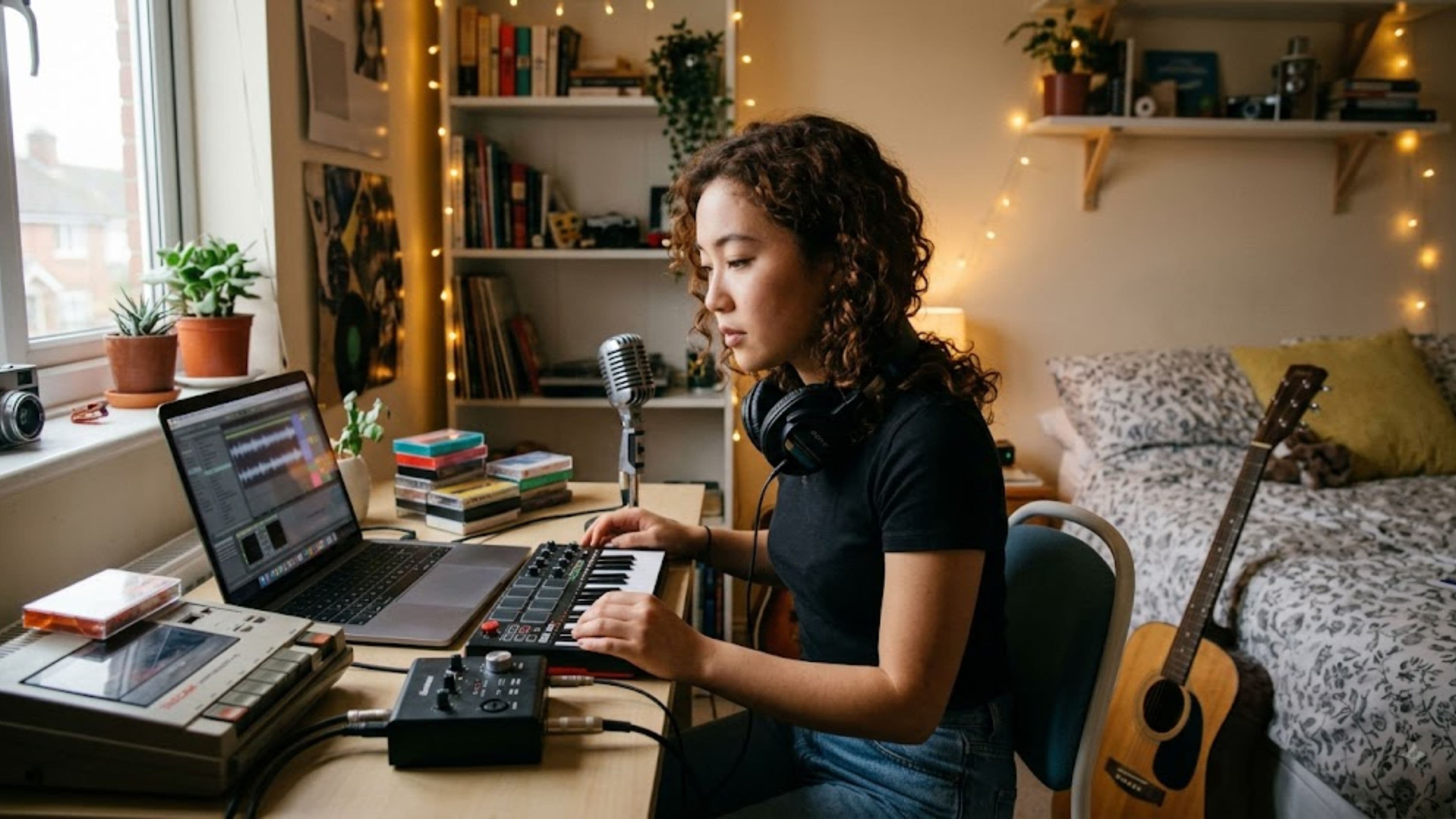
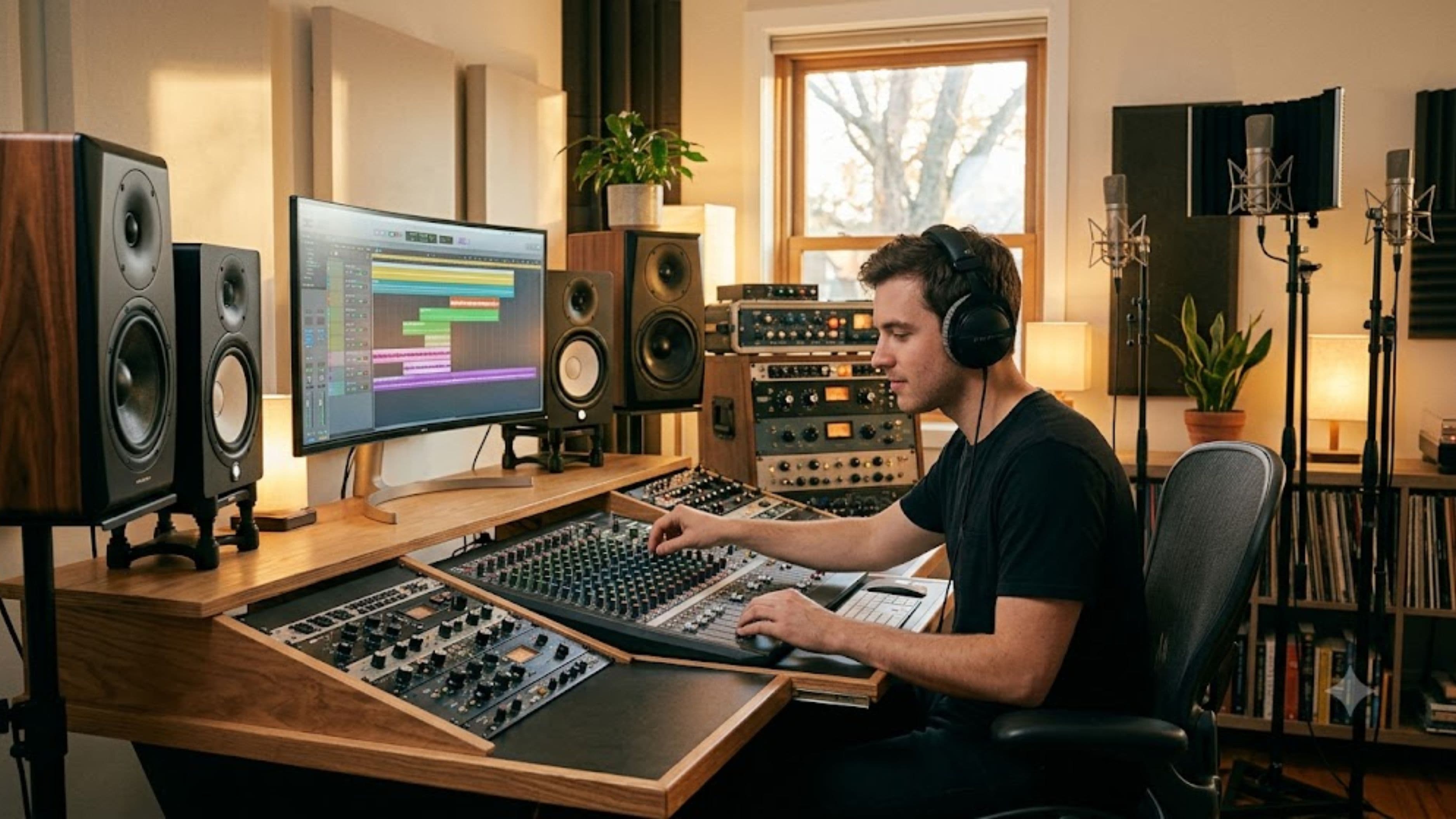
The practical consequence is that the quality ceiling for independent production has moved significantly upward, and the floor for what a serious bedroom or home studio producer can achieve has moved with it. A well-built home studio in 2026 – a treated room with a quality interface, a few well-chosen microphones, quality studio monitors or headphones, and a capable plugin library – can genuinely compete with commercial studio output in the majority of popular music genres. Hip-hop, electronic music, pop, and singer-songwriter content have all been dominated by independent producers for years; what's changed is that the sonic ceiling for those environments is now high enough that the format itself – home studio versus commercial studio – is rarely the limiting factor in whether a record sounds professional.
This matters because it removes one of the traditional gatekeeping mechanisms in recorded music. When professional-quality tools were only available in professional studios, getting a professional-sounding record required either paying studio rates (expensive and inaccessible to most independent artists) or accepting a quality gap. With that gap largely closed for most production contexts, the limiting factor in independent production quality is increasingly skill, taste, and acoustics rather than the tools themselves.
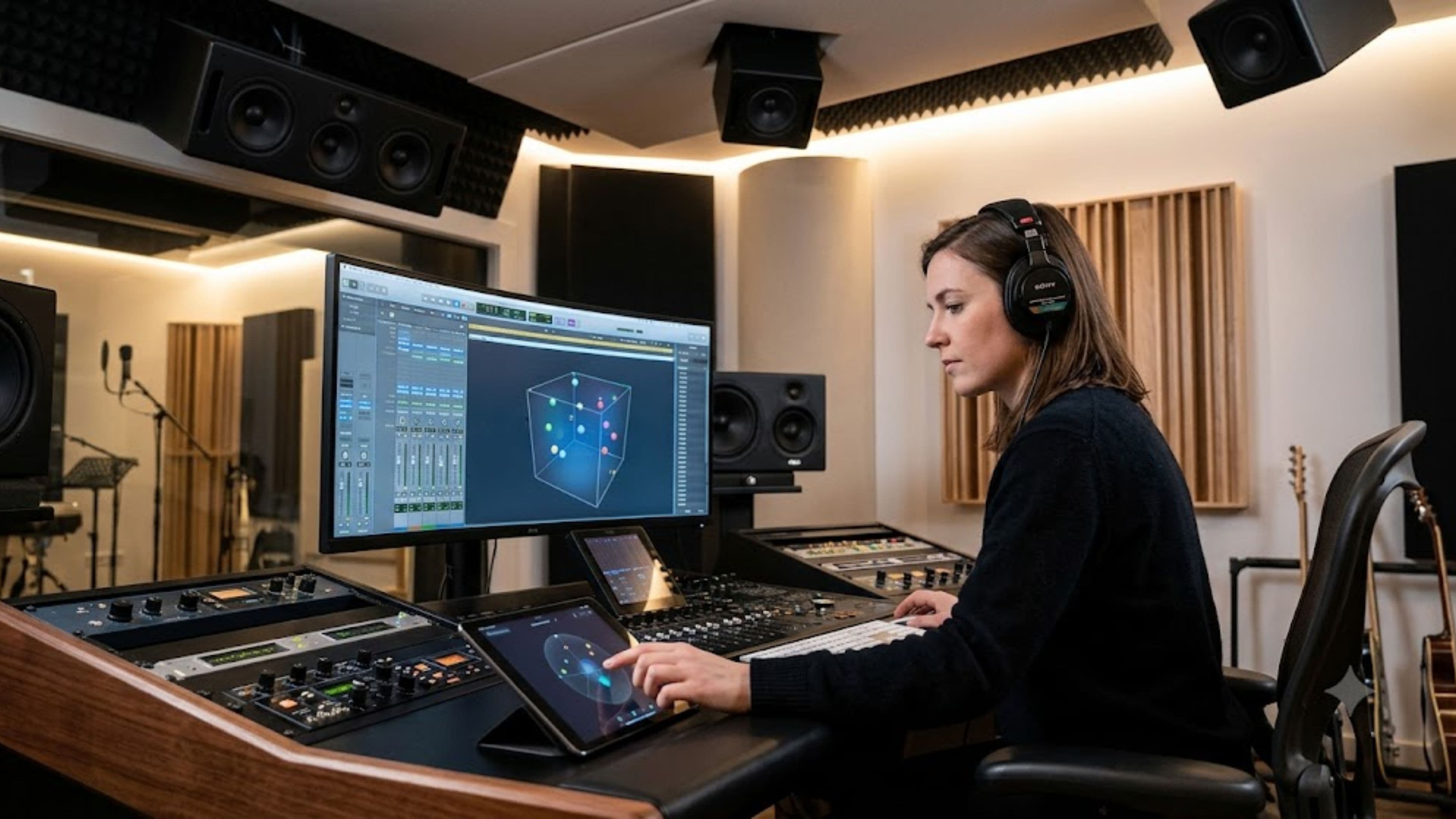
It also changes the economics of the professional studio business. Commercial studios that don't offer something a home studio genuinely can't replicate – exceptional acoustics, live tracking rooms, rare hardware, or a specific engineer's expertise – are competing directly with setups that cost a fraction of what a single day of studio time does. The studios that have survived and thrived have generally done so by offering something beyond the gear itself.
The Specific Areas Where the Gap Has Closed Most
Not all categories of audio equipment have democratized equally. Understanding where the quality ceiling has actually moved helps you prioritize where to invest.
Interfaces and converters represent perhaps the most dramatic improvement at the price-accessible tier. The conversion quality – how accurately an analog signal is captured as digital data and how accurately digital data is rendered as analog – in current interfaces from SSL, Universal Audio, Focusrite's Scarlett and Clarett series, and RME is genuinely excellent. The gap between a $300 interface and a $3,000 converter from a decade ago has narrowed to the point where most listeners, in most listening contexts, won't identify the difference. This is the category where spending more doesn't buy you what it used to.
Microphones have democratized significantly but not completely. The capsule quality and electronic design in current mid-priced condensers from sE, Aston, Audio-Technica, and Rode are excellent. There is still a real performance difference between these and the top-tier condensers – the Neumann U87, the Telefunken ELA M 251, the AKG C12 – particularly in high-frequency detail, handling of transients, and self-noise at low SPLs. That difference matters in certain contexts (critical classical or jazz recording, high-resolution spoken word) and matters less in others (heavily produced pop, hip-hop, electronic music with significant processing). Knowing which category your work falls into helps calibrate how much to invest in the microphone itself.
Preamps and outboard processing have seen significant democratization at the low-to-mid price tier, with well-regarded designs from Warm Audio, Golden Age Project, and Lindell Audio offering transformer-based circuit topologies that were previously only available from boutique manufacturers at much higher prices. The top end of the market – the Neve 1073, the API 512, the Chandler Limited – still sounds different, and still costs what it costs. But for recording contexts where you want colored, characterful analog signal processing without a five-figure outboard rig, the options available sub-$1,000 per channel are genuinely capable.
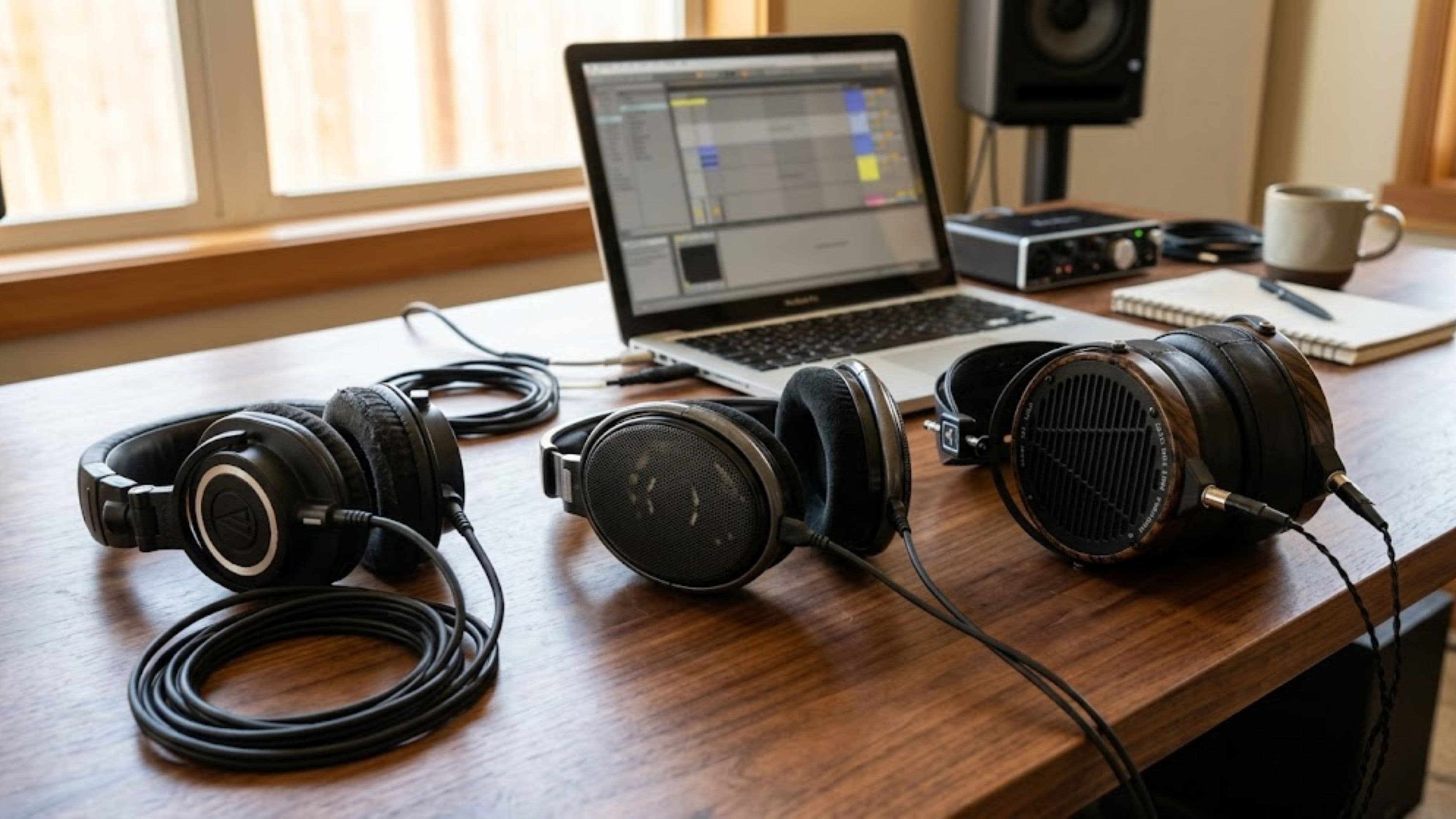
Studio monitors are a category where the price-to-quality relationship is still somewhat steeper than the others. Accurate monitoring – speakers that reveal what's actually in a mix rather than flattering it – remains an area where investing meaningfully makes a consistent difference. Genelec's SAM series, Adam Audio's AX series, and Focal's Alpha series all represent a significant monitoring quality step up from consumer or budget monitors that justifies the price difference for serious production work. That said, high-quality headphones – particularly the Sennheiser HD 600 or 650, the Beyerdynamic DT 990 Pro, or the Sony MDR-7506 – have long offered accurate monitoring at a price point accessible to almost any producer, and remain one of the highest-value investments in a home studio.
The Used Market Multiplier
One of the most underappreciated aspects of gear accessibility is the used market. As each generation of professional equipment is superseded by newer models, the previous generation enters the secondary market at dramatically reduced prices – often 40 to 70 percent below original retail. Platforms like Reverb.com have made the used gear market transparent, liquid, and relatively trustworthy, which means a producer willing to buy used can access equipment several tiers above what their budget would reach in the new market.
This applies particularly to hardware that holds its value through quality rather than novelty – classic ribbon microphones, vintage compressors, well-maintained console channel strips, high-quality monitor speakers. The producer who spends $800 on a used Warm Audio WA-47 condenser or a used pair of Adam Audio A7X monitors is almost certainly getting more acoustic performance per dollar than the producer who spends the same amount on new, budget-tier equivalents. Knowing what to look for, what to avoid, and how to evaluate condition is a learnable skill that pays consistent dividends in building a studio.
What to Watch Out For
The democratization of gear has also created a market full of products that look professional on paper – or in marketing photographs – but don't deliver meaningfully better results than lower-cost alternatives. Not everything labeled "studio-grade" or "professional" deserves the designation, and the proliferation of affordable gear has made the market harder to navigate without reference points.
Prioritizing gear whose quality is established through professional usage, credible reviews from engineers who work at a professional level, and direct comparison testing will serve you better than making decisions based on specification sheets or social media marketing. The specifications of two microphones can look nearly identical while the actual recordings they produce sound noticeably different, which is why listening tests and trial periods matter more than feature comparison when evaluating microphones and monitors in particular.
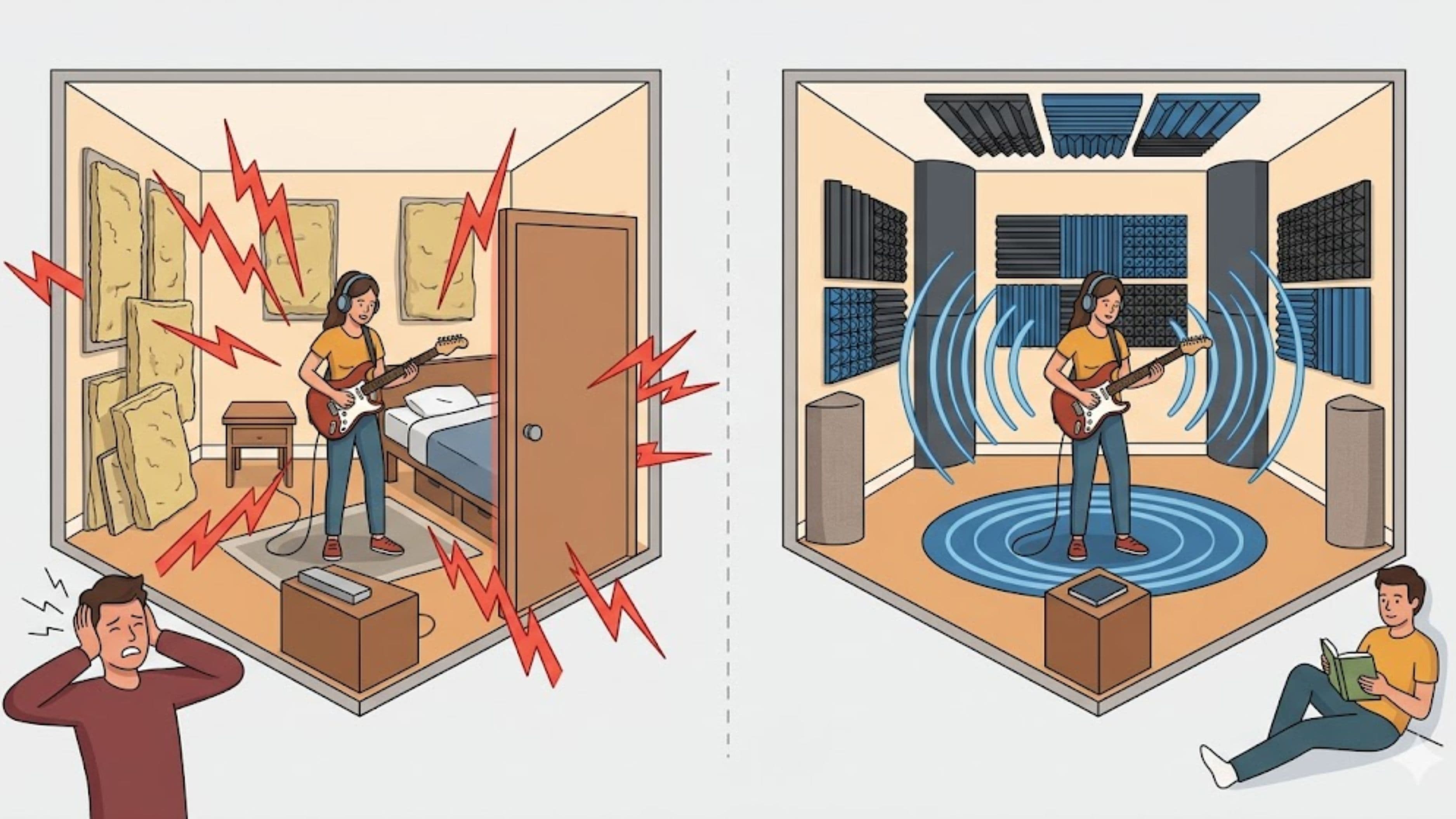
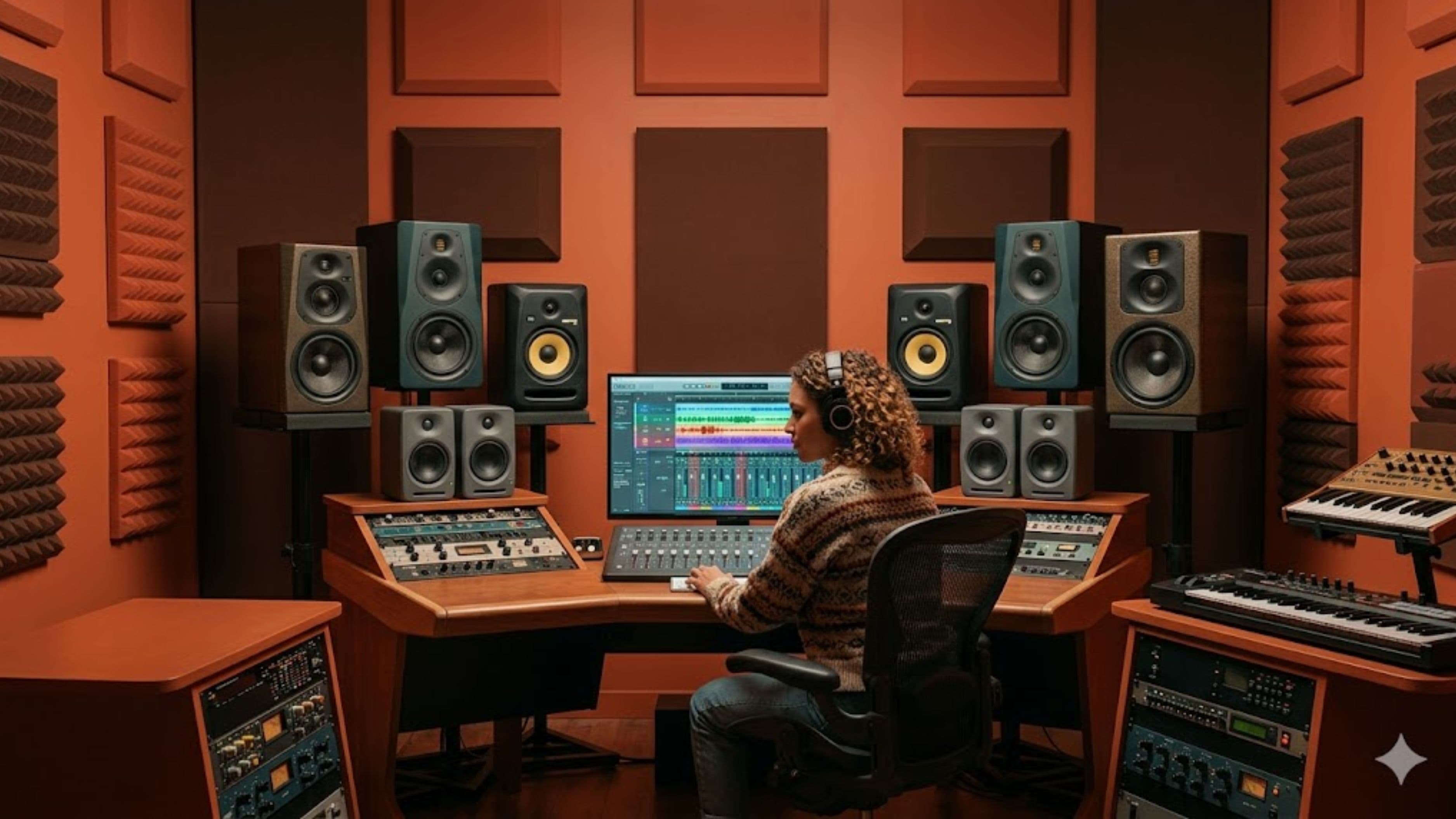
It's also worth noting that the acoustic environment remains the one area where no amount of gear improvement compensates for its absence. Professional studios invest heavily in room treatment precisely because the most accurate microphone in an untreated room will capture room reflections, flutter echo, and modal resonances that degrade recordings in ways that no plugin can fully fix in post. For producers serious about leveling up, acoustic treatment – broadband absorption panels, bass traps, diffusion – is often a higher-return investment than another piece of hardware, and it's more accessible than it used to be through companies like GIK Acoustics and Acoustimac.
The Practical Takeaway
If you're building or upgrading an independent studio in 2026, the guidance is to invest where the quality gap still exists rather than where it has largely closed. Room treatment and acoustics first – it's the foundation that makes everything else you invest in more audible. Then monitoring, because you can't mix what you can't hear accurately. Then conversion and interface quality, which is an excellent return category at the current price tier. Microphone quality after that, calibrated to your recording context.
The overall message from how gear accessibility has changed is more empowering than it might seem from a list of exceptions: the tools to make a genuinely professional recording are within reach for a serious independent producer. What that means in practice is that the investment in skill, in taste, in understanding how to use the tools well, returns more than incremental gear spending beyond a reasonable baseline. Building that baseline intelligently is what the current market makes possible.
FAQ
What's the minimum budget for a professional-quality home studio setup? A genuinely capable recording and production setup – quality interface, one versatile condenser microphone, studio headphones, and a solid plugin library on a capable computer – can be assembled for $600 to $1,200 new, or meaningfully less in the used market. Adding quality monitor speakers pushes that to $1,500 to $2,500. These figures assume Mac or PC hardware you already own. This isn't a top-tier commercial studio, but it's a setup capable of professional-quality results in most modern music genres.
Is it worth buying vintage or used gear over new? For categories with established secondhand markets and stable quality – microphones, outboard hardware, passive speakers, instruments – used gear frequently offers better value than new at equivalent price points. For electronics with active components that degrade over time (capacitors, tubes), age and condition matter more, and buying used requires more due diligence. Reverb.com's return policy and seller ratings reduce the risk meaningfully.
Has software really replaced hardware for serious producers? For the majority of music production contexts, modern plugin emulations are close enough to hardware that the practical difference is smaller than the cost difference. Where hardware retains a meaningful real-world advantage is in certain analog processing characteristics that are difficult to replicate digitally – transformer saturation, tape compression, specific tube behaviors – and in the tactile workflow that some engineers find genuinely improves their decision-making. The productive question is whether that advantage is worth the cost difference for your specific context, not whether hardware or software is categorically better.
Should indie producers invest in acoustic treatment before gear? Almost always yes, if you're recording in an untreated room. The difference between a good microphone in an untreated room and a cheaper microphone in a well-treated room generally favors the treated room. Acoustic treatment is a one-time investment that improves everything you do in that space, and panels from GIK Acoustics or similar manufacturers are well within a home studio budget.
📚 Sources
Sound On Sound – Budget Studio Microphone Shootout 2024: https://www.soundonsound.com/reviews/budget-condenser-microphone-shootout
Tape Op – The State of the Home Studio: https://tapeop.com/interviews/home-studio-recording-guide/
Reverb.com – Used Gear Market Pricing Trends: https://reverb.com/price-guide
MusicTech – Best Audio Interfaces 2025: Every Budget Covered: https://musictech.com/guides/buyers-guide/best-audio-interfaces/
GIK Acoustics – Room Acoustics for Home Studios: https://www.gikacoustics.com/room-acoustics-101/