Acoustic vs. Electronic Drums: What’s the Difference?
For new drummers, selecting the right drum set can feel overwhelming. The first and most important decision is choosing between acoustic and electronic drums. Acoustic drums offer a natural feel and classic sound, ideal for genres like rock, jazz, and blues. However, they’re loud and require more space. Electronic drums, by contrast, are quieter, more compact, and come equipped with helpful features like volume control, built-in practice tools, and multiple sound options—making them especially appealing for beginners practicing at home.
Consider Your Space and Volume Needs
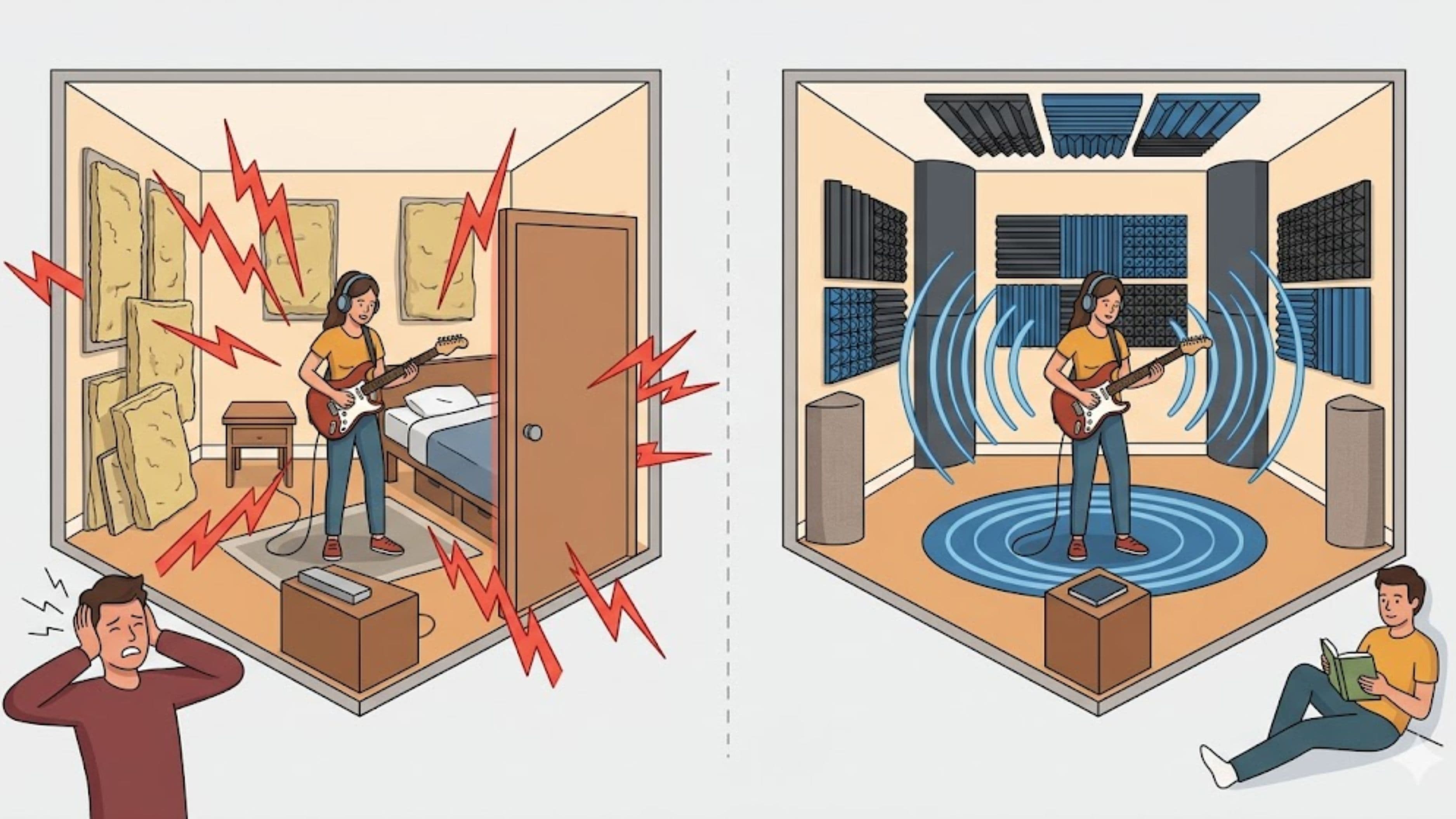
Space and volume are crucial considerations. Acoustic kits take up more room and produce significant noise, which may not be ideal for apartment living or shared spaces. Electronic kits, on the other hand, are compact and headphone-compatible, offering a quieter alternative that won’t disturb others. If space is limited or noise is a concern, a small electronic set or junior acoustic kit could be the better fit. Always assess your environment realistically before purchasing.
Setting a Budget and What to Expect
Budget is another key factor. Beginner acoustic kits typically range from $400–$800, while electronic kits often start around $300. In addition to the drums, you’ll need essentials like a drum throne, sticks, and either headphones or an amplifier for electronic models. Brands such as Yamaha, Roland, Pearl, and Alesis offer high-quality entry-level options, and many retailers provide bundles that include everything needed to start playing immediately.
Match Your Kit to Your Musical Goals
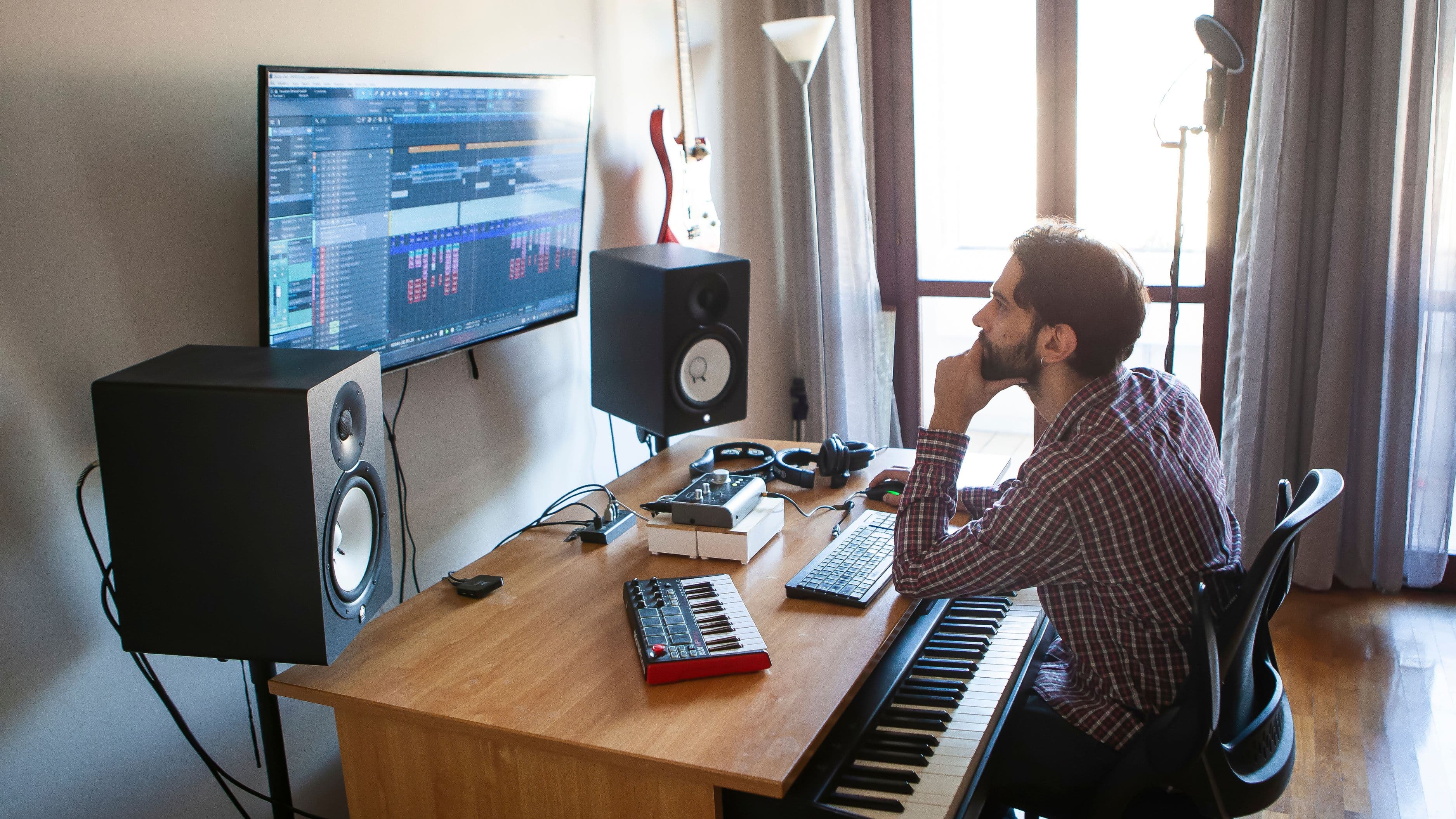
Your musical goals and style preferences should also guide your decision. Acoustic drums are ideal for live performance and traditional styles like rock or blues. If you’re focused on modern genres, home production, or quiet practice, an electronic drum set with MIDI or USB connectivity might be more suitable. Think about the type of music you’re interested in and where you see yourself playing most often.
Build Quality and Durability
Beginner kits should be sturdy enough to withstand regular practice. Cheap, poorly built drums may quickly fall out of tune, rattle, or even break—leading to frustration or replacement costs. Look for hardware (like pedals and cymbal stands) made of metal, not plastic, even in starter sets.
Try Before You Buy—Or Do Your Research
Finally, try before you buy, if possible. Visiting a music store lets you physically test different kits, check comfort and layout, and ask questions. Even if in-person testing isn’t an option, online demos and reviews can help narrow your choices. The right drum kit should fit your space, your budget, and—most importantly—your excitement to learn and grow as a drummer.