

Spotify skip rate in the first 15 seconds is the harshest early filter on the platform: listeners decide almost instantly whether your intro earns their continued attention. Industry teams track this window separately from overall skip rate because recommendation systems weight early abandonment heavily when testing new tracks in Discover Weekly, Radio, and autoPlay sequences. A song with strong total completion but weak first-fifteen performance often fails to graduate from small test pools.
This article breaks down measurement, timeline benchmarks, creative fixes that respect your artistic identity, and operational tests you can run before spending on wider promotion.

The first fifteen seconds are not a throwaway intro—they are your algorithmic audition.
What the Fifteen-Second Skip Window Measures
Fifteen-second skip rate is the percentage of streams where the listener advances or exits before fifteen seconds elapse. It is not identical to "skip" buttons alone—some listeners change tracks via queue or device controls. Analytics vendors approximate the metric using playback telemetry; exact definitions vary slightly by tool.
Pair this metric with start rate—the share of impressions that become streams at all—for a fuller funnel picture. High impressions with high start rate but brutal fifteen-second skips point to creative issues, not distribution failure.
Why Platforms Weight Early Seconds
Streaming economics depend on session length. A listener who skips three new songs in a row may abandon the app. Recommendation engines therefore punish tracks that consistently fail early retention tests, as described in broader Spotify personalization research and industry analyses of session-based ranking.
Timeline Benchmarks for Early Skip Rate
| Window | Healthy Skip Rate | Concerning | Typical Root Cause |
|---|---|---|---|
| 0–5 sec | < 18% | > 28% | Silent intro, weak vocal entry |
| 5–10 sec | < 12% cumulative | > 22% | Tempo mismatch to playlist context |
| 10–15 sec | < 8% incremental | > 15% | Hook arrives too late |
| Full 0–15 sec | < 35% total | > 45% | Structural intro problems |
| Playlist-only cohort | < 42% | > 55% | Passive playlist browsing |
| Algorithmic cohort | < 30% | > 40% | Taste mismatch or weak hook |
Benchmarks vary by genre—metal and jazz listeners tolerate longer builds; pop and hip-hop generally do not. Build internal tables from your catalog before applying generic thresholds.
Fifteen-Second Listener Drop-Off Timeline
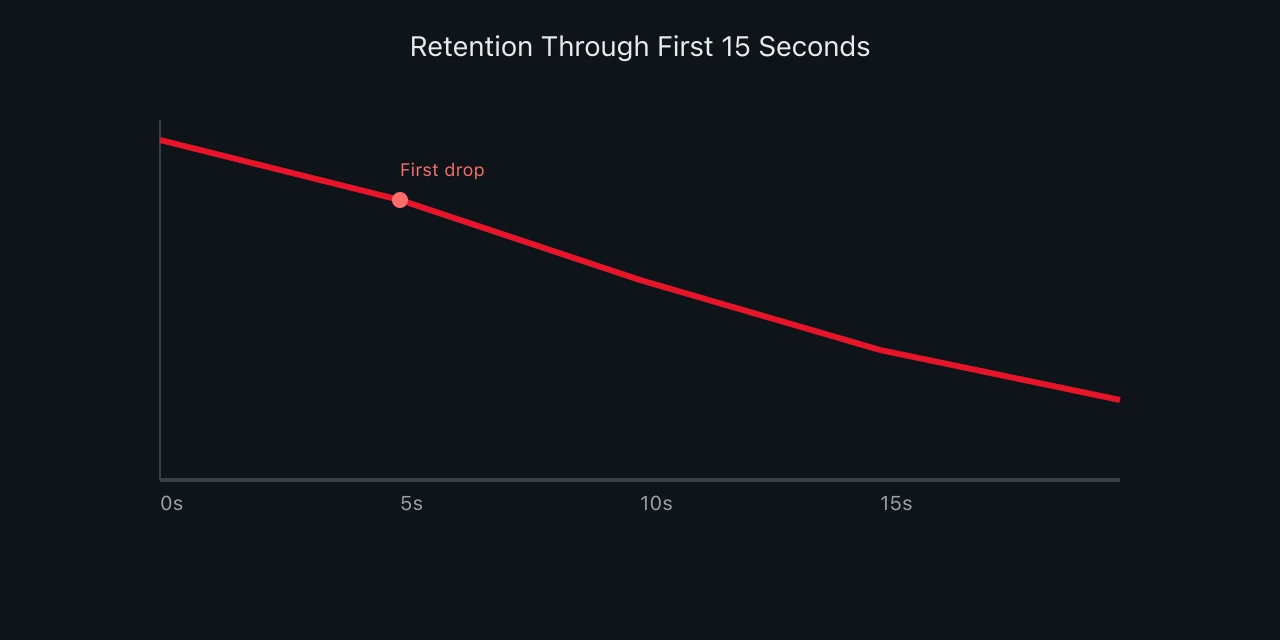
Early skip timeline
Most abandonment clusters at seconds two through six when the listener realizes the song is not what they expected. Diagnose which second band drives your curve before cutting a new intro.
Diagnose Before You Edit
Export skip curves from Spotify for Artists or your analytics vendor. Compare playlist-sourced streams versus algorithmic. If playlist skips are high but algorithmic skips are low, the track may be mispitched to passive lists—not structurally broken. If both are high, creative intervention is justified.
Listen to the fifteen-second mark on phone speakers, car Bluetooth, and earbuds. Production elements that read on monitors often vanish on phone—listeners skip thinking the song is empty.
A/B Testing Intro Edits
Some distributors support alternate versions or clean intro edits. Route a small paid traffic split to two ISRC versions measuring fifteen-second retention. Run at least five hundred starts per variant before calling a winner.
Creative Fixes Without Selling Out
You do not need a pop hook at second one to reduce skips—you need clarity. Identify what tells the listener they are in the right genre within three seconds: vocal timbre, drum pattern, signature riff, or recognizable sample texture.
Shorten silent fades and long ambient intros for streaming versions; keep album versions cinematic for superfans. Many artists release "streaming edits" on singles while preserving artistic intros on LPs.
Lift vocal entries earlier by one bar, not necessarily rewrite the song. Raise high-frequency presence on vocals in the first fifteen seconds so lyrics parse on laptop speakers.
Metadata and Expectation Management
Wrong playlist context creates skips that look like creative failure. A mellow ballad placed on a high-BPM workout list will bleed early abandons. Pitch curators accurately; misleading pitches buy streams that hurt algorithmic tests.
Cover art mood should match sonic mood. Dissonance between visual promise and audio delivery triggers fast skips in scroll-heavy mobile sessions.
Case Study: Intro Shortening on Indie Rock Single
An indie rock band opened with fourteen seconds of ambient guitar swell before the kick entered. Fifteen-second skip rate sat at fifty-one percent in algorithmic streams. They produced a streaming edit with drums entering at second four, keeping the swell underneath.
Skip rate fell to thirty-four percent within ten days; save rate rose from 6.8% to 8.9%. Algorithmic stream share doubled by day twenty-one. The album version remained unchanged for vinyl and Bandcamp buyers.
Hook Placement Strategies by Genre
Pop and hip-hop: vocal or melodic hook before second eight. Electronic dance: kick or signature motif by second four. Country and folk: vocal line or identifiable instrument by second six. Metal: energy density spike—not necessarily vocals—by second five.
These are starting hypotheses, not laws. Your catalog history should override generic genre advice when data contradicts convention.
Reducing Skips via Warmer Traffic
Cold algorithmic traffic skips more than warm traffic from followers. Invest in profile conversion and pre-save campaigns so Release Radar listeners arrive predisposed to give fifteen seconds generously. Warm cohort skip rates becoming your benchmark for what the song deserves.
Paid Traffic Caution
Low-quality incentivized streams produce catastrophic early skips and can poison broader algorithmic tests. If fifteen-second skip rate spikes during a paid campaign, audit traffic sources immediately. Pause buys that deliver volume without retention.
Monitoring Cadence During Release Fortnight
Check early skip rate at day 2, 5, 7, and 10. Day-two readings are noisy but catch catastrophic mismatches before big playlist adds land. Day-seven readings inform whether to ship an intro edit. Day-ten readings confirm whether algorithmic pools expanded or stalled.
Team Workflow for Skip Reduction
Producer owns waveform diagnosis. Marketing owns playlist context audit. Manager owns go/no-go on alternate edits. Analytics logs cohort tables weekly. One decision meeting on day six prevents panicked multiple edits that confuse data.
When Not to Chase Low Skips
Art-forward albums with intentional slow burns may accept higher skips on singles while optimizing for completion among listeners who stay. Know your goal: algorithmic scale versus prestige album narrative. Not every track needs the same fifteen-second policy.
Skip Reduction Checklist
Measure fifteen-second skip by source cohort. Chart second-by-second drop-off. Compare warm versus cold traffic. Test streaming intro edit if both cohorts fail. Align pitches and artwork with sonic promise. Re-check at day seven before scaling ads. Reducing Spotify skip rate in the first fifteen seconds is a technical and creative discipline—treat it as a measurable funnel stage, not a mystery.
Loudness and Perceived Energy in the Opening
Quiet intros relative to playlist loudness norms trigger skips when listeners have volume normalization on. Check integrated LUFS of your intro against five comp tracks on the same target playlists. You need not master louder illegally—ensure core identifying elements are audible at normalized playback levels.
Sub-bass that disappears on phone speakers removes perceived energy EDM listeners expect by second three. High-pass clutter reduction on vocals in the first bar helps lyrics land immediately.
Skip Rate by Device and Context
Car and smart-speaker sessions show different skip patterns than mobile headphones. If data allows, segment skips by device category. Car listeners may skip slow intros faster during commute hours but tolerate longer builds late night.
Collaboration and Feature Credits
Featured artists whose fans do not recognize the voice in the first fifteen seconds skip assuming wrong genre. Place recognizable vocal timbre or name-drop audio stickers early when cross-audience conversion is the goal.
Skip Rate in Pitch Decks to Curators
Curators increasingly ask for retention metrics. Showing sub-thirty-five percent fifteen-second skip in algorithmic cohorts strengthens editorial pitches—not because curators see the same data, but because it signals professional analytics discipline.
Post-Release Edit Governance
Establish who can authorize an intro edit after release. Multiple edits within ten days confuse algorithmic tests and fan confusion on social. One edit at day six or seven with coordinated announcement is cleaner than silent swaps.
Skip Rate Retrospective Template
After each campaign, document: day-7 fifteen-second skip by cohort, edit decisions made, playlist contexts pitched, and outcome on algorithmic share. Over six releases patterns emerge linking intro policy to algorithmic graduation rates.
Psychology of the Skip Button
Skips are not moral judgments—they are attention auctions. Listeners multitask. Your opening must win against notifications, conversation, and the next track queue. Design for partial attention without dumbing down artistry: clarity beats complexity in second one through five.
Instrumental Intros and Identification
Instrumental tracks must establish signature timbre before second four—synth patch, guitar tone, or drum signature. Without vocals, identification burden is higher; reference successful peers in your microgenre for intro length norms.
Skip Metrics With Radio Edit
Radio edits that start at chorus improve fifteen-second retention on streaming even when FM programmers wanted different structure. Maintain streaming-first edit as default playback link in bios.
Vocal Processing Clarity in Opening Bars
De-ess and compress vocals so consonants survive small speakers. Mumbled intros that feel intimate in headphones fail in gym playlists. Producers sometimes add a half-dB high-shelf bump at 3–5 kHz only on the first sixteen bars—subtle but measurable in skip curves on test cohorts.
Playlist Order Context
When your track follows a high-energy song, a slow intro feels like a skip trigger. Pitch curators for mid-tempo placement or provide alternate intro version for high-BPM lists. Context skips are not creative failure—they are sequencing failure.
Repeat Listener Skip Behavior
Segment first-time listeners versus repeat listeners if tools allow. Repeat listeners skipping early may indicate fatigue from over-pitching on social, not intro problems. First-time listener skips are the algorithmic audition—weight them heavier in edit decisions.
Skip Rate and Save Rate Joint Review
Low skips with low saves means pleasant wallpaper—algorithm may not invest heavily. High skips with high saves among stayers means polarizing—can still work in niche genres. Joint review prevents optimizing one metric into a dead end.
Acoustic Version Tests
Some teams release acoustic intros as alternate Spotify versions for singer-songwriter acts—vocals enter at second one. Test on small paid traffic before replacing main version. Fans often save the version they discovered first.
Producer Mix Review Checklist
Before mastering: identify second where hook elements appear; verify kick and vocal audible on phone speaker at normalized volume; compare first fifteen seconds to three comp tracks on target playlists; log decision in release tracker. Checklist prevents shipping intros that only work on studio mains.
After mastering: re-check fifteen-second skip cohort at day five—bad masters that squash transients can raise skips without structural intro issues.
Fan Poll on Intro Length
Poll superfans in mailing list on two intro versions—not for algorithm alone but to align artistic choice with audience expectation. Superfan tolerance for long intros often exceeds cold algorithmic traffic tolerance—weight polls accordingly.
Skip Rate Documentation for Splits
Producer deals sometimes include marketing cooperation clauses. Sharing fifteen-second skip improvements after intro edit demonstrates value in royalty negotiations—data-backed collaboration stories matter.
Listening Party Feedback Before Release
Host private listening sessions with fifteen strangers in your target demographic—watch when they reach for phones. Timestamp reactions. Qualitative flinch points align with quantitative skip clusters more often than artists expect. One session beats guessing intro length alone.
Algorithmic Test Pool Graduation
Tracks that clear fifteen-second skip thresholds graduate to larger recommendation pools. Document graduation day when algorithmic impressions step-change—usually correlates with skip rate dropping below genre median. Celebrate internally; scale marketing only after graduation signal.
DAW Markers for Intro Boundaries
Mark second zero and second fifteen in your DAW session permanently. Mix decisions reference markers so every engineer on team knows which bars are algorithmically critical. Session hygiene sounds trivial but prevents accidental intro lengthening during last-minute vocal swaps.
Skip Rate War Room on Day Six
Thirty-minute day-six call: analytics shows cohort table, producer shows waveform, marketing shows playlist contexts. Decision: hold, edit, or pivot pitches. Structured war room beats Slack threads when fifteen-second skips threaten algorithmic graduation.
Instrumental Hook Strategies
For beats without vocals, borrow from film scoring: establish motif in bar one, repeat with variation by bar four. Electronic producers use filter sweeps that imply motion even when kick enters late—motion reduces perceived wait time.
Year-End Skip Retrospective
Annual catalog review ranks releases by fifteen-second skip in algorithmic cohorts. Bottom quartile informs next year's intro policy meeting with producers—data ends intro length debates that taste alone cannot settle.
Final Skip Rate Reminder
Treat the first fifteen seconds as a measurable funnel stage with owners, checkpoints, and edit governance—Spotify skip rate in that window is where algorithmic careers start or stall before most humans hear verse one.
Skip Rate Owner Role
Name one skip-rate owner per release accountable for day-six war room—shared accountability prevents intro issues from slipping between producer and marketing silos during hectic launch weeks.


