What "Immersive Audio" Actually Means in Practice
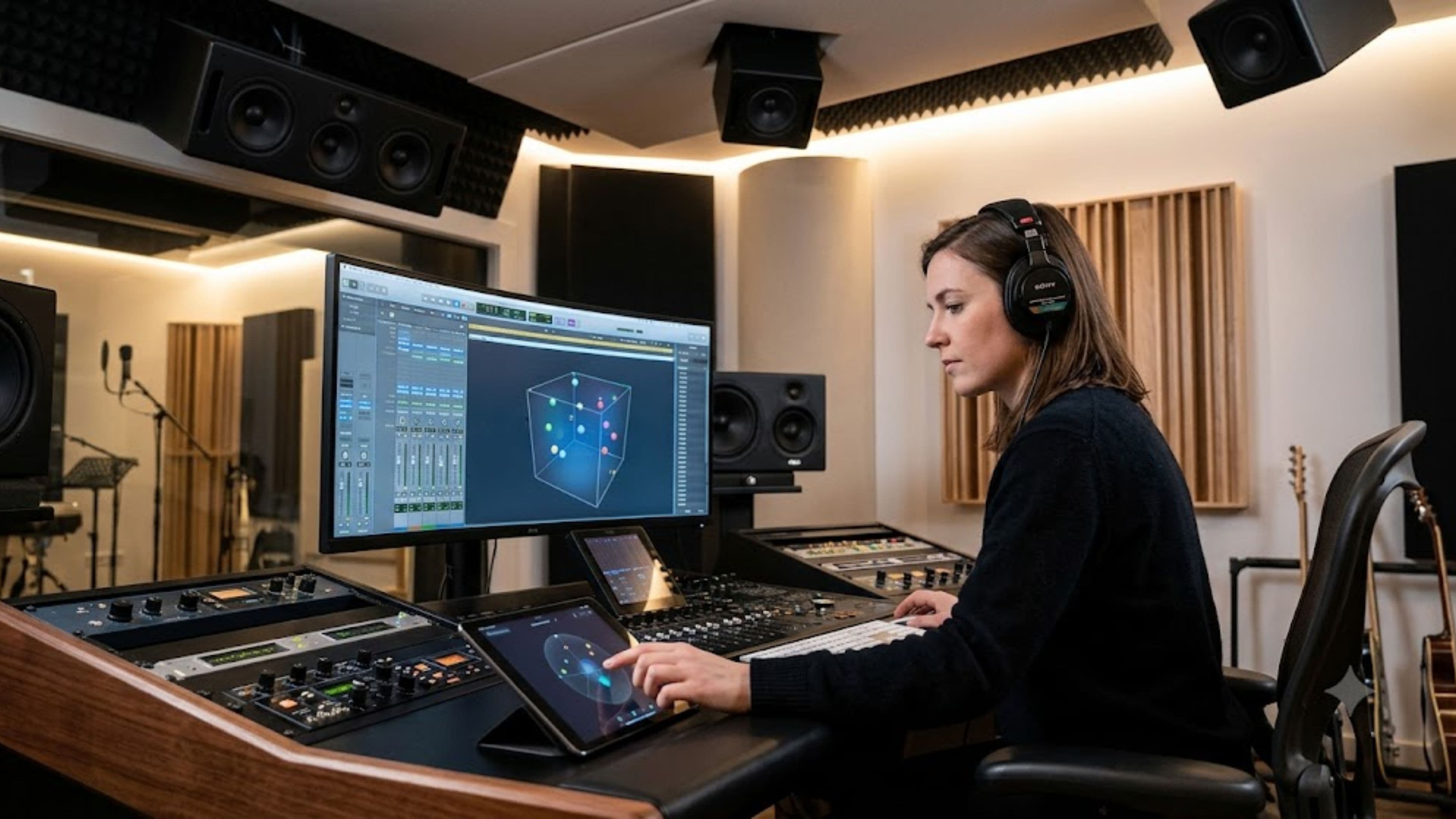
Traditional stereo mixing places sound across just two channels, left and right, creating the sense of width listeners are used to. Immersive audio formats like Dolby Atmos add height and depth to that picture, allowing individual elements of a mix to be placed in a three-dimensional space around the listener rather than just left-to-right. A vocal can sit clearly in the center while a synth pad swells overhead and a percussion element moves subtly behind the listener, creating a genuinely different listening experience than a stereo mix can produce.
This isn't simply stereo audio processed to sound wider. Atmos and similar formats use object-based mixing, meaning individual sounds are treated as discrete objects with their own spatial position, rather than being locked into fixed channels the way traditional surround sound formats work. That distinction is part of why the format has gained real traction rather than fading as a passing gimmick.
How This Is Changing the Production Process, Not Just the Final Mix
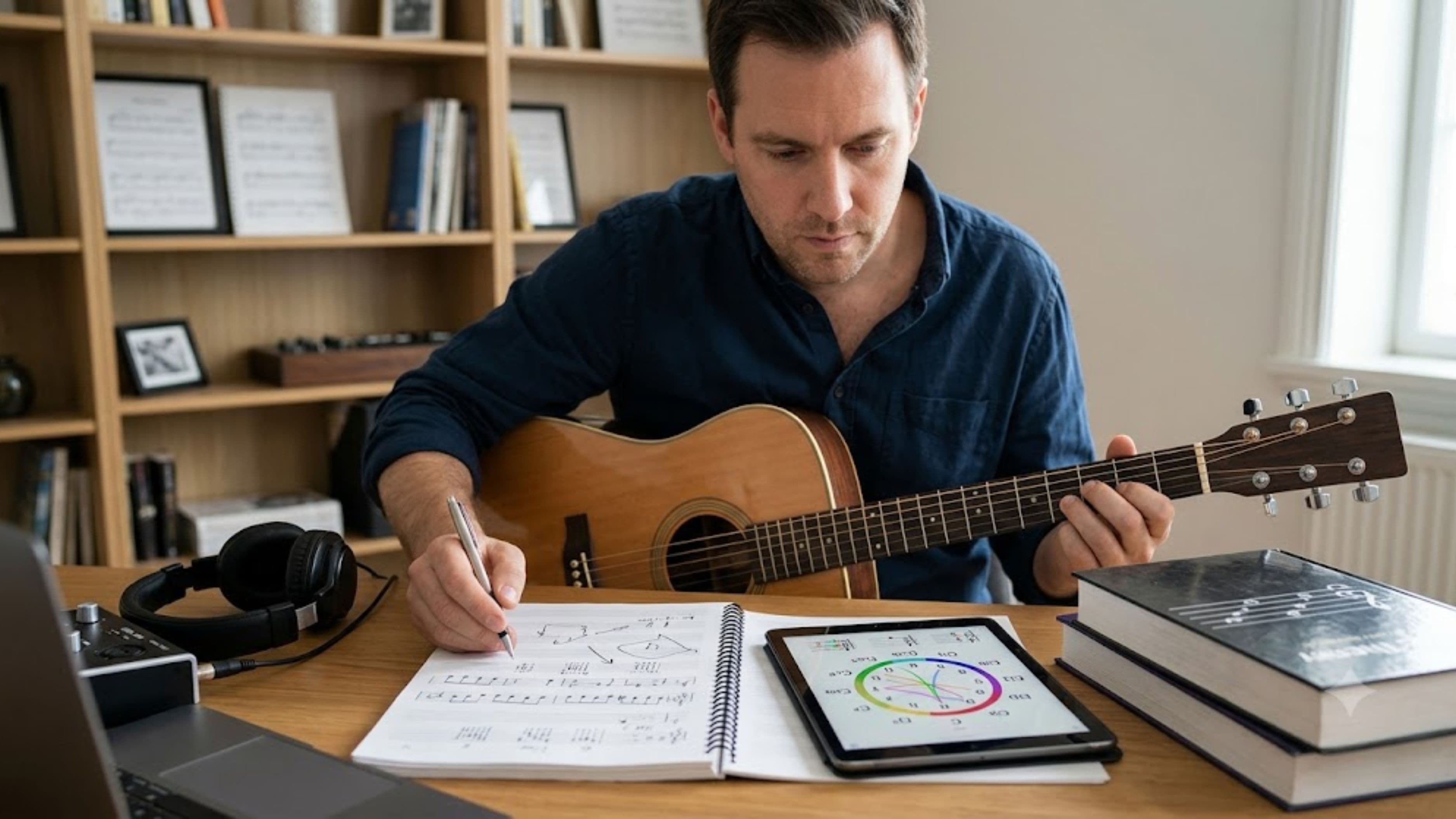
The most significant shift isn't just that engineers create an Atmos mix after finishing a stereo version, it's that a growing number of producers and mixing engineers are starting to think spatially from earlier in the production process. Deciding which elements deserve dedicated spatial placement, and which work better as part of a more traditional stereo bed within the mix, is becoming a creative decision made during arrangement and mixing rather than an afterthought applied only during a separate spatial mastering pass.
Some producers have described this shift as fundamentally changing how they think about arrangement itself, since knowing a mix will eventually exist in a spatial format can influence decisions about how many distinct elements to include and how they're meant to interact, rather than treating spatial placement purely as a post-production translation exercise.
Why Major Labels and Streaming Platforms Are Pushing This
Streaming platforms including Apple Music and Amazon Music have built spatial audio support directly into their platforms and actively promote content available in these formats, giving labels a clear incentive to invest in spatial mixes for major releases. This platform-level push matters because it's shifted spatial audio from a niche audiophile feature into something with genuine visibility to a much broader listener base than earlier surround sound formats ever achieved.
For artists and independent producers, this growing platform support means immersive mixes are increasingly becoming a genuine differentiator and discovery factor, rather than a luxury feature reserved only for major label budgets, particularly as more affordable tools for creating Atmos-compatible mixes become available to independent producers.
The Real Technical Learning Curve
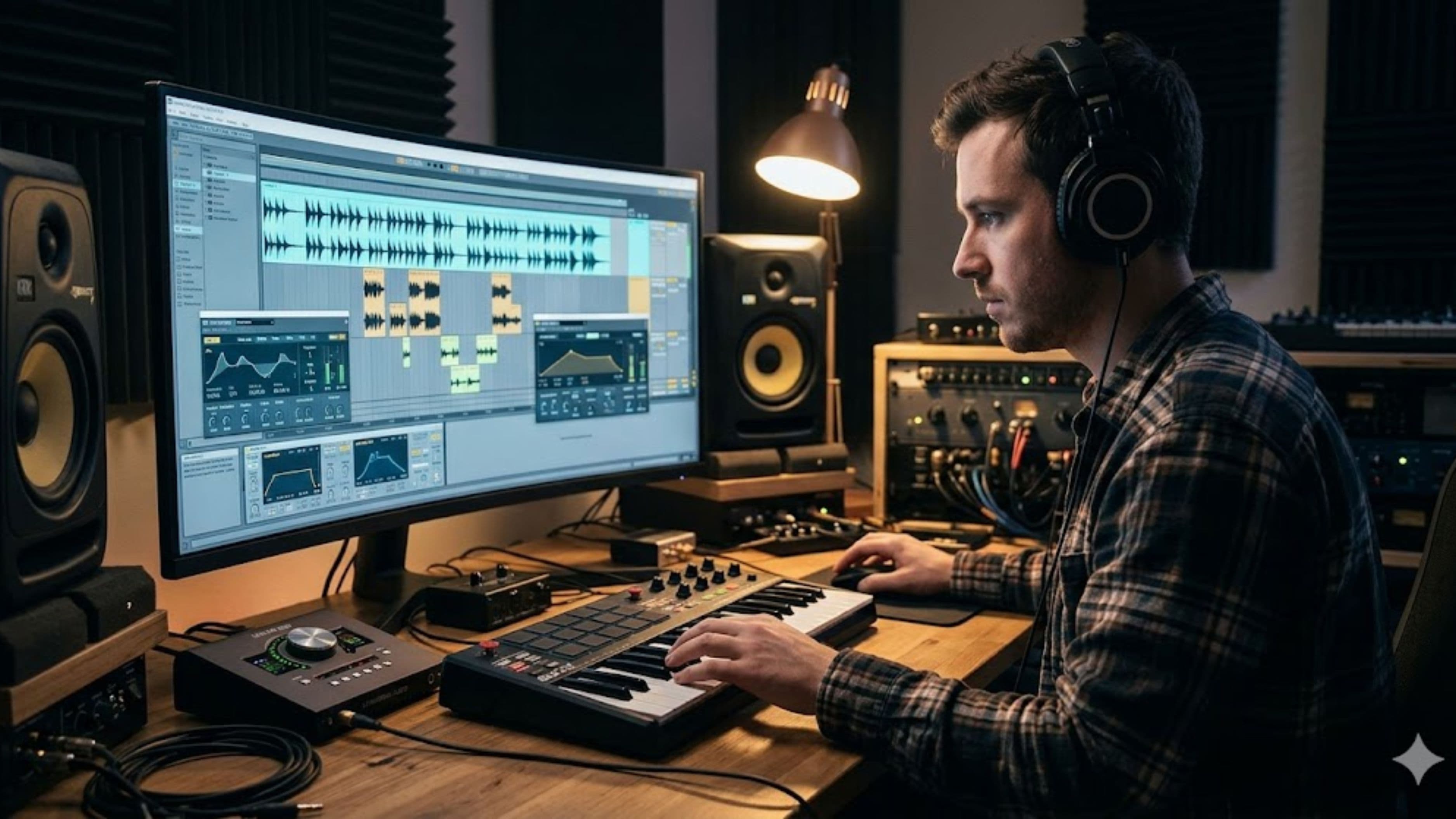
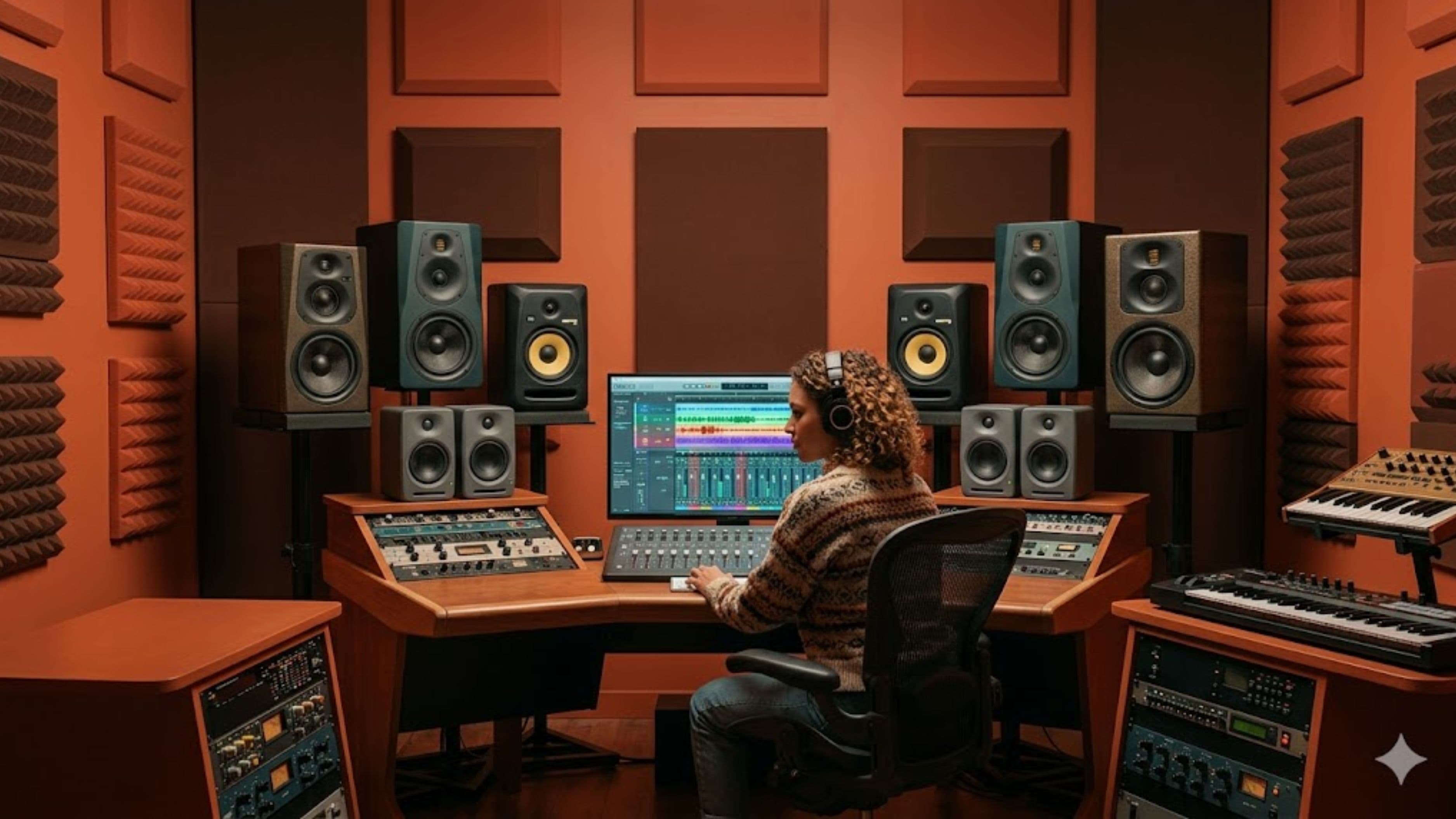
Producing genuinely effective spatial mixes requires learning workflow and tools that differ meaningfully from standard stereo production, including working within specific software plugins designed for object-based spatial mixing and understanding how translation works across different playback systems, from dedicated home theater setups to standard headphones using binaural rendering.
This learning curve is a real barrier worth acknowledging honestly. A poorly executed spatial mix, where elements feel gimmicky or scattered rather than intentional, can actually sound worse than a well-crafted stereo mix, which is part of why some artists and engineers have been cautious about diving into the format without adequate time to develop genuine spatial mixing skill.
What to Watch Out For as a Producer Exploring This Format
Be cautious about treating spatial audio as simply "adding width" to an existing stereo mix using automated conversion tools, since this typically produces a noticeably inferior result compared to a purpose-built spatial mix created with intentional placement decisions. The format rewards deliberate creative choices about placement, not automated widening applied after the fact.
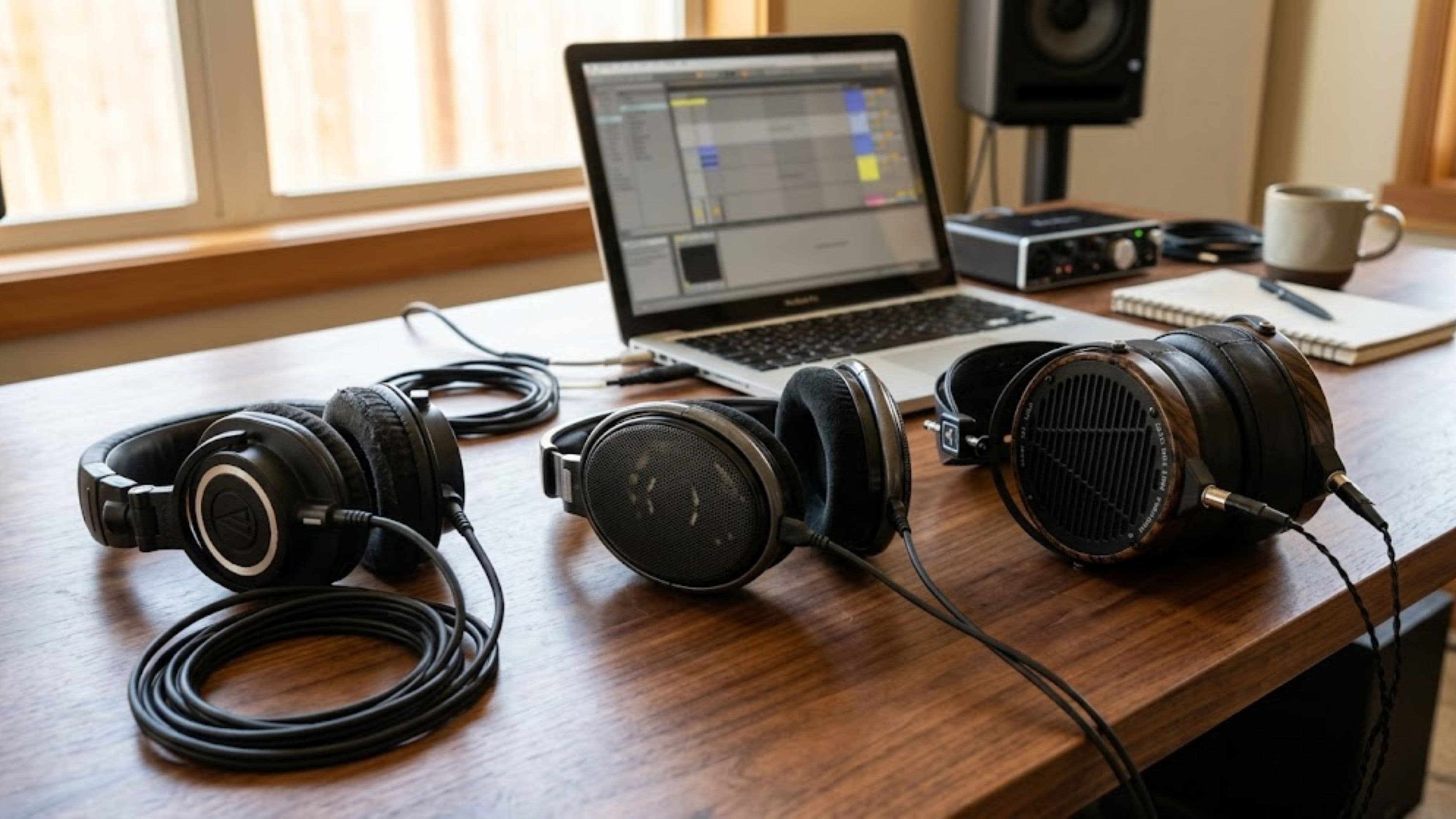
It's also worth understanding that not all listeners will experience your spatial mix as intended, since playback quality varies enormously between dedicated Atmos-compatible speaker setups and standard headphones using virtualized spatial rendering. Testing your mix across multiple playback scenarios, rather than assuming a single reference setup represents how most listeners will actually hear it, is a meaningful part of the workflow this format requires.
Practical Takeaway for Independent Producers
If you're considering exploring immersive audio production, starting with a track that already has clearly distinct, well-separated elements in its stereo mix tends to translate more effectively into a compelling spatial version than a densely layered, heavily compressed mix where elements already blend together tightly. This gives you a more forgiving starting point while you're building familiarity with spatial mixing tools and concepts.
Several major digital audio workstations have added more accessible spatial audio mixing tools over the past few years, lowering the technical barrier for independent producers compared to when the format first gained traction, and it's worth exploring these tools even on a smaller scale project before committing significant time to a full spatial mix of a major release.
FAQ
Do I need special equipment to produce Dolby Atmos music? You need specific software plugins or a compatible digital audio workstation with object-based mixing capability, but you don't necessarily need a full dedicated Atmos speaker setup to begin, since many tools include binaural monitoring options for headphone-based mixing.
Does every streaming platform support spatial audio equally? No, support and audio quality implementation vary by platform, and it's worth checking specific platform requirements and delivery specifications before finalizing a spatial mix intended for wide release.
Is immersive audio worth pursuing for independent artists without a major label budget? Increasingly yes, as tools become more accessible, though it's worth weighing the additional time investment against your specific release goals and audience, since a well-executed stereo mix remains the foundation regardless of whether a spatial version follows.
📚 Sources
Dolby Laboratories – "Dolby Atmos Music" – https://www.dolby.com/technologies/dolby-atmos/music/
Apple Music – "Spatial Audio with Dolby Atmos" – https://www.apple.com/apple-music/spatial-audio/