What an In-Ear Monitor System Actually Includes
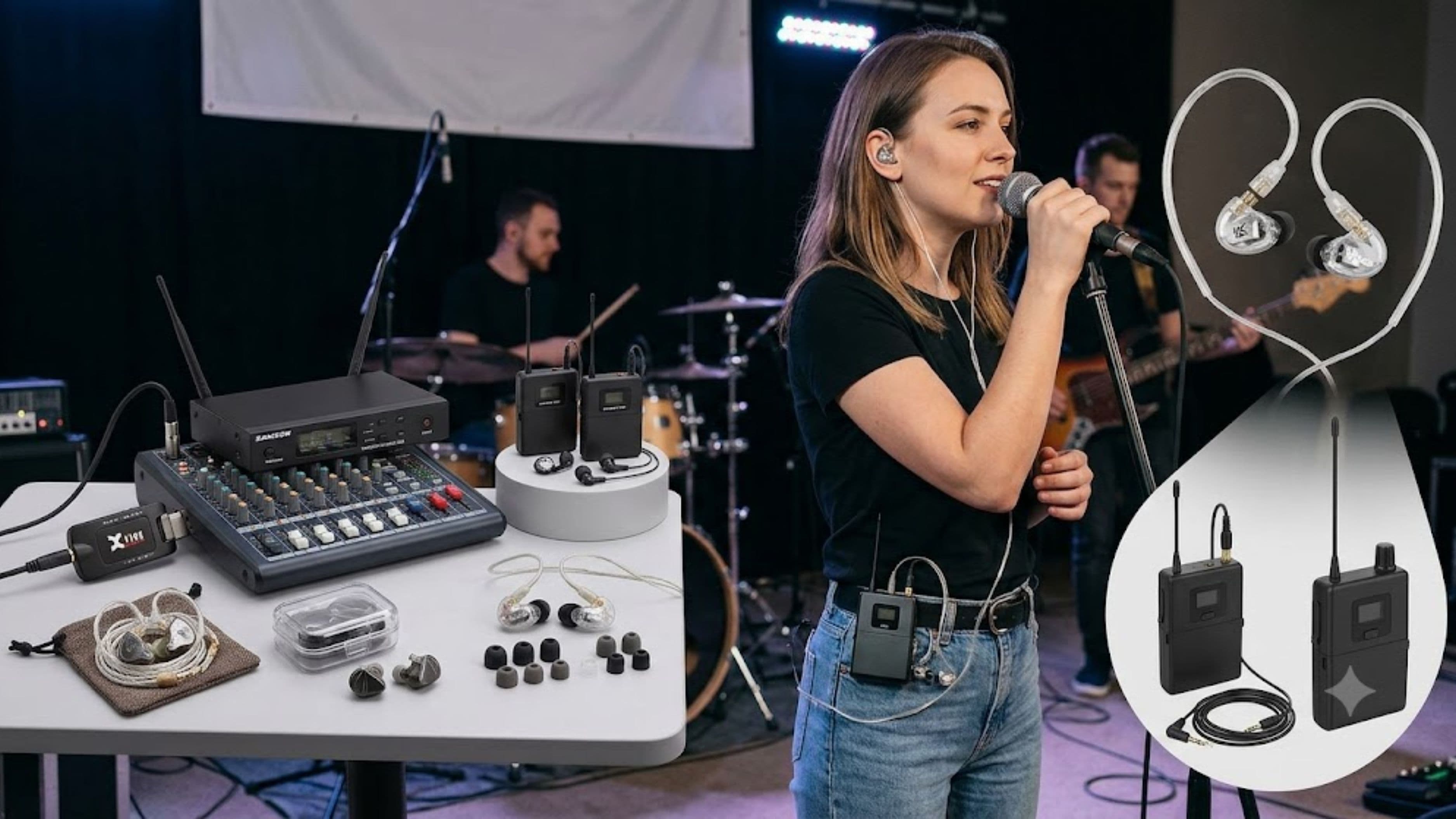
A full IEM setup has two core components: the earpieces themselves (ranging from generic universal-fit earbuds to custom-molded pieces made for your ears specifically) and the transmission system that gets your mix to those earpieces, either wired or wireless. Budget-conscious performers typically start with a wired system or an entry-level wireless option, then upgrade specific components as their needs and budget grow.
Wired Systems: The Most Budget-Friendly Starting Point
For performers just getting started with in-ears, a wired system connected to a headphone output on a mixer or personal monitor mixer is by far the most affordable entry point. You lose the freedom of movement a wireless system offers, but you get a genuinely reliable, interference-free signal at a fraction of the cost.
Why it matters: A wired setup lets you experience the core benefit of in-ear monitoring – a private, consistent mix regardless of stage volume or room acoustics – without the added cost and complexity of wireless transmission hardware.
Best for: Performers who play in a relatively fixed position on stage (drummers, keyboard players, seated performers) where cable movement isn't a major limitation.
Good to know: Pairing a wired IEM setup with a personal monitor mixer gives you control over your own mix independent of the main sound engineer, which is one of the most valuable upgrades a performer can make even before considering wireless.
Entry-Level Wireless Systems
Budget wireless IEM systems have become considerably more reliable in recent years, with several manufacturers offering single-channel wireless transmitter and receiver bundles specifically aimed at solo performers or small bands without a large monitor engineer budget.
Why it matters: Wireless freedom lets performers move naturally around a stage without being tethered by a cable, which matters significantly for frontline vocalists, guitarists, or any performer who needs to move during a show.
Best for: Solo performers, small bands, and cover acts who need basic wireless freedom without requiring a multi-channel system built for a large touring production.
Good to know: Entry-level wireless systems typically operate on a single frequency band and can be more susceptible to interference in crowded RF environments (like a venue near other wireless devices), so it's worth checking a venue's typical setup if you're playing somewhere with a lot of existing wireless equipment.
Earpieces: Universal-Fit vs Custom Molds
The earpieces themselves matter just as much as the transmission system, and this is an area where the budget-vs-quality trade-off is genuinely worth understanding. Universal-fit earbuds, using generic or interchangeable ear tips, are significantly cheaper and a completely reasonable starting point for most performers.
Custom-molded IEMs, made from an impression of your specific ear canal, offer better isolation from stage volume and often better long-term comfort for performers doing frequent, long shows, but they cost considerably more and require a professional ear impression appointment. For a performer just starting with in-ears or playing occasional shows, this added cost usually isn't necessary yet.
Realistic Budget Setup Recommendations
For a performer building their first in-ear monitoring setup, a wired connection from a basic personal monitor mixer to a solid pair of universal-fit IEM earbuds gets you real, usable in-ear monitoring at a genuinely accessible price point. As your gigging schedule grows and budget allows, adding an entry-level wireless transmitter and receiver removes the cable tether, and later, custom-molded earpieces improve comfort and isolation for performers doing frequent, demanding shows.
What to Watch Out For
Cheap universal IEM earbuds can vary significantly in build quality and sound isolation, so it's worth reading reviews specifically from other performers (not just casual headphone reviews) before committing, since stage-use durability and isolation from loud stage volume matter more for performers than they do for typical headphone use.
Also be cautious with very low-cost wireless systems operating in crowded frequency bands, particularly at venues with a lot of existing wireless equipment (other bands' systems, house wireless mics). Interference can cause dropouts or noise that undermine the entire point of a private, reliable monitor mix.
Real-World Use Case
A solo singer-songwriter playing regular coffee shop and small venue gigs might start with a simple wired IEM setup connected directly to a small personal mixer, giving them full control over their own vocal-to-guitar balance regardless of the venue's house sound setup. As they move into slightly larger venues and start needing more stage movement, upgrading to an entry-level wireless system removes the cable limitation without requiring a jump to expensive, multi-channel touring-grade equipment.
FAQ
Do I need custom-molded earpieces to get real benefit from IEMs? No. Universal-fit earbuds provide a genuinely usable improvement over stage wedges for most performers, and custom molds are more of a comfort and isolation upgrade for frequent, demanding use rather than a requirement to get started.
How much does a basic budget IEM setup typically cost? A wired setup with a personal monitor mixer and solid universal-fit earbuds can be assembled at a genuinely modest cost, while entry-level wireless systems add meaningfully to that cost but remain far more affordable than professional touring-grade multi-channel systems.
Can I use regular headphones instead of dedicated IEMs? Regular headphones aren't designed for the isolation and fit stability needed on a moving, loud stage, so dedicated in-ear monitor earbuds, even budget universal-fit ones, are a meaningfully better choice for live performance use.
Bottom Line
You don't need a touring-grade wireless rig to get real benefit from in-ear monitoring. A wired setup with a personal monitor mixer and quality universal-fit earbuds is a genuinely solid starting point for most independent performers, with a clear, affordable upgrade path toward wireless freedom and custom-molded comfort as your gigging schedule and budget grow.
📚 Sources
Sweetwater – In-Ear Monitor Systems Buying Guide. sweetwater.com
Pro Sound Web – Understanding In-Ear Monitoring for Live Performers. prosoundweb.com