Branding Starts With a Decision, Not a Design
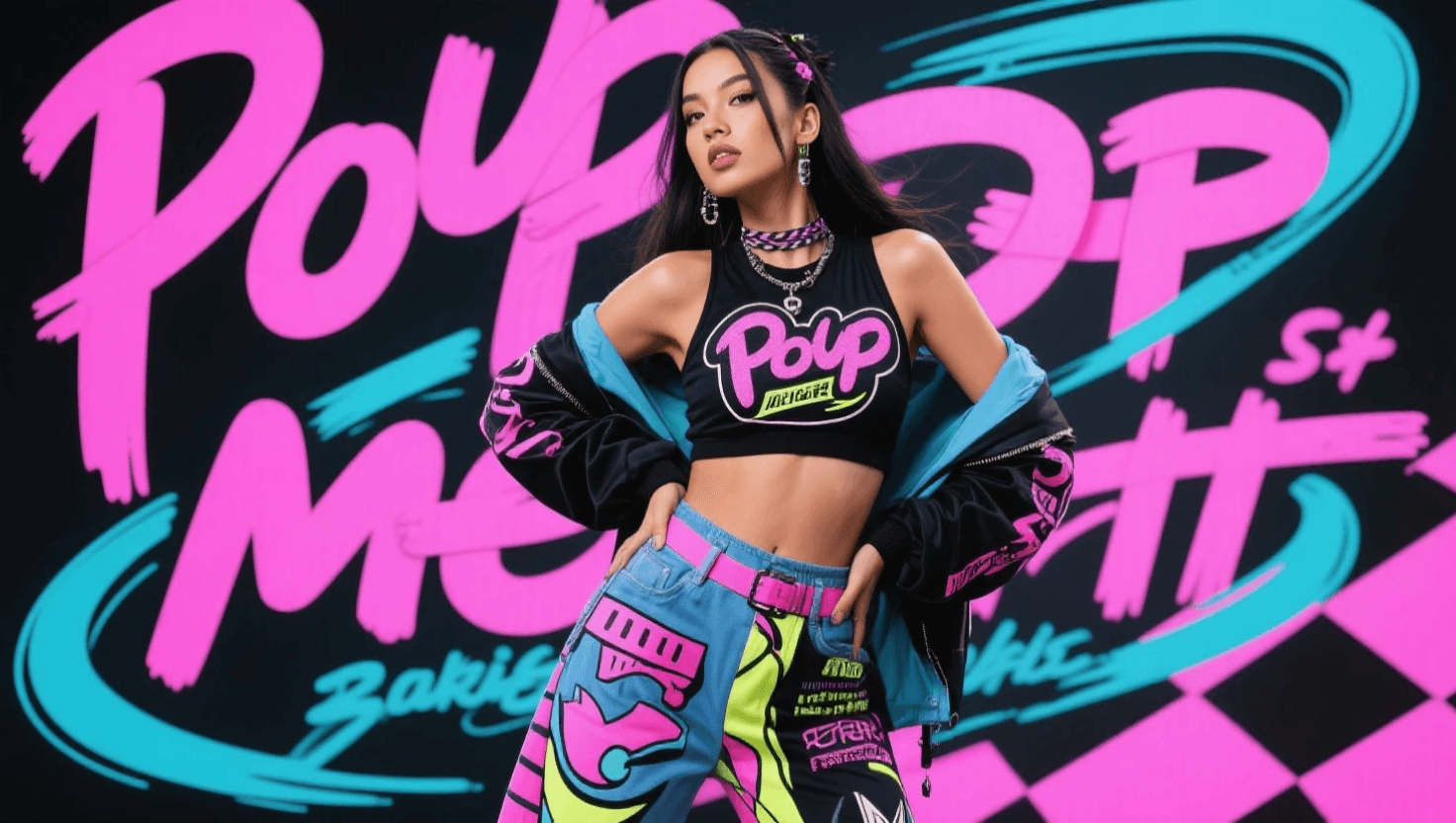
The artists who build the clearest identities usually make one core decision early: what emotional or thematic territory does this project consistently occupy. That might be melancholic introspection, unapologetic confidence, DIY authenticity, or genre-blending unpredictability, but the point is that it's a decision made deliberately rather than something that gets figured out after a few releases by accident. Visual identity, color choices, typography, cover art style, is meant to reflect that core decision, not substitute for it.
This matters because listeners, even ones who couldn't articulate it, pick up on inconsistency between what an artist's music actually sounds and feels like and what their visual presentation suggests. An artist whose music is raw and lo-fi but whose visual branding looks like a polished major-label pop act creates a subtle dissonance that undermines trust, even if neither element is bad on its own.
Consistency Over Time Matters More Than Polish in the Moment
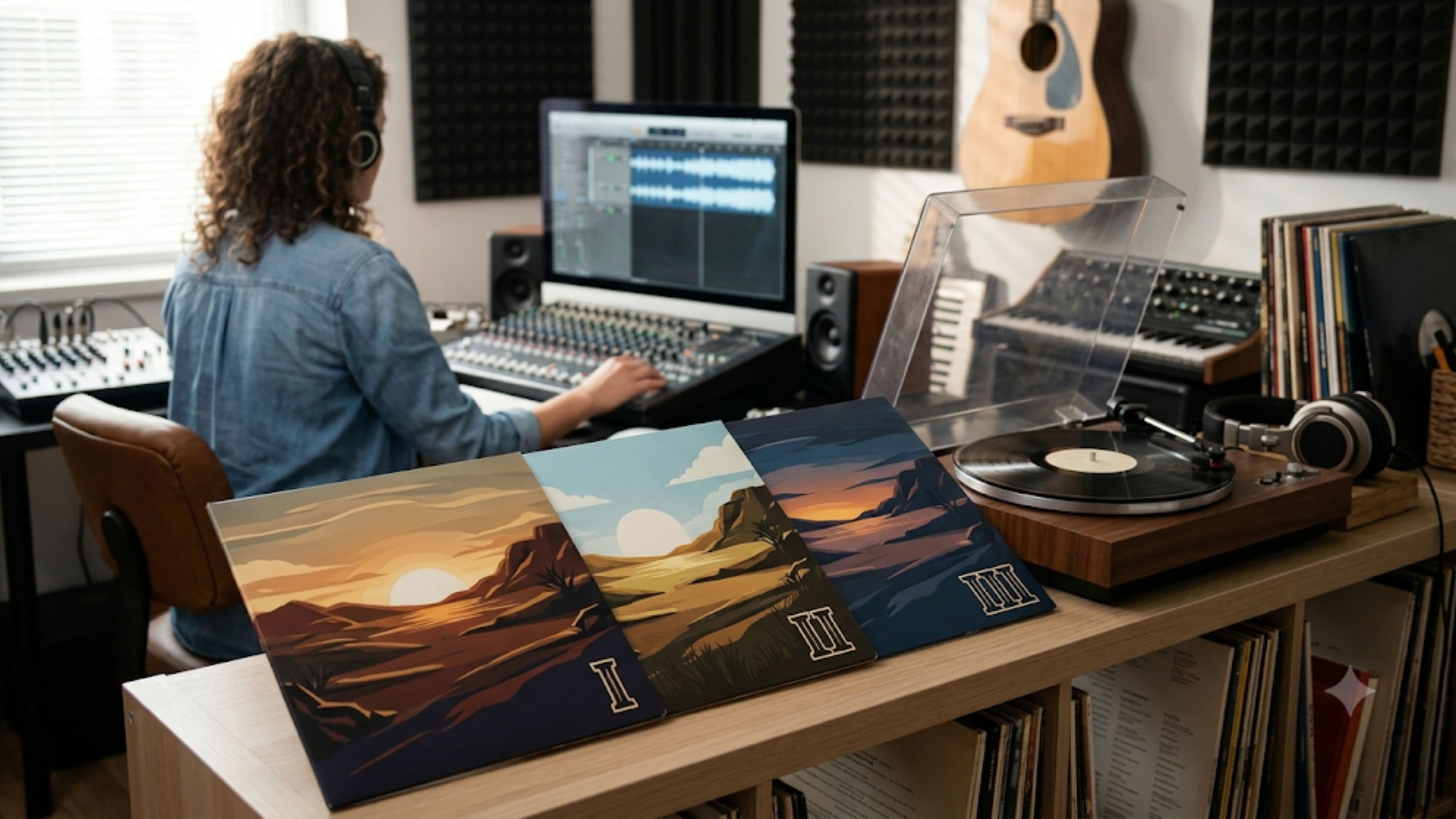
Independent artists with strong brand recognition tend to prioritize recognizable consistency across releases over maximizing the visual quality of any single piece of content. A slightly rougher cover art style that's genuinely consistent release after release builds more lasting recognition than a series of visually stunning but stylistically disconnected covers, because audiences build familiarity through repetition, not through isolated moments of high production value.
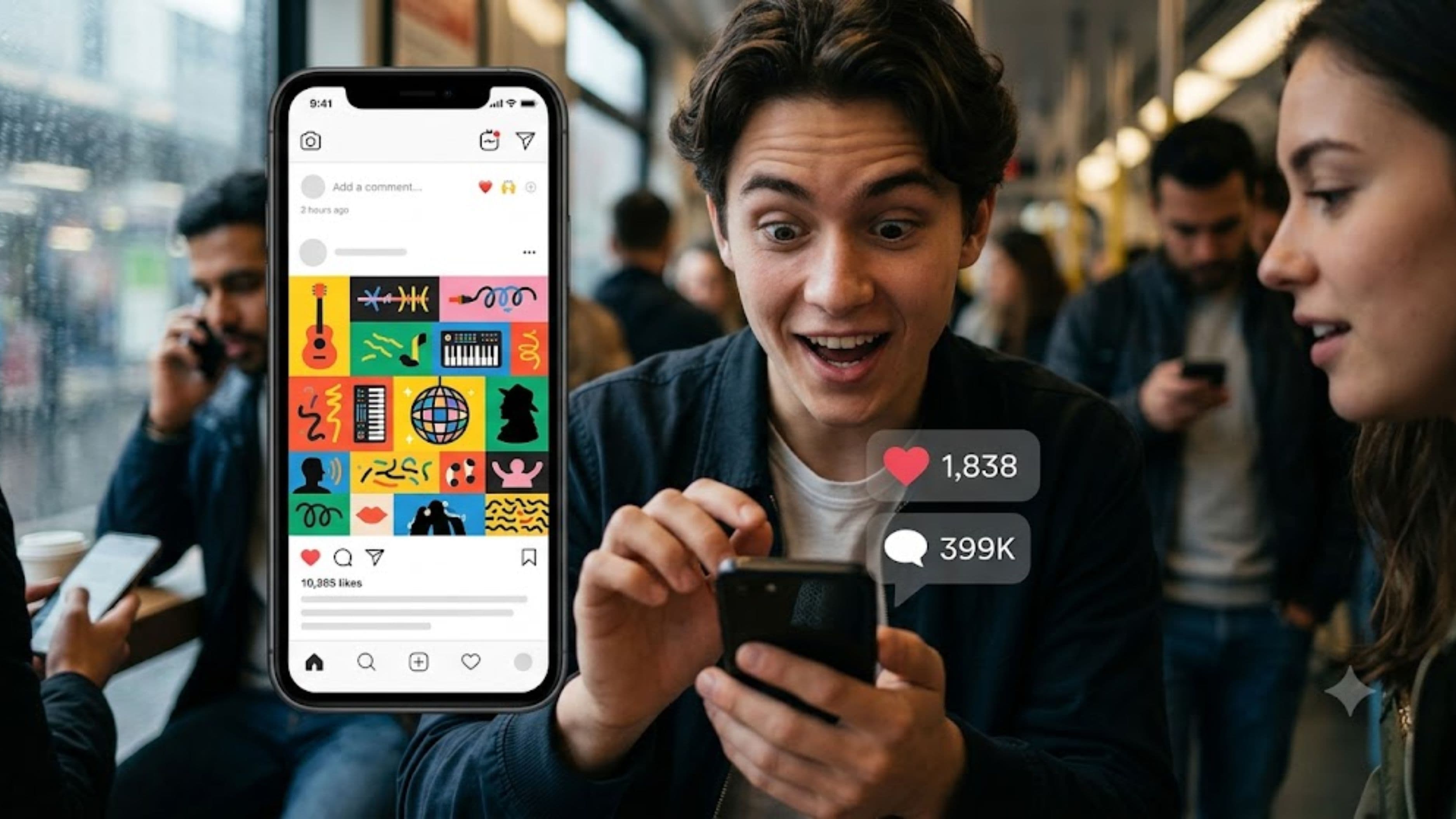
This shows up practically in decisions like sticking with a consistent color story across album art, social content, and merchandise, or maintaining a consistent typographic choice across releases even as the specific artwork changes. It's a discipline that's easy to state and surprisingly hard to maintain, especially as an artist's taste and resources evolve release to release.
The Best Branding Reflects Real Constraints, Not Aspirational Ones
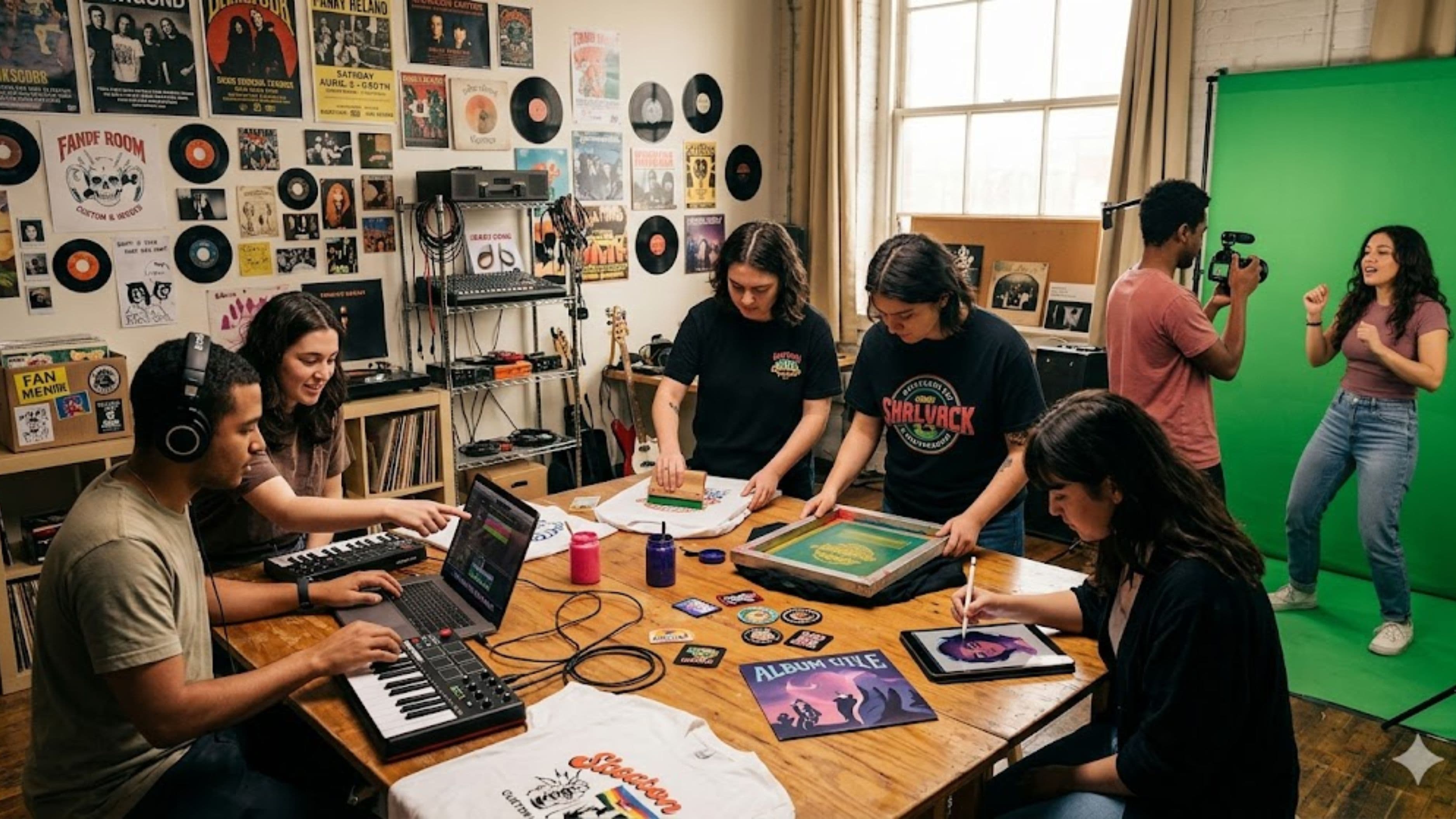
A recurring pattern among independent artists with strong branding is building an identity around what's actually true and sustainable for them, rather than aspiring to a bigger-budget aesthetic they can't consistently deliver. An artist recording in a bedroom studio who leans into that reality visually, unpolished, intimate, handmade, tends to build a more coherent and credible brand than one trying to visually mimic major-label polish on an independent budget and timeline.
This isn't a limitation to work around, it's often the actual differentiator. Audiences increasingly respond to artists whose branding feels honest about their actual position and process, rather than artists performing a scale of production they haven't reached yet.
Branding Extends to How an Artist Communicates, Not Just How They Look
Voice and tone in captions, interviews, and direct fan communication is part of branding just as much as visual identity, and the strongest independent artist brands tend to have a consistent way of talking to their audience, whether that's playful and irreverent, quietly sincere, or sharply observational. This consistency in voice often does more to build a recognizable identity over time than visual branding alone, since it shows up in every single piece of communication, not just release-specific artwork.
How This Plays Out in Practice
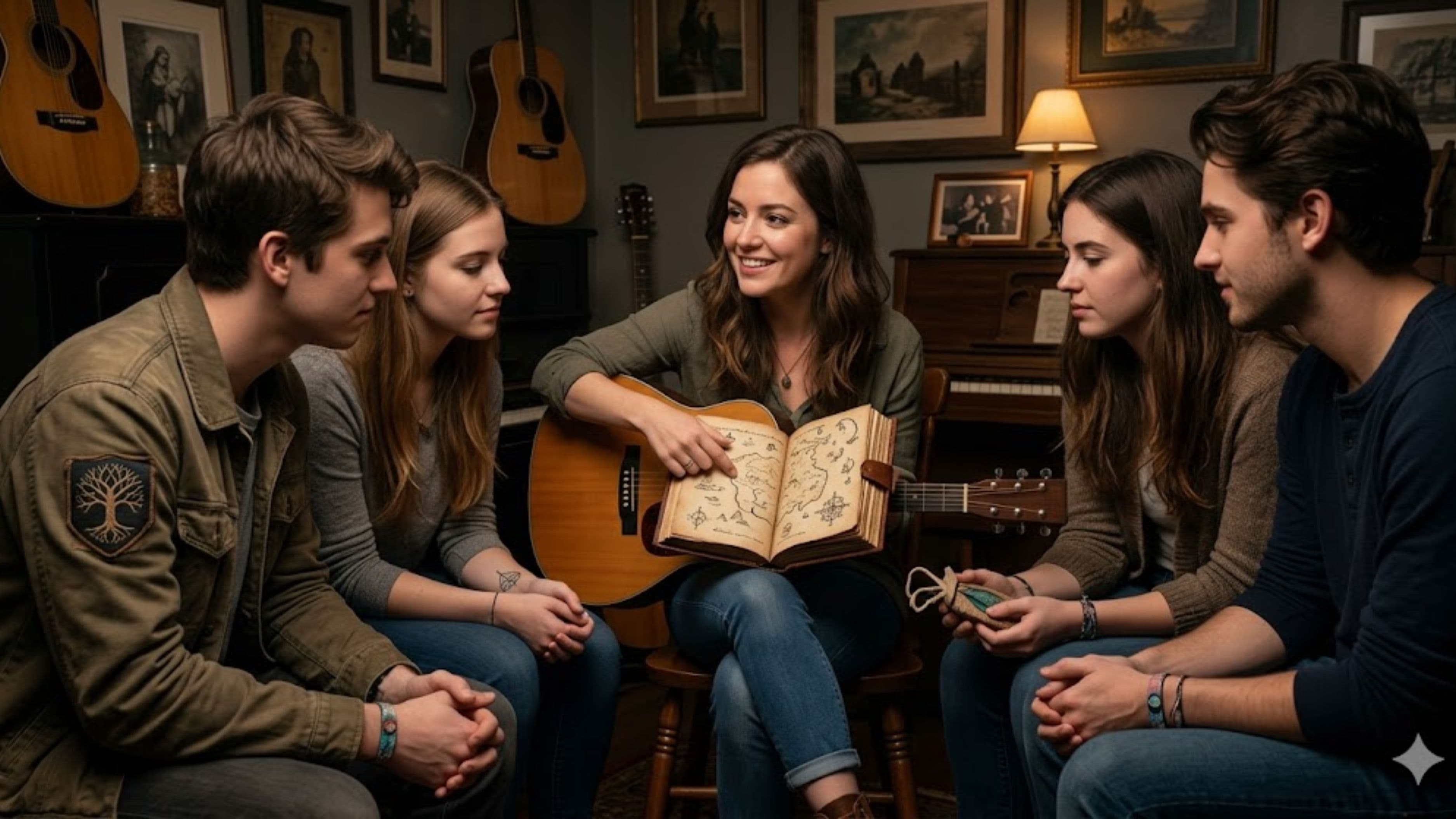
Consider an artist whose music leans into vulnerable, diary-style songwriting. A brand built around that core would likely favor intimate, low-production visual content, handwritten lyric excerpts, phone-camera behind-the-scenes footage, direct, personal captions, over slick, high-gloss visuals that would work against the emotional territory the music occupies. Every visual and communication choice reinforces the same core feeling rather than existing as a separate, disconnected marketing layer.
Common Mistakes
A common mistake is treating branding as something to figure out after the music exists, retrofitting a visual identity onto a body of work rather than letting the branding decisions inform choices from the start of a project. Another is chasing whatever visual trend is currently popular across other artists' pages rather than building toward genuine consistency with your own project's core identity, which tends to produce a brand that feels reactive rather than intentional. Inconsistency between an artist's actual sound and their visual or communication style is also common, and it's one of the more subtle but persistent barriers to building recognizable identity over time.
Key Takeaway
The independent artists with the strongest brands tend to treat branding as a downstream expression of a clear creative and emotional decision, not a separate marketing task layered on top of finished music. Consistency, even at a modest production level, tends to build more lasting recognition than isolated high-polish moments that don't connect to a coherent whole.
FAQ
Do I need a professional designer to build a strong artist brand? Not necessarily. Many of the strongest independent artist brands are built on consistency and authentic alignment with the music itself rather than professional design polish, though a designer can help translate a clear creative direction into cohesive visual assets once that direction is established.
How often should an artist's branding change? Branding can evolve as an artist's sound and identity genuinely evolve, but frequent, unmotivated changes tend to undermine the recognition benefits of consistency. Evolution should generally track real creative shifts rather than following external trends.
Is branding more important than the music itself? No, branding supports and communicates the music rather than substituting for it. The strongest branding in independent music consistently reflects genuinely compelling music and a clear creative identity behind it, not the other way around.
📚 Sources
Berklee Online – Music Business and Branding for Independent Artists. https://online.berklee.edu/takenote/category/music-business/
DIY Musician (CD Baby) – Artist Branding Resources. https://diymusician.cdbaby.com/category/music-marketing/