What's Happening
Publishing deals, which involve a company managing and monetizing an artist's songwriting rights, specifically the composition itself rather than a specific recording of it, have traditionally been associated with major label ecosystems. What's changing is that independent-focused publishing companies and services have expanded significantly, offering deals structured specifically for artists who want support in areas like sync licensing, royalty collection, and catalog administration without requiring them to sign away their recorded music rights or overall label independence.
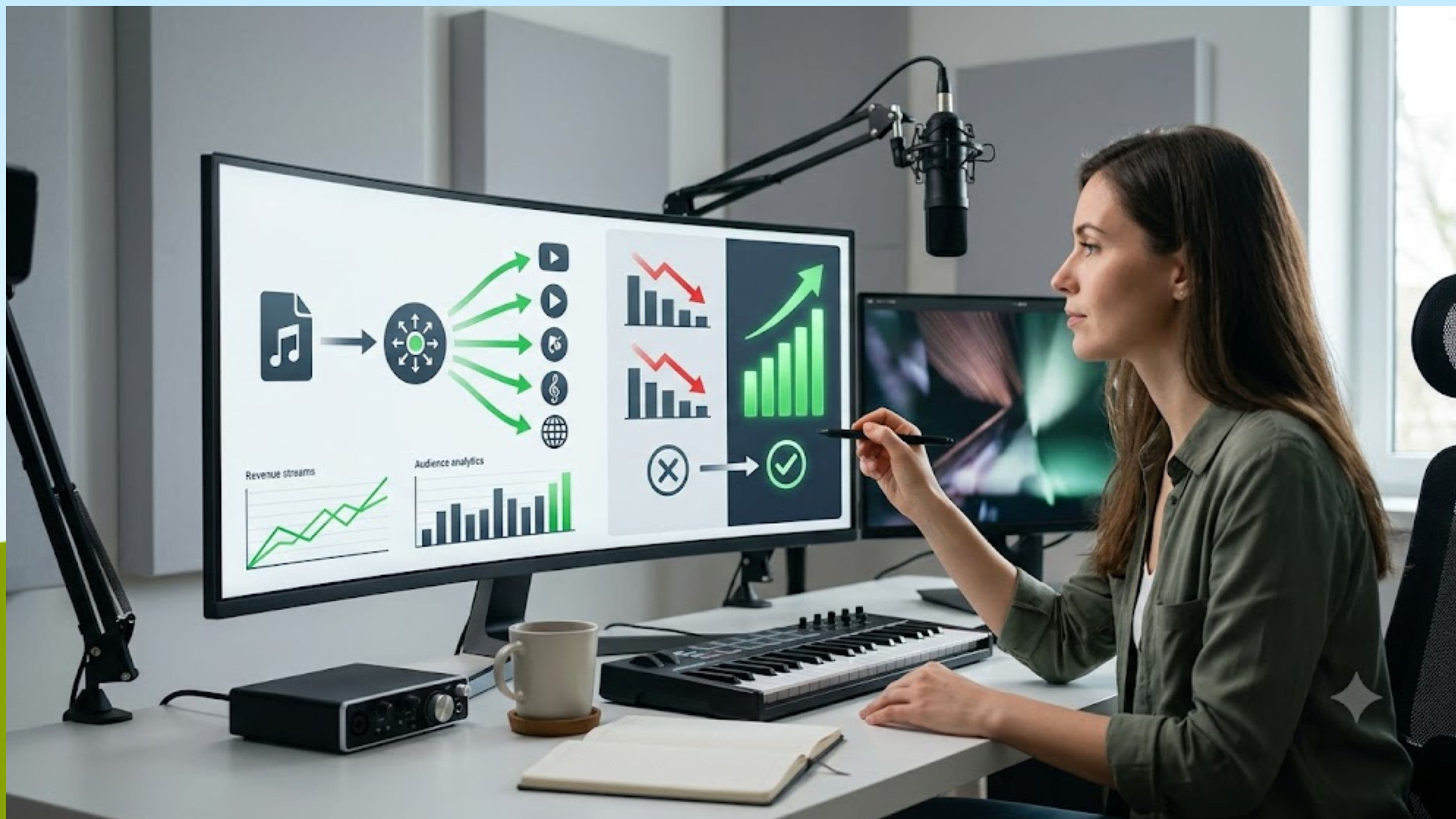
This shift is being driven partly by the sheer complexity of collecting royalties across an increasingly fragmented streaming and licensing landscape. An independent artist releasing music across multiple platforms and territories faces a genuinely complicated royalty collection process, with different performance rights organizations, mechanical royalty systems, and sync licensing opportunities that are difficult to track and claim without dedicated administrative support.
Why It Matters
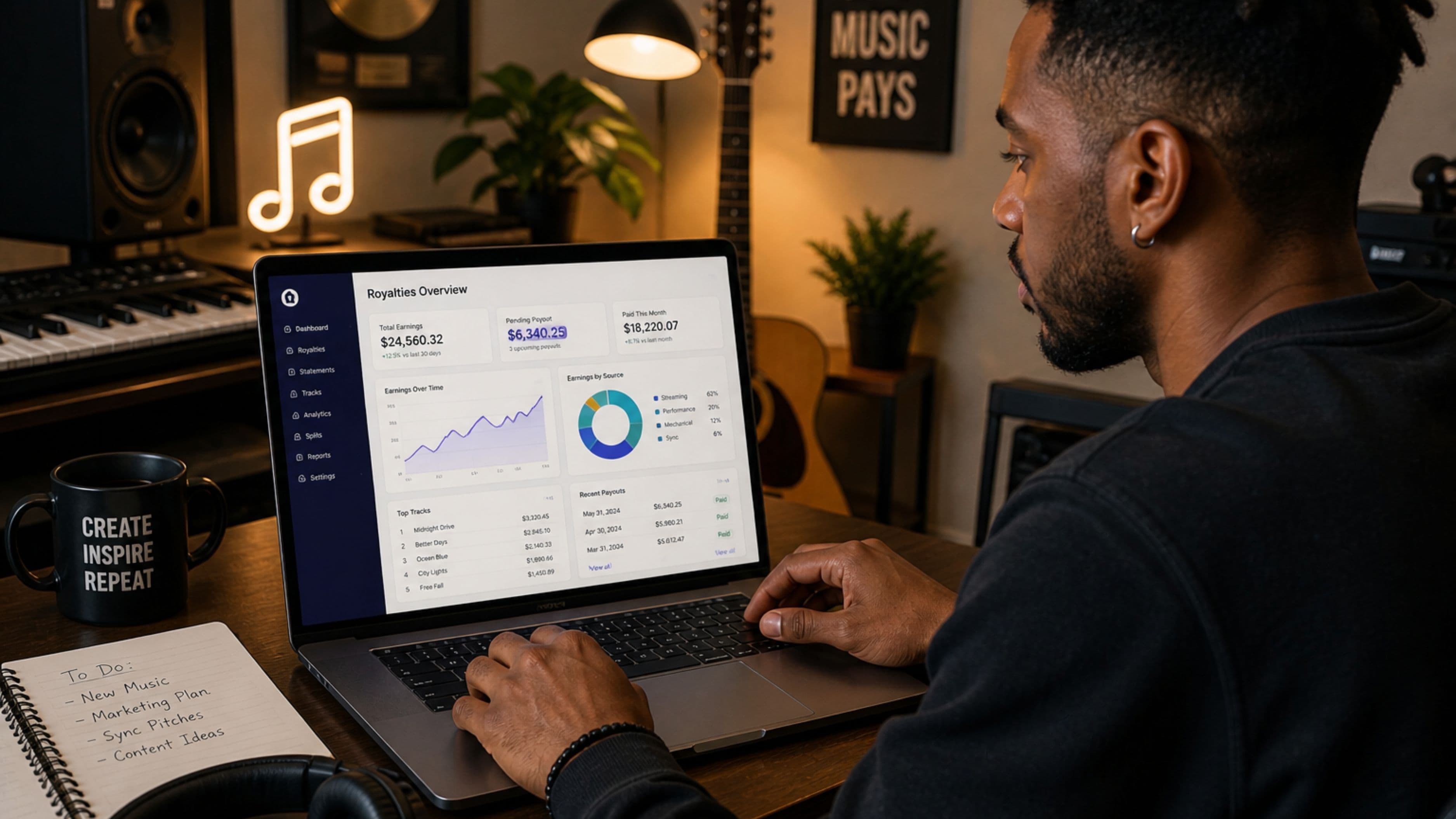
For independent artists, unclaimed or under-collected publishing royalties represent real, meaningful lost income, often invisible until an artist actually audits their royalty statements or works with someone who specializes in catching what's been missed. A publishing deal, particularly an administration-focused one rather than a full rights transfer, can recover income that was likely already owed to the artist but never actually collected due to the complexity of the underlying royalty systems.
This matters because independent artists increasingly have access to the same distribution reach as major label artists through digital platforms, but they don't automatically have the same administrative infrastructure behind them to actually capture every royalty stream their music generates. Publishing support fills that specific gap without requiring an artist to give up the broader independence that made staying unsigned appealing to them in the first place.
Key Developments Driving This Trend
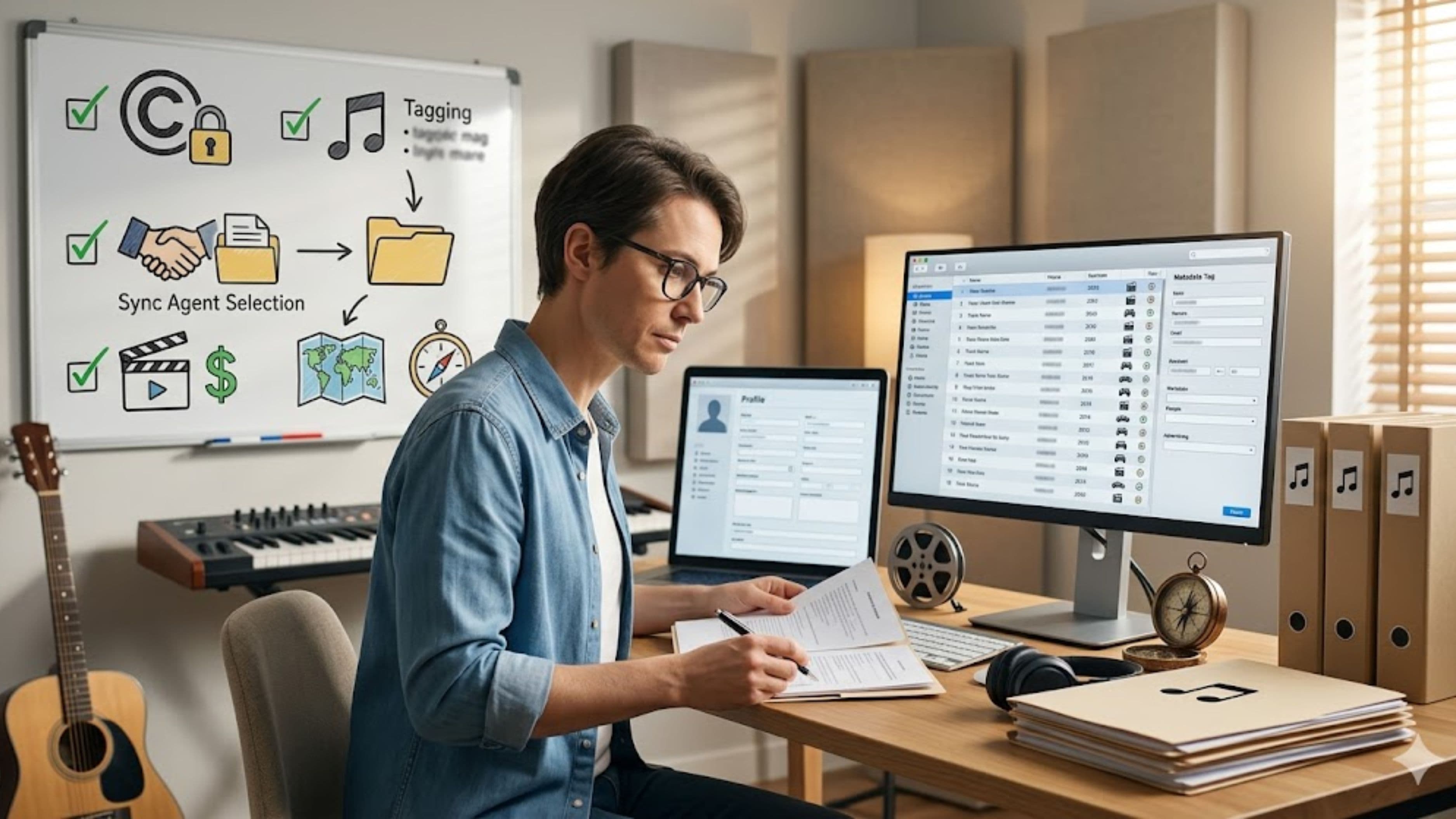
One significant factor is the meaningful growth in sync licensing opportunities, meaning music placed in film, television, advertising, and gaming. These placements often require fast, professional negotiation and existing industry relationships that an individual artist typically doesn't have time to build alone while also writing, recording, and touring. Publishing partners with established sync relationships can connect an artist's catalog to opportunities that would otherwise be difficult to access independently.
Another development is the rise of publishing administration services specifically marketed toward independent artists, distinct from traditional full publishing deals that typically involve a larger share of royalties and longer-term commitments. These administration-focused arrangements tend to take a smaller percentage specifically for the service of tracking and collecting royalties, appealing to artists who want the administrative support without a more significant, long-term rights arrangement.
There's also been a broader industry conversation around royalty transparency, with growing pressure on the different organizations responsible for collecting and distributing songwriting royalties to modernize systems that have historically been criticized as opaque and difficult for individual artists to navigate without professional help.
Real-World Impact for Artists
For an independent artist who writes and releases their own music, a publishing deal can mean the difference between actually receiving mechanical and performance royalties owed to them versus those royalties going unclaimed due to registration gaps or missed paperwork across different rights organizations. It can also open doors to sync opportunities that generate meaningful income independent of touring or streaming revenue, income streams that don't require the physical demands of touring or depend on the increasingly thin margins of streaming payouts.
This isn't automatically the right move for every artist, however. Some publishing deals involve giving up a percentage of royalties in exchange for this administrative and opportunity-generating support, and artists need to weigh whether the additional income and opportunities a publishing partner can realistically generate outweigh that percentage given up, compared to managing publishing rights independently with tools designed for DIY catalog administration.
Practical Takeaway
If you're an independent artist considering this path, start by understanding what royalties you might already be leaving uncollected, since several independent royalty auditing and registration services exist specifically to help artists identify this before committing to a full publishing deal. Comparing a few different publishing administration options, and clearly understanding what percentage they take and what specific services that percentage actually covers, matters more than jumping at the first offer that comes your way.
It's also worth having a clear sense of your own catalog's sync potential and existing streaming and performance activity before negotiating, since a publishing partner is more likely to offer favorable terms to an artist who can demonstrate real, existing royalty activity worth administering rather than a catalog with minimal streaming or performance history to build from.
What to Watch Out For
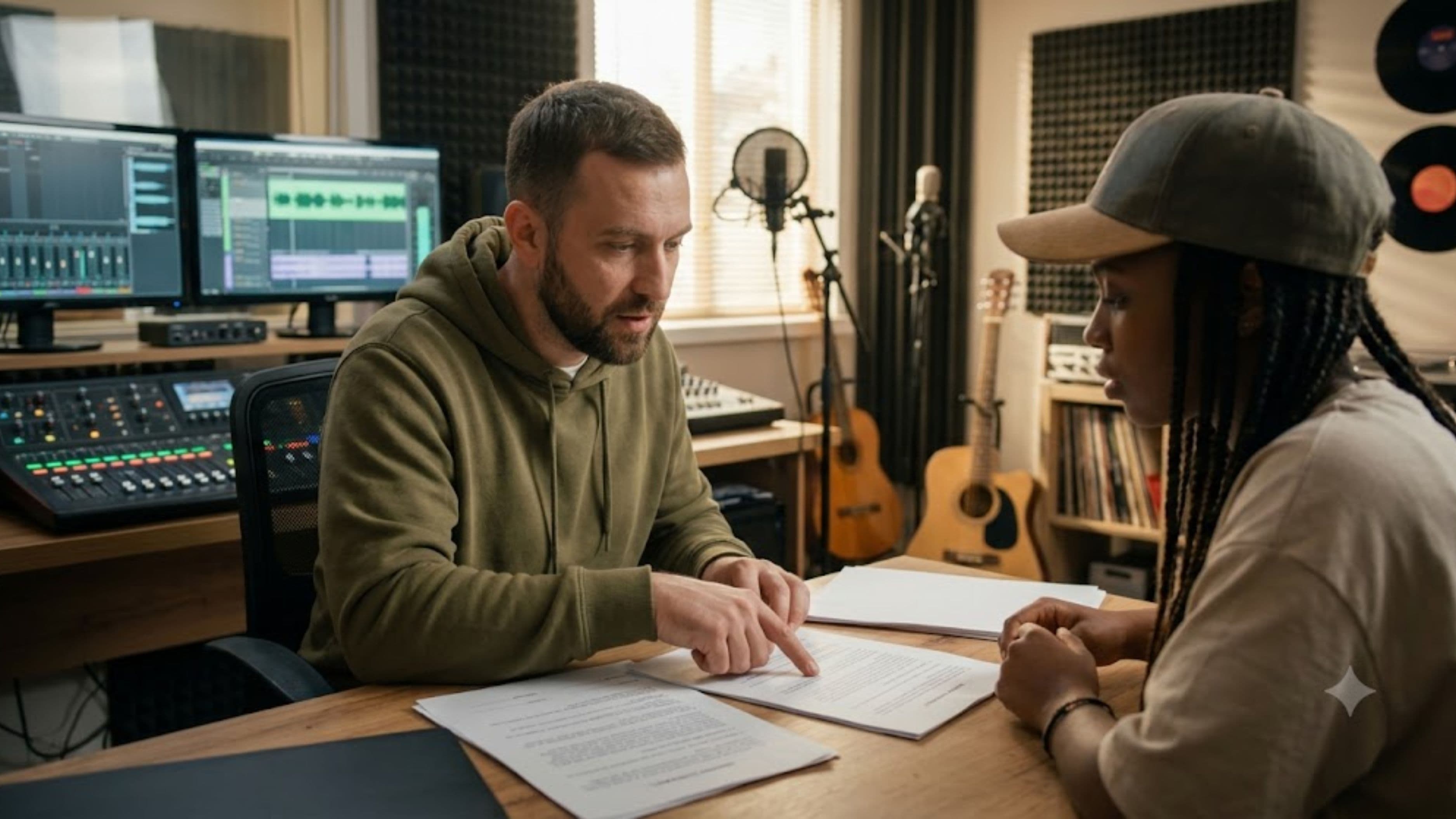
Not all publishing deals are structured the same way, and it's worth reading the specific terms carefully rather than assuming all offers are functionally similar. Some deals request rights for an extended term or a broader share of income than a straightforward administration arrangement would, and it's reasonable to ask specifically what happens to your publishing rights if you want to exit the agreement down the line.
Be cautious of any publishing offer that pressures you to sign quickly without time to review the terms or consult an entertainment attorney, since legitimate, ethical publishing companies generally expect and accommodate a reasonable review period for an artist considering a real commitment like this.
FAQ
Does signing a publishing deal affect my ability to stay an independent artist? Not necessarily. Many publishing deals are specifically structured to leave your master recording rights and label independence untouched, focusing only on the administration and monetization of your songwriting rights.
How do I know if I have uncollected publishing royalties already? A royalty audit or registration check through a reputable publishing administration service can typically identify gaps, particularly around performance royalties tied to radio play, sync placements, or international streaming activity that often go unclaimed without proper registration.
Is a smaller administration deal better than a traditional publishing deal? It depends on what you need. Administration-focused deals typically take a smaller cut and offer less active opportunity-generation, while traditional publishing deals often take more but can offer more active sync pitching and career development support.
Publishing is becoming a more visible piece of the independent artist toolkit precisely because it solves a real, specific problem: unclaimed income and untapped opportunity that most artists don't have the time or infrastructure to chase down alone. Evaluating whether it fits your specific catalog and career stage is worth doing carefully, rather than either dismissing it outright or signing the first deal offered.
📚 Sources
American Society of Composers, Authors and Publishers (ASCAP) – Understanding Music Publishing – https://www.ascap.com/help/music-business-101
Broadcast Music, Inc. (BMI) – Royalties and Licensing – https://www.bmi.com/creators