Hyper-Niche Positioning Has Replaced Broad Coverage
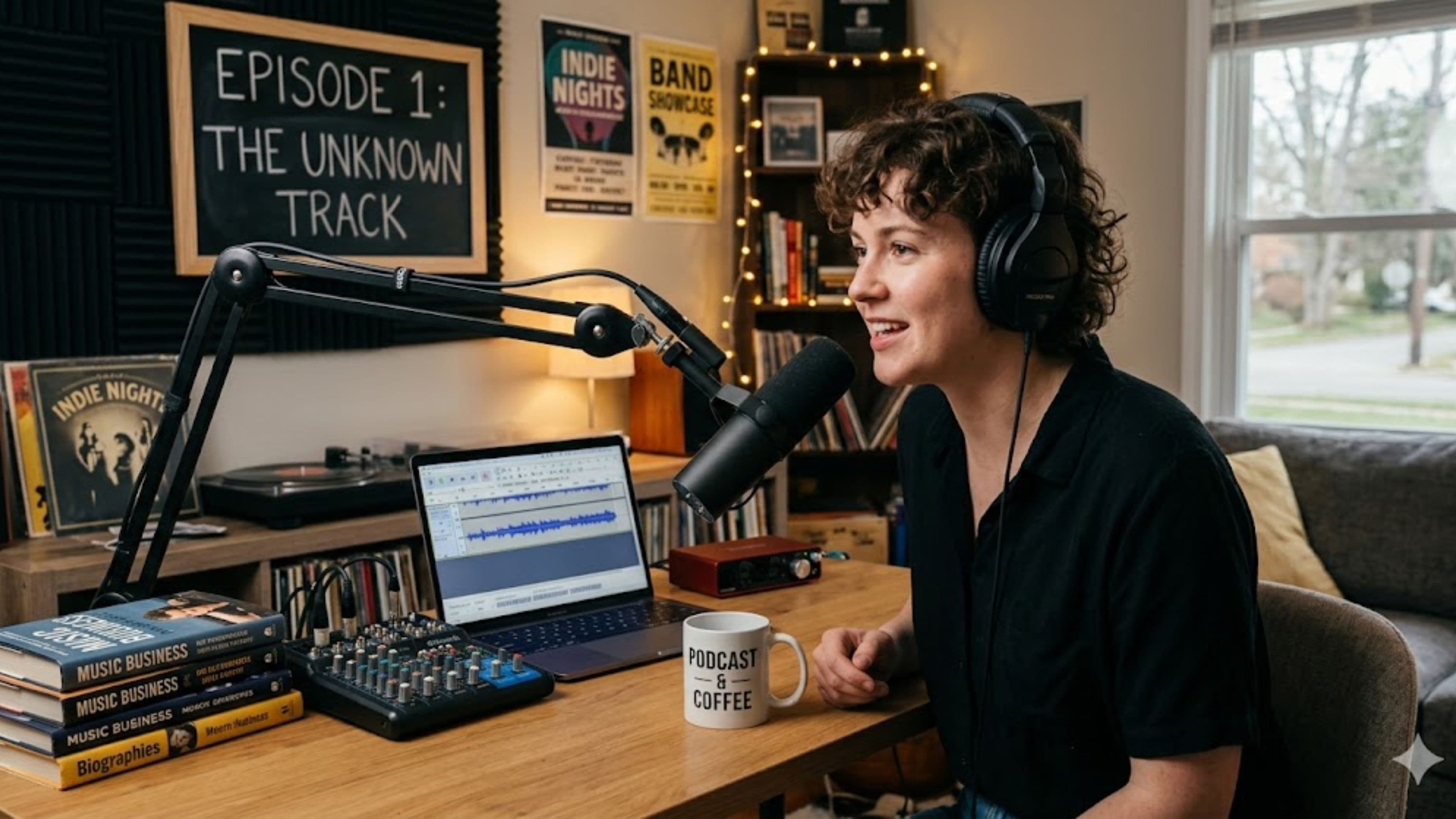
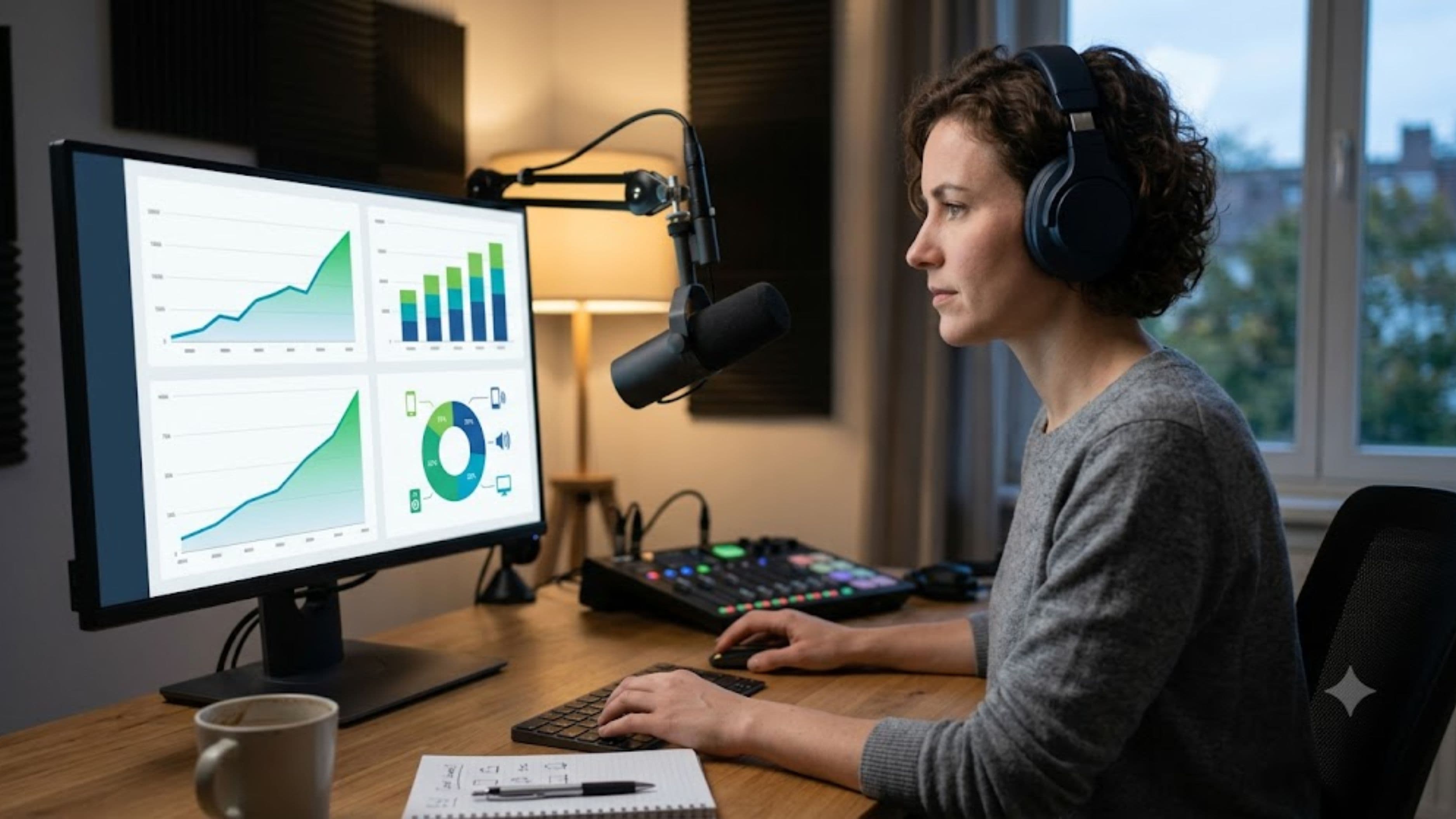
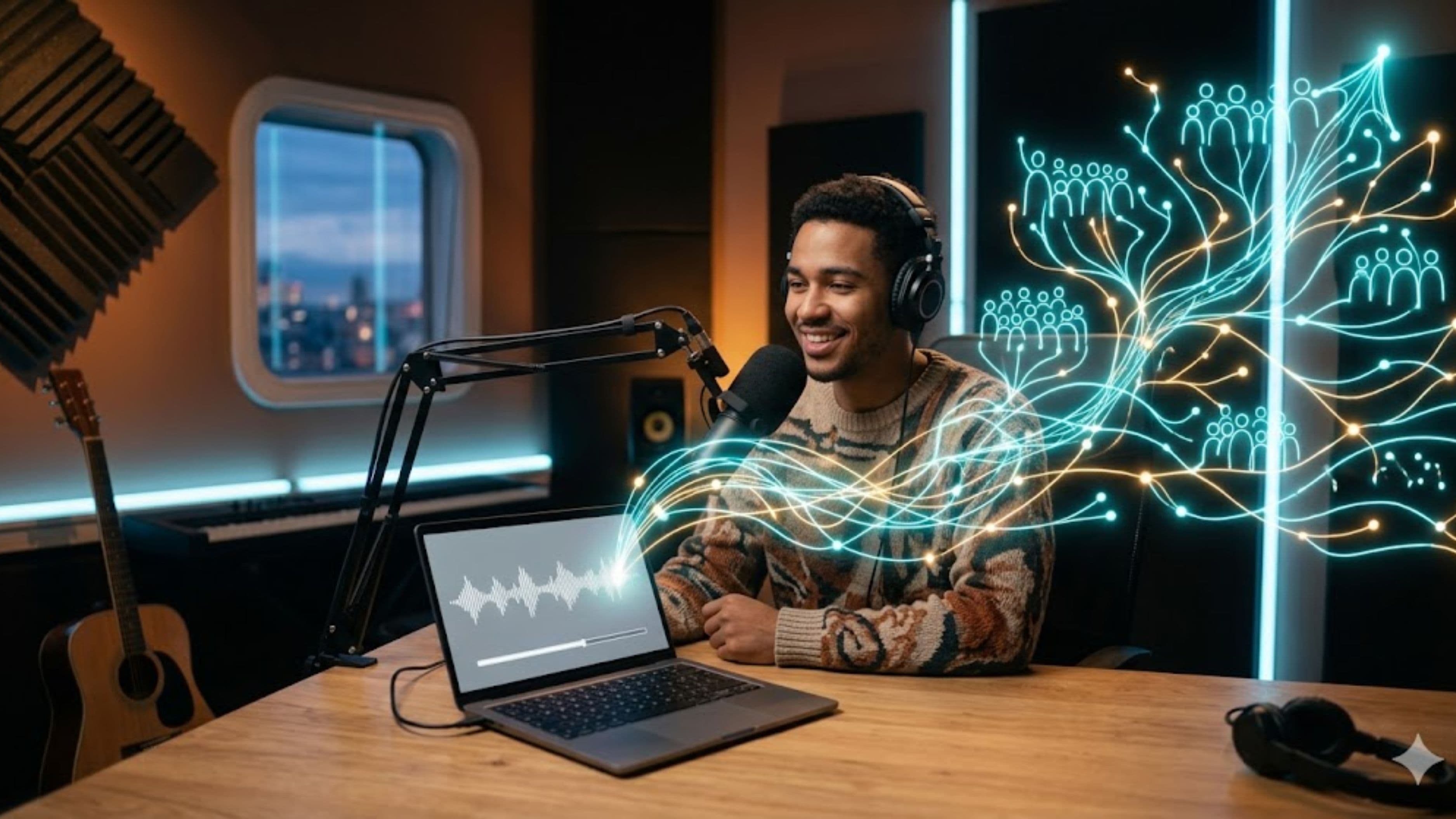
The era of the general music podcast is largely over, at least for indie creators trying to break through without a major media brand or celebrity host behind them. The shows gaining real traction in 2026 are built around a specific intersection of genre, era, culture, or community that no one else is covering with depth. Not "music history" – but a podcast exclusively covering the social history of Detroit techno. Not "hip-hop" – but a show analyzing the business decisions of independent rap labels in the American South. Not "indie rock" – but a podcast hosted by session musicians talking about what it's actually like to be in the room when famous records get made.
The specificity isn't just a positioning tactic – it changes the quality of the audience you attract. People who find a show that covers exactly their obsession are far more likely to become loyal, engaged listeners who tell other people about it. A broad music podcast competes with everything. A hyper-specific one creates its own lane and often faces no direct competition at all.
Podcasters who've succeeded with this approach talk about the same experience: the more specific they got, the harder it felt to commit to, and the better the results were once they did. The temptation to broaden the scope to reach more people is real and almost always counterproductive at the independent level.
Video-First Production Has Become the Standard
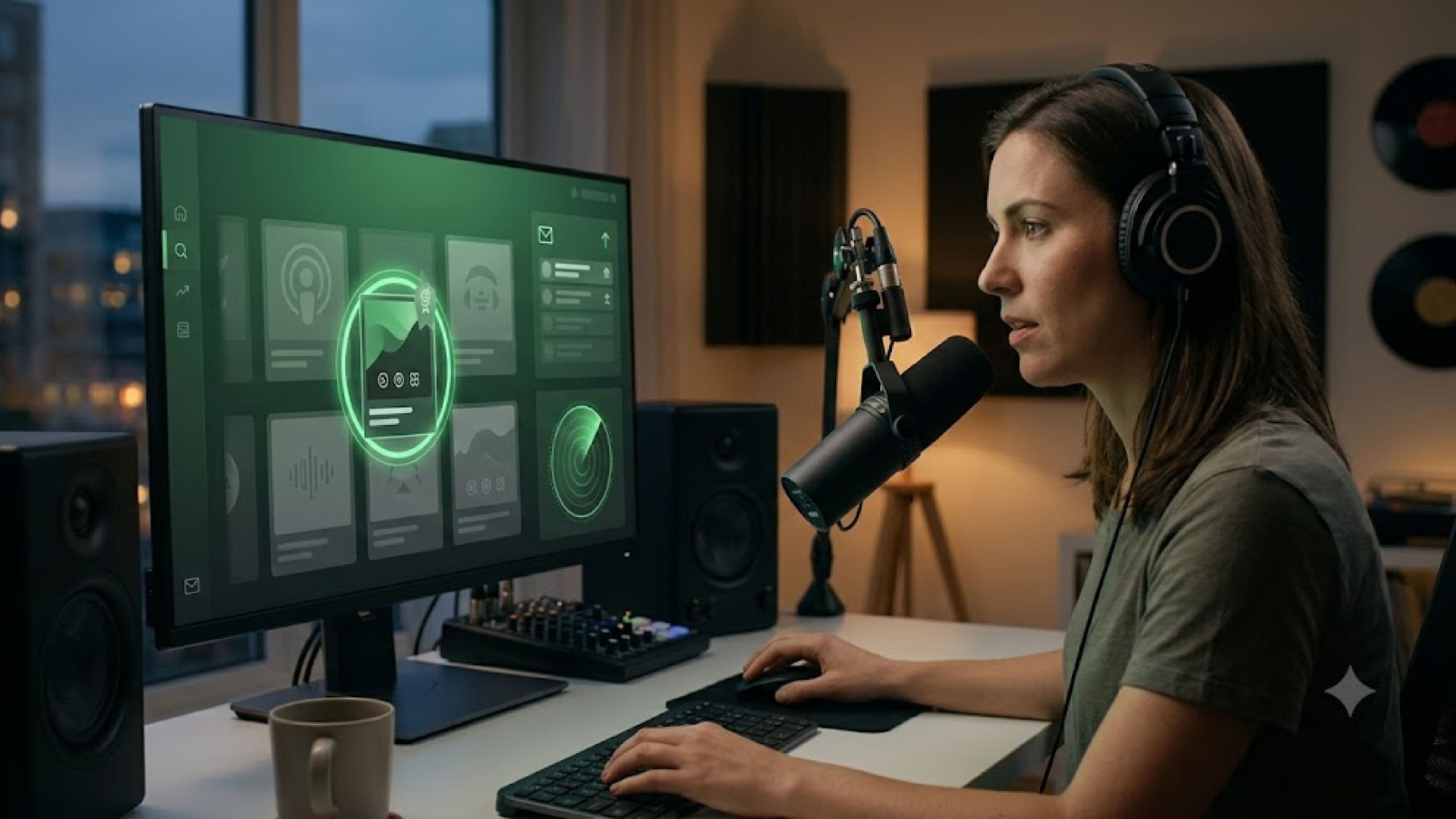
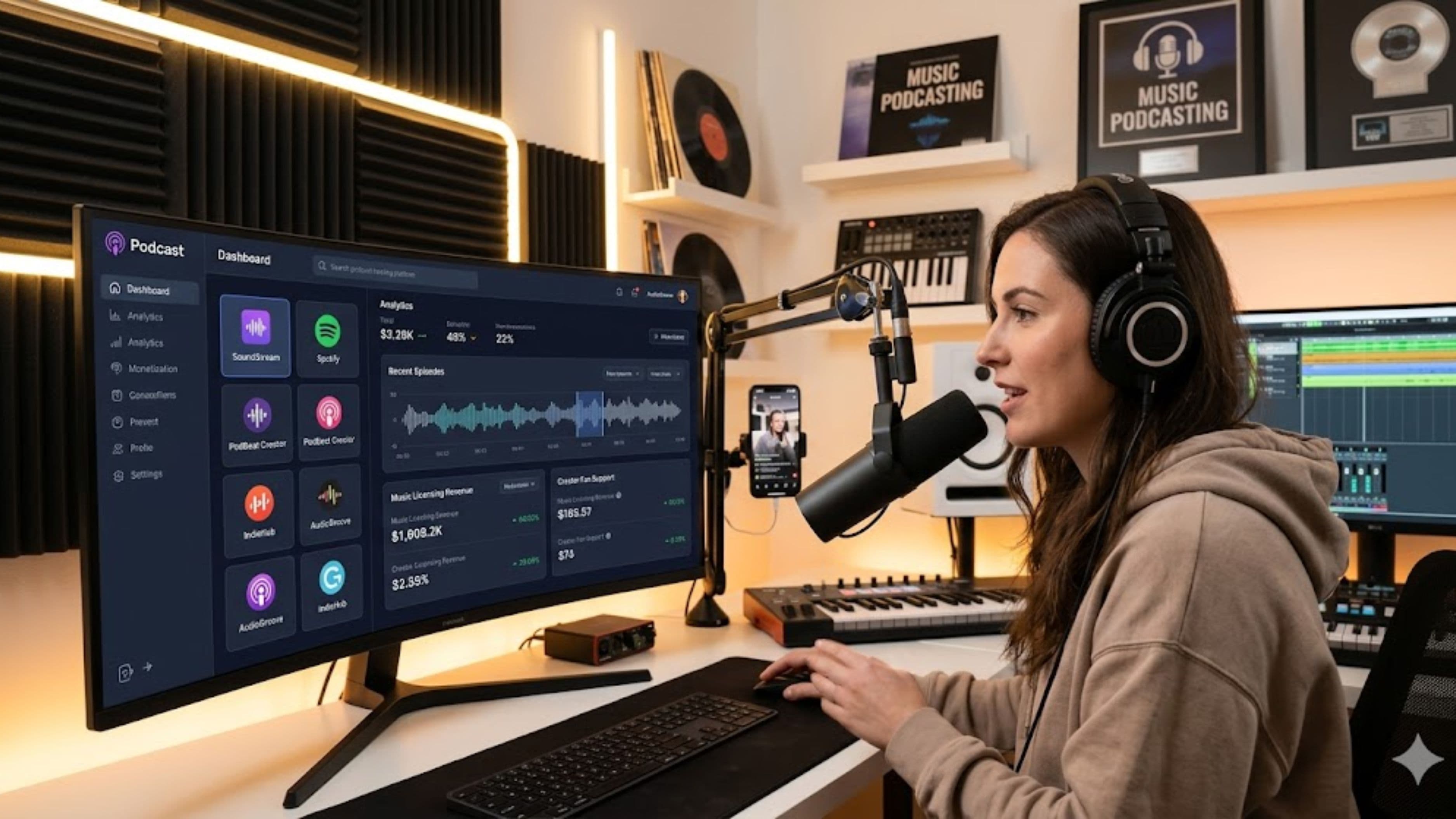
In 2025 and into 2026, the shift toward video podcasting has accelerated beyond what most people predicted two years ago. YouTube is now the most-used podcast platform by listening time in the US according to Edison Research, and Spotify has invested heavily in video podcast integration. For music podcasters specifically, video opens up something audio alone can't offer: performance, reaction, and visual music context that deepens the listening experience.
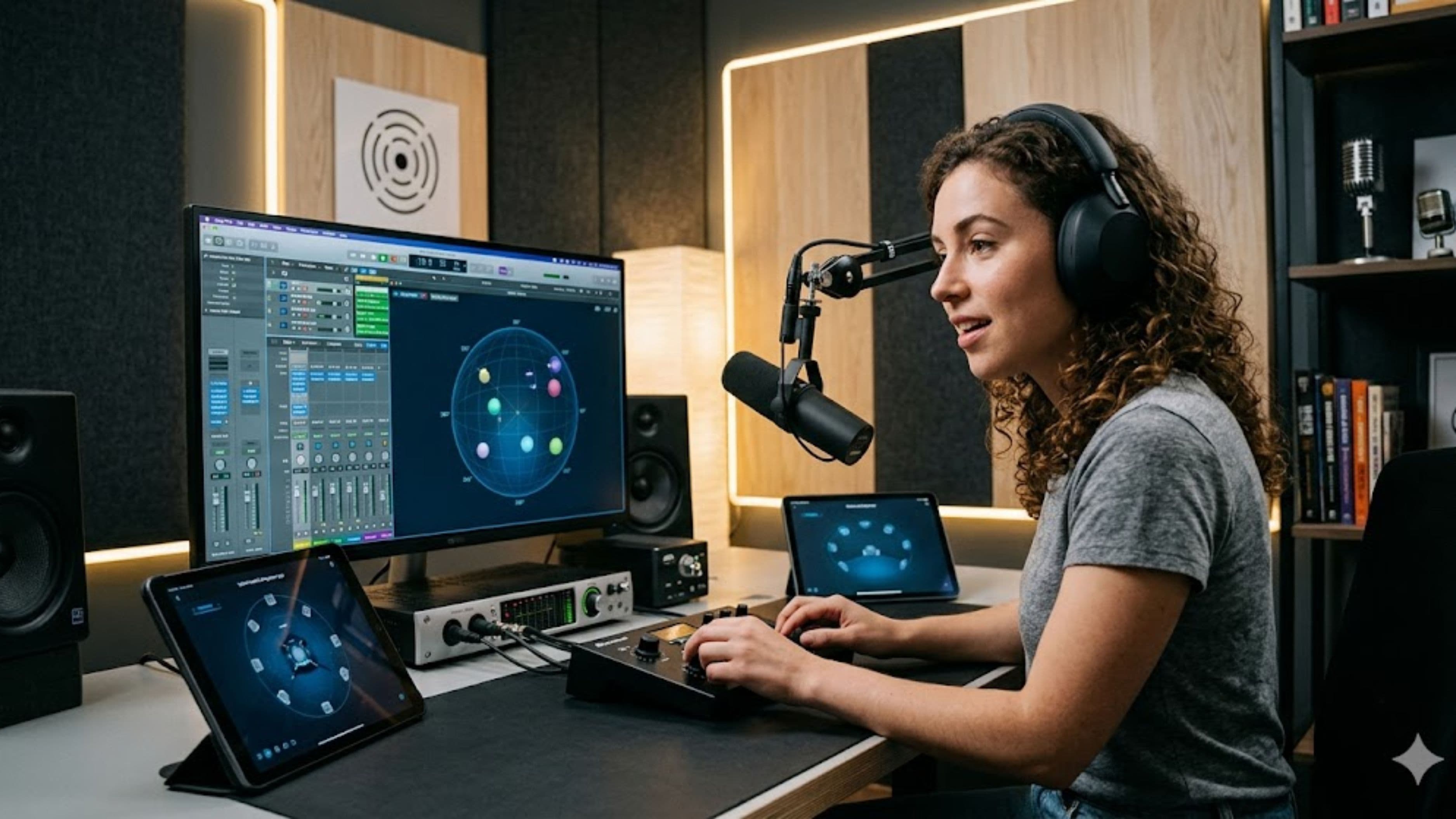
The podcasters standing out aren't just pointing a webcam at themselves and calling it a video podcast. They're treating the visual component as part of the content – using split-screen layouts to show audio waveforms when discussing specific sounds, cutting to footage of live performances or studio sessions to illustrate a point, or using the camera to capture genuine reaction during a listening session where hosts hear tracks for the first time on air. That last format – the live listening reaction – has become one of the more distinctive formats in music podcasting precisely because it can only exist on video.
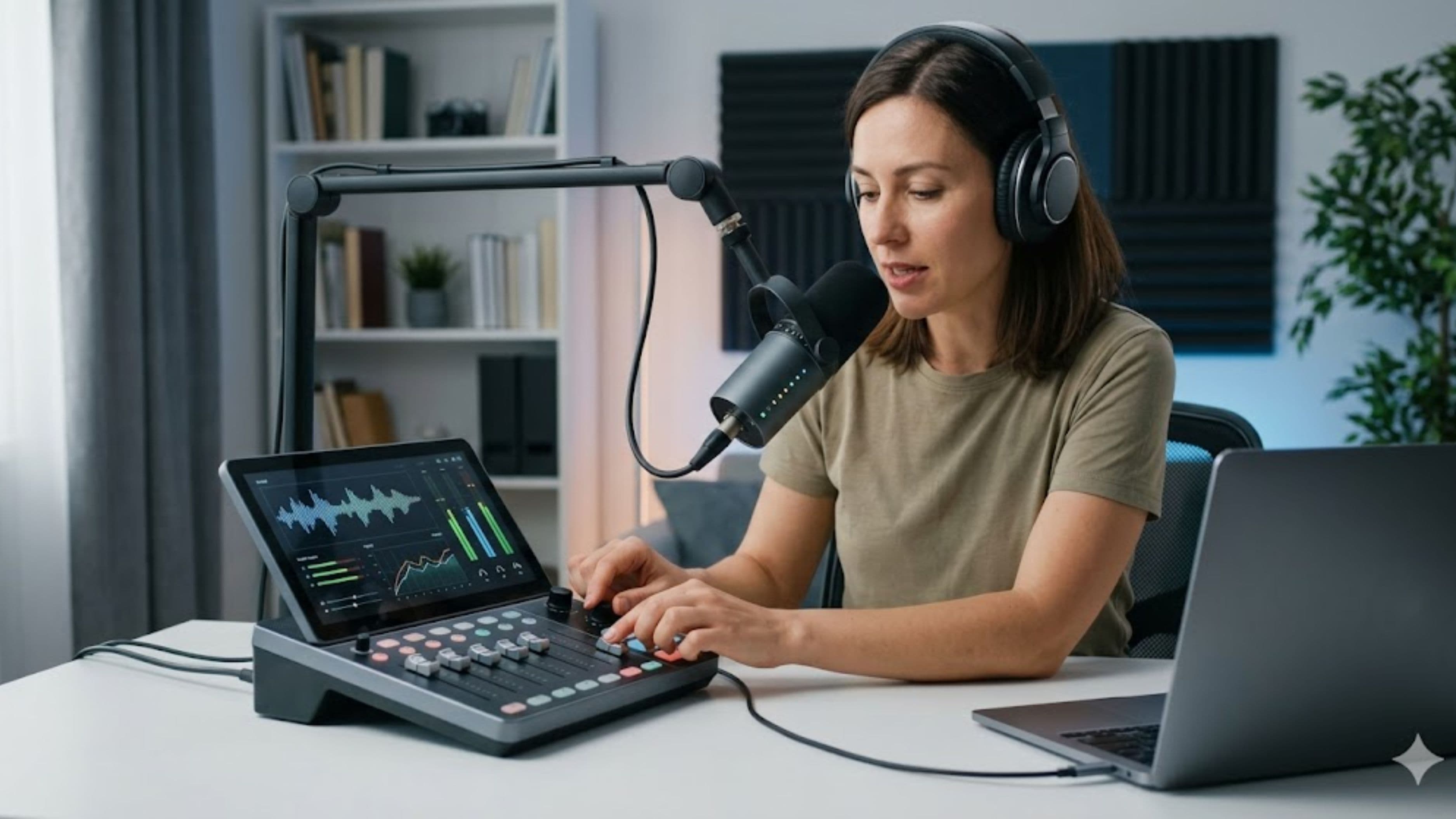
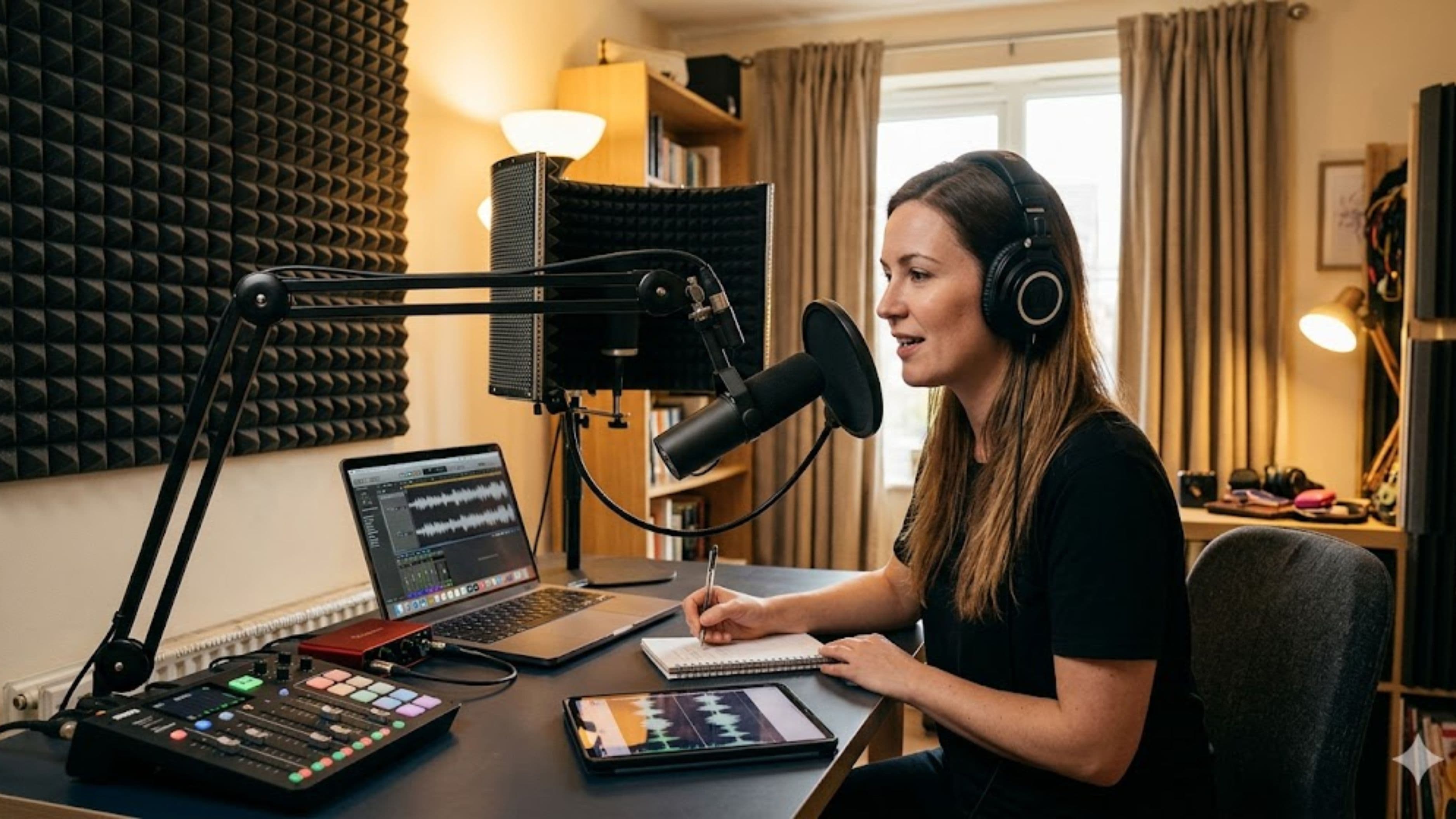
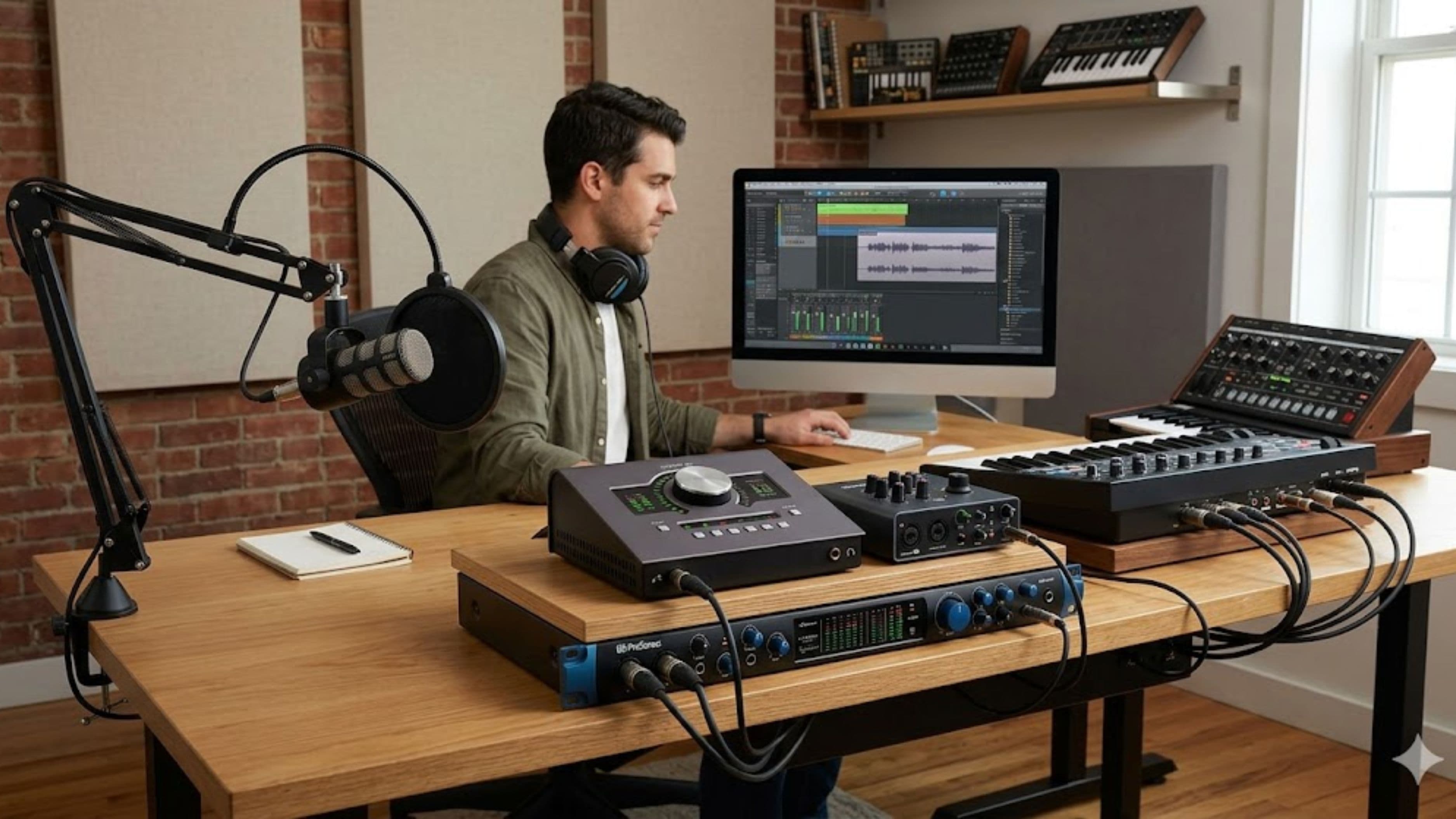
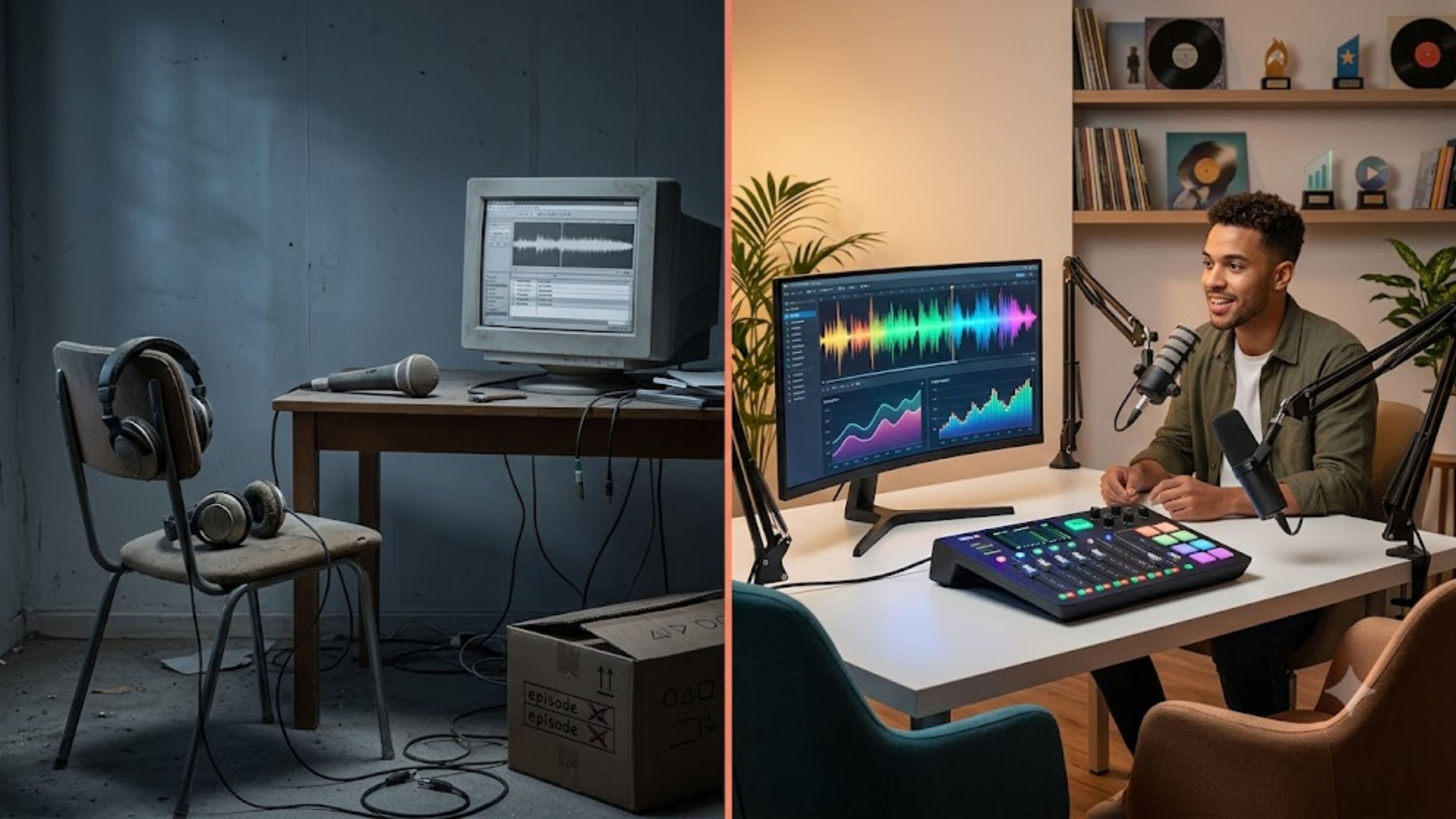
The production investment required has also dropped significantly. A basic video podcast setup (a decent webcam or mirrorless camera, a single overhead softbox or ring light, and a tidy background) is accessible for under $500 in total. The shows that look noticeably professional are mostly getting there through lighting and framing discipline rather than expensive camera gear.
Live and Serialized Formats Are Replacing the Standard Interview
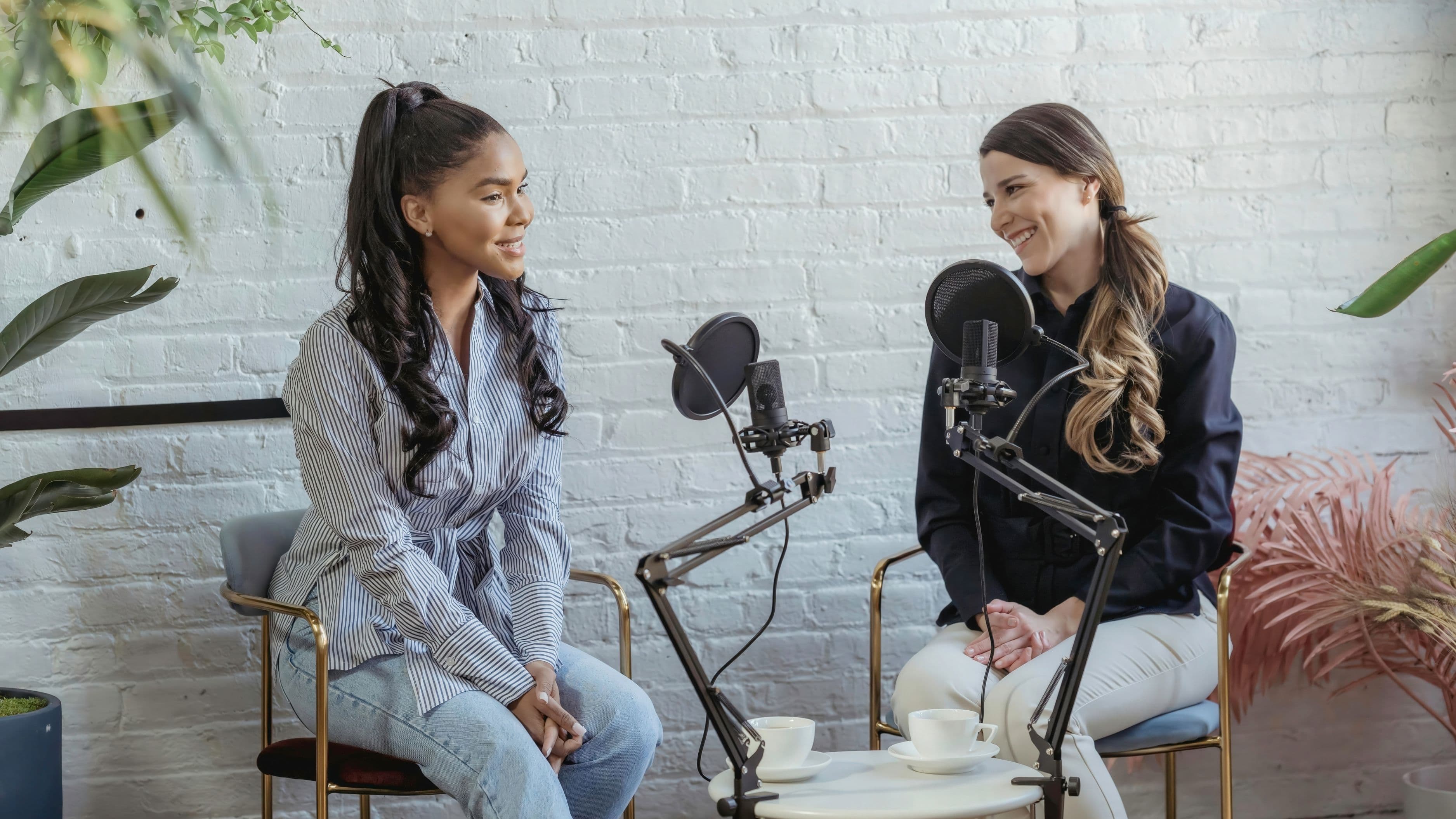
The standard interview podcast format – host brings on a guest, they talk for an hour, episode publishes – hasn't disappeared, but it's no longer differentiating. The music podcasters gaining attention in 2026 are experimenting with formats that feel more like events or series rather than individual episodes.
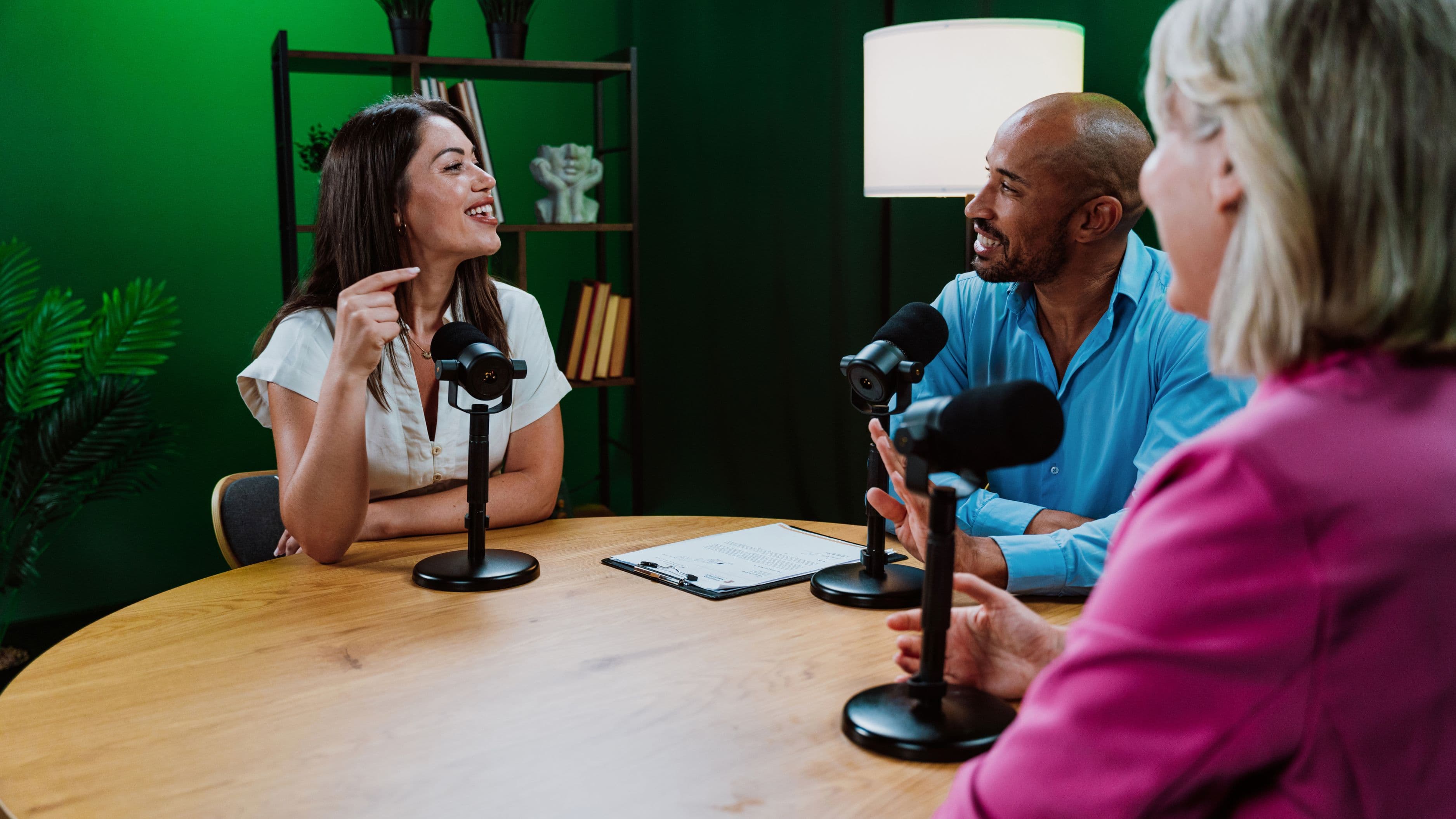
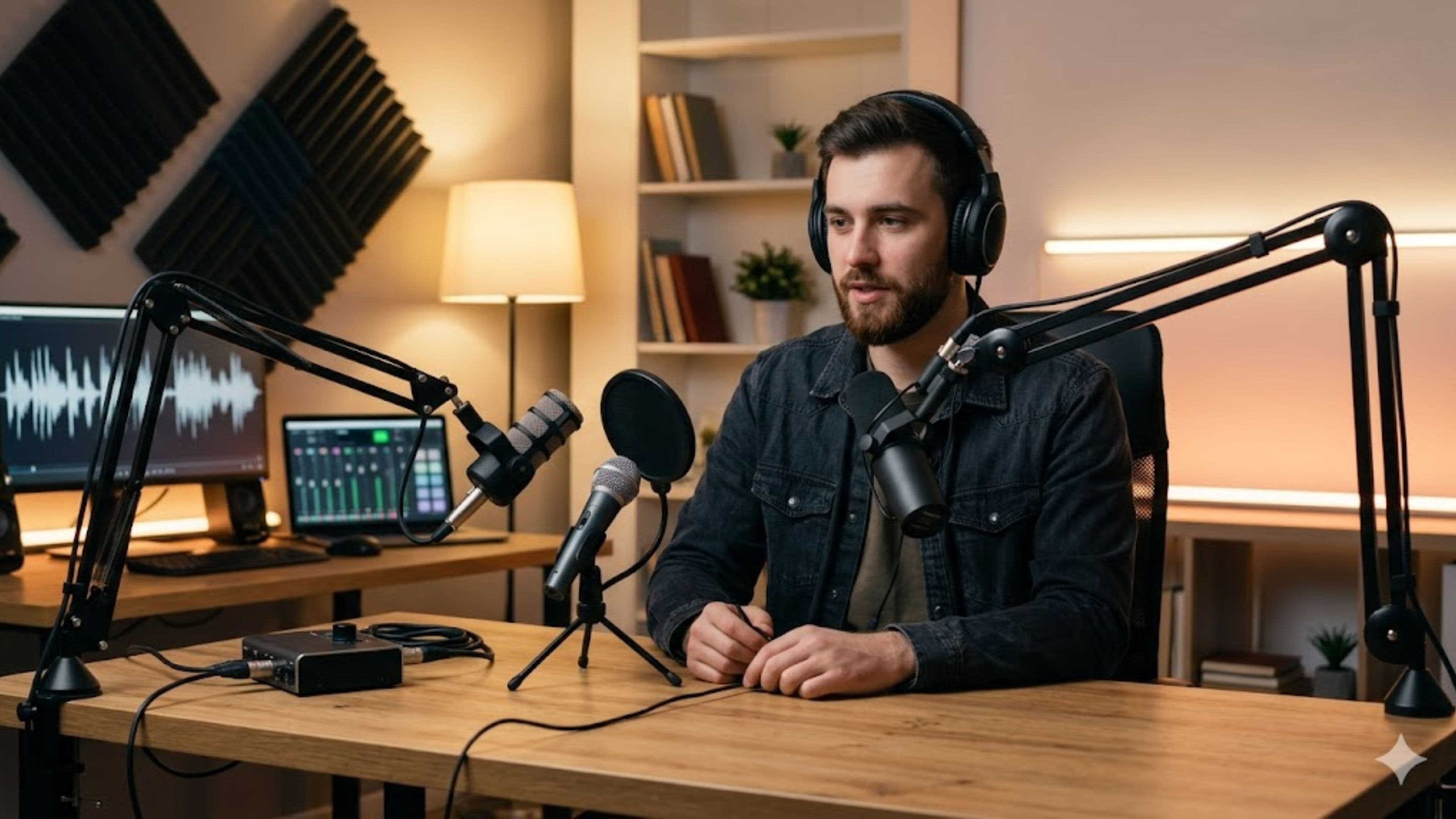
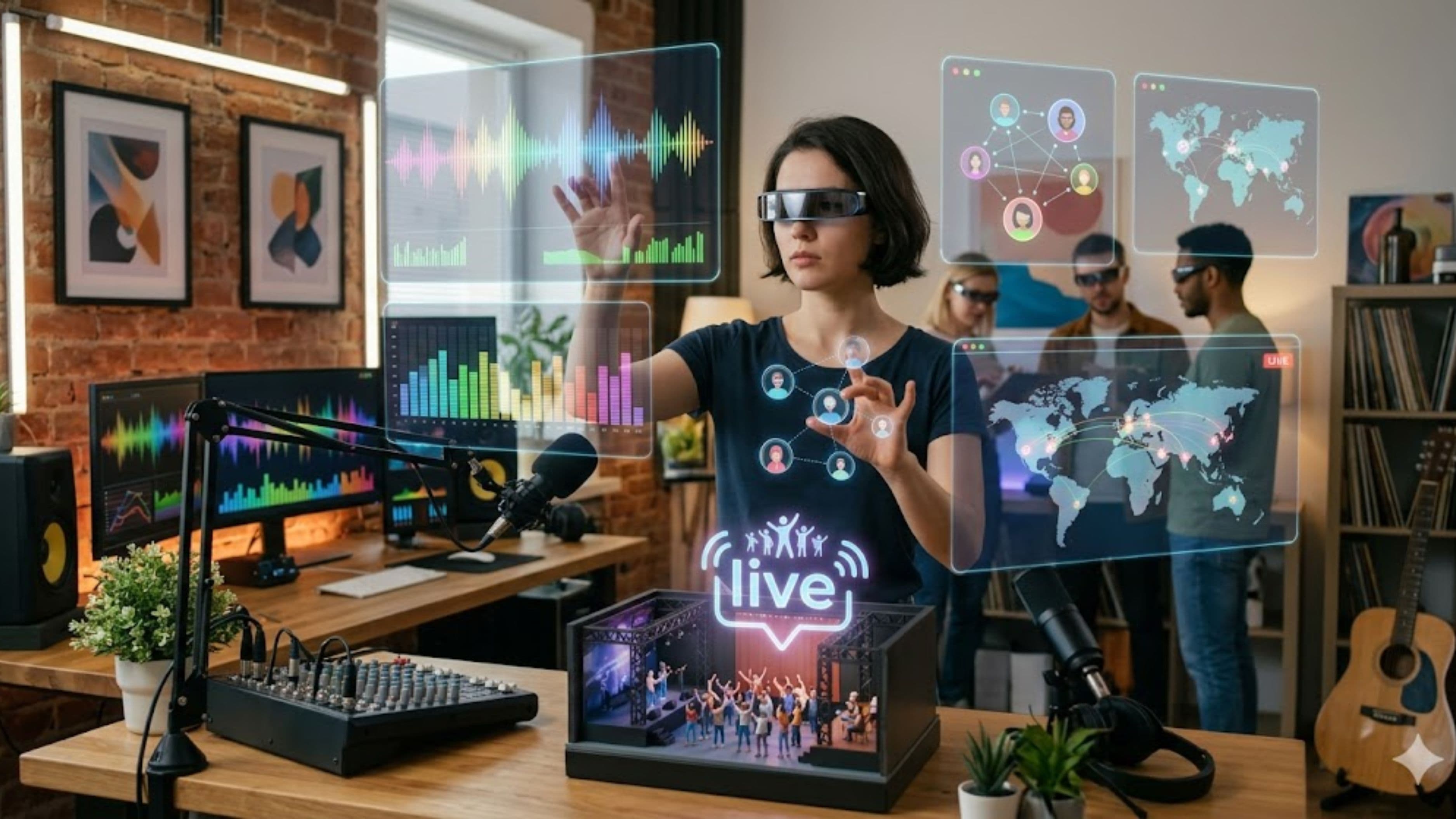
Live recordings in front of small audiences – a practice borrowed from live comedy podcasting – have found real traction in music circles. Shows recorded at DIY venues, record stores, and listening events create an energy that solo studio recording can't replicate, and they build community around the show in a physical sense that algorithmic growth alone doesn't produce. The audience becomes part of the format rather than passive listeners, which strengthens loyalty significantly.
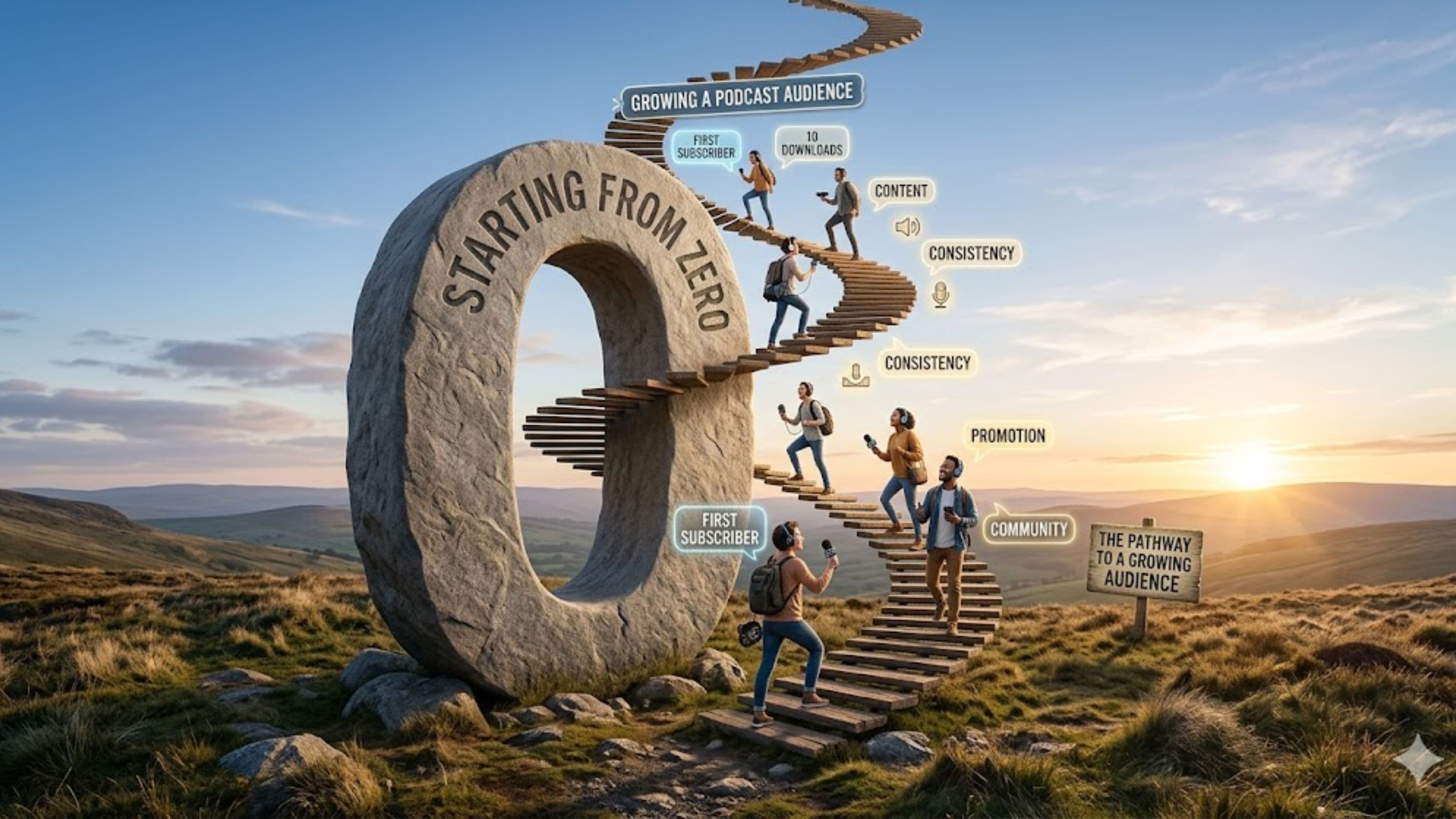
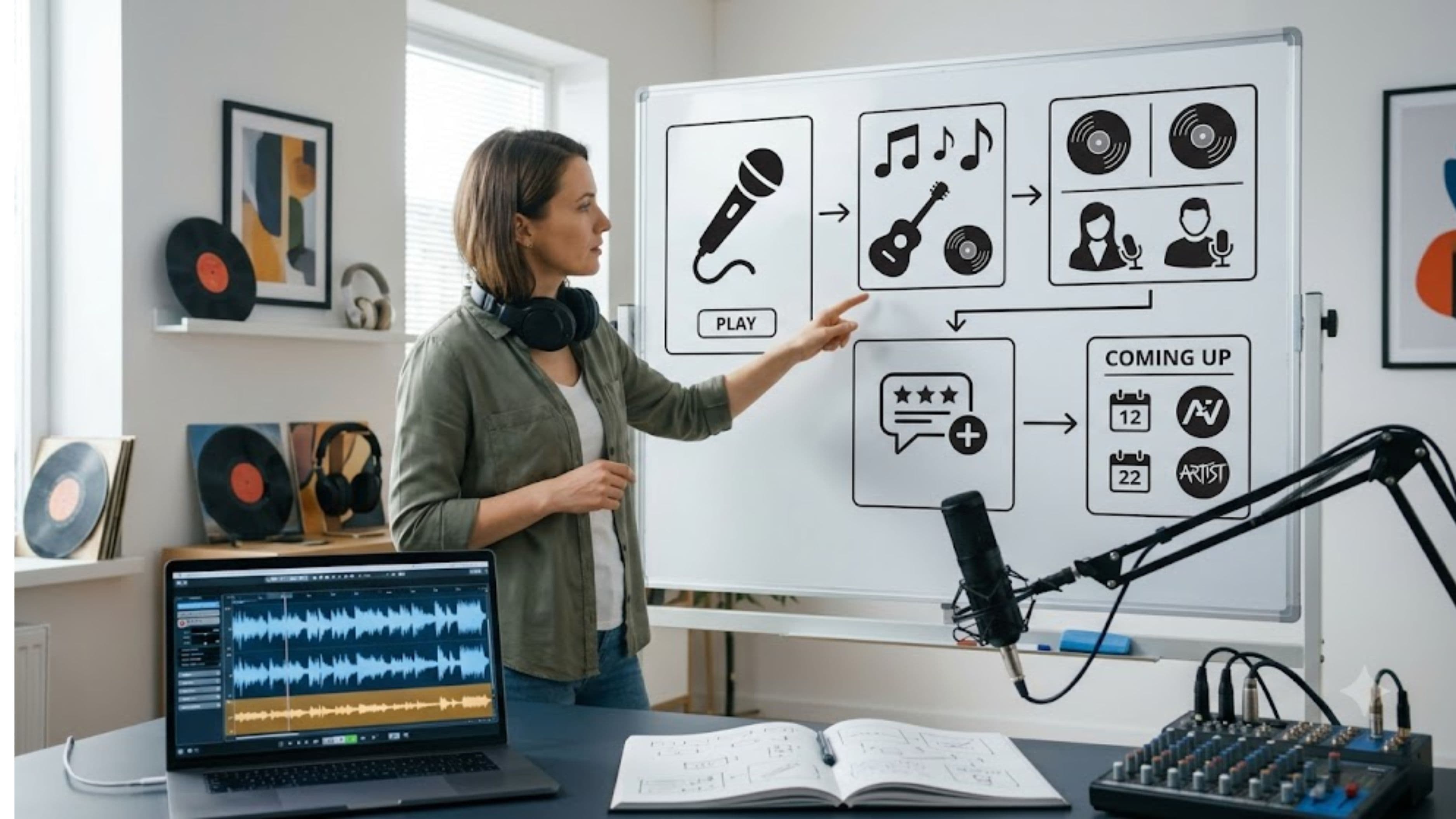
Serialized documentary-style formats are another growing edge. Instead of episodic conversations, some shows are building multi-episode arcs around a single subject: the rise and fall of a specific label, the making of a particular album over multiple episodes with new interviews each week, or a season-long investigation into a specific moment in music history. This format performs well on platforms that reward binge listening, and it gives the show a built-in narrative momentum that encourages subscription over casual sampling.
The practical challenge with both approaches is production complexity – live events require logistics and location, serialized formats require more editorial planning upfront. The podcasters doing it well treat both as investments in differentiation that pay off in audience retention, not just acquisition.
Audience Participation Is Replacing One-Way Delivery
One-way broadcasting – I make the show, you listen – is being replaced by formats where the audience has genuine agency in what happens. This isn't new as a concept, but the way it's being executed in 2026 is more sophisticated than the "send us your listener questions" approach of five years ago.
Some music podcasters are using Discord communities, Patreon tiers, or direct listener voting to let the audience choose what gets covered next: which deep-cut album gets analyzed, which forgotten era gets revisited, which artist gets the full documentary treatment. When listeners feel ownership over the editorial direction, they talk about the show in a different way than passive consumers do – they're invested in what comes out next because they helped decide it.
Live Q&A episodes, listener-submitted audio clips, and collaborative episode formats where listeners submit their own takes or stories that get woven into the show all create similar dynamics. The show stops being something that happens to an audience and starts being something the audience participates in making. For independent music podcasters without a marketing budget, that kind of earned loyalty and word-of-mouth is the most sustainable growth engine available.
Monetization Has Moved Away from Ad Dependency
The CPM advertising model – earning per thousand downloads from sponsor reads – has always been unreliable for smaller shows, and in 2026 it's become even less viable as ad rates for mid-tier podcasts have compressed. The independent music podcasters building financially sustainable shows are diversifying away from ad revenue as the primary income source.
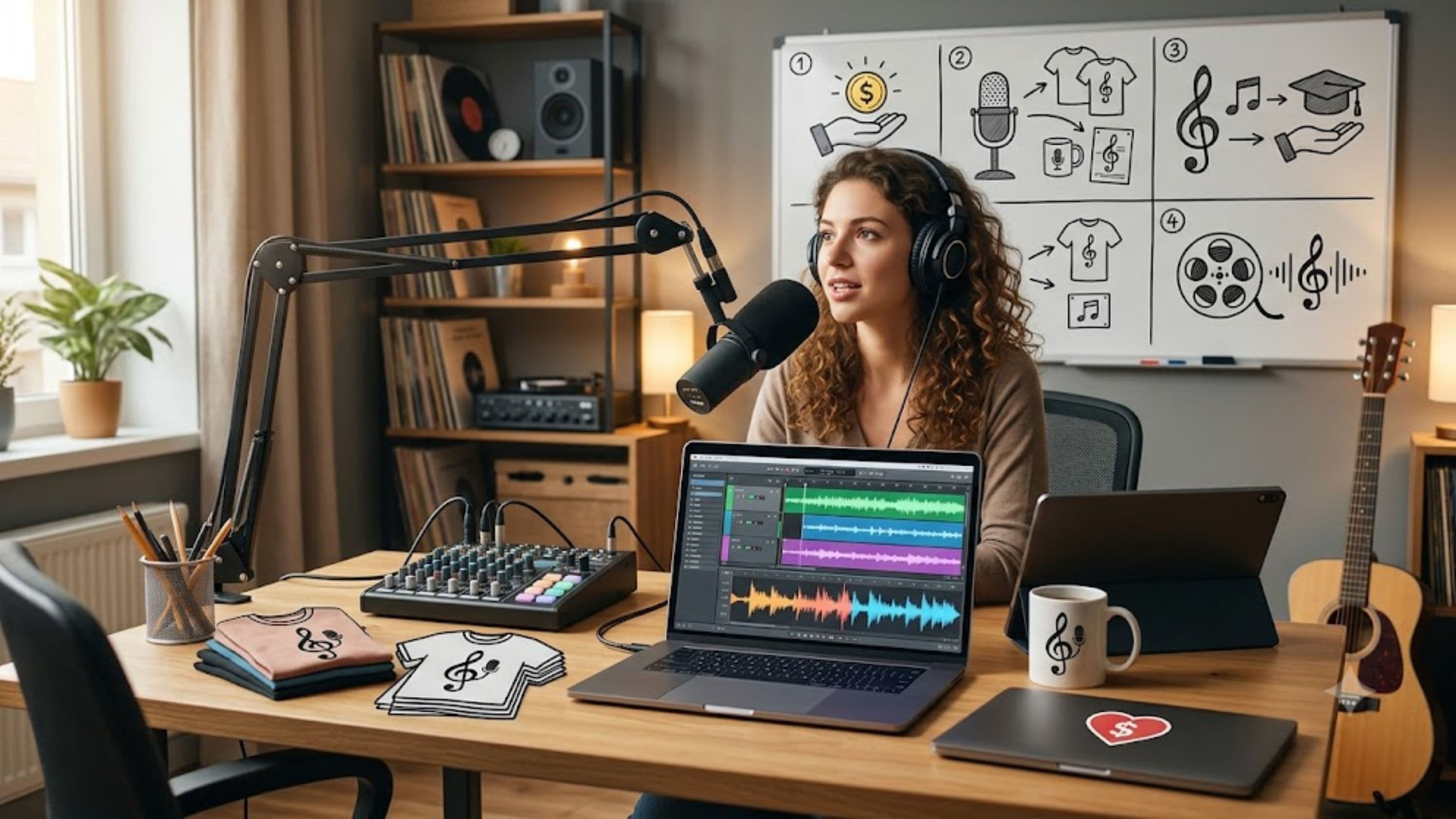
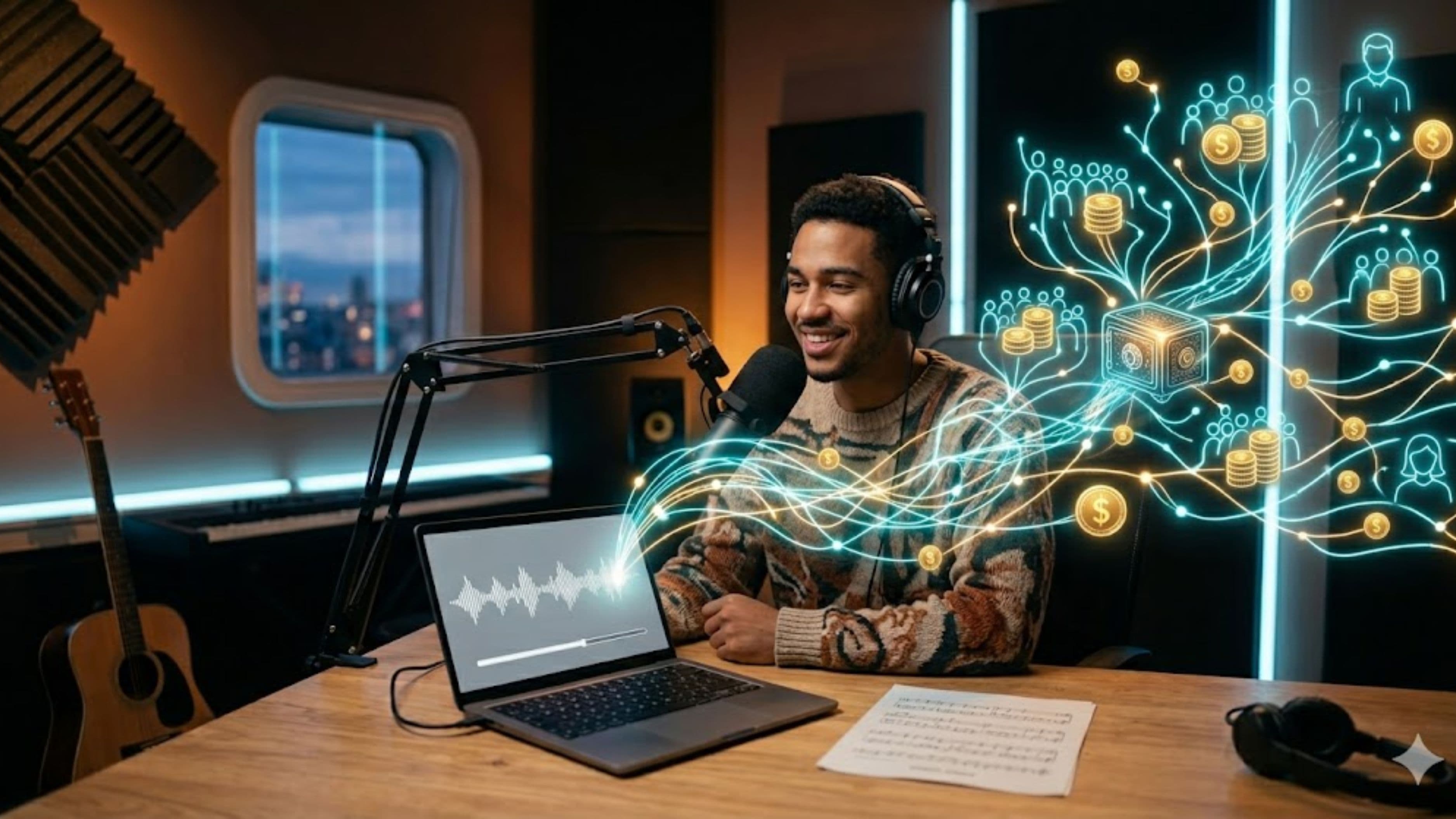
Patreon and direct listener support have matured as a model. Shows with genuinely loyal audiences in the 3,000–10,000 listener range are generating meaningful monthly revenue through Patreon tiers that offer early access, ad-free episodes, extended cuts, and community access – without needing to reach the download numbers that traditional ad-based monetization requires. The key insight is that 500 people paying $8/month is $4,000/month, which exceeds what ad revenue at typical CPM rates would generate until a show reaches 50,000+ monthly downloads.
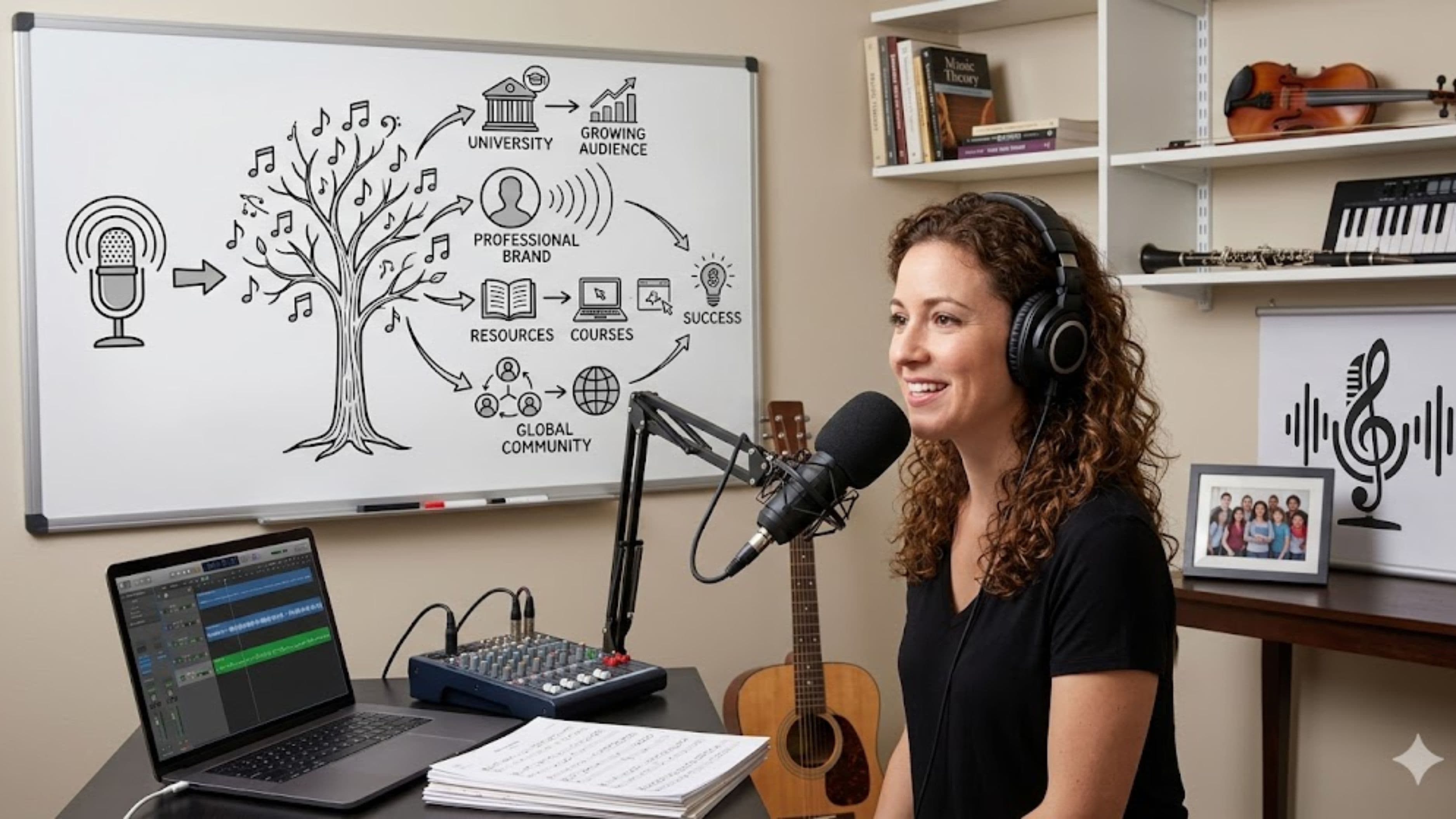
Live event revenue is growing as a complementary stream. Ticket sales to live recording events, listening parties, and in-person meetups bring in direct income while also deepening the community that drives the subscription revenue. Merchandise tied to specific shows, episodes, or ongoing bits within the format creates another layer. Some music podcasters with strong taste credibility have moved into consulting or brand work for labels and music brands who want to reach their specific audience. None of these require massive scale – they require loyal engagement, which is exactly what the hyper-niche, community-oriented approach described above produces.
Distribution Strategy Has Become as Important as Content Quality
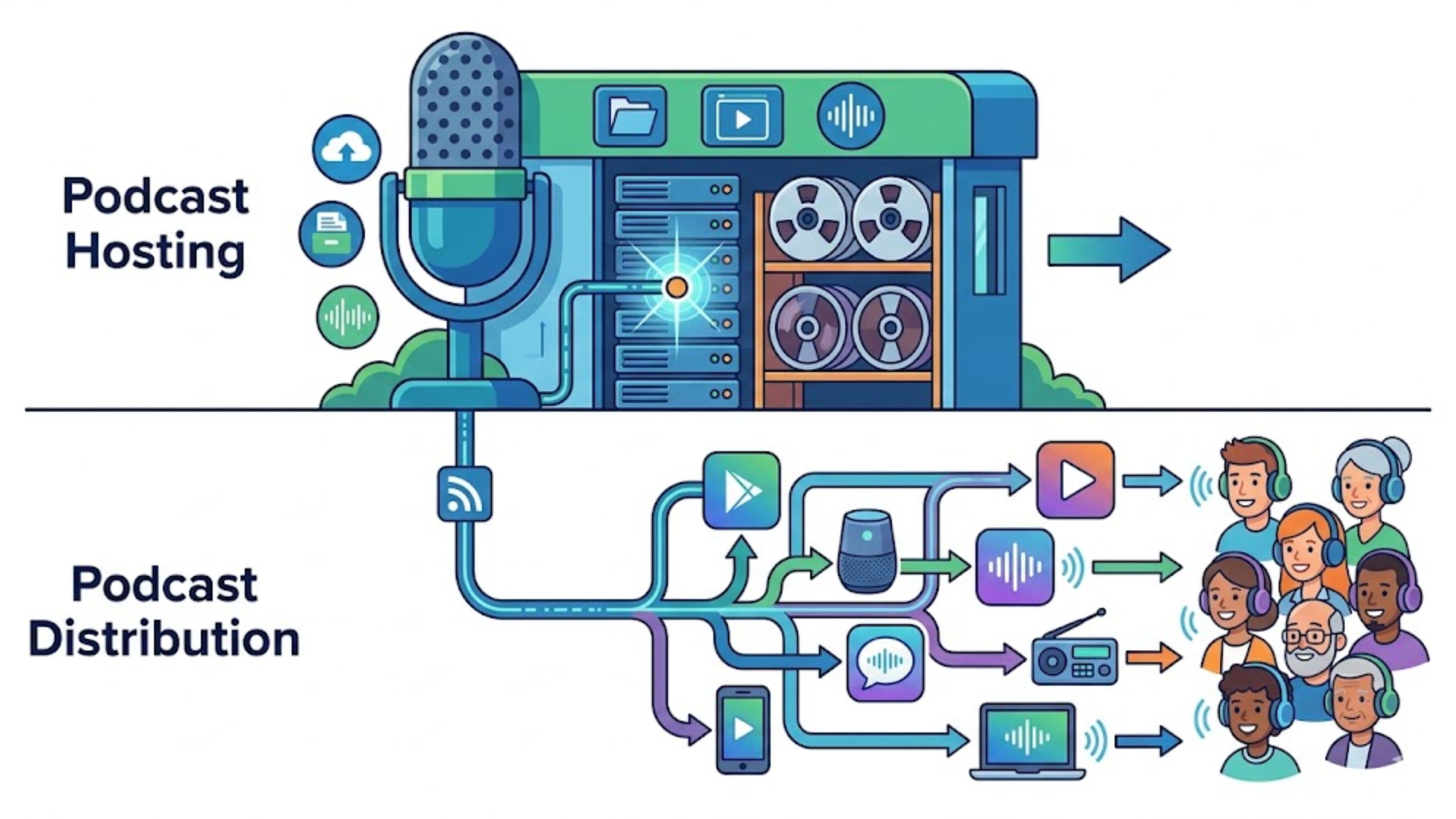
Publishing a good episode and hoping the algorithm surfaces it isn't a strategy. The independent podcasters standing out in 2026 treat distribution as a deliberate, active practice rather than something that happens after the content is made.
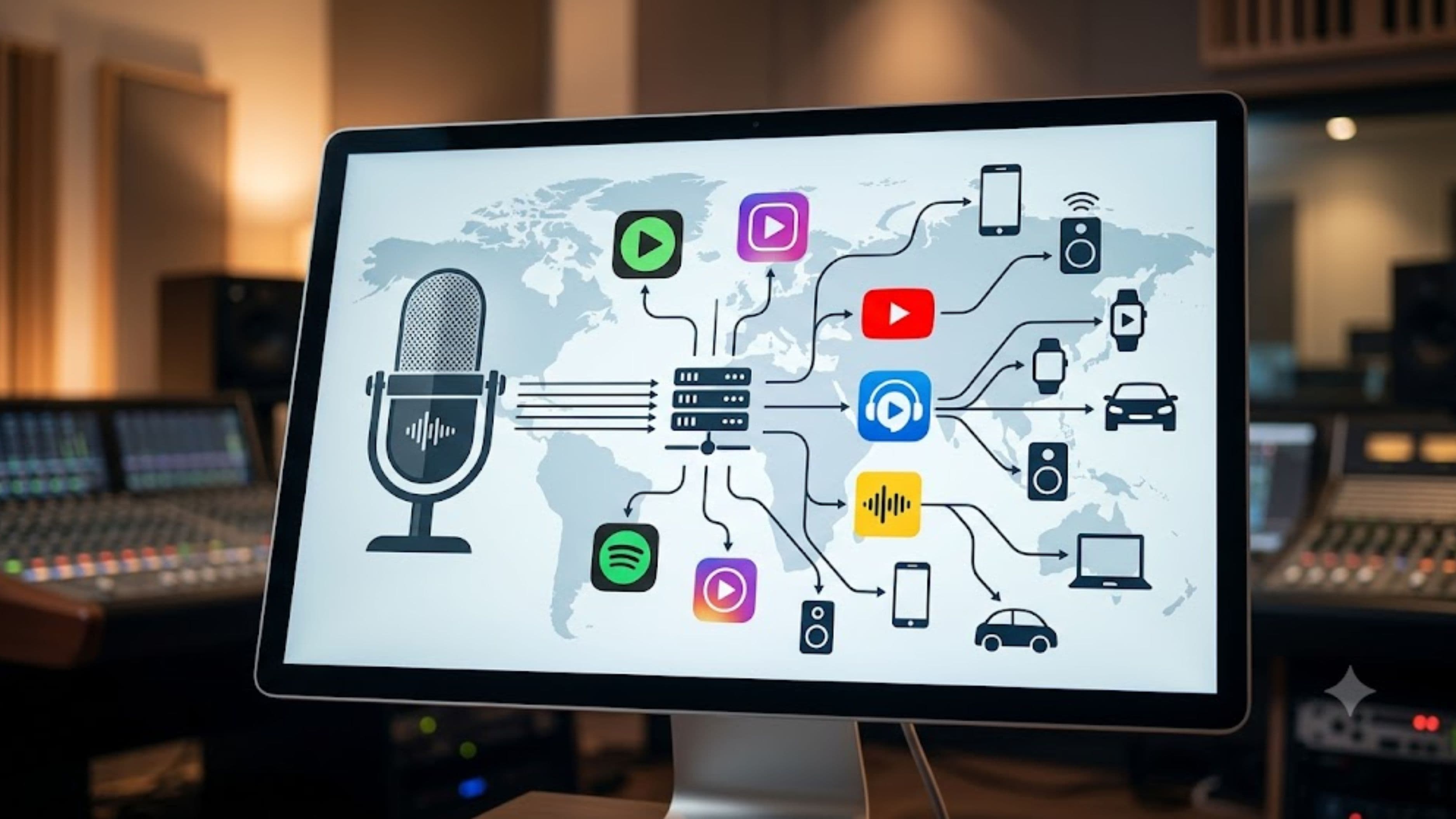
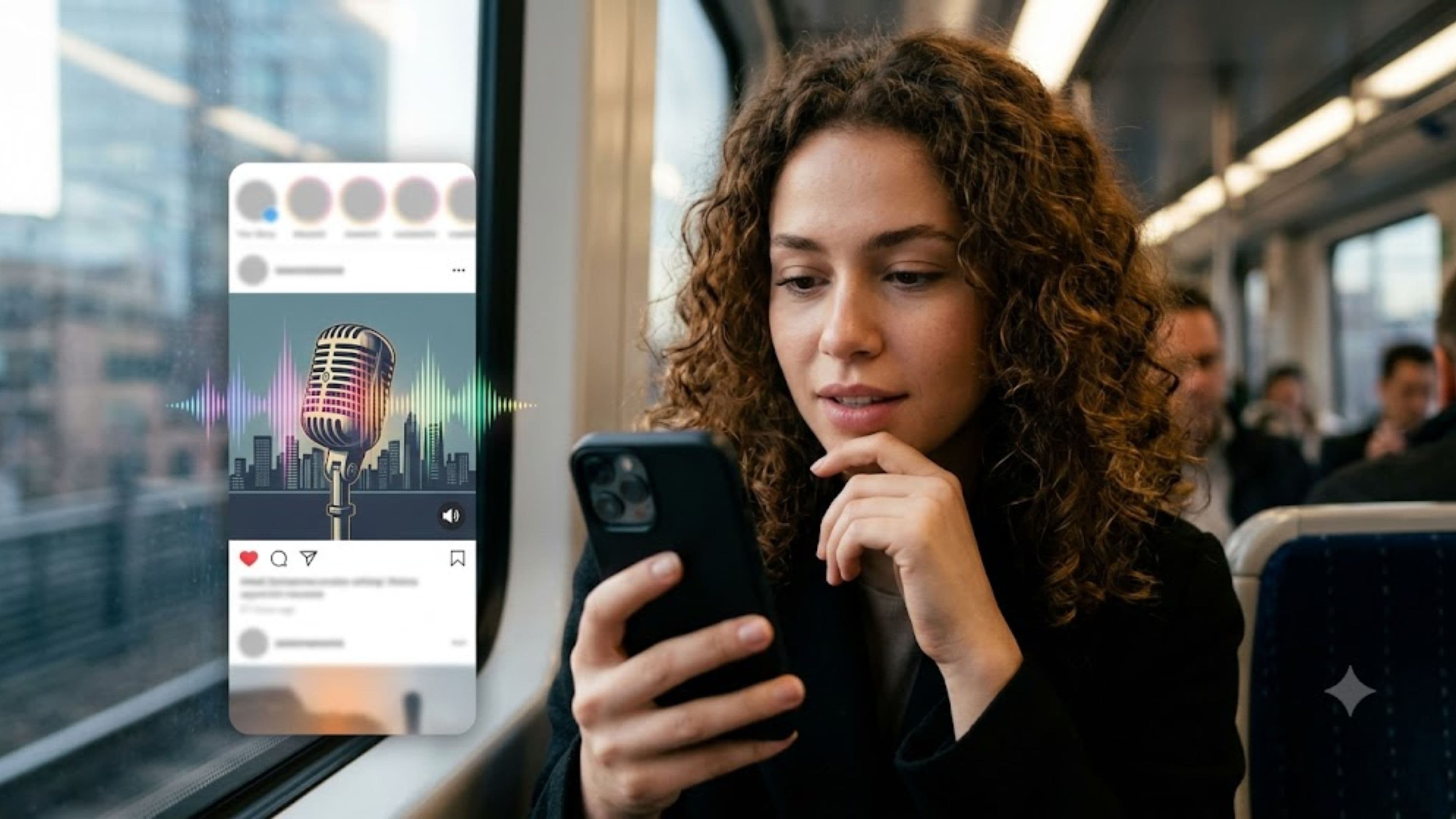
Cross-posting clips to YouTube Shorts, TikTok, and Instagram Reels has become standard practice, but the shows doing it well are cutting clips that function independently as content – not just trailers, but actual standalone moments that are interesting on their own and drive curiosity about the full episode. A 60-second clip of a host reacting with genuine surprise to a piece of music history most people don't know has different pull than a 60-second clip that's just a preview of someone talking.
Collaboration with artists, labels, and other music creators as a distribution strategy – not just a content strategy – is another pattern. When an artist or their team shares a podcast episode featuring them, the reach multiplier can be significant. Building relationships with publicists, artist managers, and label social teams so that episodes featuring their clients get amplified on release isn't glamorous work, but it compounds meaningfully over time.
Email newsletters attached to the show have become a retention and distribution tool that serious podcasters treat as seriously as the podcast itself. A weekly or biweekly newsletter that gives subscribers something meaningful – a written version of key episode insights, additional music recommendations, links to relevant reading – keeps the show front of mind between episodes and provides a direct channel that doesn't depend on platform algorithms.
What to Watch Out For
Chasing format trends without a clear reason to is a real risk. Video podcasting, serialized formats, and live events all require genuine investment. If you add them to your workflow primarily because you think you should rather than because they fit your show and audience, the quality drop is usually visible. Doing fewer things with more focus consistently outperforms trying to be everywhere with thin production.
Platform dependency is a strategic vulnerability that the podcasters building lasting shows are taking seriously. An audience that only exists on Spotify or Apple Podcasts is one algorithm change or platform policy shift away from being harder to reach. Building an email list, a community platform like Discord, and a direct relationship with your listeners through Patreon reduces that exposure meaningfully. It takes longer to build, but it's yours in a way that platform listeners aren't.
Monetizing before the relationship is built tends to backfire. The shows that try to layer Patreon, merchandise, and live events onto an audience that hasn't developed strong loyalty tend to see weak conversion. The same tactics on a smaller, deeply engaged audience produce much better results. The sequence matters: build the community first, then build the revenue model on top of it.
FAQ
How many listeners do you need before monetizing a music podcast? Fewer than most people think – if your audience is engaged. 1,000 loyal listeners who trust your taste and feel connected to the community can support a Patreon model that generates meaningful revenue. The relevant metric isn't raw downloads – it's engagement rate and community depth. Some shows with 30,000 monthly downloads earn less from Patreon than shows with 5,000 because the latter built real loyalty.
Is video podcasting worth the production effort for a solo creator? If your content has visual dimensions – listening reactions, discussing album artwork, interviewing artists on camera – yes, the investment pays off in reach on YouTube. If your show is purely conversation-based and the video wouldn't add anything viewers can't get from audio, the overhead may not be worth it yet. Start with audio quality, and add video when you have a genuine reason to.
What makes a hyper-niche music podcast sustainable long-term? Depth of catalog and a community that grows around the niche. A show about a specific subgenre that releases 200 deep-dive episodes over three years is building a permanent reference resource that keeps attracting new listeners who discover it and binge. The niche becomes an asset rather than a limitation once the catalog depth is there.
How do independent music podcasters get access to artists for interviews? More directly than most people expect. Many independent and mid-level artists are reachable through Instagram DMs, direct email via their website, or through their publicist or manager listed on their press materials. A specific, genuine pitch – explaining what your show covers and why their work is relevant to your audience – gets responded to more often than cold pitches to major labels. Start with artists who fit your niche and are at a level where your show would genuinely benefit them.
What's the most sustainable growth model for an independent music podcast in 2026? Community-first, then content, then distribution. Build a genuine niche, create content with enough depth that it earns loyalty, cultivate the community around the show actively, and use that community as both a word-of-mouth engine and a direct revenue base. Shows built on this model don't grow as fast as ones chasing algorithmic trends, but they're far more durable.
The podcasters winning in independent music in 2026 aren't doing it by being louder. They're doing it by being more specific, more community-oriented, and more deliberate about format and distribution than the shows they're competing with. Most of what they're doing is replicable without a large budget or an existing audience – it mostly requires commitment to a point of view and patience with a slower initial growth curve that compounds into something genuinely sustainable.
📚 Sources
Edison Research – The Infinite Dial 2025: Podcast Platform Usage – https://www.edisonresearch.com/the-infinite-dial-2025/
Spotify for Podcasters – Video Podcast Growth Data – https://podcasters.spotify.com/resources
Patreon – Creator Economics Report 2024 – https://www.patreon.com/creators
Podnews – Independent Podcast Industry Trends 2025 – https://podnews.net
Hot Pod – The State of Music Podcasting – https://hotpod.substack.com
Riverside.fm – Video Podcast Production Trends 2025 – https://riverside.fm/blog/video-podcast-trends