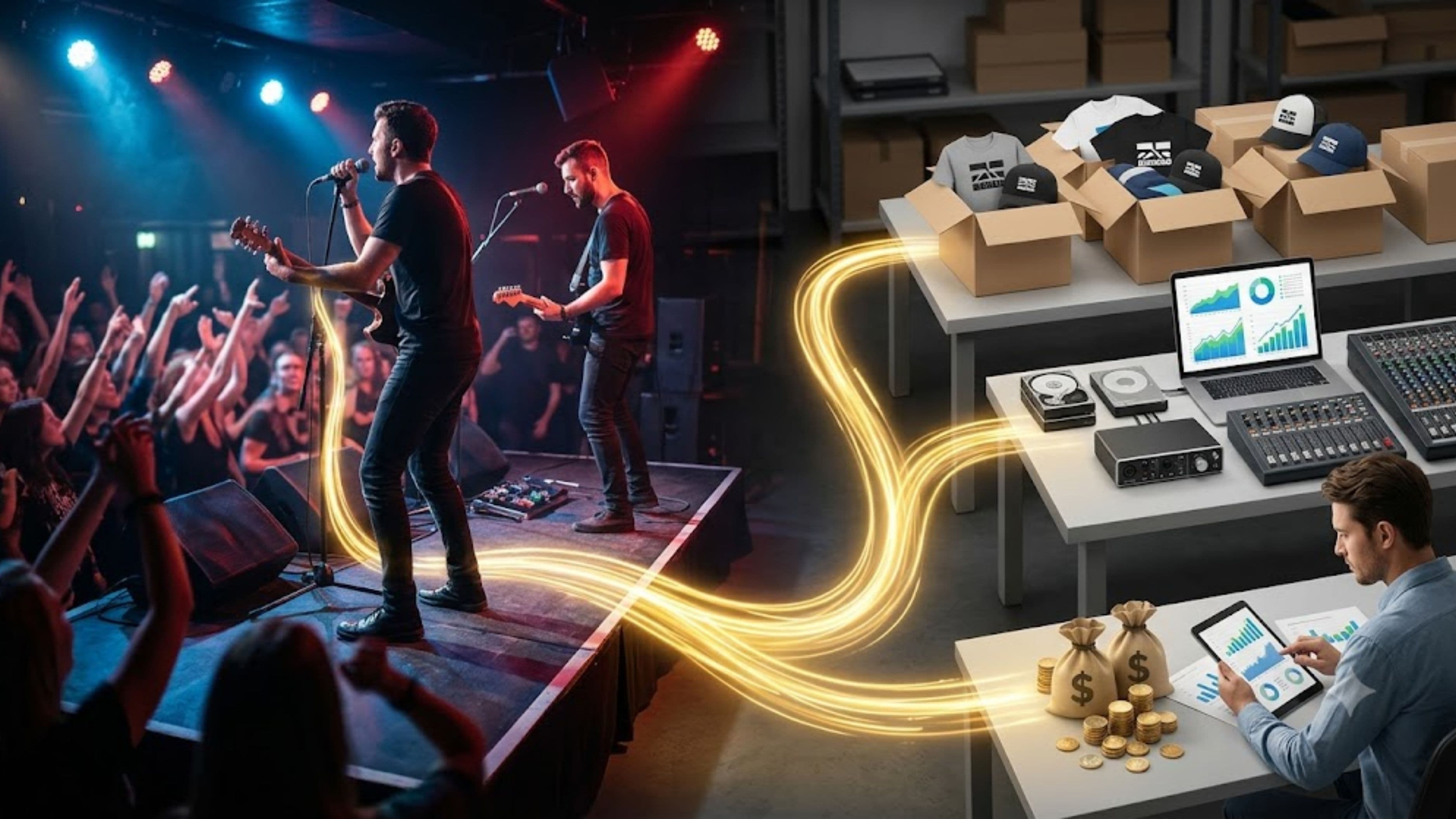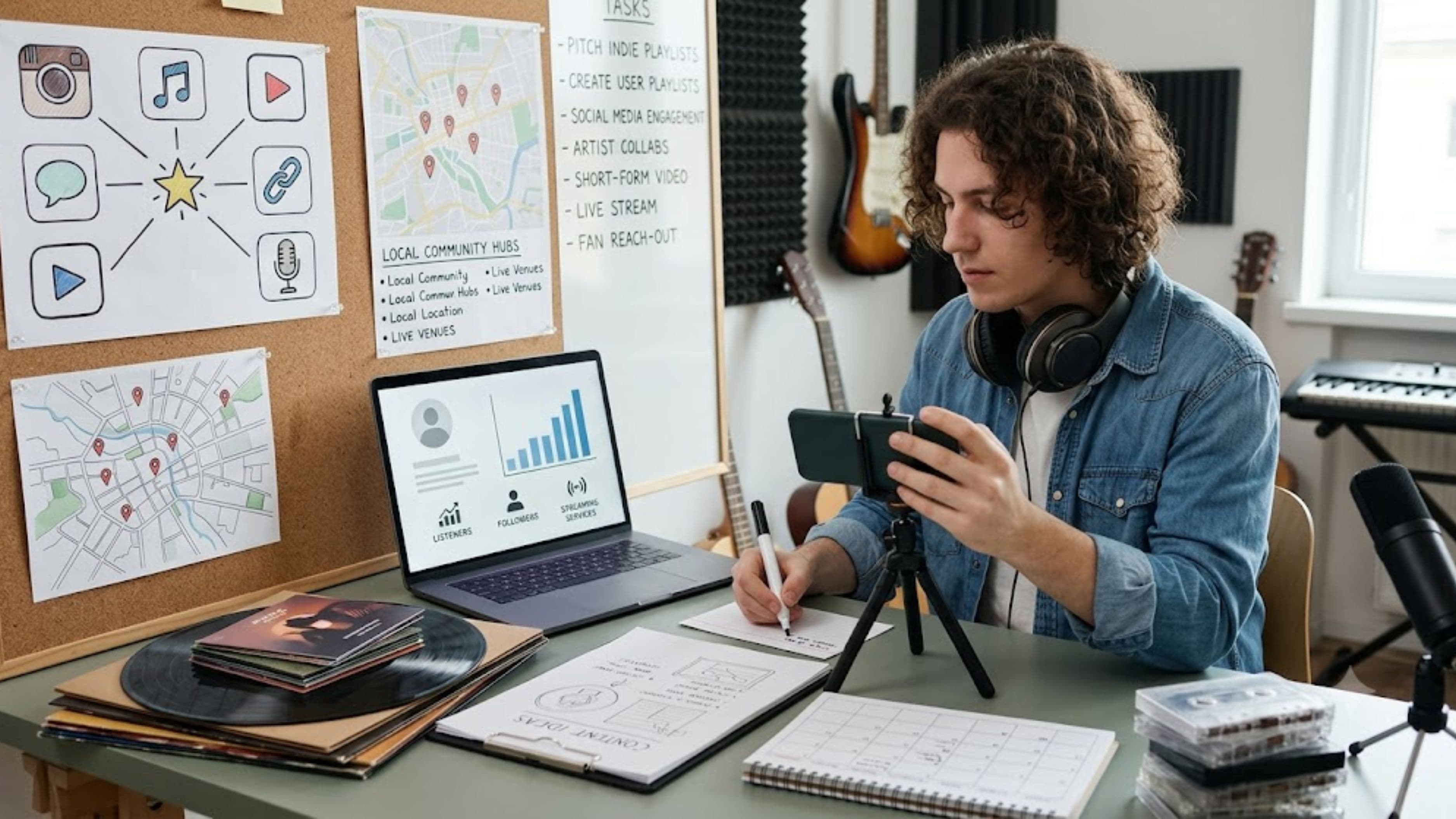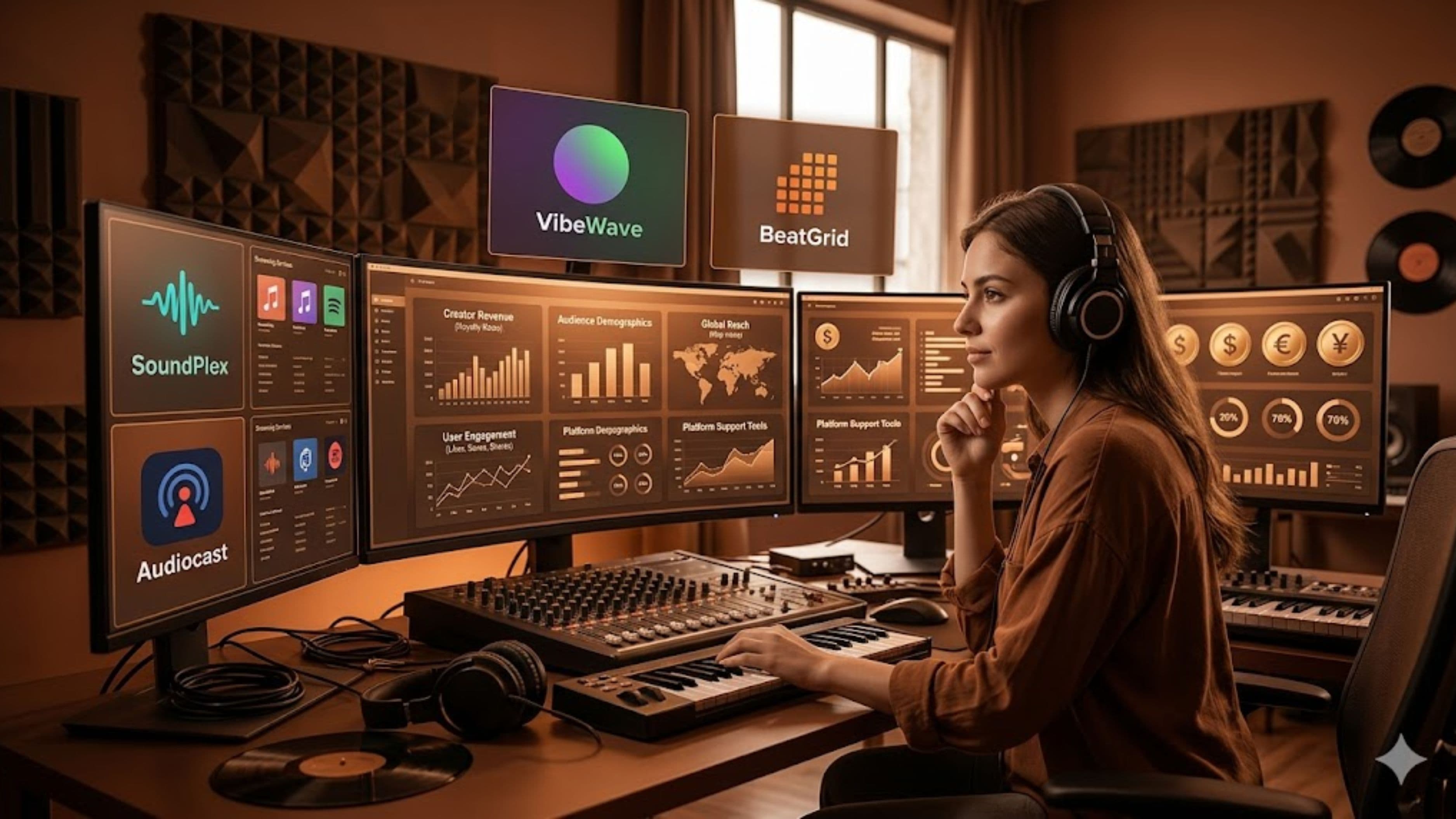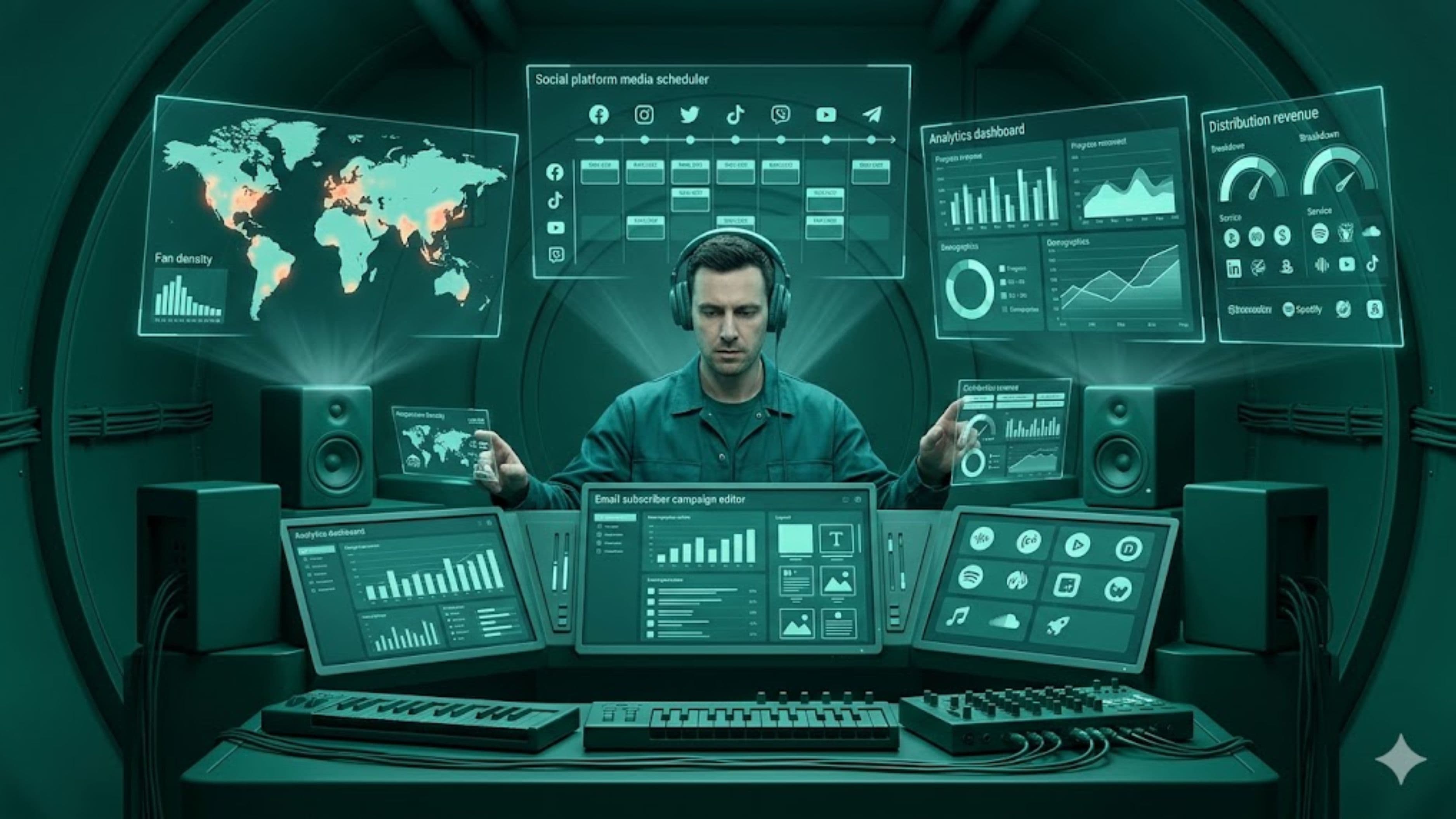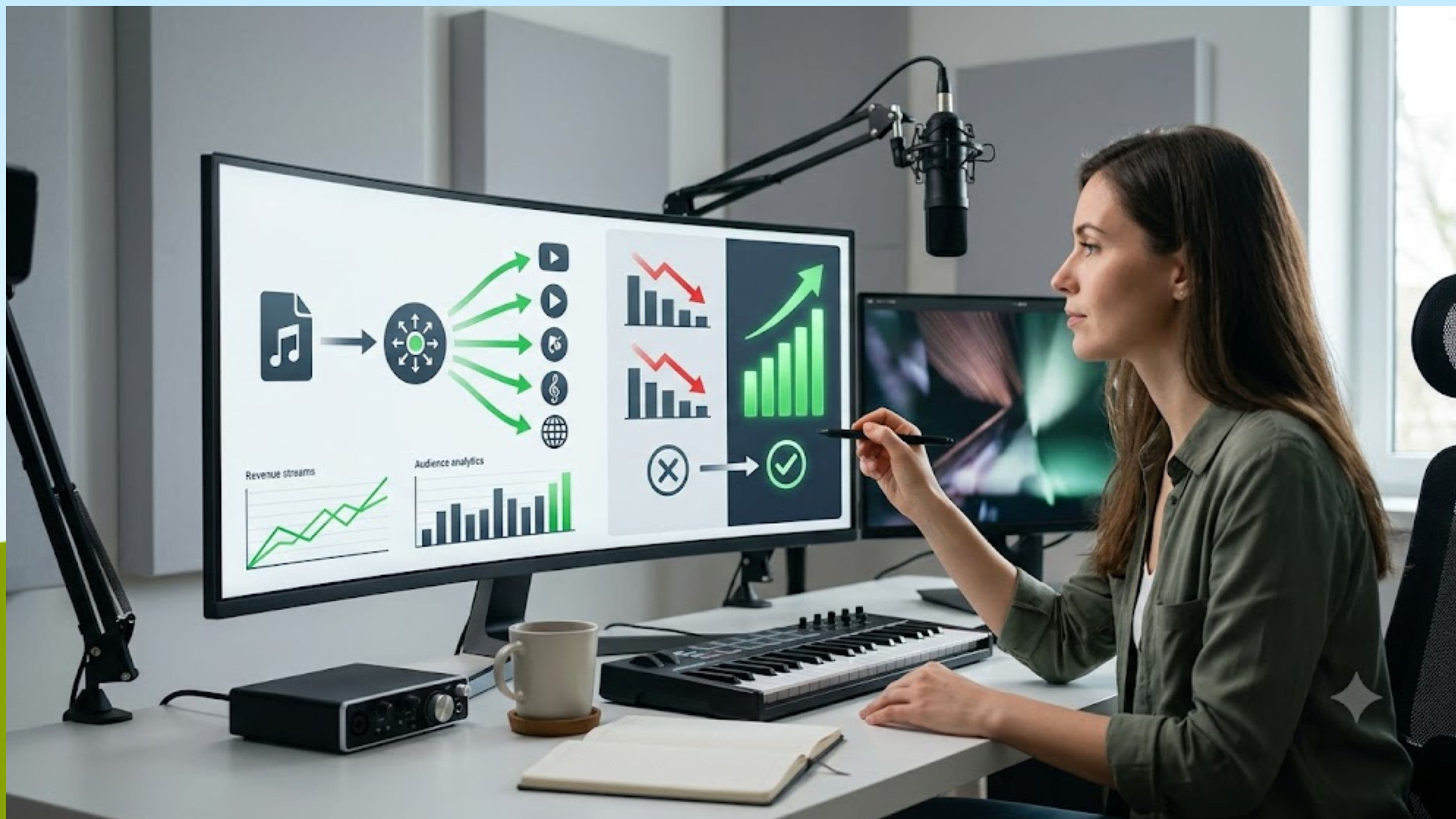
The good news is that the toolkit for monetizing an independent music career has never been bigger. The artists doing it well are stacking multiple income streams — some passive, some active, some based on their music directly, others based on their identity and audience. Here's what's actually working.
Direct-to-Fan Sales Through Bandcamp
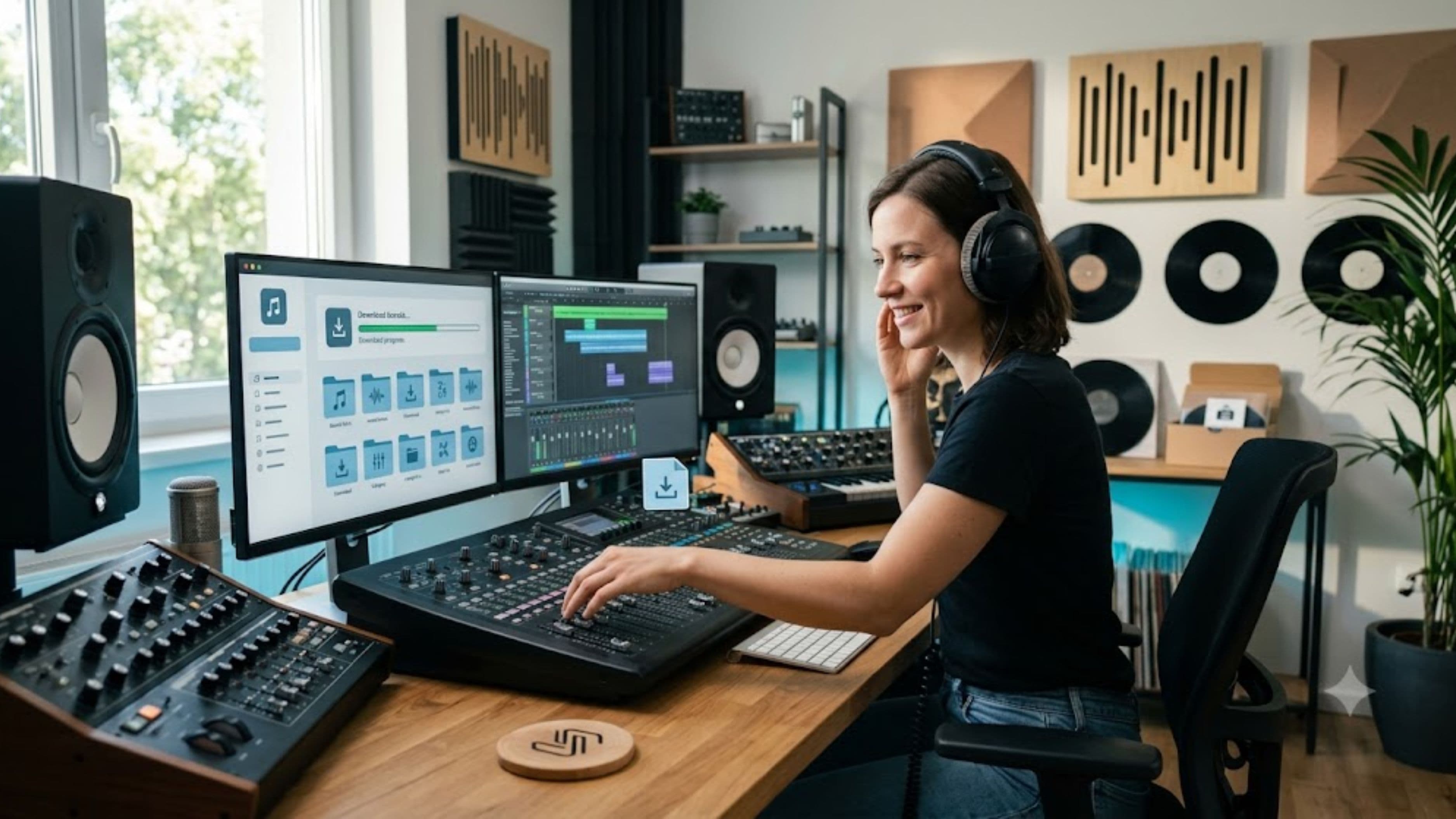
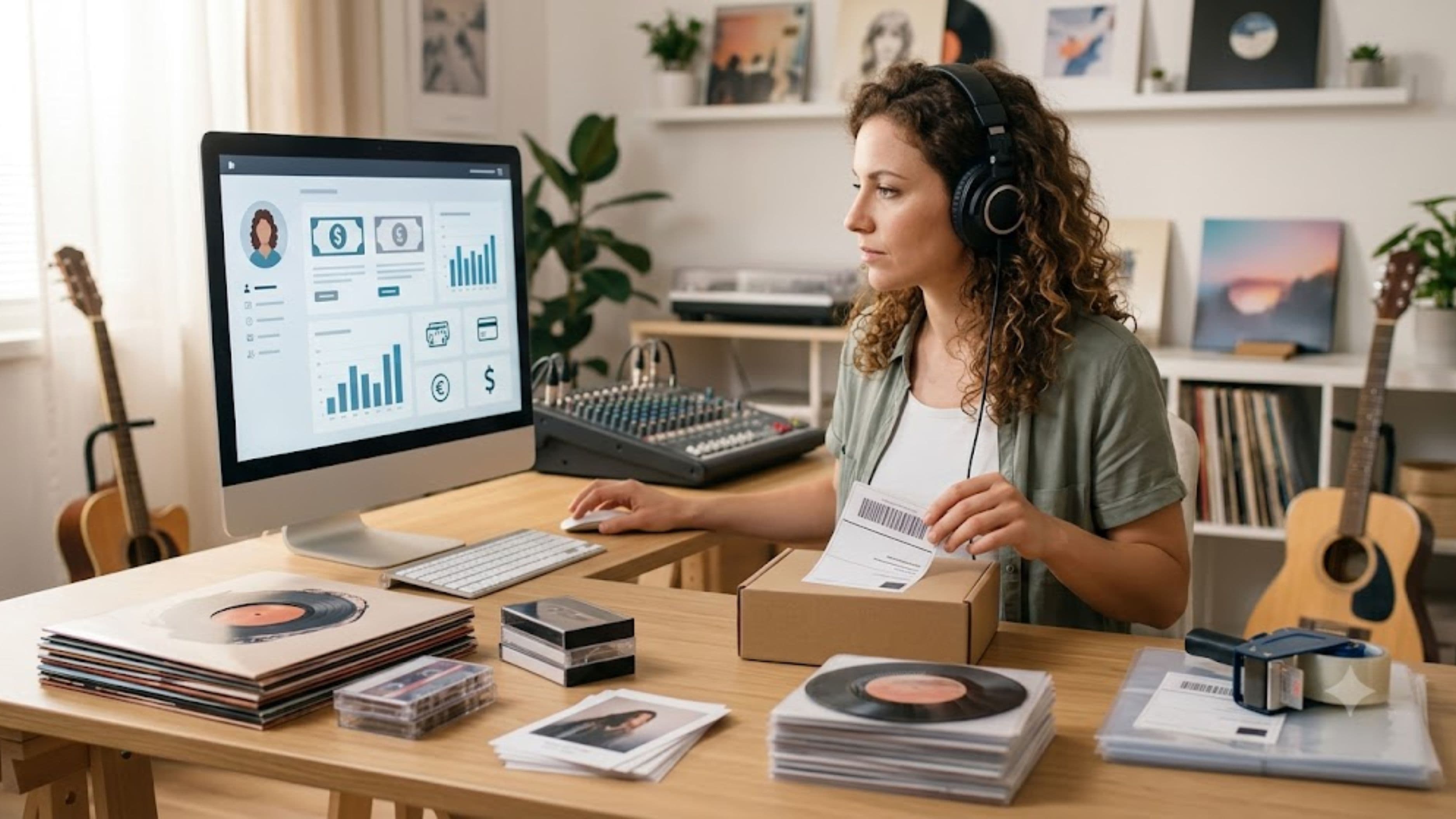
Bandcamp remains one of the most artist-friendly platforms in music. Artists keep 80–85% of revenue from digital sales and a comparable share of physical sales — a dramatic contrast to the fractions of a cent streaming generates. Fans can pay above the listed price (and many do), download in high-quality formats, and buy limited physical runs directly from the artist.
What makes Bandcamp particularly powerful is the intent behind the purchase. Someone who buys your album on Bandcamp isn't a passive listener who stumbled onto your music — they chose to support you with money. That relationship, multiplied across even a few hundred core fans, generates meaningful income. An artist with 500 fans willing to spend $10 on a new release earns $4,000–$4,250 on that single release before any other activity. Streaming the same release to equivalent listener counts generates a fraction of that.
Bandcamp Fridays — when Bandcamp waives its revenue share on the first Friday of each month — have become a consistent marketing moment for artists who use them well. Announcing releases, limited editions, or special bundles timed to Bandcamp Friday drives concentrated purchase activity that functions more like a launch event than a passive sale.
Sync Licensing: Getting Paid for Music Placements
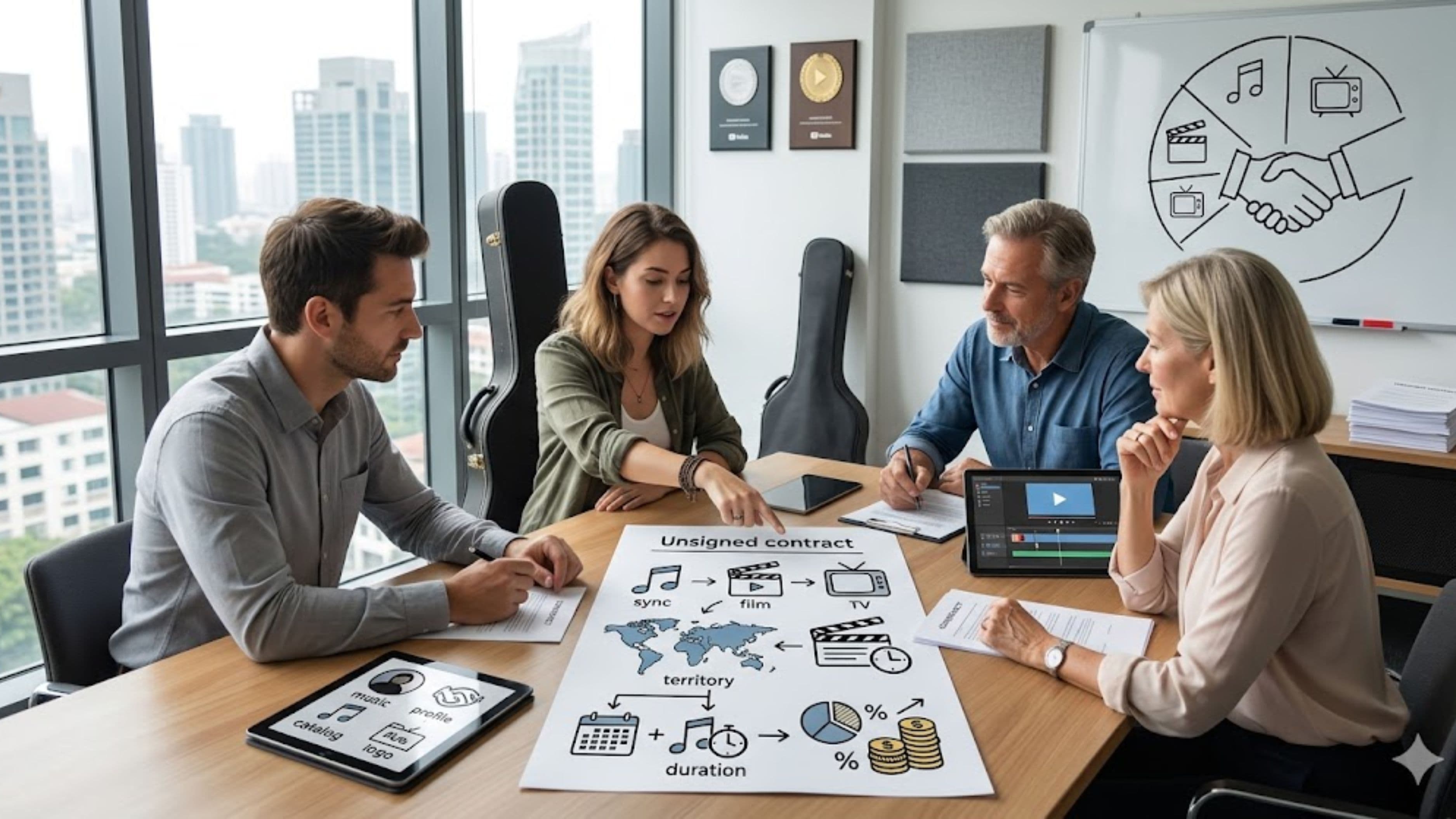
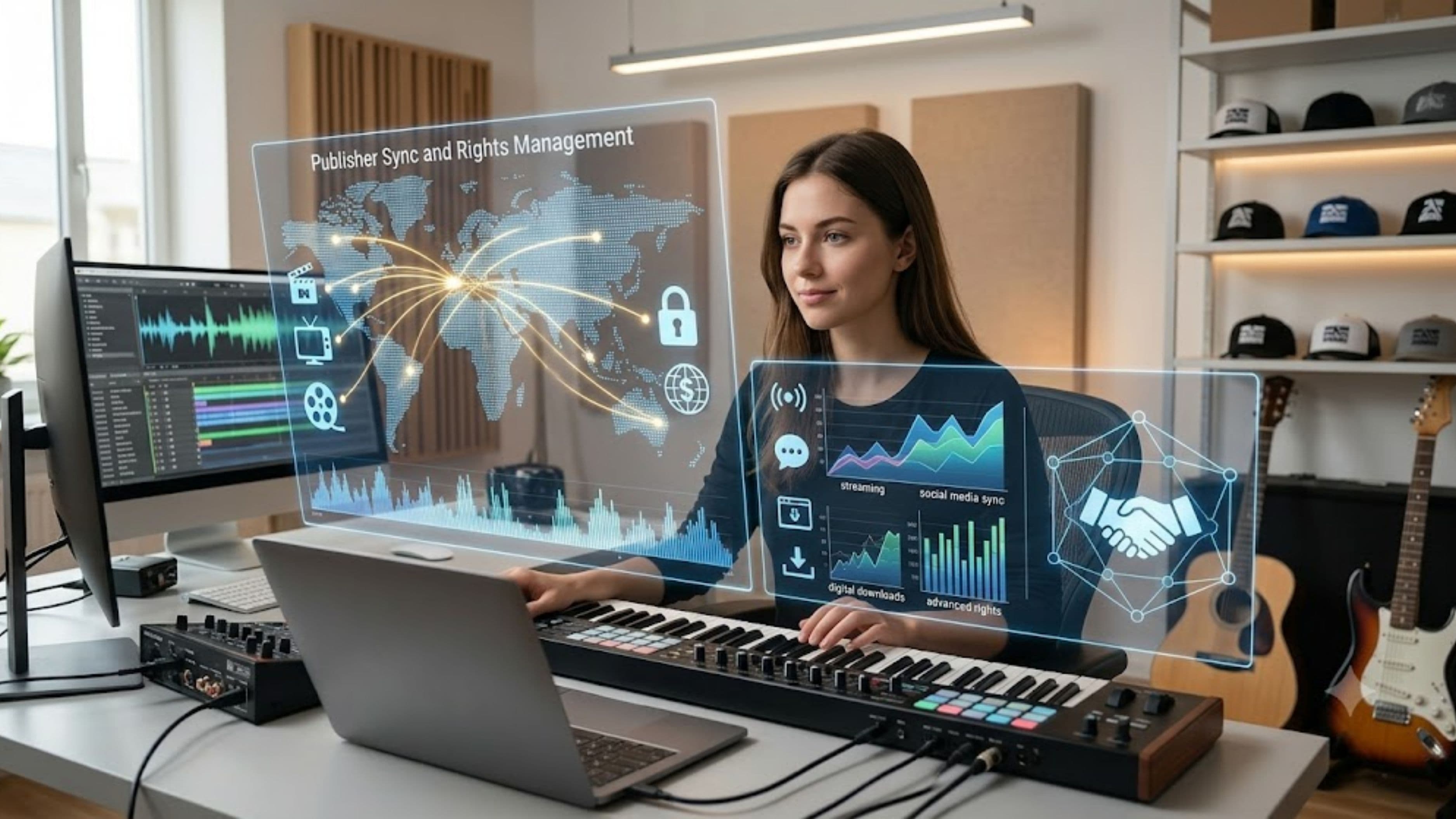
Sync licensing — placing music in film, TV, advertising, video games, trailers, and online content — has historically been one of the more lucrative income streams available to songwriters and recording artists. A single well-placed sync can pay anywhere from a few hundred dollars for an indie production to tens of thousands for a national advertising campaign. Unlike streaming, a sync fee is a one-time payment that can be negotiated upfront, with additional performance royalties collected afterward through your PRO.
The barrier to entry has dropped significantly as content production has scaled. YouTube channels, TikTok creators, podcasters, and brand content teams all need music, and many of them operate with budgets that make licensing independently-produced music appealing. Platforms like Musicbed, Artlist, Pond5, and Epidemic Sound offer blanket licensing models where artists upload their catalog and receive payments when tracks are licensed. The per-track rates are lower than negotiated deals, but the passive nature of the income and the volume of potential placements make it a worthwhile addition for artists with a catalog of well-produced instrumental or vocal tracks.
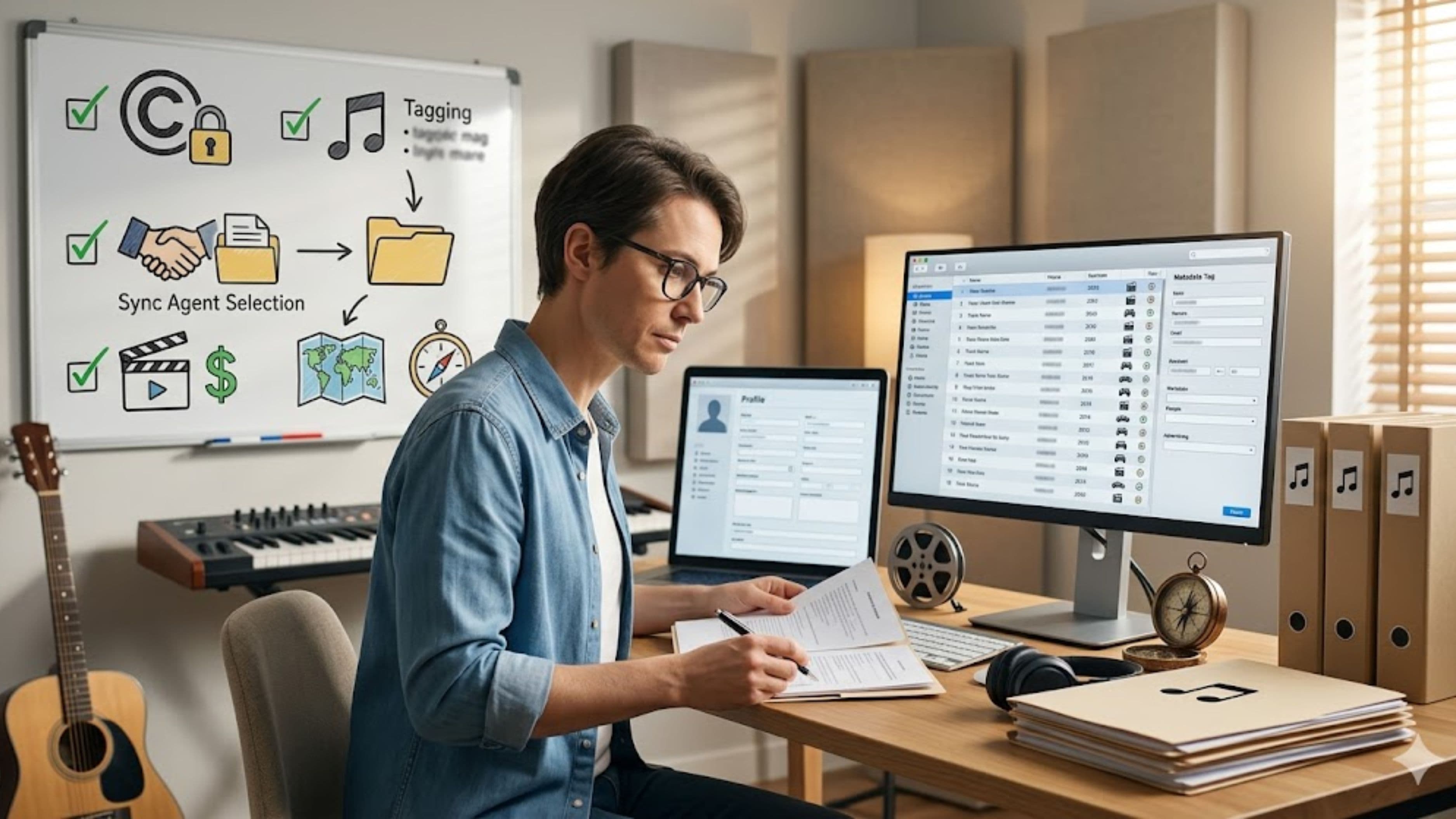
For artists who want more control over their licensing, submitting directly to music supervisors, building a relationship with a sync agent, or registering with a dedicated sync licensing service like Musicbed's artist roster gives access to higher-value placements. The key requirements are clean metadata, properly split publishing rights, and high-quality audio files — the administrative side matters as much as the music itself.
Patreon and Membership Models
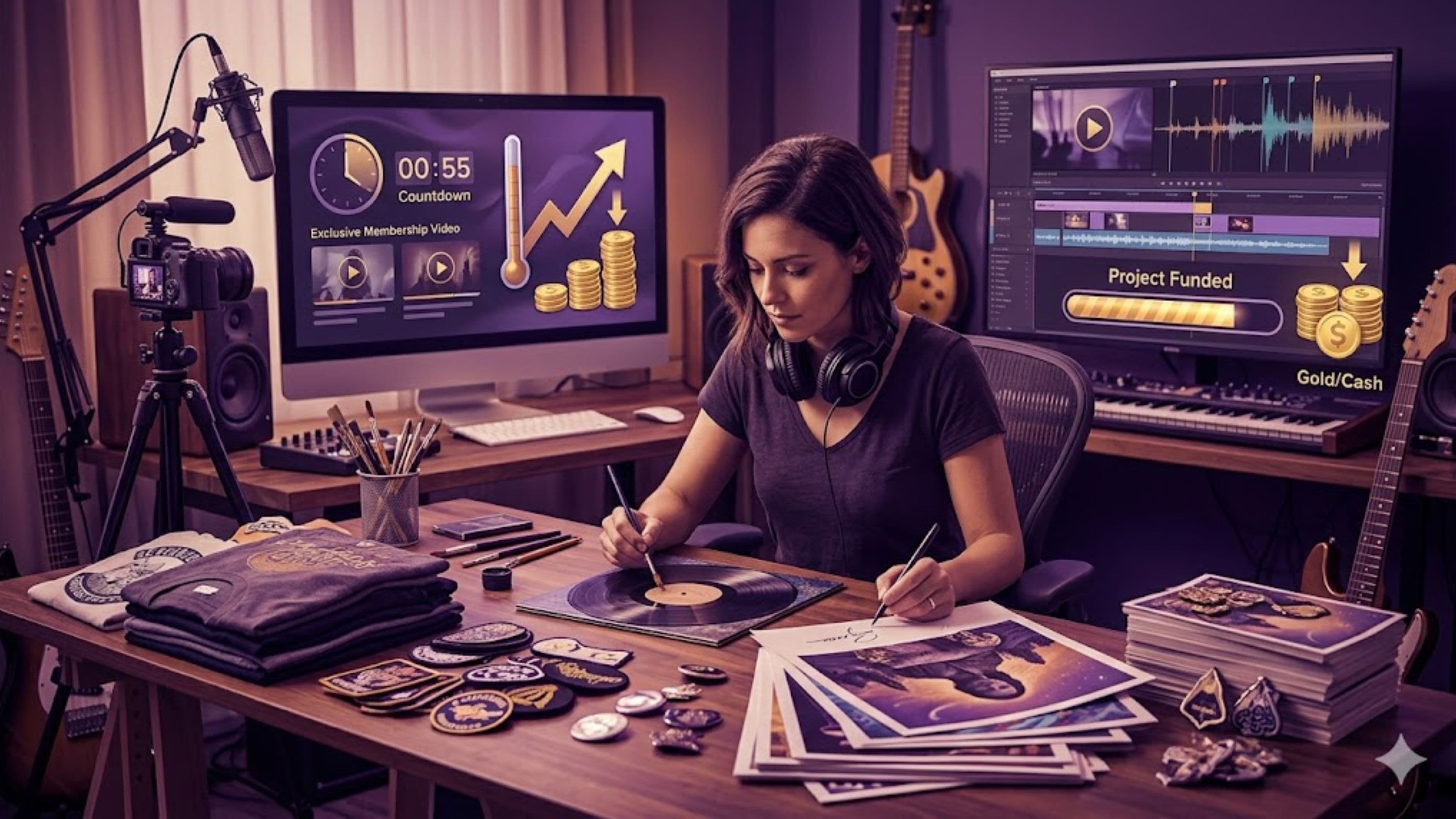
Patreon and similar membership platforms (Ko-fi, Memberful, Substack) let fans pay a recurring monthly amount in exchange for exclusive content, early access, behind-the-scenes material, or direct connection with the artist. The model works because it converts the parasocial interest that casual listeners feel into a structured financial relationship.
The income potential scales with your engaged audience rather than your total audience. An artist with 10,000 monthly Spotify listeners might have 200 genuinely engaged fans — people who check for new content, follow on social media, and would pay to support. If 100 of those fans subscribe at $7/month, that's $700/month in recurring revenue — more reliable and often more than equivalent streaming royalties, and it doesn't require releasing new music every month to maintain it.
The most successful artist Patreons offer something that feels genuinely exclusive and worth the subscription — unfinished demos, monthly live streams, process videos, handwritten lyrics, or early access to releases. The content doesn't have to be elaborate; it has to feel like access rather than just a donation with benefits.
The watch-out is sustainability. Patreon memberships require consistent delivery of the promised content. Artists who launch with enthusiasm and trail off on posting tend to see subscription cancellations follow. Before launching, decide specifically what you'll deliver and on what schedule — and only promise what you'll actually maintain six months in.
YouTube Ad Revenue and Content Monetization
Artists with a YouTube presence who qualify for the YouTube Partner Program (YPP) — currently requiring 1,000 subscribers and 4,000 watch hours in the past 12 months — earn ad revenue from their video content. The per-view rates vary enormously by niche and audience geography, but music content with strong watch time can generate meaningful supplemental income, particularly on videos that build long-tail views over months and years.
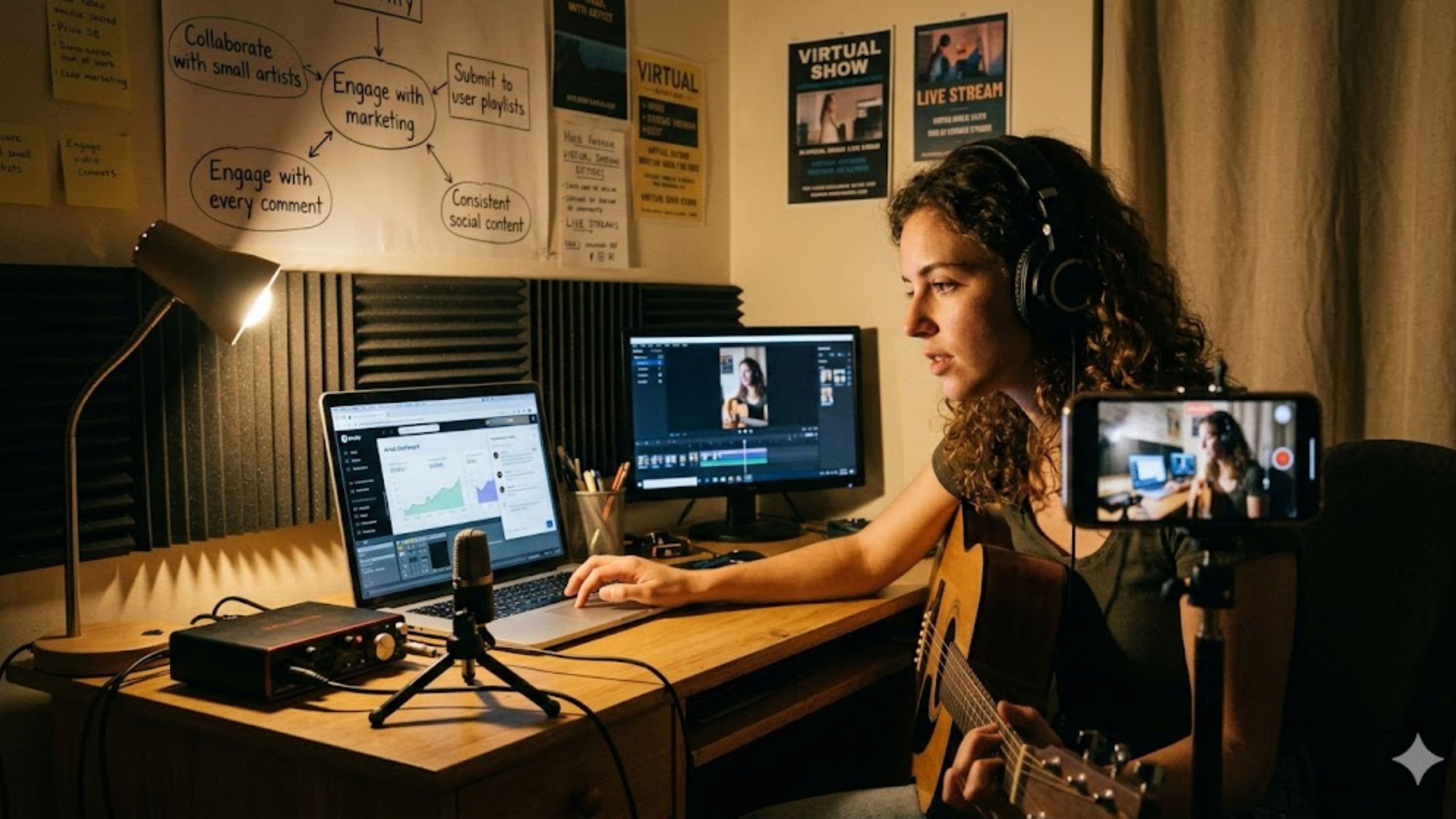
Beyond basic ad revenue, YouTube offers artists a way to monetize content that streaming platforms don't — live performance videos, behind-the-scenes content, commentary, tutorials, and vlogs all generate views and revenue independent of whether they feature released music. Artists who treat their YouTube channel as a content platform rather than just a music repository build an audience that monetizes across multiple ad placements rather than just streams.
YouTube's Content ID system also allows artists who distribute through certain distributors to claim revenue from user-generated content that uses their music — covers, reaction videos, vlogs, and fan edits that incorporate your tracks all generate a share of ad revenue that flows back to you if your music is registered.
Merchandise and Physical Products
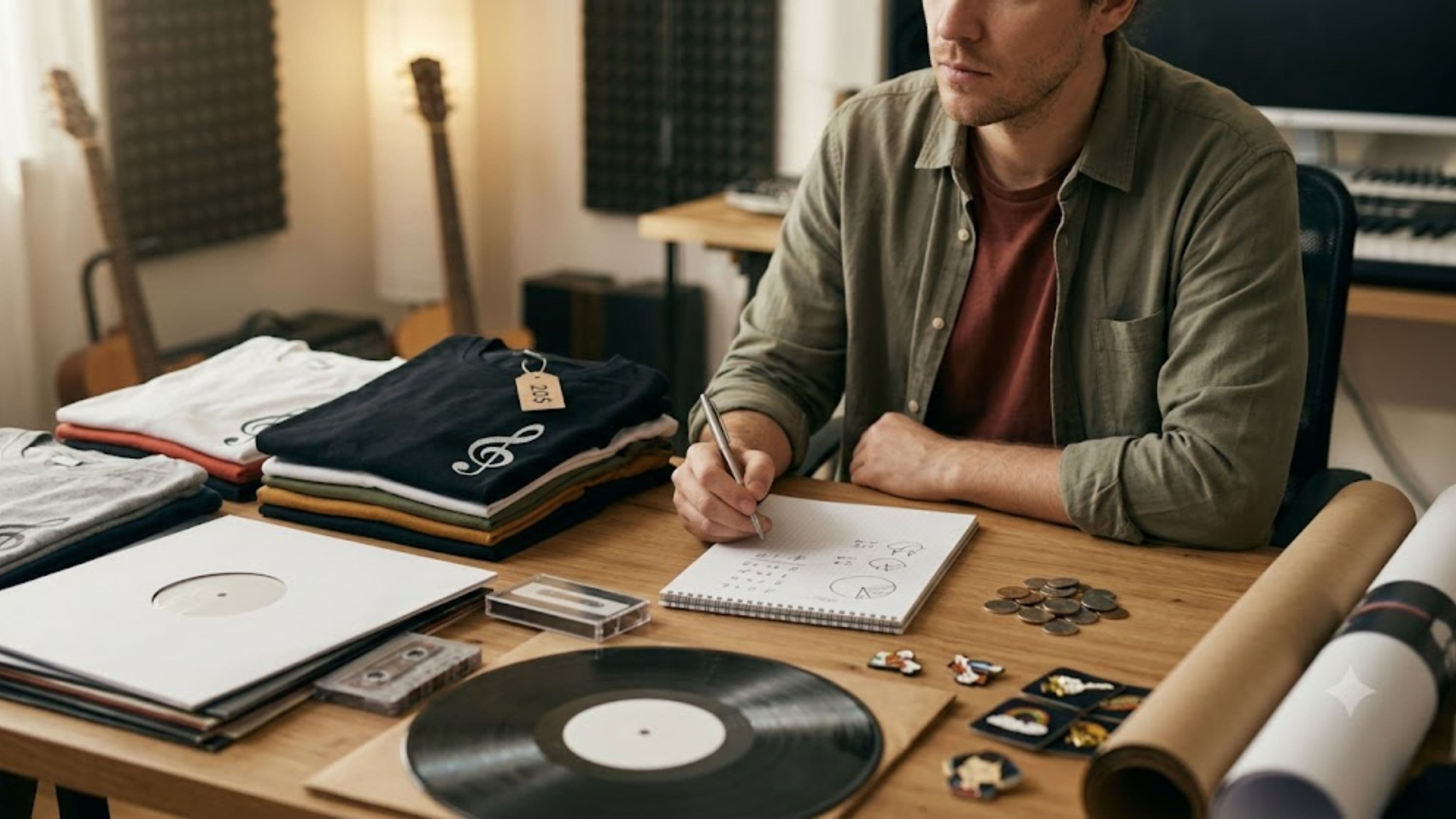
Merchandise is one of the most established revenue streams in music, and the direct-to-consumer model available through platforms like Printful, Printify, Shopify, and Merch by Amazon has made it accessible to independent artists without upfront inventory risk.
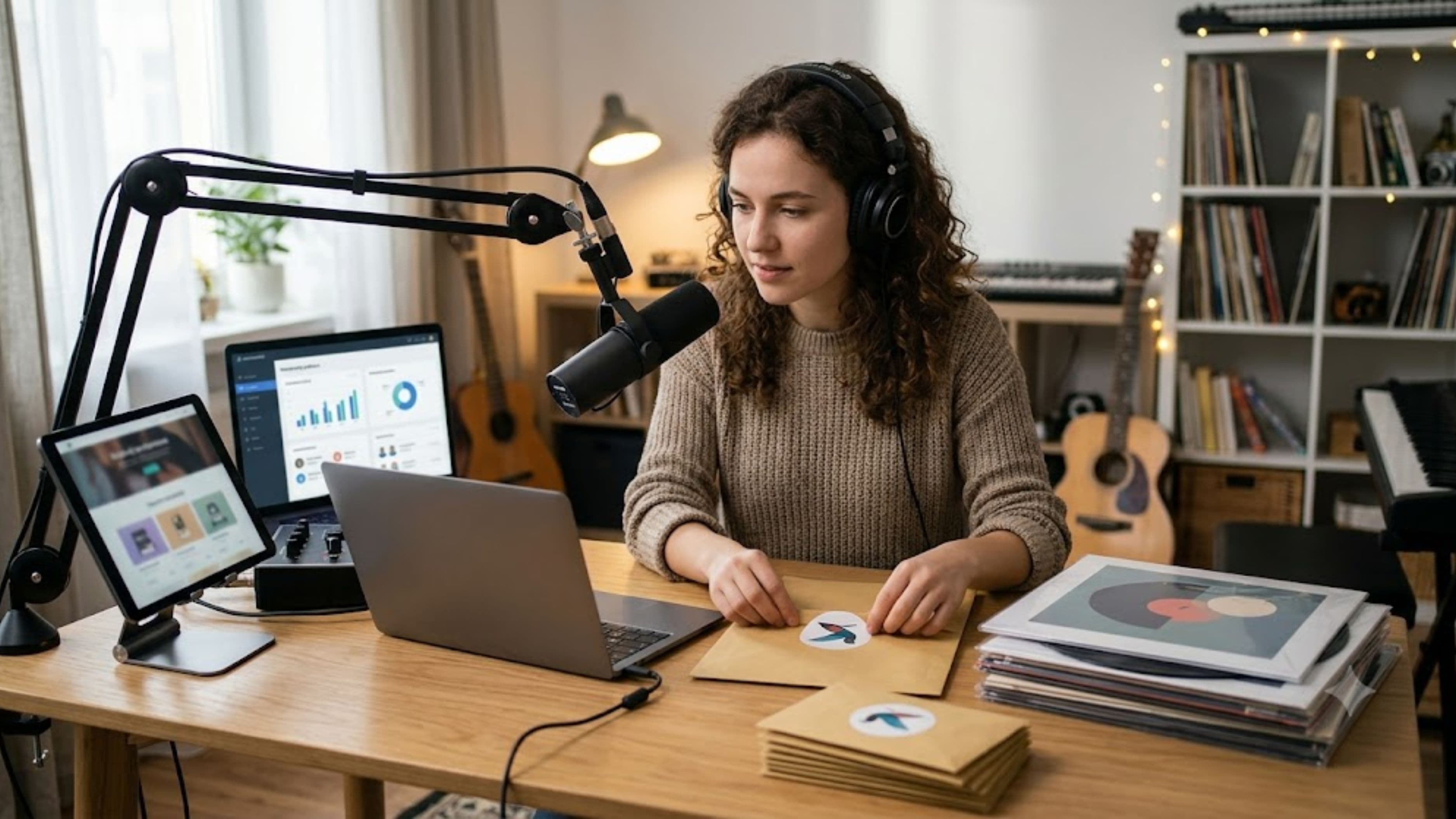
Print-on-demand removes the traditional barrier of ordering large merchandise runs that require upfront capital and storage. You design the product, list it on your store, and the print-on-demand provider fulfills and ships each order directly. Margins are lower than bulk merchandise, but the risk is zero and the catalog can be extensive without any cash commitment. Artists who build a visual identity — a consistent aesthetic that extends from their music into merch design — convert listener interest into product sales more effectively than those treating merchandise as an afterthought.
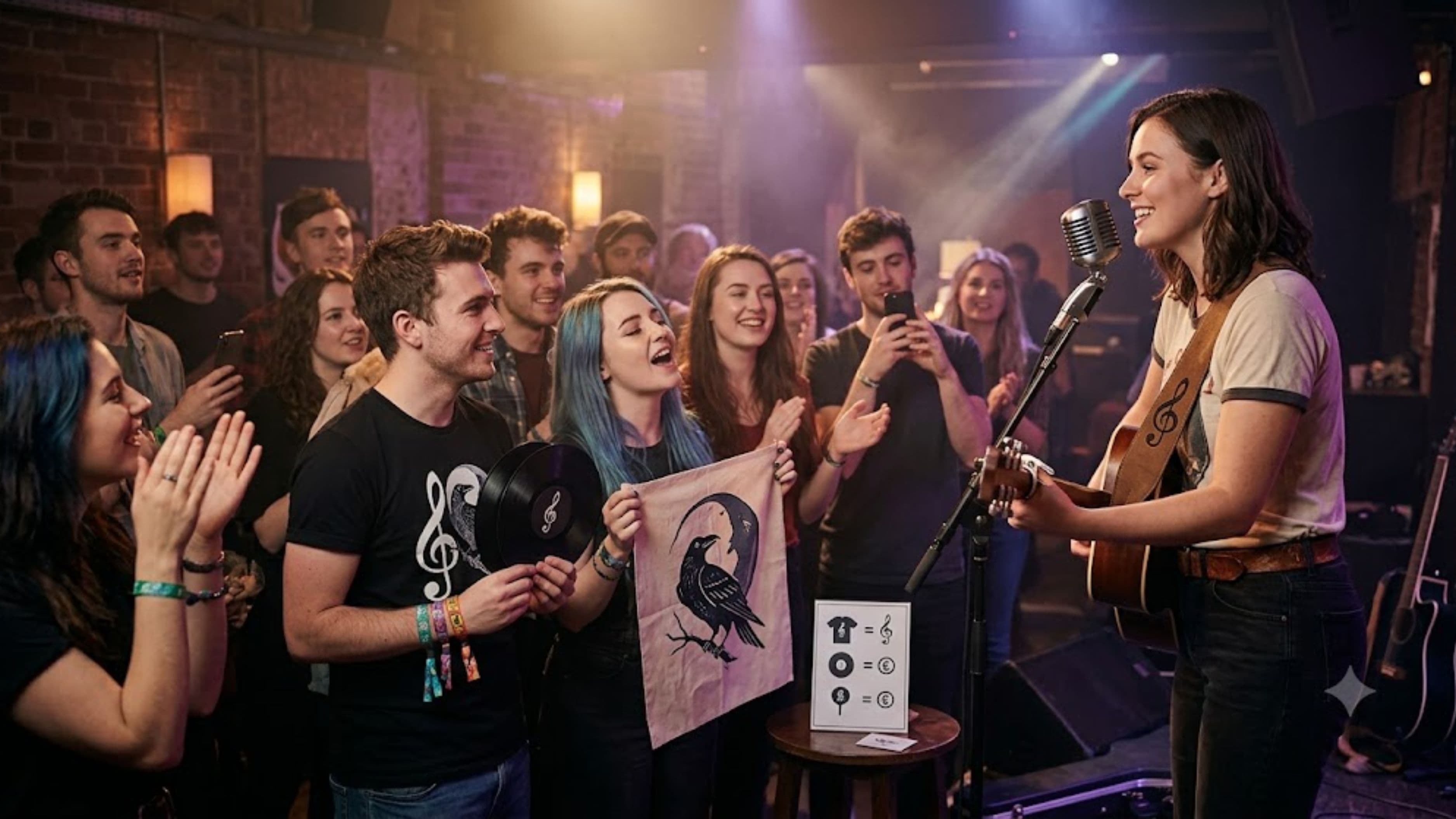
Limited physical releases also command premium pricing. A run of 200 signed vinyl records, a limited cassette edition, or a hand-numbered art print with a digital download card creates scarcity that motivates the fans who care most to act quickly. Selling 200 signed vinyl records at $30 each generates $6,000 — a revenue event that's difficult to match through any streaming activity short of millions of plays.
Teaching, Coaching, and Online Courses
The knowledge and skills that make you a capable artist or producer are genuinely valuable to others. More artists are monetizing their expertise directly through one-on-one coaching, group workshops, online courses, and educational content — and the income potential is surprisingly significant compared to music sales or streaming.
A producer offering one-on-one production coaching at $75/hour can earn more from five hours of teaching per week than from most streaming catalogs. Artists who've built specific technical expertise — mixing, songwriting, vocal production, music business navigation — can package that knowledge into courses through platforms like Teachable, Kajabi, or even Gumroad, creating passive income that sells as long as the content remains relevant.
This revenue stream works best when built on top of a credible career as a performer or producer. The students and clients are paying for access to someone who has done what they're trying to do, not just someone who knows the theory. Authenticity and demonstrated results are the marketing.
Licensing Your Music as a Creator on TikTok and Social Platforms
TikTok's Creator Marketplace, Meta's partnerships with musicians, and the broader ecosystem of brand deal opportunities for artists with meaningful social followings represent a newer but growing monetization layer. Brands pay artists to create content using their music or product, to appear in campaigns, or to collaborate on branded releases — with rates that scale significantly once an artist demonstrates the ability to drive engagement.
For artists earlier in their journey, placing music in TikTok's Commercial Music Library makes tracks available to brands for paid use, generating licensing income from commercial content creators. It's not a primary income stream for most artists, but for tracks with strong beat-driven or mood-driven qualities, it's a passive revenue layer that costs nothing to set up.
The broader influencer-style opportunity — partnering with brands for sponsored content on Instagram, YouTube, or TikTok — becomes viable for artists with audiences over 10,000 engaged followers. At that scale, brand partnership rates for music creators typically range from $200–$2,000+ per post depending on engagement and niche alignment.
What to Watch Out For
Not every "monetization platform" for artists delivers what it promises. Services that charge artists monthly fees to distribute their music to "licensing opportunities" or to "get discovered by brands" often provide very little actual value and take money rather than generating it. A good rule of thumb: if the platform earns primarily from artist subscriptions rather than from the placements it generates, the incentive structure doesn't work in your favor.
NFTs and blockchain-based music platforms have generated significant hype in cycles over the past few years, with widely variable results. Some artists have done well; many invested time and marketing effort into platforms that lost audience interest quickly. Approach blockchain-based monetization with genuine skepticism until a platform demonstrates long-term audience engagement rather than speculative collector interest.
FAQ
What's the most realistic first step beyond streaming for a new artist? Bandcamp. Set up a page, price your music at a fair rate, and promote it to your existing audience. Even 50 fans paying $8 for an album generates $320–$340 from people who already care about your music. It requires no new skills and costs nothing to start.
How many followers do you need for brand deals? Fewer than you might think, but engagement matters more than follower count. A creator with 8,000 highly engaged followers in a specific niche can attract small-to-mid-tier brand partnerships. A creator with 50,000 passive followers commands similar or lower rates because brands are paying for real audience influence, not numbers.
Is Patreon worth it if you don't have a large following? Yes — if you have a small but genuinely engaged core audience. Patreon is about depth of relationship, not breadth. An artist with 300 true fans can run a sustainable Patreon. An artist with 30,000 passive listeners may struggle because passive listeners don't convert to paying supporters at meaningful rates.
Can I earn sync licensing income without a music supervisor relationship? Yes — platforms like Artlist, Musicbed, and Pond5 accept artist submissions and handle licensing on your behalf. You don't need agent representation to place music on these platforms, though premium placements in major productions almost always involve industry relationships or representation.
The artists building real careers in 2025 aren't waiting for streaming economics to improve. They're treating streaming as one channel among many — a discovery engine that feeds a broader ecosystem of income streams where fans who genuinely connect with the music have ways to pay that go well beyond pressing play. The artists who build that ecosystem deliberately, layer by layer, are the ones making a living from music in the current landscape.
📚 Sources
Bandcamp – Artist Revenue Model and Bandcamp Friday: https://bandcamp.com/fair_trade_music_policy
Spotify for Artists – Understanding Royalties: https://artists.spotify.com/help/article/royalties
Musicbed – Artist Licensing Overview: https://www.musicbed.com/artist-licensing
Patreon – Creator Overview: https://www.patreon.com/c/creator
YouTube – Partner Program Requirements: https://support.google.com/youtube/answer/72851
Printful – Print-on-Demand for Music Merch: https://www.printful.com/sell/music
TikTok – Commercial Music Library for Artists: https://www.tiktok.com/creator-academy/en/article/commercial-music-library
ASCAP – Sync Licensing Basics for Artists: https://www.ascap.com/help/maximizing-your-ascap-membership/sync-licensing