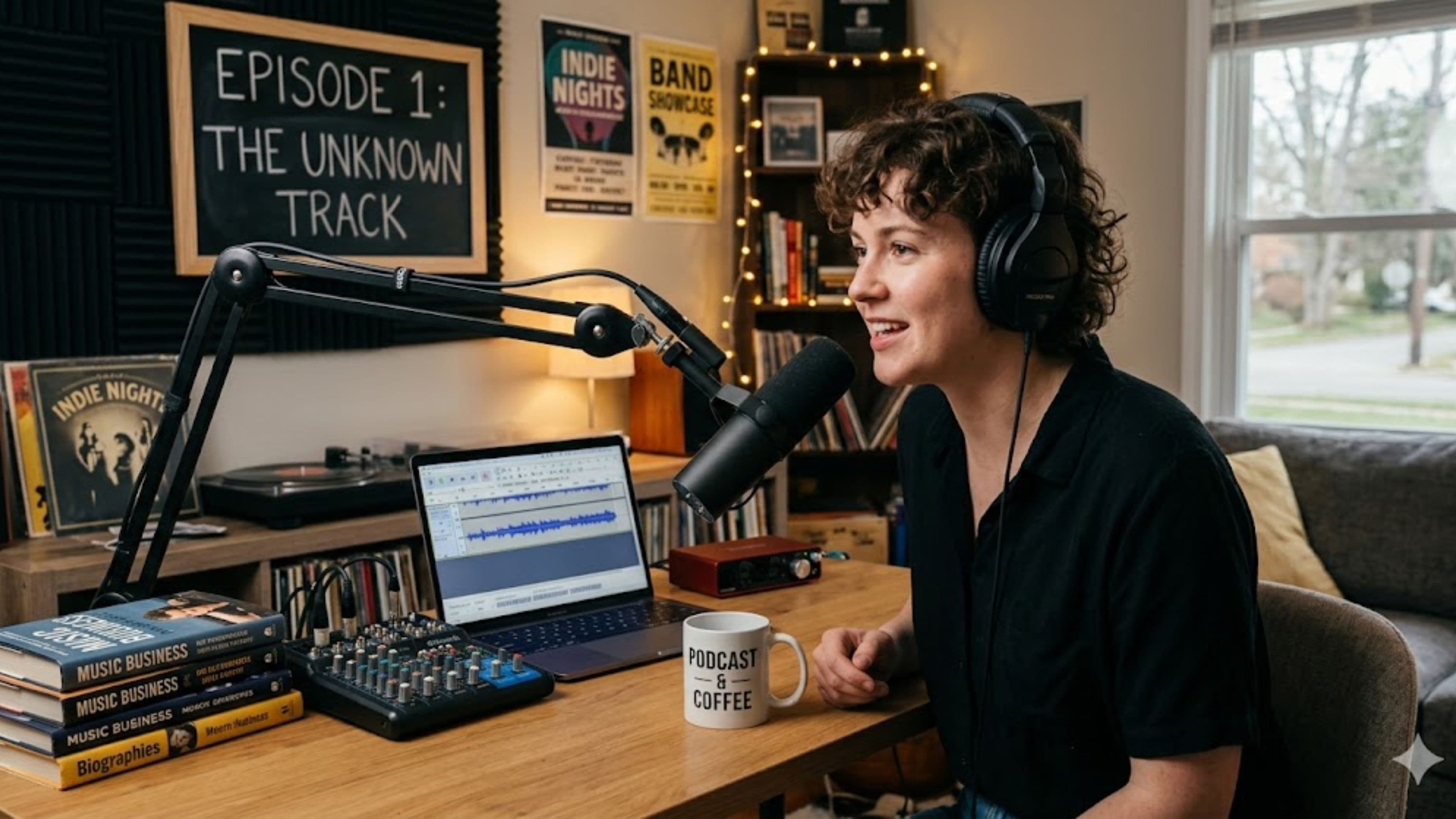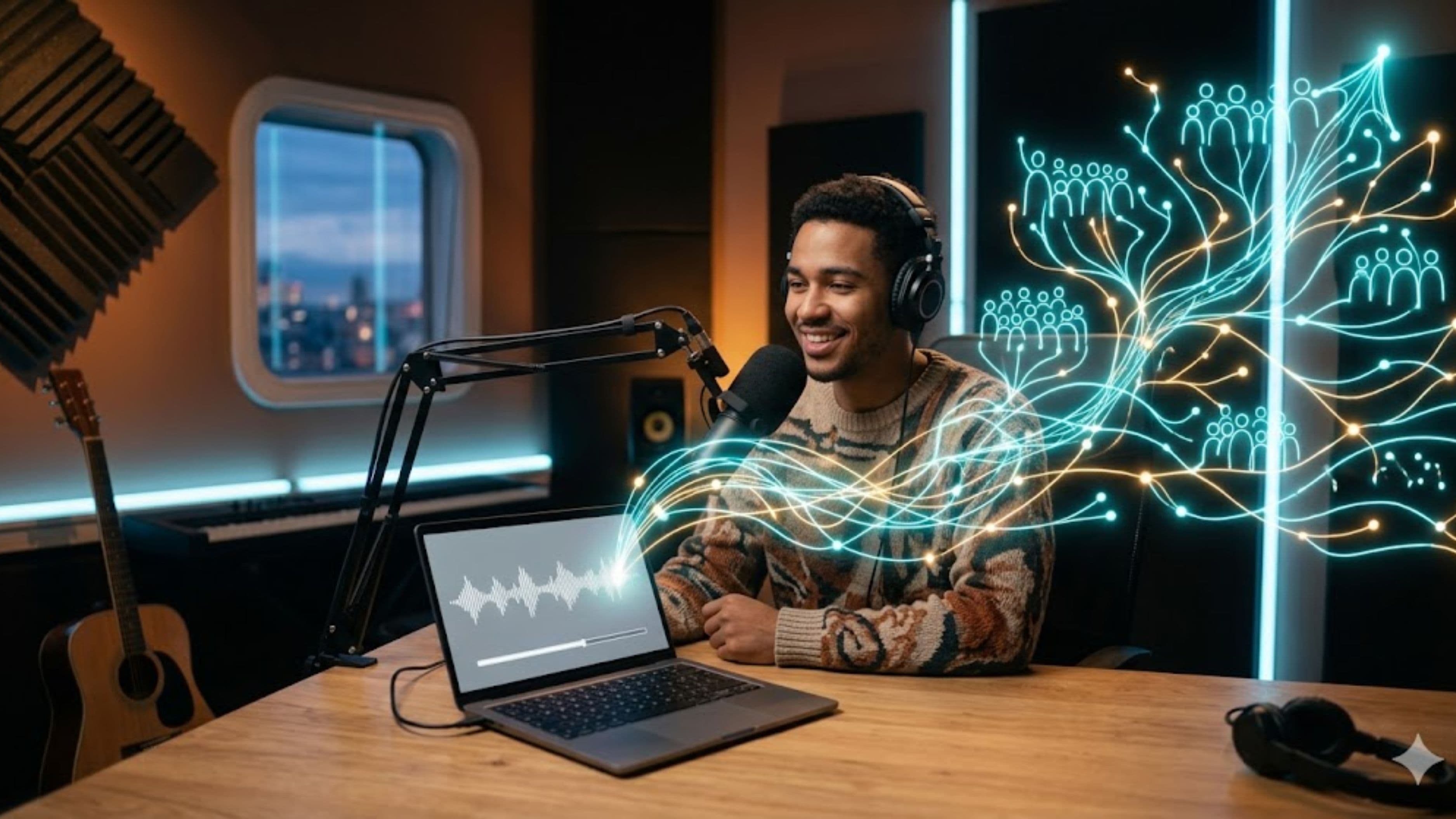
Understand Why You're Actually Doing This
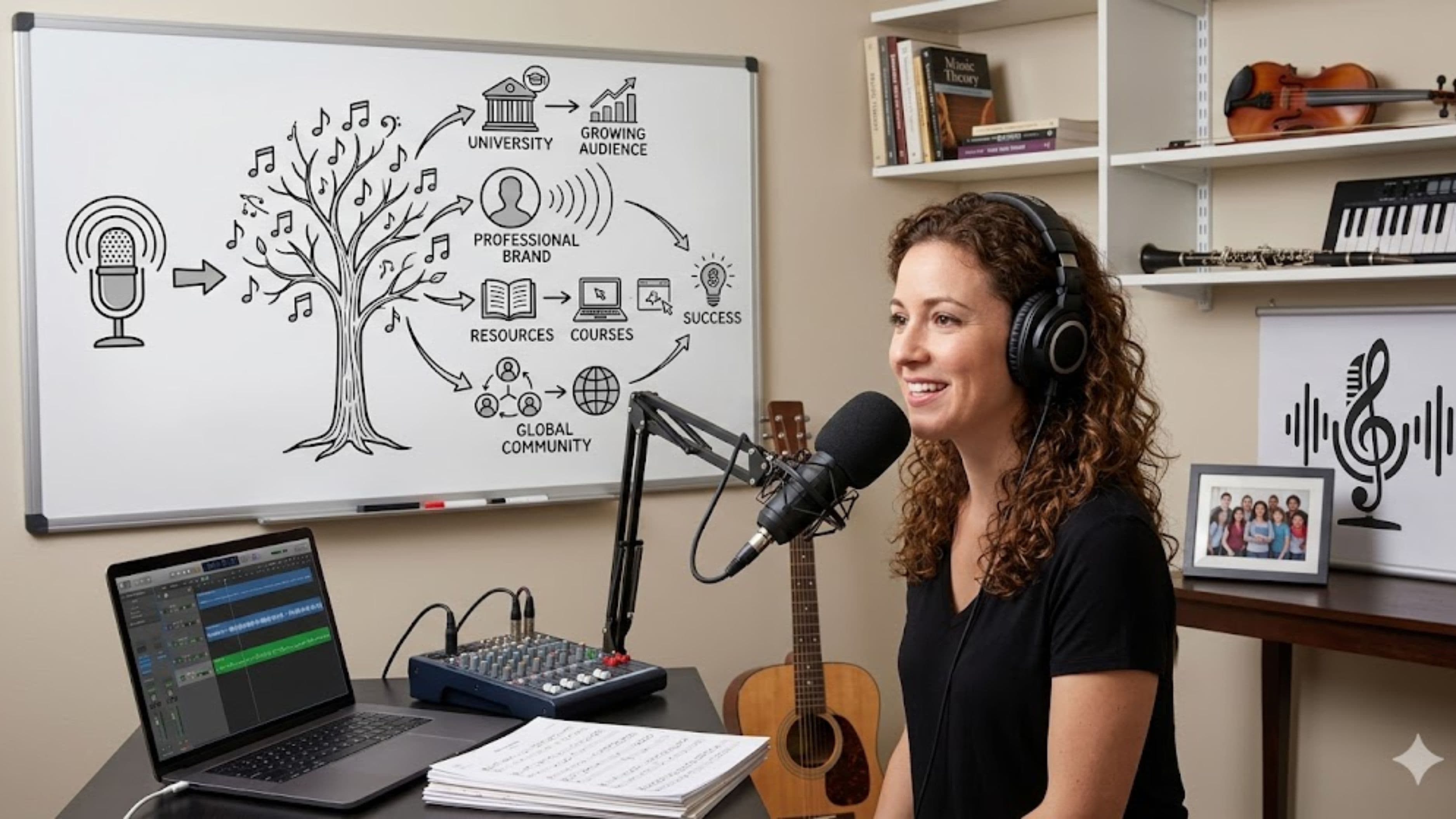
Before recording a single episode, get specific about what you actually want a podcast to do for you as an artist. Some artists use it to build a deeper, more personal connection with existing fans, giving them access to a side of the creative process that music alone doesn't show. Others use it to expand into a new discovery channel, since podcast listeners sometimes find and follow an artist through a podcast appearance or interview series before ever hearing their music.
This distinction matters because it shapes nearly every other decision, from format to guest selection to how you measure whether it's working. A podcast built purely to deepen an existing relationship with your current fans looks and performs differently than one designed primarily as a discovery tool for new listeners, and conflating the two goals is a common reason artist podcasts struggle to find their footing.
Choose a Format That Fits Your Actual Bandwidth
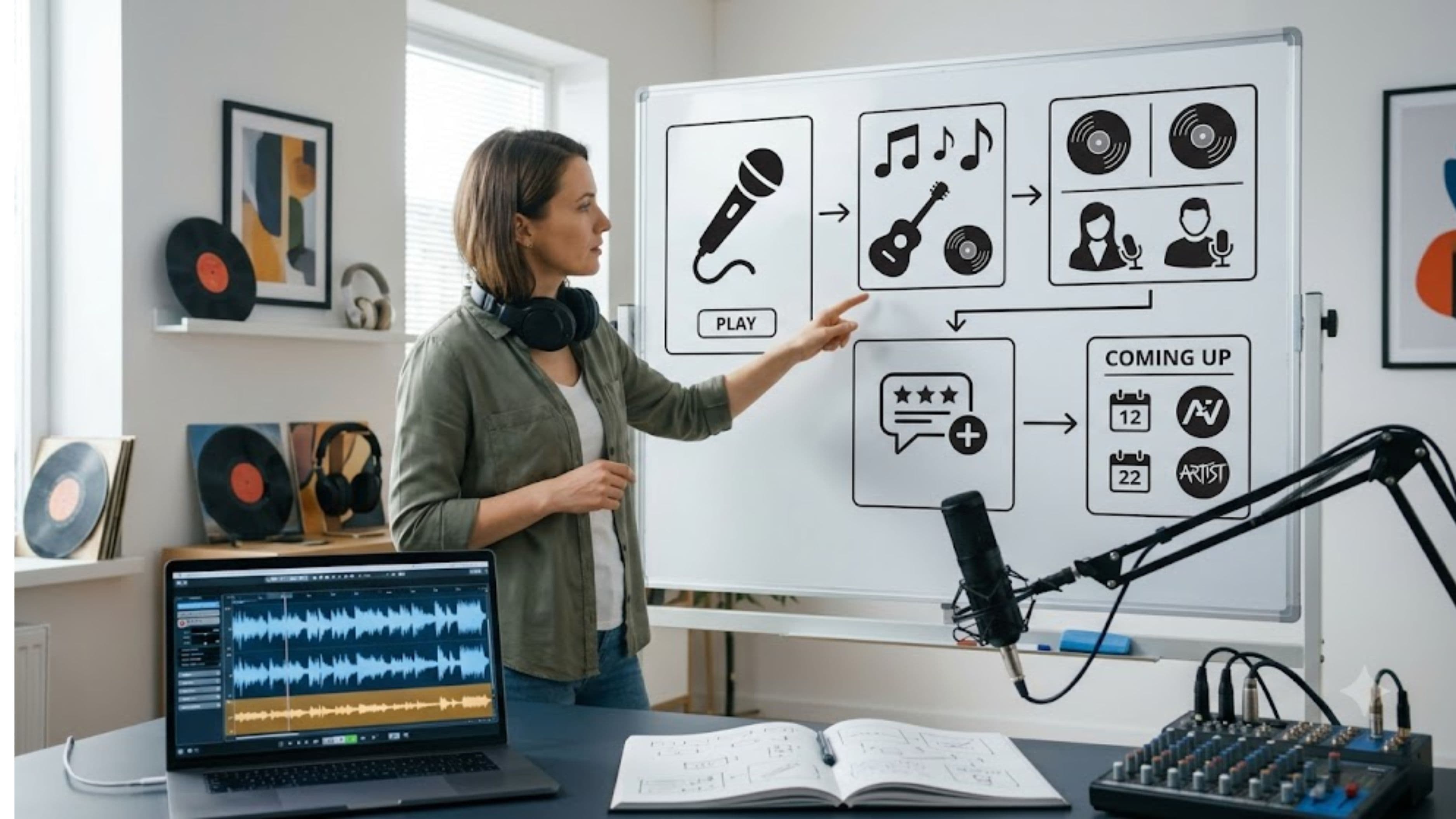
Podcasts require sustained, ongoing effort in a way that's fundamentally different from releasing music, and it's worth being honest about how much time you can realistically commit before choosing a format. A solo, conversational show where you talk directly to your audience about your process and experiences requires less coordination than an interview-based format, since you're not dependent on guest scheduling and availability.
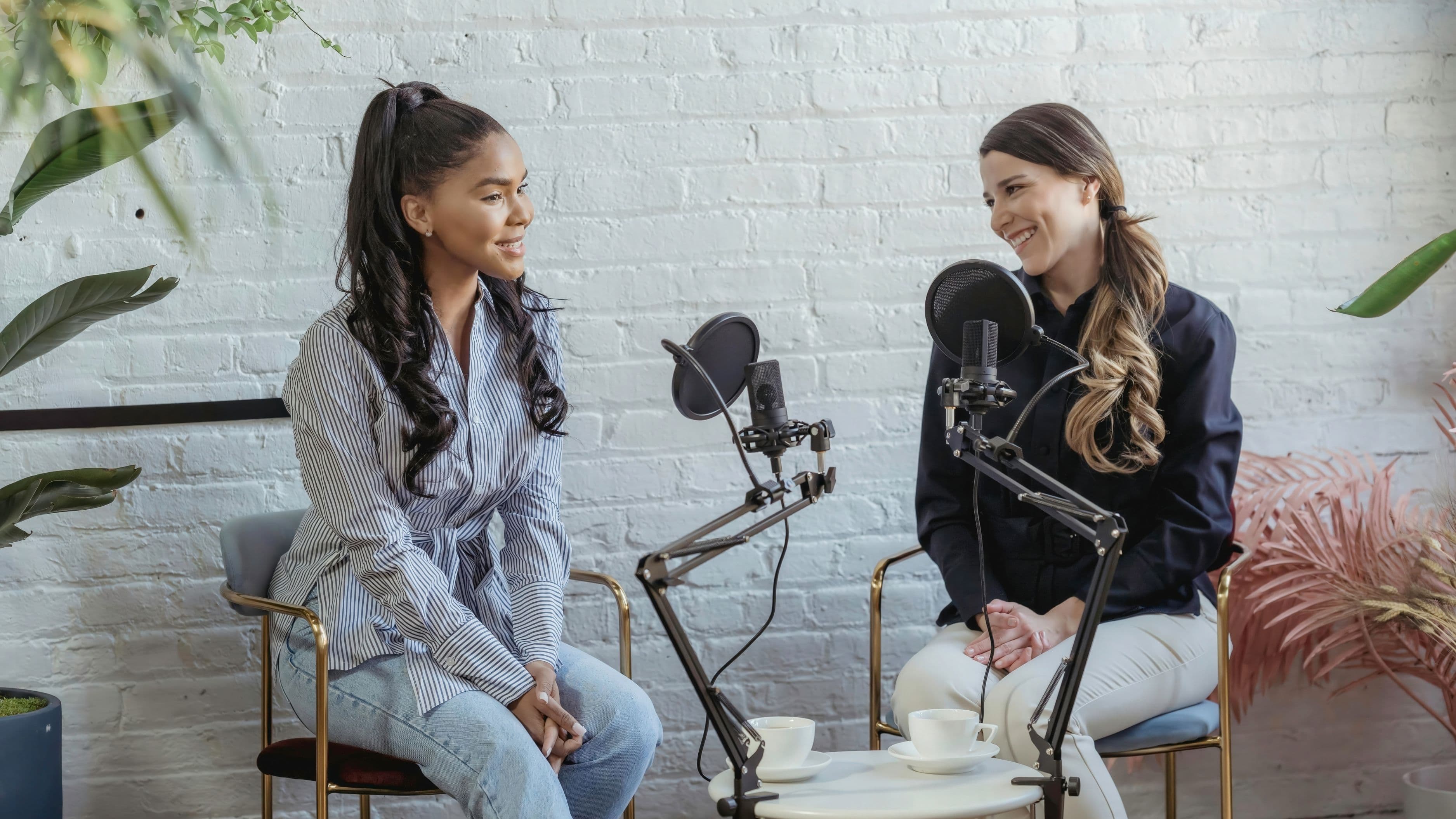
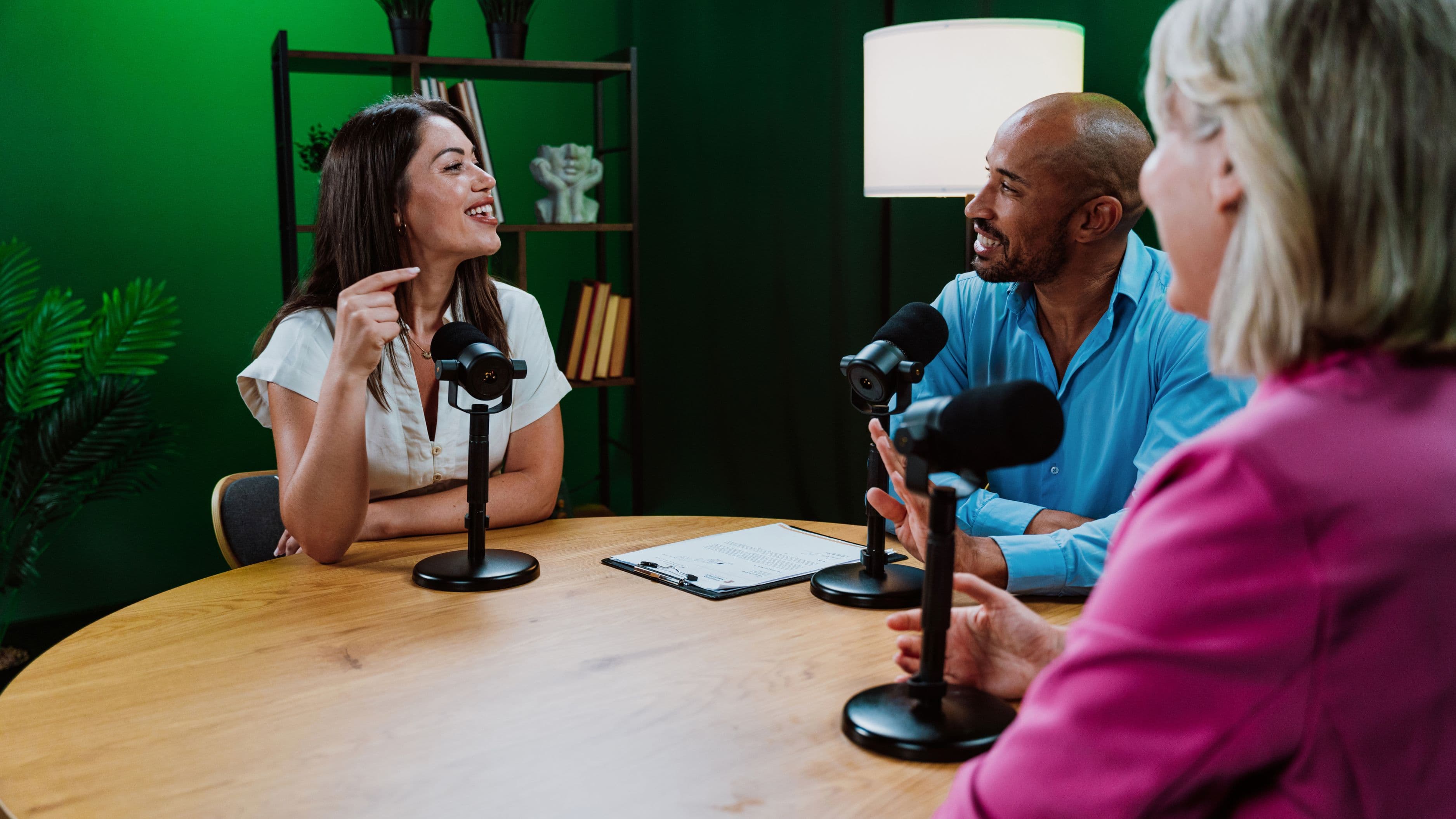
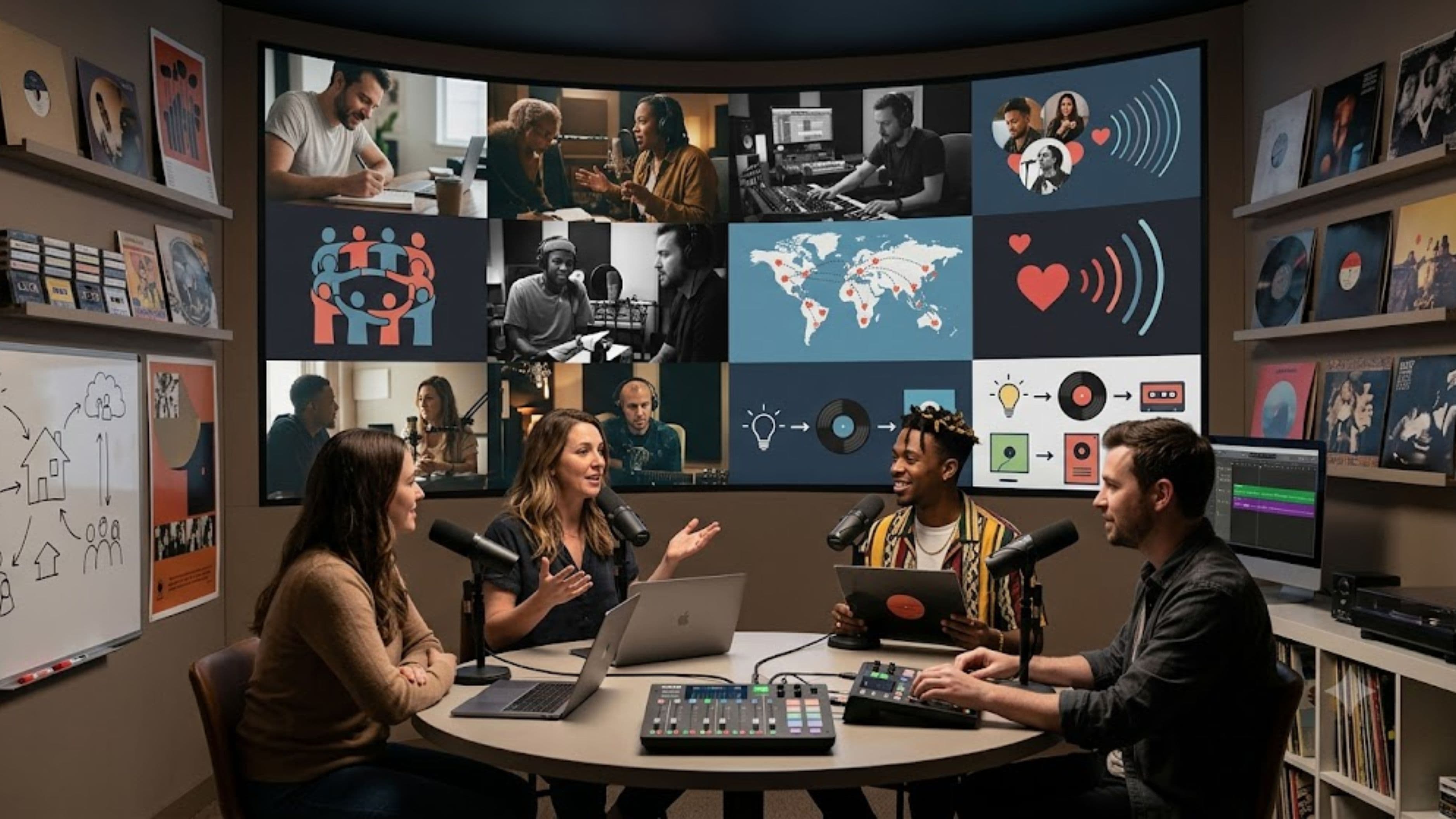
An interview-based show, where you talk with other artists, producers, or industry figures, can offer more variety and cross-promotional opportunity, since each guest brings their own audience into contact with your show, but it also requires meaningfully more coordination, preparation, and outreach effort per episode. Choosing a format that matches your realistic available time is more important than choosing the format that sounds most exciting in theory, since a consistent, simpler show generally outperforms an ambitious one that can't sustain a regular schedule.
Understand the Real Time Commitment Involved
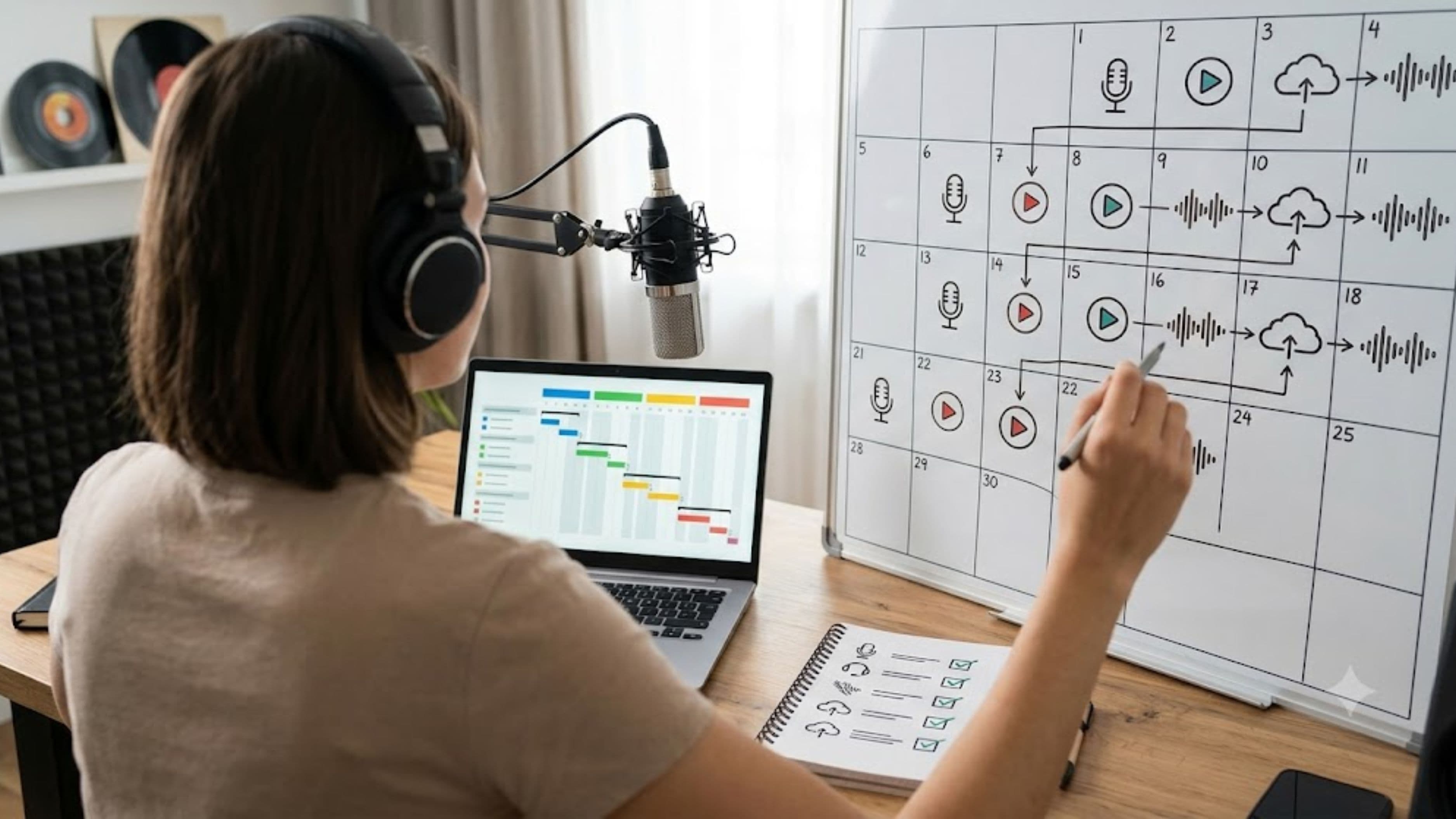
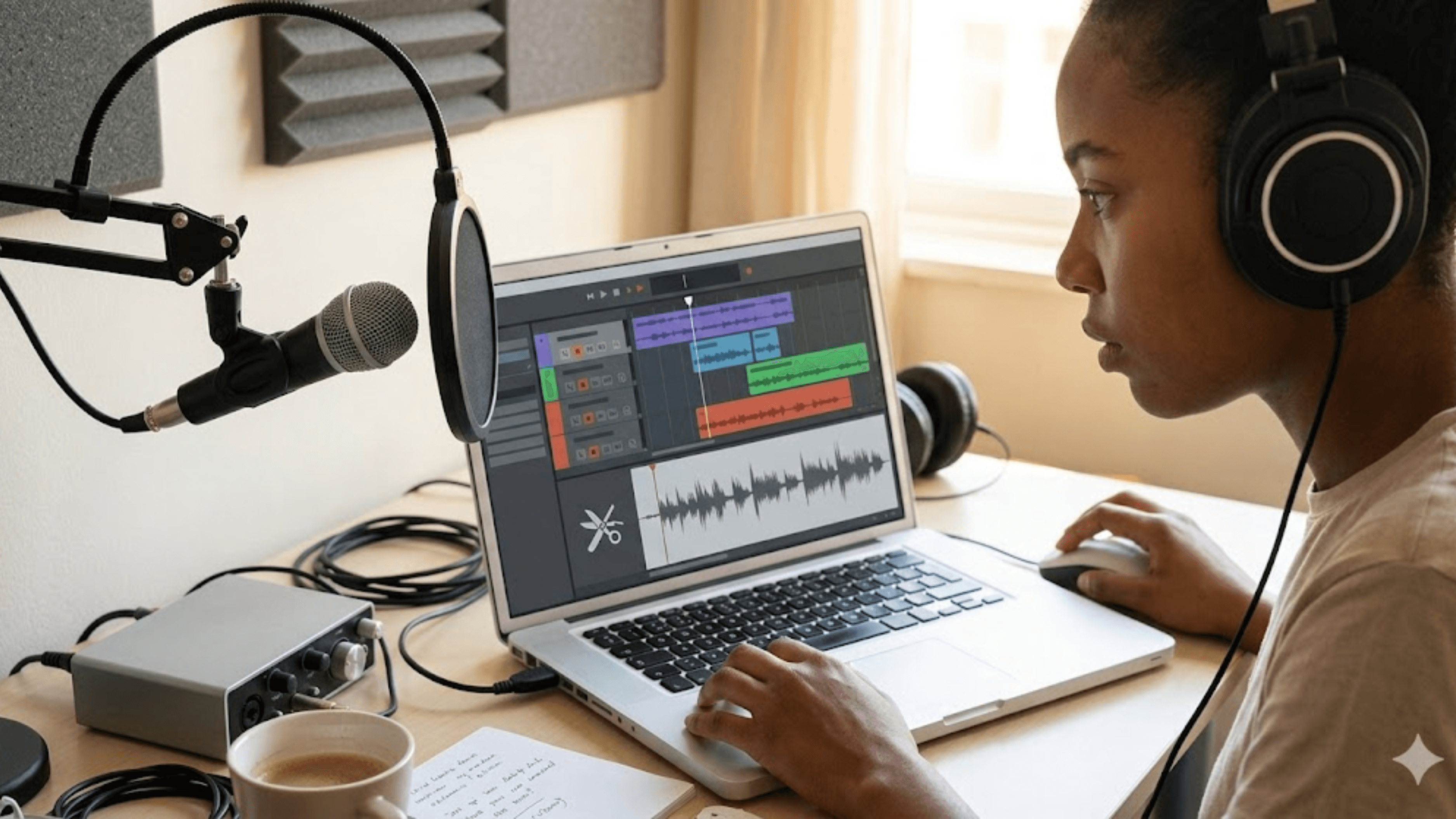
A lot of artists underestimate how much total time a podcast actually requires once you account for planning, recording, editing, and promotion, not just the recording session itself. Even a straightforward, solo-format episode typically involves meaningful time for outlining talking points, the recording session itself, basic editing and cleanup, and creating accompanying promotional content, adding up to several hours of total work per episode once every step is accounted for.
Interview-based episodes add coordination time on top of this, including guest outreach, scheduling, and pre-interview preparation, which can meaningfully increase the total time investment per episode compared to a solo format. Being realistic about this upfront helps you choose a sustainable release schedule rather than committing to a weekly cadence that becomes unsustainable within a few months.
Decide How the Podcast Connects to Your Music, Without Forcing It
The most effective artist podcasts tend to let the connection between the show and the music happen naturally rather than treating every episode as a direct promotional vehicle for a specific release. Listeners tend to respond better to a podcast that feels like a genuine extension of who you are as an artist and person, rather than one that feels like an extended advertisement inserted between actual content.
That said, it's reasonable and often effective to naturally reference your creative process, upcoming projects, or specific songs when they're relevant to what you're actually discussing, since this keeps the connection authentic rather than feeling like a hard sell disconnected from the conversation happening in that episode.
Set Up Simple, Sustainable Production Basics
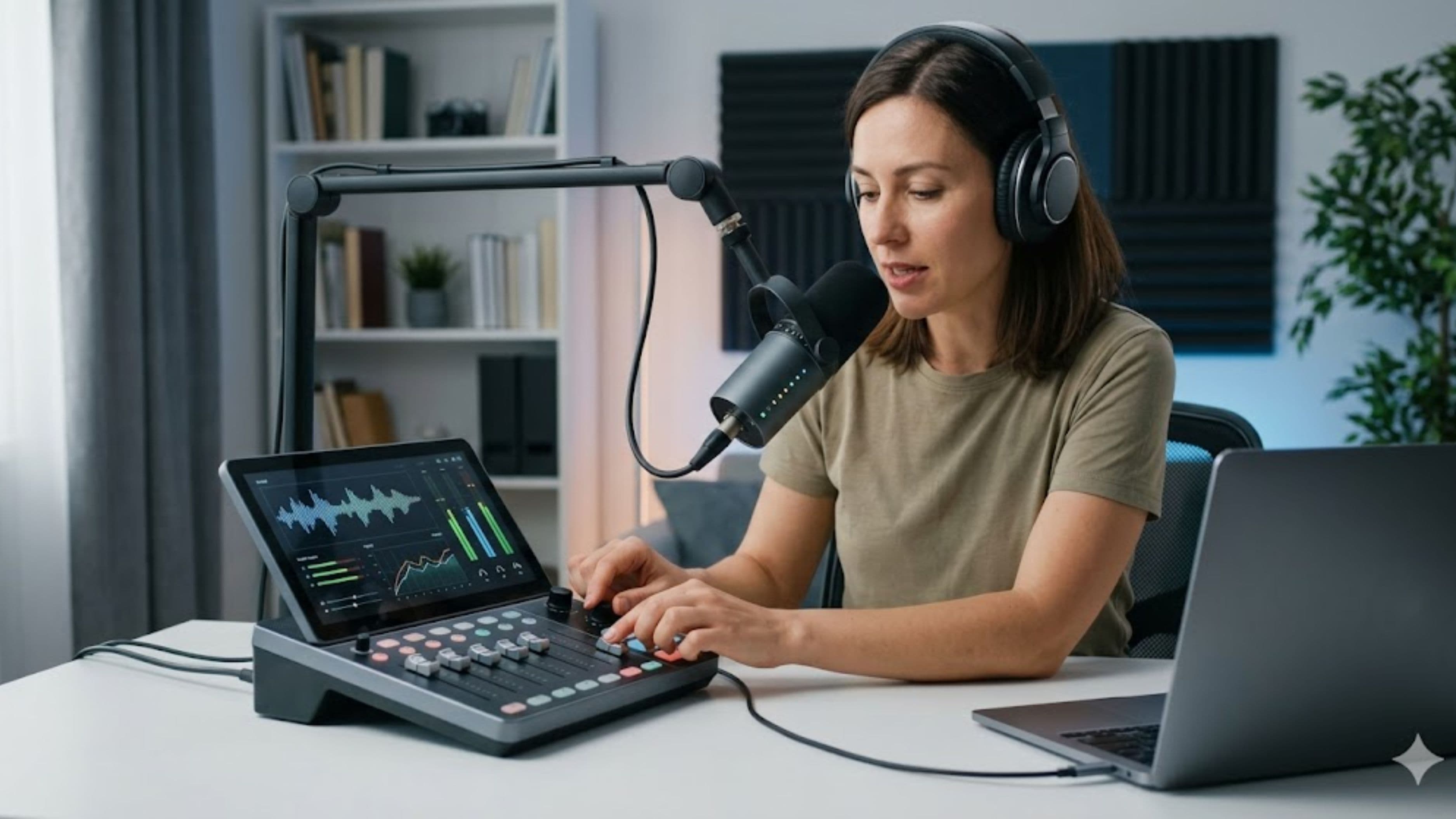
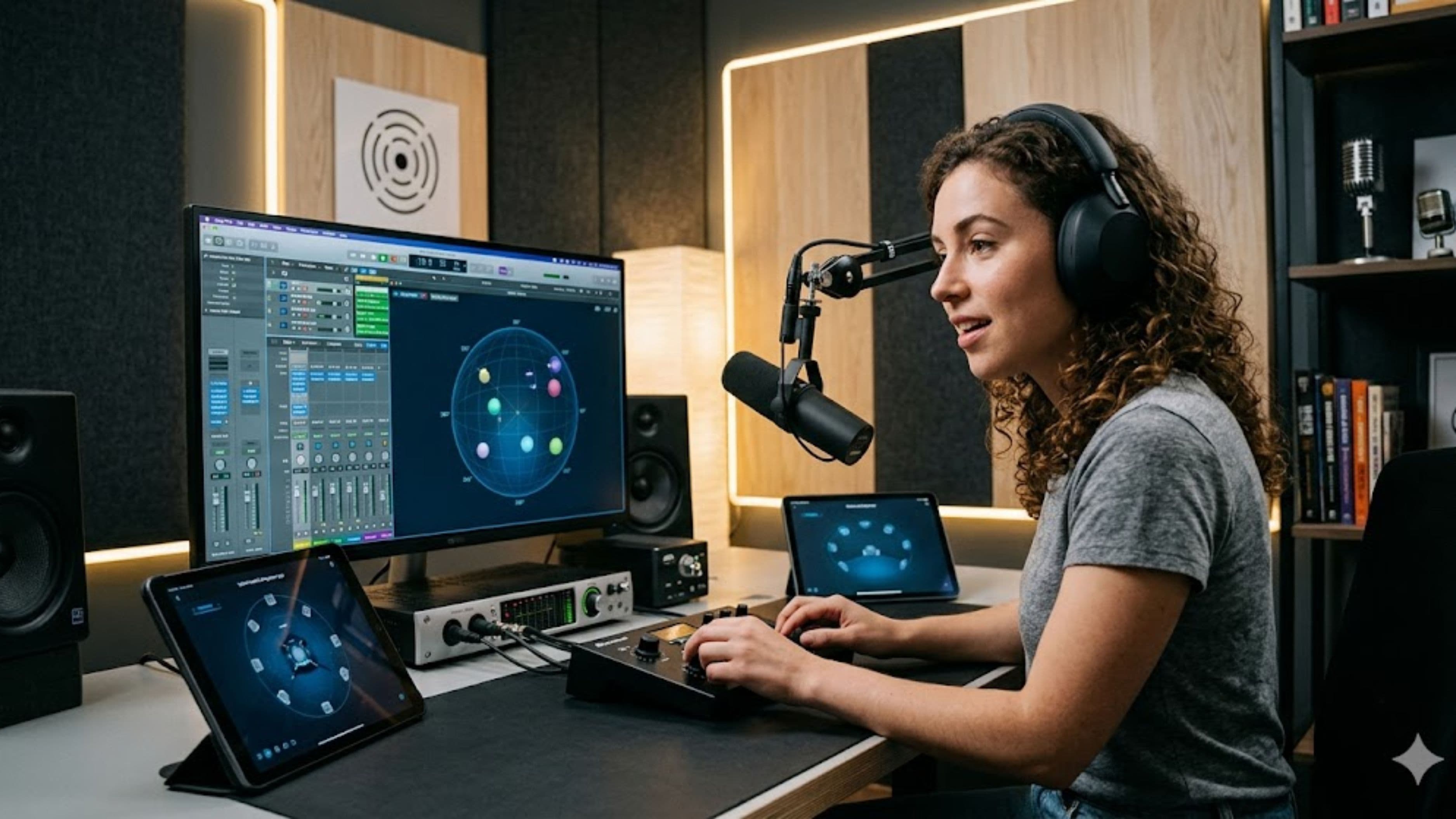
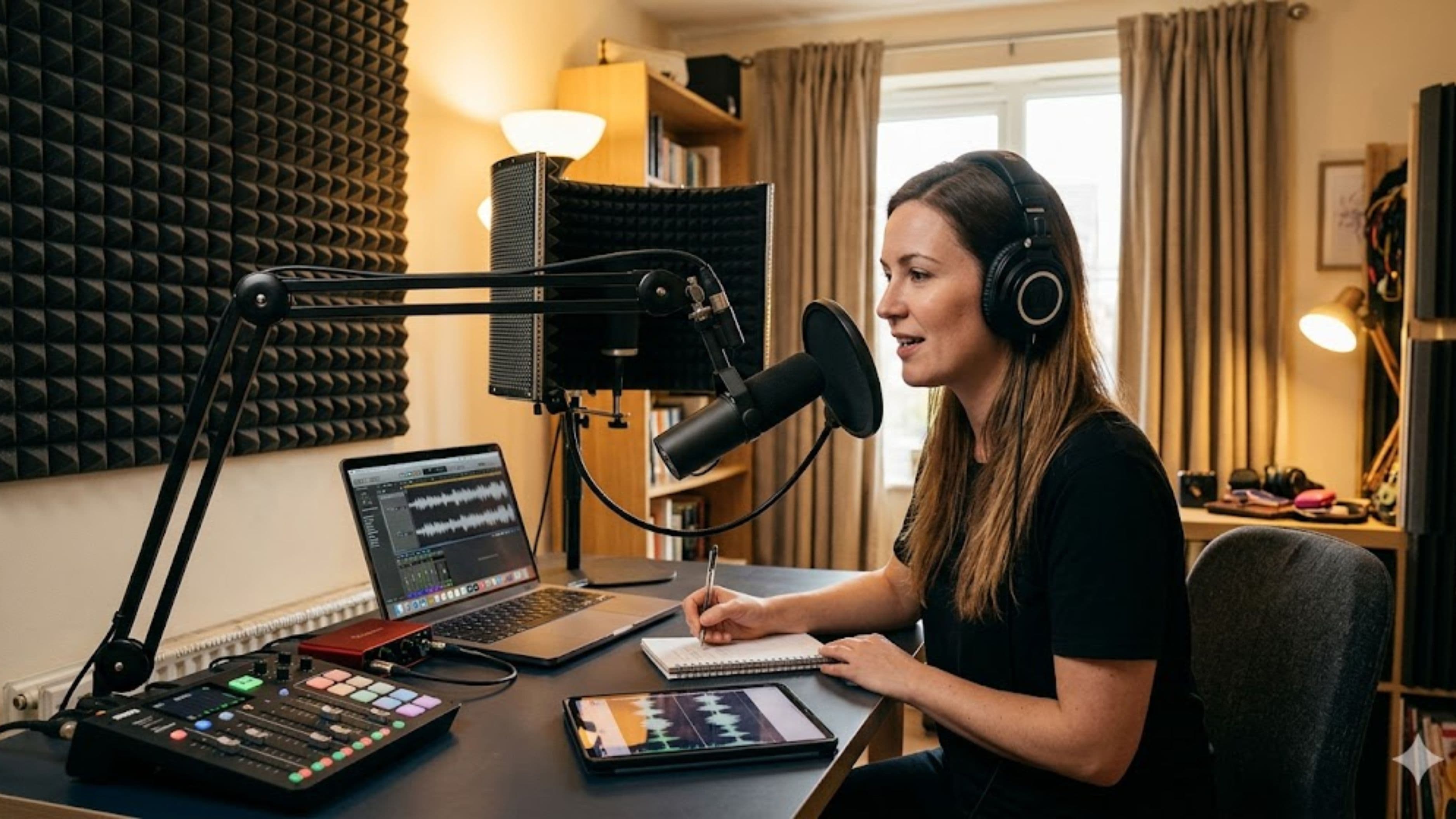
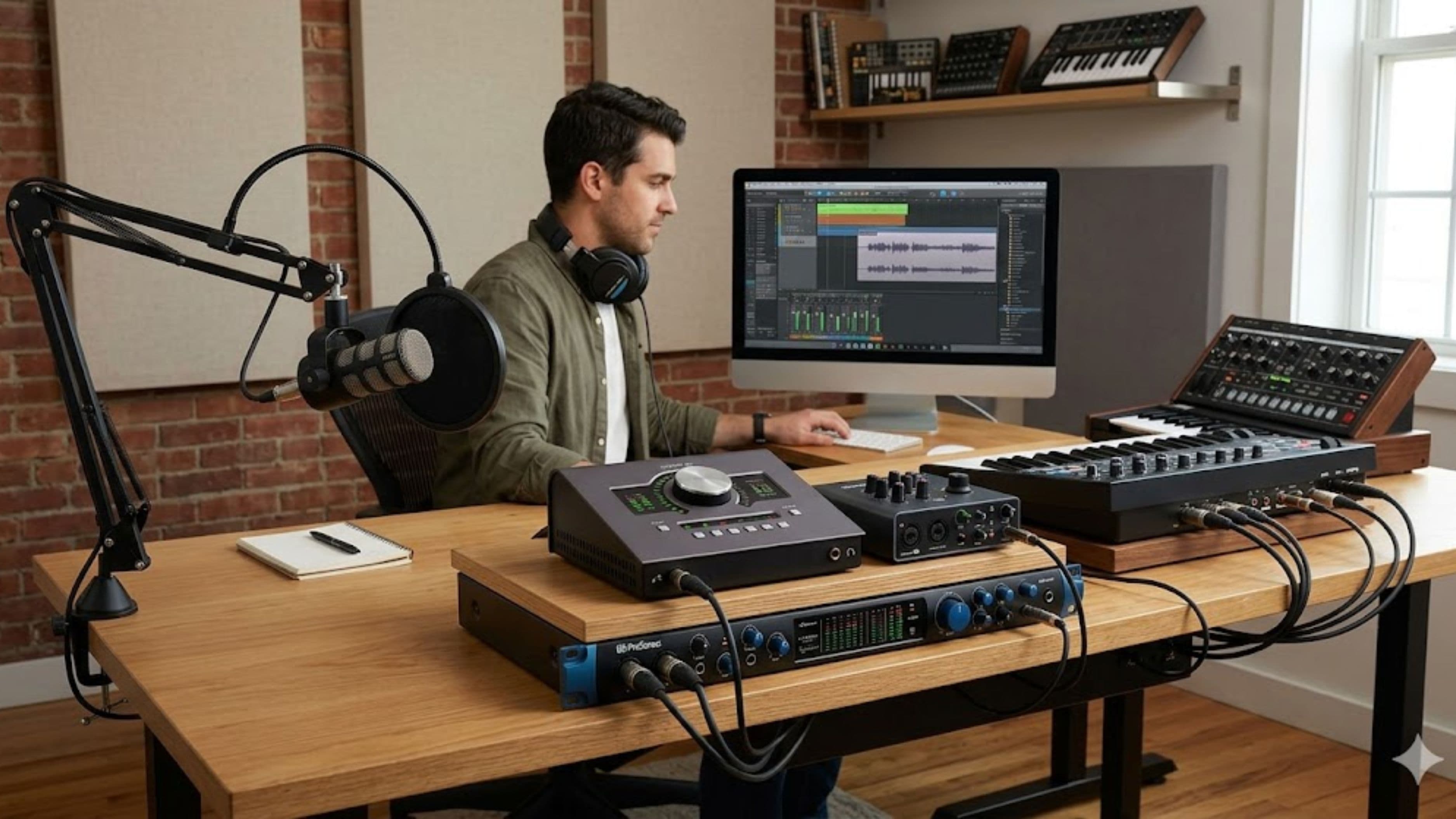
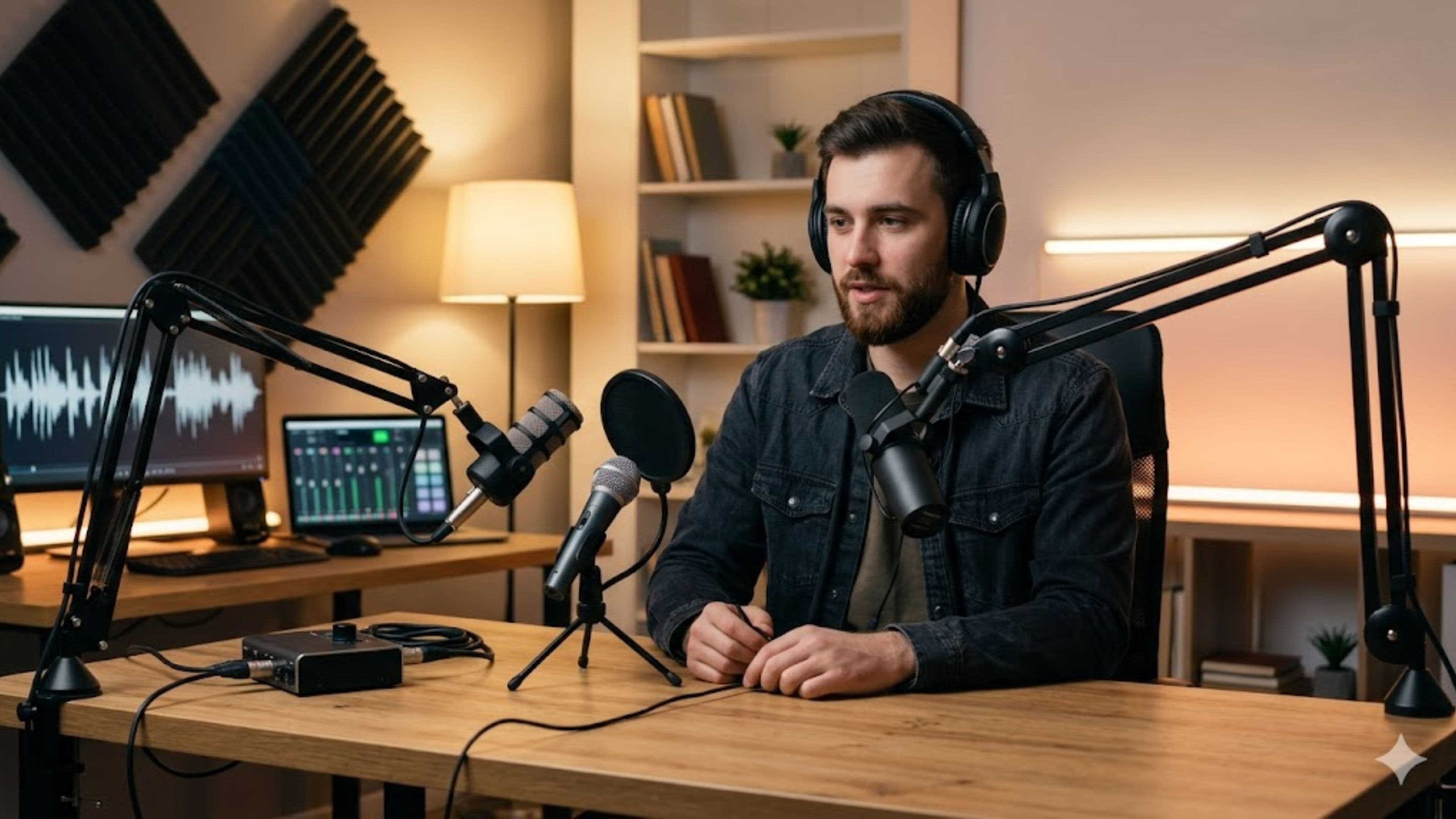
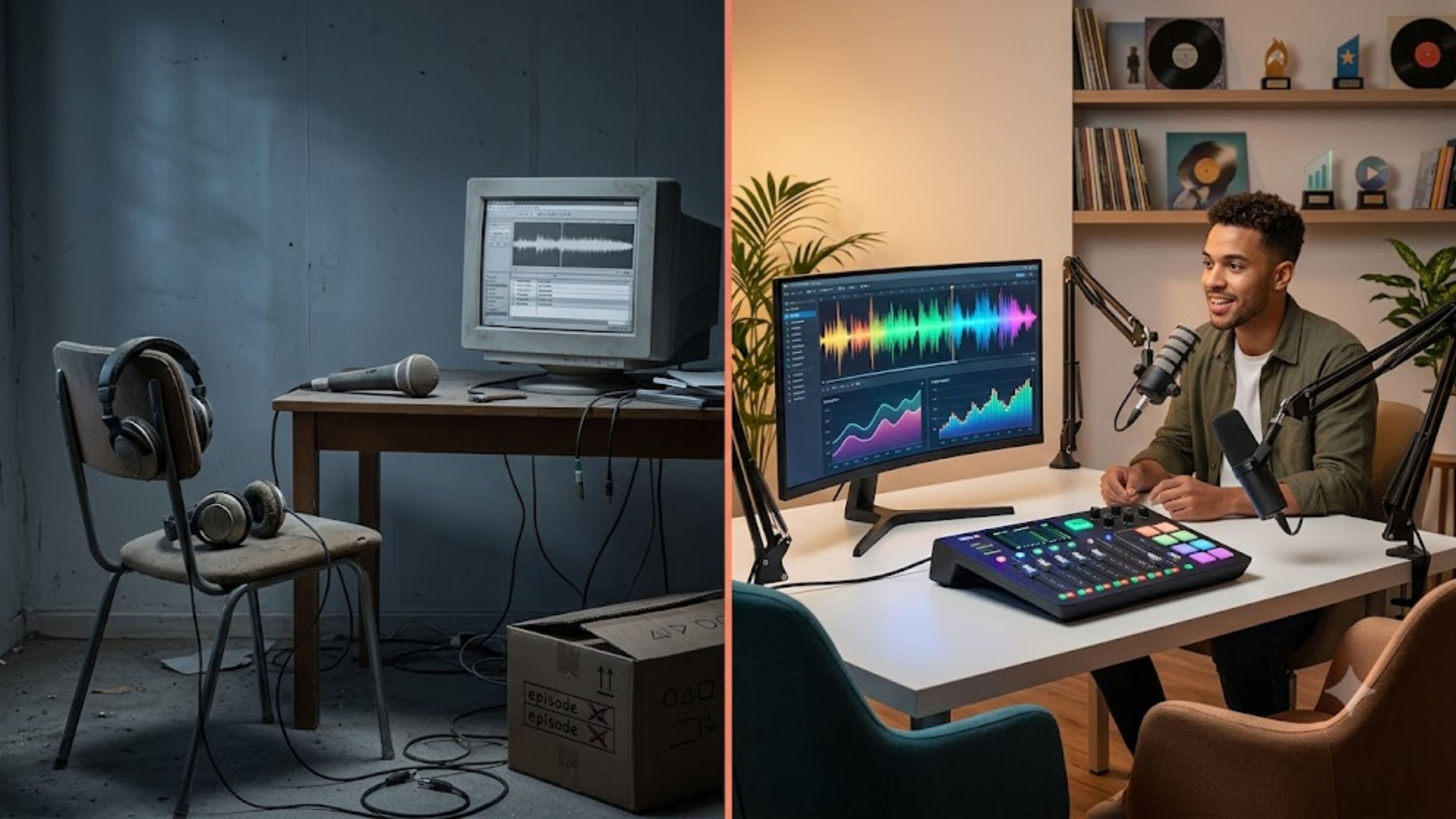
You don't need a professional studio to start, but investing in a decent microphone and finding a reasonably quiet recording space makes a meaningfully bigger difference to listener experience than more advanced equipment or software choices. Audio quality issues are one of the most common reasons listeners abandon a podcast early, even when the actual content and conversation are genuinely engaging, so this is one area worth prioritizing even on a limited budget.
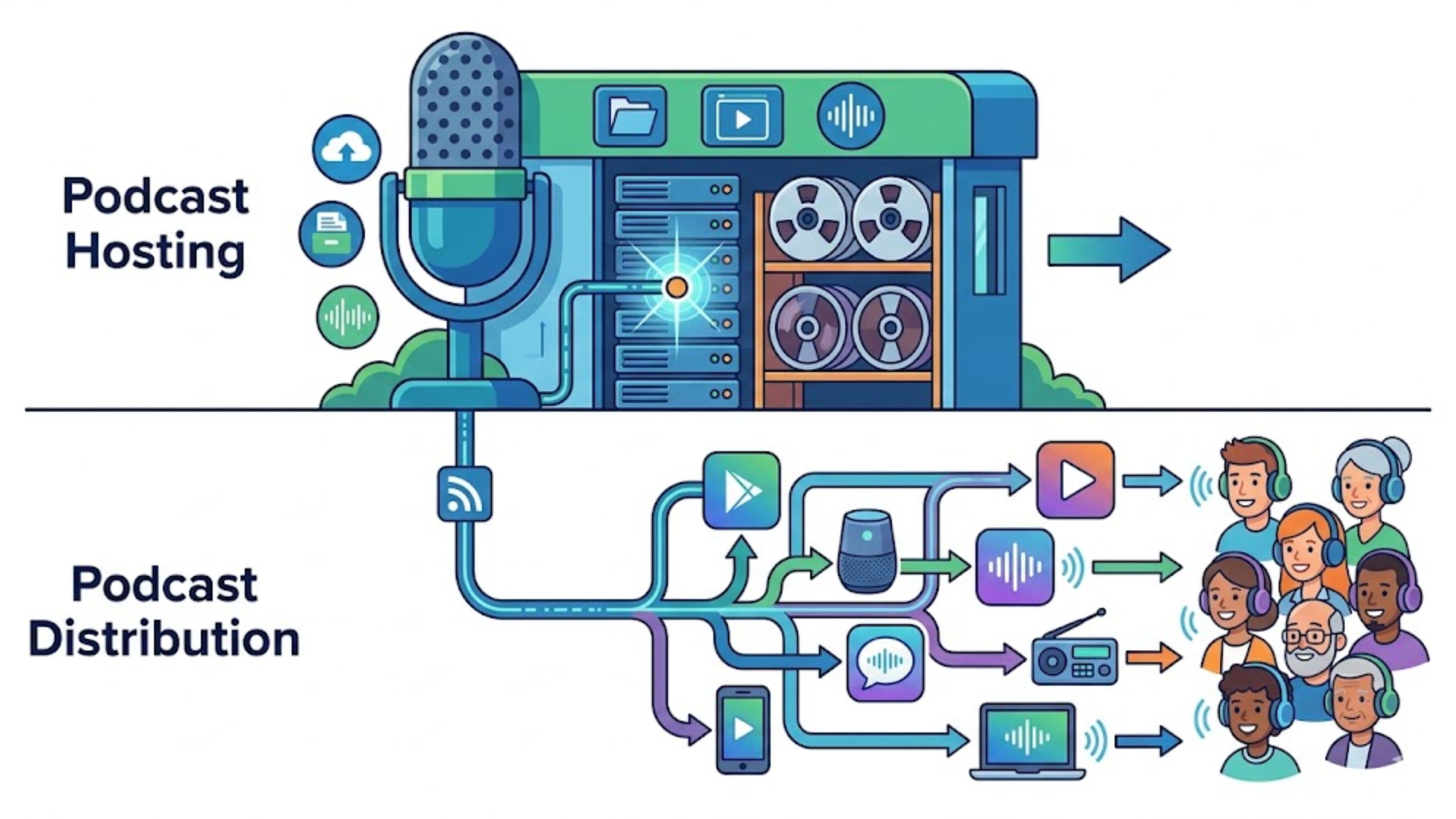
For editing and hosting, a range of accessible tools exist that don't require a steep technical learning curve, and starting with a simpler tool you can actually use consistently is more valuable than a more powerful tool that creates a barrier to regularly publishing episodes.
Think About Monetization Honestly, Not Immediately
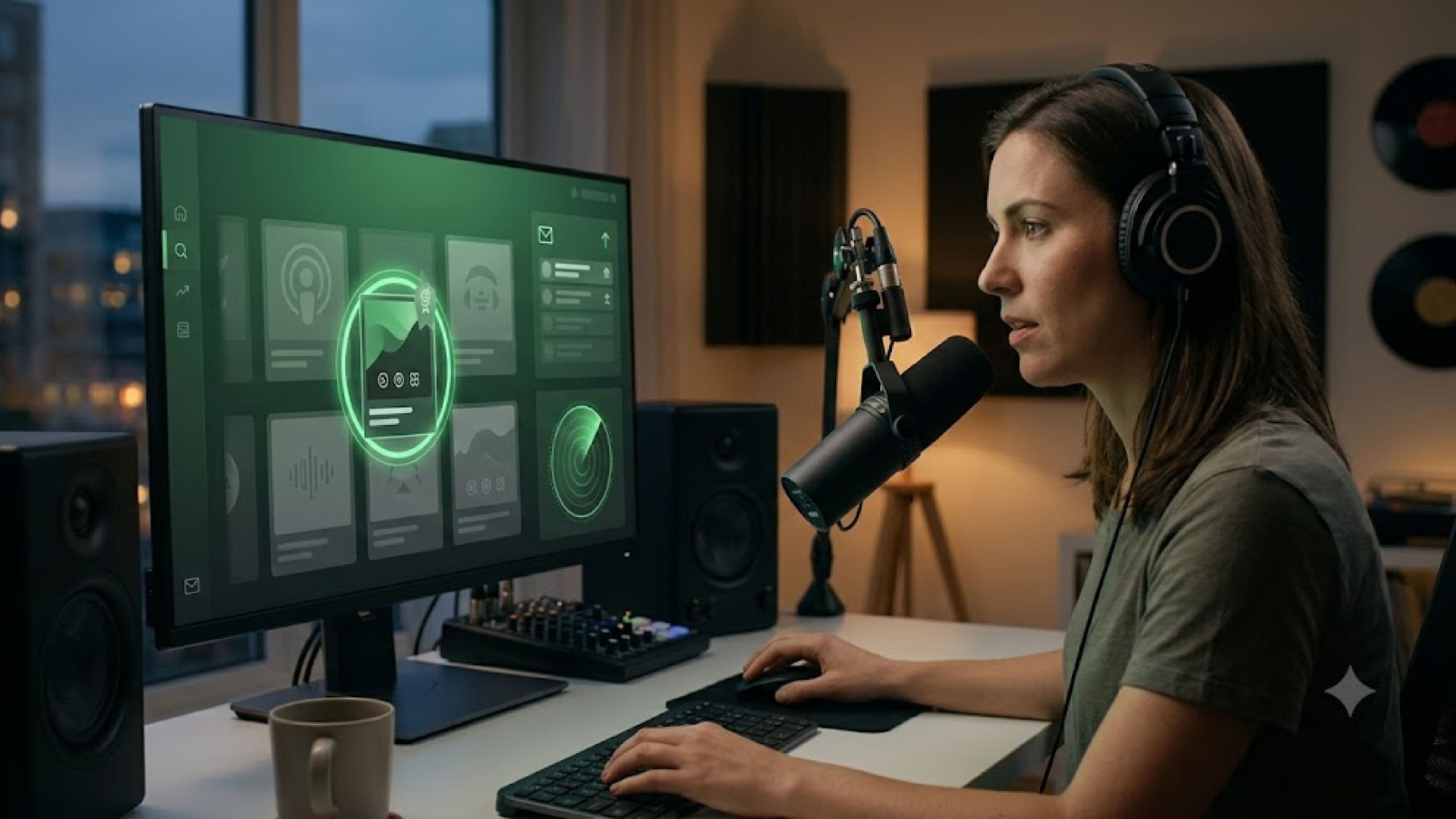
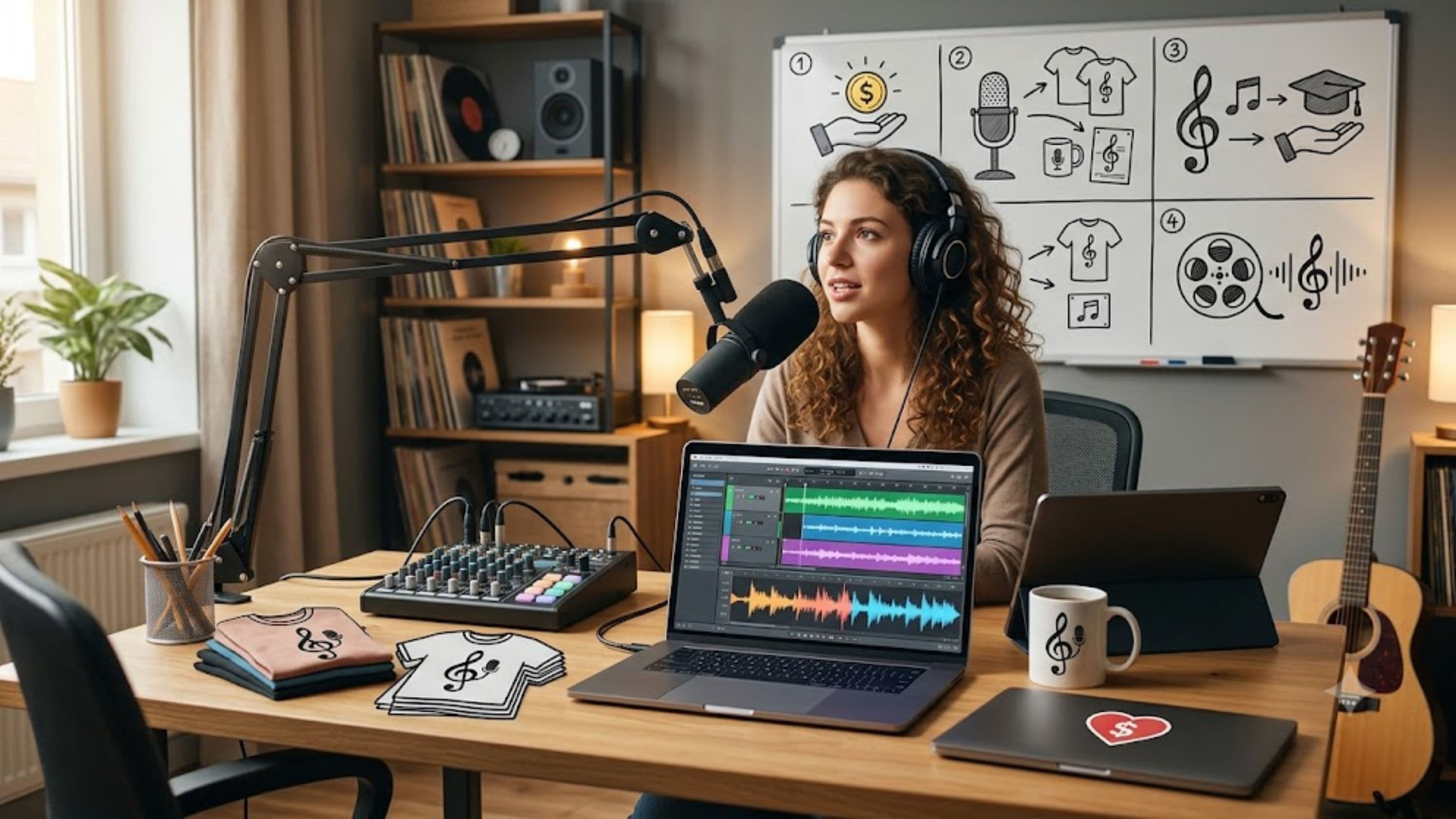
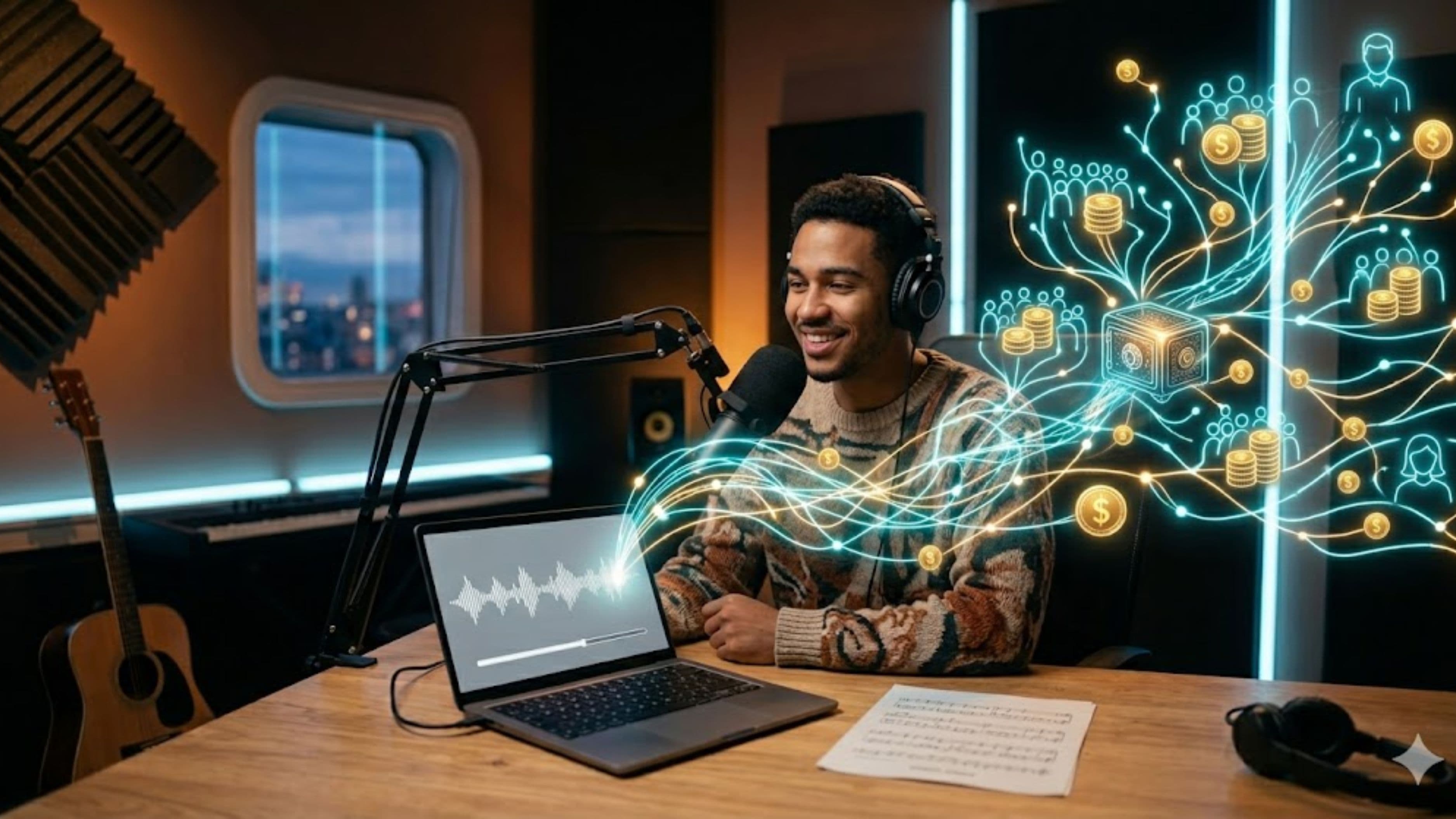
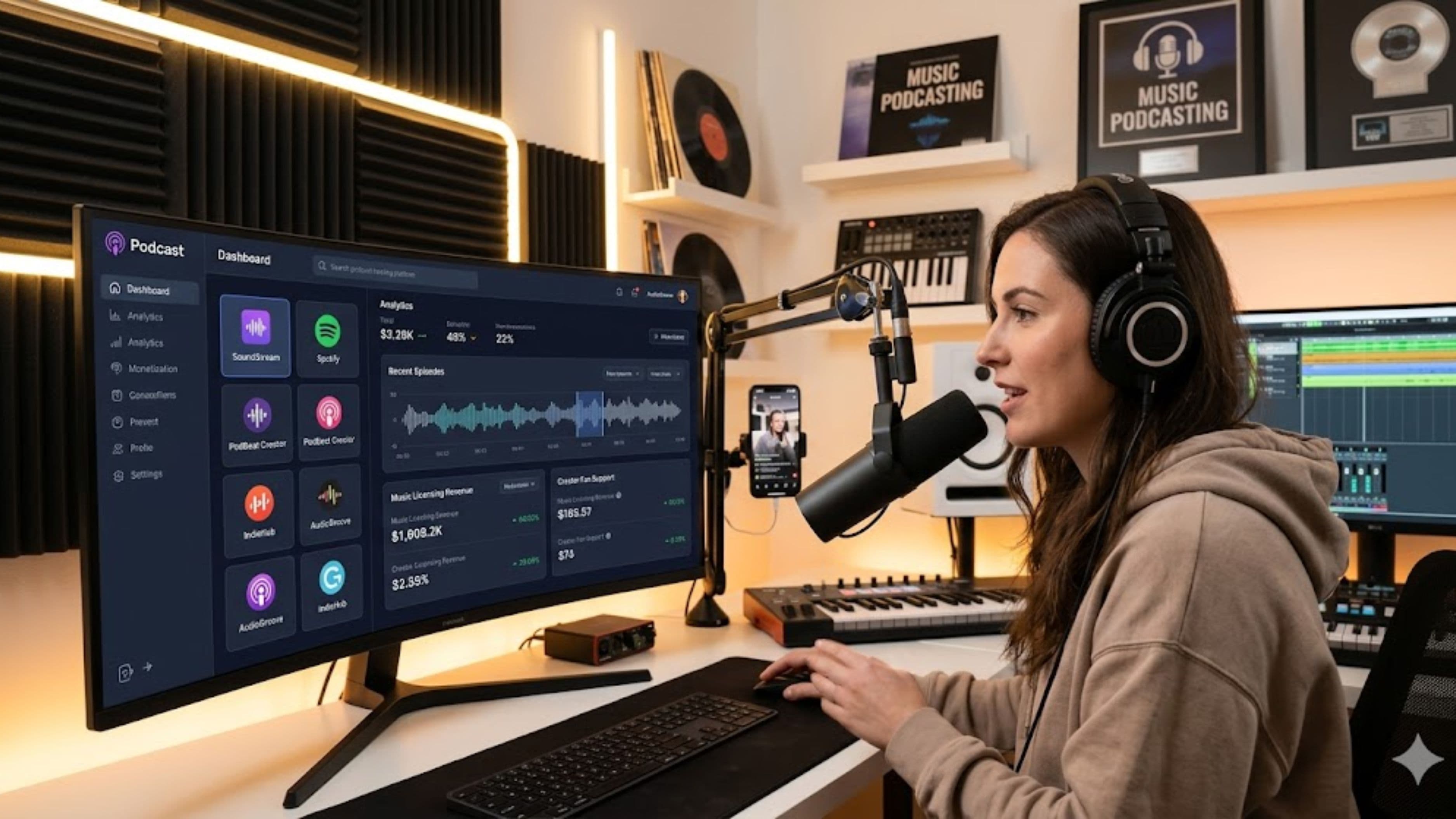
If monetization is part of your longer-term goal for the podcast, it's worth understanding that meaningful podcast income, whether through sponsorships, listener support platforms, or other monetization avenues, typically requires an established, consistent audience built over time rather than something available from the first few episodes. Approaching monetization as a longer-term possibility rather than an immediate expectation helps set realistic expectations and reduces the temptation to make early content decisions purely around premature monetization pressure.
For most independent artists, the more immediate and realistic value of a podcast in its early stages comes from deepening audience connection and potentially reaching new listeners, with monetization becoming a more realistic consideration only once a consistent audience base has been established.
What to Watch Out For
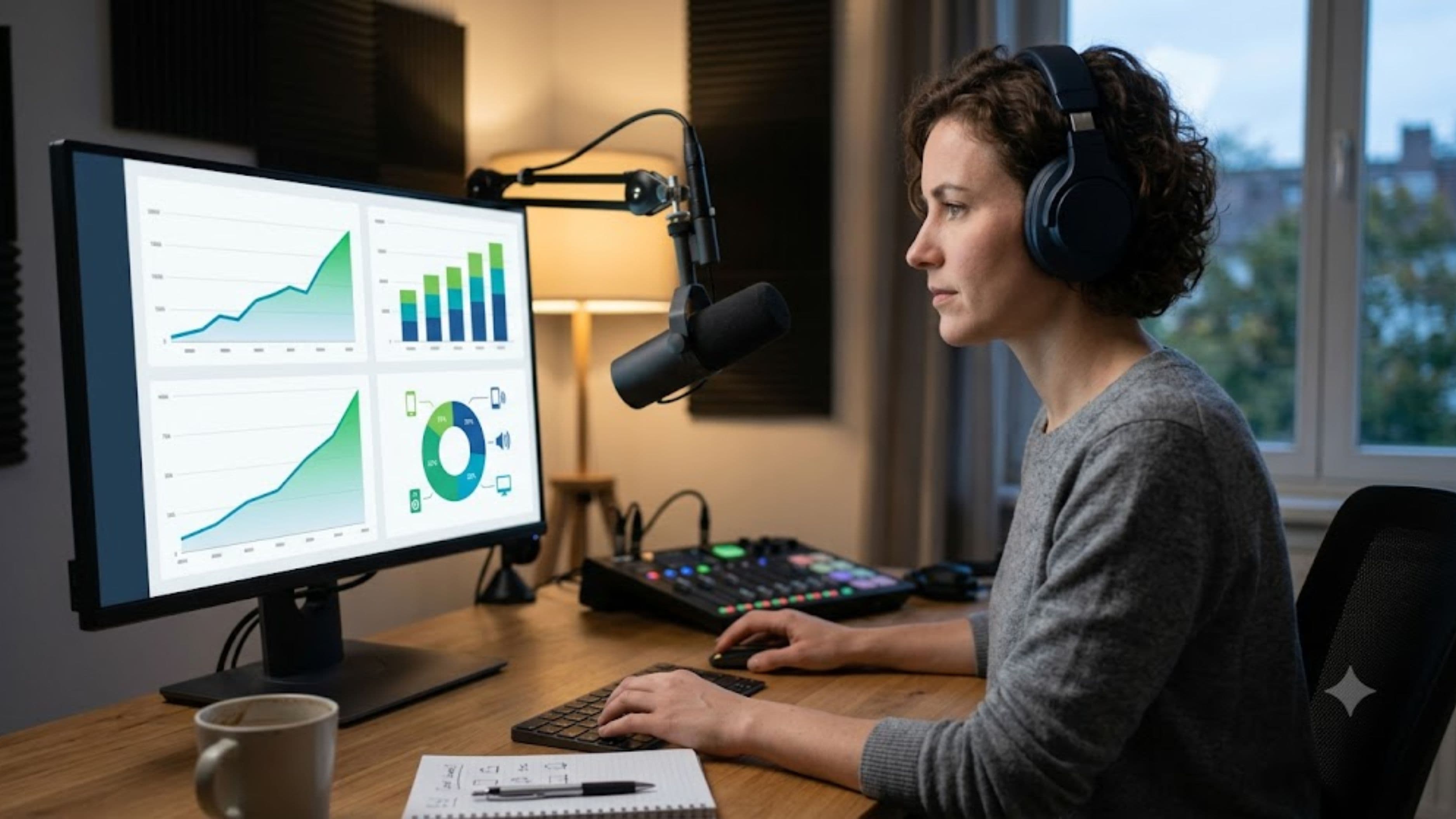
A podcast that's inconsistent in release schedule tends to lose listener trust and momentum faster than almost any other content format, since podcast listening habits are often built around a predictable release rhythm that listeners incorporate into their routine. Committing to a schedule you can actually sustain, even if that means a less frequent cadence, tends to build a more engaged, reliable audience than an ambitious schedule that becomes inconsistent after the first few months.
It's also worth watching for scope creep, where a podcast that started as a simple, low-production show gradually adds complexity, additional segments, or higher production expectations that eventually make it unsustainable to maintain alongside your actual music career, which remains the primary focus for most independent artists taking on a podcast as an additional project.
Realistic Expectations
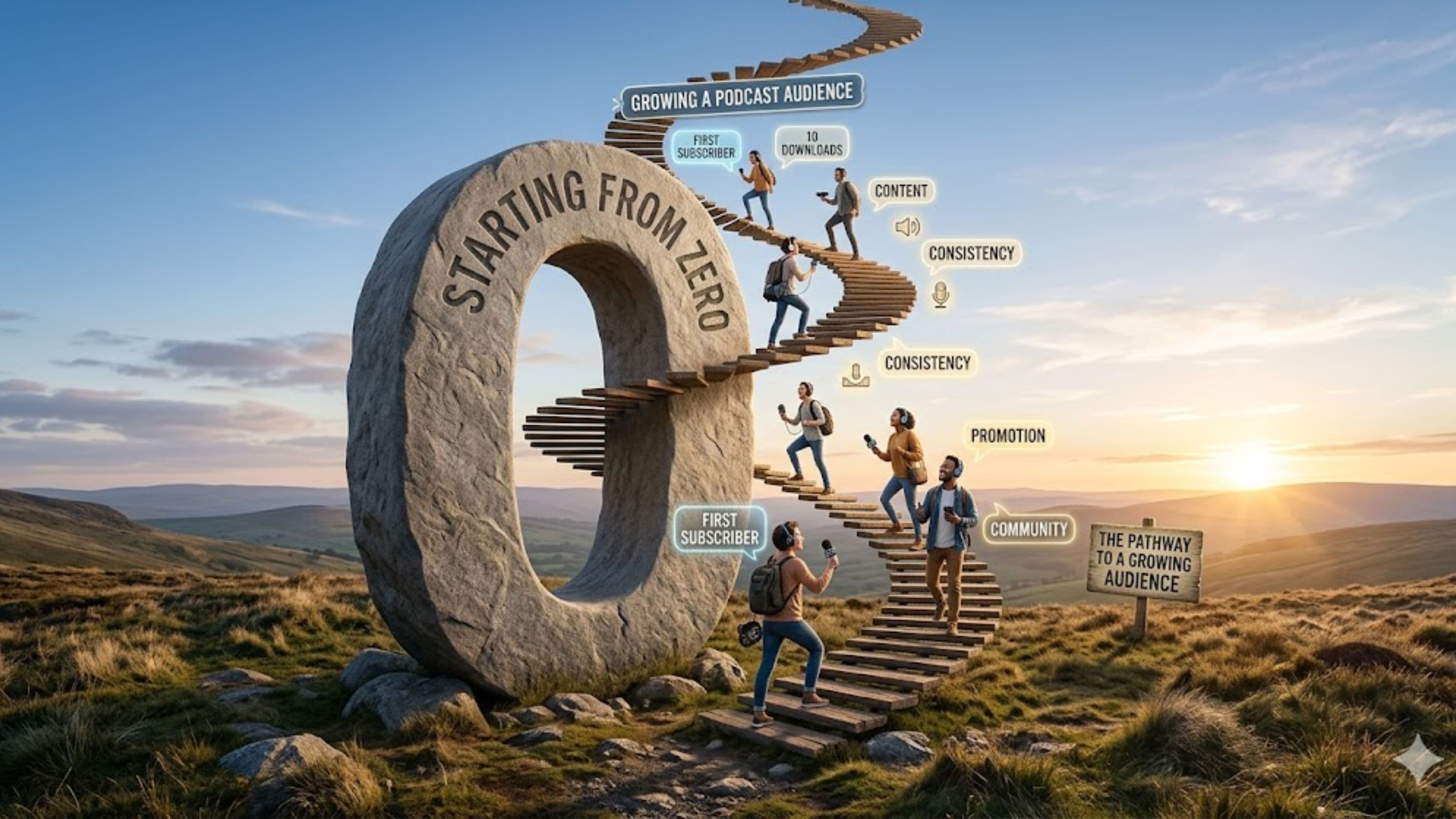
Building a meaningful podcast audience typically takes months of consistent publishing before you'll see substantial engagement, and this timeline is genuinely similar to the patience required to build an audience for original music. Expecting immediate significant listenership from the first several episodes sets up disappointment that can lead to abandoning the project before it's had a realistic chance to find its audience.
Common Mistakes to Avoid
A common mistake is choosing an ambitious format and release schedule that doesn't match realistic available time, leading to burnout or inconsistency within the first few months. Another is treating every episode as a direct promotional vehicle for music releases, which tends to feel inauthentic and can actively push away listeners who came for genuine content rather than repeated promotional messaging. And a frequent oversight is under-investing in basic audio quality, which affects listener retention more significantly than most other production choices at this stage.
FAQ
Do I need a large existing fanbase before starting a podcast? No, though an existing audience can help with initial listenership. Many successful artist podcasts have grown their own audience over time independent of the artist's existing music fanbase, particularly interview-based shows that bring in guests with their own audiences.
How often should I release episodes as a beginner? A consistent, sustainable schedule matters more than frequency itself. Many successful shows start with a biweekly or monthly schedule rather than weekly, which allows time for proper planning and production without becoming overwhelming.
Should I use my podcast primarily to promote new music releases? It's more effective to let musical connections happen naturally within genuine conversation rather than structuring every episode primarily around promotion, since audiences tend to respond better to authentic content than to content that feels like an extended advertisement.
📚 Sources
Edison Research, "The Podcast Consumer" – https://www.edisonresearch.com/
International Federation of the Phonographic Industry, "Engaging With Music" – https://www.ifpi.org/