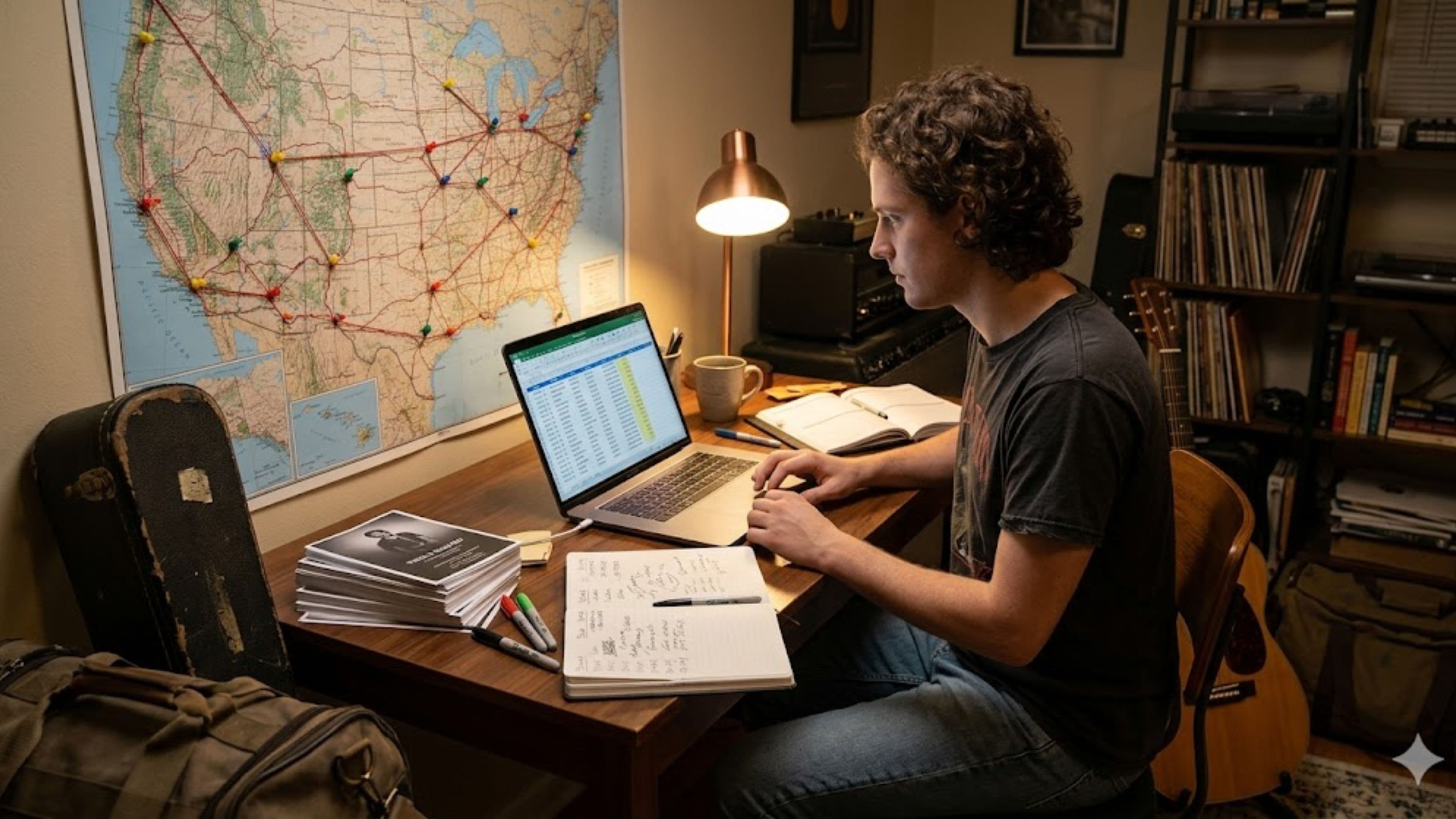
The catch is that "no promoter" also means "no one else doing the work." These tools hand you the controls, but you're the one driving. Here are the platforms indie artists actually use to sell their own tickets, what each one is good for, and what to watch out for so you keep more of your money and your audience.
1. Eventbrite
Eventbrite is the most recognized name in self-serve ticketing, and for good reason – it's simple, widely trusted by fans, and quick to set up. You create an event page, set your ticket types and prices, and share the link. Fans recognize the brand, which lowers the hesitation that can come with an unfamiliar checkout.
For an indie artist, it's a solid default for a first headline show or a small tour, especially when you want something fans already know how to use. The trade-off is fees, which are passed to buyers or absorbed by you, so factor them into your pricing. It's best for artists who value ease and familiarity over the lowest possible cost, and who want a no-fuss page they can spin up fast.
2. DICE
DICE has built a strong reputation in the live music world, particularly for independent and emerging artists, thanks to its mobile-first, fan-friendly approach. Tickets live in the app, and its waitlist and anti-touting features (designed to curb scalping) have made it popular with artists who care about getting real tickets to real fans at fair prices.
It's a great fit if your audience skews younger and mobile-first, and if you want a platform that feels current rather than corporate. The consideration is that DICE works with venues and artists in a more curated way than fully open platforms, so availability can depend on your market and the venue. For artists building a credible live presence, it's one of the more respected names to be associated with.
3. Bandsintown
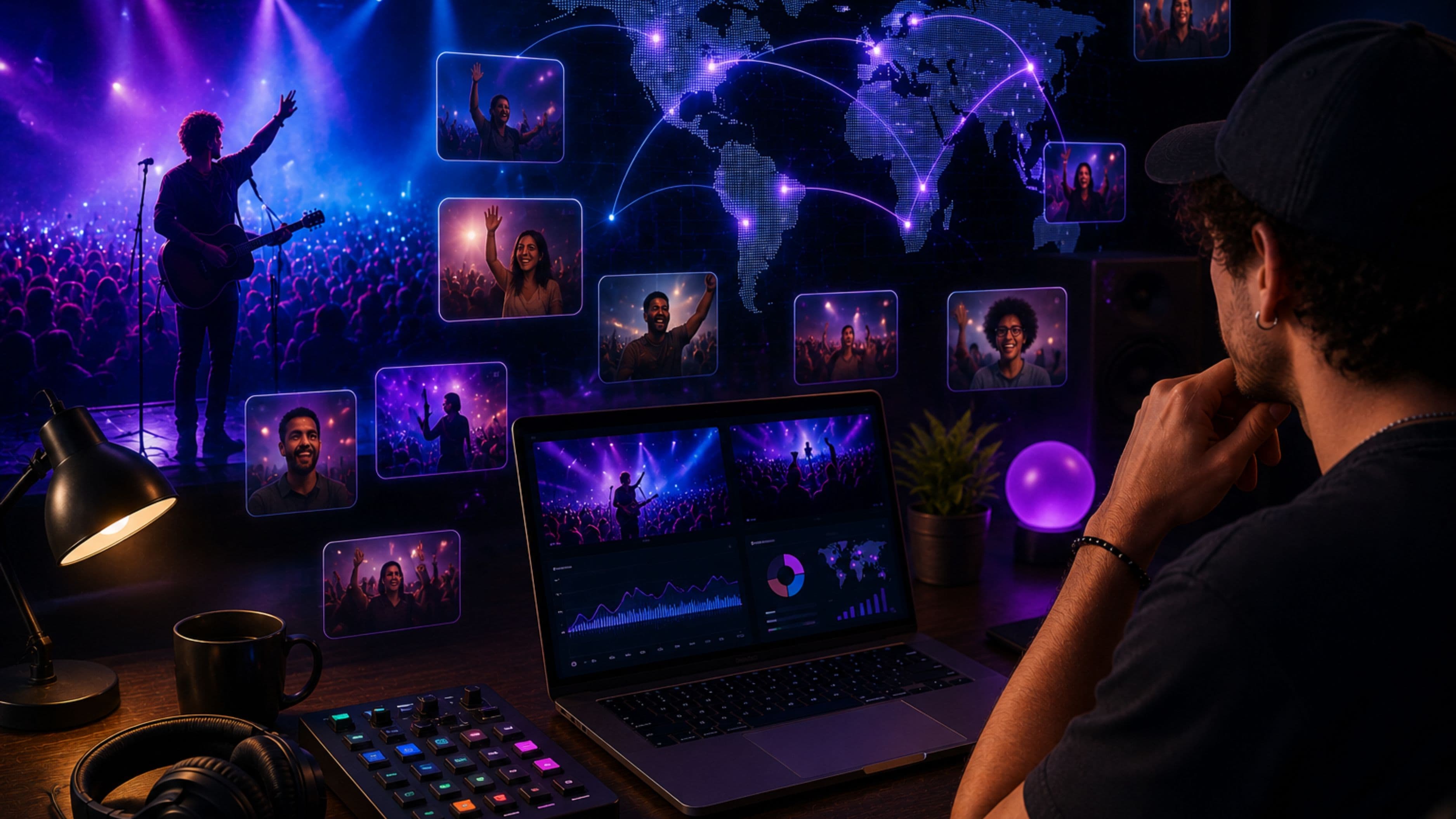
Bandsintown is best understood as discovery plus ticketing rolled together. Millions of fans use it to track artists and get alerted to shows, so listing your concert there puts it in front of people who already follow you or similar artists – not just people you personally reach. That built-in audience is the real value.
For an indie artist, the move is to claim your artist profile, list your shows, and let the platform notify your followers automatically. It's especially useful for filling rooms in cities where your direct reach is thin but you have streaming listeners. Pair it with a dedicated ticketing tool or use its ticketing links, and treat it primarily as a way to get discovered by fans who'd otherwise never know you were in town.
4. Your Own Website (Shopify, Bandzoogle, or a Simple Store)
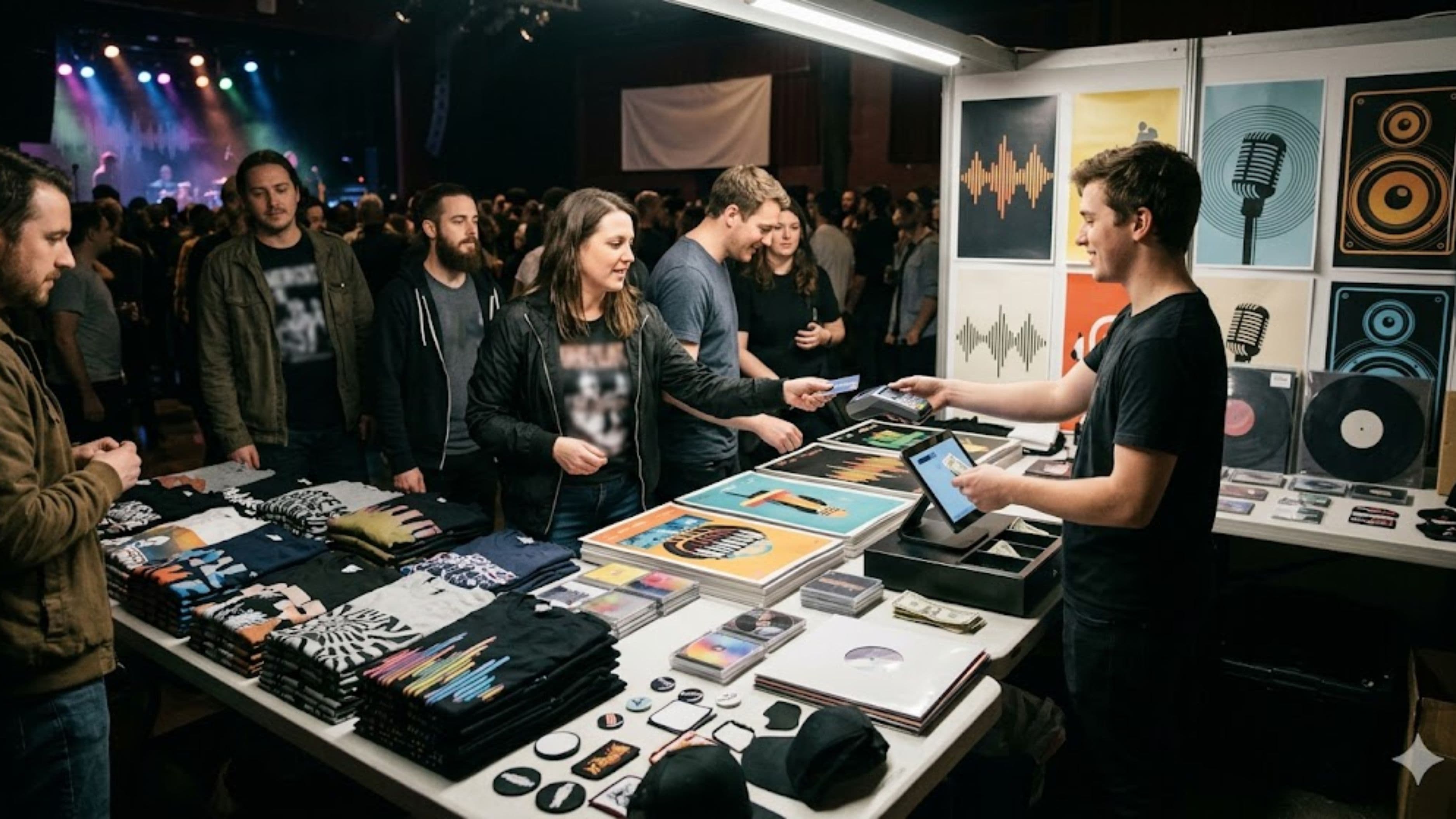
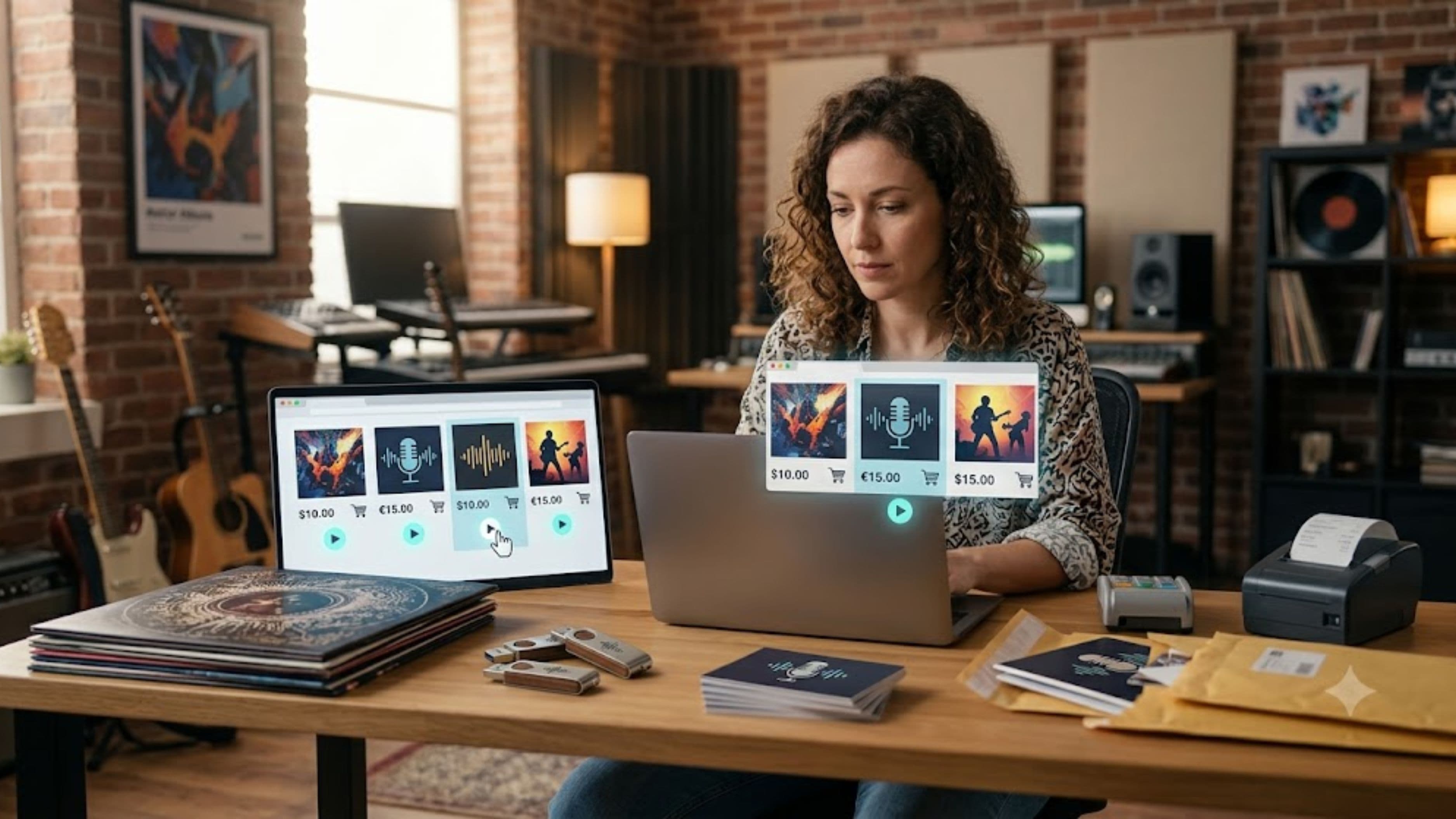
Selling tickets directly from your own site is the most ownership-friendly option, because nothing sits between you and your fan. Tools like Bandzoogle (built specifically for musicians) and general e-commerce setups let you sell tickets, merch, and music in one place, often with lower or no per-ticket commissions than big ticketing platforms.
The upside is control and margin: you keep more money, own the customer relationship, and can bundle tickets with merch or presale perks. The downside is that you don't get a platform's built-in audience or fan trust – you're responsible for driving every visitor and handling logistics like entry lists yourself. It's best for artists with an engaged direct following who want to maximize revenue and data, and it pairs well with discovery tools that send traffic your way.
5. Seated
Seated focuses on connecting artists with their fans around live shows and rewarding attendance, with ticketing and fan-engagement features aimed at the touring independent artist. Its angle is using your existing fan data to drive ticket sales – nudging the people most likely to come, rather than hoping strangers stumble on your event.
This makes it useful for artists who already have a fanbase and want to convert followers into ticket buyers more efficiently. As with any newer platform, availability and features can vary, so it's worth checking what's offered in your region. For data-minded artists who think in terms of fan relationships rather than one-off sales, it's a tool worth exploring.
6. Laylo (Drops and Direct Fan Messaging)
Laylo isn't a ticketing platform in the traditional sense – it's a fan-messaging and "drop" tool that artists use to capture fans and alert them the instant tickets go on sale. Fans subscribe via text or other channels, and you can blast a presale link directly to the people most likely to buy, bypassing the algorithm entirely.
Why it belongs on this list: selling tickets without a promoter is really a marketing problem, and Laylo solves the "how do my fans even find out?" part. It's most powerful paired with whatever ticketing tool you use to actually process sales. Best for artists serious about owning their audience and driving urgent presale spikes, it's less about checkout and more about making sure the right people show up to buy.
7. Social Platforms With Built-In Ticket Links
Don't overlook the obvious: Instagram, TikTok, and similar platforms increasingly support event links, link-in-bio tools, and direct promotion that funnel fans to wherever you're selling. For most indie artists, social is where the actual demand gets created, and a clean link-in-bio (via tools like Linktree or similar) pointing to your ticket page turns attention into sales.
The real-world relevance here is huge – a single well-timed video can sell out a small room. The approach is to treat your socials as the top of the funnel and your ticketing tool as the bottom, with a frictionless link connecting them. It's free, it's where your fans already are, and it's the engine that makes every other tool on this list work.
What to Watch Out For
Going promoter-free puts the money in your hands, but it also puts the risks there, so a few cautions matter.
Watch the fees closely. Every platform takes a cut or adds buyer fees, and these vary a lot, so compare the true all-in cost and decide whether you or your fans absorb it – surprise fees at checkout kill conversions and goodwill.
Own your data wherever you can. The biggest long-term prize of selling your own tickets is the fan emails and phone numbers you collect, so favor tools that let you keep and export that data rather than locking it away. That list is what makes your next show easier to sell.
Be realistic about the work and the turnout. Without a promoter, marketing, pricing, and filling the room are entirely on you, and a half-empty show is a real risk if you over-estimate your local draw. Start with a venue size you can confidently fill, and use discovery and messaging tools to widen your reach.
Finally, read the terms on payouts and refunds. Know when you actually get paid (some platforms hold funds until after the event) and what the refund and cancellation policies are, so a postponed show doesn't become a financial mess.
FAQ
Can an indie artist really sell tickets without any promoter? Yes – that's exactly what these tools are built for. You can announce a show, sell tickets, collect payment, and manage entry yourself. The real question isn't whether you can, but whether you can market the show and fill the room, since that's the job the promoter used to do and now falls to you.
Which tool is best for a first self-promoted show? For a first show, a familiar, easy platform like Eventbrite or a fan-respected one like DICE (where available) keeps things simple and trustworthy for buyers. Pair it with your social channels and a link-in-bio to drive sales. Once you've built a following, selling from your own site can earn you more per ticket.
How do I get fans to actually find out about the show? This is the core challenge of going promoter-free. Use discovery platforms like Bandsintown to reach followers automatically, direct-messaging tools like Laylo to alert your subscribers, and your social media as the main demand engine. The ticketing tool processes the sale, but your marketing is what fills the room.
Are the fees worth it compared to a promoter? Usually, yes. Platform fees are typically far smaller than the share a promoter would take, and you keep control and fan data on top. The trade-off is that you do the work yourself. For artists willing to handle their own marketing, keeping more of the revenue and owning the audience is a strong deal.
Should I sell on my own website or use a ticketing platform? It depends on your stage. Your own site maximizes revenue and data but gives you no built-in audience or buyer trust, so it suits artists with an engaged direct following. Established platforms offer familiarity and discovery at the cost of fees. Many artists use both – a platform for reach, their own site for their most loyal fans.
The Bottom Line
Selling tickets without a promoter is no longer a workaround – it's a legitimate, increasingly common path for independent artists, and the tools make it genuinely doable. Platforms like Eventbrite and DICE handle the checkout, Bandsintown and social channels drive discovery, Laylo and Seated help you mobilize the fans you already have, and your own website lets you keep the most money and data. The technology is the easy part; the work of marketing and filling the room is what you're really taking on. Choose the tools that fit your stage, keep a close eye on fees and fan data, start with a room you can fill, and you'll keep more of your money – and your audience – than the old gatekeeper system ever allowed.
📚 Sources
Eventbrite – How to create and sell tickets to an event: https://www.eventbrite.com/organizer/overview/
DICE – About DICE and its approach to fan-first ticketing: https://dice.fm/partners
Bandsintown for Artists – How artists list shows and reach fans: https://artists.bandsintown.com/
Bandzoogle – Selling tickets and music directly from your website: https://bandzoogle.com/features
Laylo – How artist drops and fan messaging work: https://www.laylo.com/
U.S. Federal Trade Commission – Ticket buying and seller transparency guidance: https://consumer.ftc.gov/articles/buying-tickets-online