What's Actually Happening
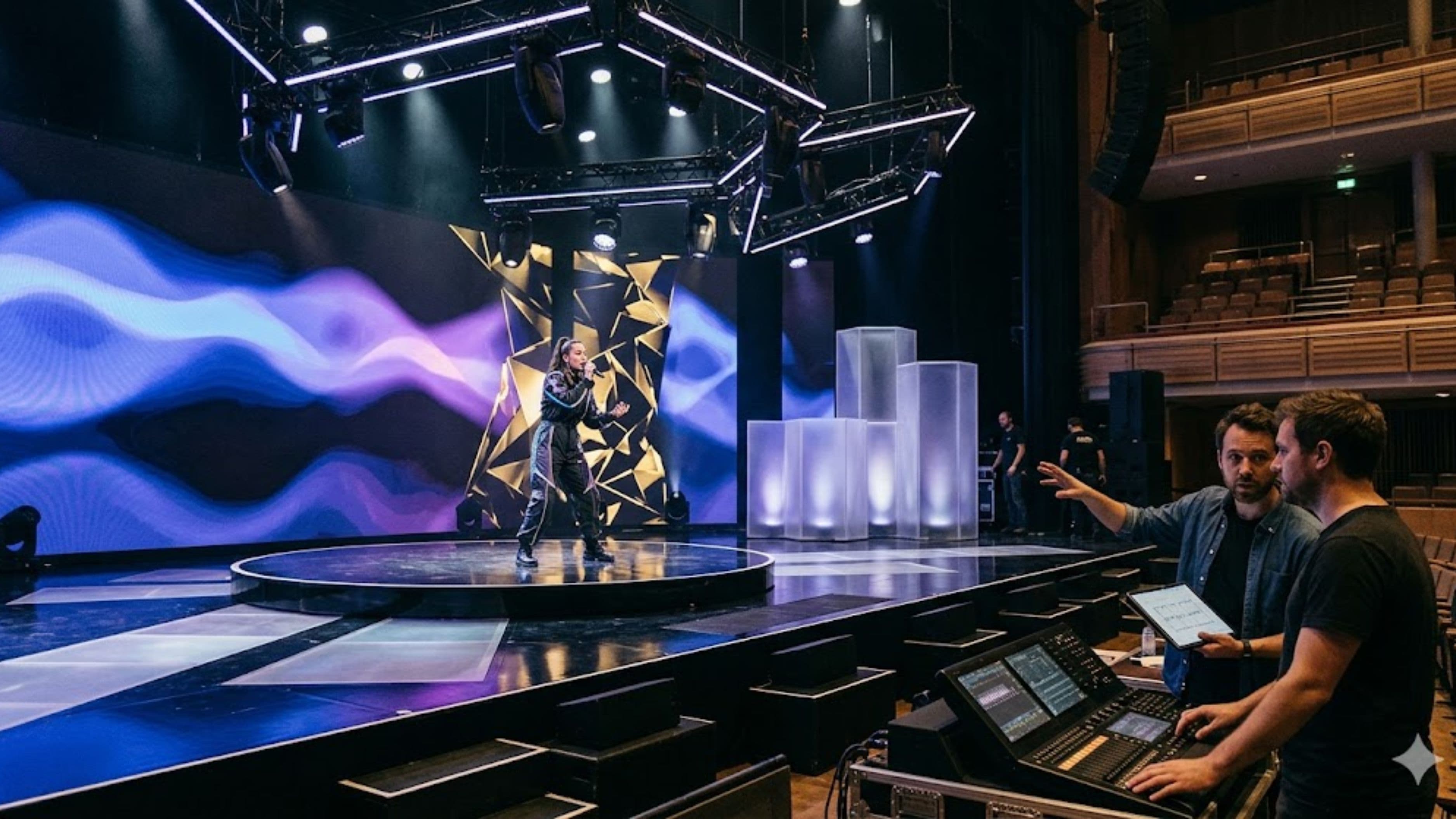
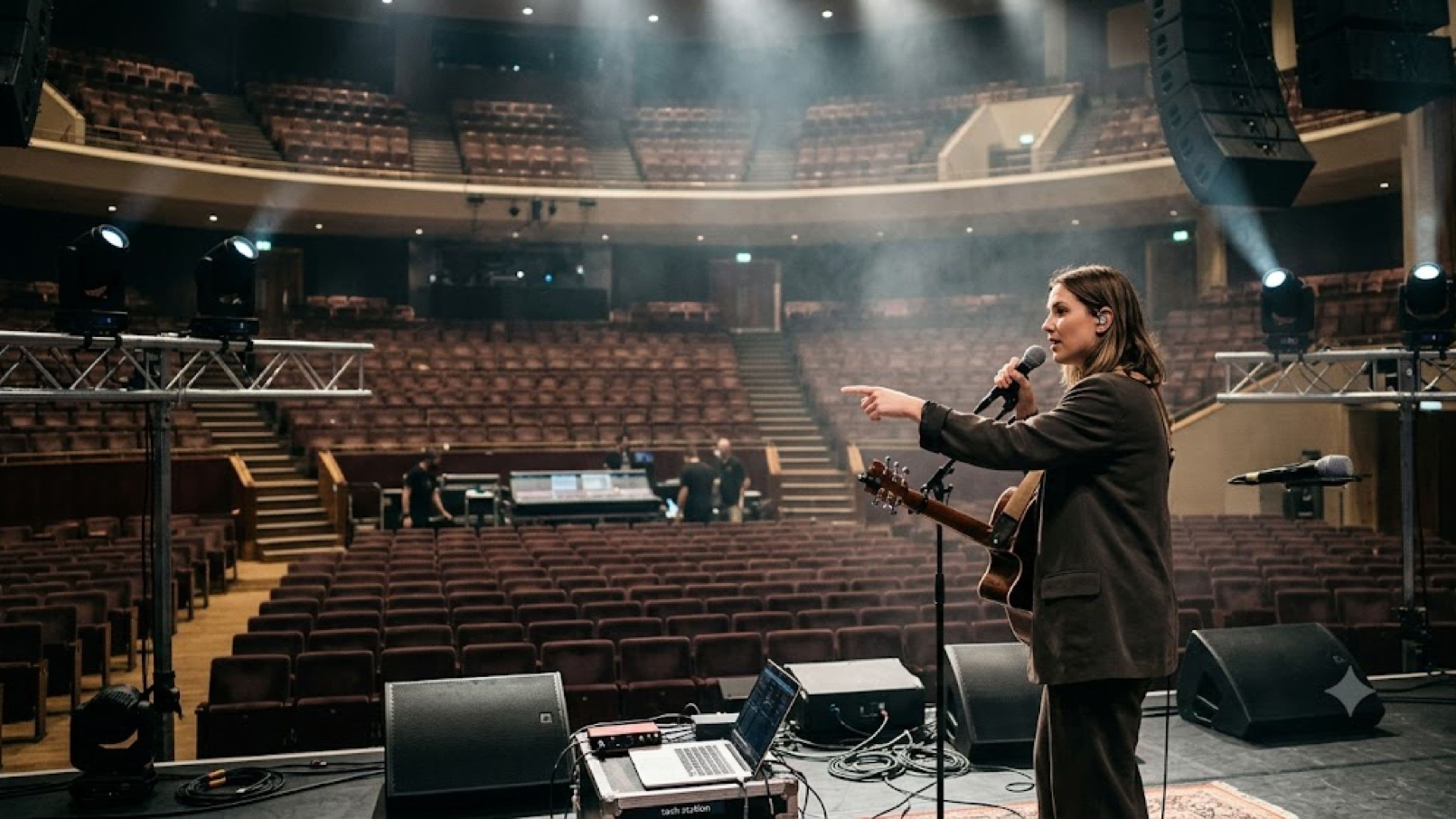
Independent artists organizing their own showcase events, small curated concerts featuring themselves alongside a handful of complementary artists, has moved from an occasional grassroots effort to an increasingly common growth strategy. This shift is driven partly by lower barriers to organizing an event, accessible ticketing platforms, direct-to-fan promotion through social media, and partly by artists recognizing that waiting for traditional industry gatekeepers to create opportunities often means waiting indefinitely.
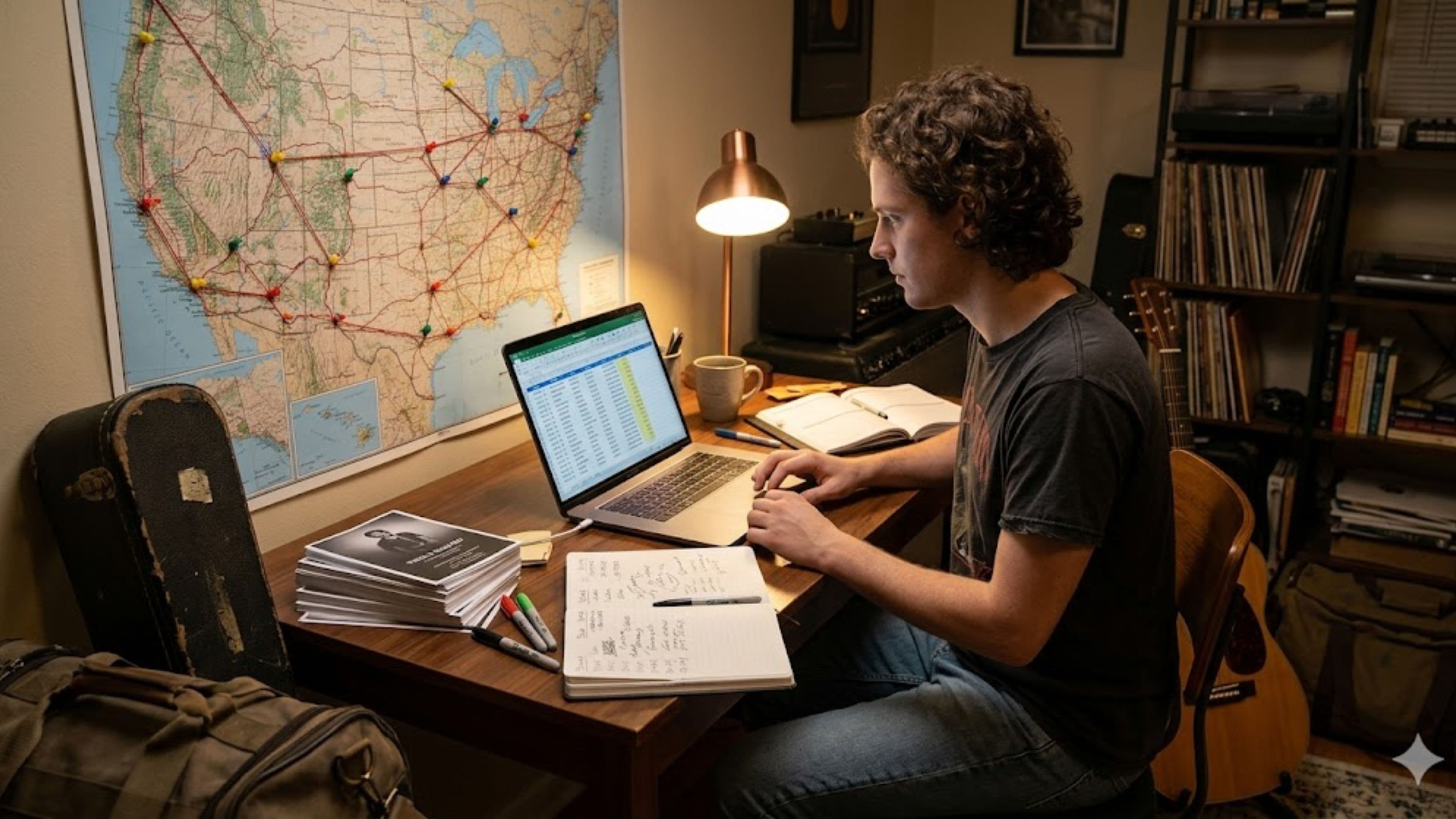
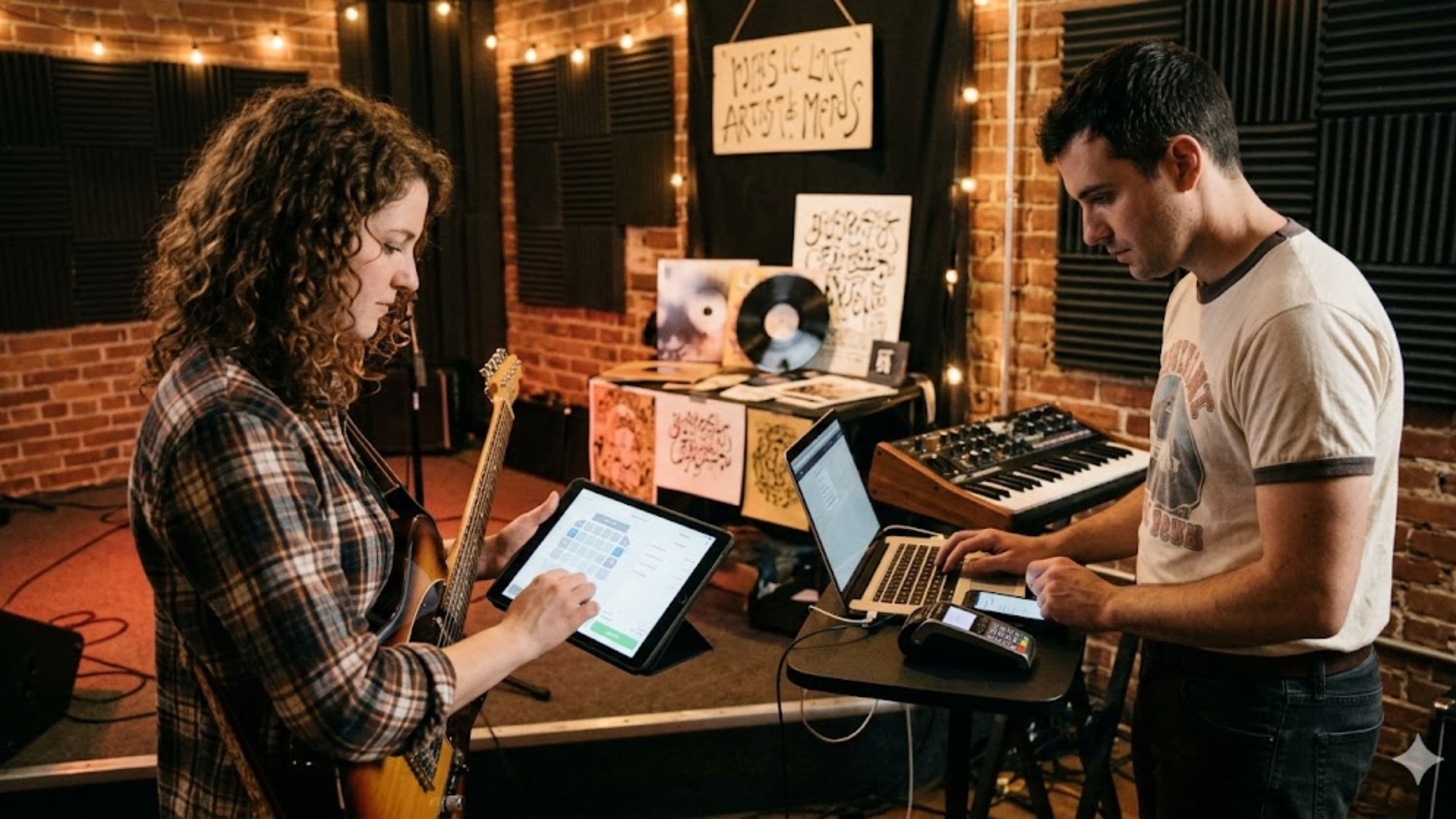
Real-world relevance: an artist with a modest but genuinely engaged following can now organize a showcase event directly, handling ticketing, promotion, and venue booking through accessible platforms, without needing a booking agent or festival organizer to validate that they're "ready" for a stage.
Why It Matters: Ownership Over the Growth Timeline
Self-produced showcases give artists direct control over their own growth timeline rather than depending entirely on external validation from labels, festival bookers, or talent buyers who might take months or years to notice an artist's work. What this means for creators: an artist can create their own performance opportunity now, using it to build a track record, generate content, and demonstrate audience draw, all of which can actually make them more attractive to traditional industry gatekeepers later, rather than waiting passively for those gatekeepers to make the first move.
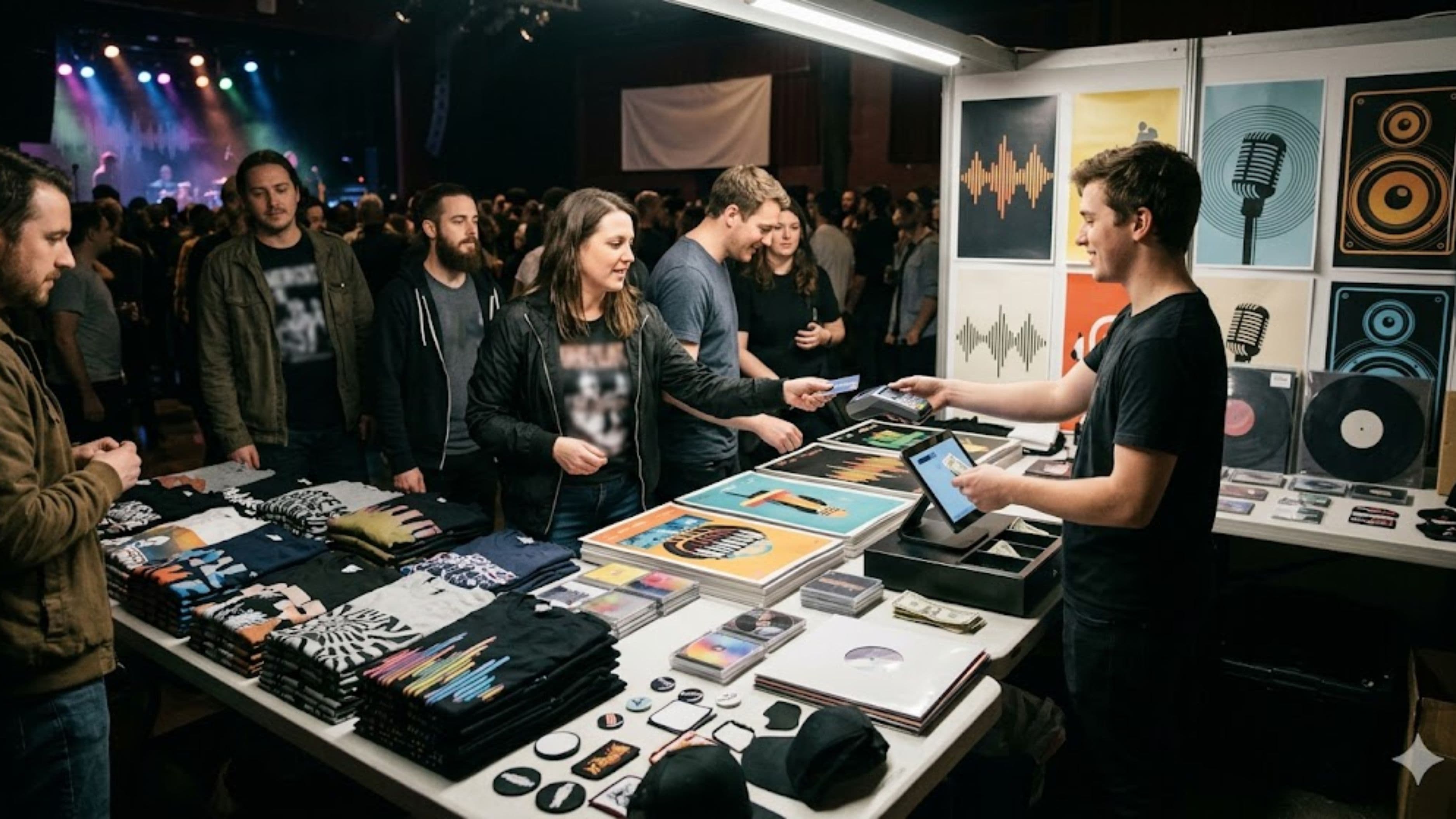
There's also a financial angle worth understanding. Self-produced showcases, when organized thoughtfully, allow artists to capture a larger share of ticket revenue directly rather than splitting it through traditional booking arrangements, though this comes with the added responsibility and financial risk of handling event logistics themselves rather than having a promoter absorb that risk.
Real-World Example: How This Plays Out
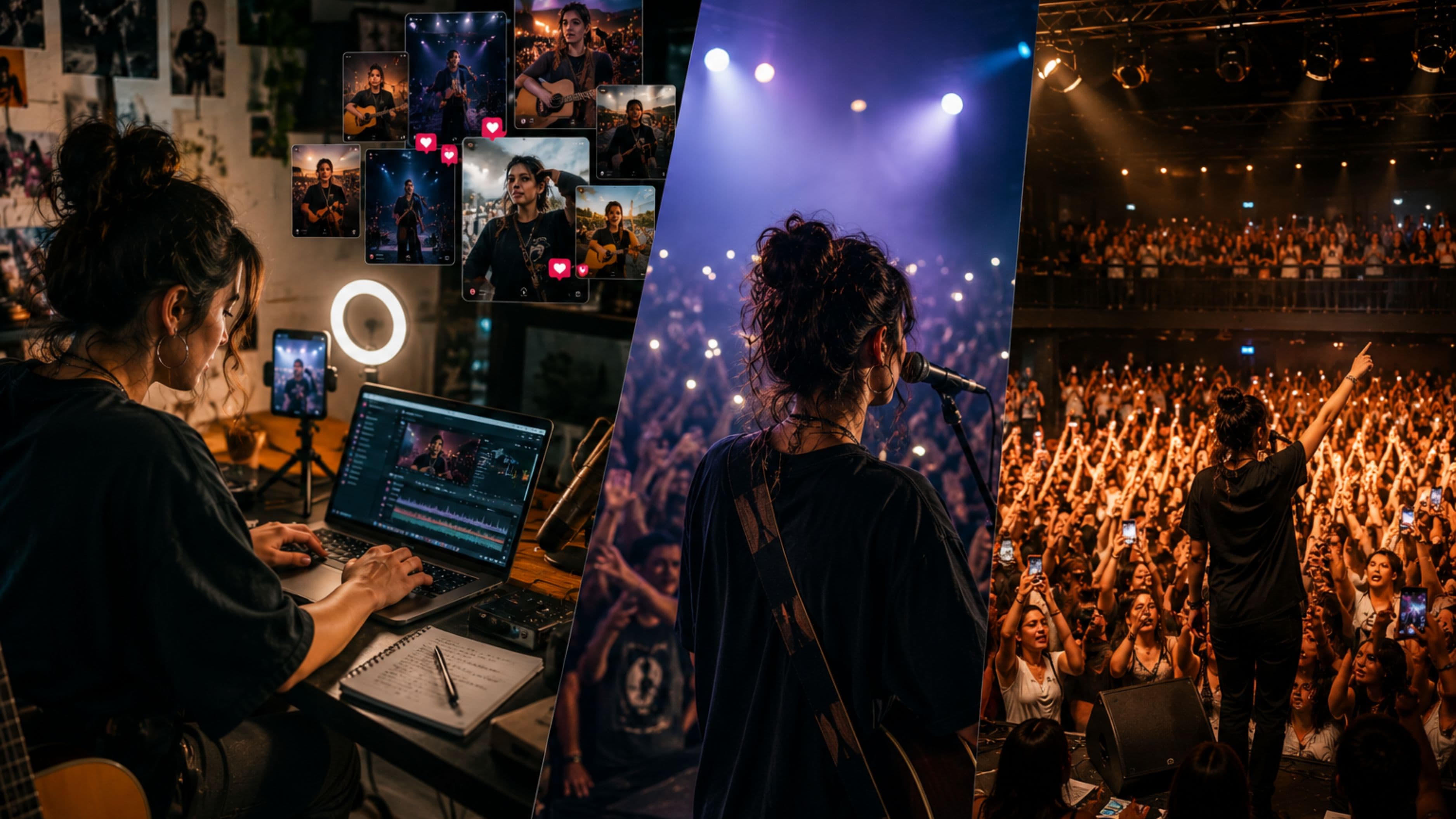
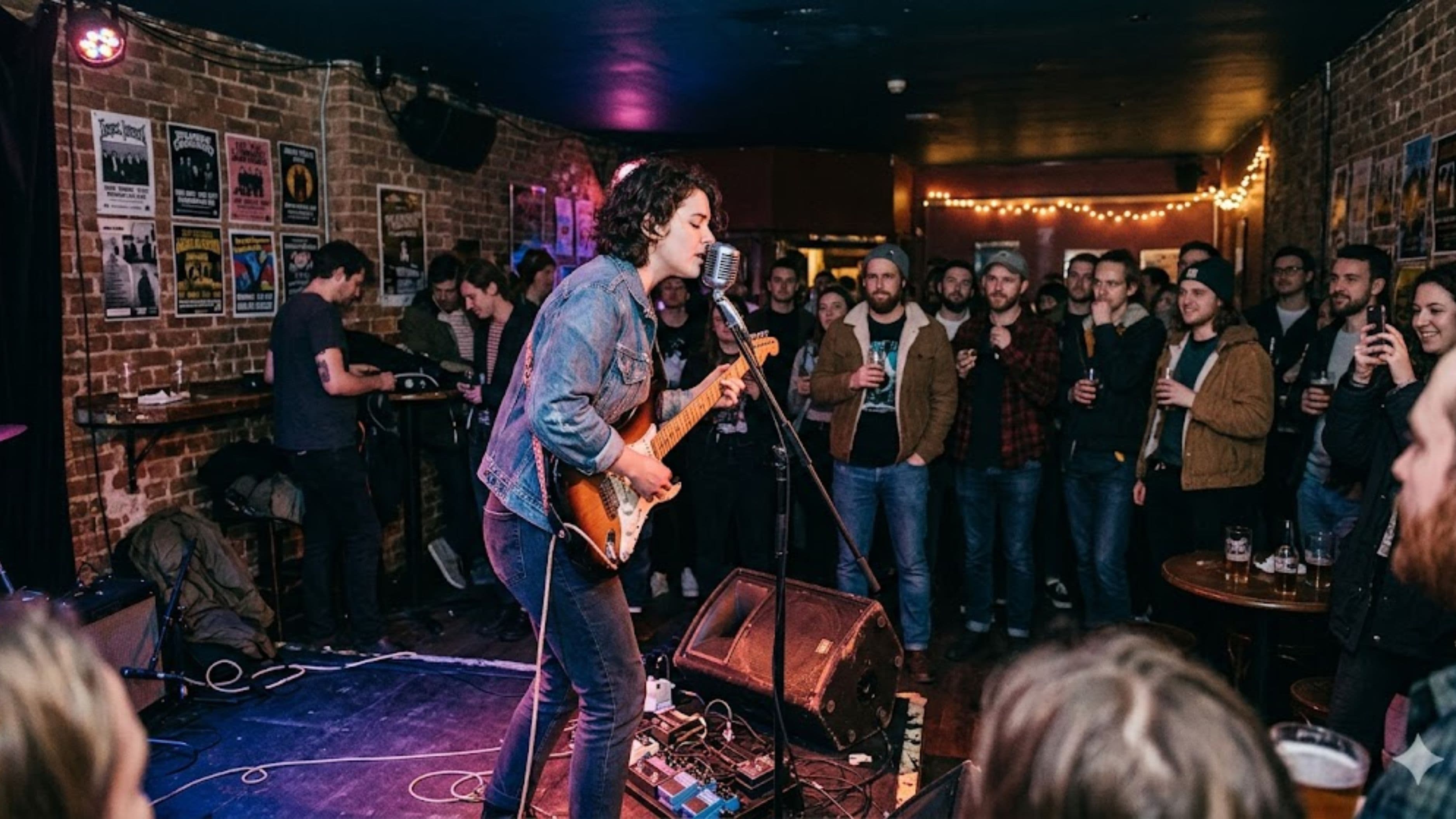
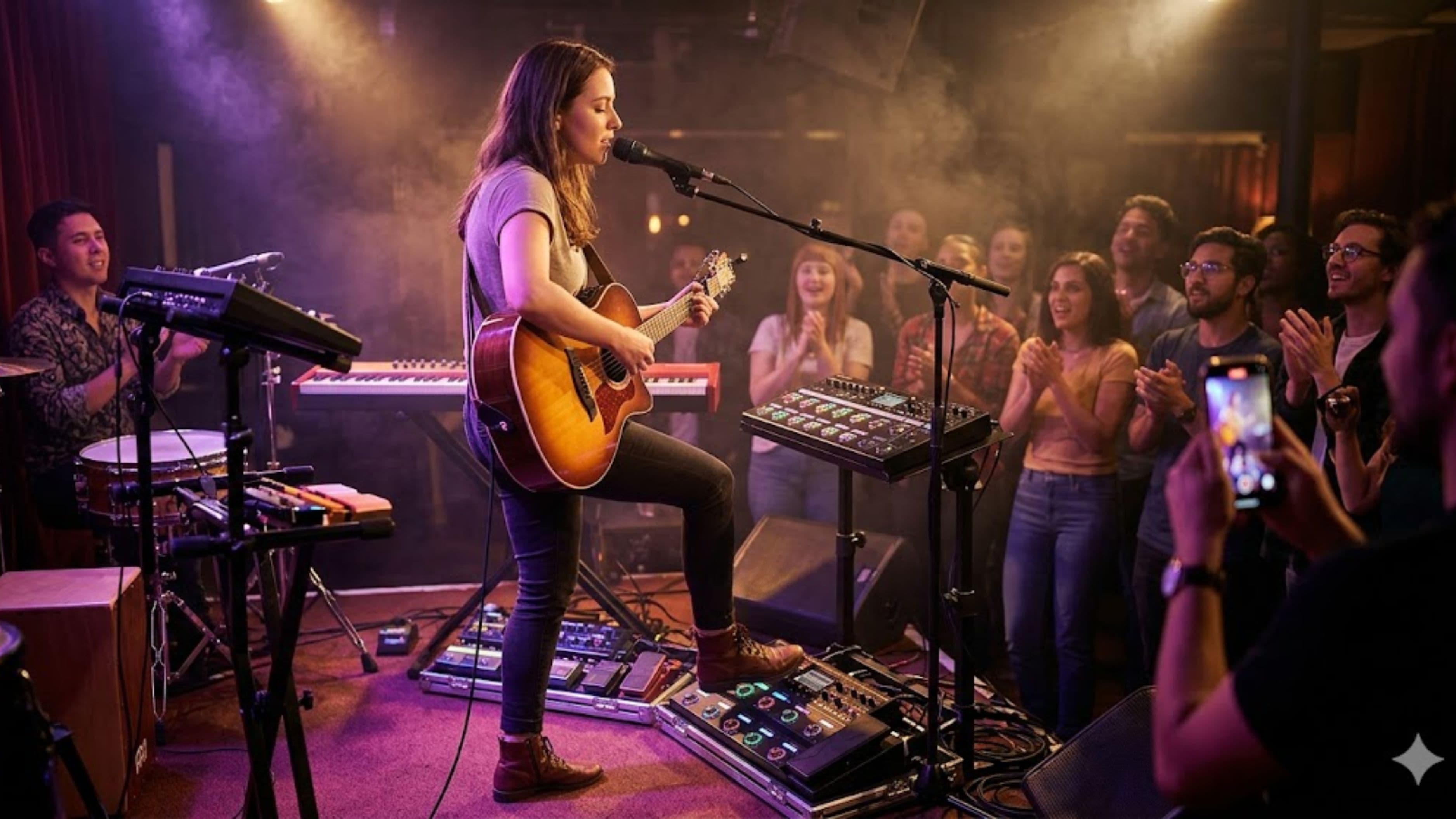
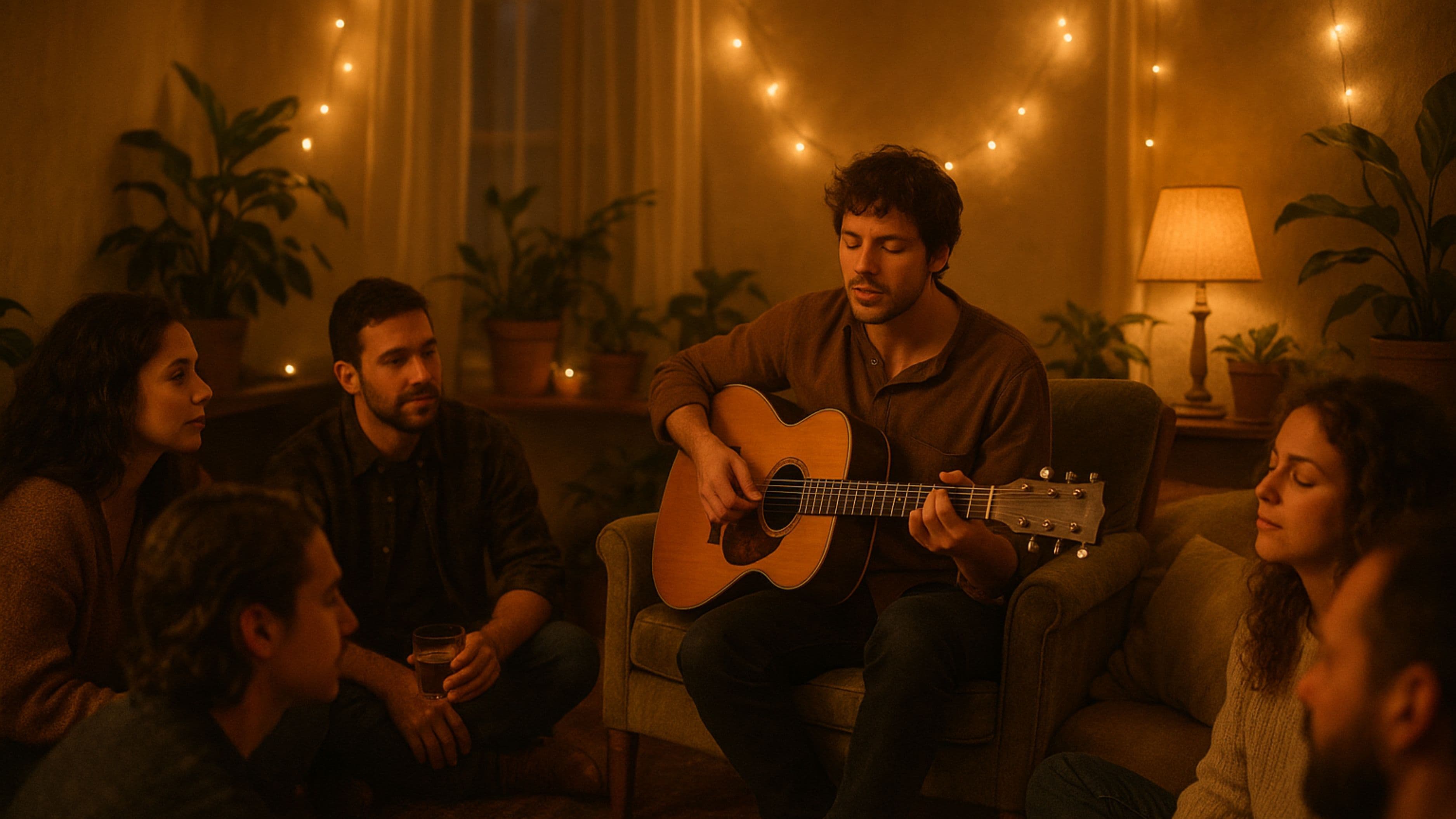
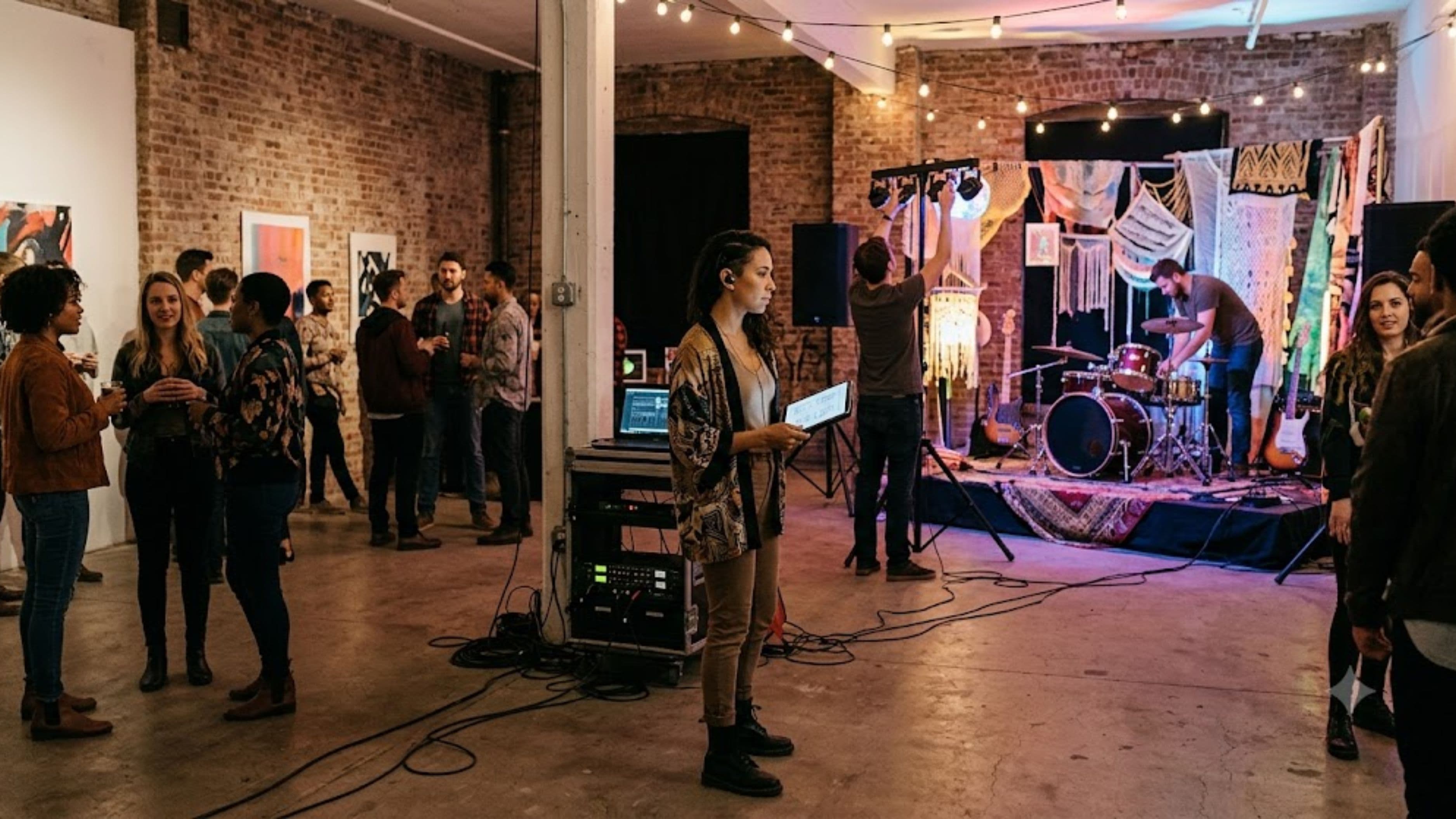
Consider an independent artist with a growing but still modest social media following who organizes a small showcase at a local venue, inviting two or three complementary artists to share the bill. By handling ticketing directly through an accessible platform and promoting the event primarily through their own social channels, the artist retains creative control over the lineup and experience while building a direct relationship with the venue that could lead to future booking opportunities without needing an intermediary.
What to Watch Out For
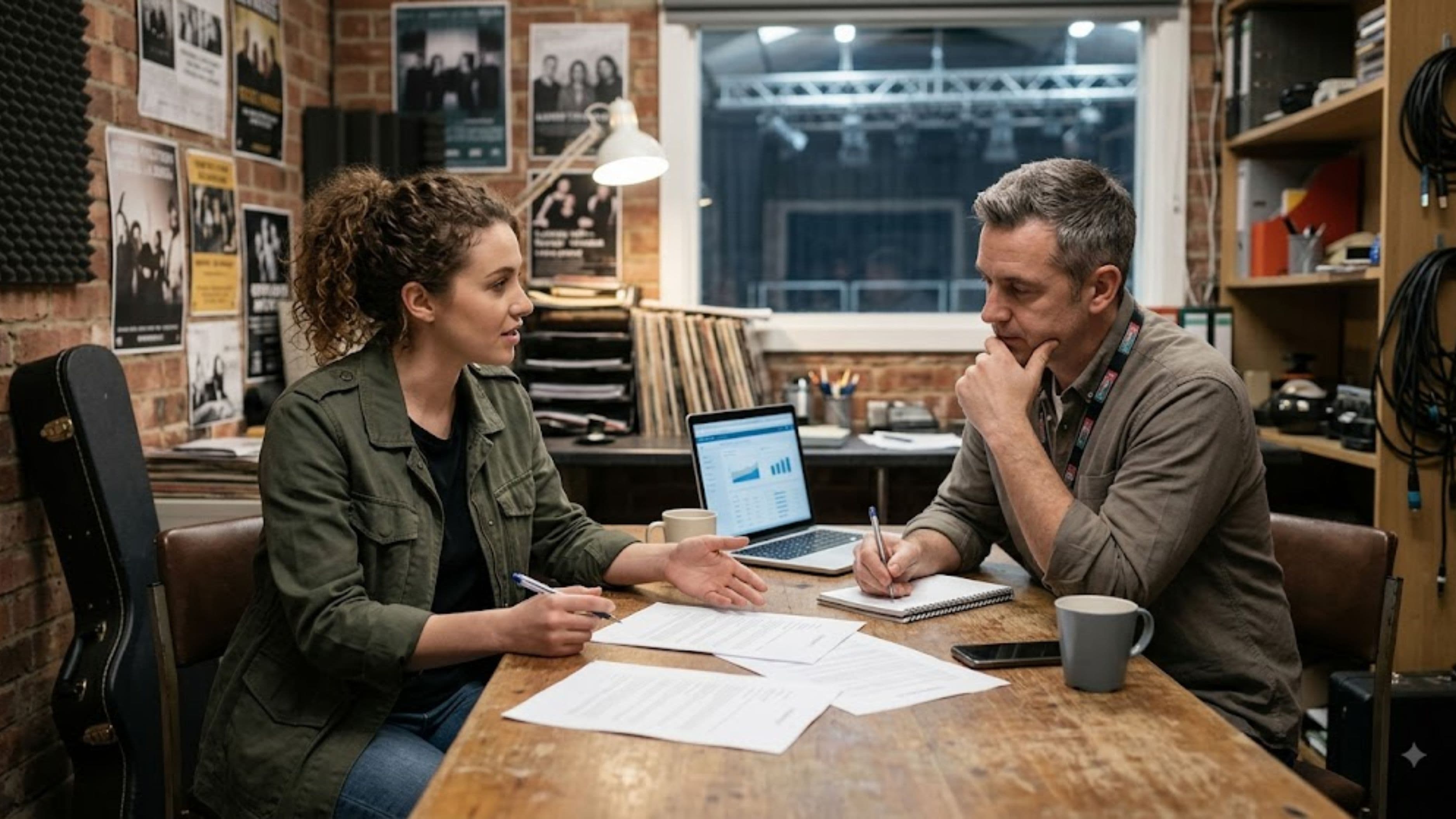
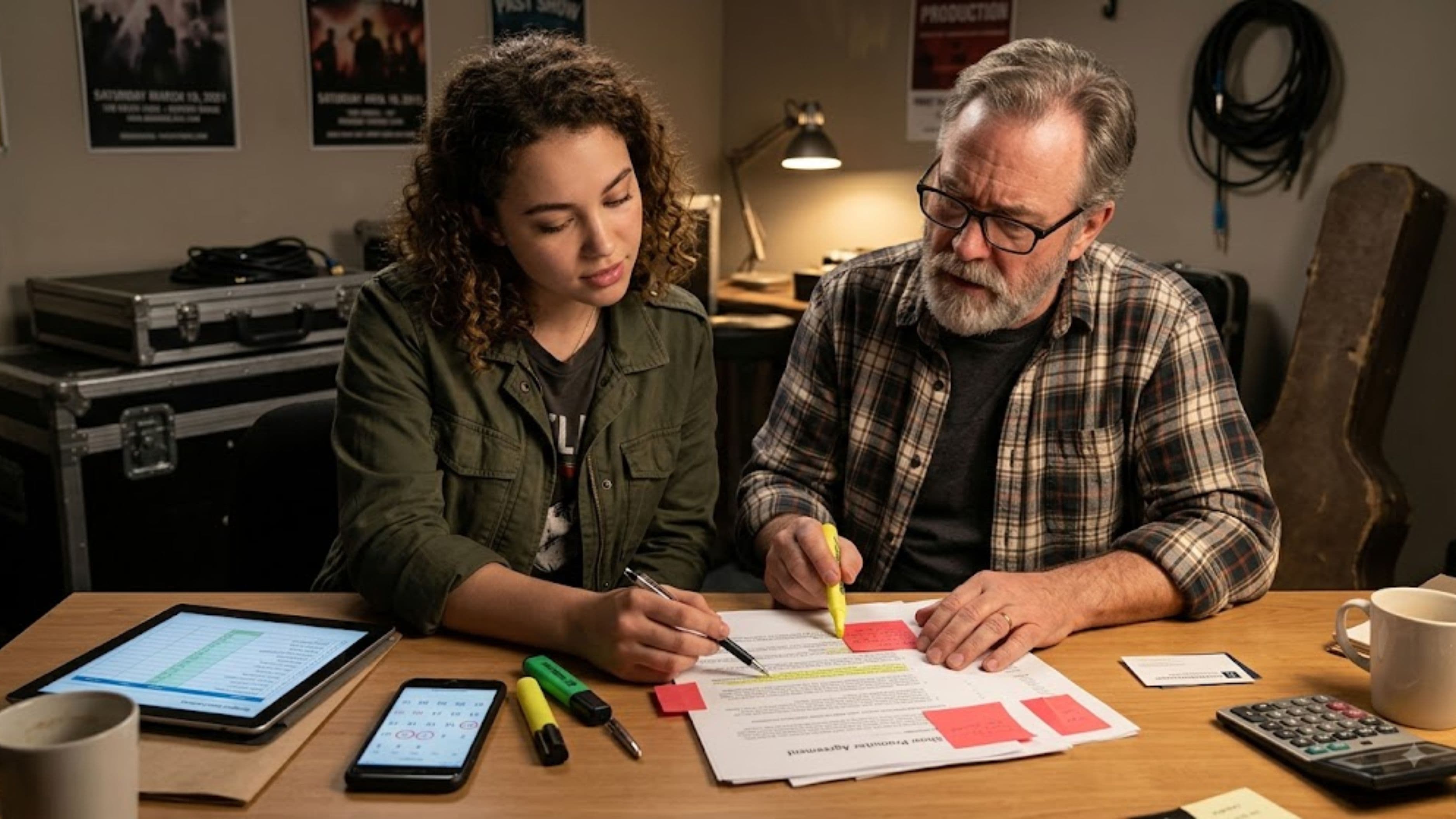
Self-producing a showcase event comes with genuine operational responsibility that a booking agent or promoter would otherwise handle: venue logistics, ticketing platform fees, marketing costs, and the financial risk if ticket sales don't cover the event's costs. Artists considering this route should realistically assess their current audience size and engagement level, since promoting an event effectively still requires a genuine following willing to actually show up and buy tickets, not just online engagement that doesn't translate to in-person attendance.
Growth and Monetization Considerations
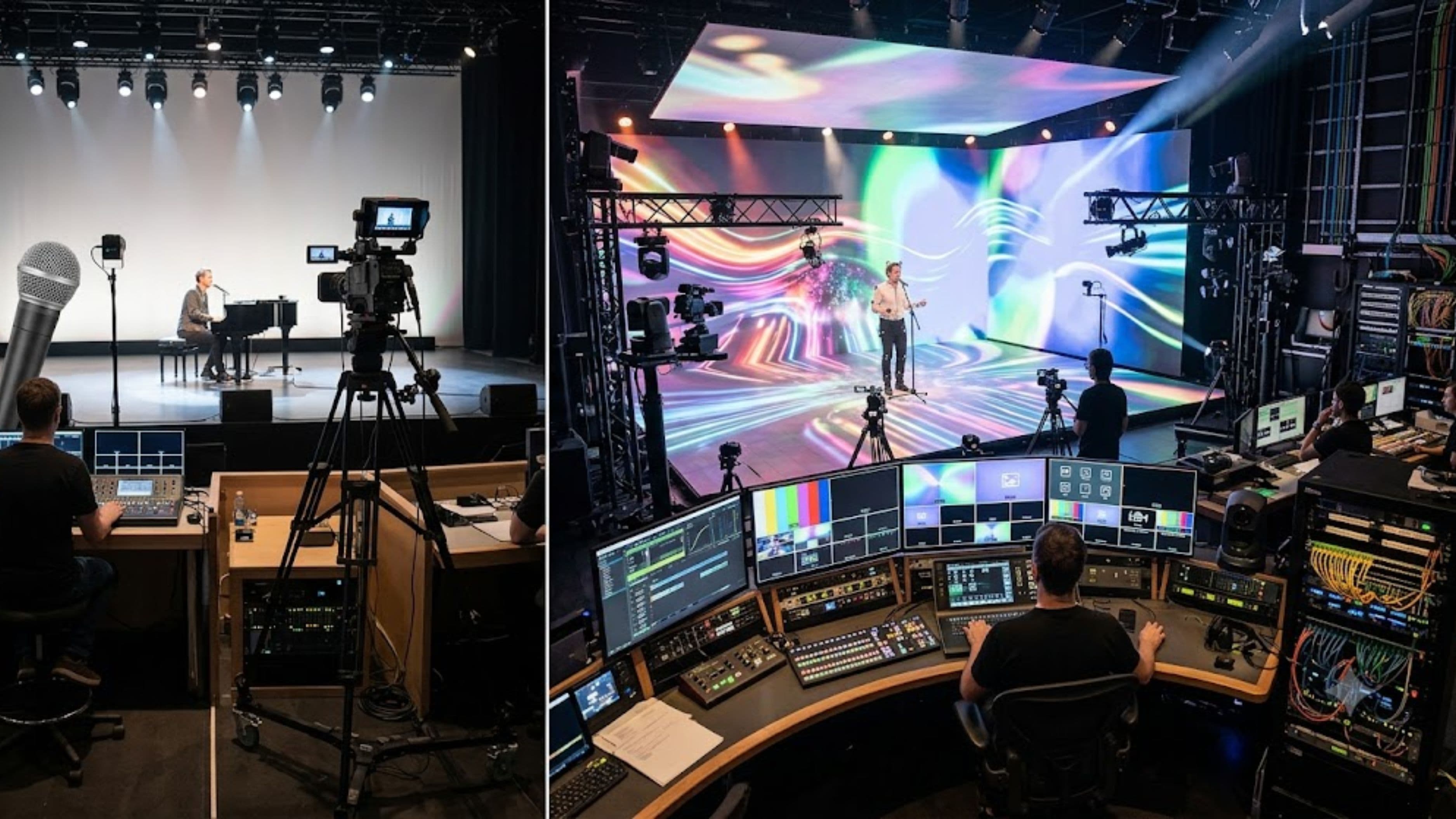
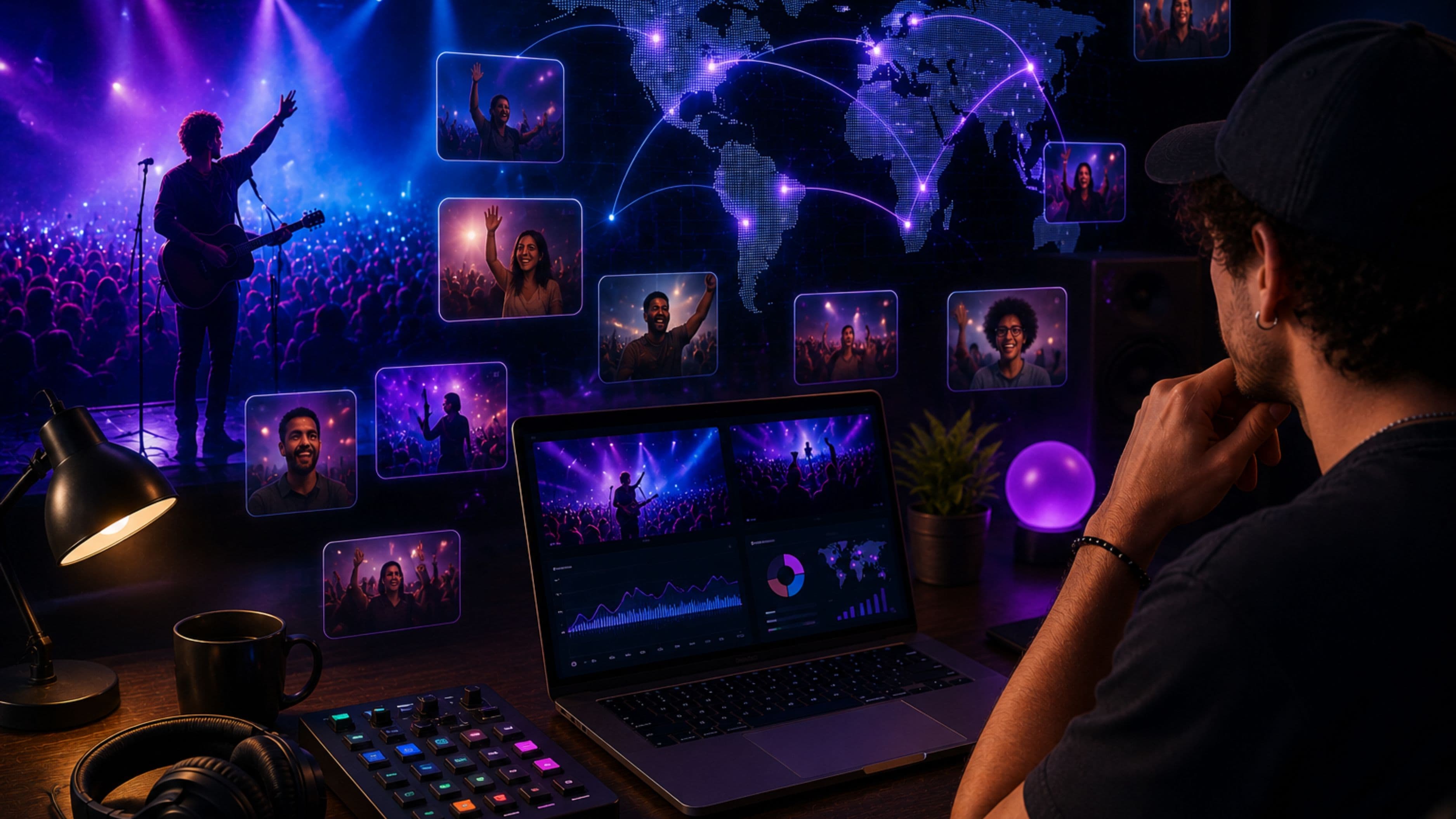
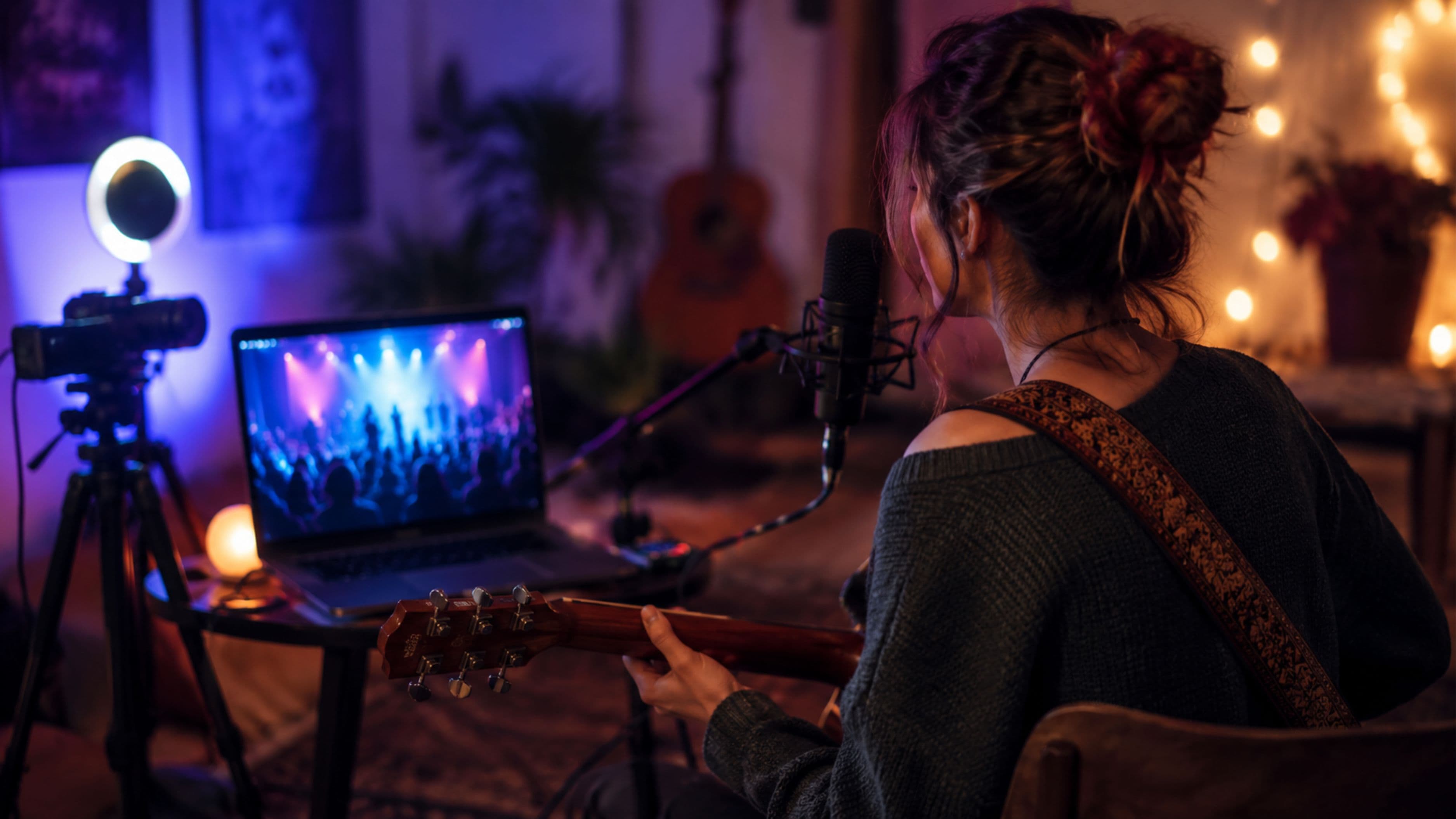
Self-produced showcases can serve multiple growth purposes beyond the immediate event itself: generating content for future promotion, building relationships with other artists for potential future collaboration, and creating a track record of successful, well-attended events that can be referenced when approaching venues or promoters for future opportunities. This compounding benefit, beyond just the revenue from a single event, is often what makes the effort worthwhile even when a single showcase doesn't generate substantial direct profit on its own.
Future Outlook
Expect this trend to continue growing as ticketing and event promotion tools become increasingly accessible to artists without existing industry connections, and as more artists recognize that demonstrating audience draw through self-produced events can be a genuine pathway to attracting attention from labels, festival bookers, and other industry gatekeepers who ultimately want to see evidence of a real, engaged fan base before investing further.
FAQ
Do I need a large following to successfully produce my own showcase event? Not necessarily a large following, but a genuinely engaged one willing to actually attend in person, since online engagement alone doesn't guarantee ticket sales or event attendance.
What are the biggest costs involved in self-producing a showcase? Venue rental, ticketing platform fees, and marketing costs are the primary expenses, and it's worth budgeting realistically for these before committing to organizing an event.
Can a self-produced showcase actually help me get noticed by labels or booking agents? It can, particularly if the event demonstrates genuine audience draw and is well documented, since a track record of successful, well-attended events can make an artist more attractive to industry gatekeepers looking for evidence of an existing fan base.
📚 Sources
Music Business Worldwide, "Independent Artists and Self-Produced Events" – musicbusinessworldwide.com
Eventbrite, "How to Plan a Music Showcase Event" – eventbrite.com